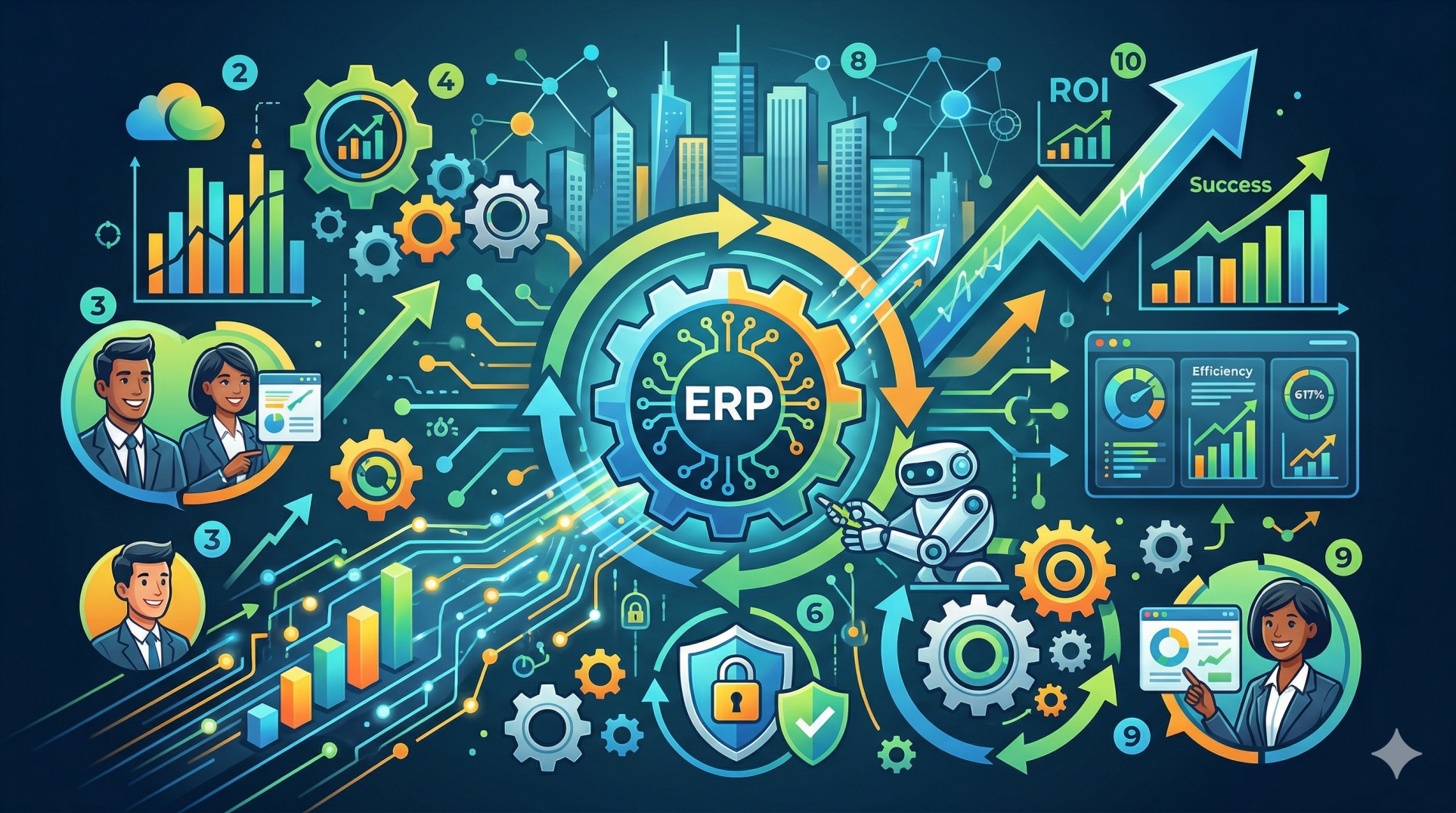
ERP Feature Prioritization: Deciding What to Build First
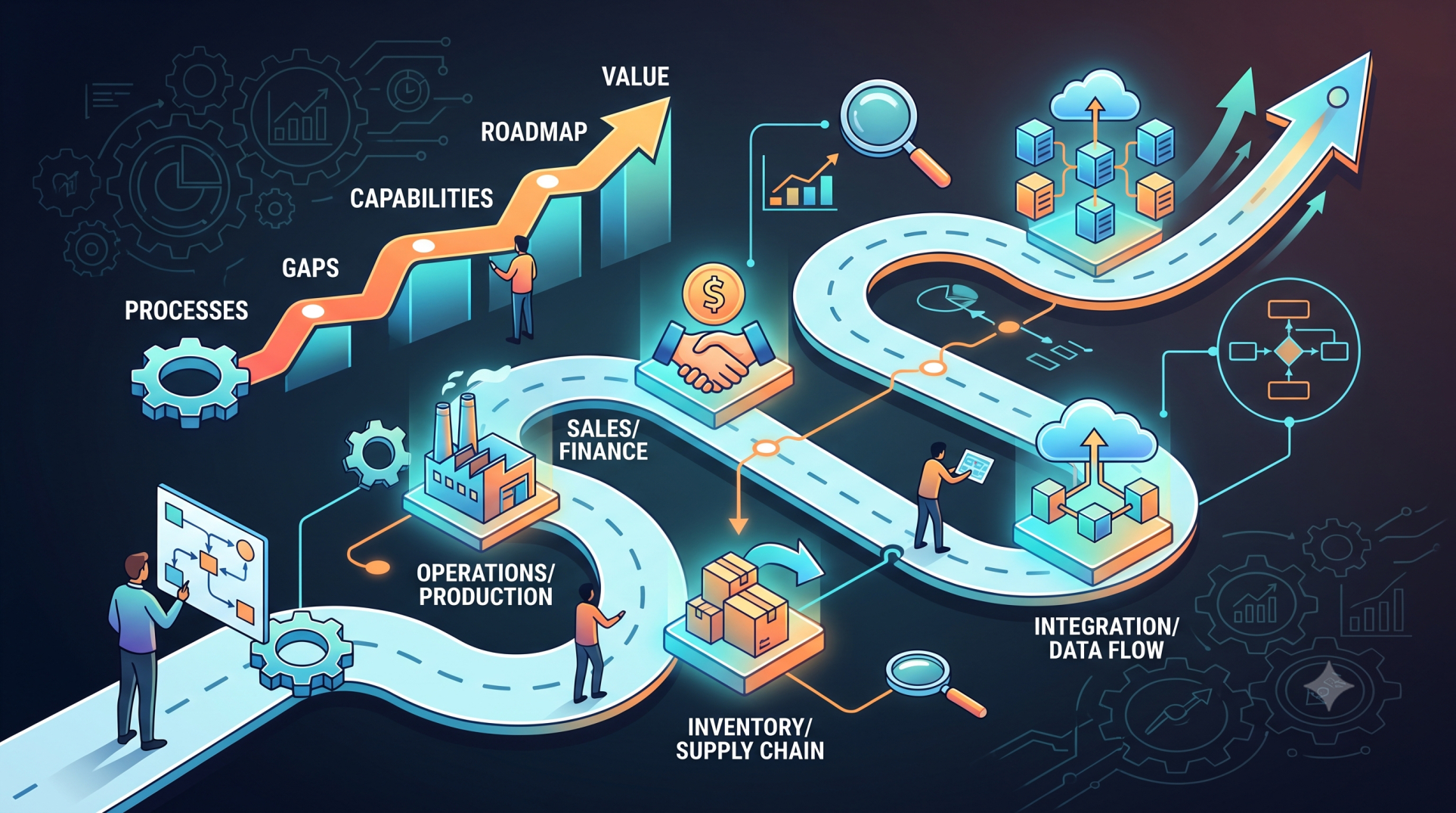
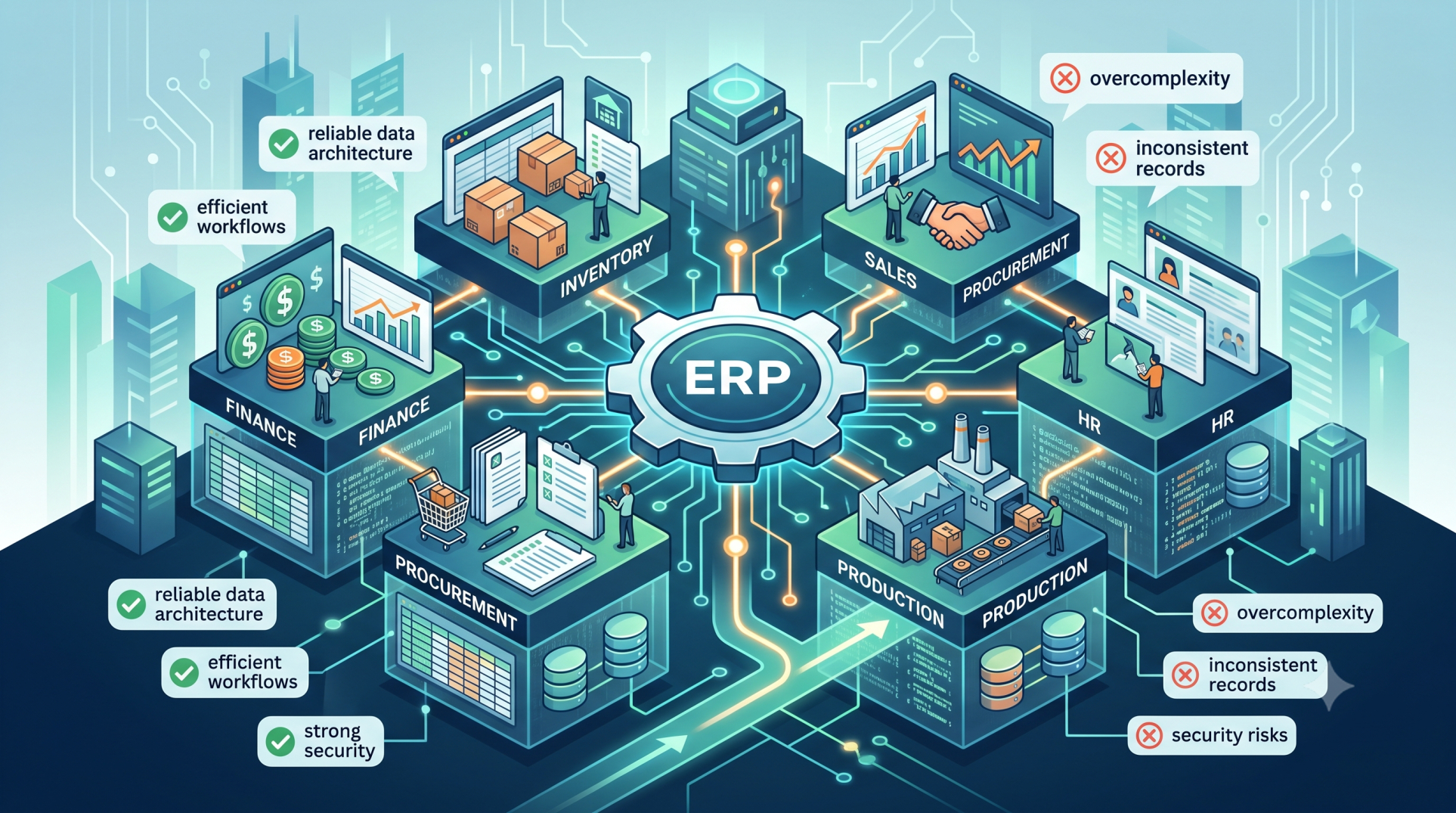
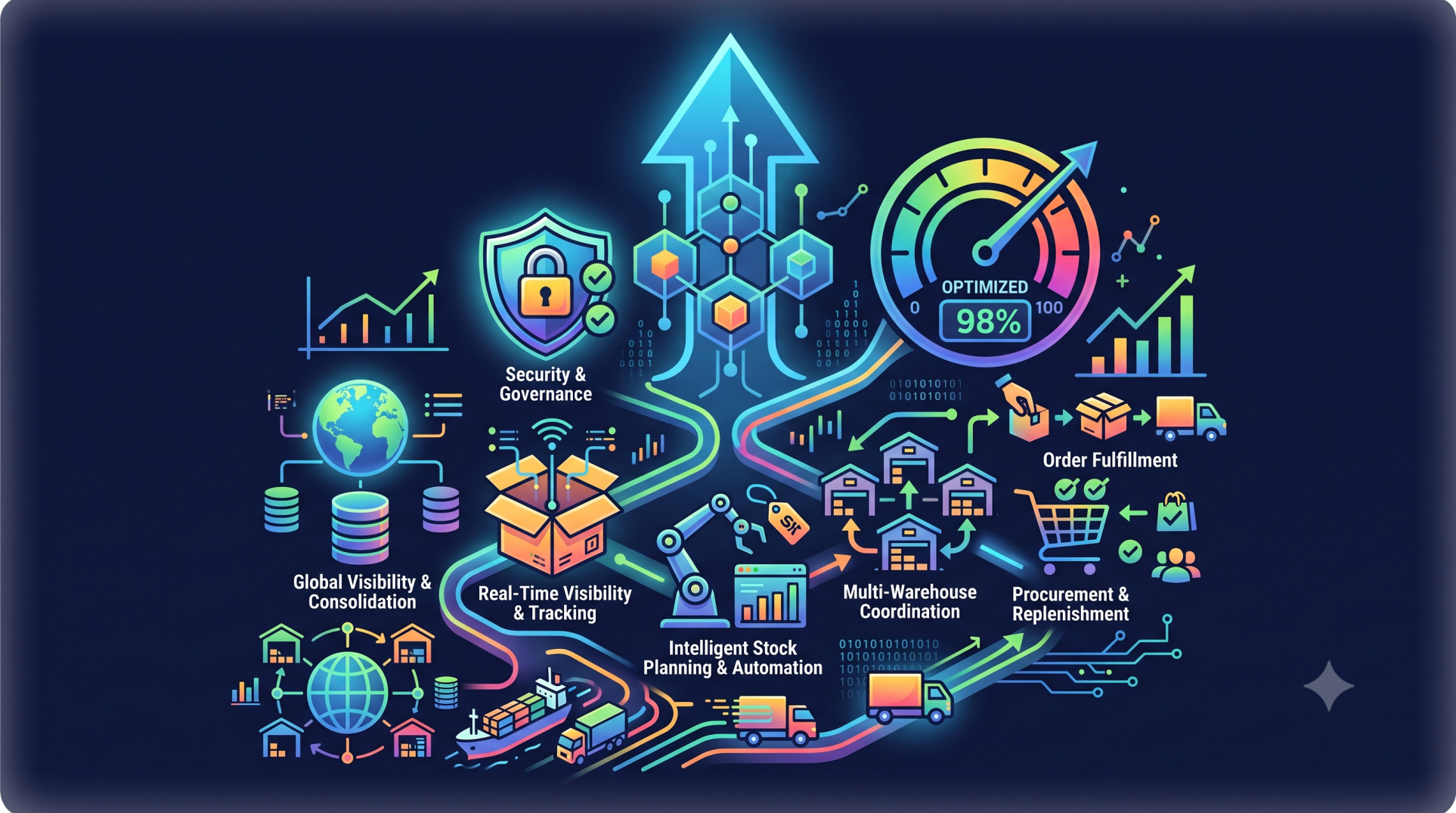
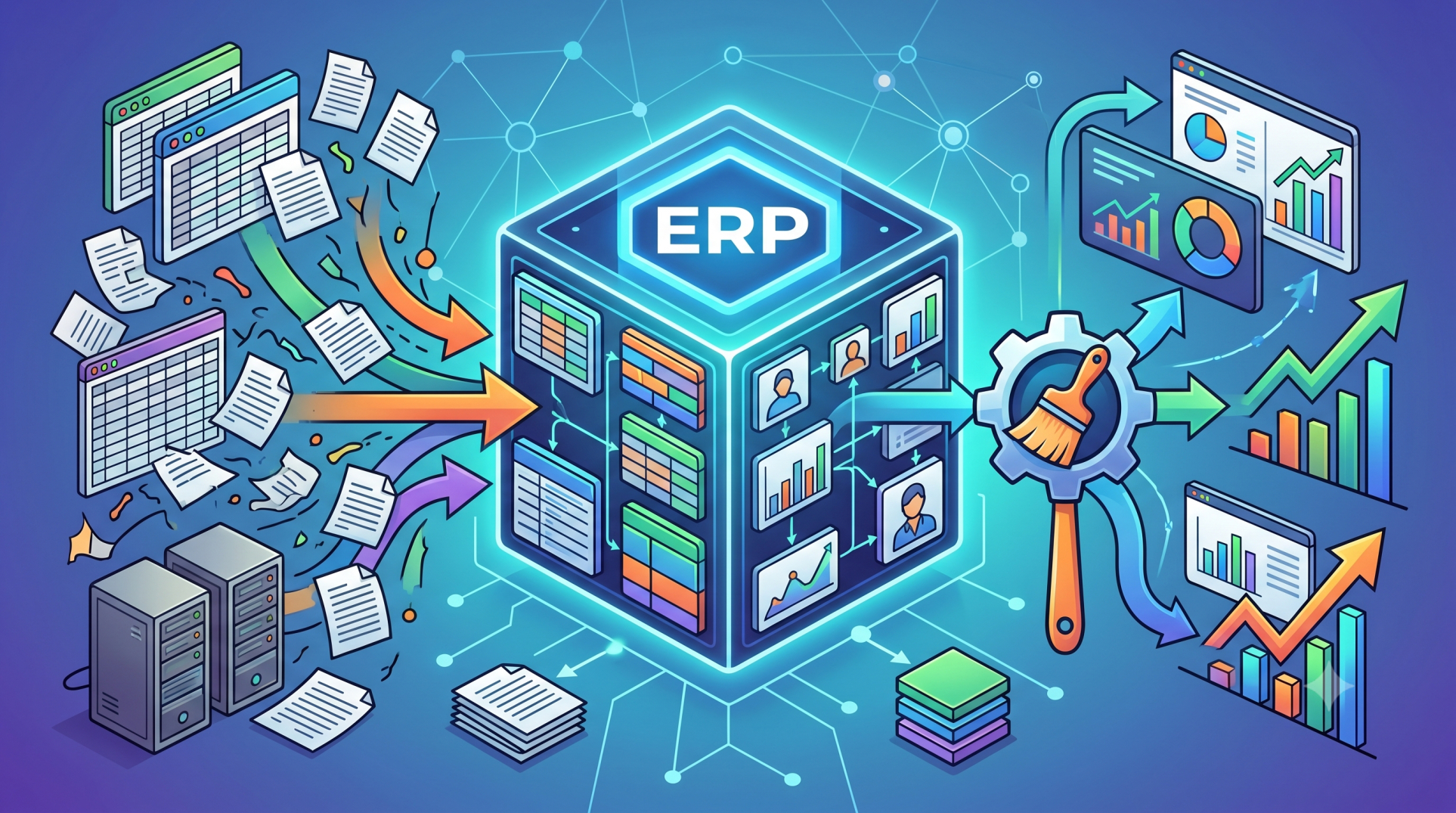
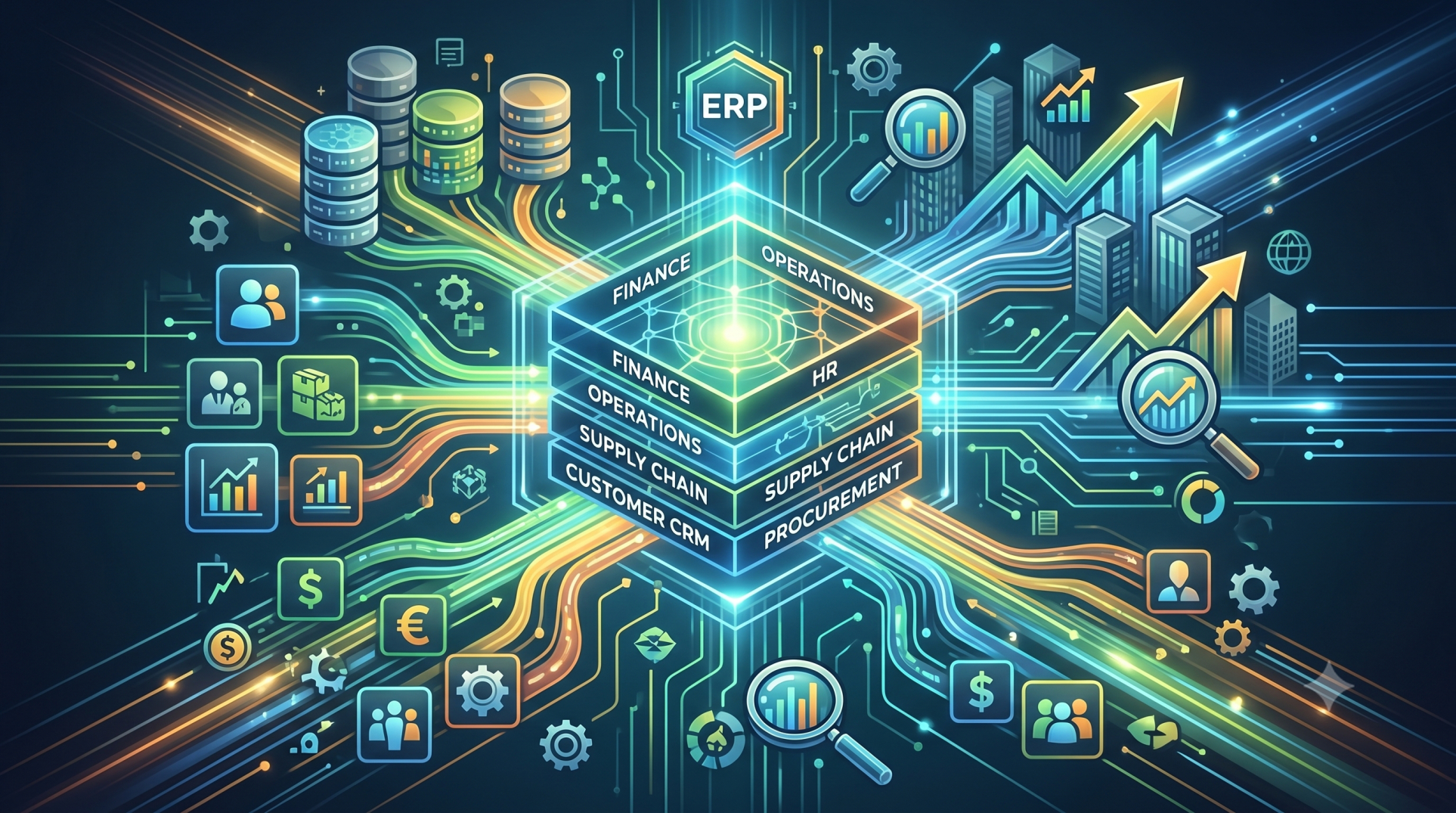
Modern ERP platforms can include hundreds of features spanning finance, inventory, procurement, human resources, manufacturing, sales, reporting, and automation. Trying to build everything at once can increase development costs, delay deployment, and make the system unnecessarily complex. Effective ERP feature prioritization helps organizations focus first on capabilities that deliver the greatest operational value while creating a foundation for future expansion.
Step 1: Identify Core Business Requirements 🎯
• Understand the organization's primary operational challenges
• Identify processes that require the most improvement
• Gather requirements from key departments and stakeholders
• Document essential workflows before selecting features
• Separate business-critical capabilities from optional enhancements
Step 2: Define the ERP's Primary Objectives 🏢
• Establish clear goals for the ERP implementation
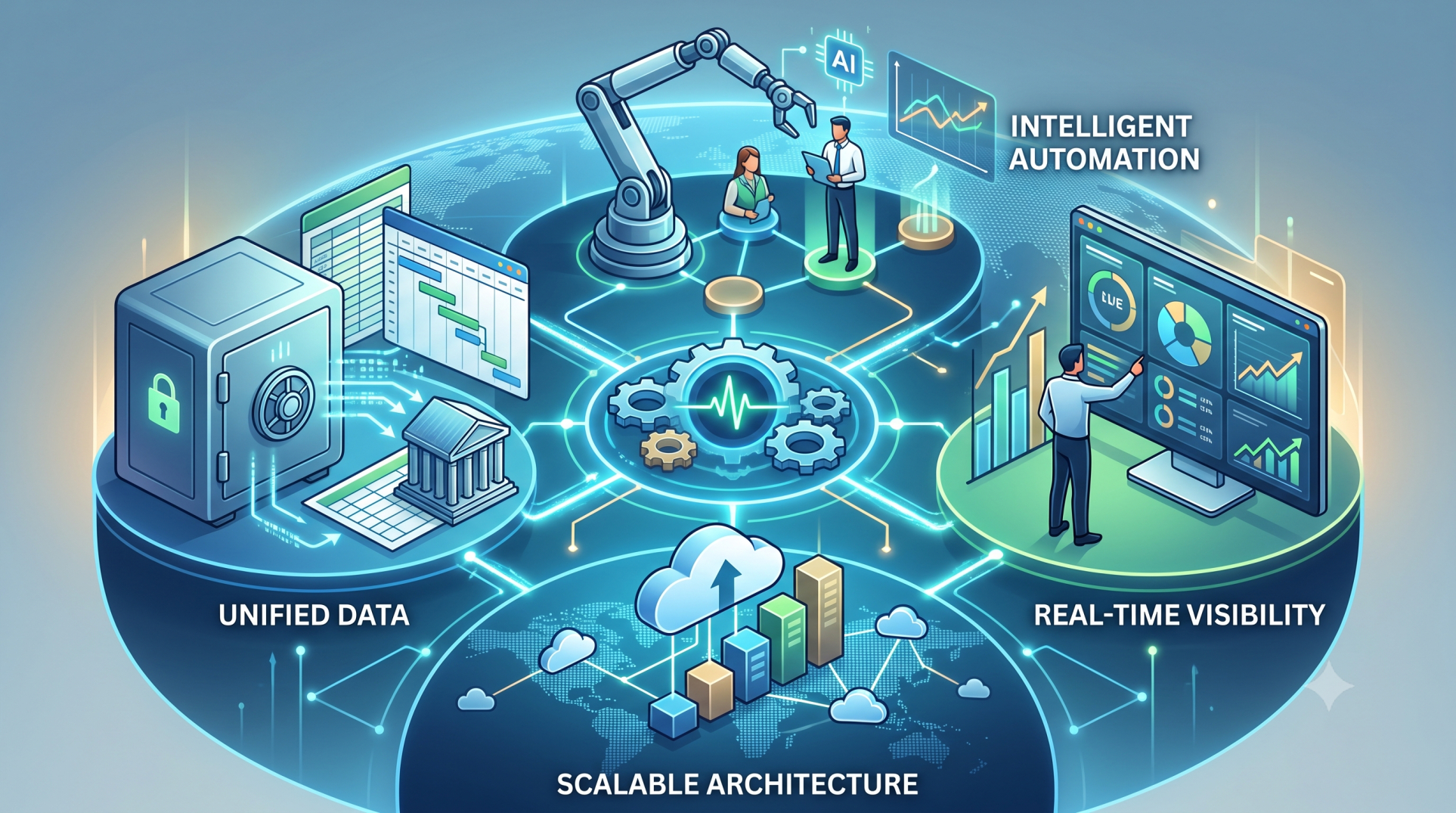
• Determine whether the focus is efficiency, visibility, automation, or scalability
• Align feature development with measurable business outcomes
• Identify processes that directly influence revenue or operating costs
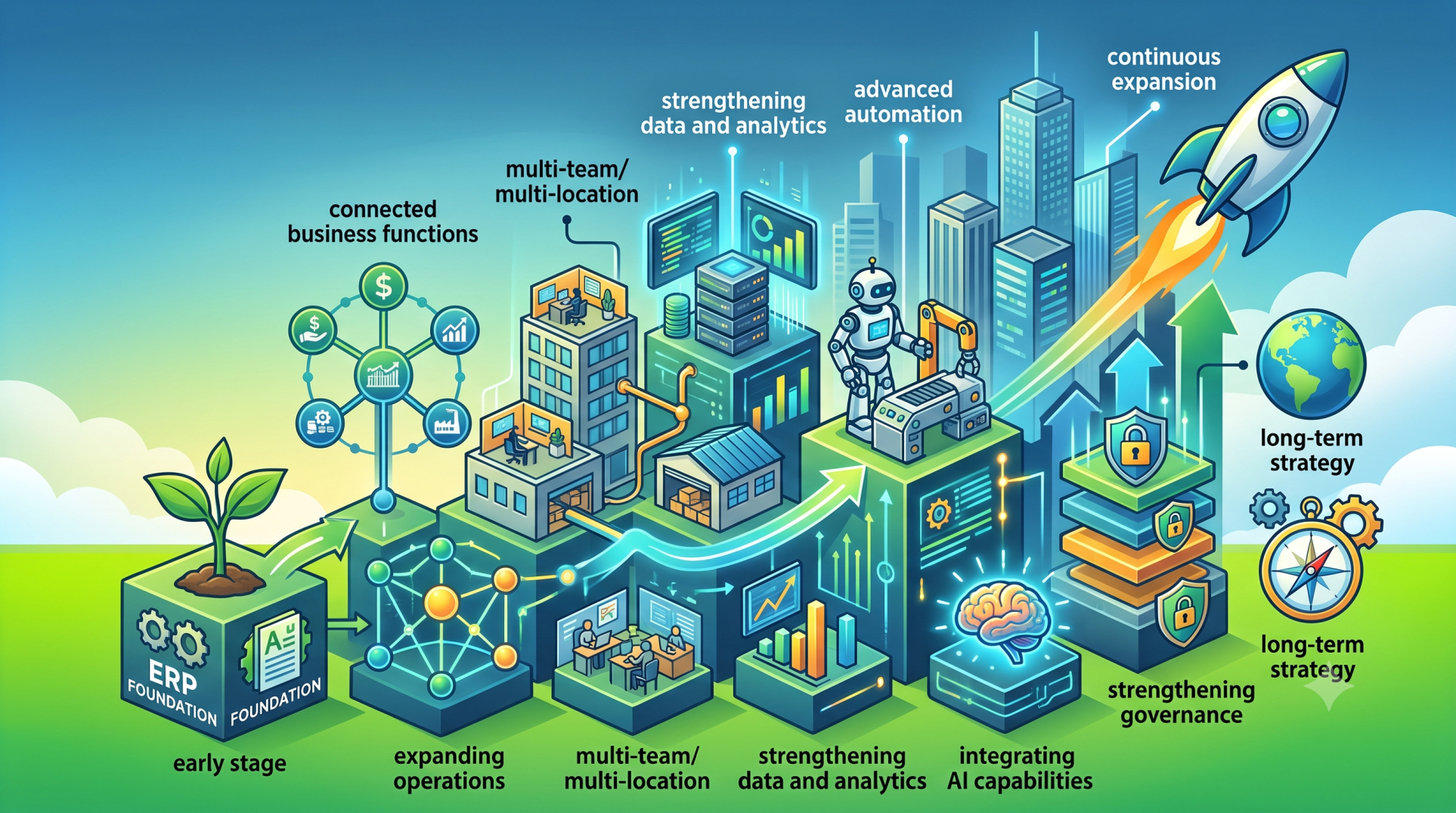
• Create a roadmap based on long-term organizational priorities
Step 3: Classify Features by Business Importance ⭐
• Separate essential features from secondary capabilities
• Prioritize functions that support critical daily operations
• Identify features required for regulatory or compliance needs
• Defer low-impact customization until the core platform is stable
• Maintain a clear distinction between must-have and nice-to-have functionality
Step 4: Evaluate Business Impact 📊
• Estimate how each feature can improve productivity
• Assess potential cost savings and operational benefits
• Consider its impact on employees, customers, and management
• Measure how strongly the feature supports strategic objectives
• Give greater priority to capabilities with measurable business value
Step 5: Consider Technical Complexity ⚙️
• Evaluate development effort for each proposed capability
• Identify dependencies between modules and features
• Consider integration requirements with existing systems
• Assess infrastructure, security, and scalability implications
• Prioritize features that provide strong value without unnecessary complexity
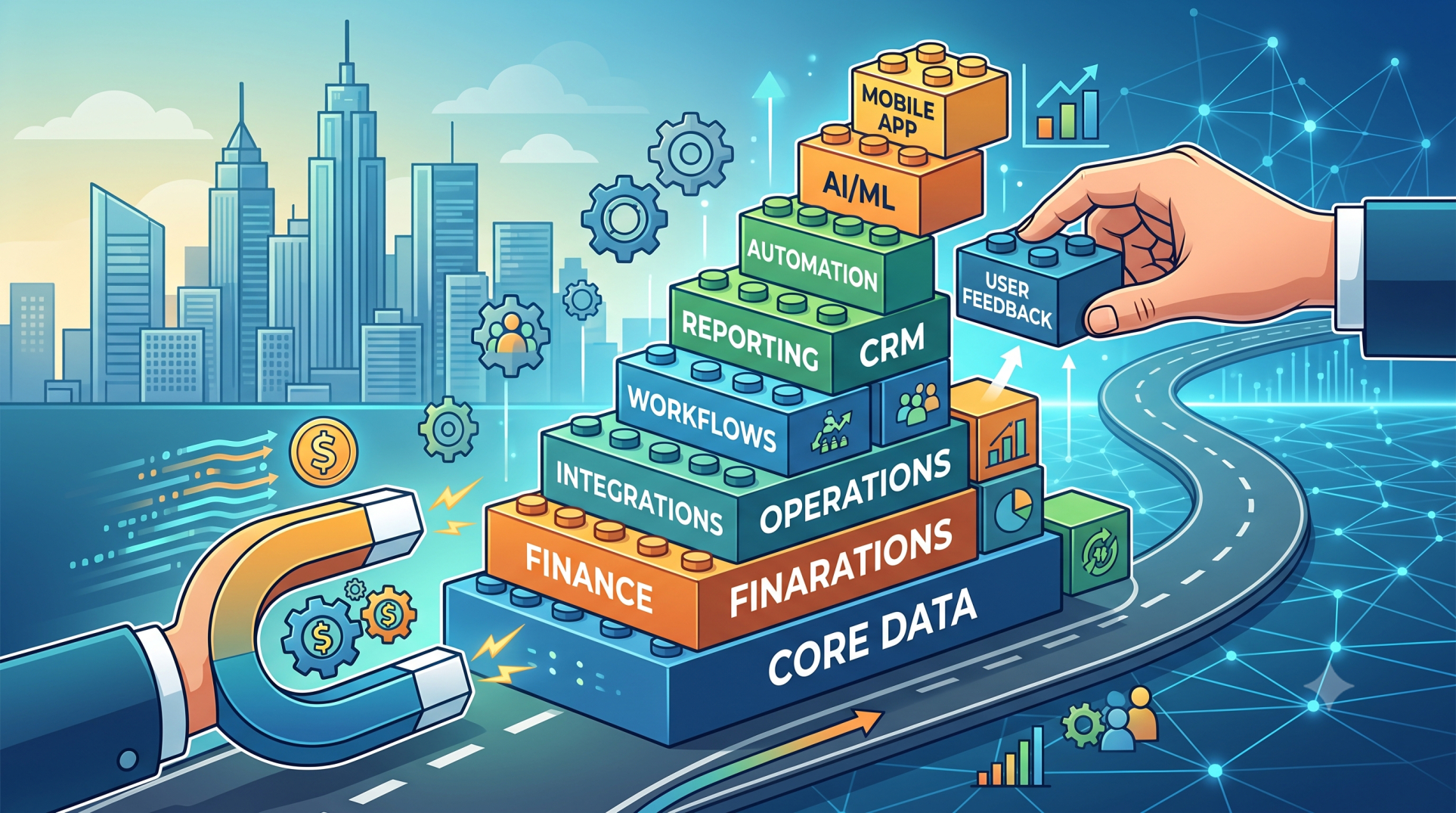
Step 6: Build the ERP Core First 🧱
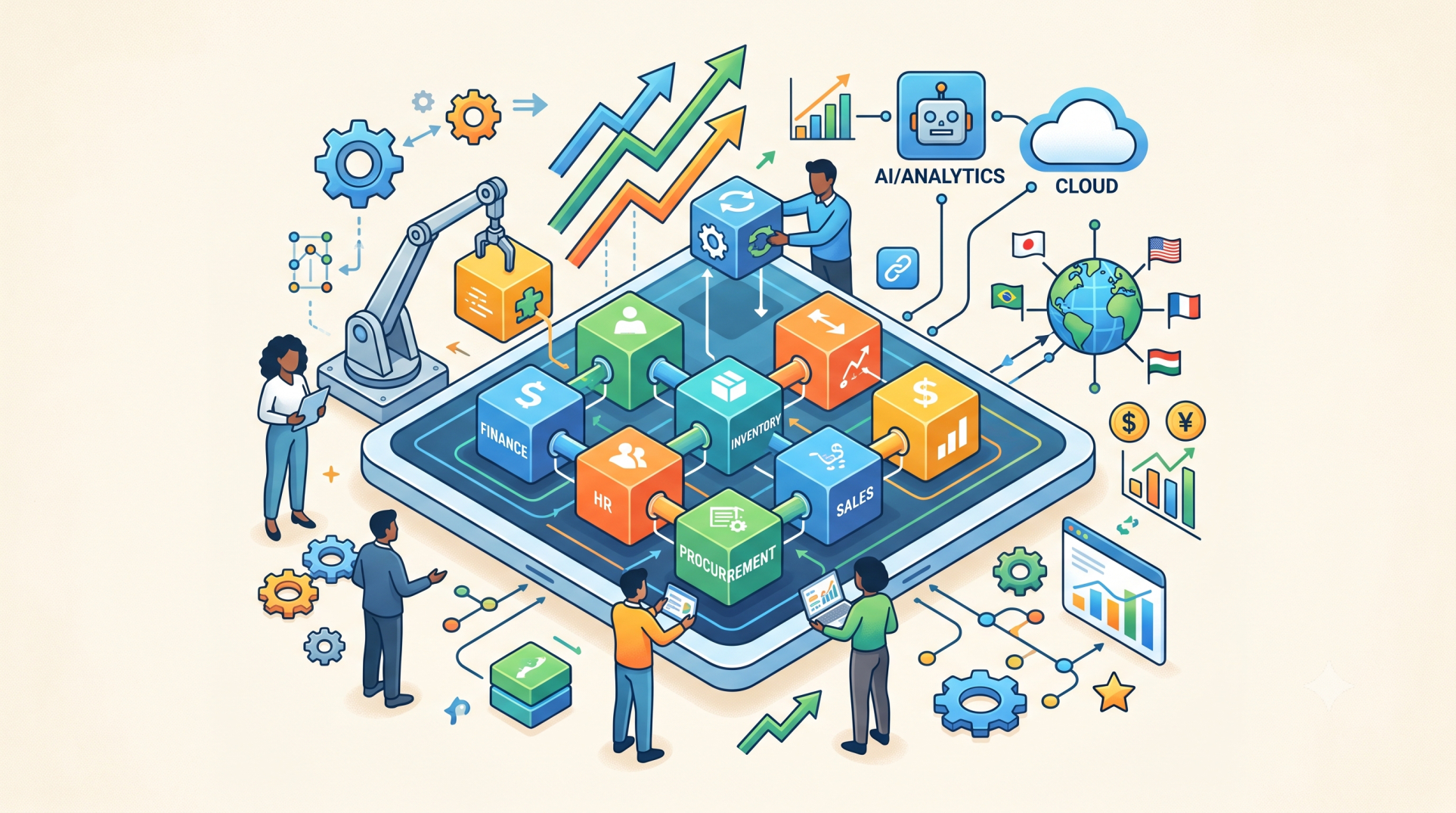
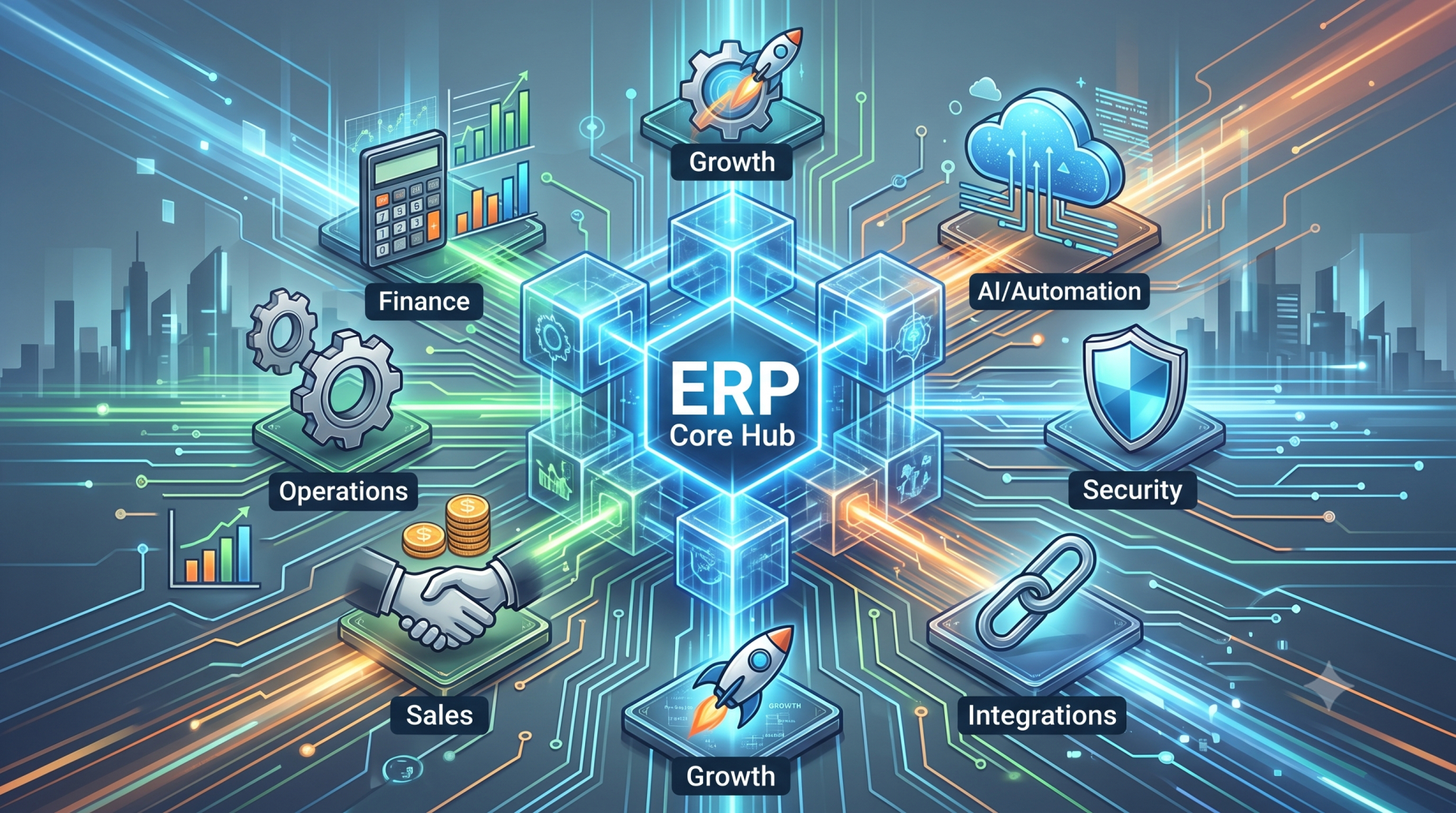
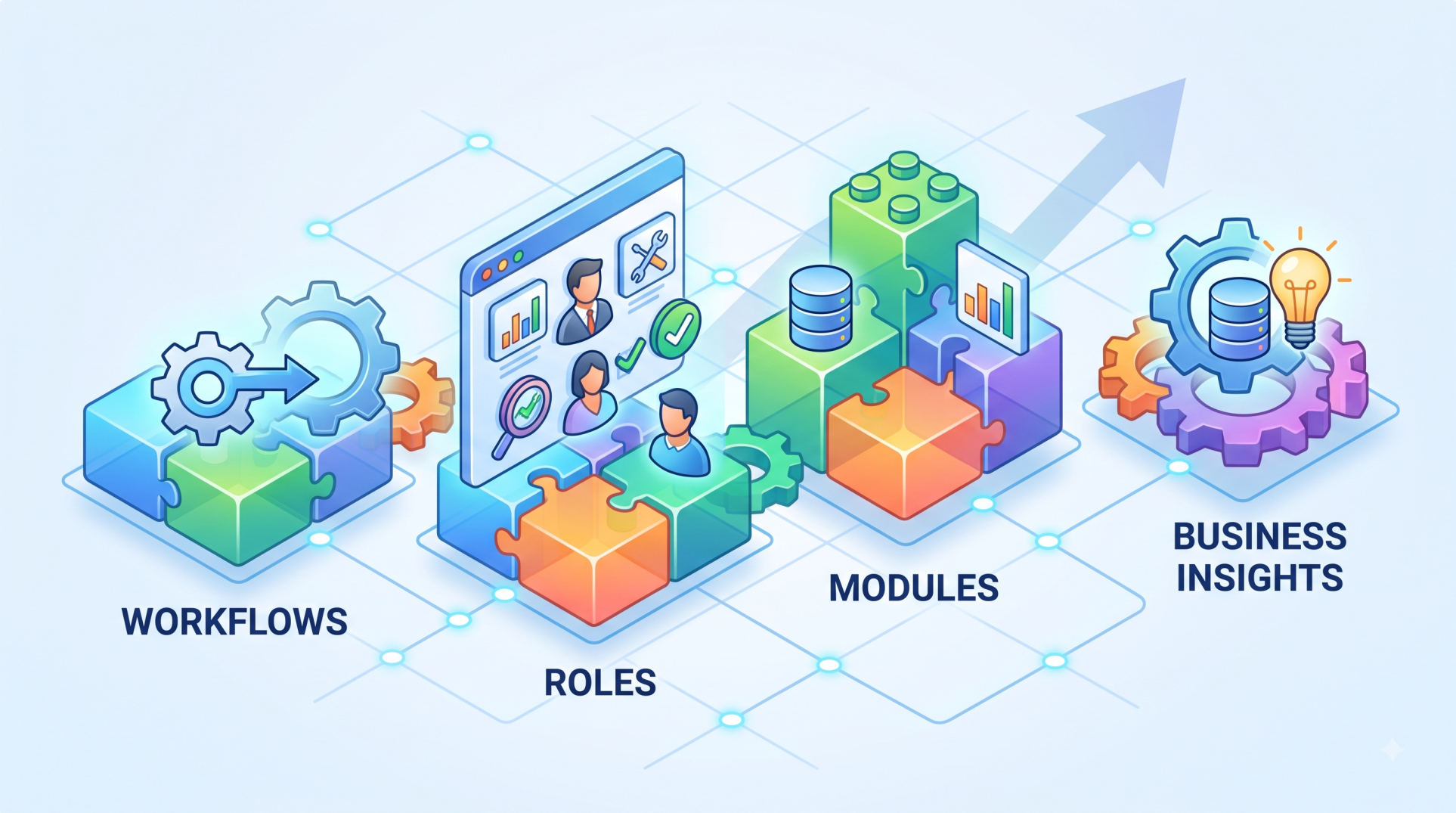
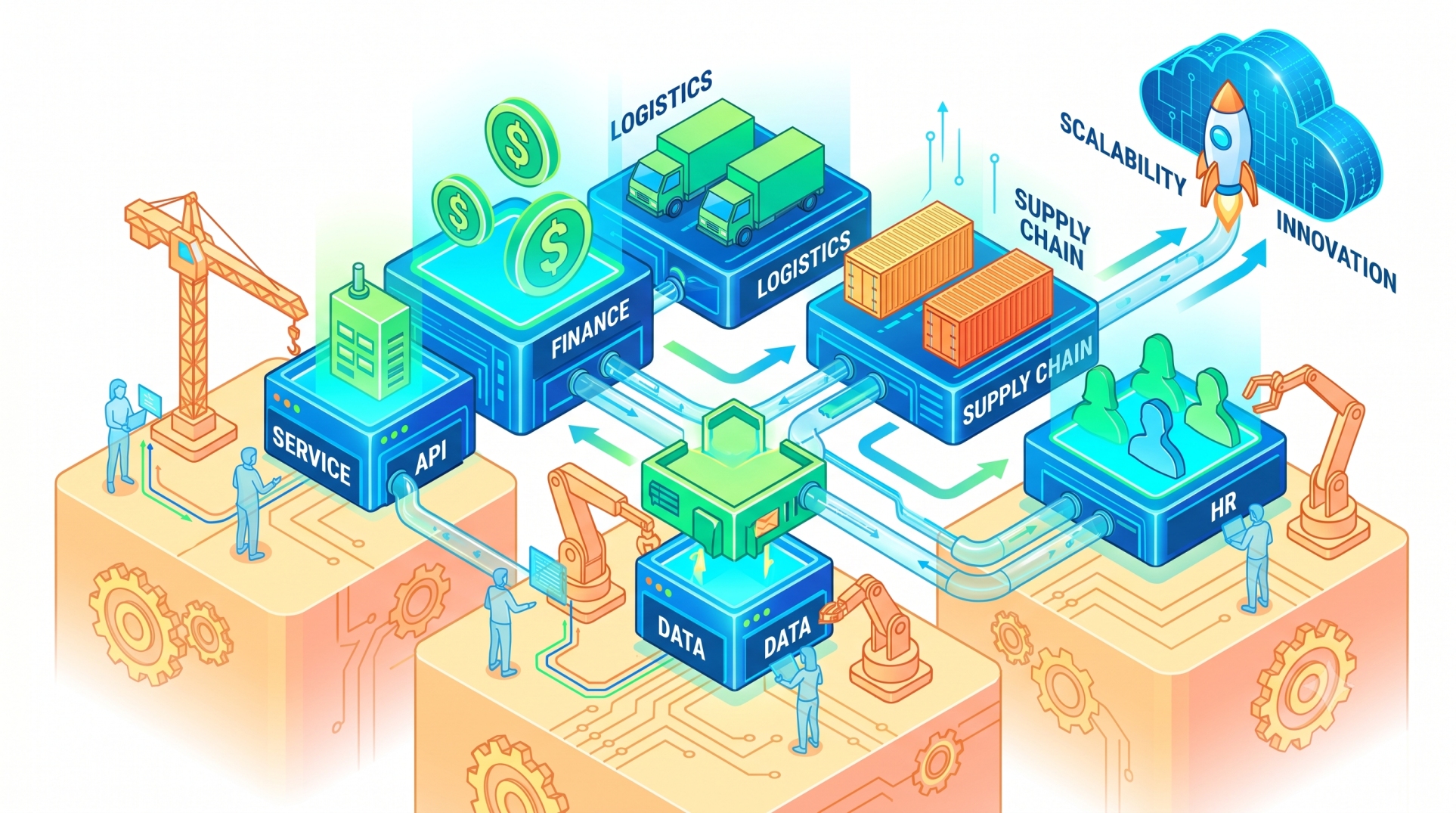
• Establish foundational modules such as users, roles, workflows, and master data
• Build essential financial and operational capabilities
• Create common services that can support multiple ERP modules
• Establish consistent data structures across the platform
• Develop a stable foundation before introducing advanced functionality
Step 7: Prioritize Integration Capabilities 🔗
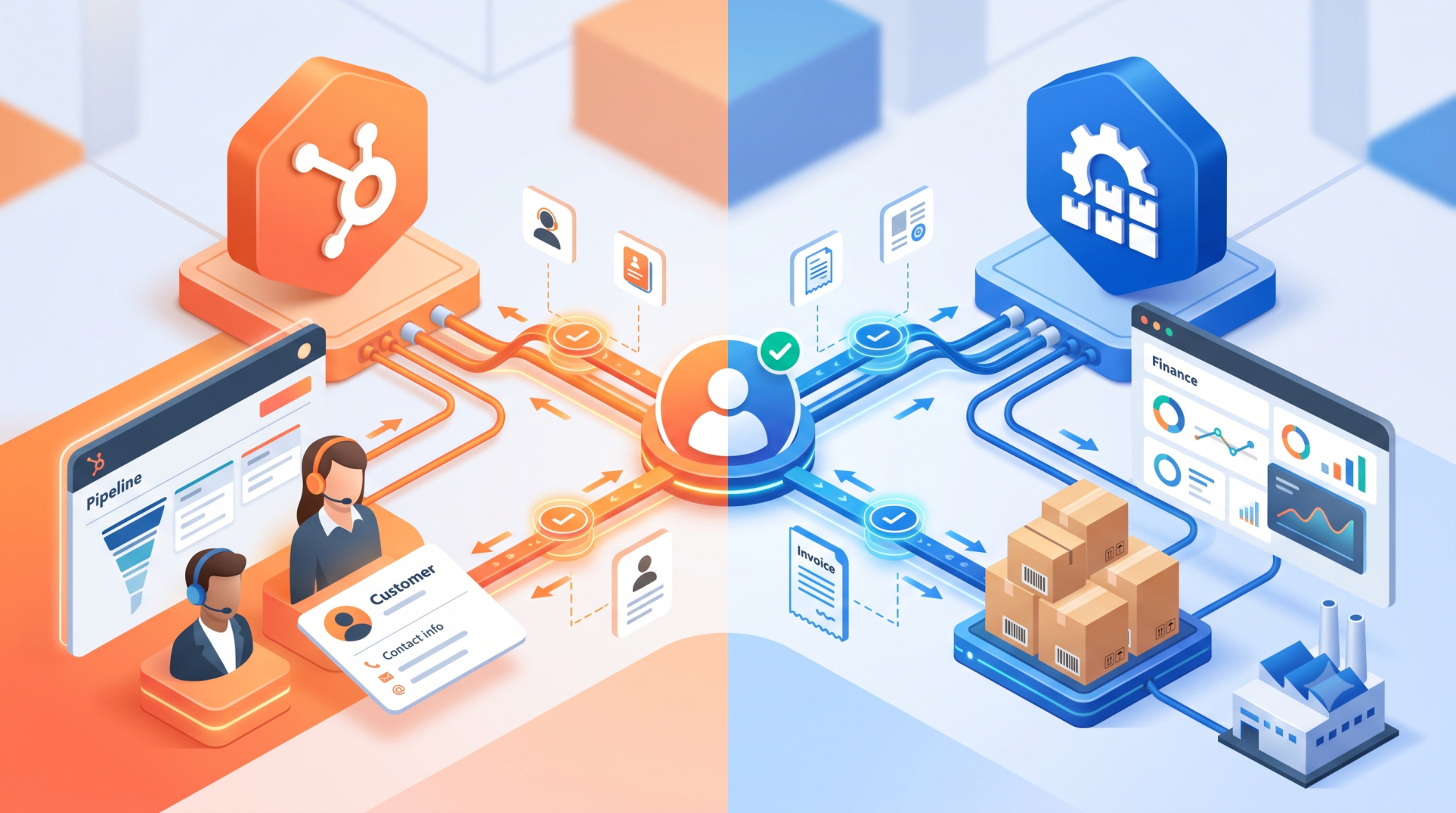
• Connect the ERP with existing business applications
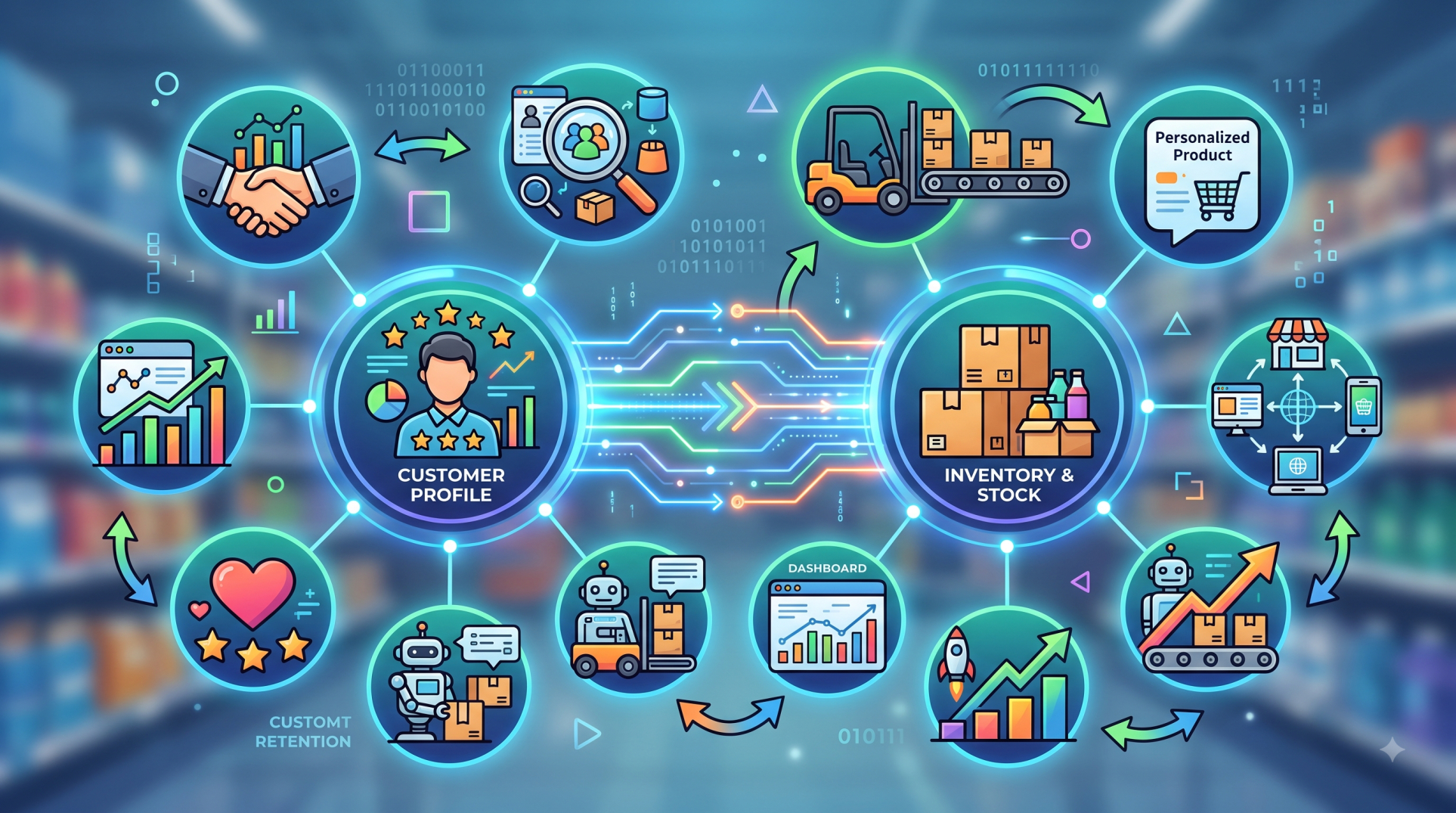
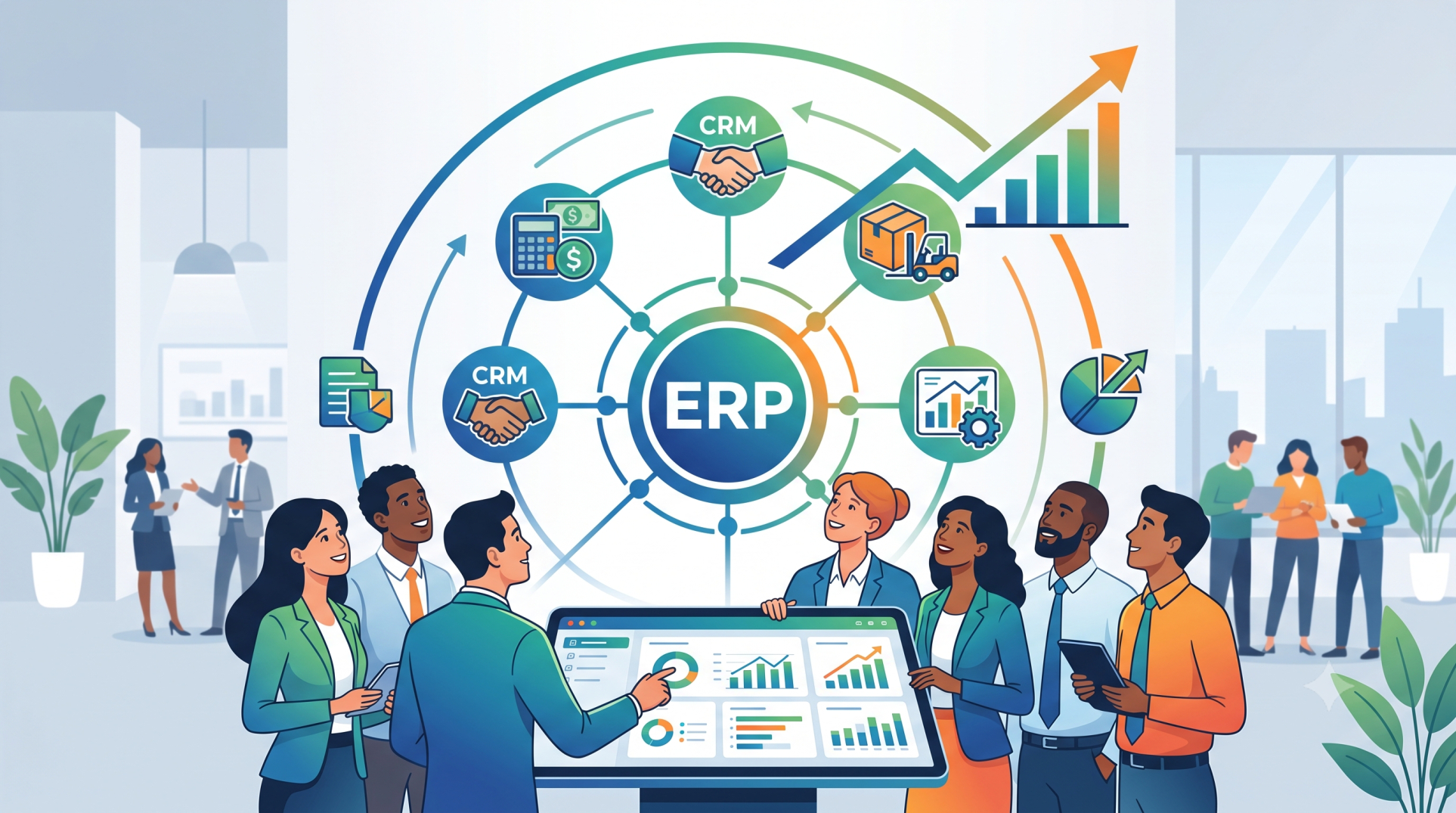
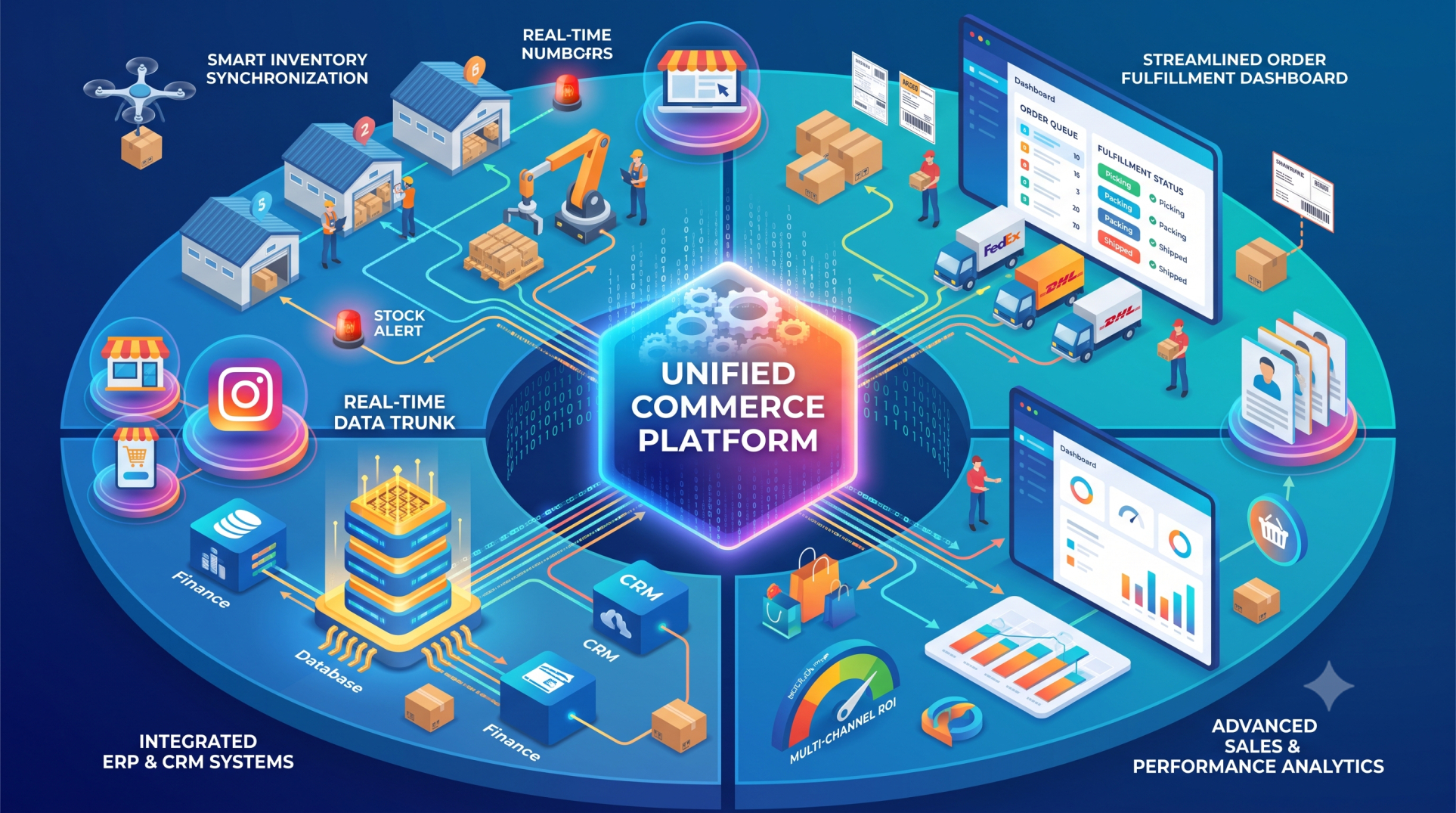
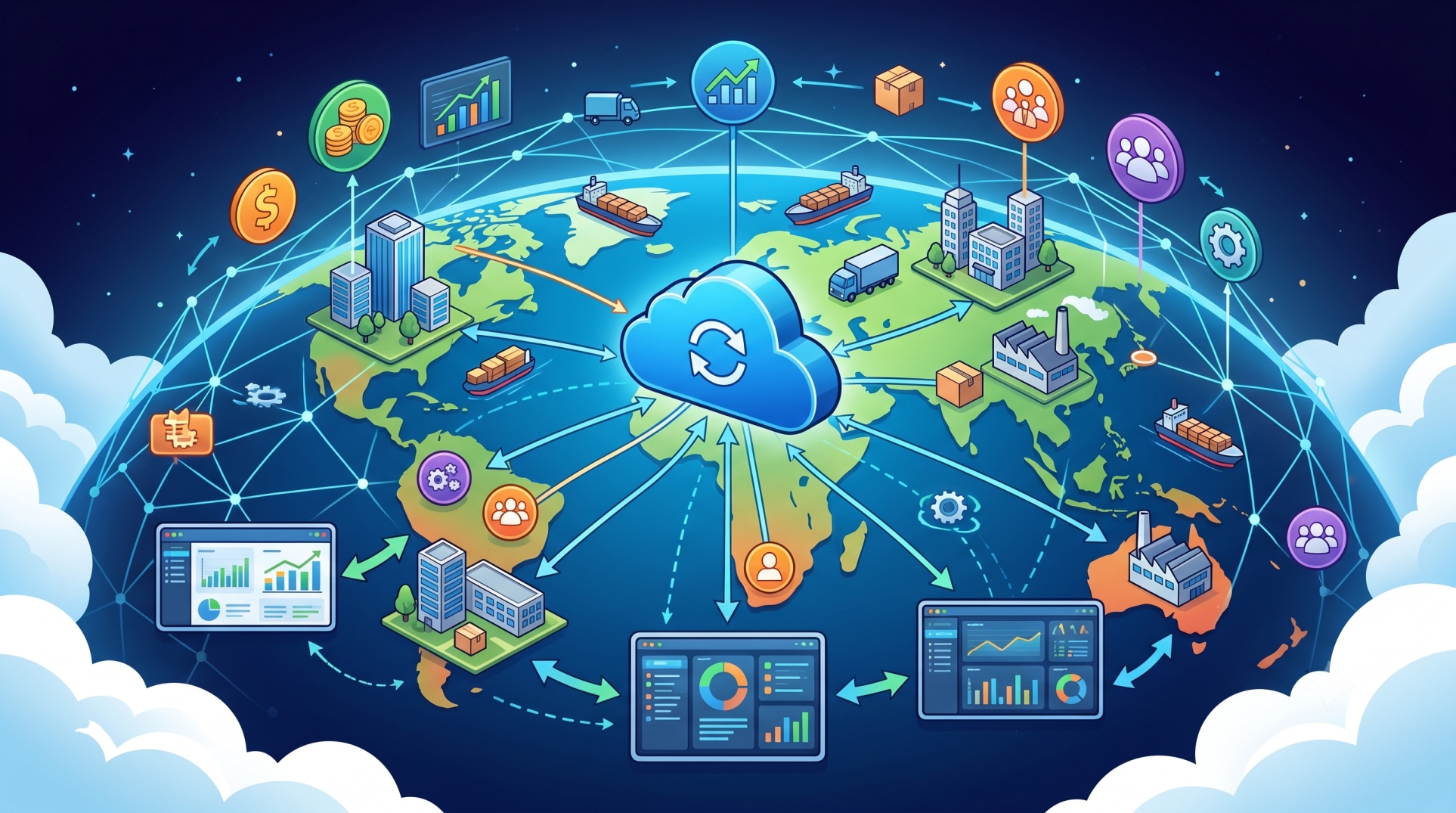
• Integrate CRM, accounting, payroll, e-commerce, and supply chain systems where required
• Establish reliable APIs for future integrations
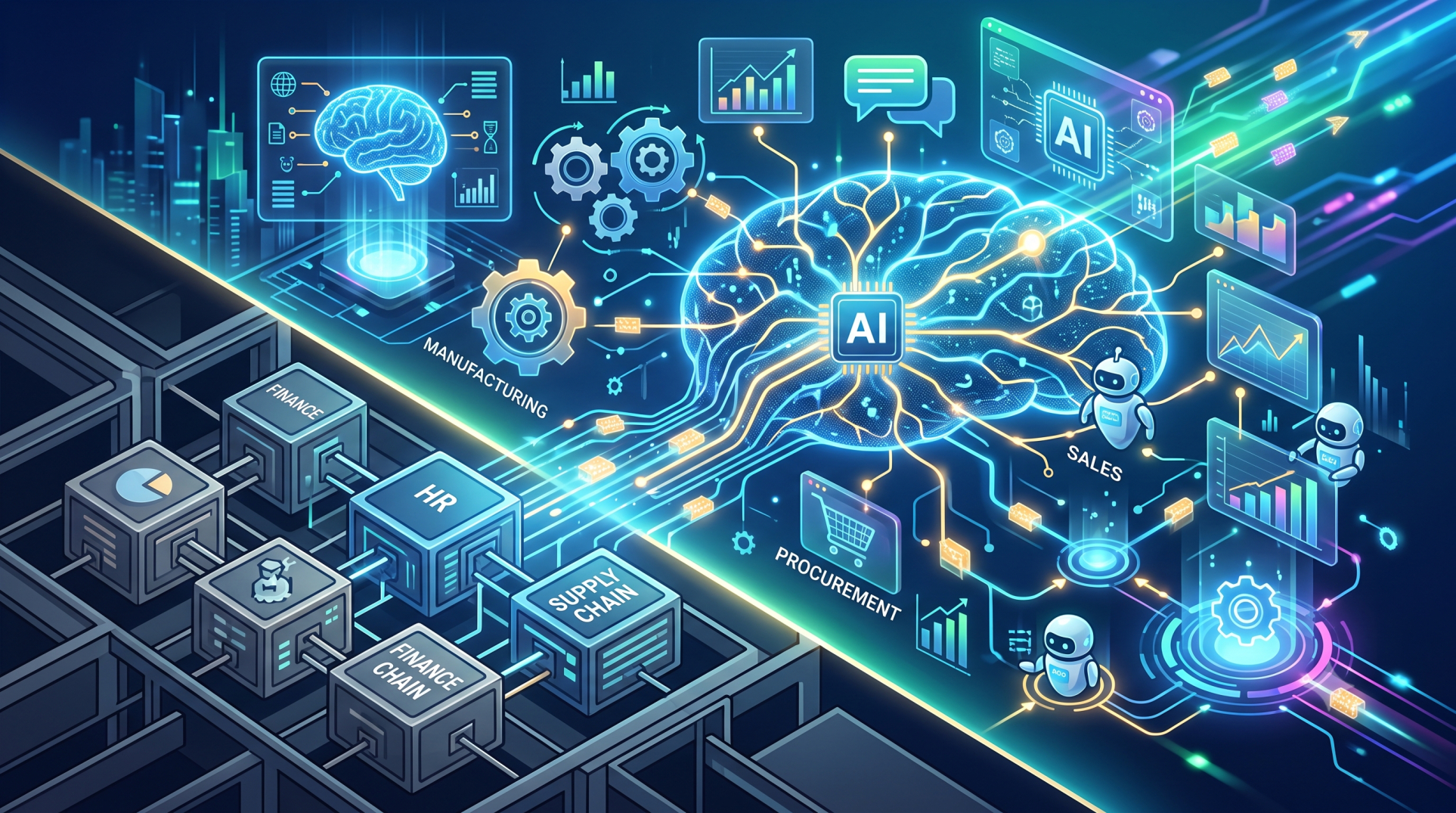
• Prevent isolated data silos across departments
• Ensure information can move efficiently between connected platforms
Step 8: Introduce Automation Strategically 🤖
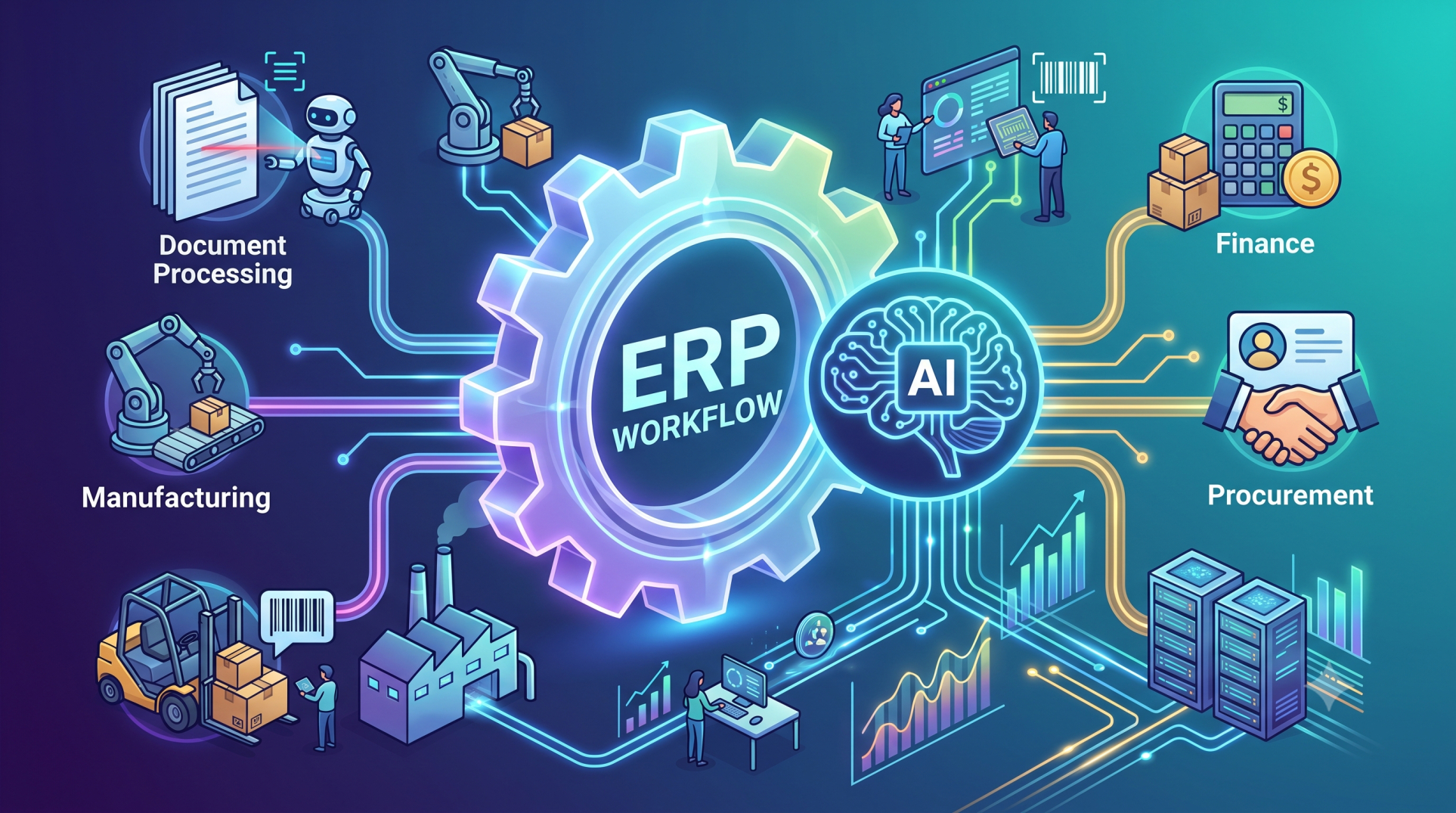
• Automate repetitive workflows with high operational impact
• Prioritize approvals, notifications, reporting, and routine data processing
• Use automation to reduce manual errors and processing time
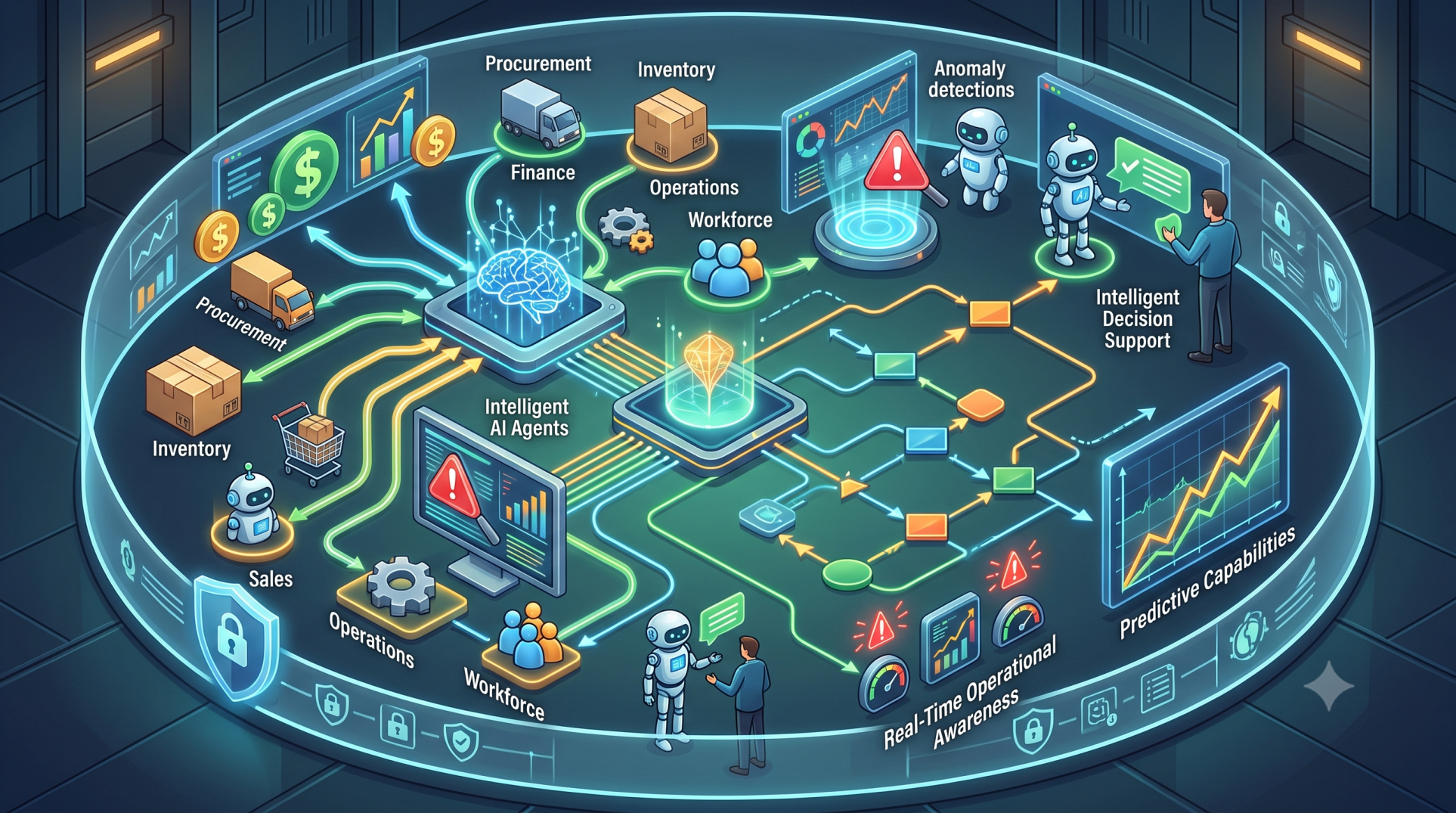
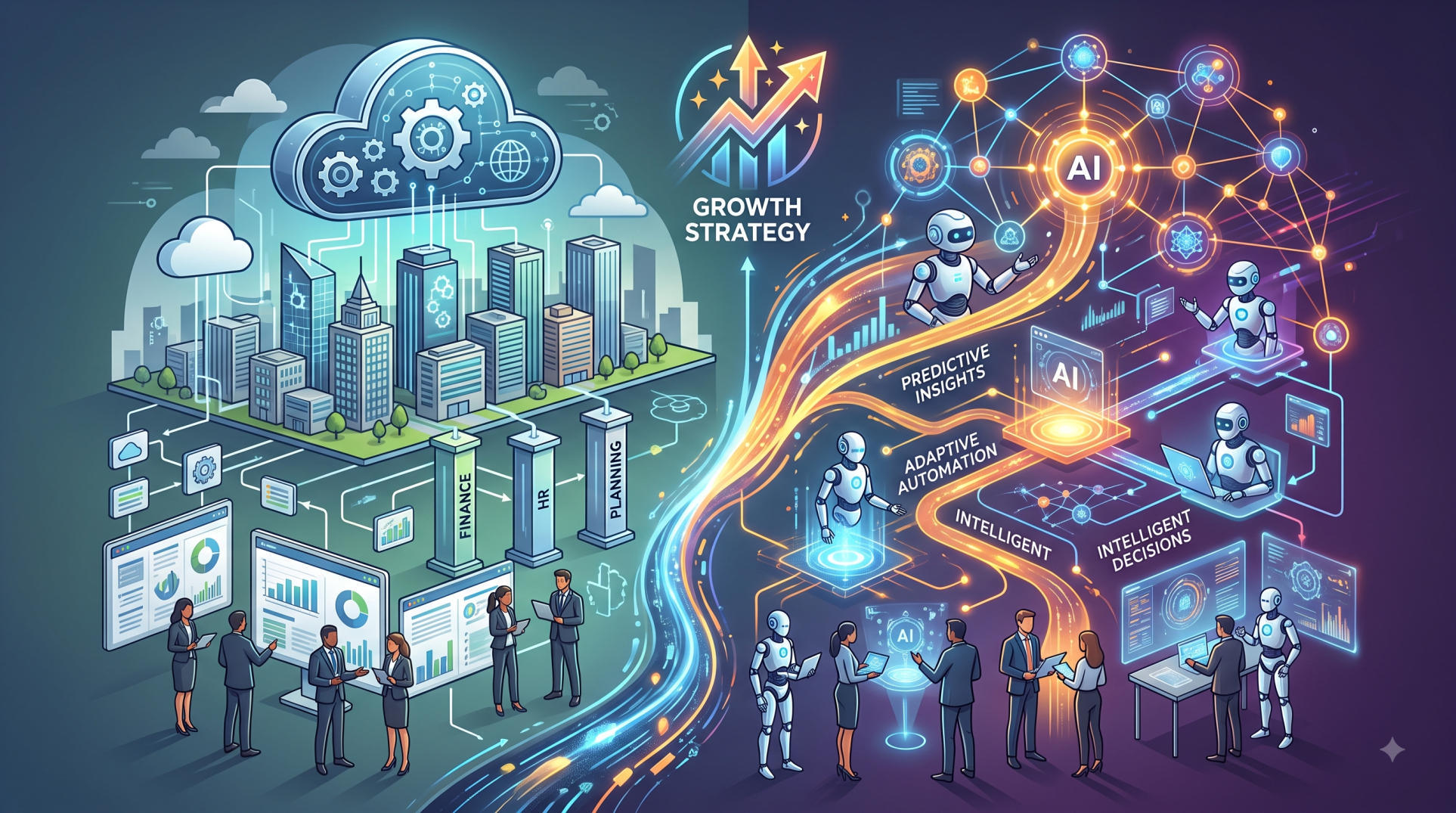
• Introduce intelligent capabilities where they provide measurable value
• Expand automation gradually as business processes mature
Step 9: Validate Features with Real Users 👥
• Involve employees who will use the ERP daily
• Gather feedback through prototypes and pilot deployments
• Identify usability problems before full-scale implementation
• Measure adoption and workflow efficiency
• Refine priorities based on actual operational feedback
Step 10: Create a Flexible Development Roadmap 🚀
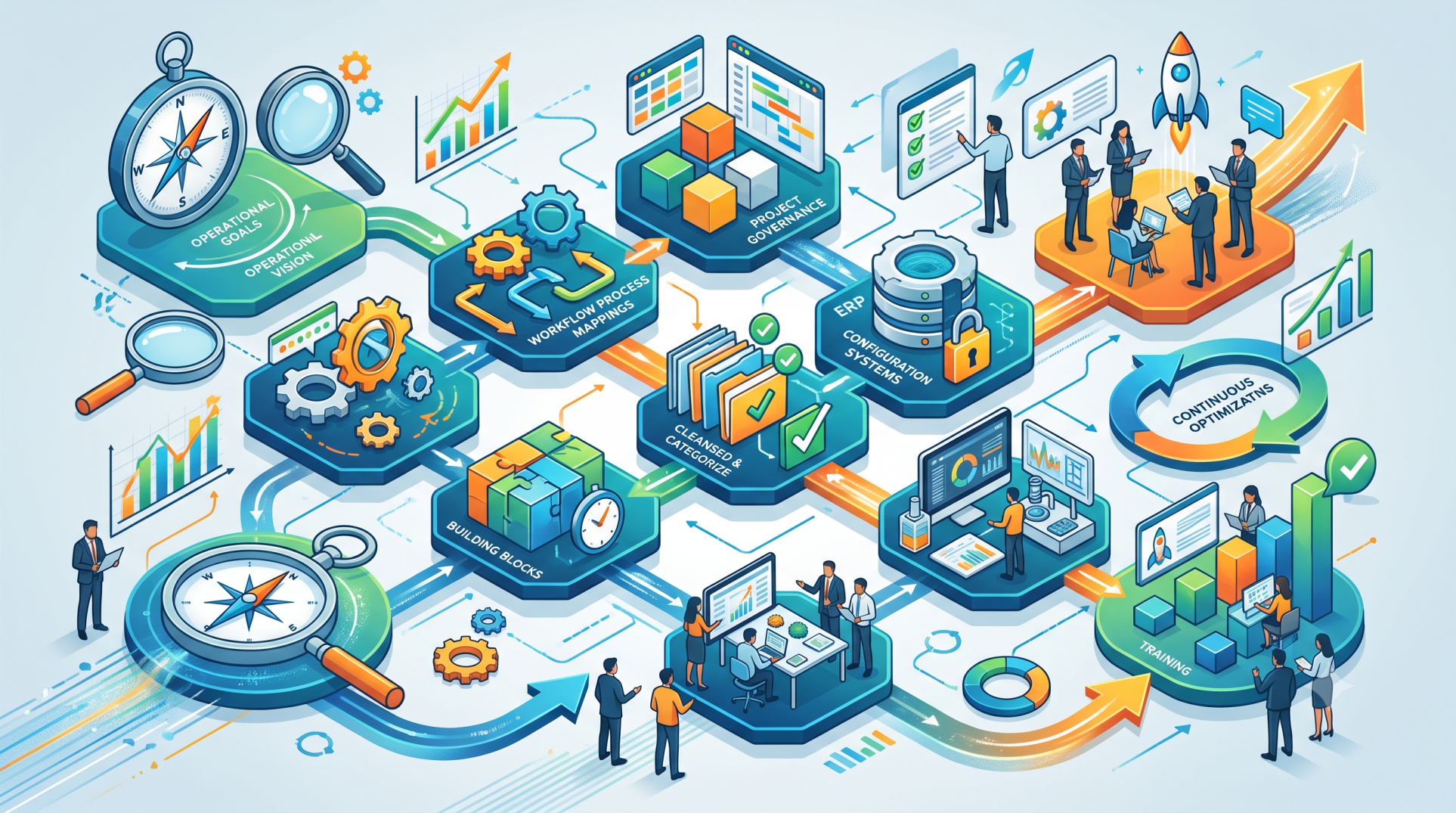
• Divide ERP development into manageable releases
• Launch high-value capabilities before lower-priority features
• Review priorities as business requirements change
• Maintain architectural flexibility for future modules
• Continuously evaluate new technologies and automation opportunities
Key ERP Prioritization Principles 💡
• Business value should guide feature selection
• Critical workflows should take priority over cosmetic enhancements
• Technical dependencies should influence development order
• User adoption is as important as feature availability
• Scalability should be considered from the beginning
• Priorities should evolve as the organization grows
Conclusion
ERP feature prioritization is essential for building a practical, scalable, and value-driven enterprise platform. Instead of attempting to deliver every capability simultaneously, organizations can focus on the features that address their most important operational requirements. By evaluating business impact, technical complexity, user needs, integrations, and long-term scalability, businesses can create an ERP roadmap that delivers meaningful results early while establishing a strong foundation for continuous expansion.
See more blogs
You can all the articles below