E-Commerce Inventory Management for Scalable Sales
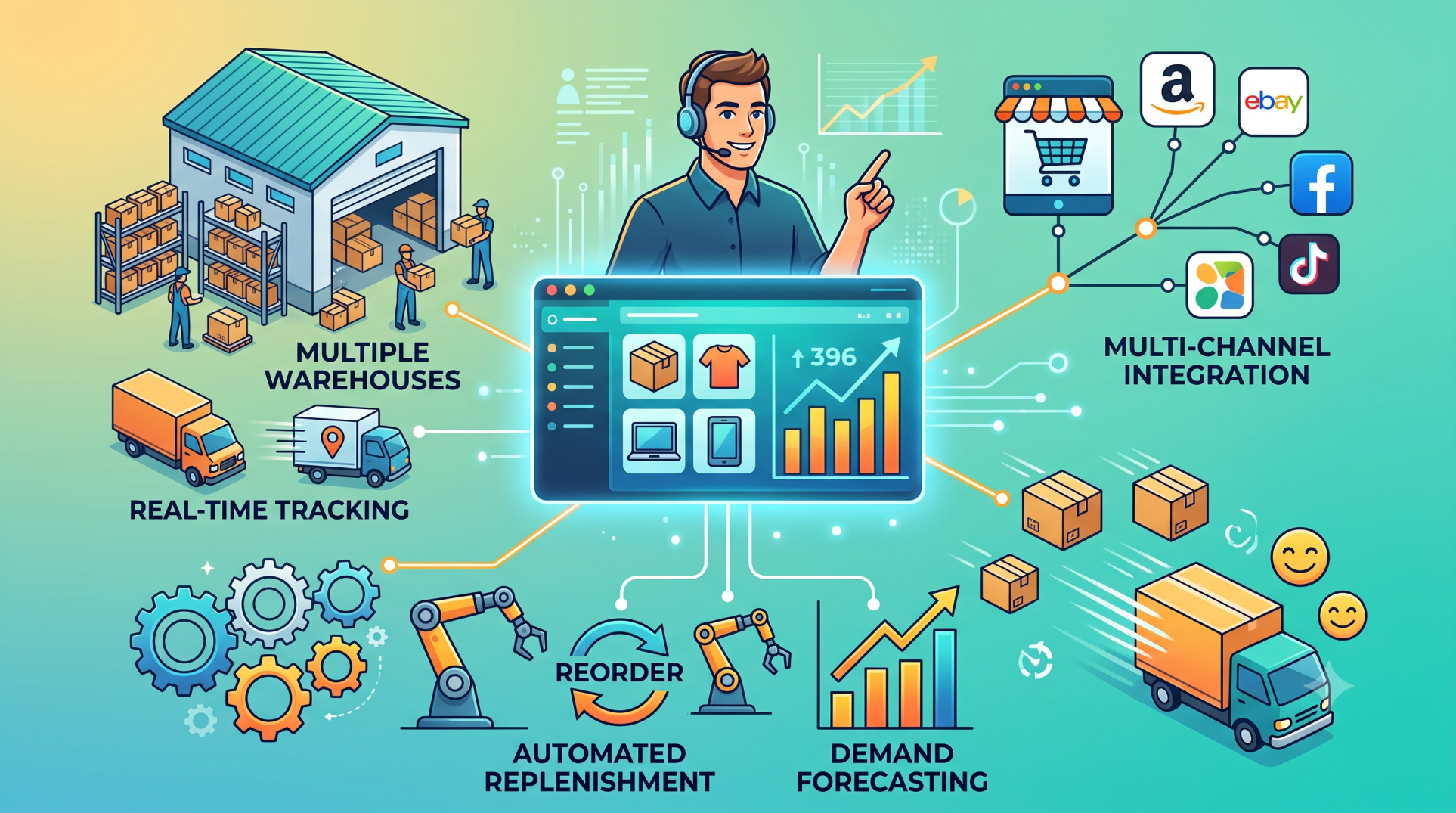
As e-commerce businesses expand across multiple marketplaces and sales channels, effective inventory management becomes essential for maintaining customer satisfaction and sustainable growth. A modern inventory management system provides real-time stock visibility, automates replenishment, minimizes fulfillment errors, and supports data-driven decision-making. By streamlining inventory operations, businesses can scale sales while maintaining efficiency and profitability.
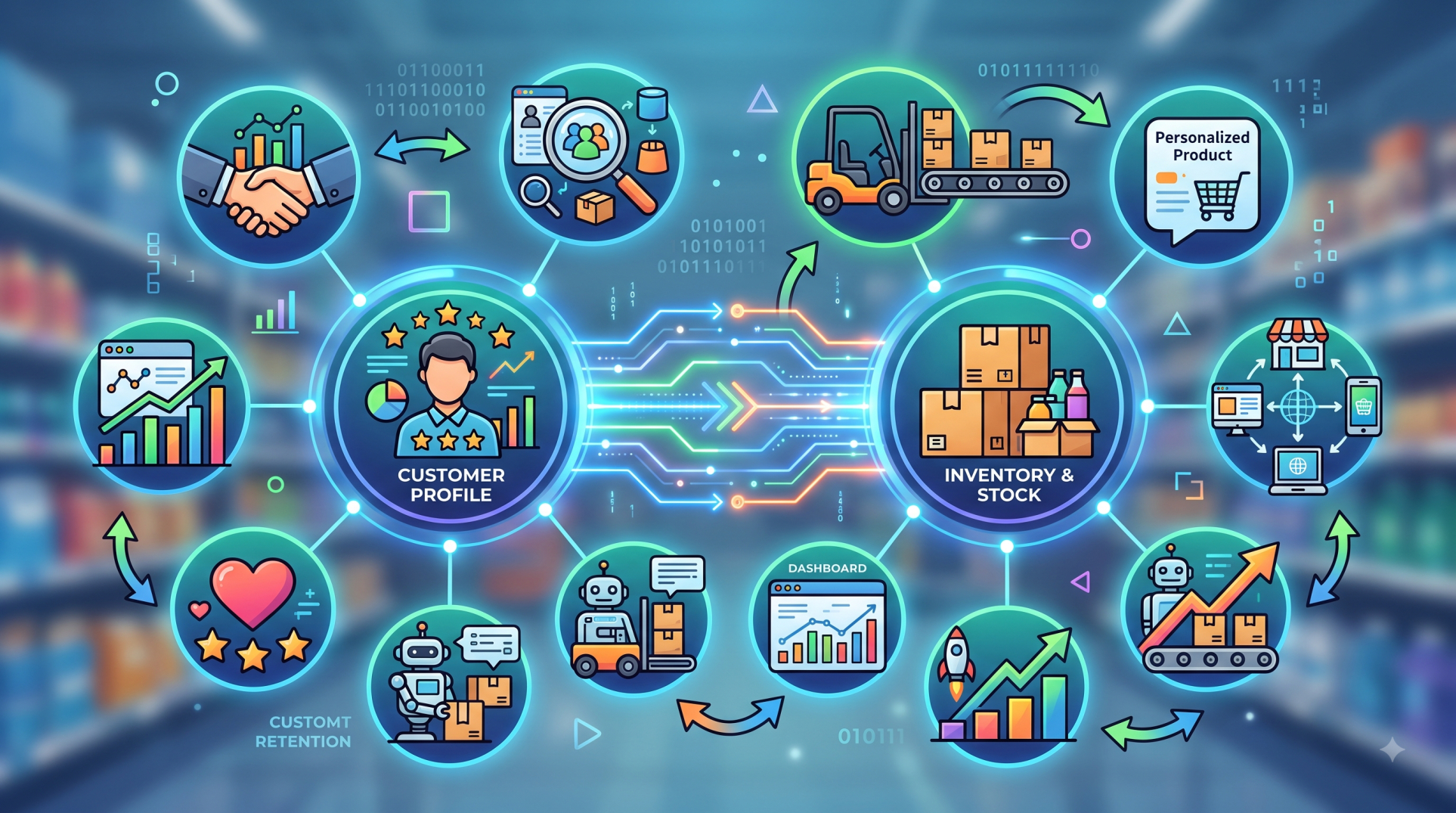
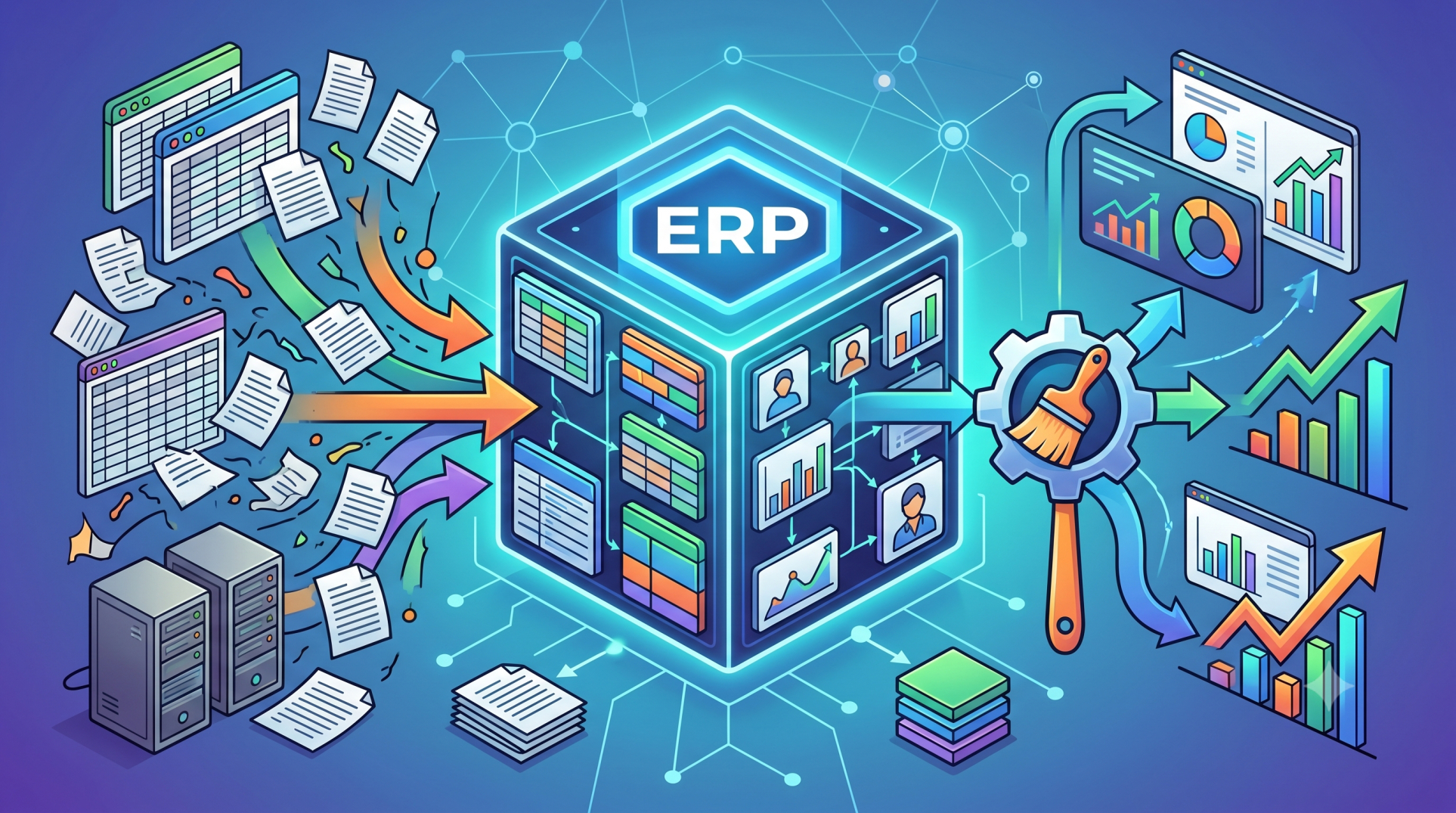
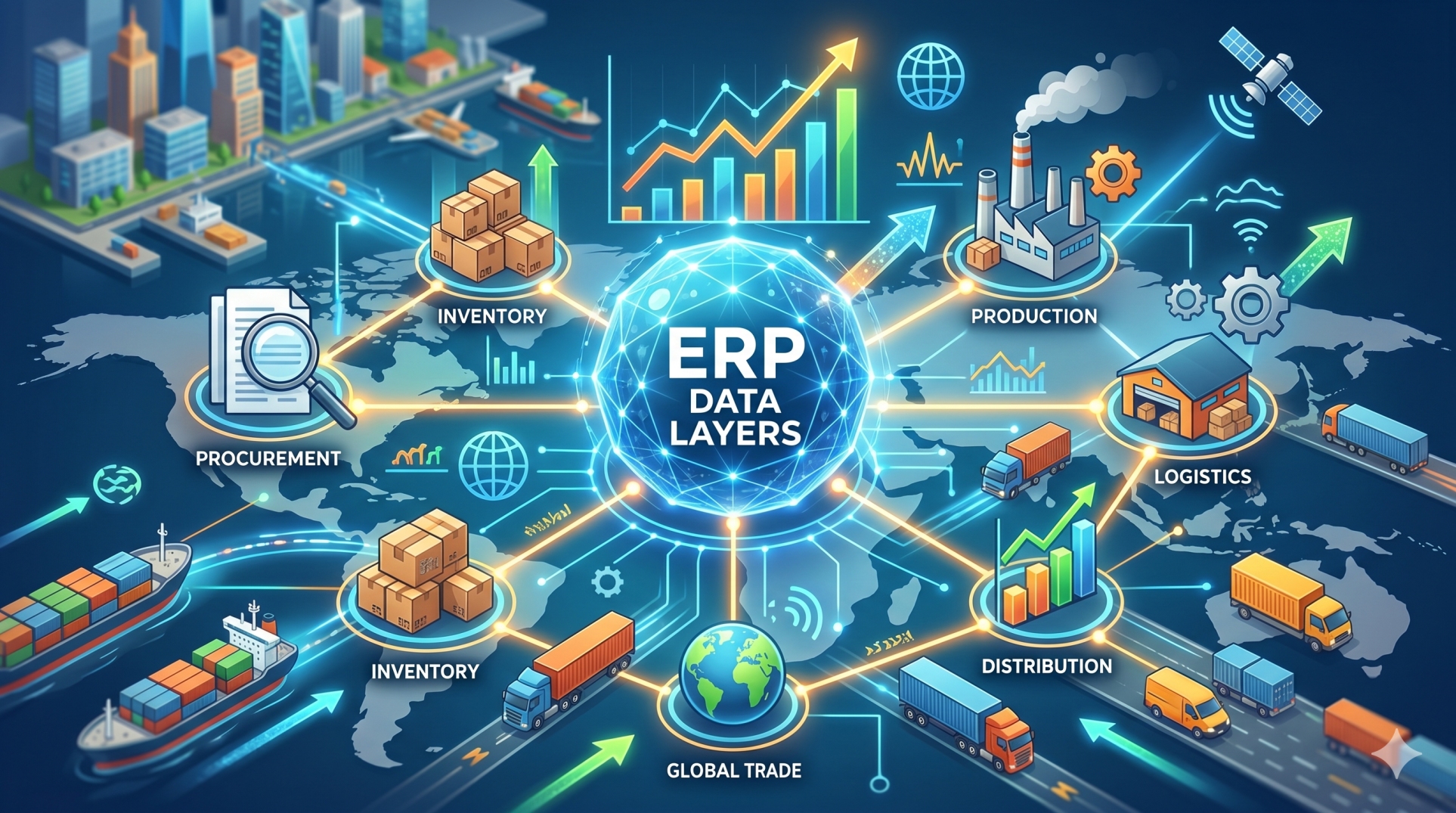
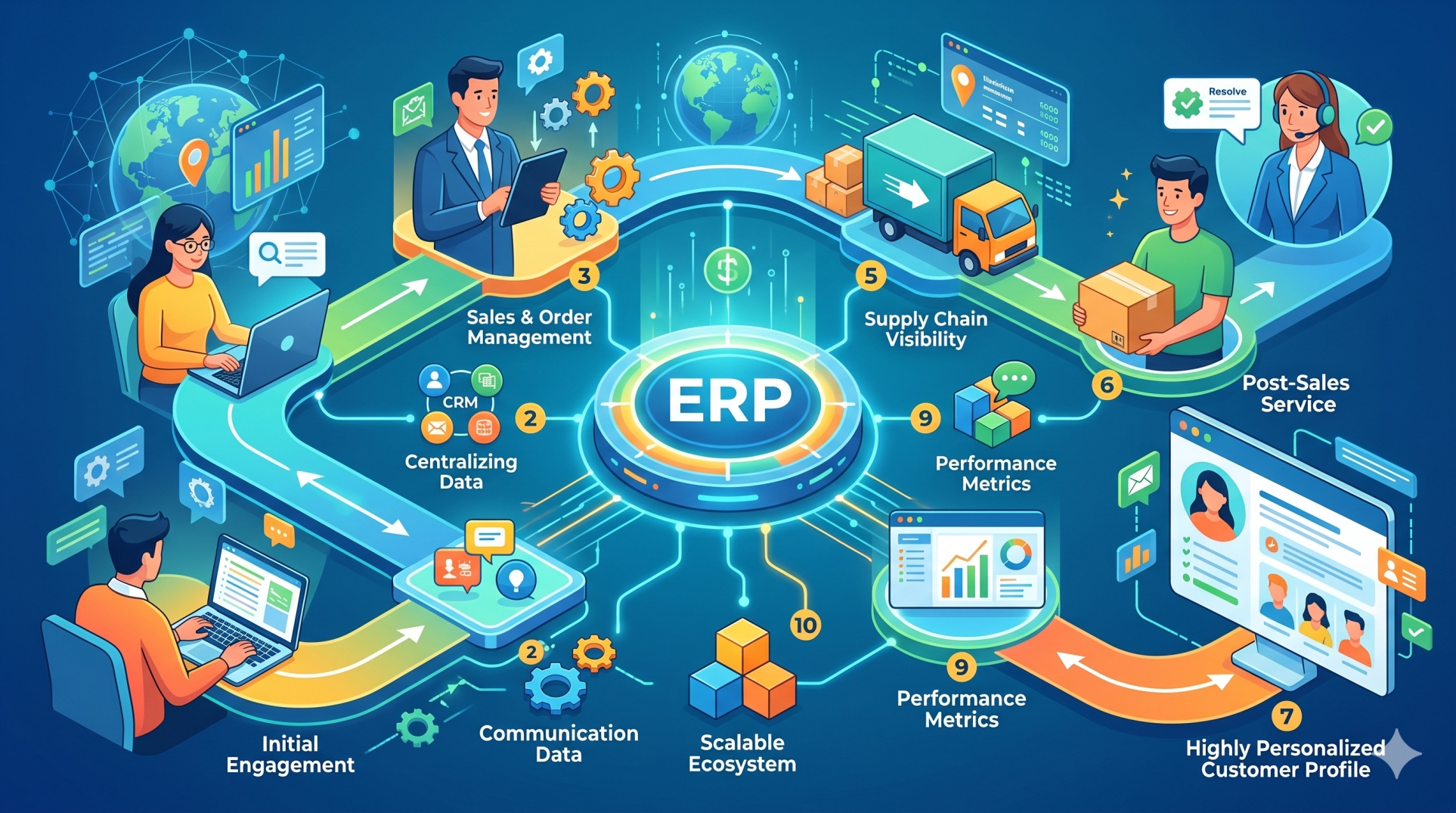
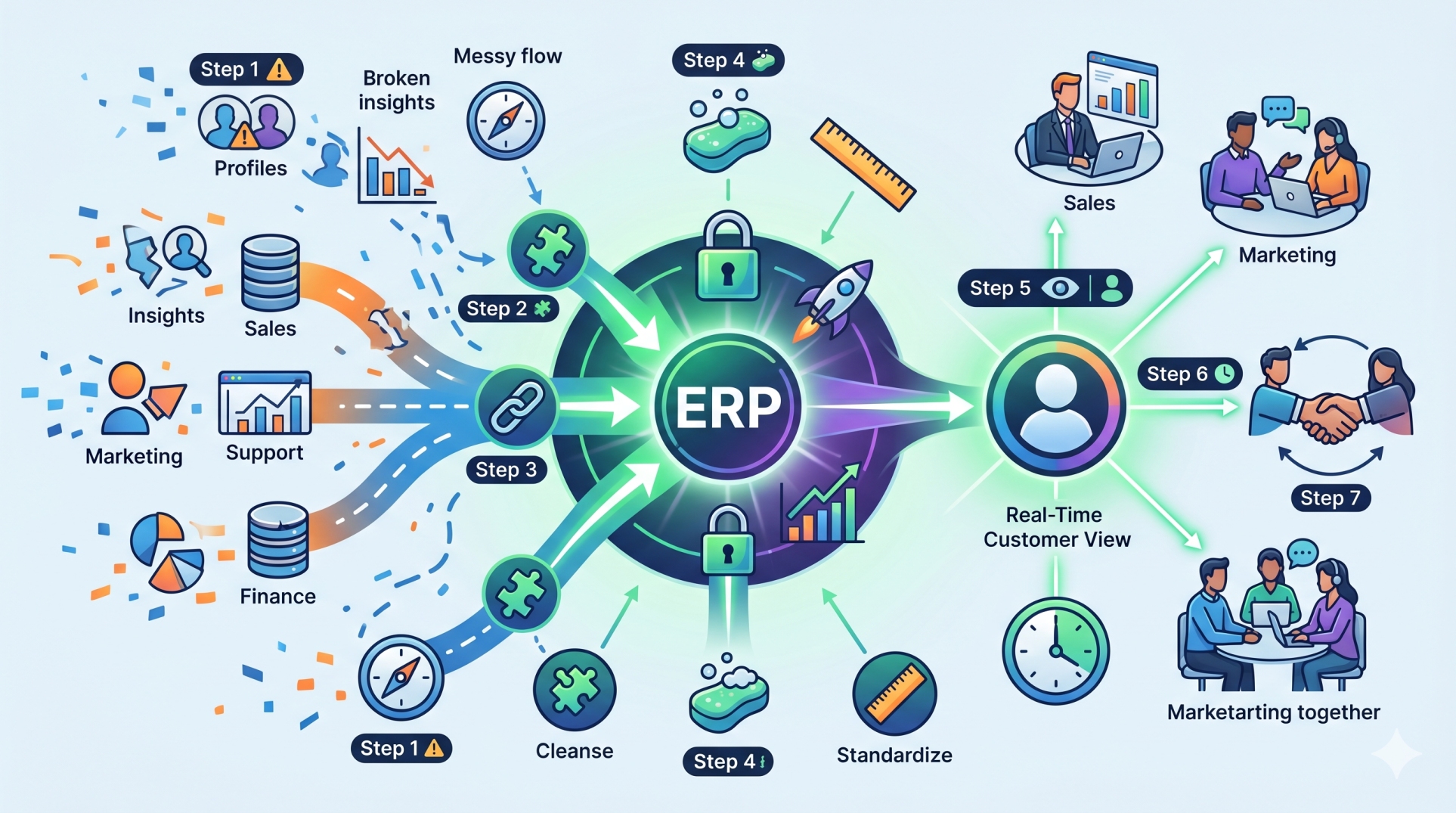
Step 1: Centralizing Inventory Data 📦
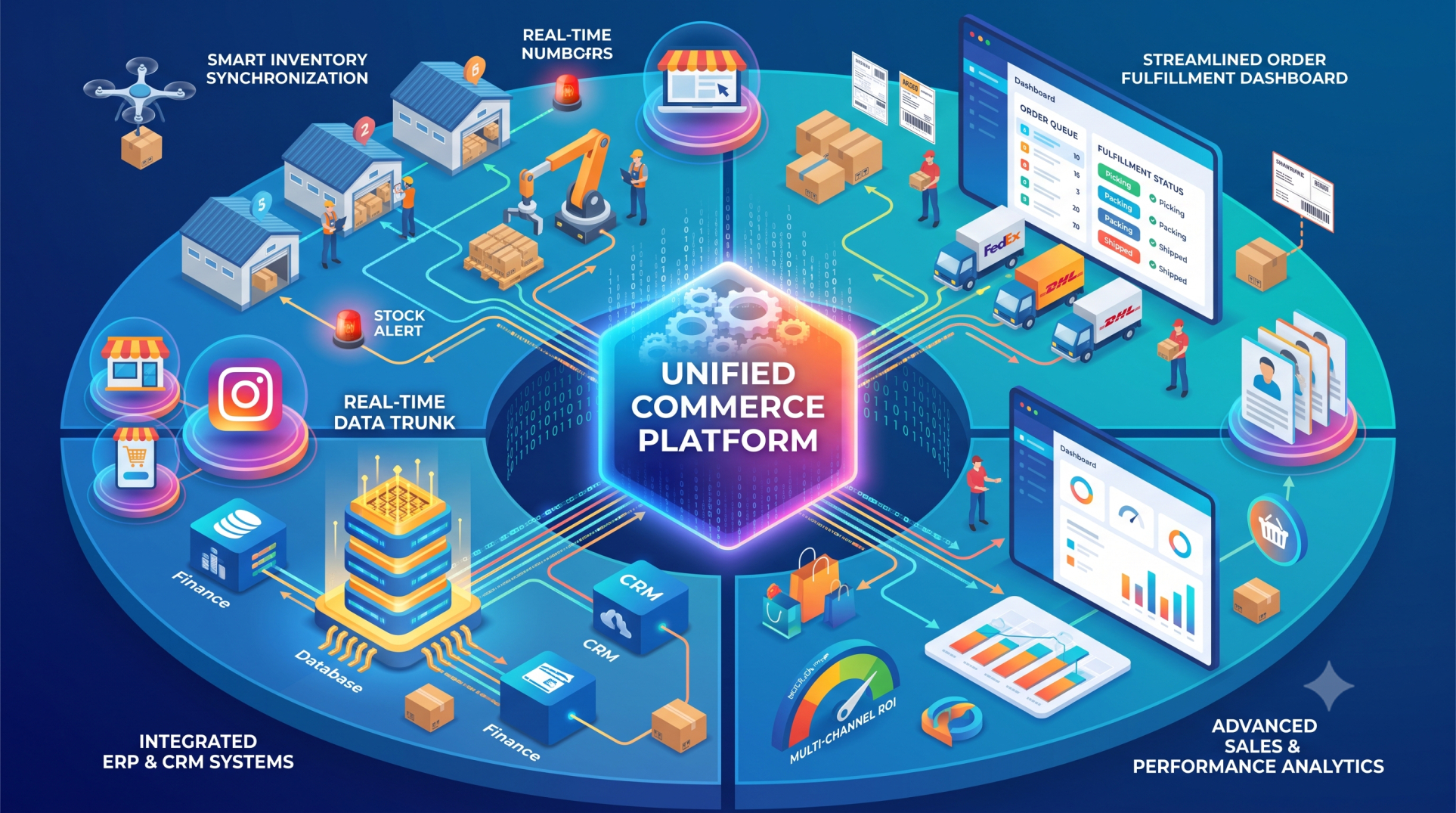
• Consolidate inventory across warehouses, stores, and online marketplaces 🏬
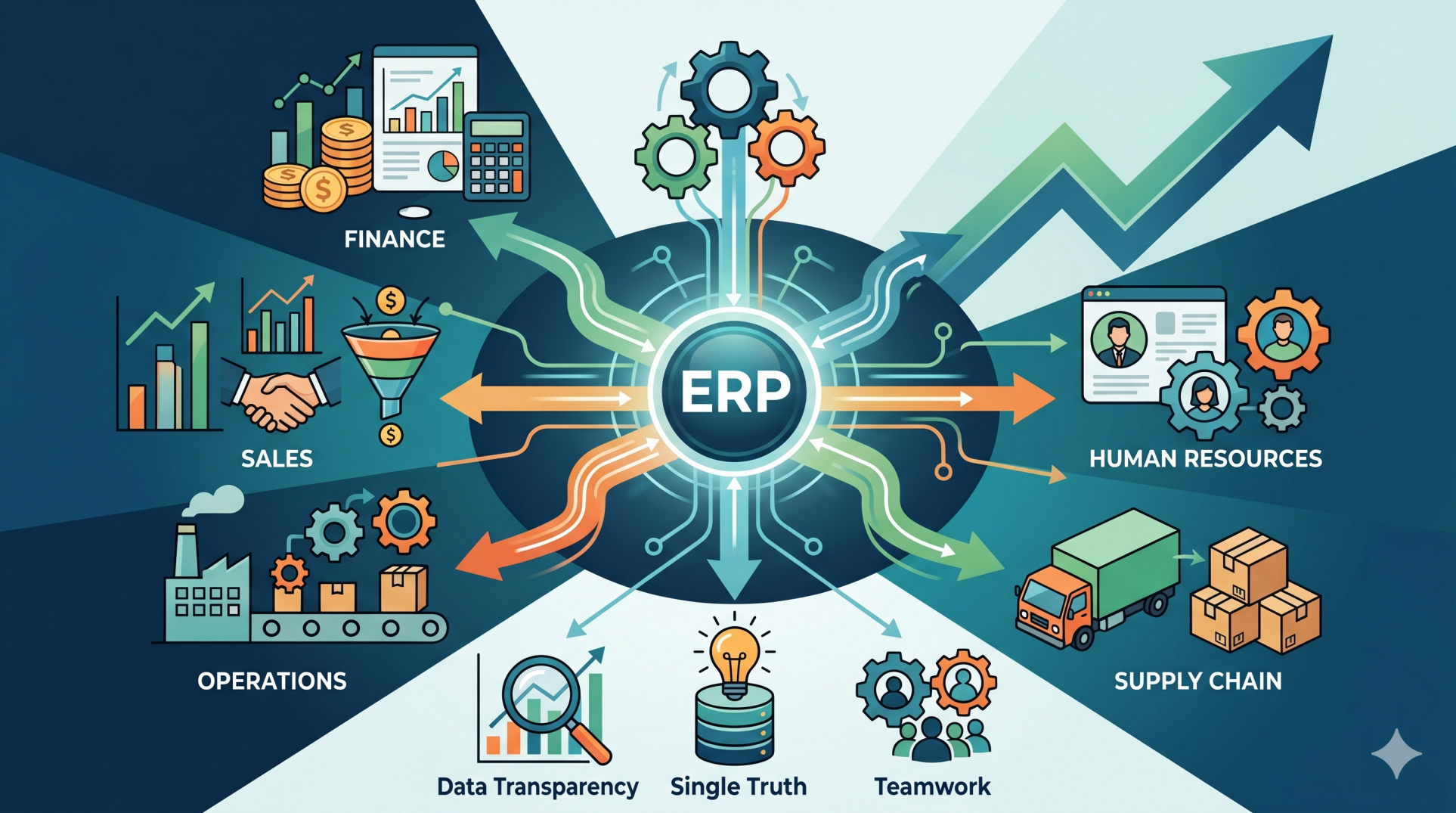
• Create a single source of truth for stock information 📊
• Eliminate duplicate records and inventory discrepancies 🔄
• Synchronize product data across all sales channels 🌐
• Improve visibility into inventory availability 👀
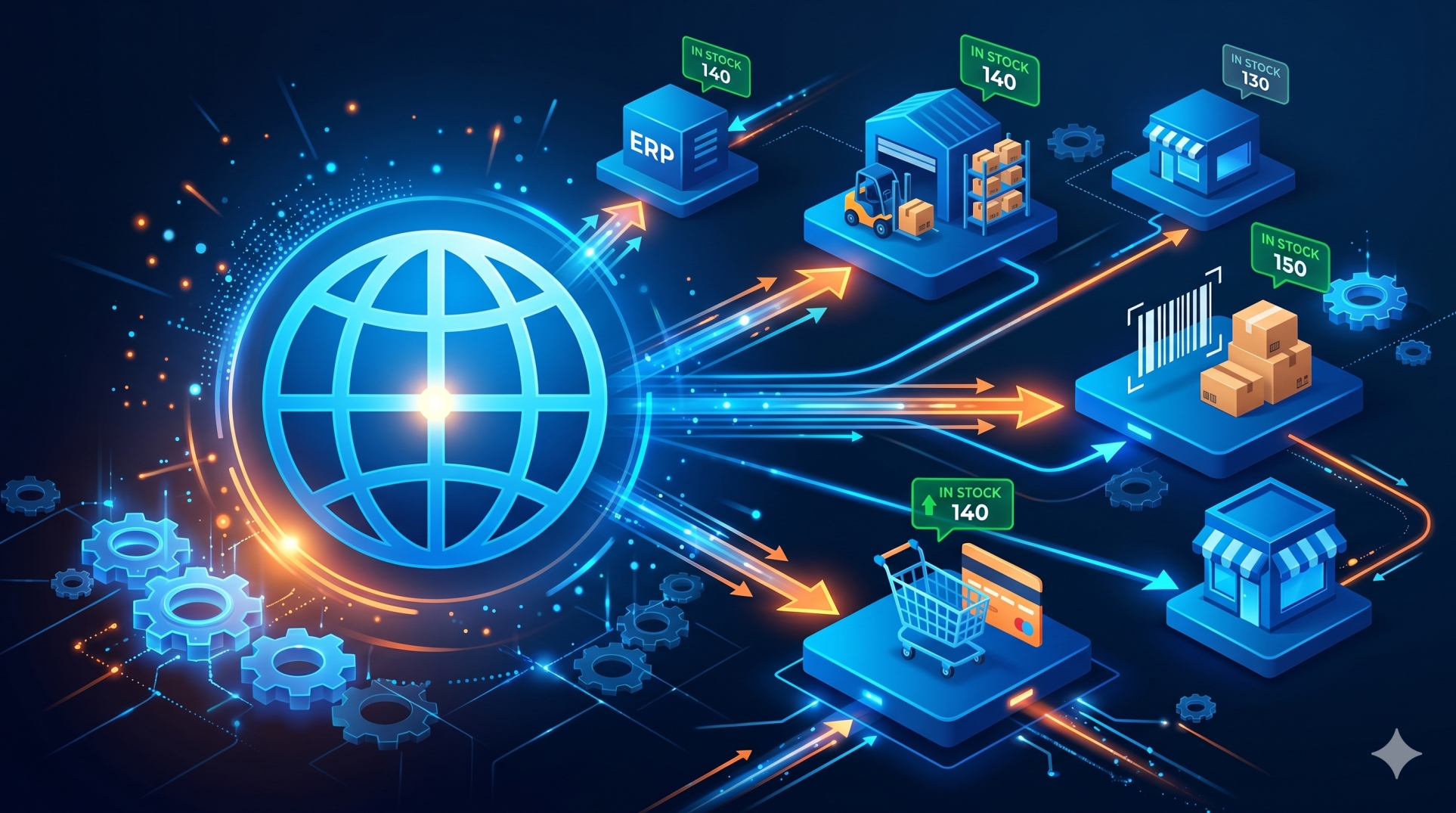
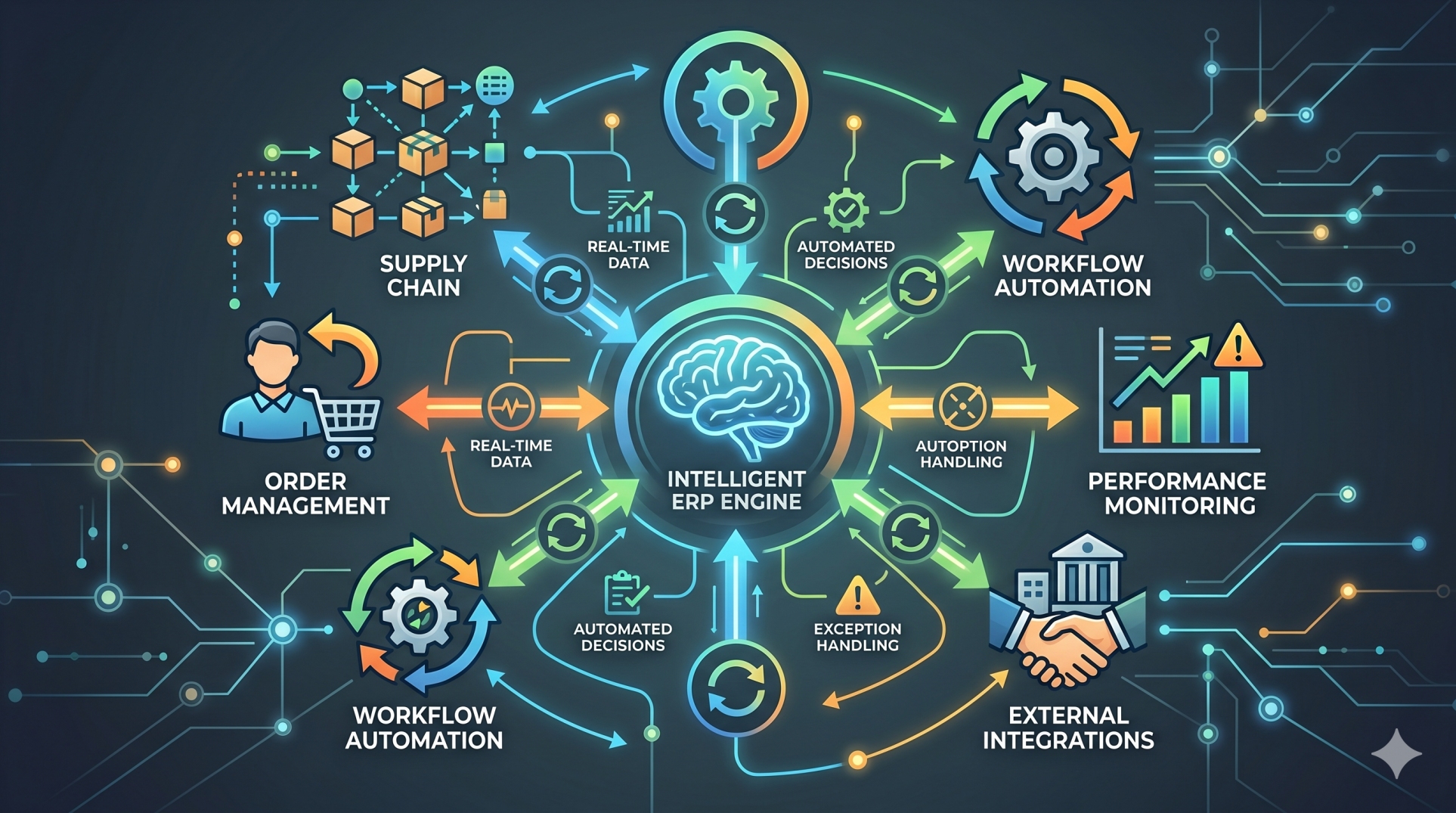
Step 2: Enabling Real-Time Inventory Tracking ⏱️
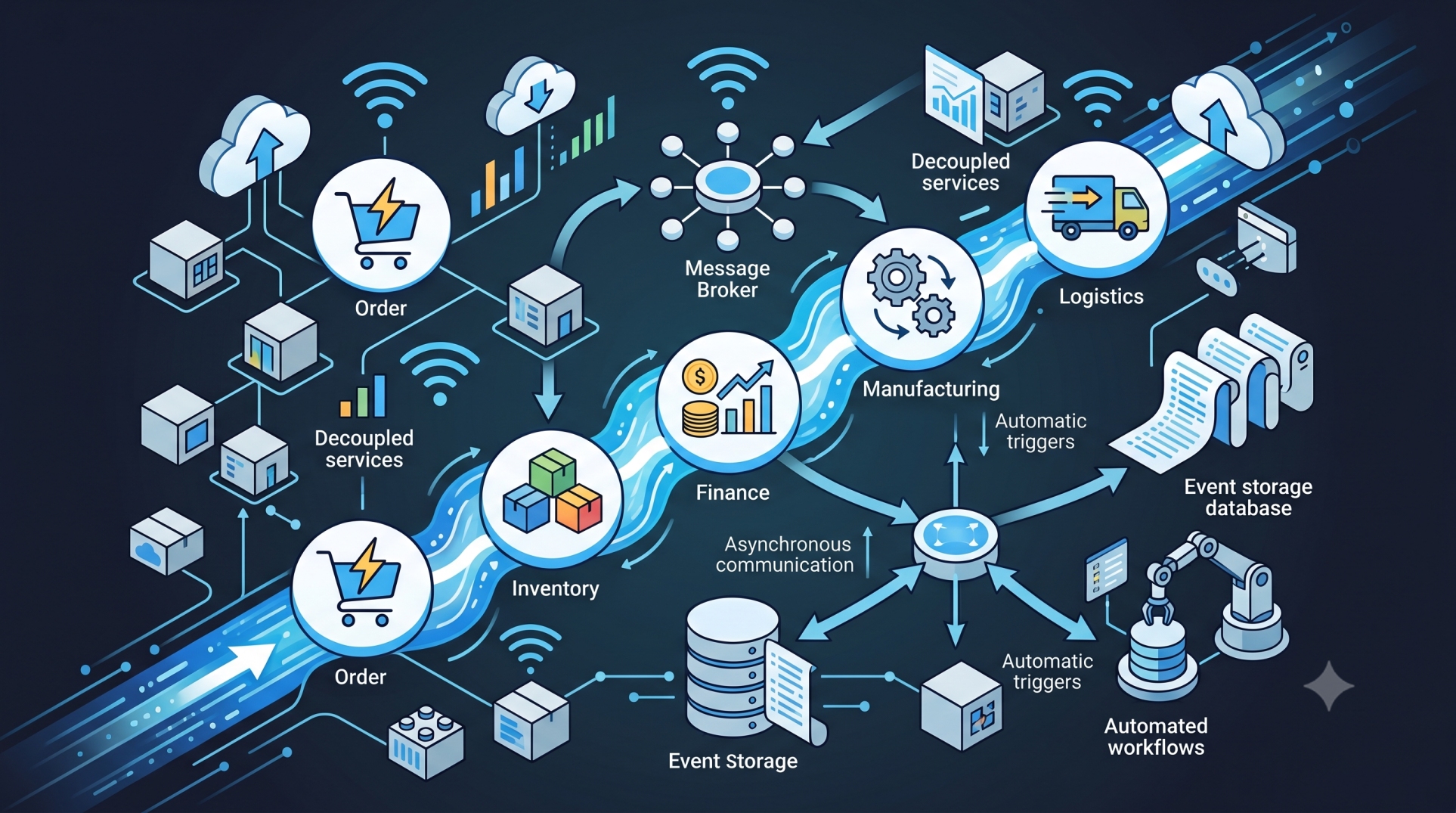
• Monitor stock movements as they occur 📡
• Update inventory automatically after every sale or return 🔄
• Track product availability across multiple locations 📍
• Reduce overselling and stock inconsistencies ✅
• Improve order fulfillment accuracy 📦
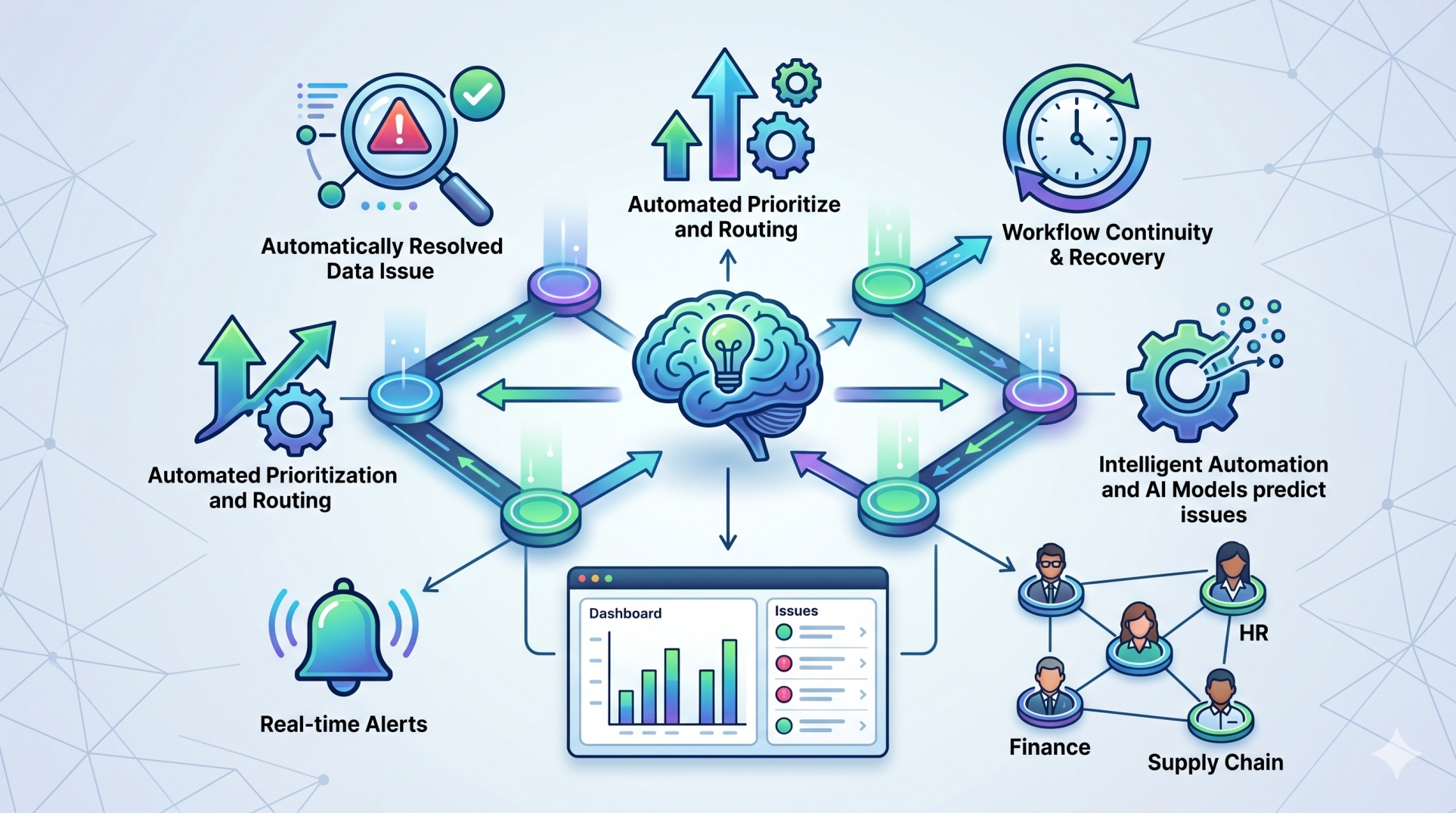
Step 3: Automating Stock Replenishment 🤖
• Set reorder thresholds for every product 📋
• Generate purchase recommendations based on demand 📈
• Prevent stock shortages through proactive replenishment 🚚
• Optimize inventory levels to reduce excess stock 📉
• Improve supplier coordination with automated purchasing 📬
Step 4: Managing Multi-Channel Sales 🌍
• Synchronize inventory across websites and marketplaces 🛒
• Maintain consistent product availability across platforms 🔗
• Update stock instantly after each transaction ⚡
• Prevent duplicate sales caused by delayed synchronization 🚫
• Deliver a seamless omnichannel shopping experience 🛍️
Step 5: Optimizing Warehouse Operations 🏢
• Organize inventory for faster picking and packing 📦
• Improve warehouse layouts for efficient product movement 🚶
• Minimize fulfillment delays through optimized workflows ⚙️
• Track inventory by location, batch, or bin 📍
• Increase warehouse productivity with digital processes 🚀
Step 6: Improving Demand Forecasting 📈
• Analyze historical sales patterns 📊
• Identify seasonal and promotional demand trends 📅
• Forecast future inventory requirements accurately 🔍
• Support better purchasing and production planning 🏭
• Reduce stockouts and excess inventory 💡
Step 7: Enhancing Order Fulfillment 🚚
• Prioritize orders based on inventory availability 📦
• Allocate stock from the most suitable warehouse 🏬
• Streamline packing and shipping workflows 📬
• Track fulfillment performance in real time 📡
• Improve delivery speed and customer satisfaction 😊
Step 8: Key Inventory Management Priorities ⭐
• Real-time stock visibility across all sales channels 👀
• Automated inventory updates and replenishment 🤖
• Accurate forecasting and demand planning 📈
• Scalable inventory operations that support business growth 🚀
Step 9: Managing Returns and Reverse Logistics 🔄
• Process returned products efficiently 📦
• Inspect and classify returned inventory 🏷️
• Restock eligible products quickly 📋
• Track return reasons to improve operations 📊
• Reduce inventory losses through effective reverse logistics ♻️
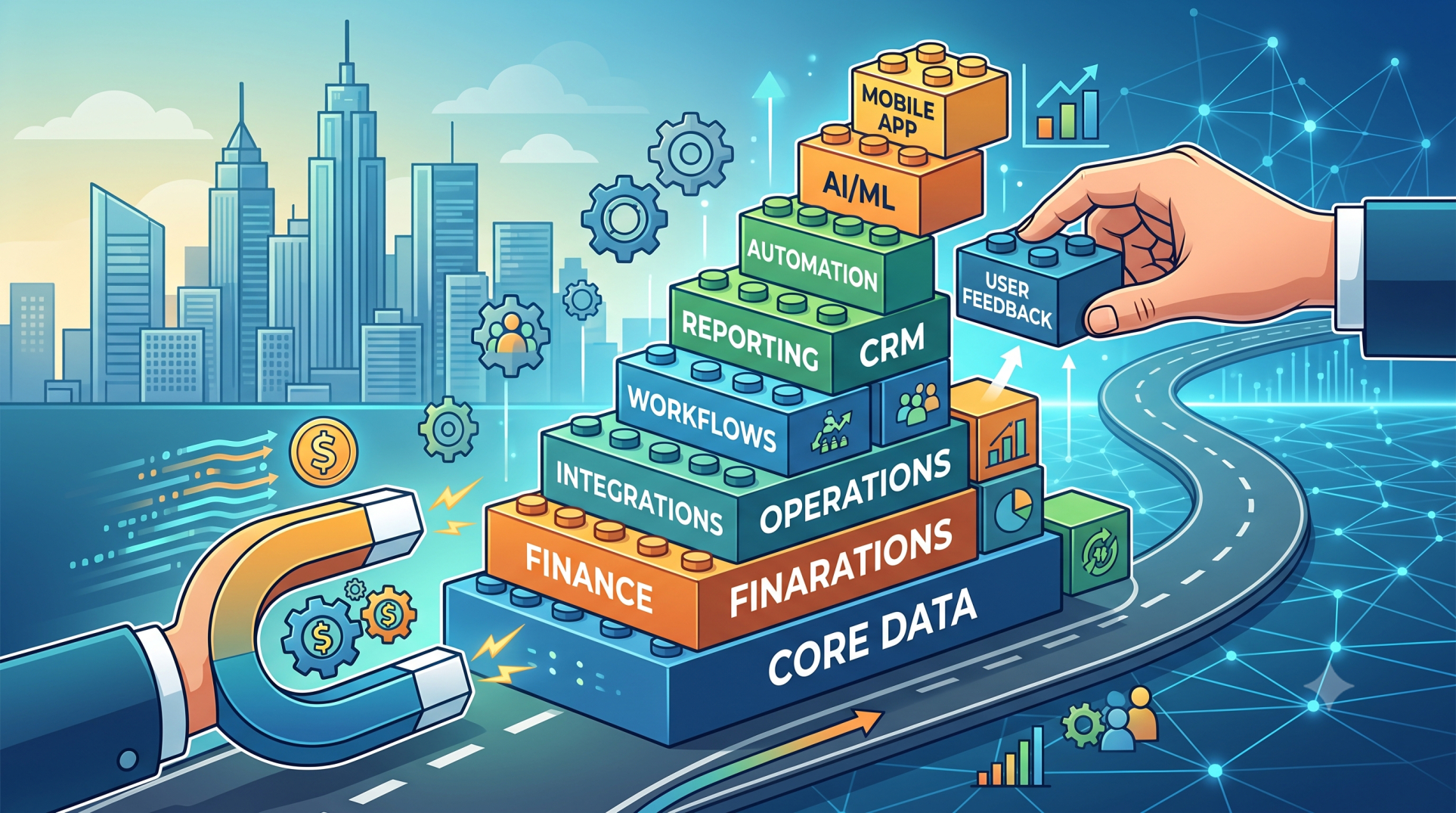
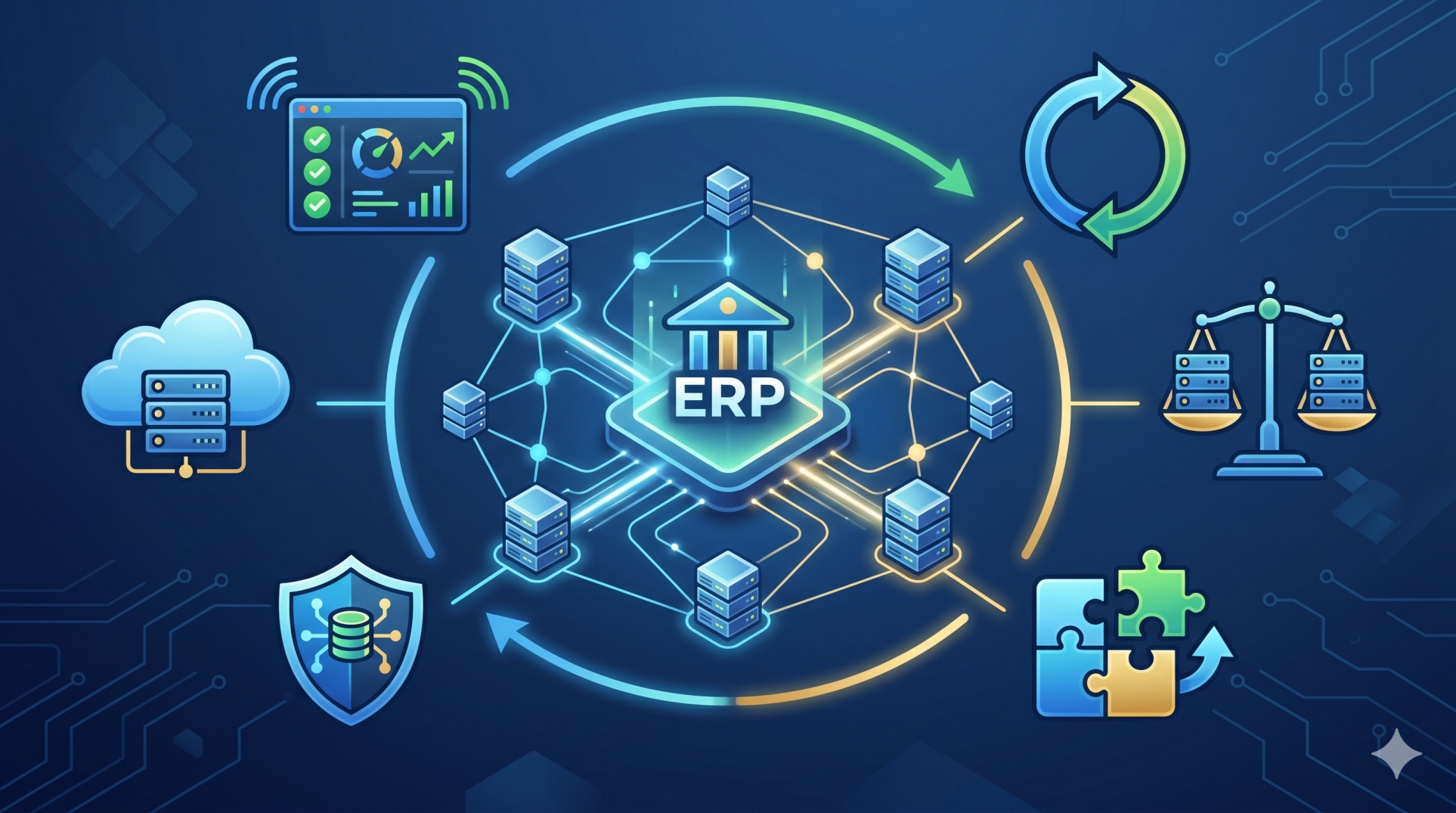
Step 10: Building a Scalable Inventory Ecosystem 🌟
• Design flexible inventory processes for business expansion 🏗️
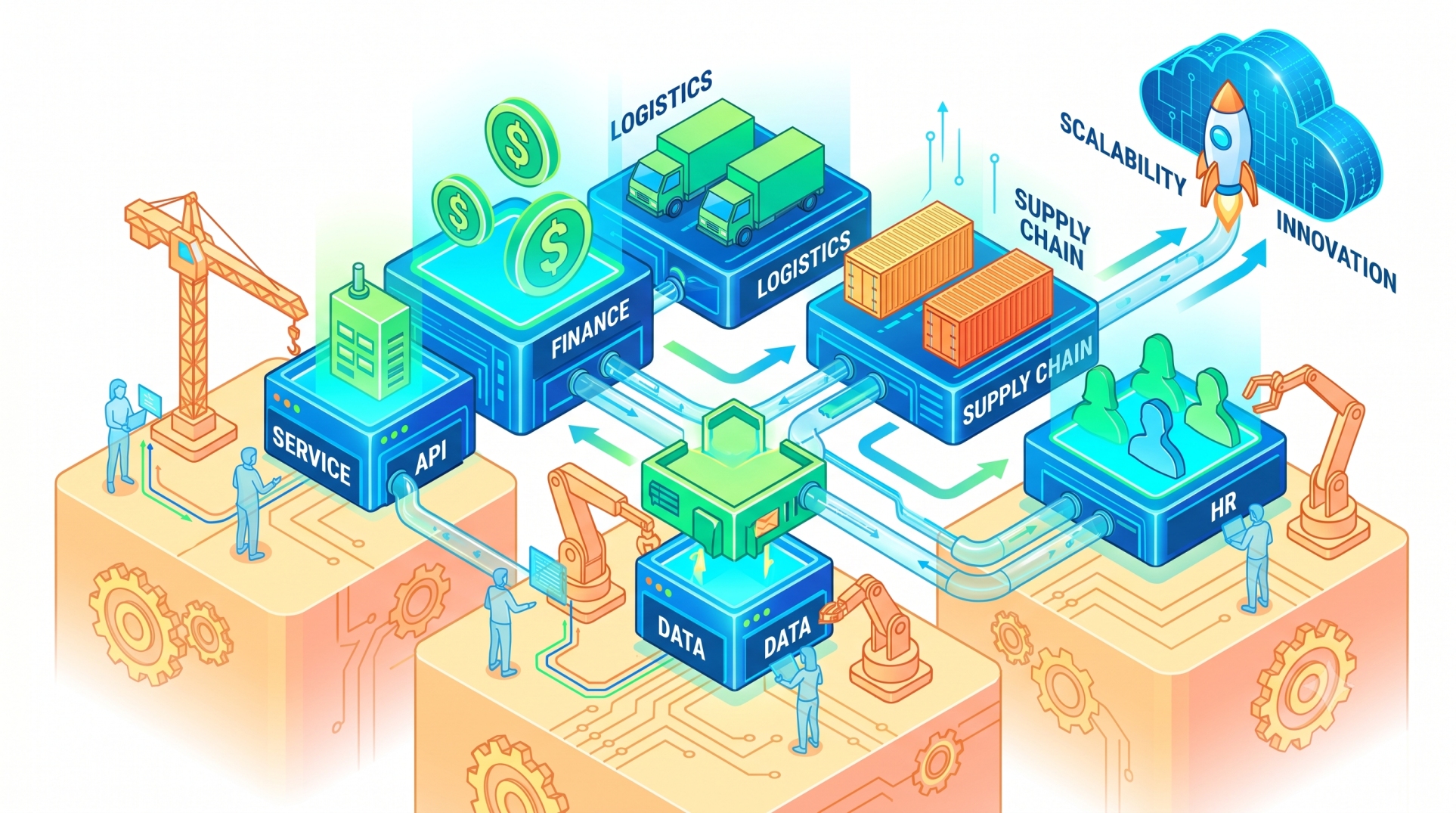
• Support multiple warehouses and fulfillment centers 🏢
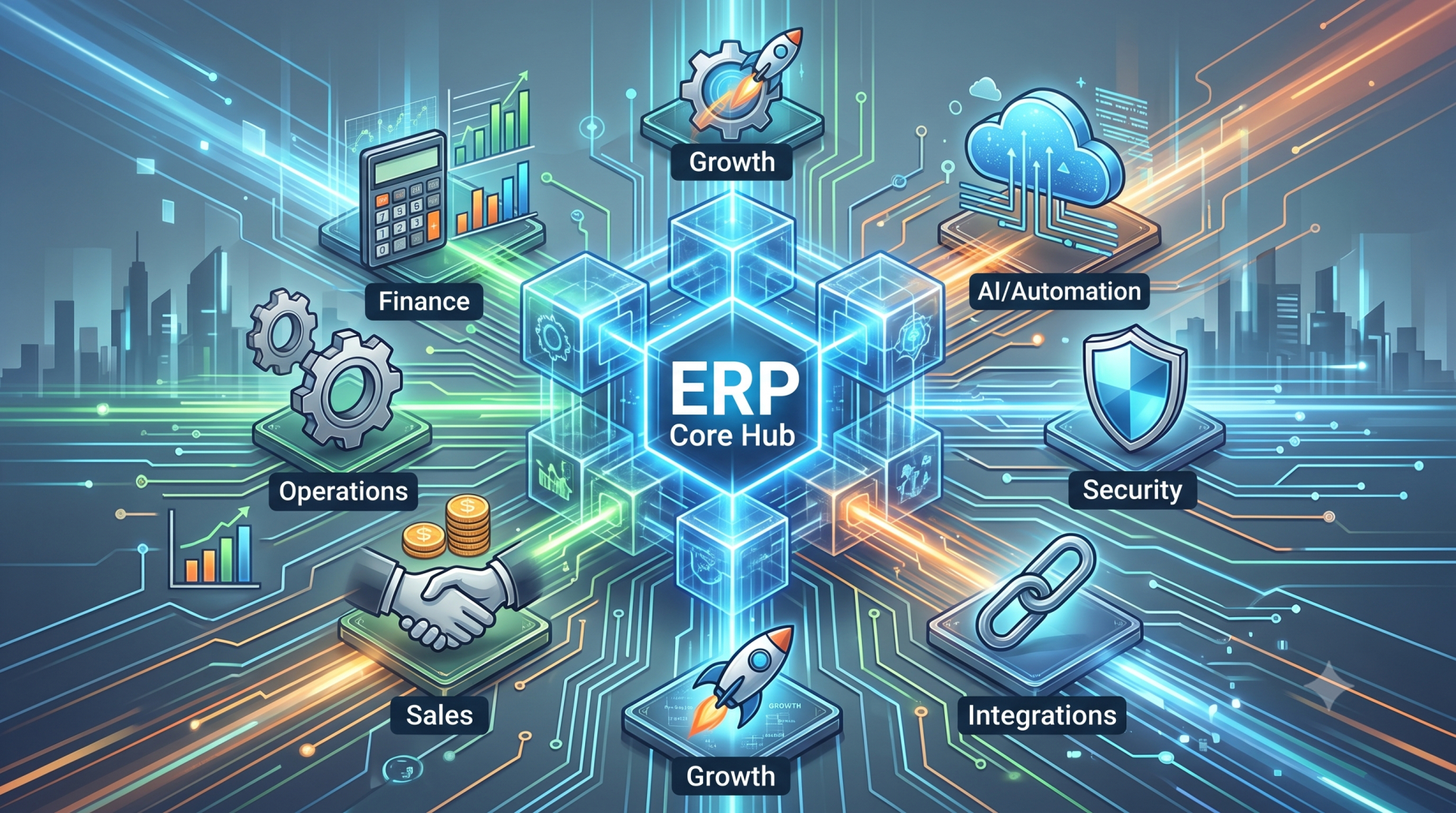
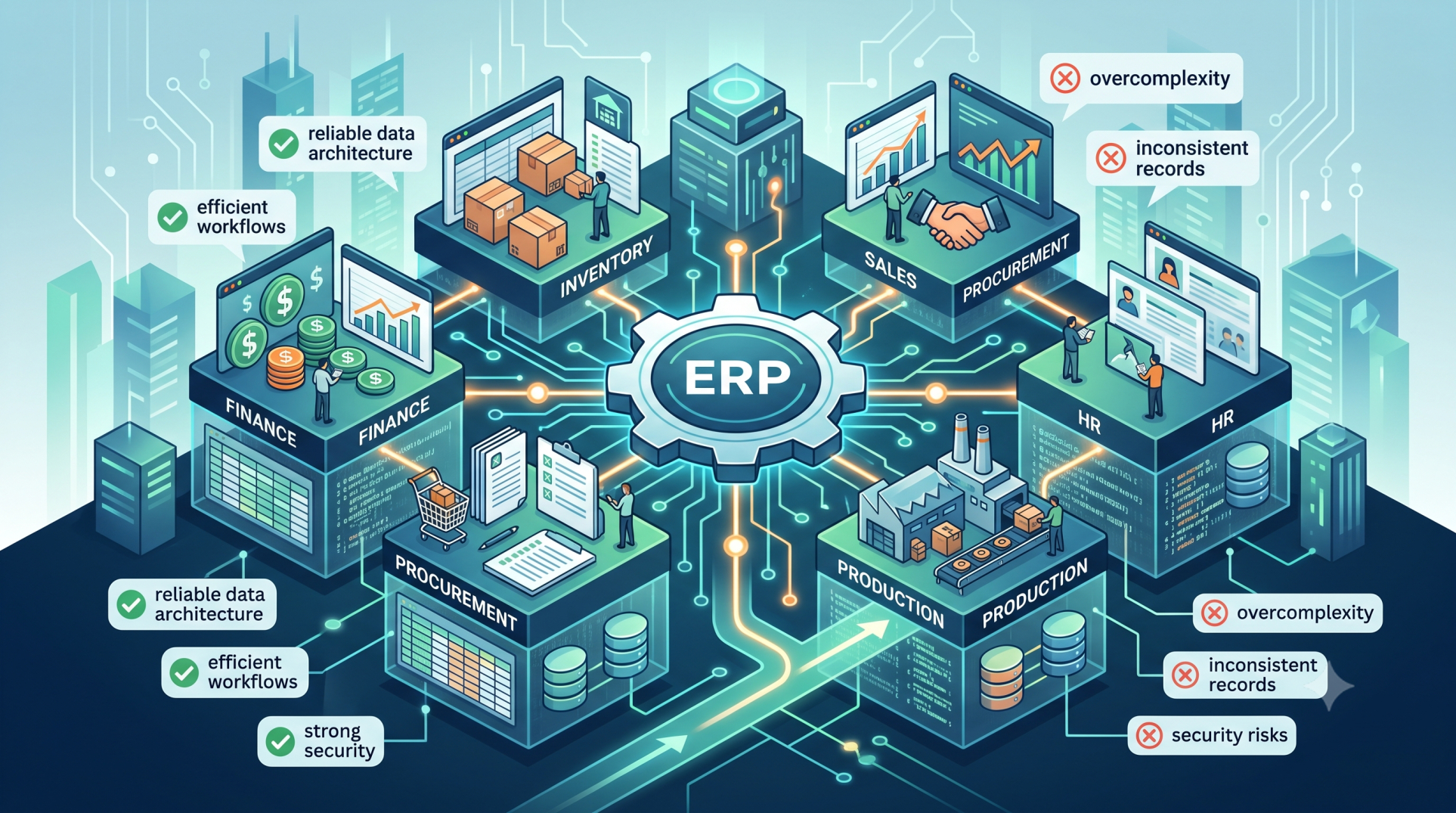
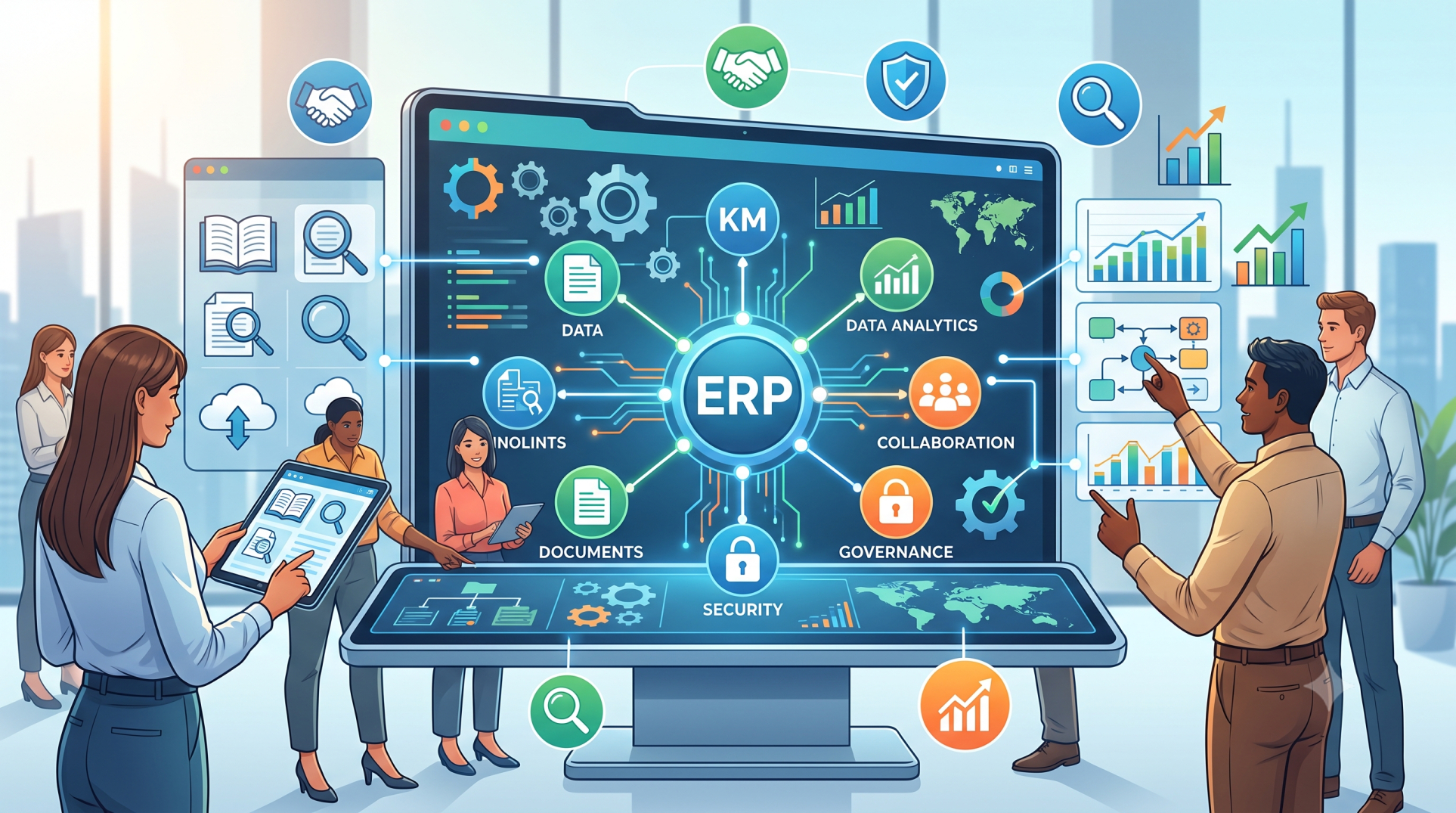
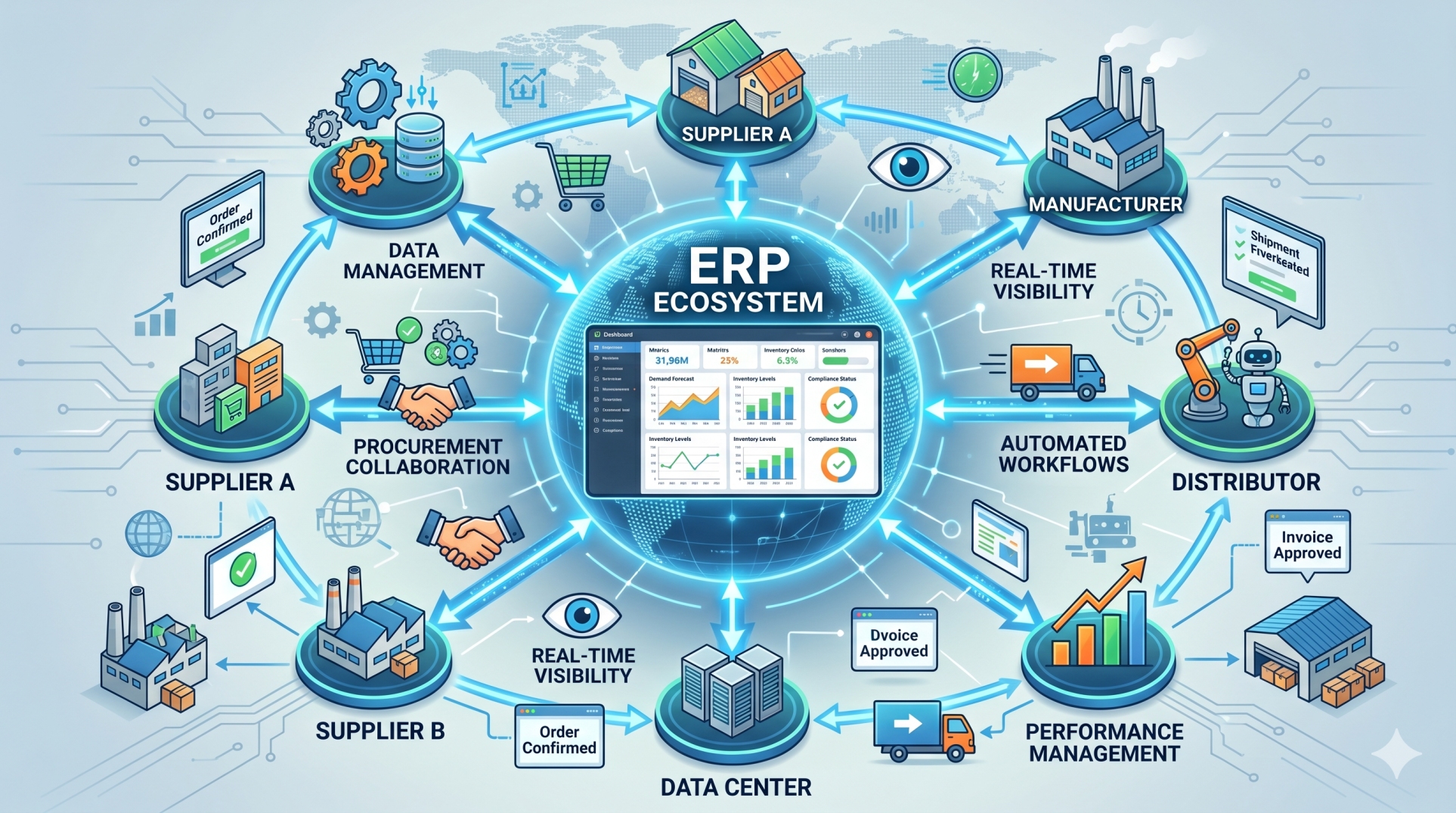
• Integrate ERP, accounting, and shipping platforms 🔗
• Utilize analytics for continuous inventory optimization 📈
• Future-proof inventory operations with automation and intelligent technologies 🤖
Conclusion
E-commerce inventory management is the foundation of scalable online sales. By centralizing inventory data, automating stock control, optimizing fulfillment, and leveraging real-time insights, businesses can improve operational efficiency while delivering exceptional customer experiences. A scalable inventory management strategy enables organizations to adapt to growing demand, expand across multiple sales channels, and achieve long-term success in the competitive e-commerce landscape.
See more blogs
You can all the articles below