How Intelligent ERP Systems Change the Way Employees Work
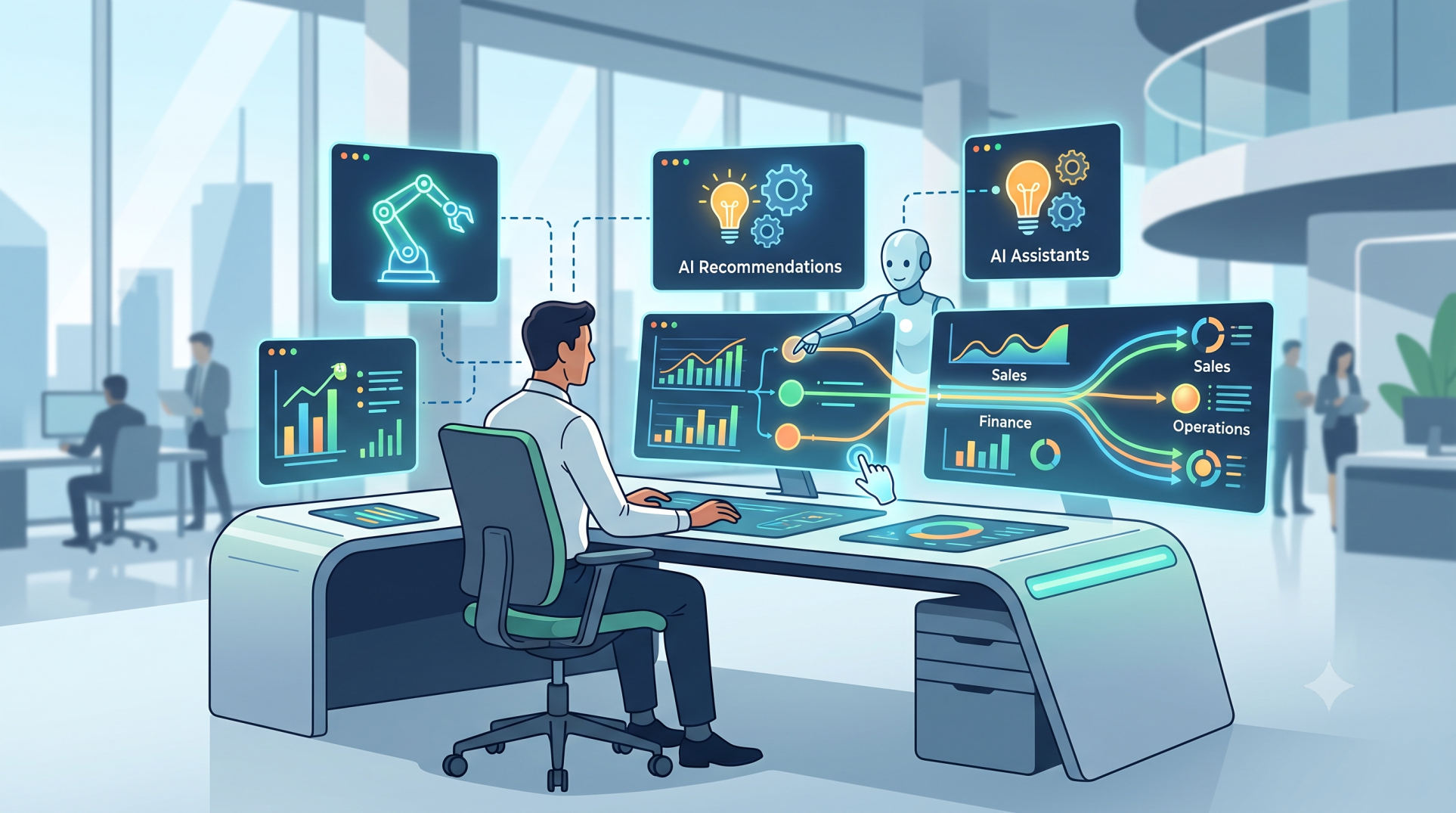
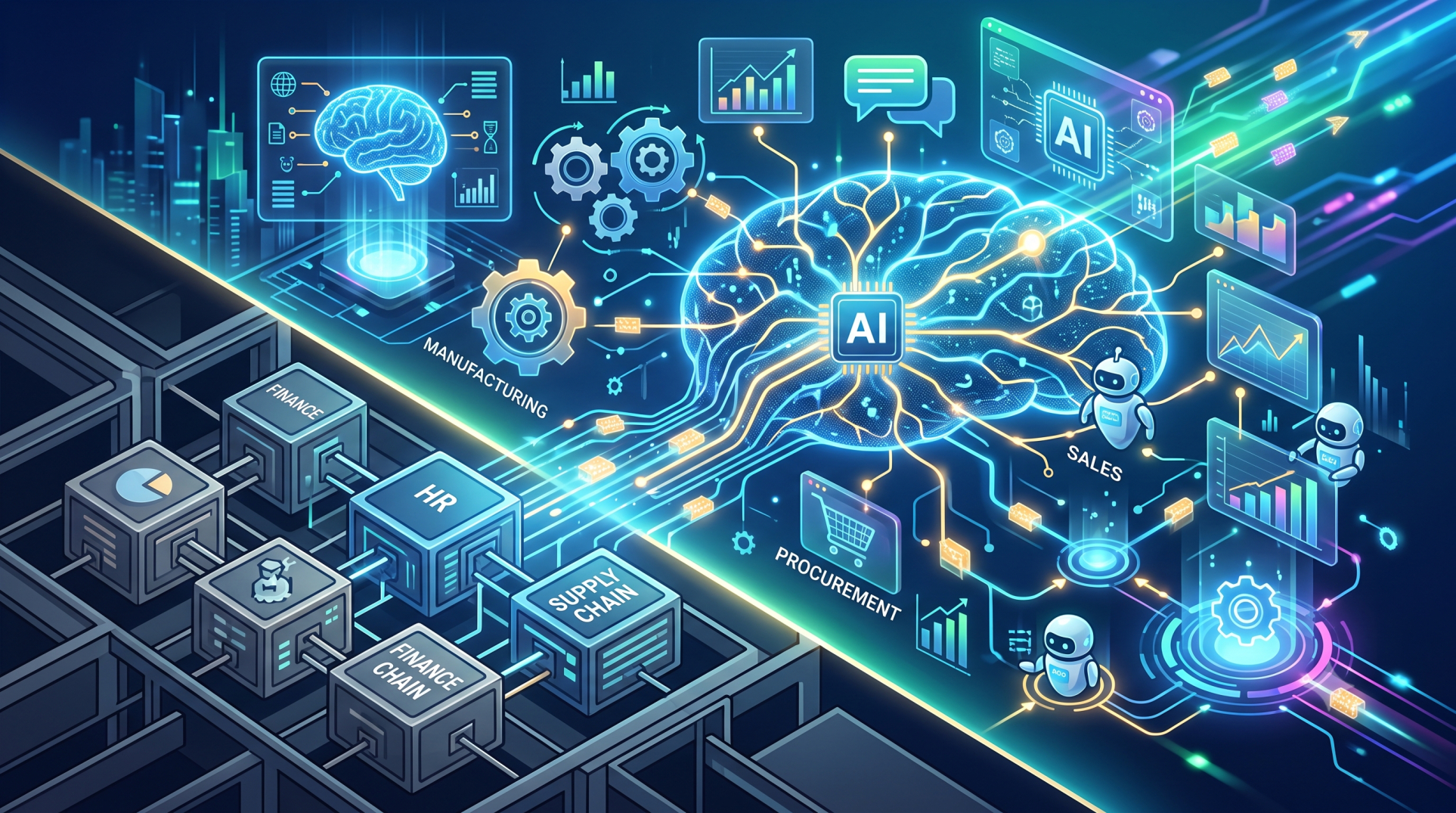
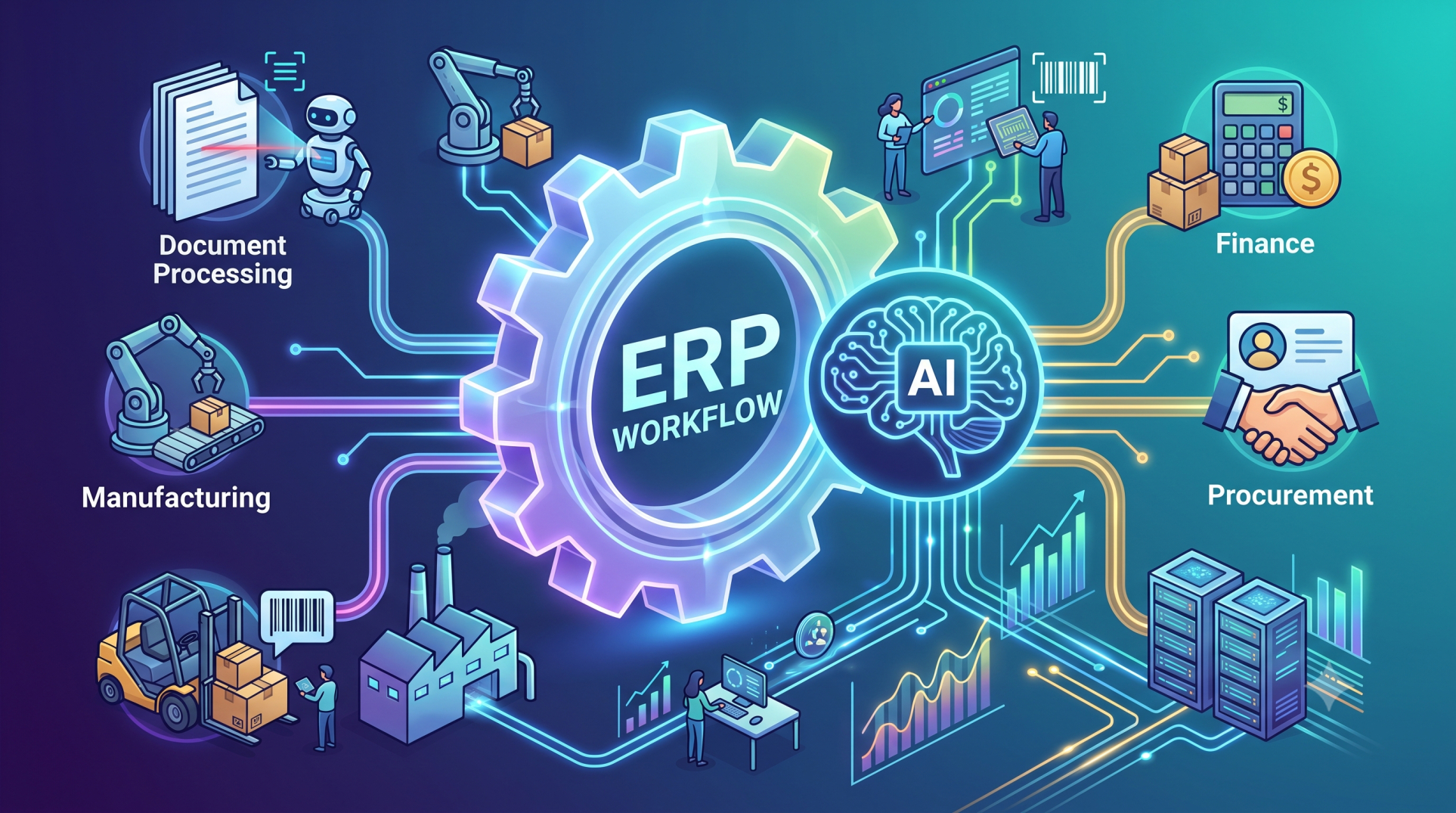
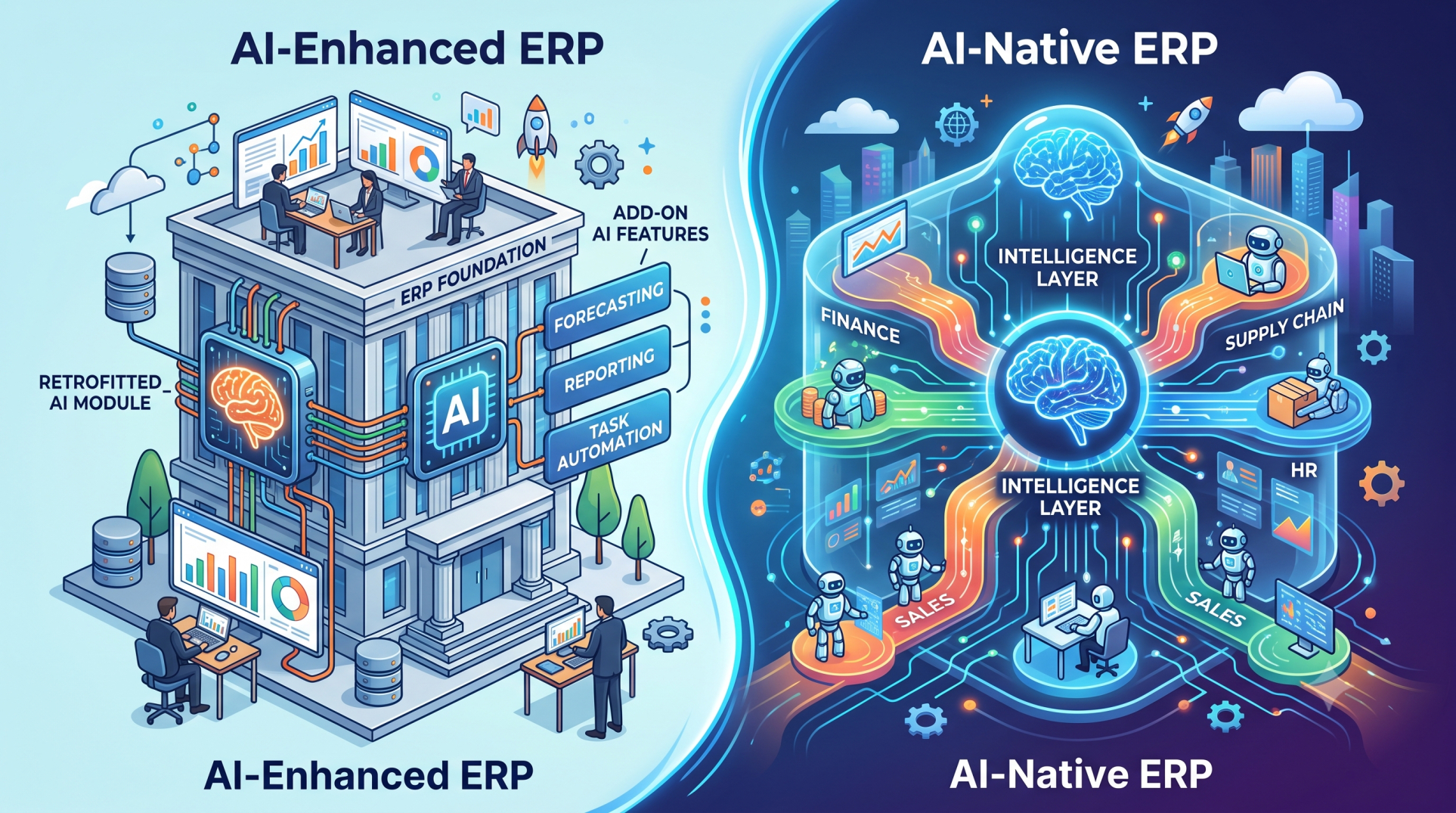
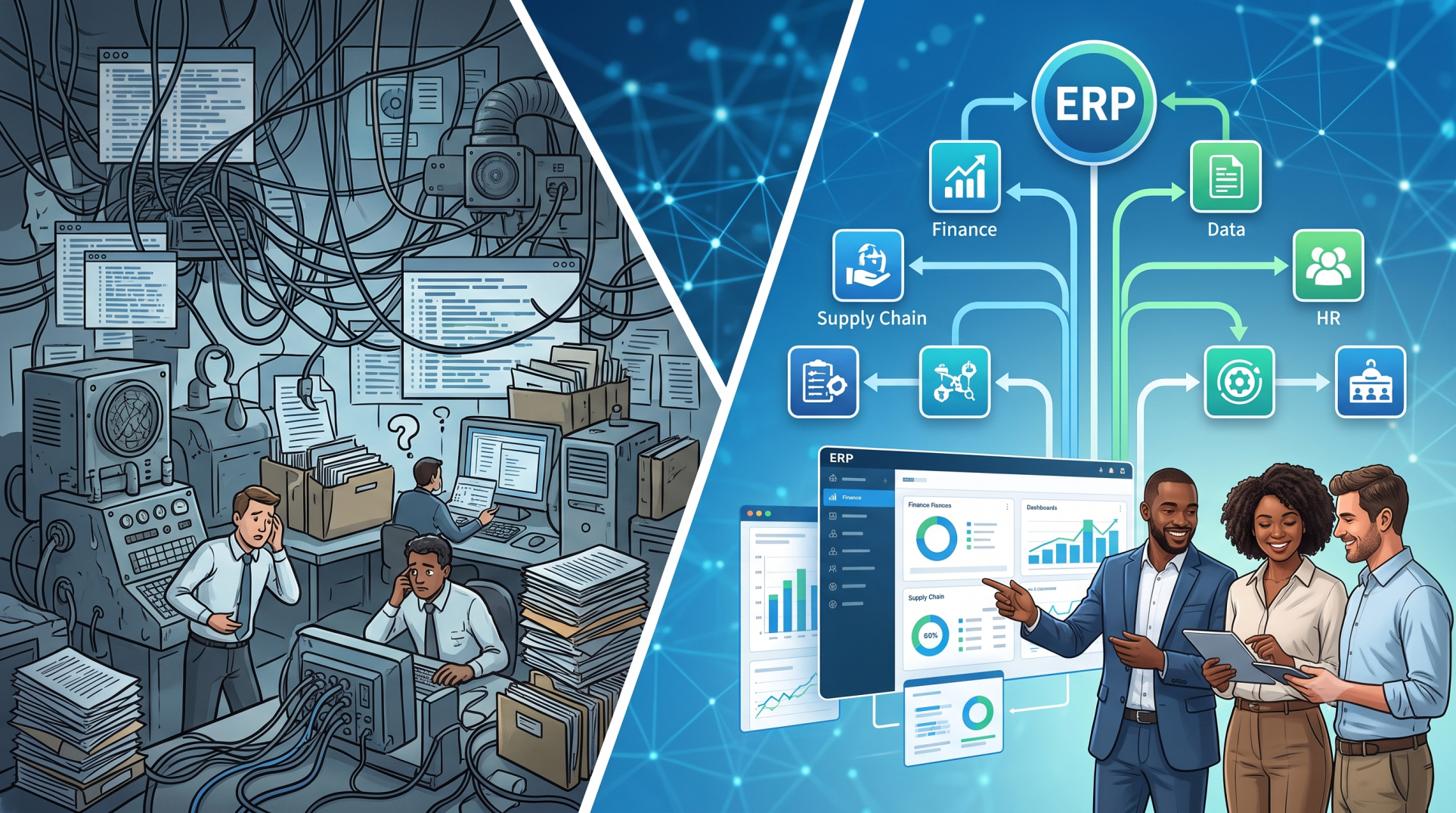
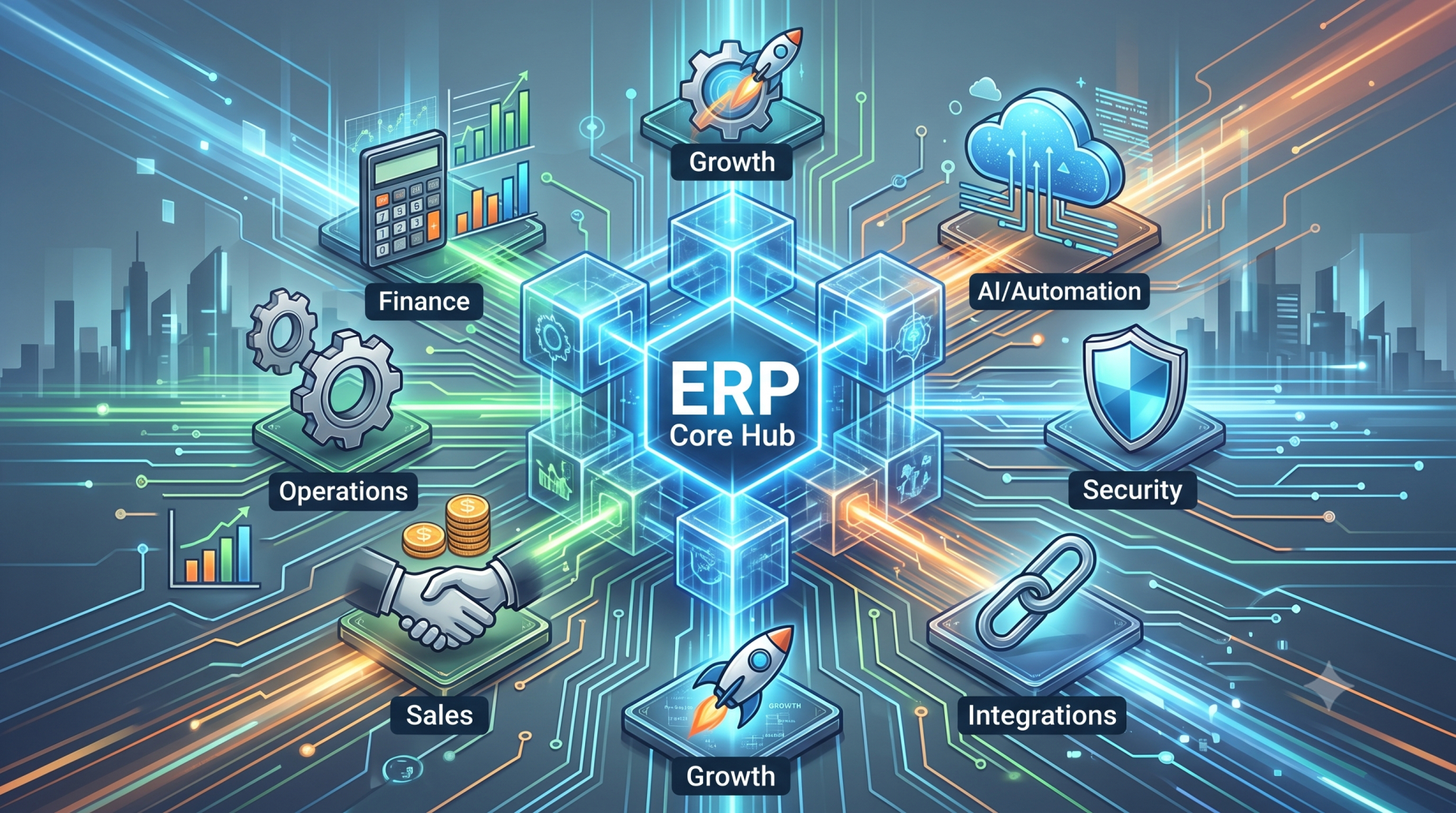
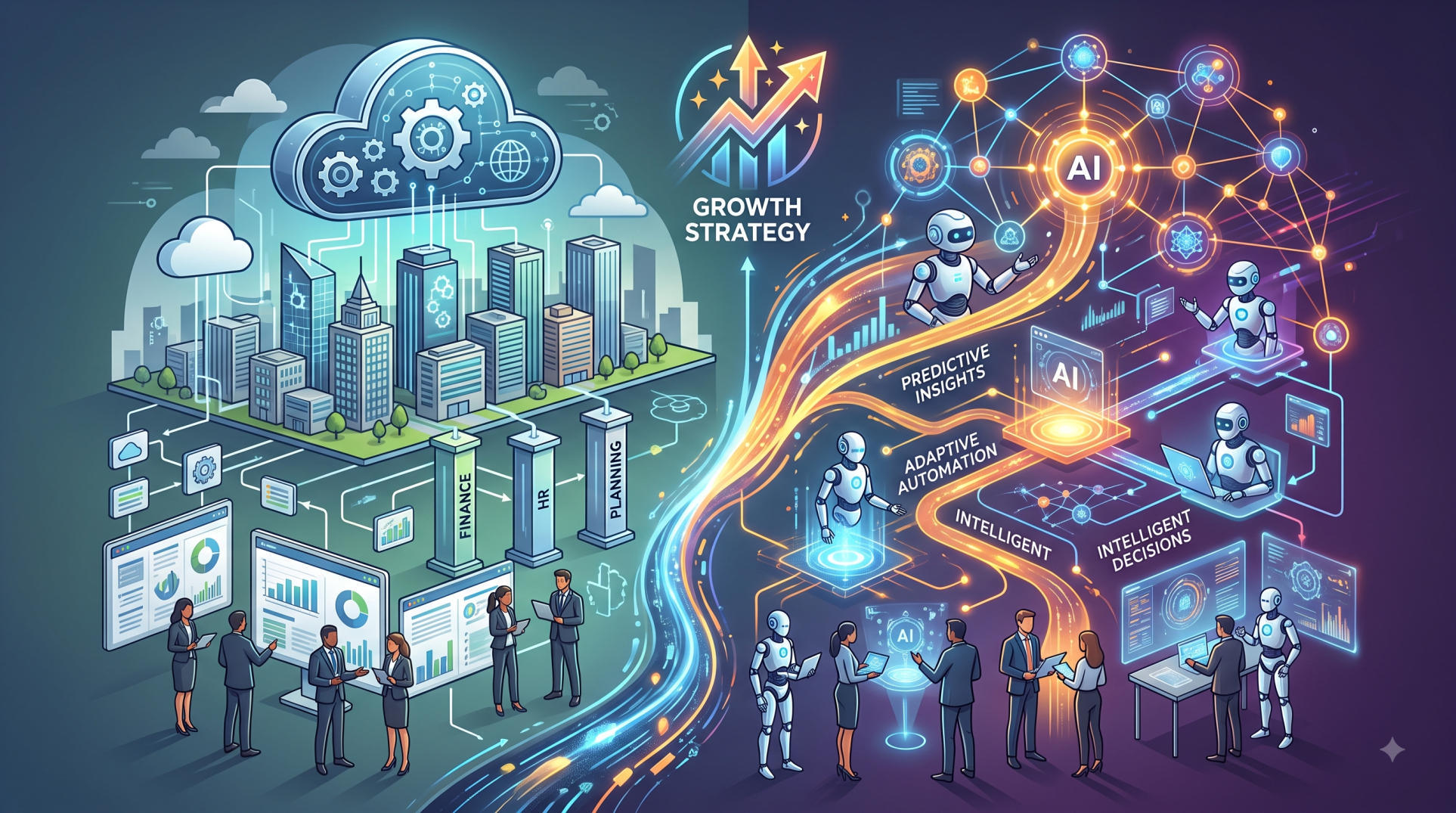
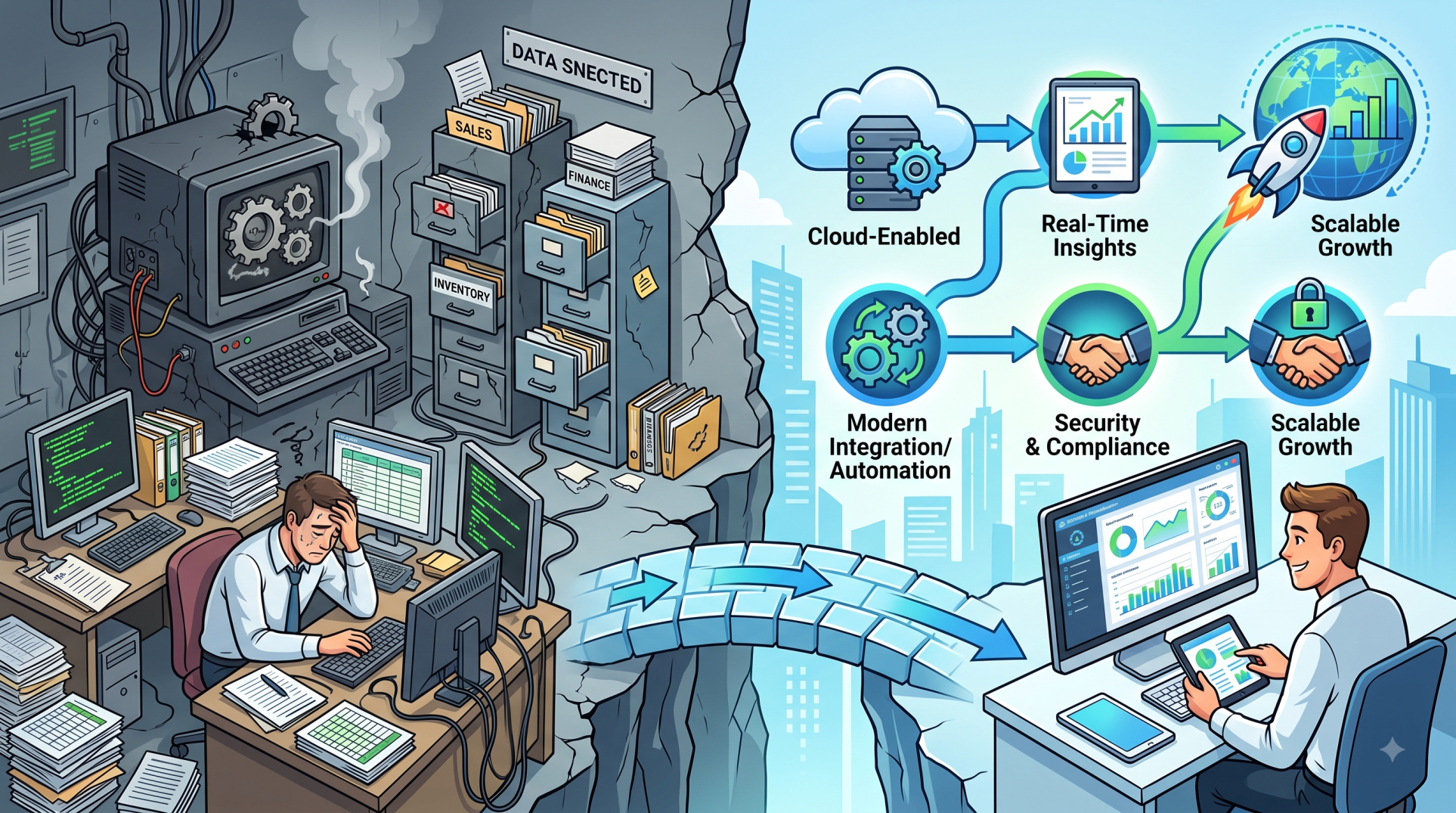
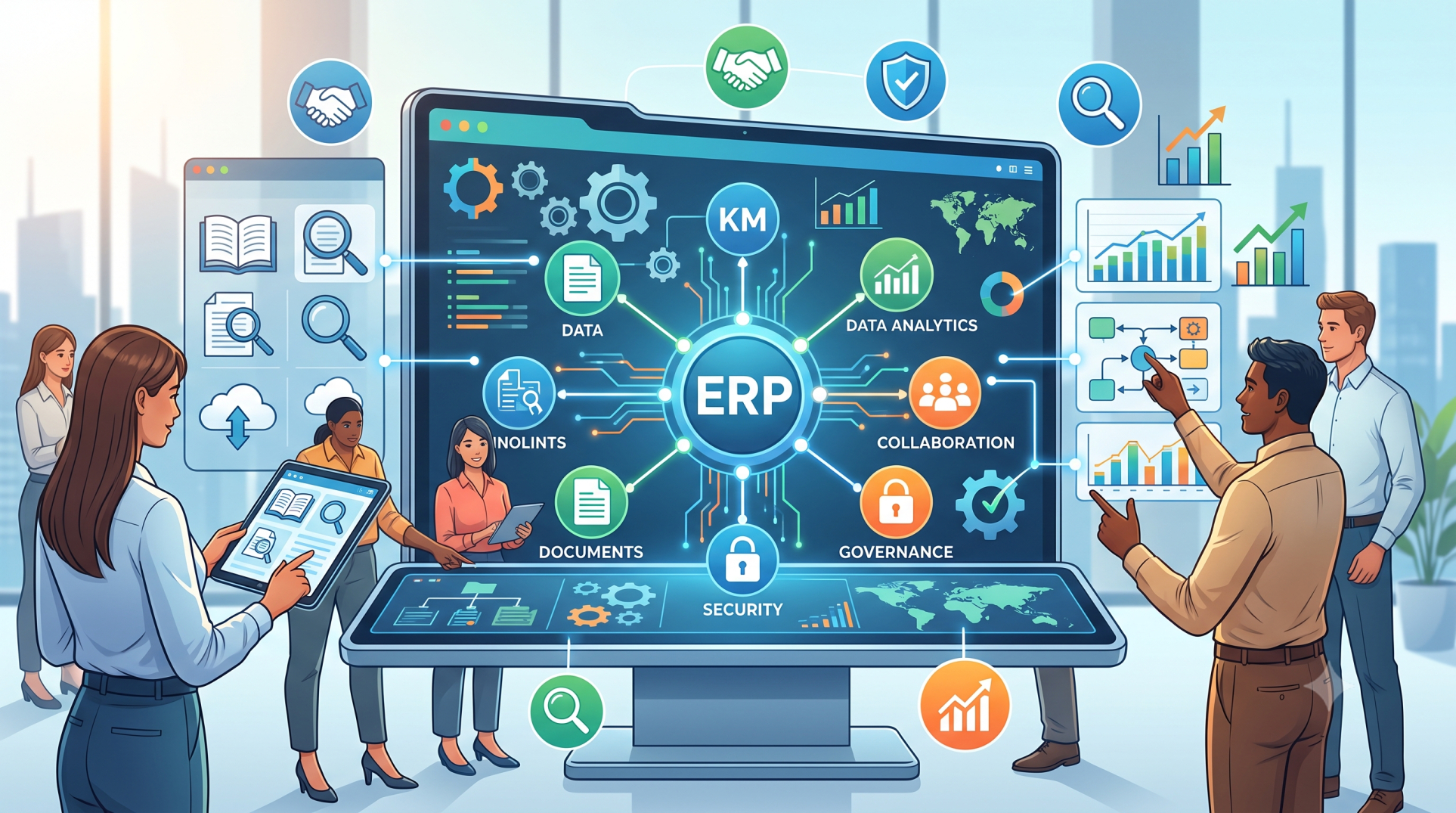
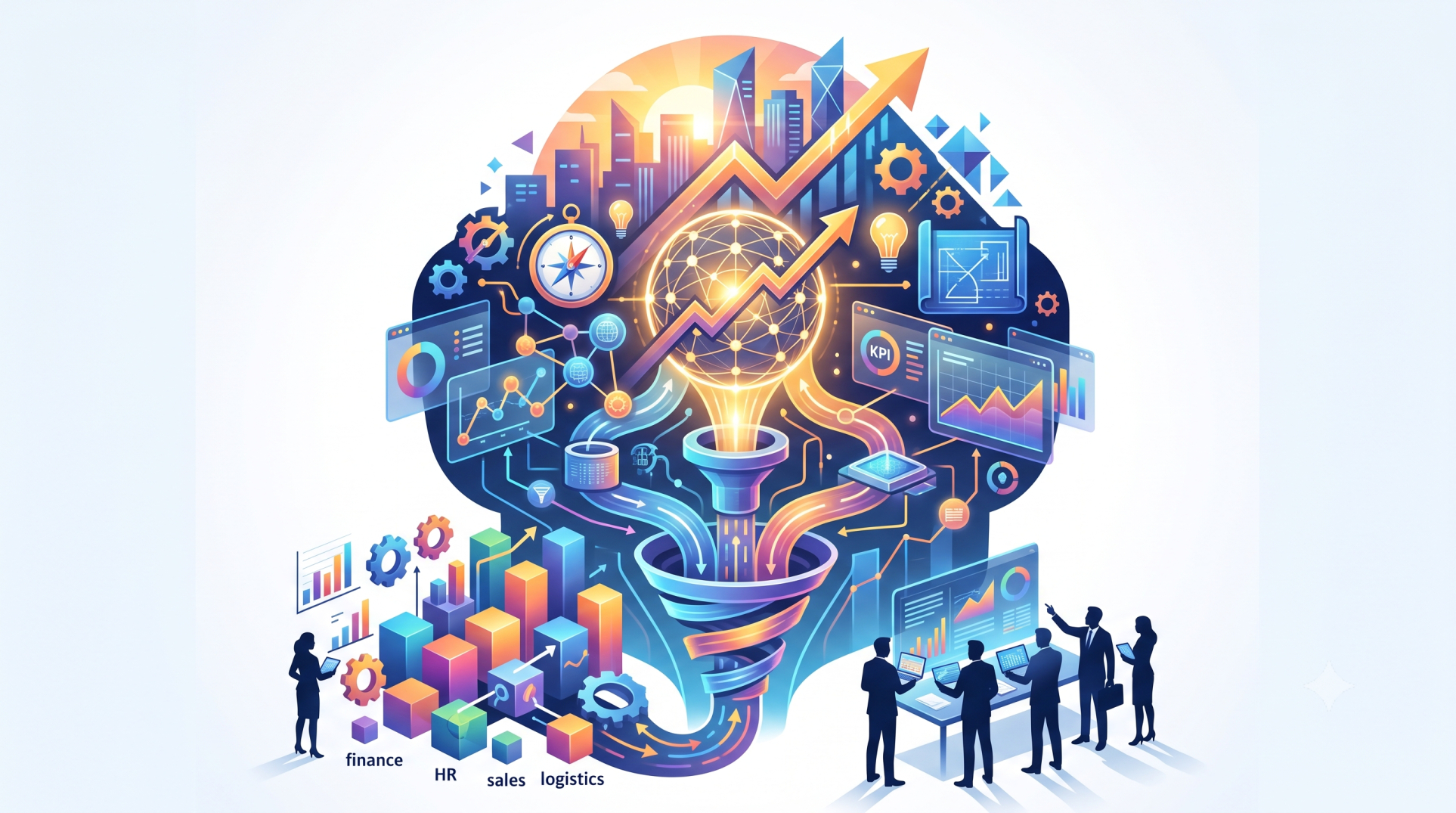
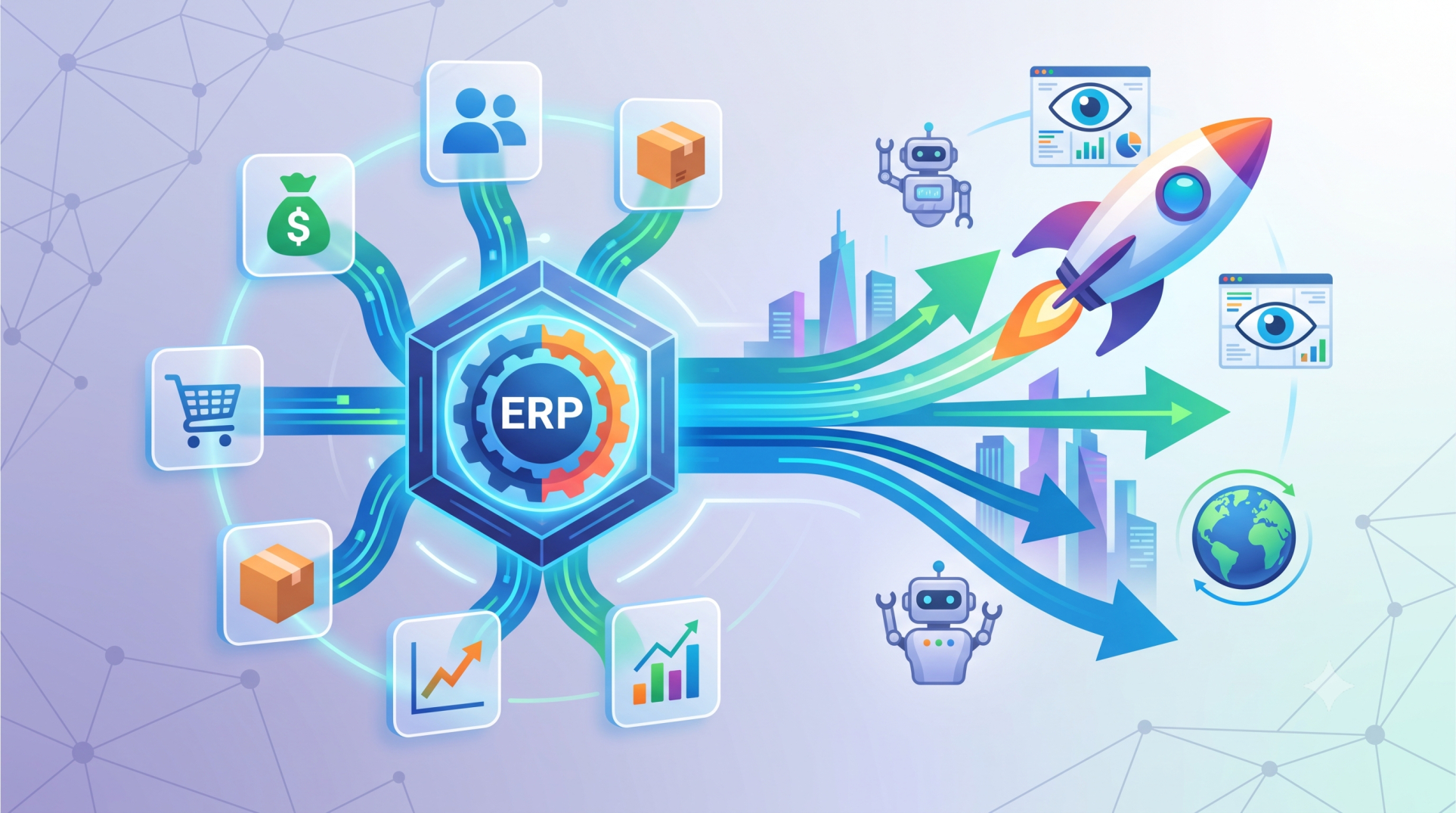
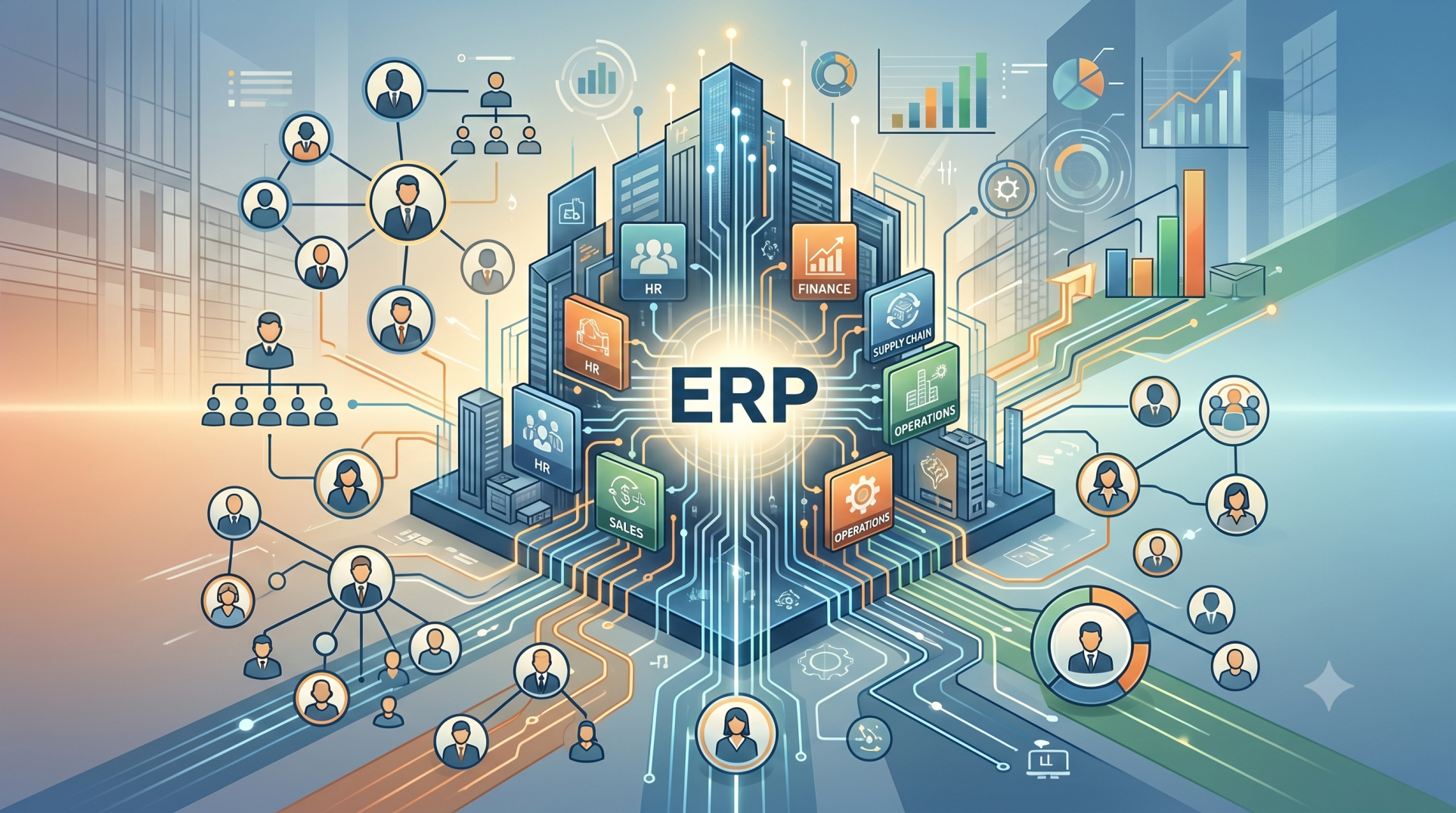
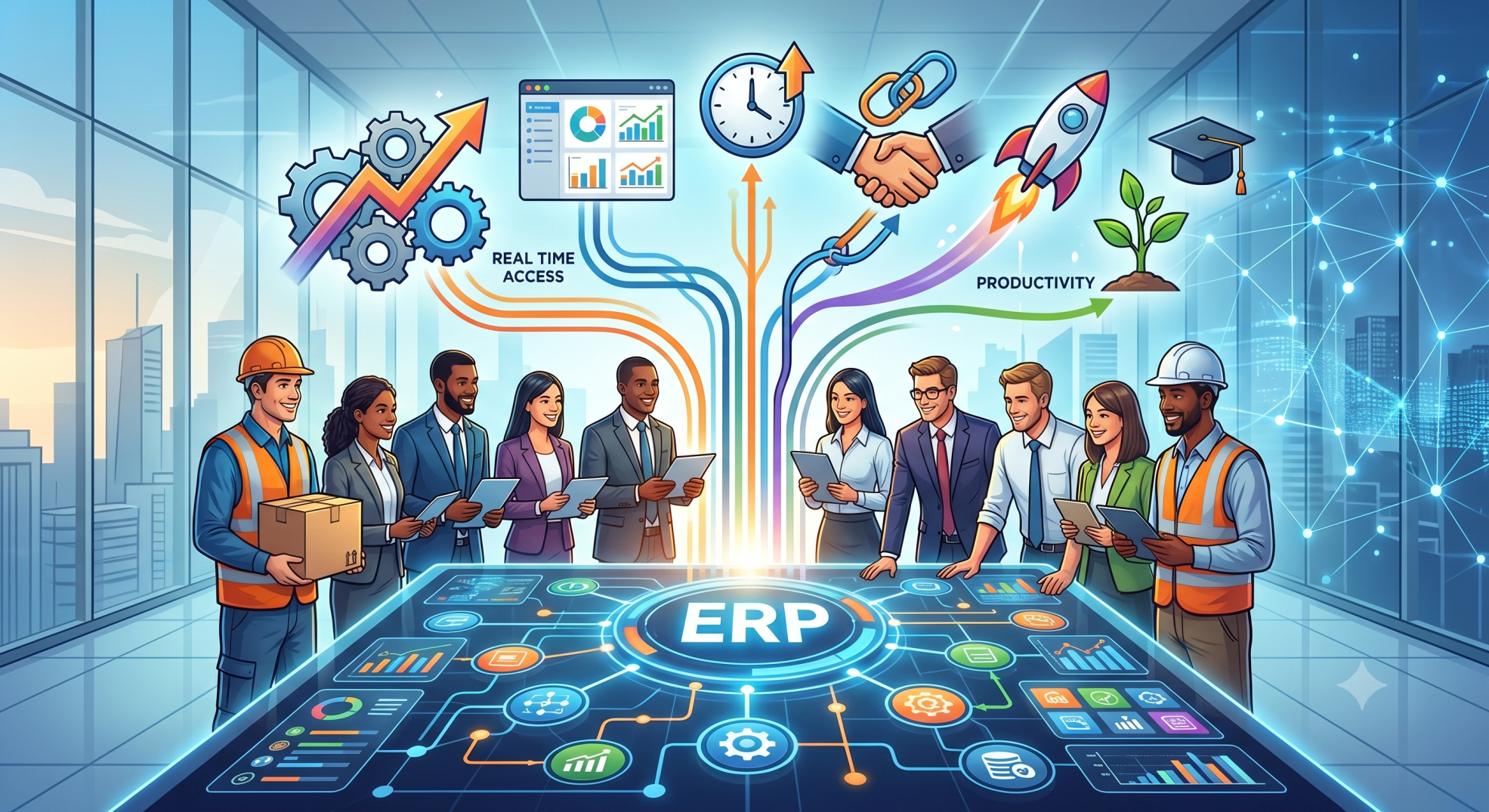
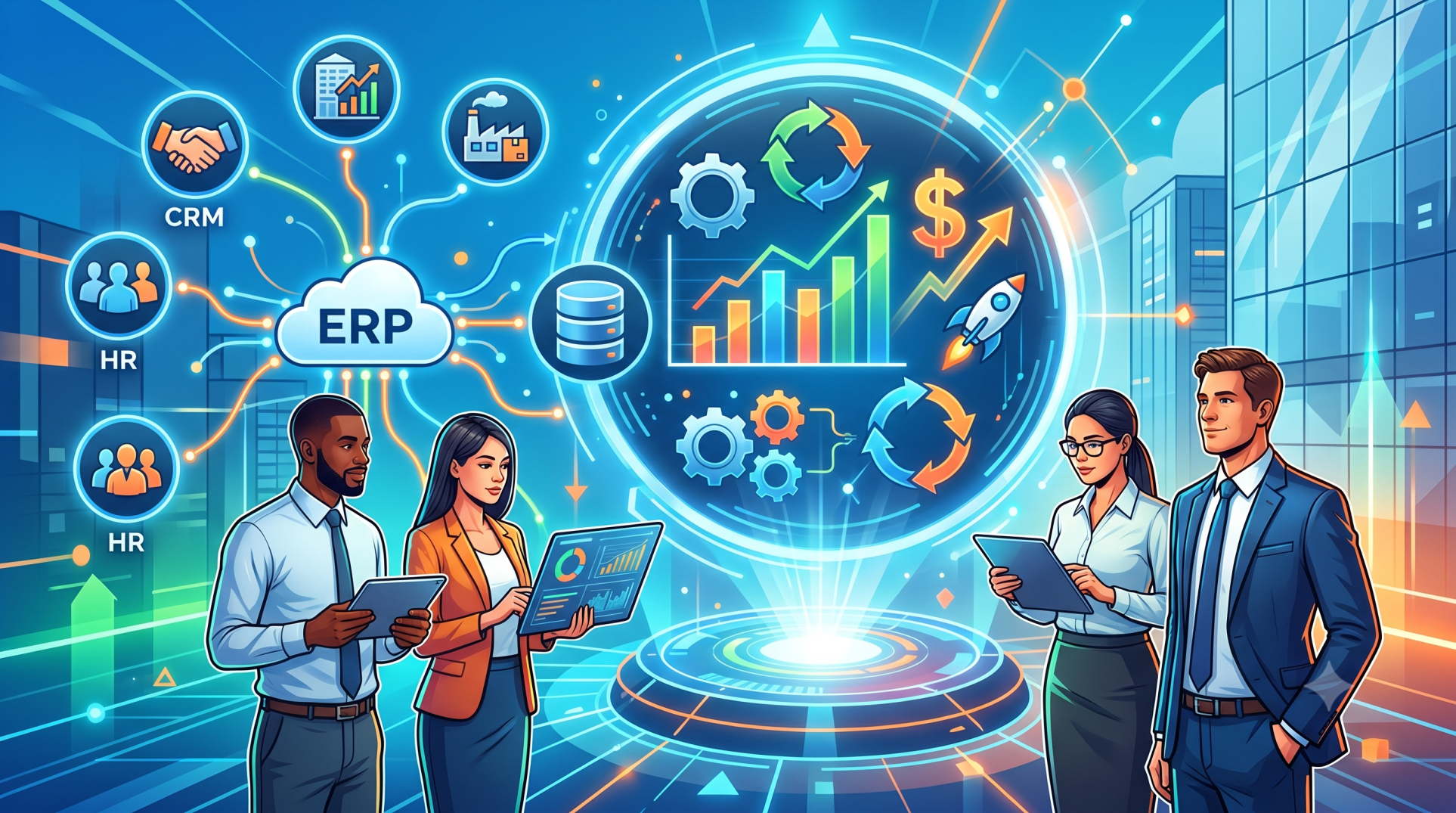
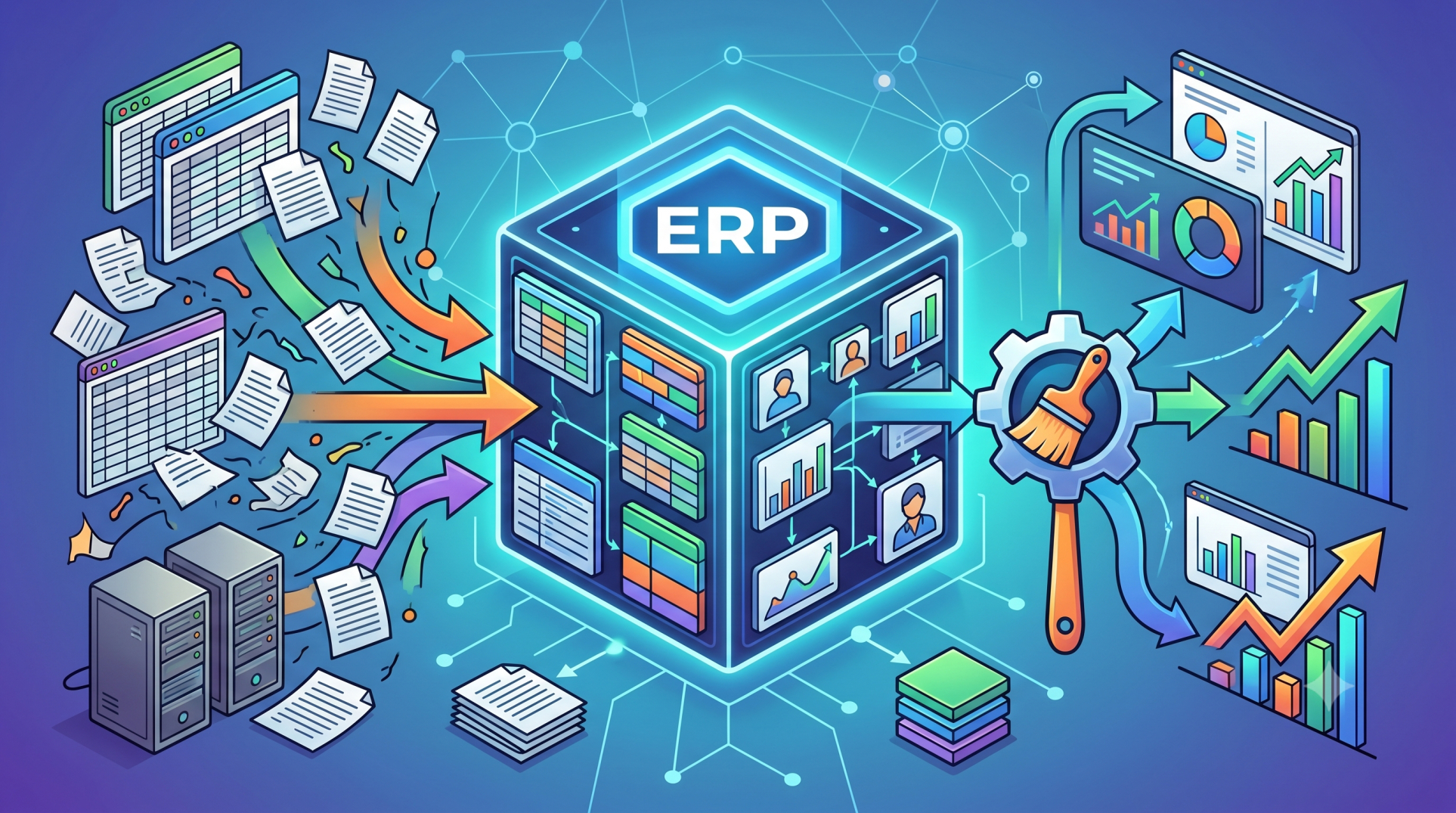
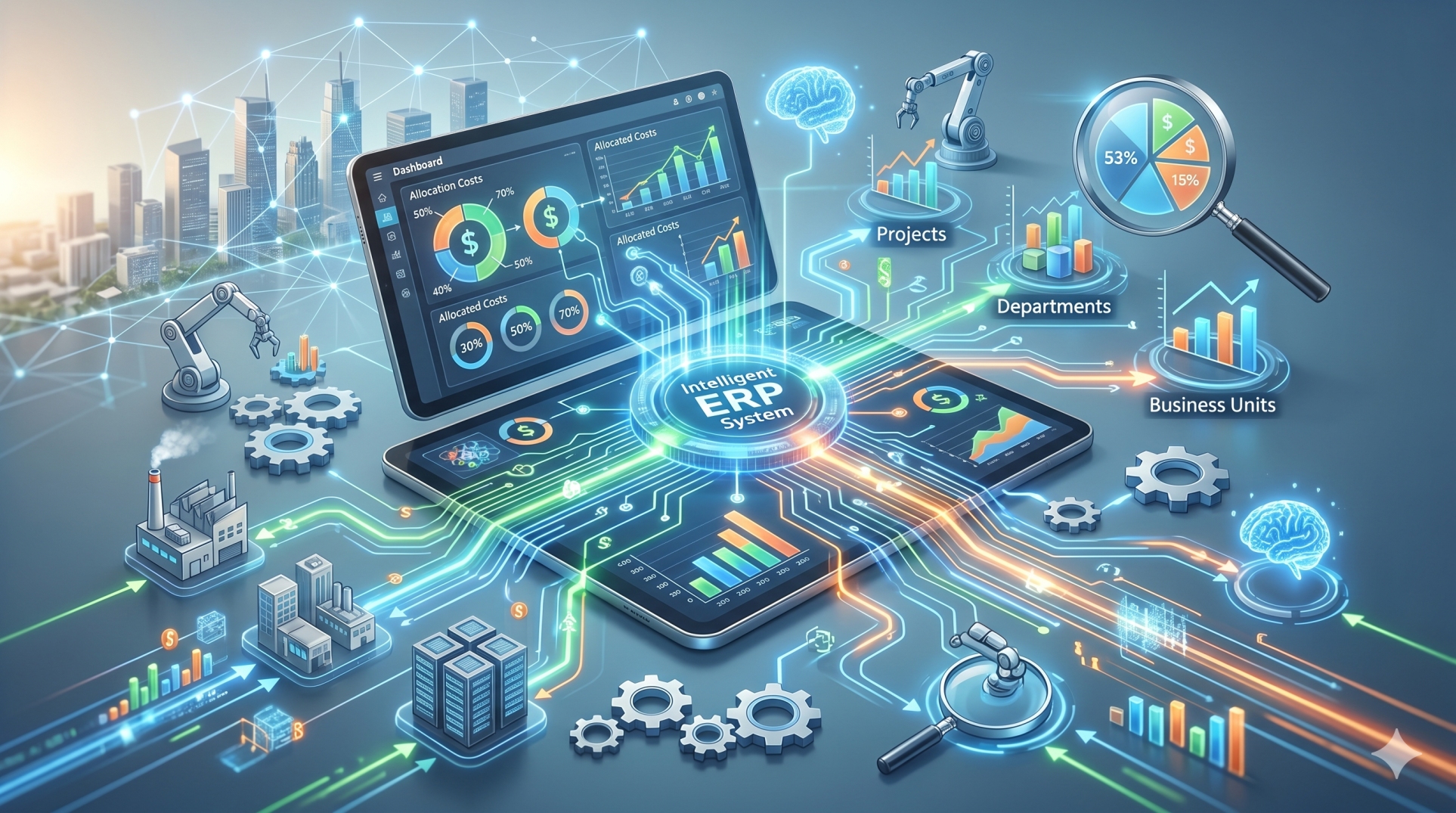
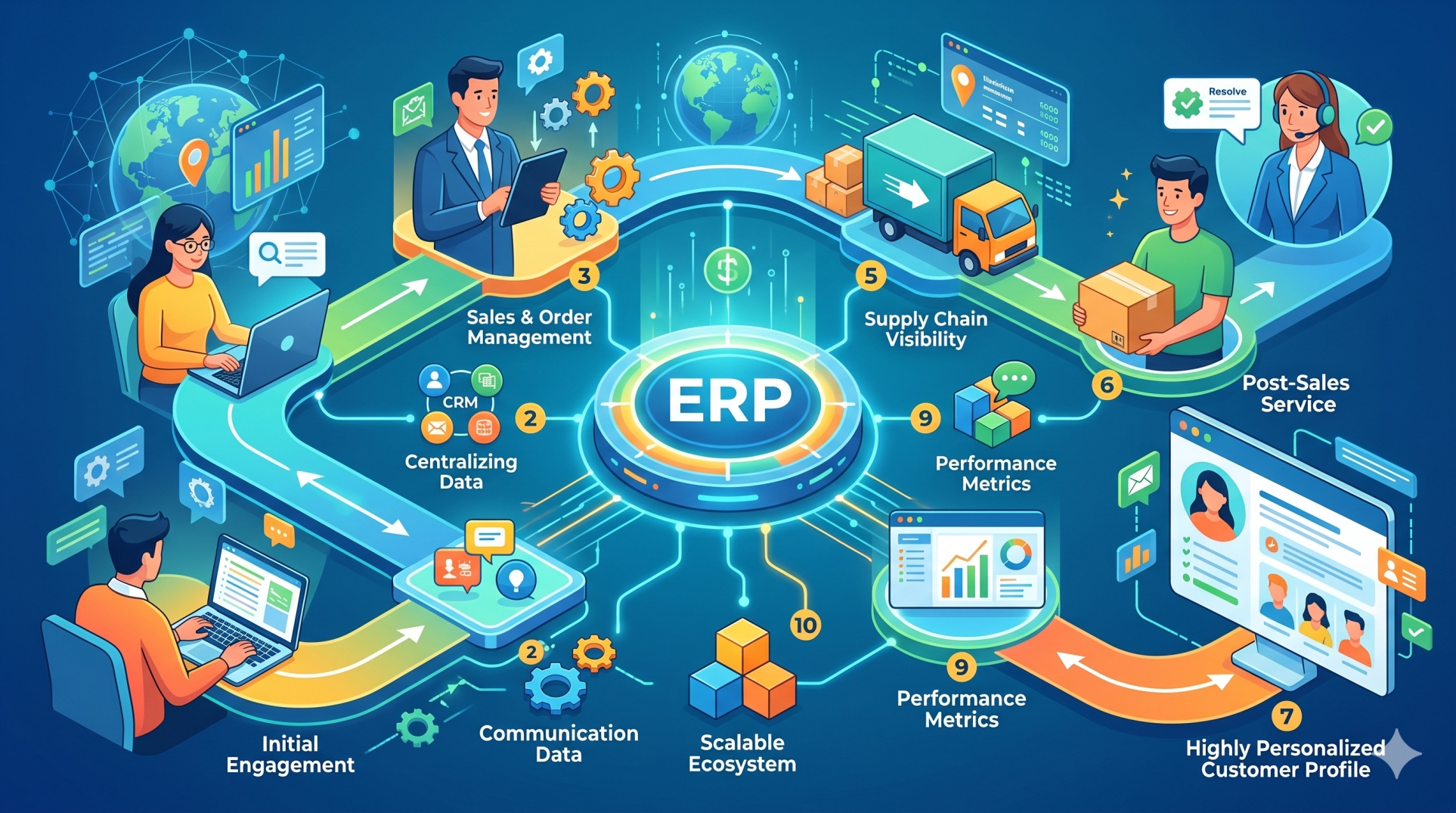
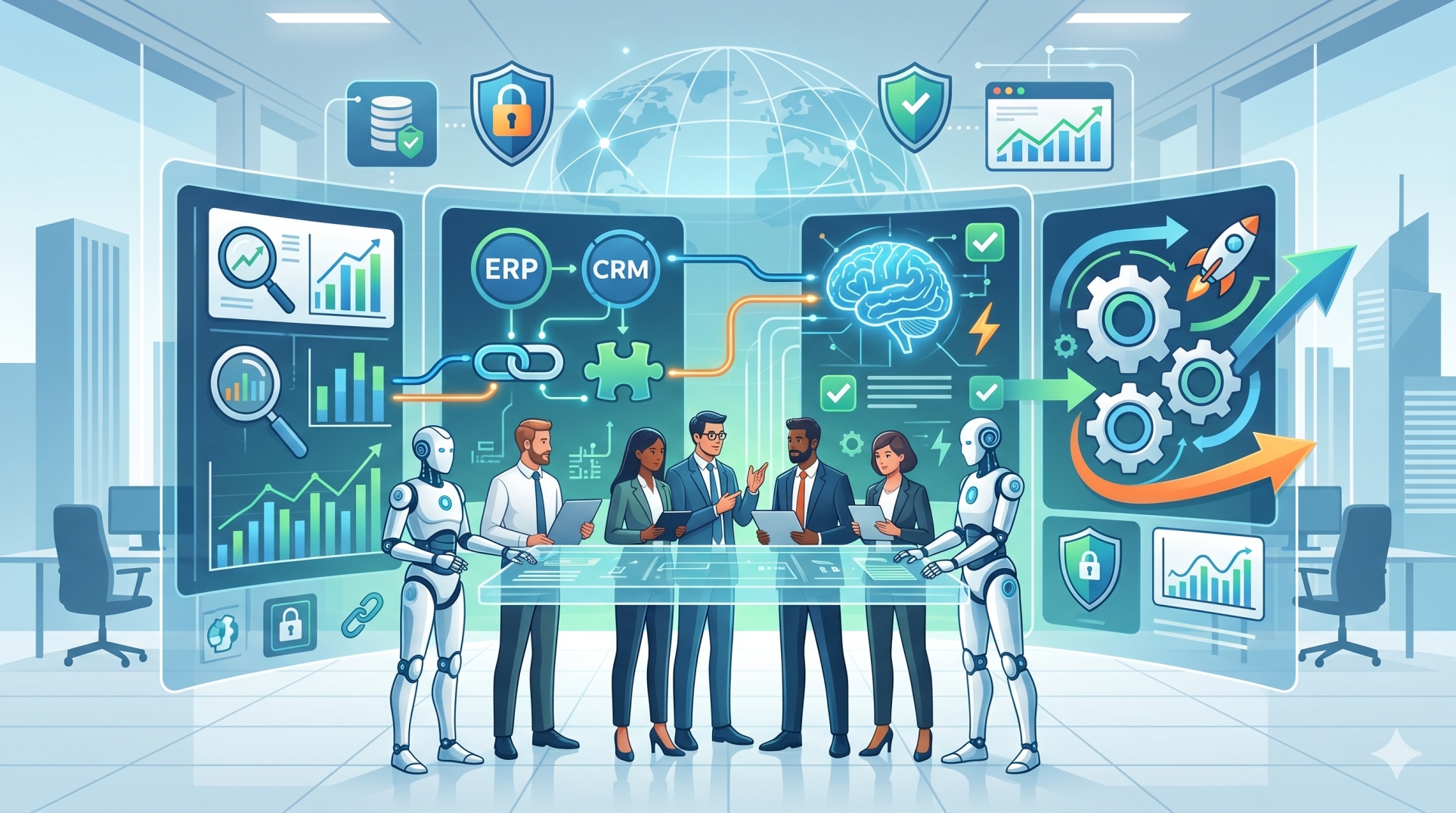
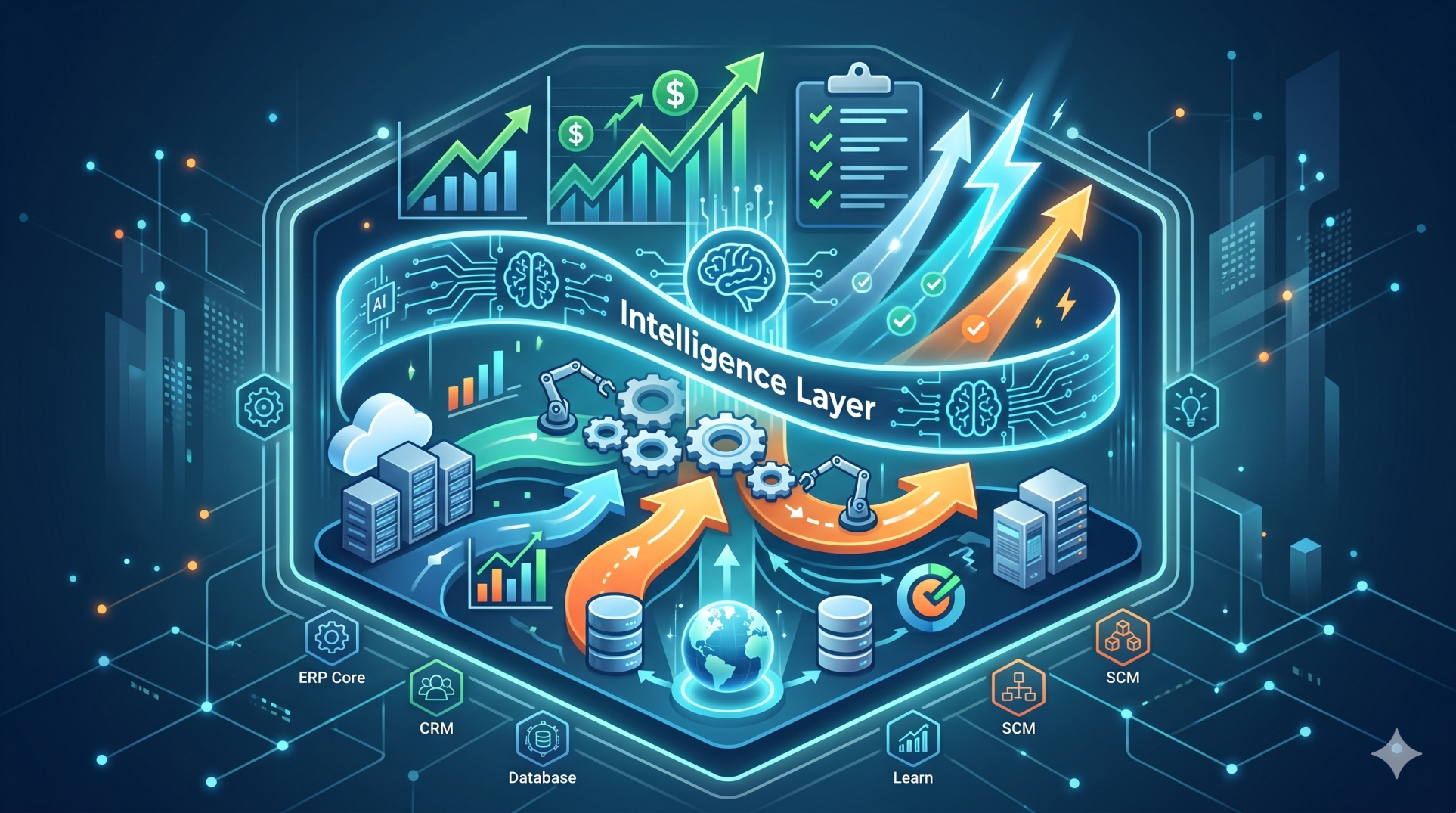
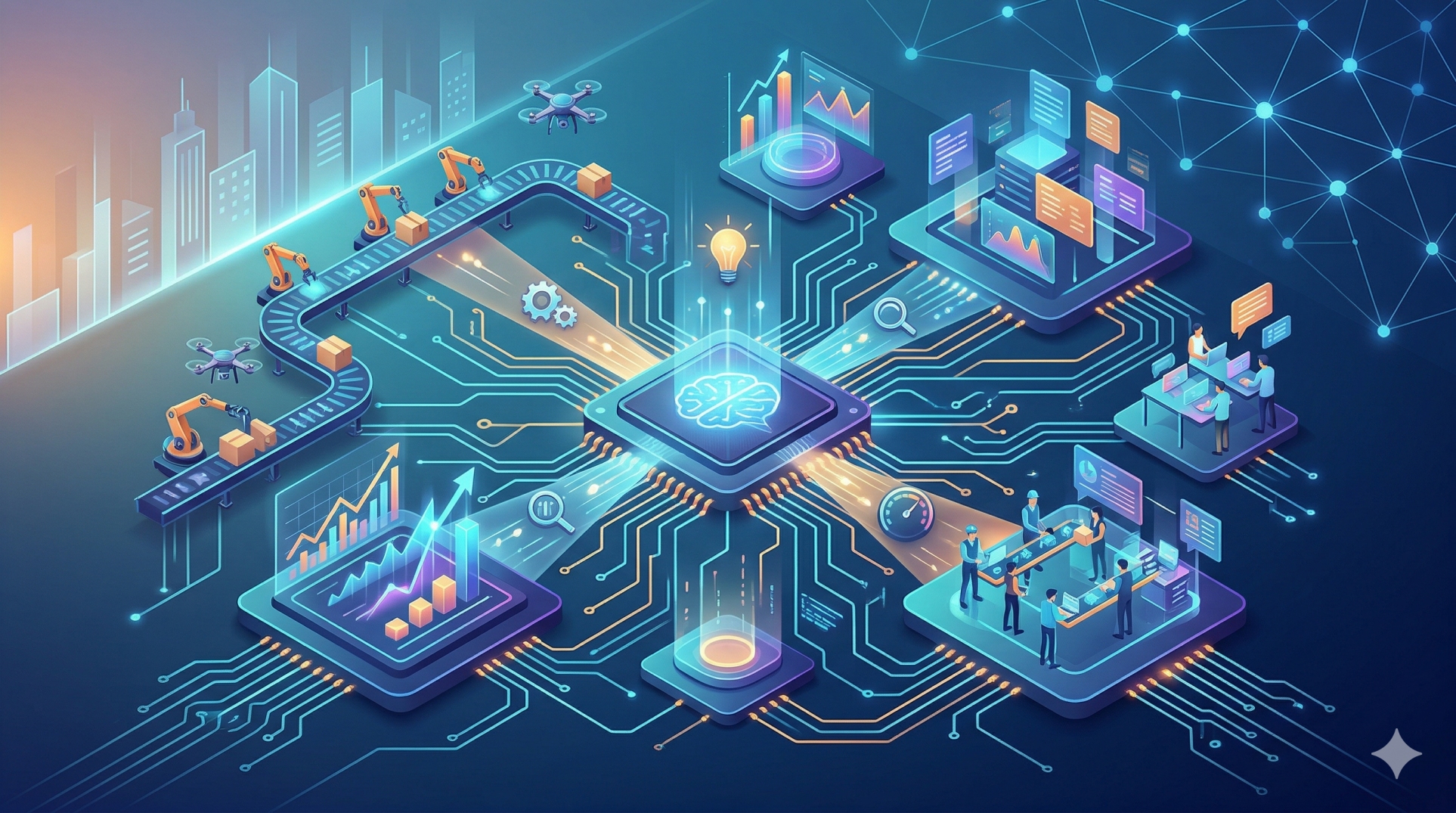
Enterprise resource planning systems have traditionally helped employees manage transactions, records, workflows, and business processes. With the introduction of artificial intelligence, modern ERP platforms are becoming more proactive, contextual, and capable of assisting employees with everyday decisions and tasks. Intelligent ERP systems can change how employees interact with business software by reducing repetitive work, providing timely insights, and connecting information across departments. The result is a shift from manually managing processes toward more efficient, insight-driven ways of working.
Step 1: Reducing Repetitive Administrative Tasks ⚡
• Intelligent ERP systems can automate routine data entry and processing activities. 🤖
• Employees can spend less time handling repetitive administrative work. ⏱️
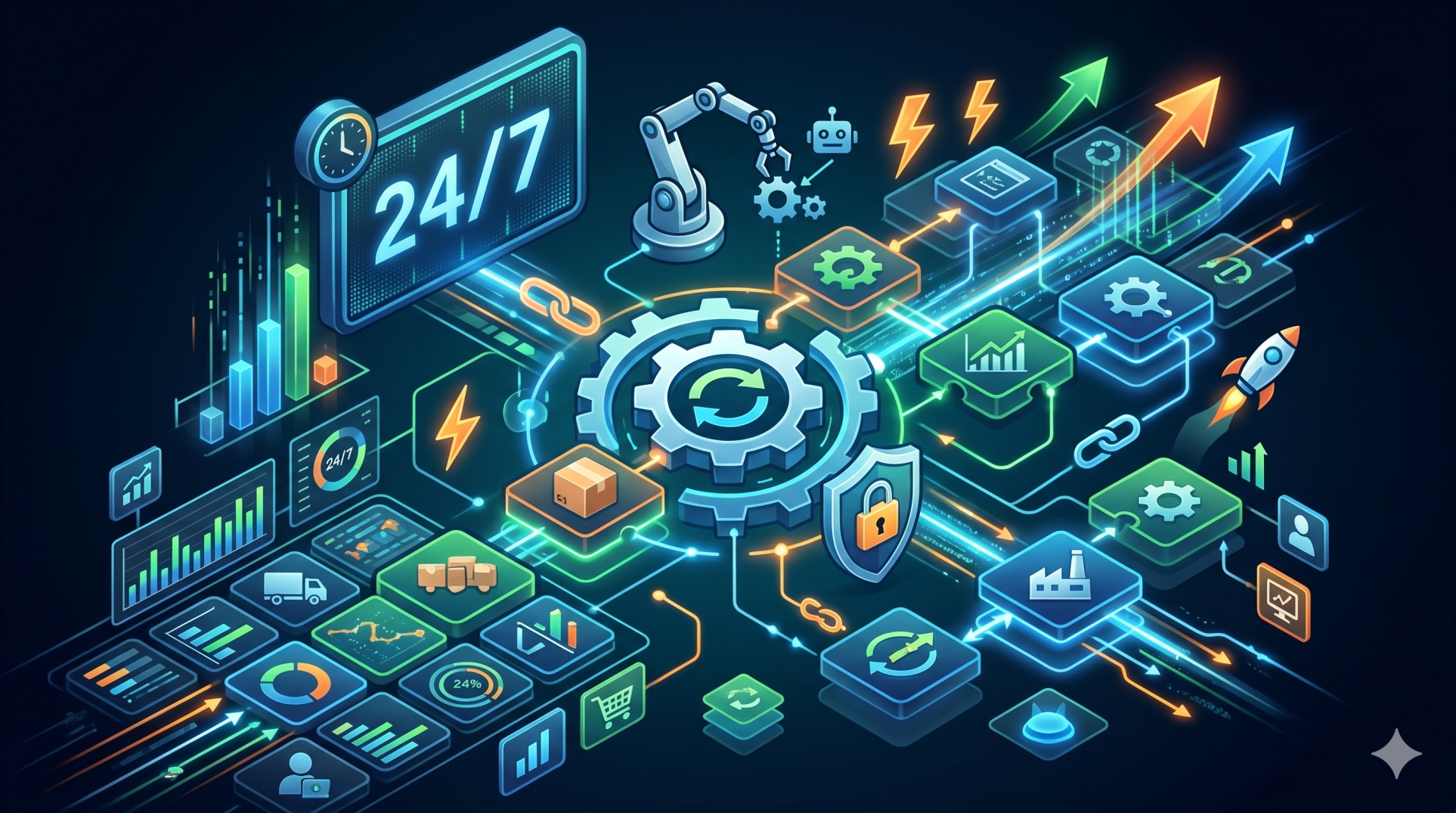
• Automated workflows can route tasks to the appropriate people or departments. 🔄
• Systems can identify routine actions that can be completed automatically. ⚙️
• Employees can focus more attention on activities that require judgment and expertise. 🧠
Step 2: Making Business Information Easier to Access 🔎
• Employees can use natural-language interfaces to find relevant business information. 💬
• AI can help summarize large amounts of ERP data into understandable insights. 📊
• Users can spend less time searching through multiple screens and reports. ⏱️
• Relevant information can be presented based on the employee's task or context. 🎯
• Faster access to information can support more efficient decision-making. ⚡
Step 3: Supporting Smarter Decision-Making 🧠
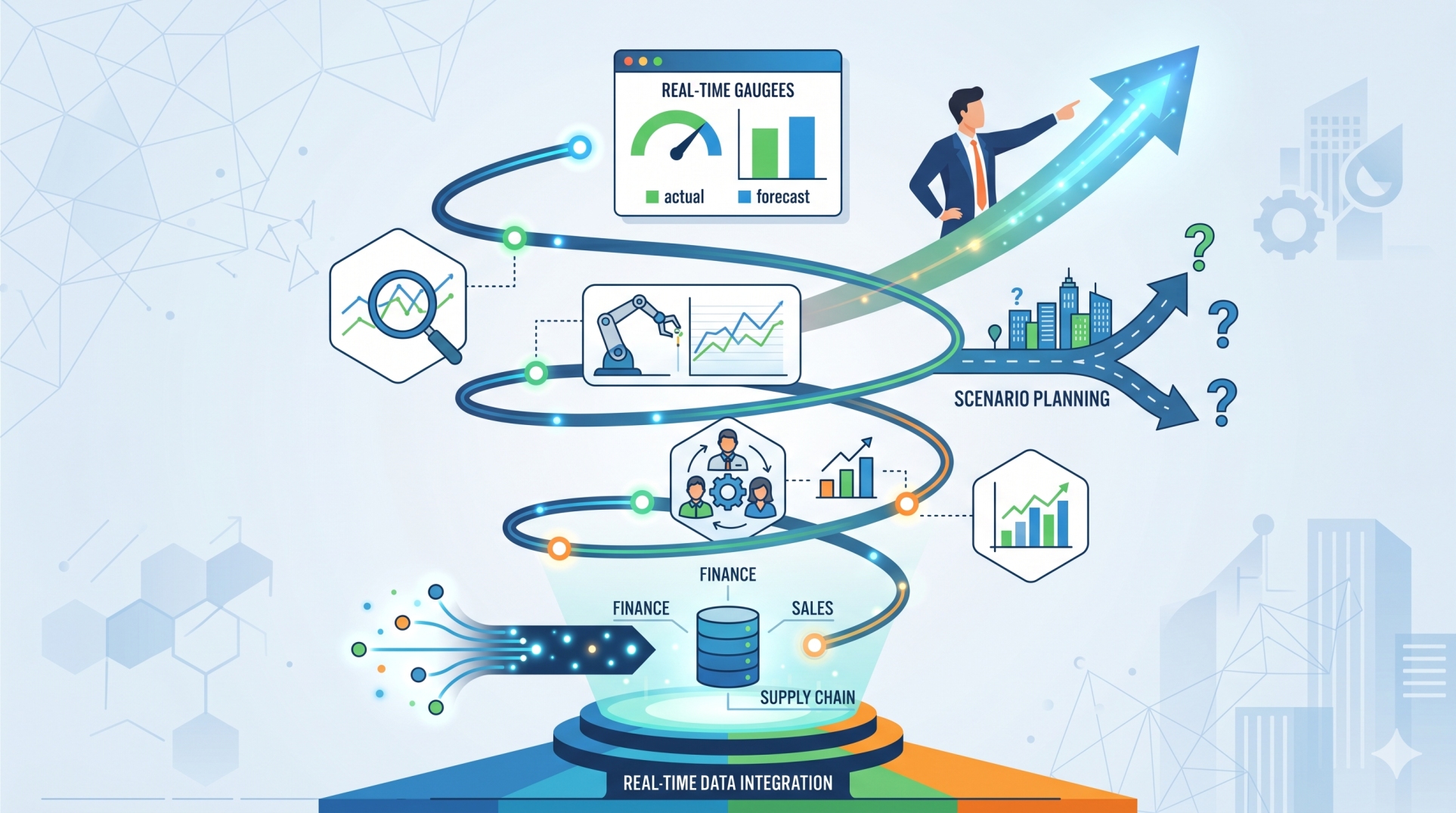
• Intelligent ERP systems can identify patterns and trends within business data. 📈
• Employees can receive recommendations based on available operational information. 💡
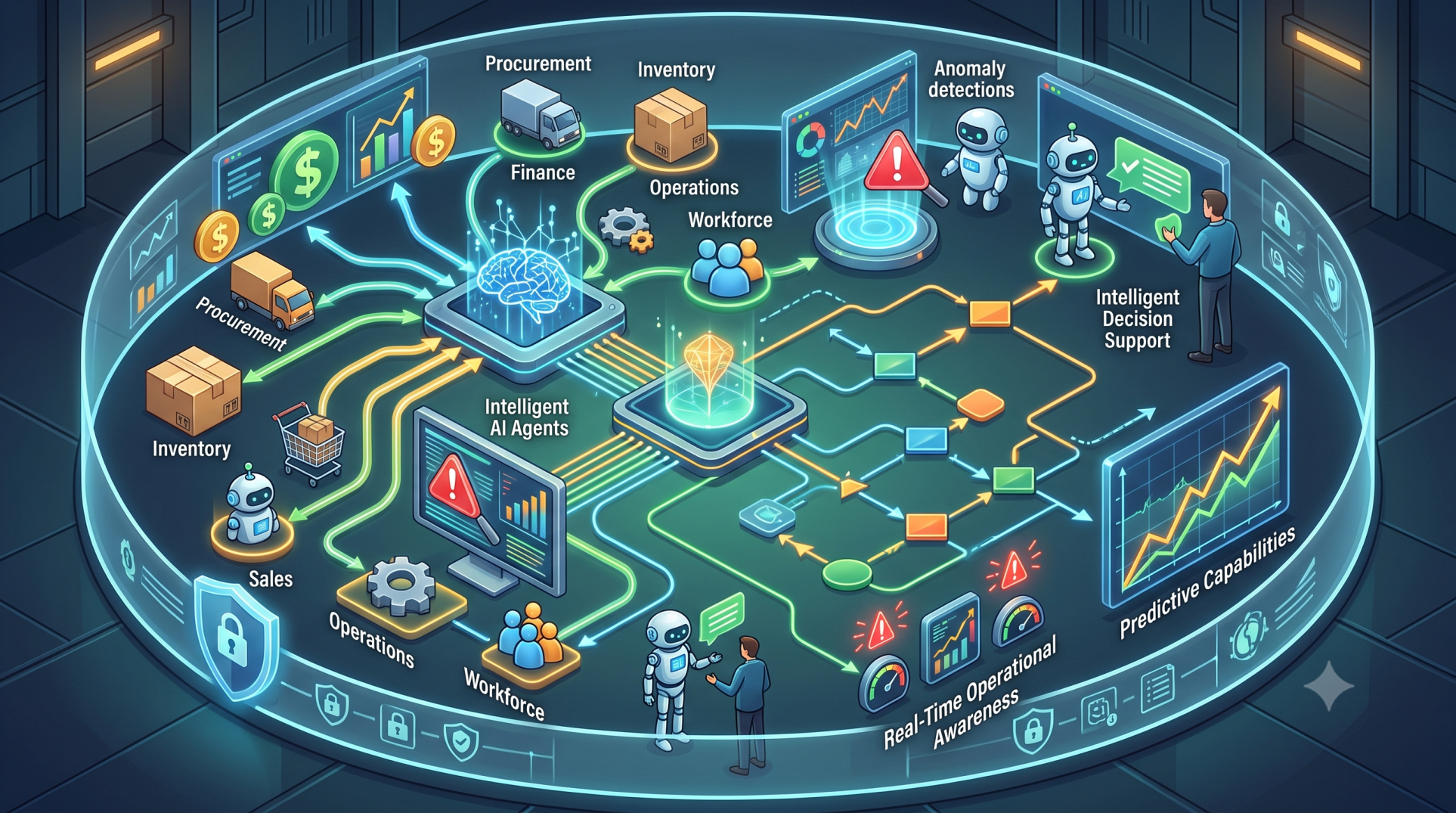
• AI can highlight unusual transactions, changing demand, or potential process issues. 🔍
• Decision-makers can compare current conditions with historical business data. 📊
• Human expertise remains important when evaluating recommendations and taking action. 👥
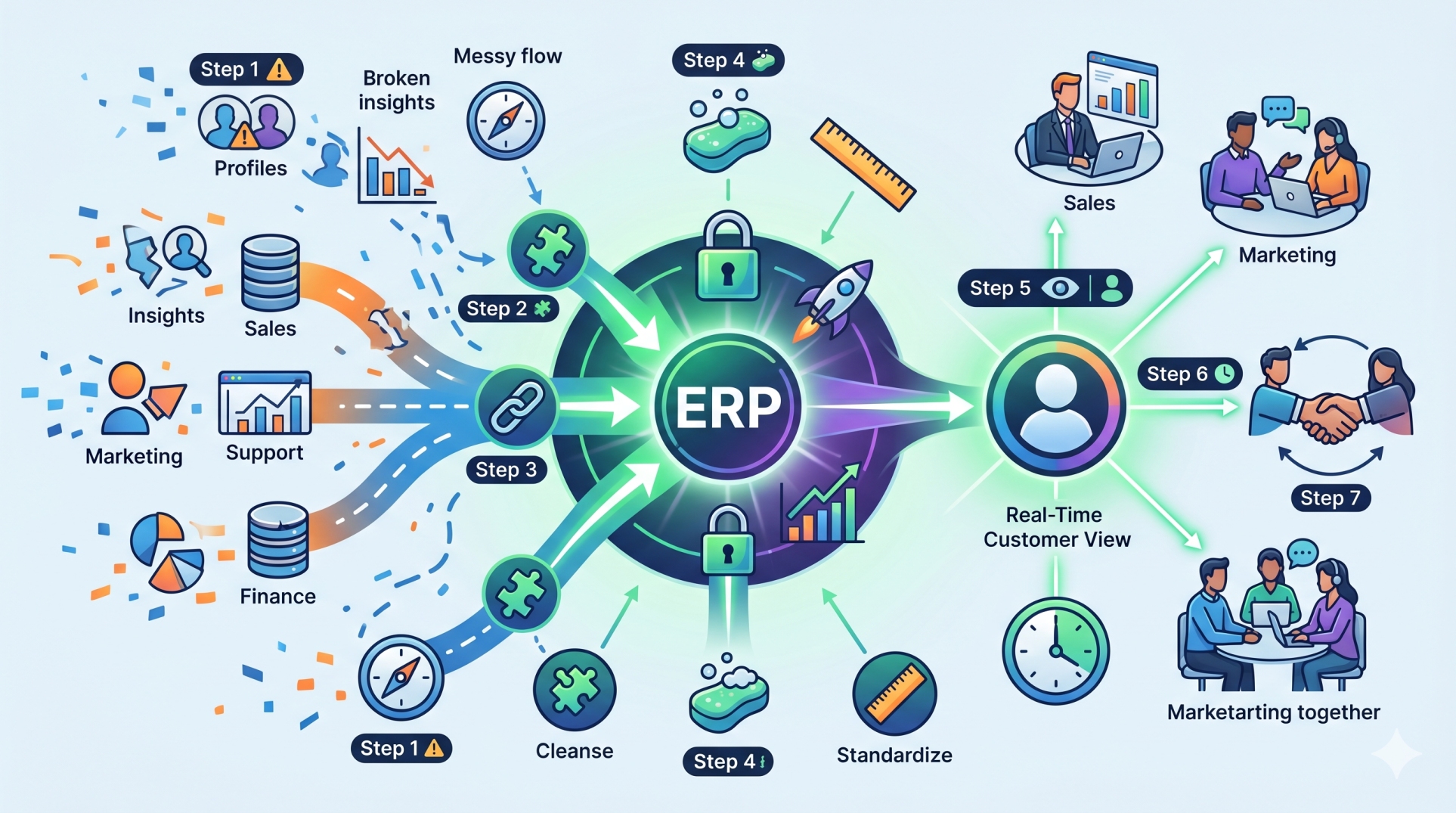
Step 4: Improving Cross-Department Collaboration 🤝
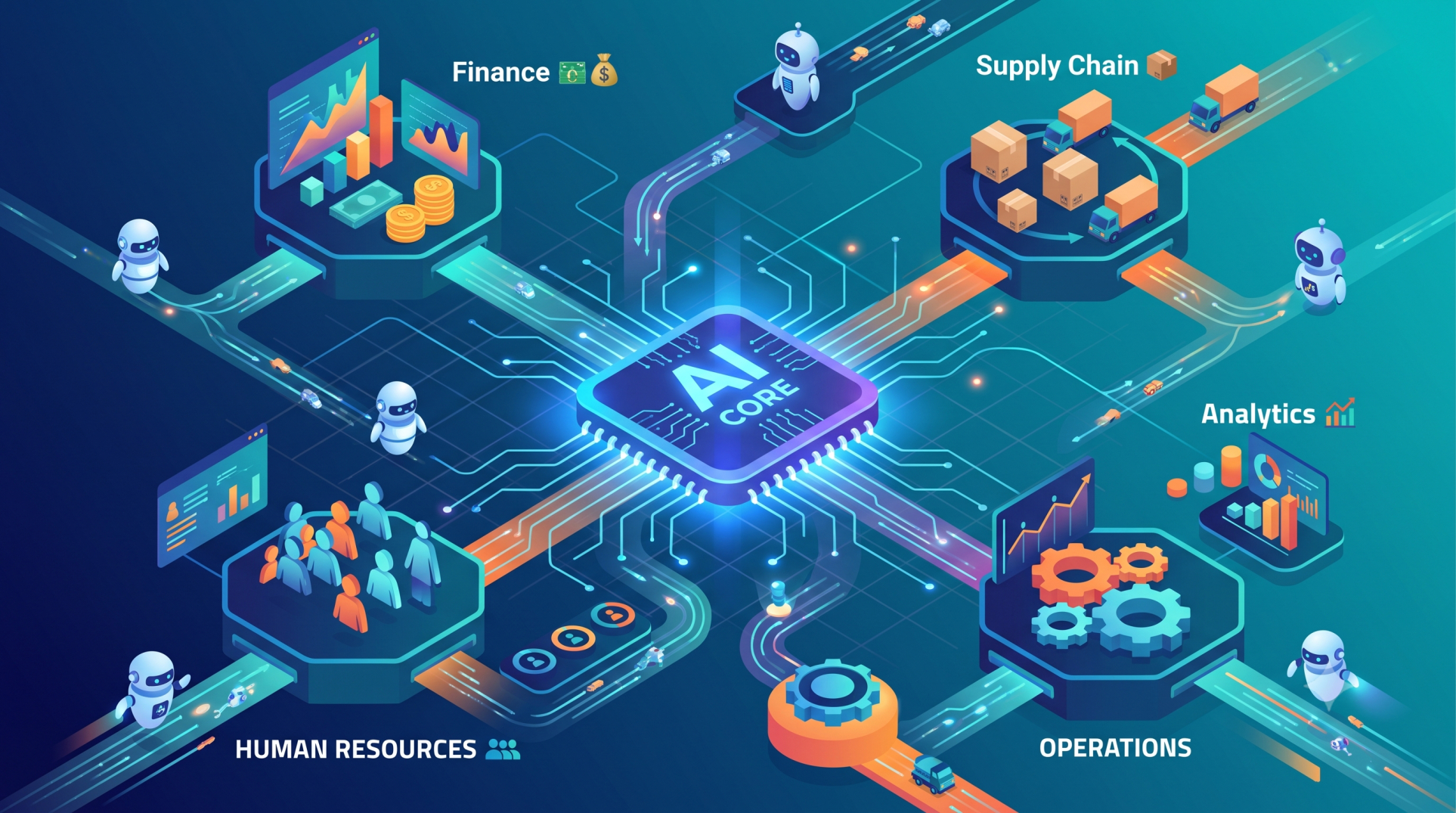
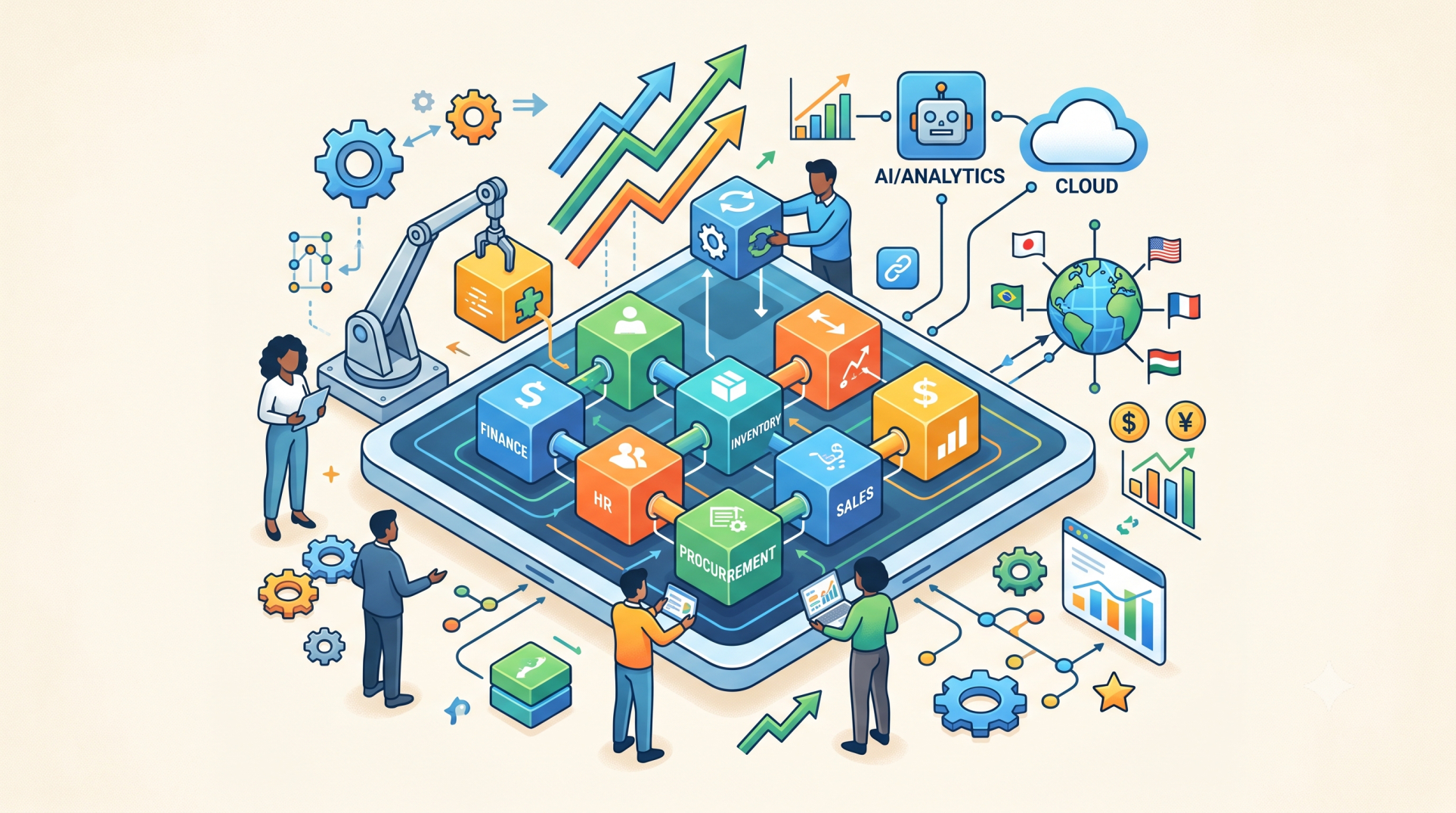
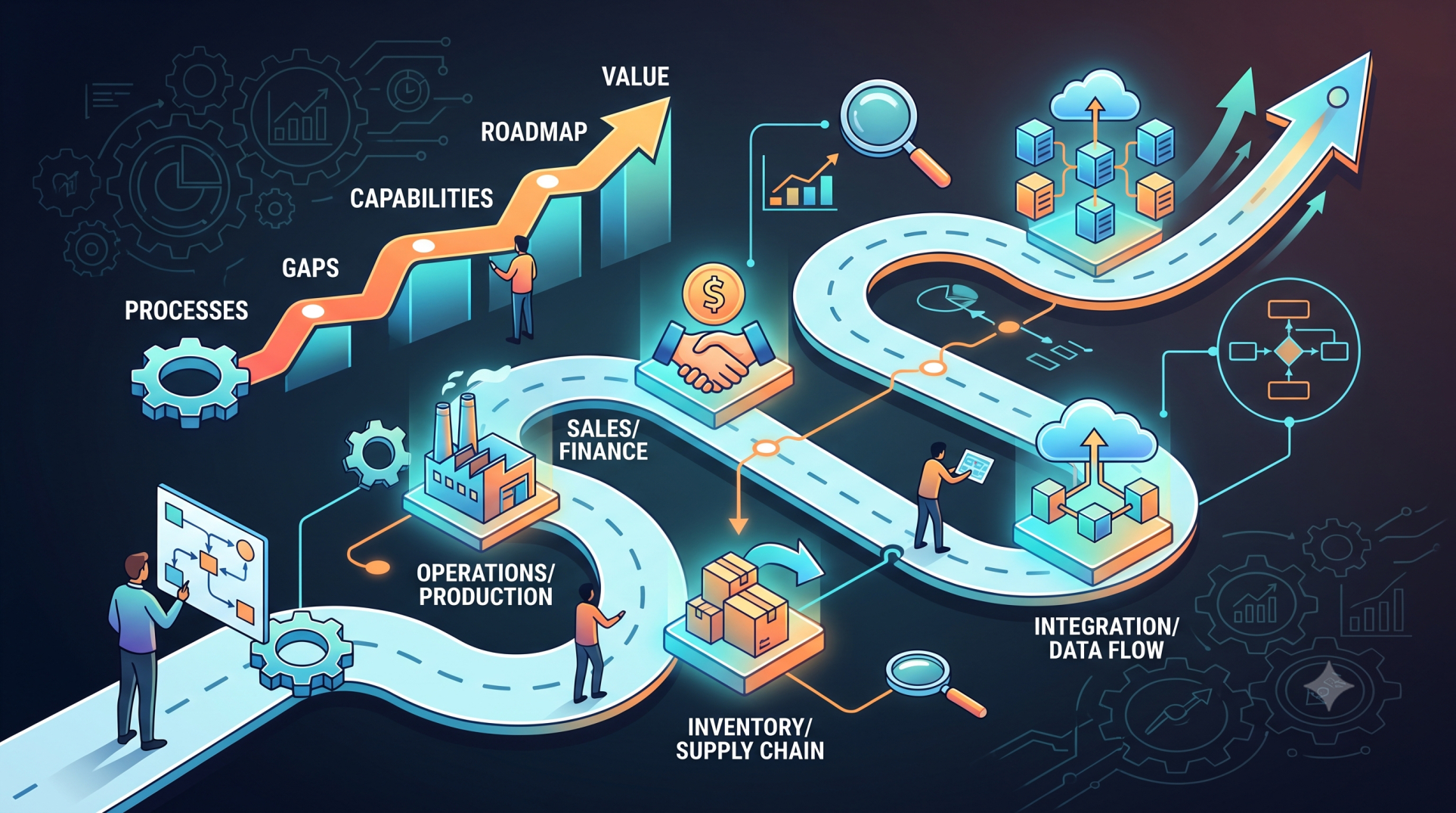
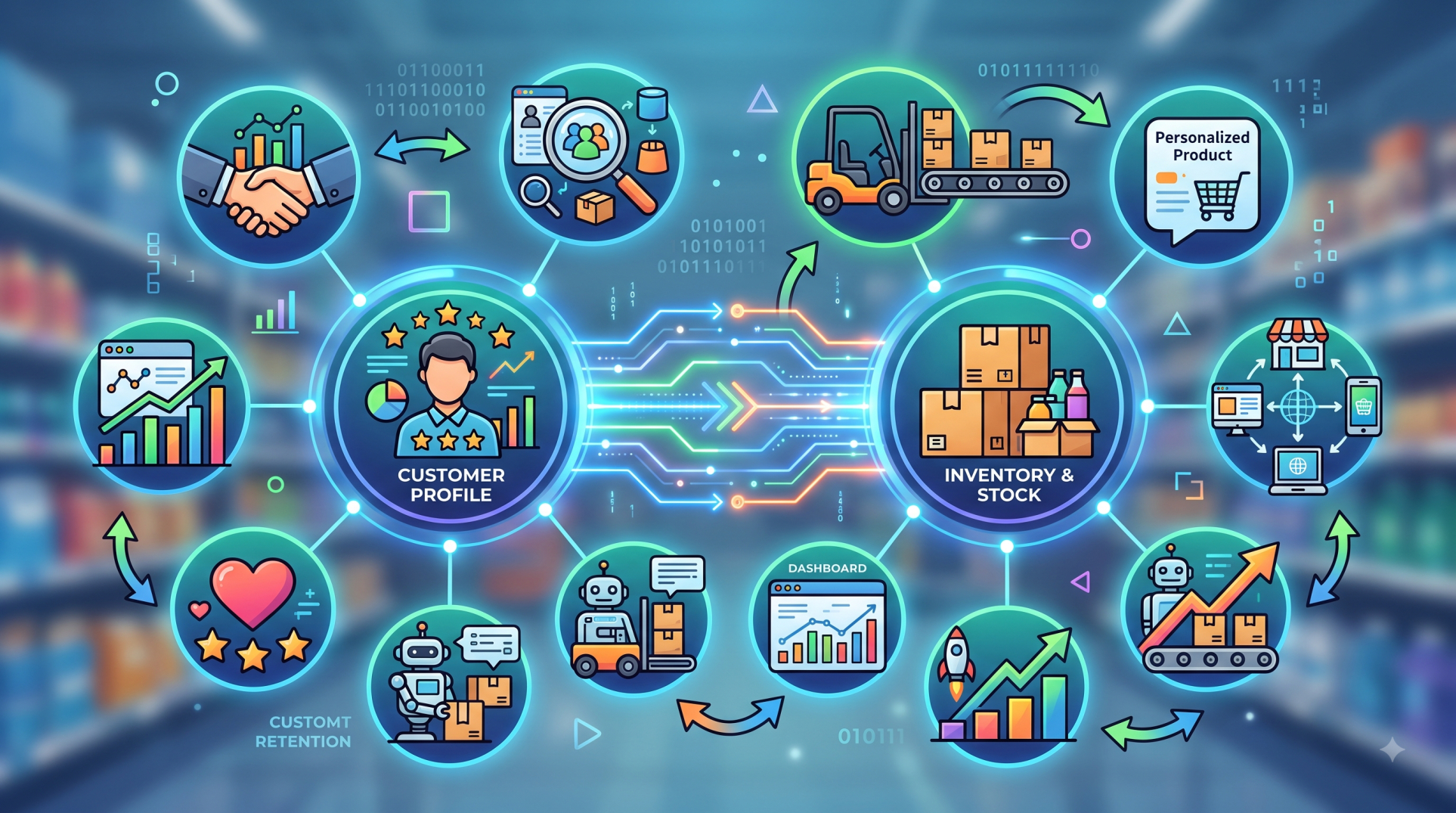
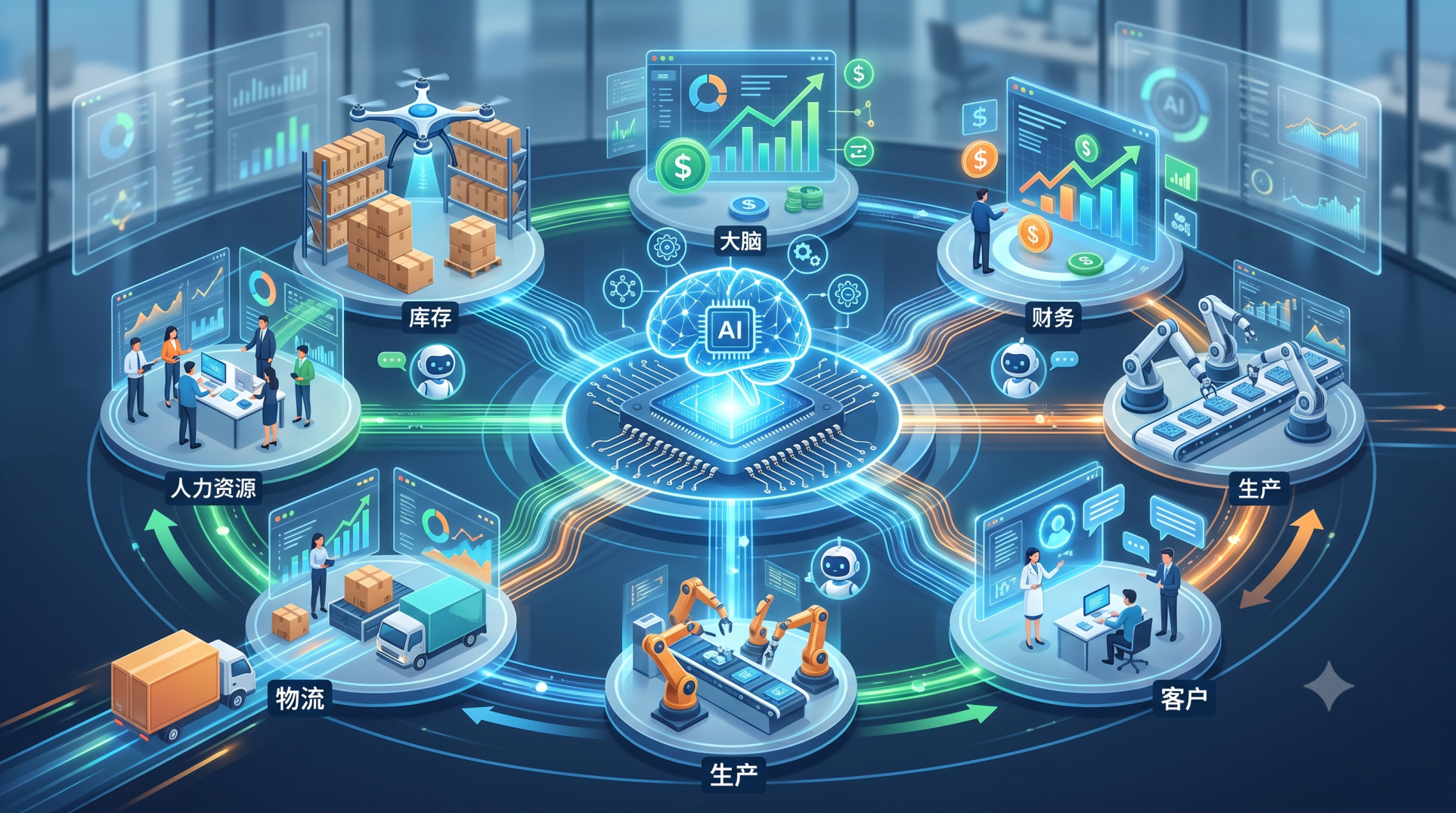
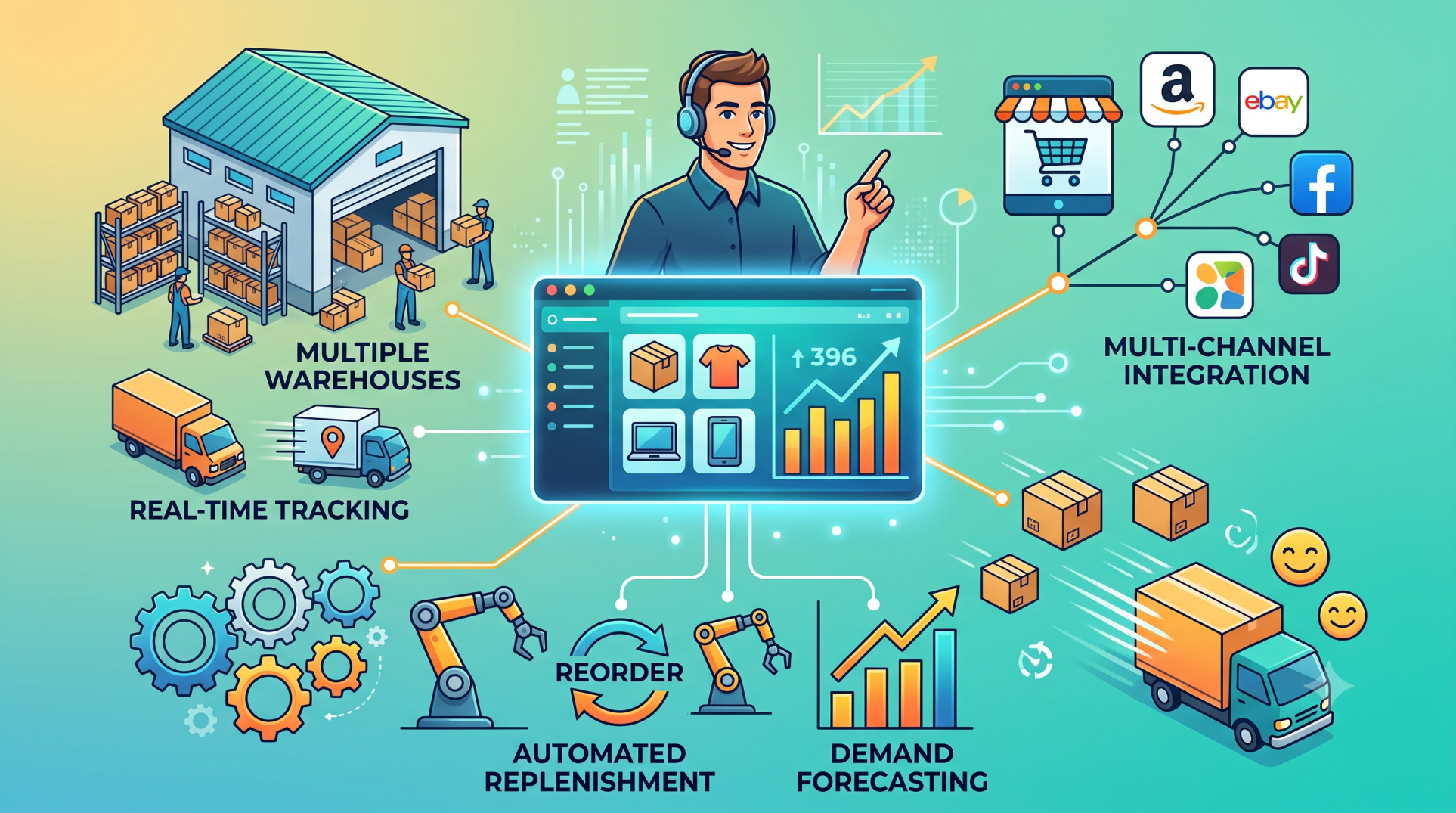
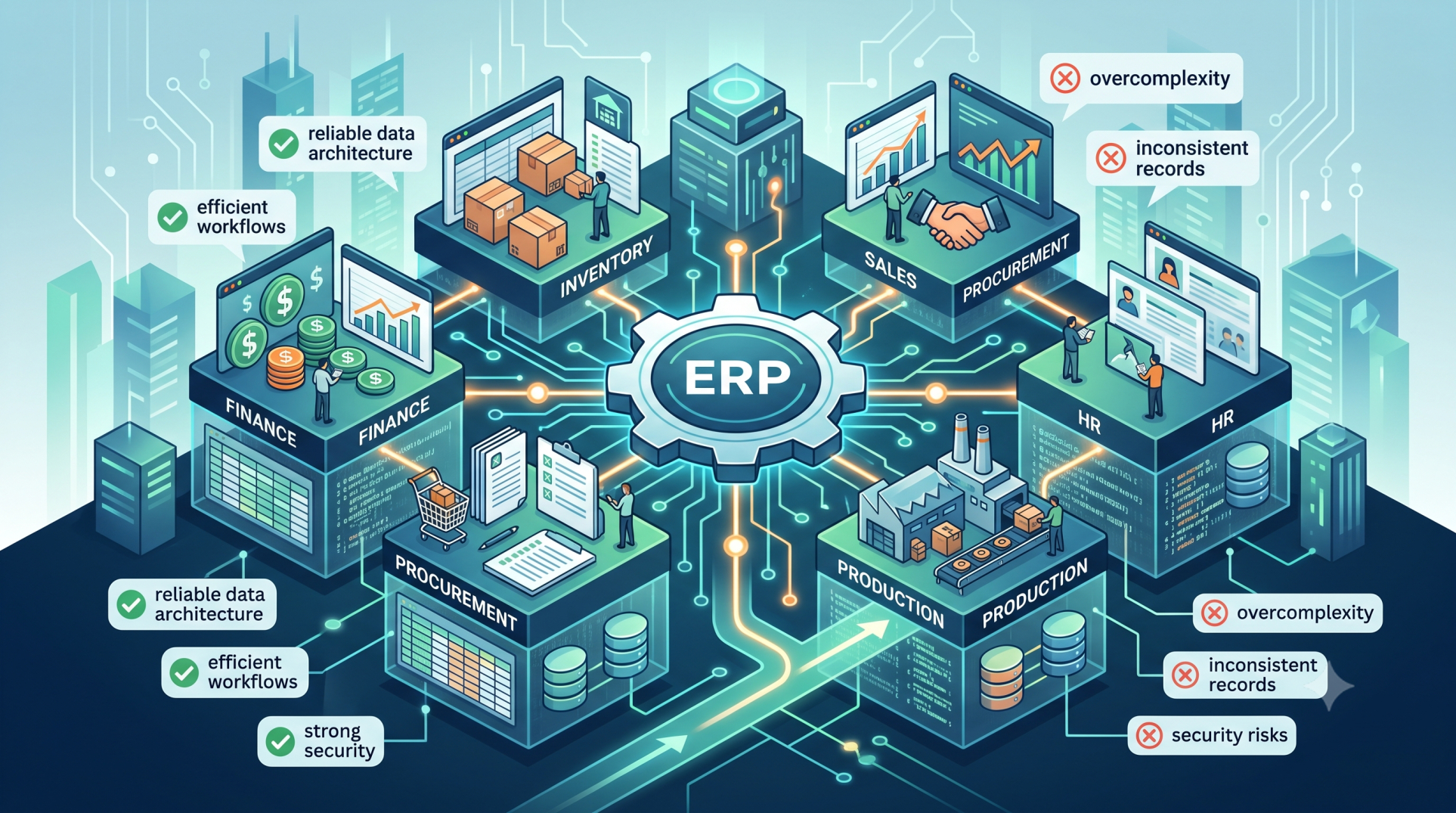
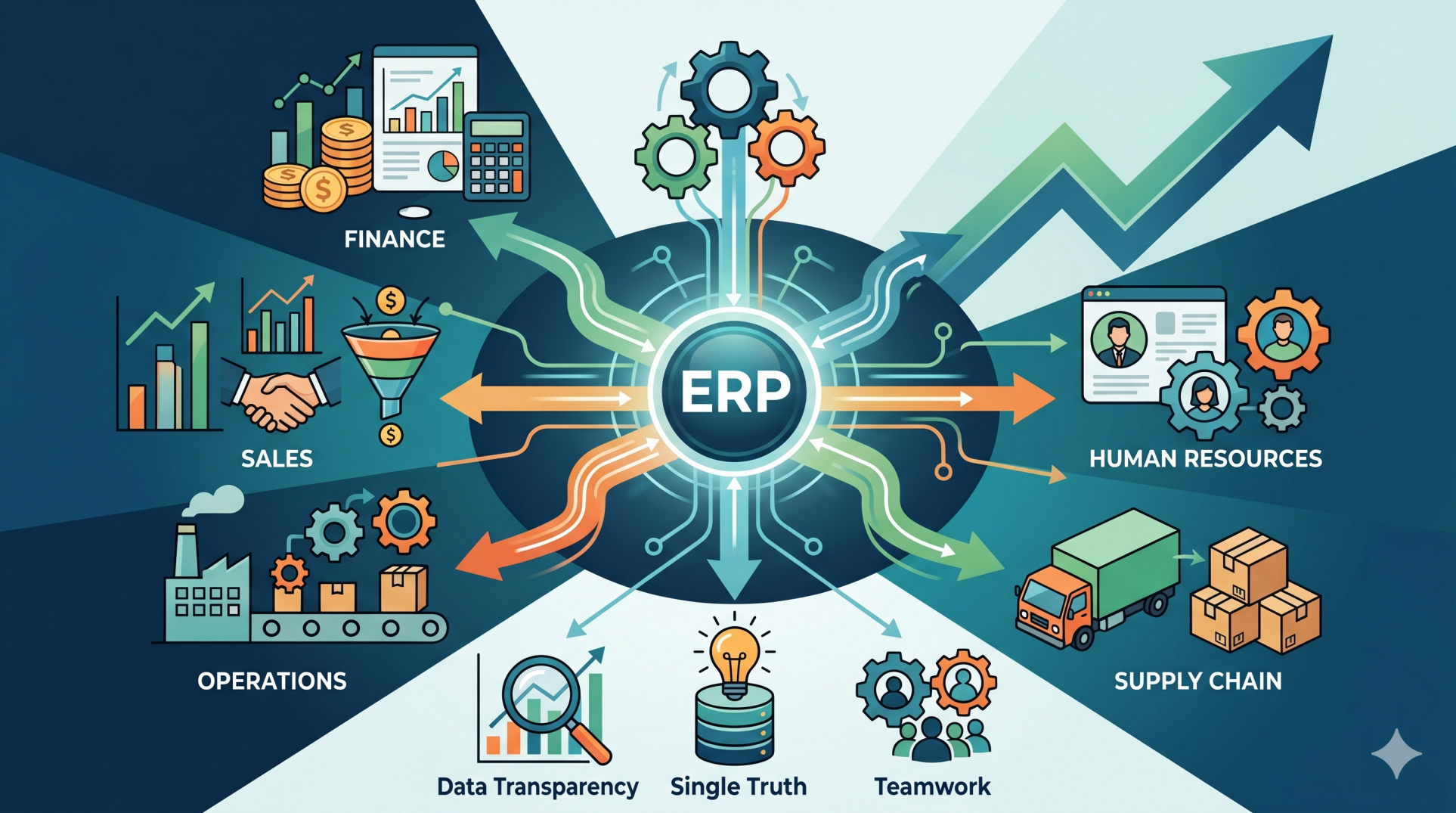
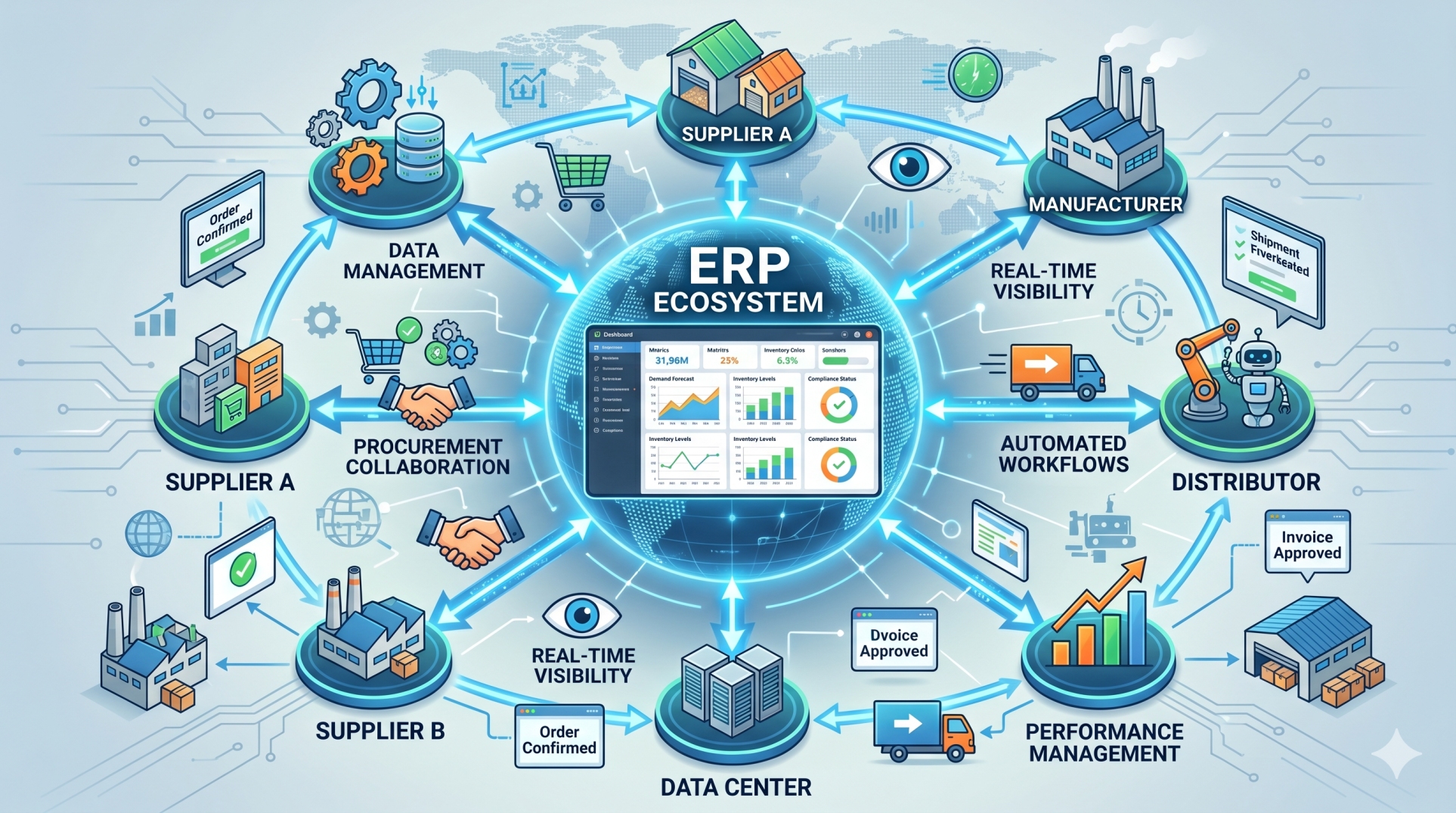
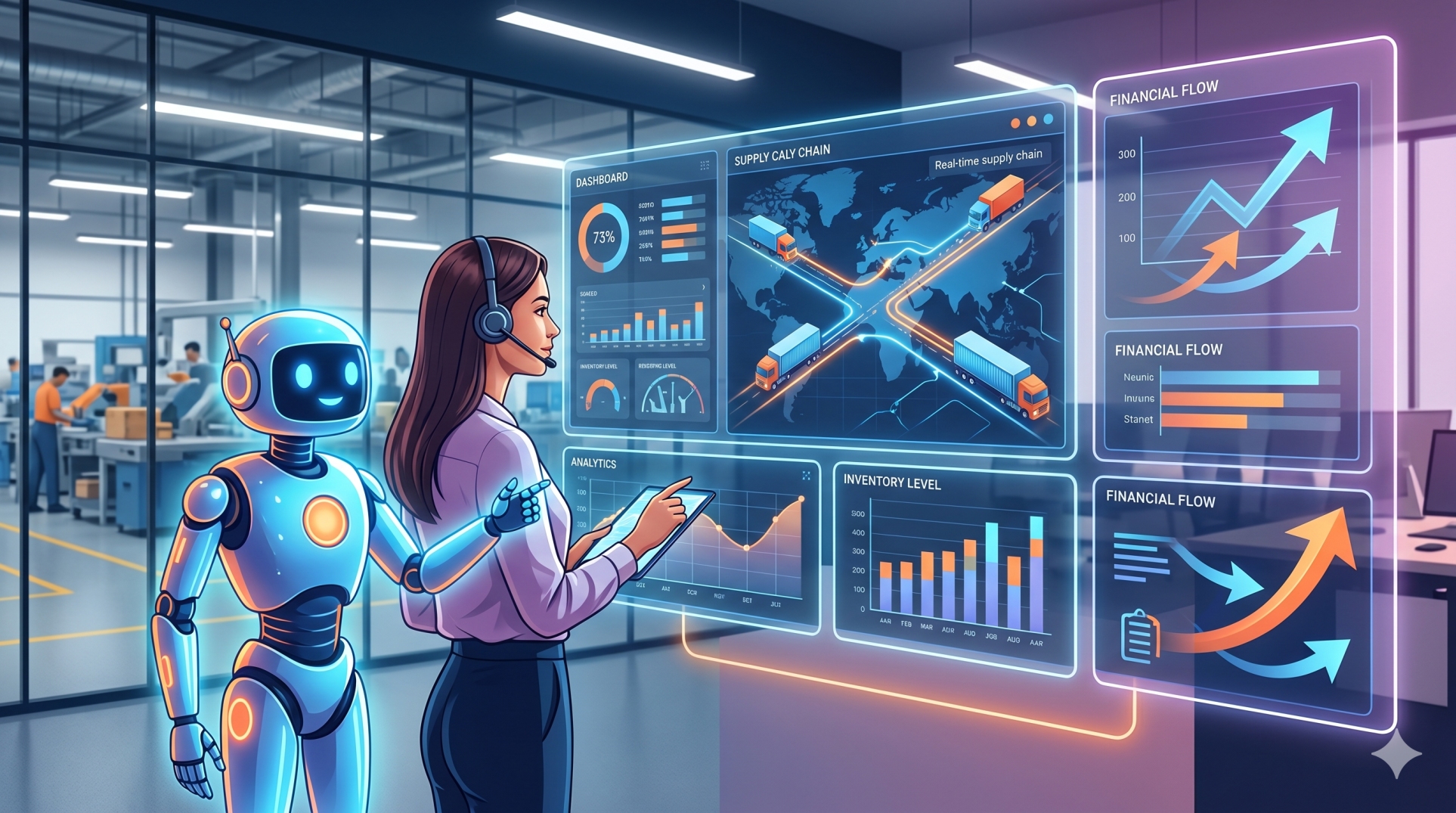
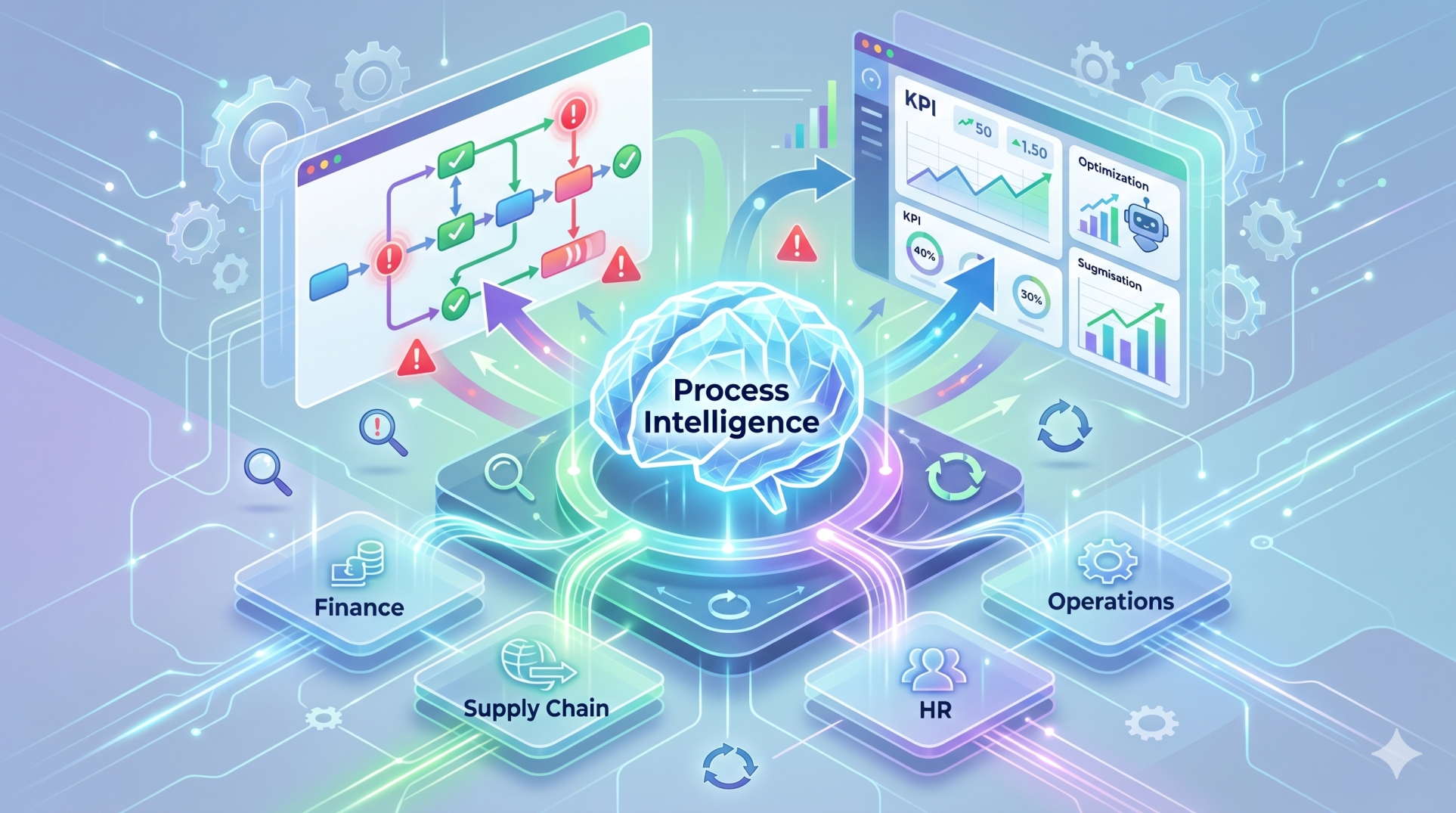
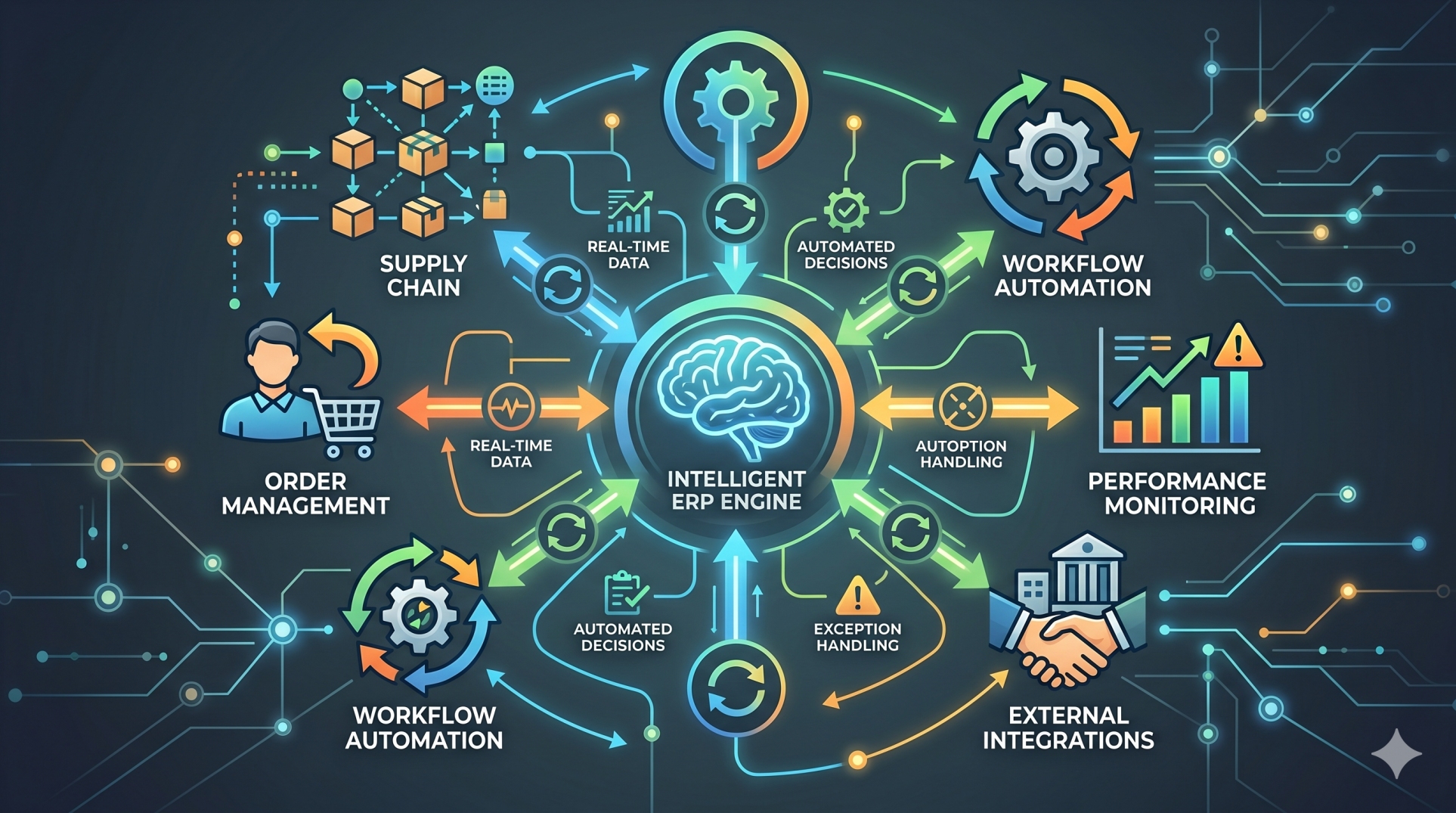
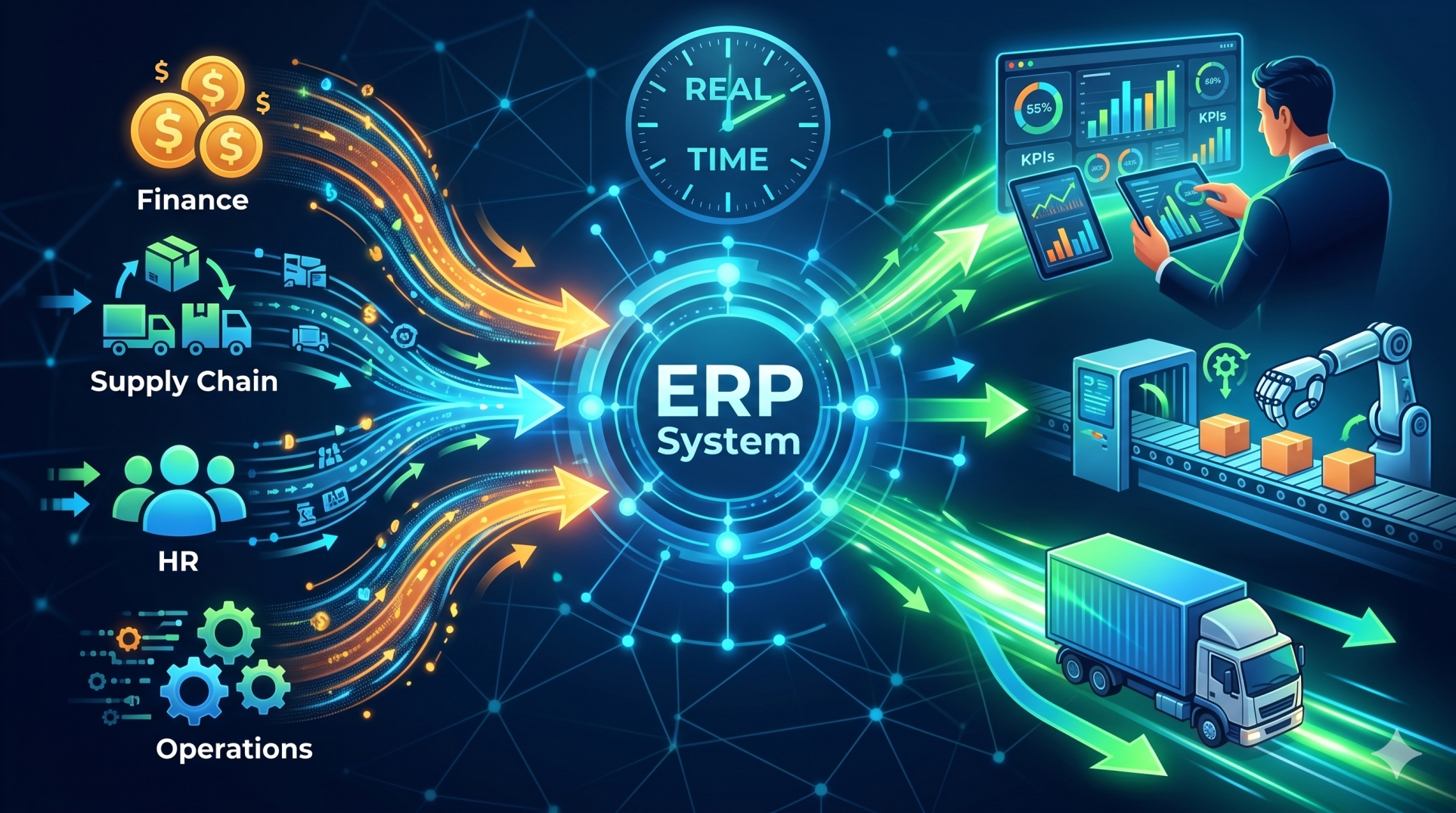
• Intelligent ERP platforms can connect information across finance, sales, procurement, inventory, and operations. 🔗
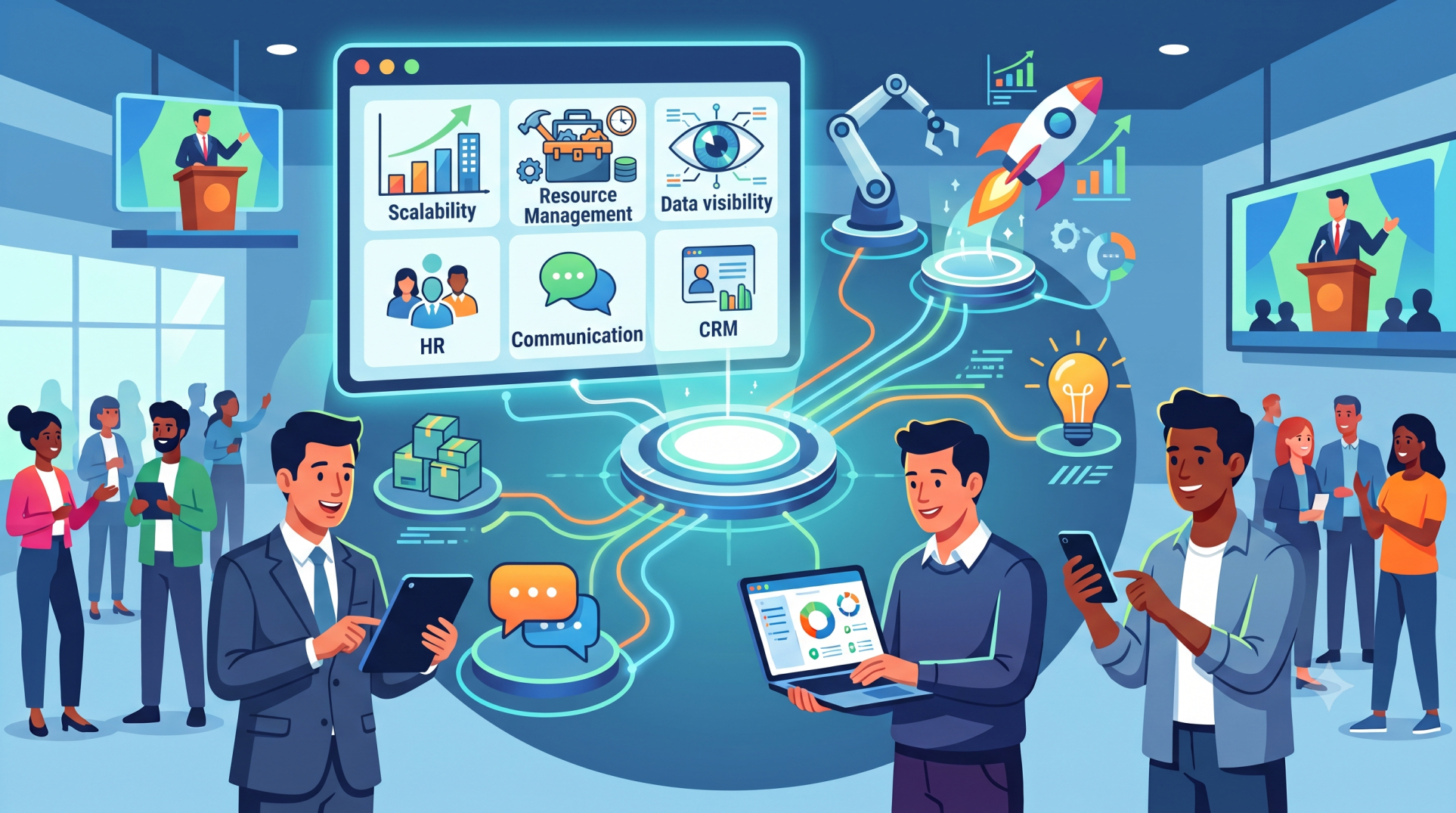
• Employees can gain greater visibility into processes outside their immediate department. 👀
• Shared information can reduce communication gaps between teams. 💬
• Automated notifications can keep relevant employees informed about important events. 🔔
• Connected workflows can help departments coordinate activities more effectively. ⚙️
Step 5: Personalizing the Employee Experience 👤
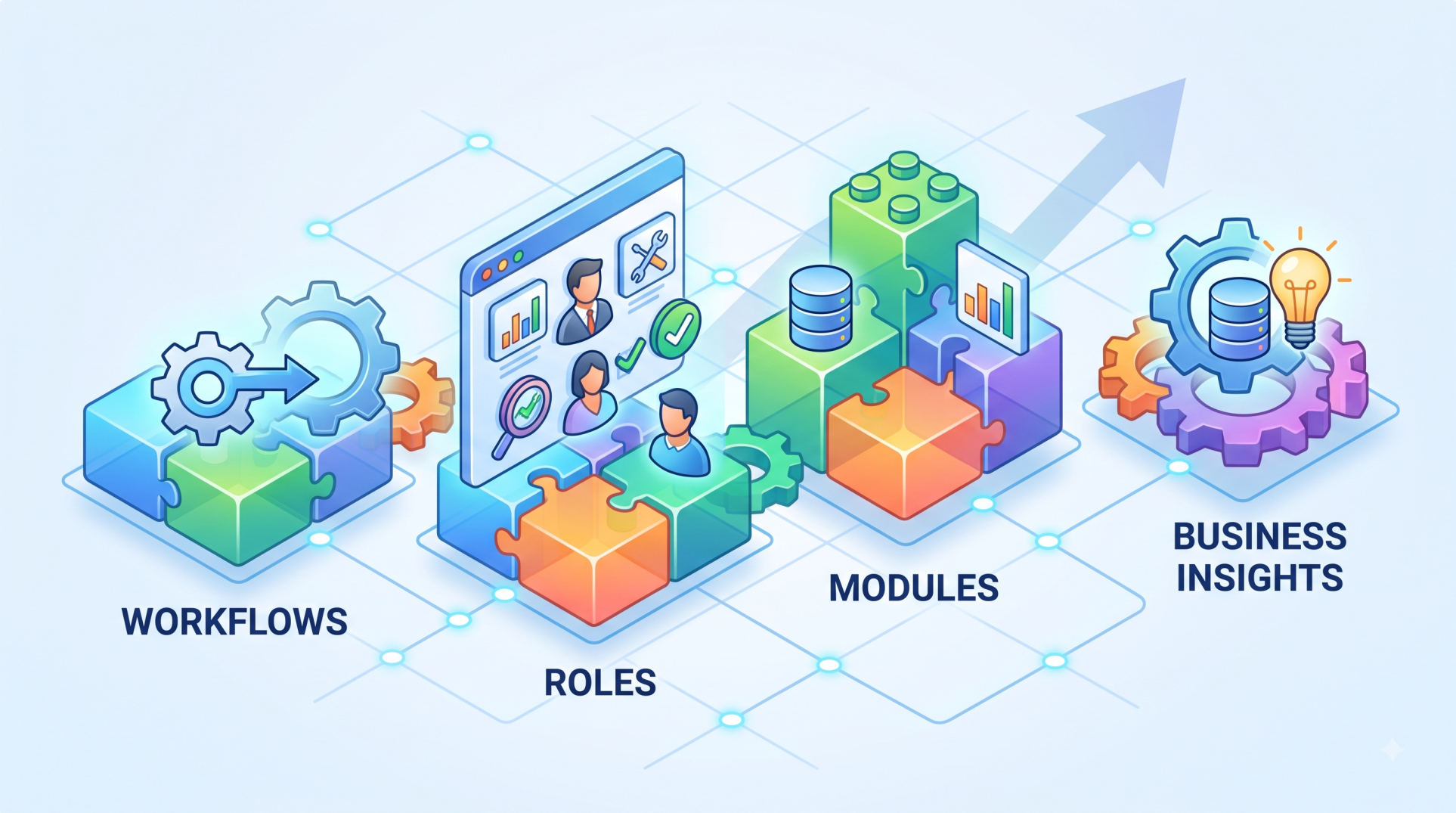
• ERP interfaces can provide information based on individual roles and responsibilities. 🎯
• Employees can receive relevant alerts, recommendations, and workflow tasks. 🔔
• AI assistants can help users complete common ERP activities more efficiently. 🤖
• Personalized dashboards can reduce unnecessary information and improve usability. 📊
• Employees can interact with business systems in more intuitive ways. 💻
Step 6: Accelerating Workflow Management 🚀
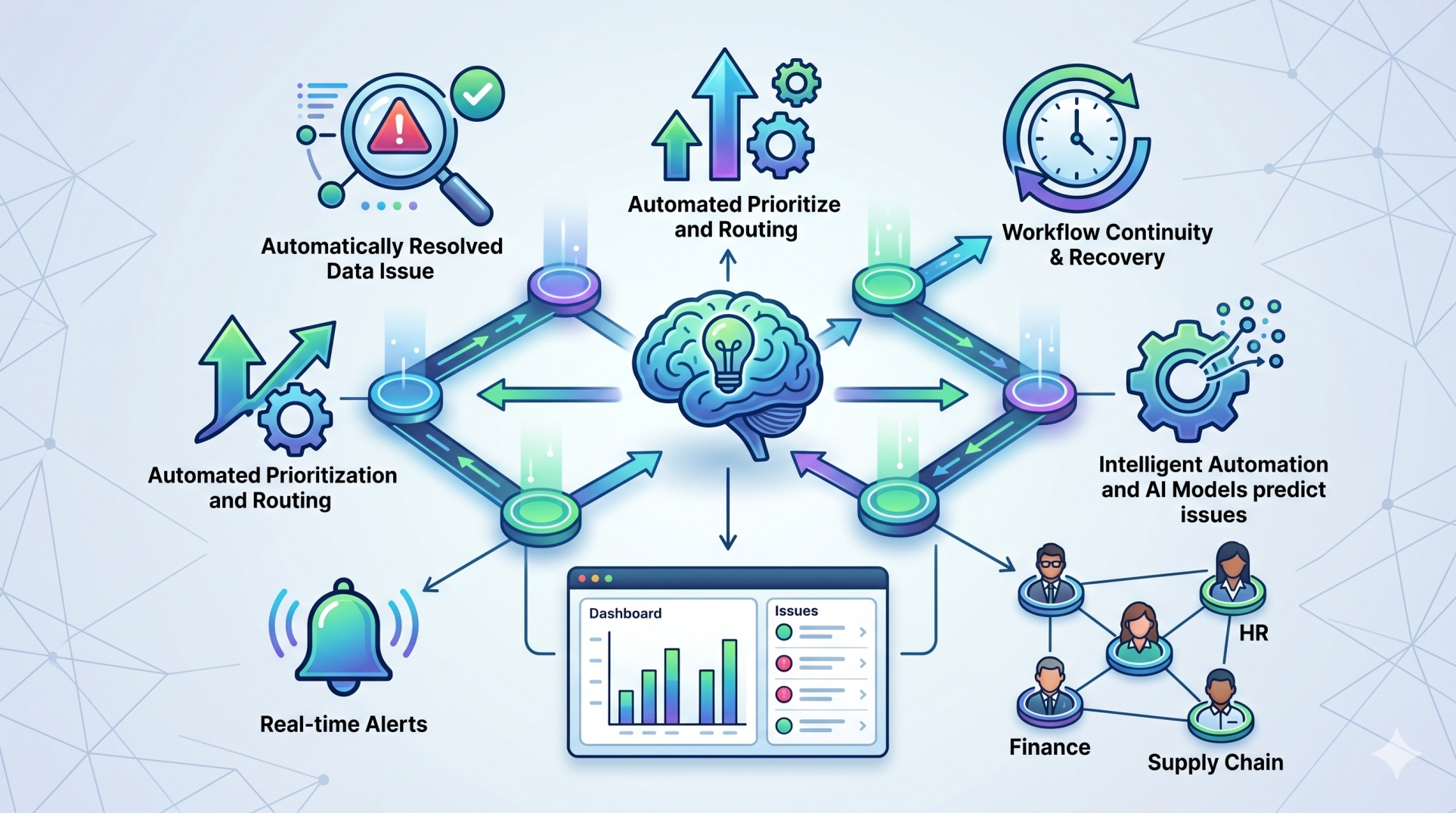
• AI can help prioritize tasks according to urgency, business impact, or deadlines. 📋
• Workflows can automatically move between stages when predefined conditions are met. 🔄
• Employees can receive reminders when actions require attention. ⏰
• Bottlenecks can be identified before they significantly affect operations. 🔎
• Faster workflows can improve responsiveness across the organization. ⚡
Step 7: Helping Employees Work with Data 📊
• Intelligent ERP systems can convert complex business data into practical summaries. 📝
• Employees can ask questions about operational information using natural language. 💬
• AI can assist with identifying trends, anomalies, and relationships within datasets. 🔍
• Automated reporting can reduce the time required to prepare routine business updates. 📈
• Better data accessibility can help employees make more informed decisions. 🧠
Step 8: Changing Employee Roles and Responsibilities 🔄
• Employees may spend less time performing manual processing activities. ⚙️
• Job responsibilities can shift toward analysis, problem-solving, and strategic work. 🧠
• Teams can use AI tools to support specialized tasks without eliminating human oversight. 👥
• Employees may need to develop stronger skills in data interpretation and AI-assisted workflows. 📚
• Organizations can support these changes through training and continuous learning. 🎓
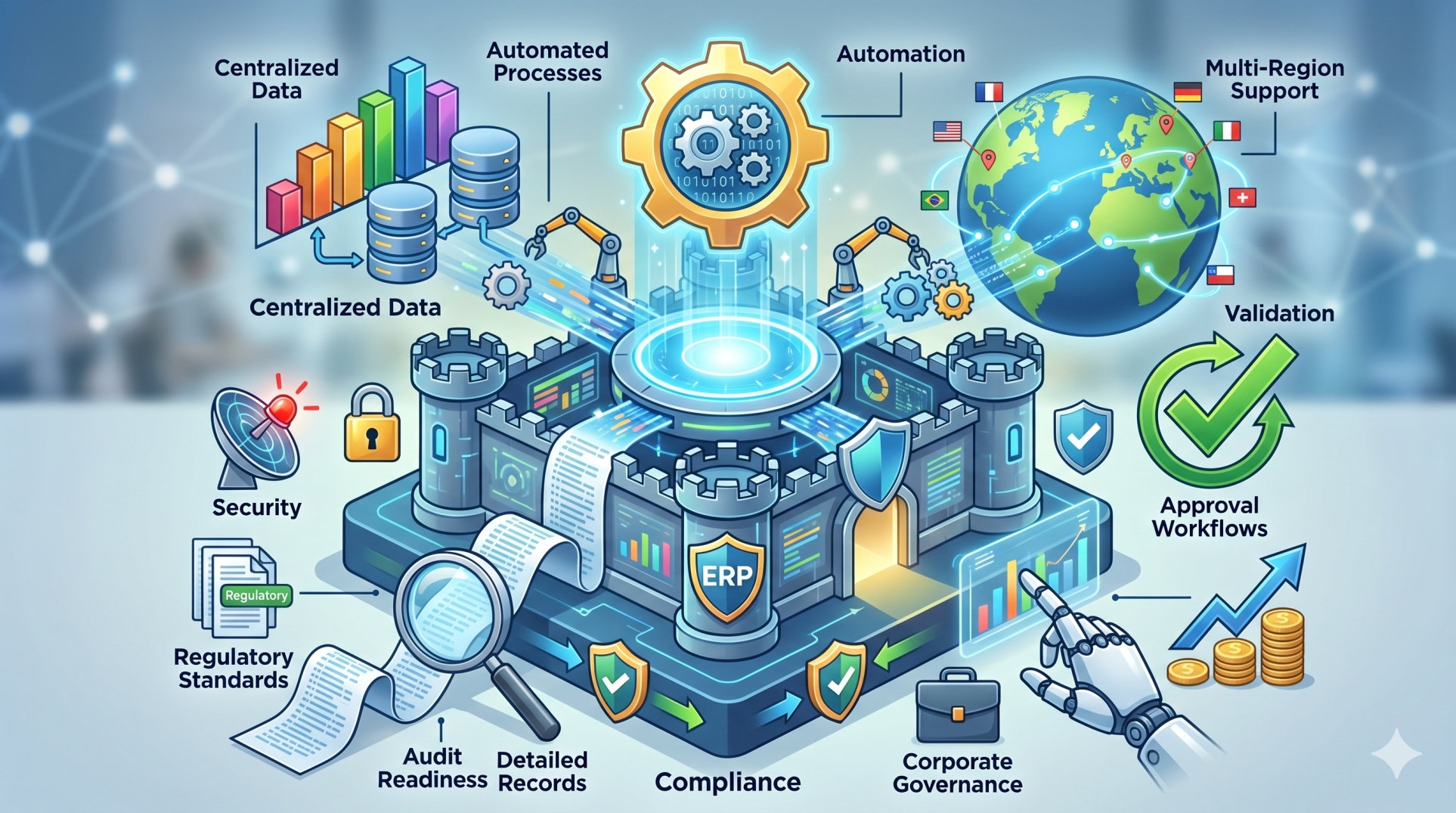
Step 9: Maintaining Security and Human Oversight 🔐
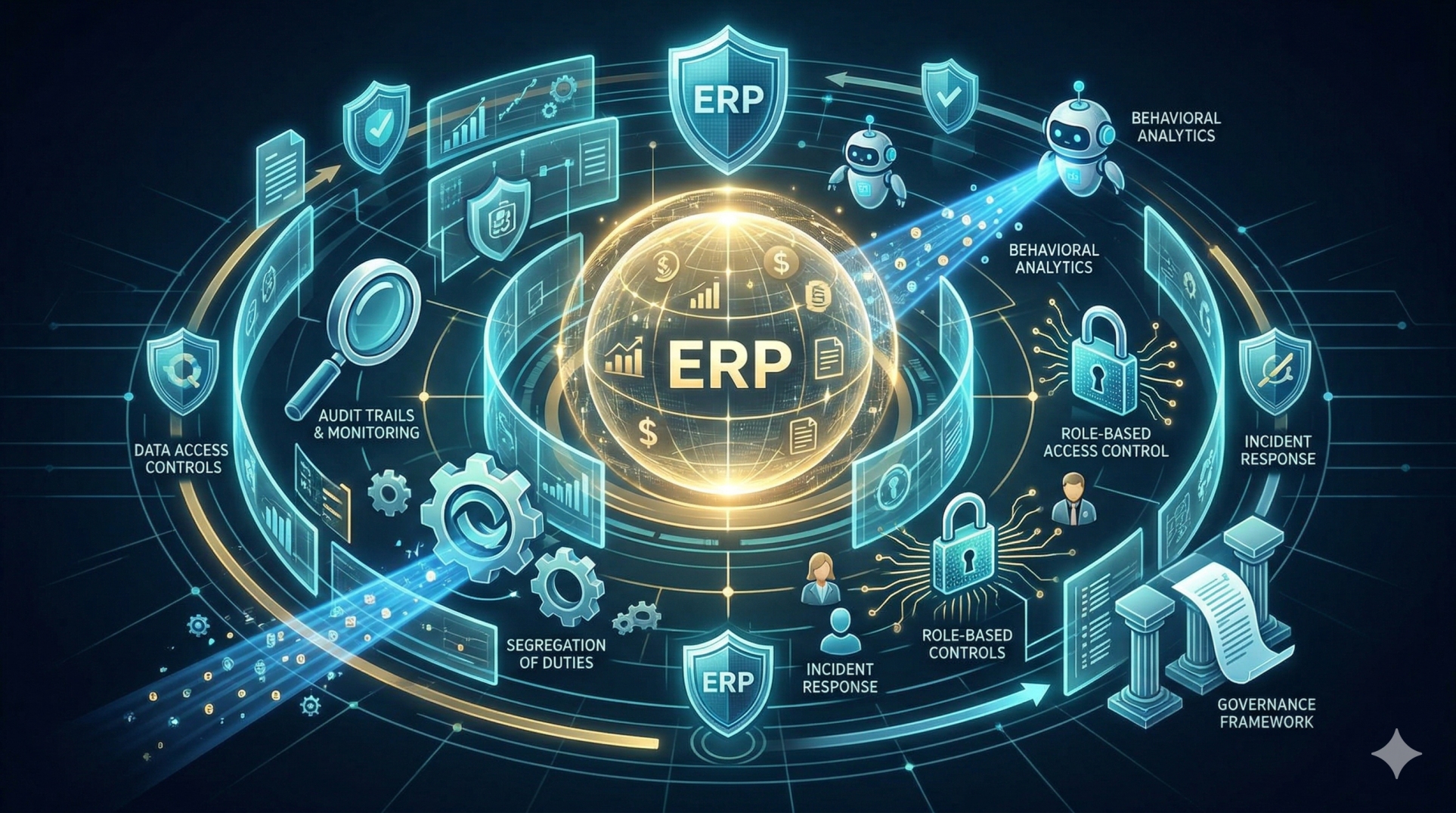
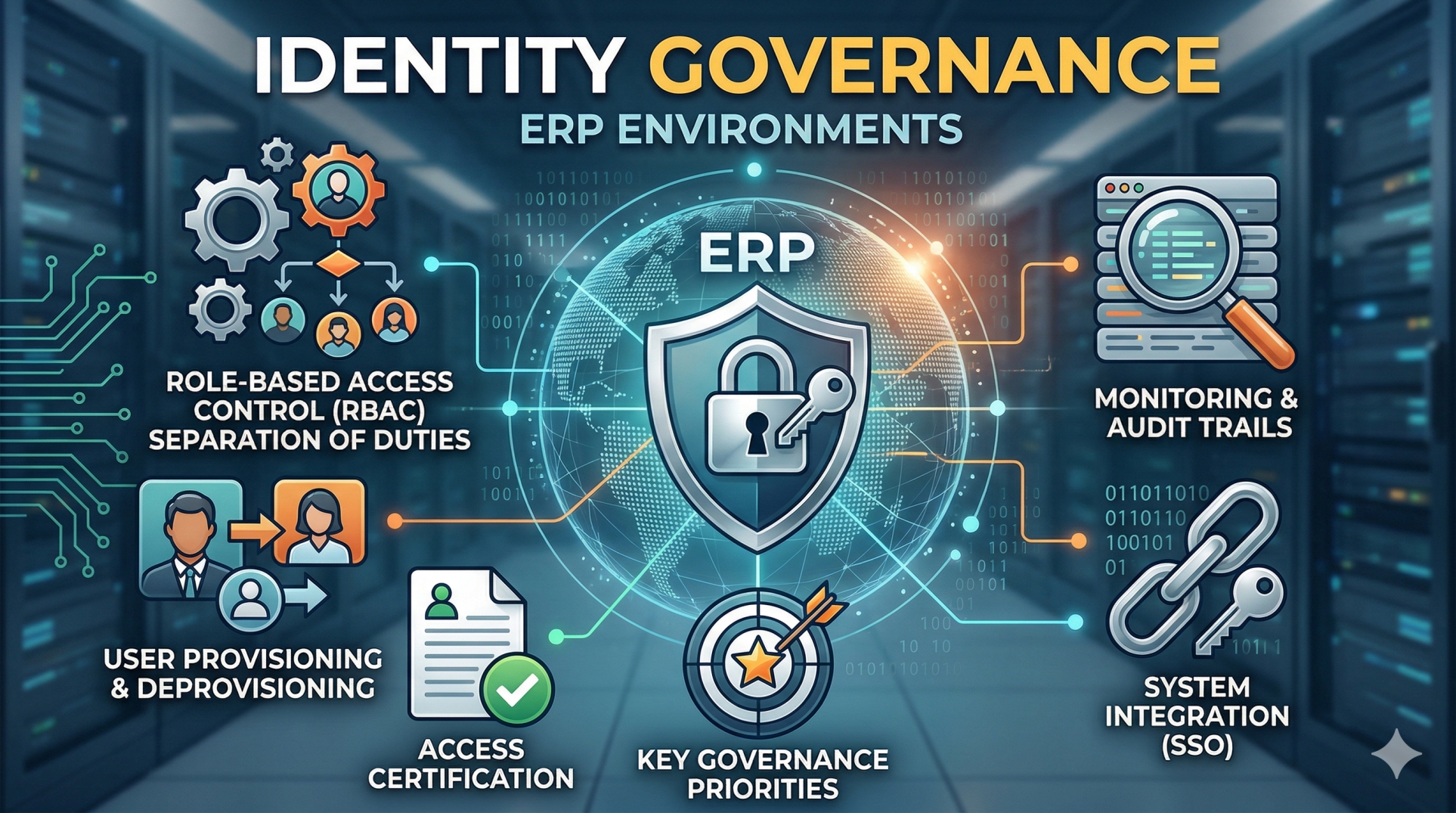
• Intelligent ERP systems should operate within clearly defined access permissions. 🛡️
• Sensitive business information must be protected from unauthorized access. 🔒
• AI-generated recommendations should be reviewed when decisions carry significant business impact. 👥
• Organizations should establish clear rules for automated actions and approvals. 📋
• Activity logs can help organizations monitor and audit AI-supported processes. 📝
Step 10: Preparing Employees for the Intelligent ERP Workplace 🌐
• Organizations should provide employees with practical training on AI-enabled ERP features. 🎓
• Teams should understand when to rely on automation and when human judgment is required. 🧠
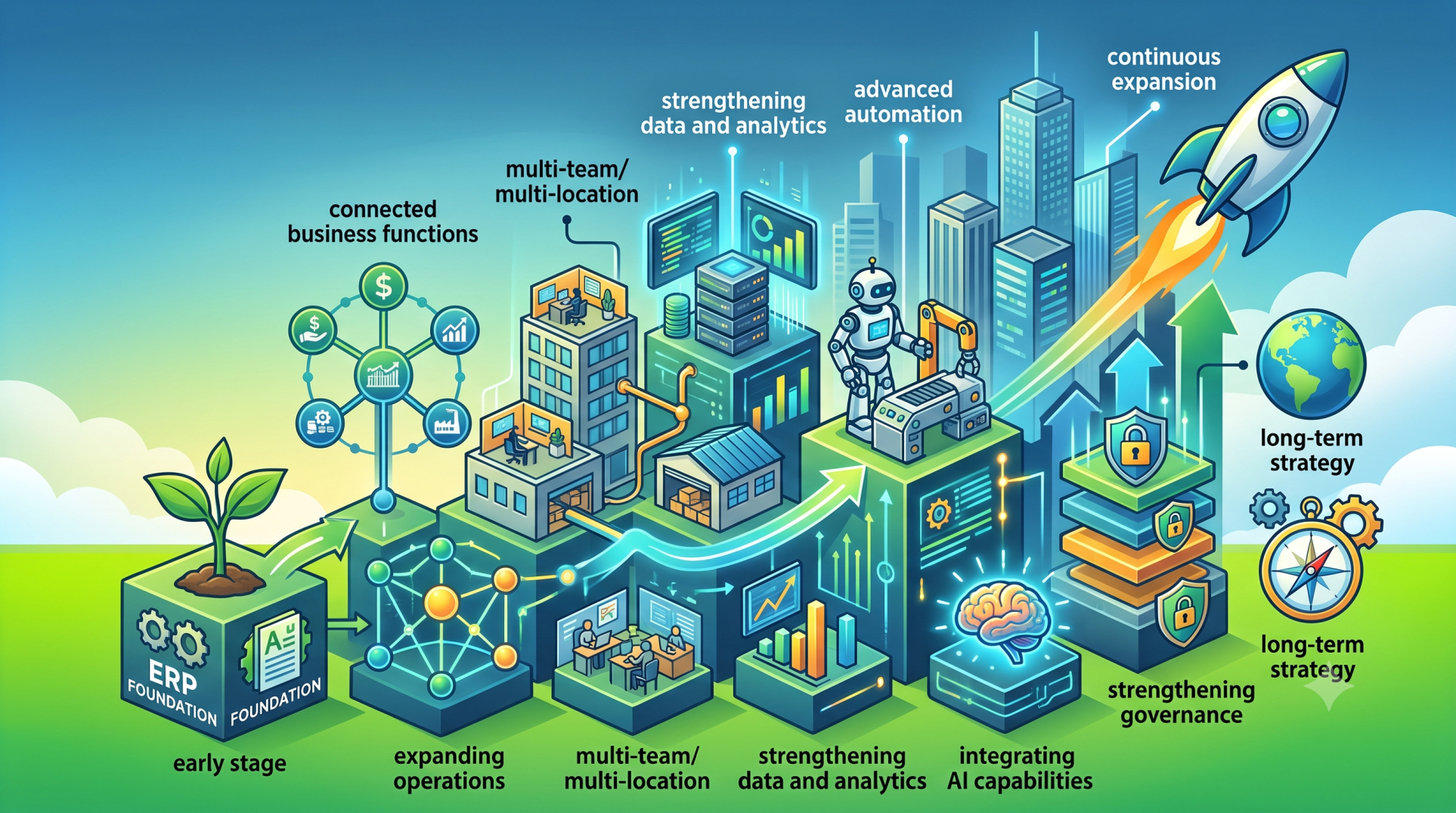
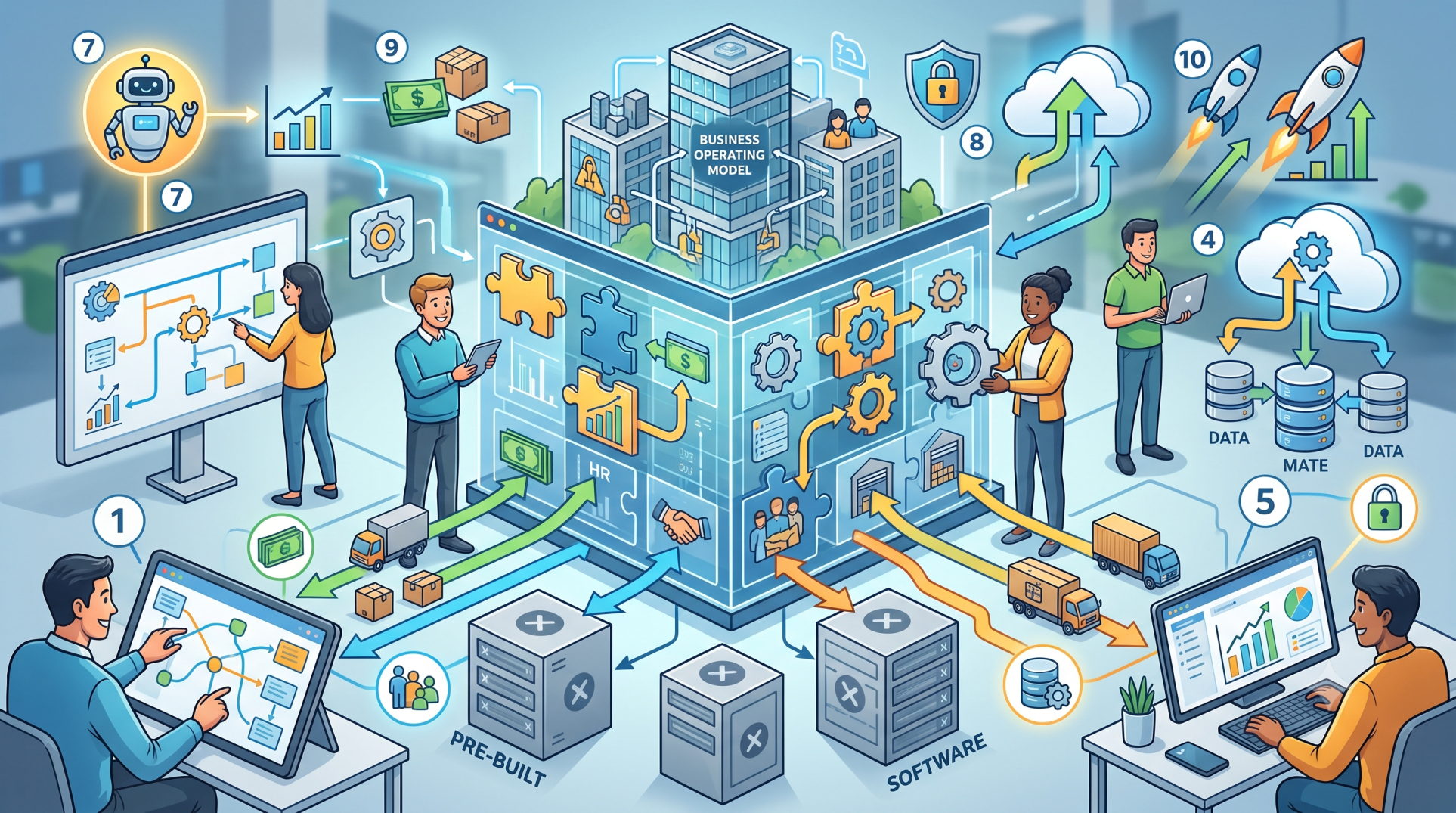
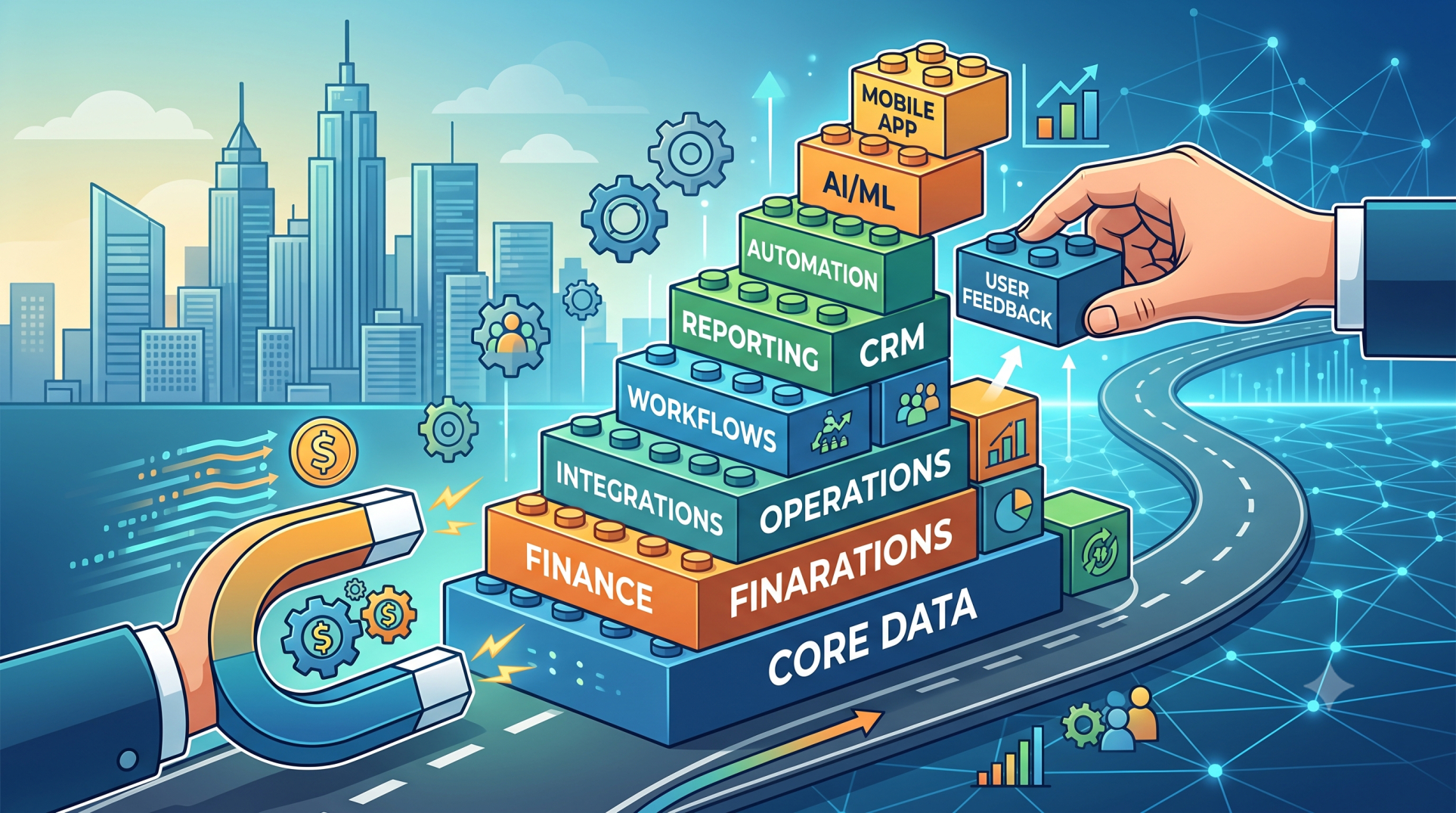
• Businesses can gradually introduce intelligent capabilities into existing workflows. 🔄
• Employee feedback can help organizations improve AI-supported processes. 💬
• A balanced approach can combine automation with human expertise and accountability. 🤝
Conclusion 🎯
Intelligent ERP systems are changing employee workflows by moving business software beyond basic transaction processing toward proactive assistance, automation, and data-driven decision support. Employees can spend less time searching for information and managing repetitive processes while dedicating more time to analysis, collaboration, problem-solving, and higher-value activities.The success of intelligent ERP adoption depends not only on technology but also on how organizations prepare their employees for new ways of working. With effective training, appropriate governance, strong data foundations, and meaningful human oversight, intelligent ERP systems can create a more productive, connected, and adaptable workplace.
See more blogs
You can all the articles below