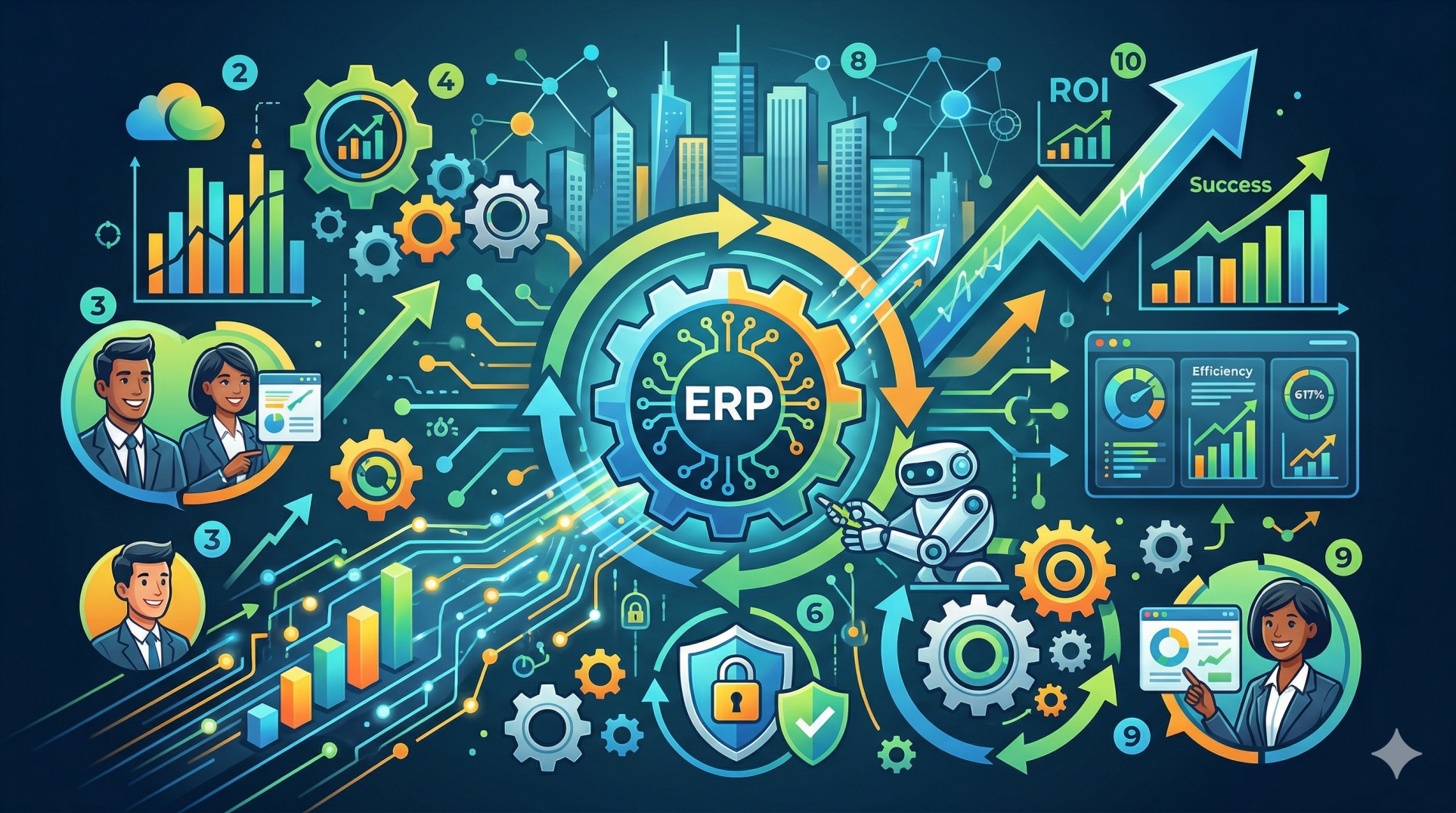
Integrated CRM and Inventory: The Retail Edge
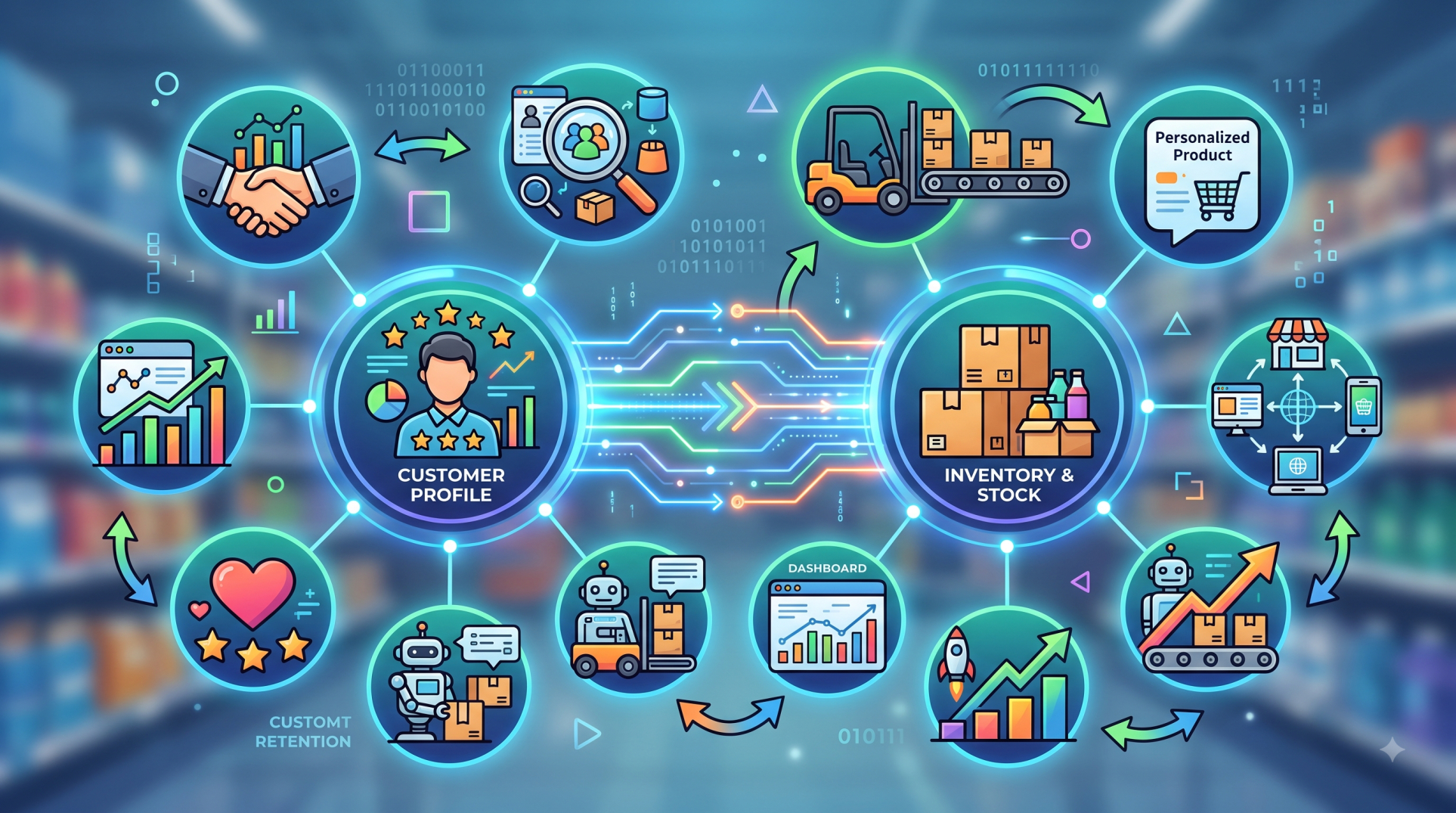
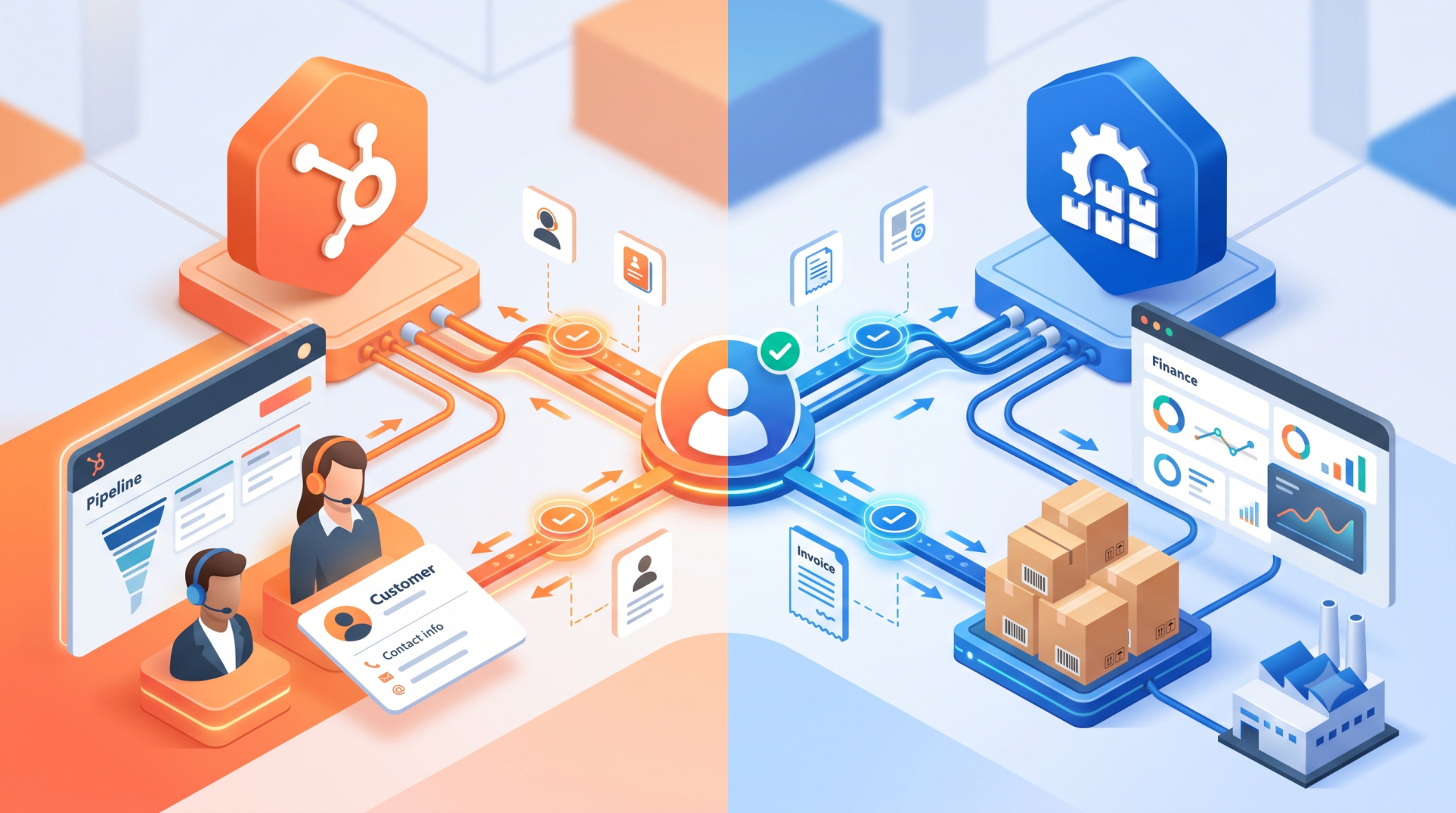
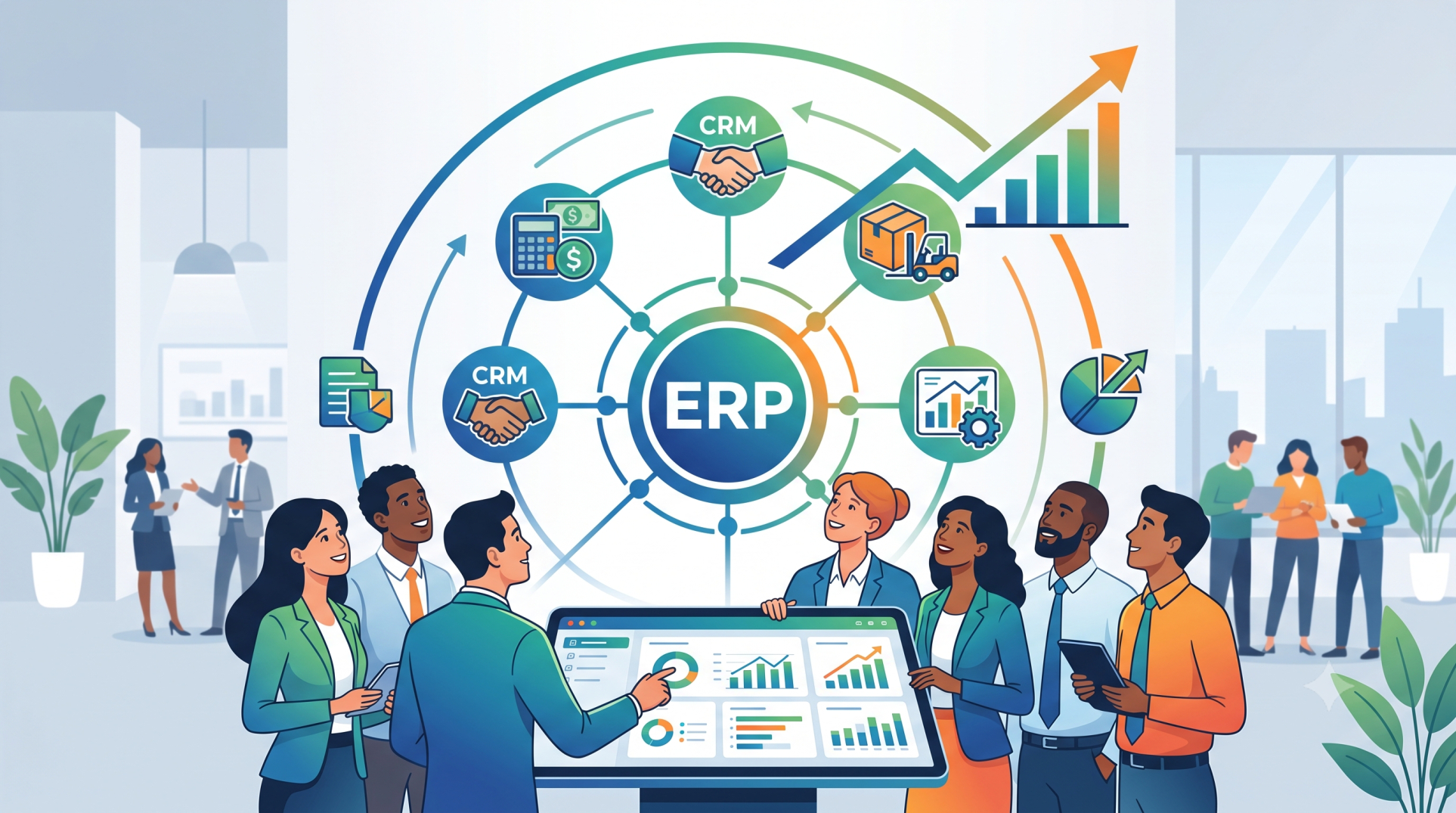
Modern retailers need more than separate systems for managing customers and inventory. When Customer Relationship Management (CRM) and inventory operations are connected, businesses can create a unified view of customer demand, product availability, purchasing behavior, and sales activity. This integration helps retailers respond faster, personalize customer experiences, reduce stock-related problems, and improve overall operational efficiency.
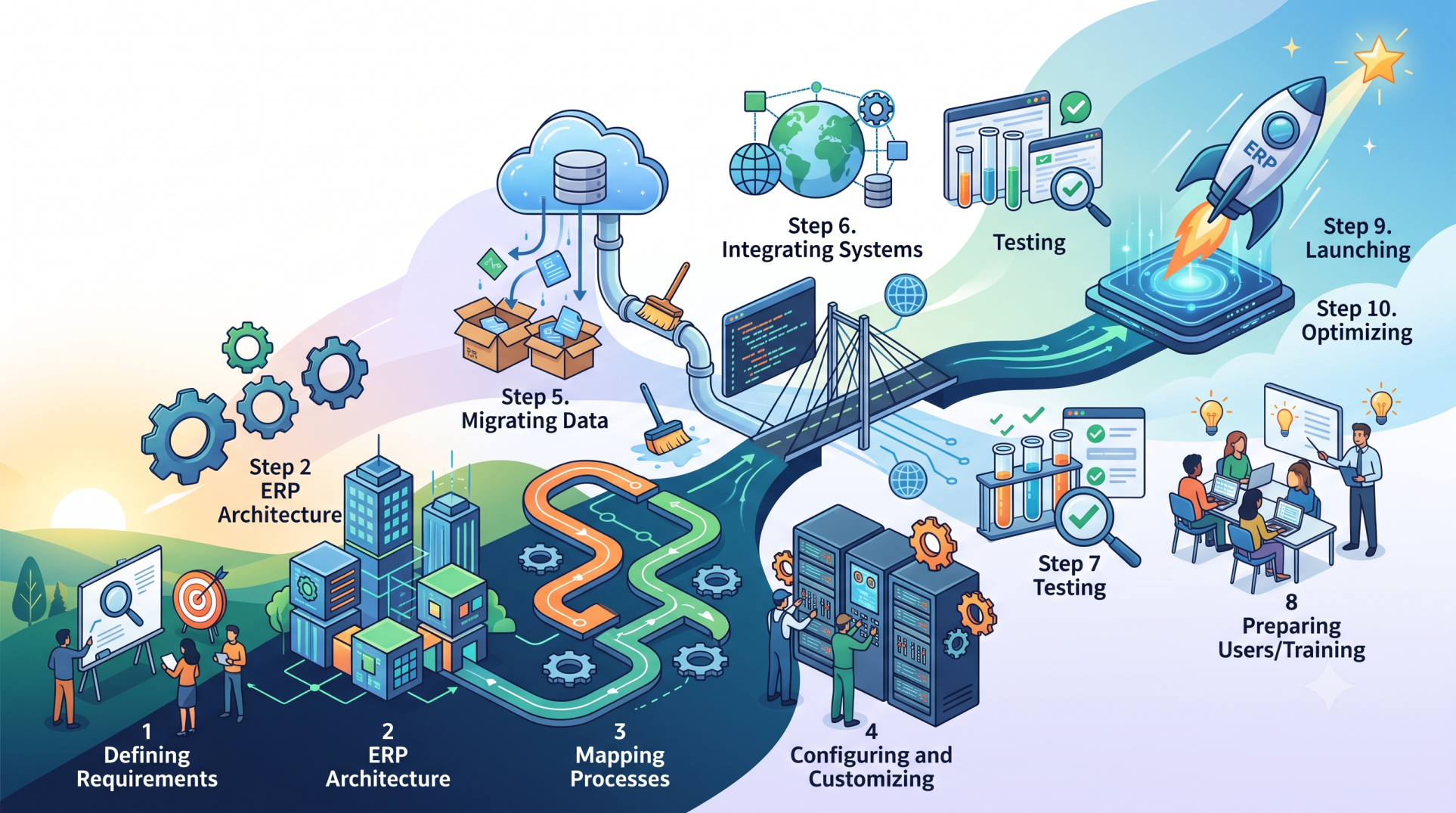
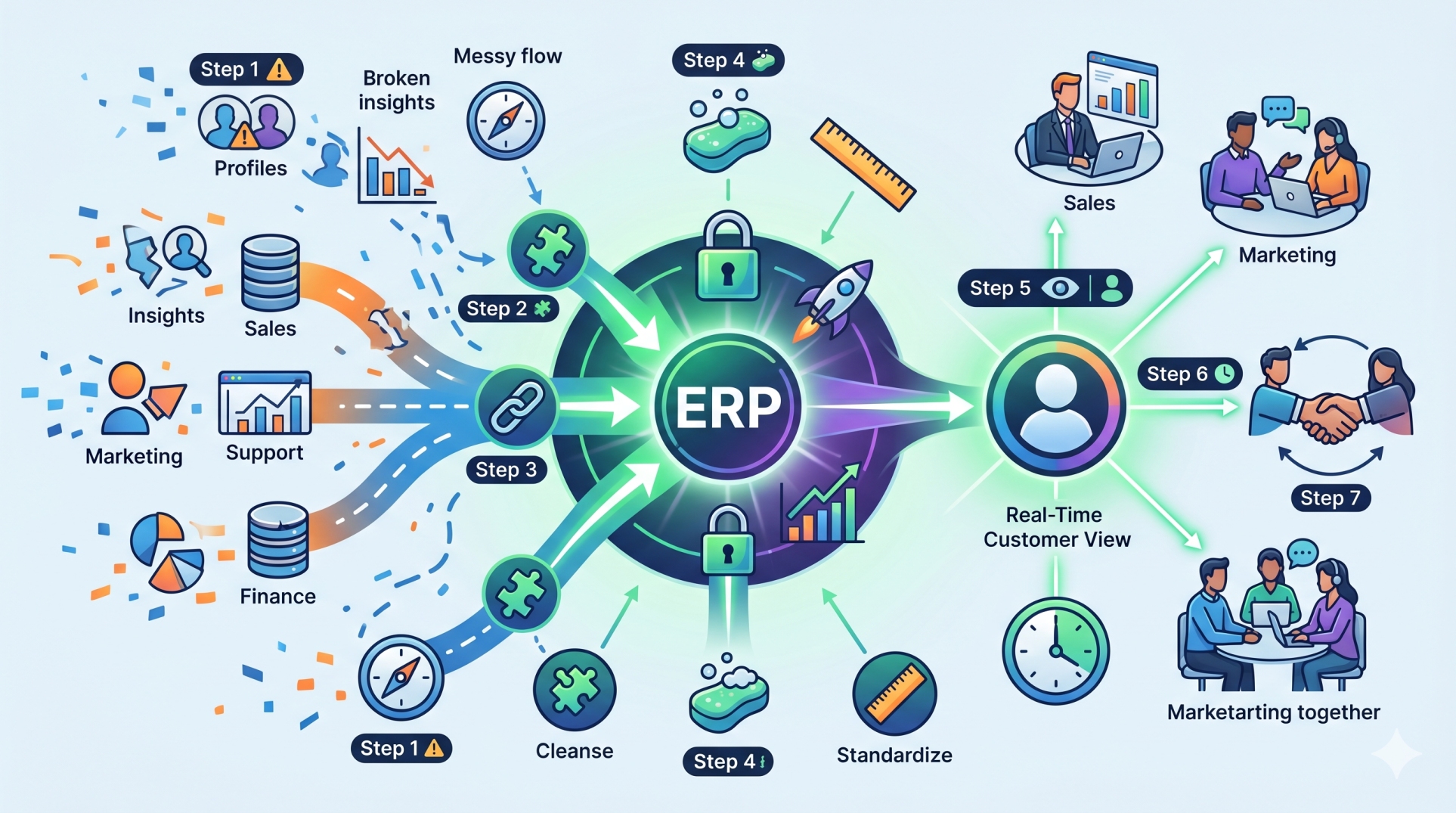
Step 1: Connecting Customer and Inventory Data 🛍️
• Connect customer profiles with product and purchasing information 🔗
• Create a unified view of customer interactions and inventory status 📊
• Reduce data gaps between sales and stock management teams 🤝
• Improve visibility across retail operations 👀
• Enable faster access to accurate business information ⚡
Step 2: Improving Demand Visibility 📈
• Analyze customer purchasing patterns to understand demand 🔍
• Identify products with increasing or declining interest 📊
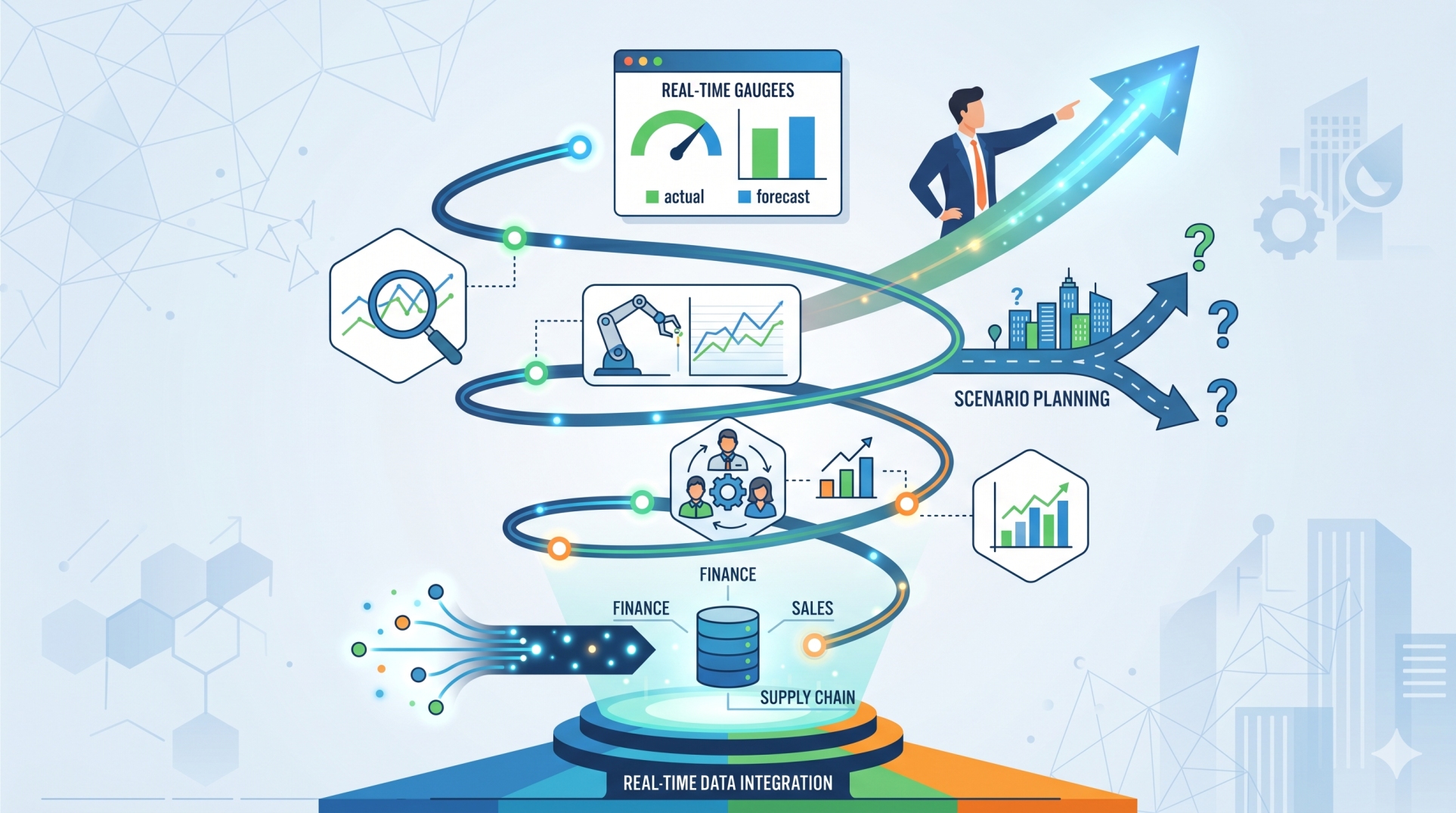
• Combine sales activity with inventory information for better forecasting 🧠
• Detect demand changes earlier and respond accordingly 🔄
• Support more informed purchasing and replenishment decisions 🎯
Step 3: Optimizing Inventory Management 📦
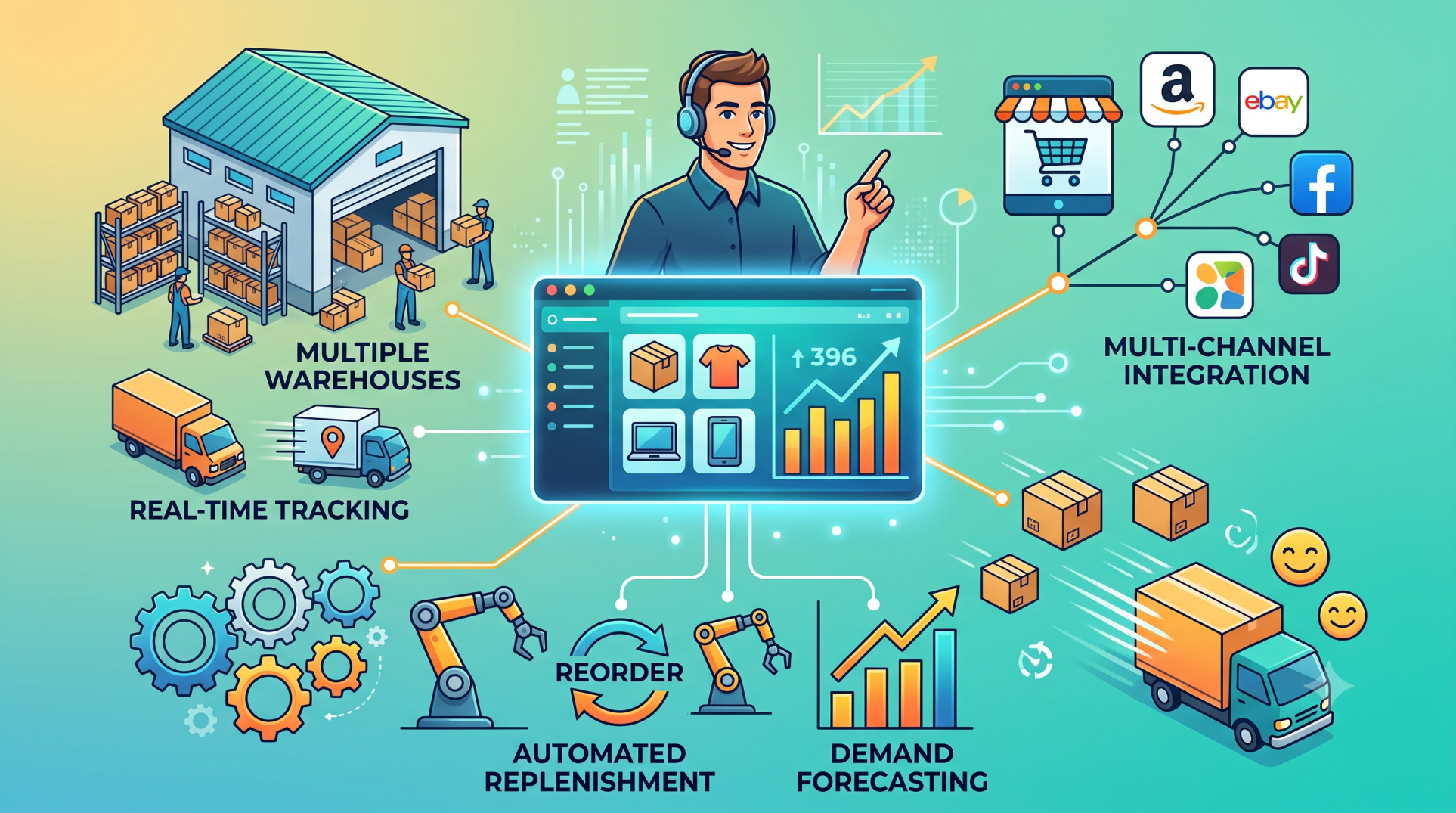
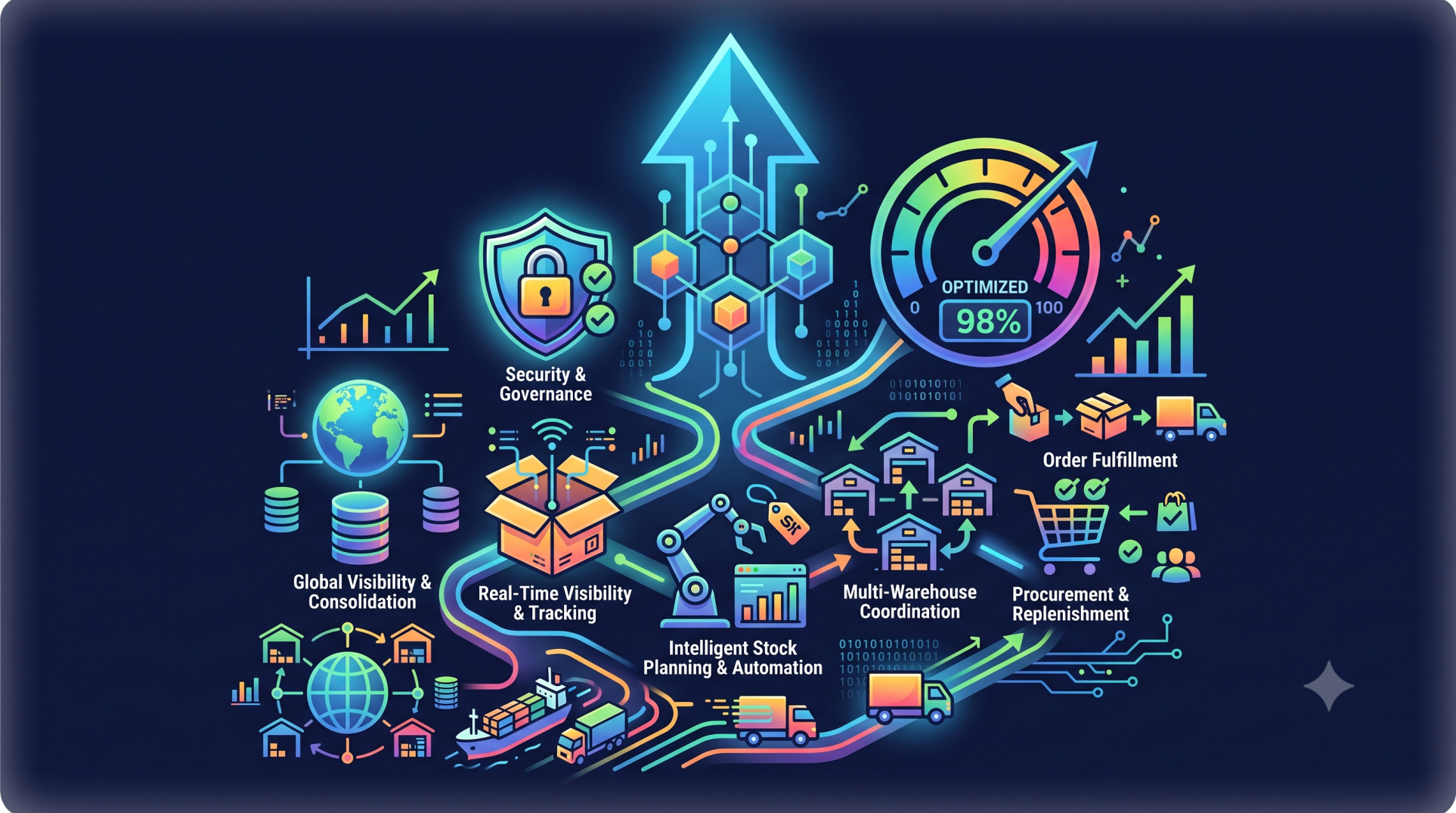
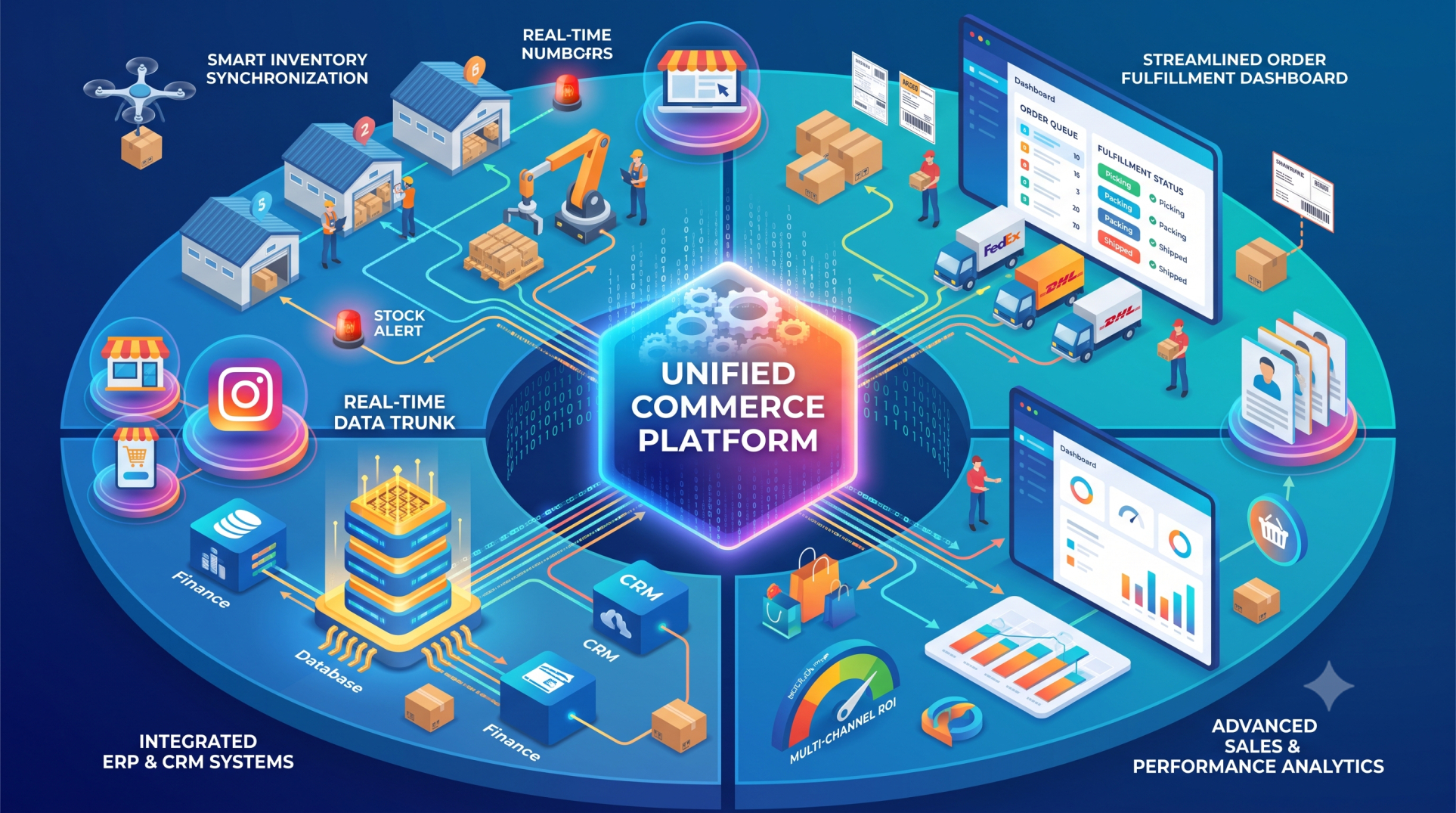
• Monitor stock levels across stores, warehouses, and online channels 🏢
• Identify fast-moving and slow-moving products 🚀
• Reduce the risk of overstocking and stockouts ⚠️
• Improve replenishment decisions using real-time sales data 🔄
• Maintain healthier inventory levels across locations ⚖️
Step 4: Personalizing Customer Experiences 💡
• Use purchase history to understand individual customer preferences 🧠
• Recommend relevant products based on availability and past behavior 🎯
• Provide accurate information about product availability 🛒
• Create targeted promotions for specific customer segments 📣
• Improve customer satisfaction through more relevant interactions ❤️
Step 5: Synchronizing Sales Channels 🌐
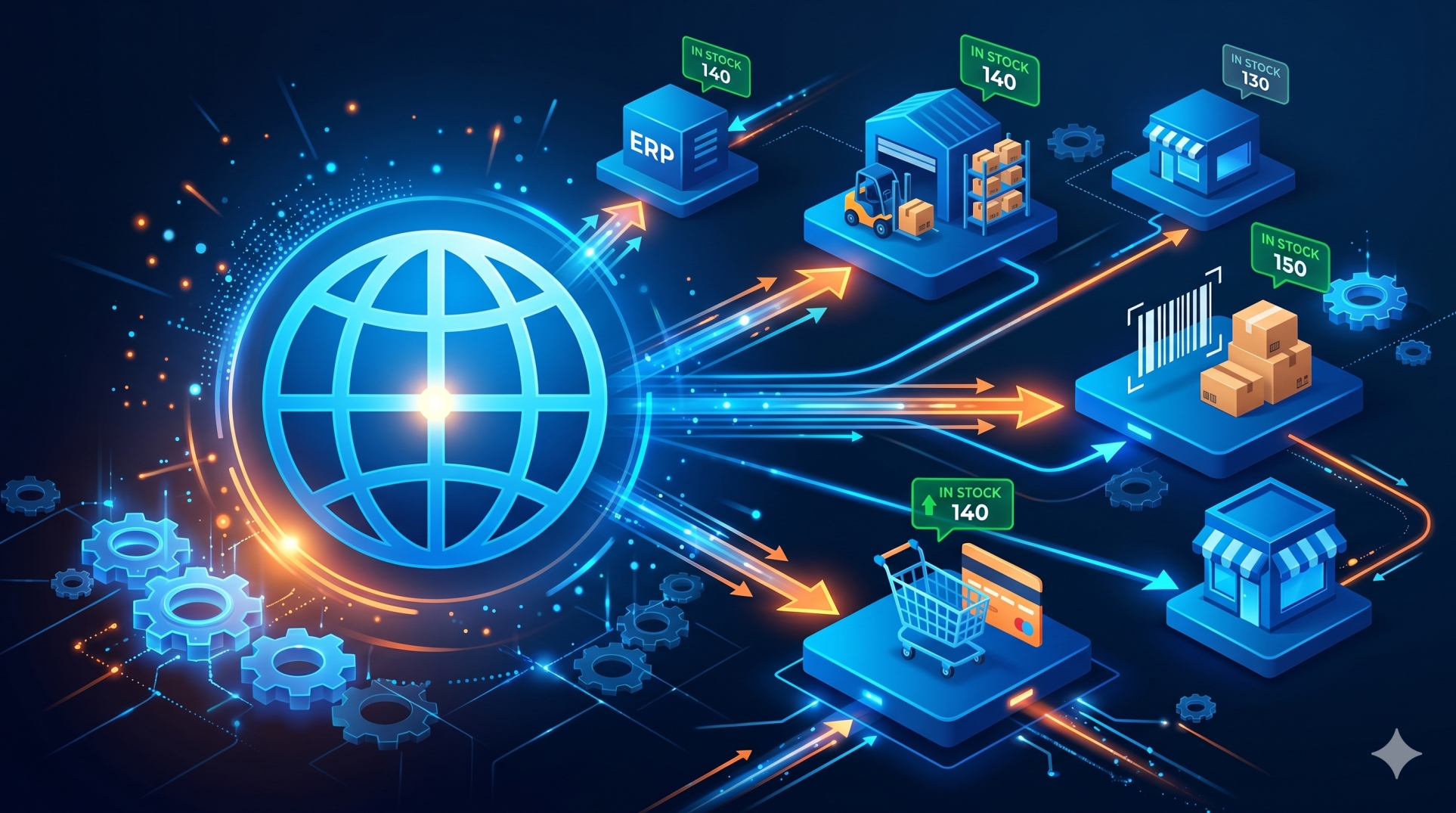
• Connect physical stores, websites, marketplaces, and mobile channels 🔗
• Maintain consistent inventory information across sales platforms 📱
• Prevent customers from ordering products that are unavailable 🚫
• Coordinate online and in-store purchasing experiences 🏬
• Support flexible fulfillment options such as pickup and delivery 🚚
Step 6: Automating Retail Workflows 🤖
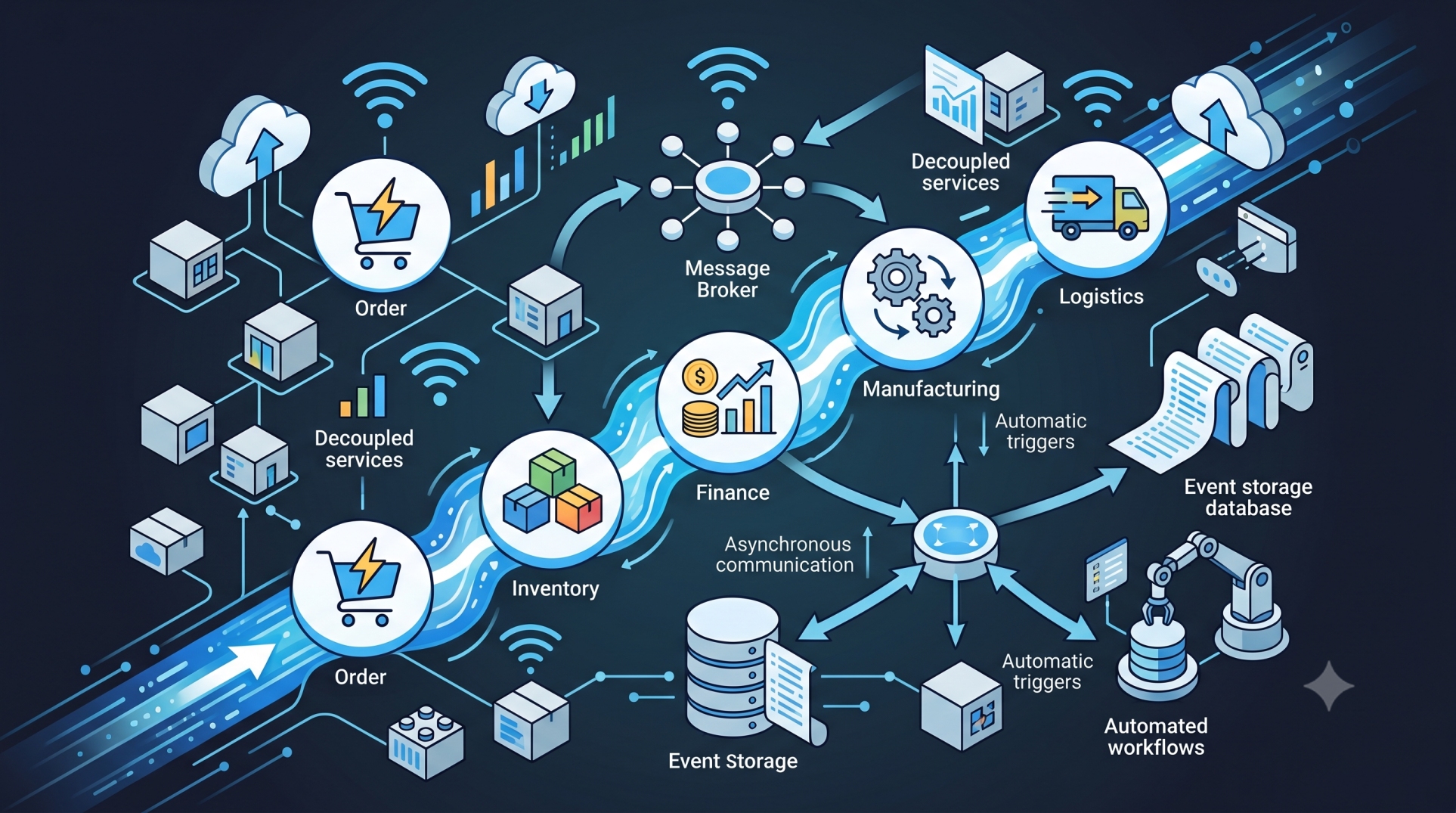
• Trigger replenishment actions when inventory reaches defined levels ⚙️
• Automate customer notifications about orders and product availability 📩
• Connect sales activity with stock updates in real time 🔄
• Reduce manual data entry across retail operations ⏱️
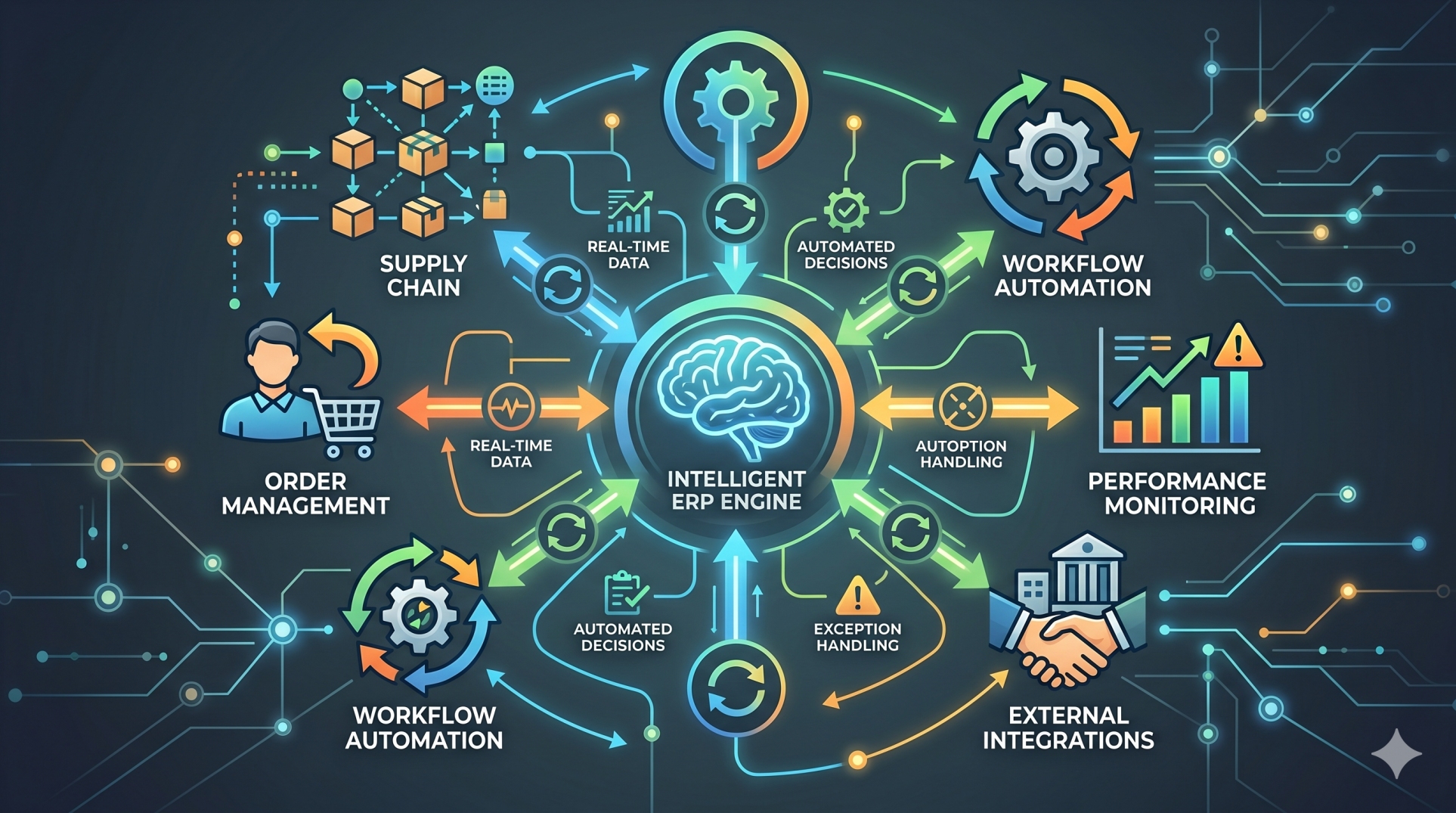
• Improve workflow consistency through intelligent automation 🚀
Step 7: Strengthening Customer Retention ❤️
• Identify repeat purchasing patterns and valuable customer segments 📊
• Create loyalty strategies based on real customer behavior ⭐
• Deliver personalized offers using relevant product information 🎁
• Re-engage customers when preferred products become available 🔔
• Build stronger relationships through consistent experiences 🤝
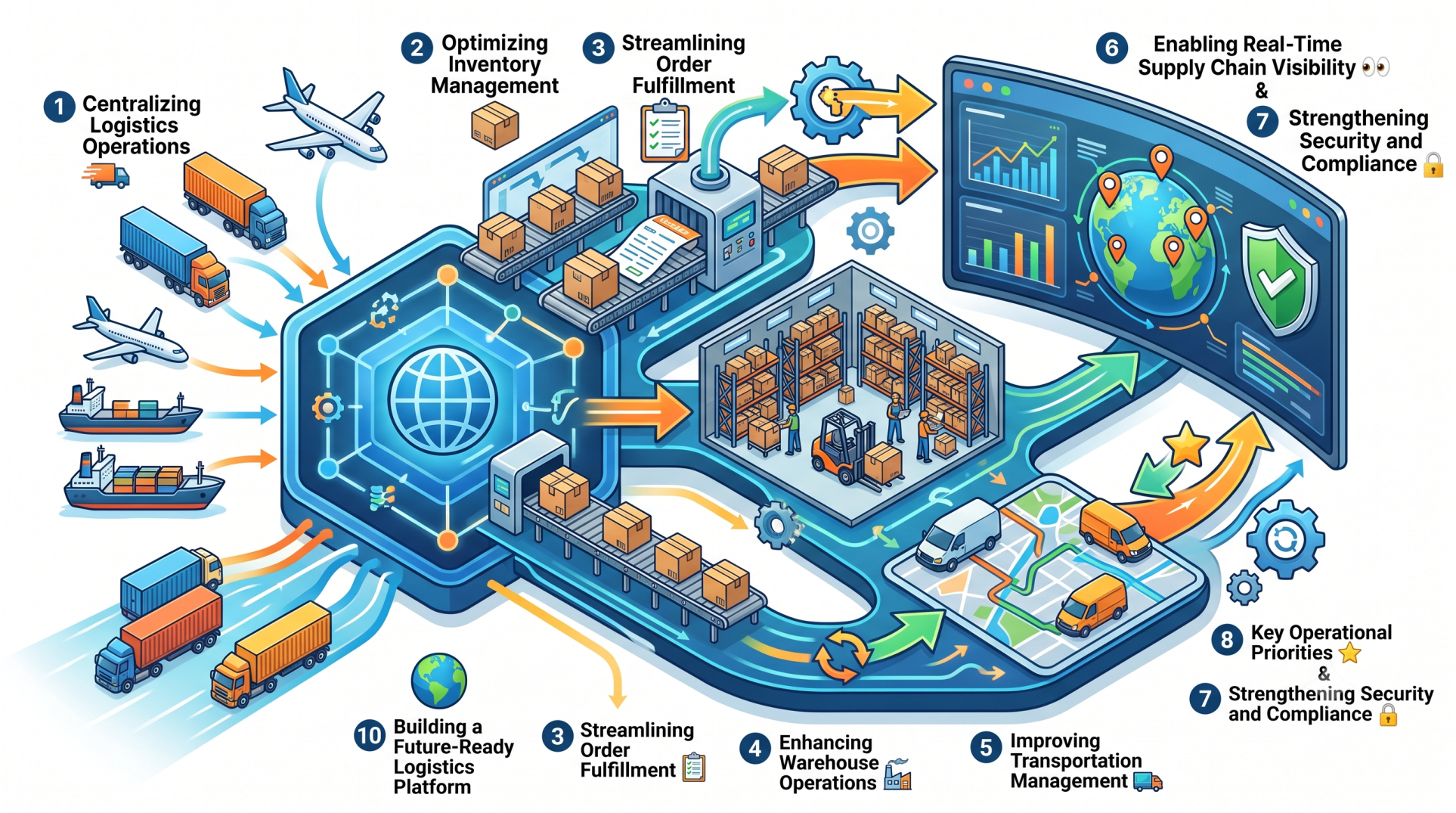
Step 8: Key Integration Priorities ⭐
• Real-time synchronization between CRM and inventory platforms 🔄
• Accurate product and customer information across systems 📋
• Automated workflows that reduce operational effort ⚙️
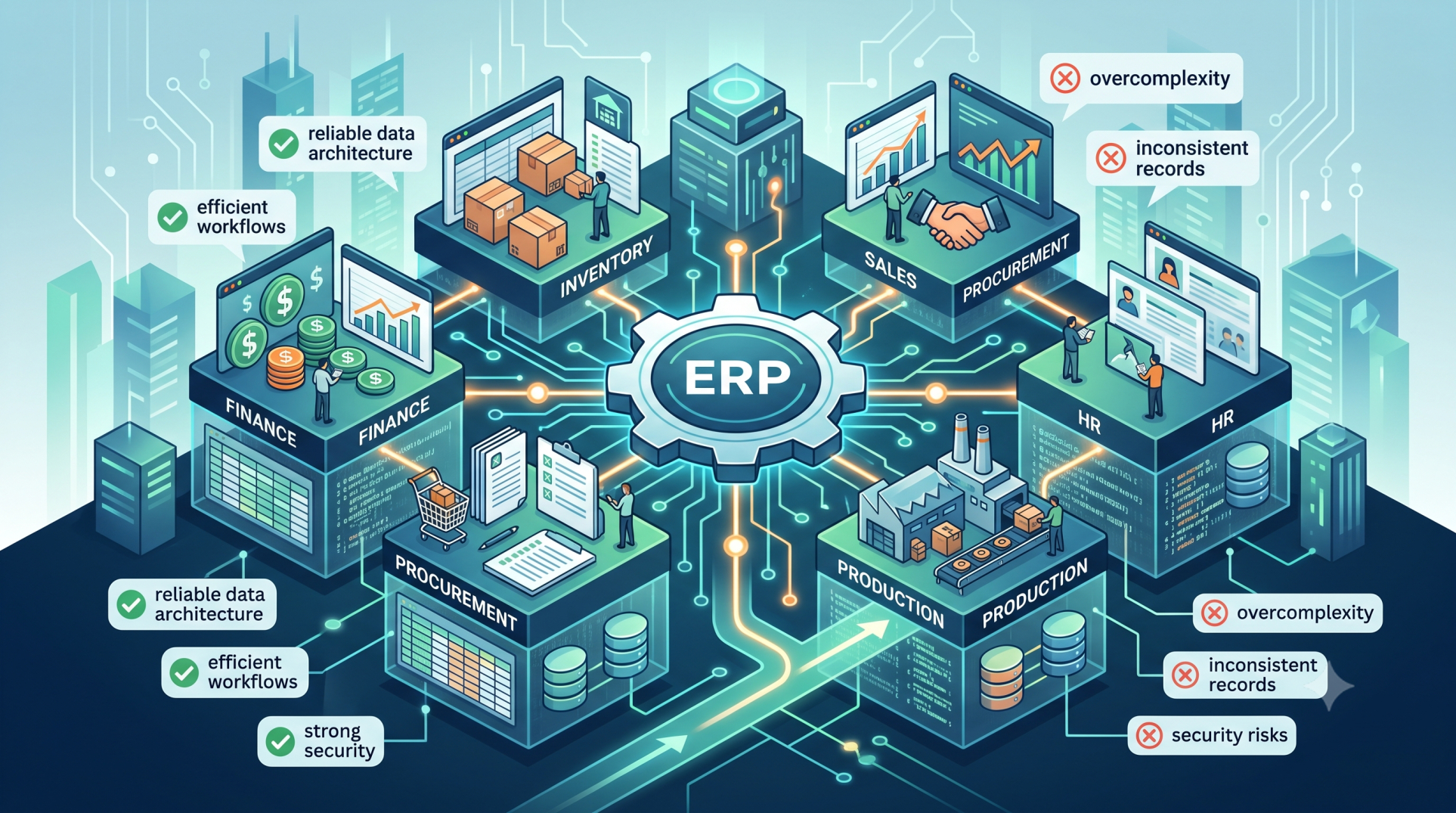
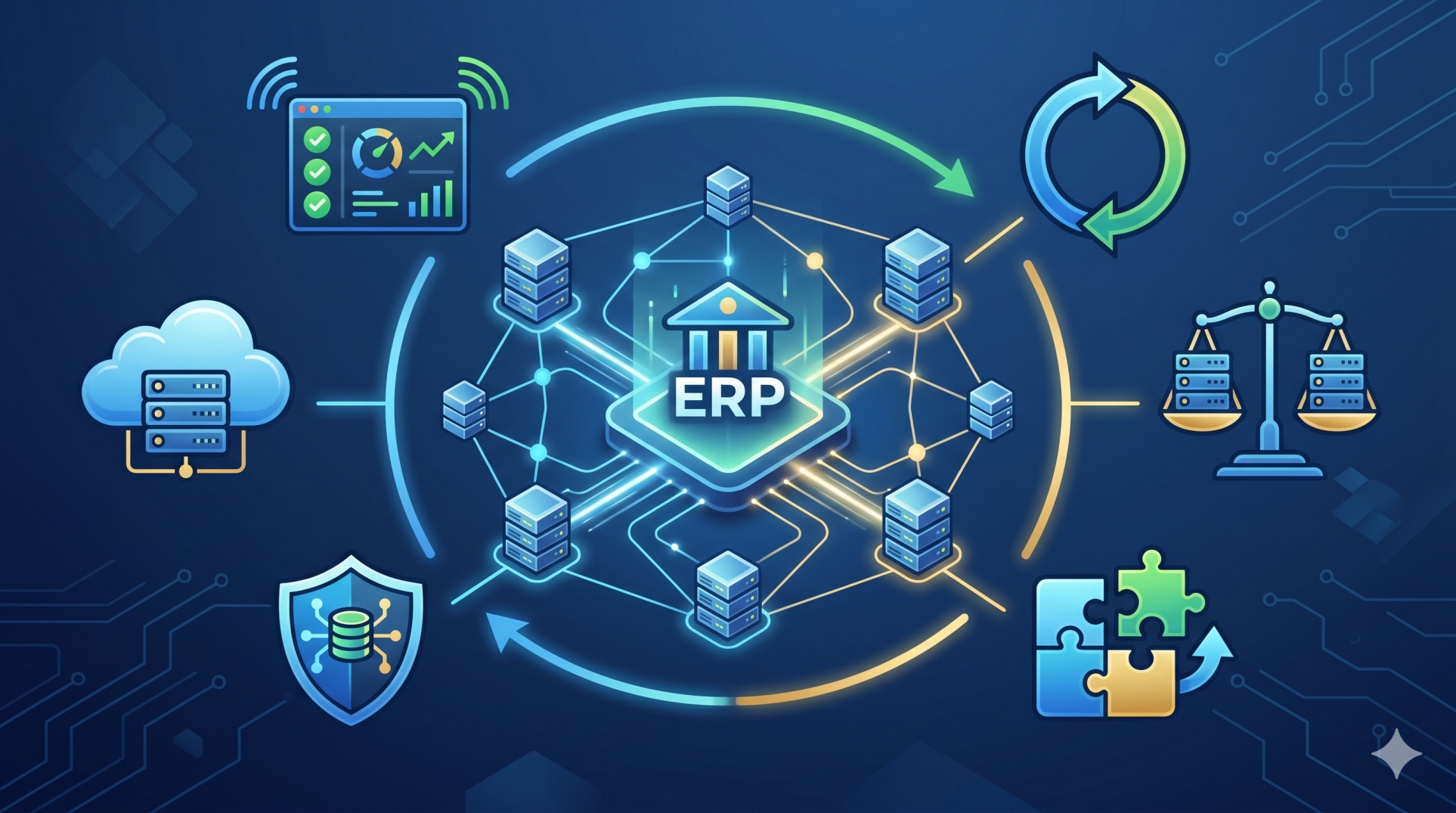
• Secure and scalable architecture for growing retail businesses 📈
Step 9: Using Analytics for Retail Decisions 📊
• Monitor sales performance alongside customer behavior 📈
• Identify relationships between promotions and inventory movement 🔍
• Measure product demand across customer segments 👥
• Track inventory performance across different locations 📦
• Use combined insights to improve merchandising and planning 💡
Step 10: Building a Future-Ready Retail Ecosystem 🚀
• Design flexible integrations that can support new retail channels 🔗
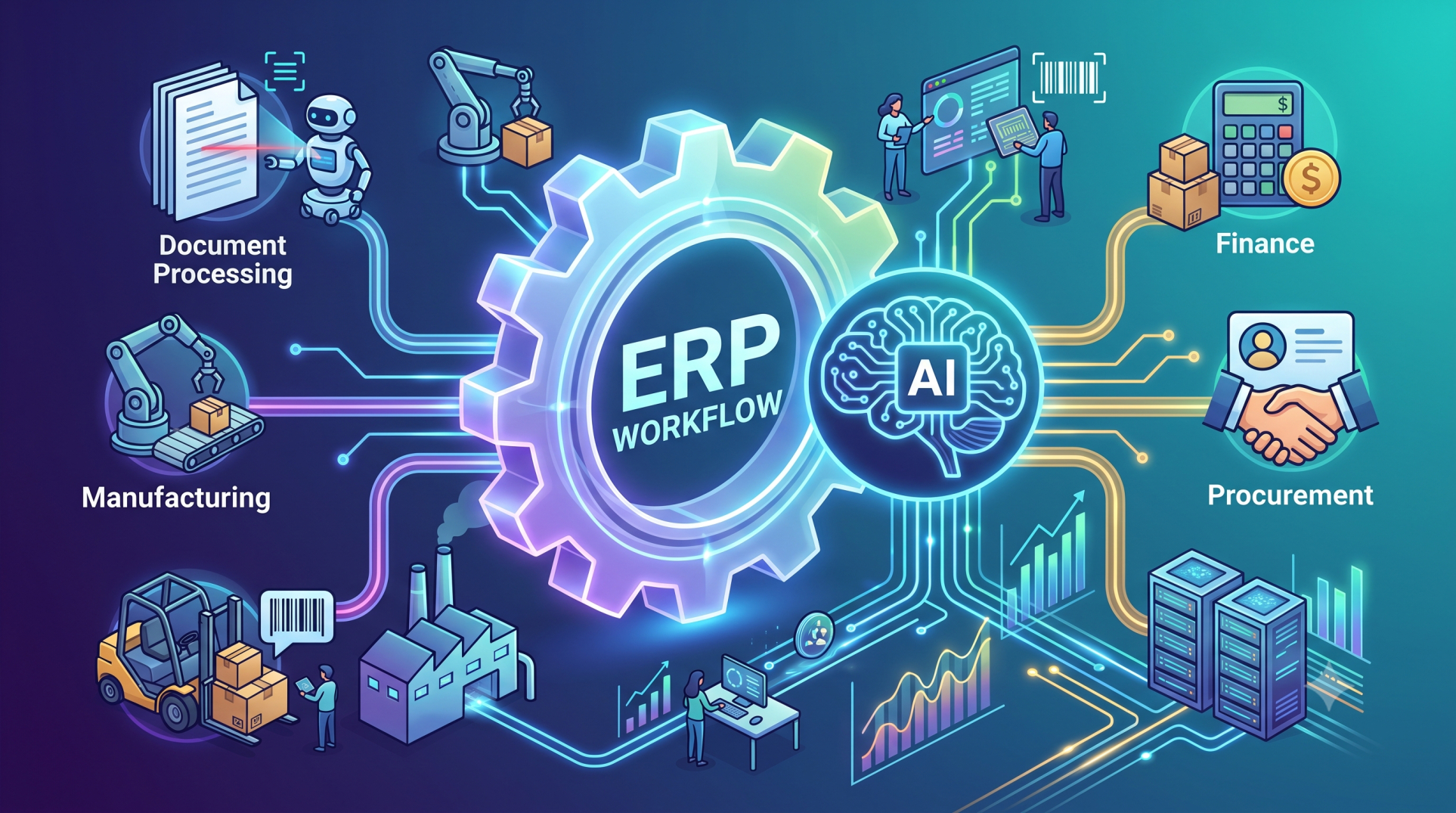
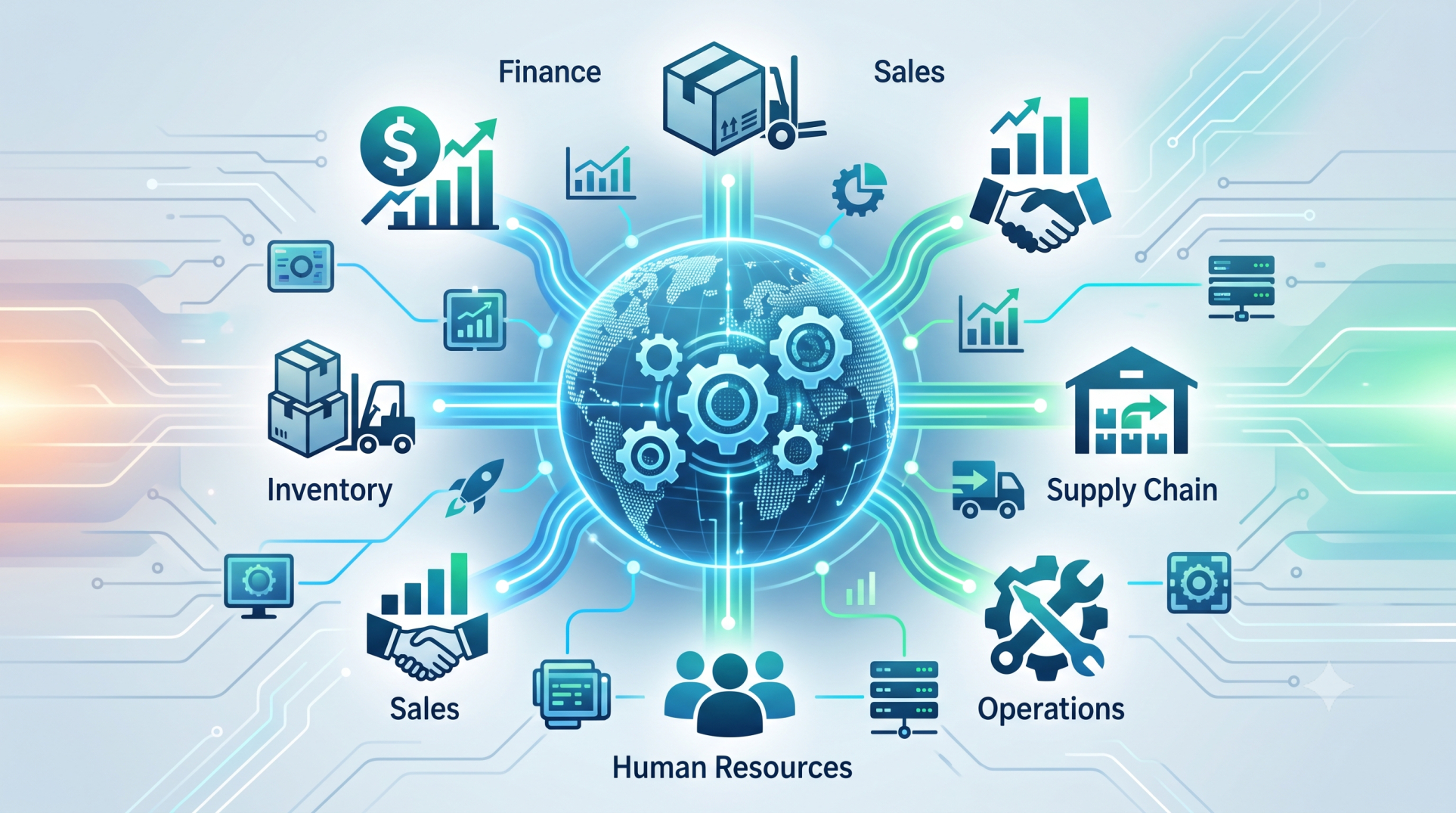
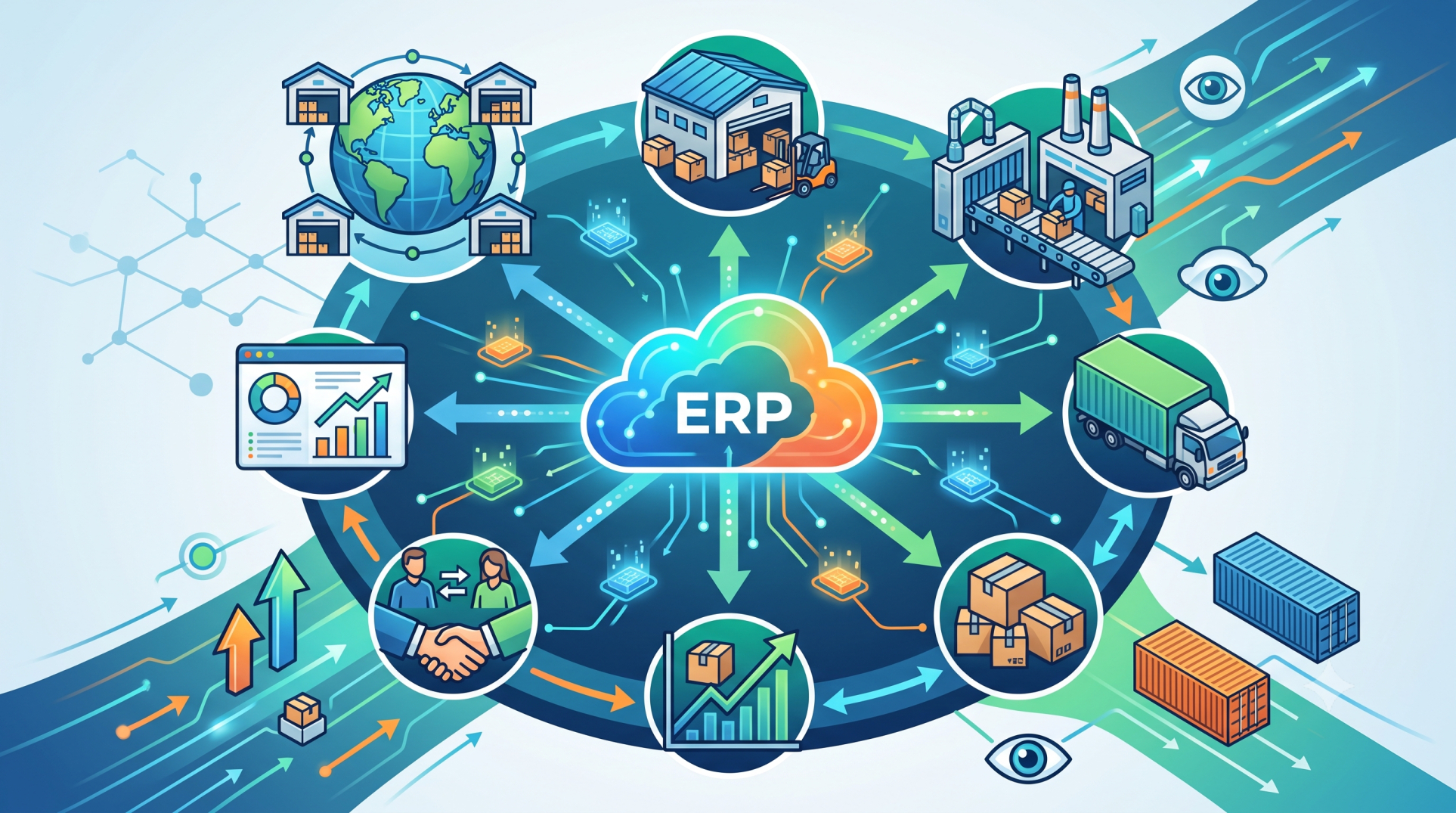
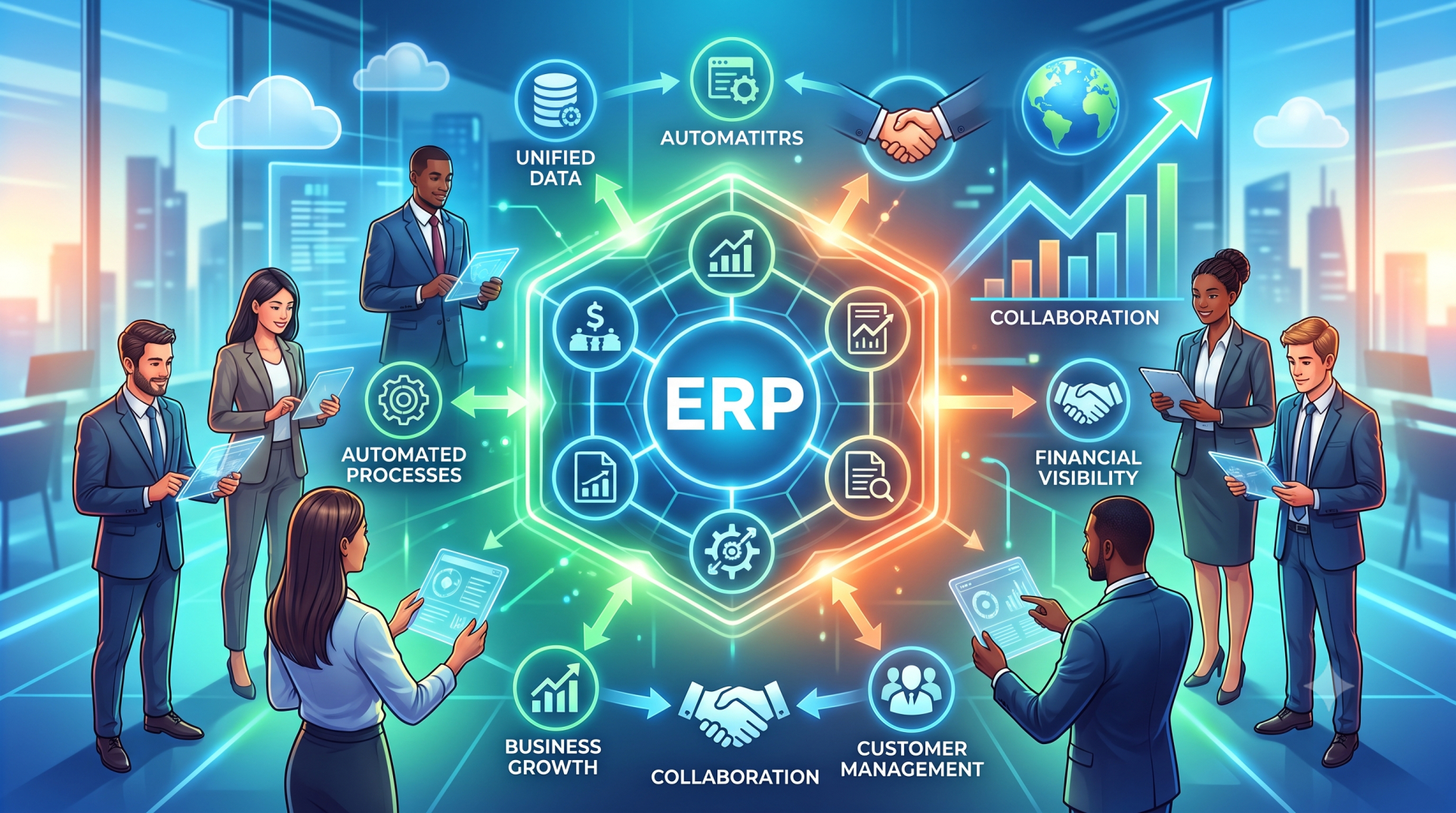
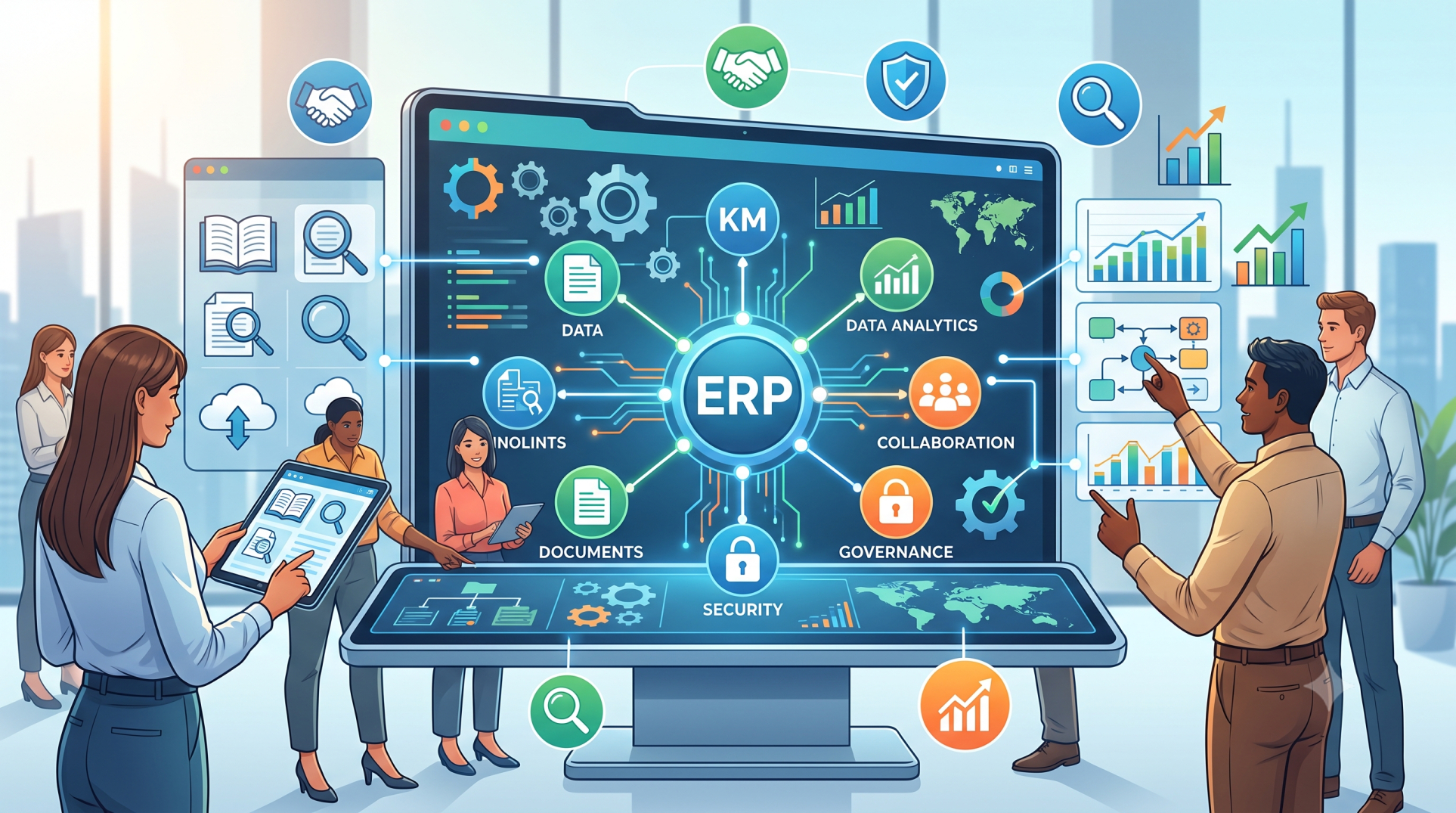
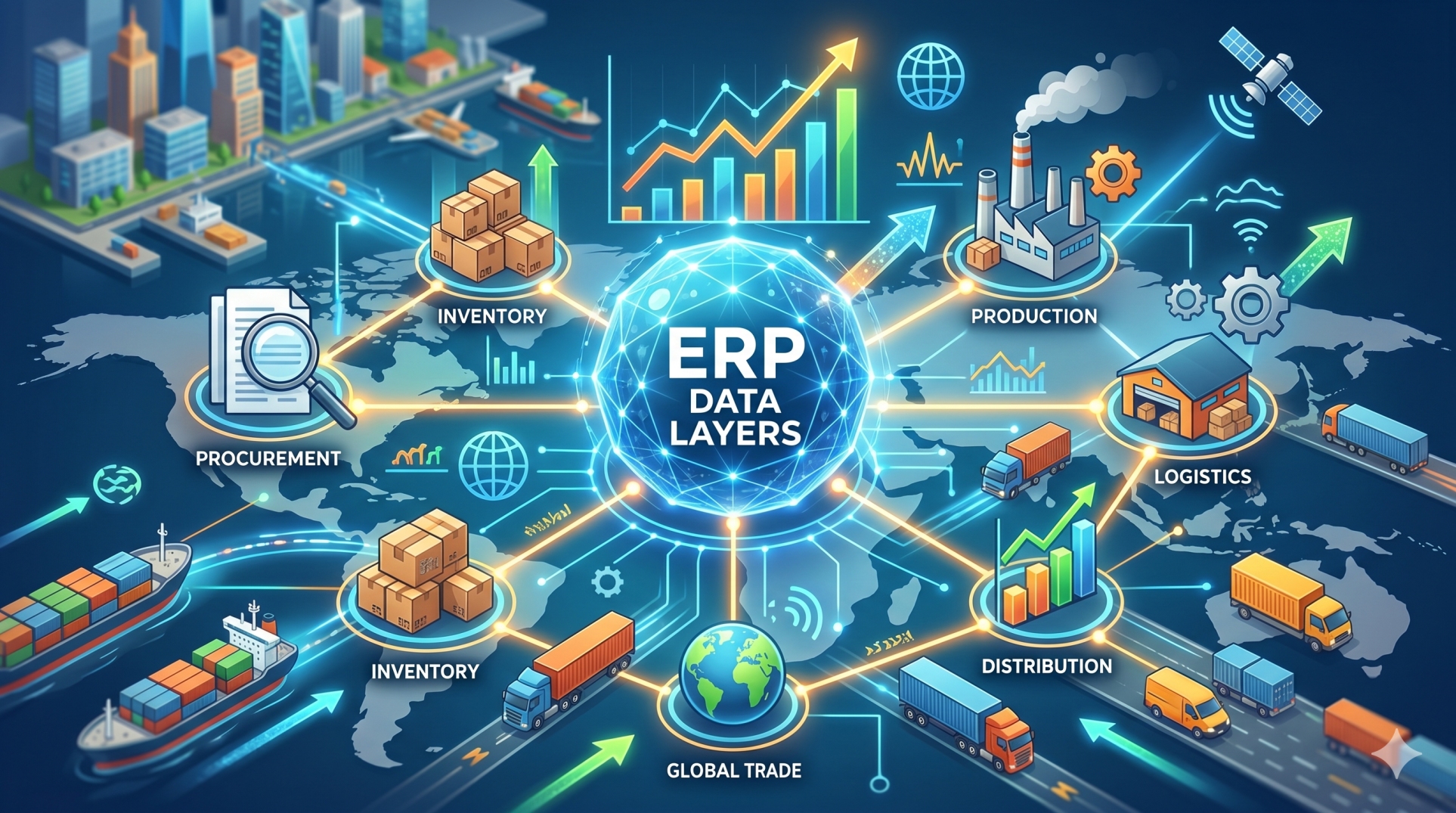
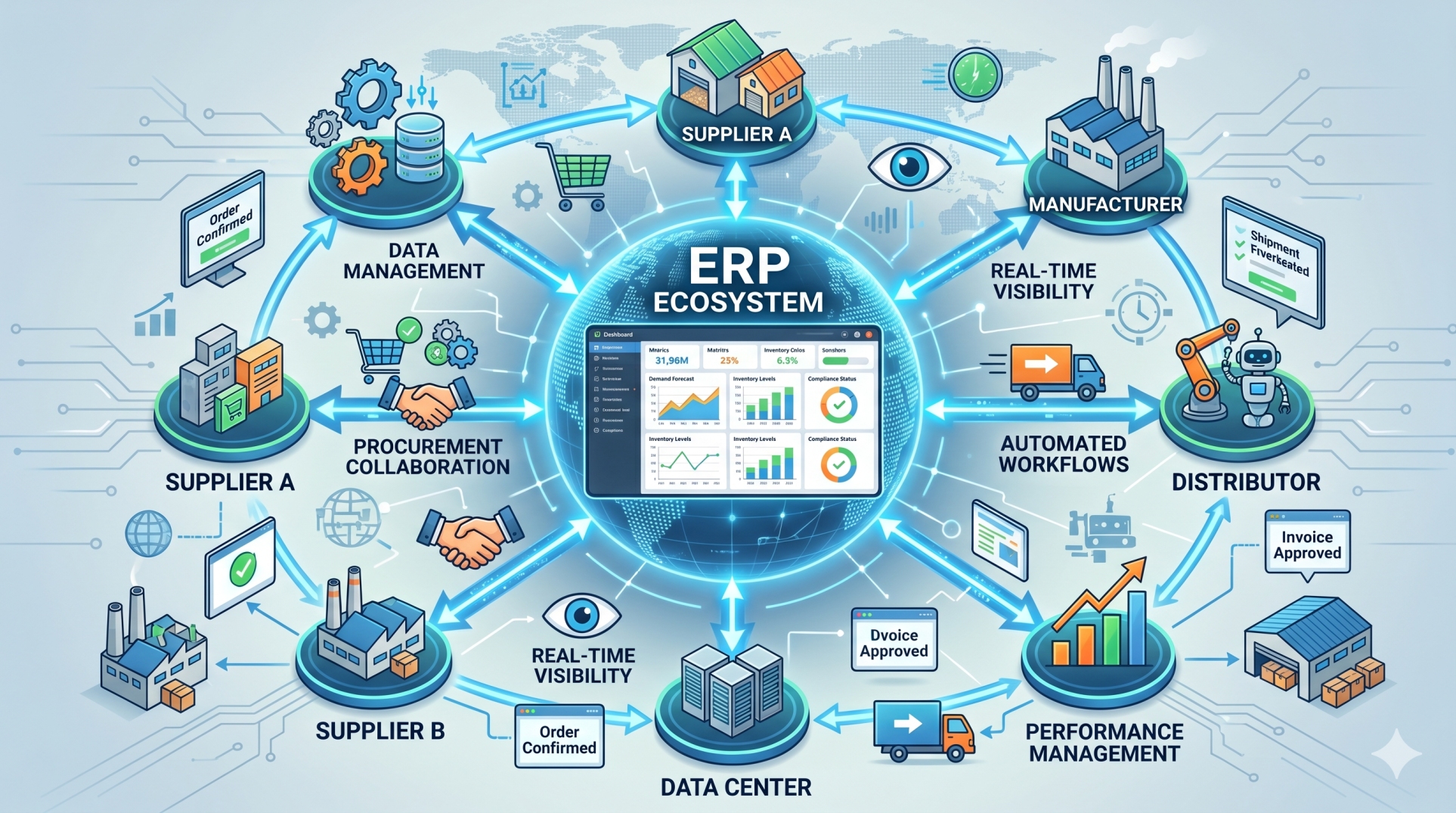
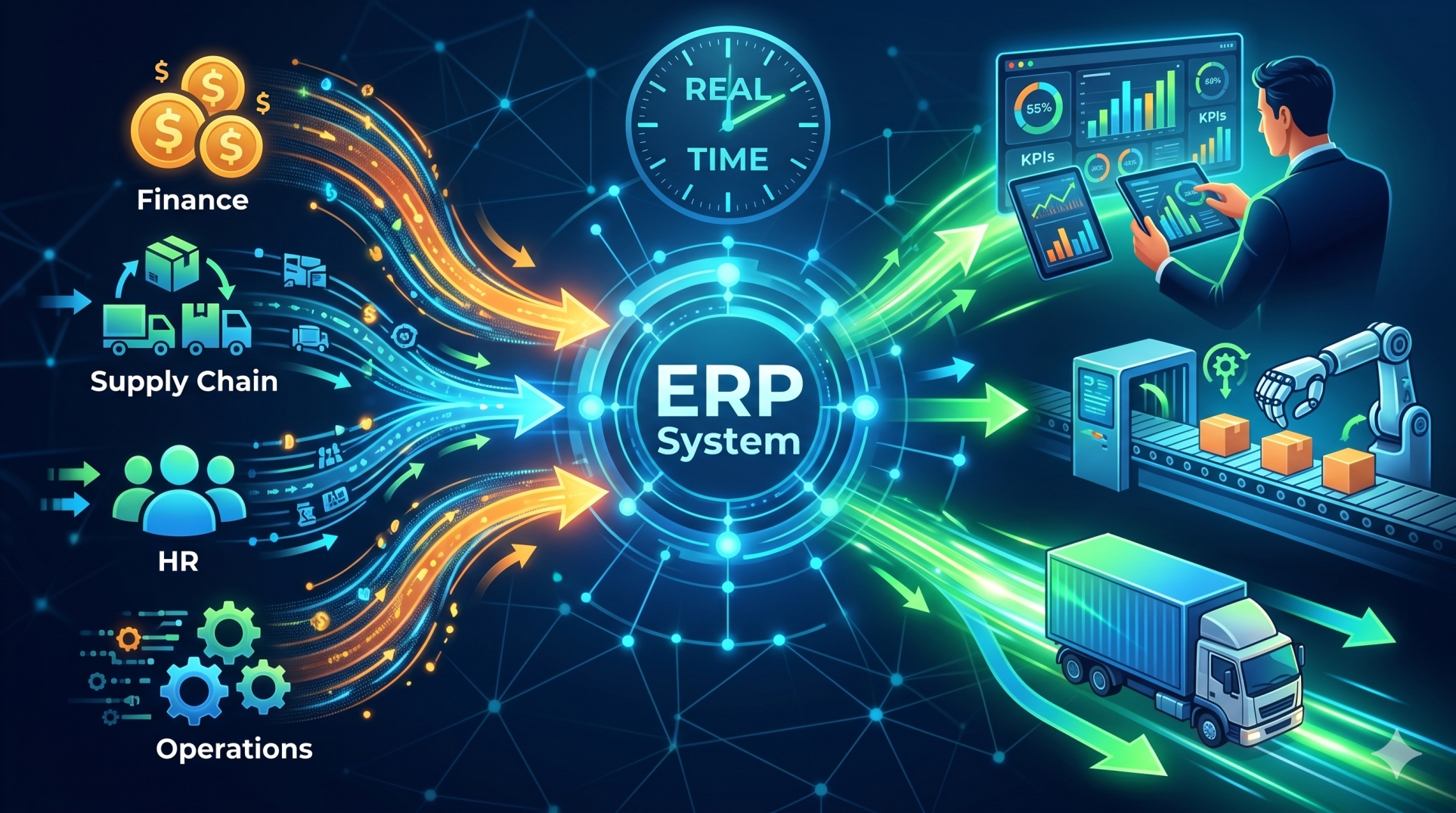
• Connect CRM and inventory systems with ERP, ecommerce, and analytics platforms 🏢
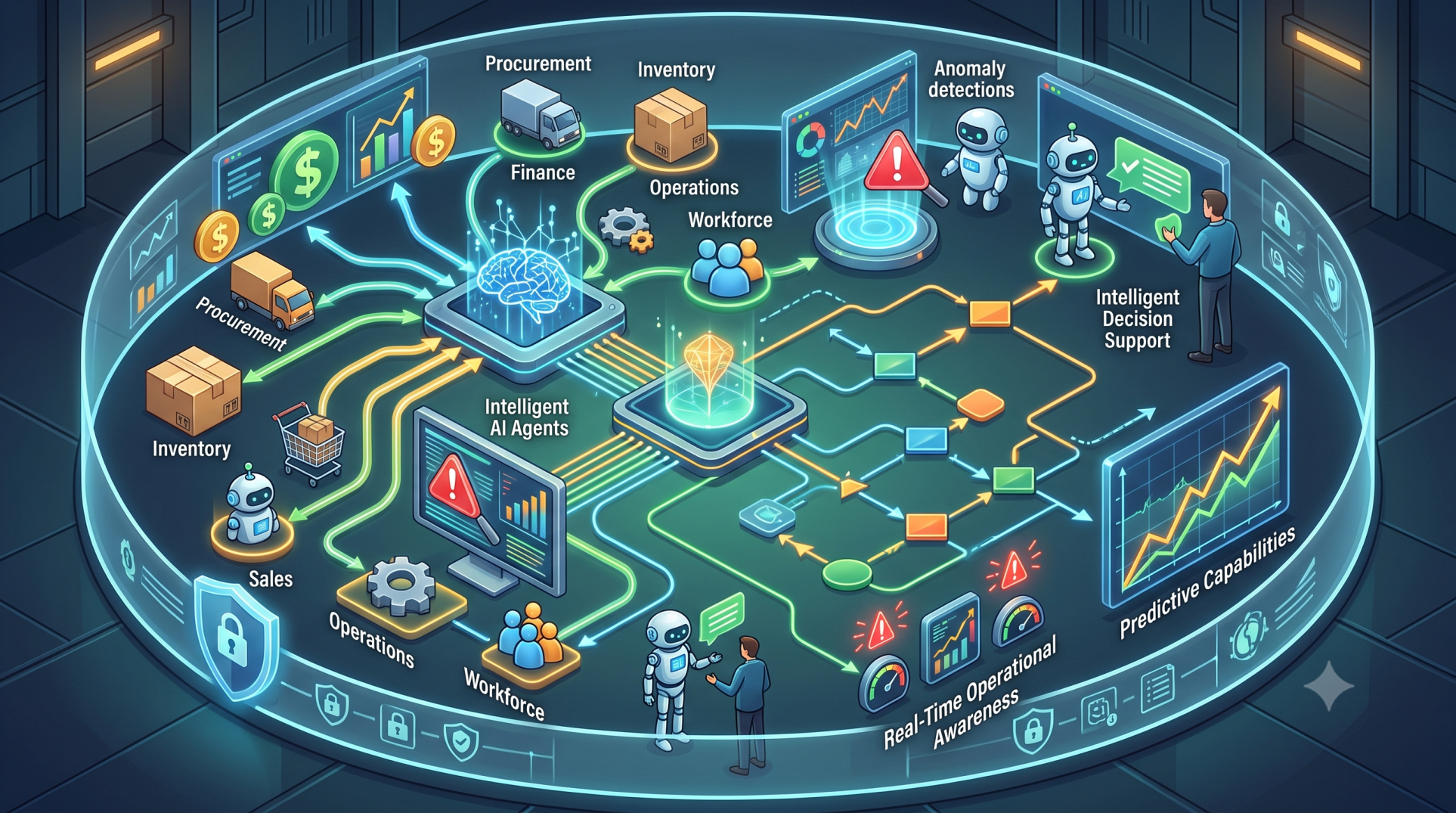
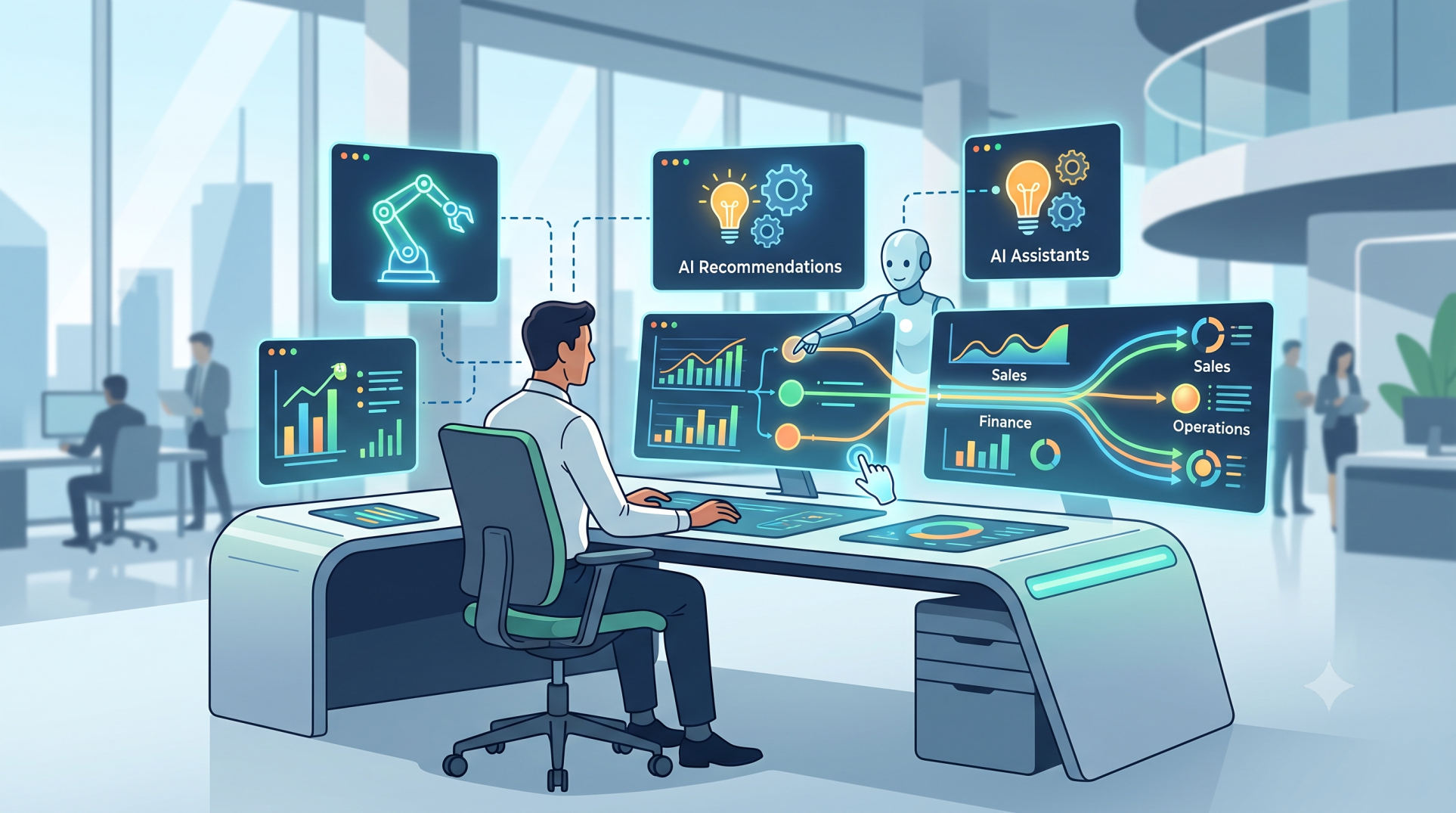
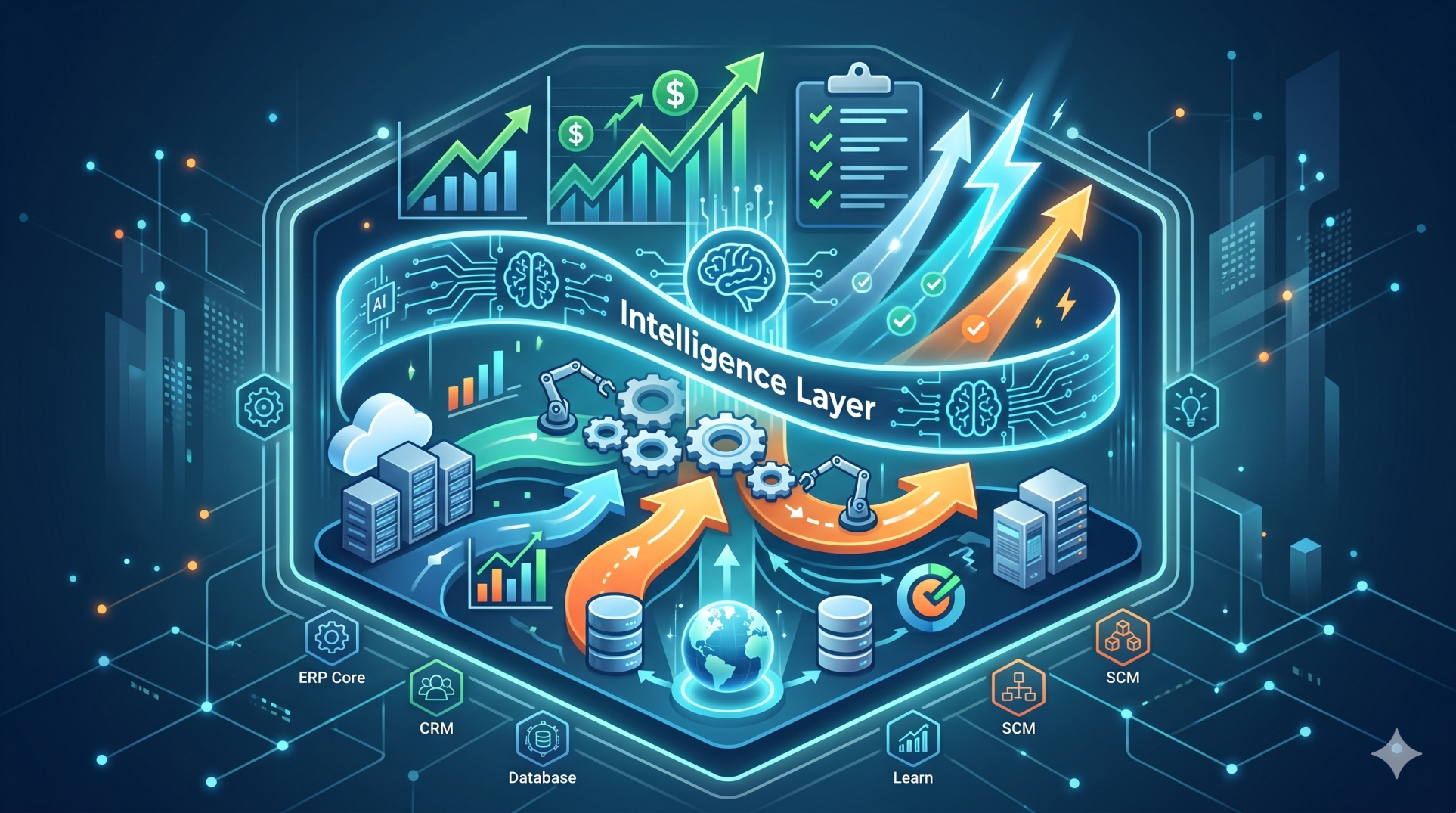
• Support AI-driven recommendations and demand forecasting 🤖
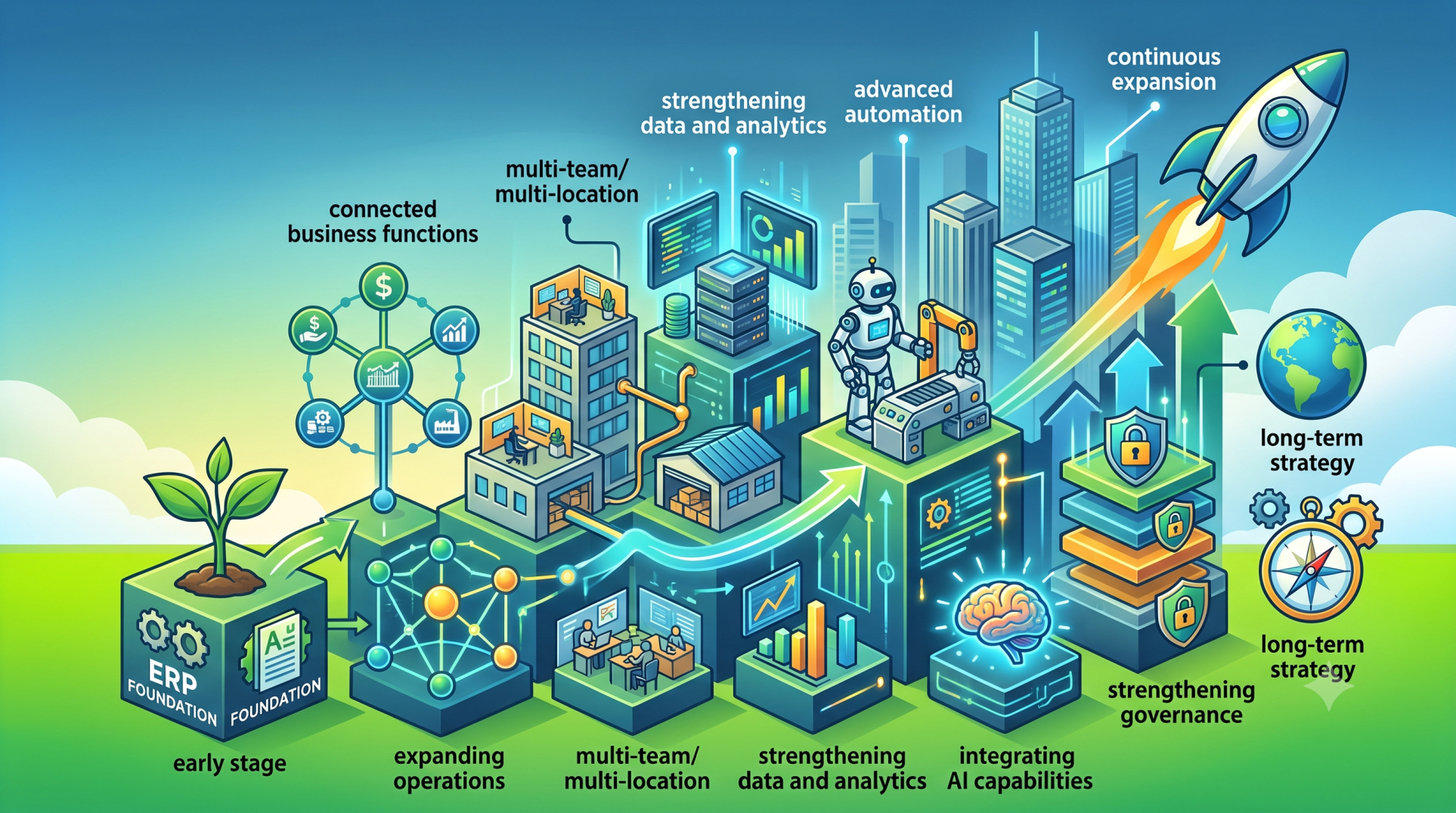
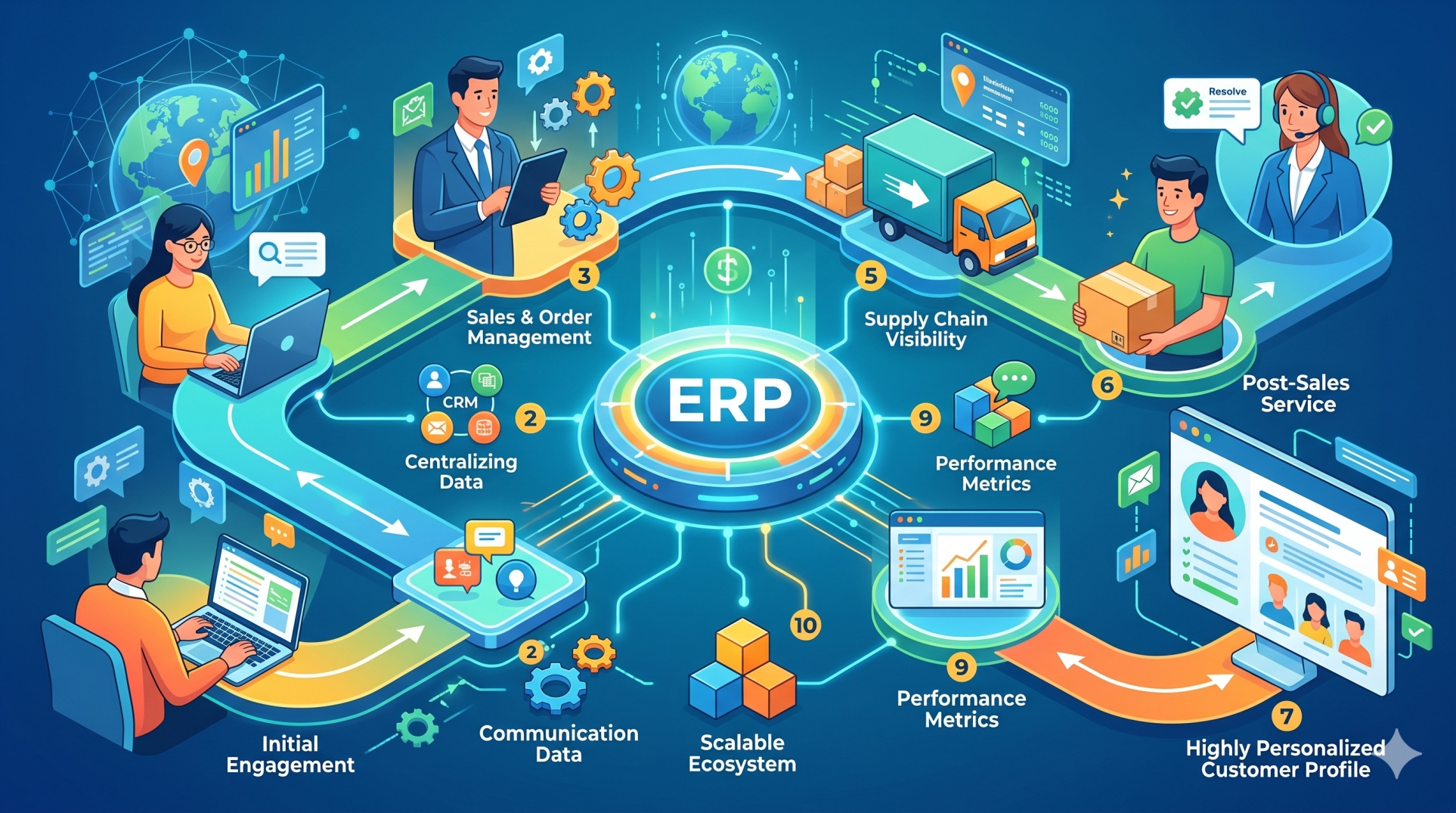
• Scale operations as product ranges and customer bases grow 📈
• Continuously improve retail processes using connected business data 🌐
Conclusion
Integrating CRM and inventory systems gives retailers a stronger foundation for connecting customer needs with product availability. By combining customer intelligence, inventory visibility, automation, and analytics, businesses can make faster decisions while delivering more personalized shopping experiences. A connected retail ecosystem not only improves day-to-day operations but also creates a competitive advantage as customer expectations and retail channels continue to evolve.
See more blogs
You can all the articles below