Cloud ERP for Small Companies: Costs and Benefits
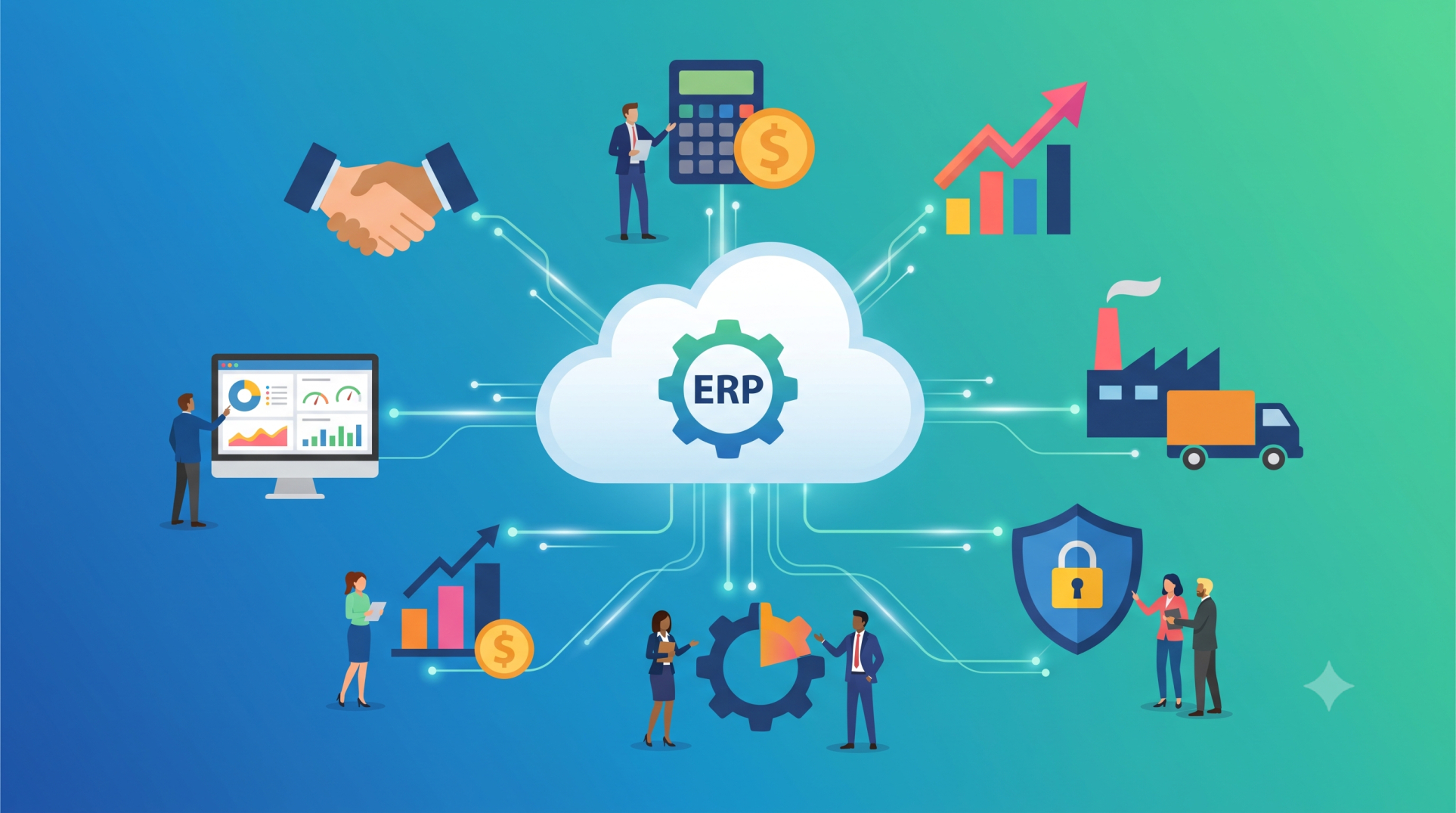
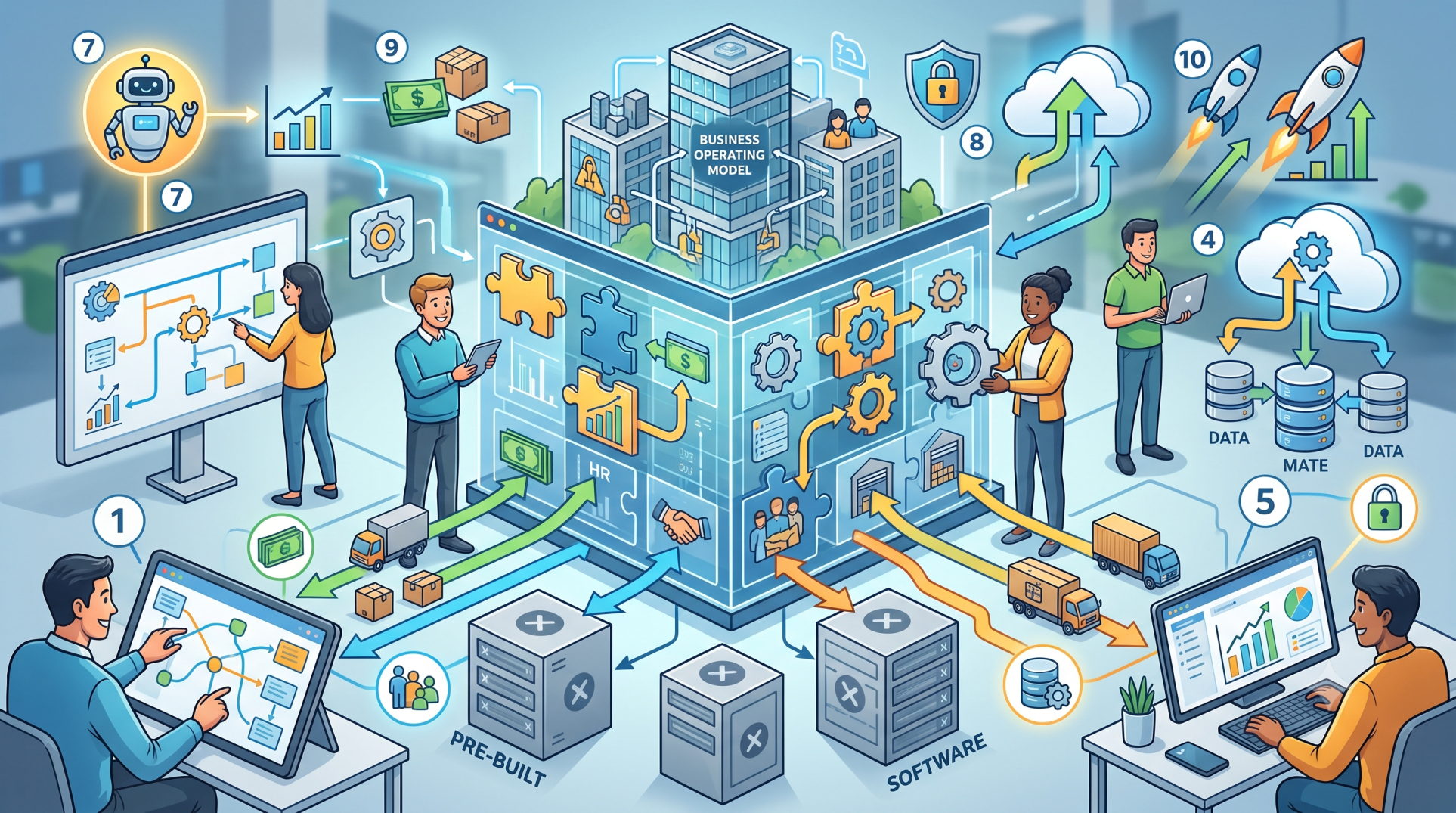
Small businesses are increasingly adopting Cloud Enterprise Resource Planning (ERP) systems to streamline operations without investing in expensive on-premises infrastructure. Cloud ERP provides access to essential business functions through a subscription-based model, enabling organizations to improve efficiency, reduce operational complexity, and scale as they grow. Understanding both the costs and benefits helps businesses make informed technology investment decisions.
Step 1: Understanding Cloud ERP ☁️
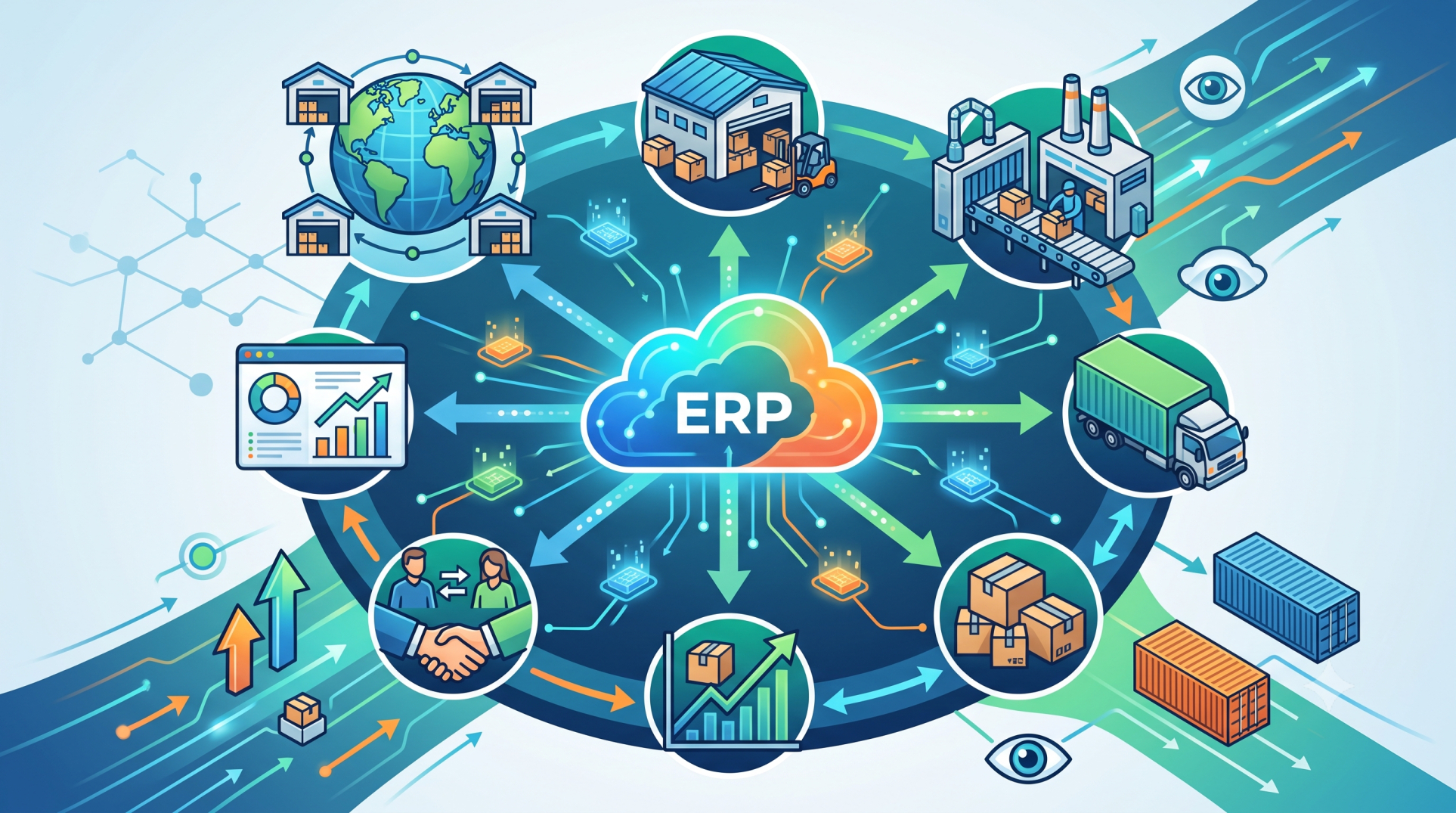
• Cloud ERP is hosted on secure remote infrastructure and accessed through the internet 🌐
• Eliminates the need for on-site servers and hardware 🖥️
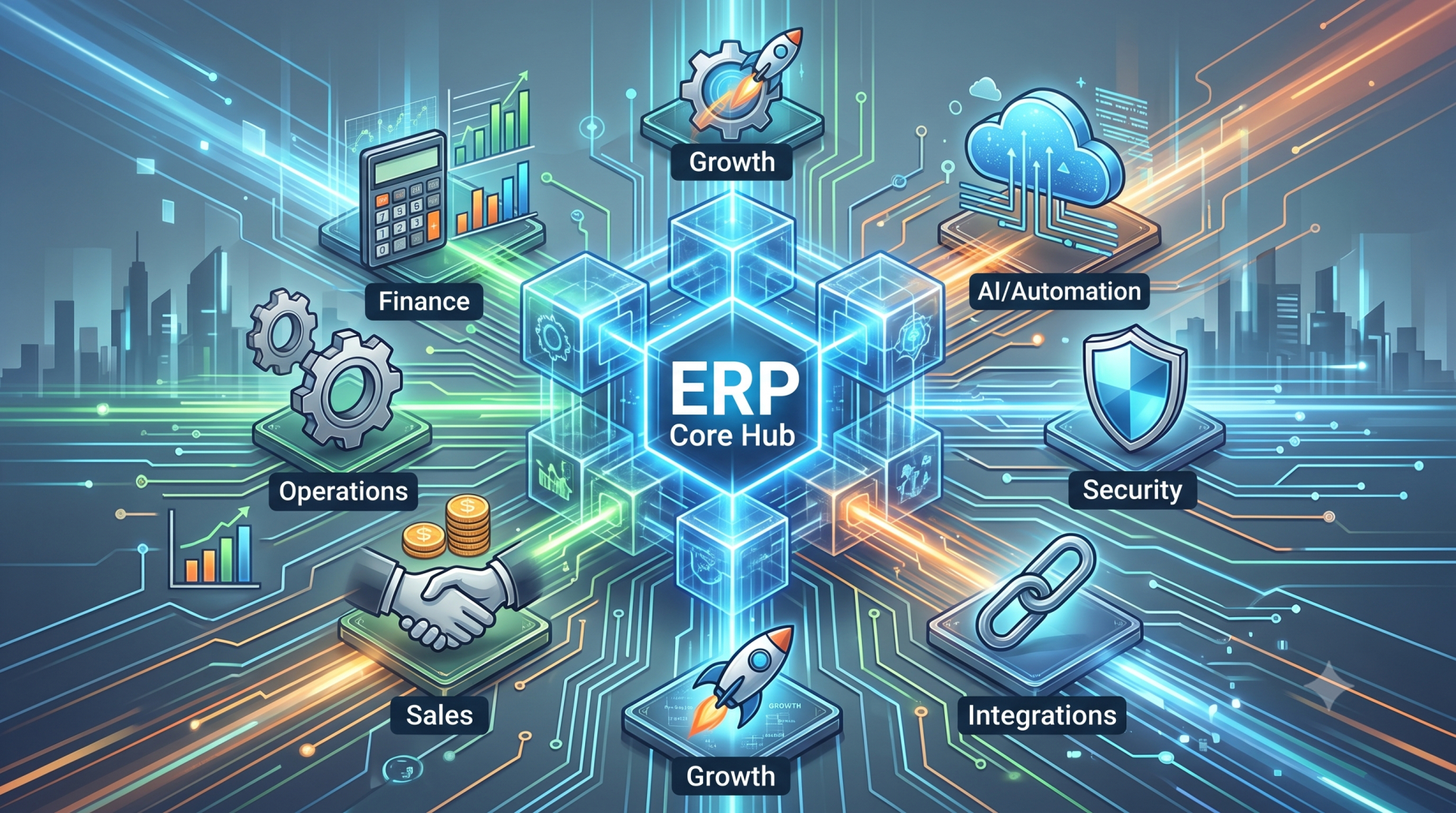
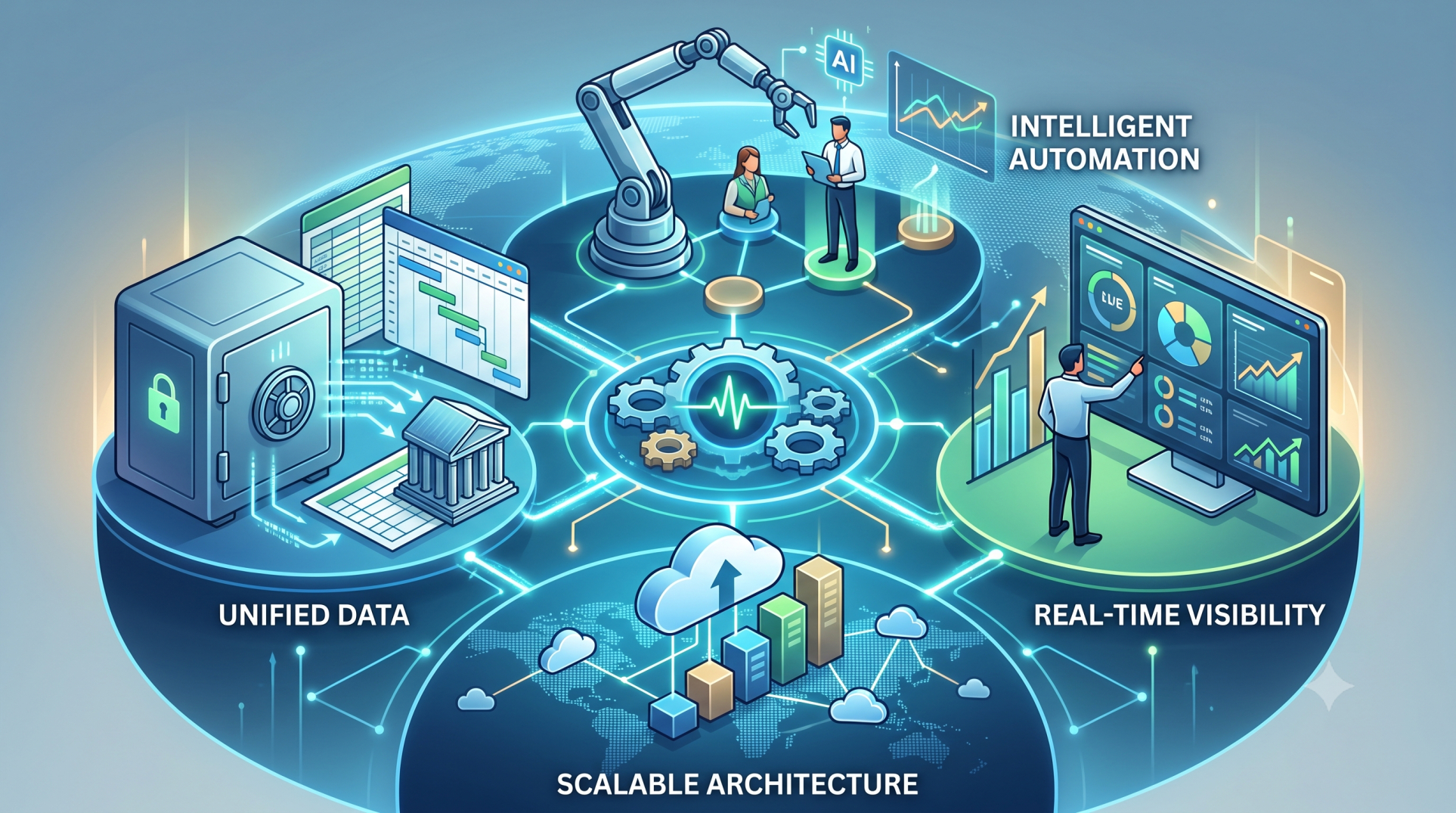
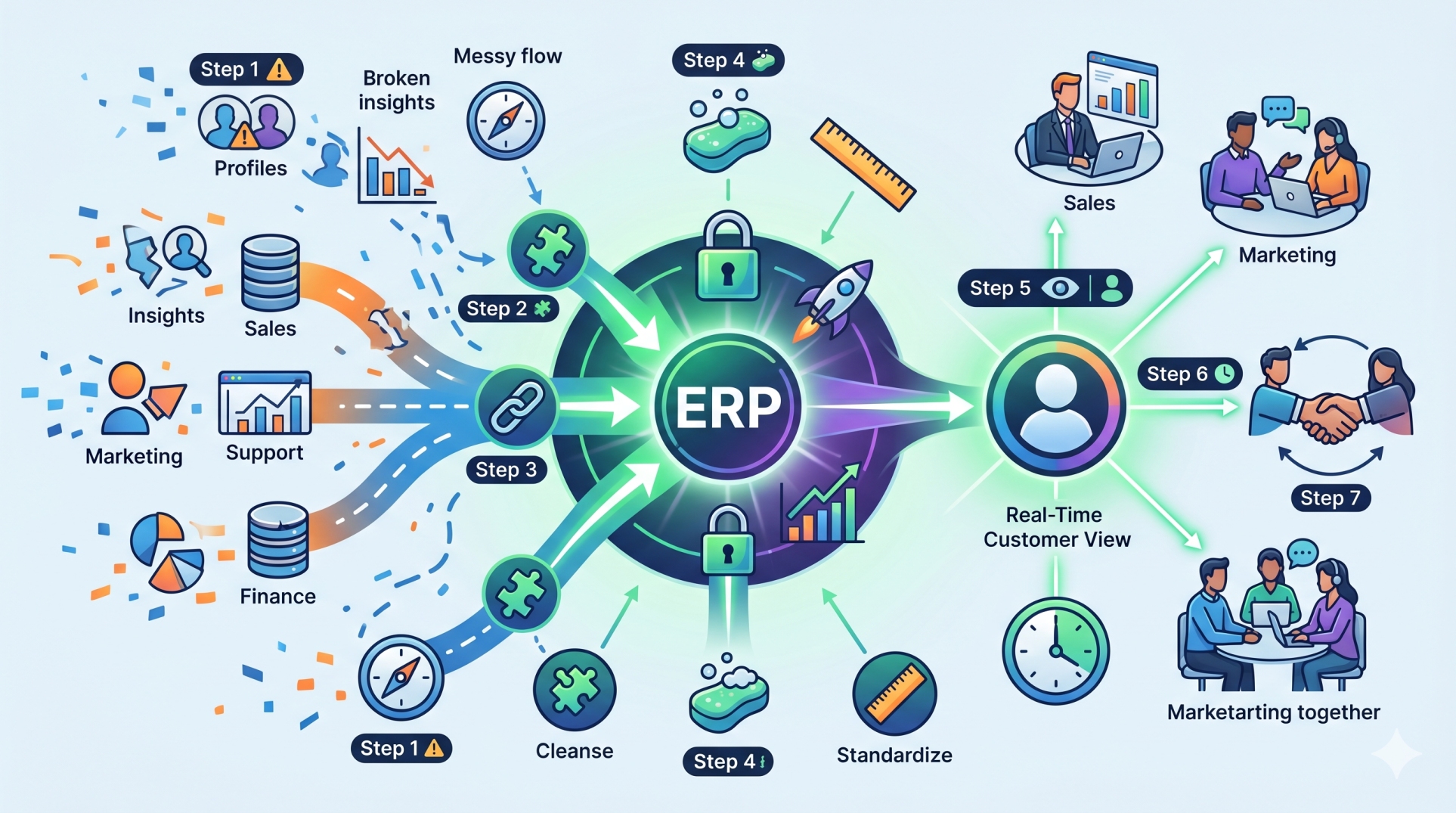
• Provides centralized access to business data and applications 📊
• Supports remote work and multi-location operations 🏢
• Offers flexible deployment for growing businesses 🚀
Step 2: Initial Investment Considerations 💰
• Subscription-based pricing reduces large upfront expenses 📅
• Lower infrastructure and hardware investment requirements 🏗️
• Minimal implementation costs compared to traditional ERP systems ⚙️
• Faster deployment reduces project timelines ⏱️
• Predictable monthly or annual operating expenses 📈
Step 3: Operational Cost Savings 💵
• Reduce IT maintenance and support expenses 🔧
• Eliminate server maintenance and upgrade costs 🖥️
• Minimize software installation and licensing management 📦
• Lower energy and infrastructure operating costs ⚡
• Decrease manual administrative work through automation 🤖
Step 4: Improving Business Efficiency ⚙️
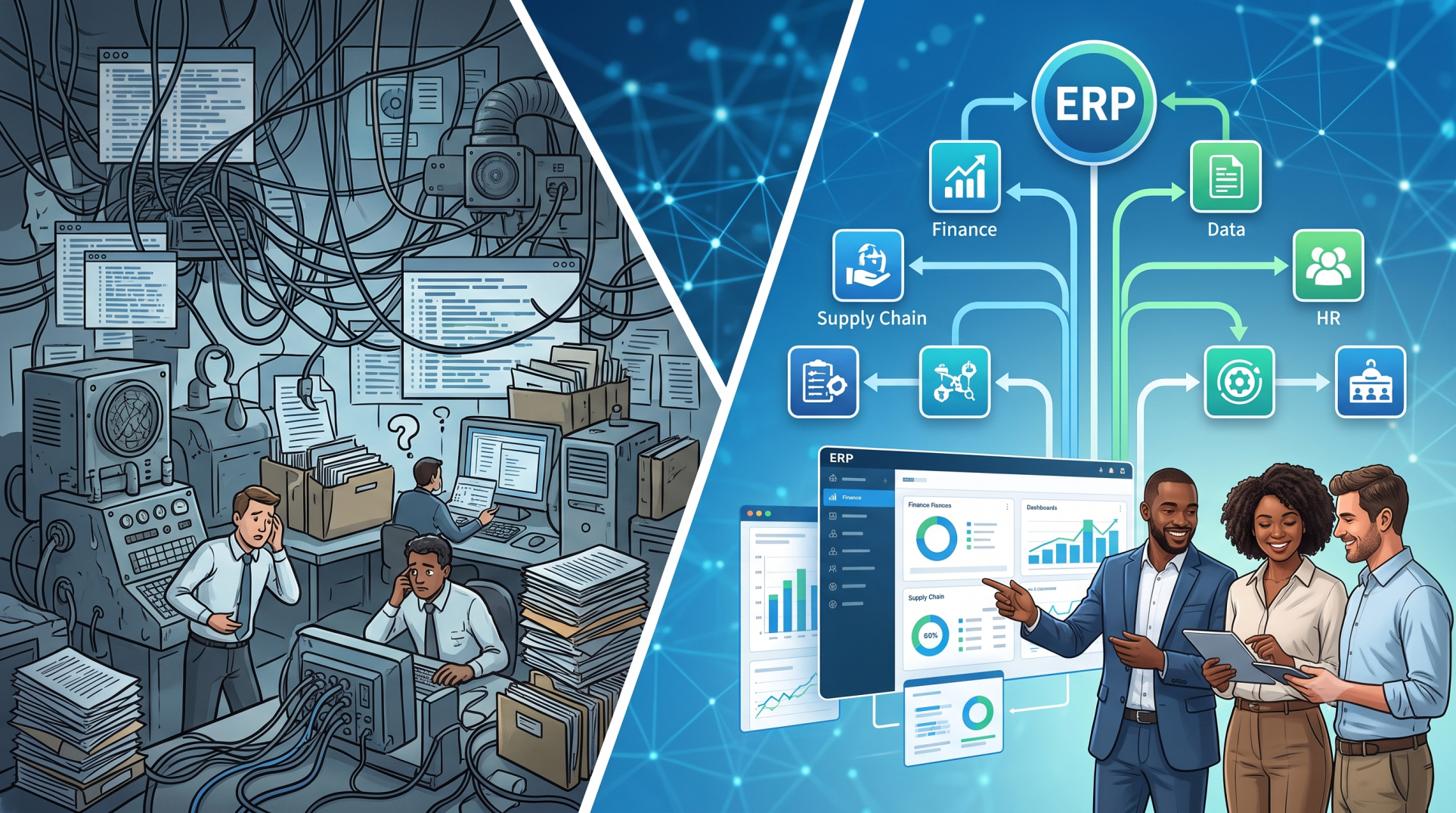
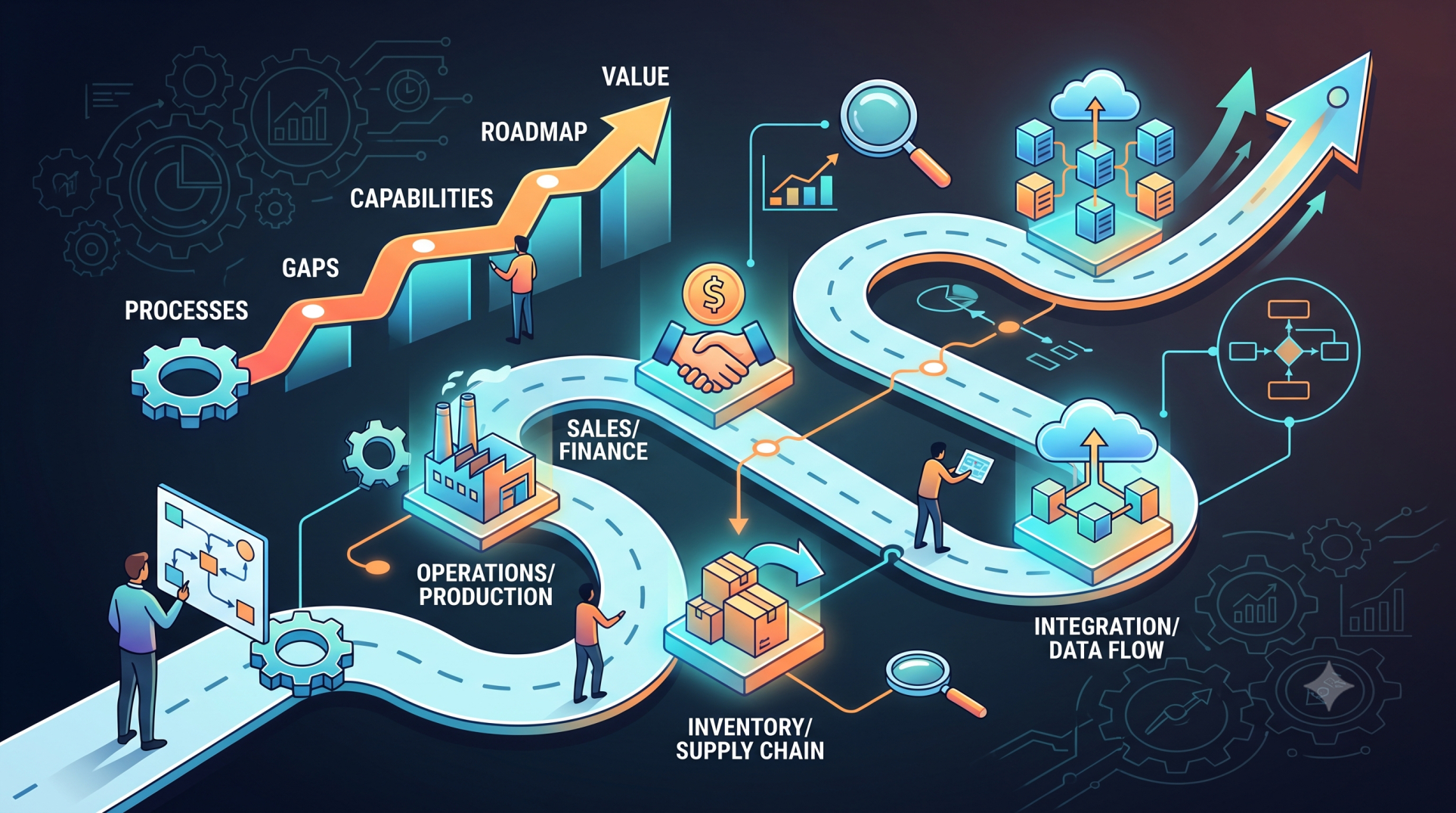
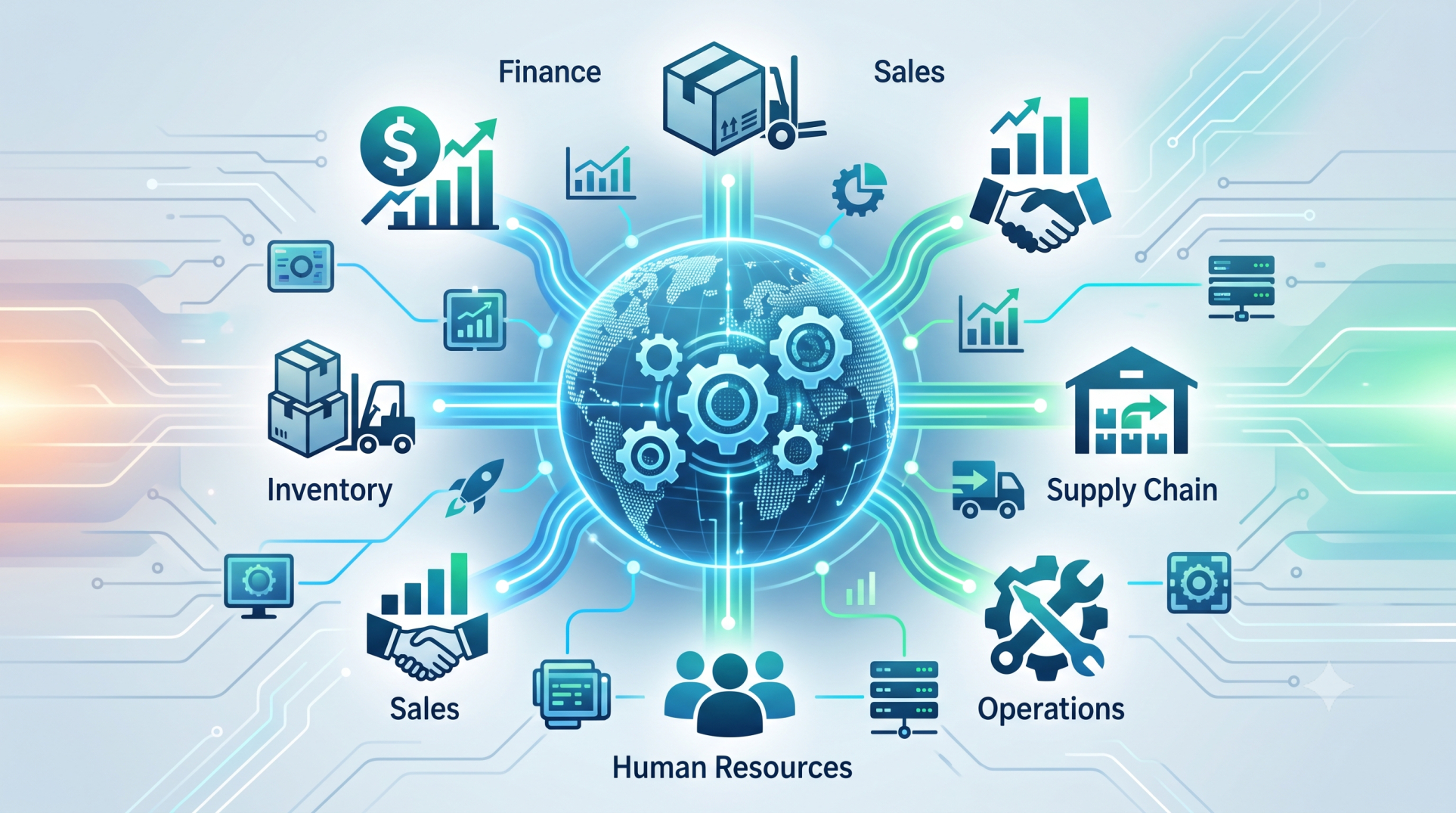
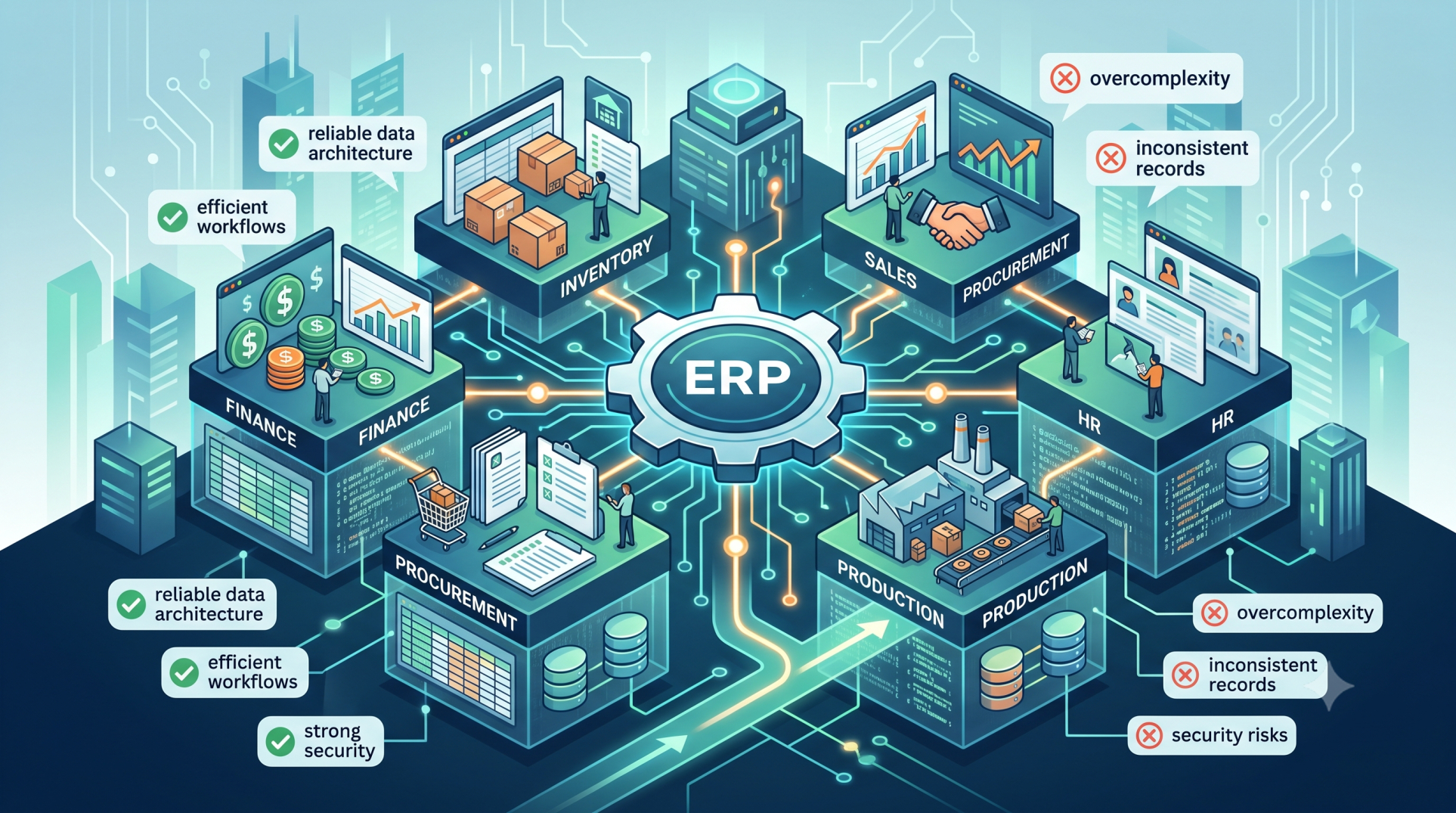
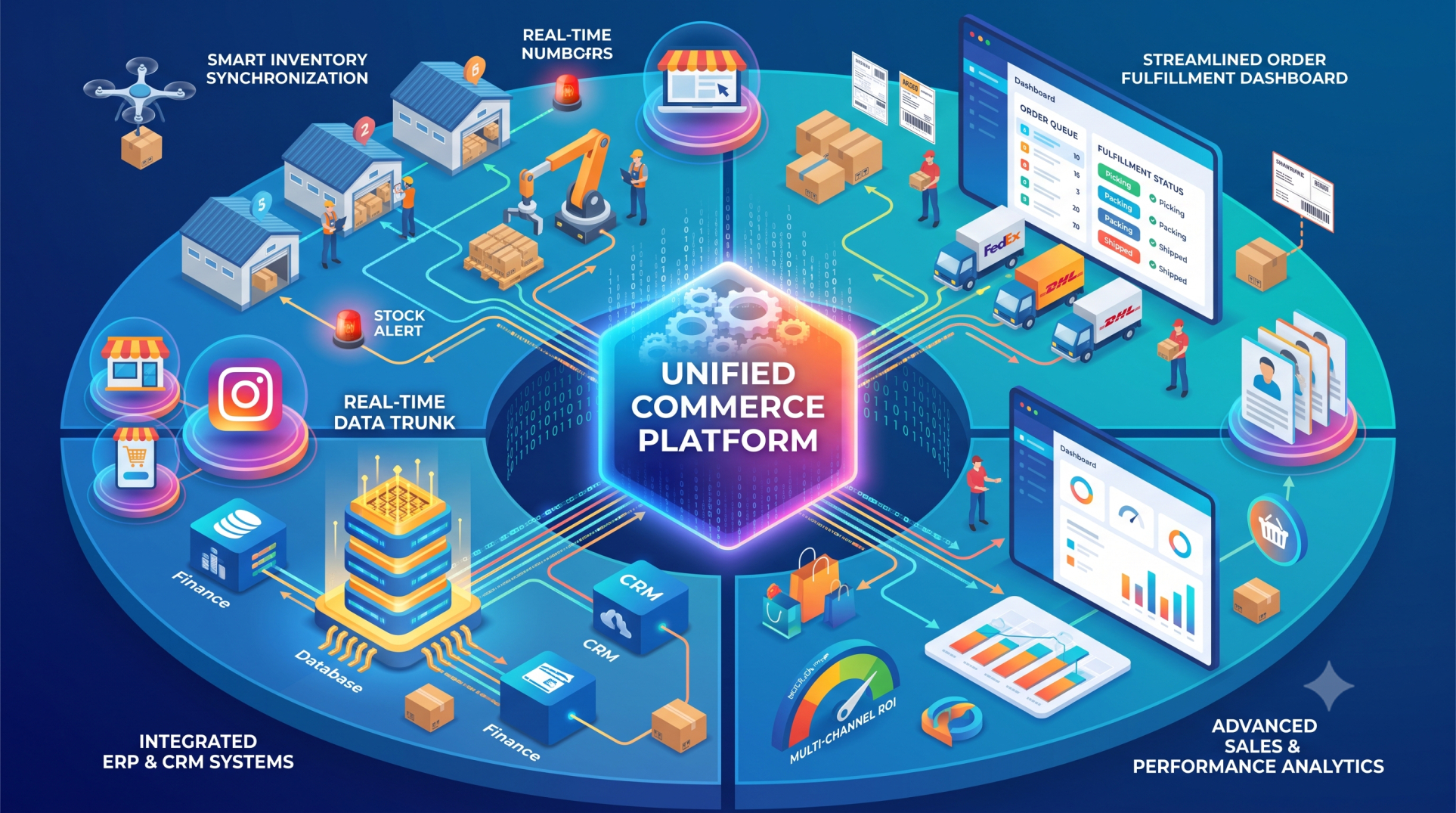
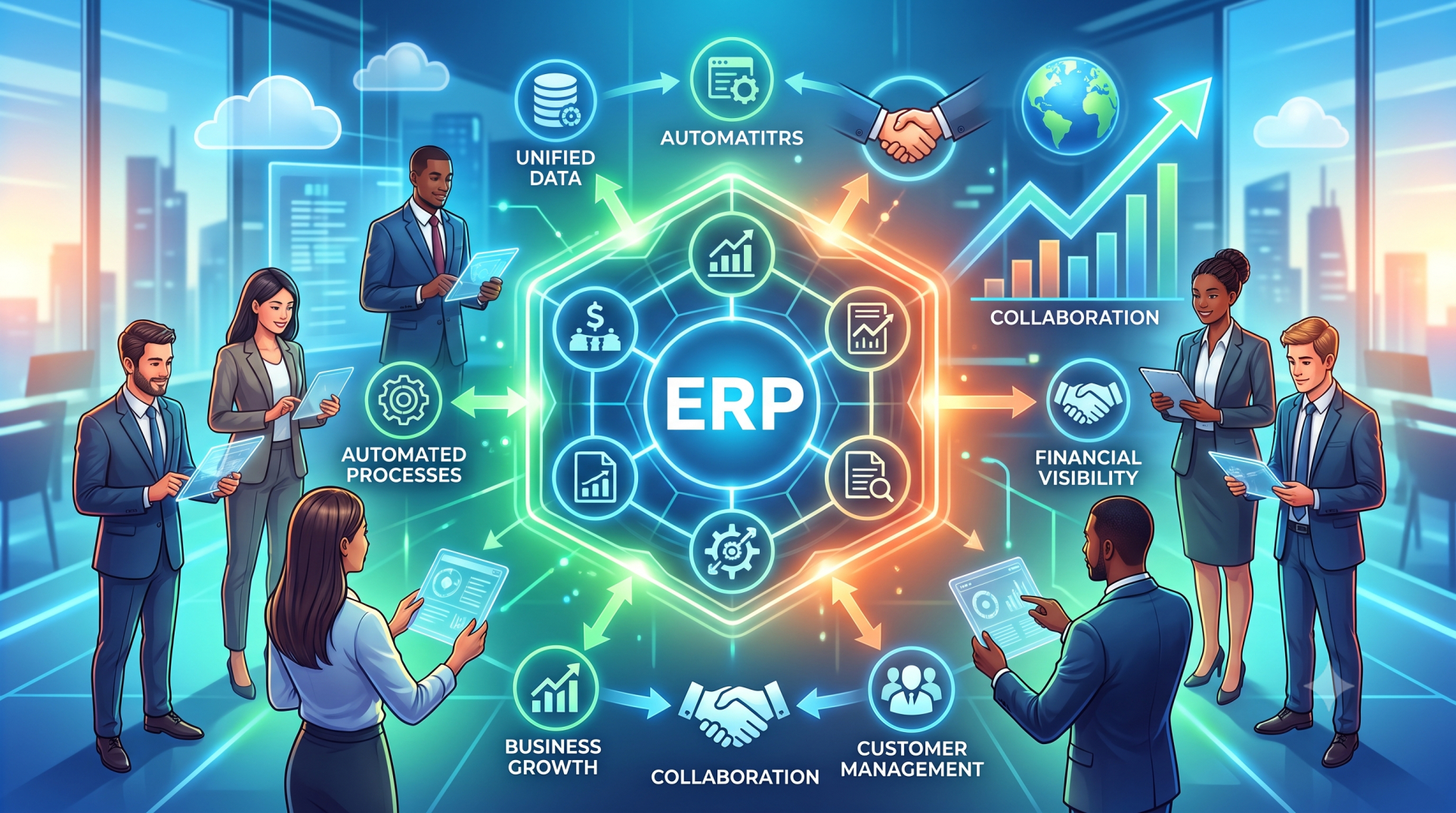
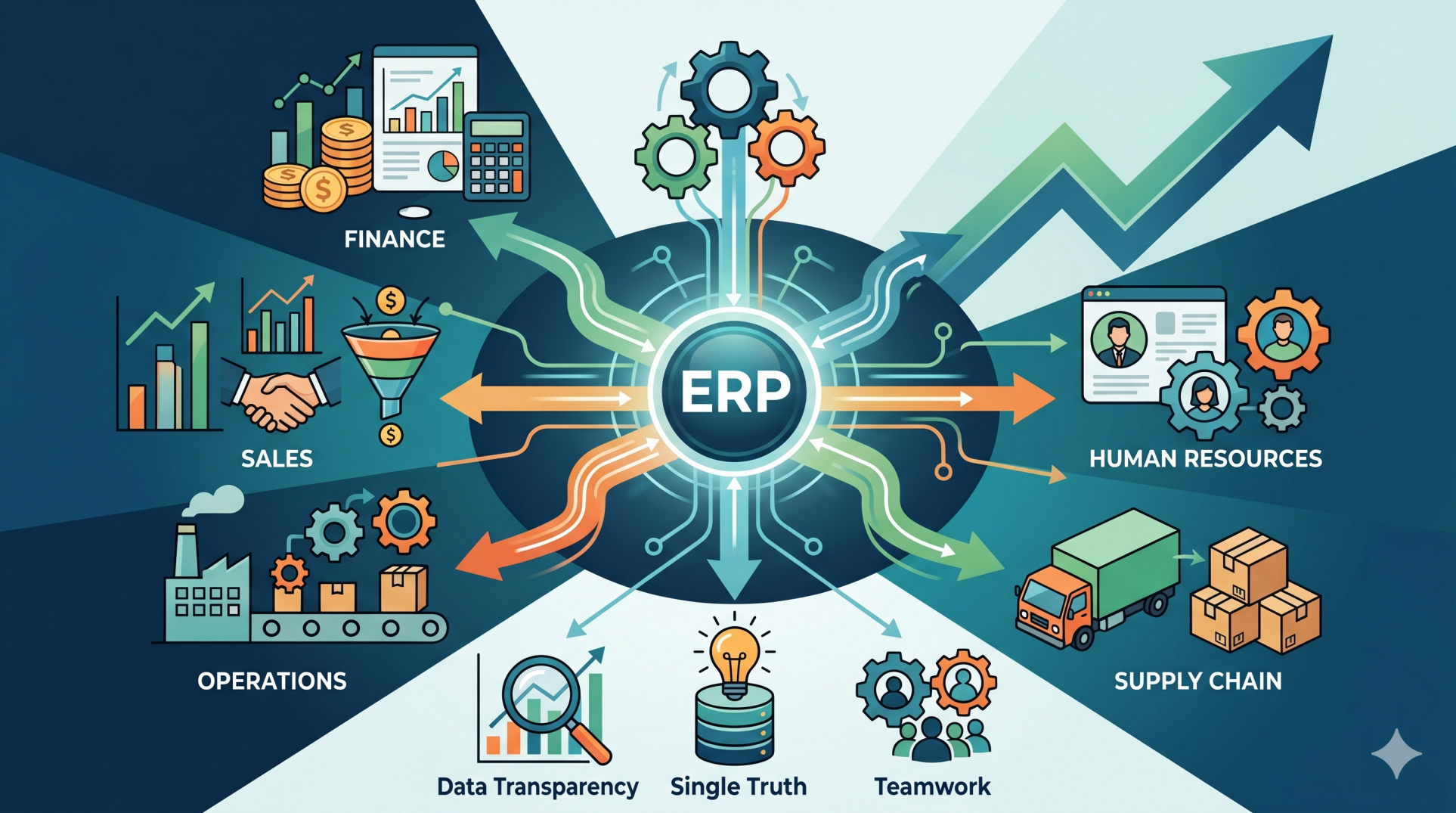
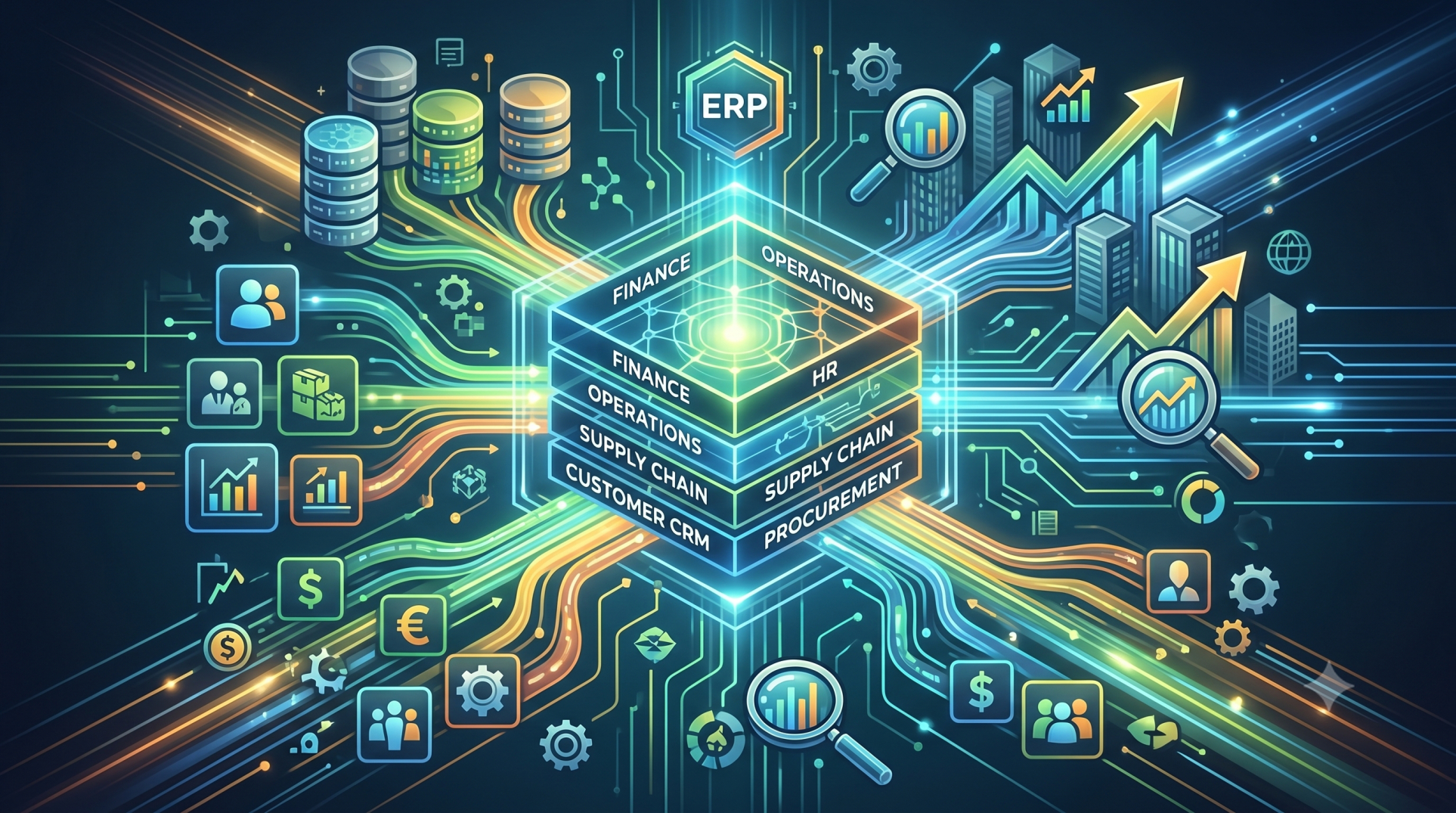
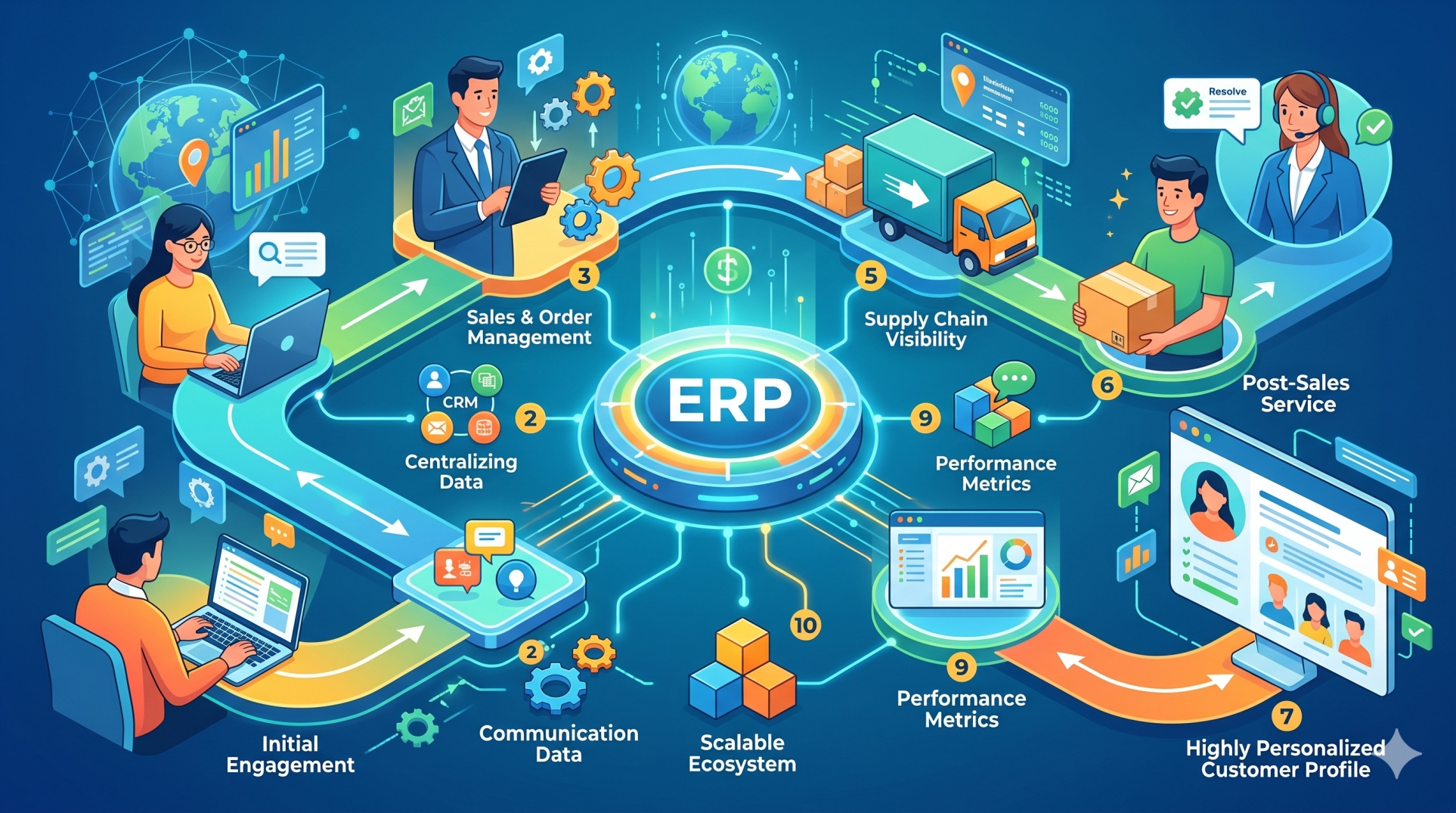
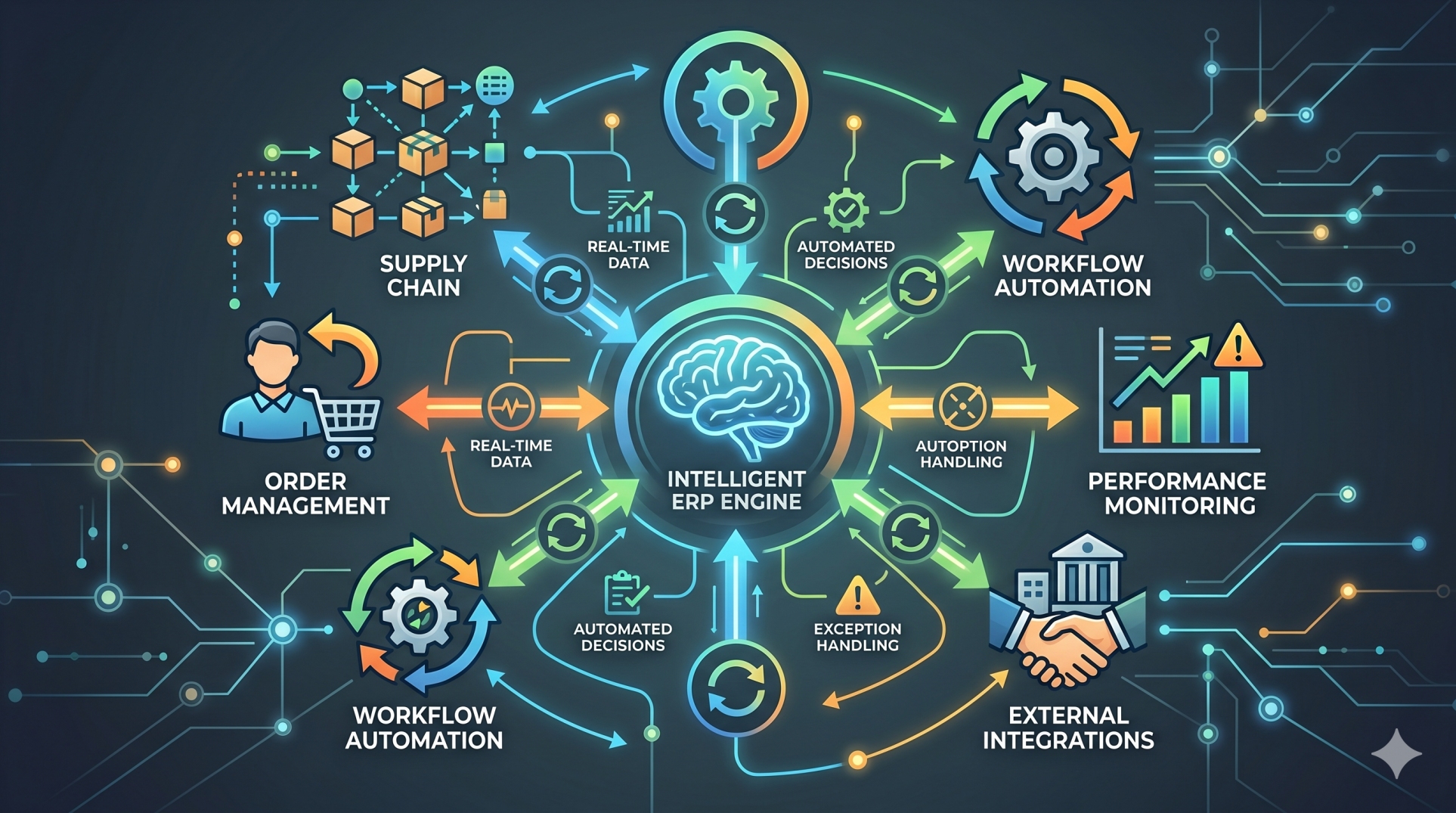
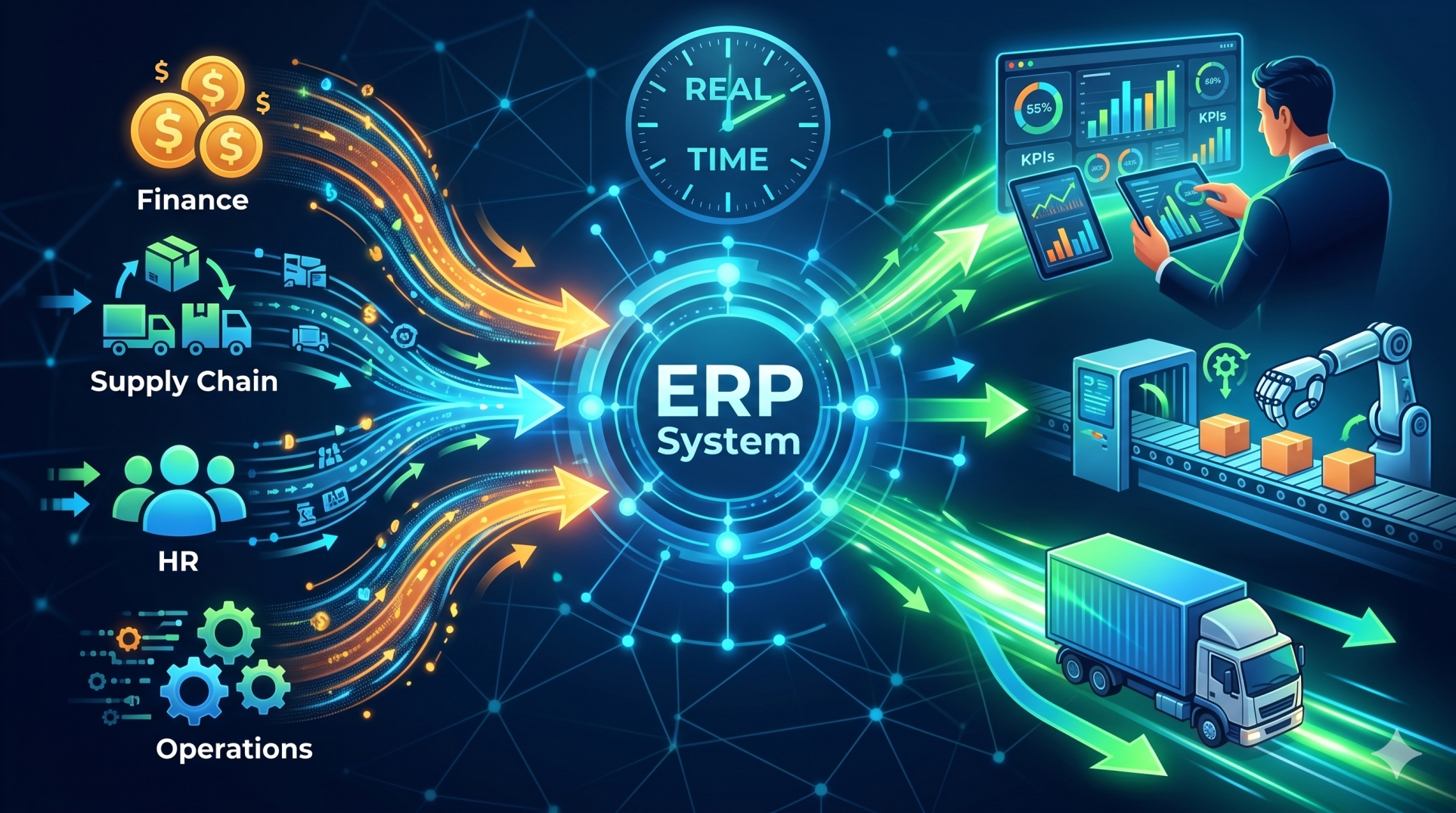
• Integrate finance, sales, purchasing, inventory, and operations 📋
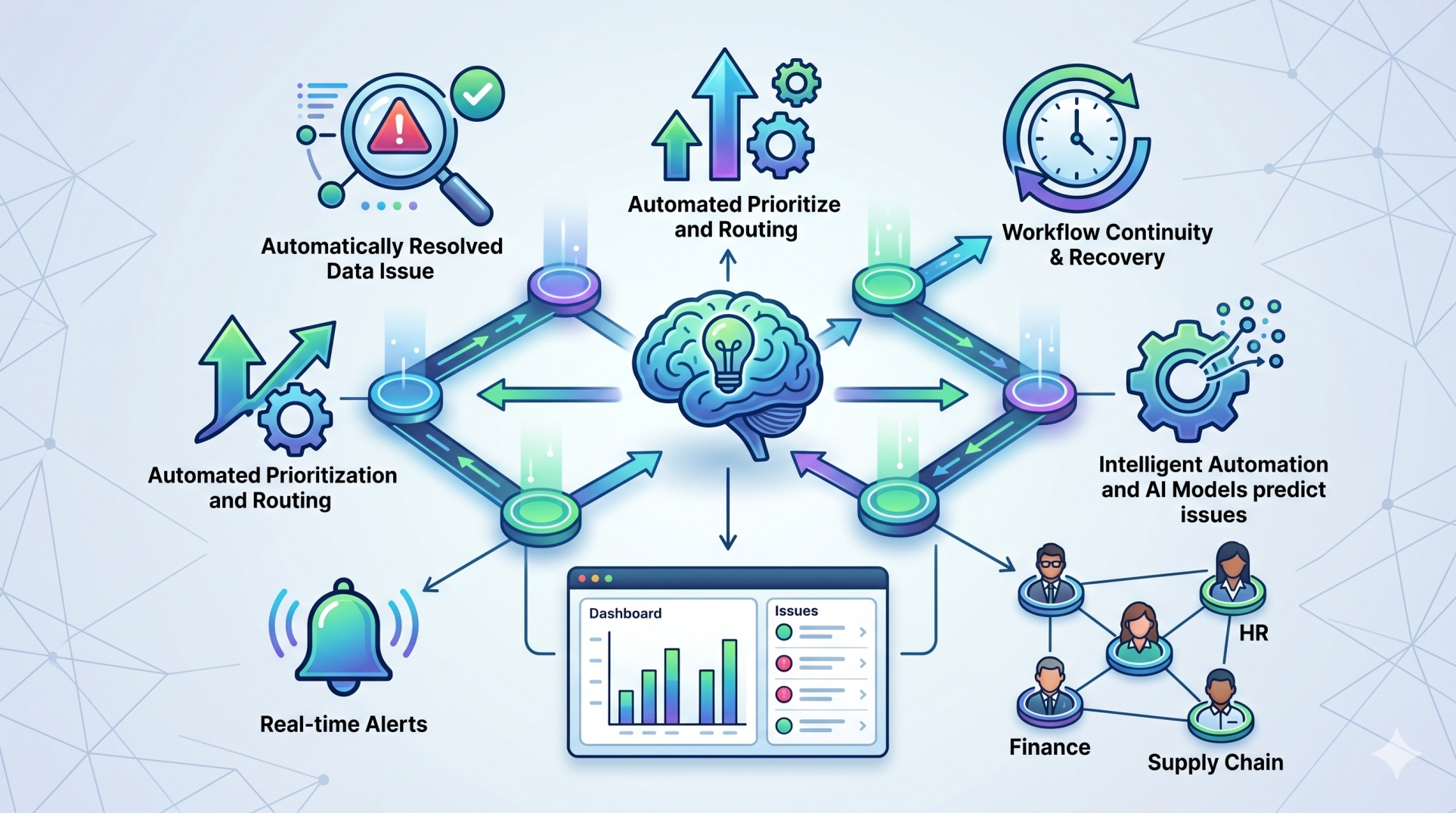
• Automate repetitive business processes 🔄
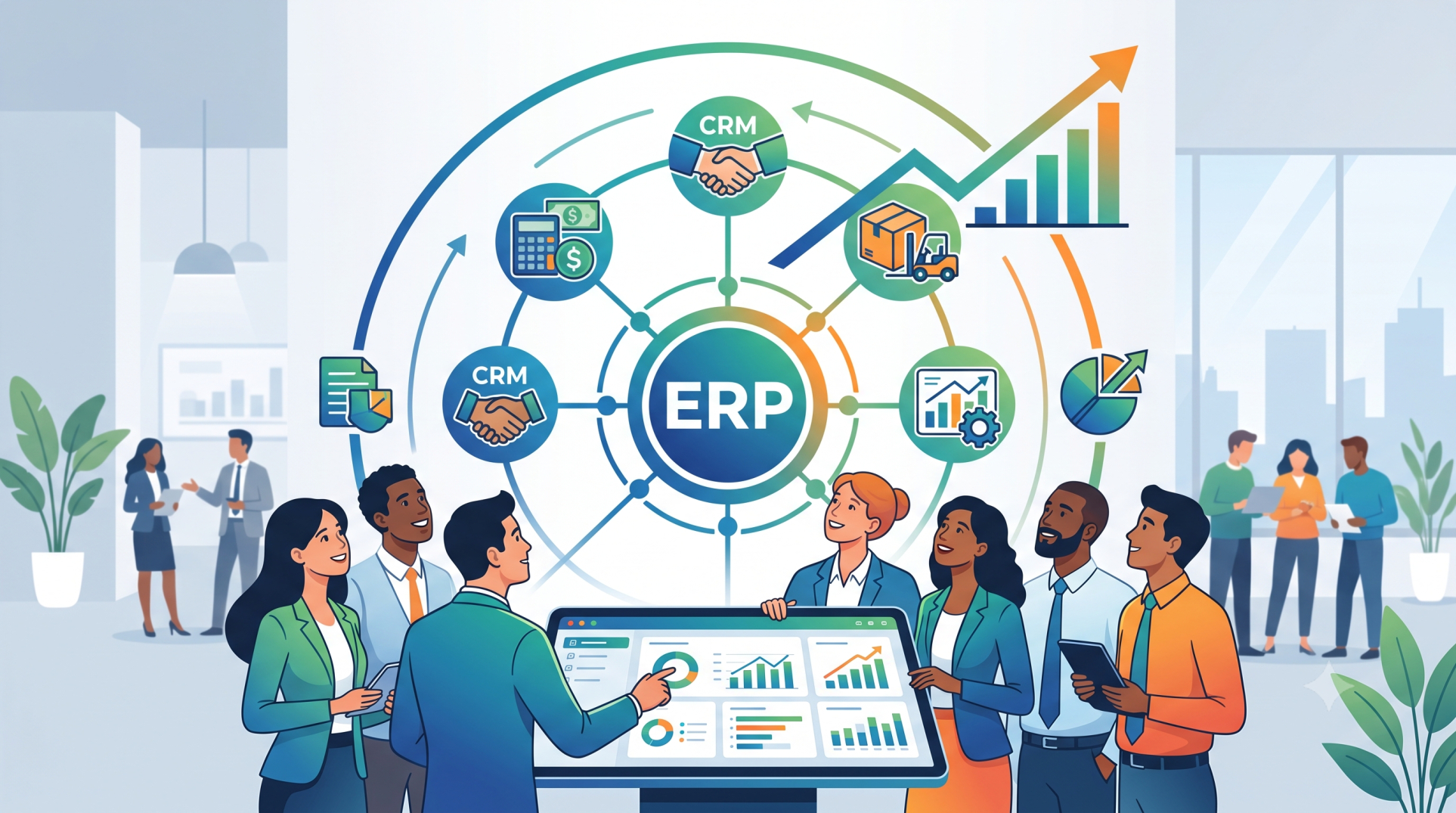
• Improve collaboration across departments 🤝
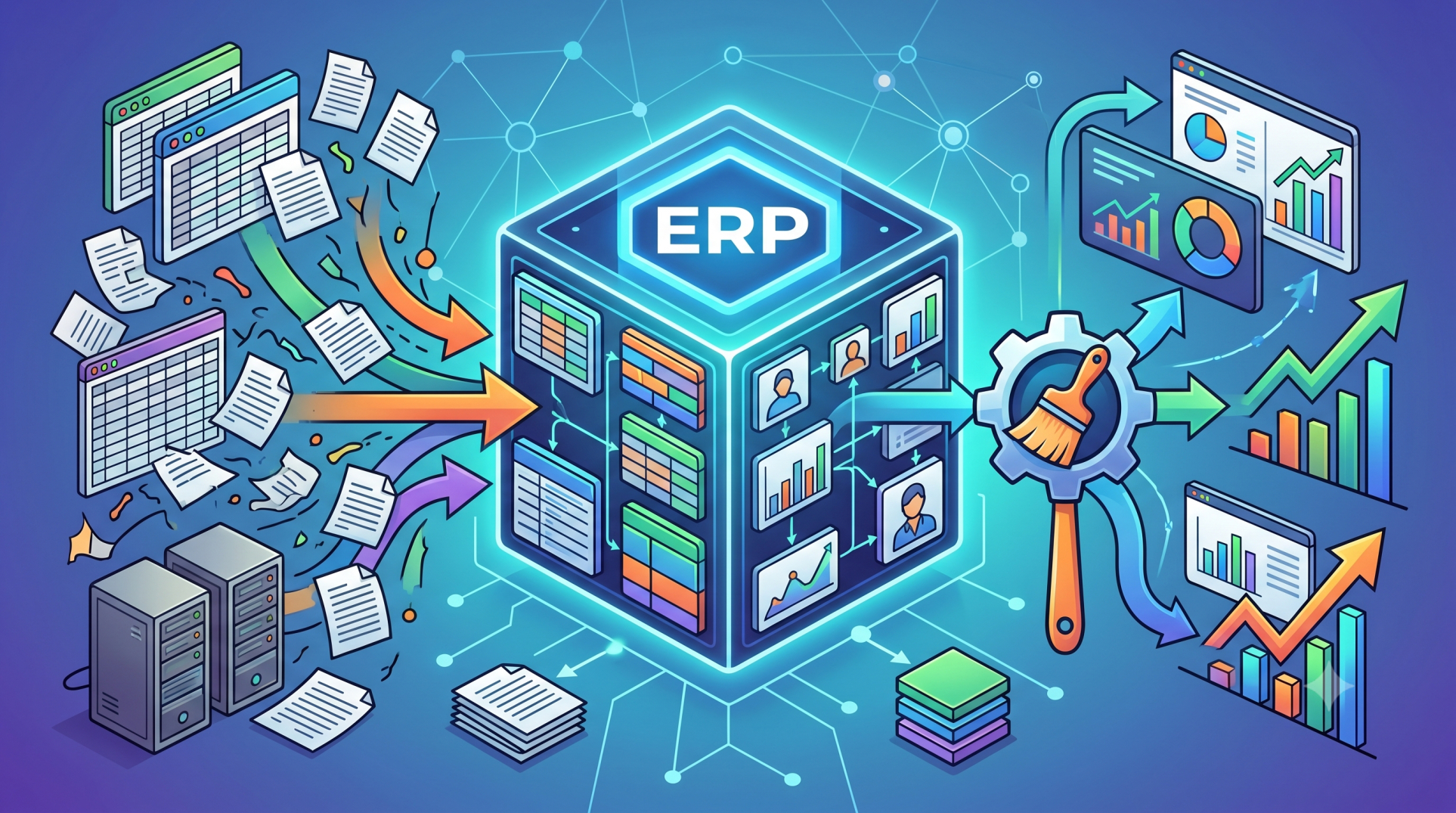
• Reduce duplicate data entry and manual errors ✅
• Accelerate day-to-day business operations 🚀
Step 5: Scalability for Business Growth 📈
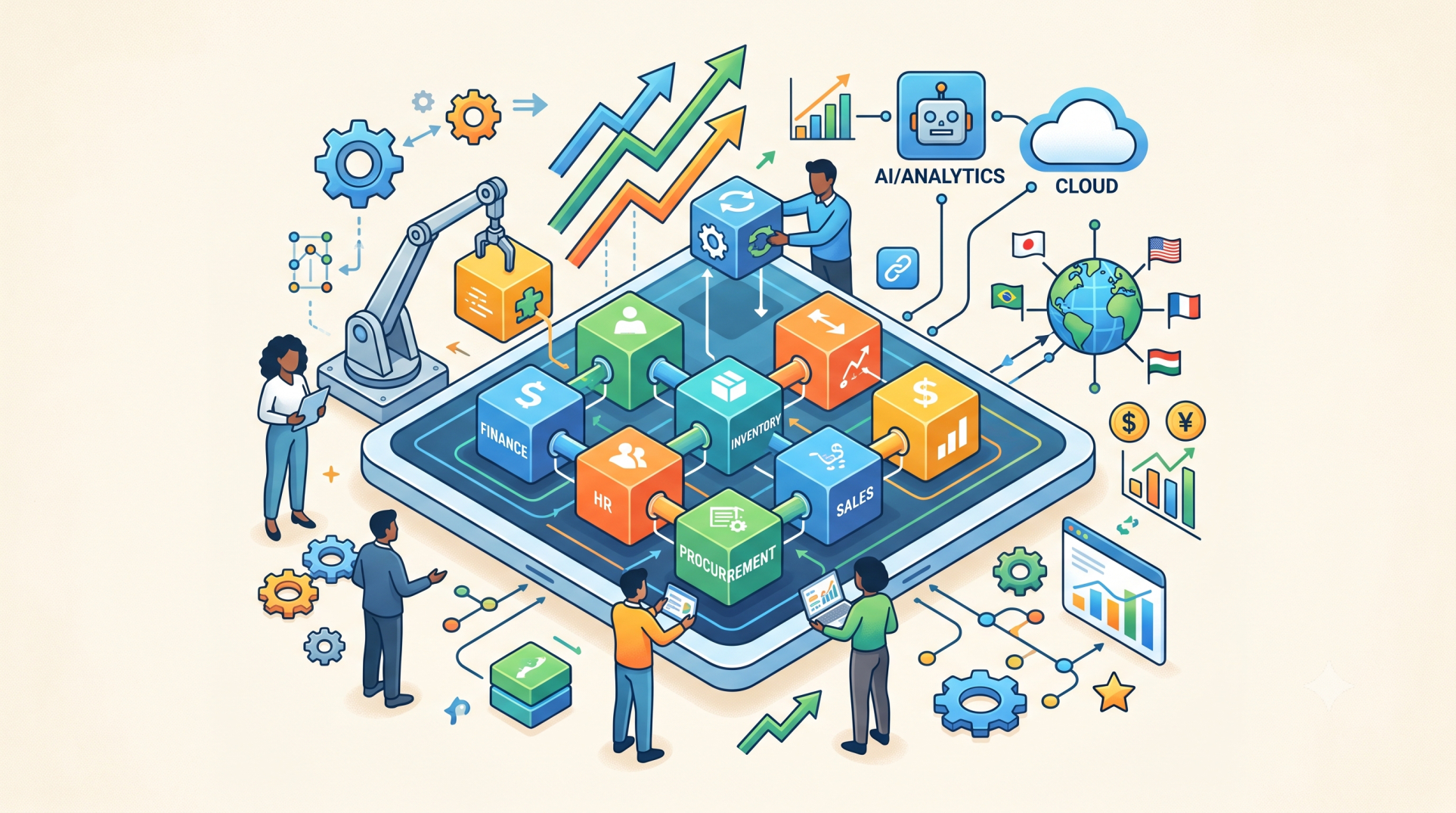
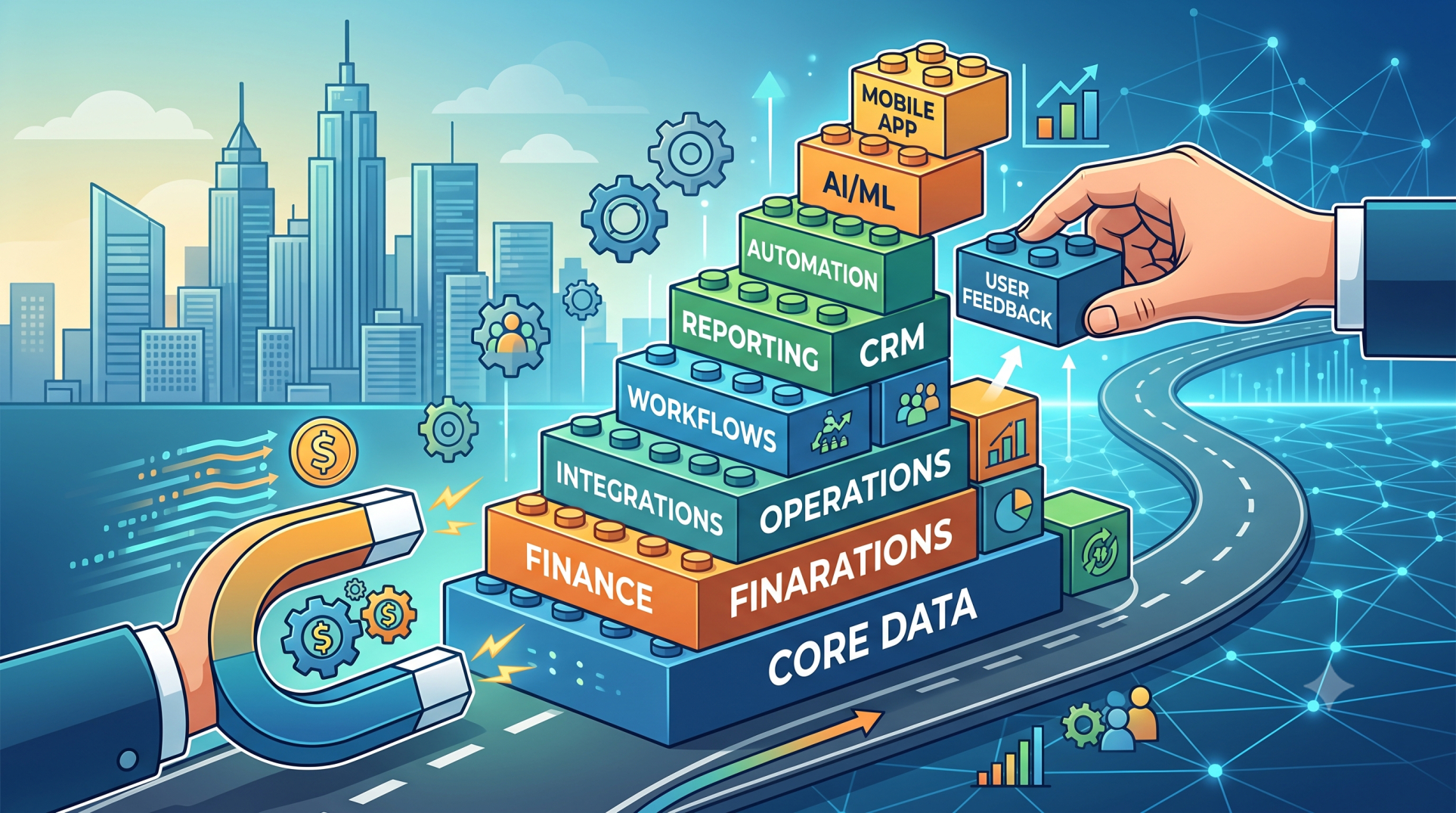
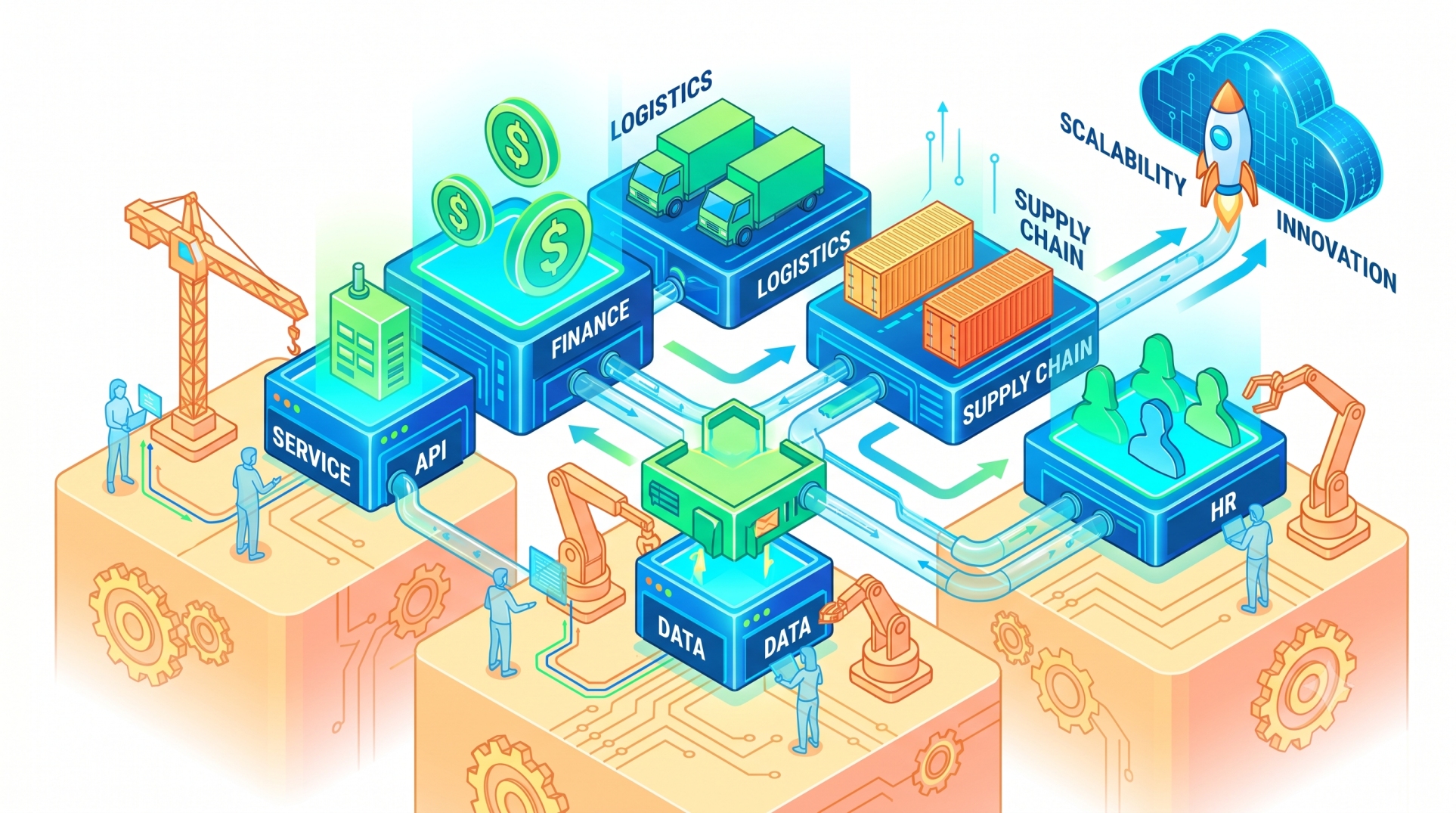
• Add users and business modules as requirements evolve 👥
• Support business expansion without major infrastructure changes 🌍
• Easily manage multiple locations from one platform 🏢
• Adapt workflows to changing operational needs 🔄
• Scale resources based on business demand 📊
Step 6: Data Security and Reliability 🔐
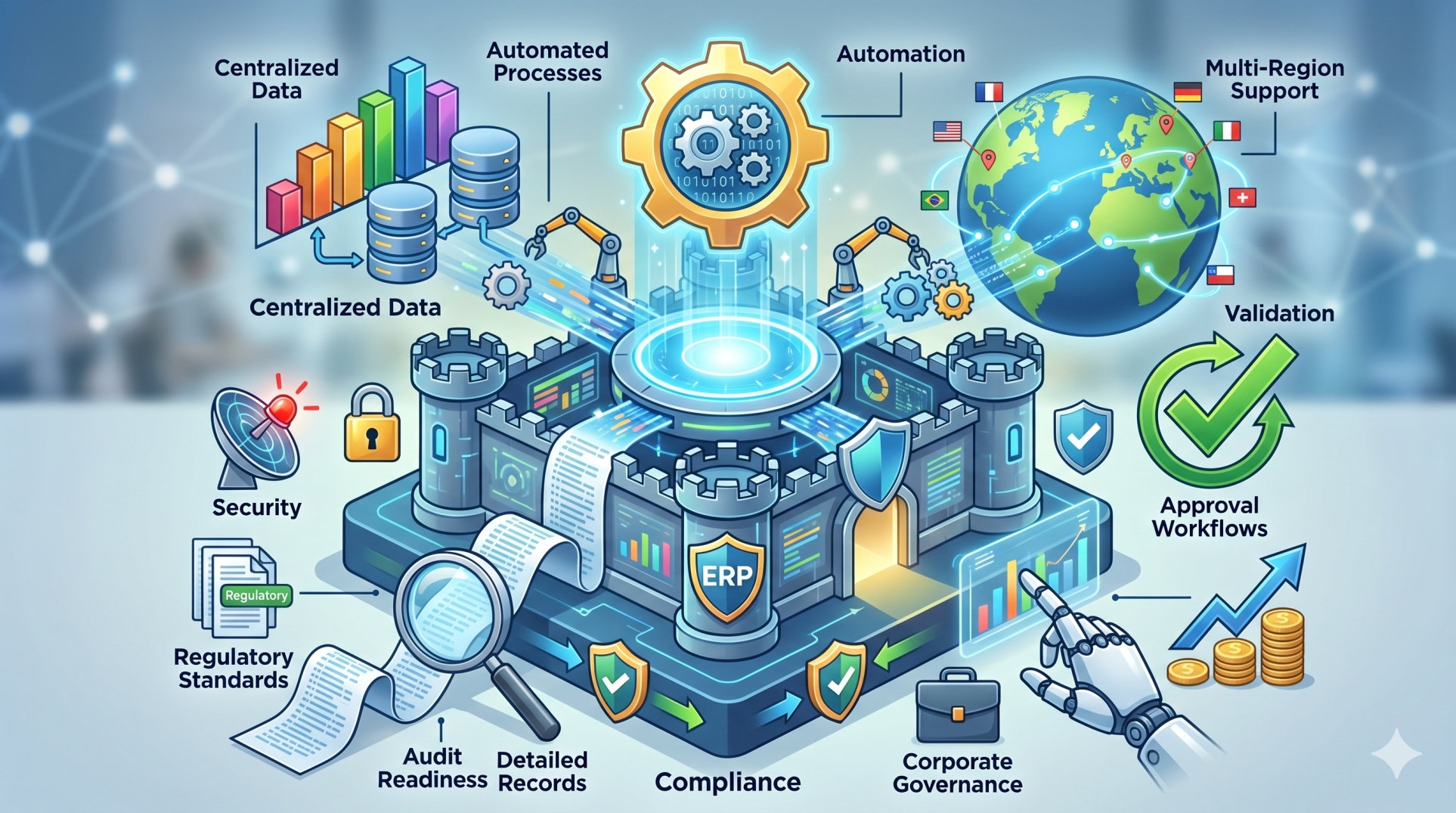
• Protect business information with enterprise-grade security 🛡️
• Perform automatic backups to reduce data loss risks 💾
• Apply regular software updates and security improvements 🔄
• Control user access with role-based permissions 👤
• Improve business continuity through reliable cloud services ☁️
Step 7: Better Decision-Making Through Real-Time Data 📊
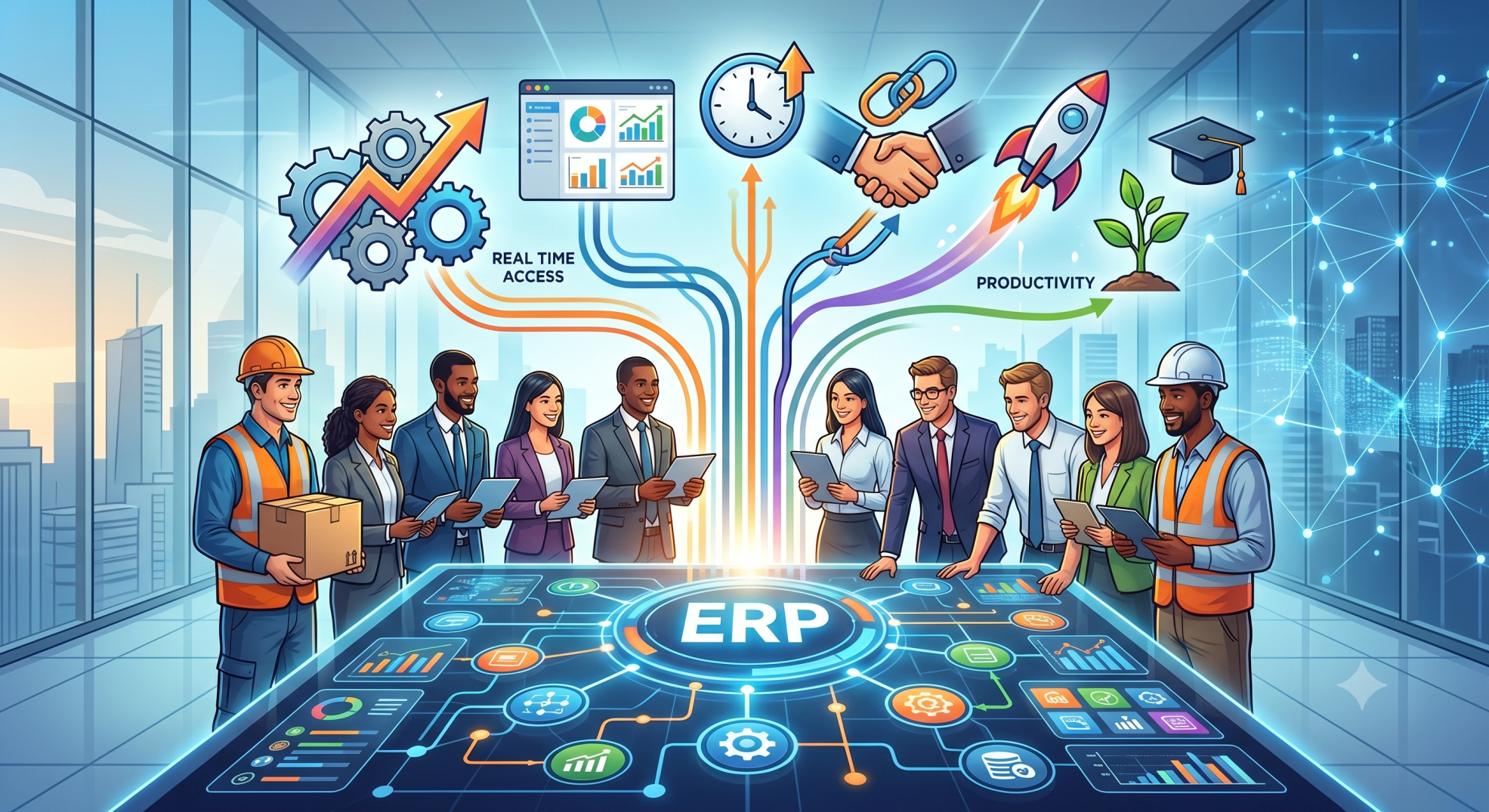
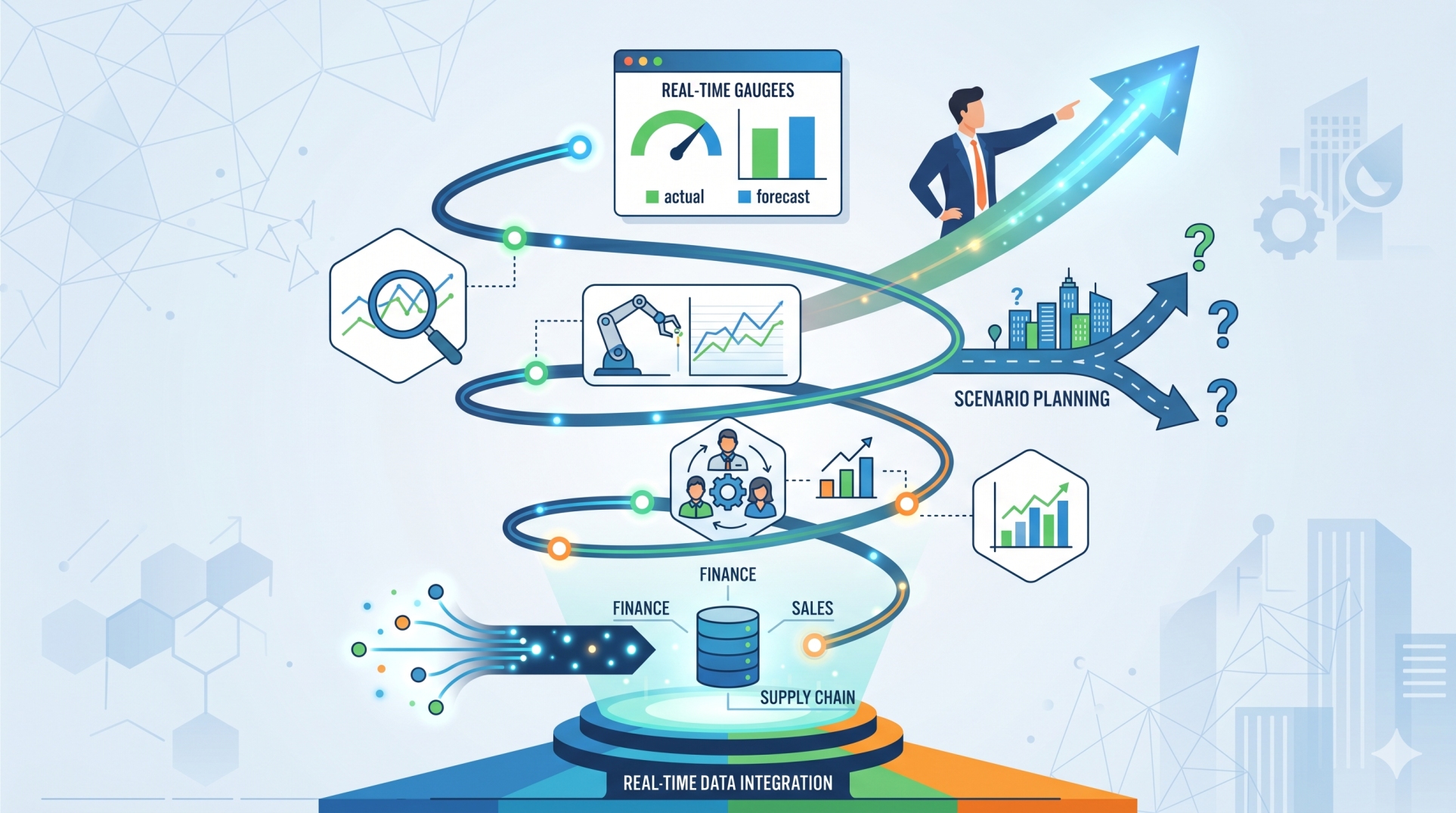
• Access live business information from centralized dashboards 📈
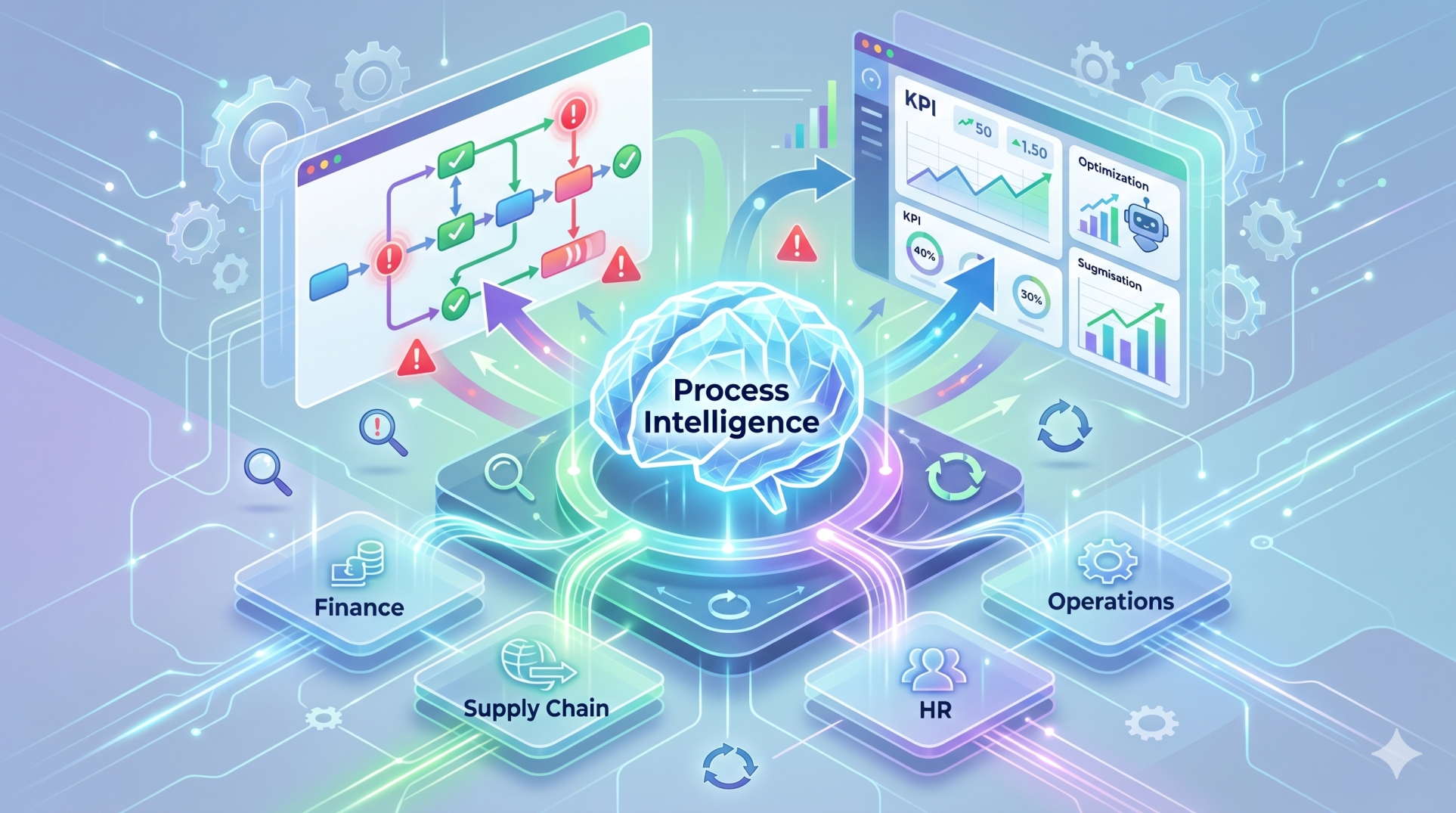
• Monitor financial and operational performance in real time 👀
• Generate accurate reports for informed decisions 📑
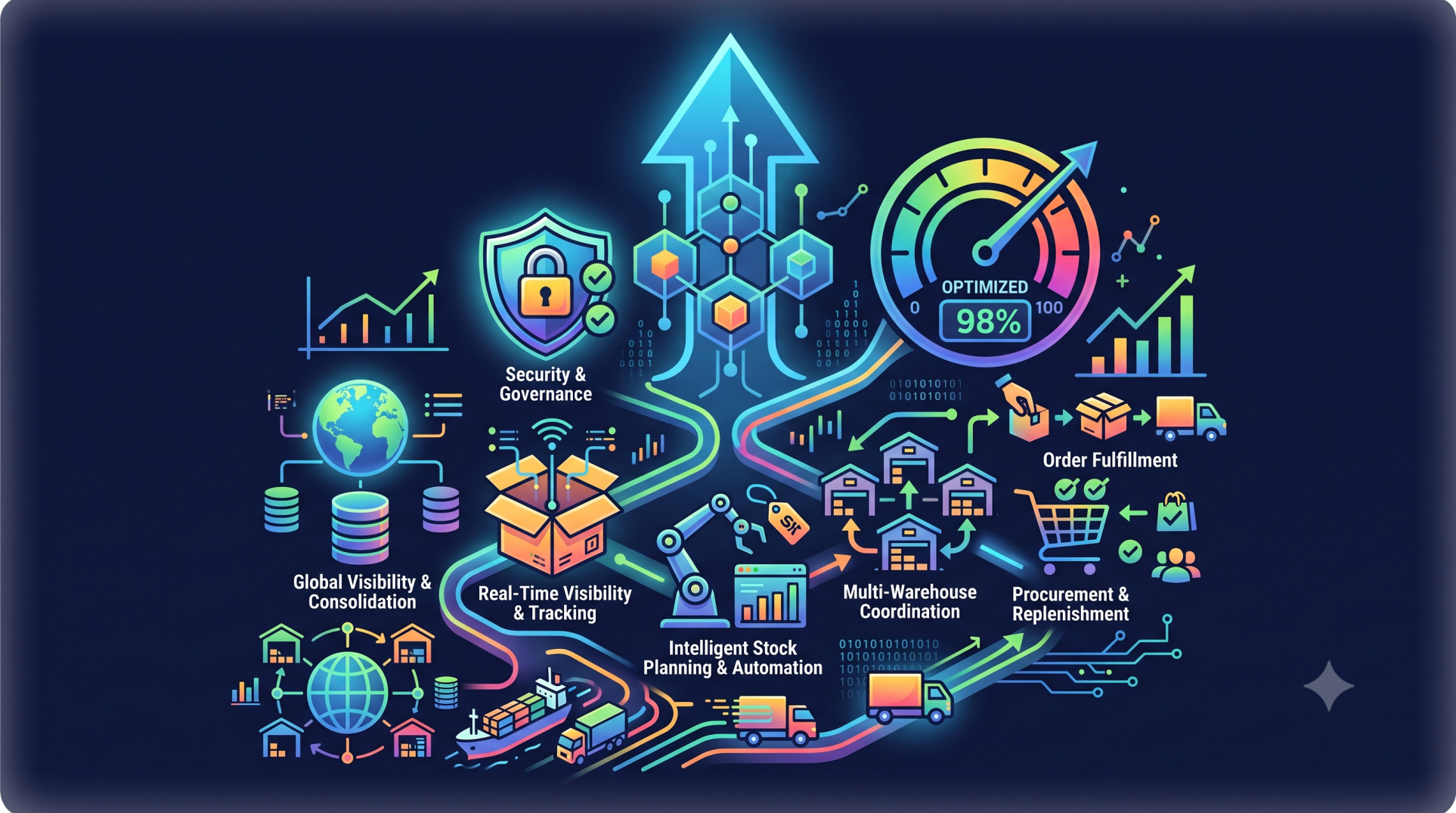
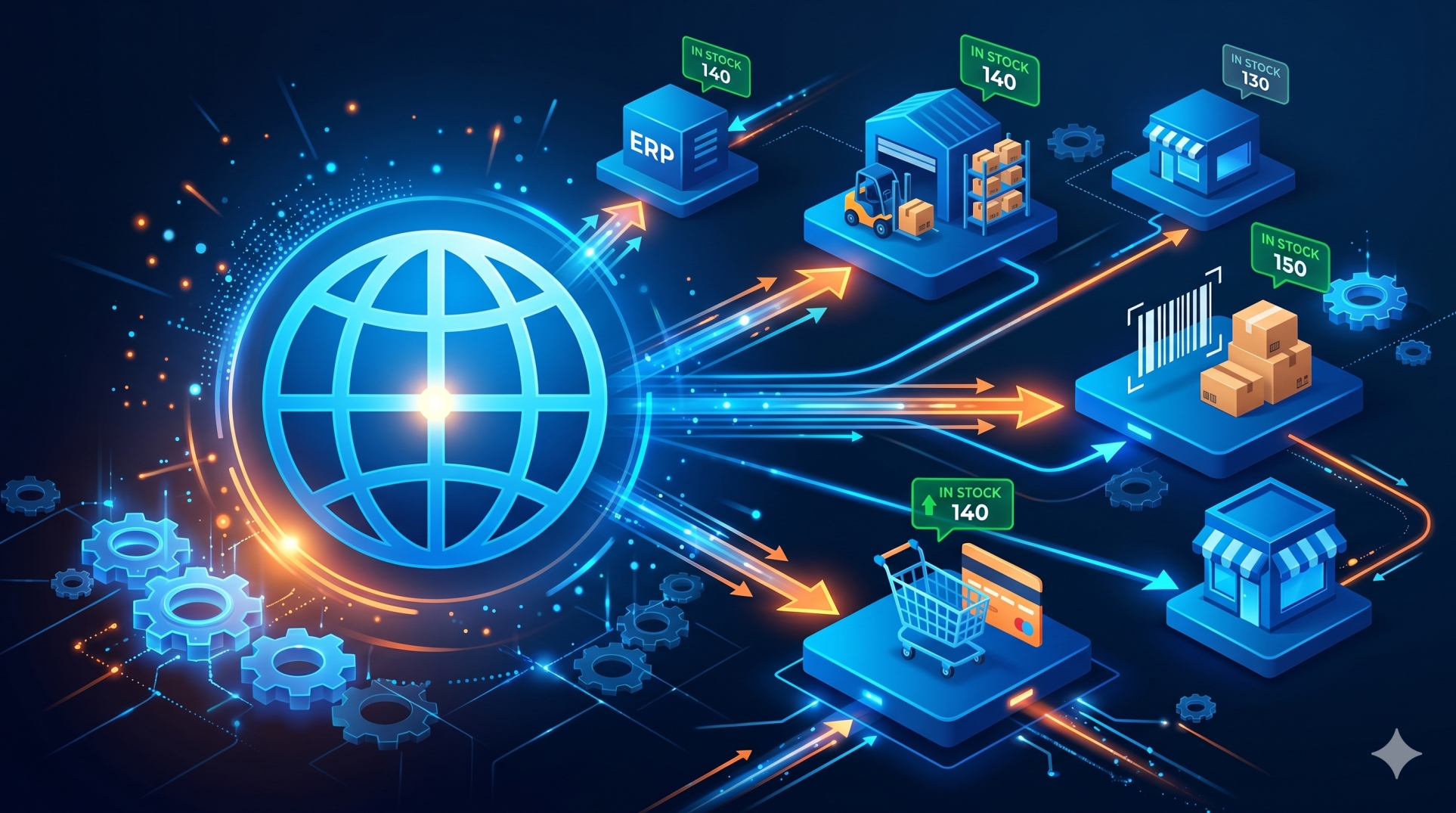
• Track inventory, sales, and customer activities efficiently 📦
• Improve forecasting with current business insights 💡
Step 8: Key Benefits of Cloud ERP ⭐
• Lower upfront technology investment 💰
• Faster implementation and deployment 🚀
• Improved operational efficiency and collaboration 🤝
• Flexible scalability for future business growth 📈
Step 9: Potential Challenges to Consider ⚠️
• Subscription costs accumulate over time 📅
• Reliable internet connectivity is essential 🌐
• Staff training may be required during implementation 🎓
• Data migration requires careful planning 📂
• Selecting the right ERP solution is critical for long-term success 🎯
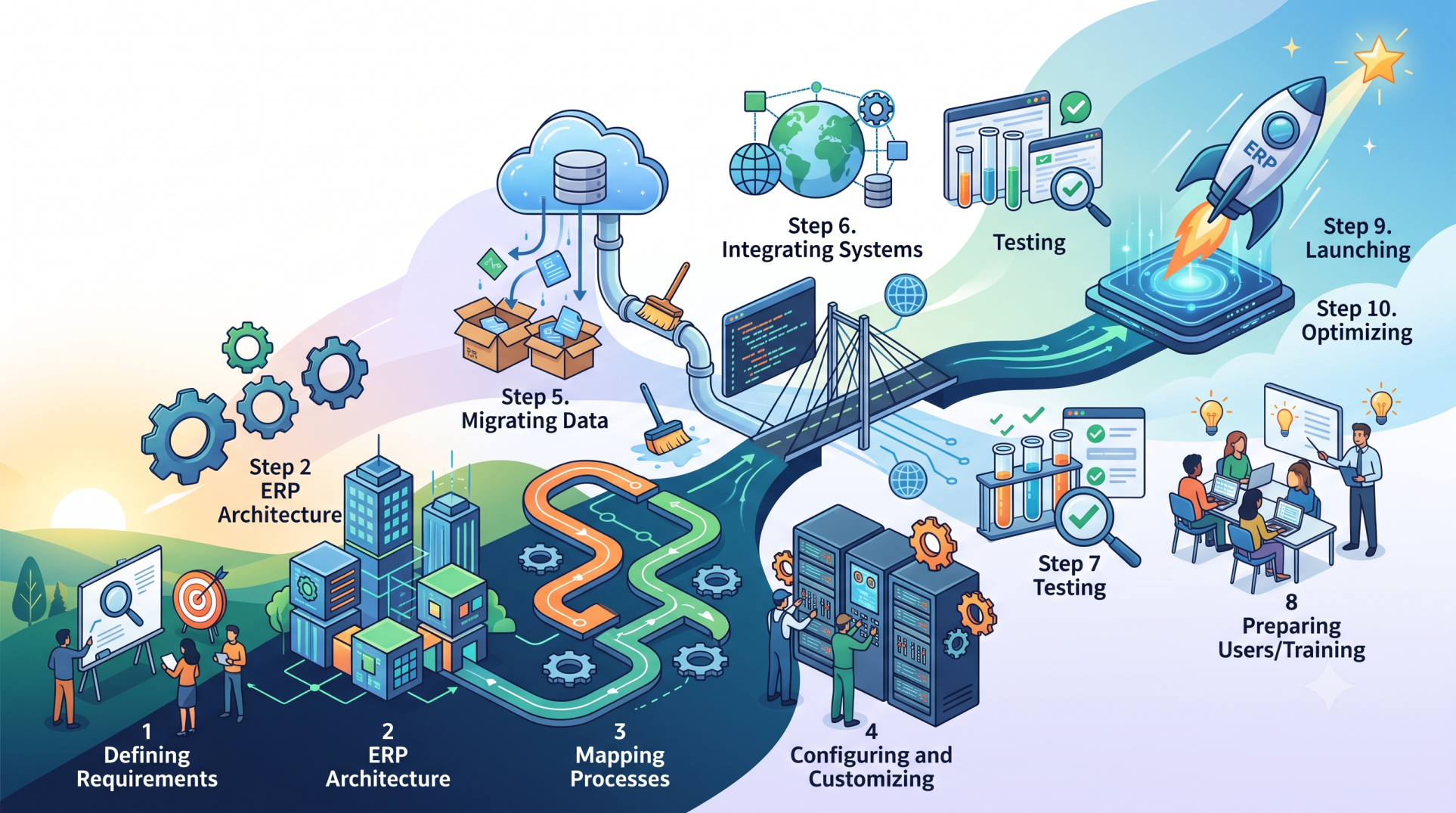
Step 10: Maximizing Return on Investment 🌟
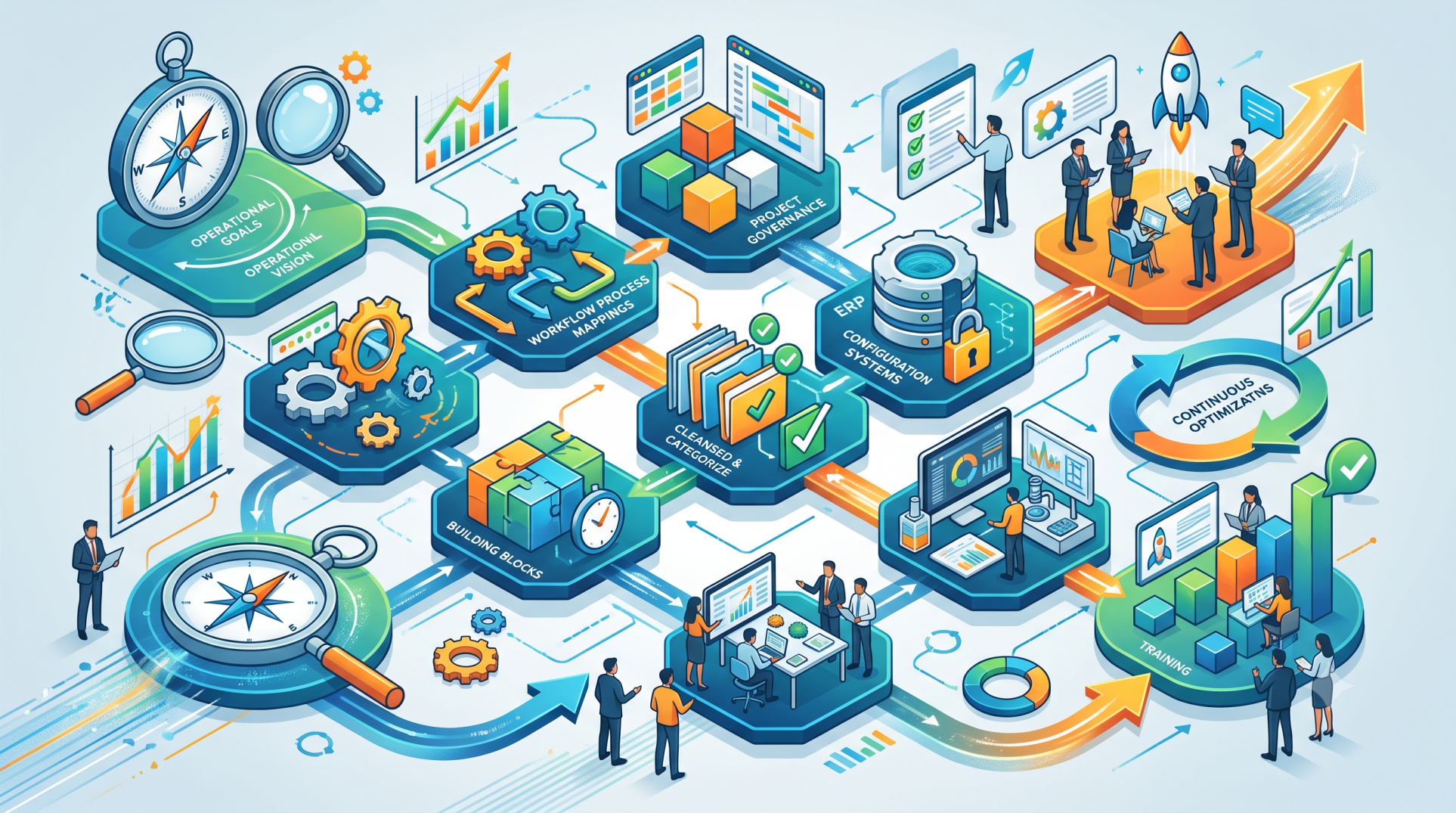
• Define clear business goals before implementation 📝
• Prioritize features that address operational needs 🎯
• Train employees to maximize system adoption 👨🏫
• Monitor performance metrics and optimize workflows 📊
• Continuously expand ERP capabilities as the business grows 🚀
Conclusion
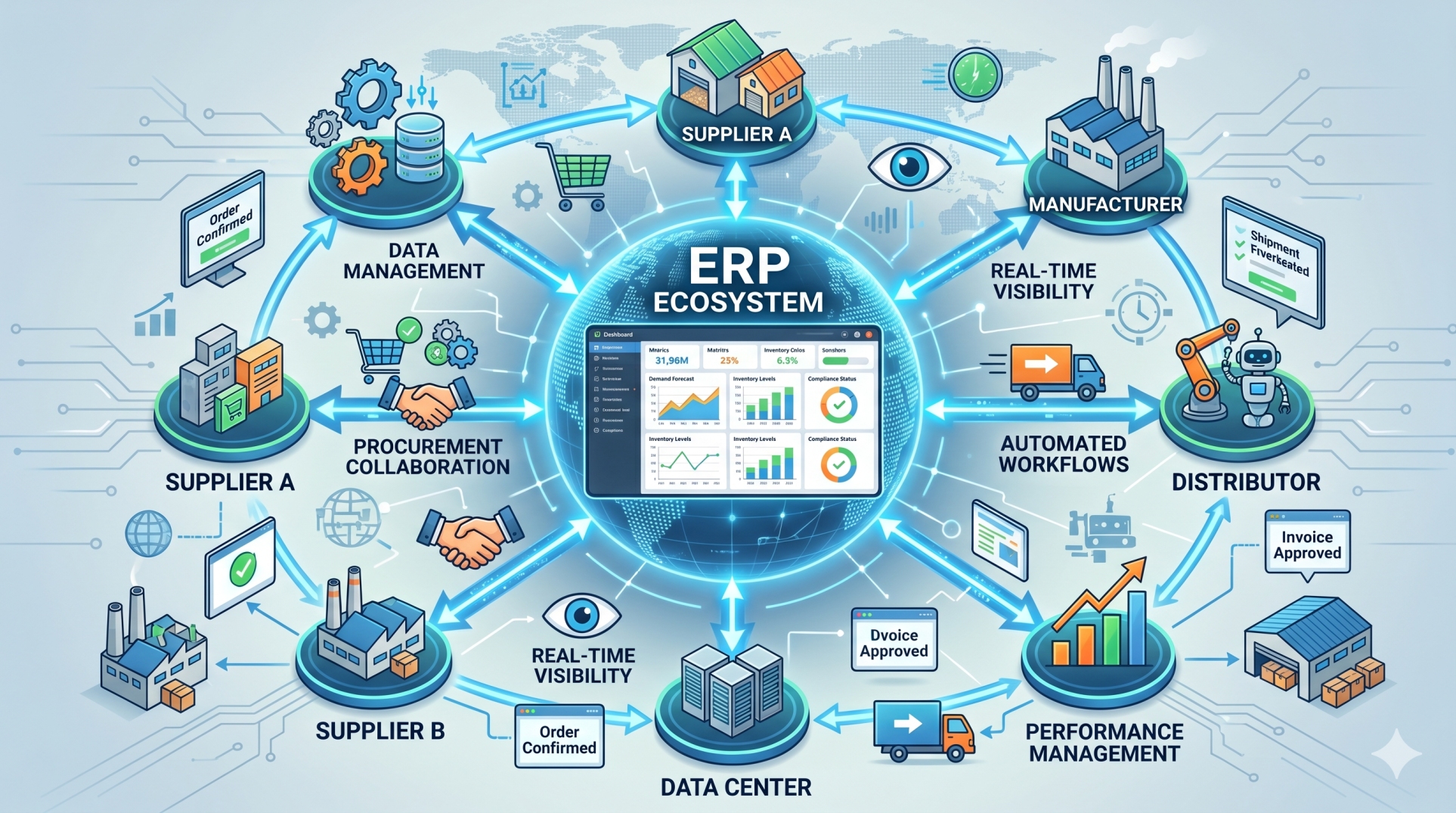
Cloud ERP offers small companies an affordable and scalable way to modernize business operations while reducing infrastructure and maintenance costs. With centralized data, automated workflows, and real-time visibility, organizations can improve productivity, strengthen collaboration, and make faster decisions. By carefully evaluating implementation costs, long-term subscription expenses, and expected business benefits, small companies can maximize the value of their Cloud ERP investment and build a strong foundation for sustainable growth.
See more blogs
You can all the articles below