Enterprise-Grade Software for Logistics and Distribution
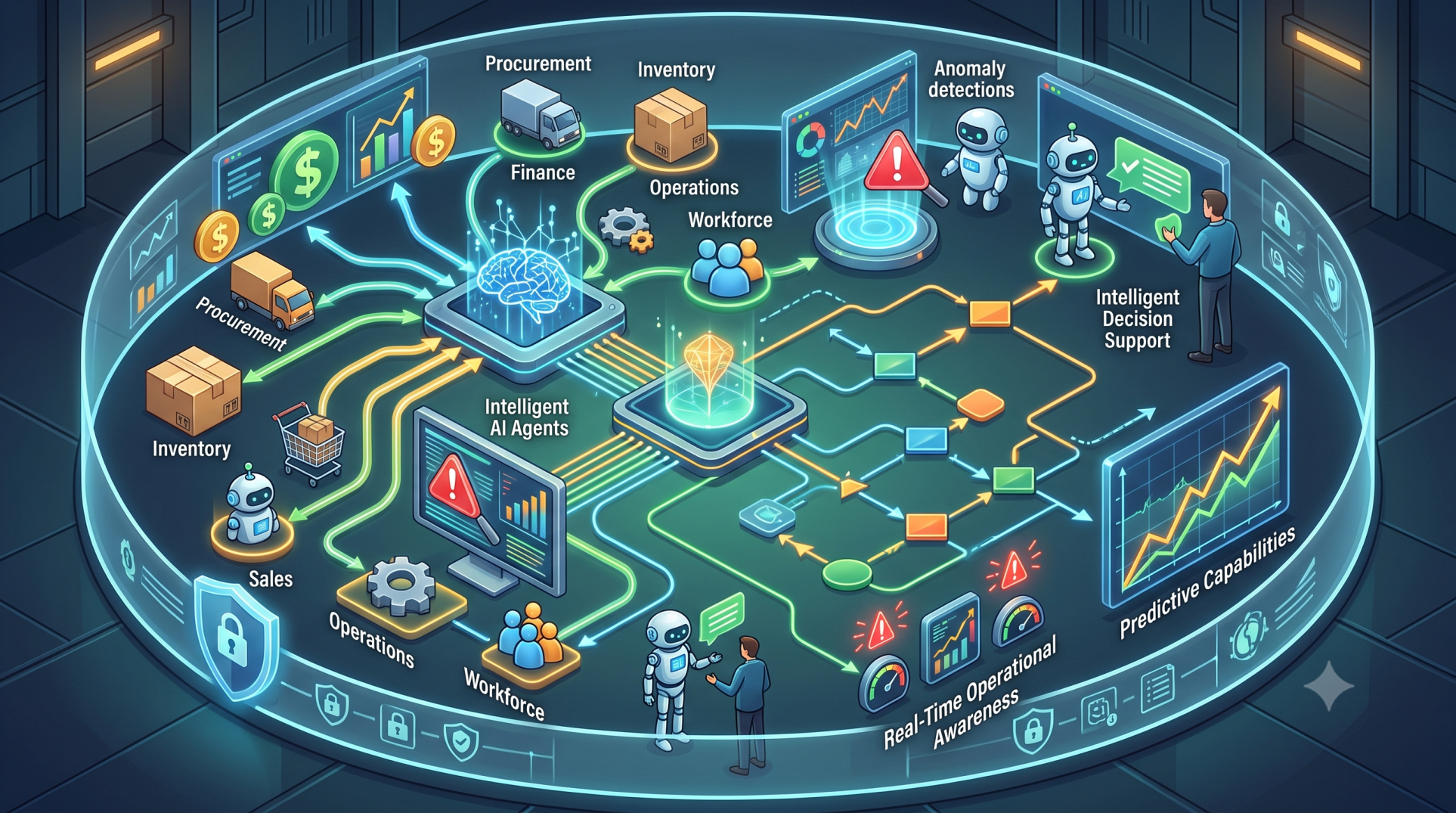
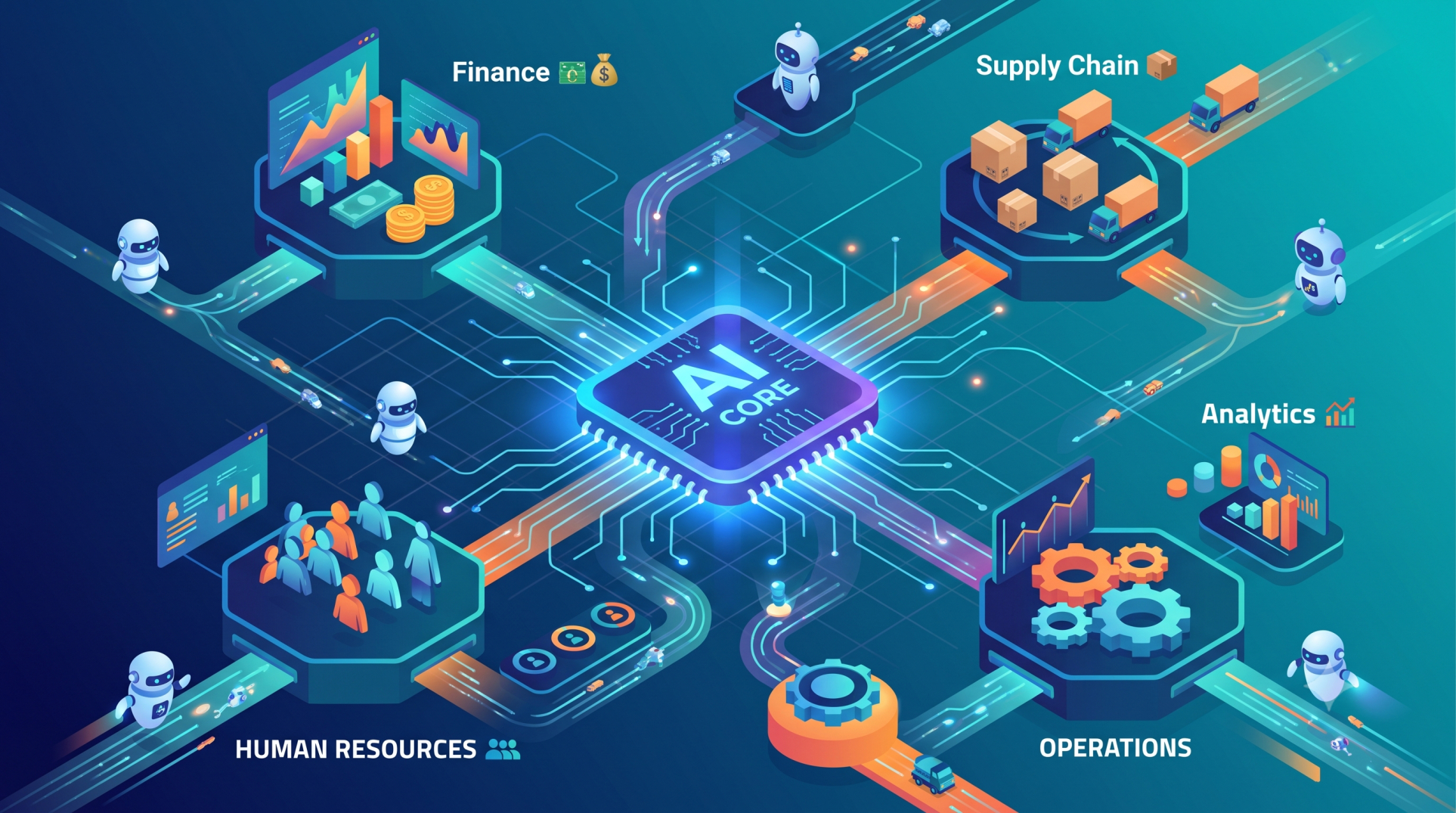
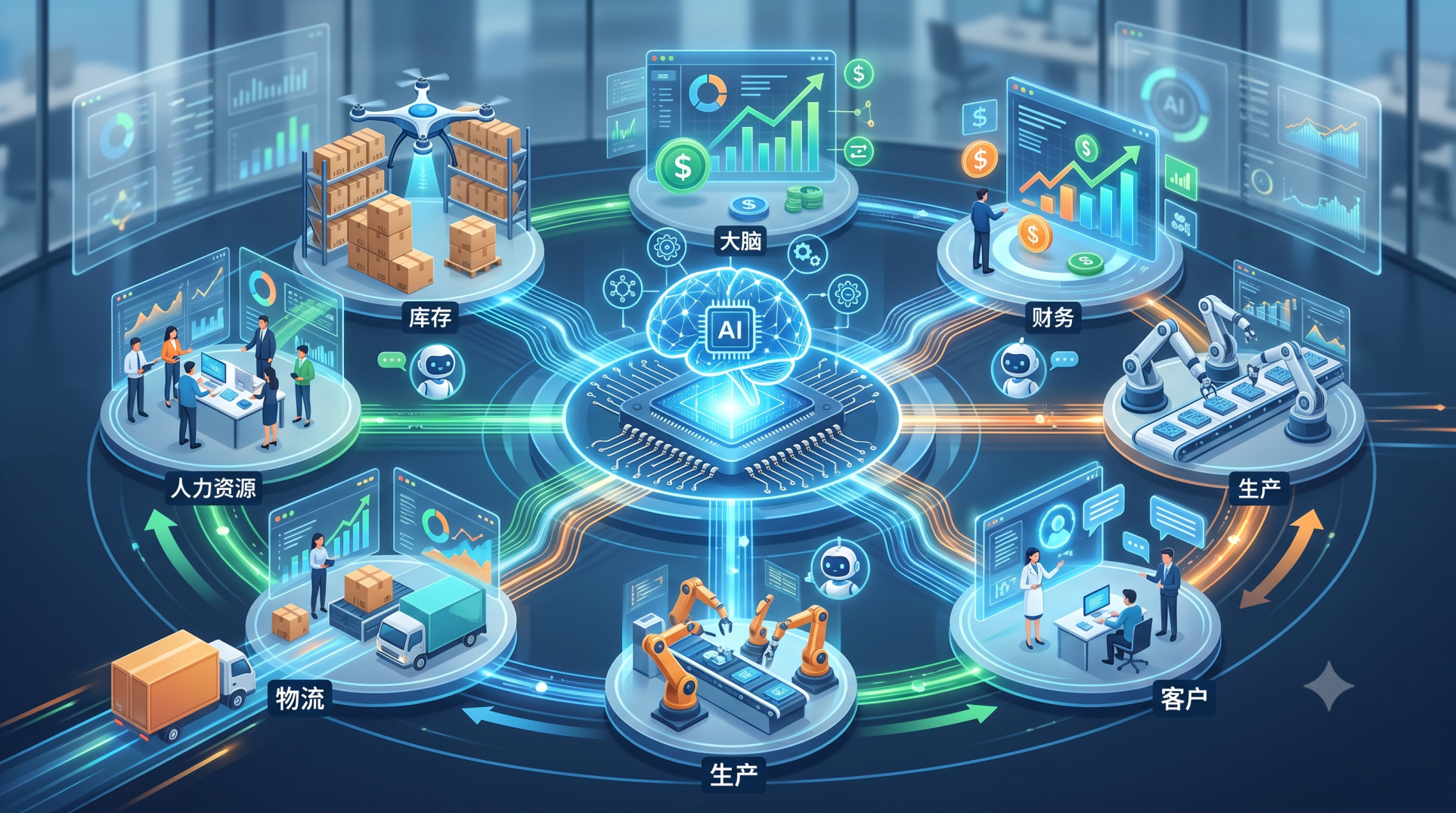
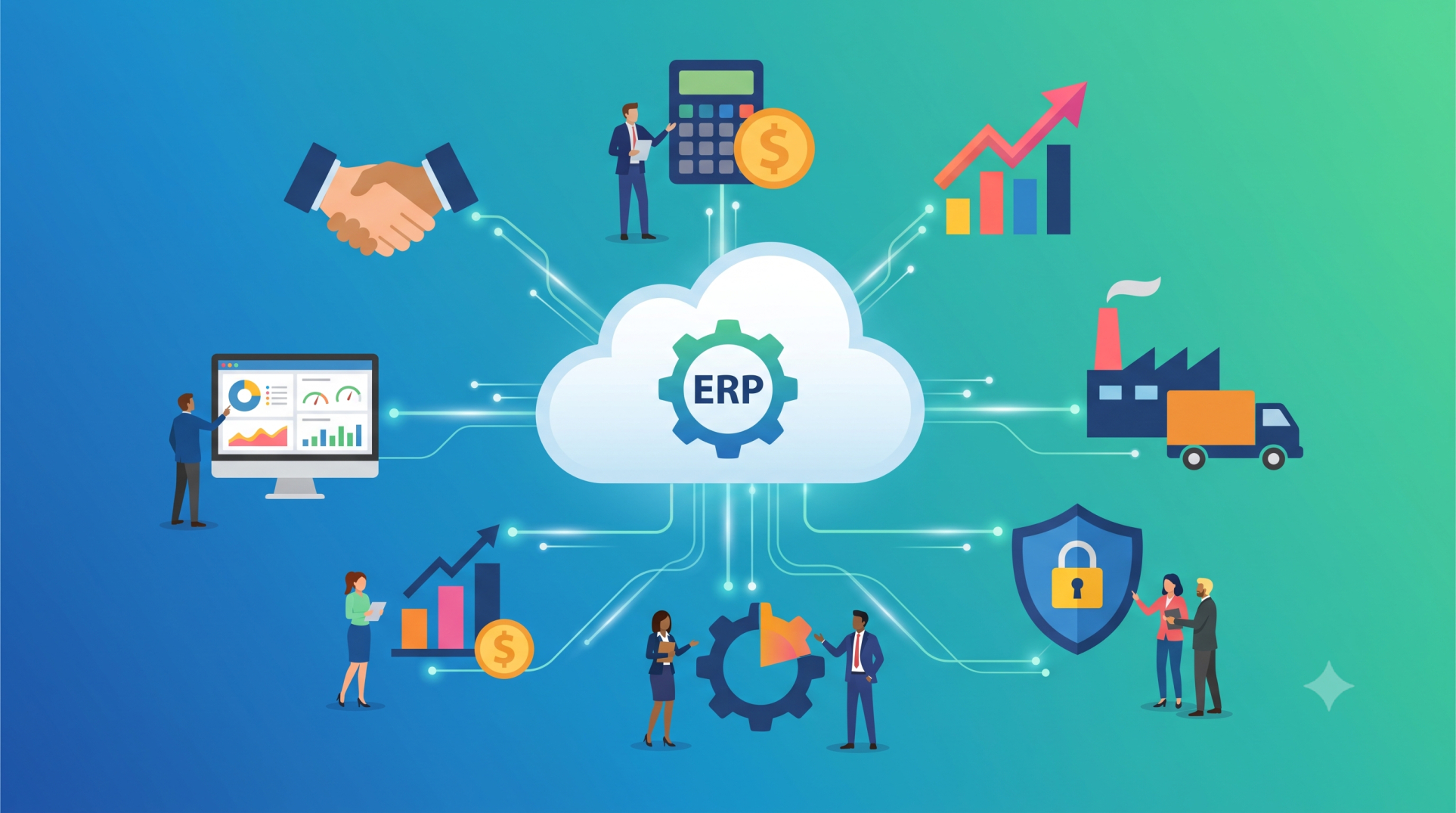
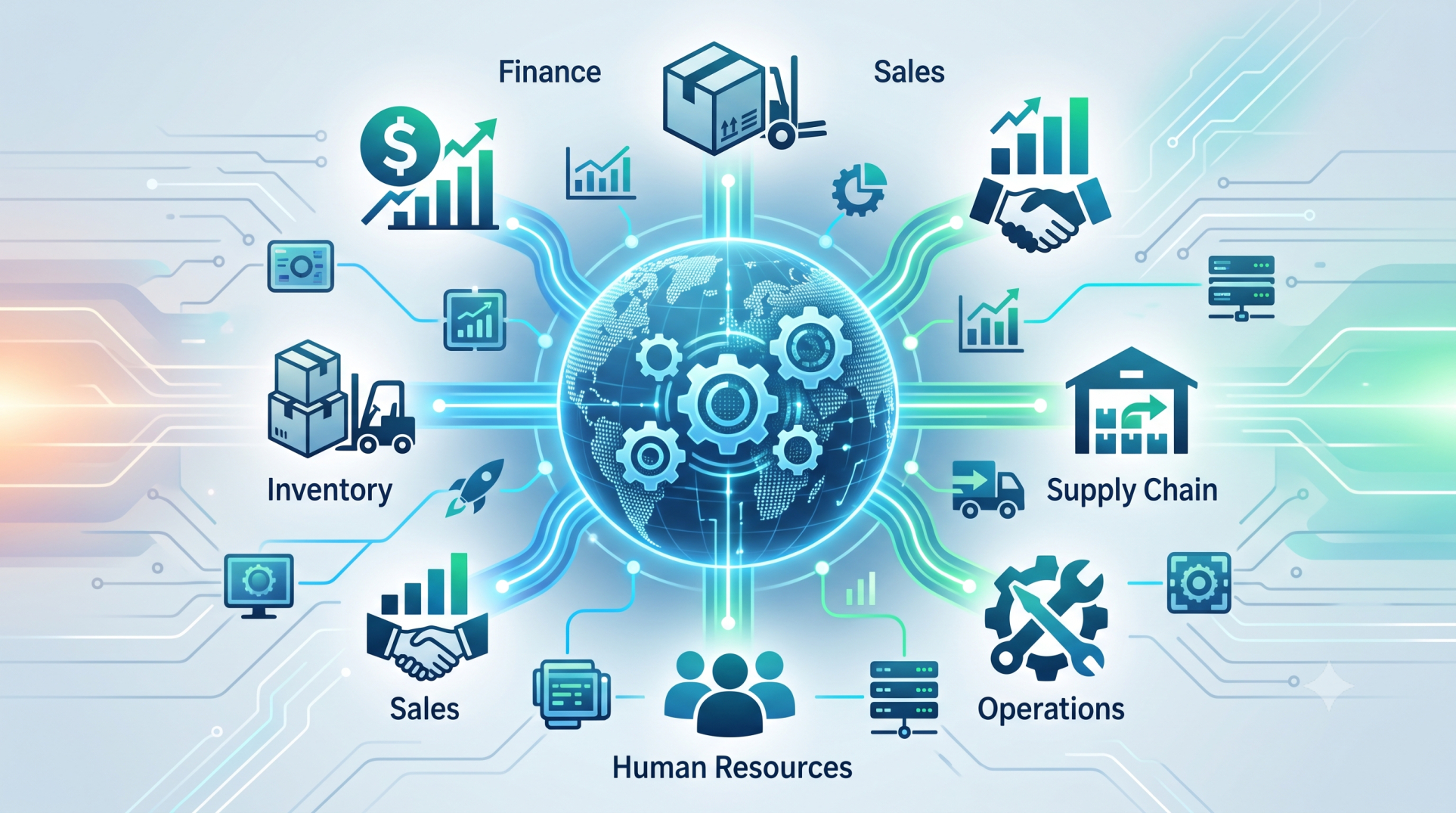
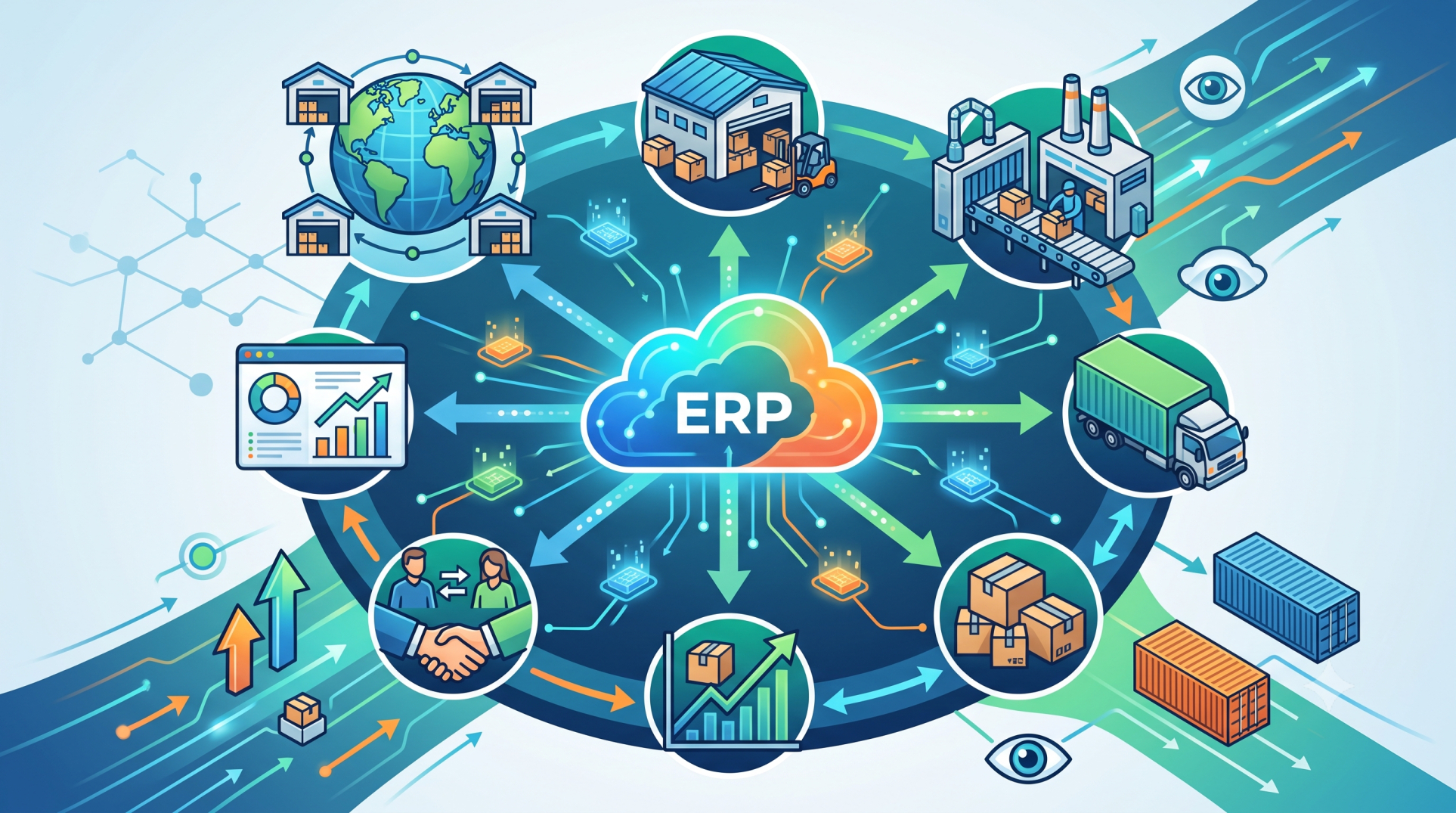
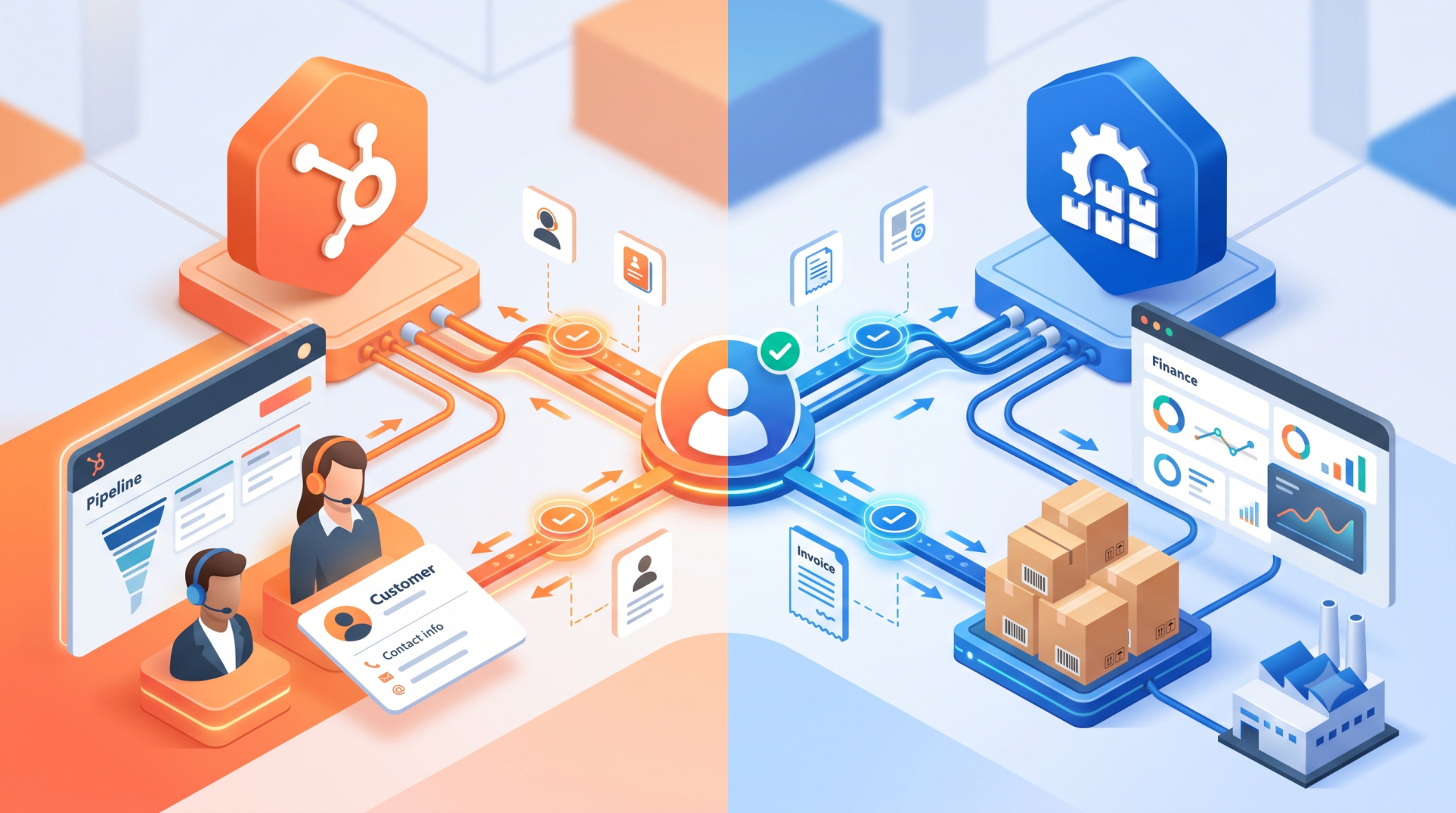
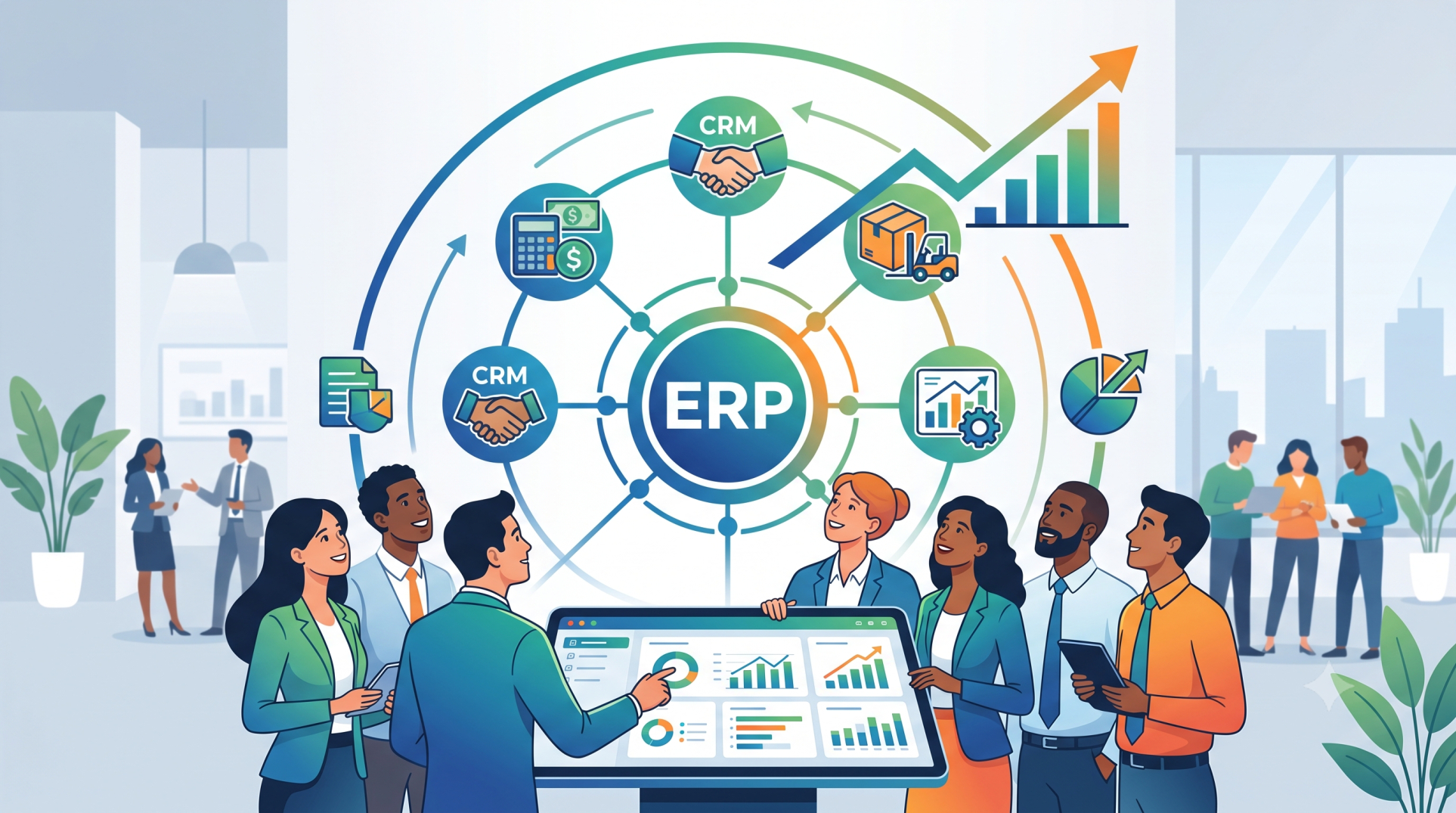
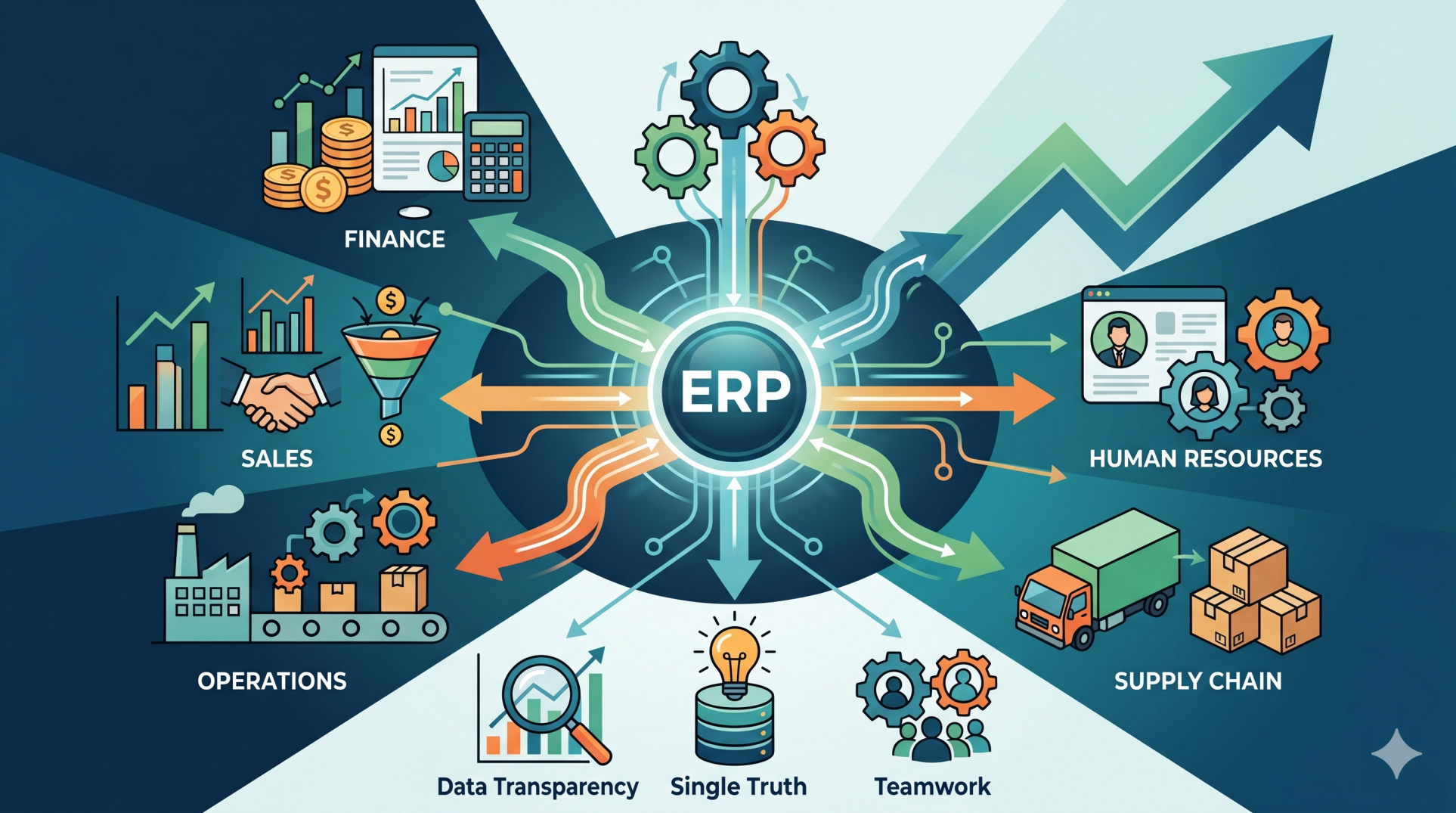
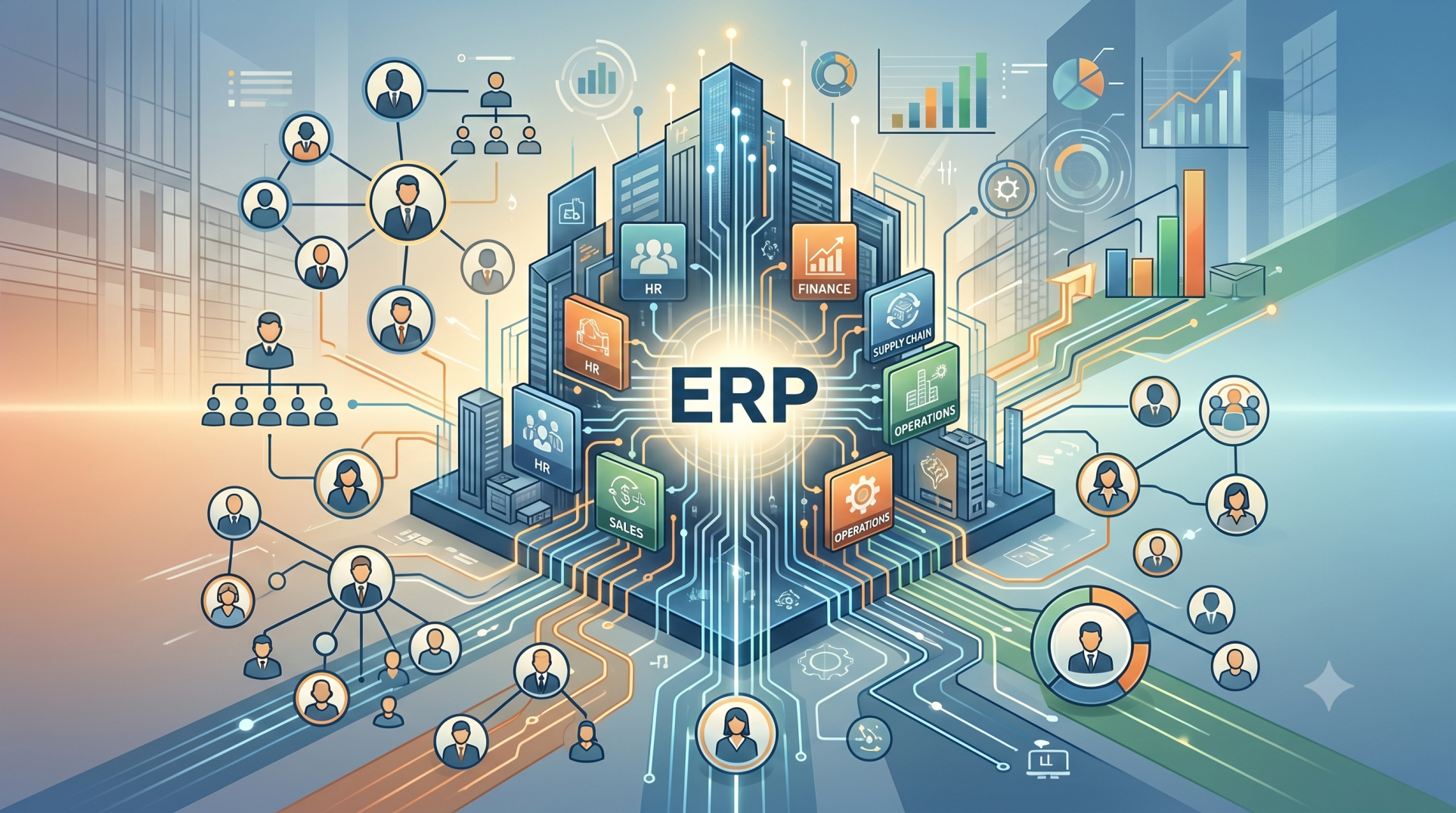
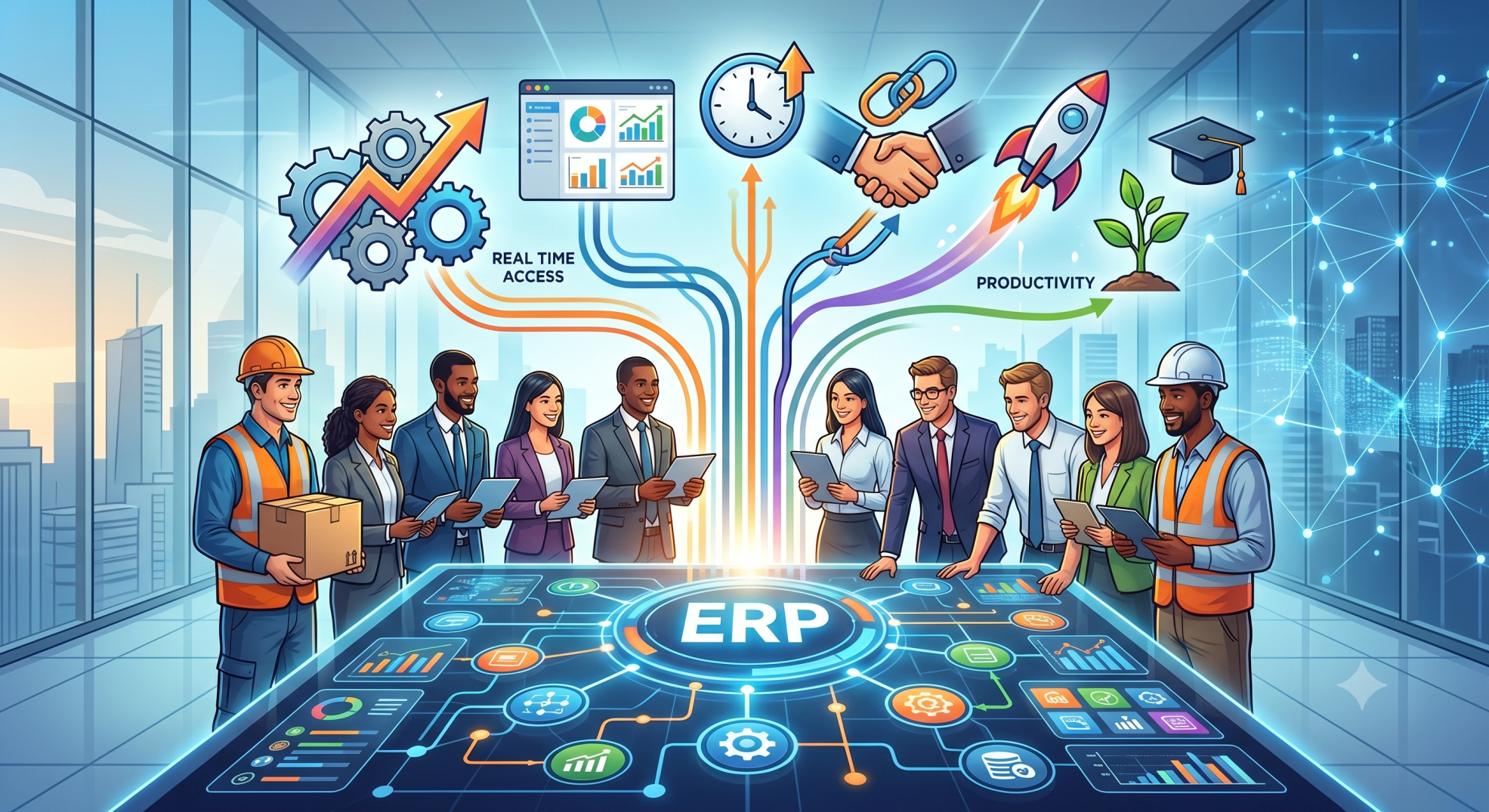
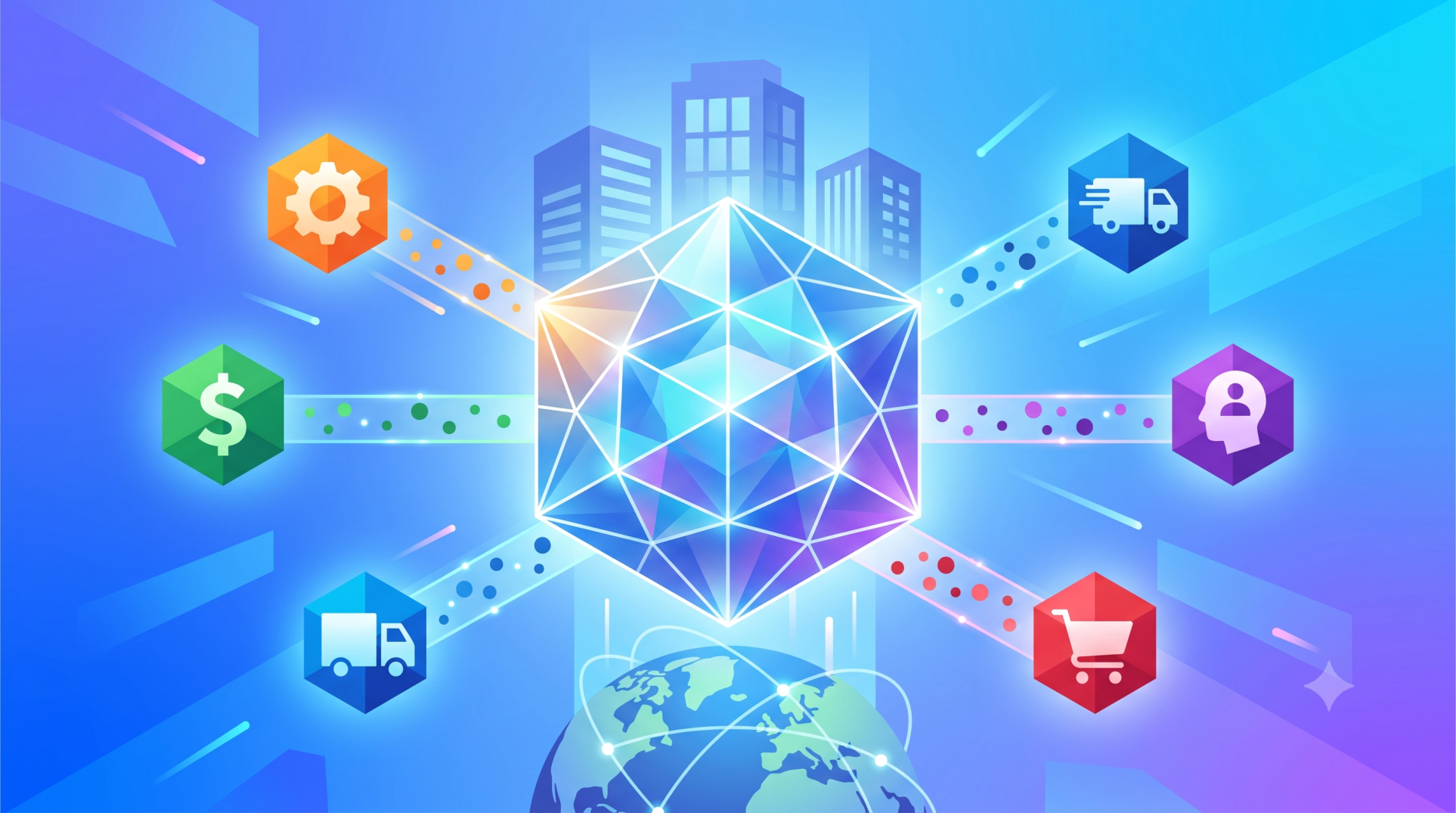
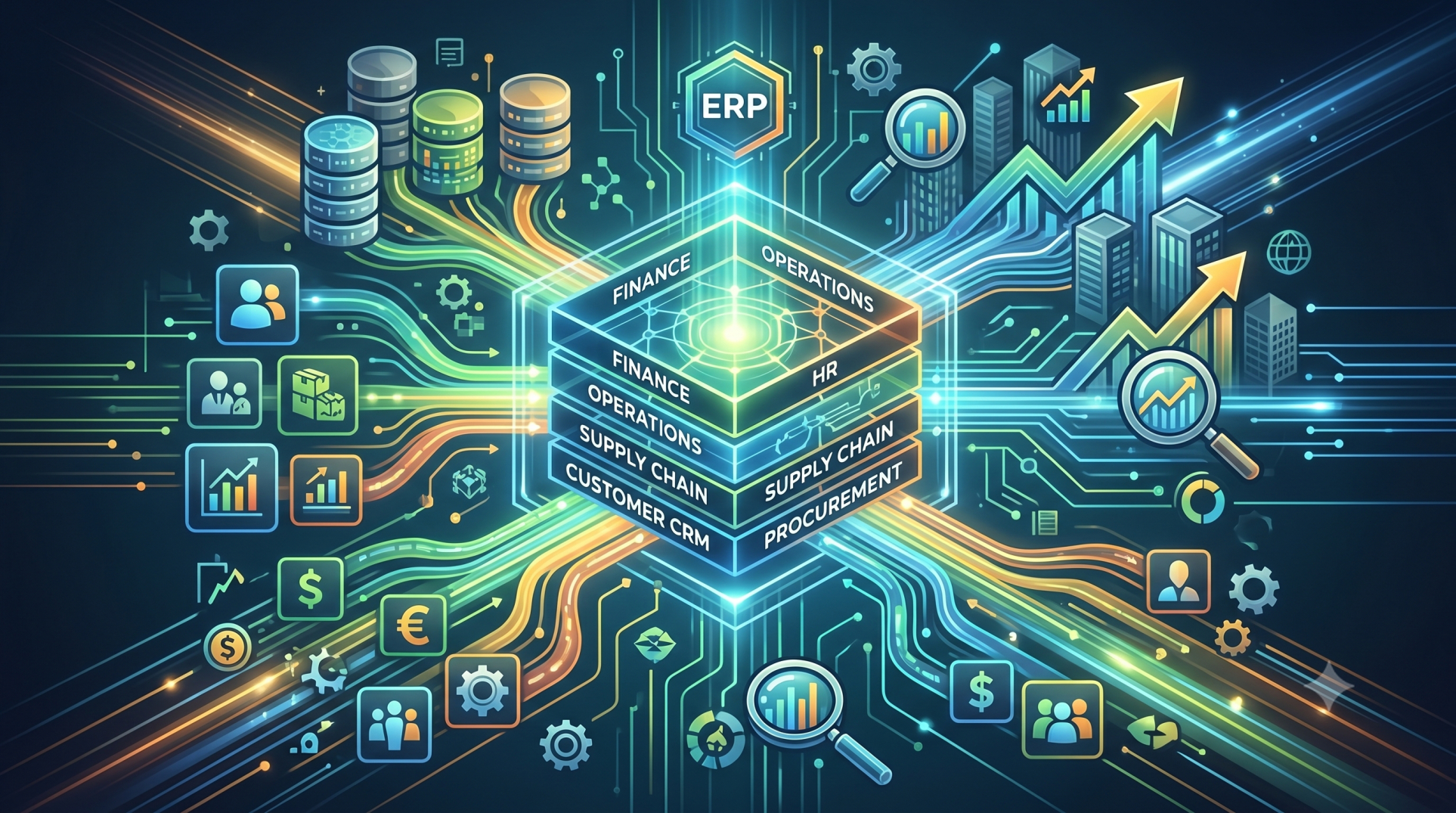
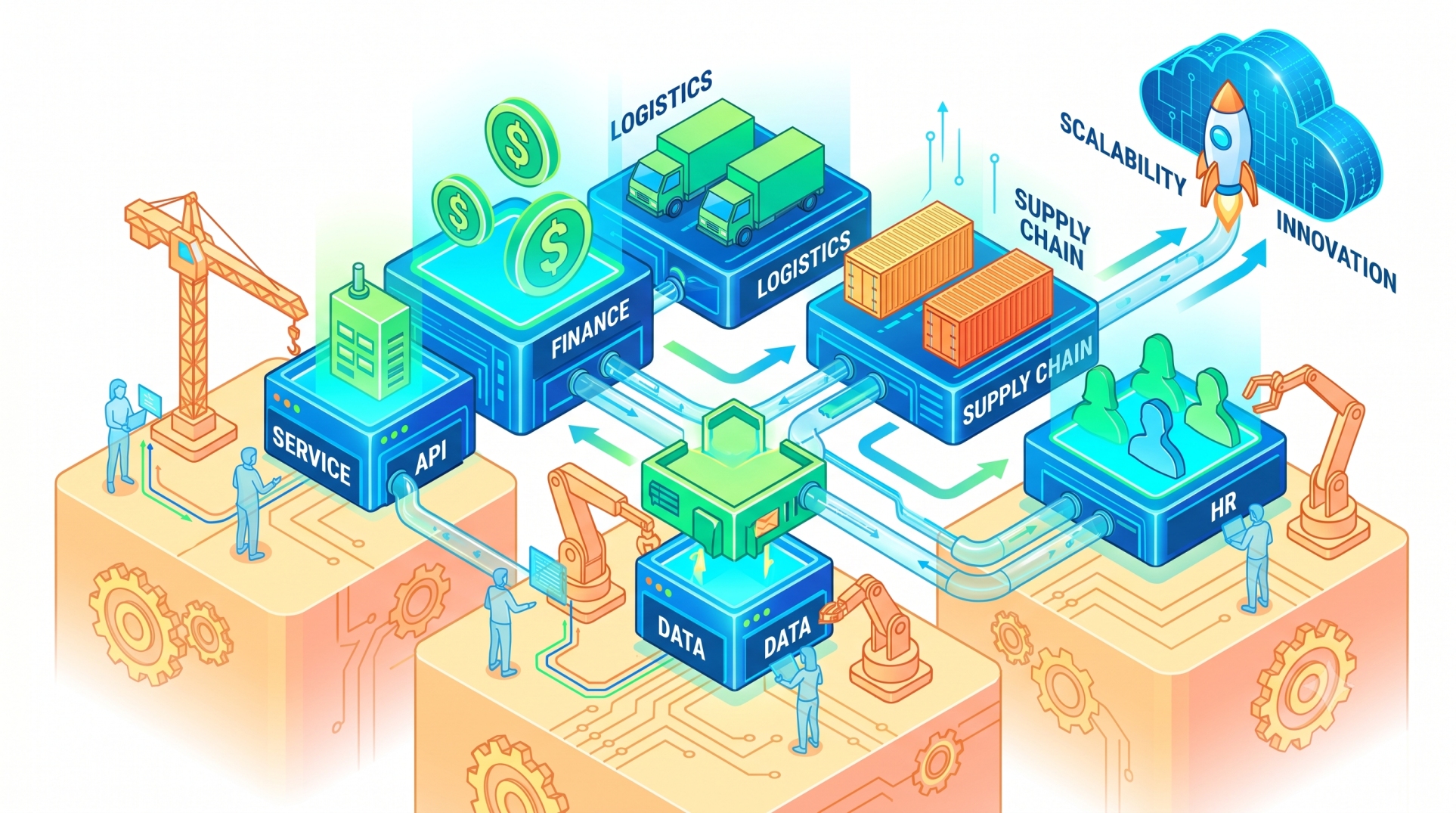
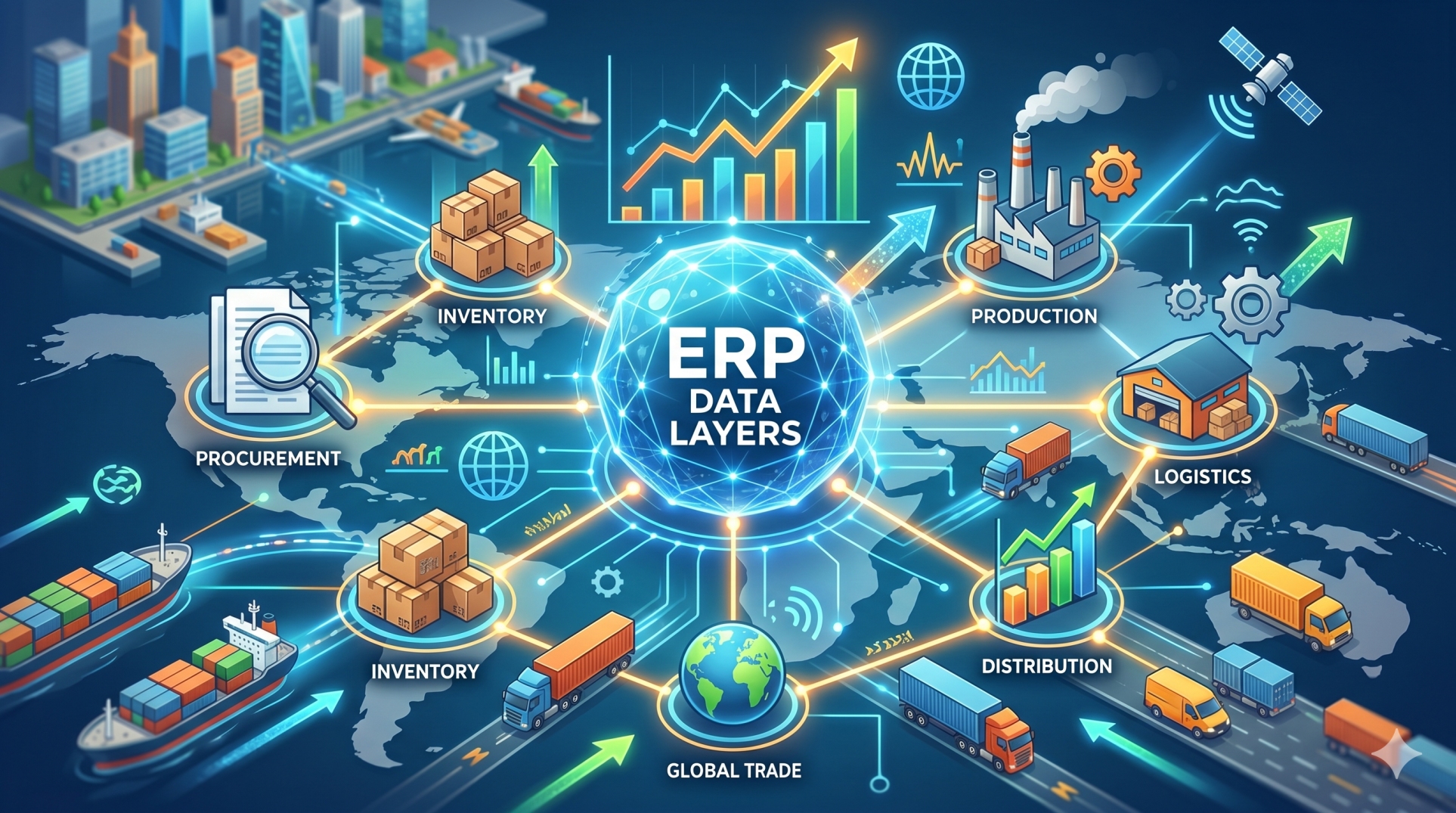
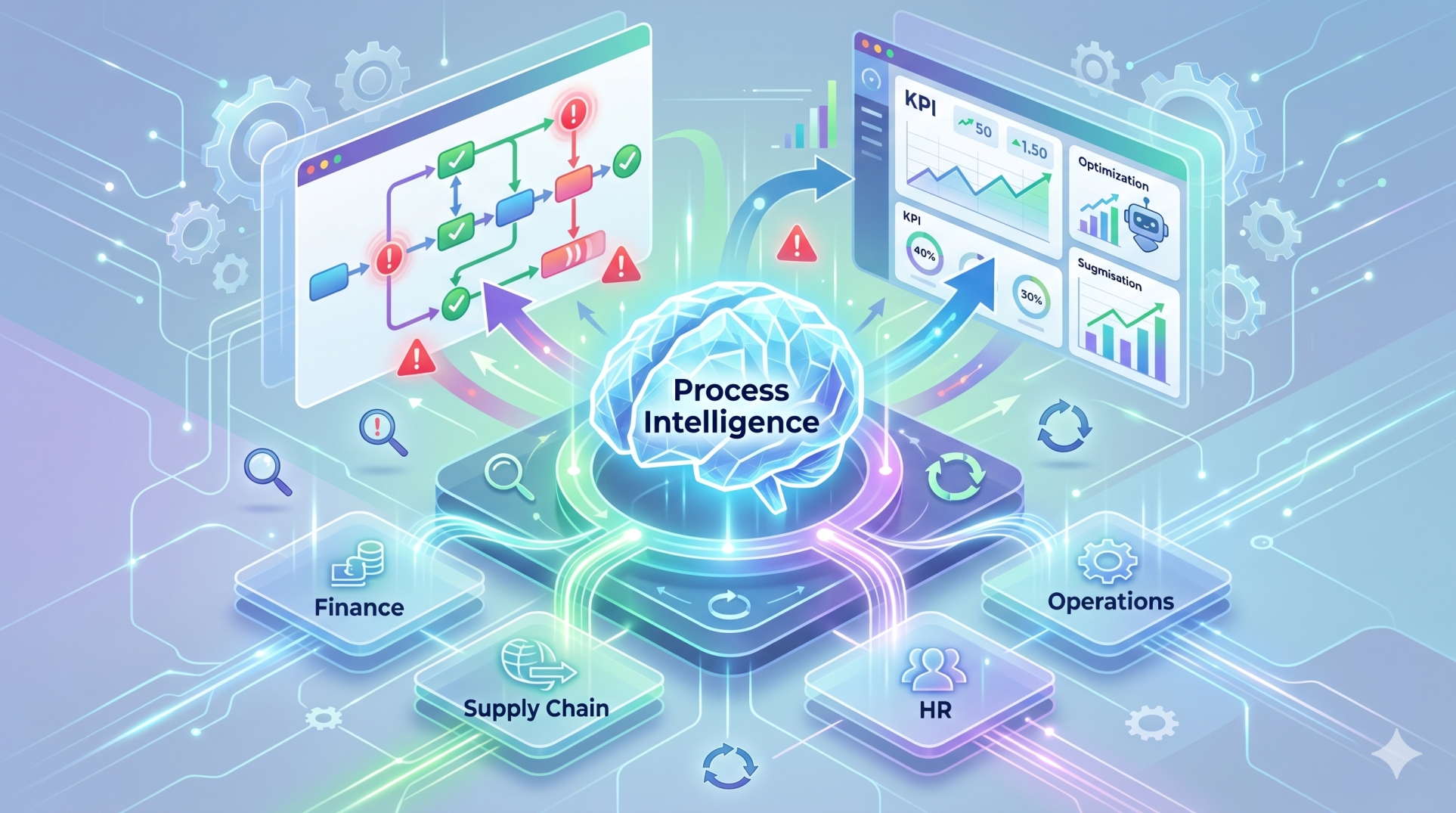
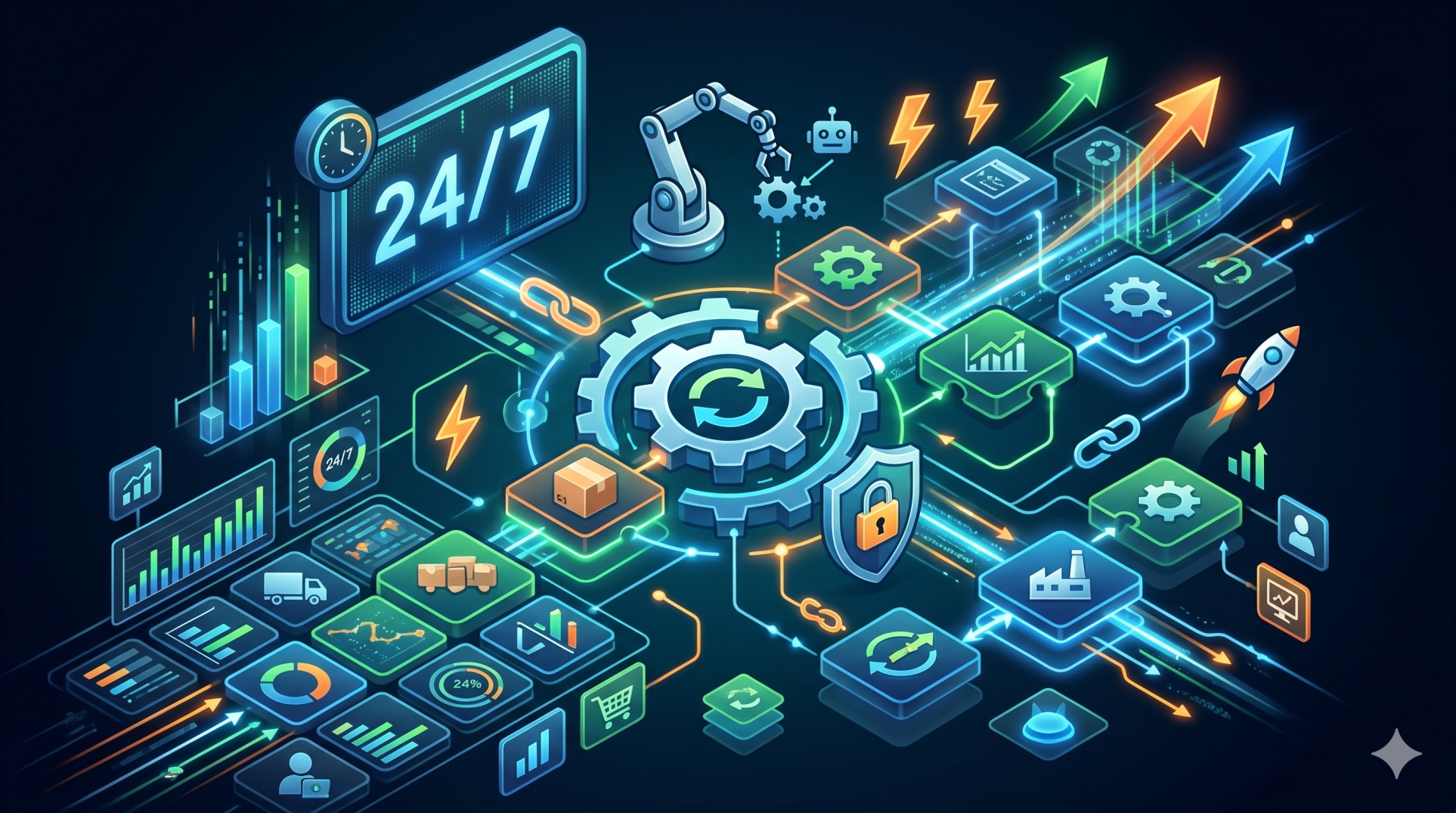
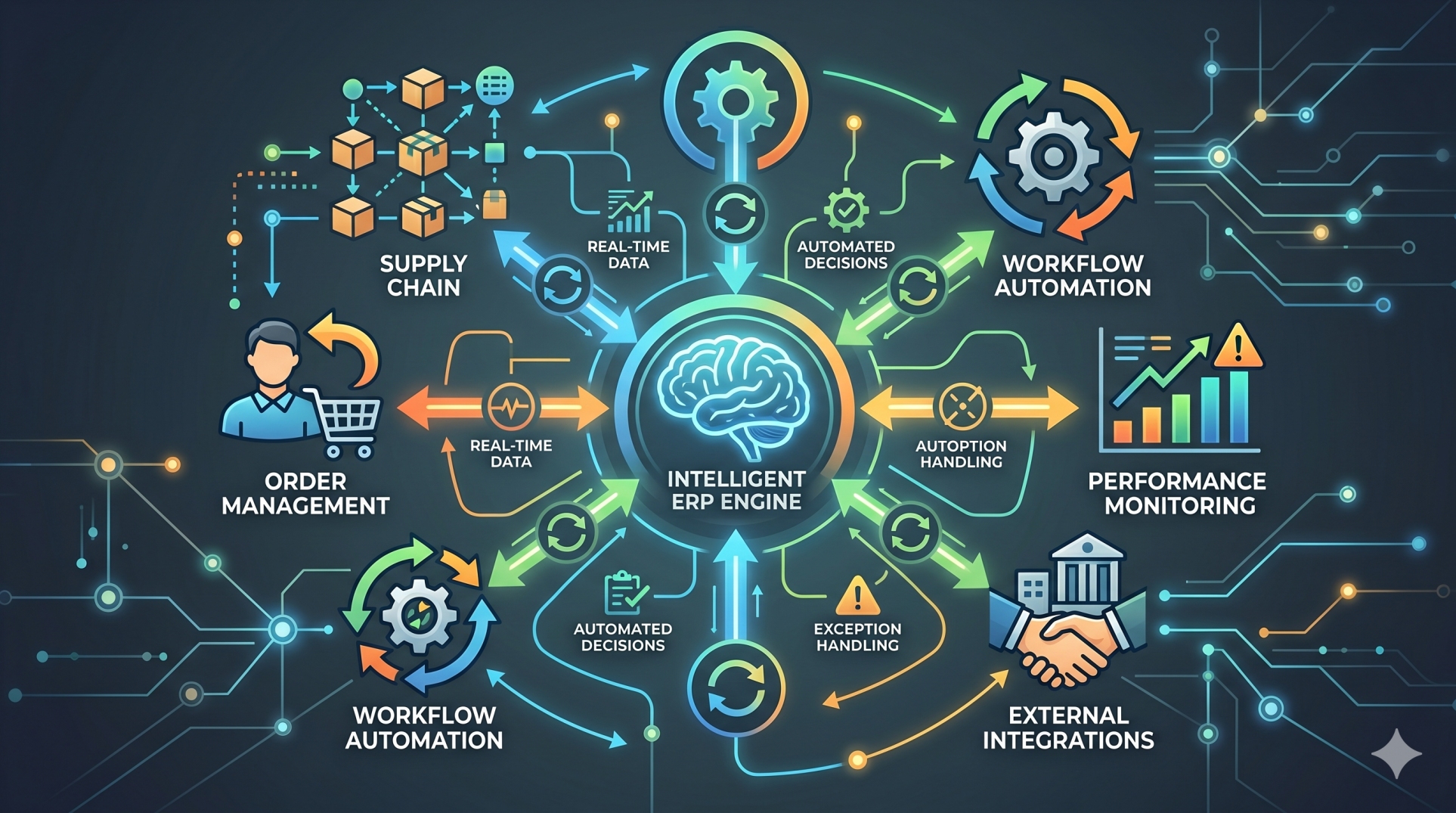
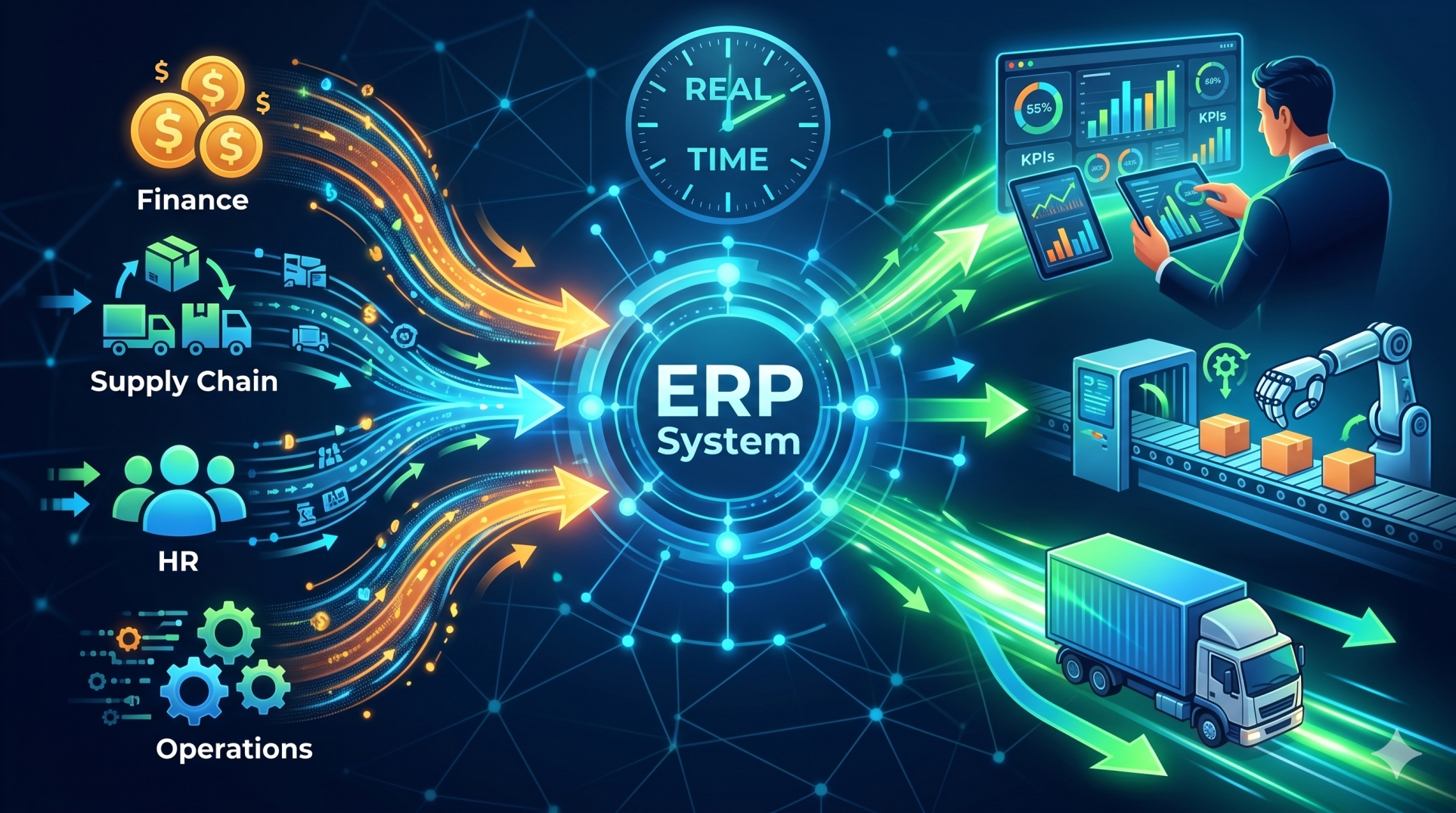
As supply chains become increasingly interconnected and customer expectations continue to rise, logistics and distribution organizations require software that delivers reliability, visibility, and operational control. Enterprise-grade logistics software unifies transportation, warehousing, inventory, procurement, and order fulfillment into a centralized platform. This enables businesses to streamline operations, improve coordination, and build resilient distribution networks that can adapt to changing market demands.
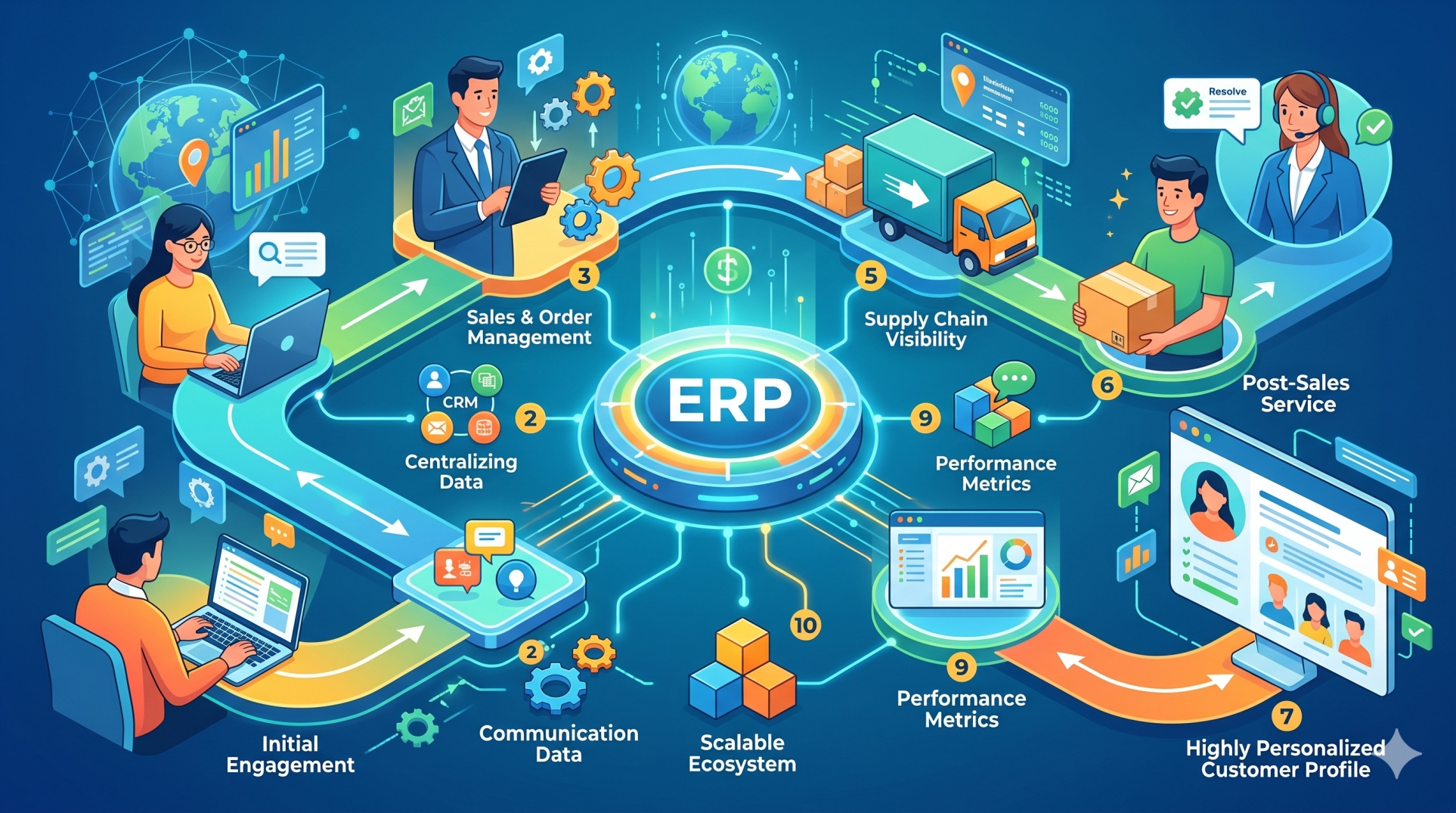
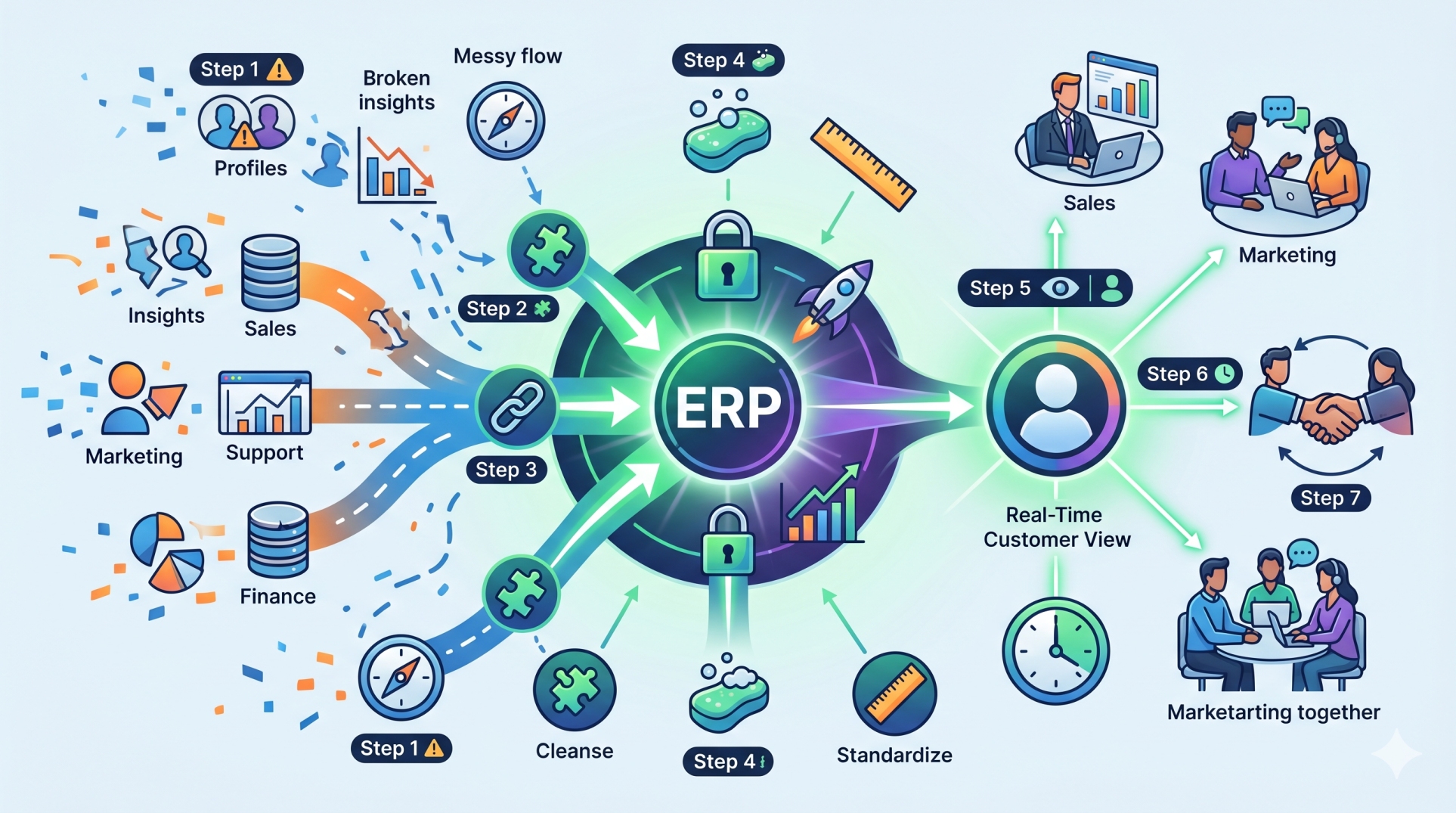
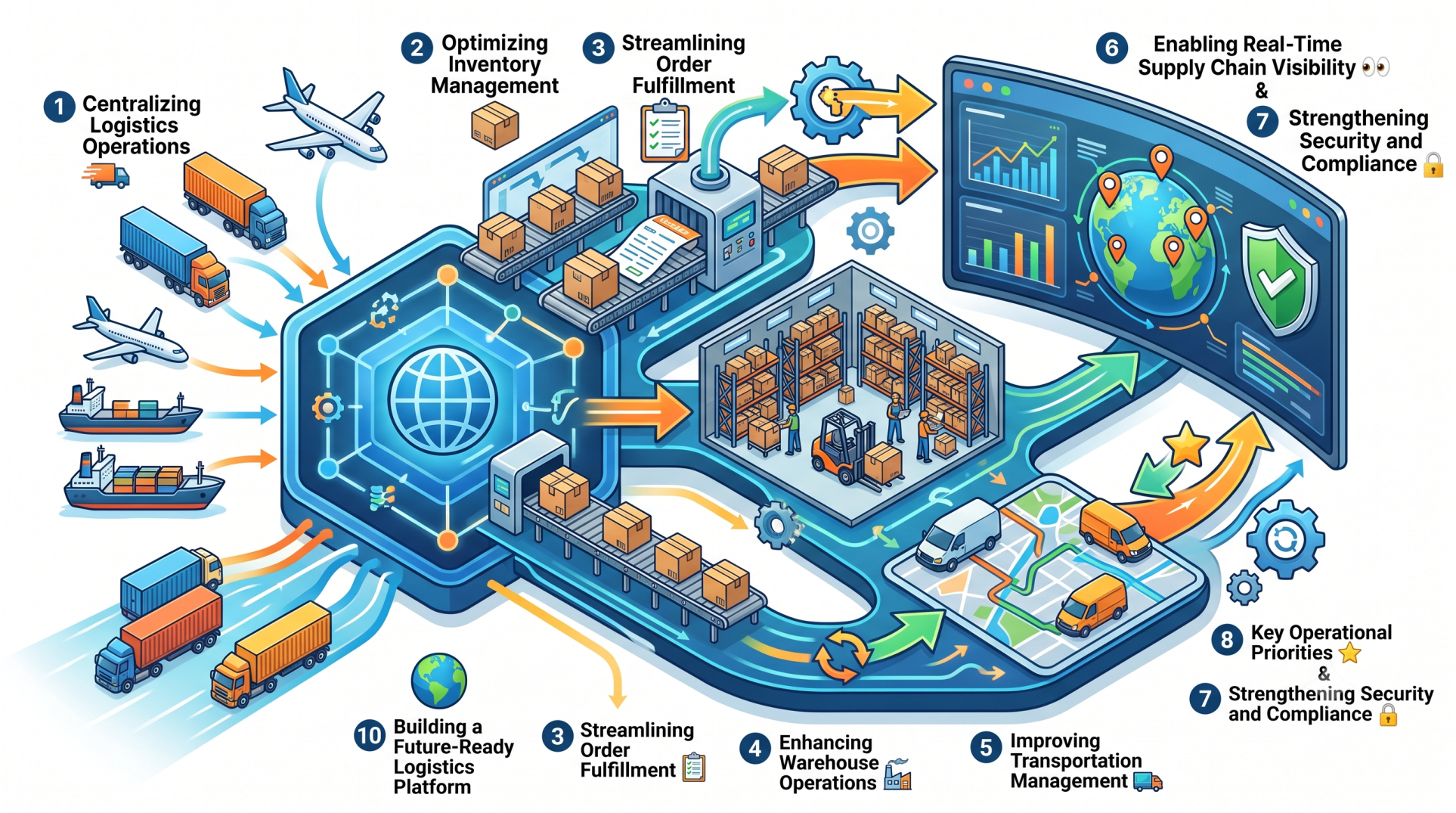
Step 1: Centralizing Logistics Operations 🚚
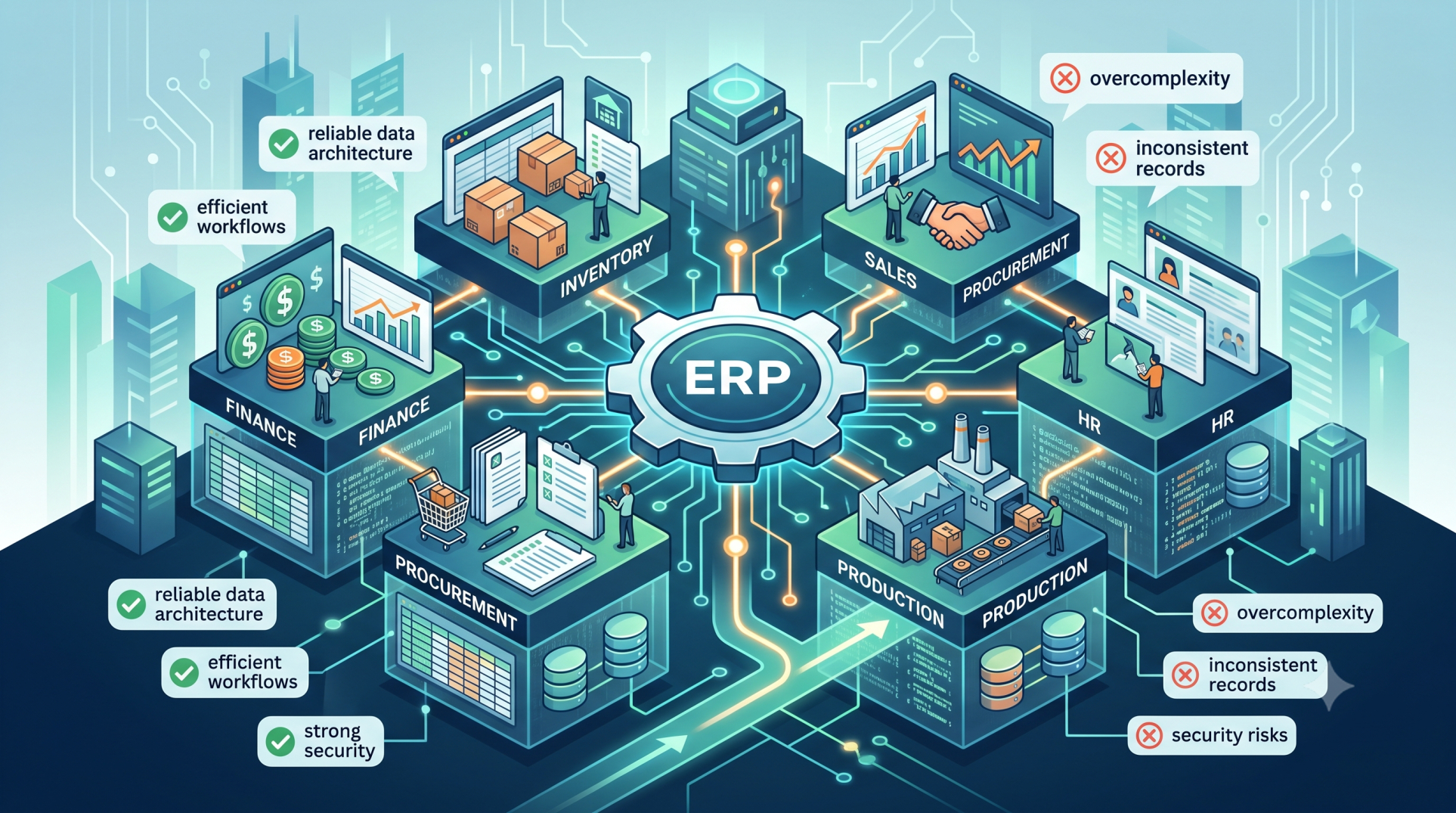
• Manage transportation, warehousing, inventory, and distribution from one platform 🏢
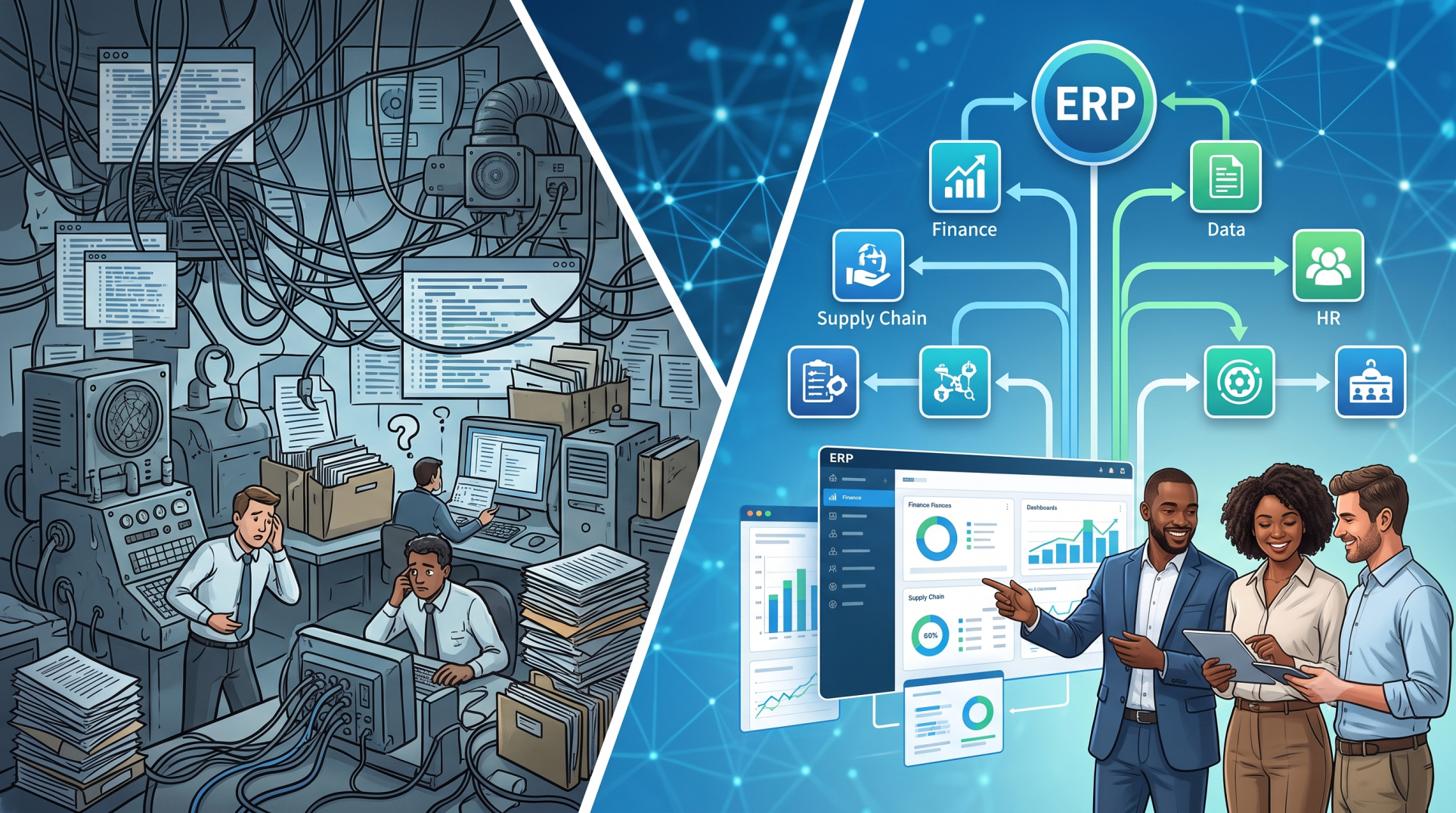
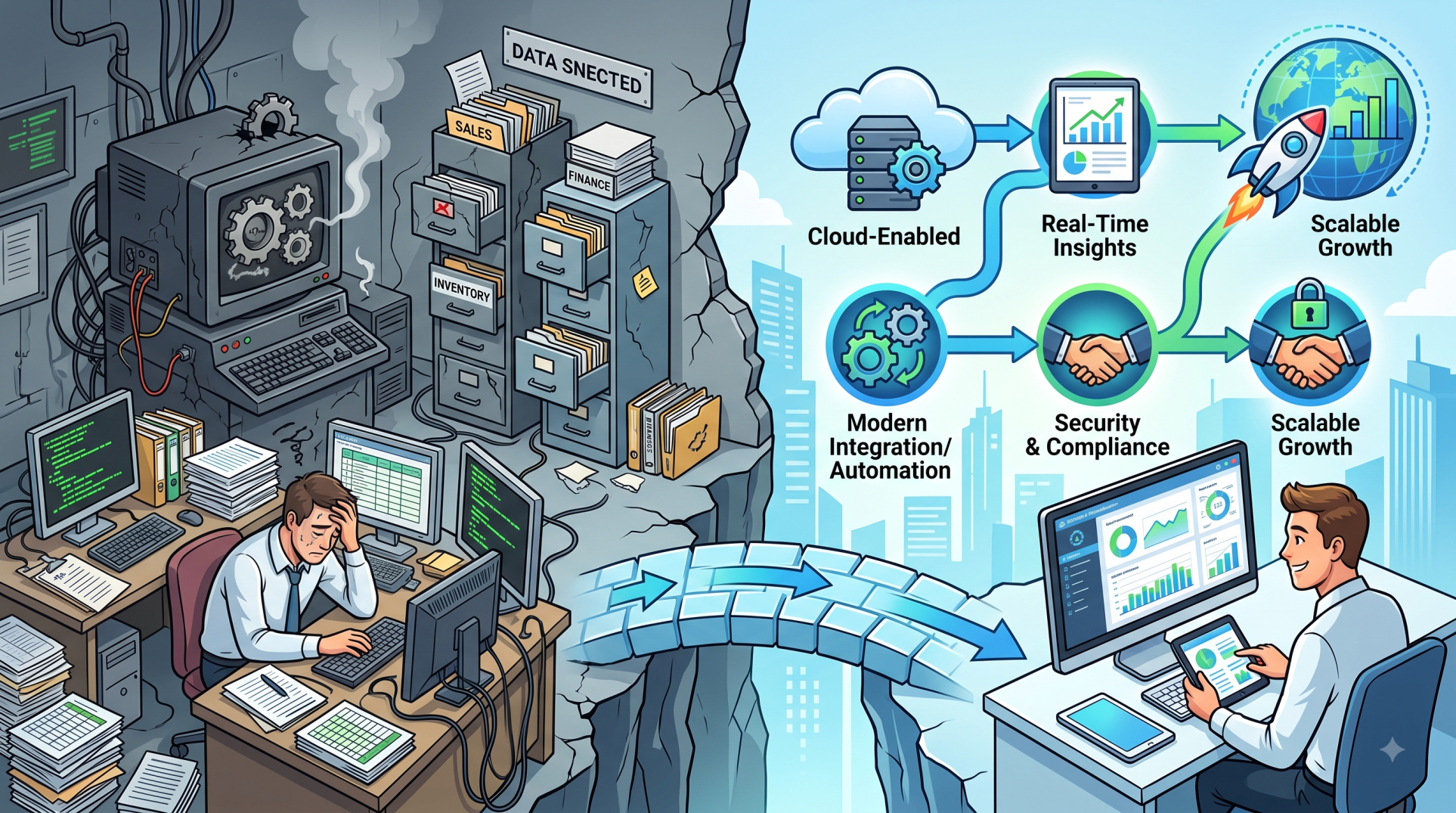
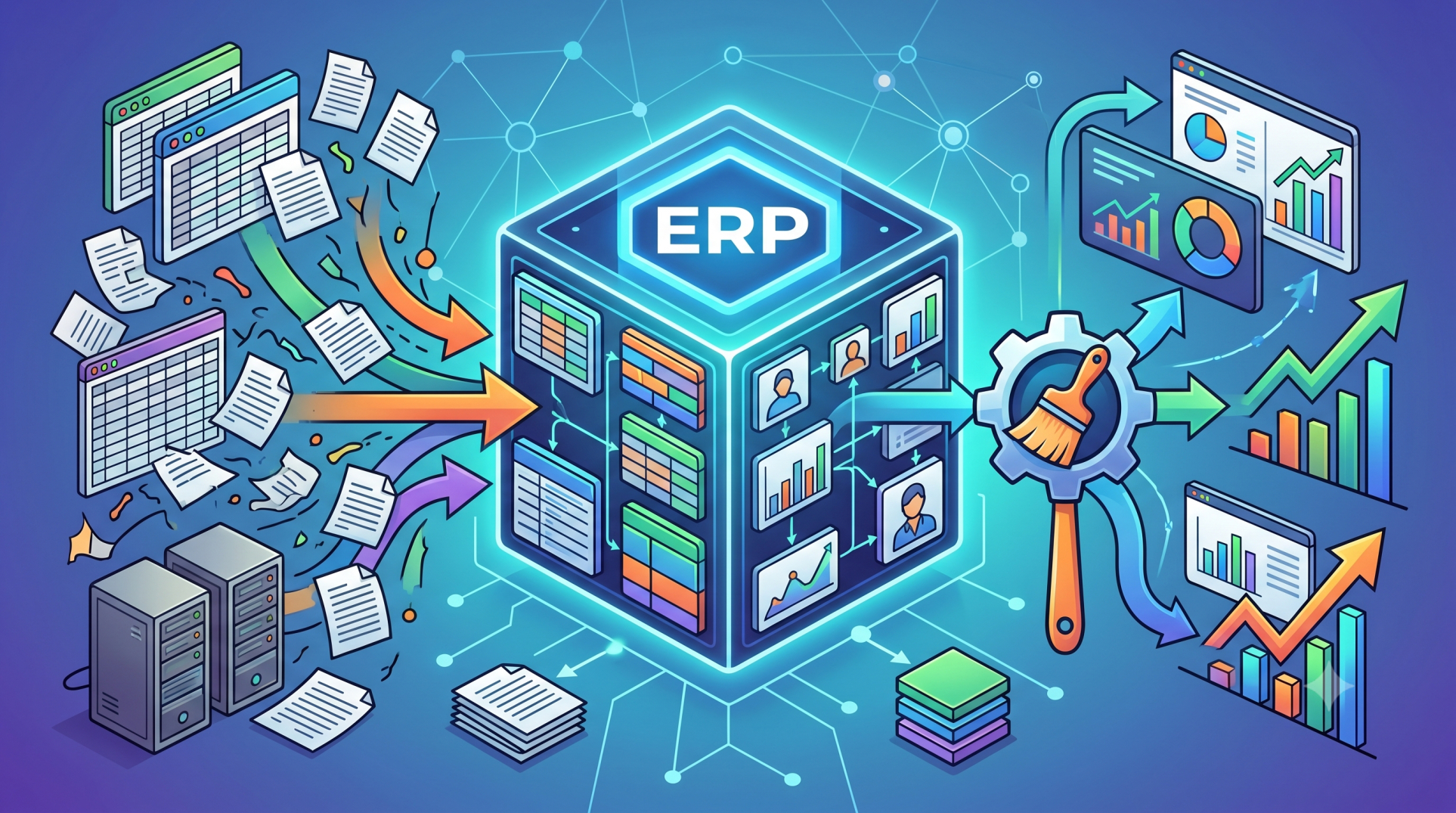
• Eliminate disconnected systems and fragmented data 🔄
• Create a single source of operational information 📊
• Improve collaboration across logistics teams 🤝
• Support consistent processes throughout the supply chain ⚙️
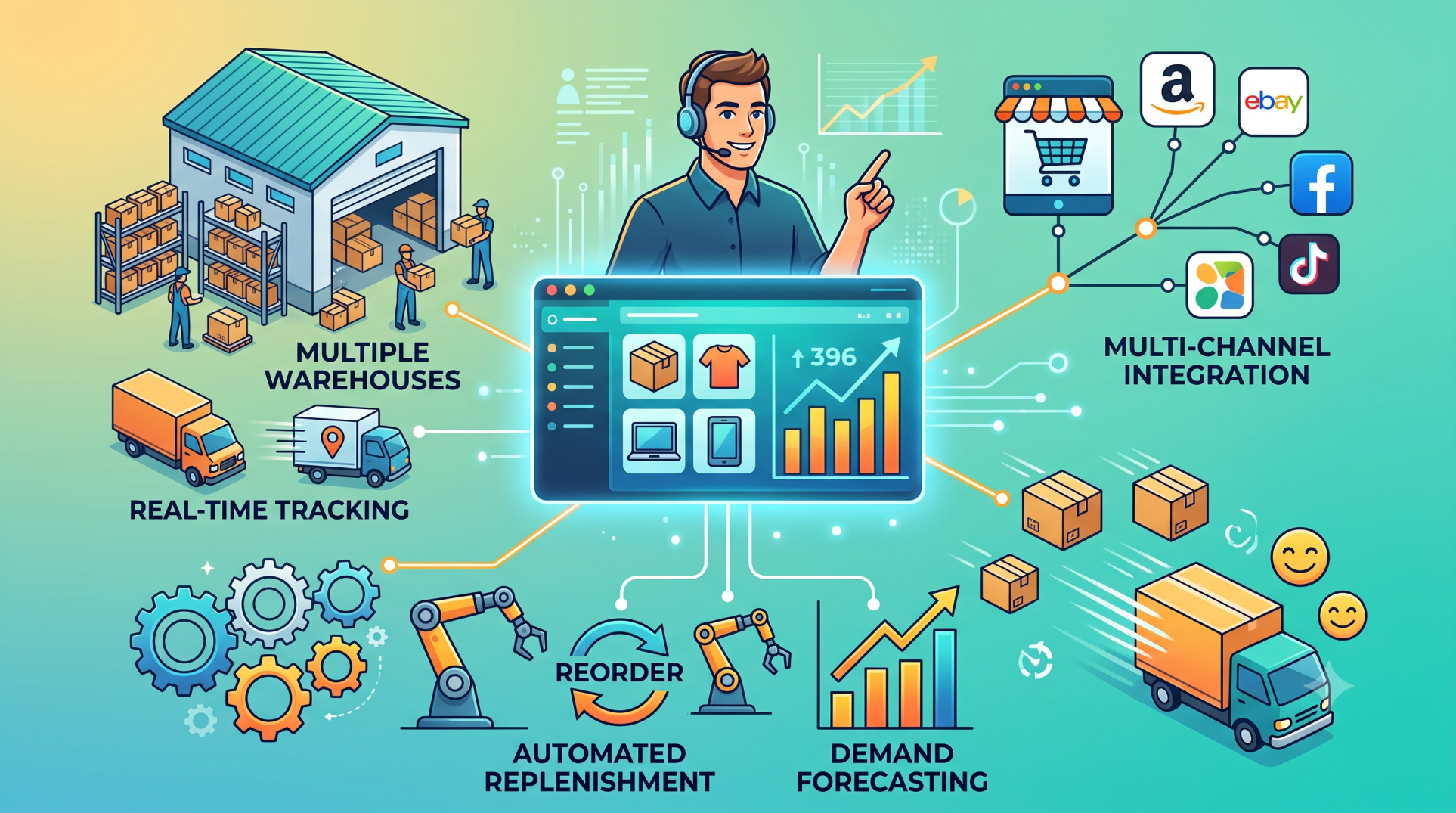
Step 2: Optimizing Inventory Management 📦
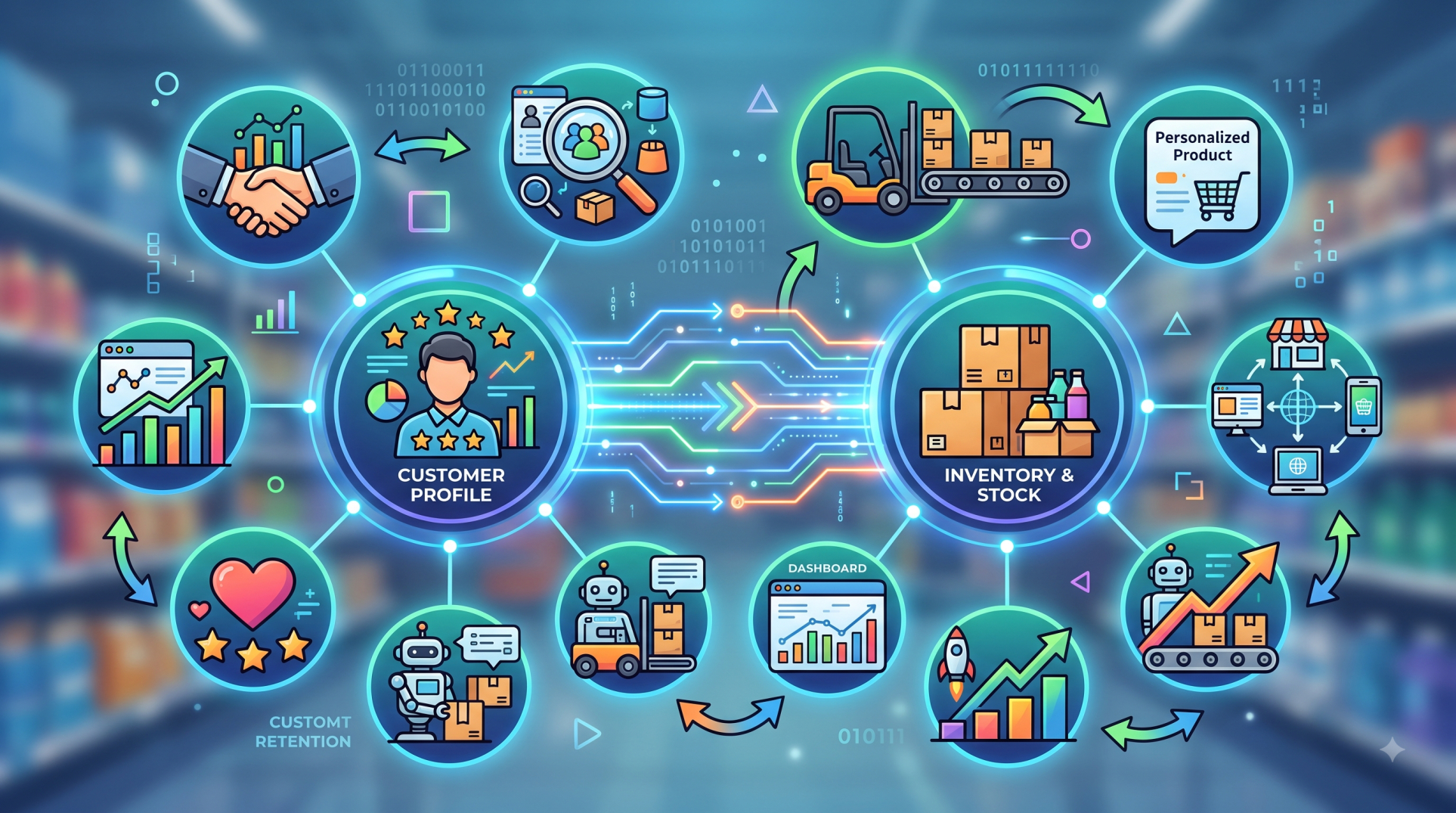
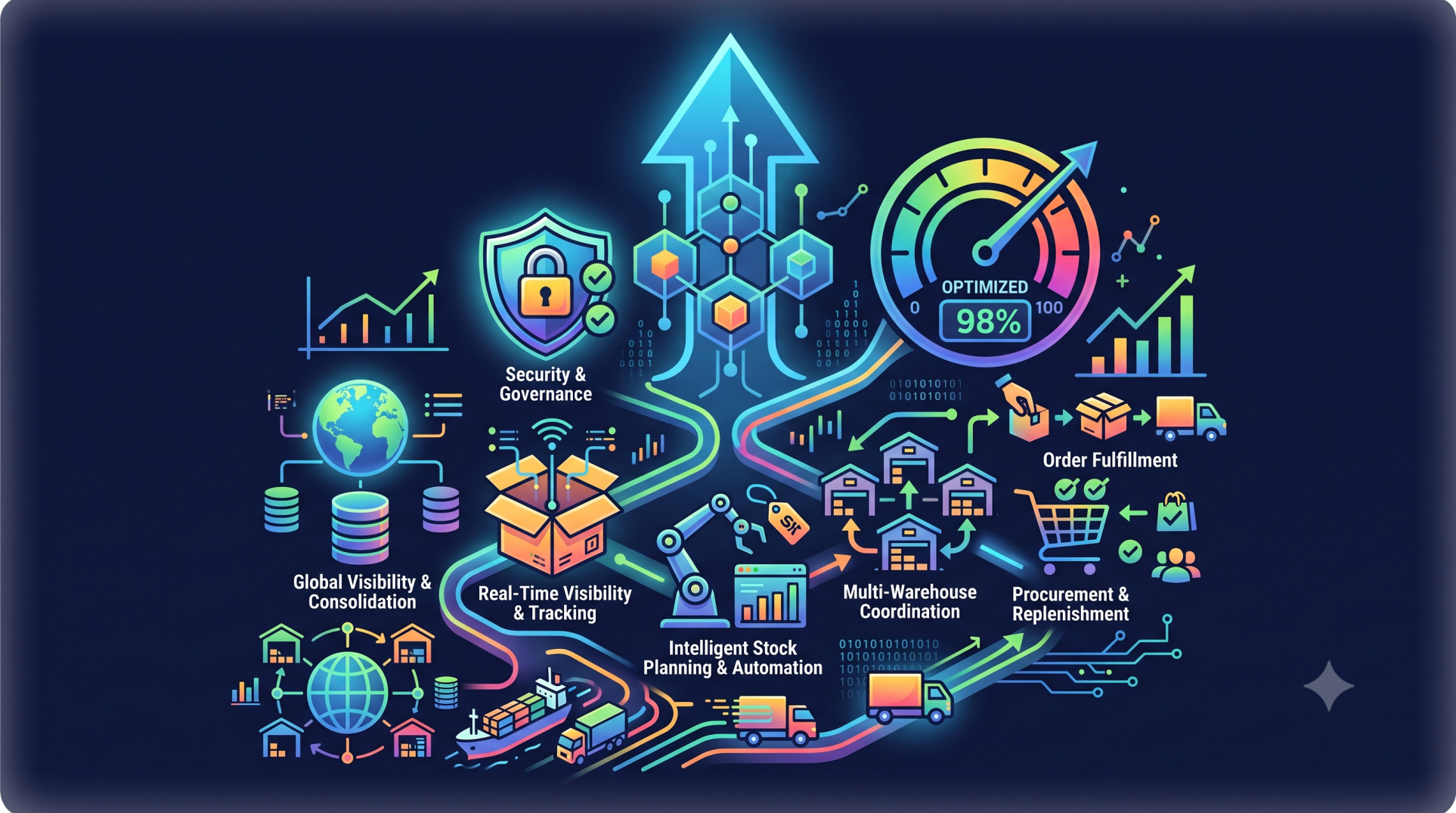
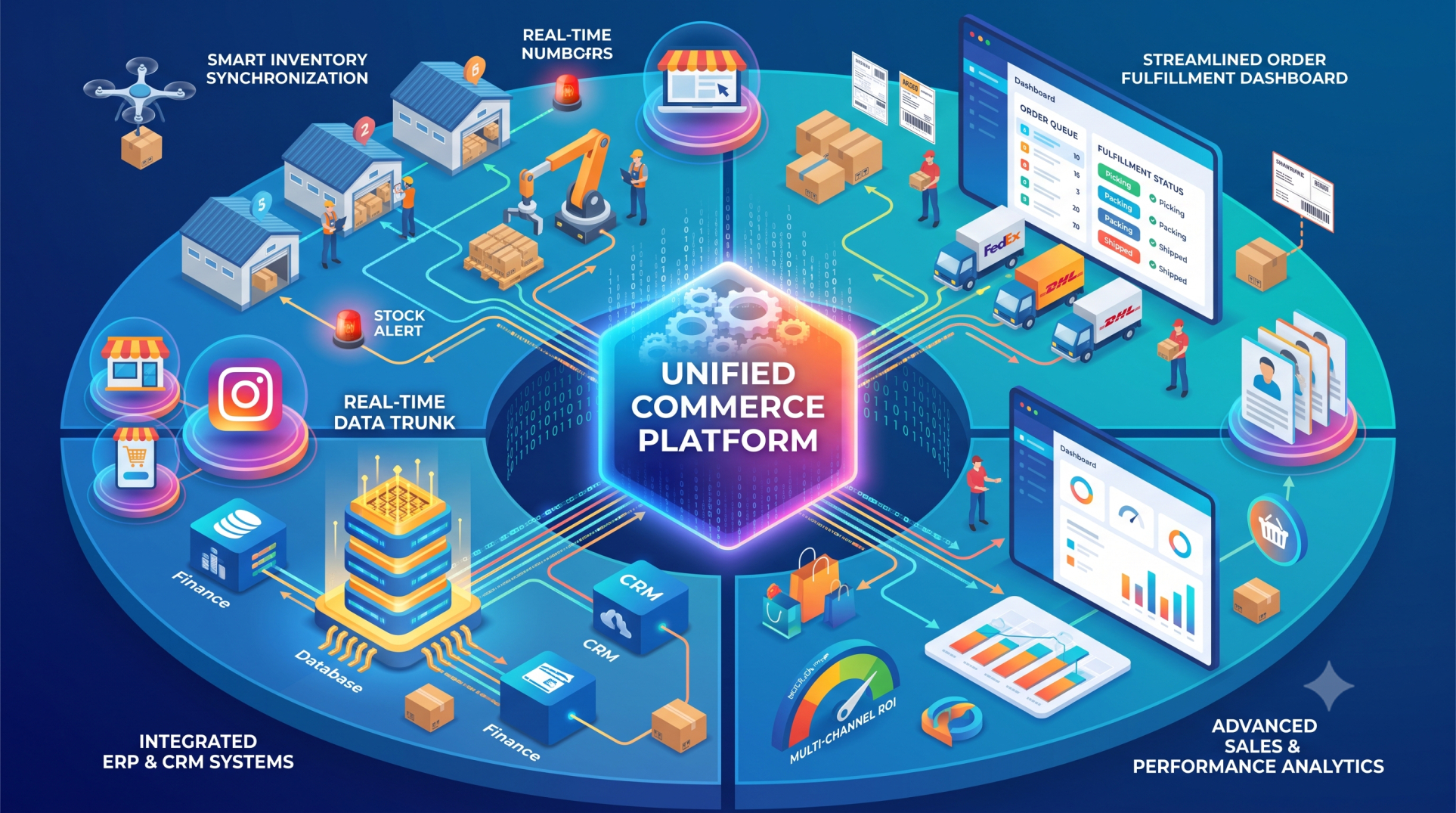
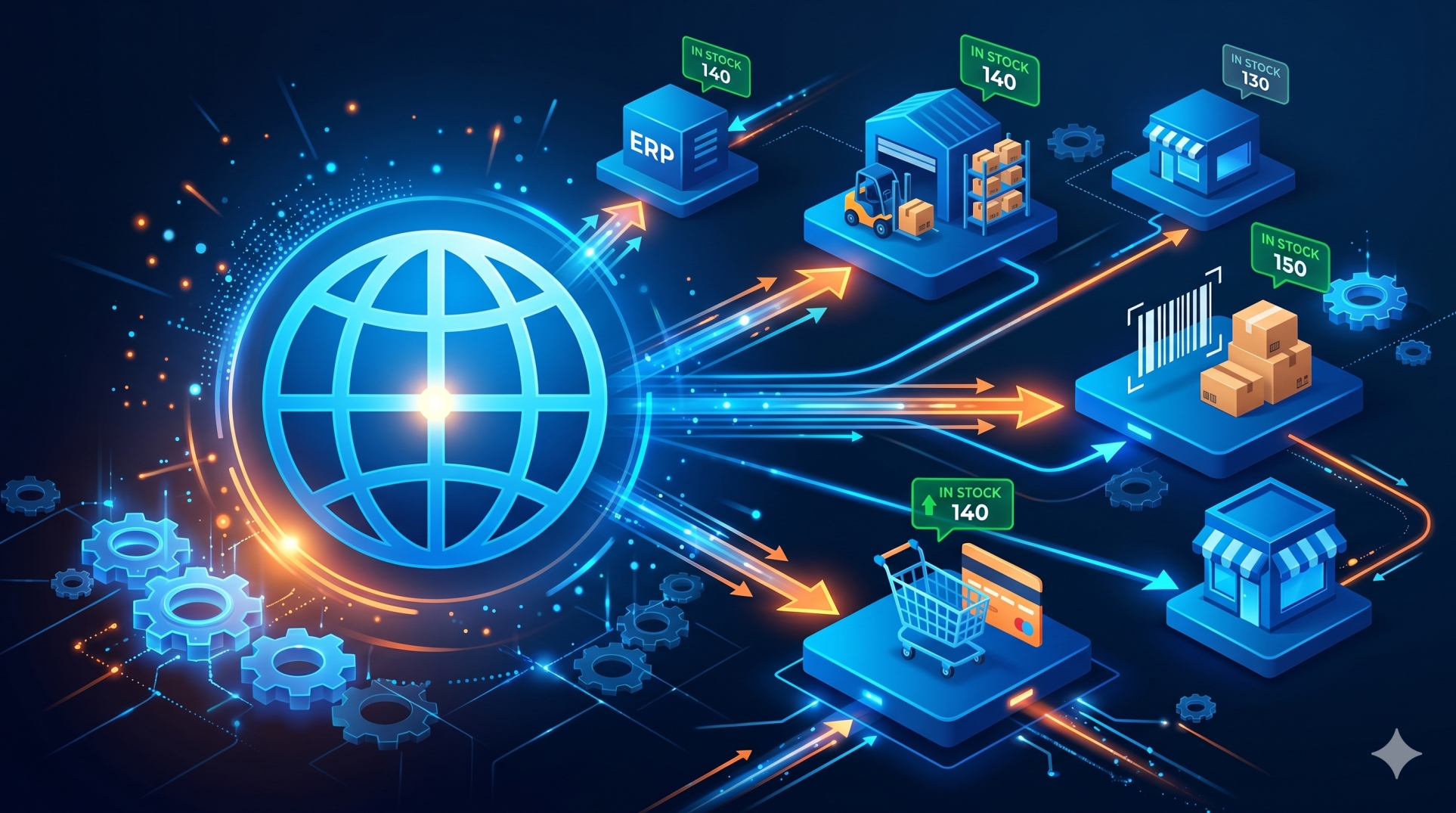
• Monitor inventory levels in real time 📈
• Improve stock accuracy across multiple warehouses 🏬
• Reduce overstocking and stock shortages ⚖️
• Automate replenishment based on demand forecasts 🔄
• Increase inventory visibility throughout the distribution network 👀
Step 3: Streamlining Order Fulfillment 📋
• Automate order processing from receipt to delivery 🤖
• Prioritize orders based on business requirements ⭐
• Coordinate picking, packing, and shipping efficiently 📦
• Minimize fulfillment delays and manual errors ✅
• Improve order accuracy and customer satisfaction 😊
Step 4: Enhancing Warehouse Operations 🏭
• Optimize warehouse layouts and storage utilization 📍
• Improve receiving, put-away, and picking workflows 🚜
• Monitor warehouse productivity through live dashboards 📊
• Coordinate labor and equipment efficiently 👷
• Reduce operational bottlenecks and handling time ⏱️
Step 5: Improving Transportation Management 🚛
• Plan efficient delivery routes using real-time data 🗺️
• Track shipments throughout the transportation lifecycle 📡
• Optimize carrier selection and freight utilization 🚚
• Reduce transportation costs while improving service levels 💰
• Respond quickly to delivery disruptions and delays ⚡
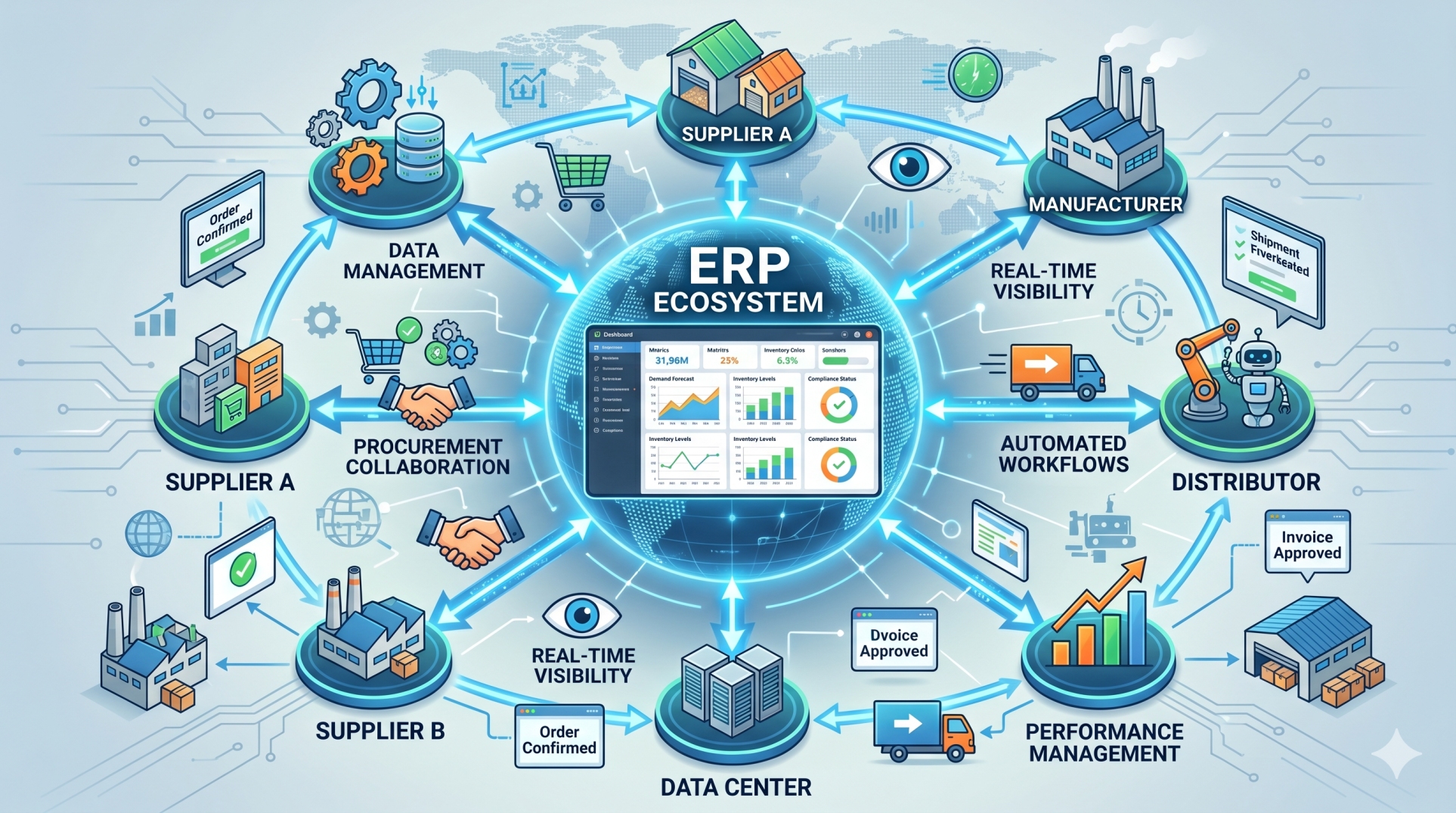
Step 6: Enabling Real-Time Supply Chain Visibility 👀
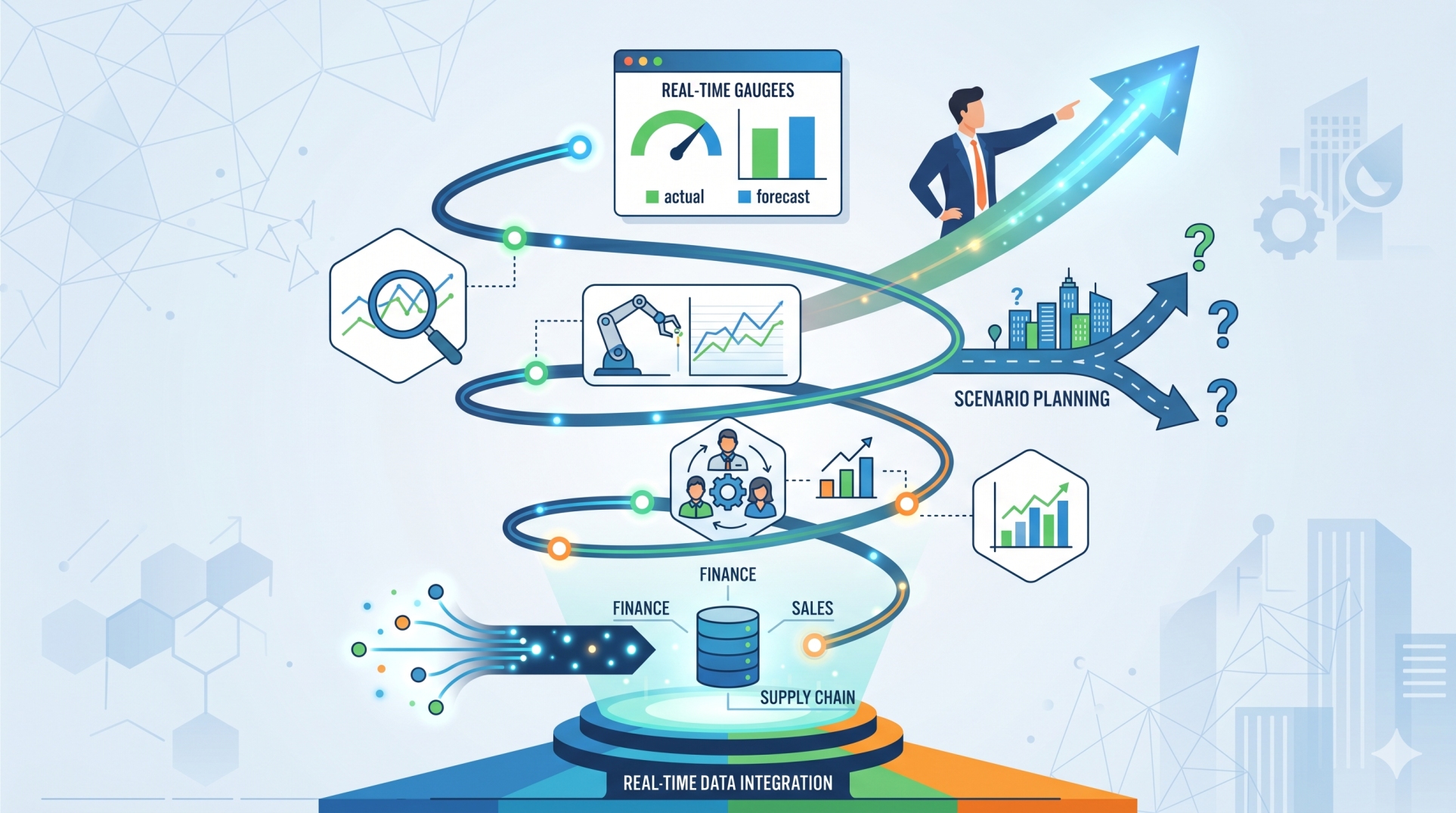
• Monitor logistics activities across every distribution stage 📡
• Track shipments, inventory, and warehouse operations simultaneously 📦
• Generate live dashboards for operational monitoring 🖥️
• Identify issues before they impact customers 🚨
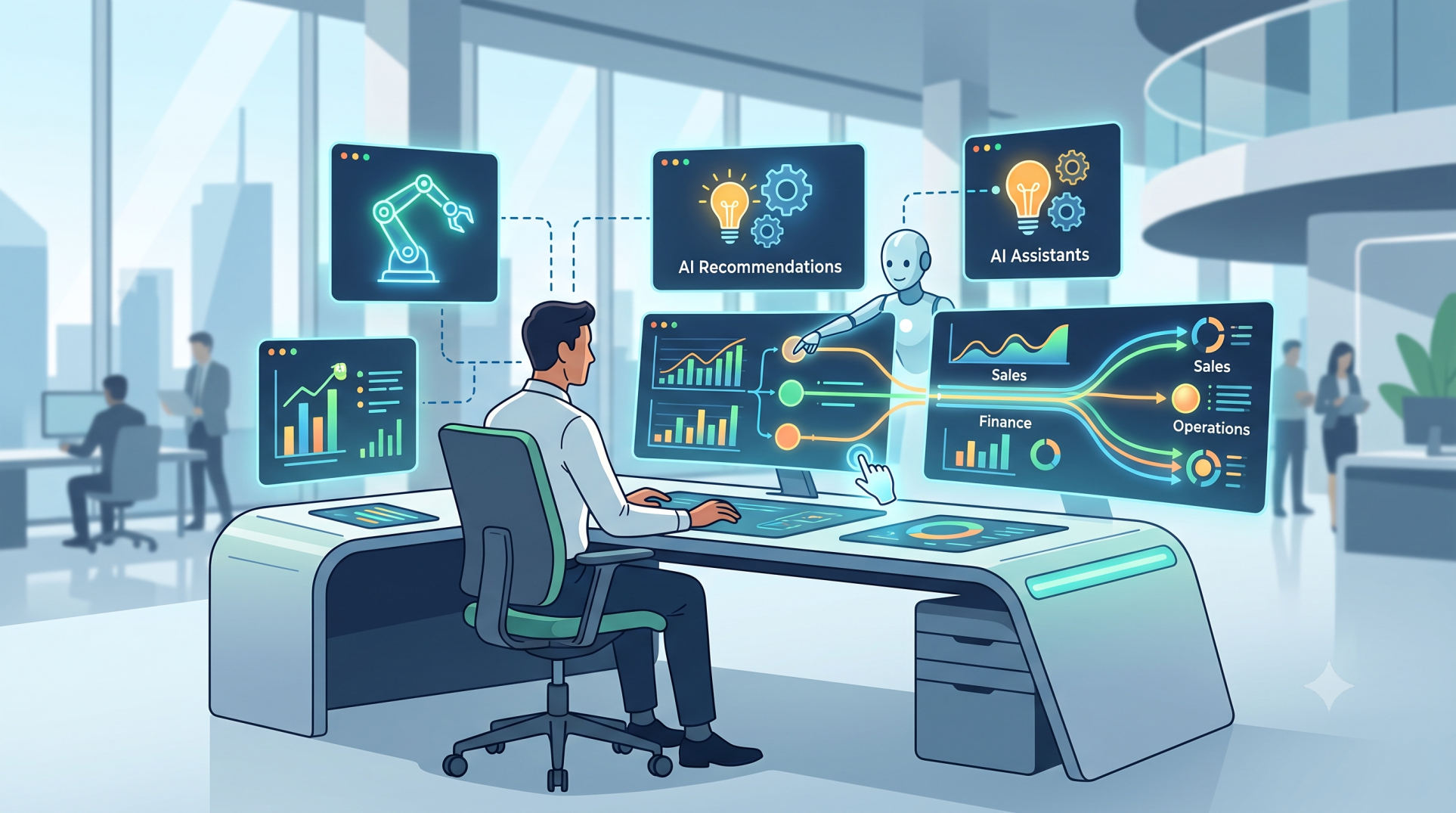
• Support faster and more informed decision-making 💡
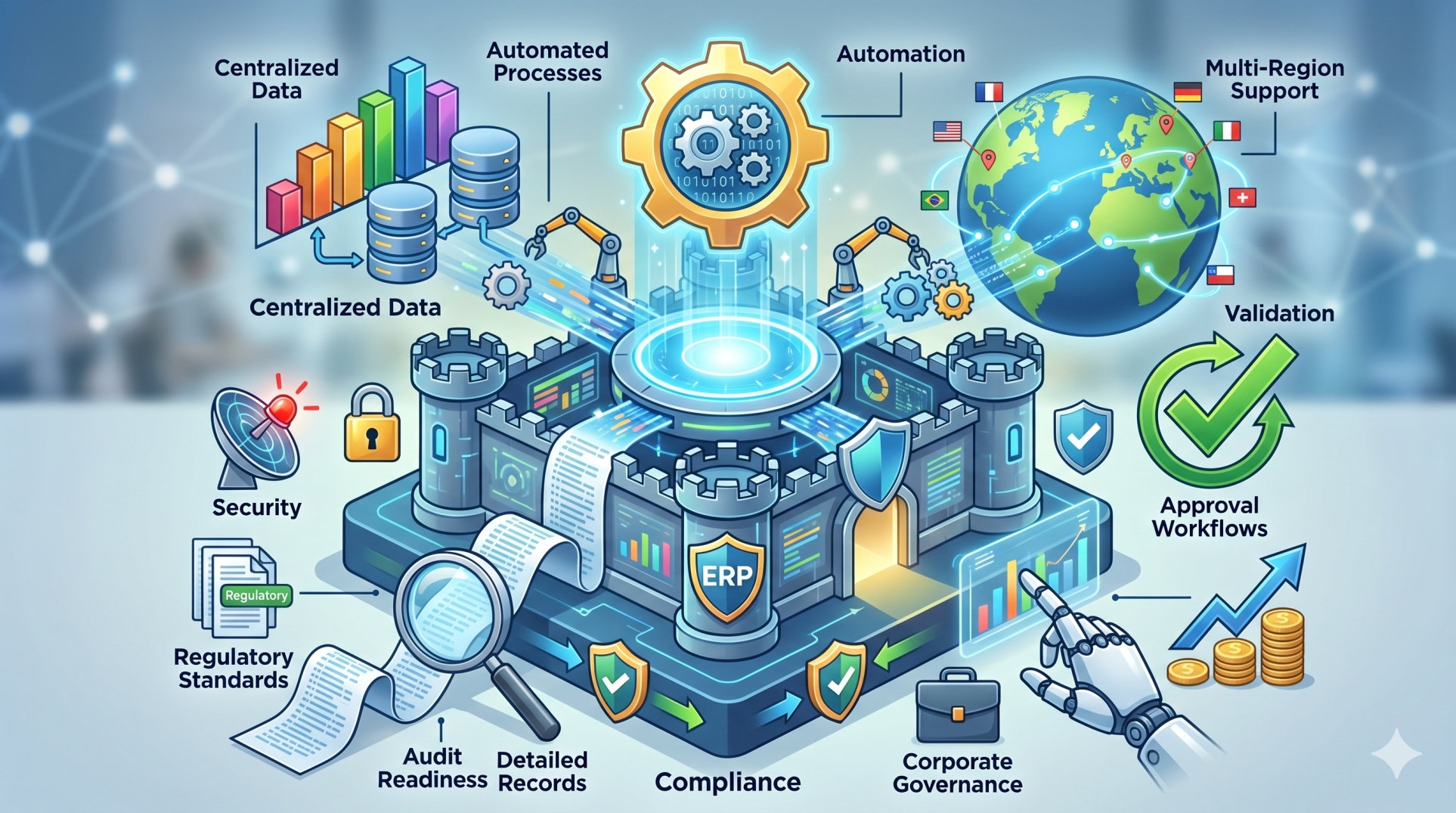
Step 7: Strengthening Security and Compliance 🔐
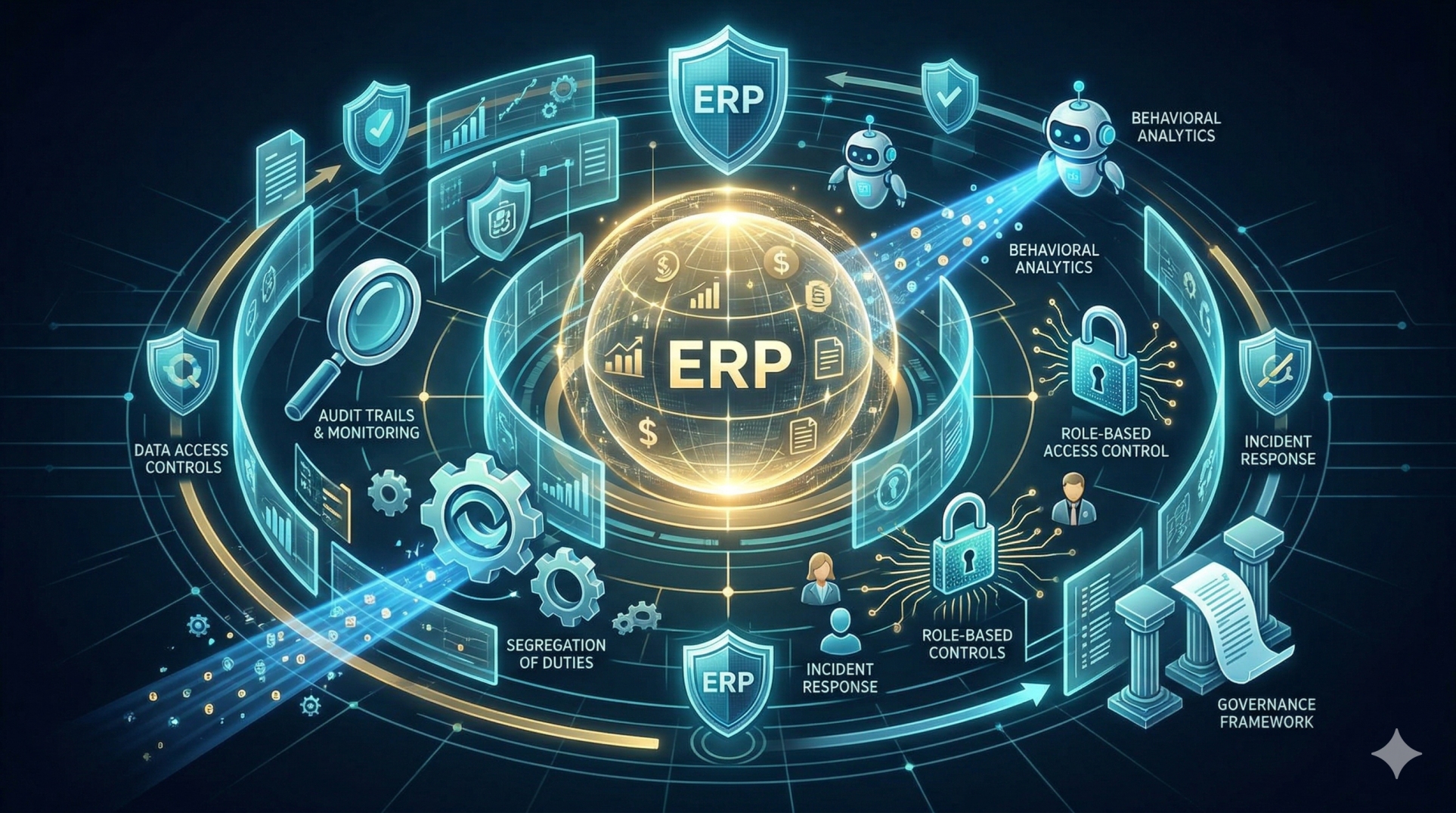
• Protect operational and customer data with secure access controls 🛡️
• Maintain detailed audit trails across logistics processes 🧾
• Ensure compliance with transportation and industry regulations 📜
• Monitor system activities for operational integrity 👁️
• Reduce business risks through standardized governance ✅
Step 8: Key Operational Priorities ⭐
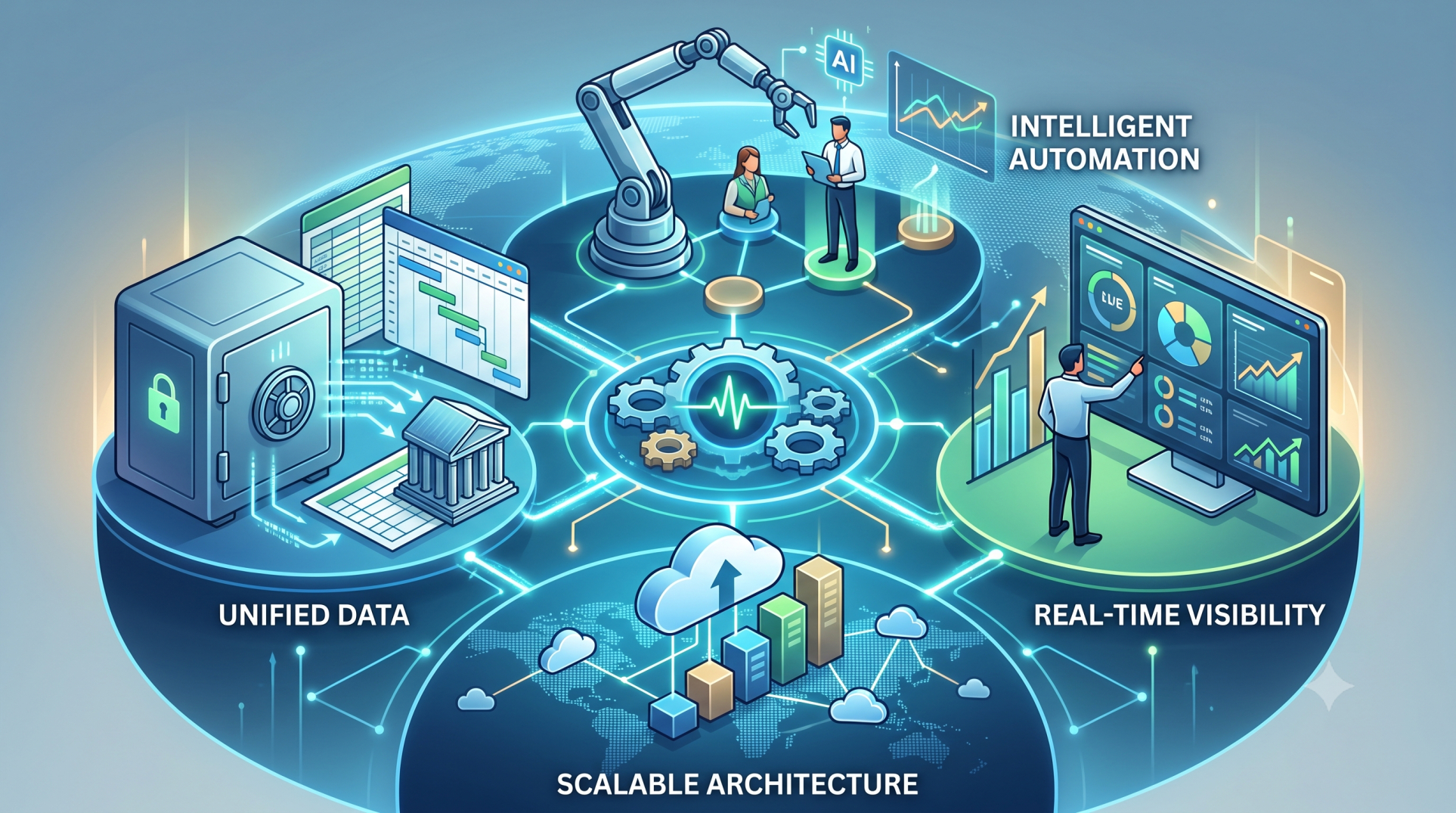
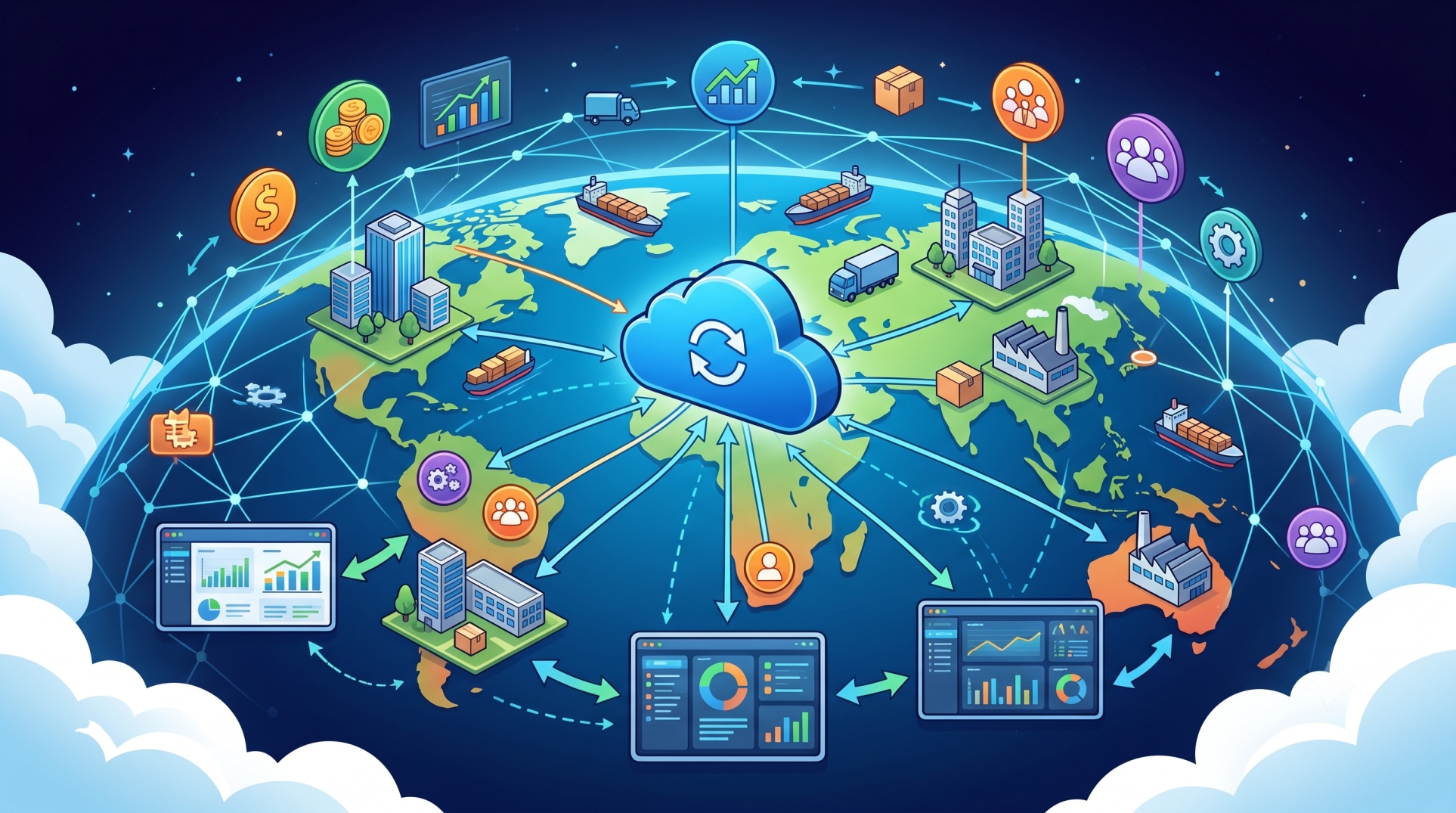
• End-to-end visibility across logistics and distribution 🌐
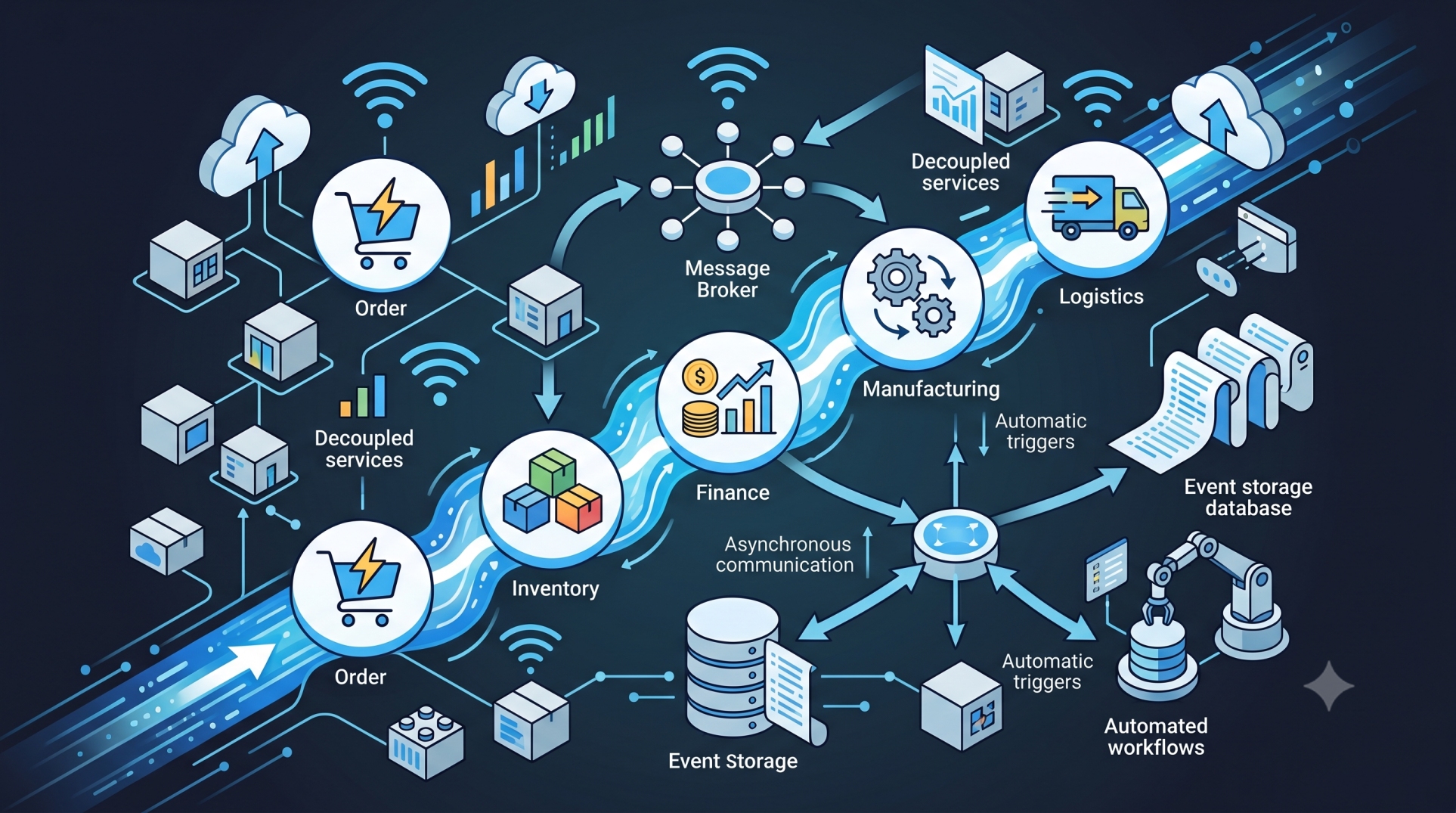
• Automated workflows that improve operational efficiency ⚙️
• Real-time inventory and shipment tracking 📍
• Scalable infrastructure that supports business growth 🚀
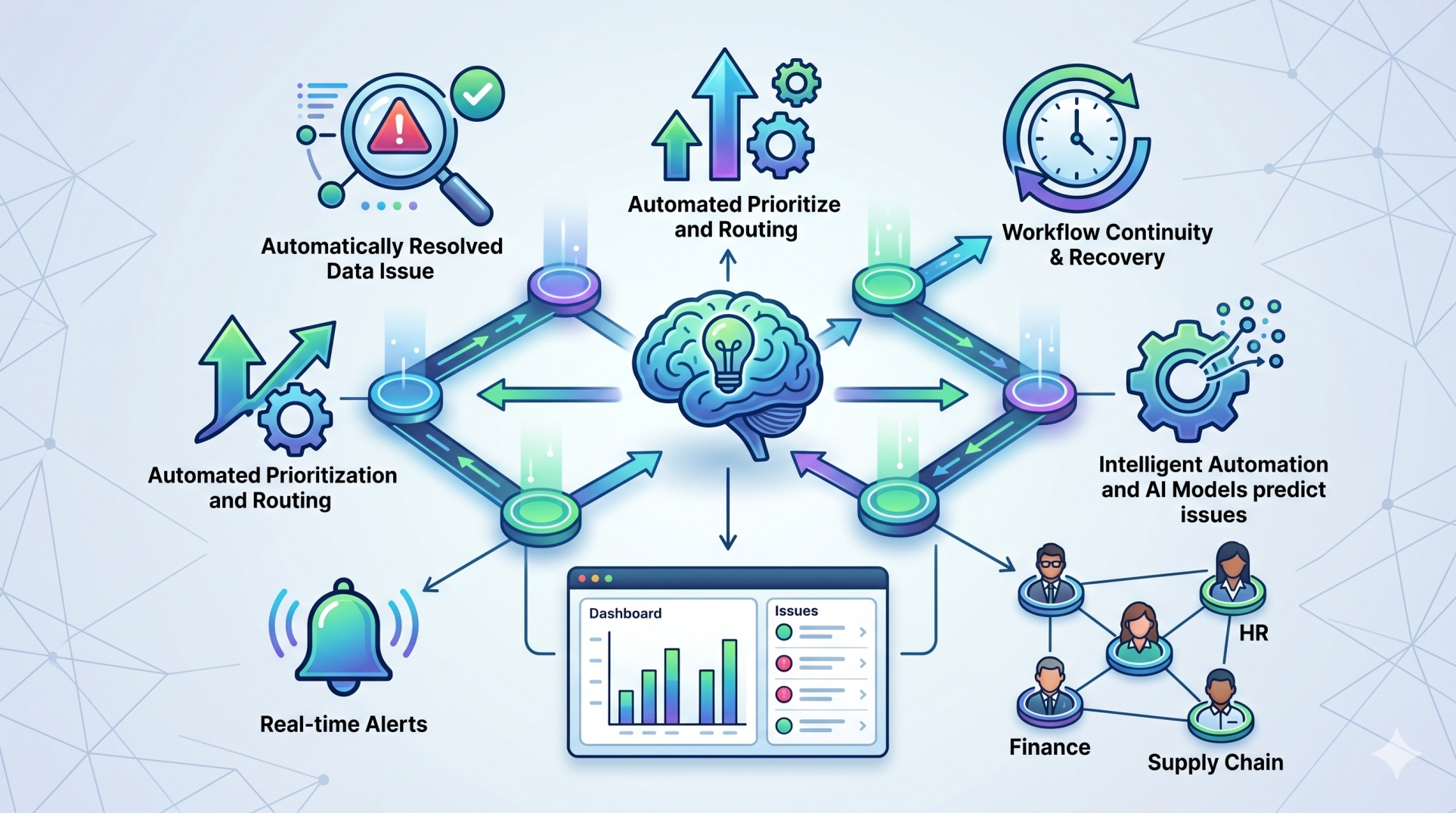
Step 9: Managing Supply Chain Disruptions 🔄
• Detect delays and operational issues early ⚠️
• Reroute shipments when transportation conditions change 🛣️
• Balance inventory across multiple distribution centers 📦
• Maintain business continuity during peak demand 📈
• Improve resilience through proactive planning 💪
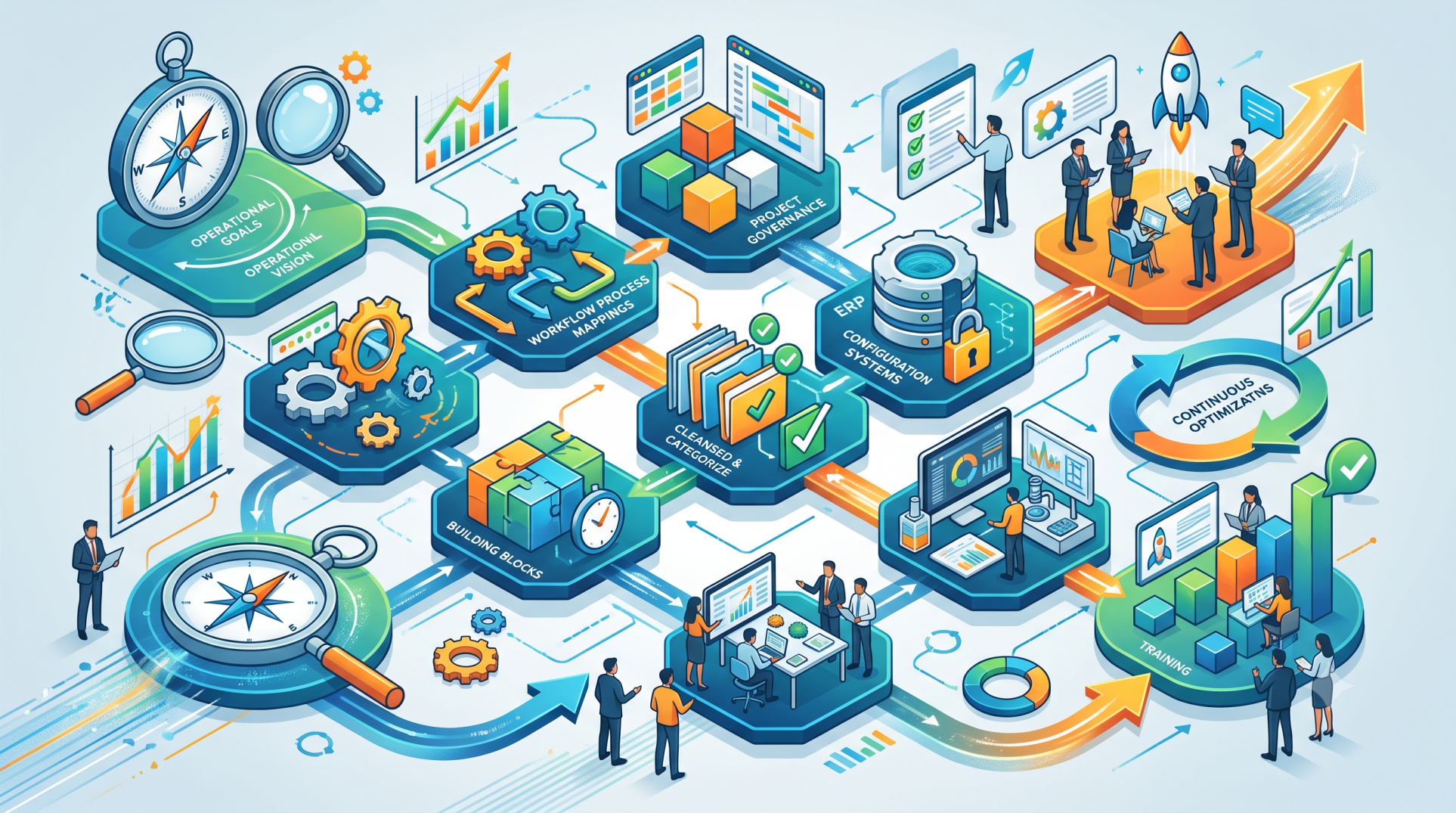
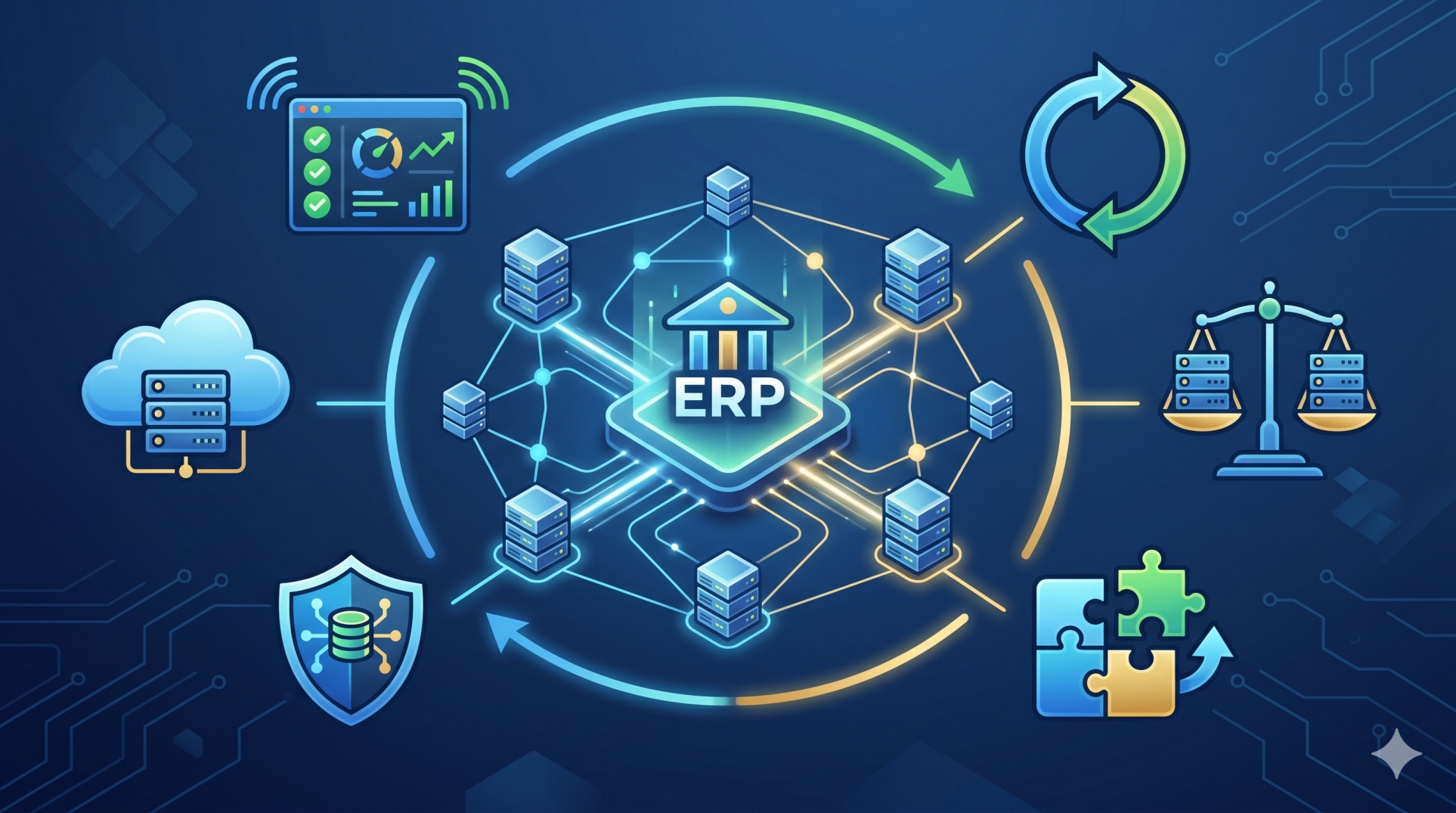
Step 10: Building a Future-Ready Logistics Platform 🌍
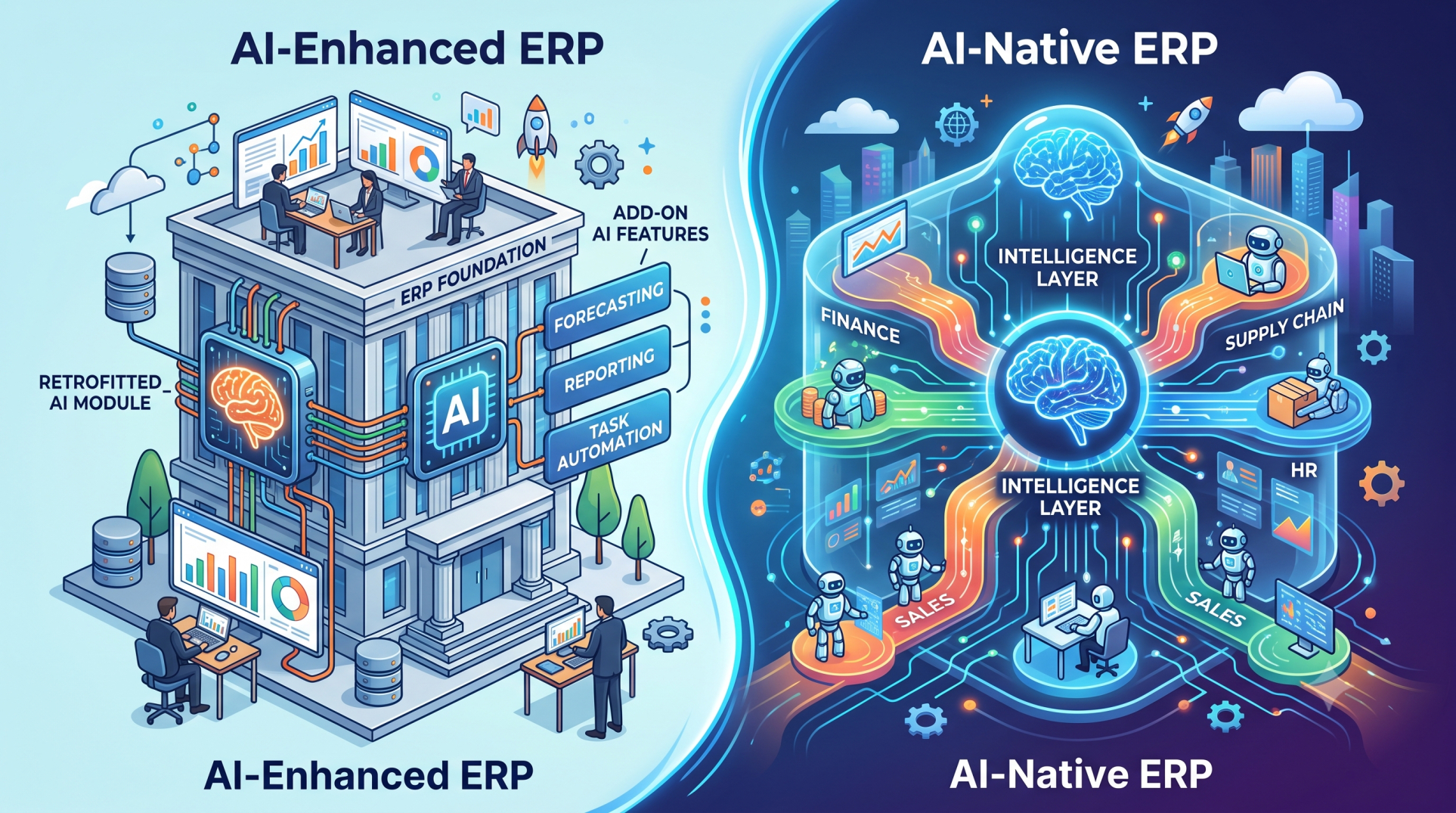
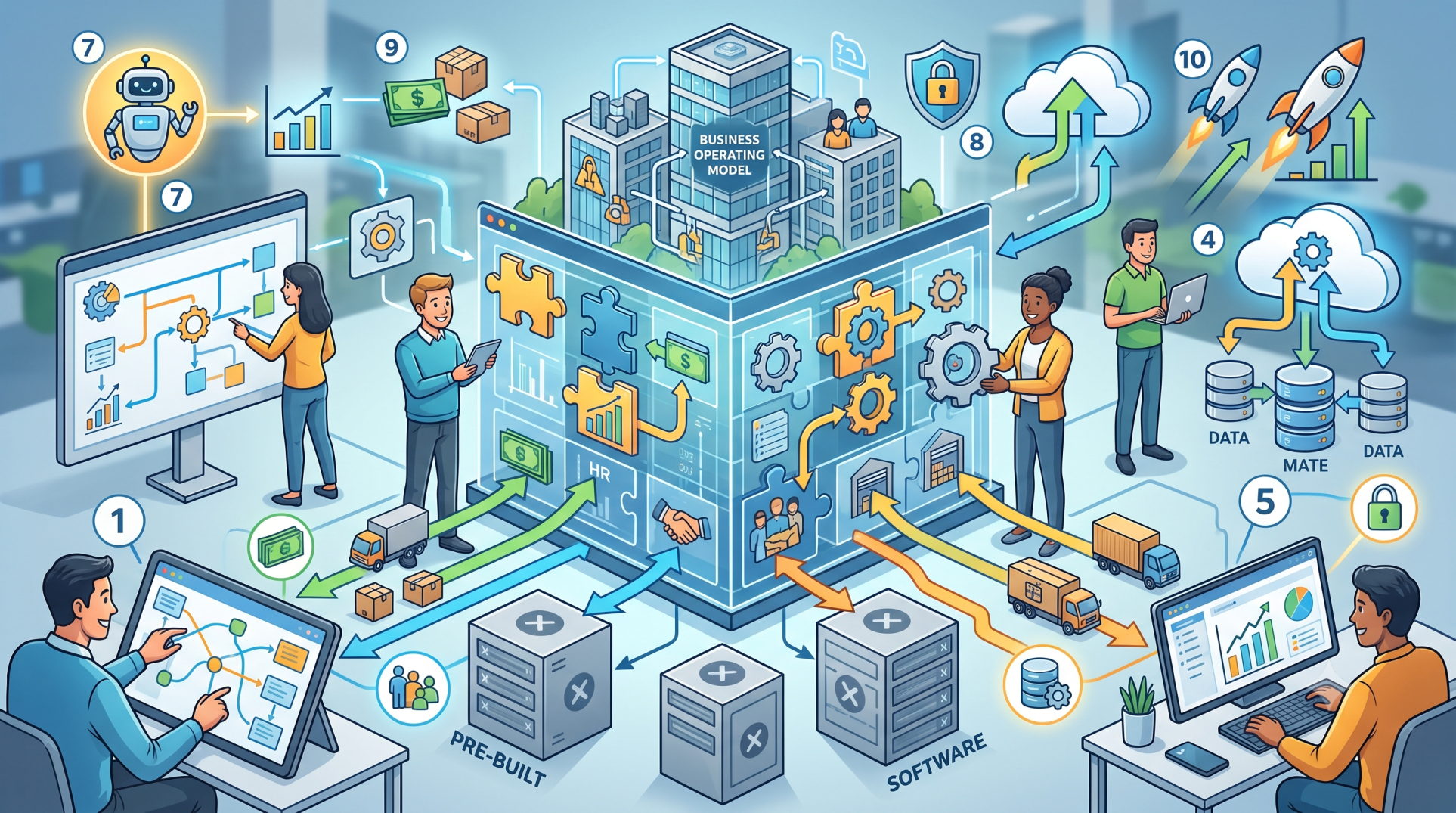
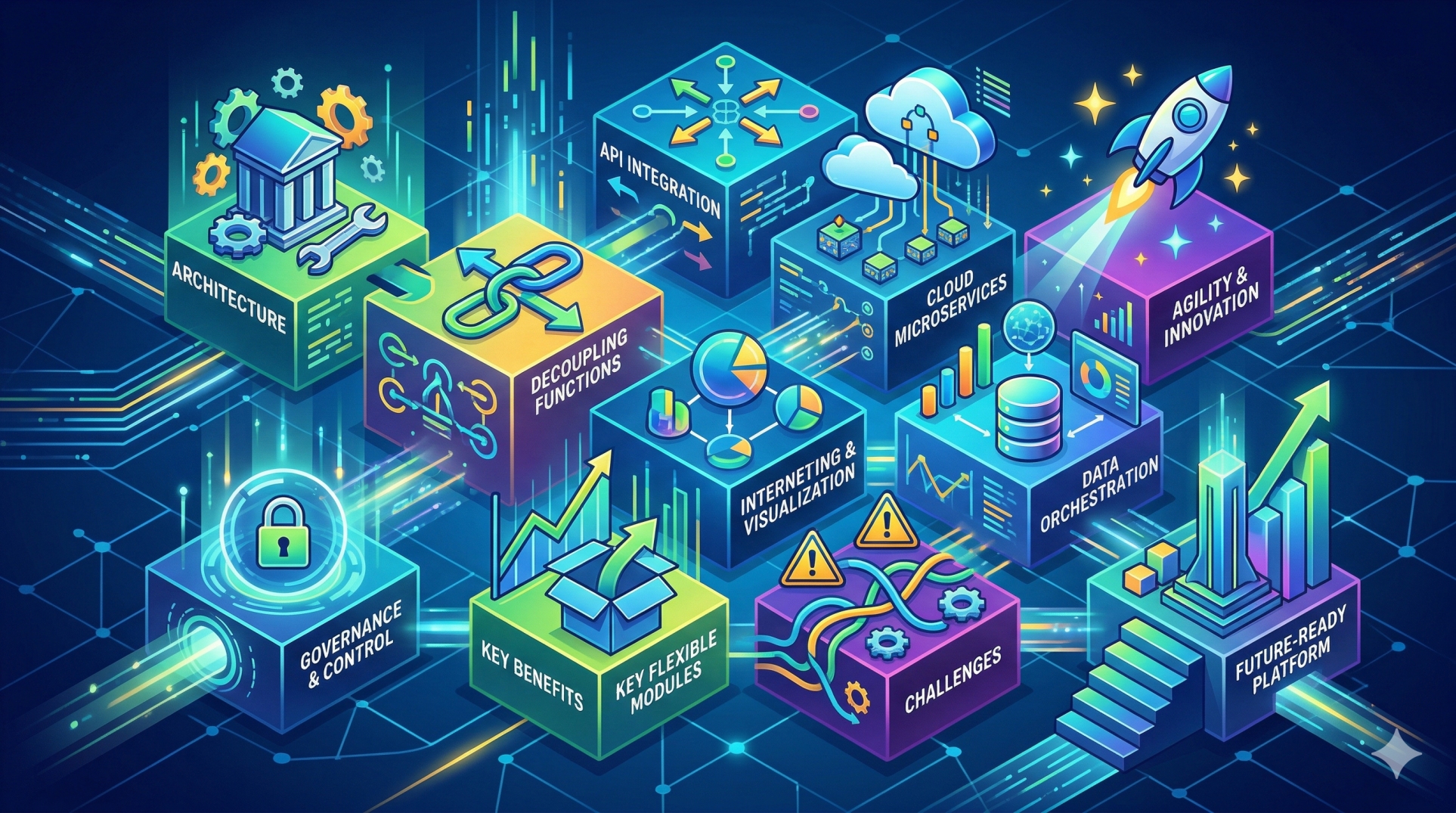
• Design flexible software architectures for long-term scalability 🏗️
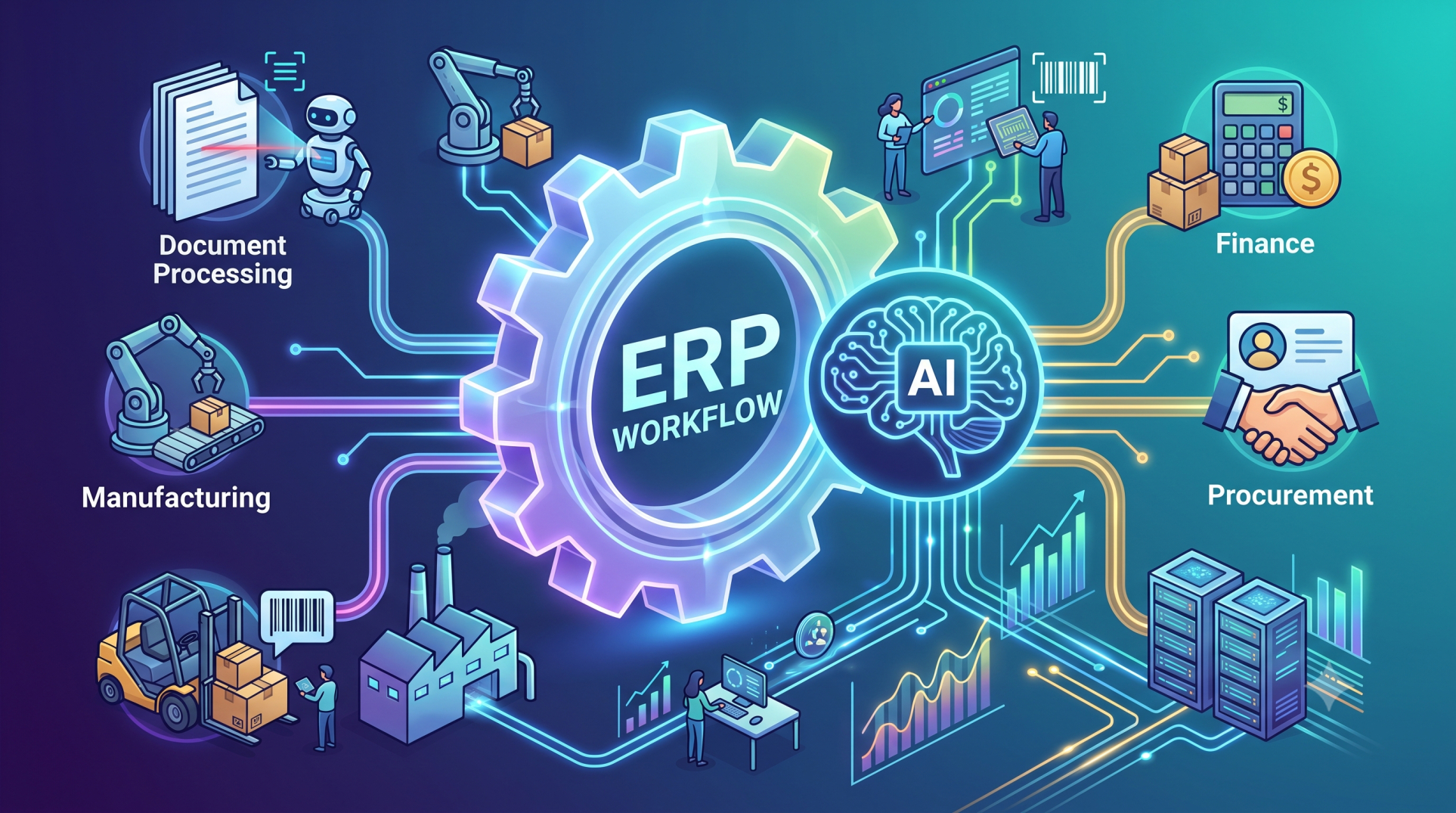
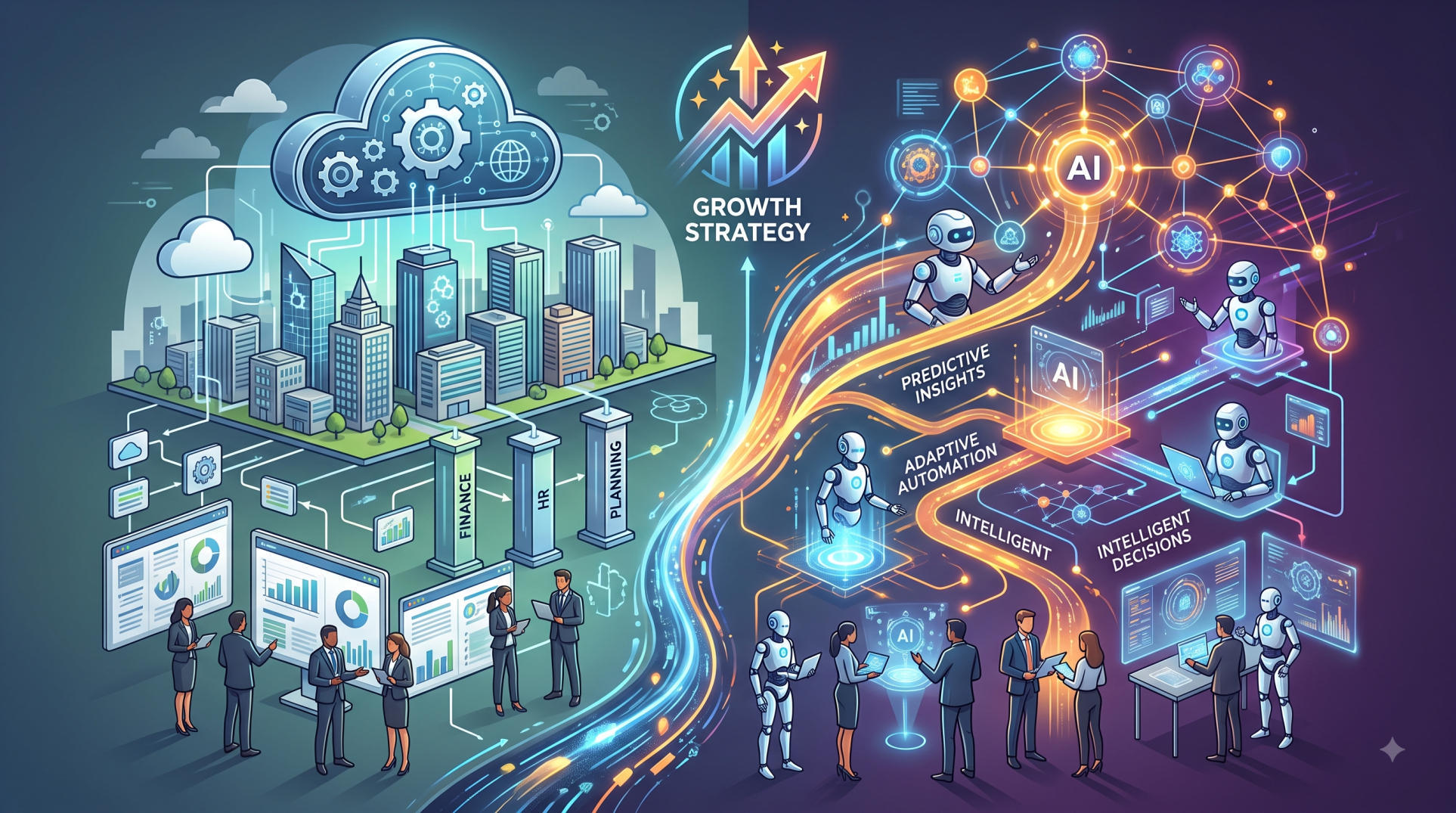
• Integrate AI, automation, and predictive analytics 🤖
• Support cloud, hybrid, and multi-site operations ☁️
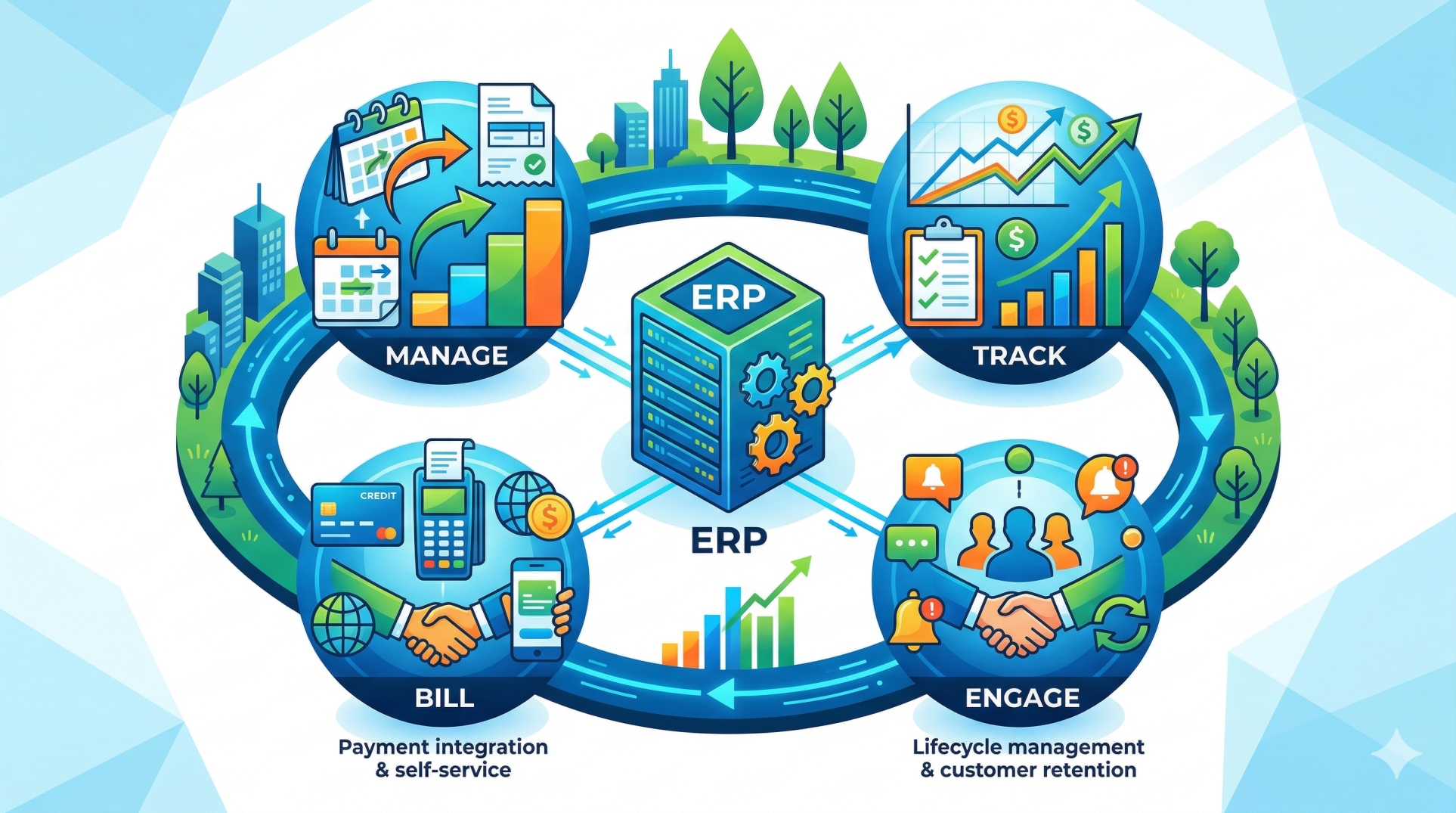
• Connect seamlessly with ERP, WMS, TMS, and supplier platforms 🔗
• Continuously evolve to meet changing supply chain requirements 🚀
Conclusion
Enterprise-grade software provides the digital foundation for modern logistics and distribution operations. By centralizing workflows, automating critical processes, and delivering real-time operational visibility, organizations can improve efficiency, reduce costs, and strengthen supply chain resilience. As logistics networks continue to expand in complexity, scalable enterprise software enables businesses to remain agile, responsive, and competitive in a rapidly evolving marketplace.
See more blogs
You can all the articles below