From Automated Tasks to Intelligent ERP Operations: What Changes in 2026
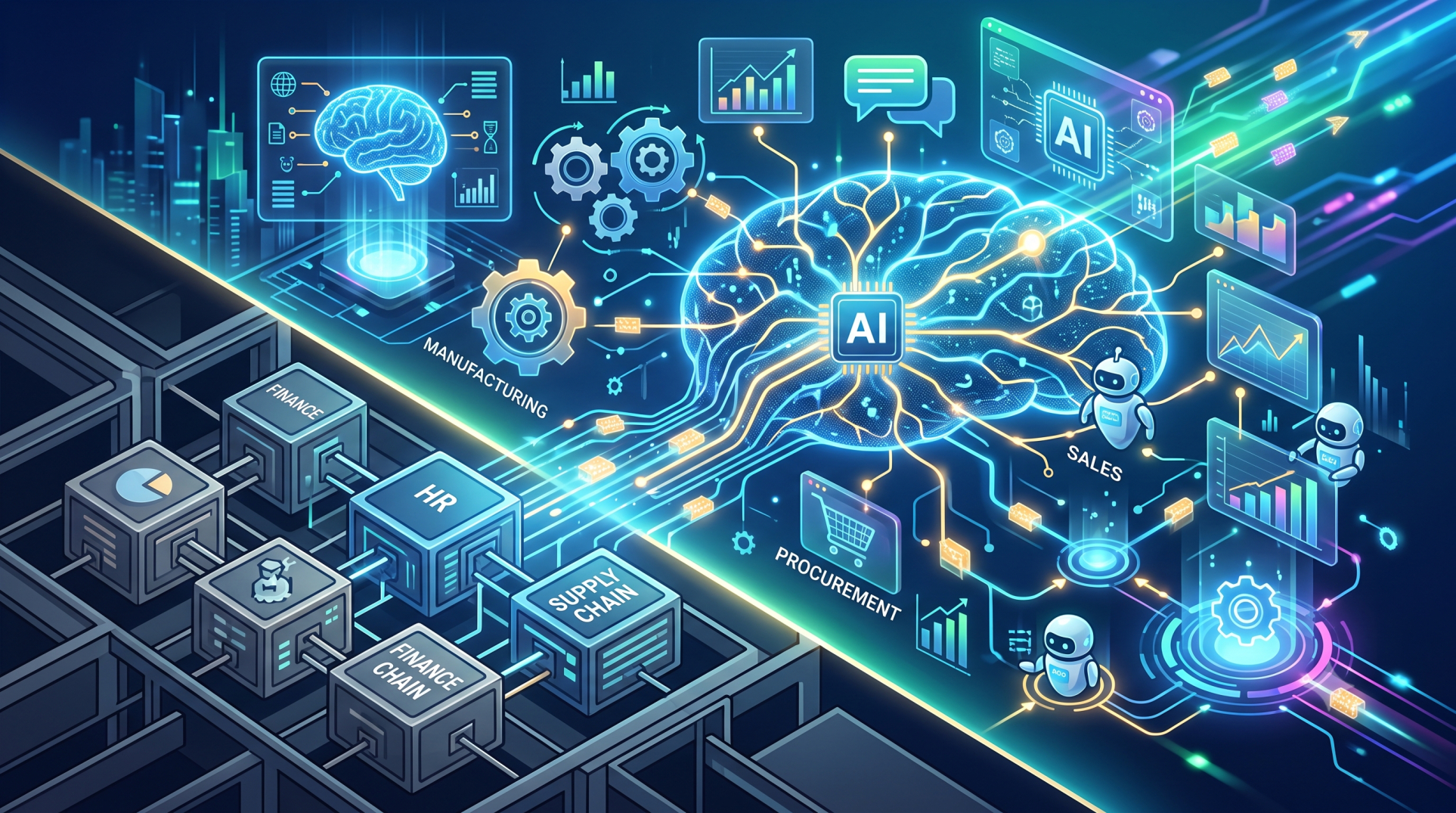
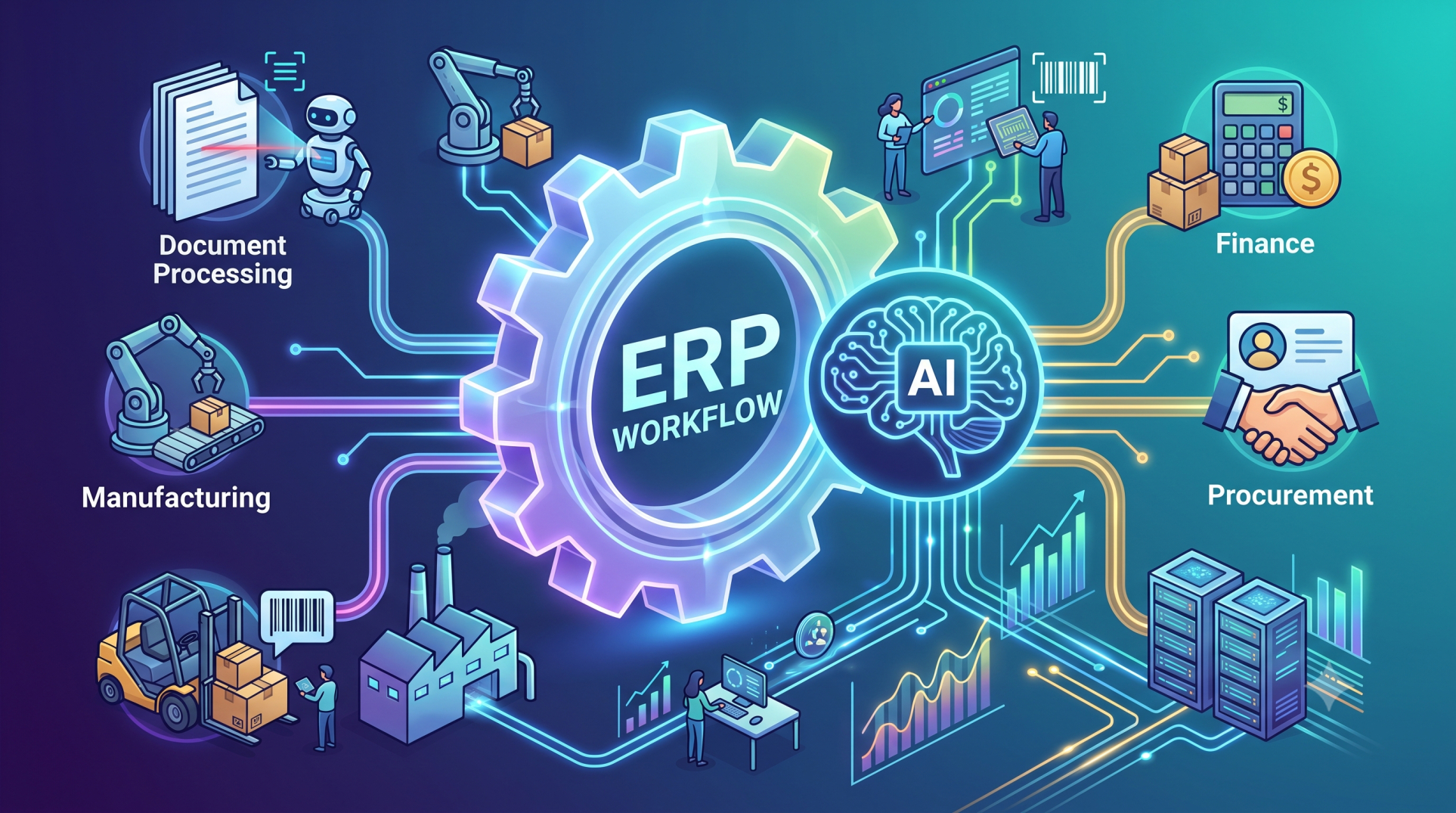
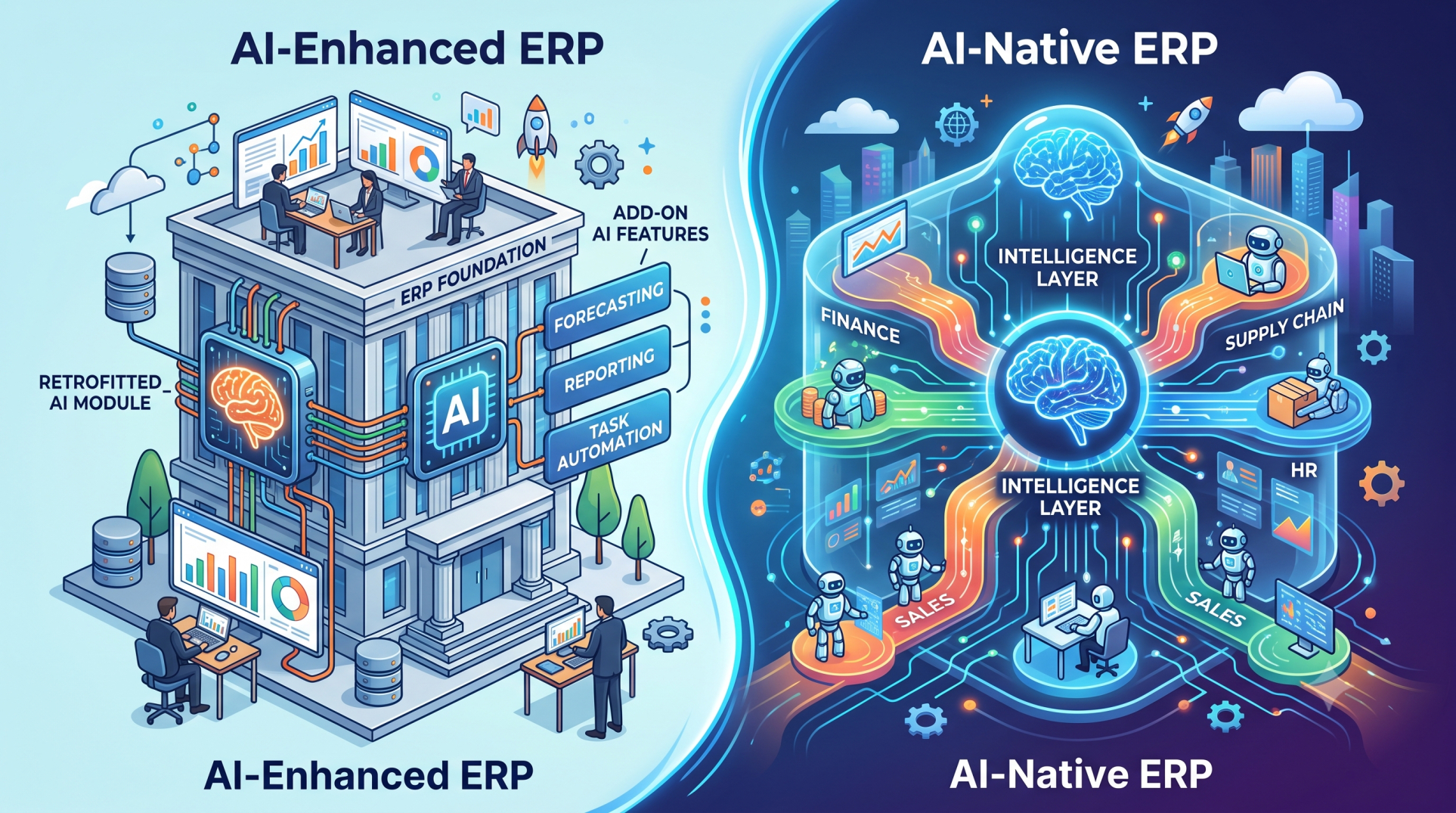
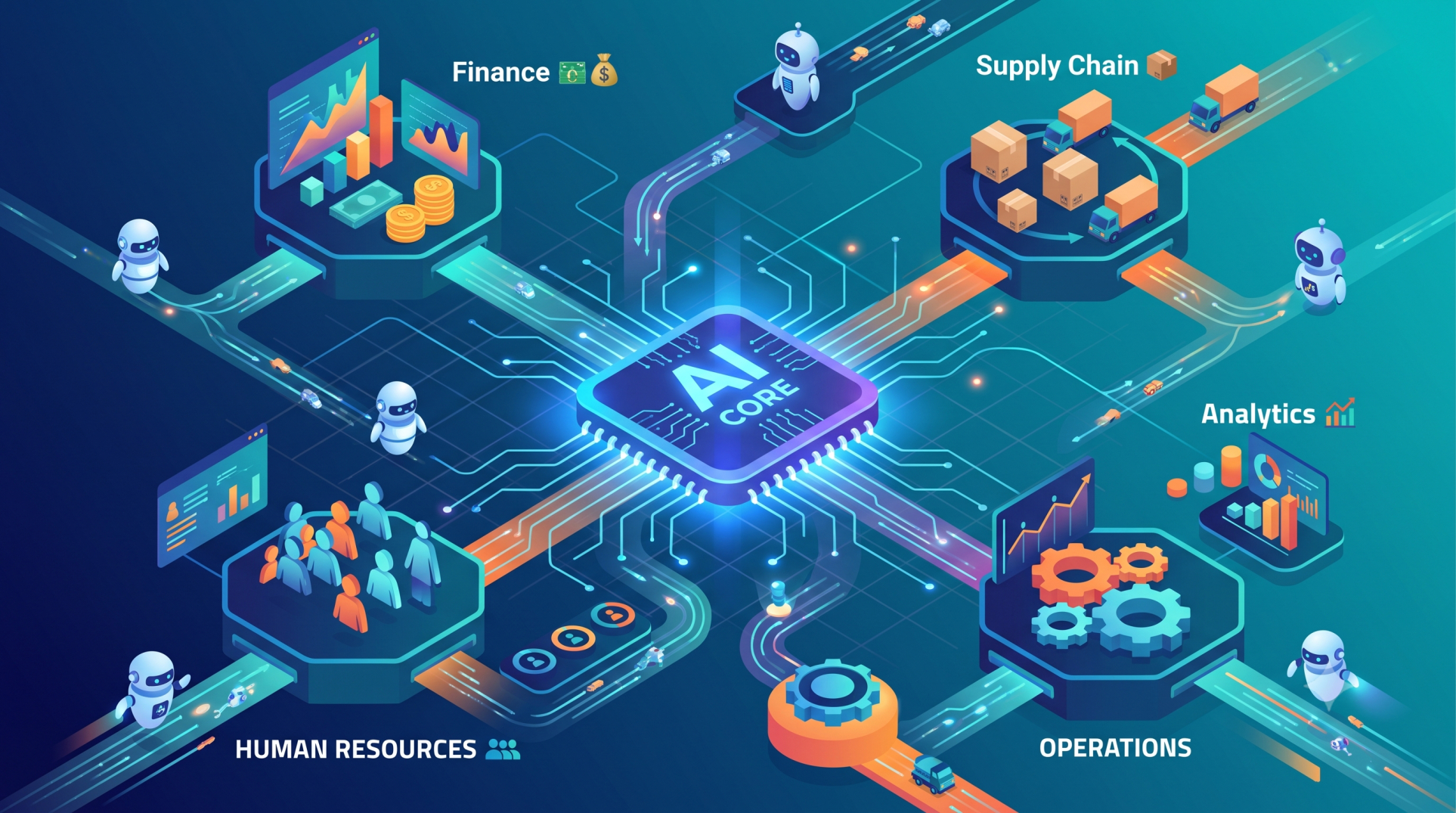
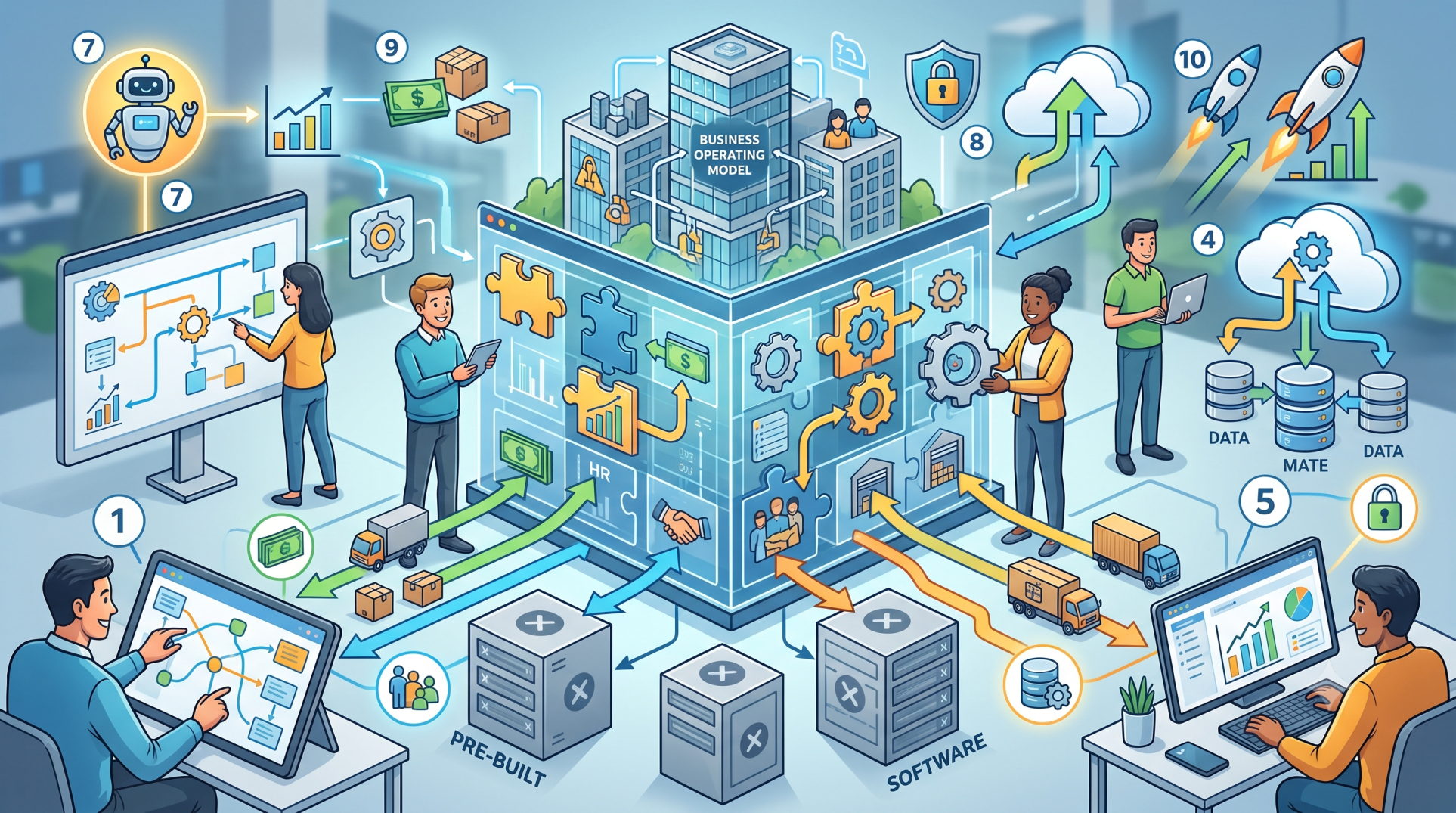
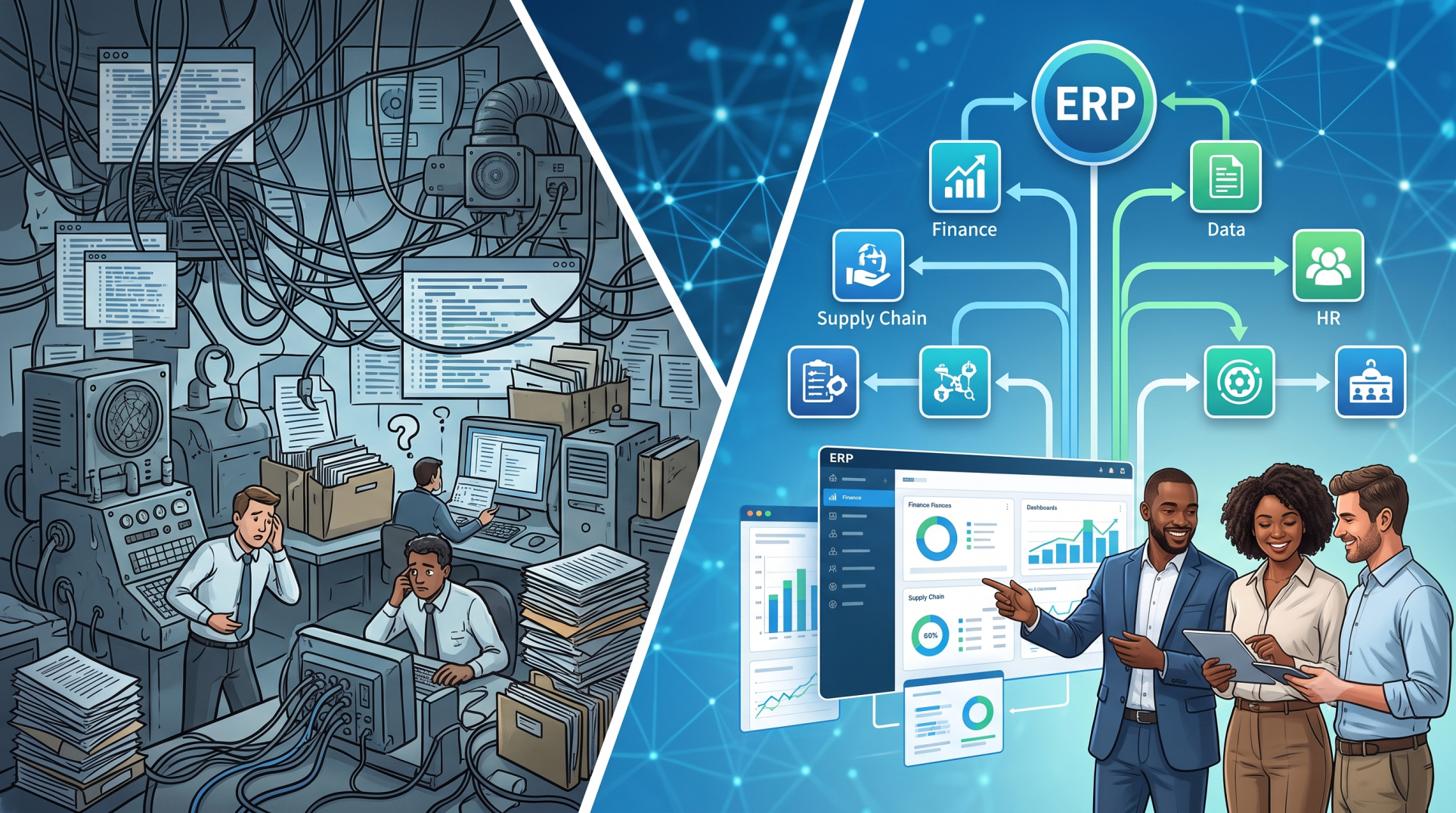
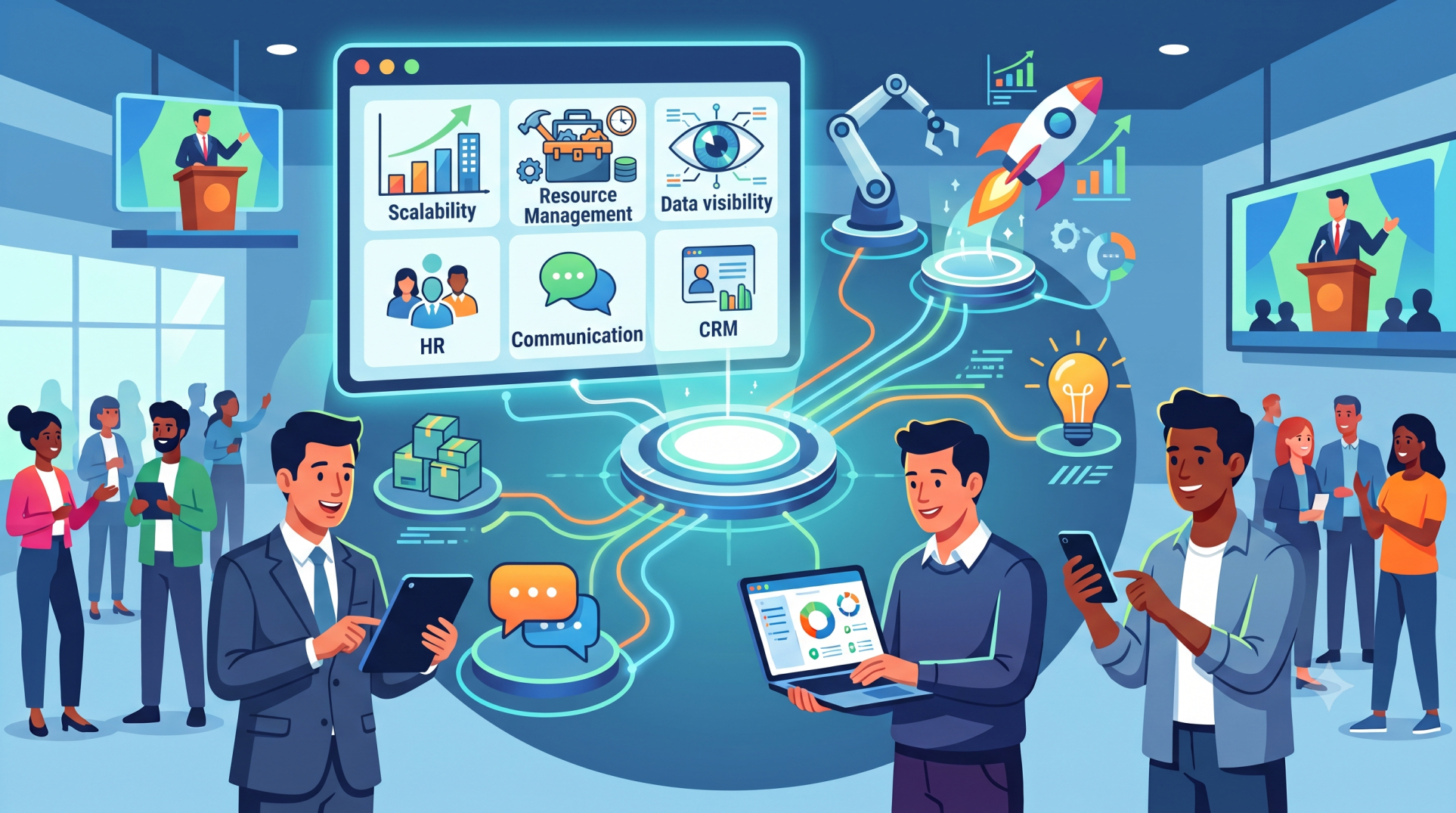
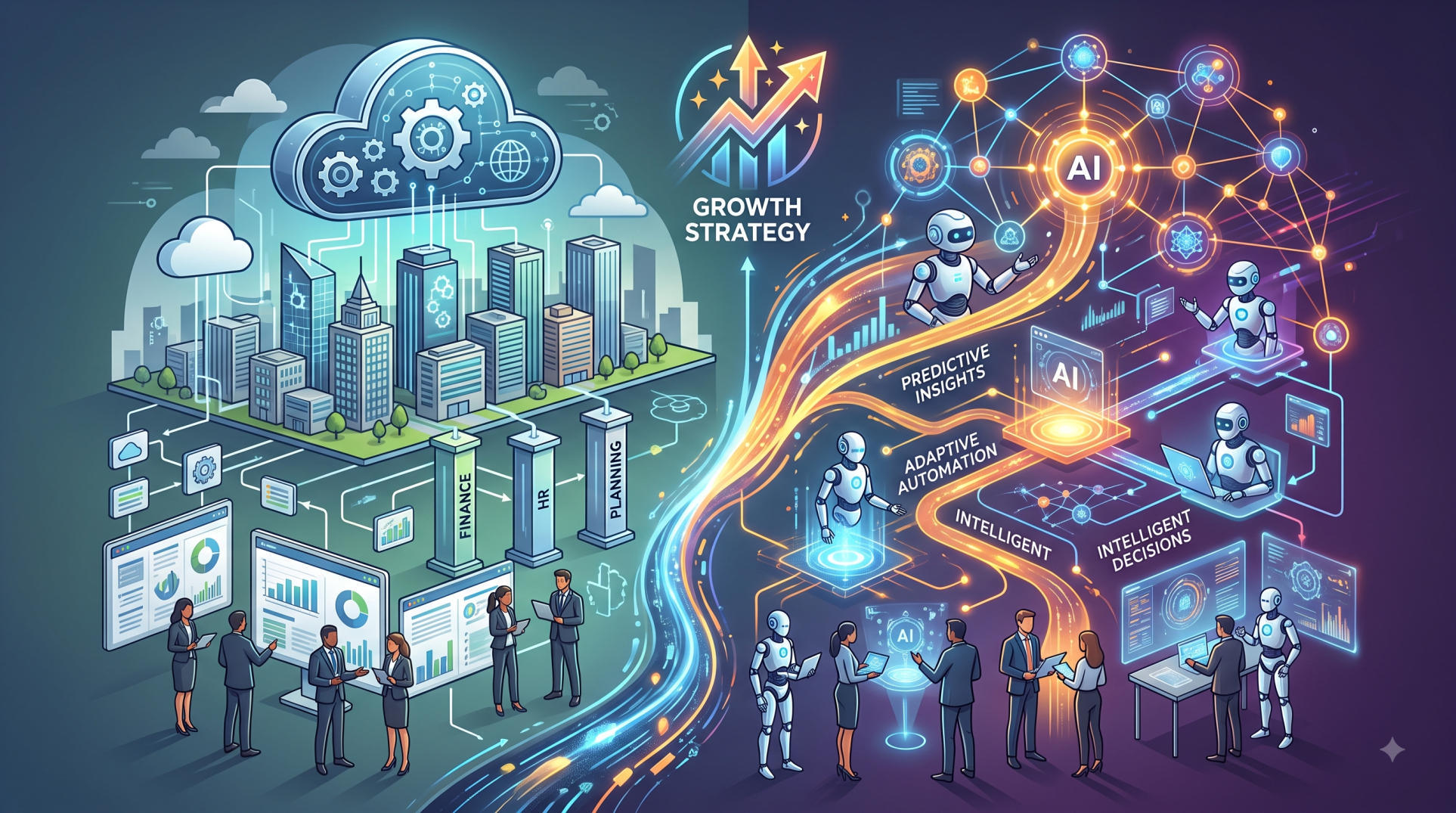
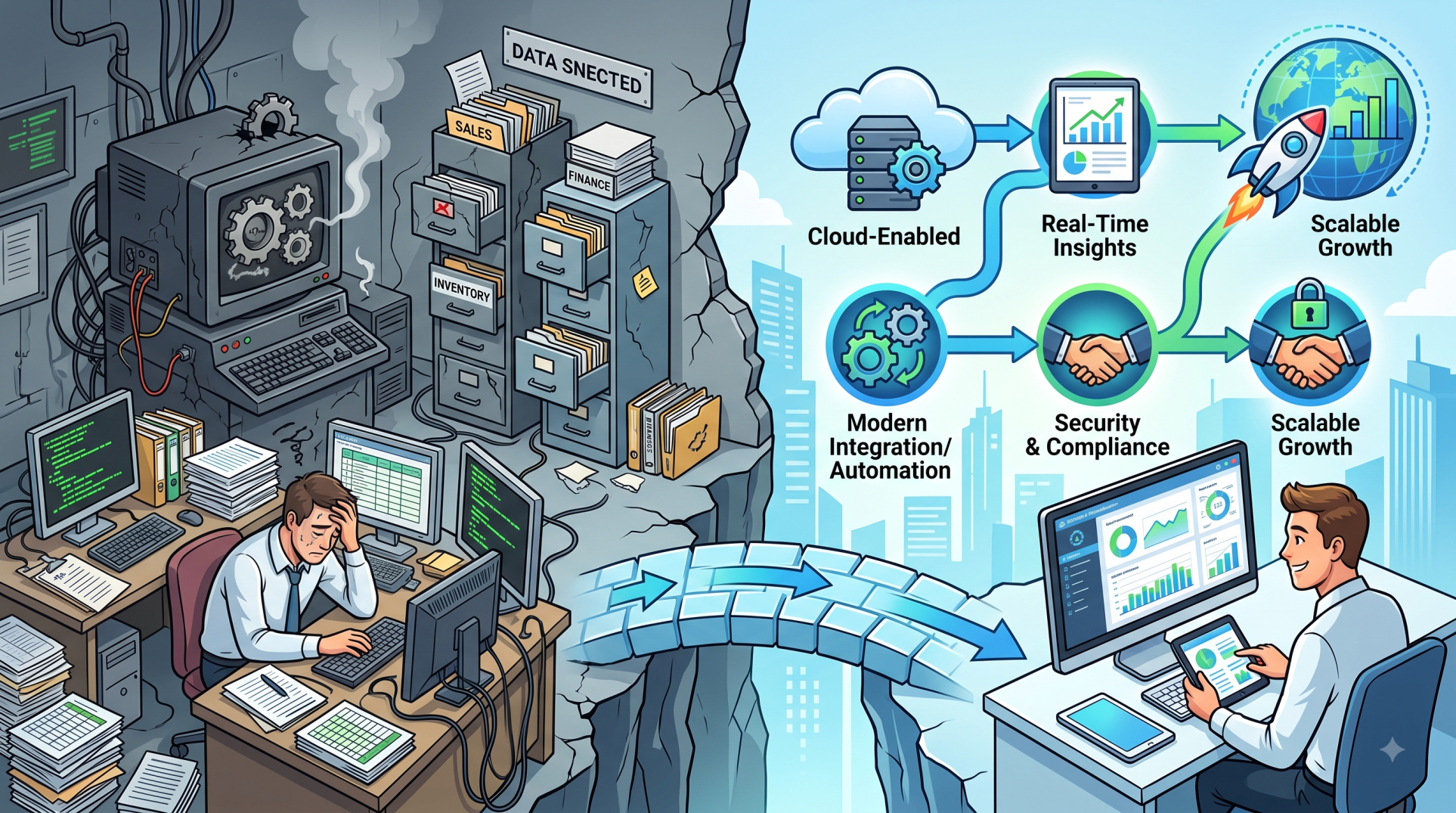
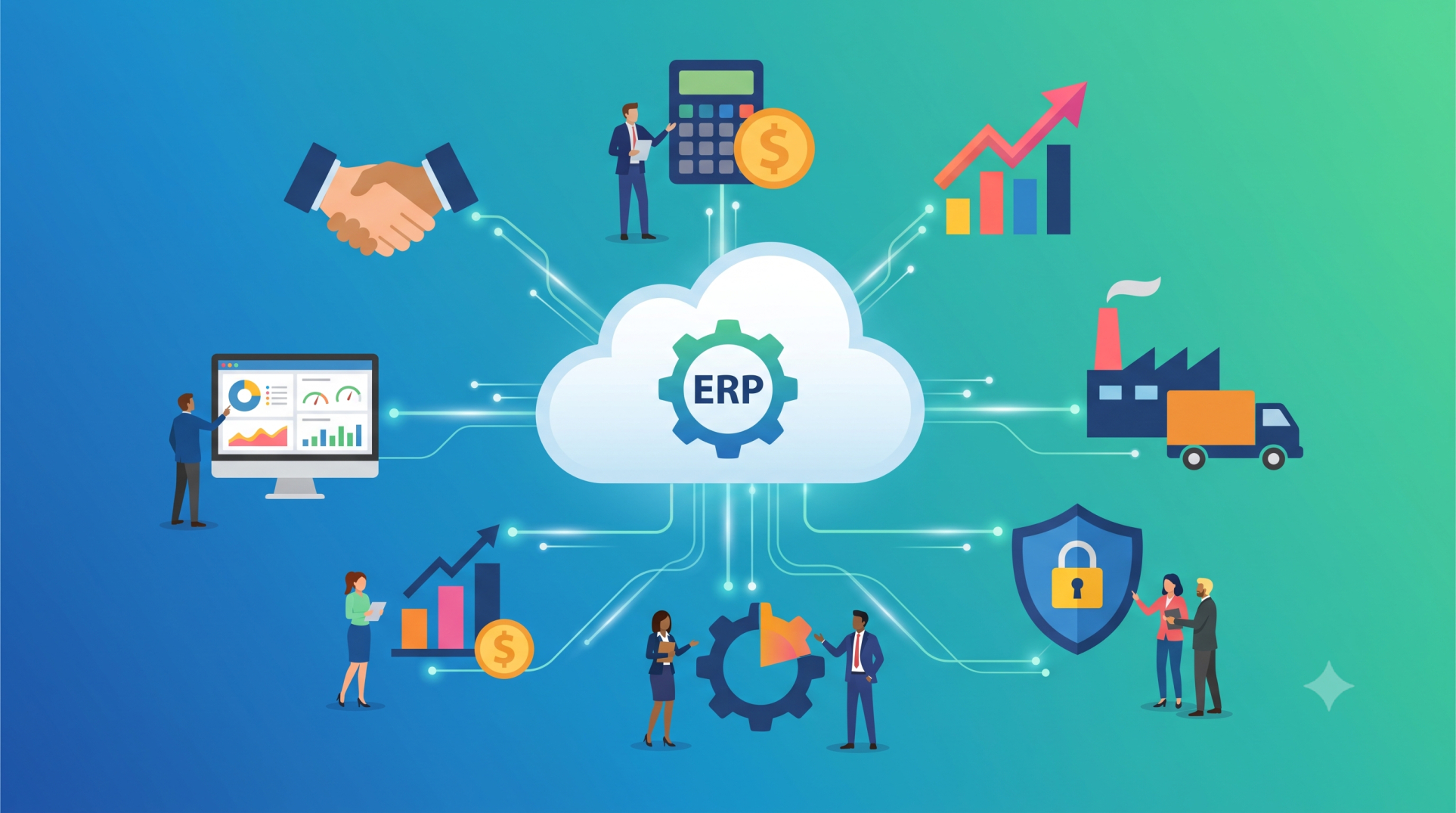
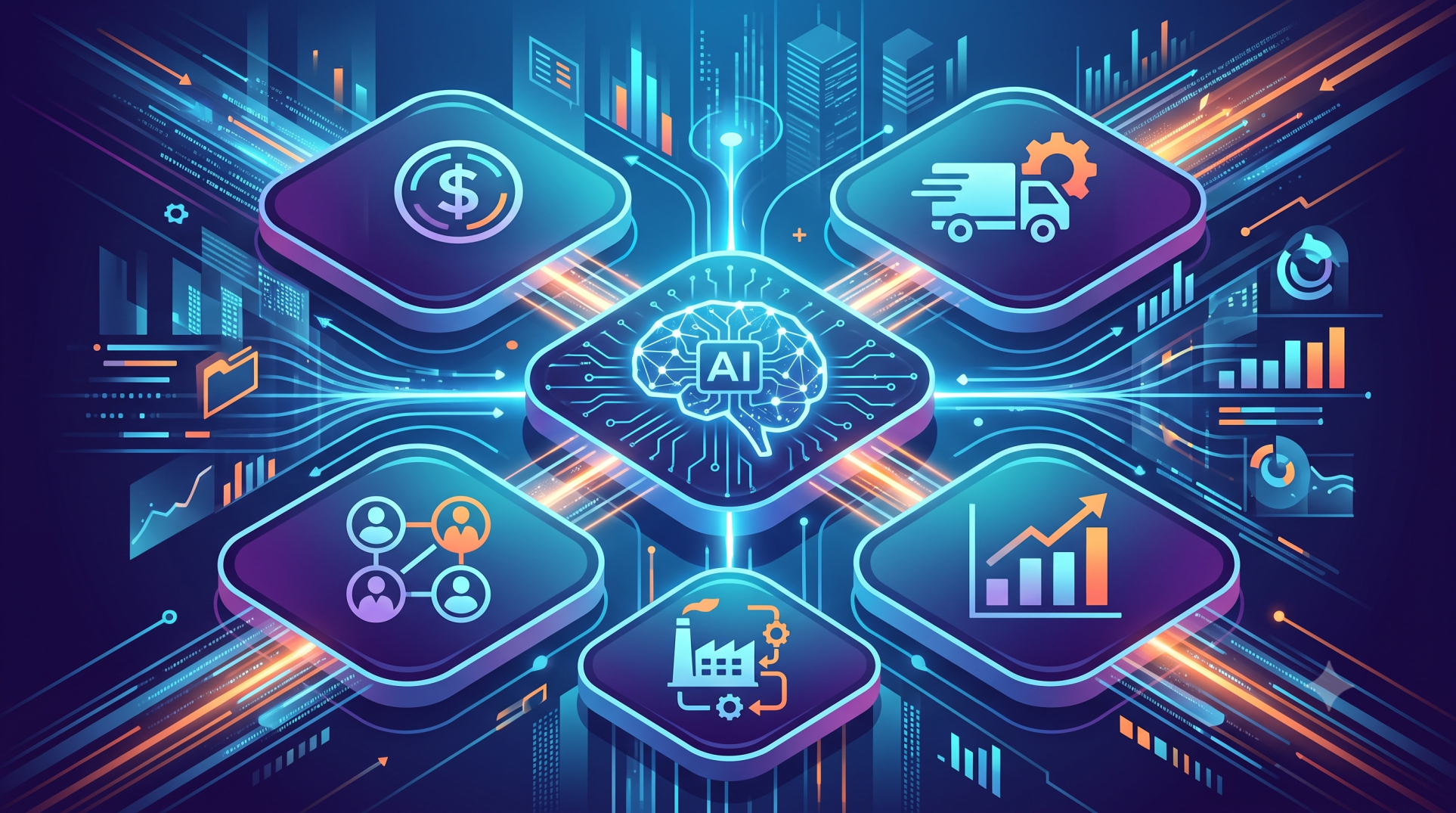
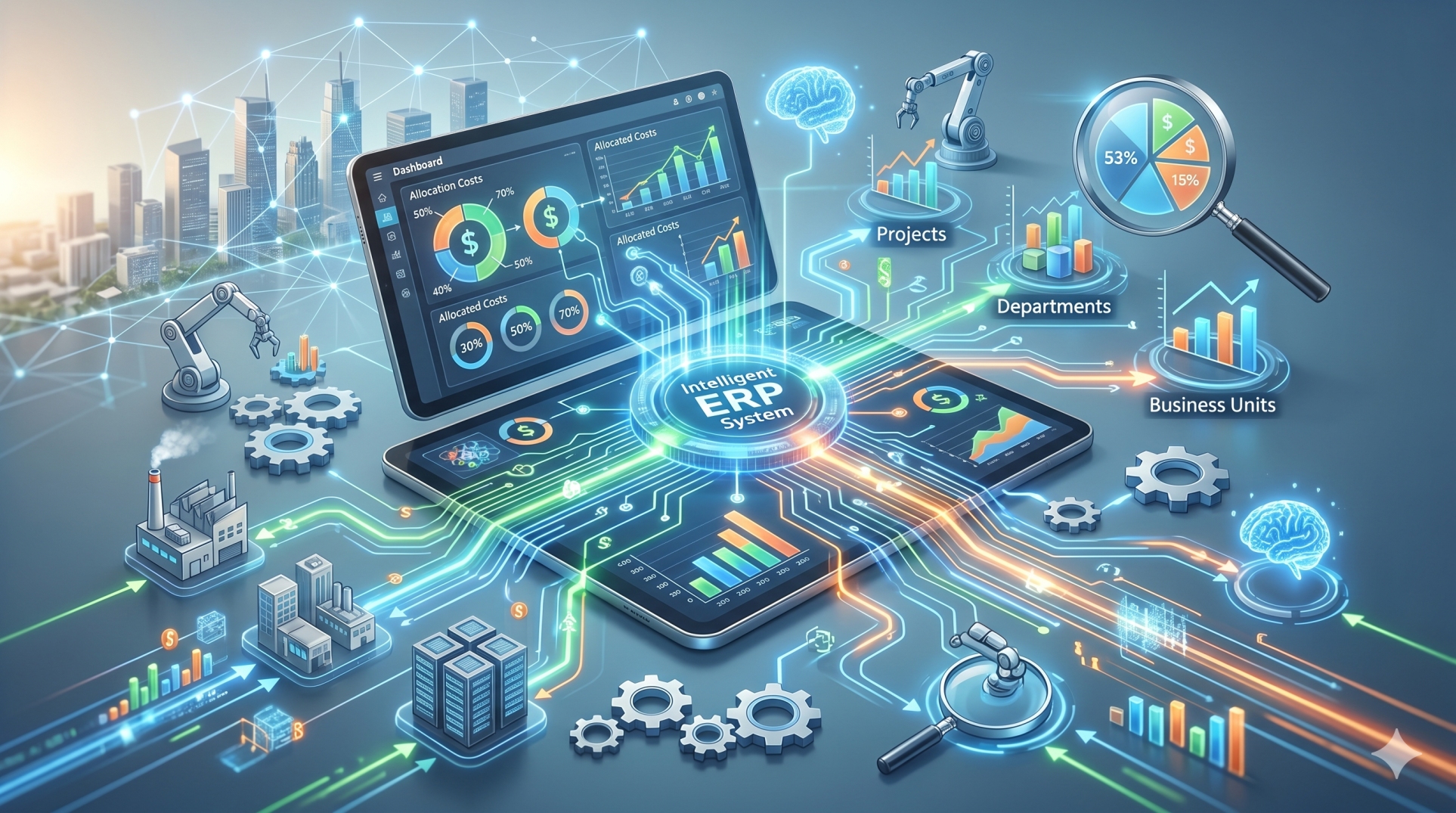
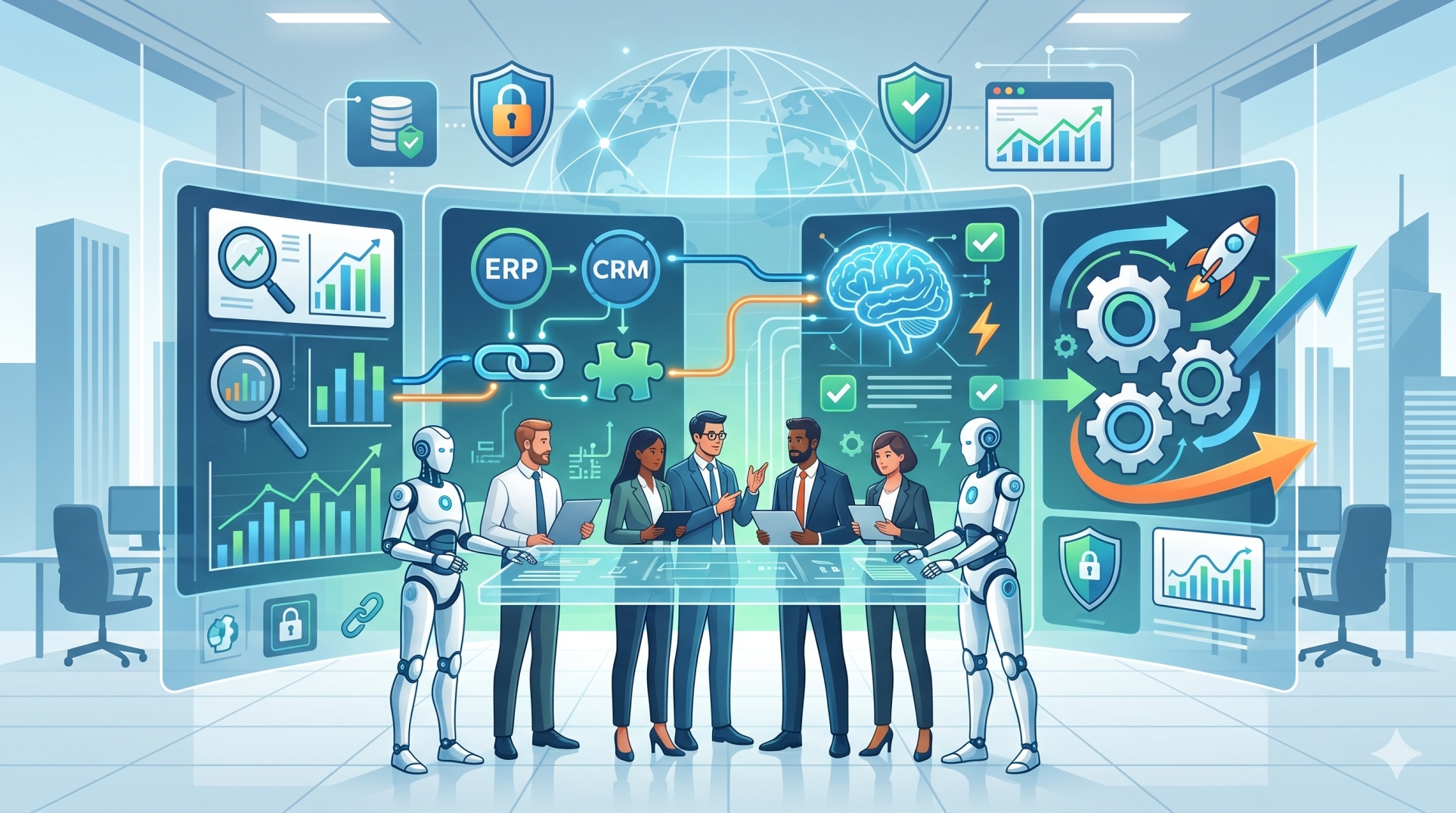
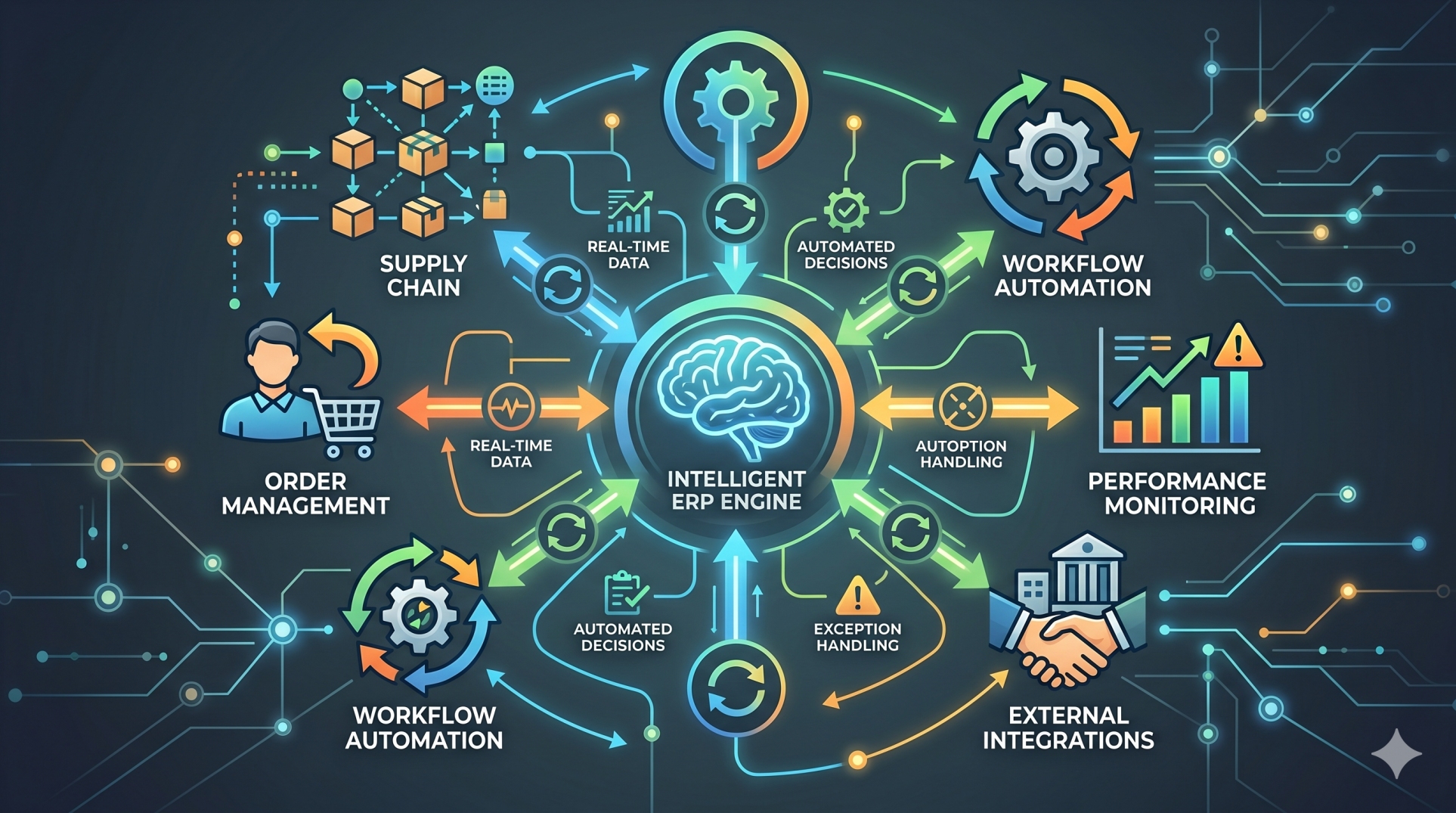
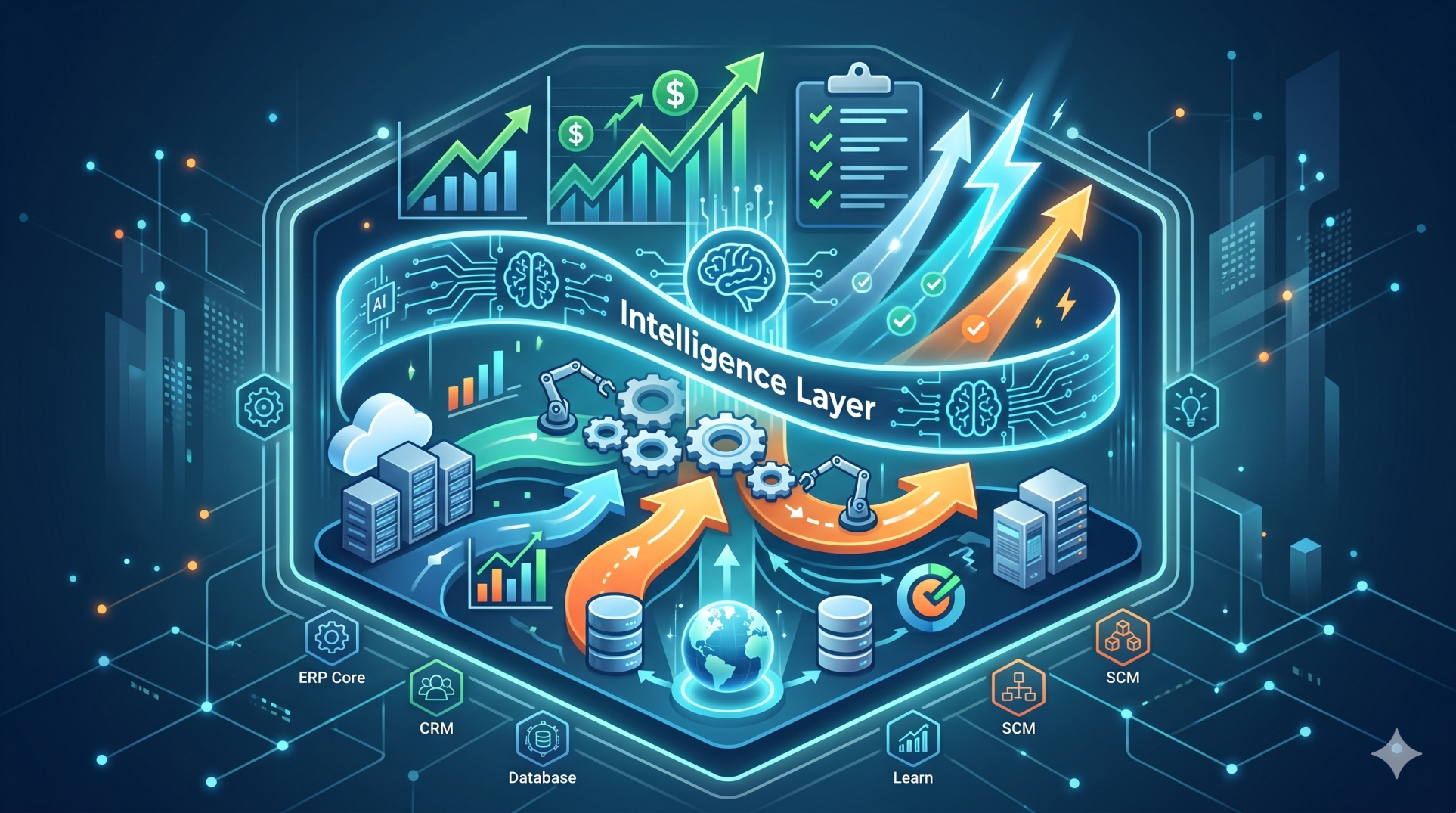
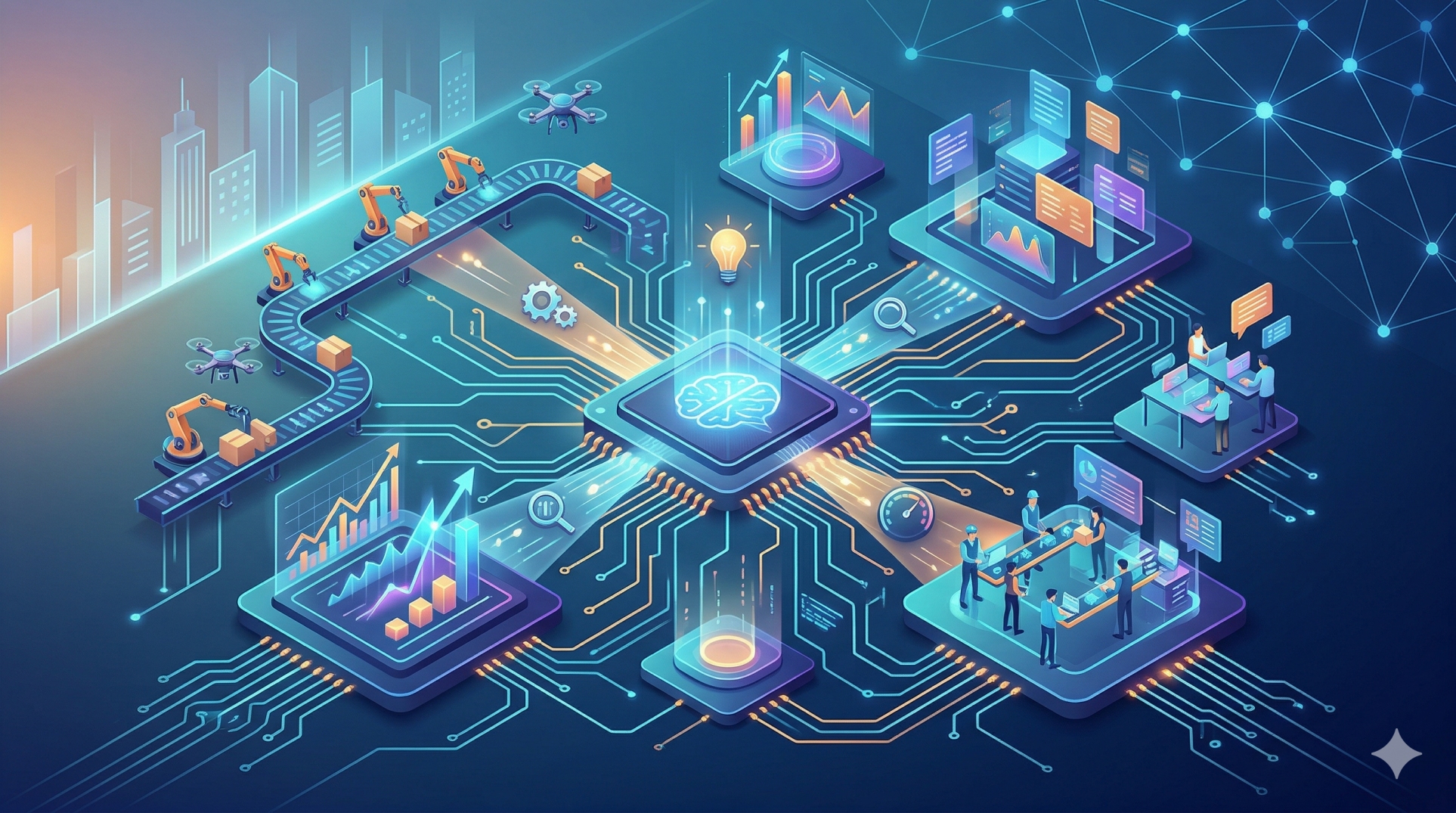
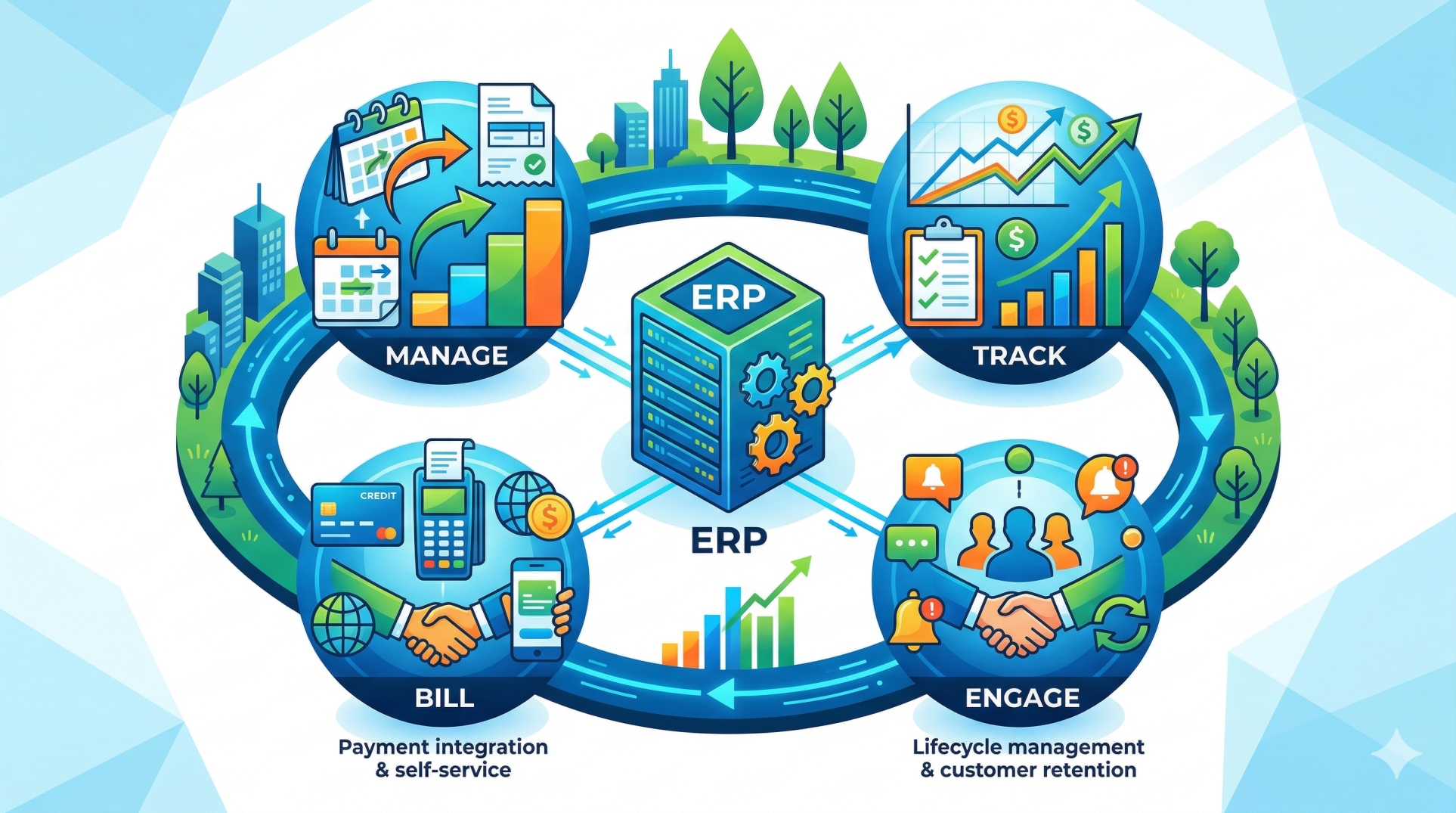
ERP systems are moving beyond basic task automation toward more connected and intelligent operational models. In 2026, businesses are increasingly exploring how AI can interpret enterprise data, coordinate workflows, identify operational conditions, and support employees across different business functions.
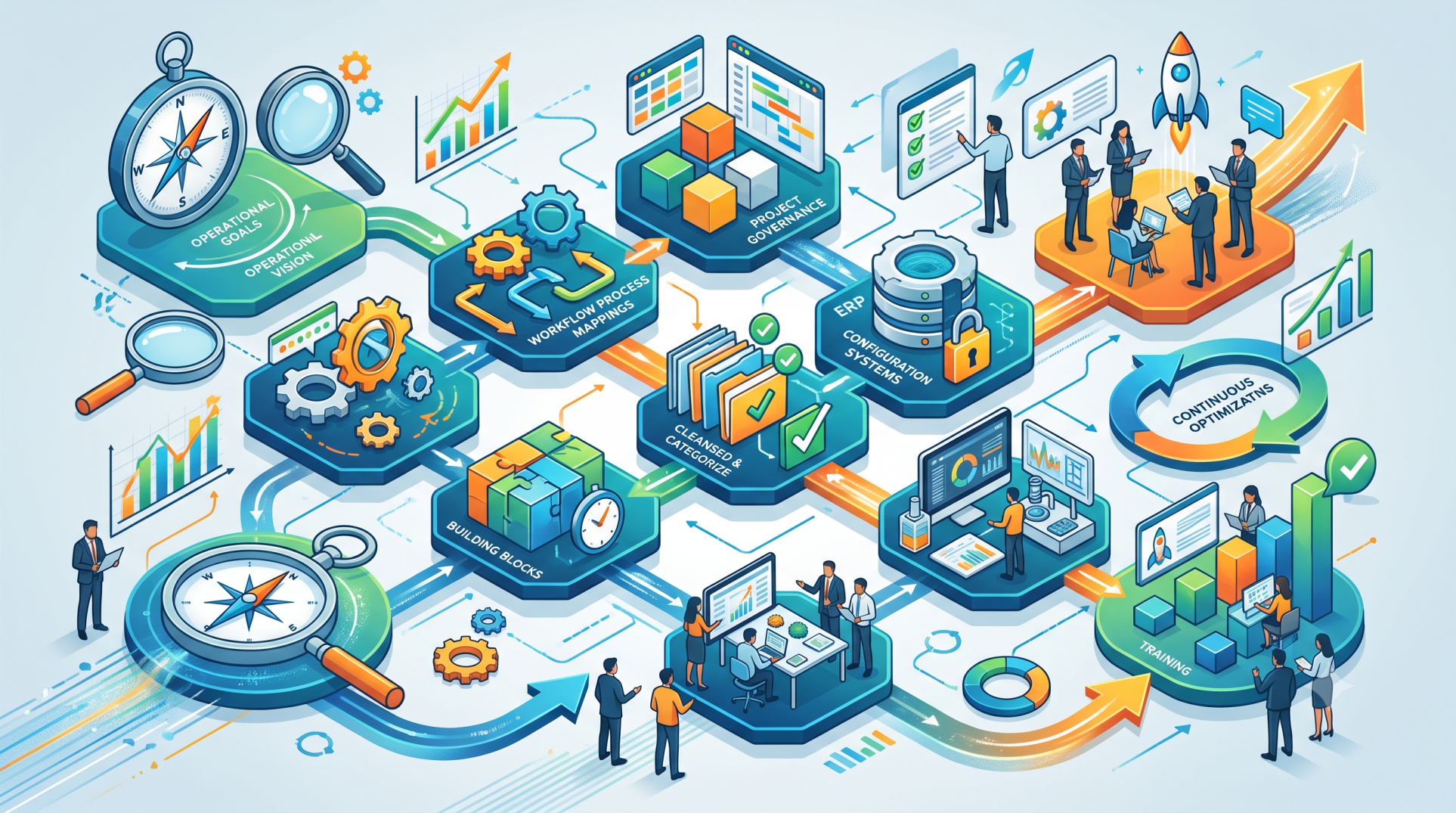
Step 1: Moving Beyond Rule-Based Automation 🔄
• Traditional automation follows predefined rules and workflows. 📋
• Intelligent ERP systems can incorporate context when processing business activities. 🧠
• AI can assist with tasks that require interpretation, classification, or recommendations. 🔎
• Automated processes can respond to changing business conditions instead of relying only on fixed triggers. ⚡
• Organizations can combine conventional automation with AI-driven capabilities. 🤖
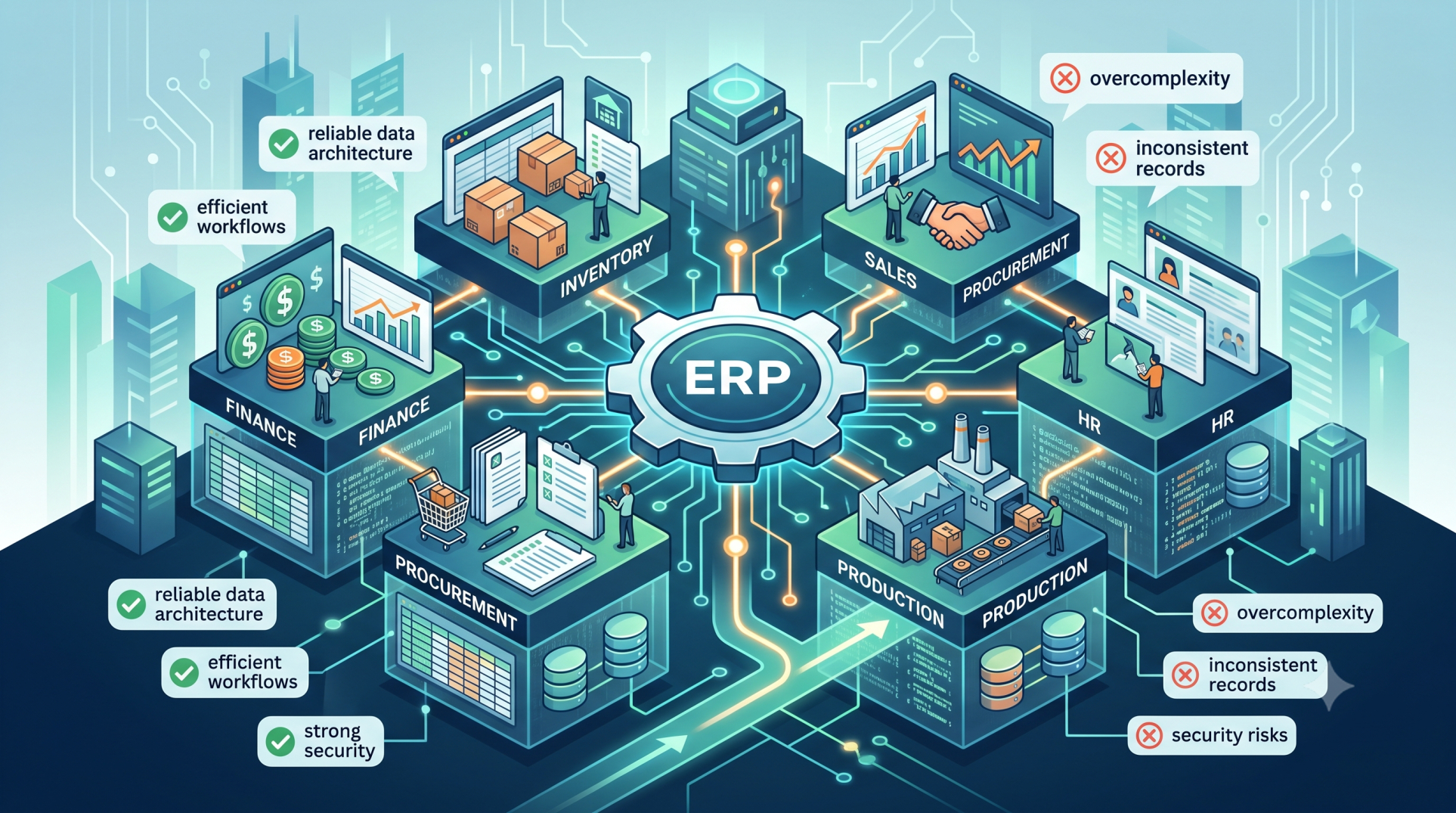
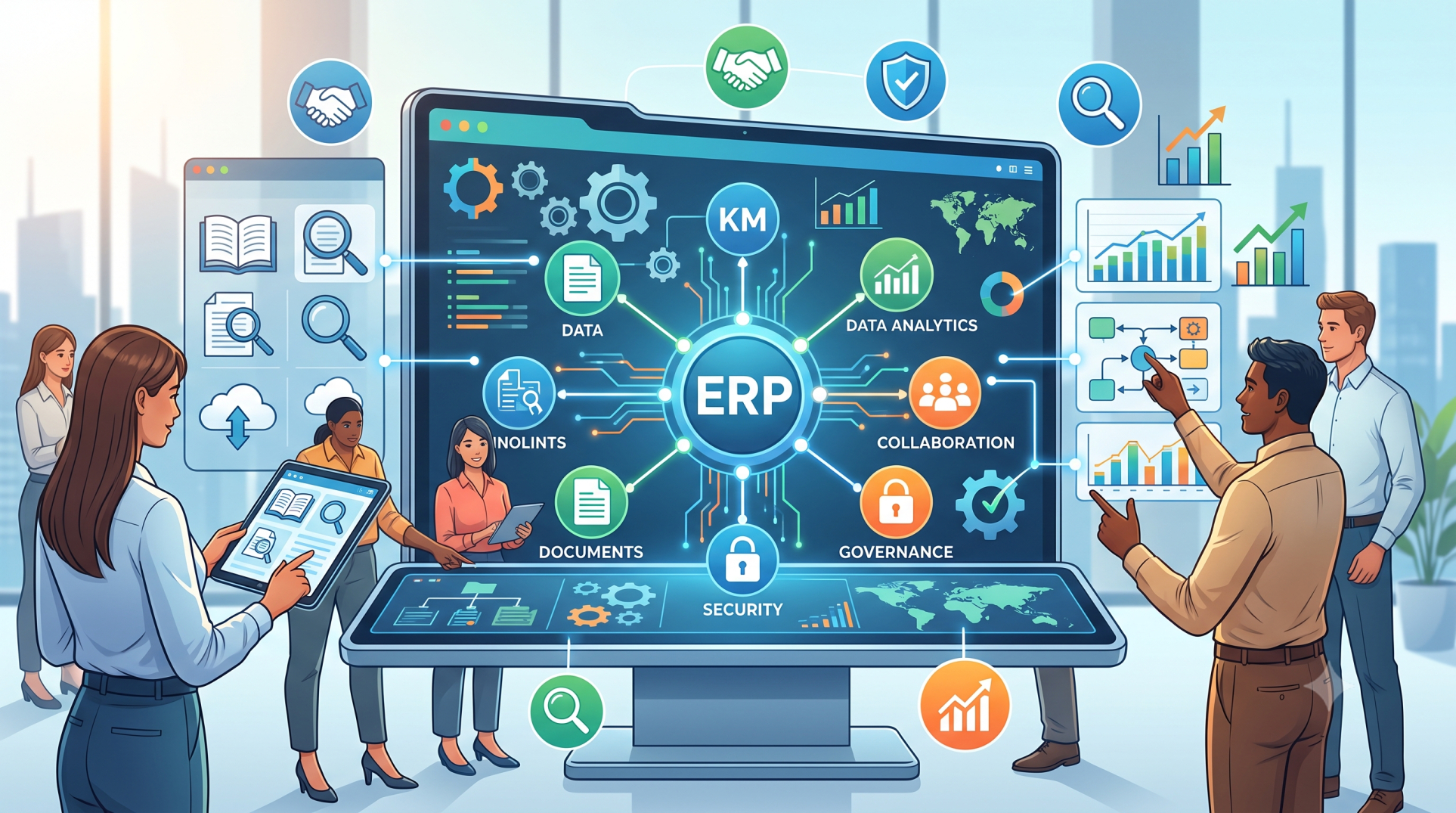
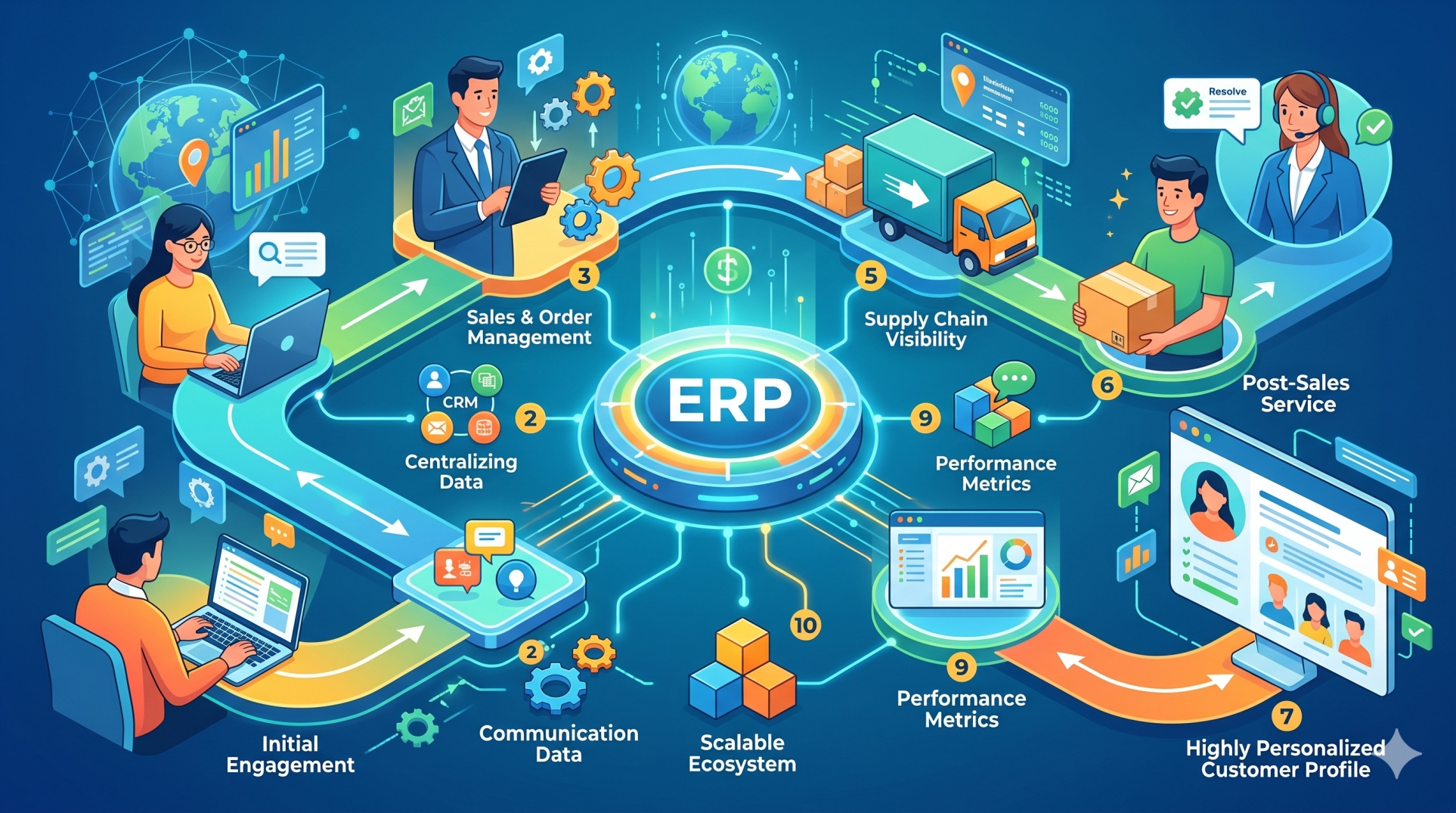
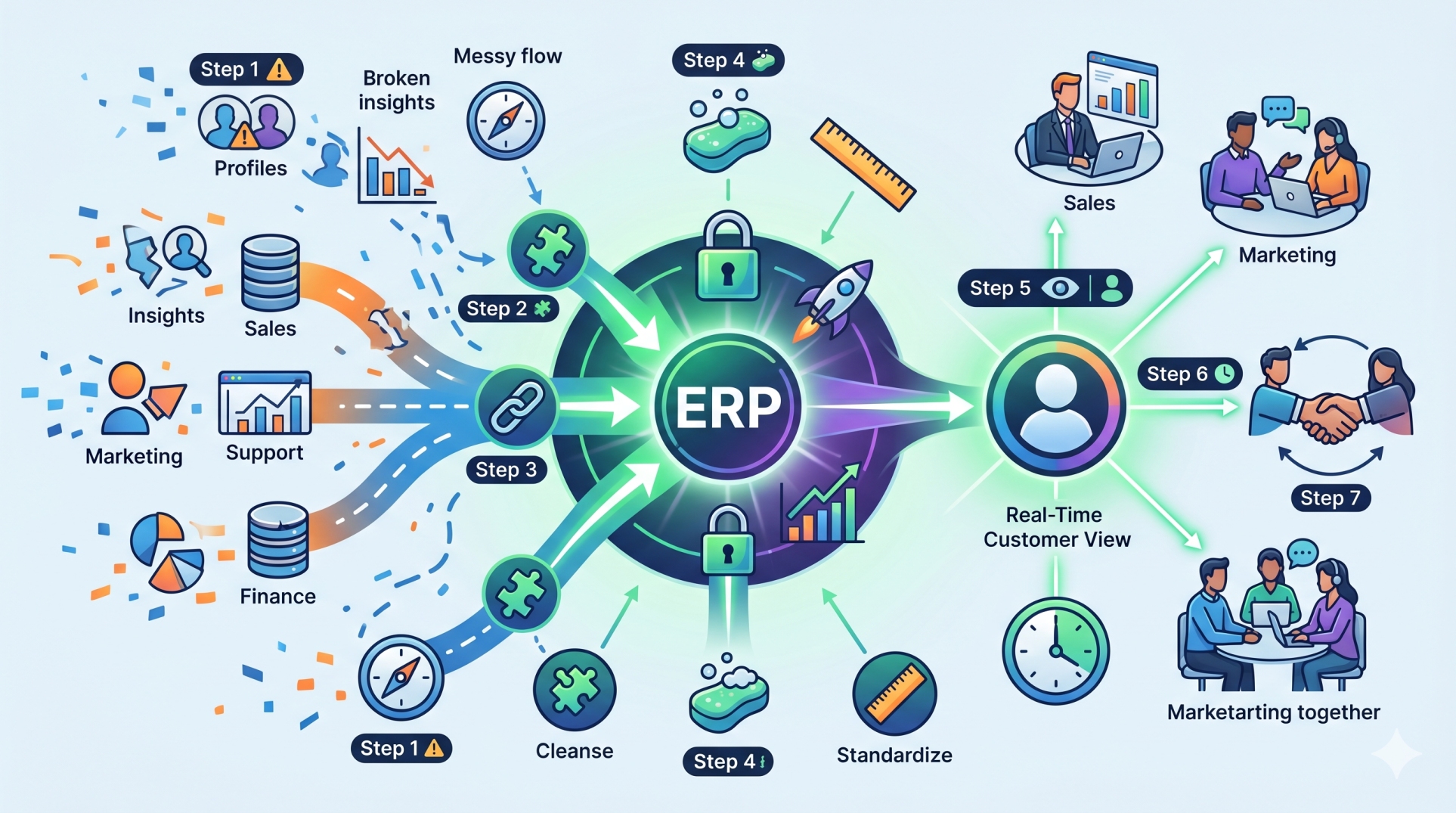
Step 2: Connecting Data Across ERP Functions 🔗
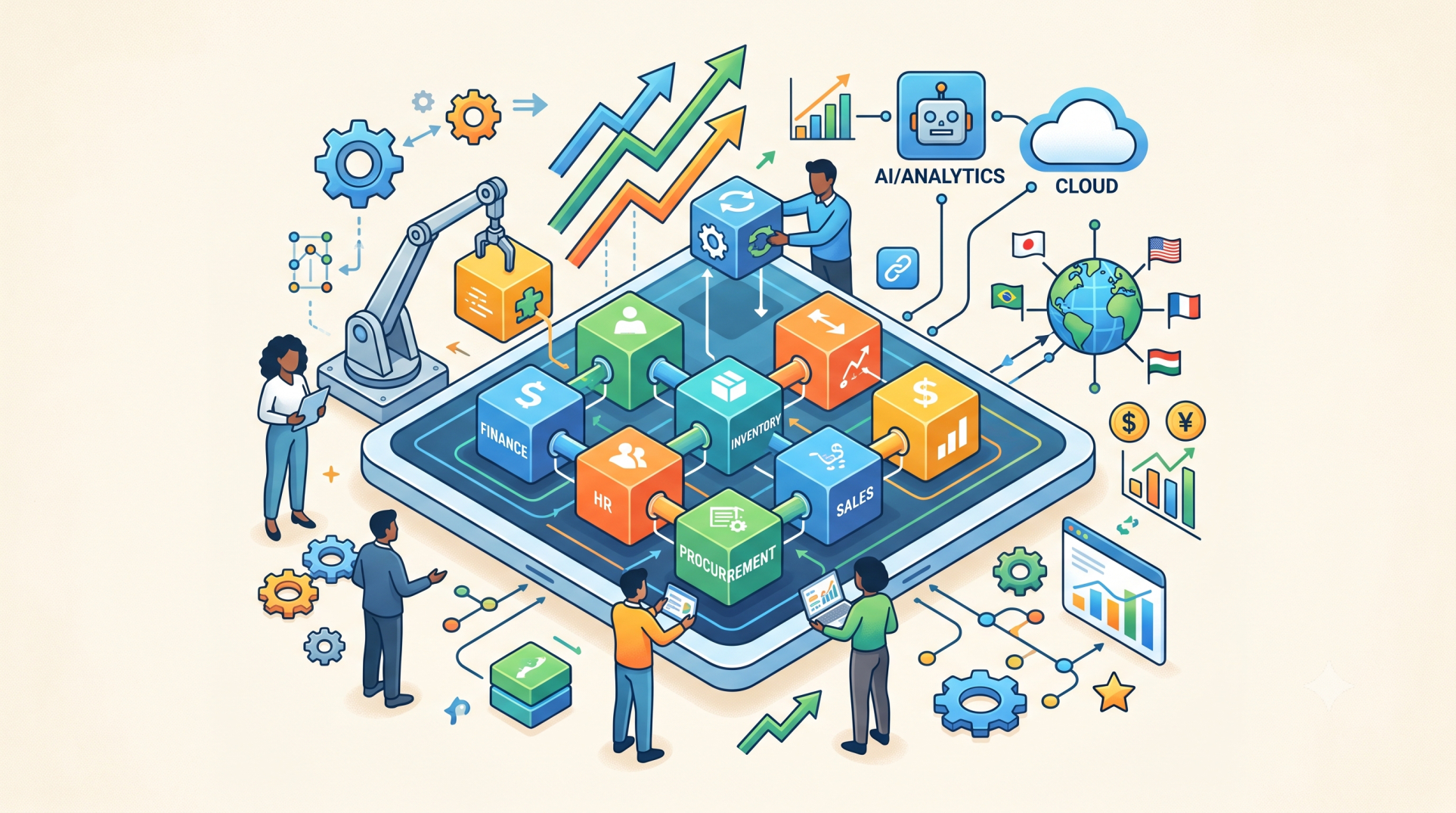
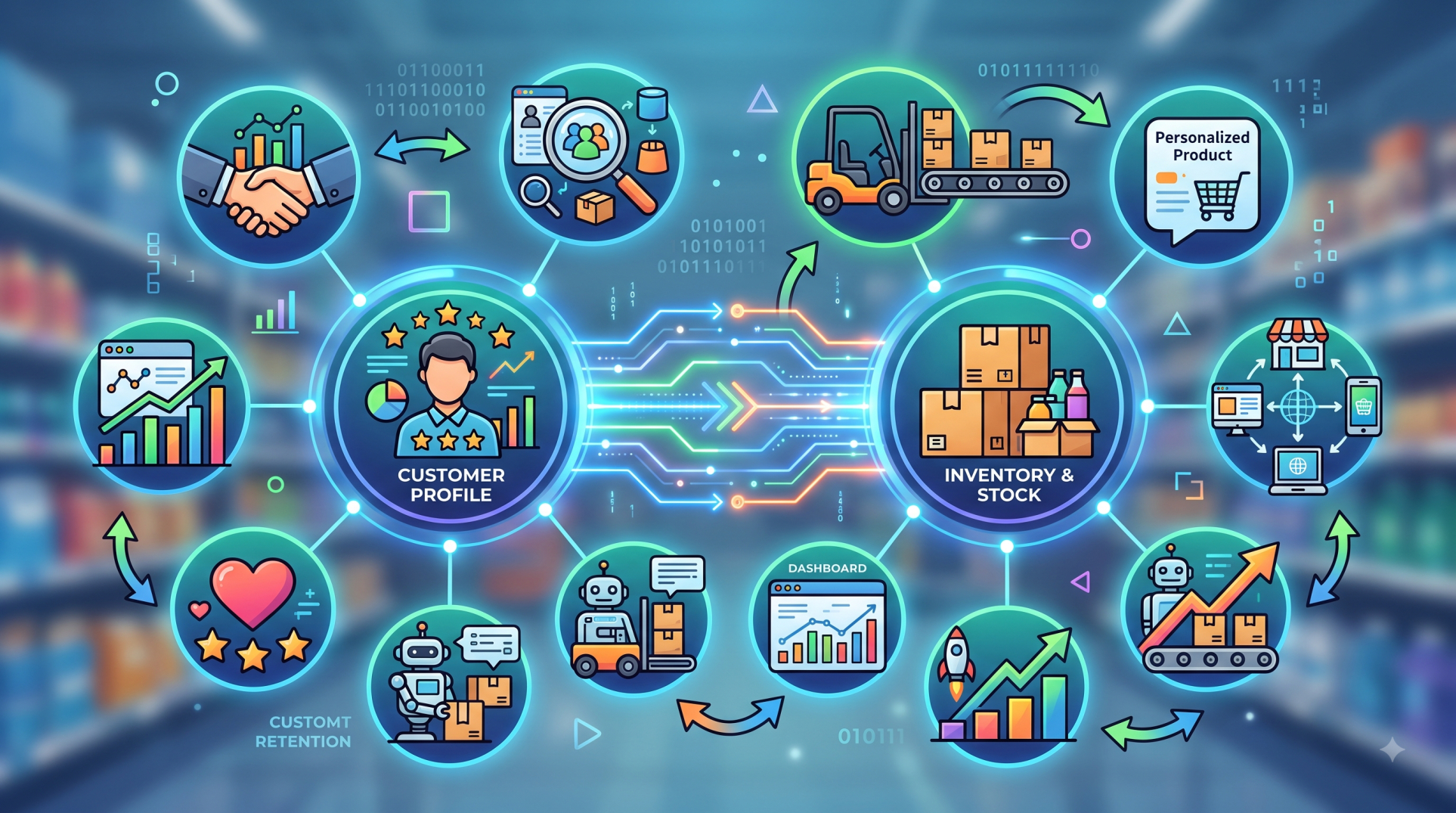
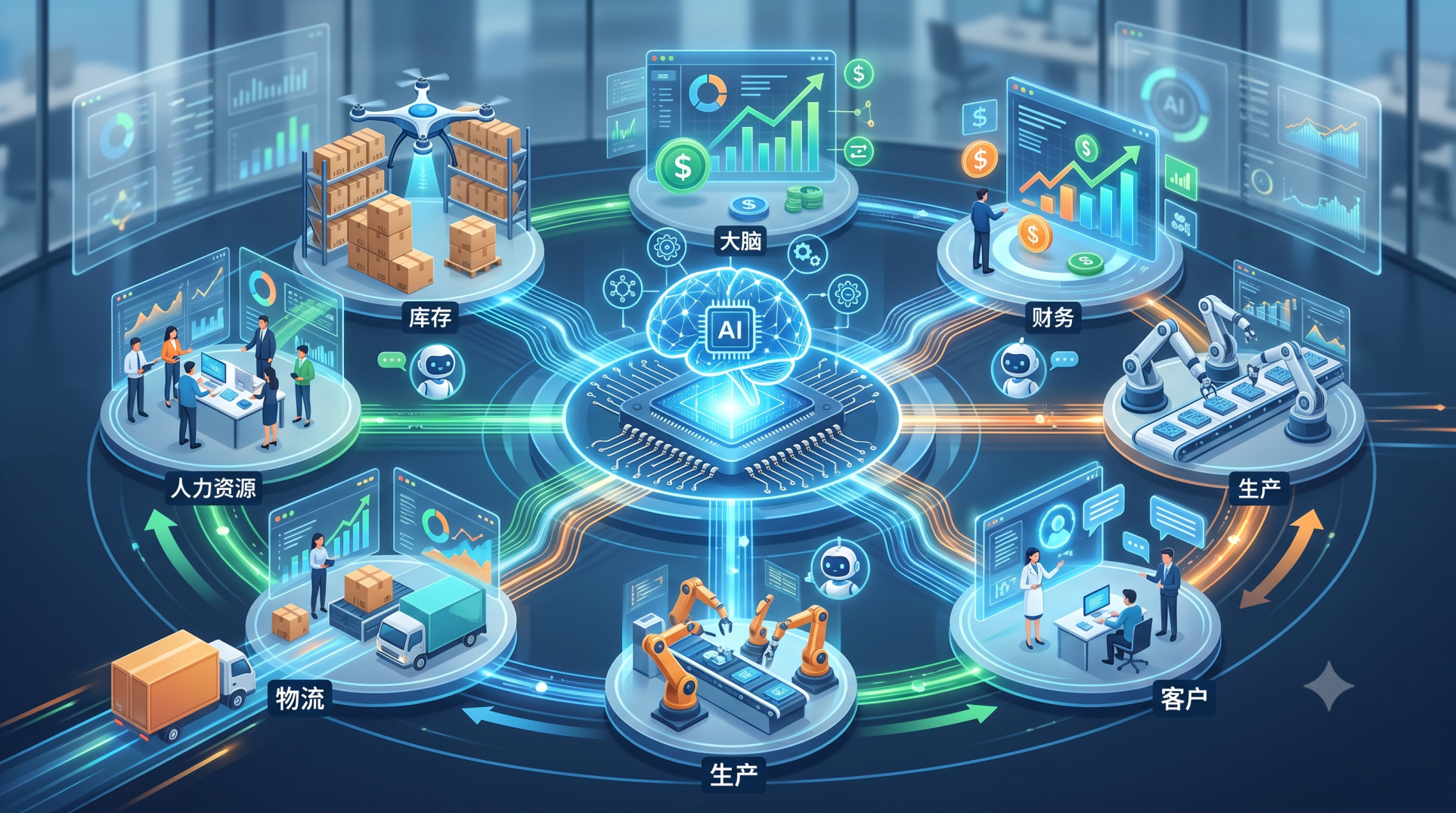
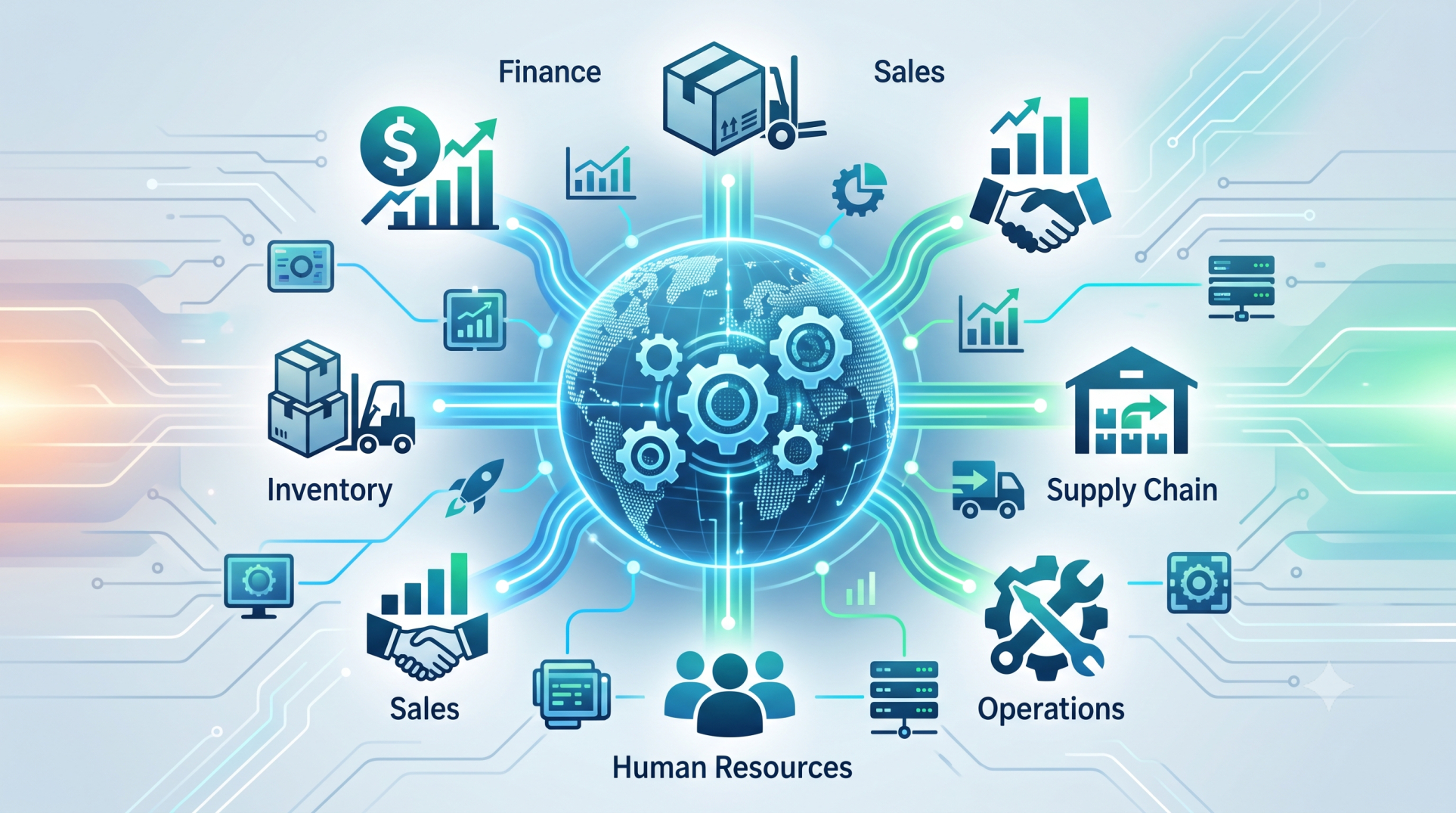
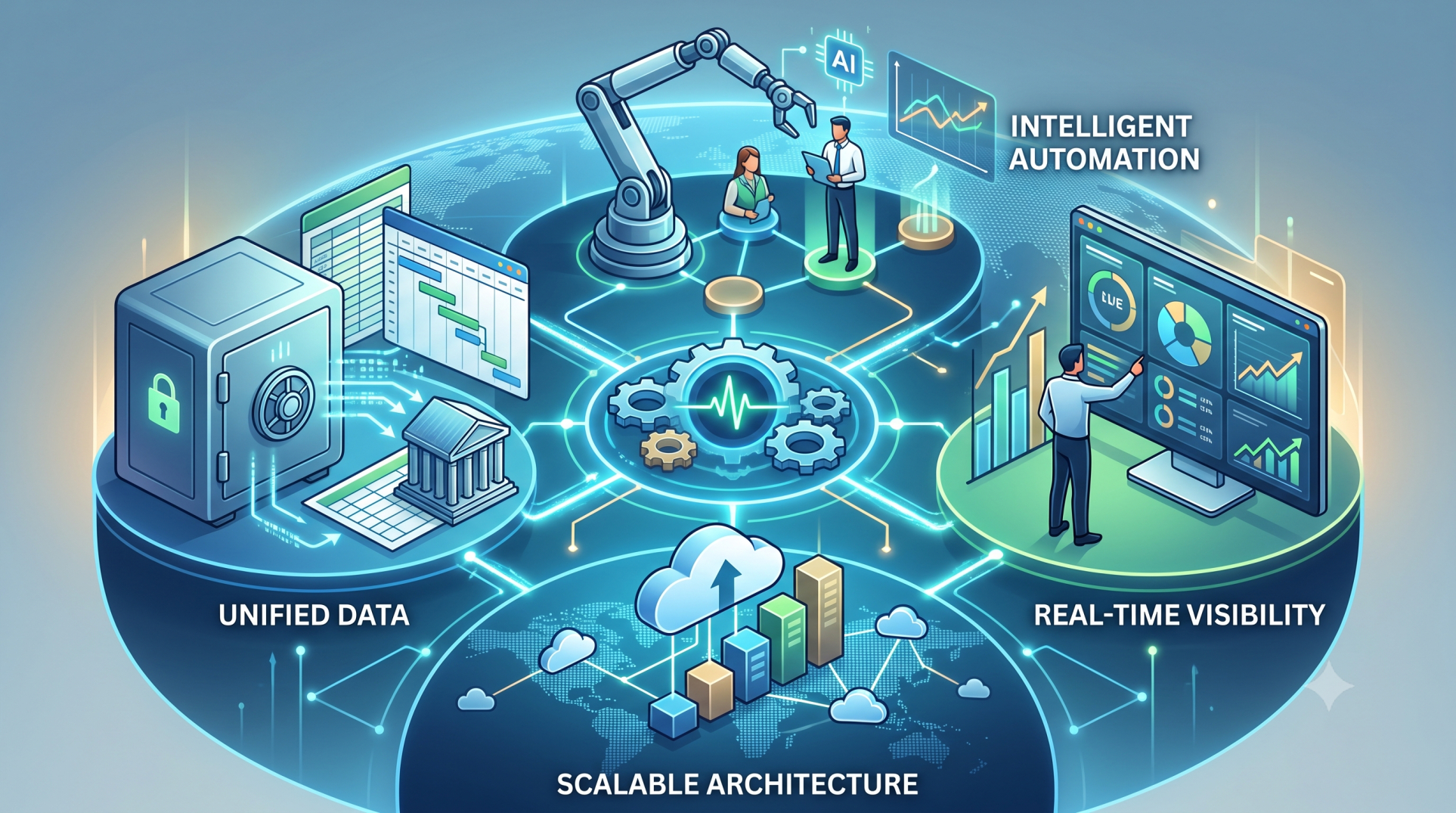
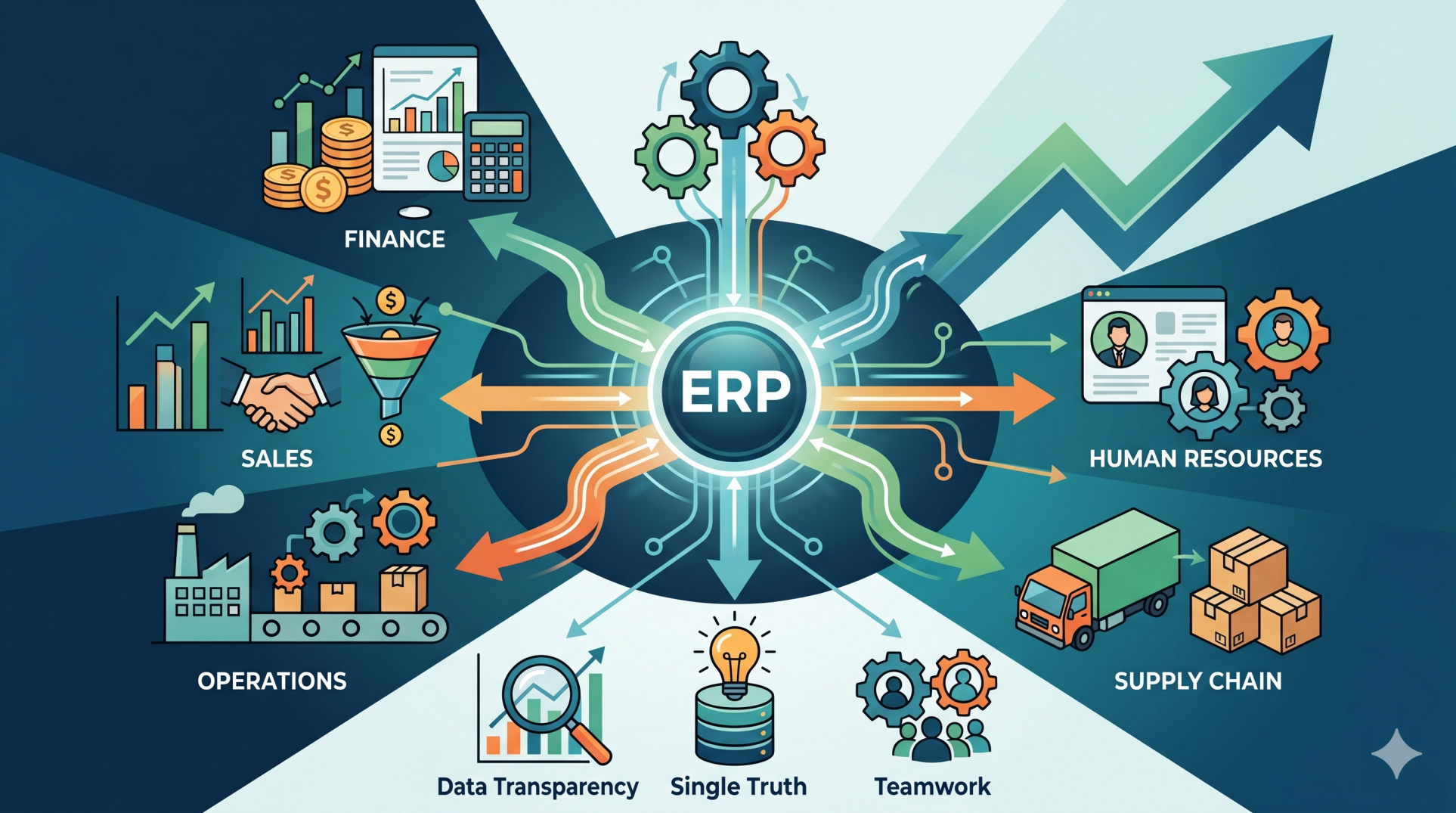
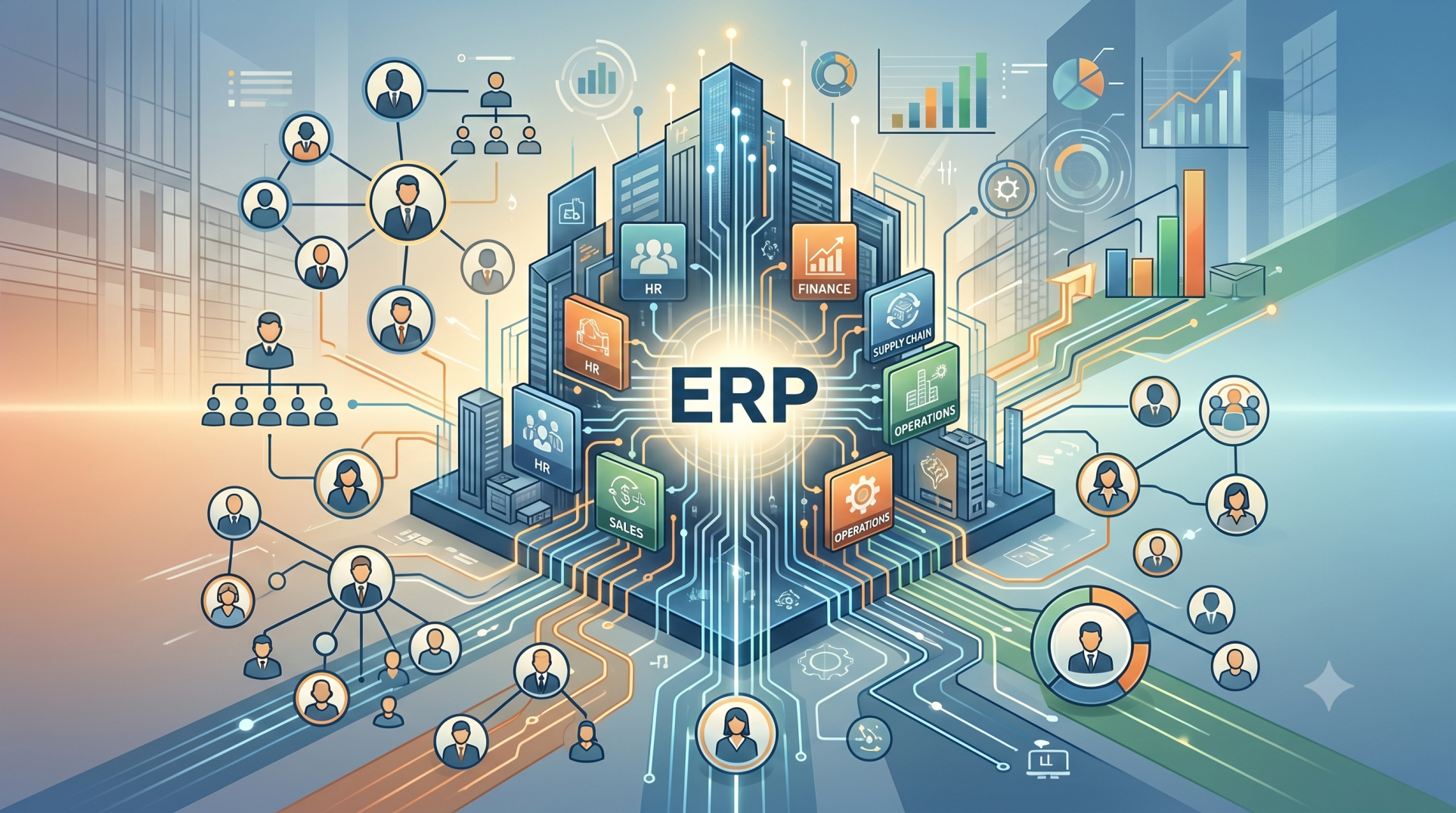
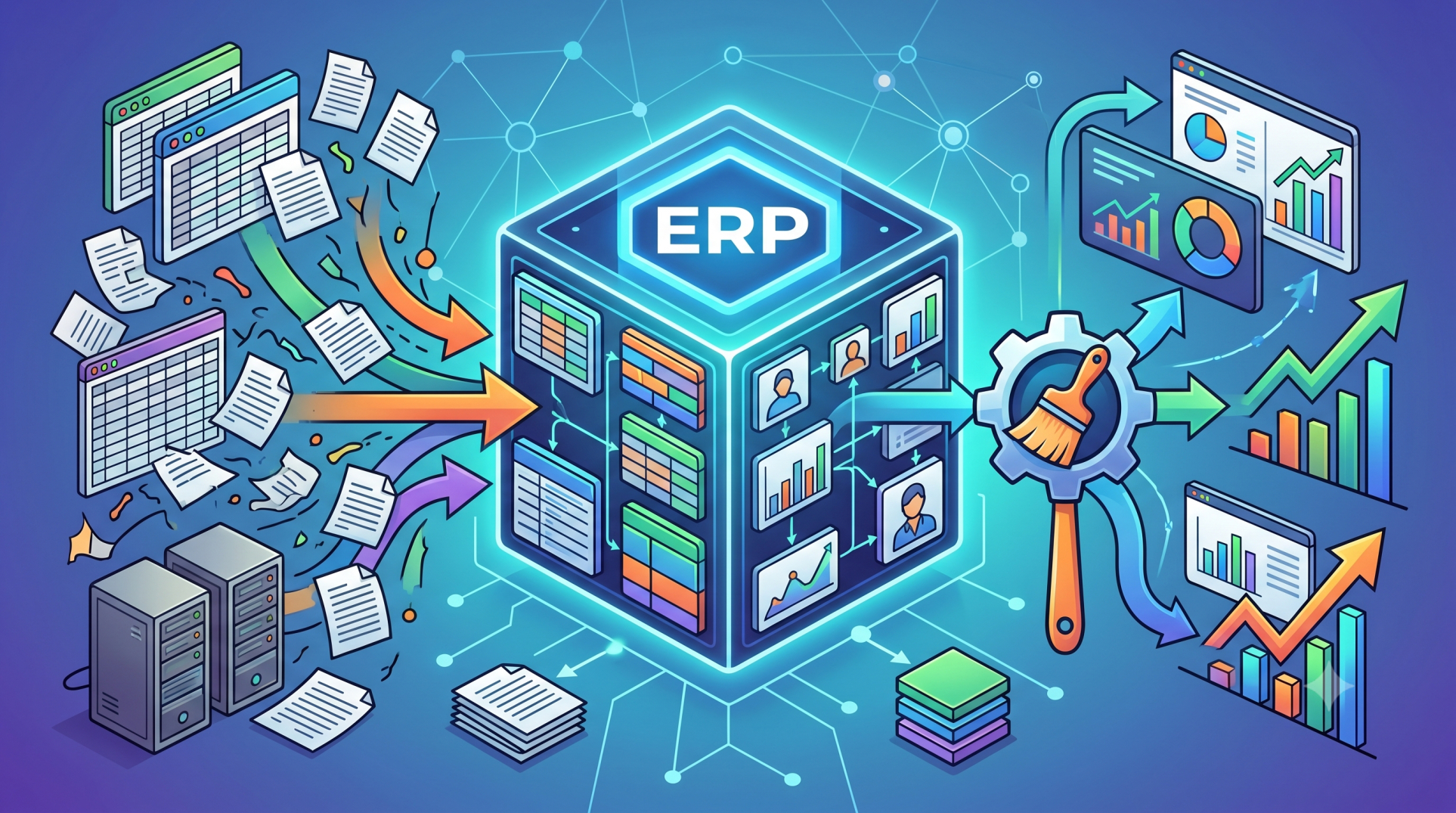
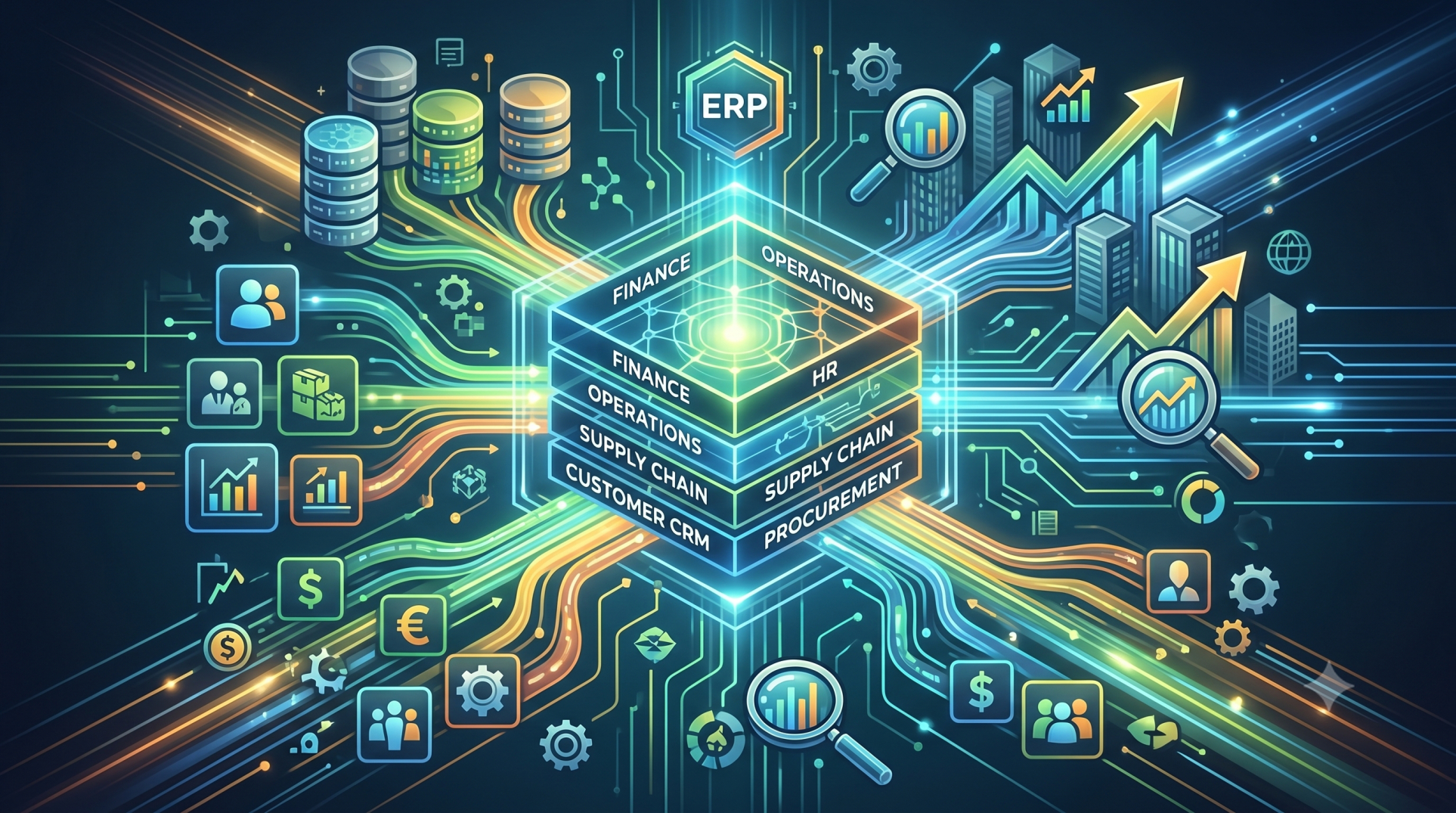
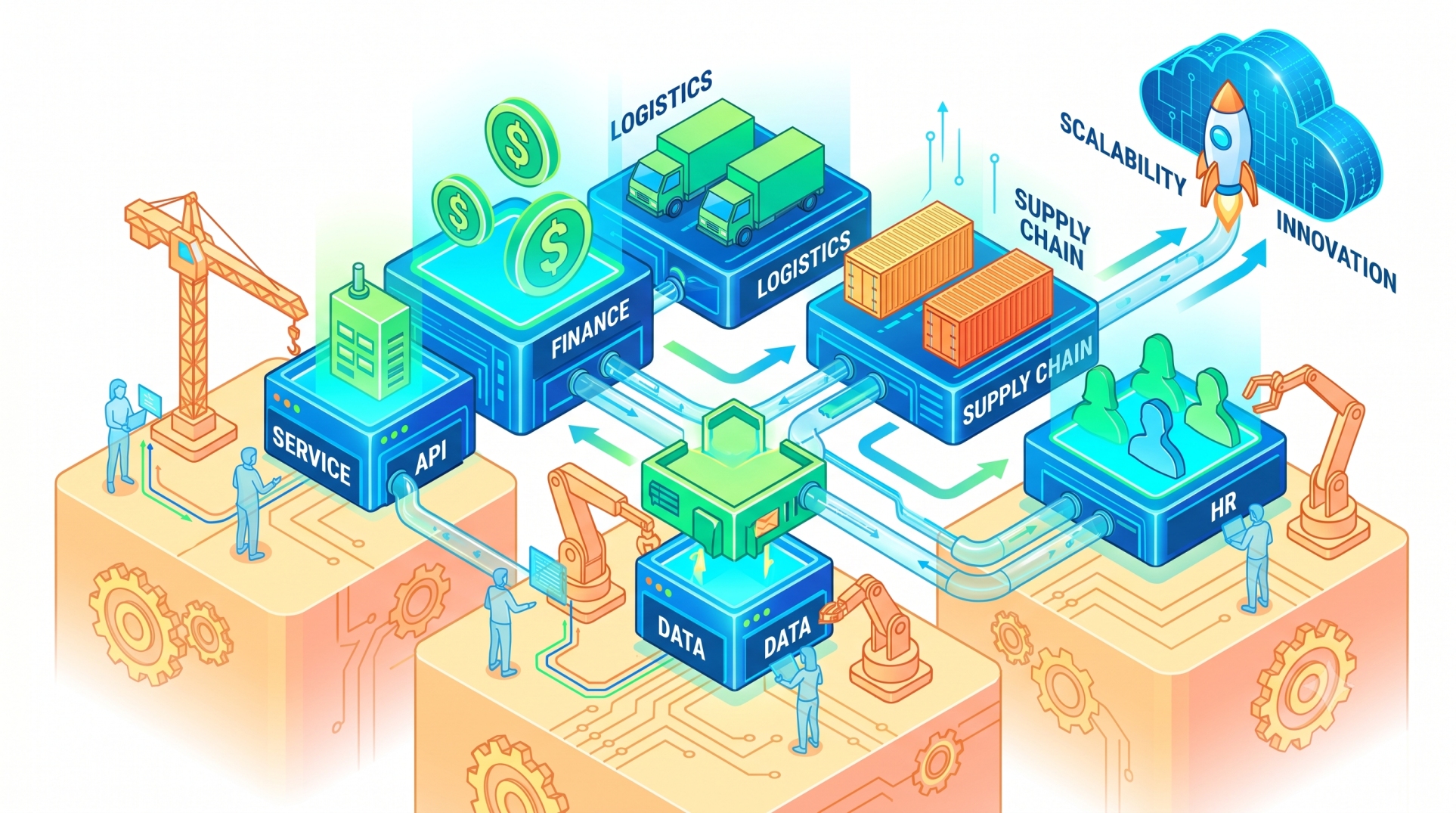
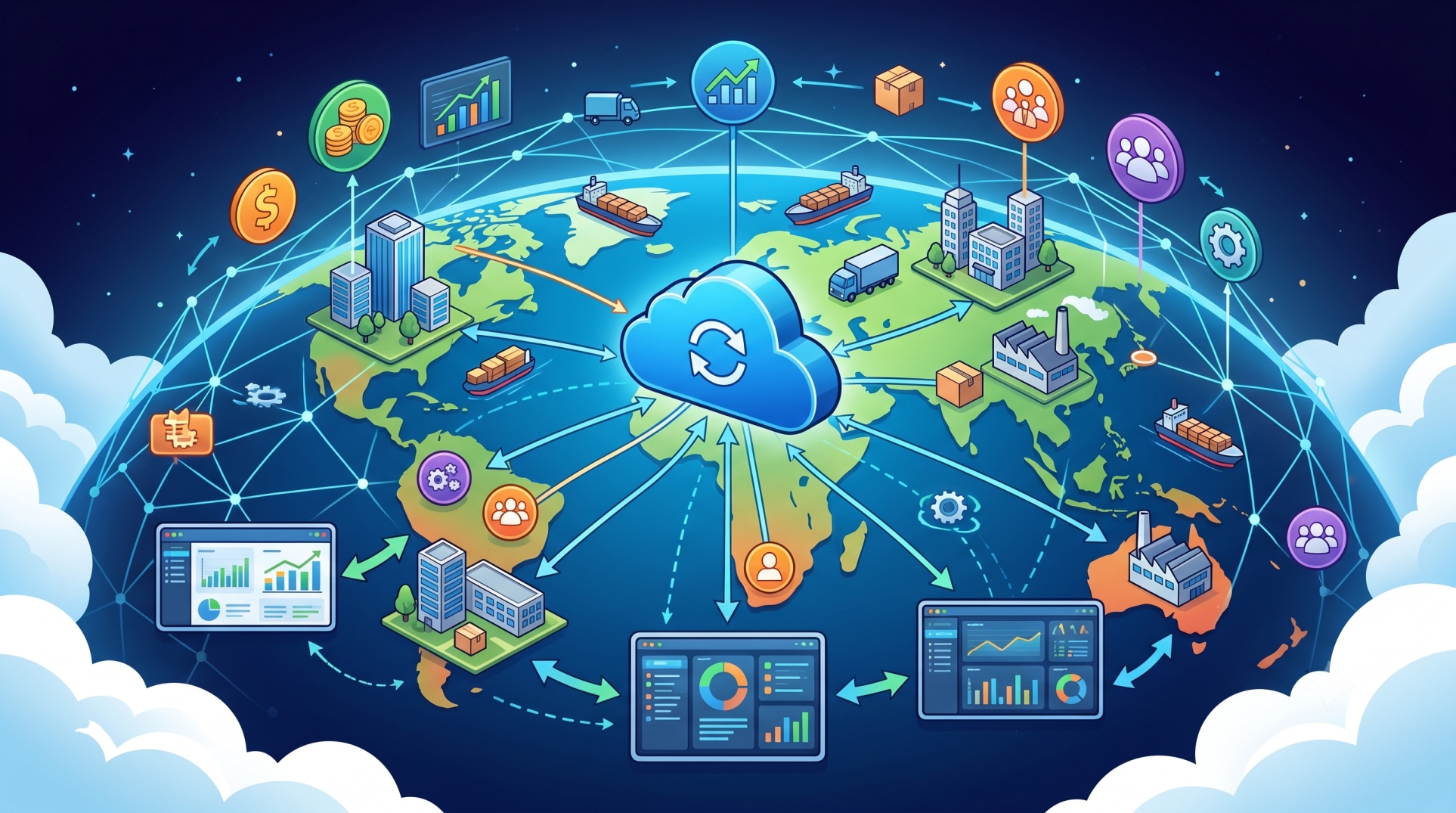
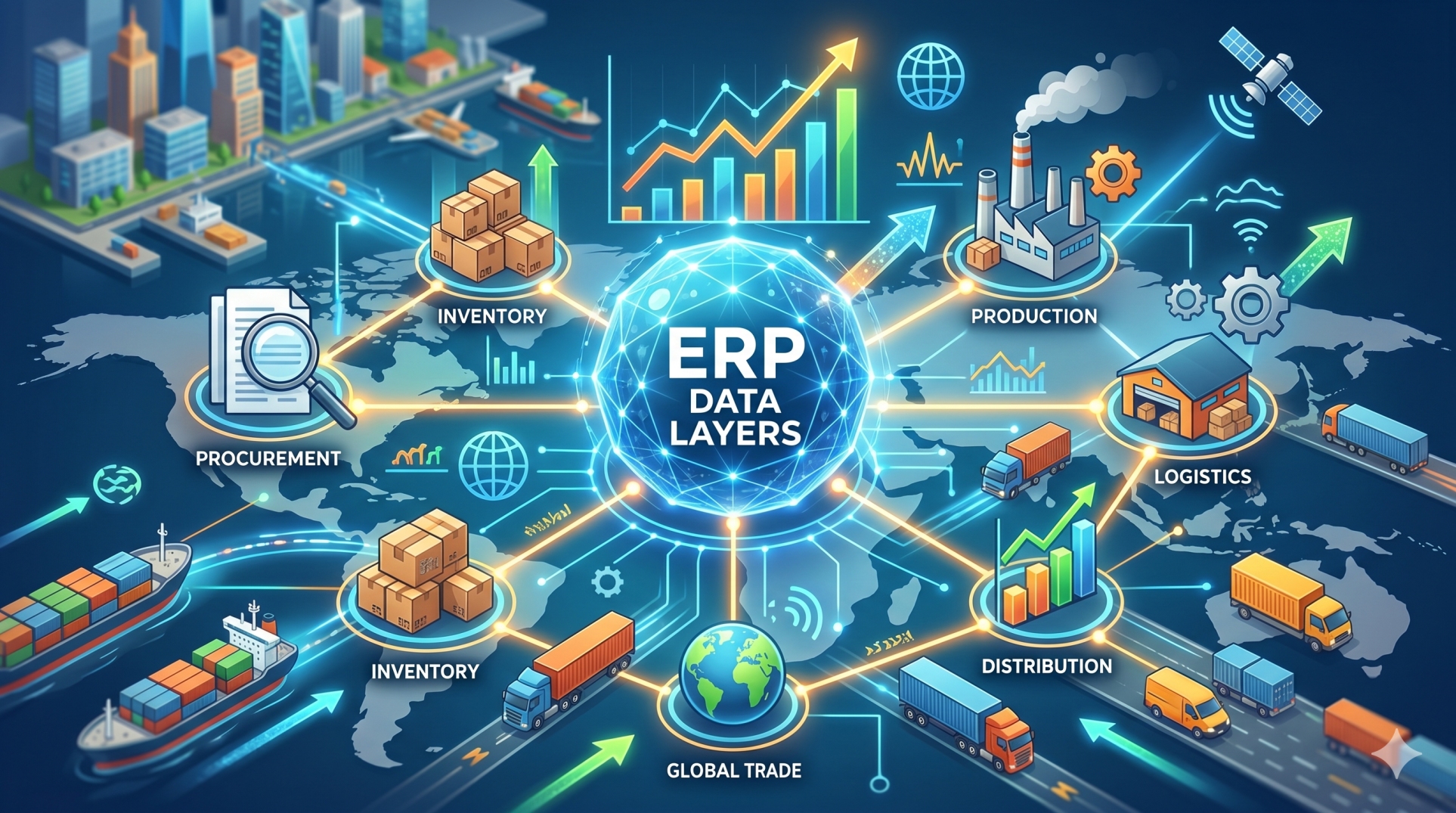
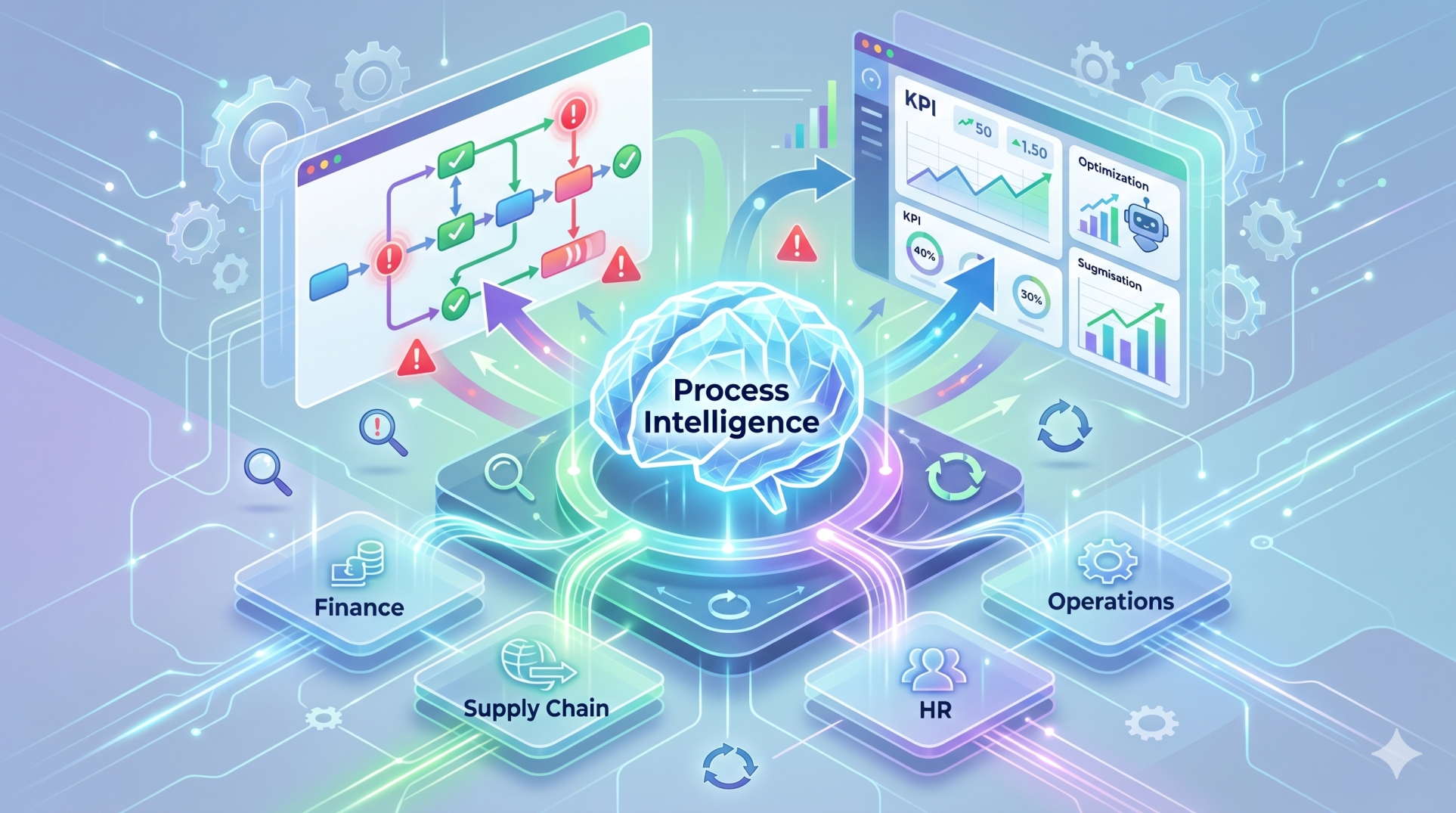
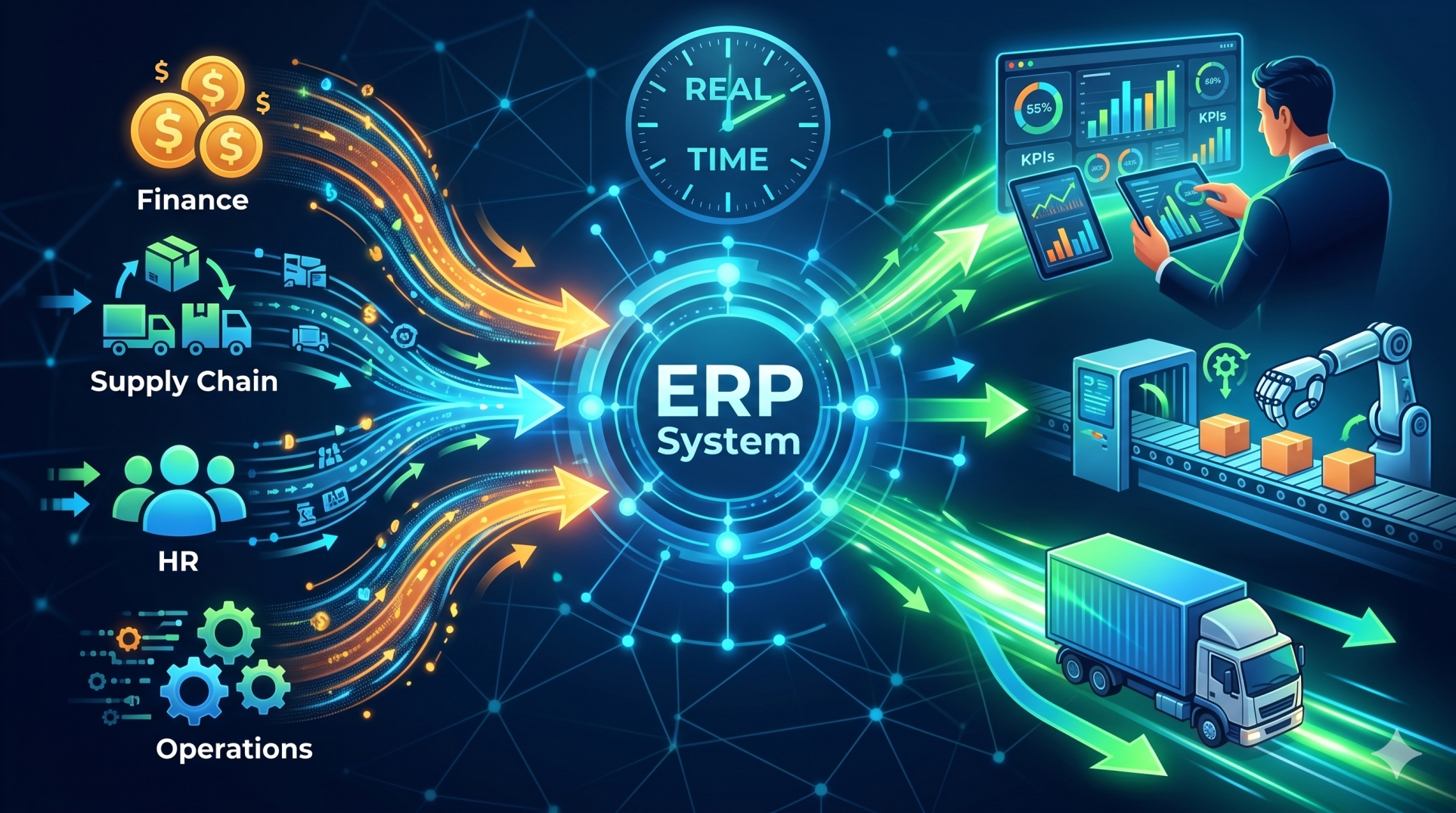
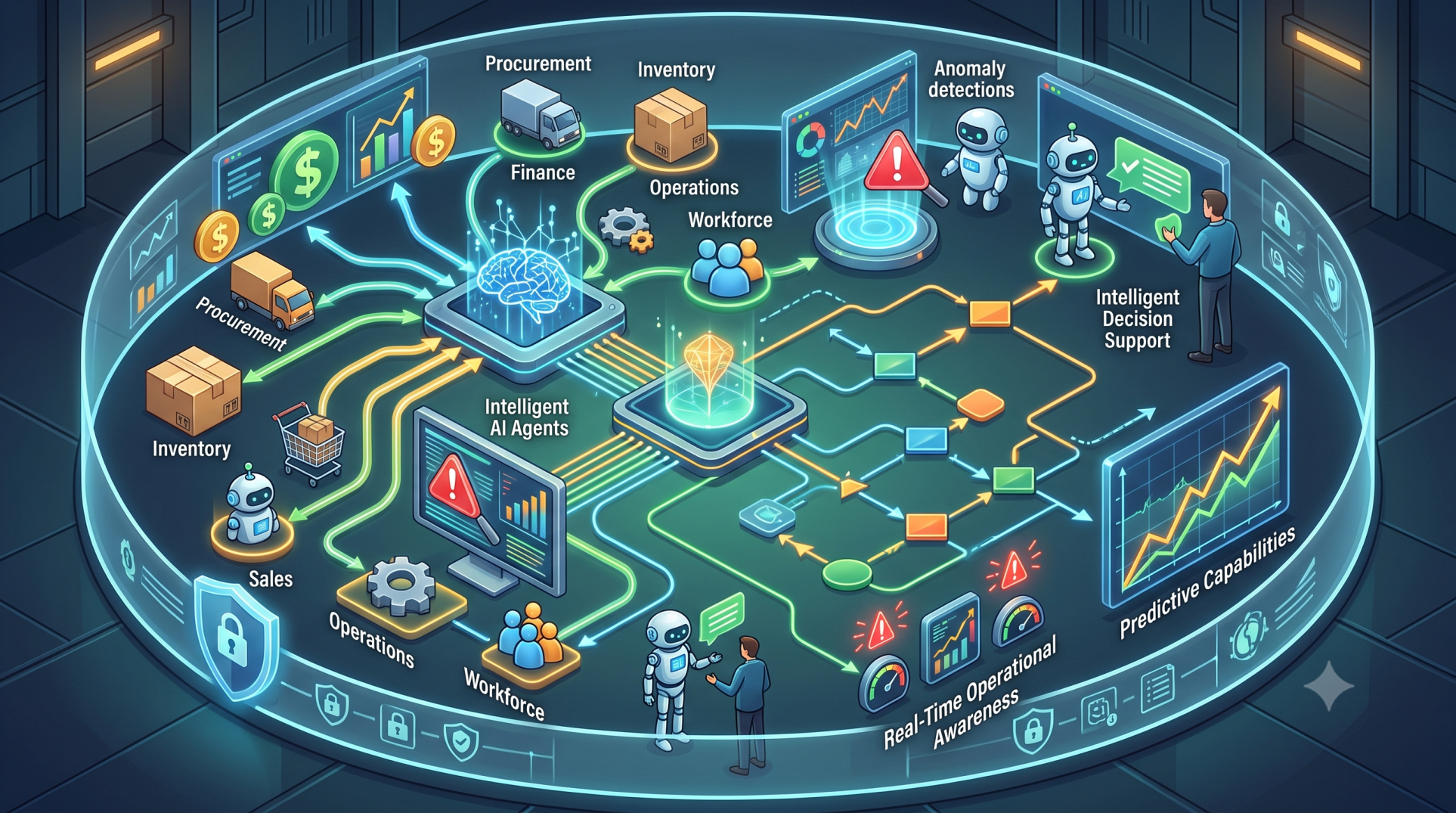
• Finance, procurement, inventory, sales, operations, and workforce data can be connected. 📊
• Unified information gives AI systems broader business context. 🧠
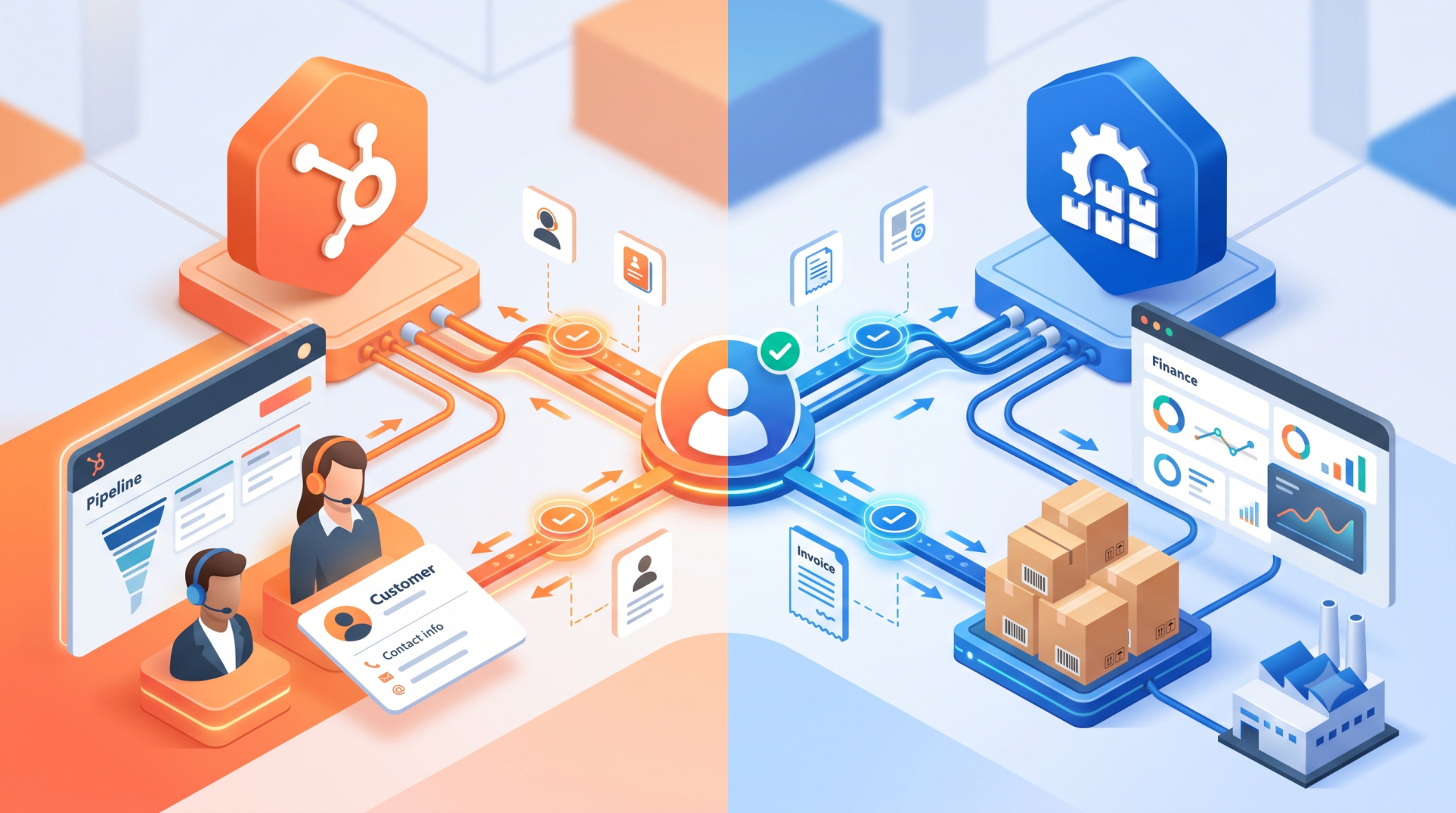
• Data from external applications can be incorporated through APIs and integrations. 🌐
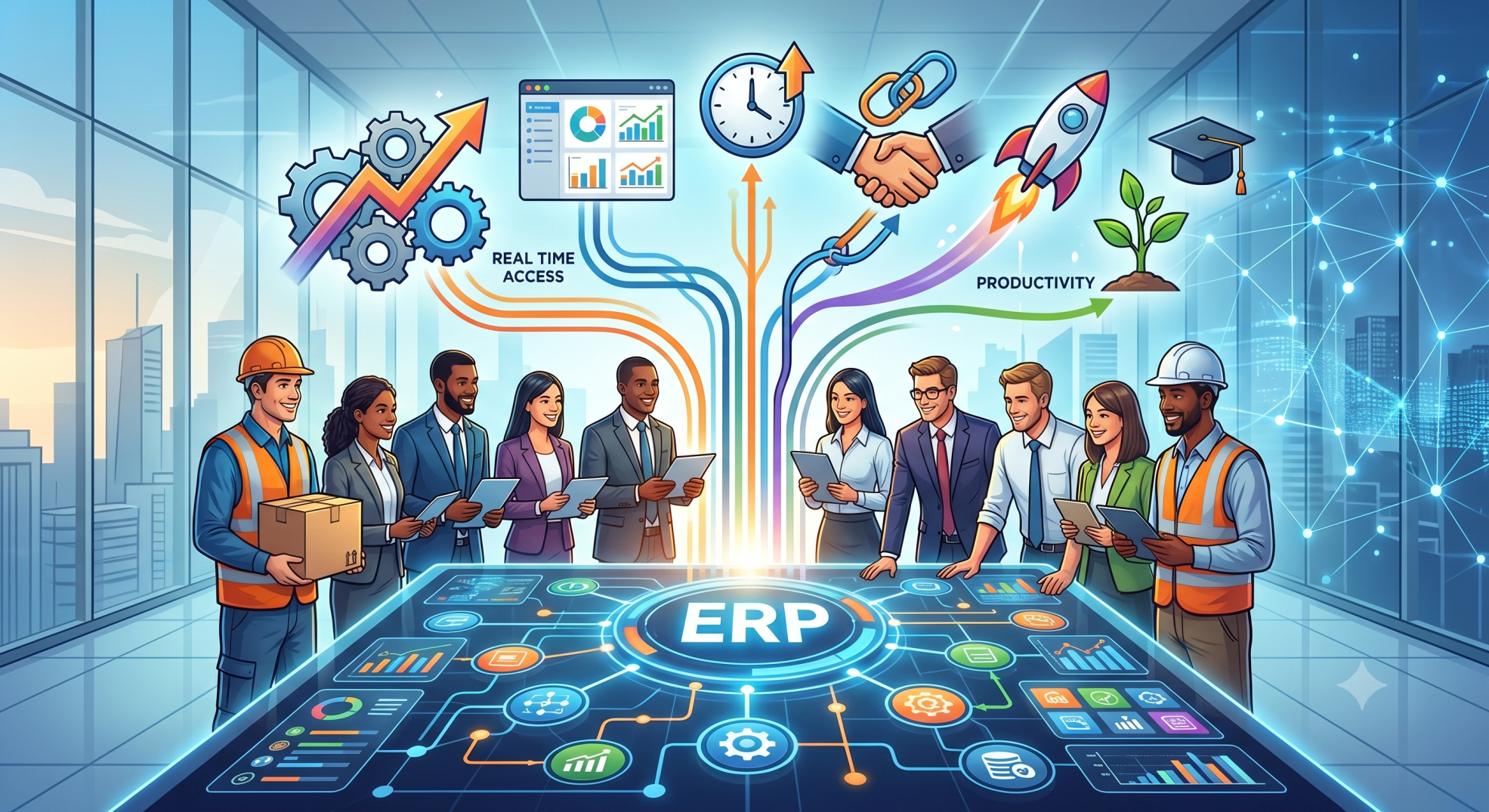
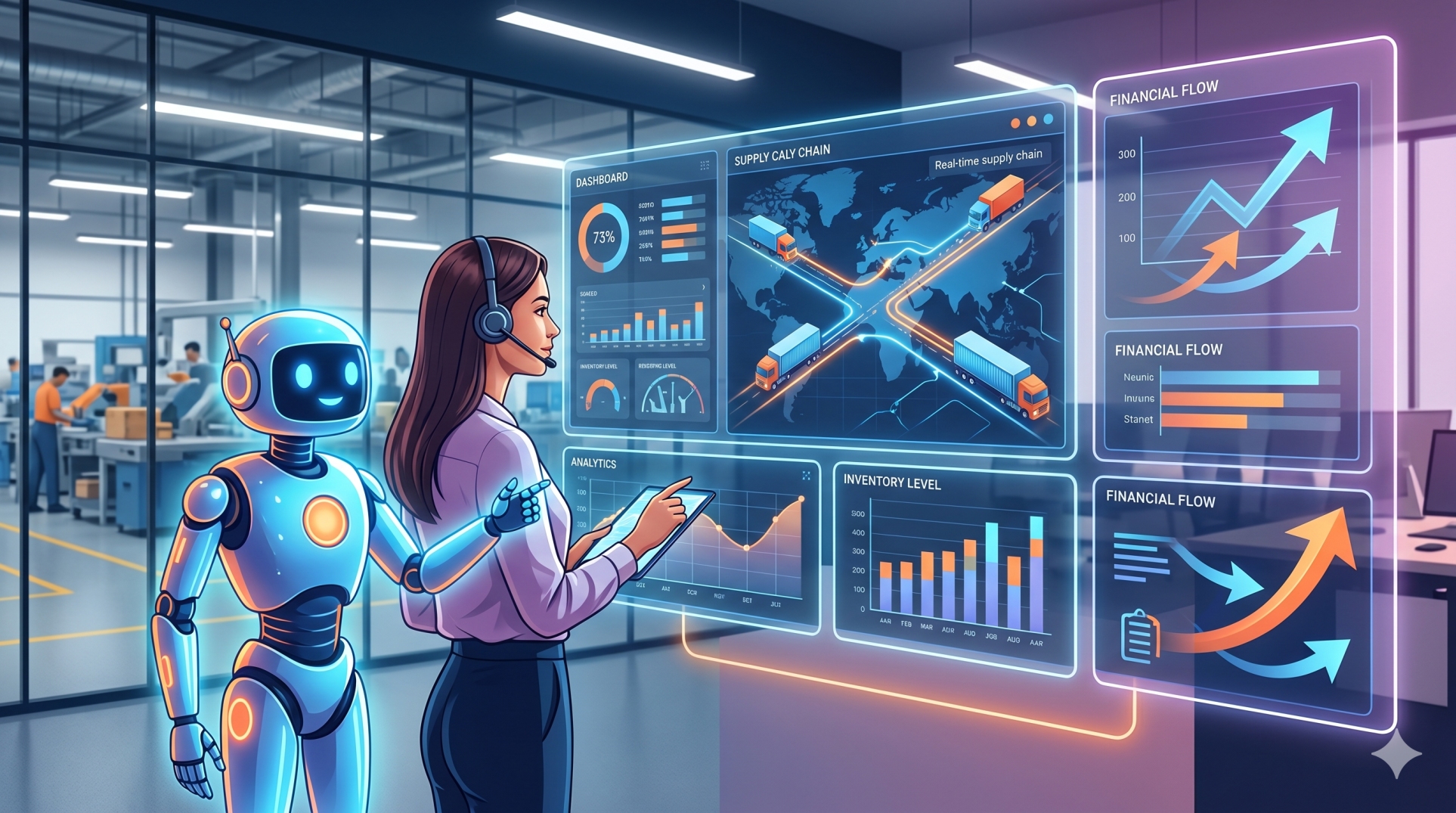
• Real-time information can support faster operational responses. ⏱️
• Strong data governance remains essential for reliable AI-enabled operations. 🔐
Step 3: Introducing AI-Powered Decision Support 💡
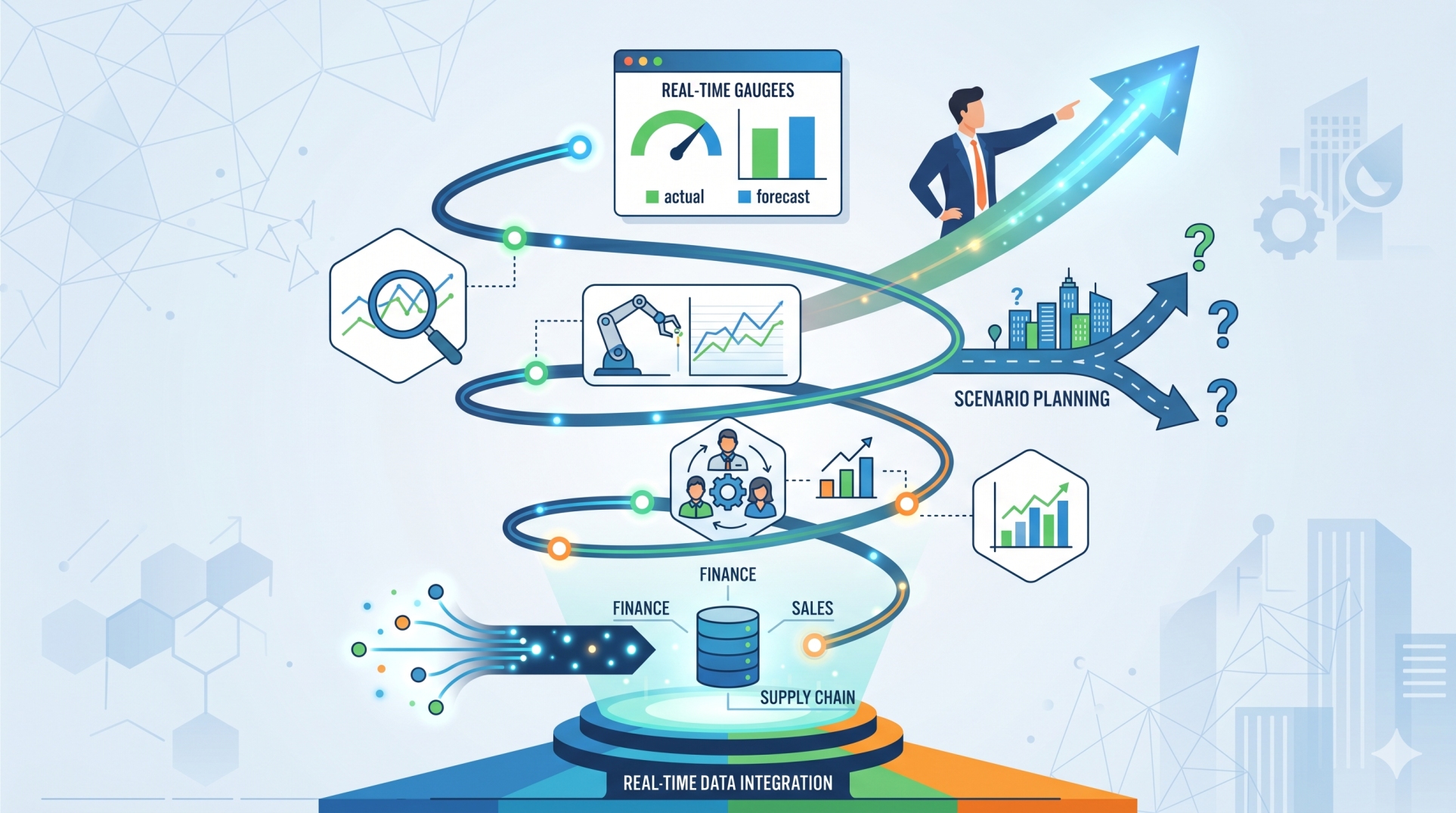
• ERP systems can analyze large volumes of operational information. 📈
• AI can identify patterns, anomalies, and potential issues. 🔎
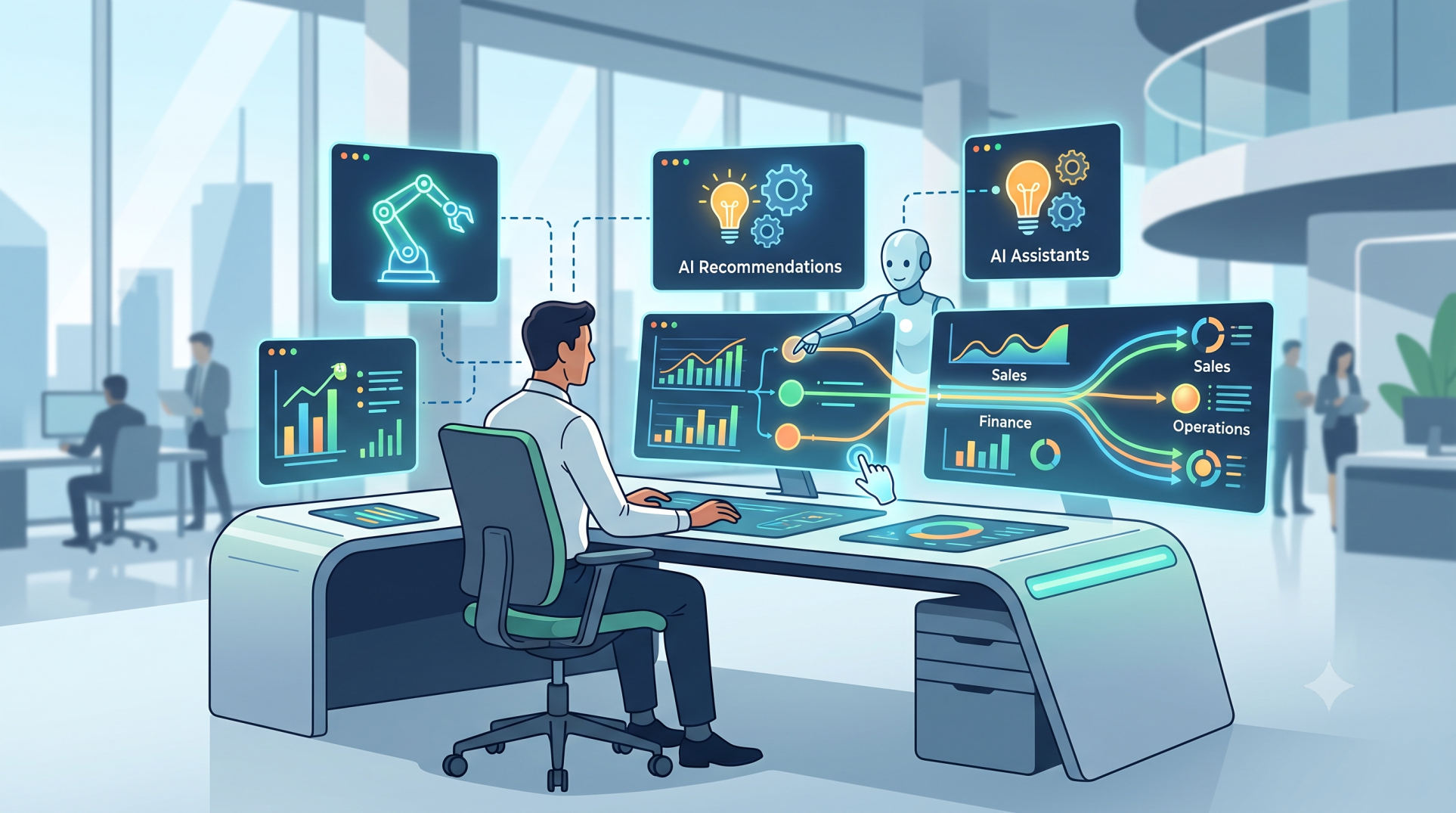
• Employees can receive recommendations based on available business data. 🎯
• Forecasting capabilities can support planning and resource allocation. 📊
• Human users can remain responsible for decisions that require business judgment or approval. 👥
Step 4: Evolving Workflow Automation ⚙️
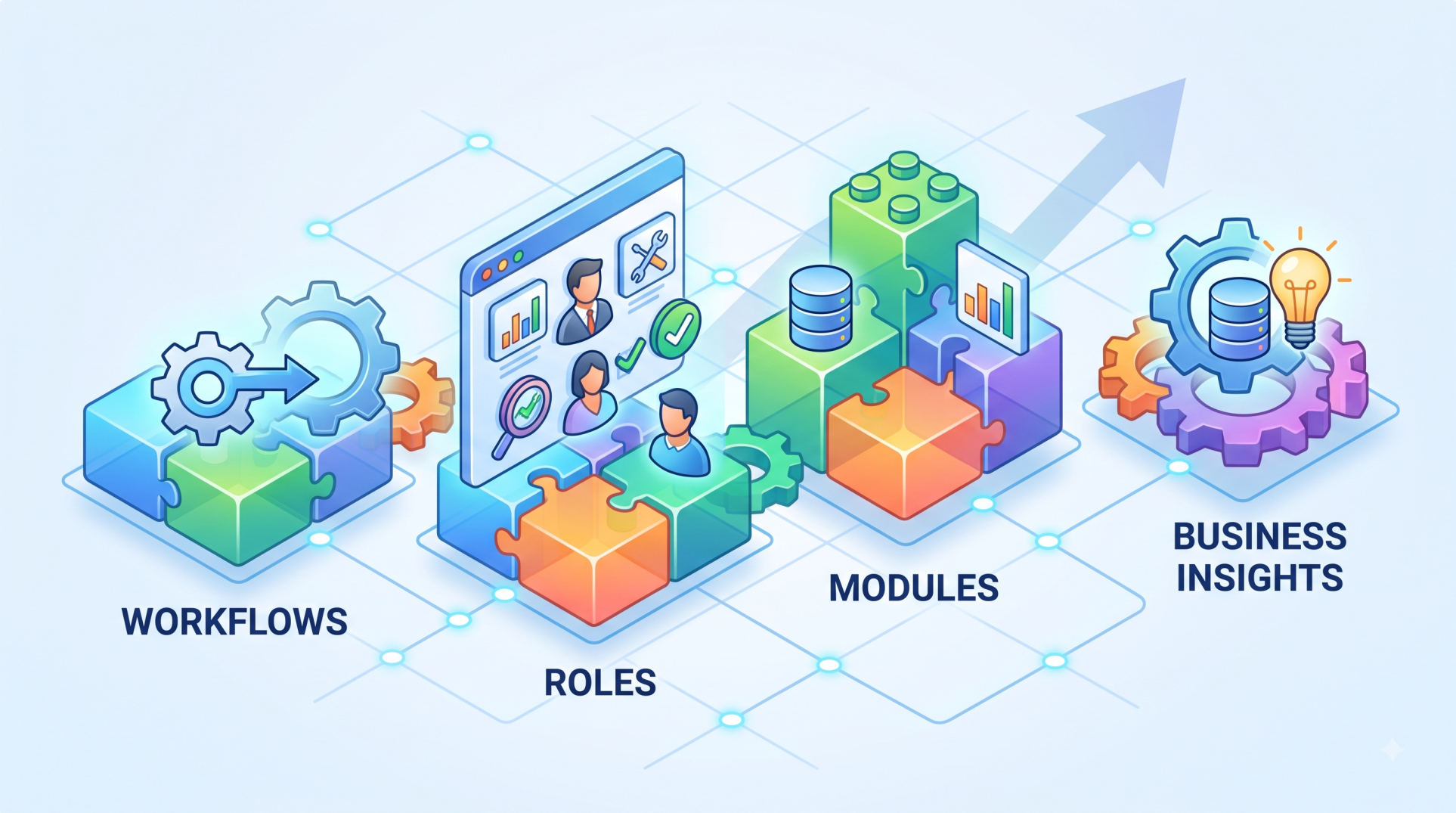
• Workflows can combine traditional business rules with AI-generated insights. 🧩
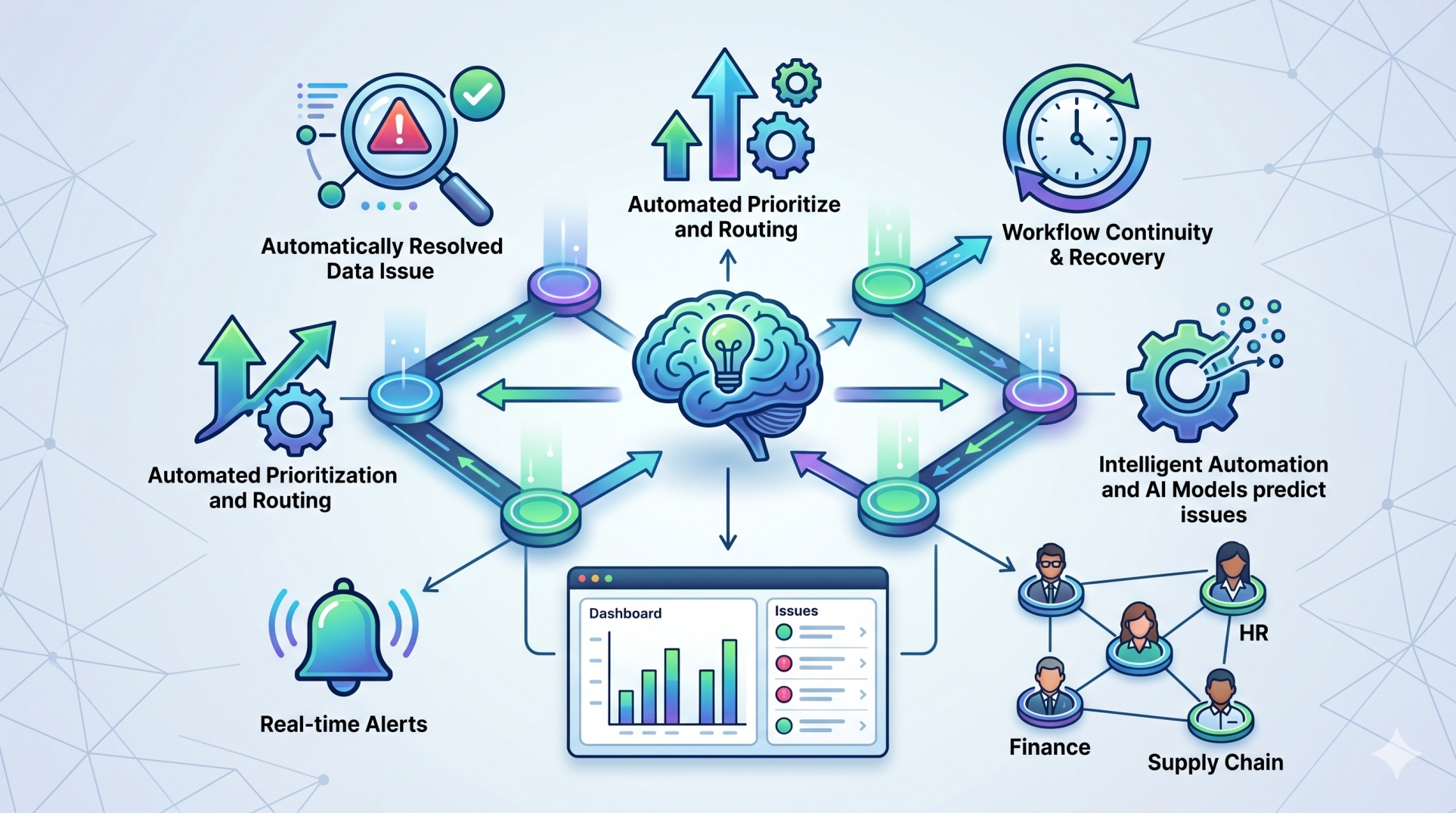
• AI can help determine which process should be triggered based on available context. 🔄
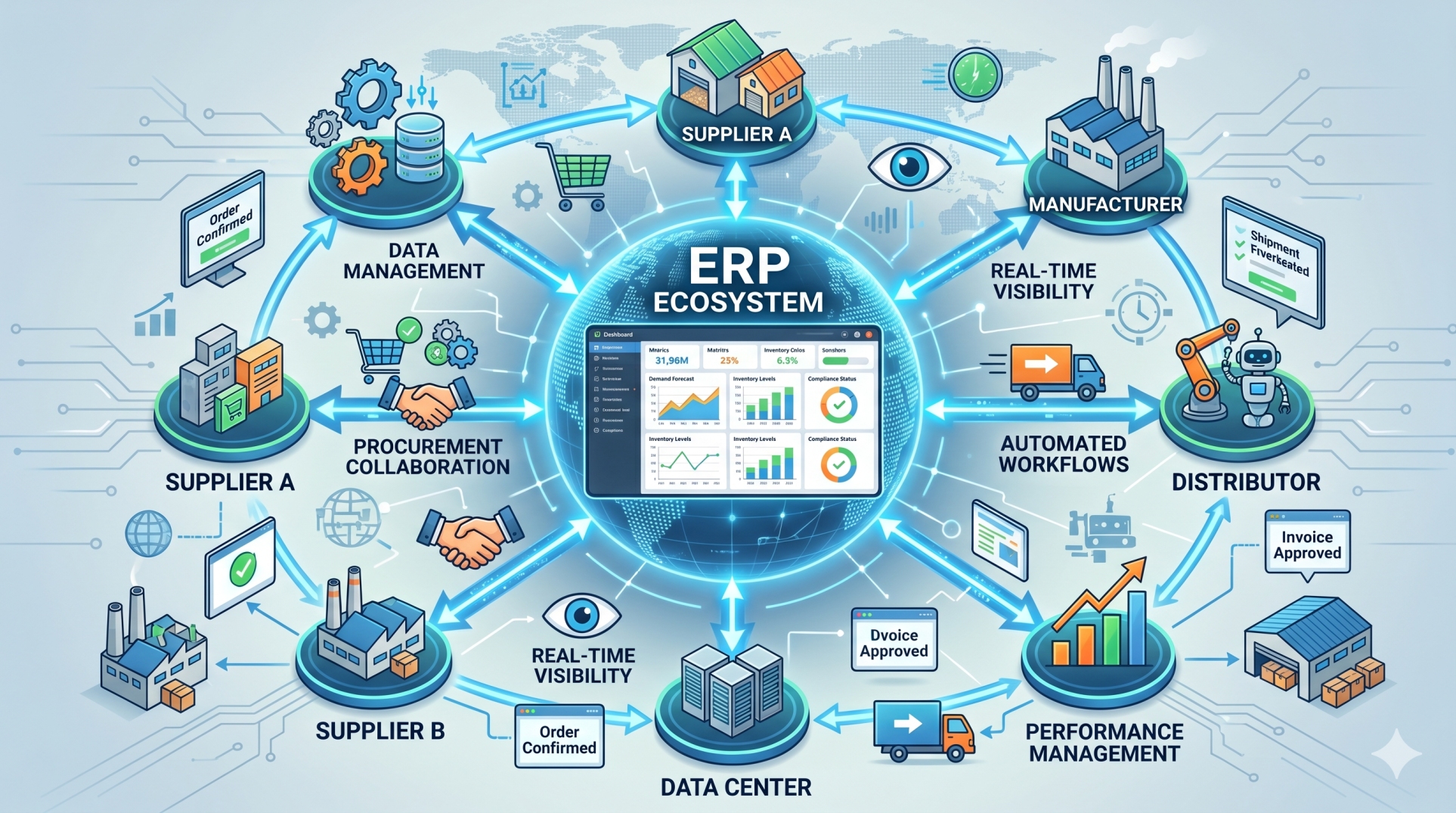
• Multi-stage workflows can coordinate activities across different ERP functions. 🔗
• Automated actions can operate within predefined permissions and controls. 🛡️
• Exceptions can be routed to employees when human intervention is required. 👤
Step 5: Expanding the Role of AI Agents 🤖
• AI agents can support defined multi-step operational processes. 🔄
• Agents can interact with approved enterprise tools and information sources. 🔐
• They can help coordinate activities such as information gathering, analysis, and workflow execution. 🧠
• Agent-based systems can work alongside existing ERP automation. ⚙️
• Clear permissions, monitoring, and human oversight are important when agents perform business actions. 👥
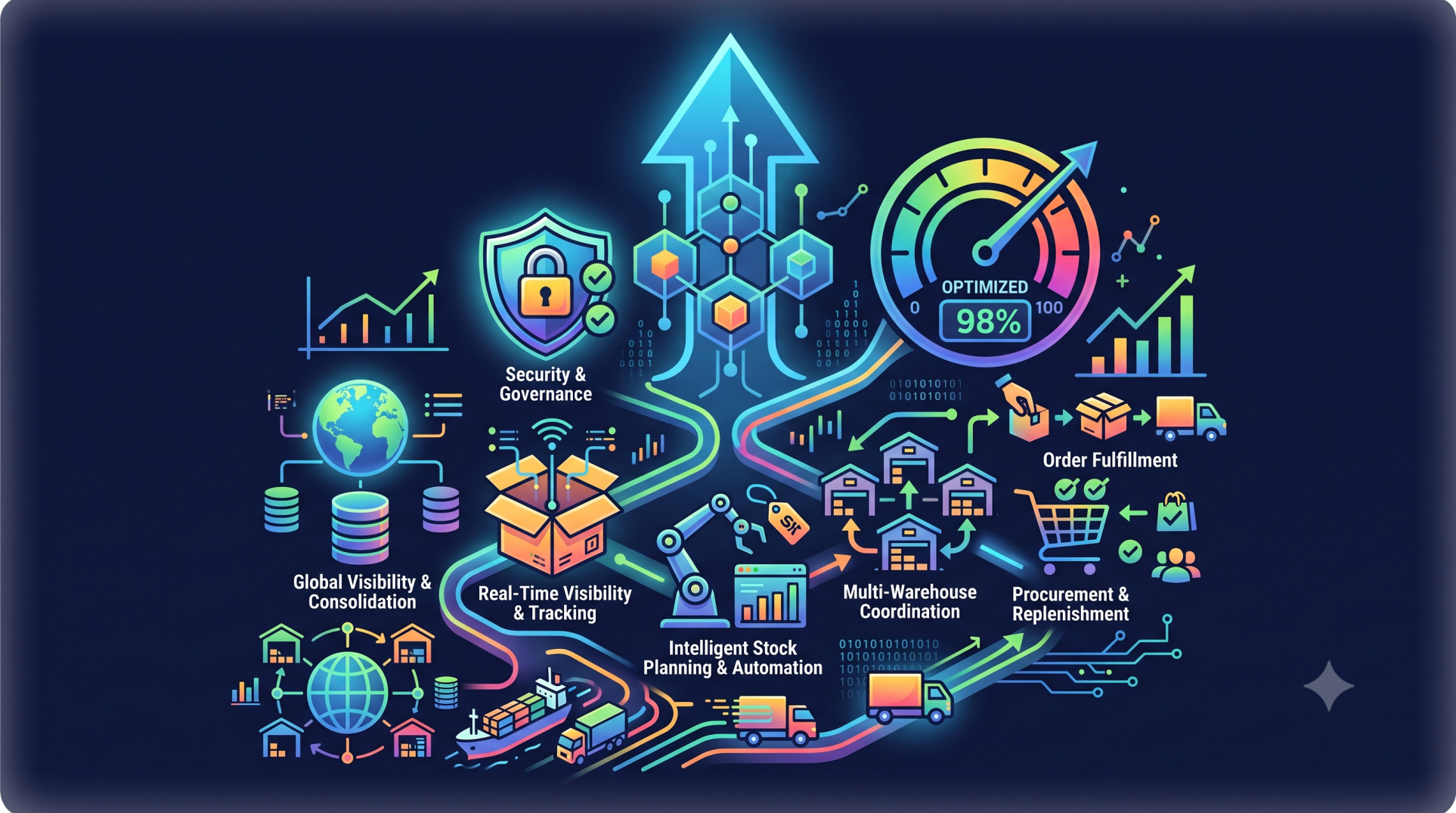
Step 6: Improving Real-Time Operational Awareness ⏱️
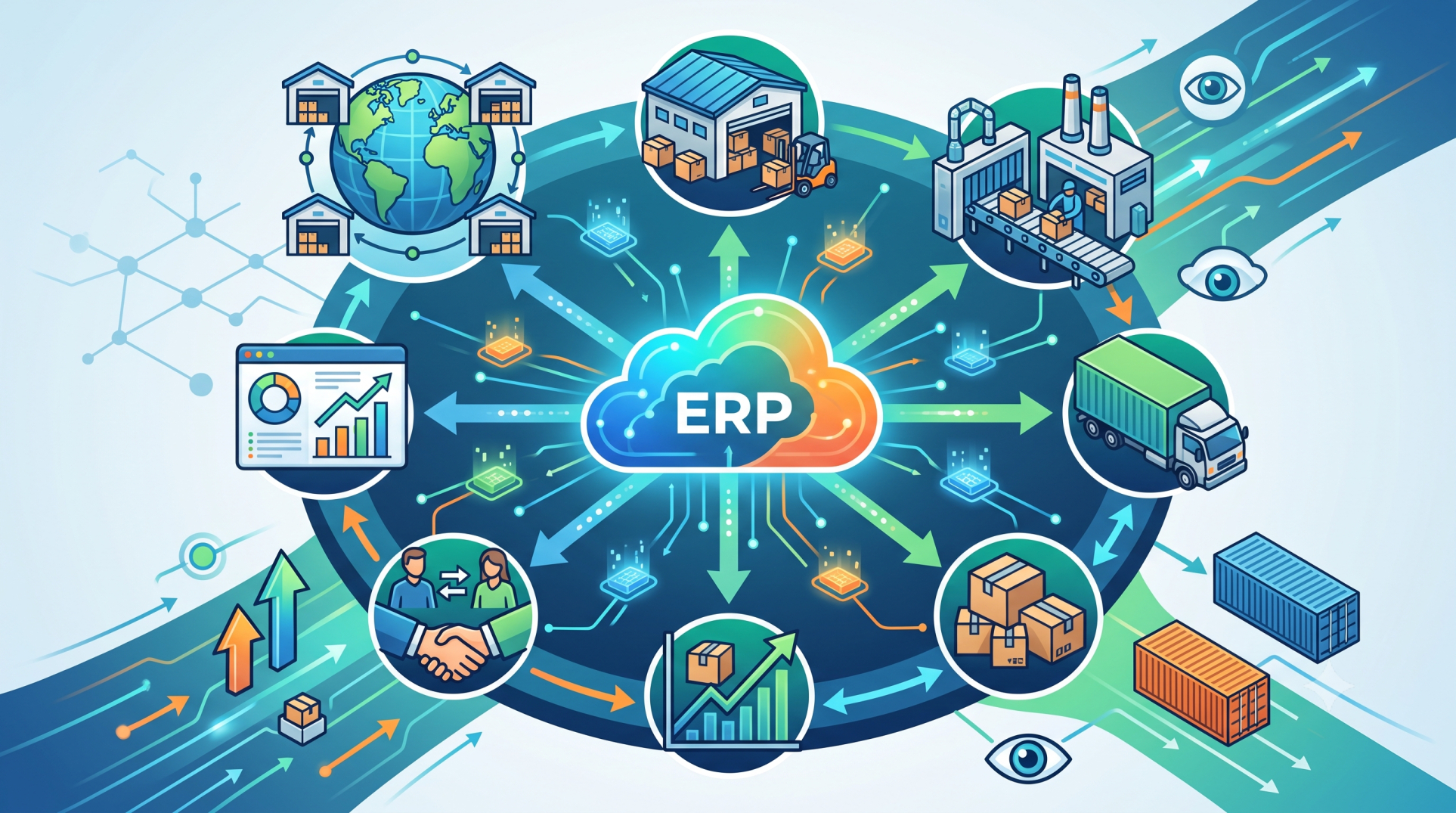
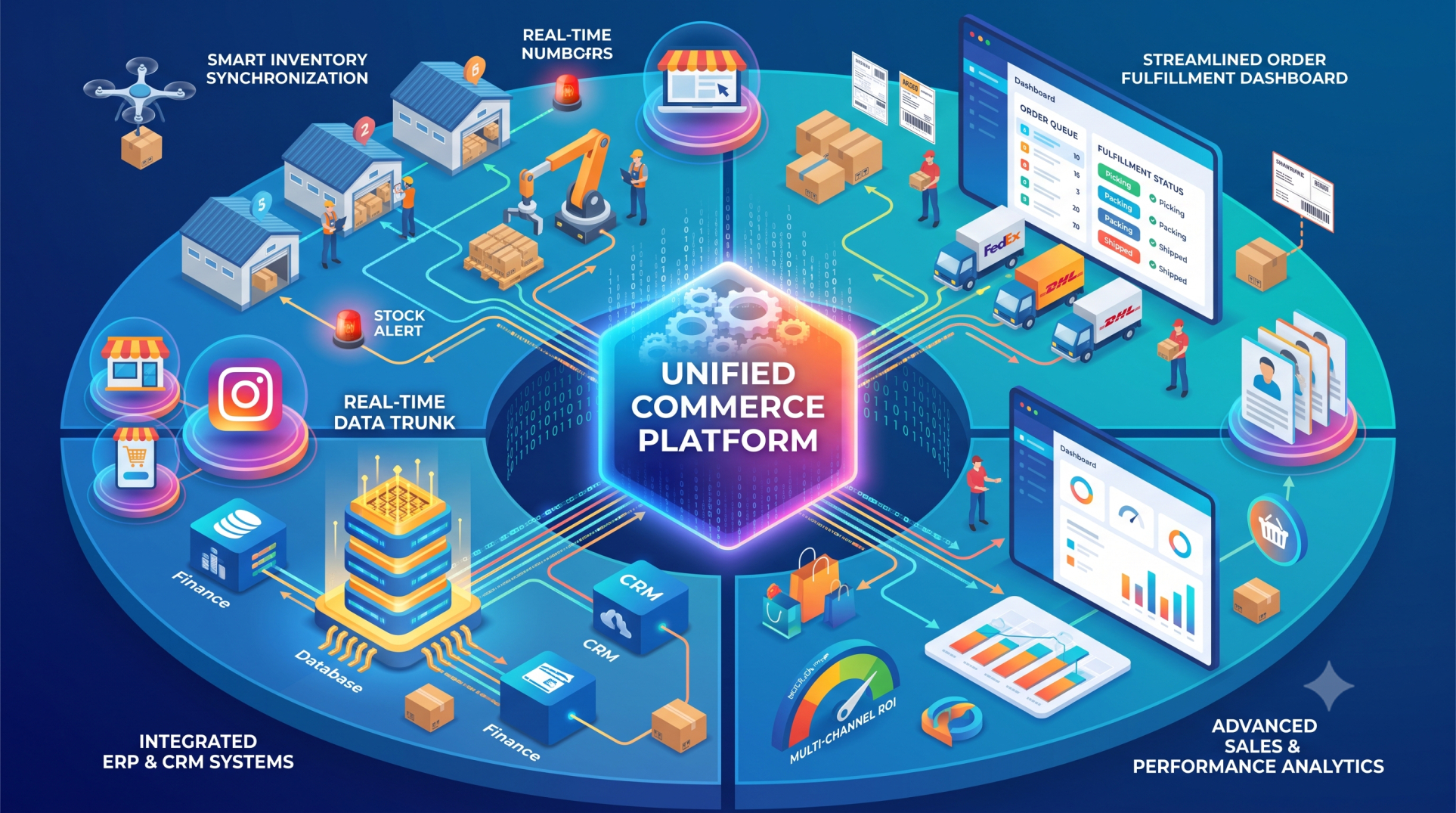
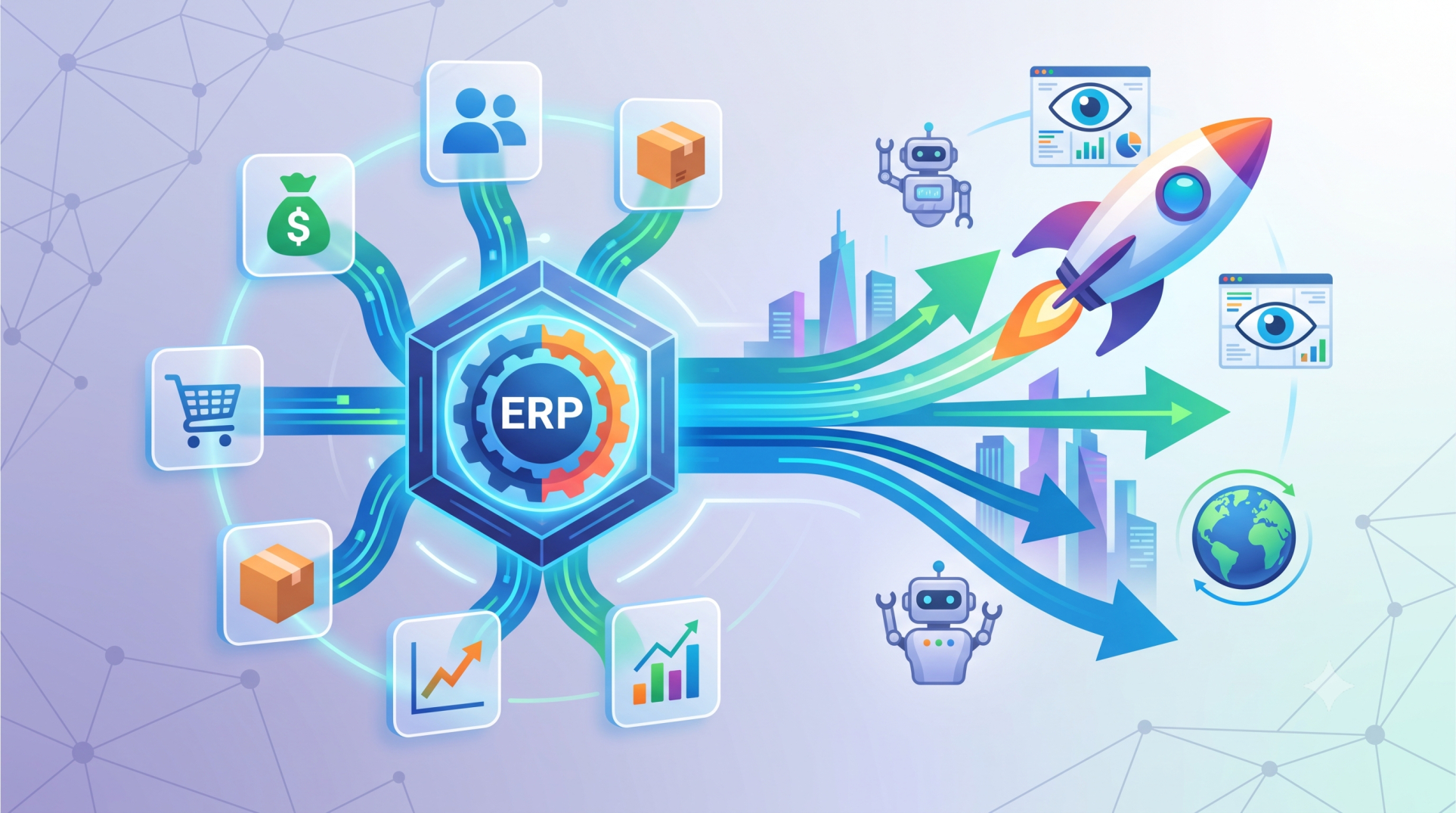
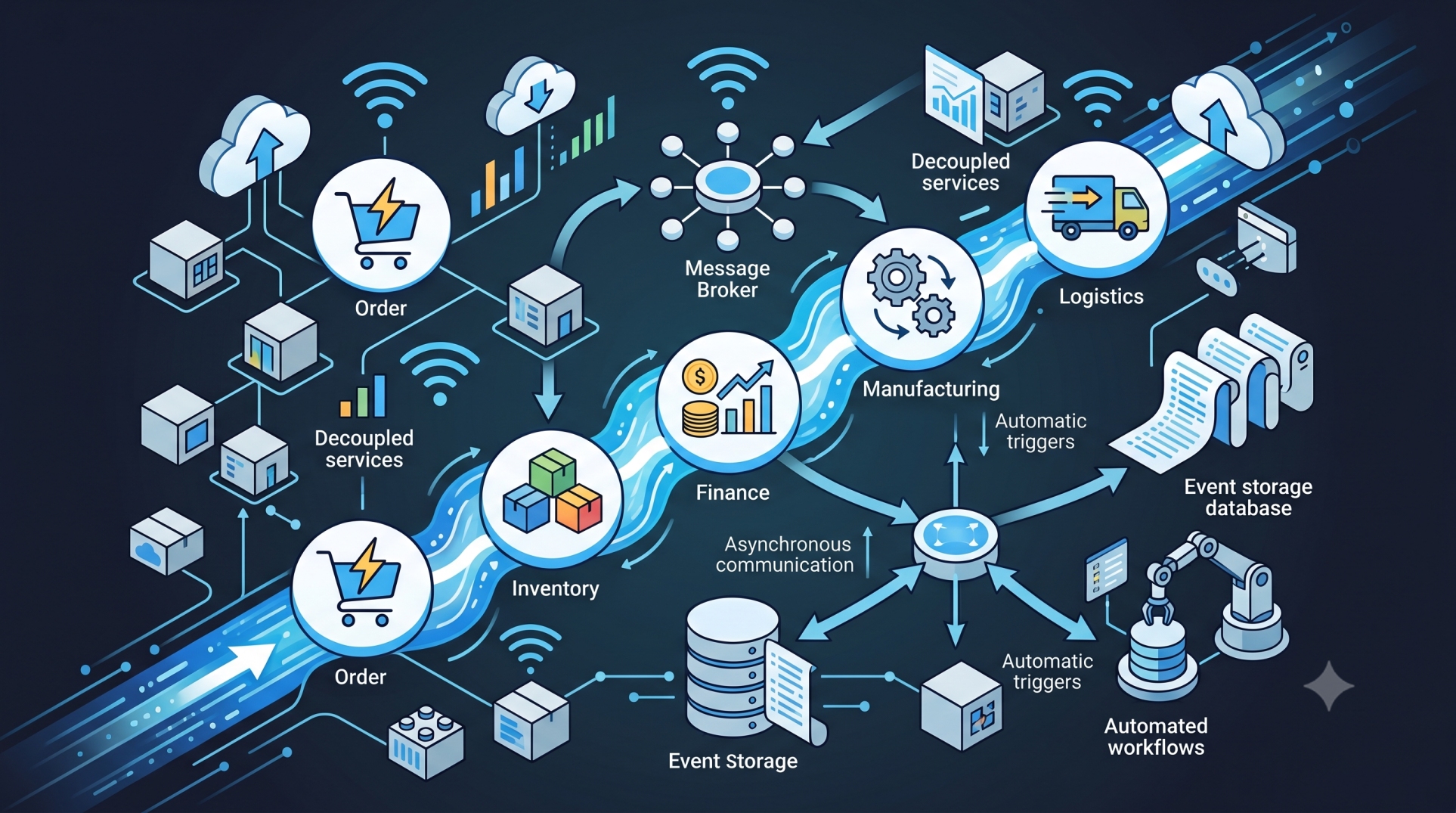
• ERP platforms can process events from multiple operational systems. 🌐
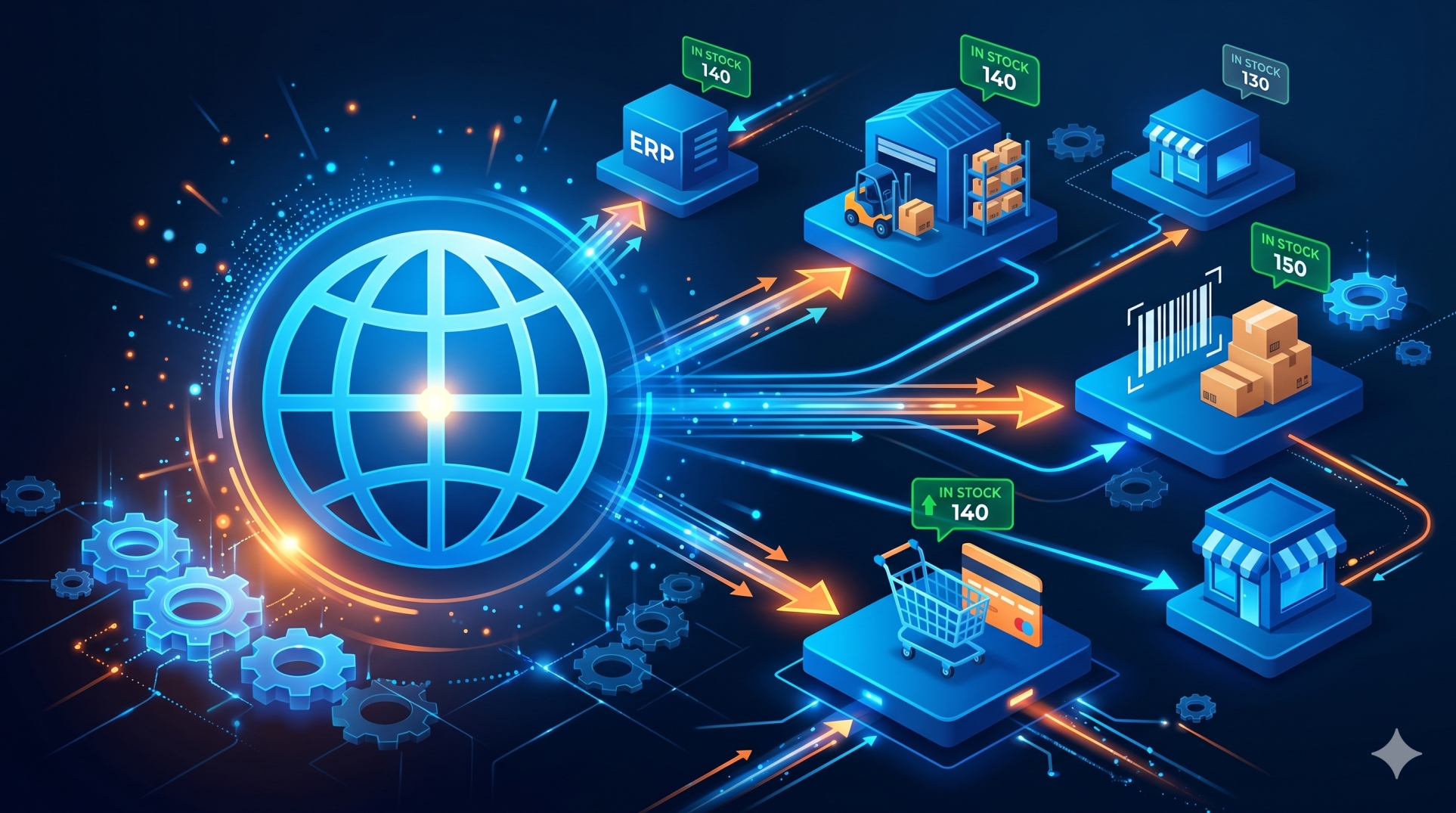
• Changes in inventory, orders, payments, or supply conditions can trigger workflows. 📦
• AI can help identify situations that require attention. 🚨
• Real-time information can reduce delays between business events and operational responses. ⚡
• Continuous monitoring can provide greater visibility into changing business conditions. 👁️
Step 7: Strengthening Predictive Capabilities 📈
• AI can analyze historical and current information to identify potential trends. 📊
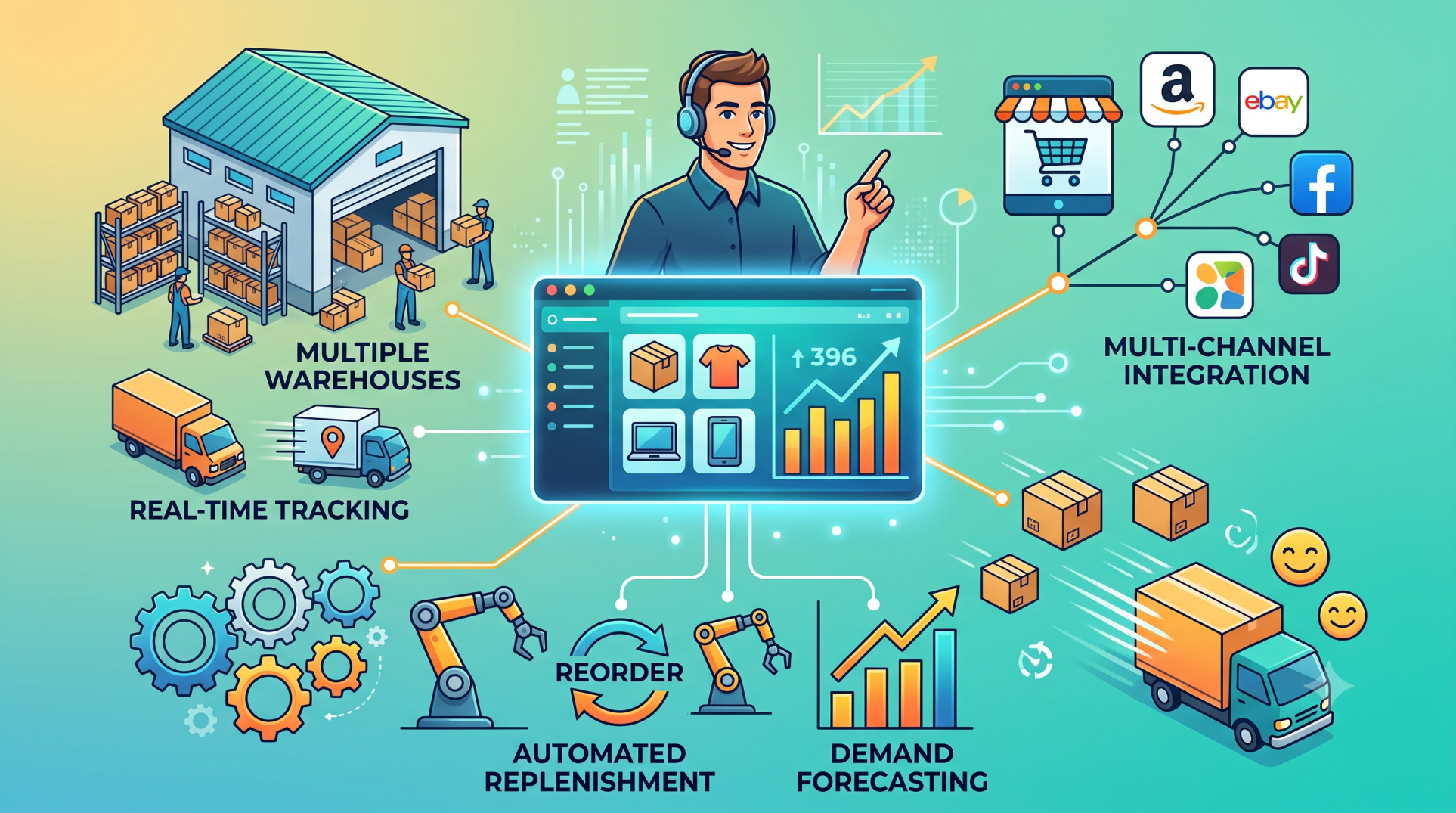
• Demand forecasting can support inventory and procurement planning. 📦
• Anomaly detection can help identify unusual transactions or operational patterns. 🔎
• Predictive insights can help teams prepare for potential disruptions. 🛡️
• Forecasts should be evaluated alongside business context and human judgment. 👥
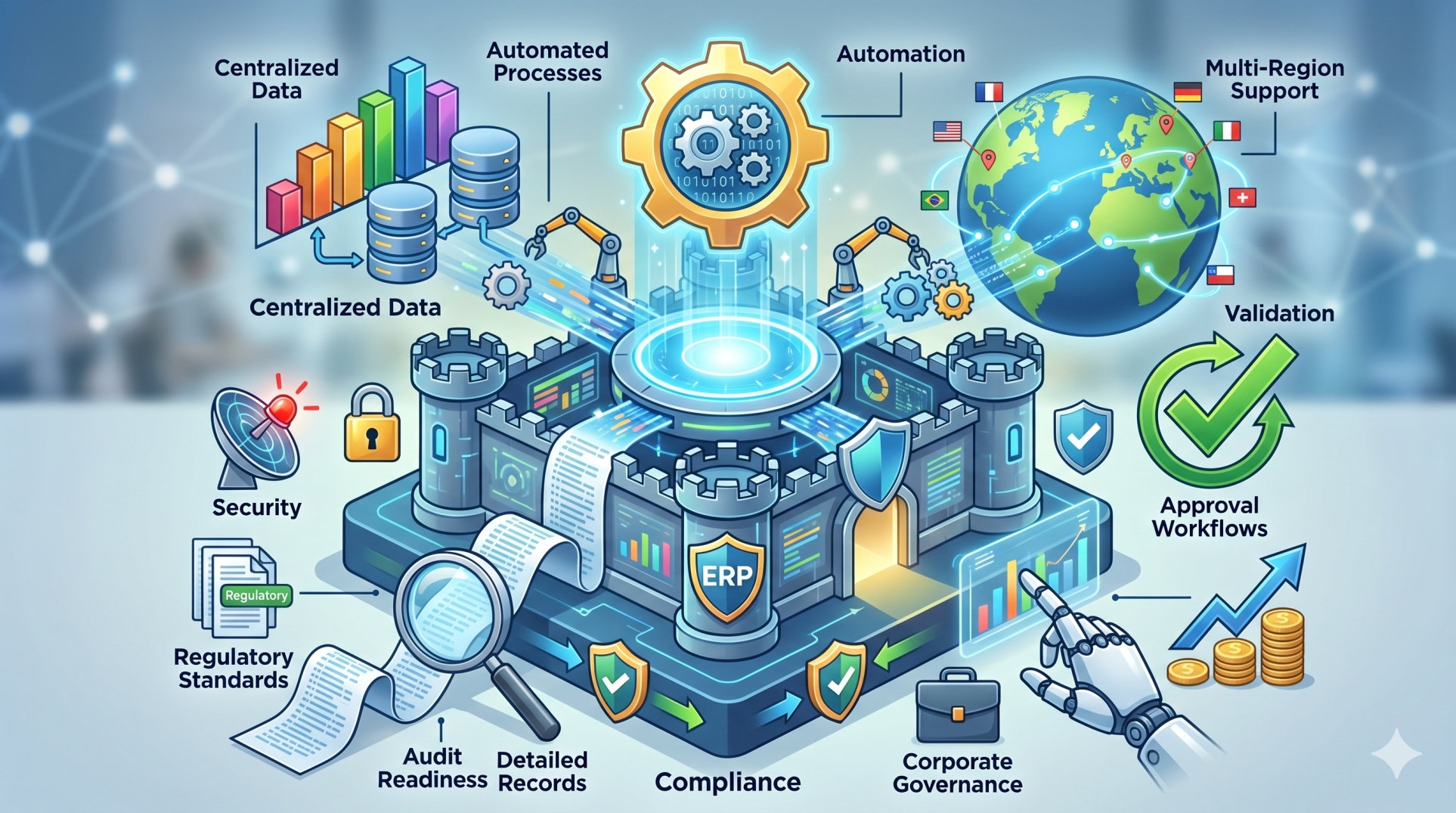
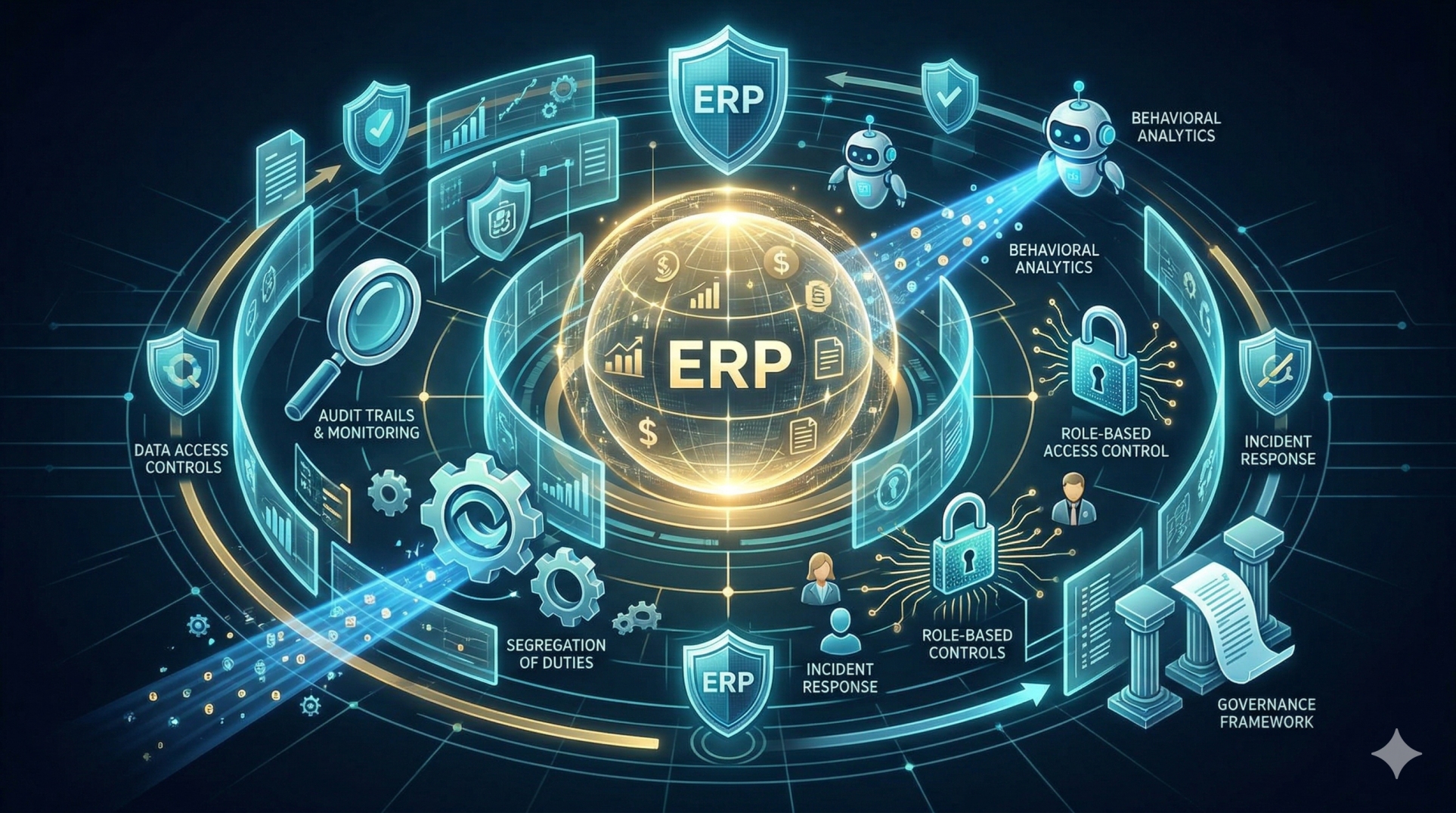
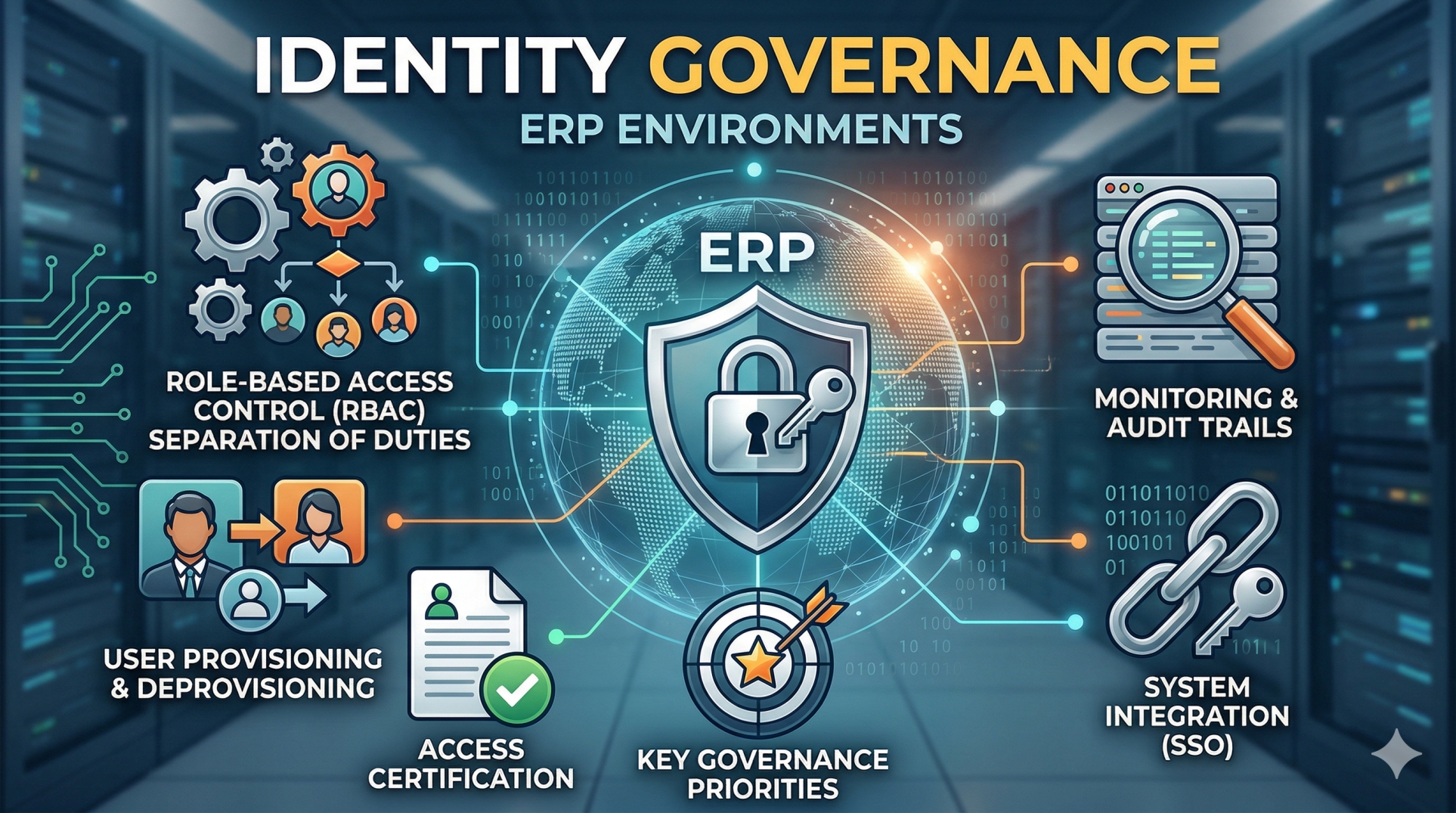
Step 8: Building Stronger Governance and Security 🔐
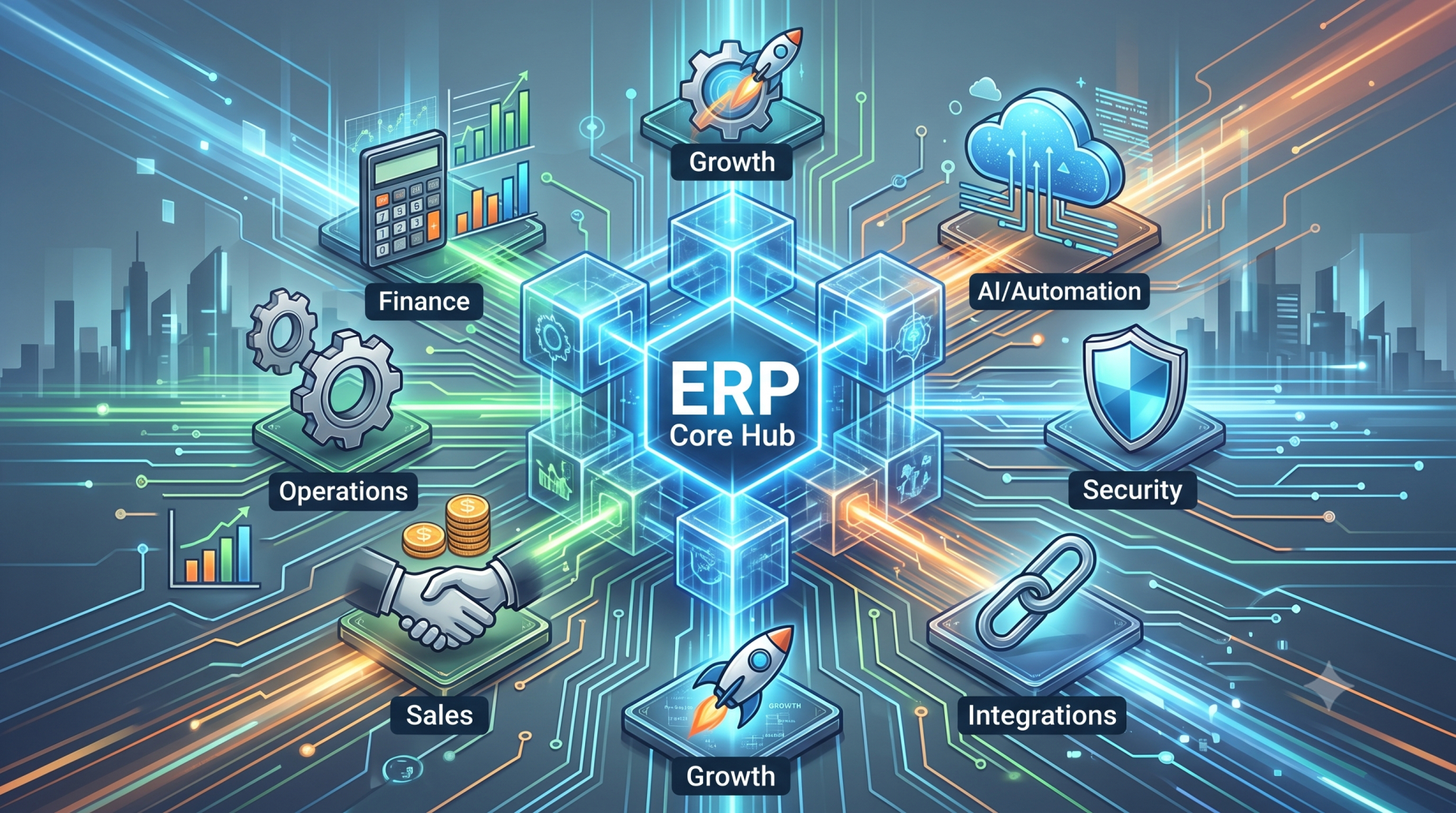
• AI-enabled ERP environments require controlled access to enterprise information. 🛡️
• Sensitive data should be protected throughout AI processing and workflow execution. 🔒
• Organizations should define which actions AI systems can perform independently. 📋
• Important AI-assisted activities should remain traceable through logs and audit records. 📝
• Governance frameworks should evolve alongside new AI capabilities. ⚖️
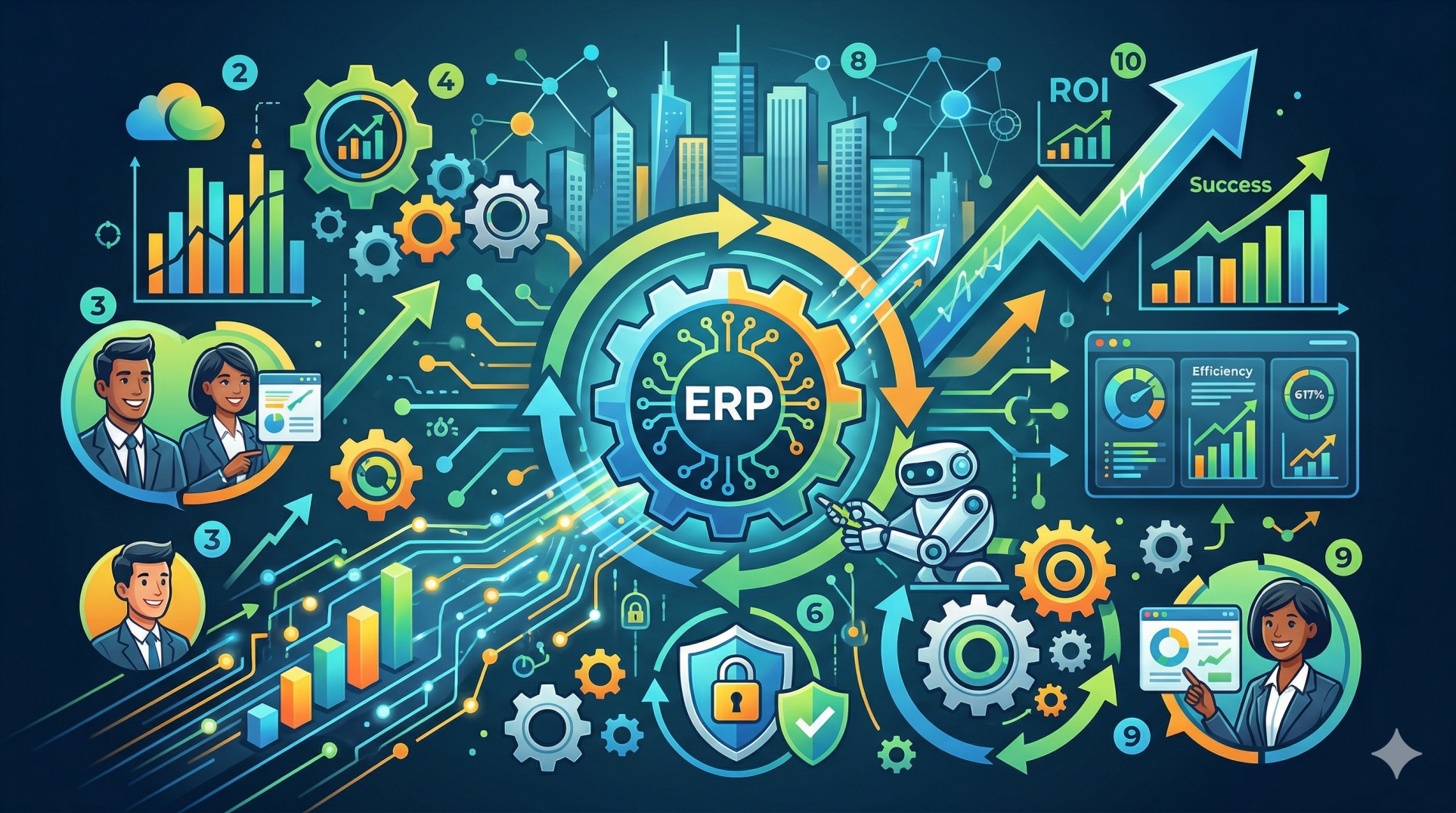
Step 9: Measuring Intelligent Operations 📊
• Organizations can track workflow completion times and automation rates. ⏱️
• AI recommendations can be evaluated for accuracy and usefulness. 🎯
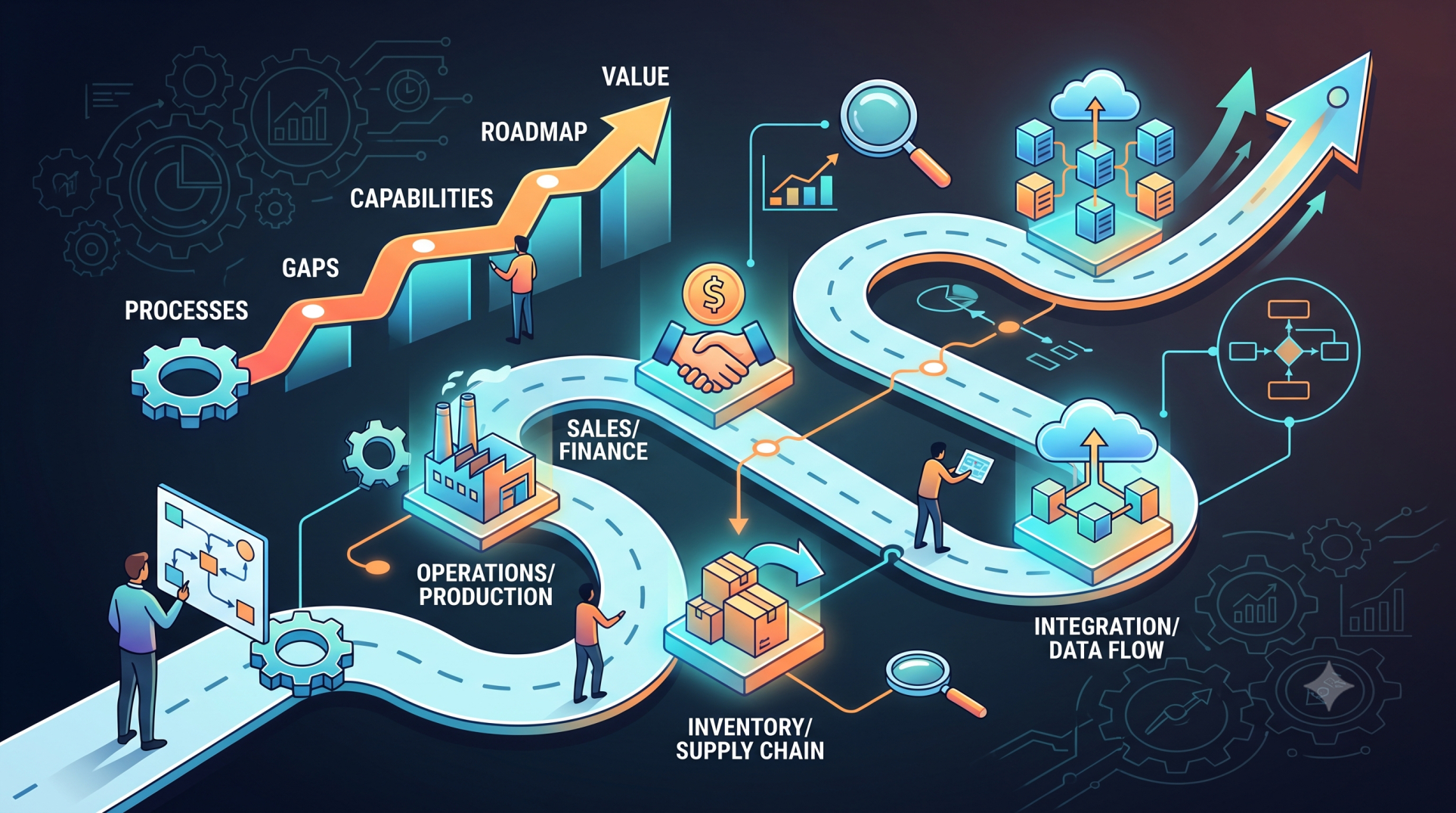
• Operational metrics can reveal bottlenecks and process inefficiencies. 🔎
• Performance data can help teams refine workflows and AI implementations. 🔄
• Business outcomes should remain central when evaluating intelligent ERP initiatives. 📈
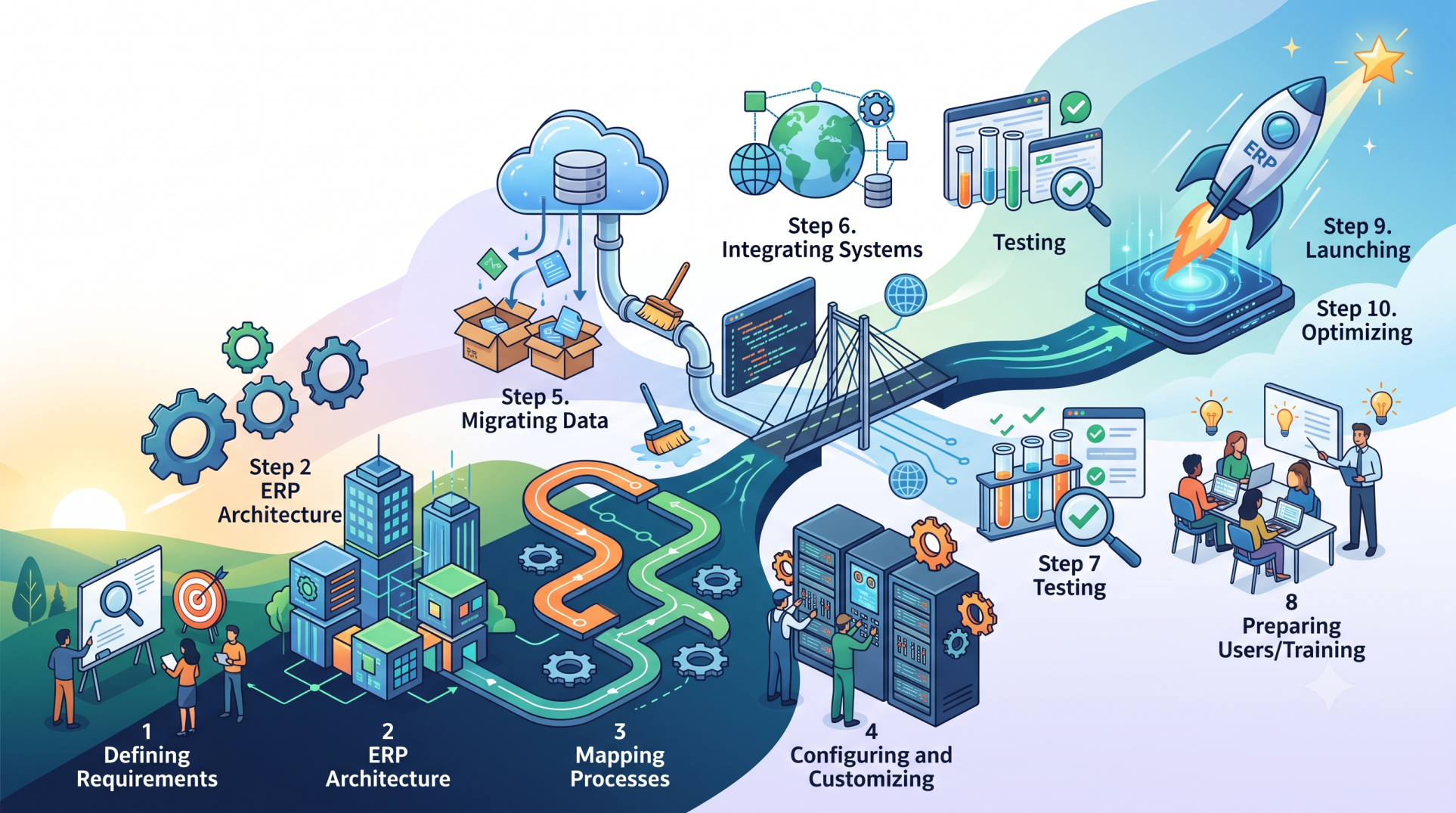
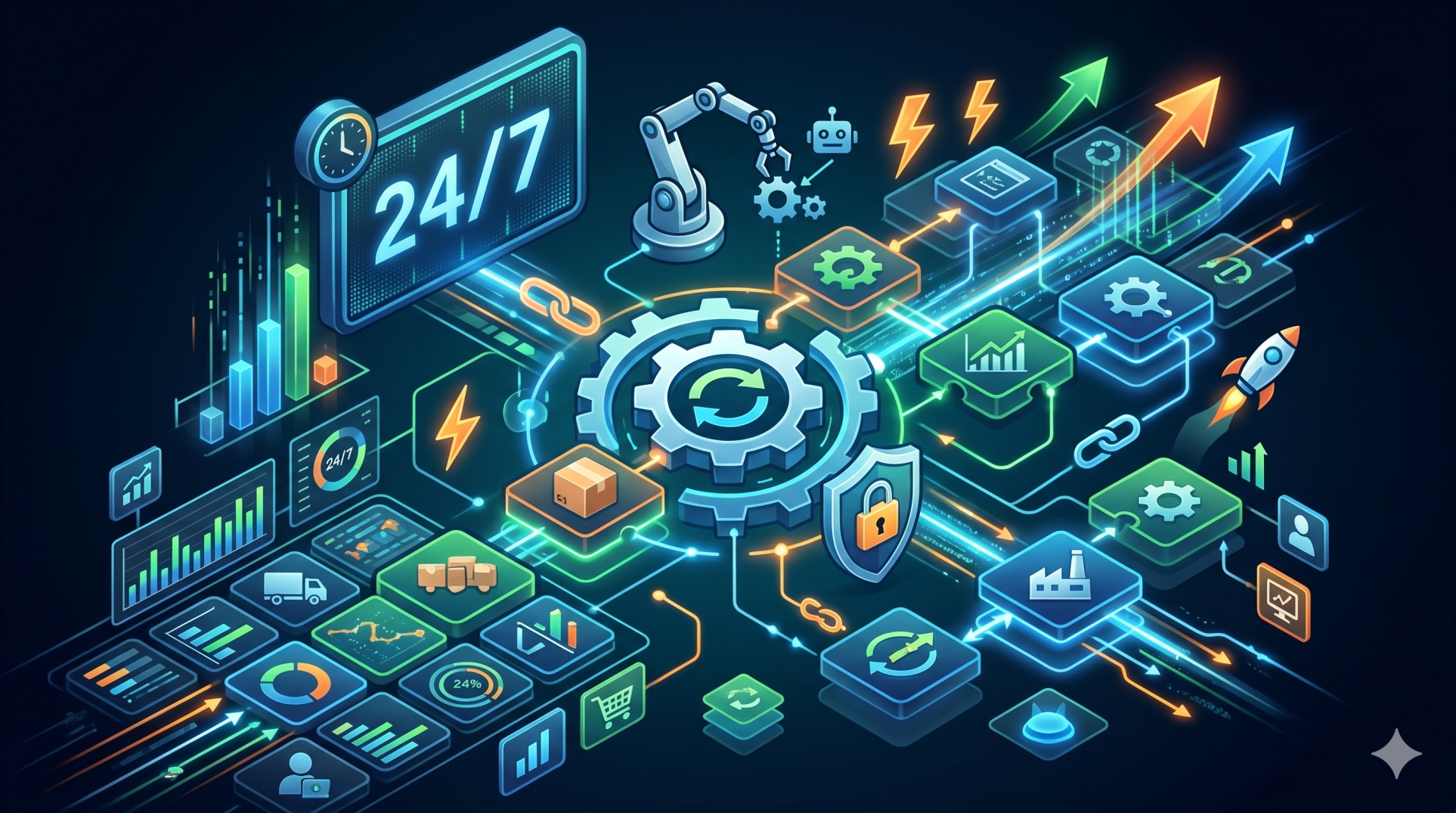
Step 10: Preparing ERP for Continuous Intelligence 🚀
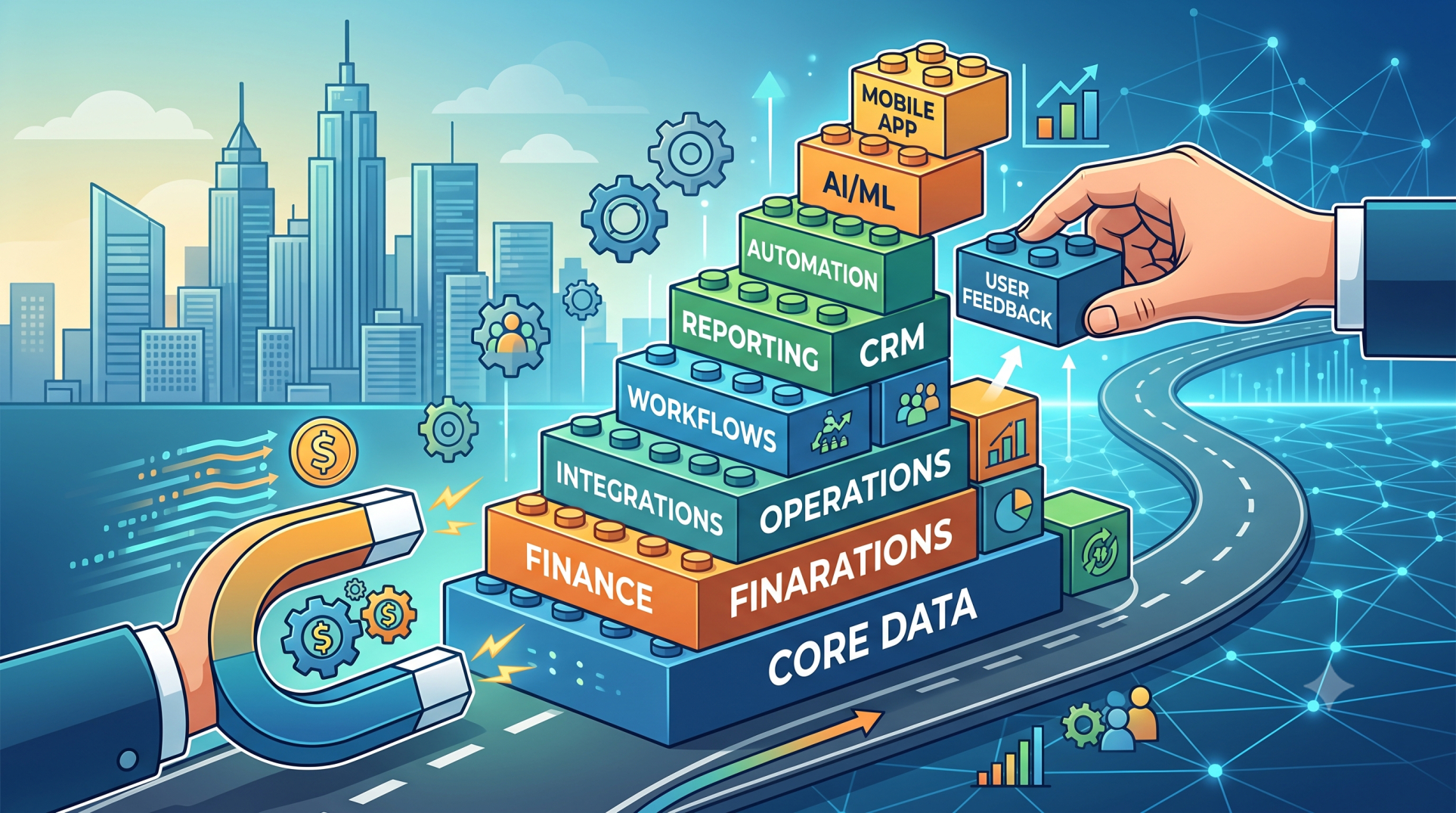
• Build reliable data foundations before expanding advanced AI capabilities. 🗃️
• Introduce intelligent automation incrementally across suitable business processes. 🧩
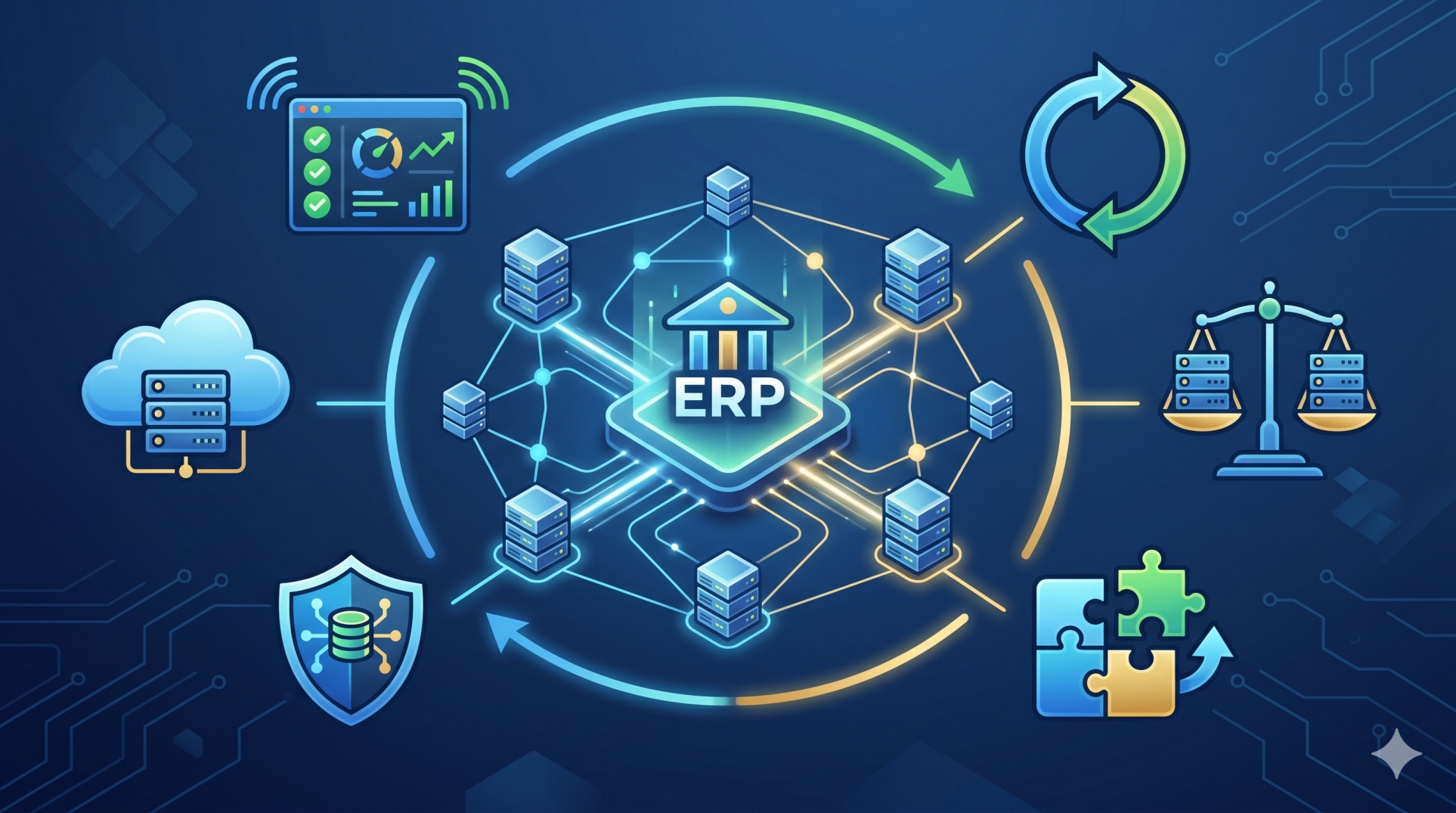
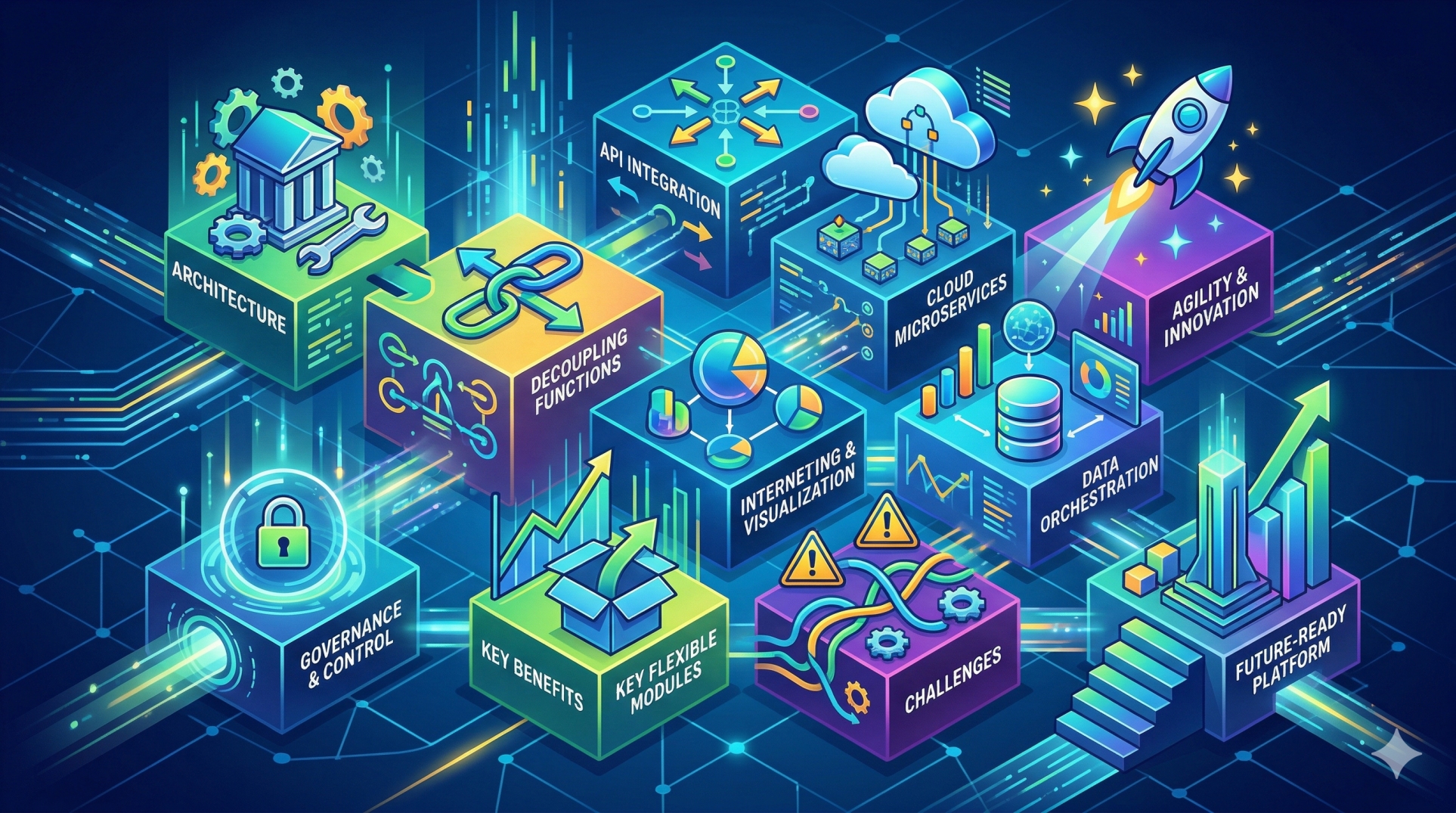
• Design modular architectures that can accommodate new AI services. 🔧
• Maintain human oversight and operational controls as automation expands. 🛡️
• Continuously improve workflows as business requirements, data, and AI technologies evolve. 🌱
Conclusion
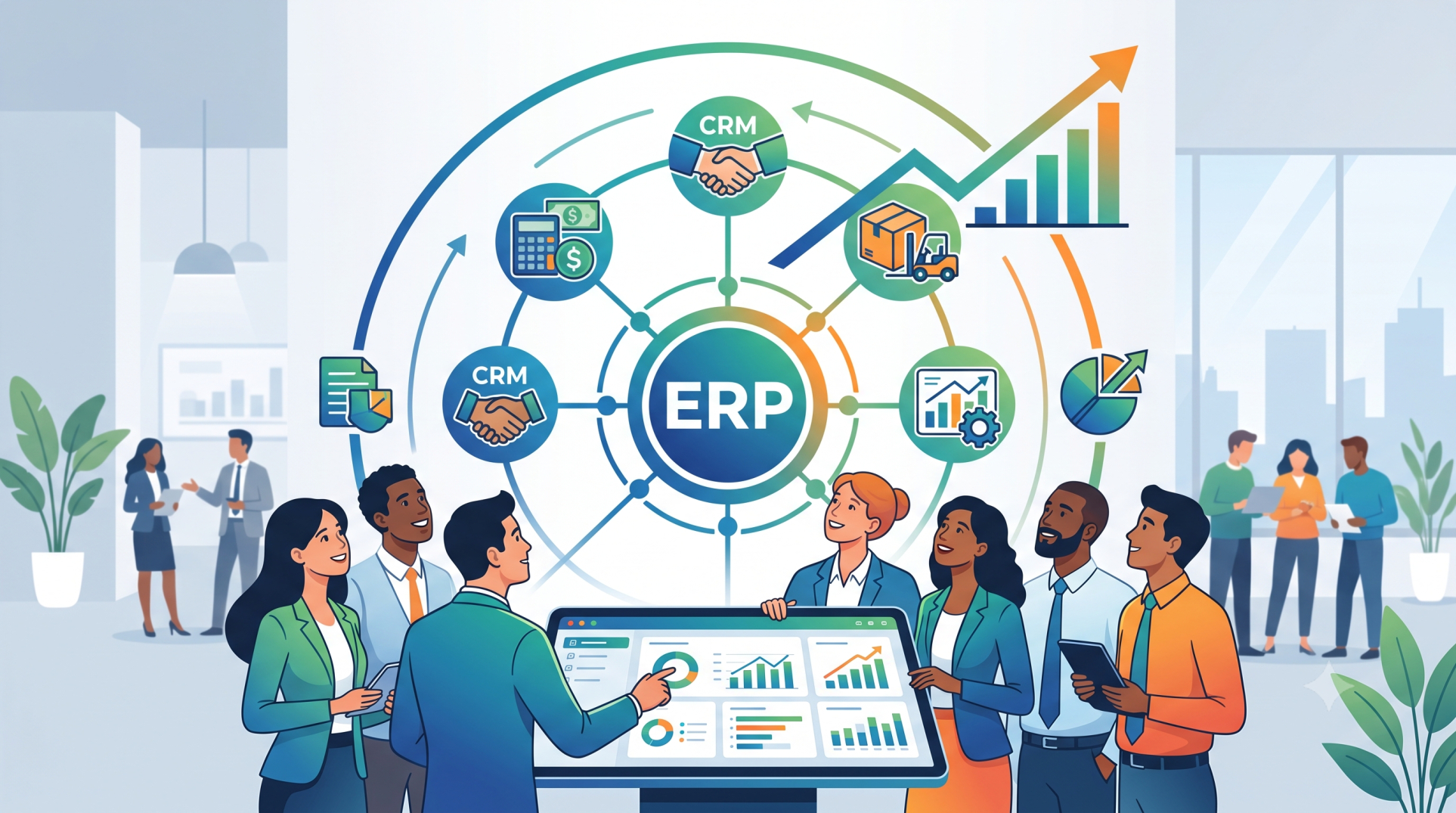
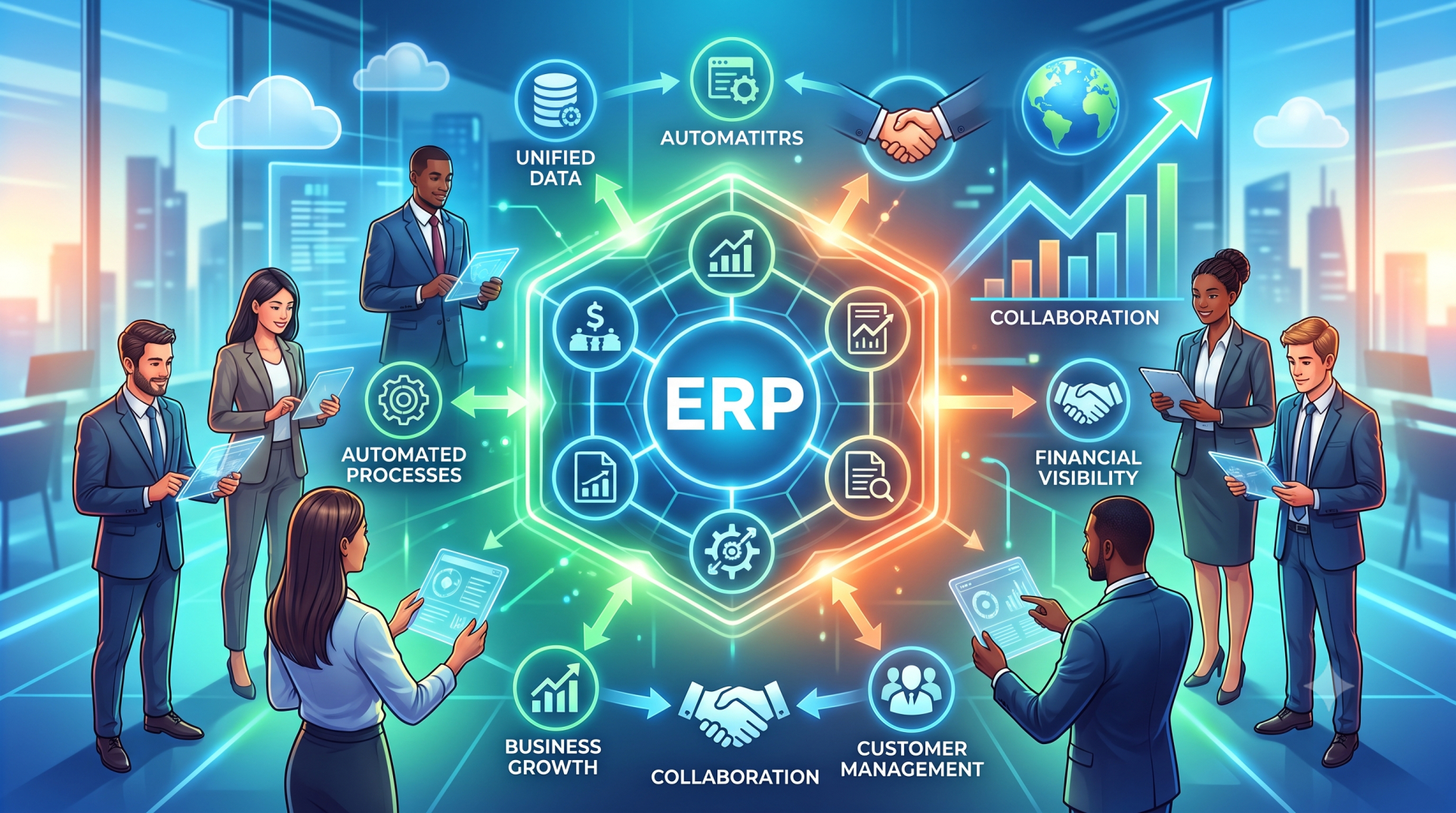
The shift from automated tasks to intelligent ERP operations represents a broader change in how enterprise systems interact with business processes. Instead of relying exclusively on fixed rules, modern ERP environments can combine automation, real-time data, AI-based analysis, and controlled decision support. In 2026, the focus is increasingly on creating connected ERP operations that can understand business context, assist employees, coordinate workflows, and respond to changing conditions. Organizations that build strong data, integration, security, and governance foundations can create a more adaptable environment for expanding intelligent capabilities over time.
See more blogs
You can all the articles below