AI-Native ERP vs. AI-Enhanced ERP: Understanding the Difference
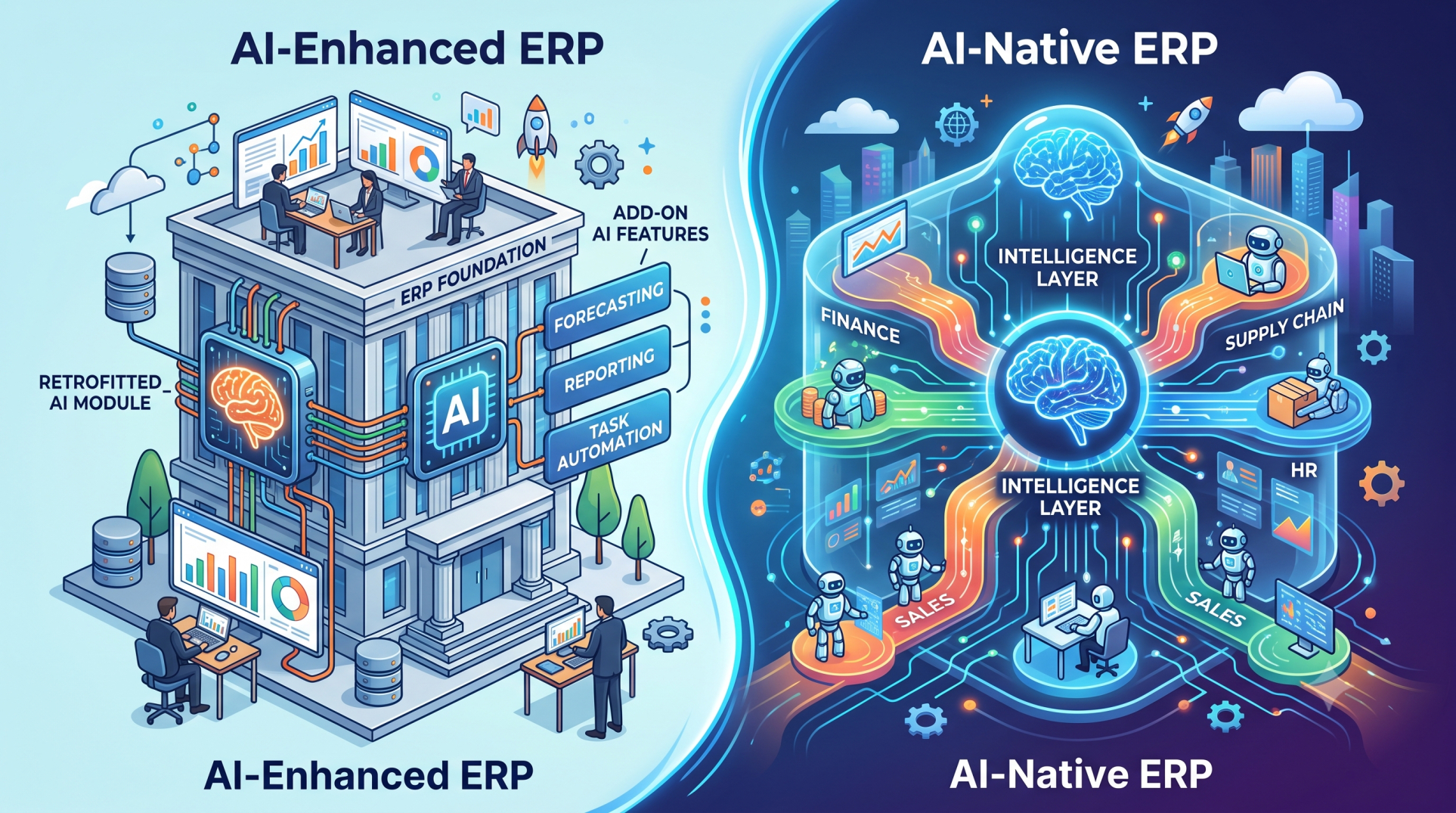
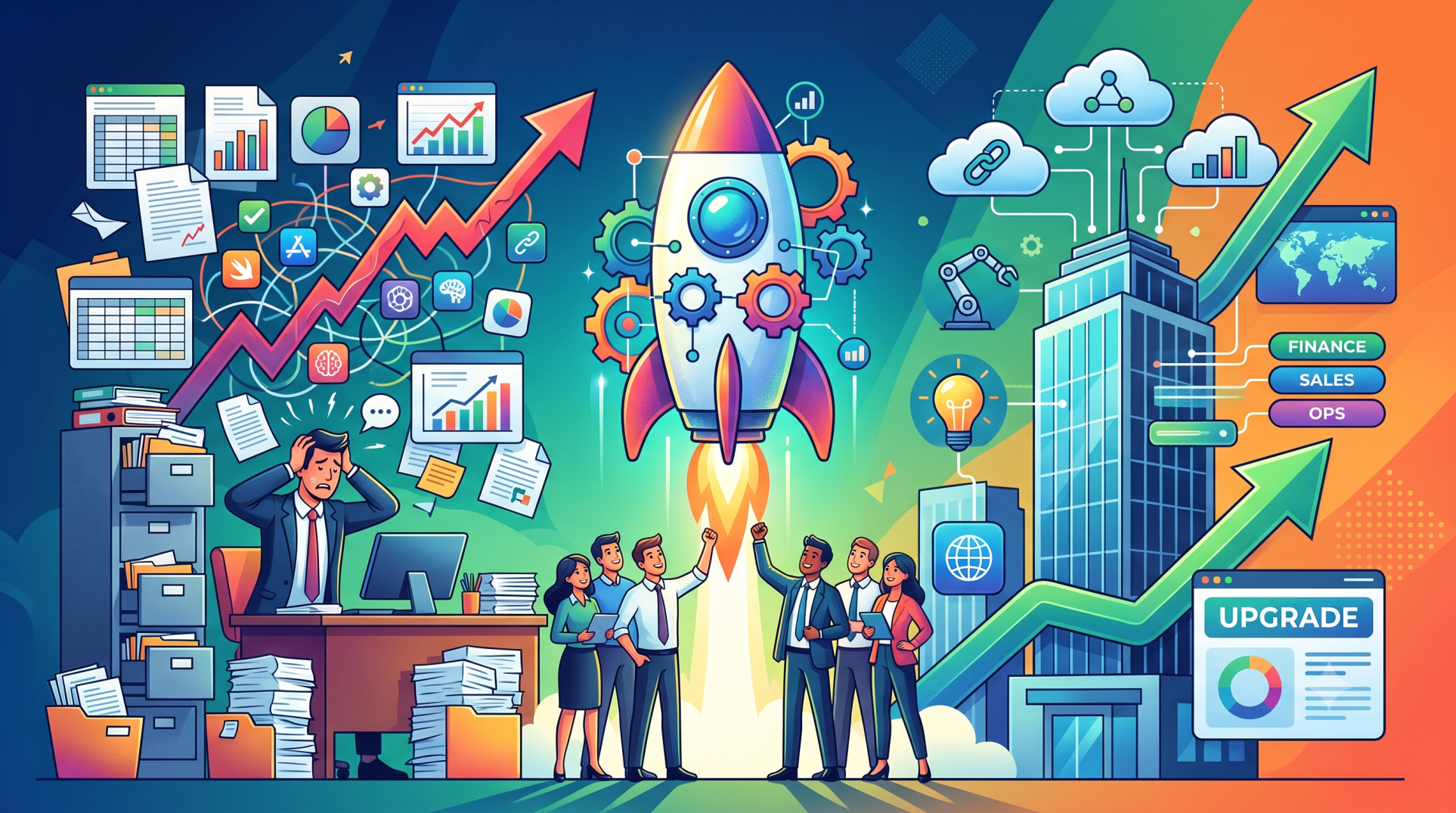
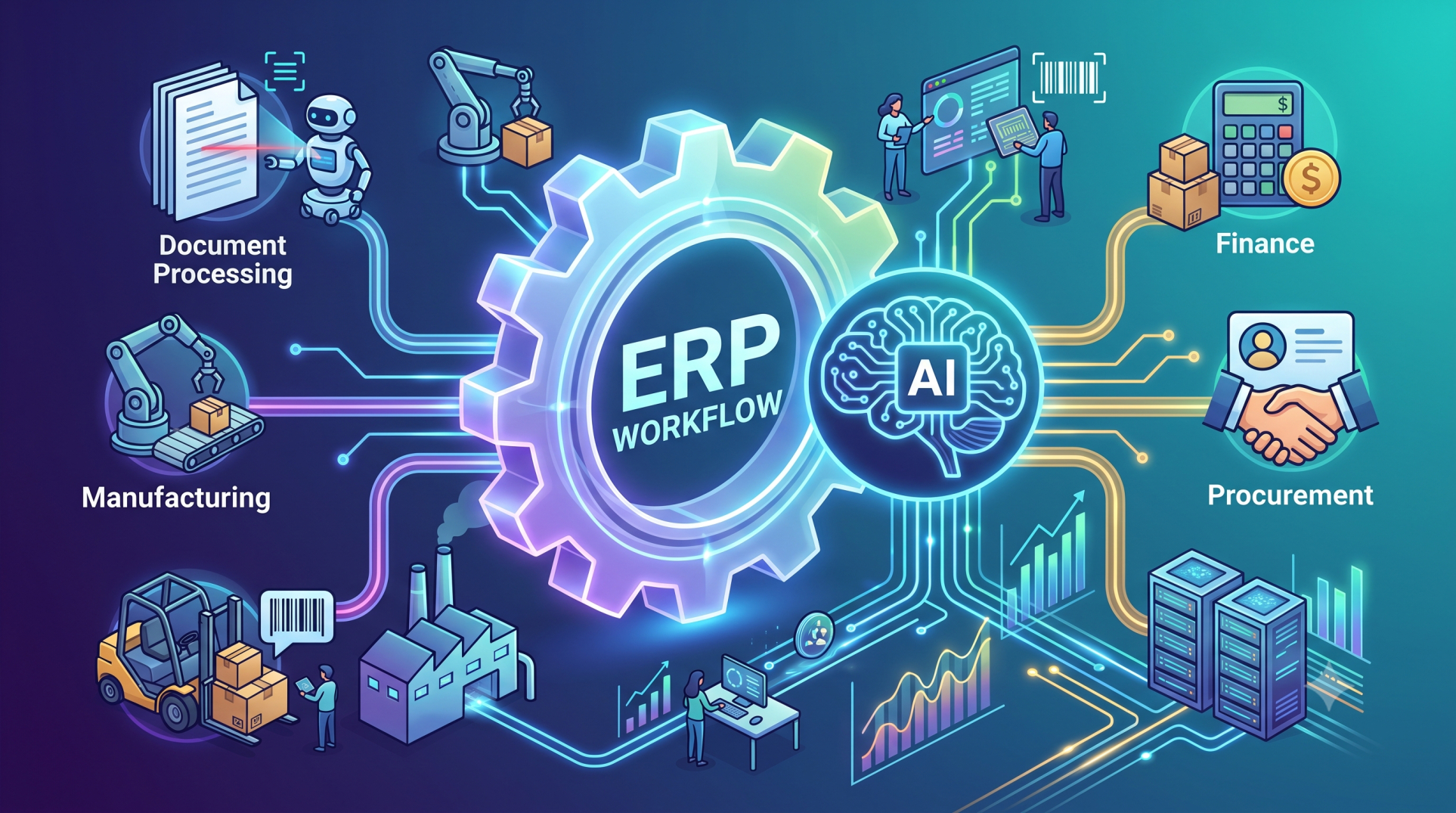
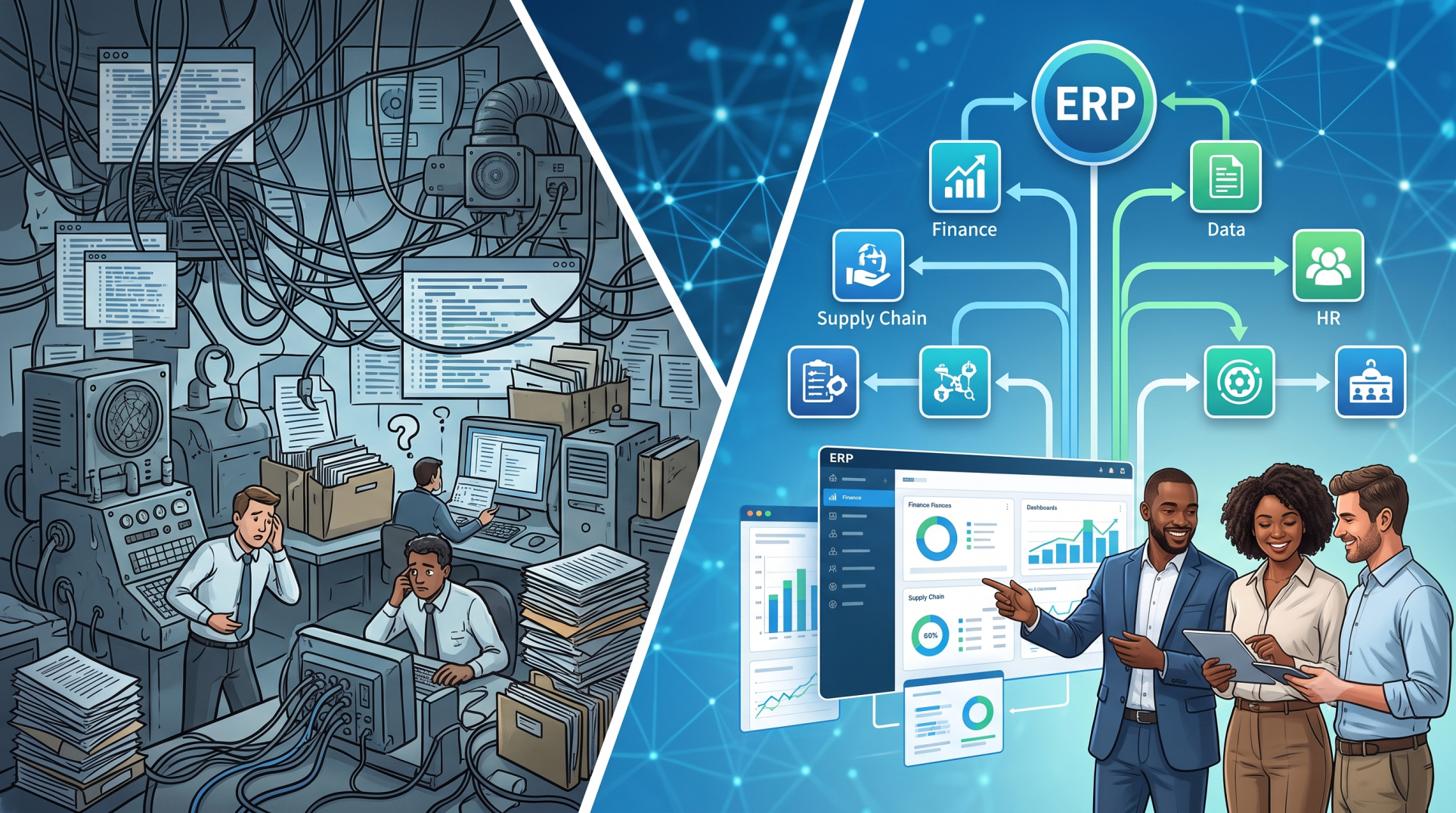
Enterprise resource planning (ERP) systems are evolving rapidly as artificial intelligence becomes more deeply connected to business operations. However, an ERP platform that simply adds AI features is different from one that is designed around AI from the beginning. The distinction affects architecture, automation, data management, decision-making, and long-term scalability. Understanding the difference between AI-native ERP and AI-enhanced ERP can help organizations make better technology decisions and choose an approach that aligns with their operational and digital transformation goals.
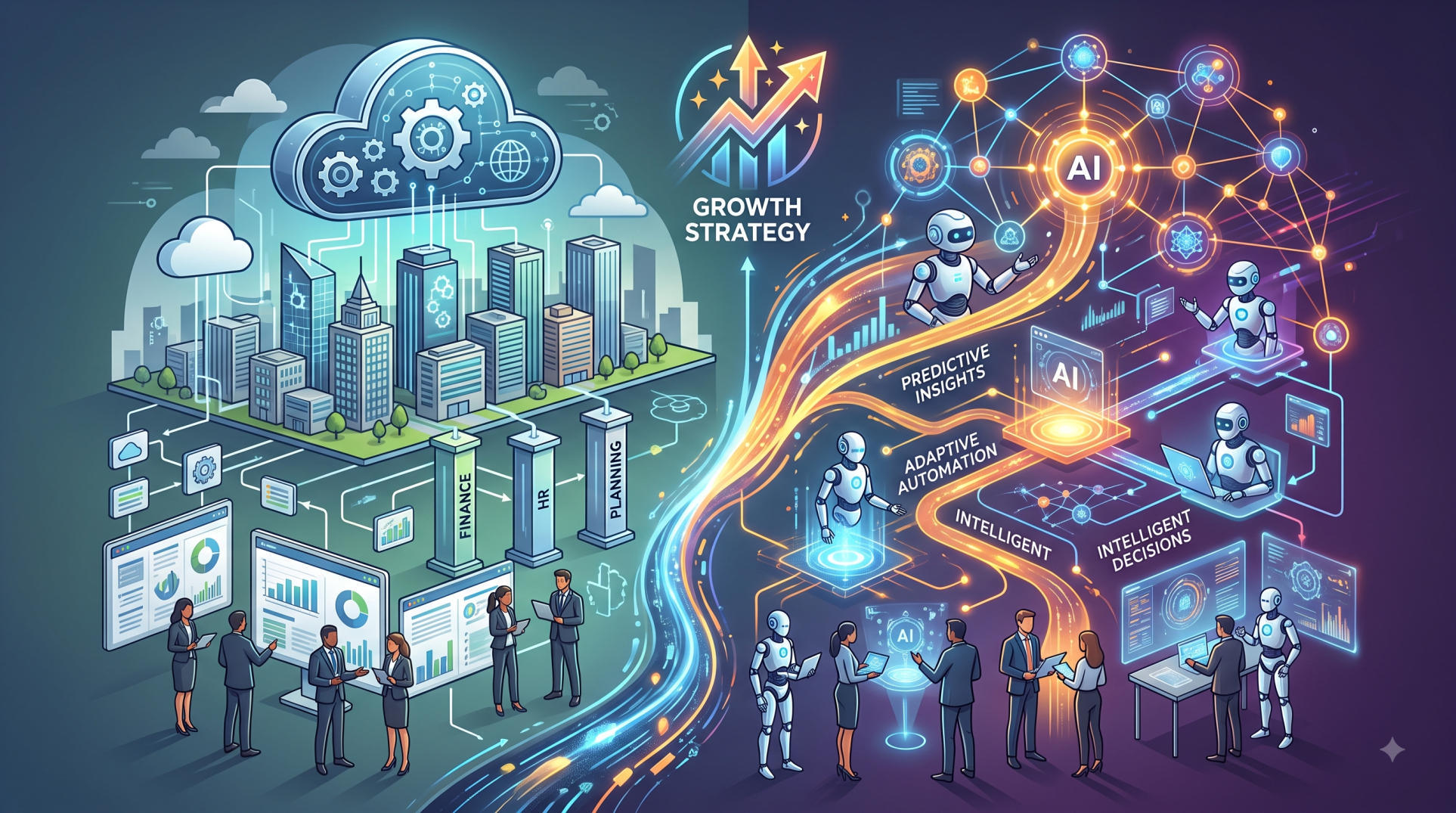
Step 1: Understanding AI-Enhanced ERP 🏢
• AI capabilities are added to an existing ERP architecture. 🔧
• Traditional ERP workflows continue to serve as the foundation. 🏗️
• AI can improve areas such as forecasting, reporting, recommendations, and task automation. 📈
• Existing ERP modules can gain intelligent features without replacing the entire platform. 🔄
• Organizations can introduce AI while continuing to use their current ERP investment. 💼
Step 2: Understanding AI-Native ERP 🤖
• AI is incorporated into the ERP architecture from the beginning. 🧠
• Intelligent capabilities are embedded across core business processes. ⚙️
• The system can respond dynamically to changing operational conditions. 🔄
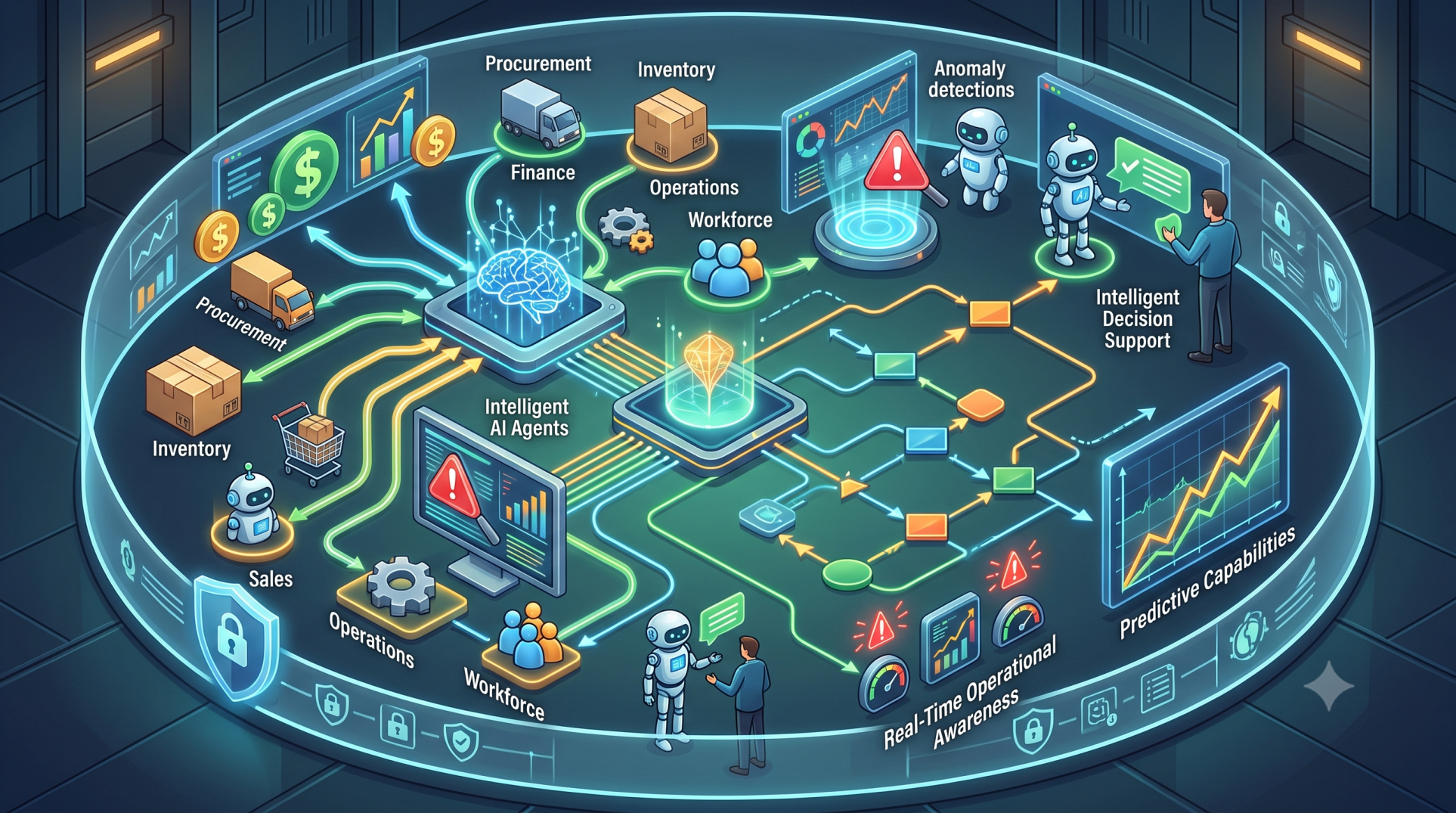
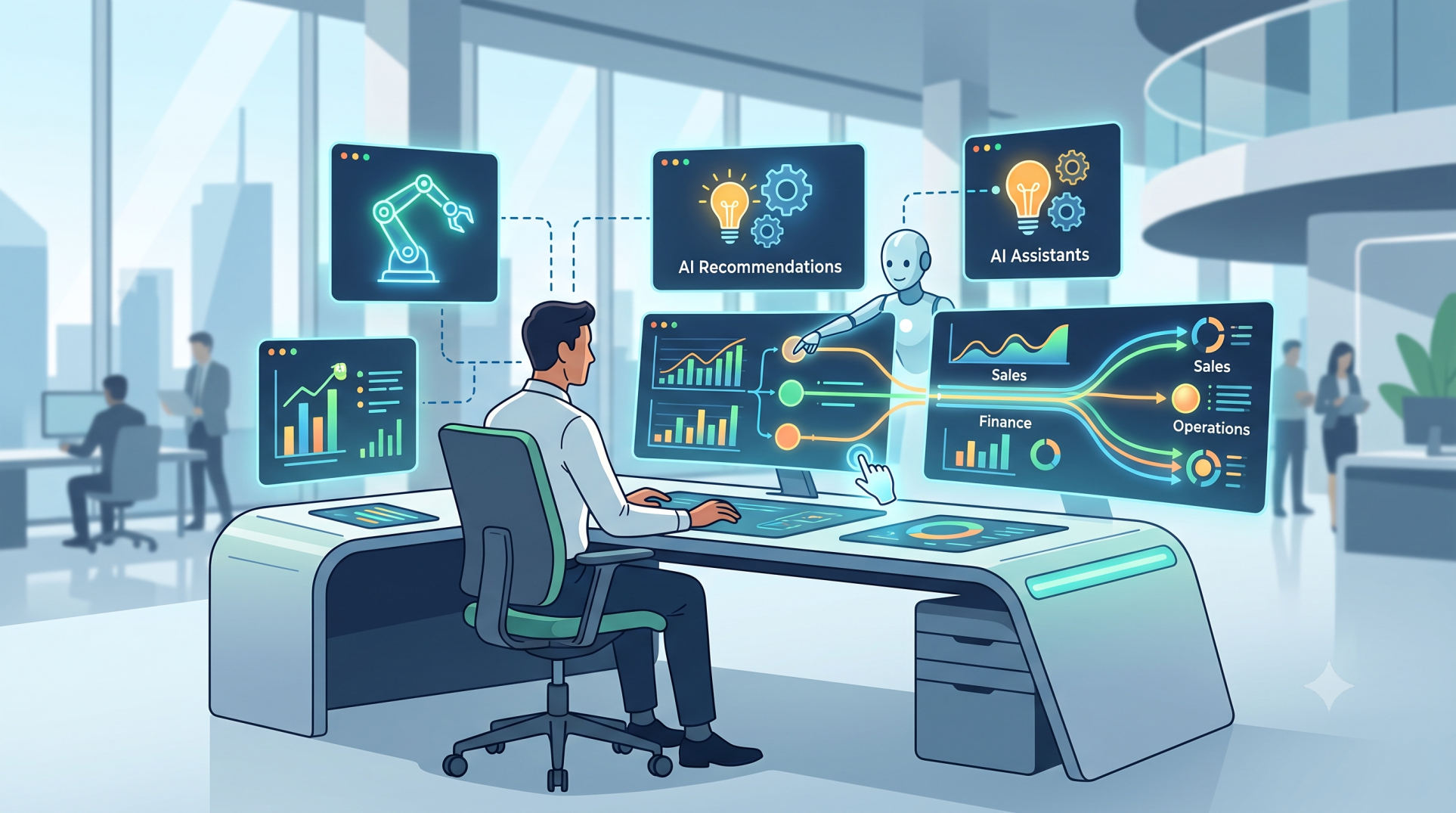
• AI agents can assist with or perform defined business activities based on established permissions. 🚀
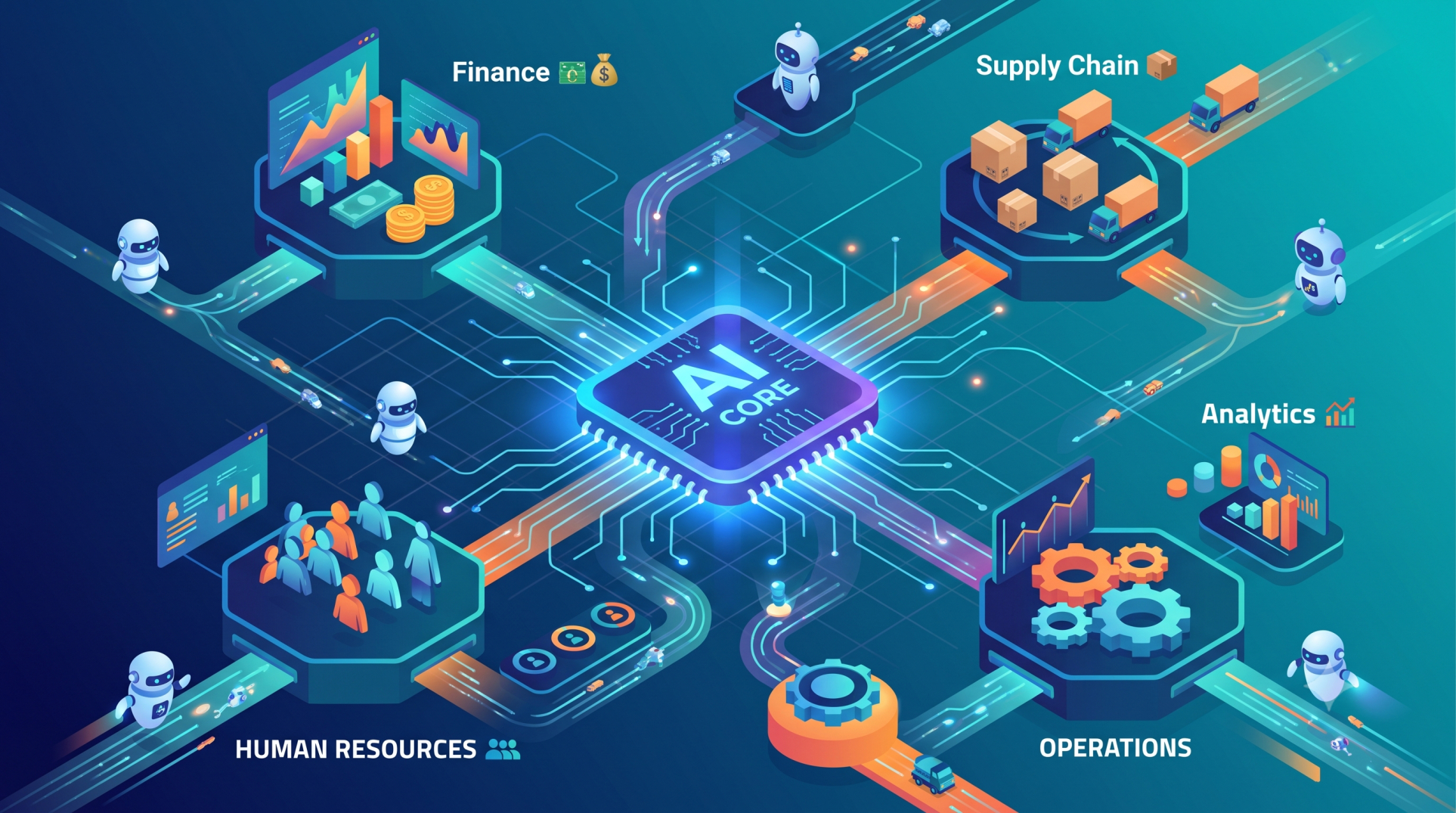
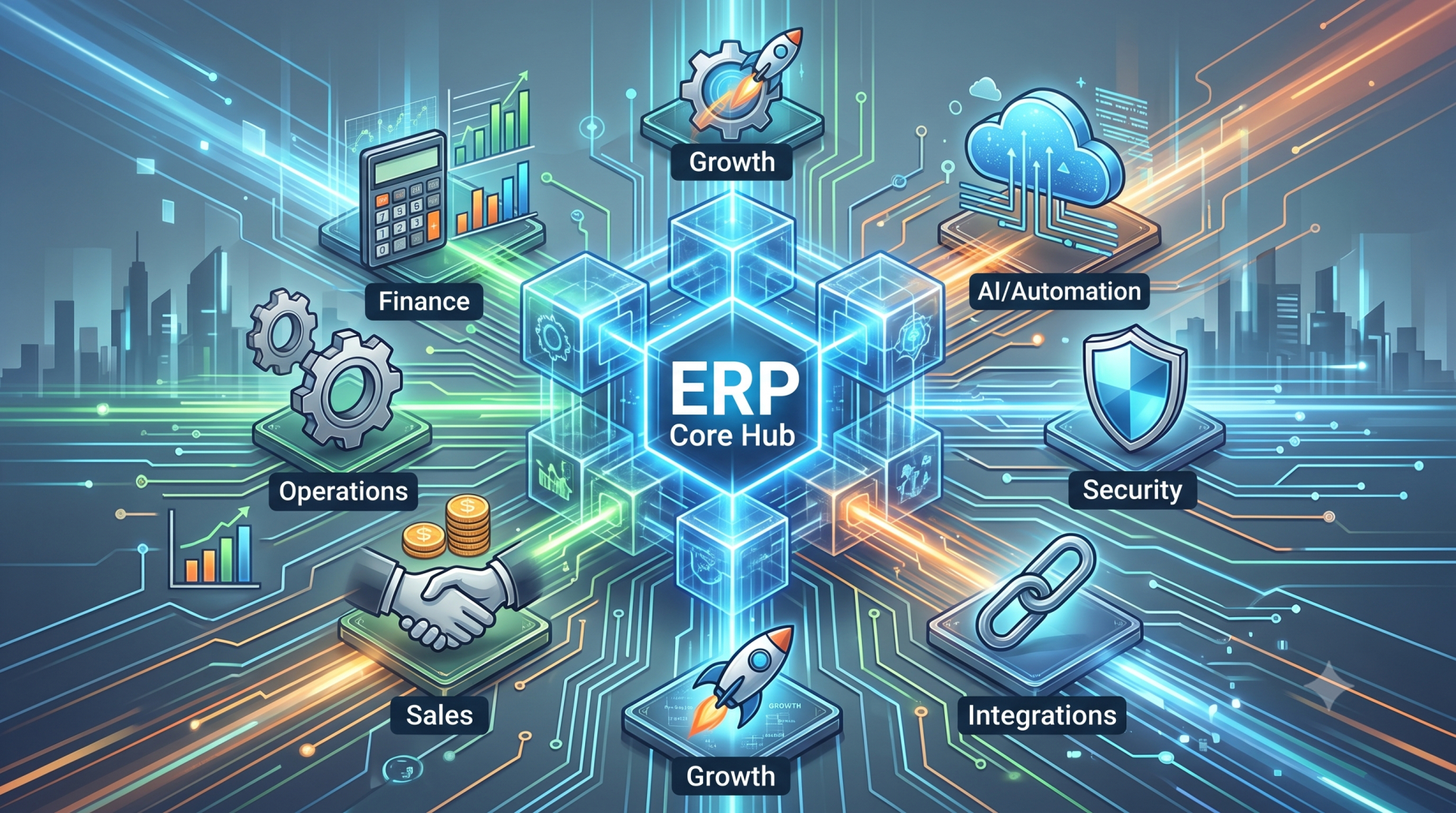
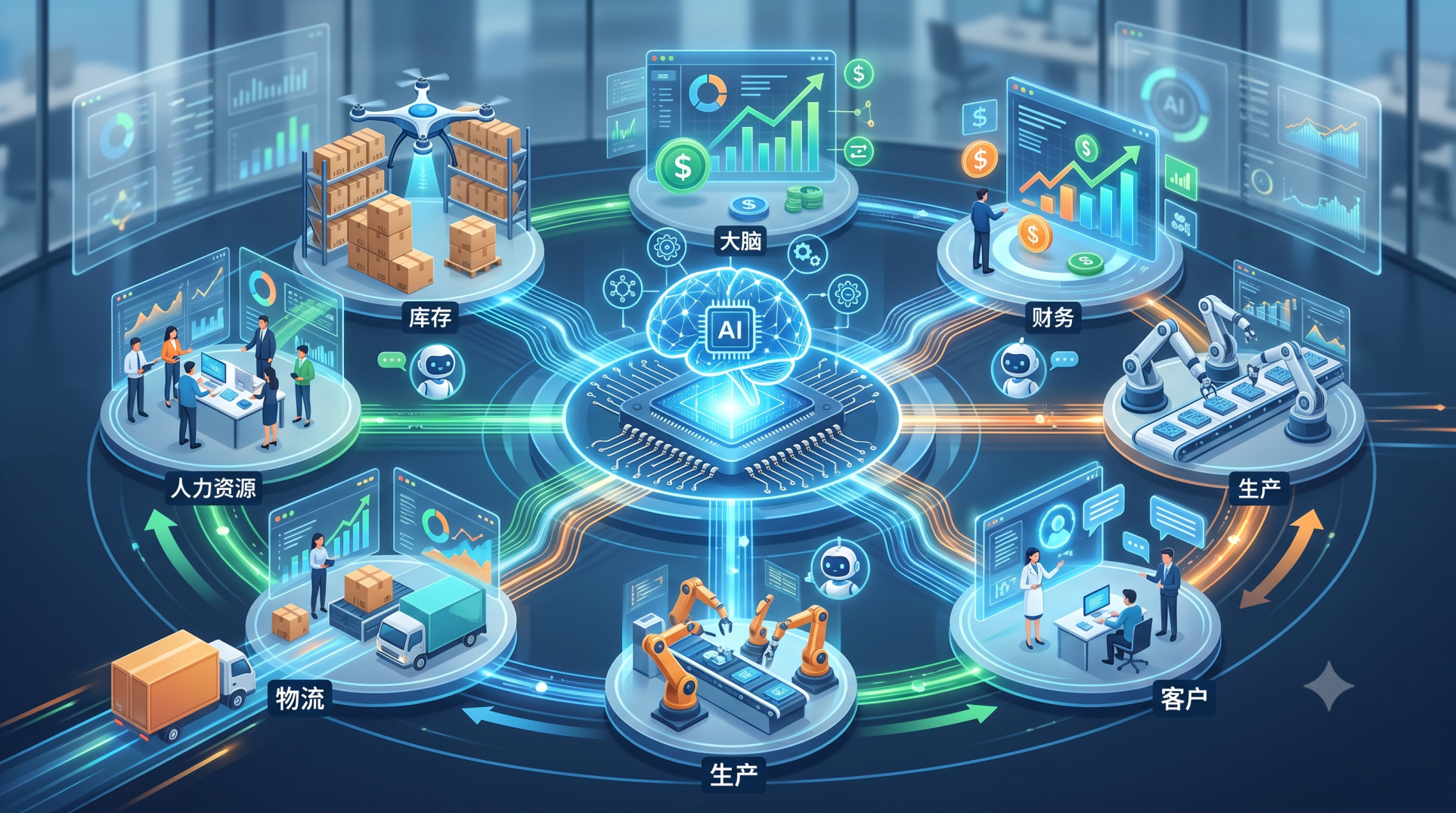
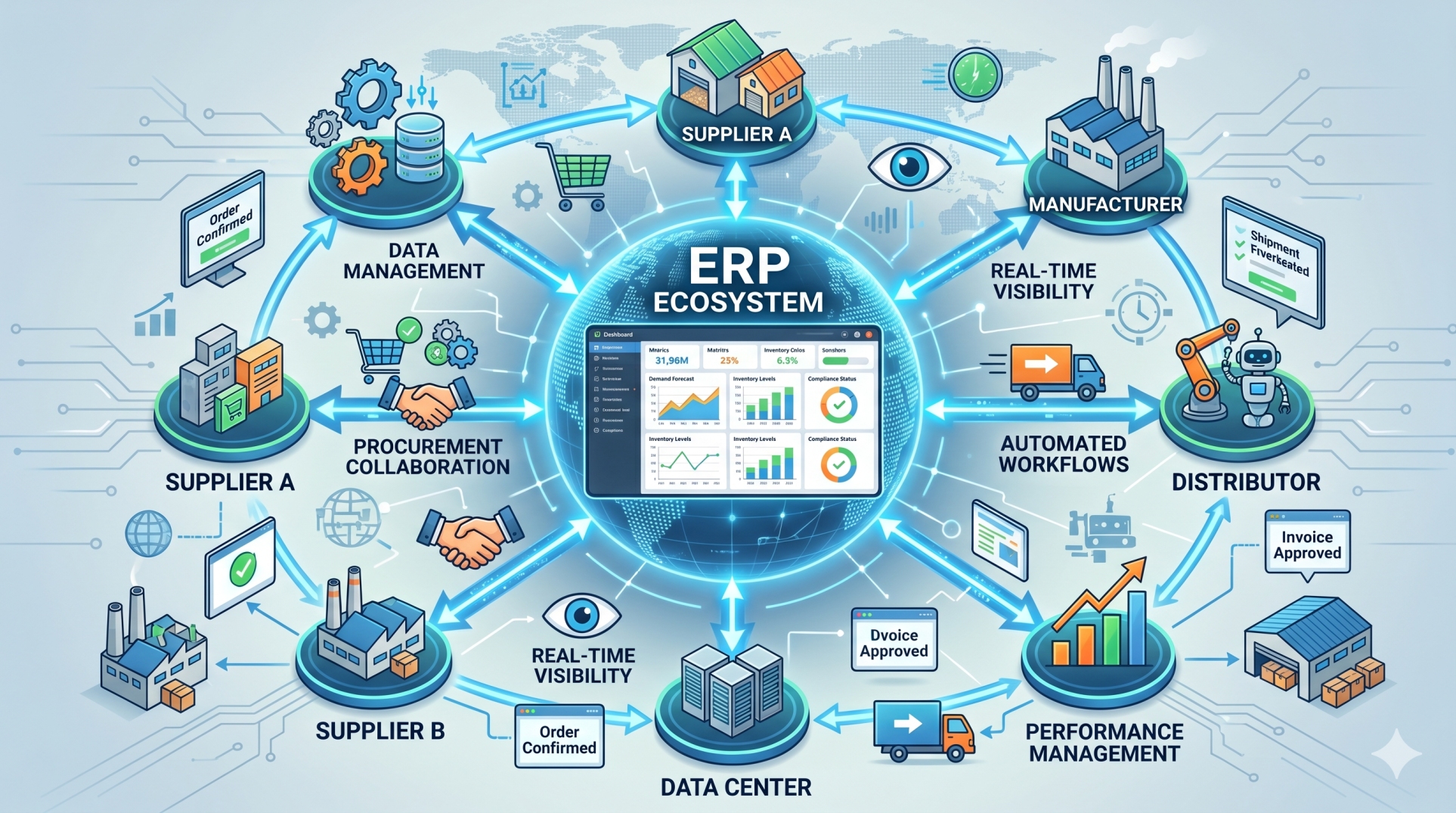
• Data, workflows, automation, and intelligence are designed to function as a connected ecosystem. 🔗
Step 3: Comparing System Architecture 🏗️
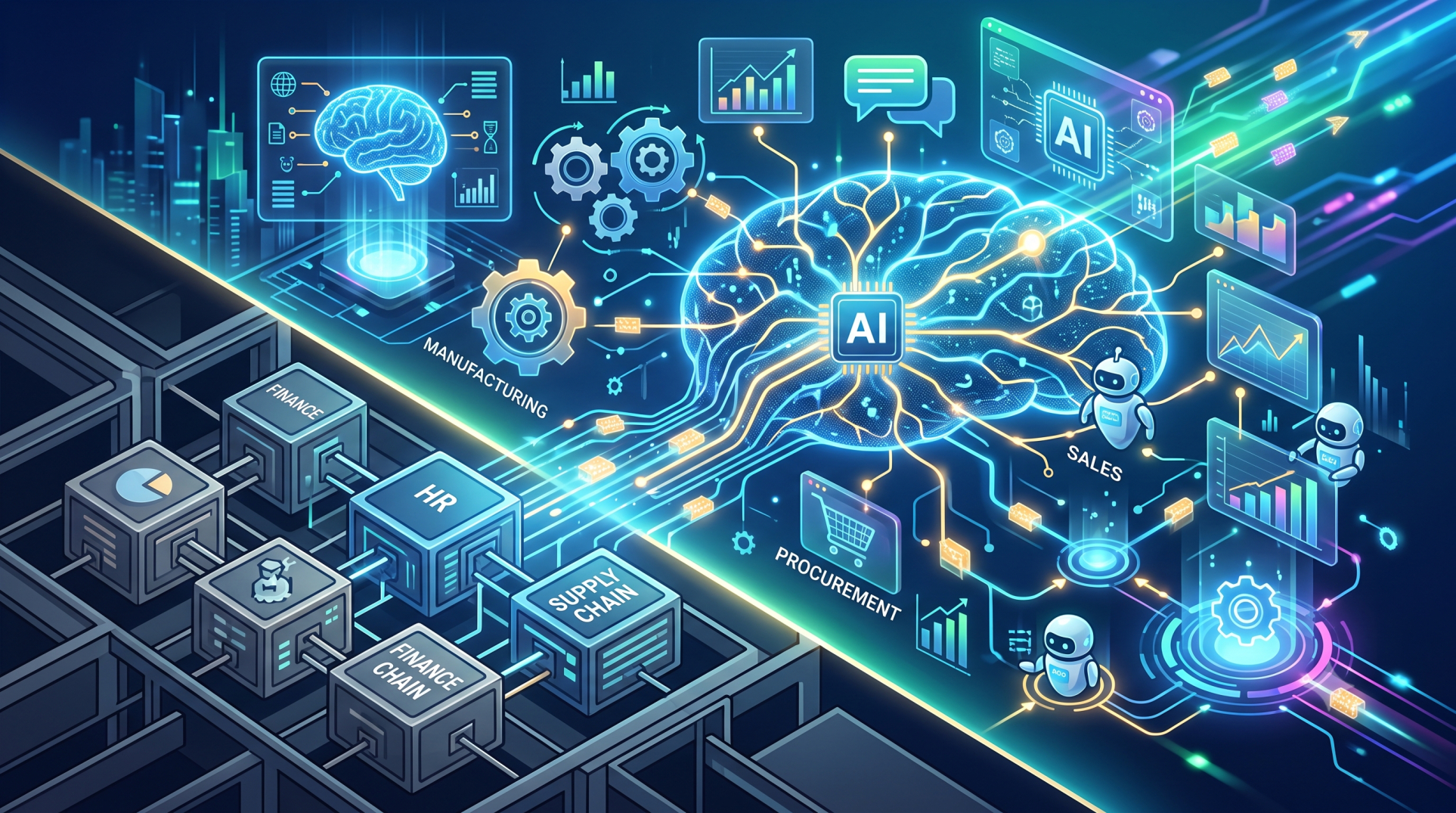
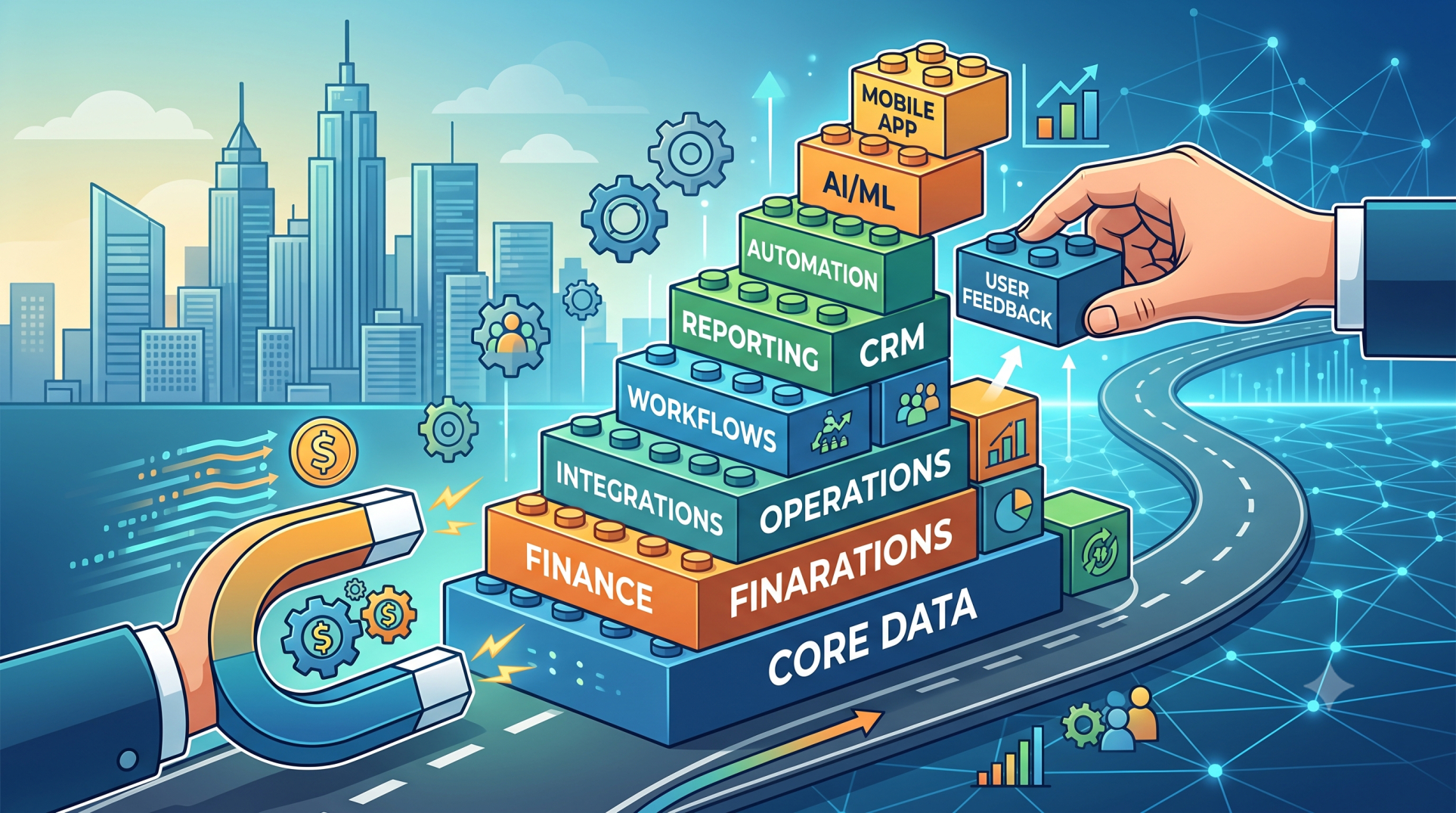
• AI-enhanced ERP typically adds intelligent capabilities around established ERP components. 🧩
• AI-native ERP designs processes around continuous data access and intelligent decision support. 💡
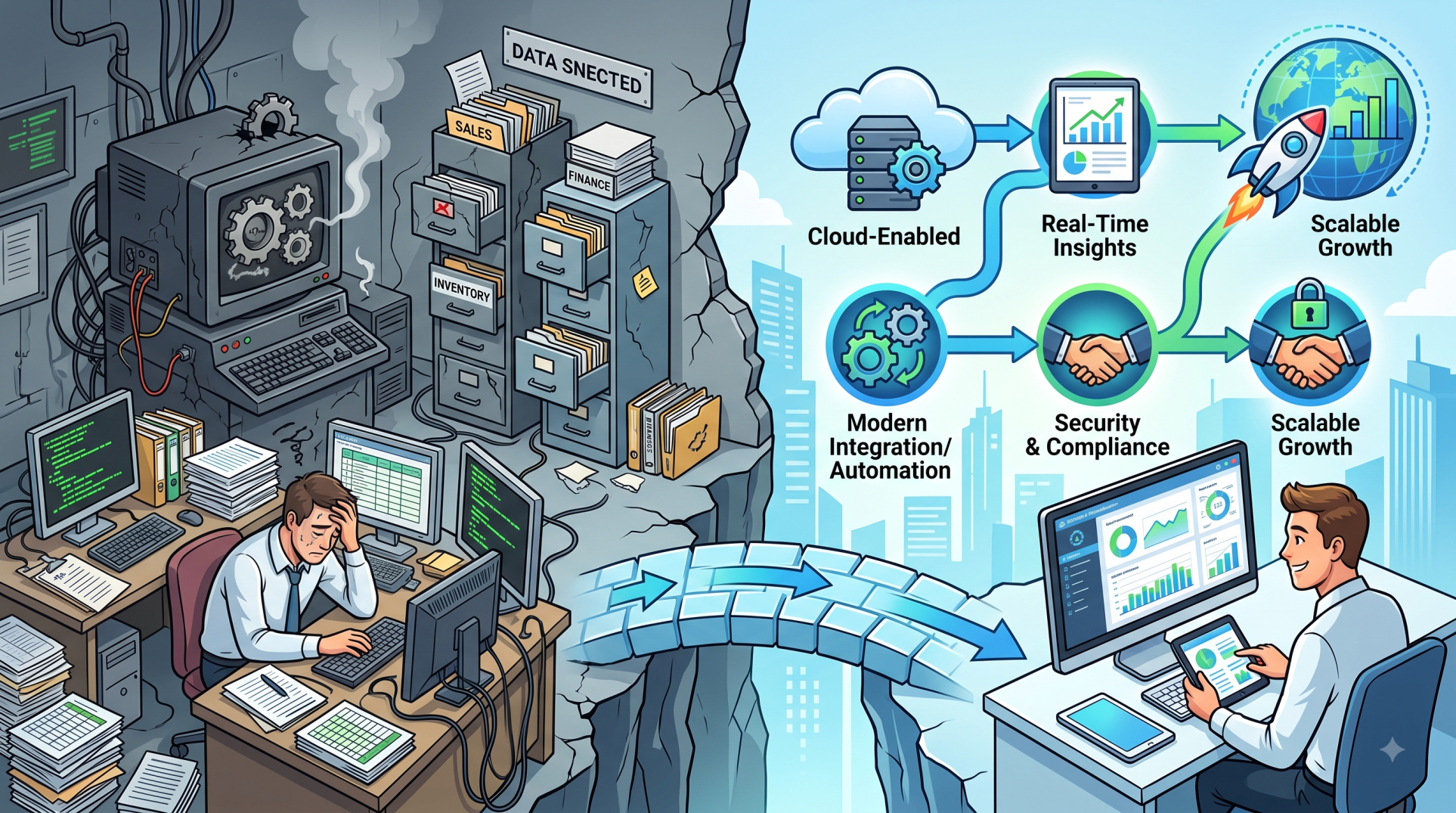
• Existing integrations and legacy technologies may remain important within AI-enhanced environments. 🔌
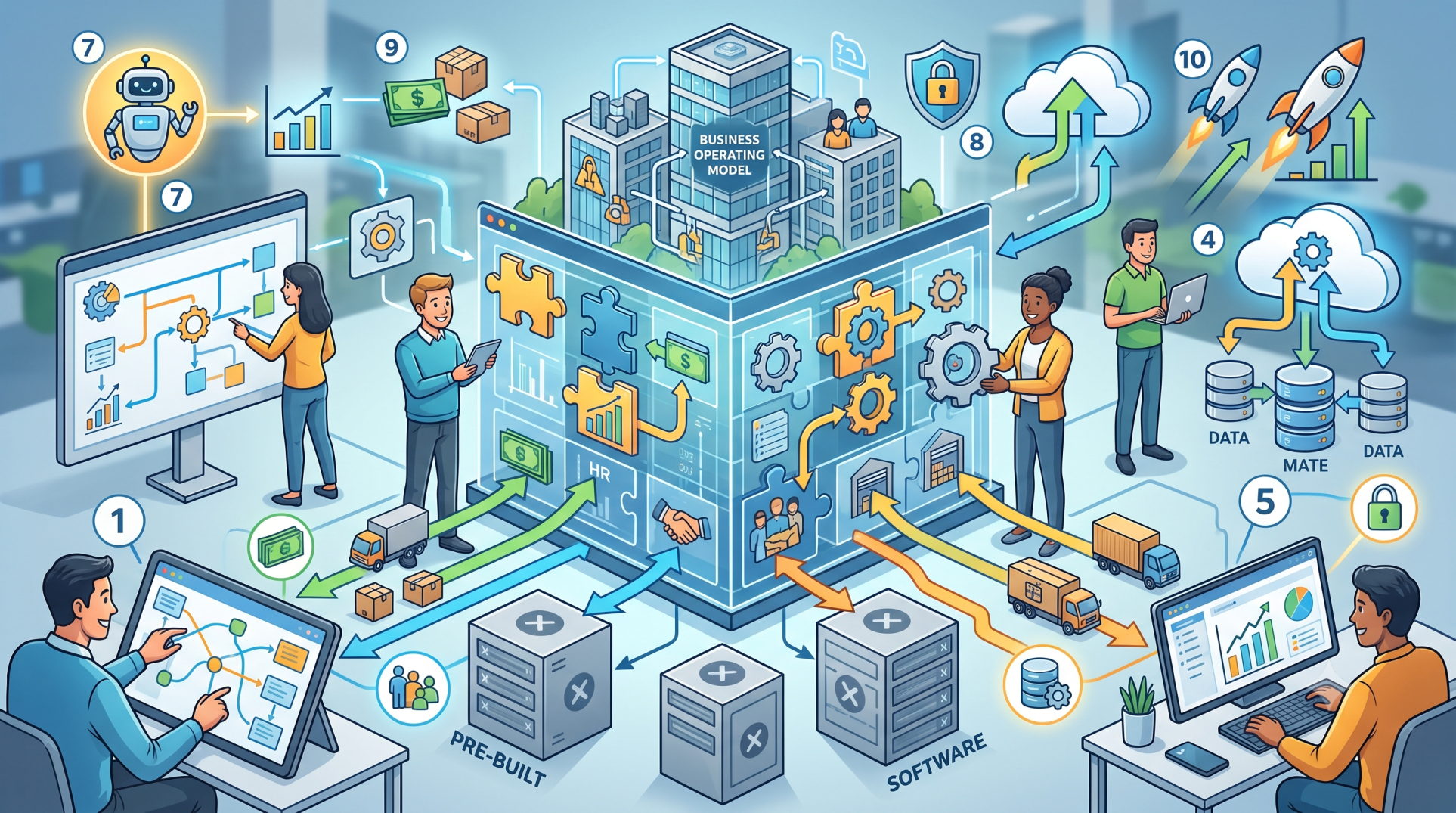
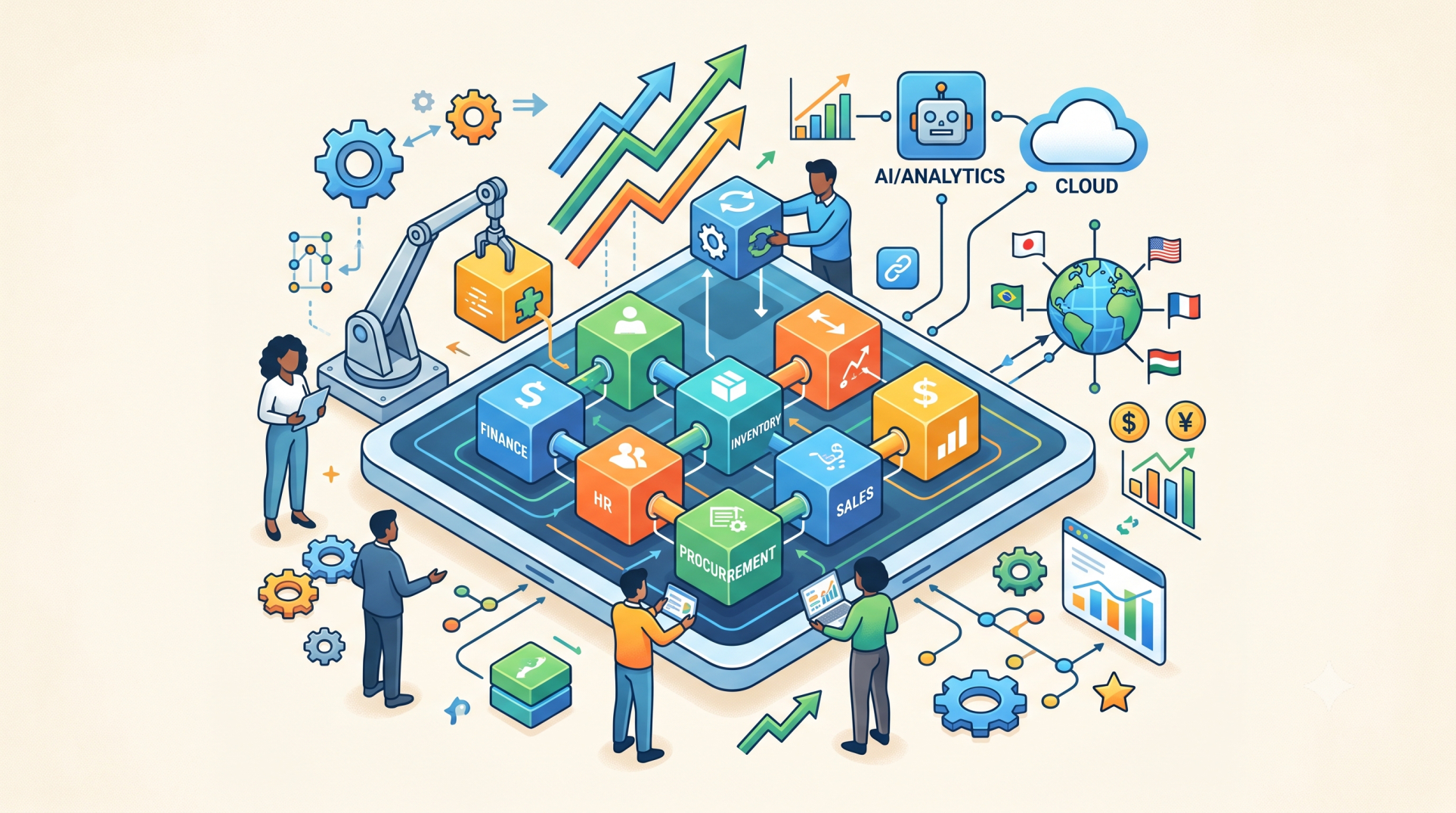
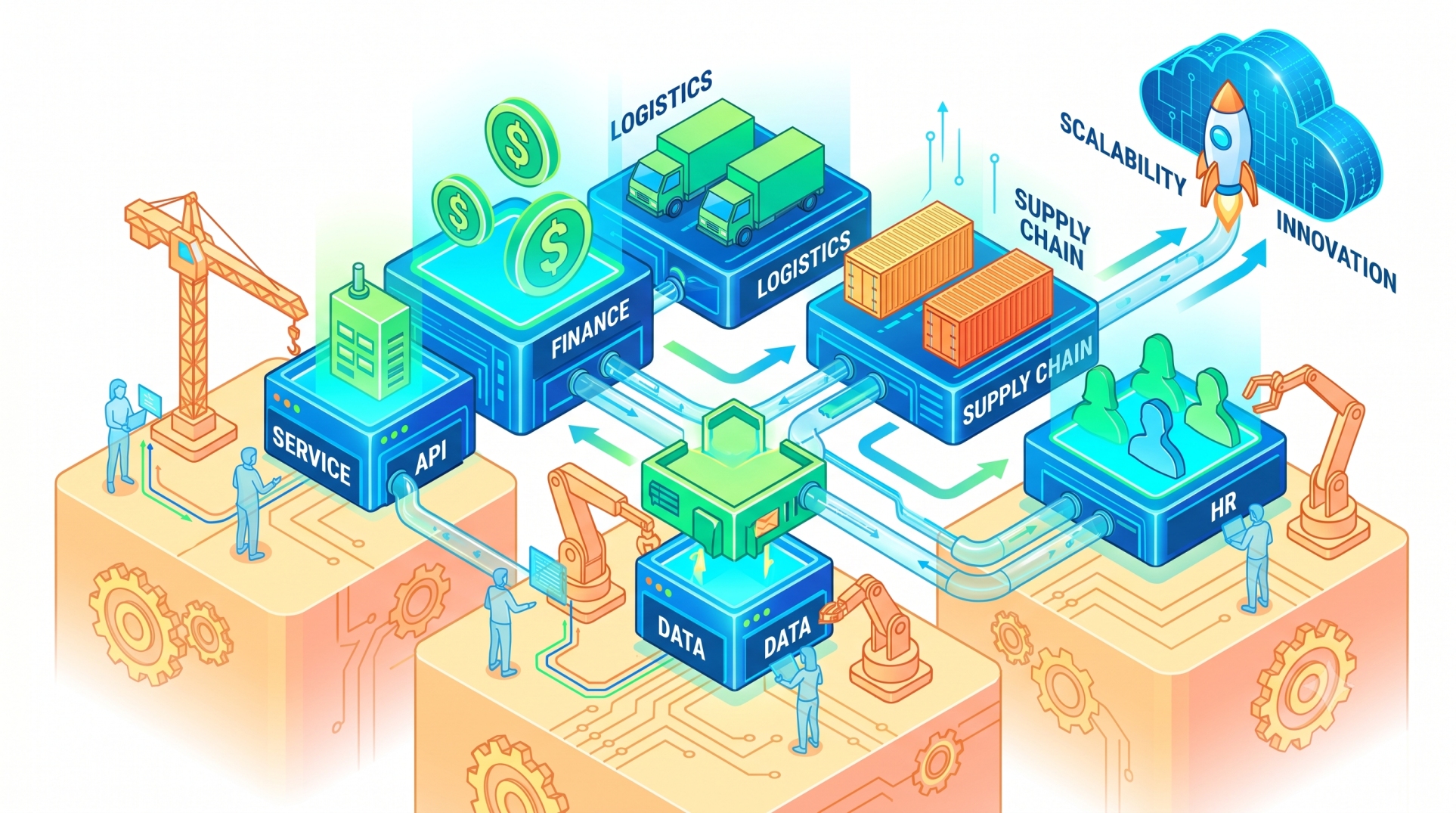
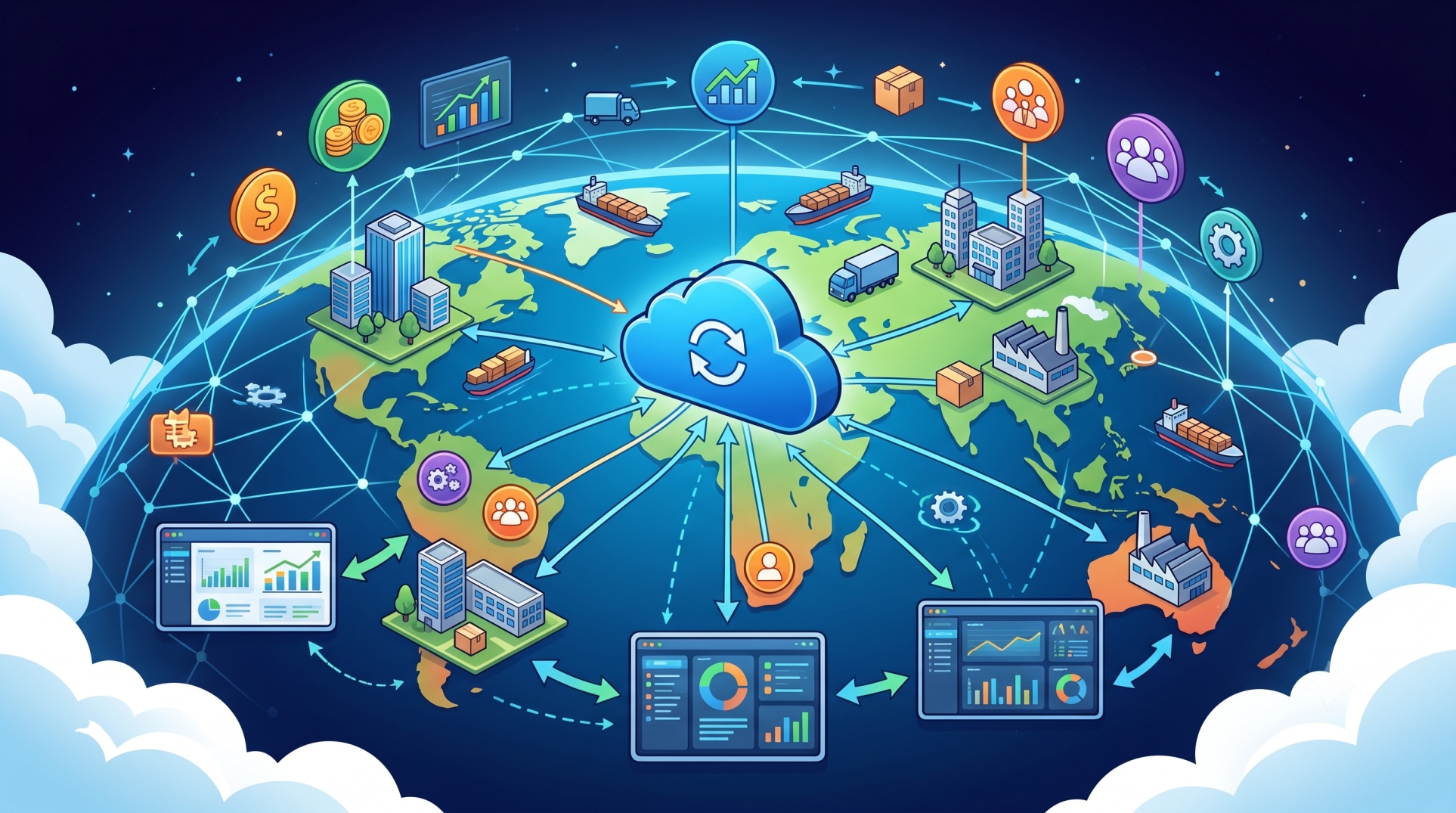
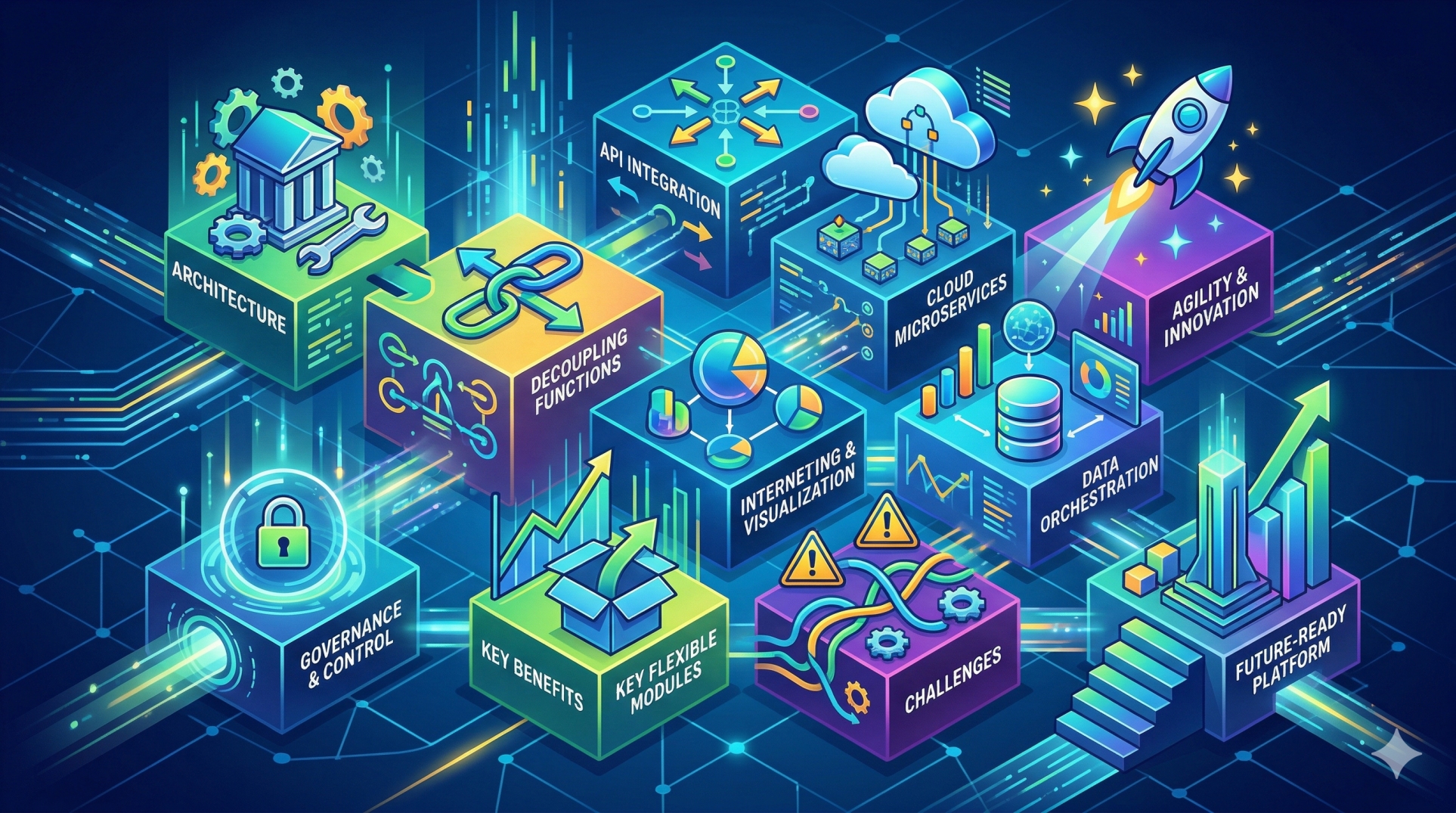
• AI-native platforms can be built using modular, API-driven, and cloud-oriented architectures. ☁️
• The underlying architecture influences how easily new AI capabilities can be introduced. ⚡
Step 4: Evaluating Automation Capabilities ⚡
• AI-enhanced ERP commonly focuses on automating specific tasks or individual workflow stages. 🔄
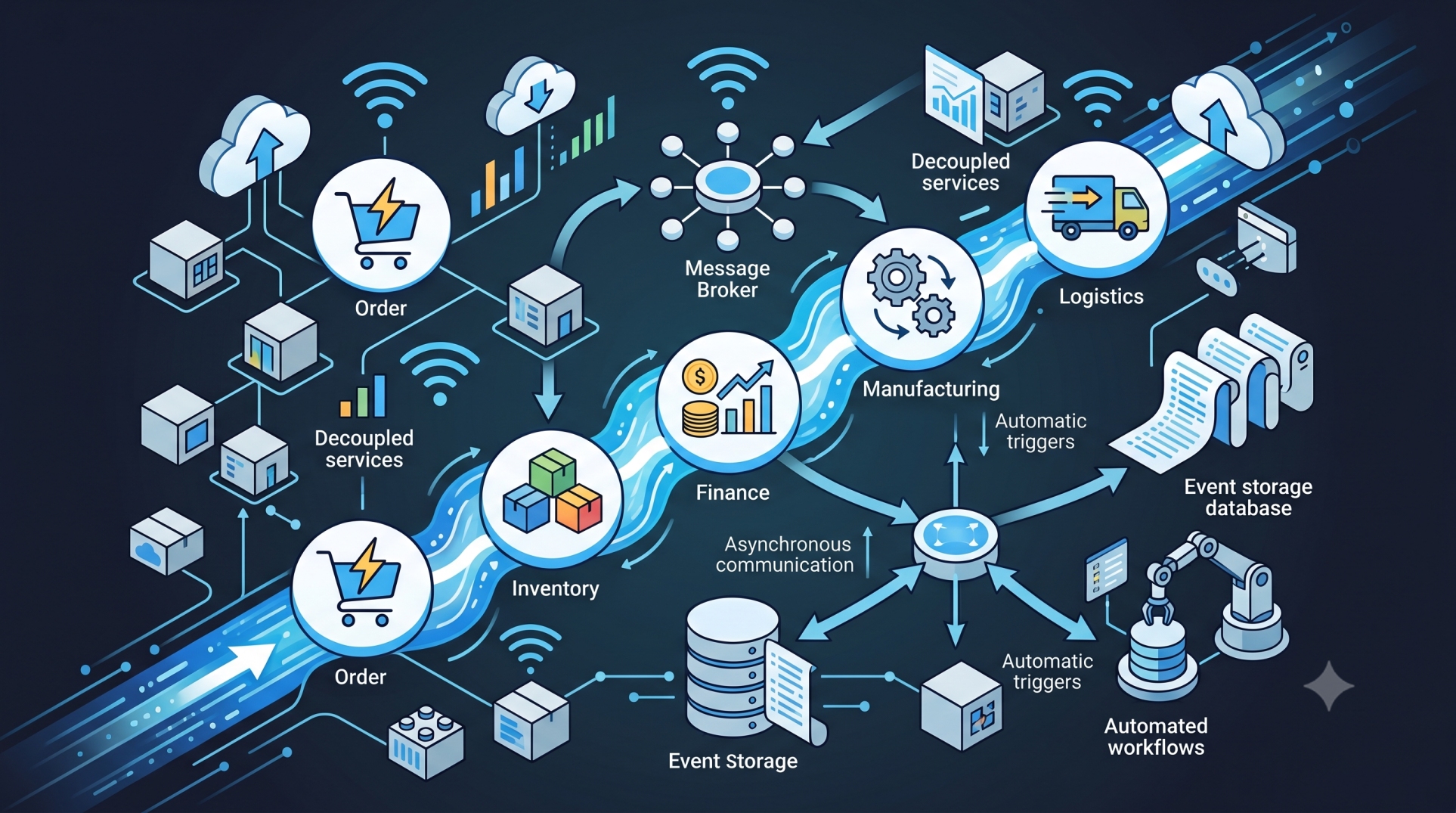
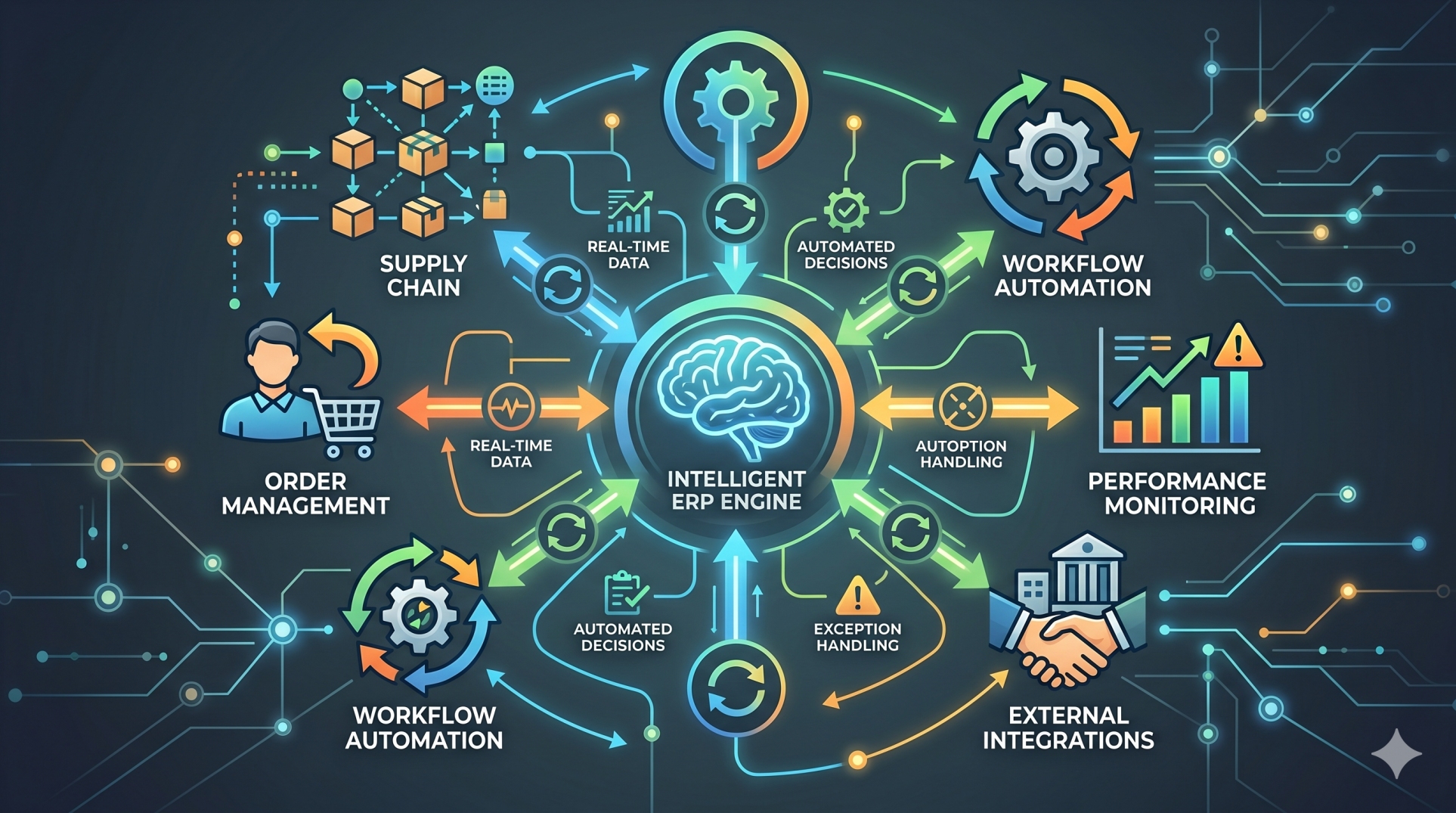
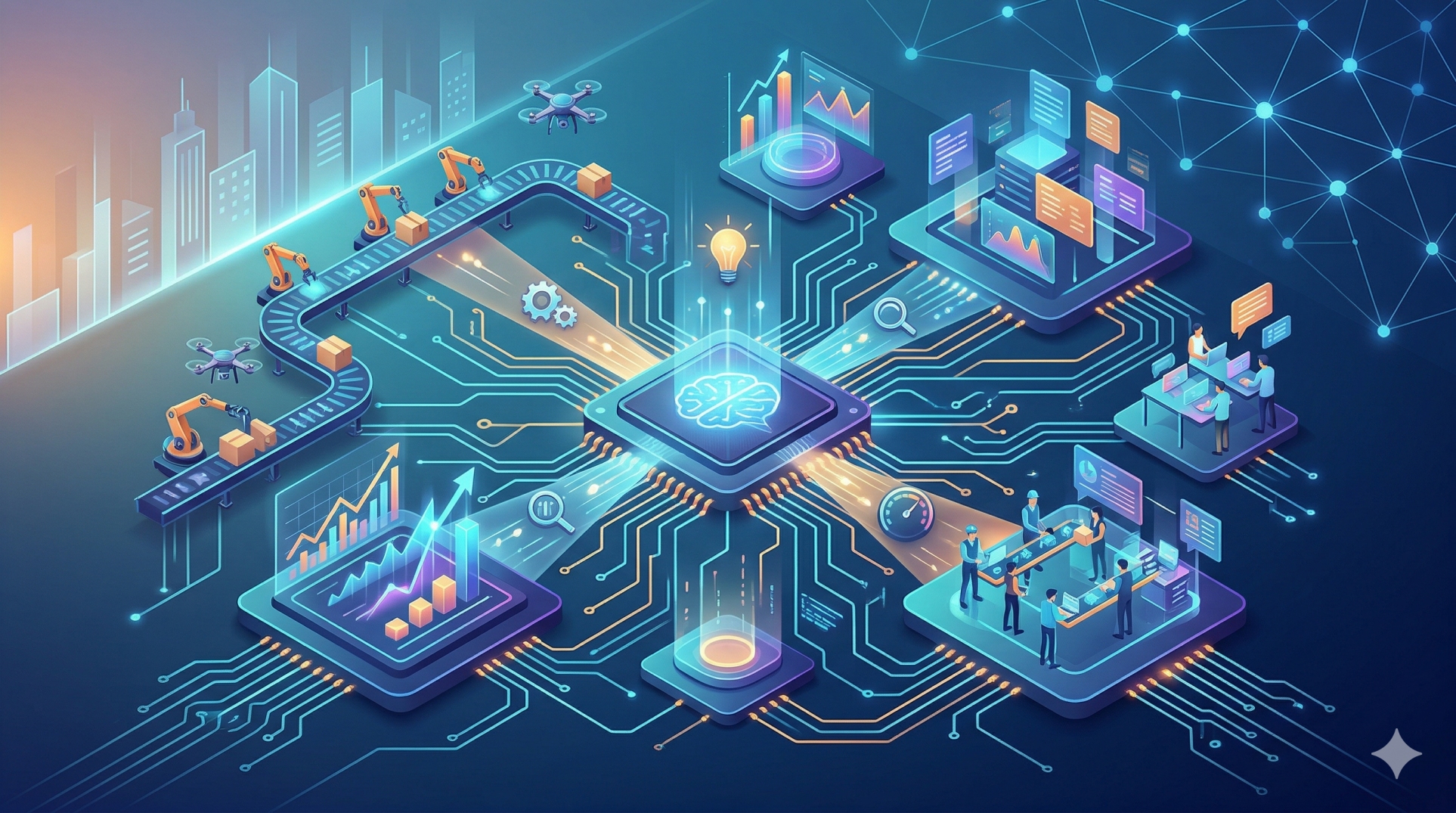
• AI-native ERP can coordinate multiple activities across broader business processes. 🤖
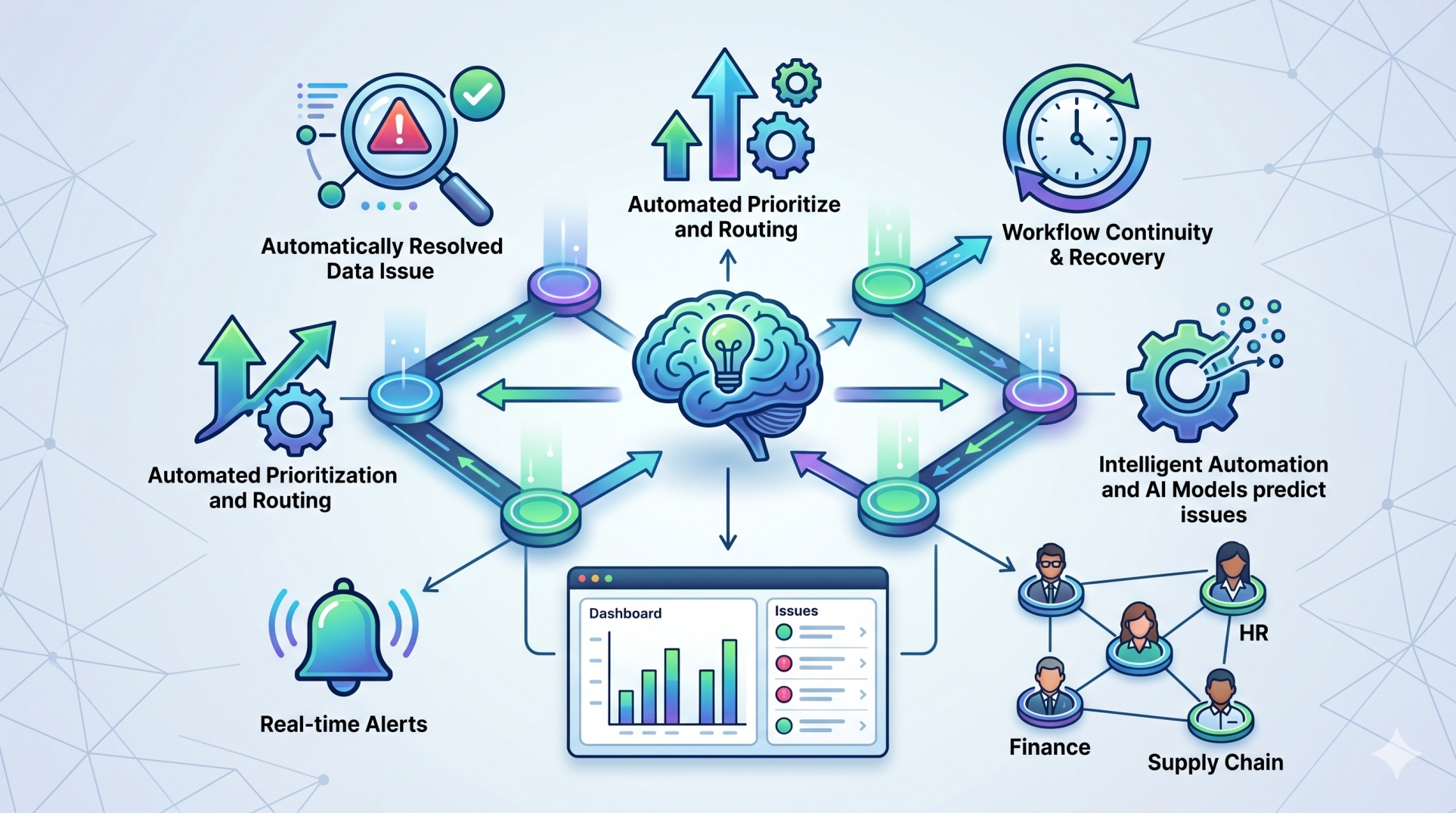
• Intelligent systems can identify situations that require action or attention. 🔎
• AI agents can handle repetitive operational activities within defined boundaries. 🛠️
• Human approval can remain part of sensitive or high-impact business decisions. 👥
Step 5: Managing Data and Business Context 📊
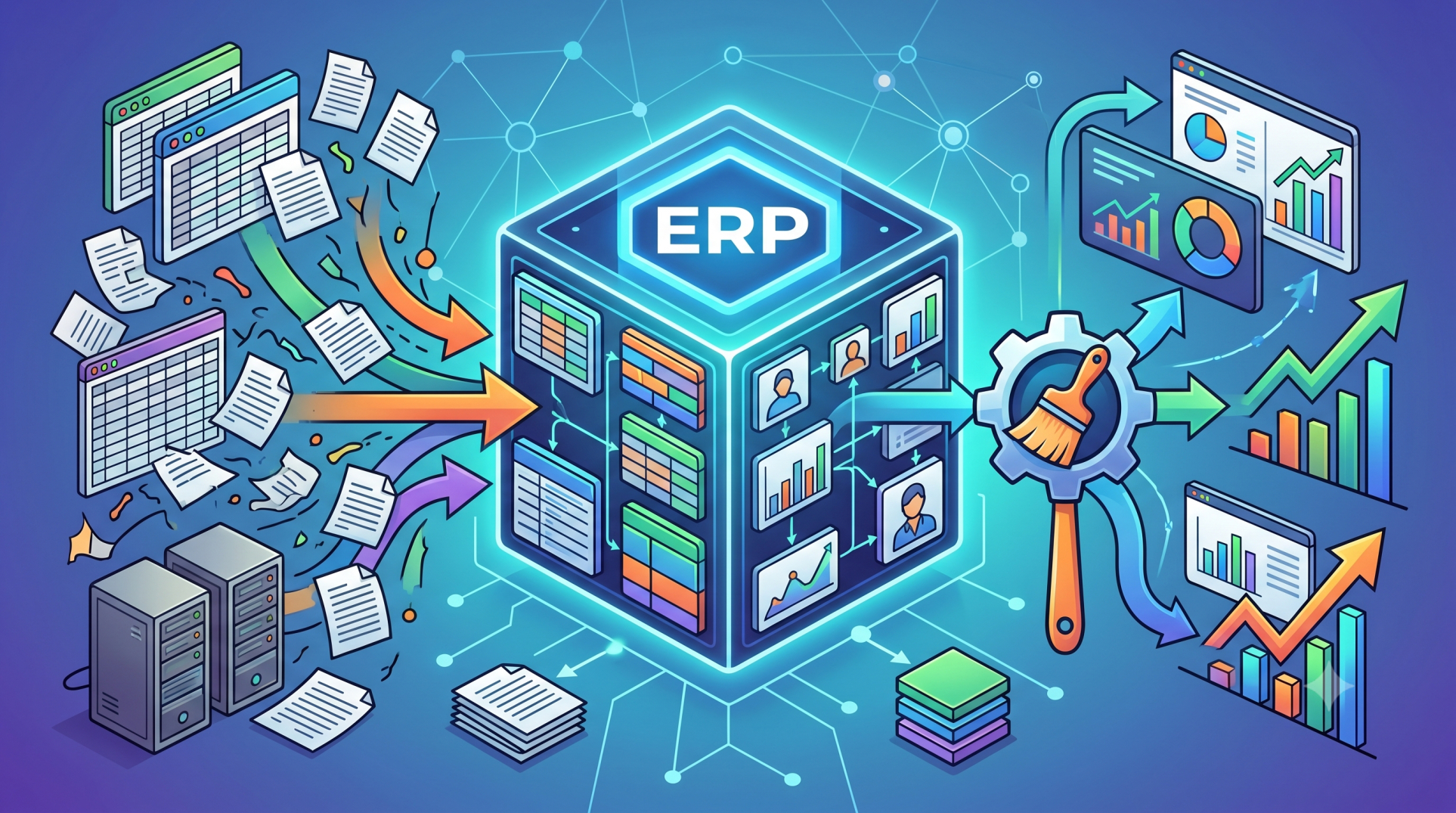
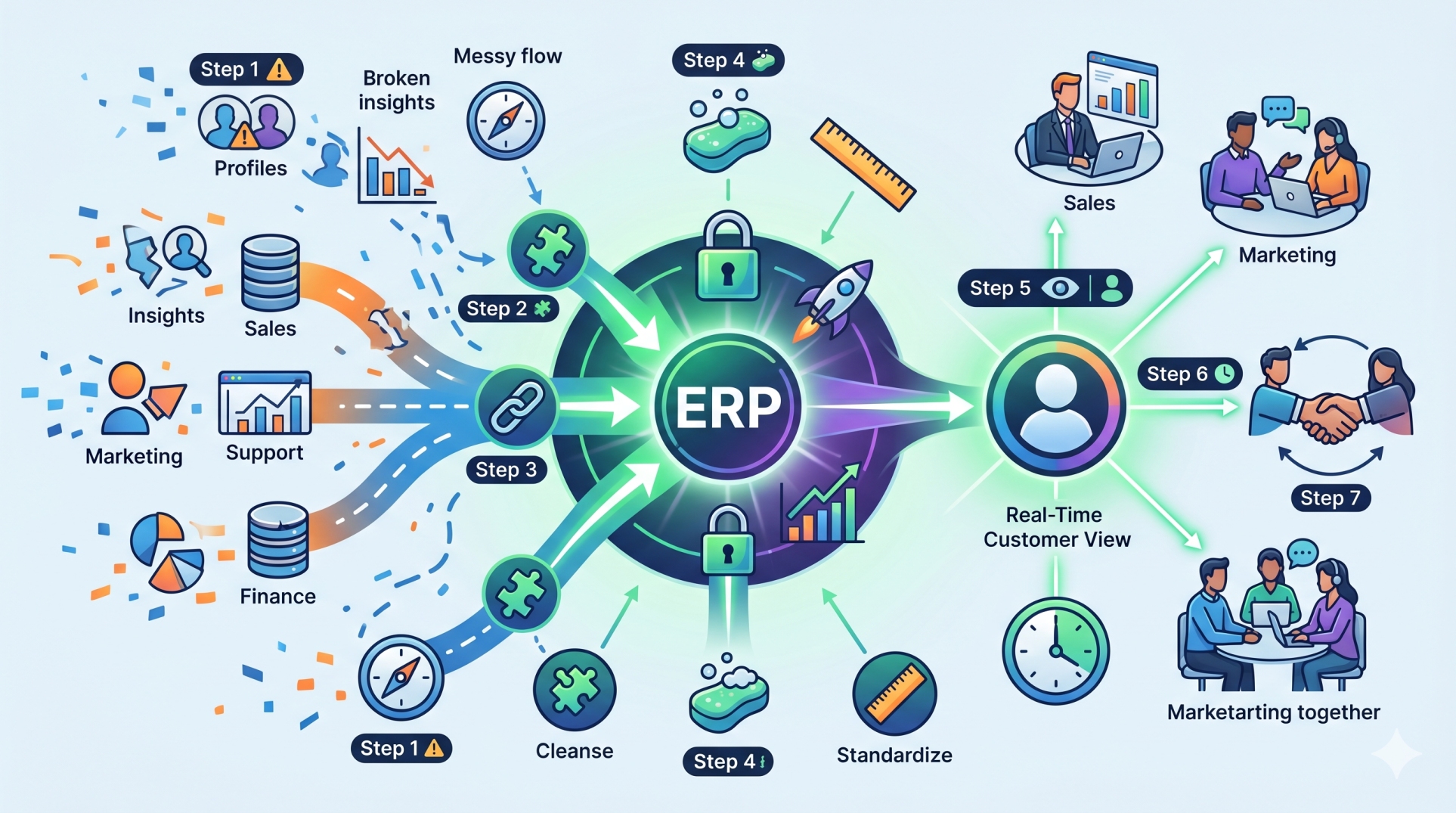
• AI-enhanced ERP may apply intelligent features to existing ERP data structures. 🗄️
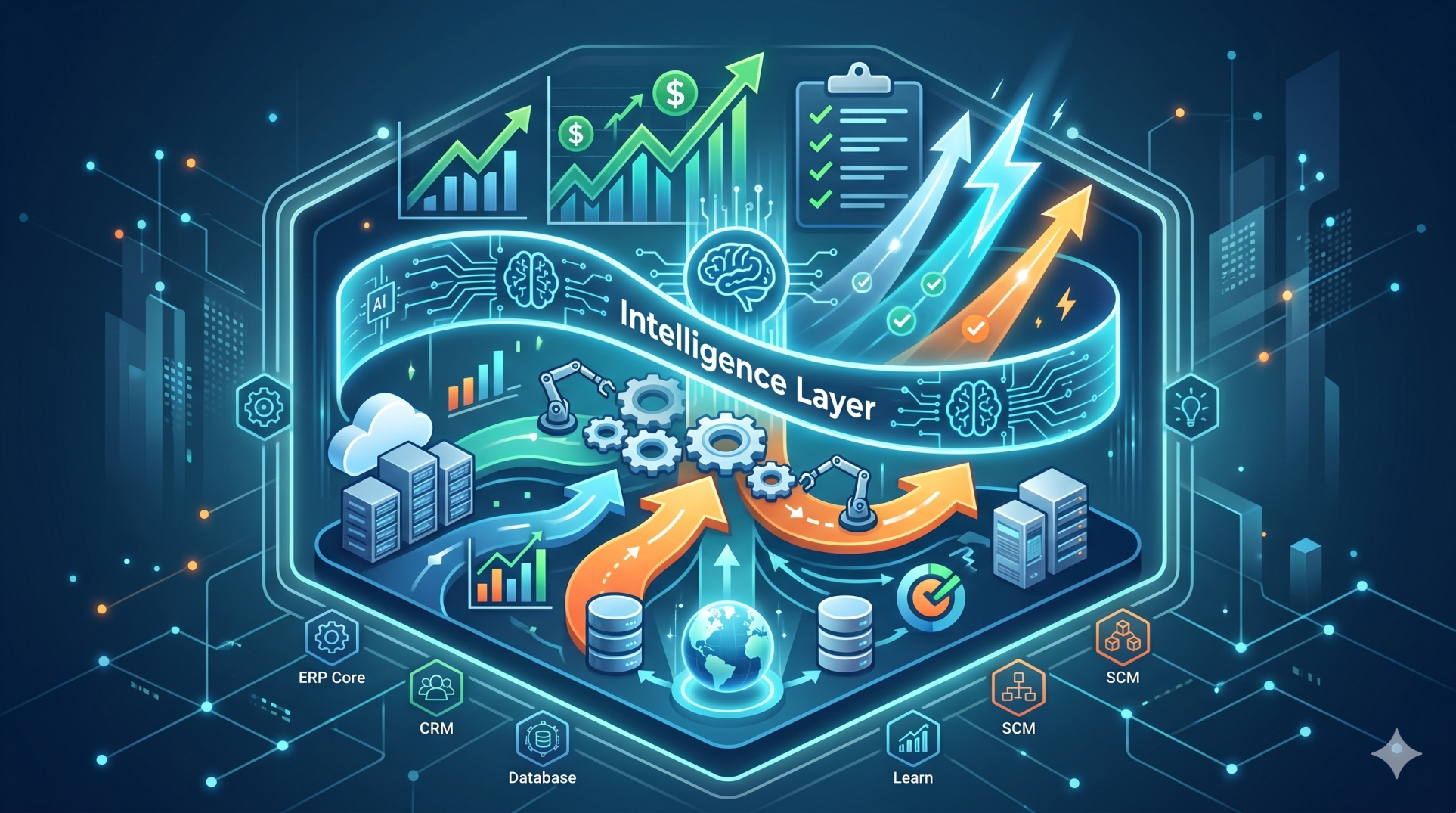
• AI-native ERP treats connected business data as a fundamental part of its intelligence layer. 🧠
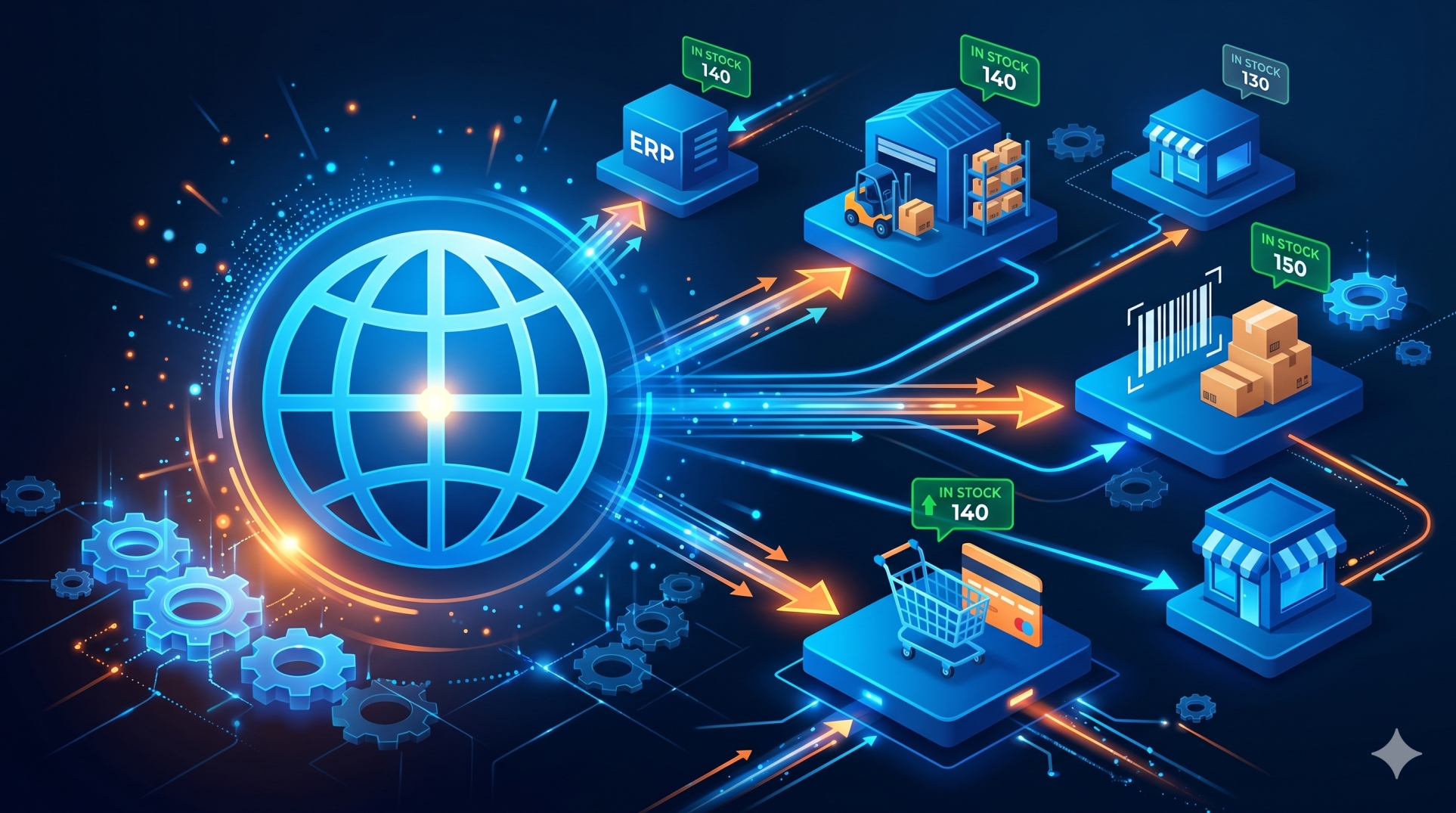
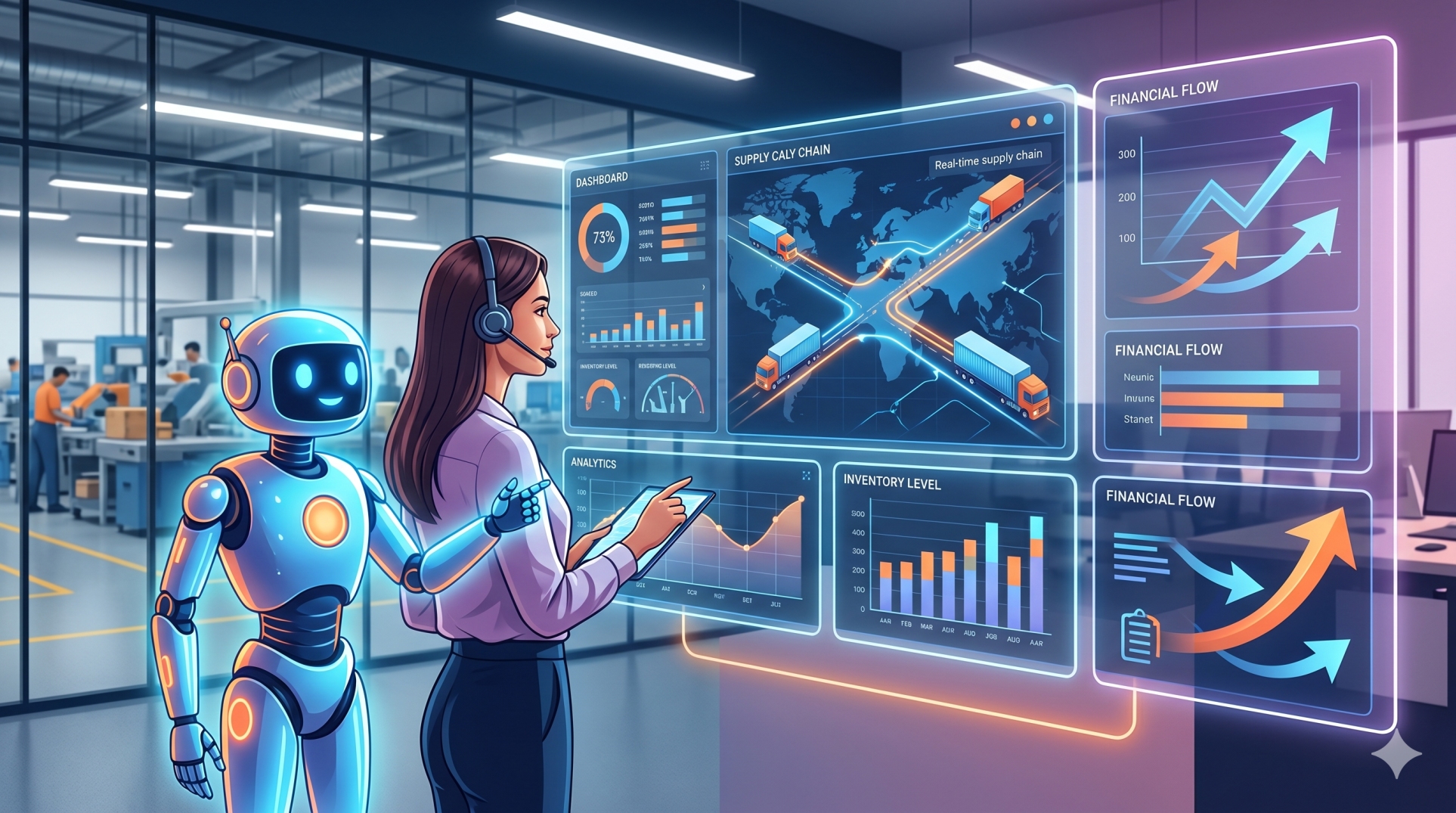
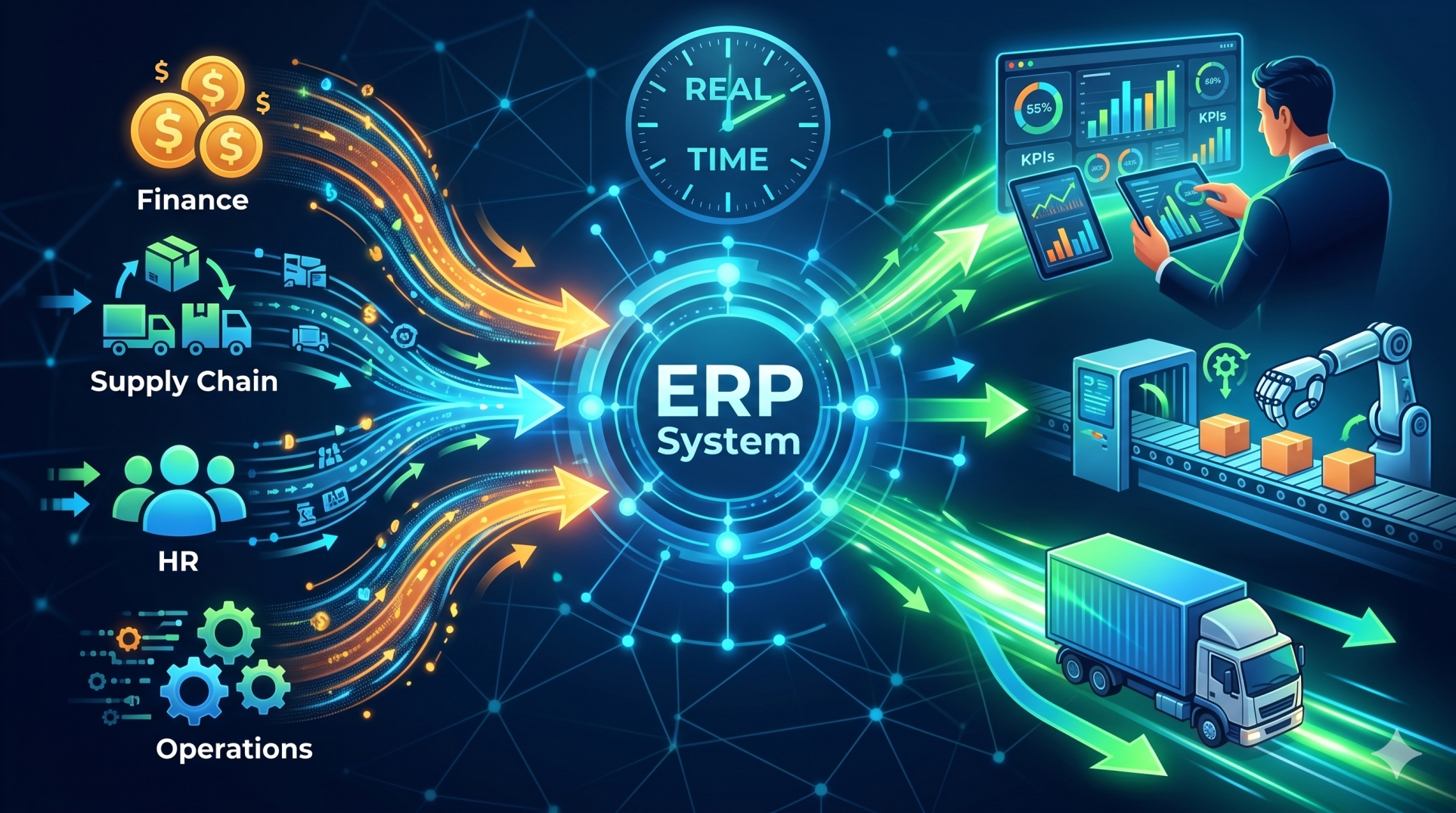
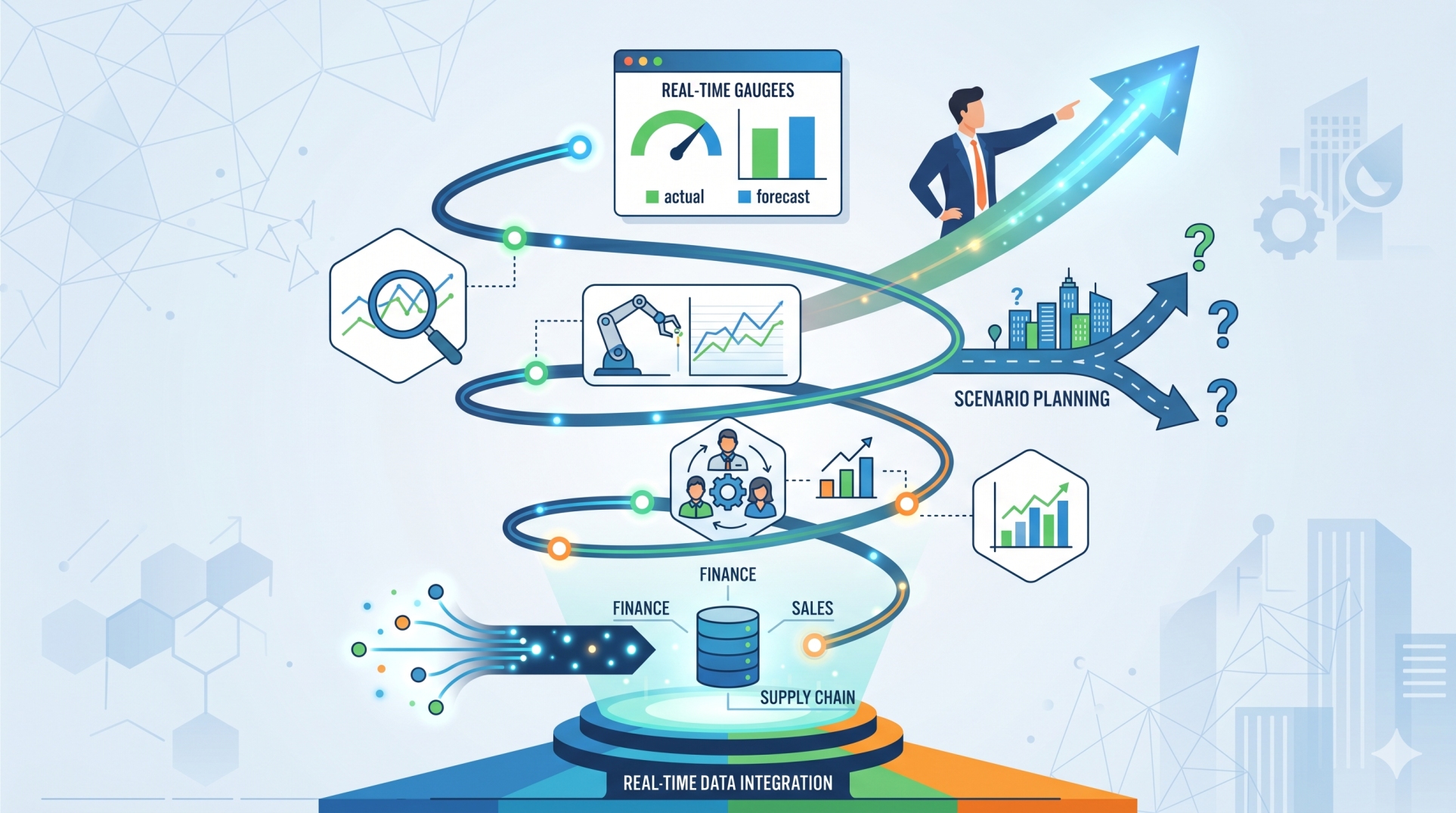
• Real-time information can improve recommendations and operational responses. ⏱️
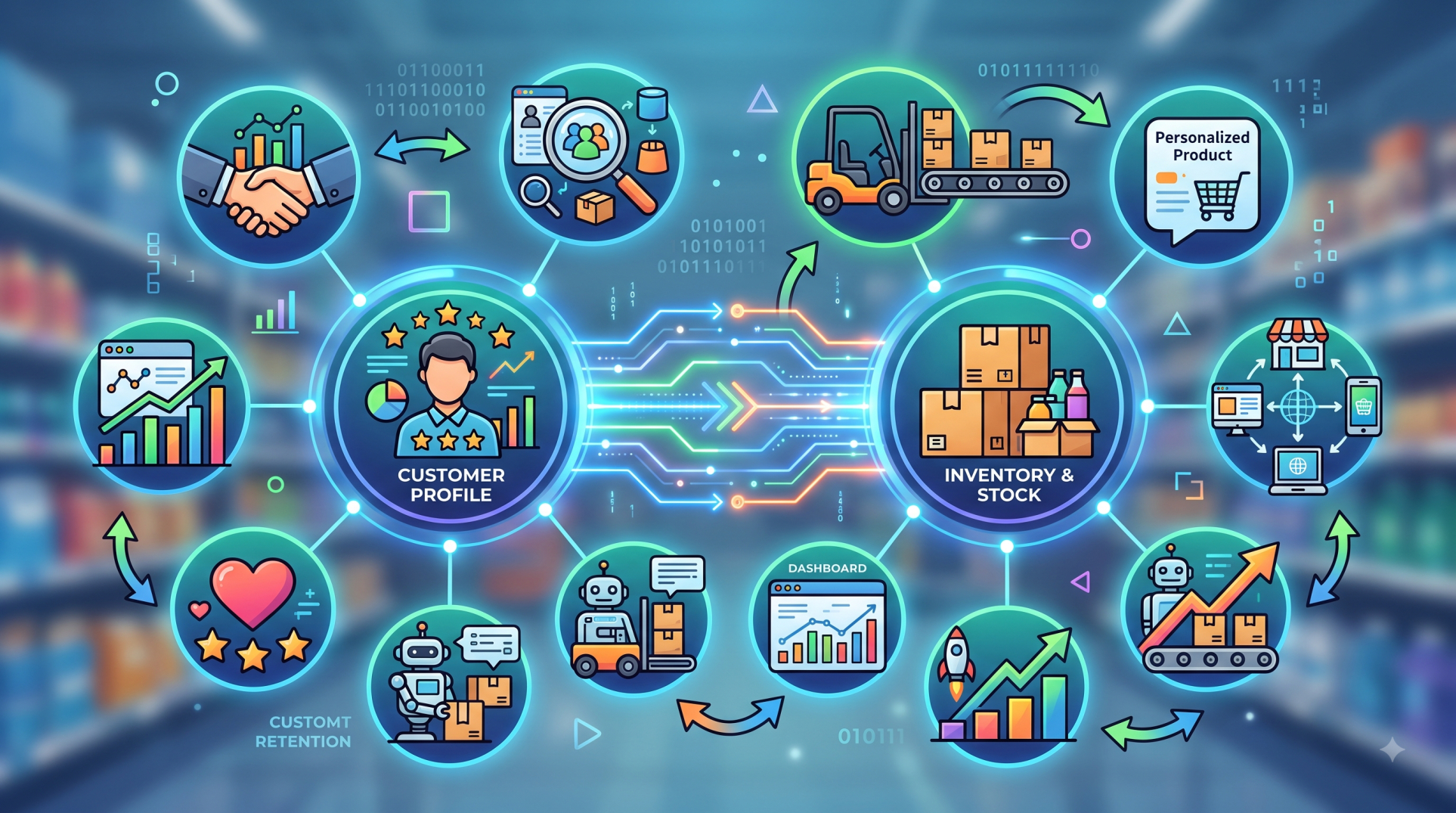
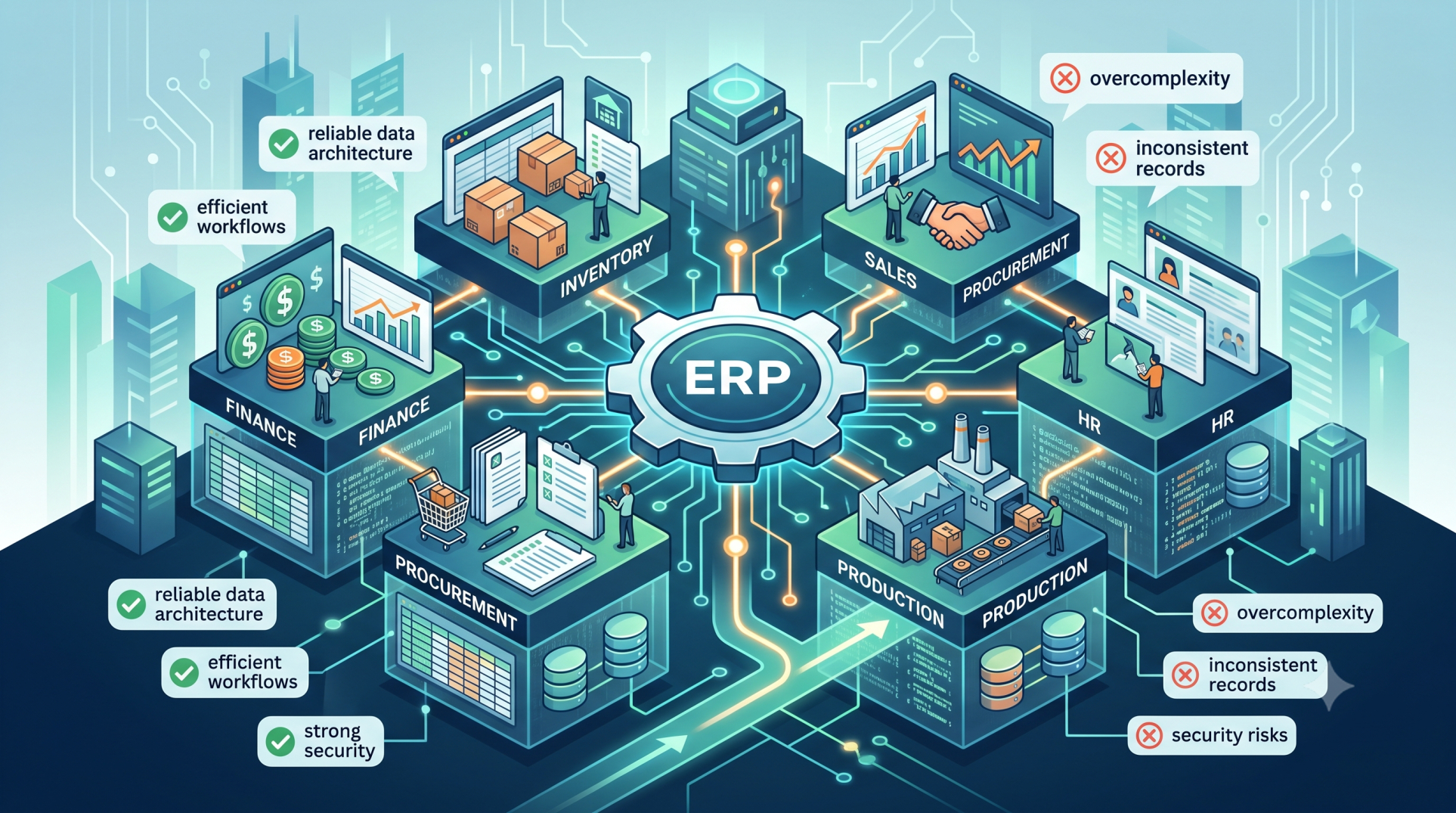
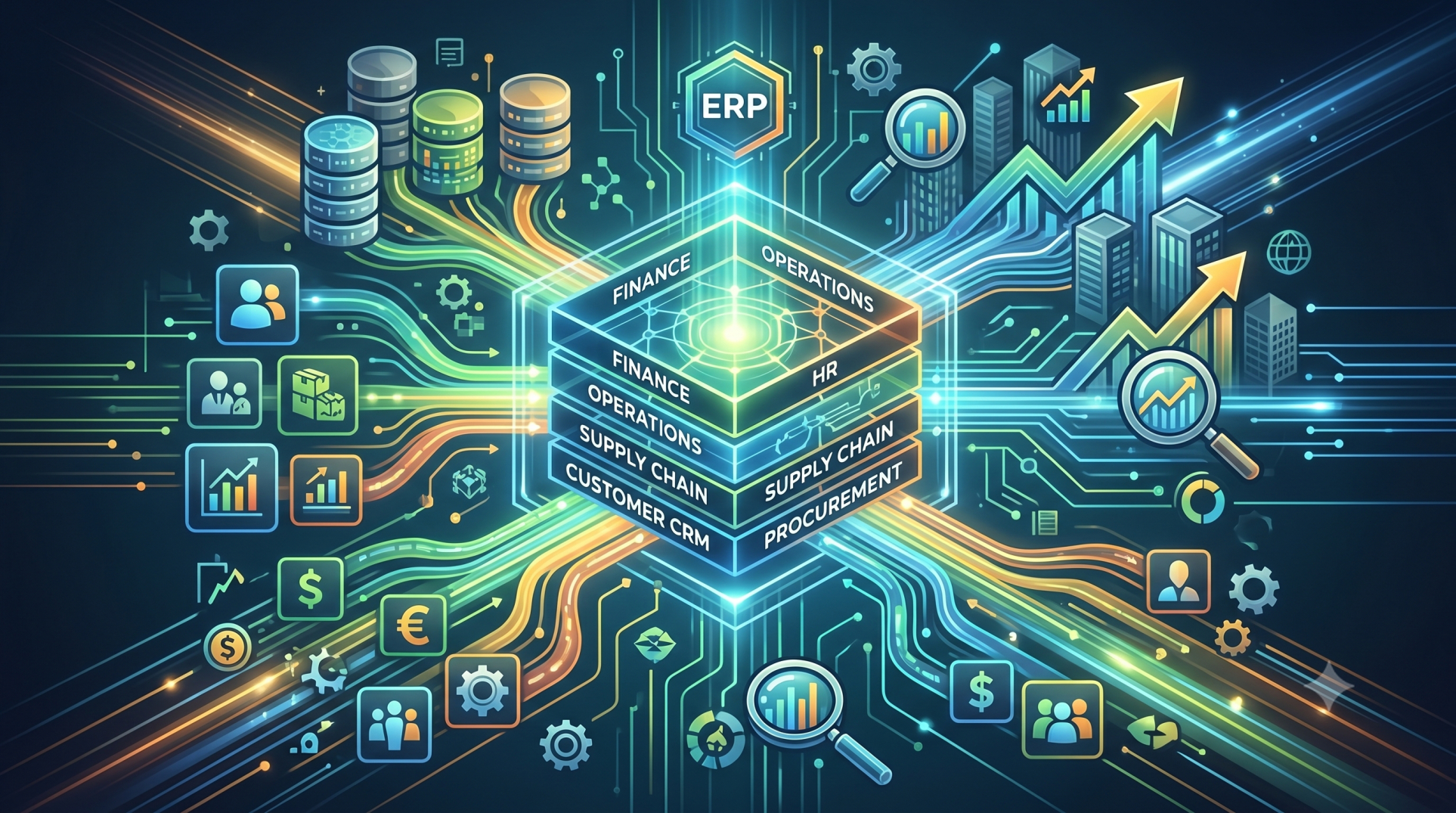
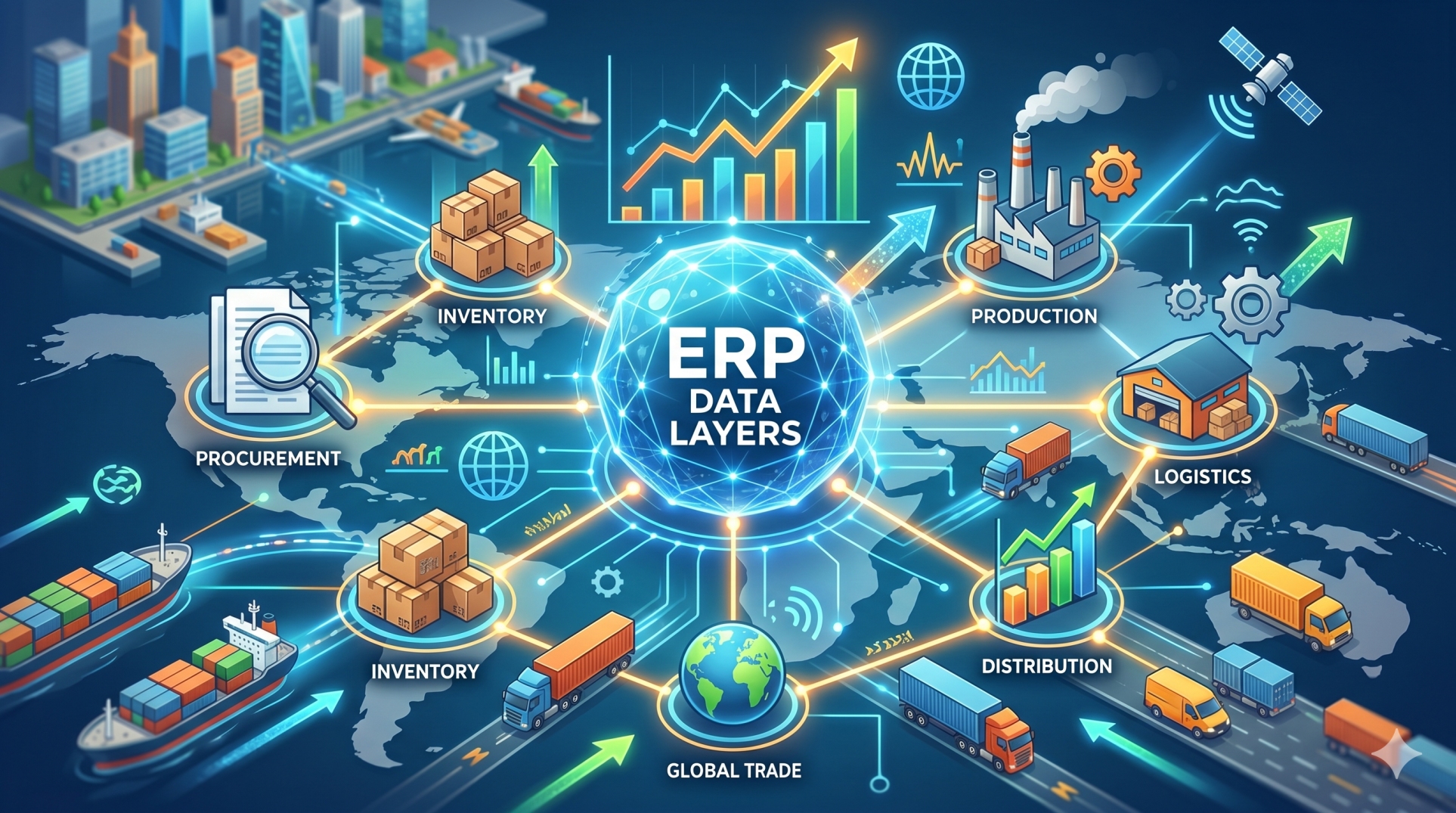
• Information from finance, procurement, sales, supply chain, and workforce systems can be connected. 🔗
• Strong data governance is necessary to ensure reliable AI-driven outcomes. 🔐
Step 6: Improving Decision Support and Business Intelligence 💡
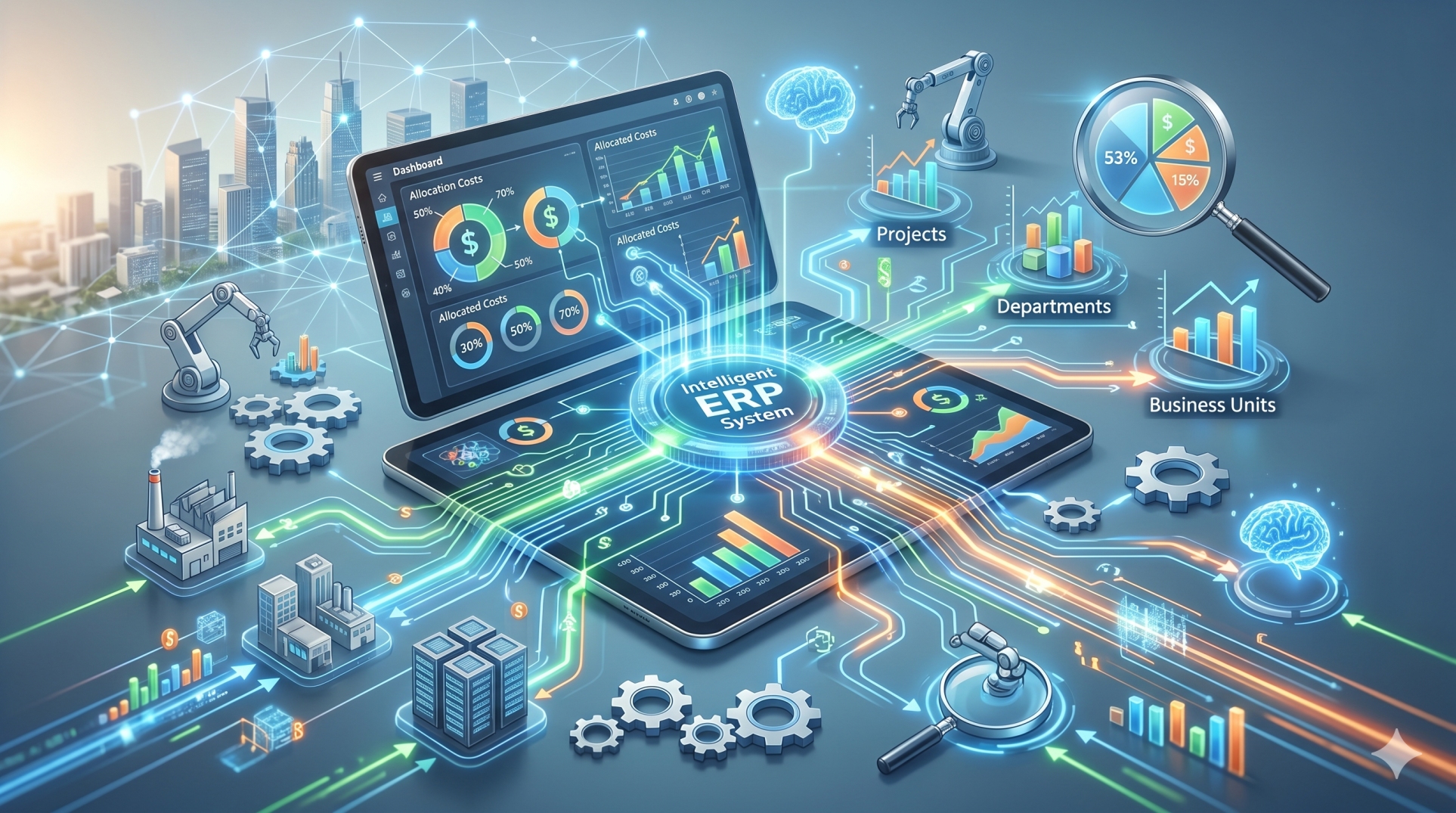
• AI-enhanced ERP can strengthen dashboards, forecasting, reporting, and analytical capabilities. 📈
• AI-native ERP can embed intelligence directly into everyday operational workflows. ⚙️
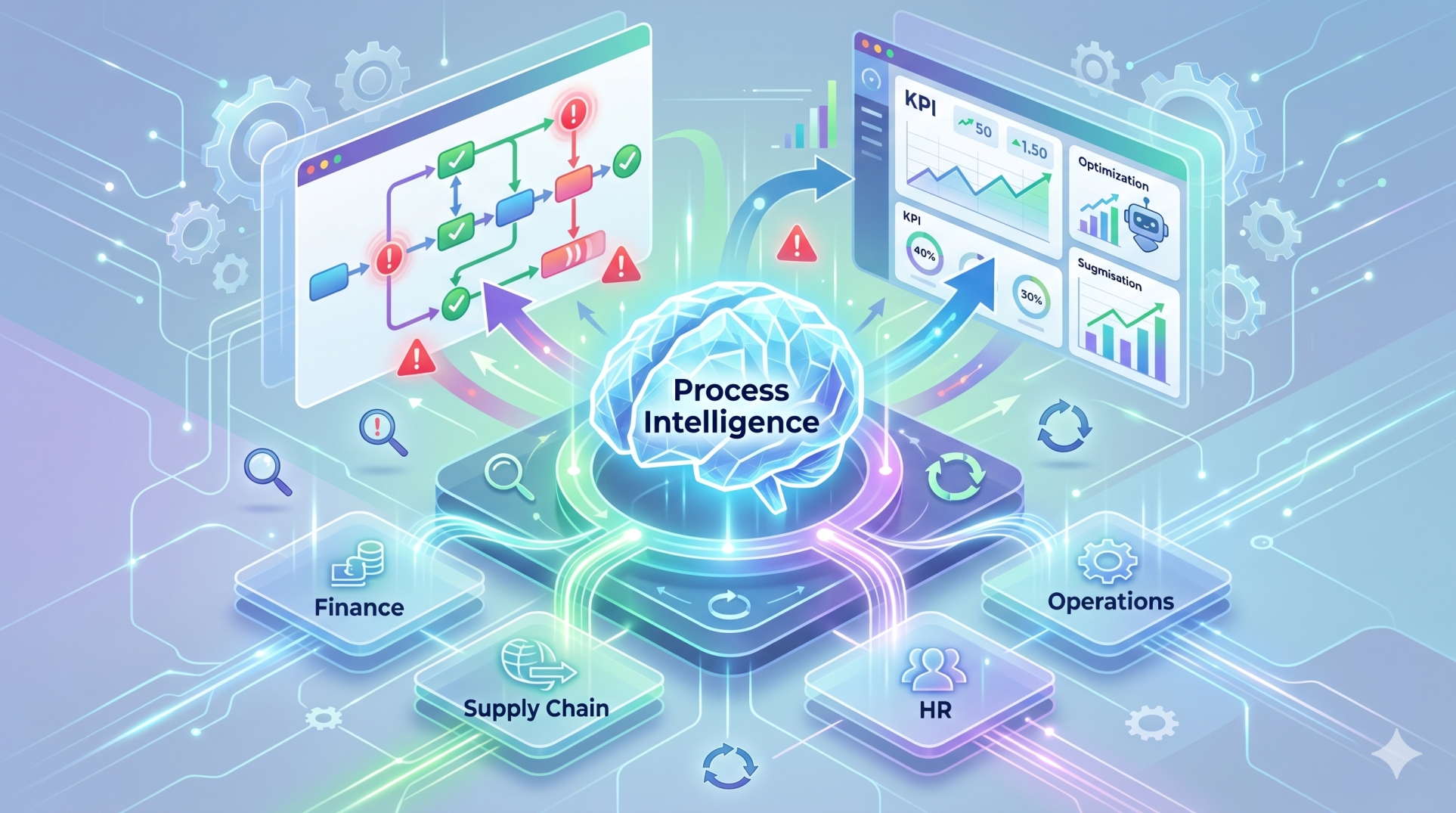
• AI systems can identify patterns, anomalies, and potential issues earlier. 🔍
• Recommendations can be generated using current business conditions and available data. 🎯
• Connected enterprise information enables more contextual and informed decision support. 🧠
Step 7: Integration and Extensibility 🔗
• AI-enhanced ERP may continue to depend on existing integrations and external AI services. 🔌
• AI-native platforms can be designed around modern integration and interoperability principles. 🌐
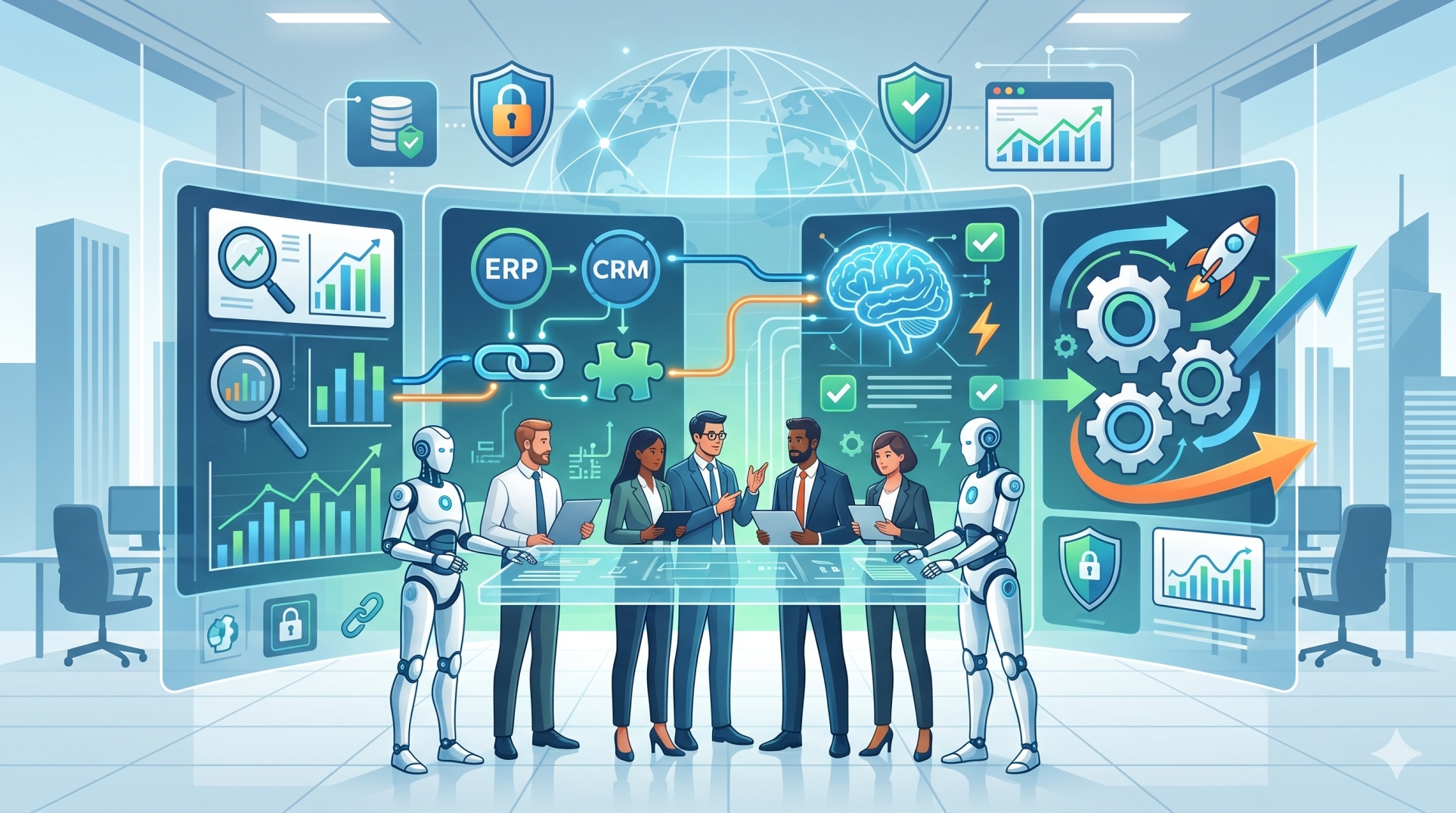
• APIs can connect ERP environments with specialized applications and services. 🧩
• New intelligent capabilities can be introduced without requiring a complete platform redesign. 🚀
• Flexible integration models make it easier to adapt to changing technology requirements. 🔄
Step 8: Governance, Security, and Human Oversight 🔐
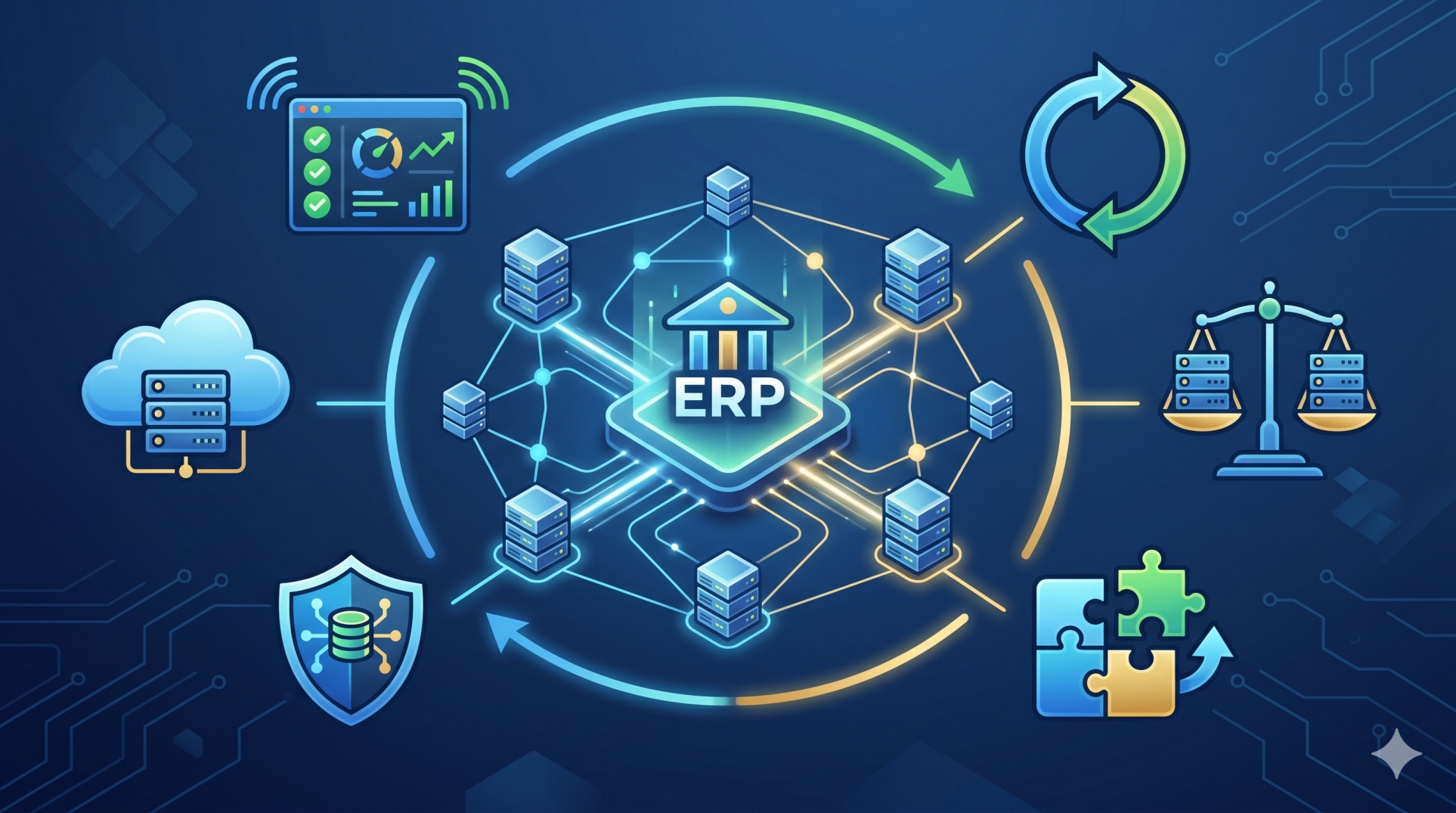
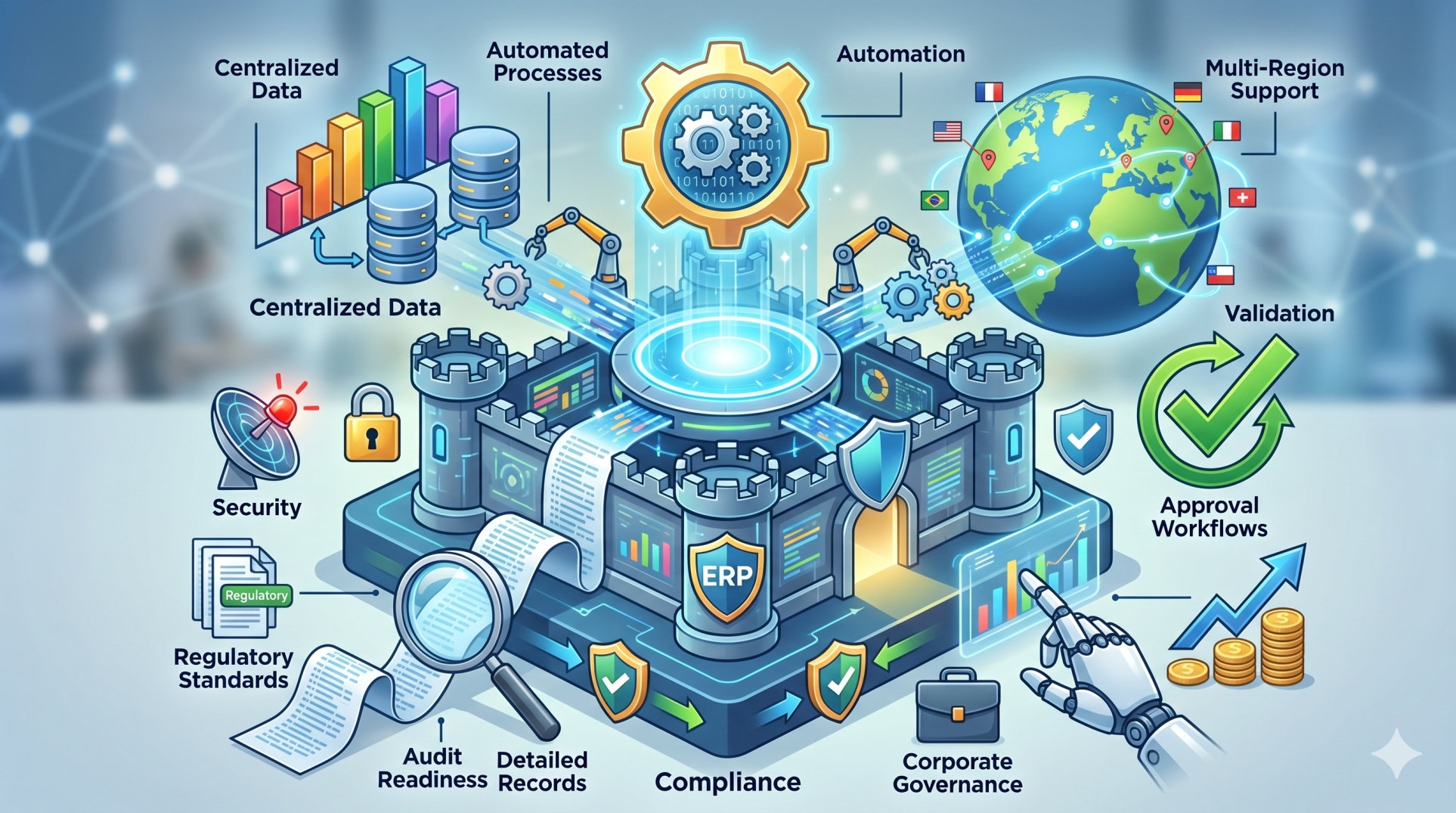
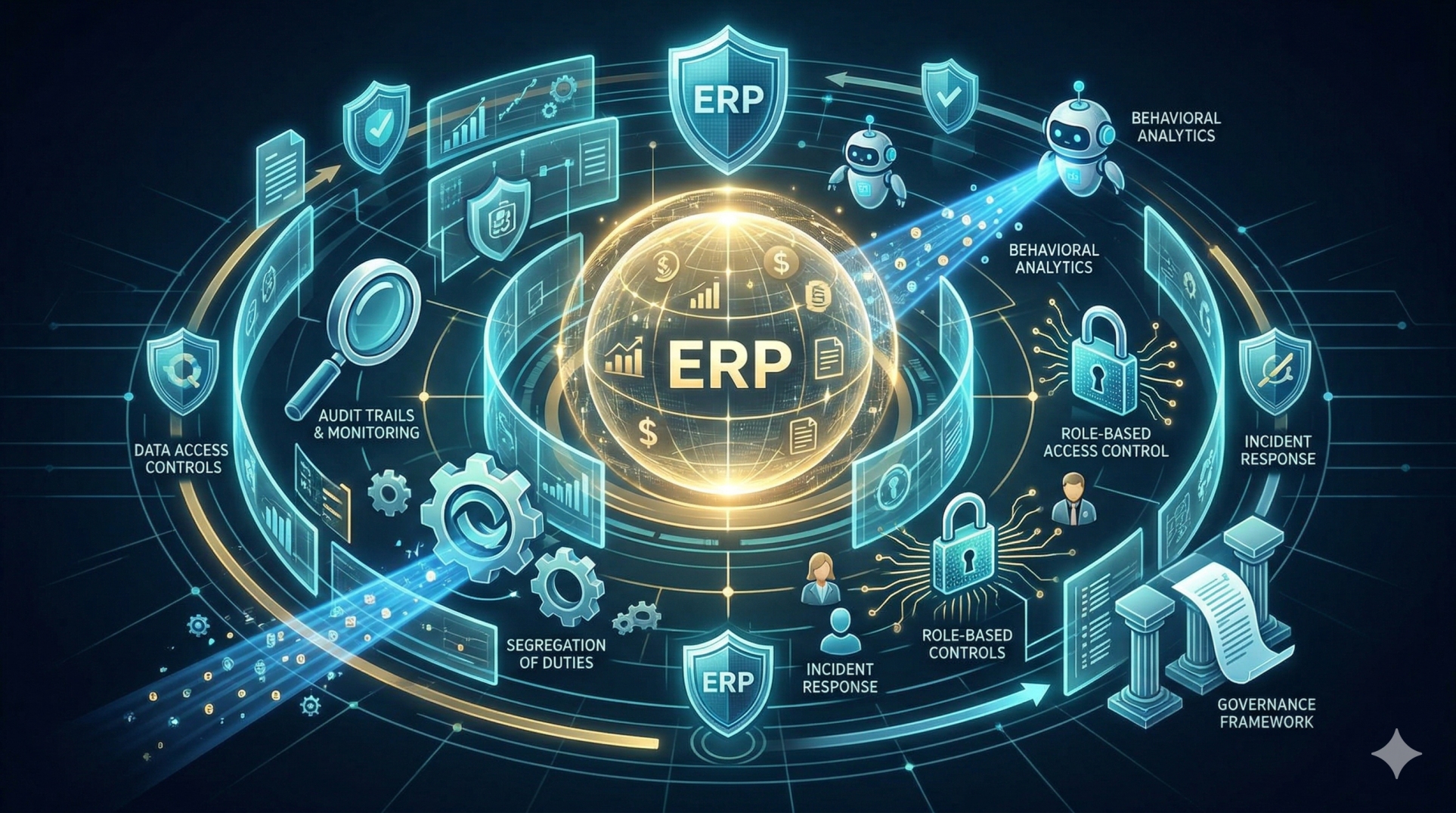
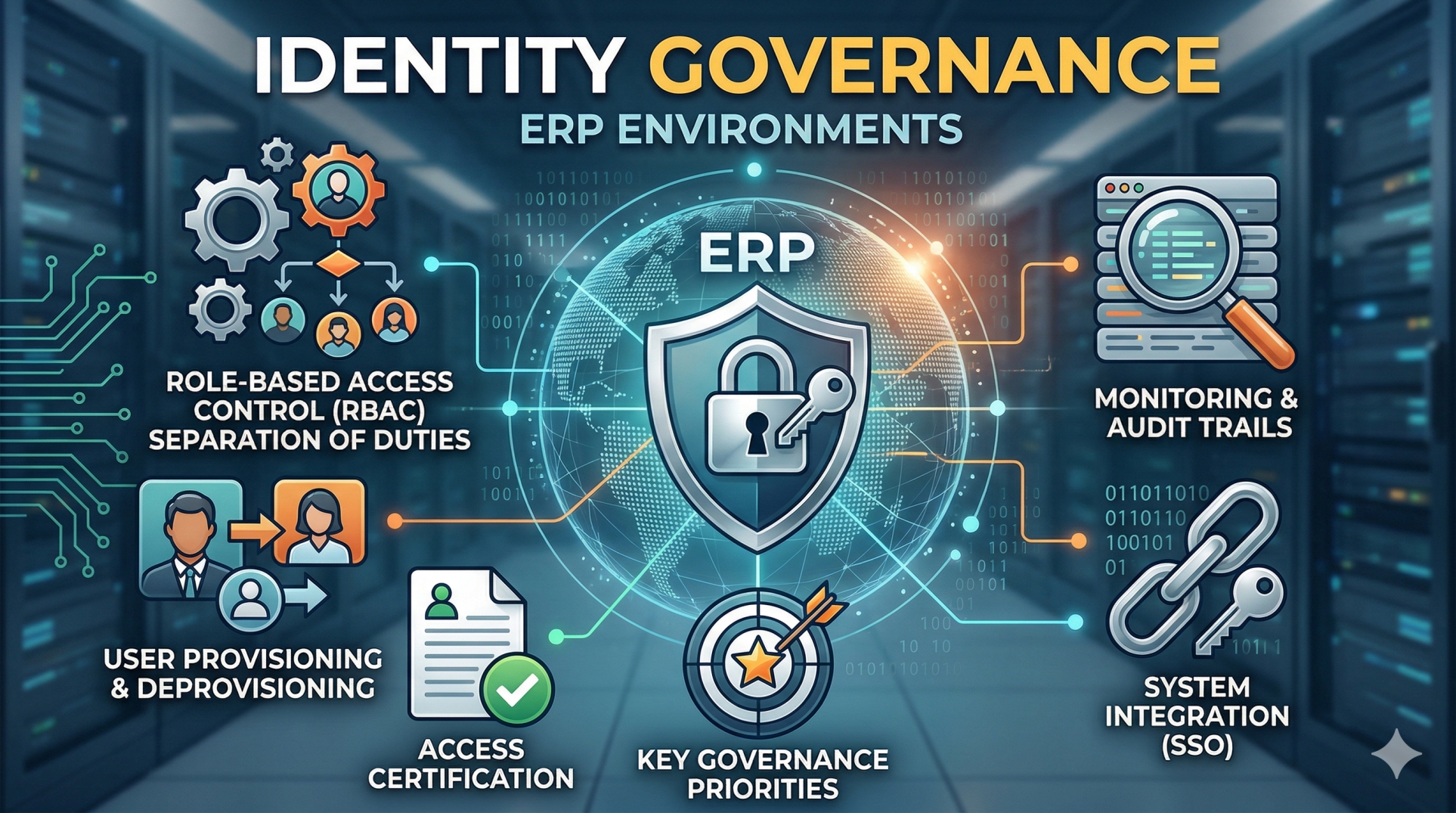
• AI-enabled ERP environments require clearly defined permissions and access controls. 🛡️
• Sensitive enterprise information must remain protected throughout AI-driven workflows. 🔒
• Organizations should establish policies governing automated recommendations and decisions. 📋
• Human oversight remains important for financial, legal, workforce, and other high-impact activities. 👥
• Logging and audit mechanisms can help organizations track AI-related actions and decisions. 📝
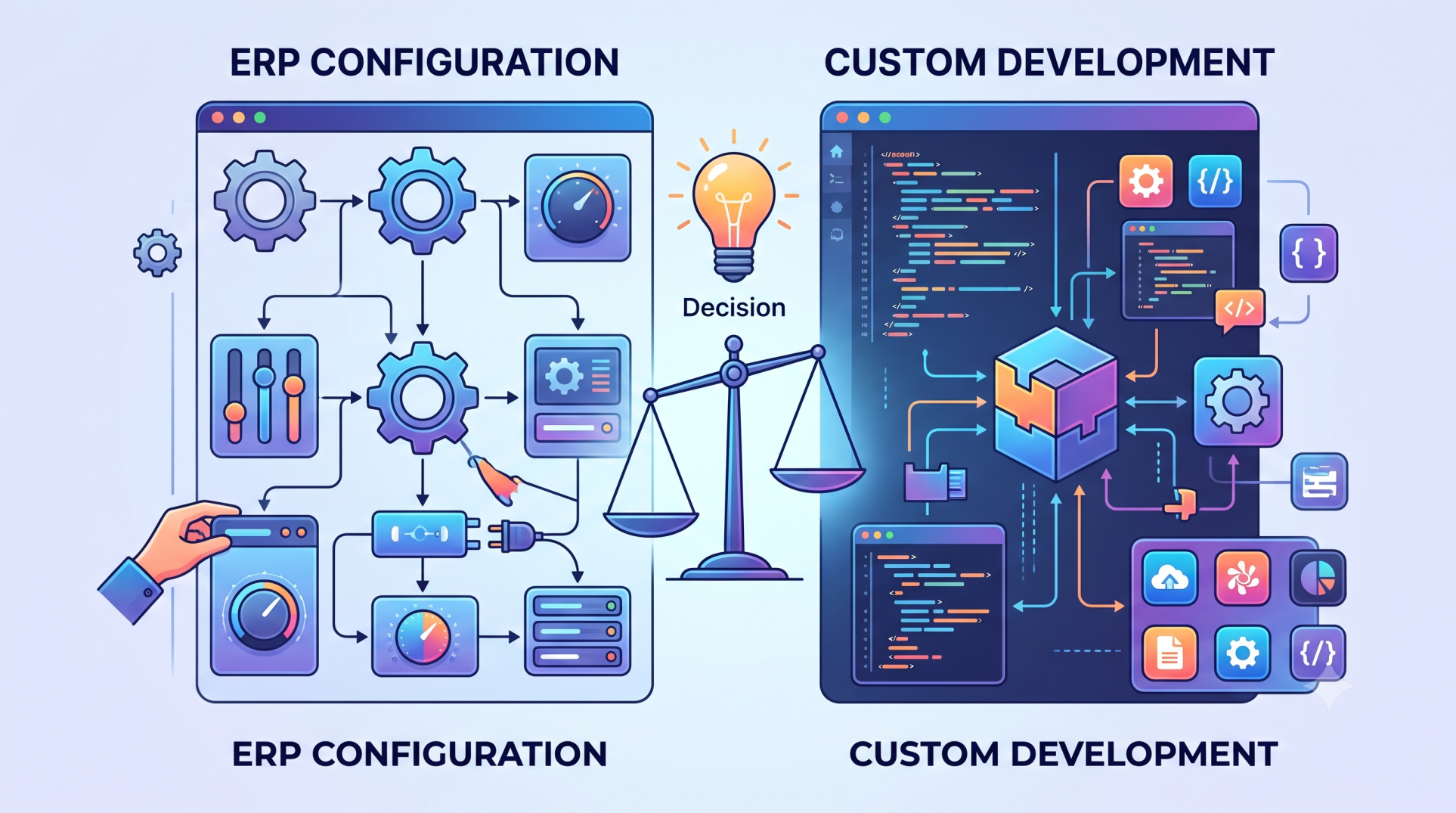
Step 9: Choosing the Right ERP Approach 🎯
• AI-enhanced ERP can be suitable for organizations looking to modernize an existing ERP investment. 💼
• AI-native ERP may be more attractive to organizations developing new digital operating models. 🚀
• Migration requirements and implementation complexity should be evaluated alongside AI capabilities. 🔄
• Cost, integration, scalability, security, and governance should all influence the decision. 📊
• Organizations should prioritize measurable business outcomes instead of choosing a platform based only on its AI label. 🎯
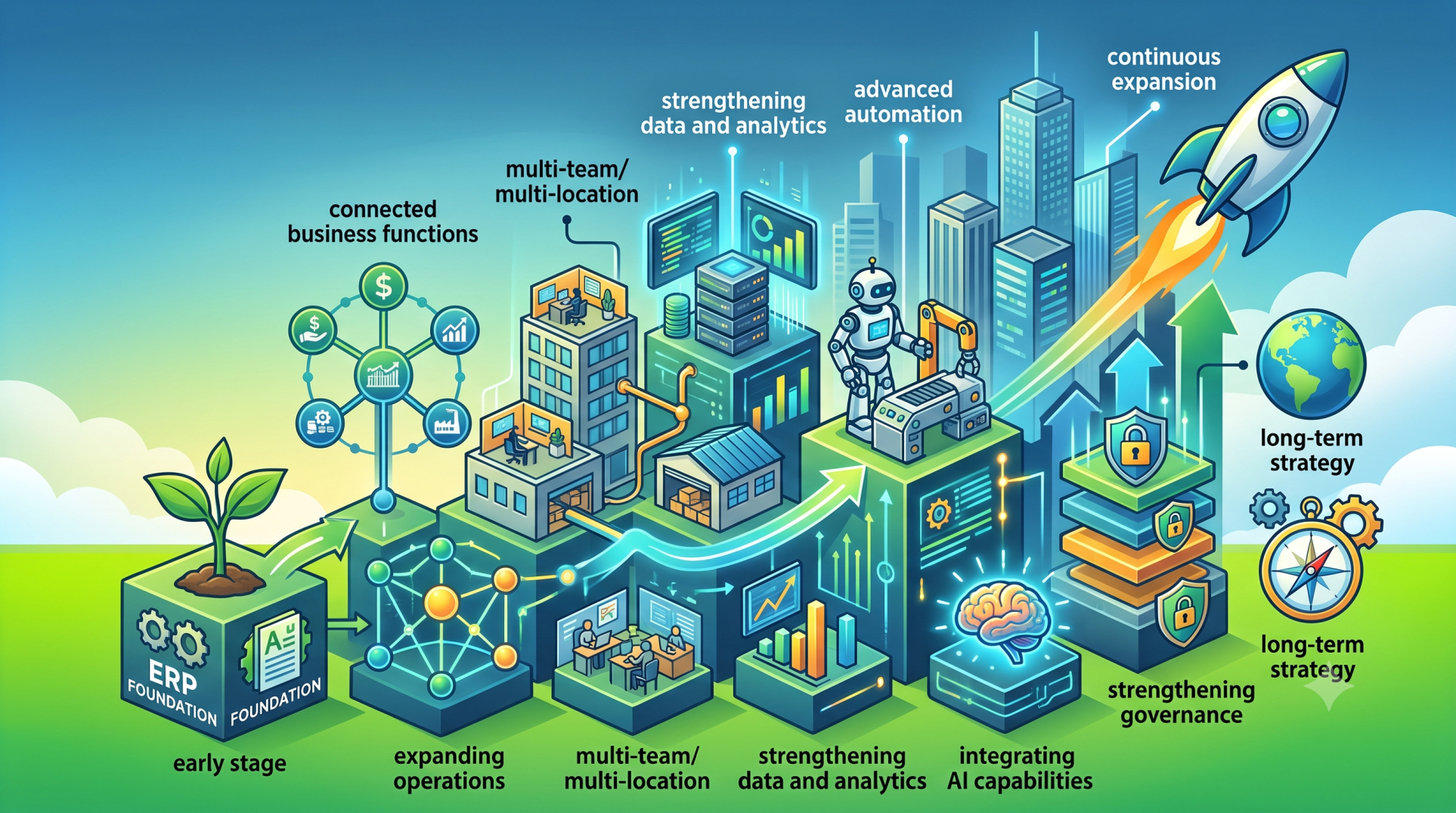
Step 10: Preparing ERP for the Future of AI 🚀
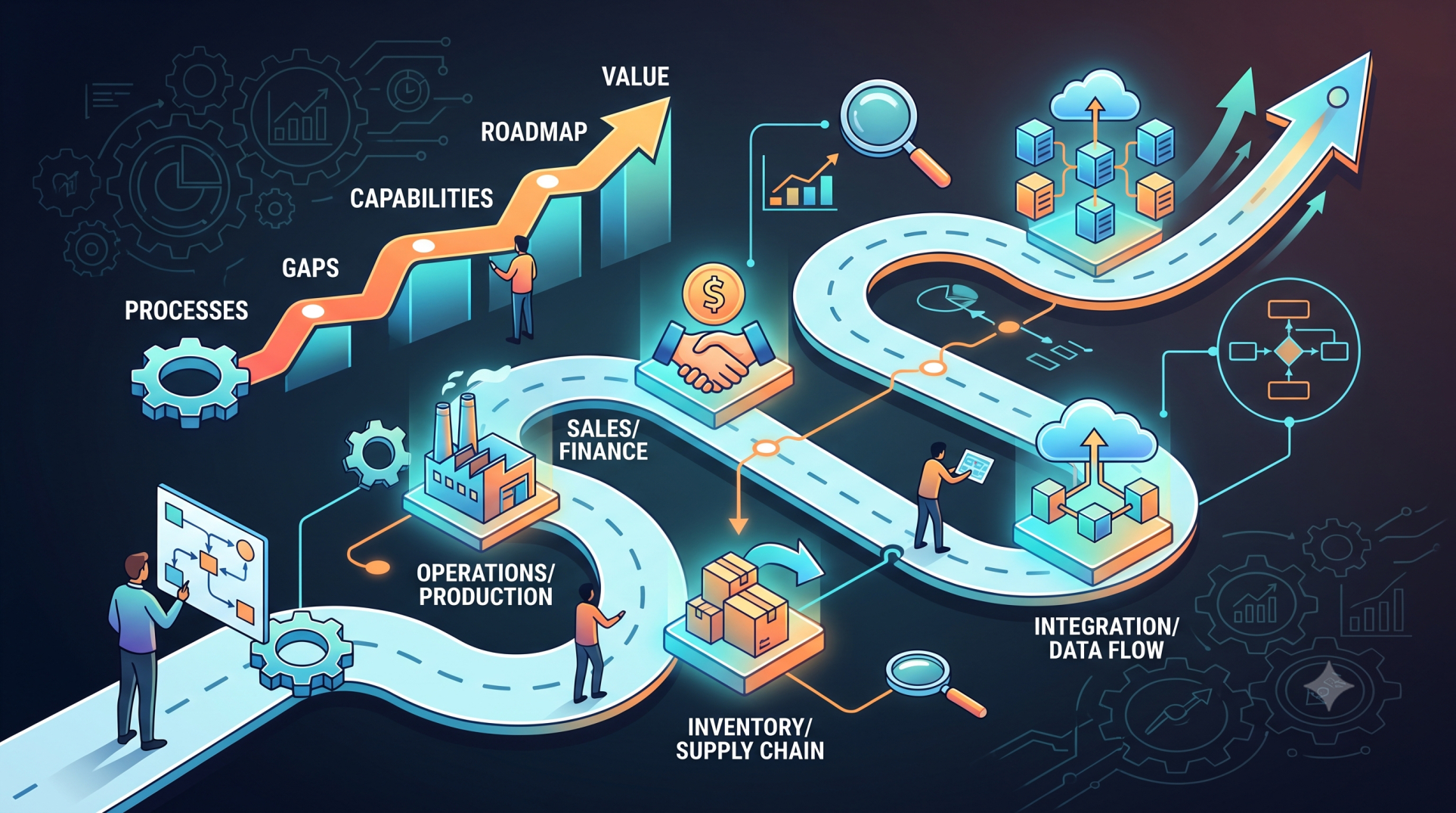
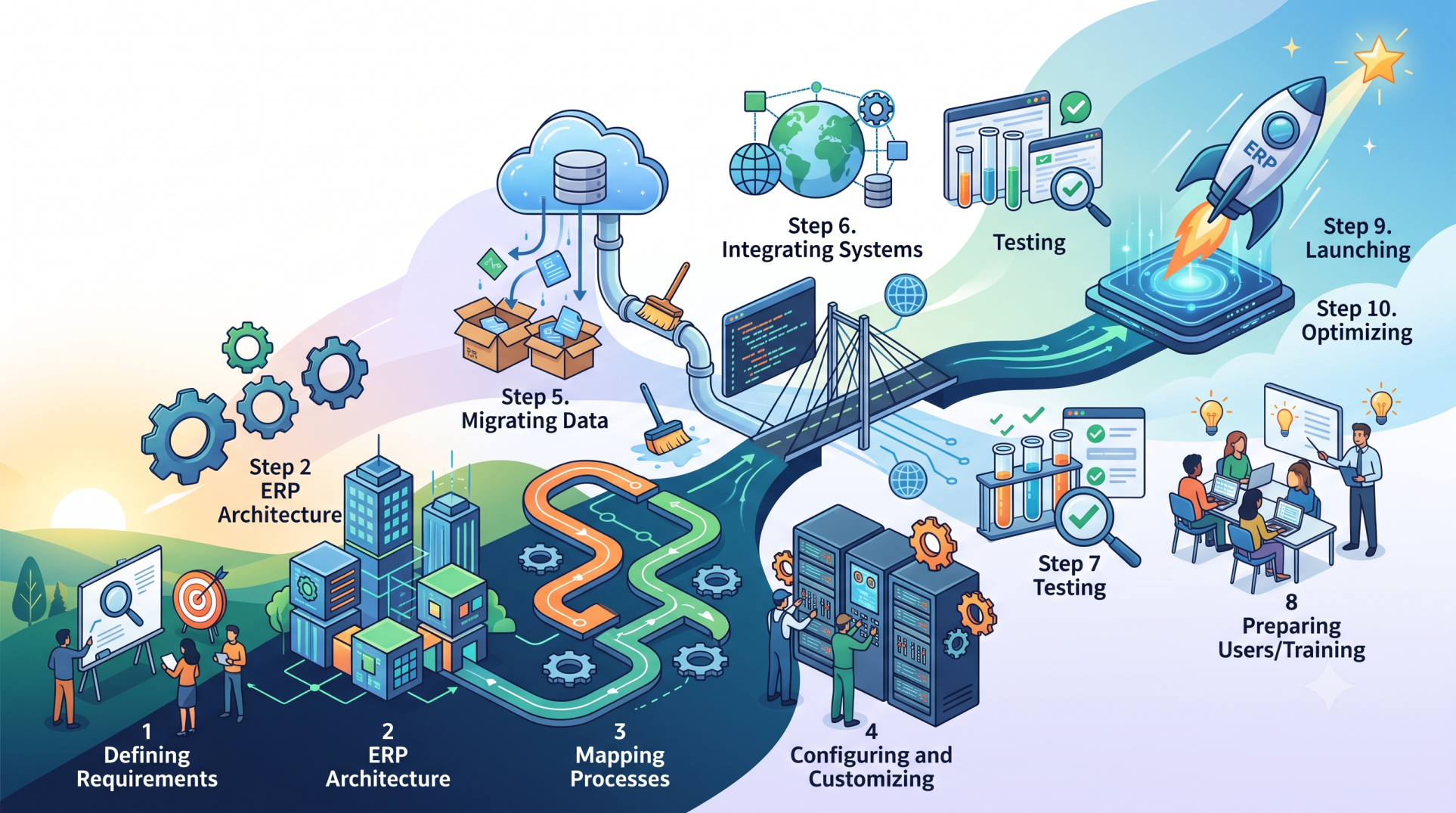
• Establish a practical roadmap for introducing intelligent automation. 🗺️
• Build reliable, accessible, and well-governed enterprise data foundations. 🗄️
• Modernize legacy integrations where they restrict automation and innovation. 🔧
• Introduce AI progressively while maintaining appropriate operational controls. 🛡️
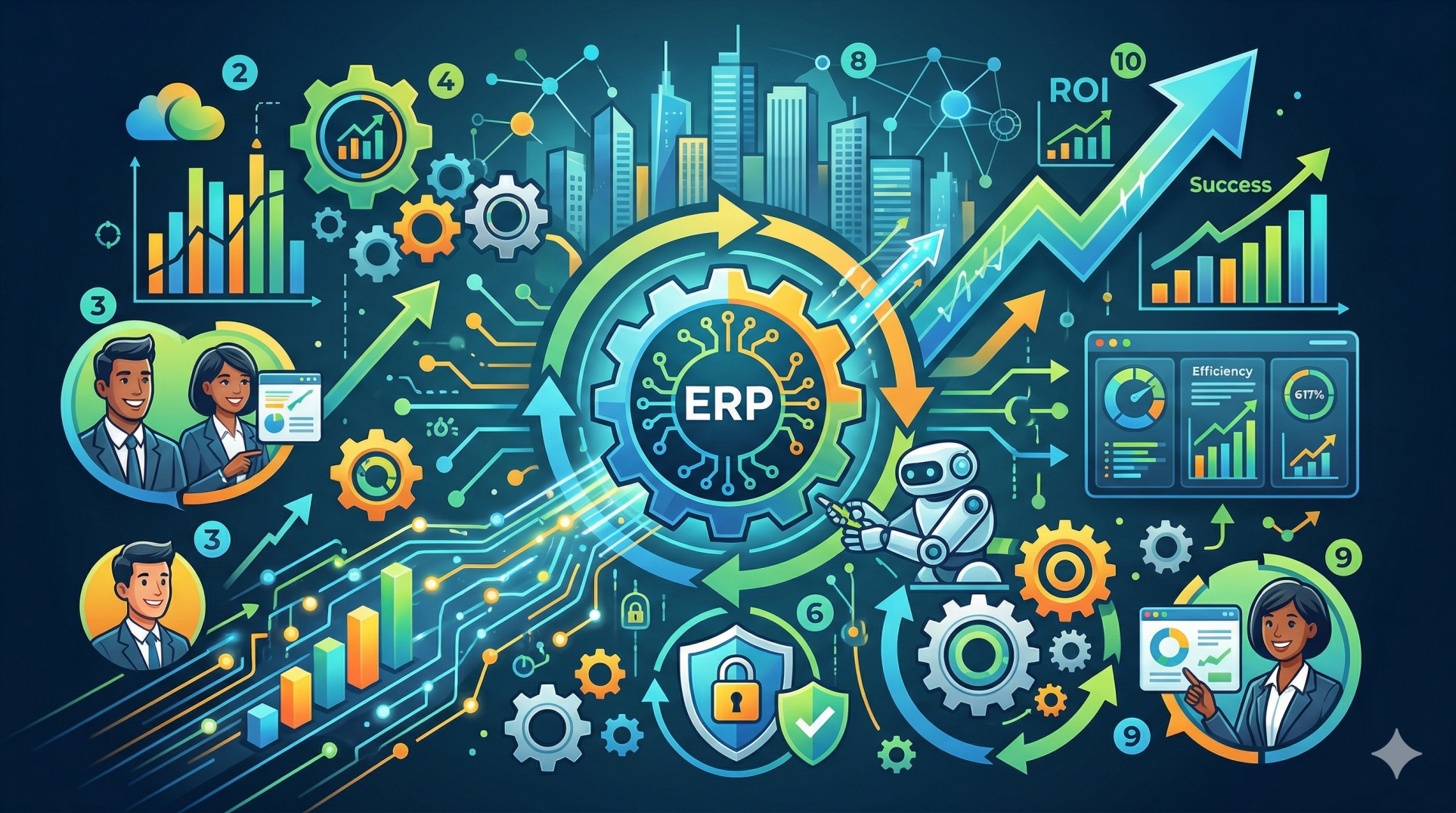
• Measure improvements in productivity, accuracy, responsiveness, and decision quality. 📈
Conclusion 🎯
The difference between AI-native ERP and AI-enhanced ERP goes beyond whether artificial intelligence is included in the platform. The more important question is how deeply AI is integrated into the architecture, data environment, workflows, and decision-making processes. AI-enhanced ERP extends established systems with intelligent capabilities, while AI-native ERP is designed around intelligence, automation, connected data, and adaptive workflows from the outset. The right approach depends on an organization's existing technology environment, modernization priorities, operational complexity, budget, and long-term strategy. By evaluating architecture, automation, data, security, governance, and scalability together, businesses can select an ERP strategy that supports sustainable digital transformation and future growth. 🚀
See more blogs
You can all the articles below