End-to-End ERP Implementation: Design to Launch
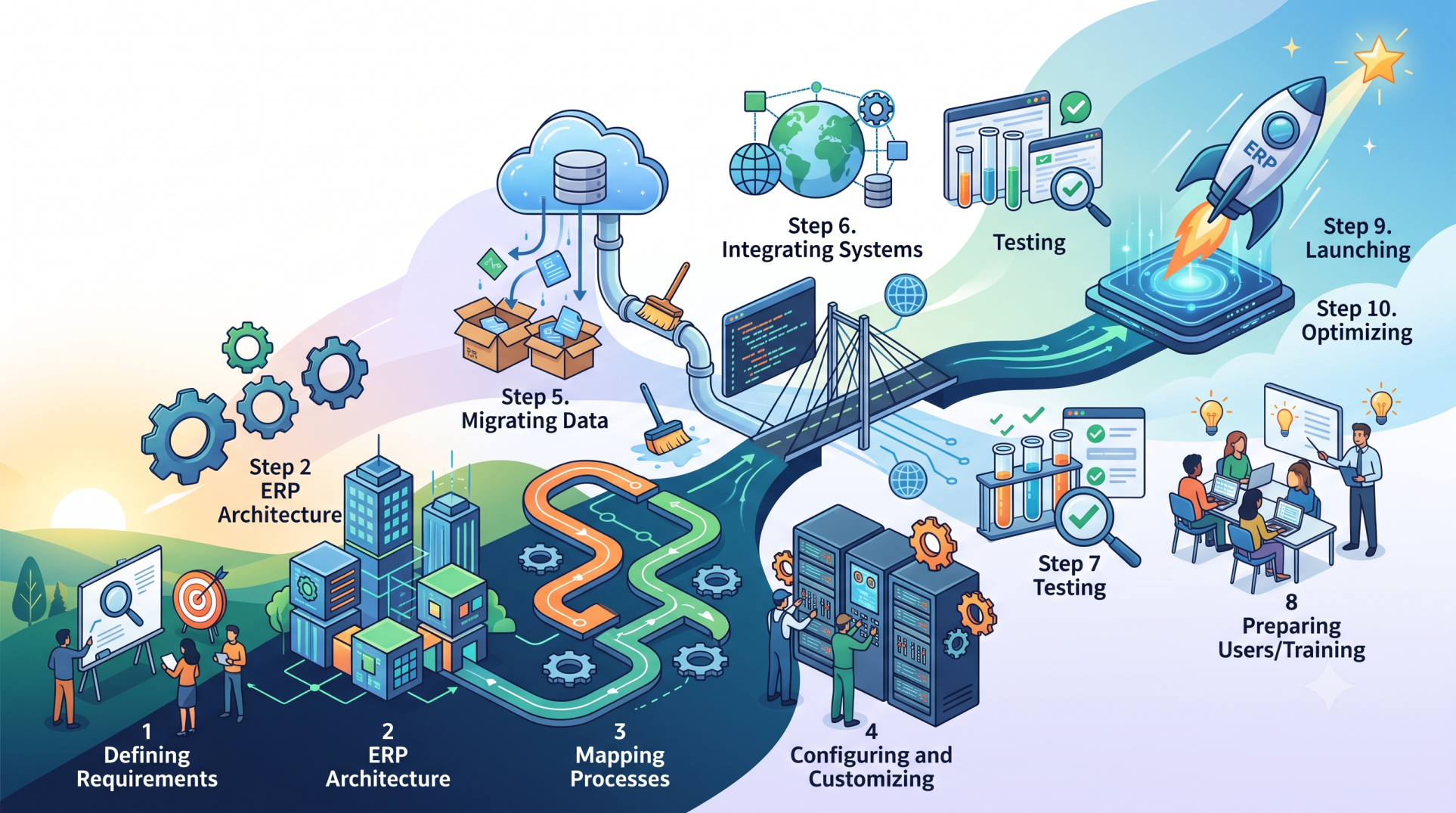
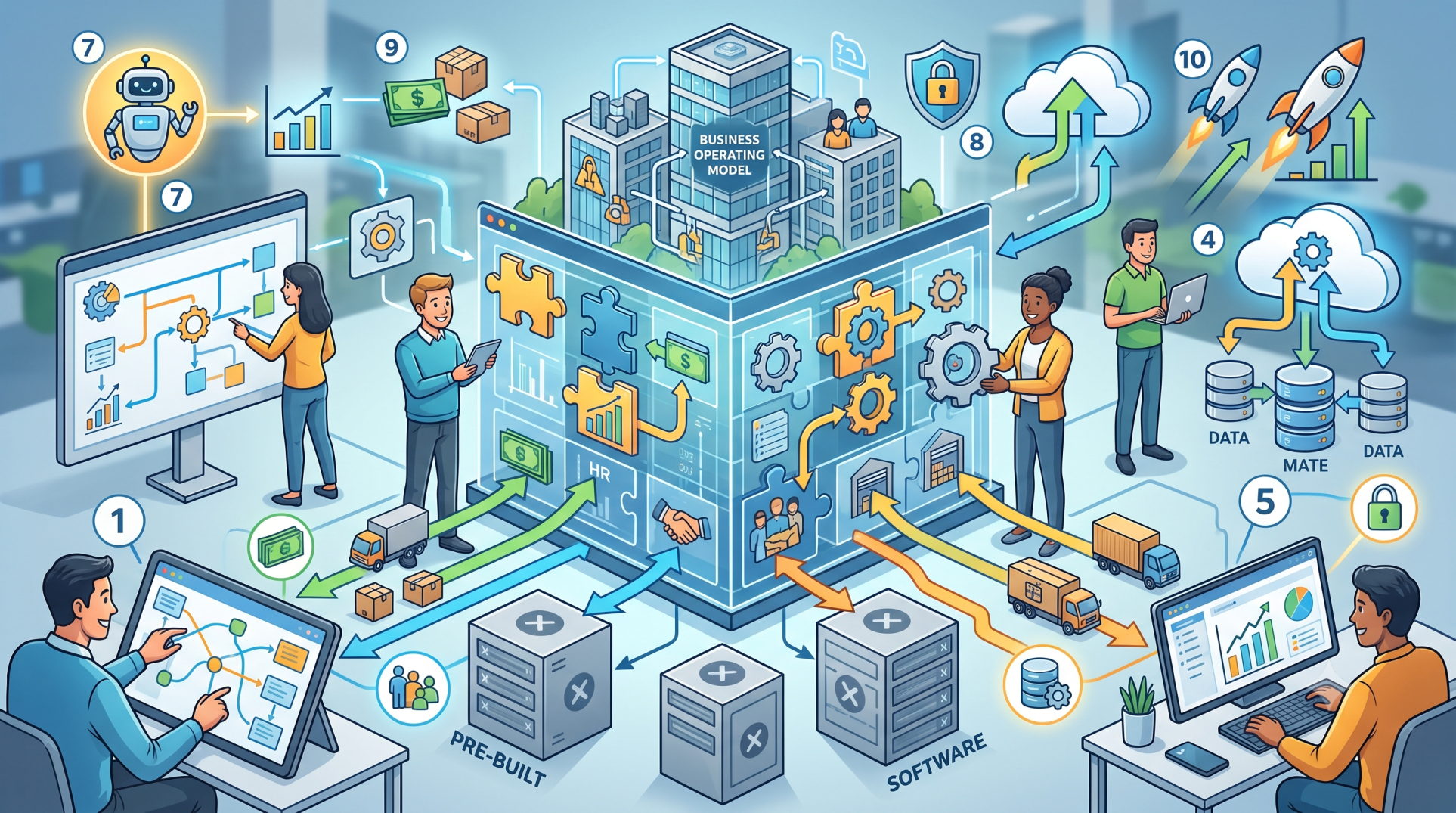
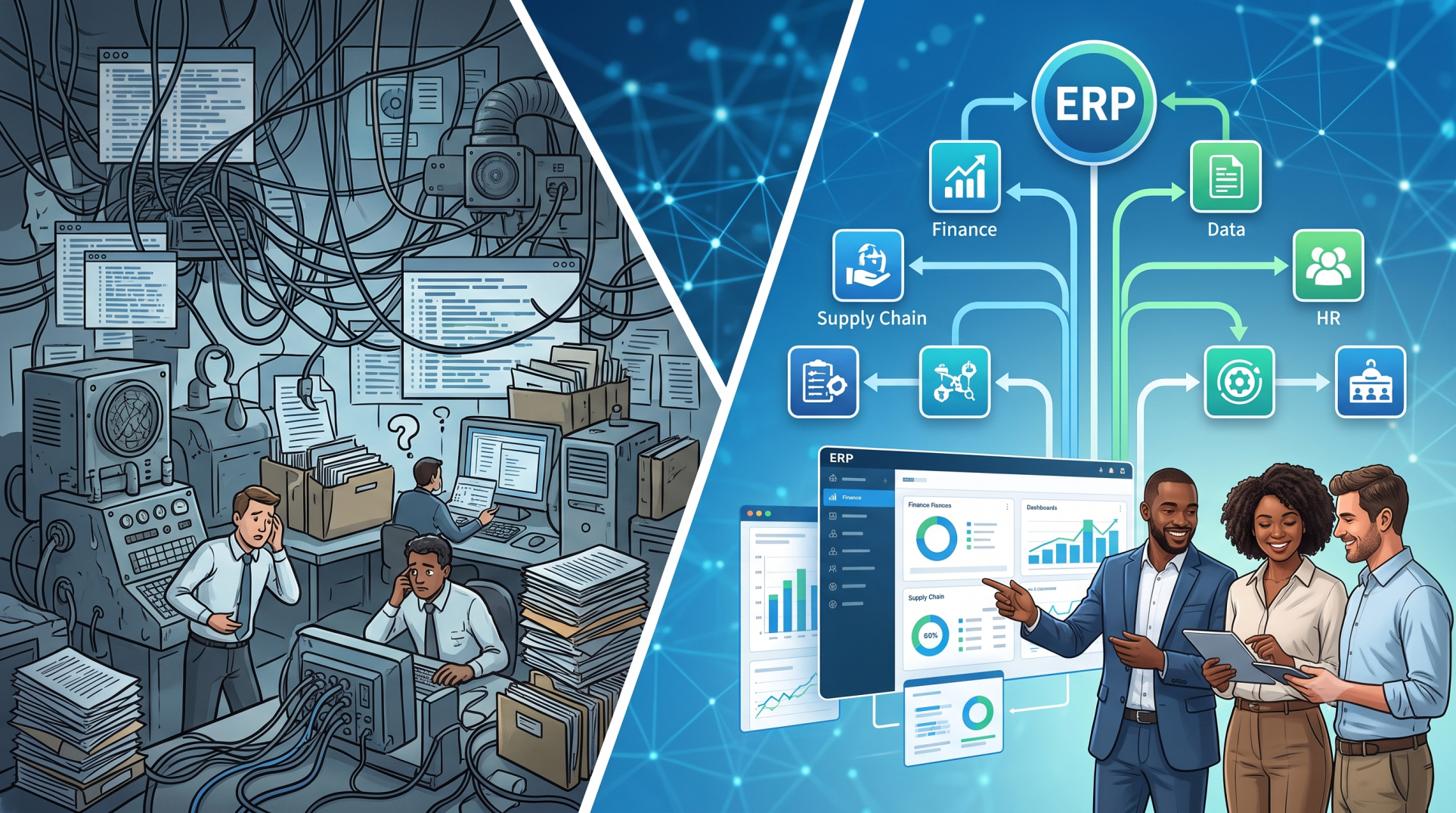
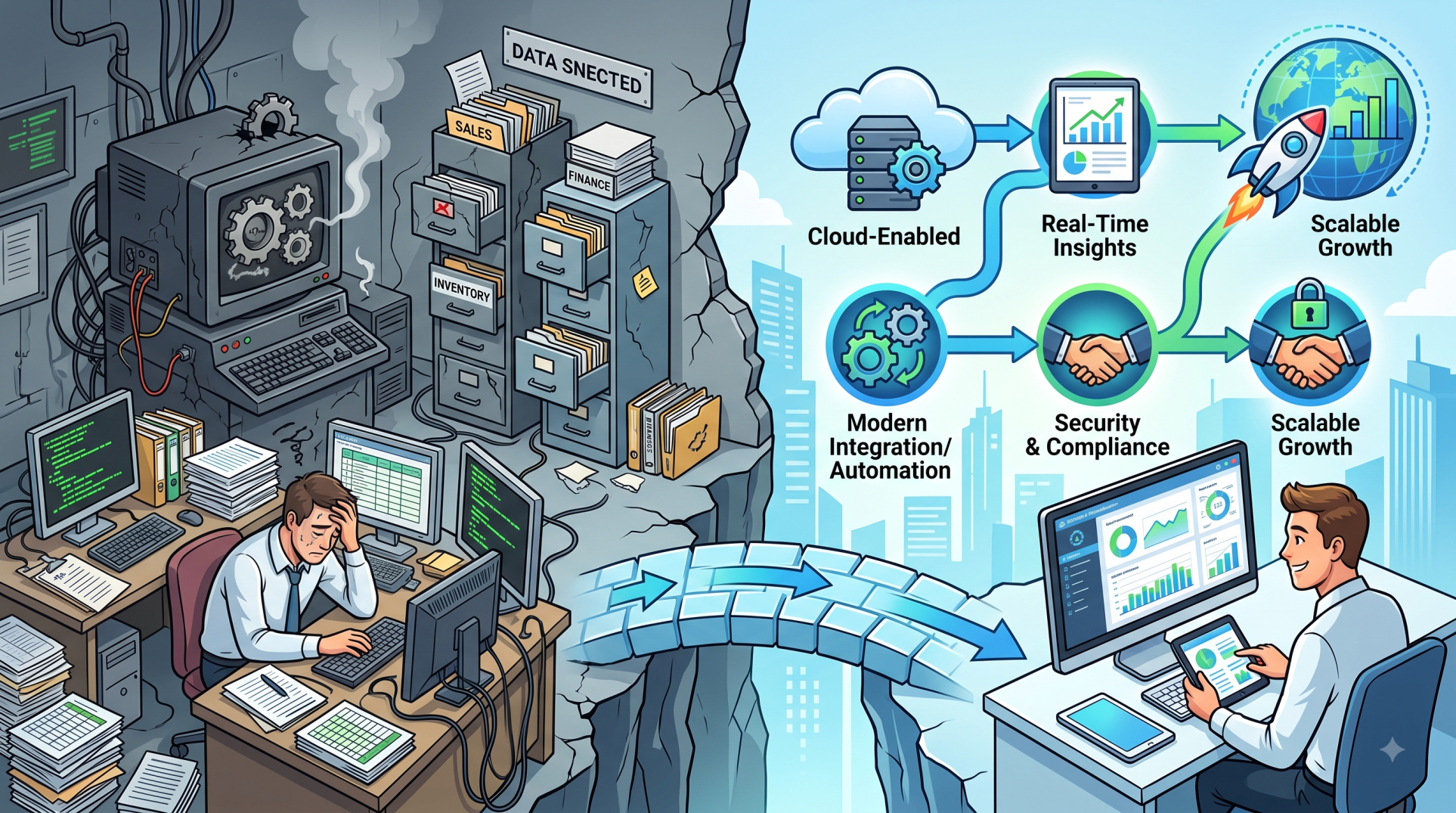
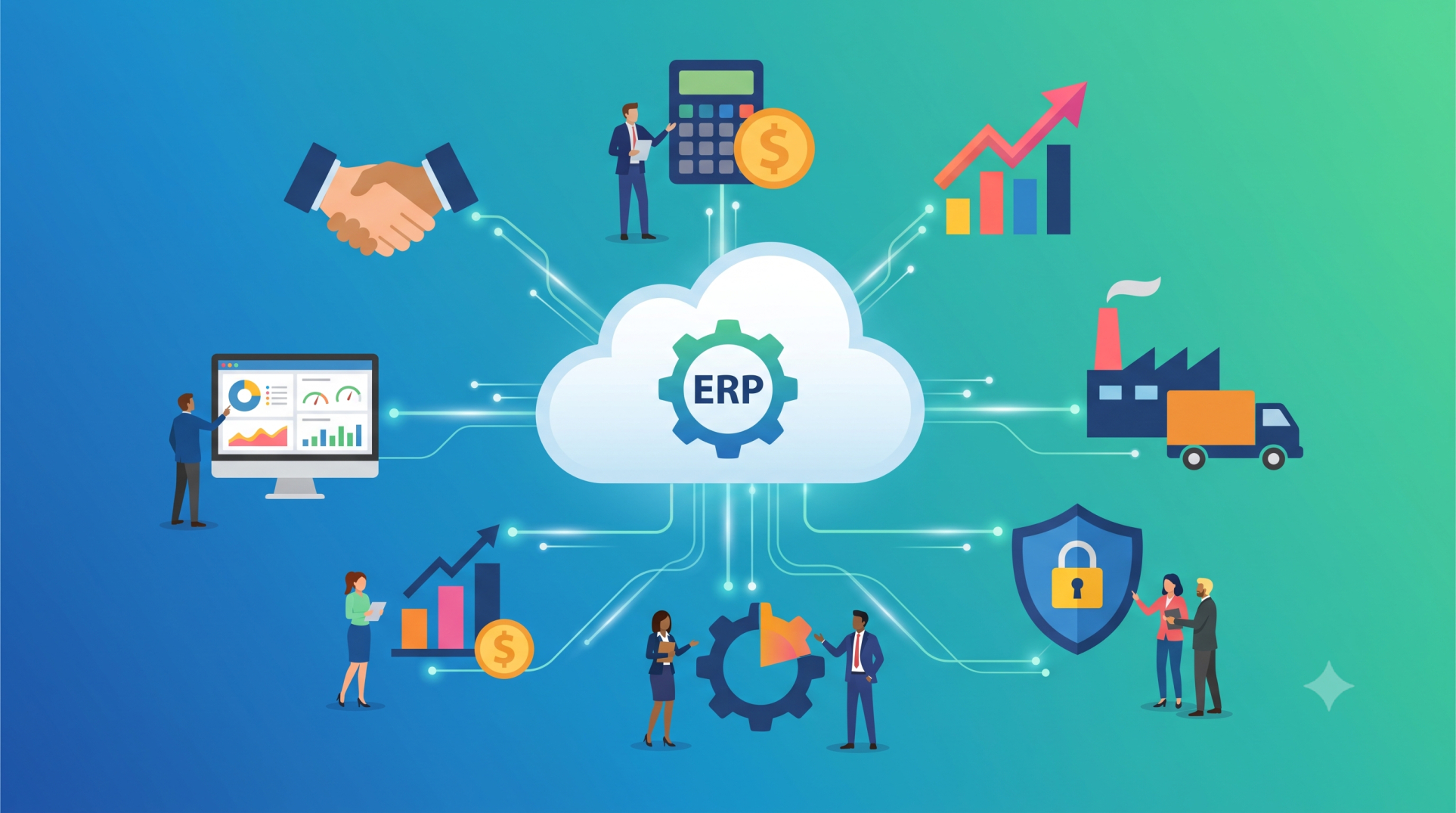
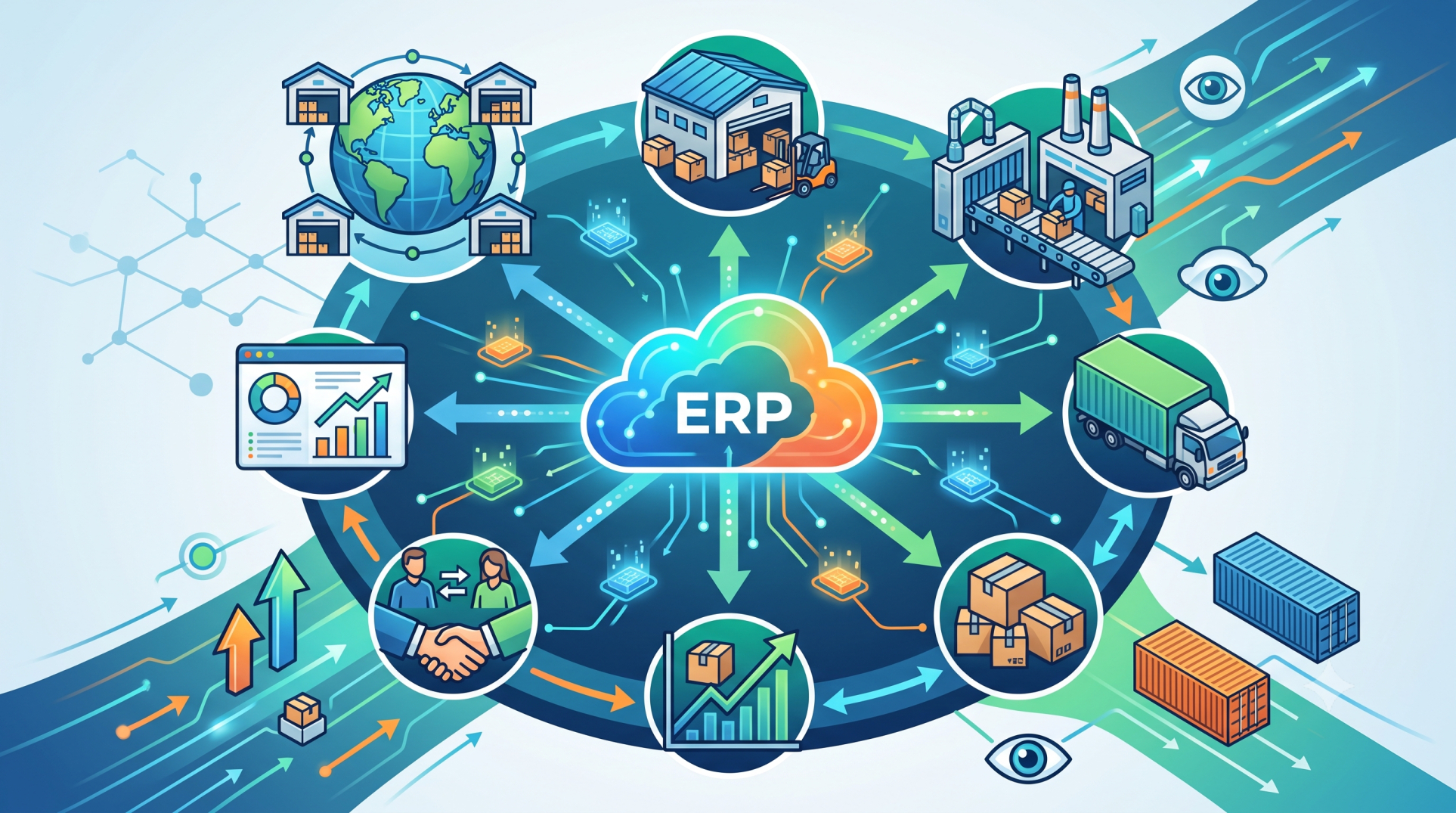
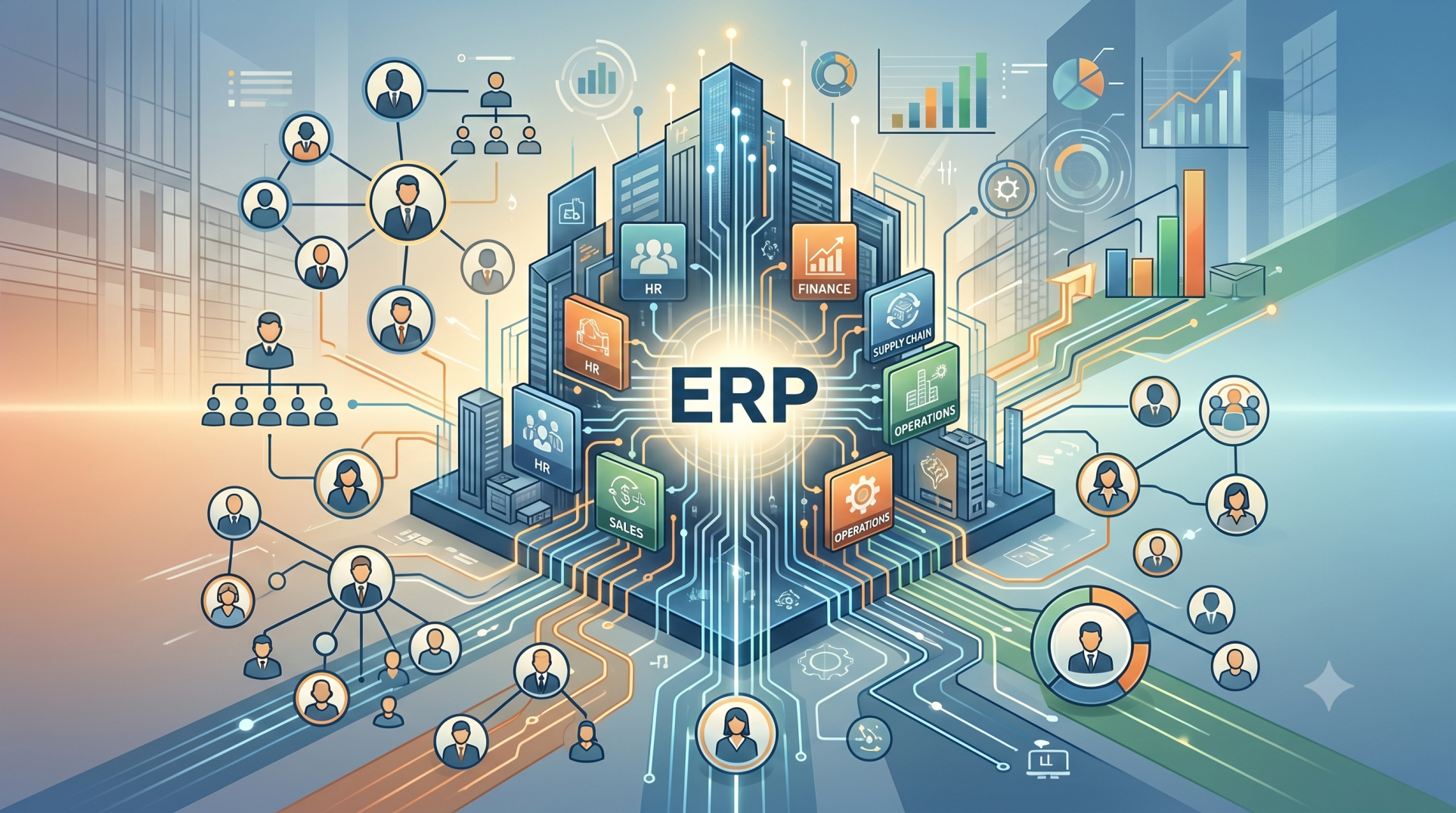
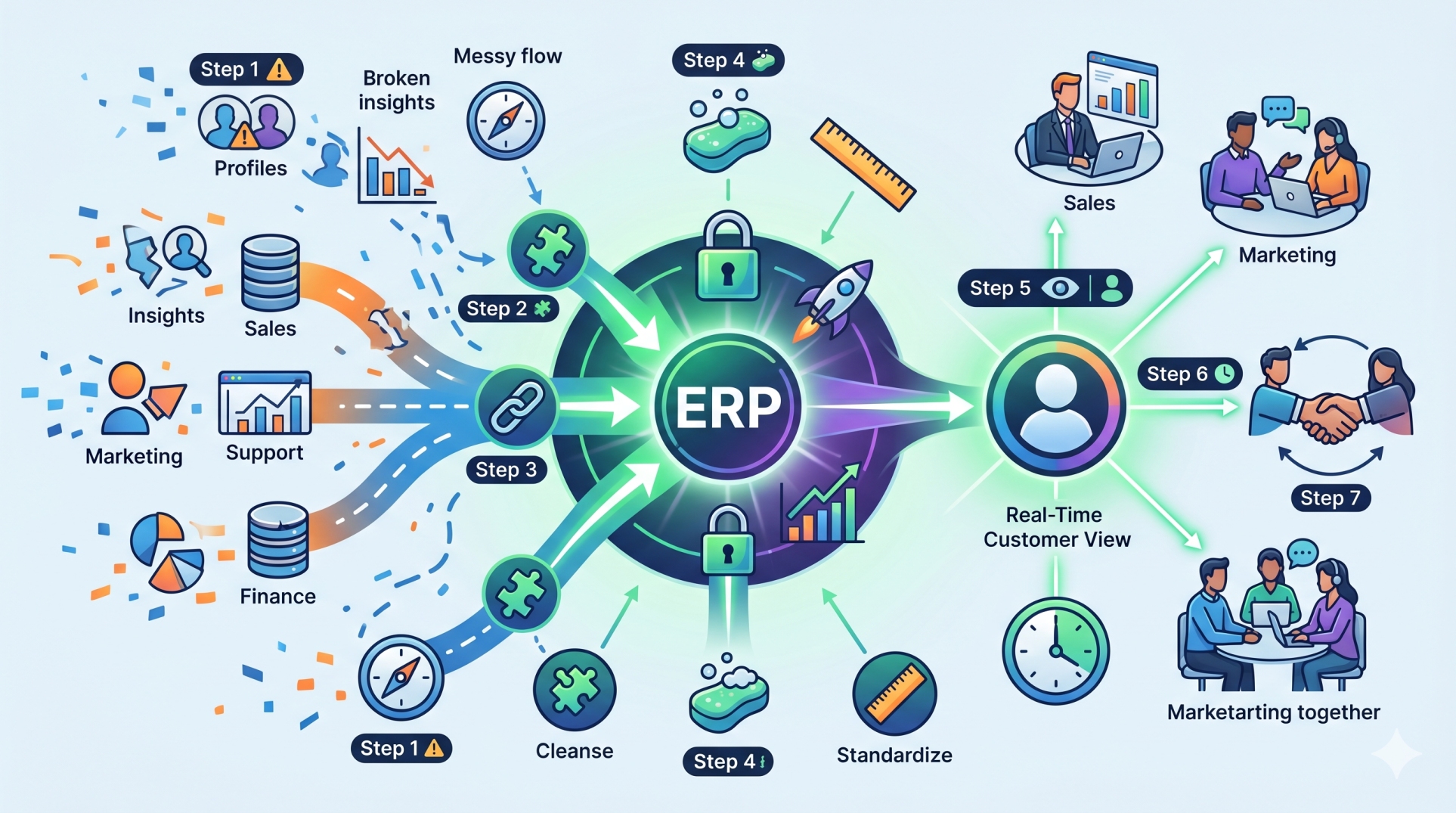
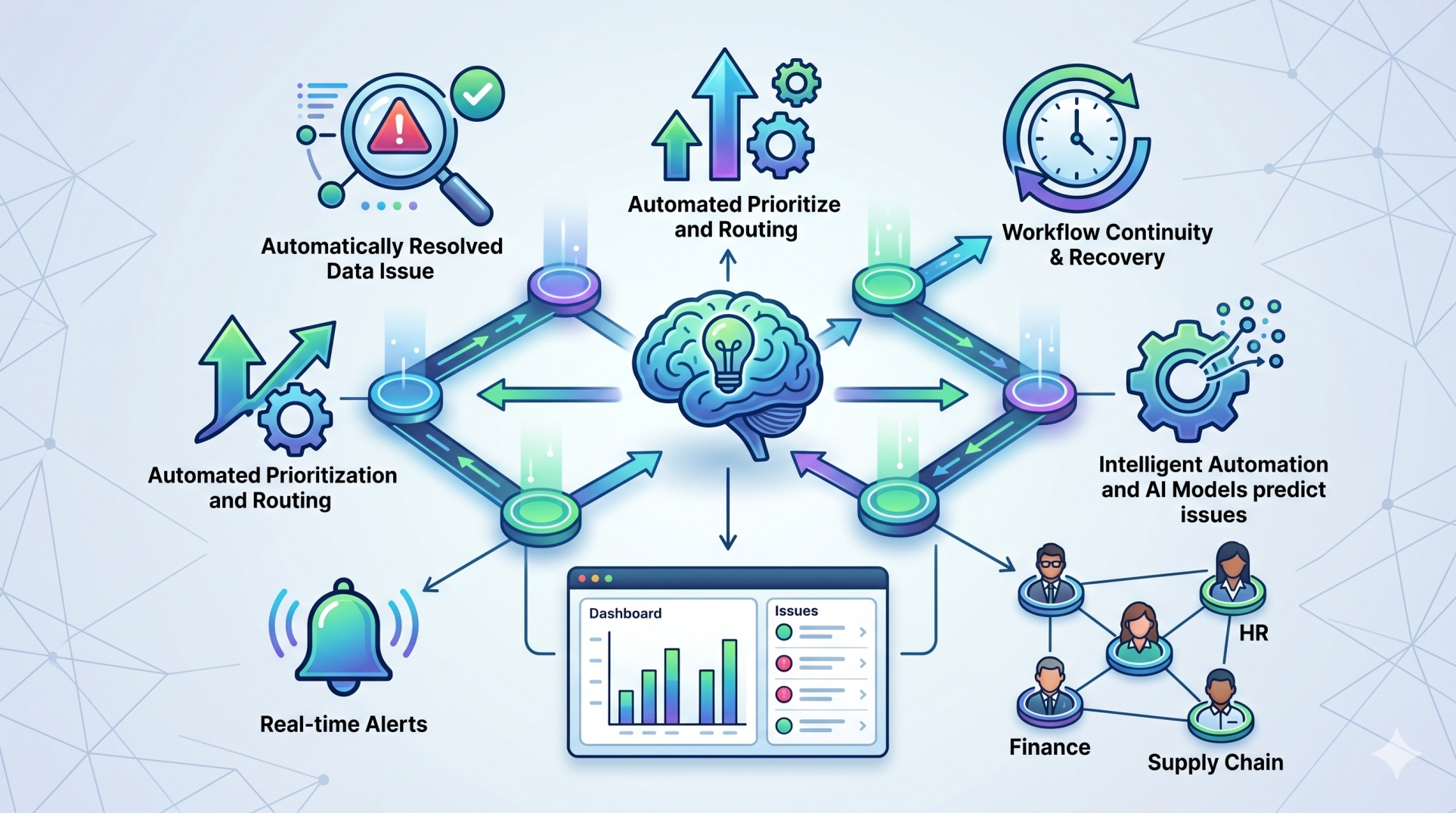
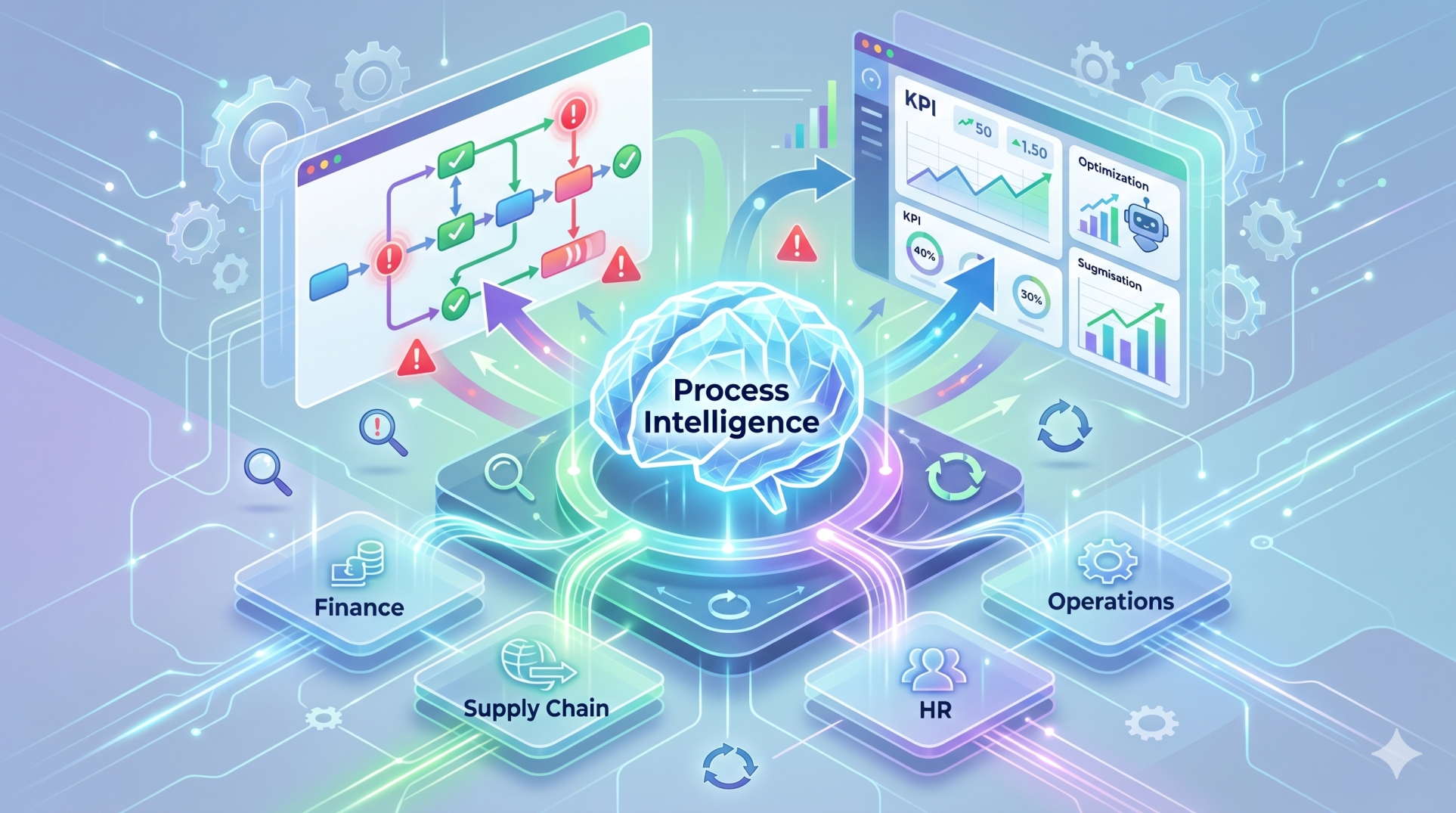
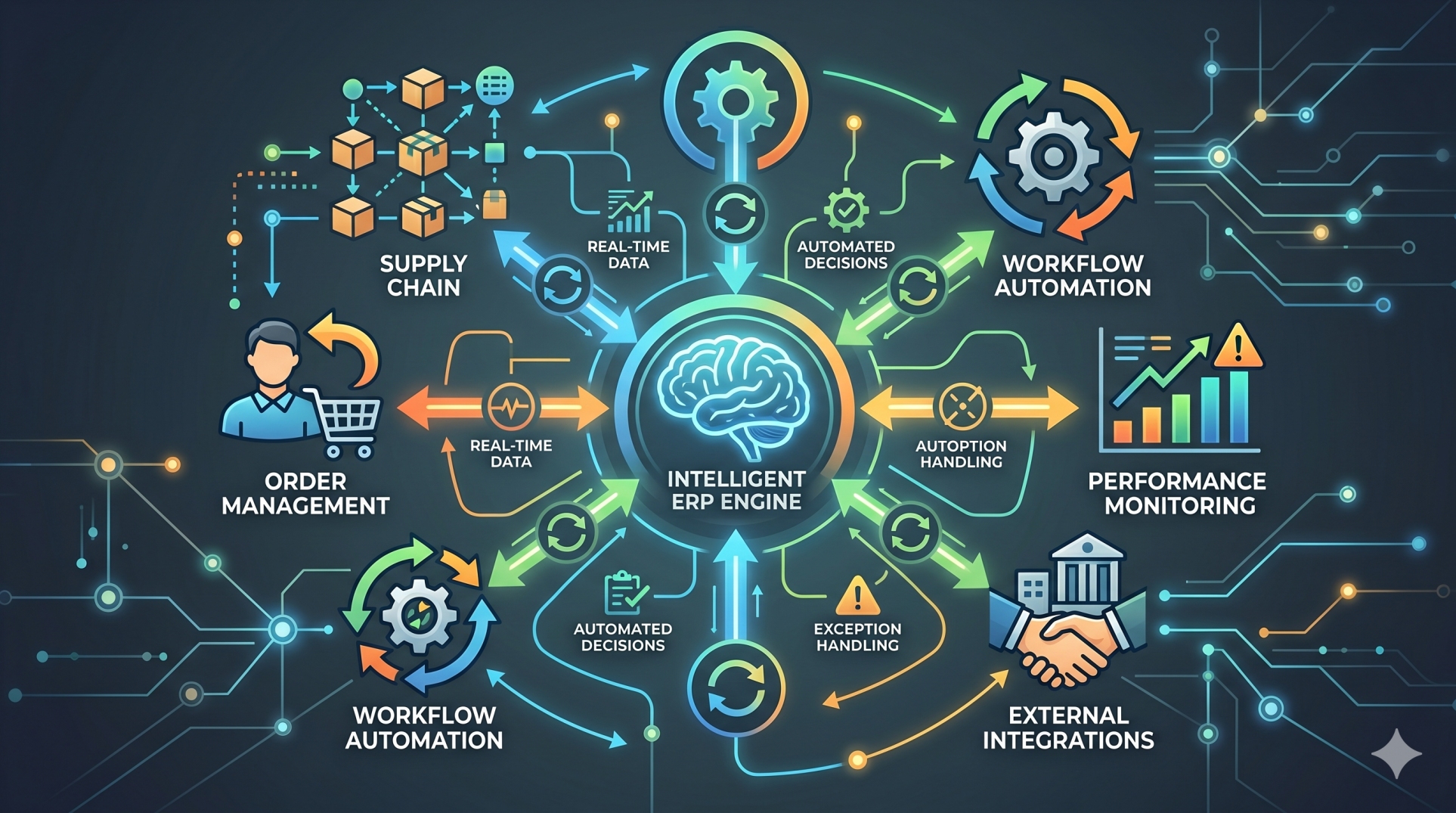
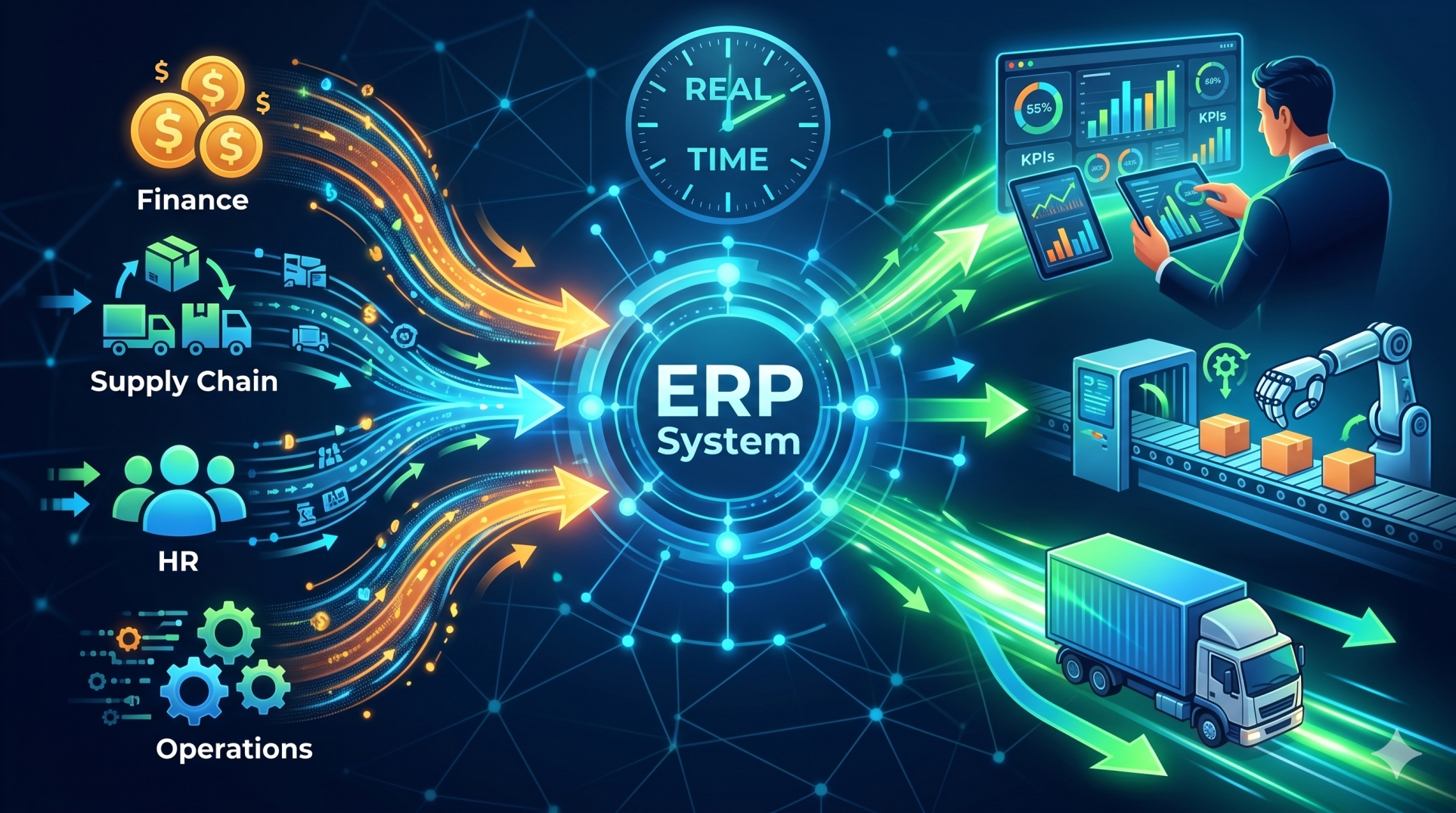
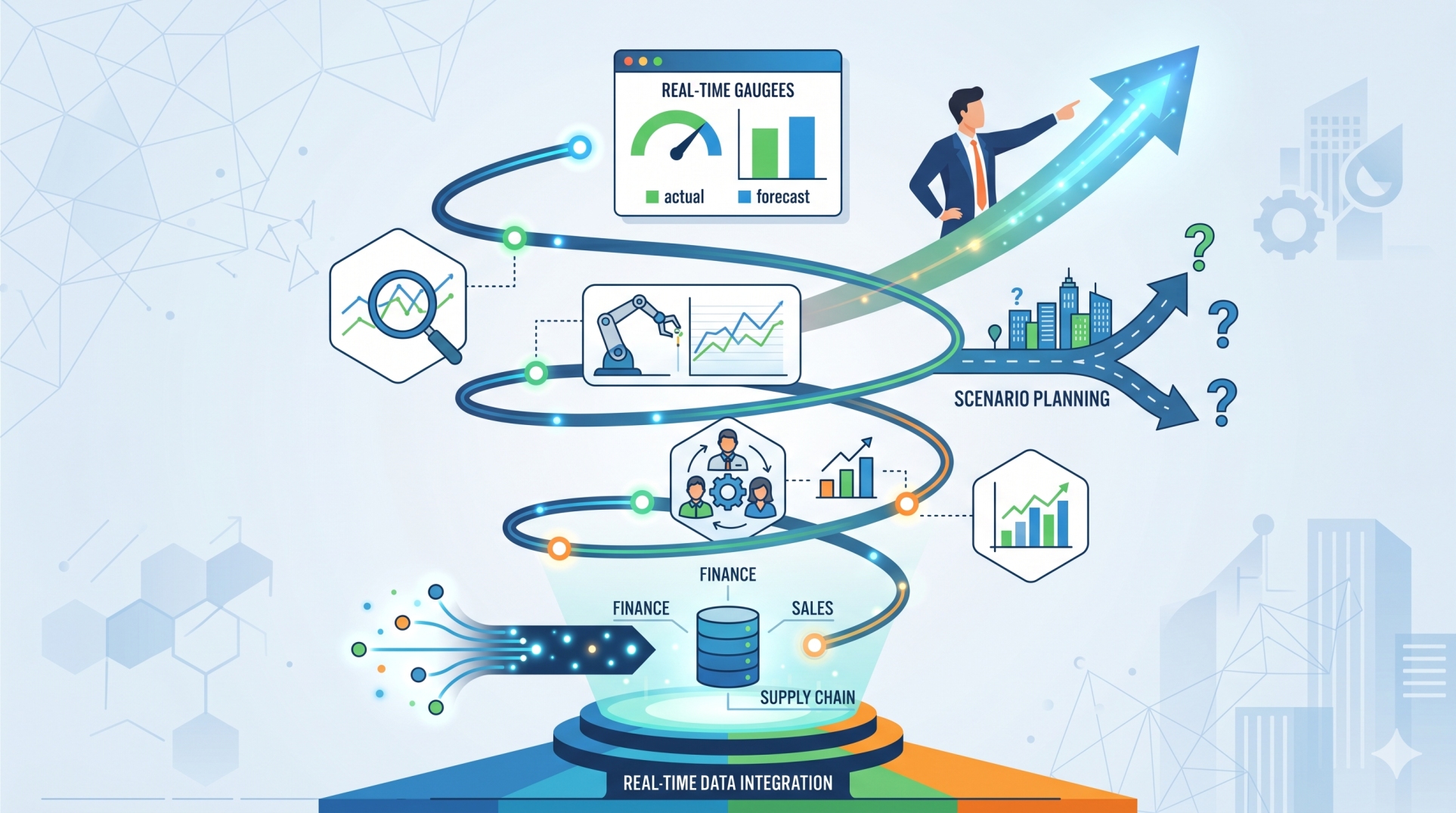
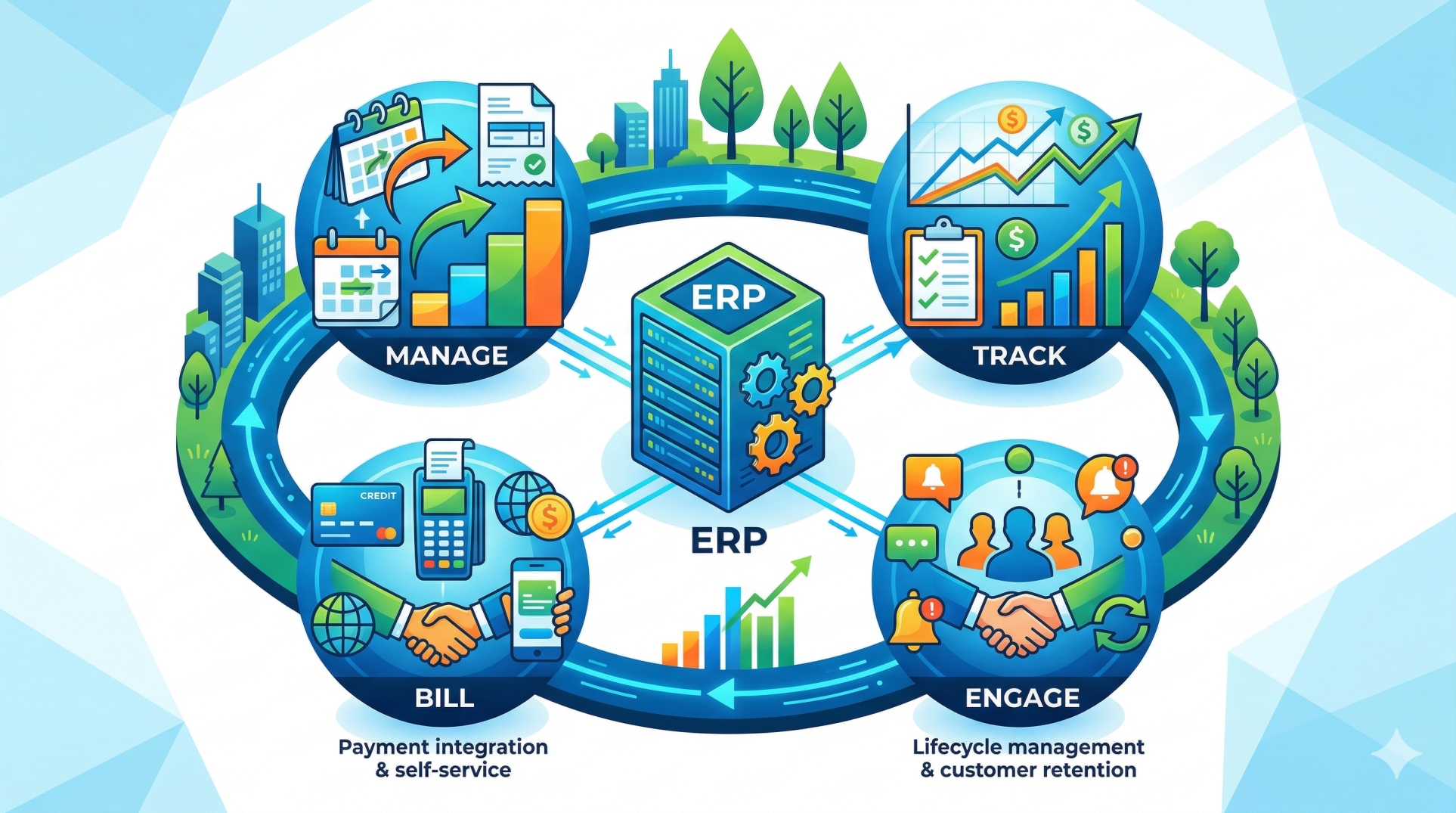
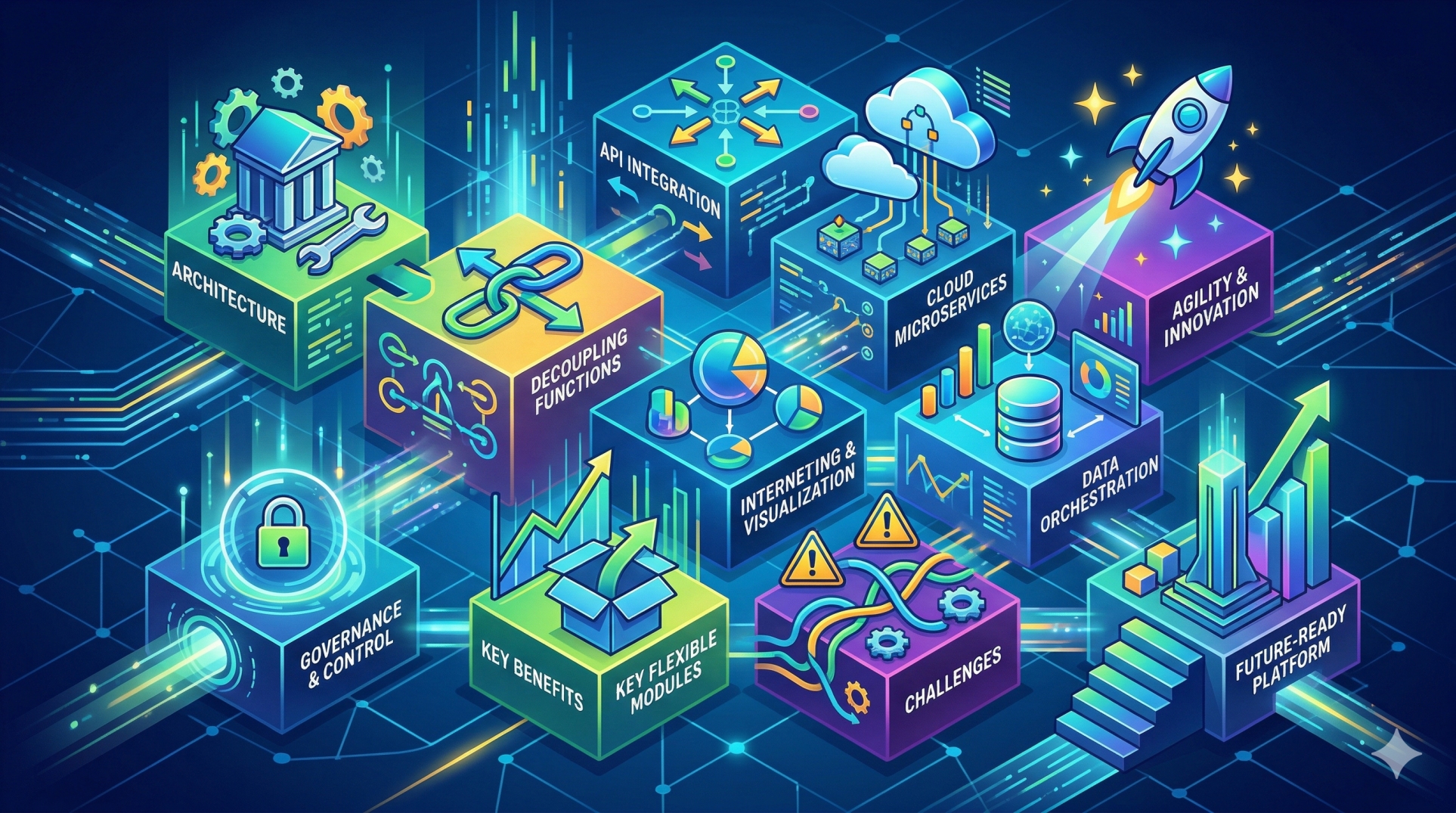
Implementing an Enterprise Resource Planning (ERP) system is more than deploying new software. It is a coordinated transformation that connects business processes, operational data, employees, and technology within a unified environment. A successful end-to-end ERP implementation requires careful planning from initial system design through configuration, integration, testing, deployment, and post-launch optimization.
Step 1: Defining Business Requirements 🎯
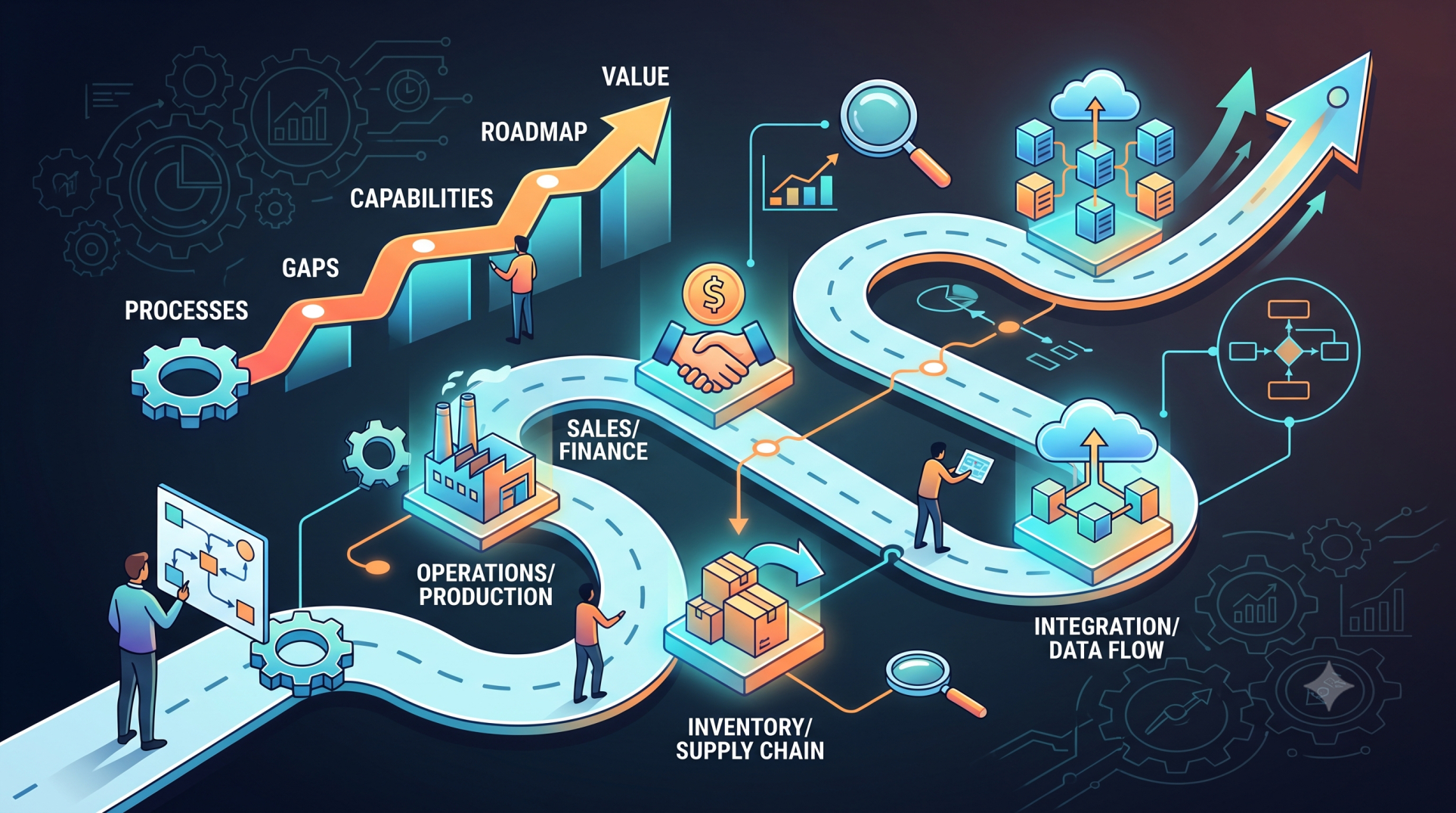
• Identify operational challenges and existing process gaps 🔍
• Gather requirements from key departments and stakeholders 🤝
• Document critical workflows and business rules 📋
• Establish measurable objectives for the ERP implementation 📊
• Define project scope, priorities, and expected outcomes ✅
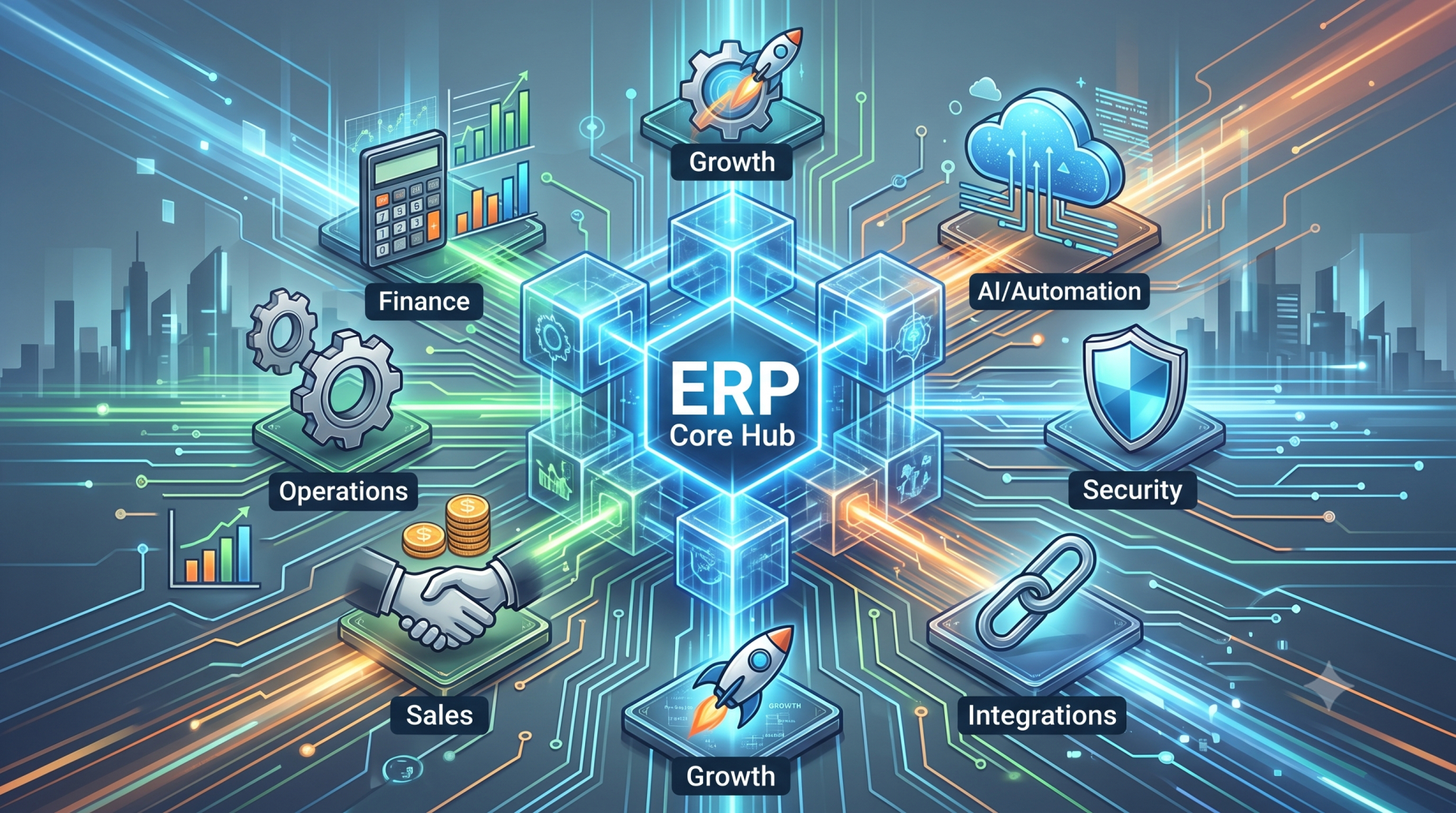
Step 2: Designing the ERP Architecture 🏗️
• Create an architecture aligned with organizational requirements ⚙️
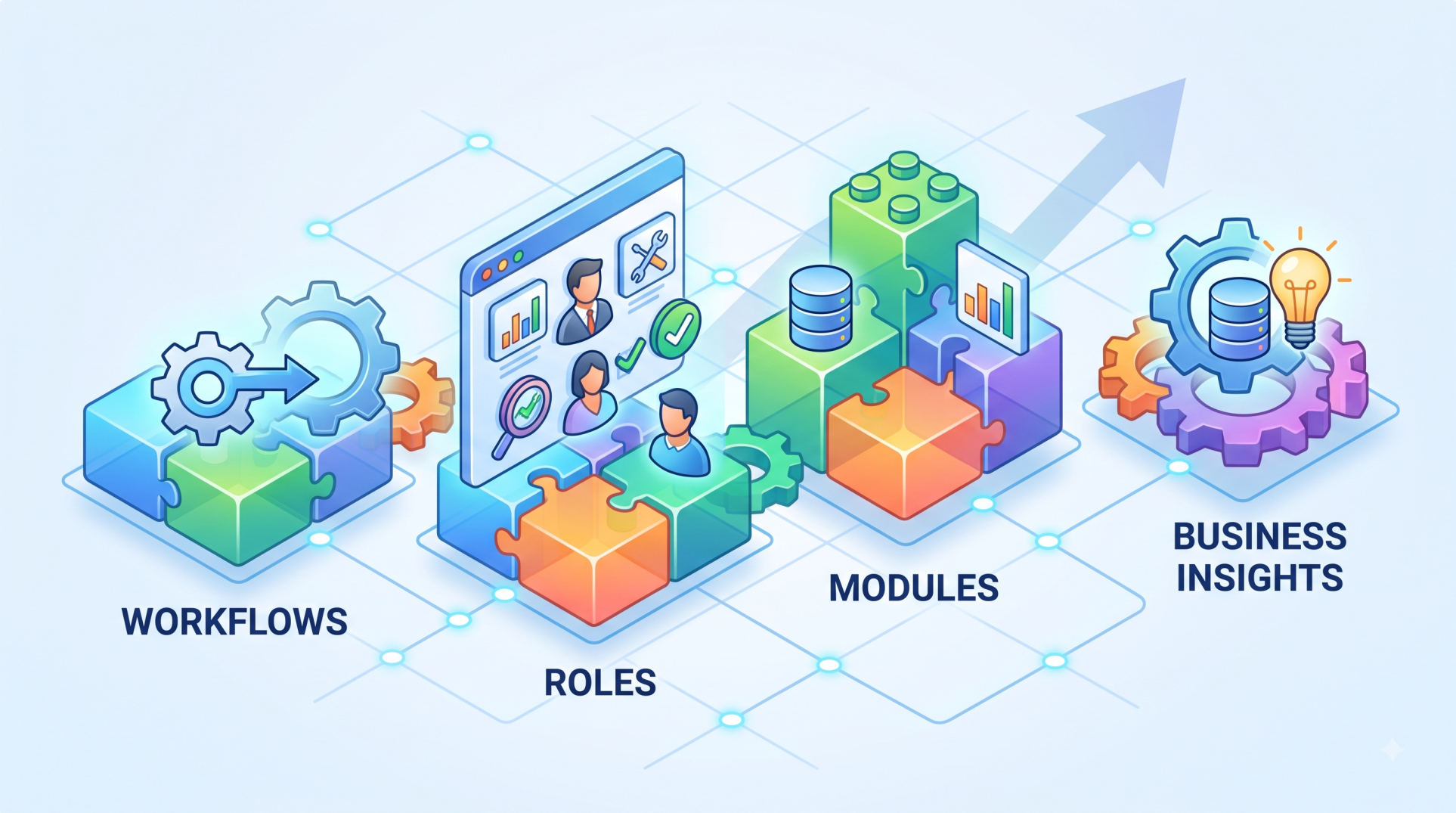
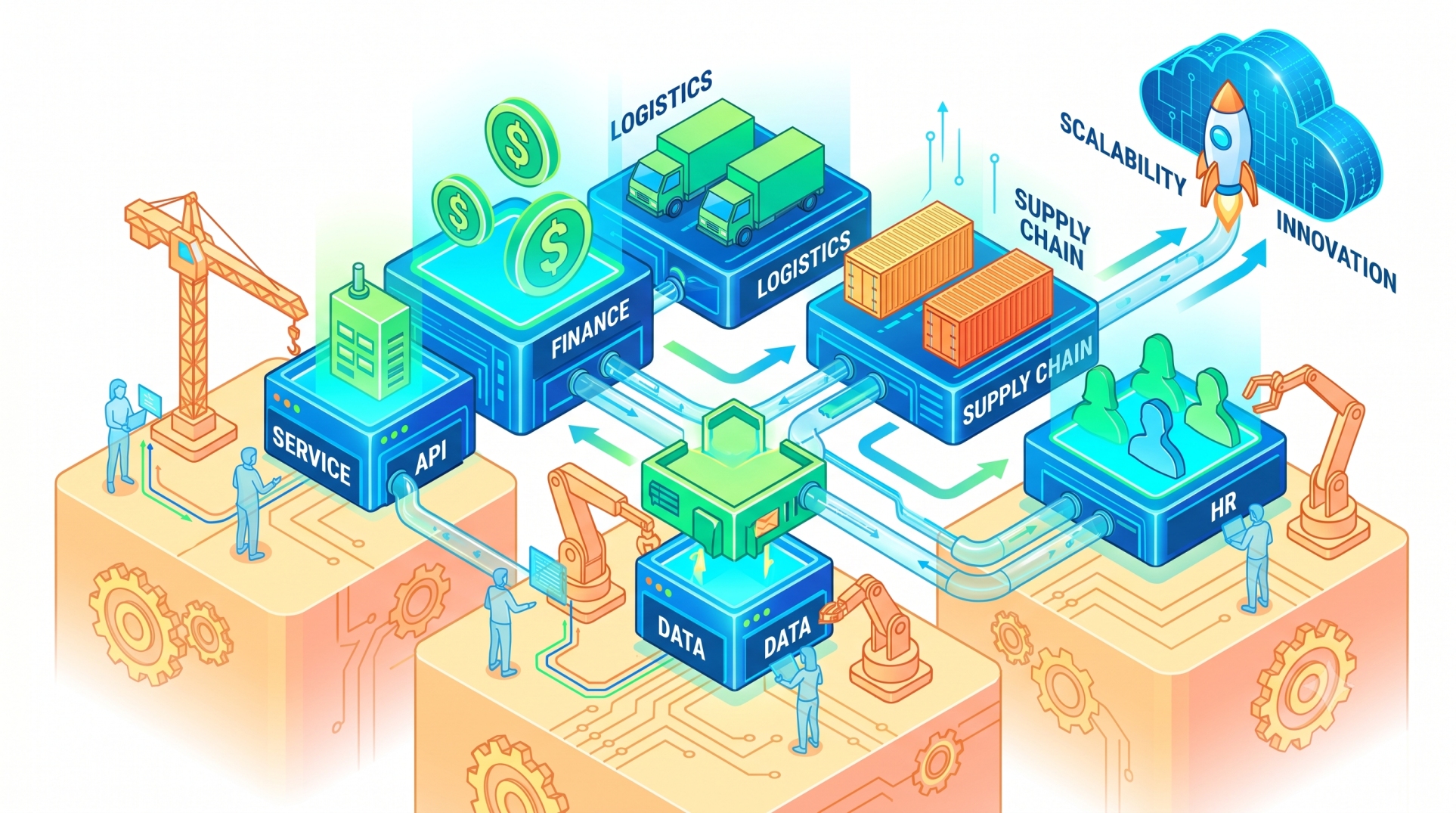
• Define connections between ERP modules and business functions 🔗
• Plan data structures, workflows, and system dependencies 🗂️
• Consider cloud, on-premises, or hybrid deployment models ☁️
• Build scalability and flexibility into the architecture from the beginning 🚀
Step 3: Mapping Business Processes 🗺️
• Document current workflows across departments 📝
• Identify unnecessary manual steps and process duplication 🔍
• Design standardized workflows for greater consistency 🔄
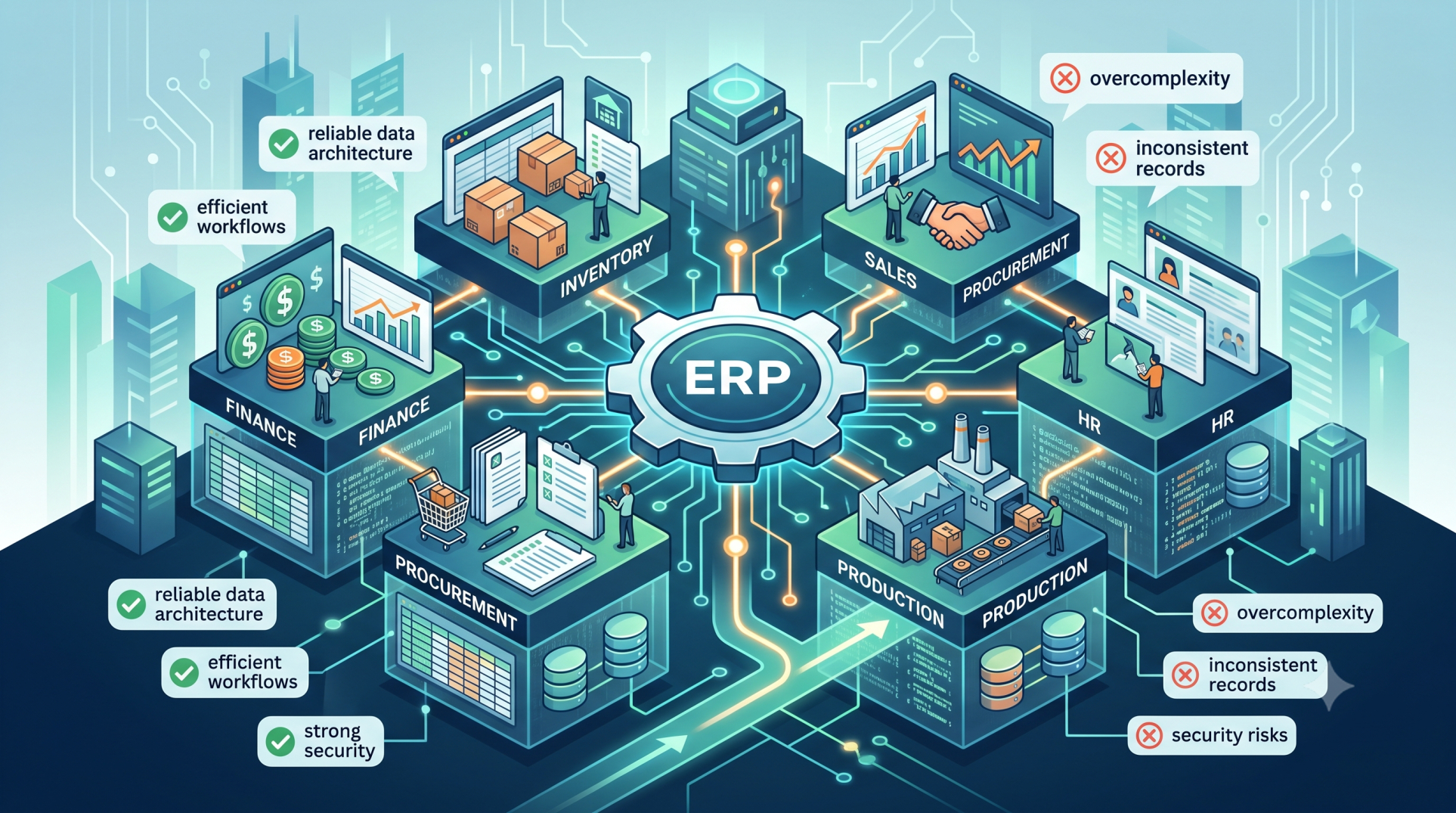
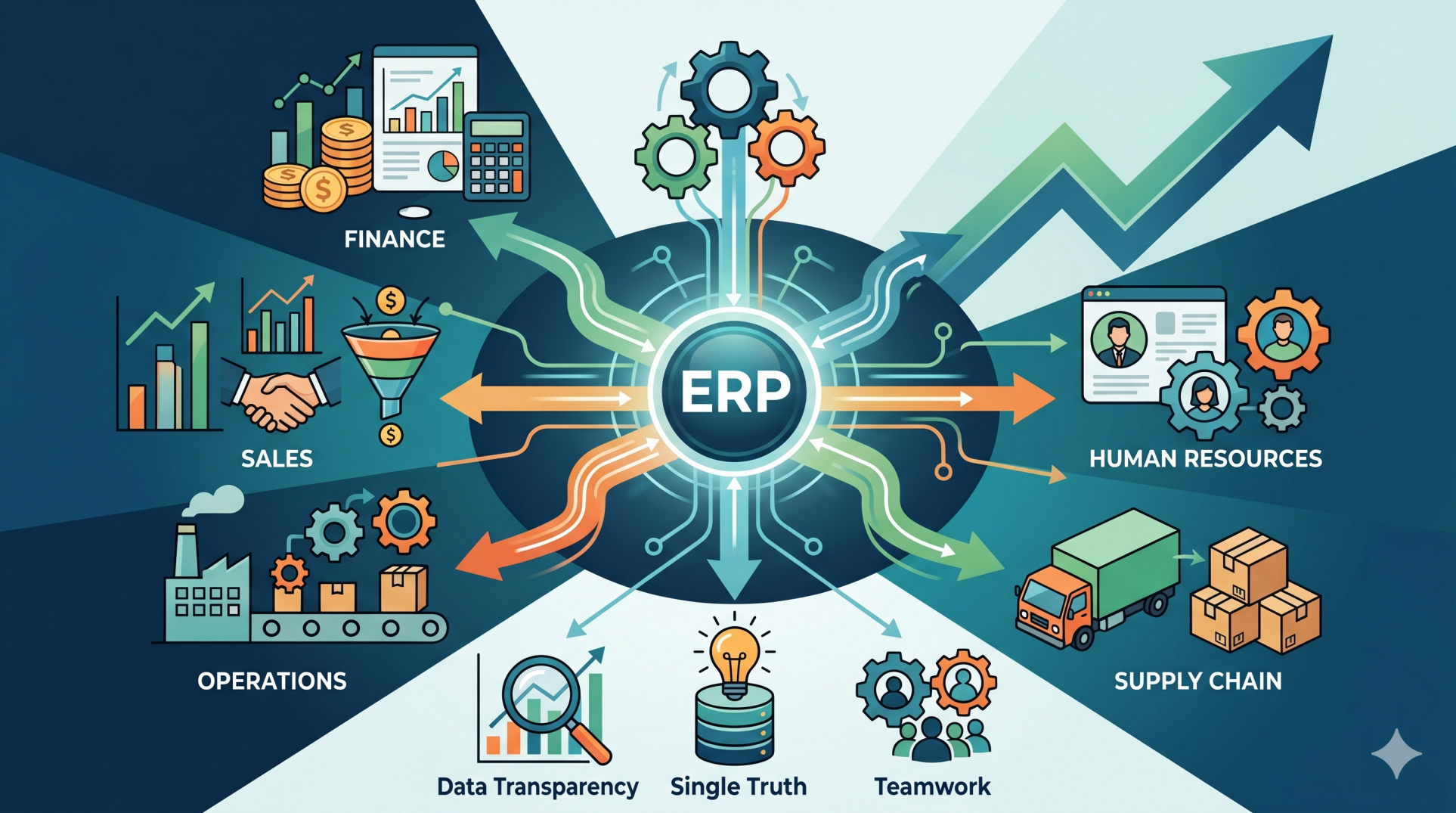
• Define interactions between finance, inventory, procurement, sales, and other functions 🏢
• Align ERP processes with broader operational objectives 🎯
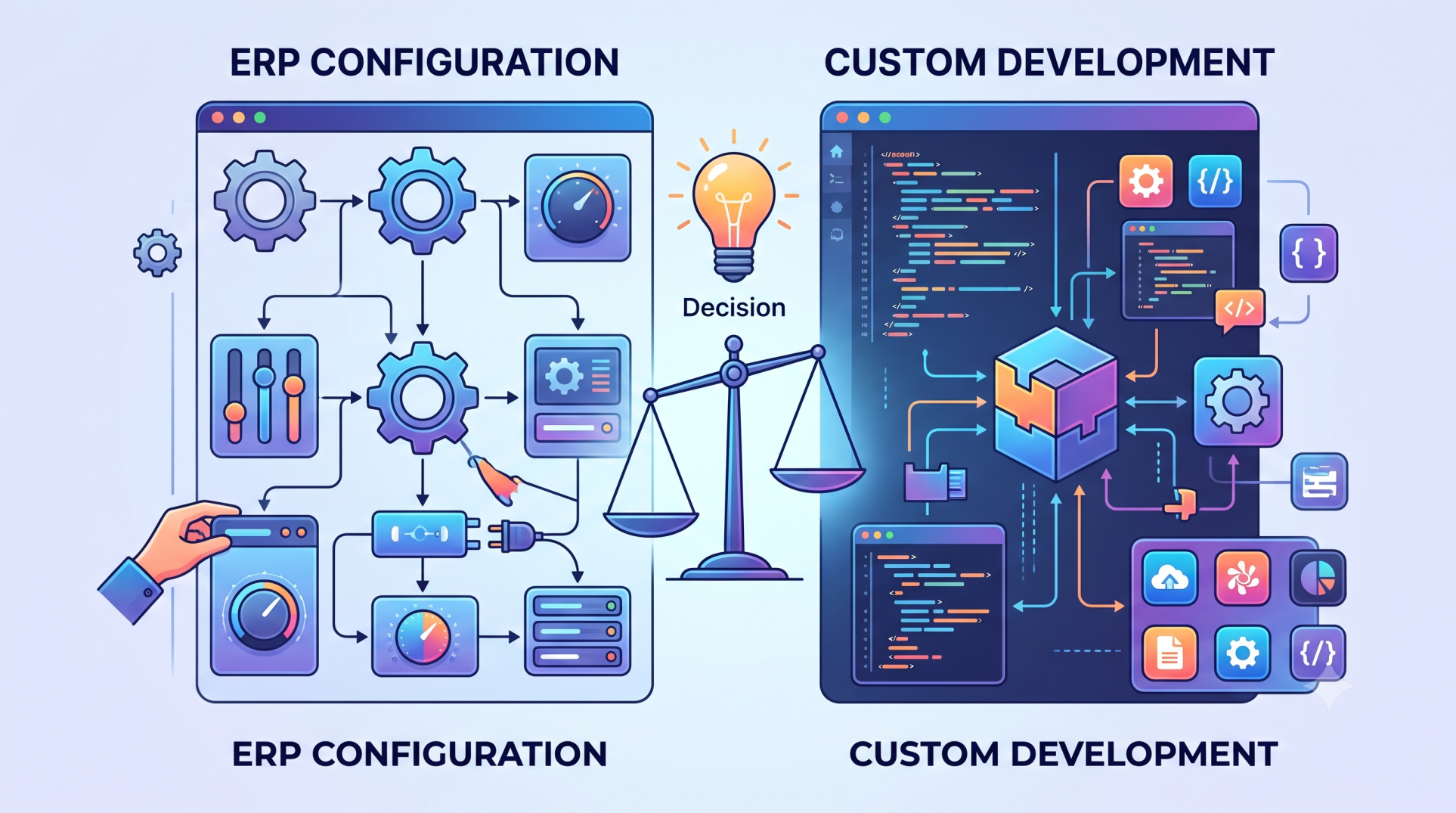
Step 4: Configuring and Customizing the Platform ⚙️
• Configure ERP modules around approved business requirements 🛠️
• Establish approval paths, permissions, and automation rules ✅
• Customize essential functionality where standard features are insufficient 🧩
• Avoid unnecessary customization that can increase maintenance complexity 📉
• Validate configurations with business stakeholders before deployment 👥
Step 5: Preparing and Migrating Business Data 📦
• Identify information that must move into the new ERP environment 🗃️
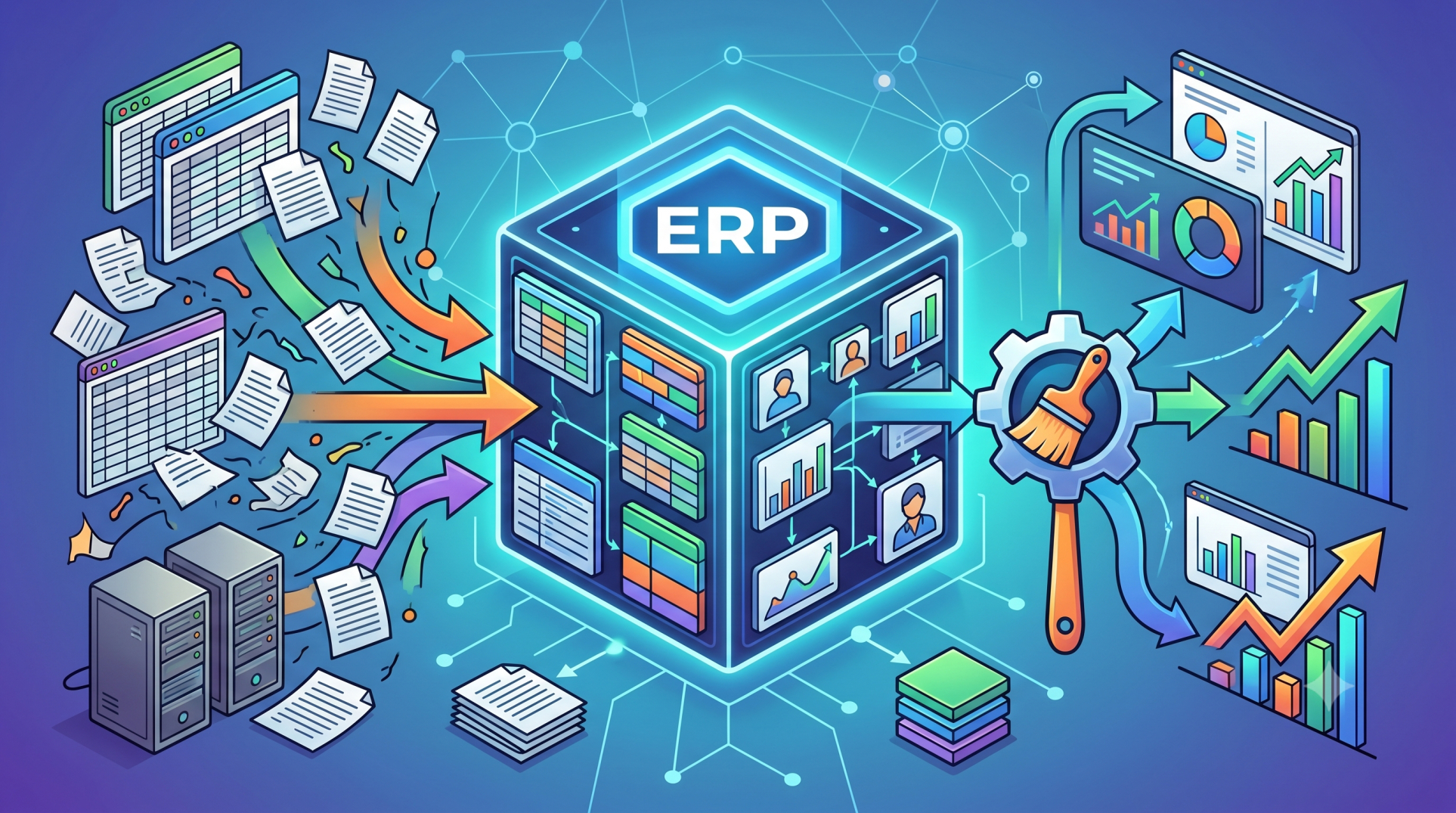
• Clean duplicate, incomplete, or outdated records 🧹
• Standardize data formats before migration 📑
• Perform controlled migration tests before final transfer 🔄
• Validate migrated records for accuracy and completeness ✔️
Step 6: Integrating Enterprise Systems 🔗
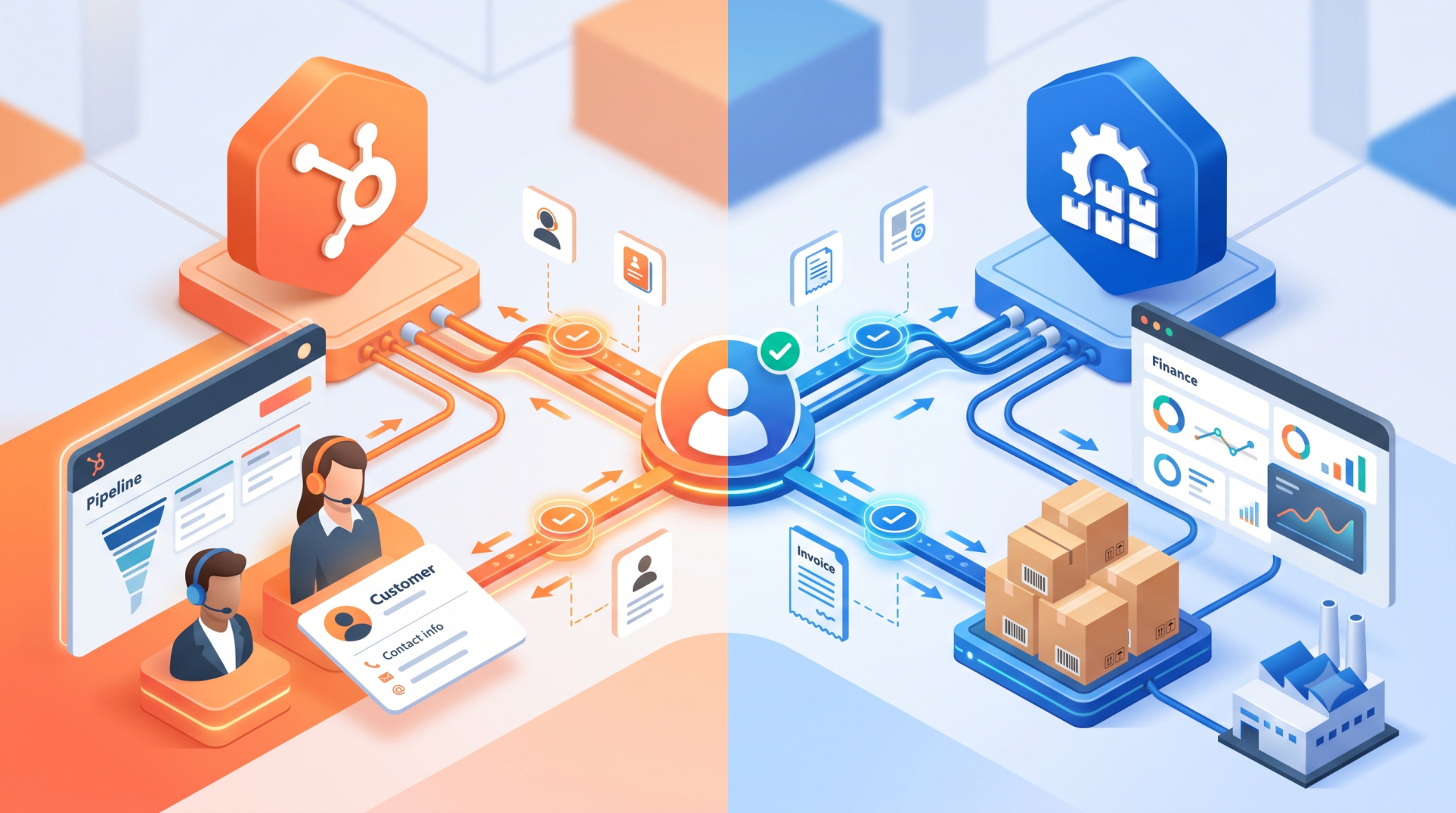
• Connect ERP with CRM, e-commerce, payroll, logistics, and other platforms 🌐
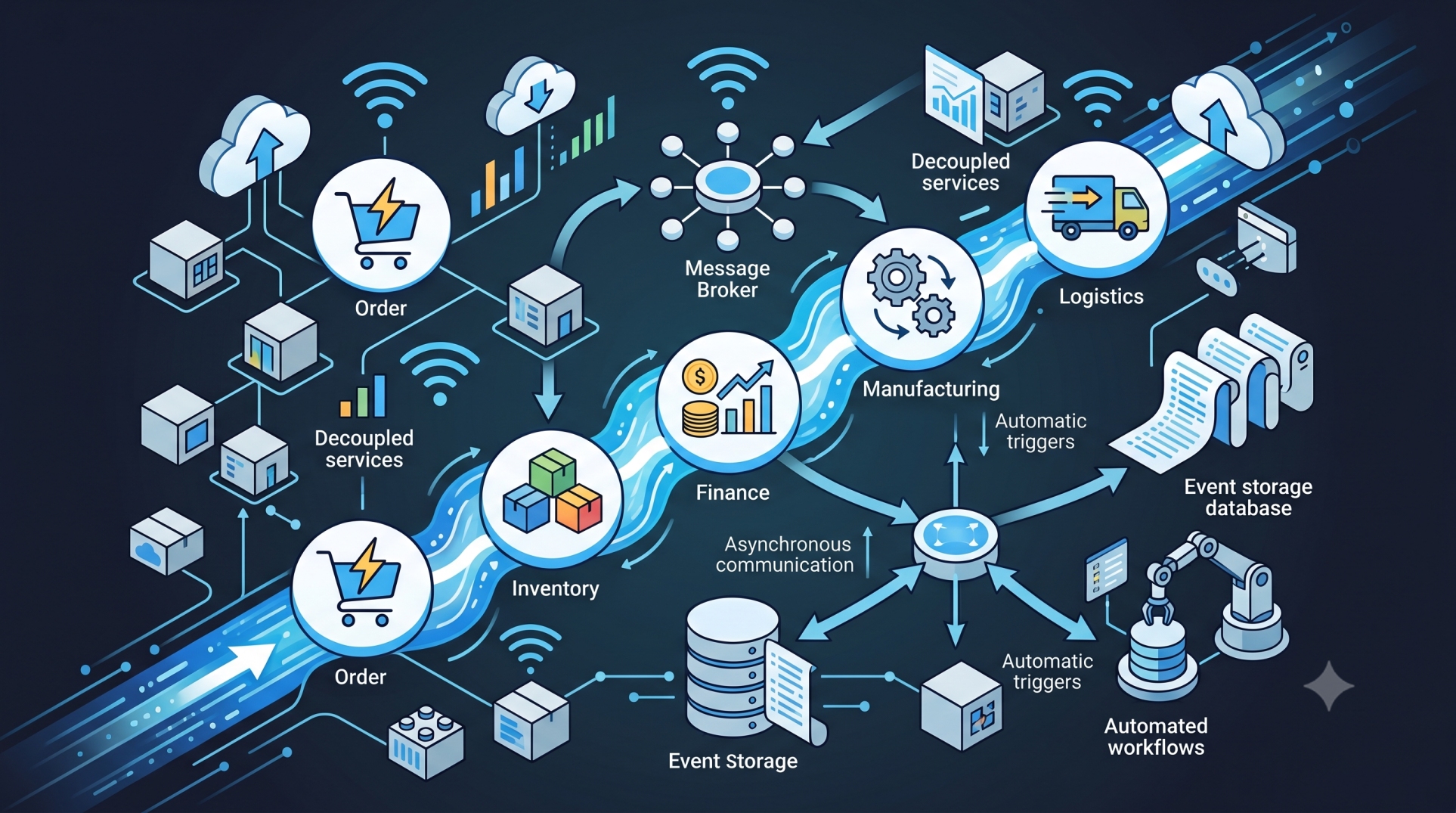
• Use APIs and integration services for reliable data exchange 📡
• Synchronize information between connected applications 🔄
• Establish monitoring and error-handling mechanisms 🛡️
• Reduce isolated data environments across the organization 🏢
Step 7: Testing the Complete ERP Environment 🧪
• Perform functional testing across individual modules 🔍
• Validate end-to-end workflows between departments 🔗
• Test integrations, permissions, reports, and automation rules ⚙️
• Conduct user acceptance testing with operational teams 👥
• Resolve critical issues before production deployment 🛠️
Step 8: Preparing Users for Adoption 👨💼
• Provide role-specific ERP training and documentation 📚
• Demonstrate how new workflows affect daily responsibilities 🖥️
• Establish support channels for questions and issues 💬
• Collect feedback from users before launch 📝
• Encourage consistent adoption across departments 🤝
Step 9: Launching the ERP System 🚀
• Establish a structured go-live plan and deployment schedule 📅
• Complete final data migration and system validation ✅
• Monitor integrations and critical workflows during launch 👀
• Provide rapid support for operational issues 🛠️
• Maintain contingency procedures for unexpected disruptions 🛡️
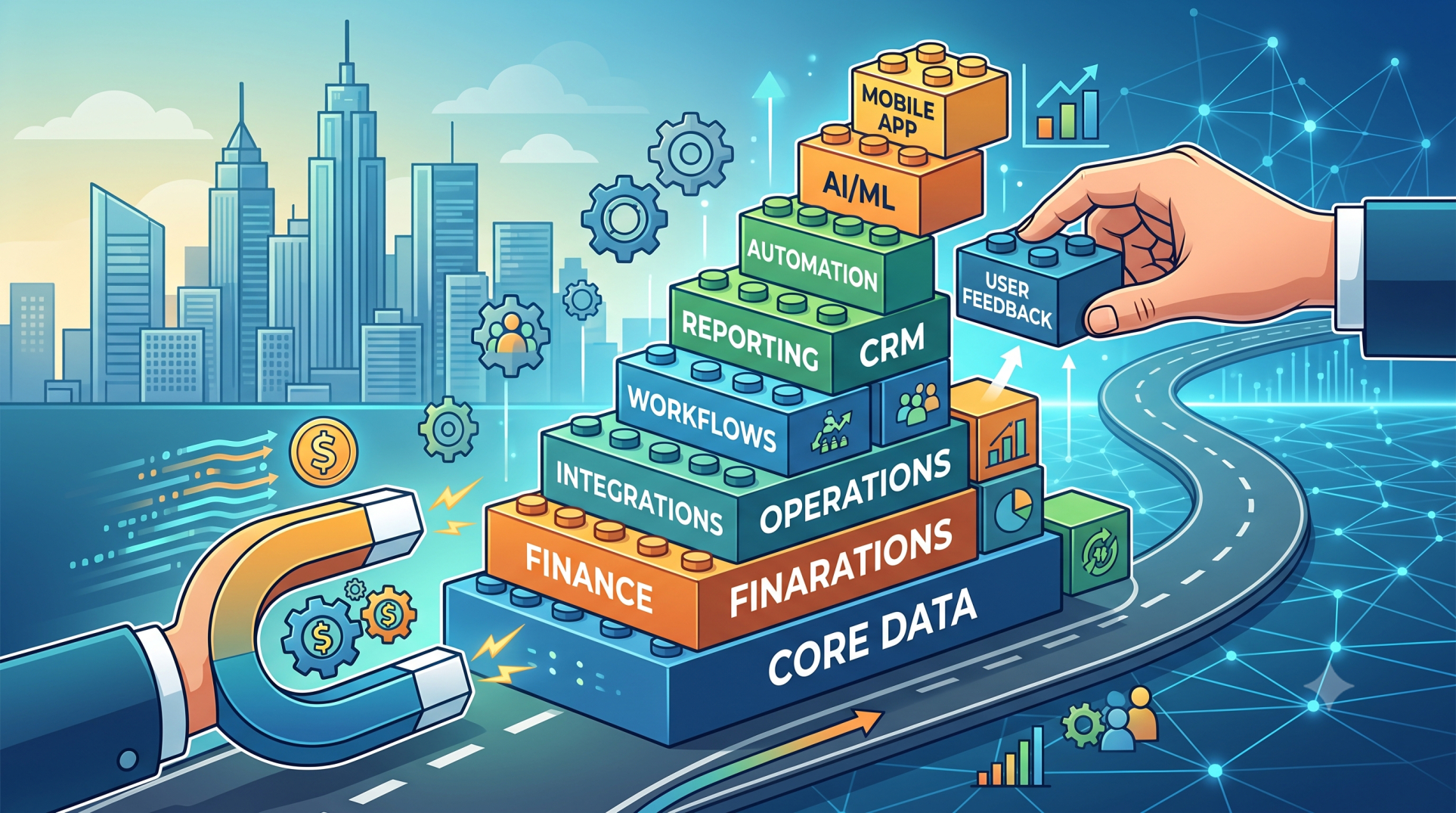
Step 10: Optimizing After Go-Live 📈
• Monitor system performance and user adoption 📊
• Identify workflow bottlenecks and improvement opportunities 🔍
• Refine automation and reporting based on operational data 🤖
• Introduce additional modules and capabilities as requirements grow 🧩
• Maintain a continuous improvement strategy for long-term ERP value 🌟
Conclusion
End-to-end ERP implementation requires coordination across technology, data, processes, and people. From defining business requirements and designing the system architecture to migration, integration, testing, training, and final launch, each stage contributes to the reliability of the overall platform.
A structured implementation approach helps organizations reduce deployment risks, improve cross-department coordination, and establish a scalable digital foundation. With continuous optimization after go-live, an ERP platform can evolve alongside the organization and support increasingly complex operational requirements.
See more blogs
You can all the articles below