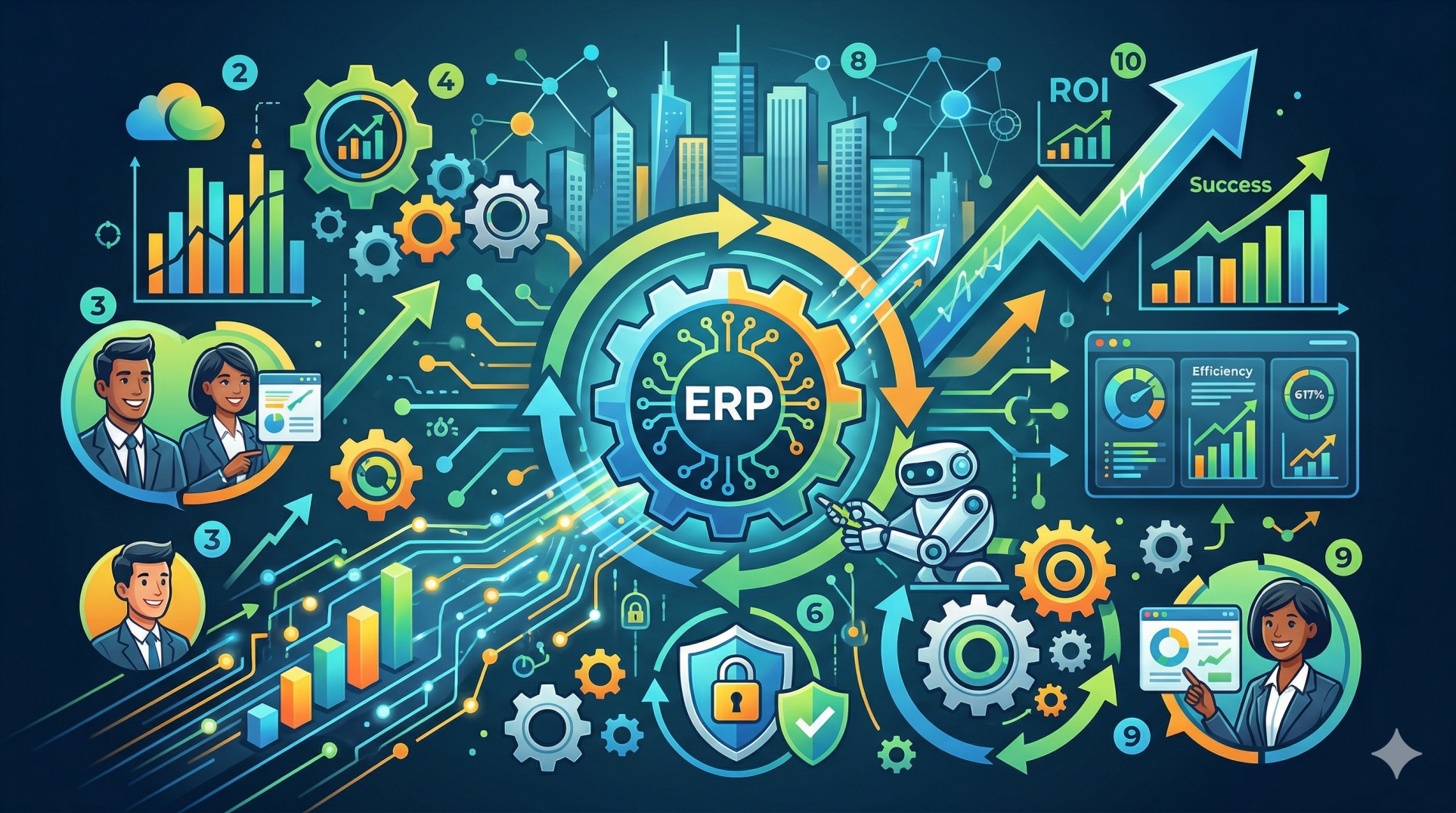
ERP Feature Governance: Preventing Complexity from Taking Over
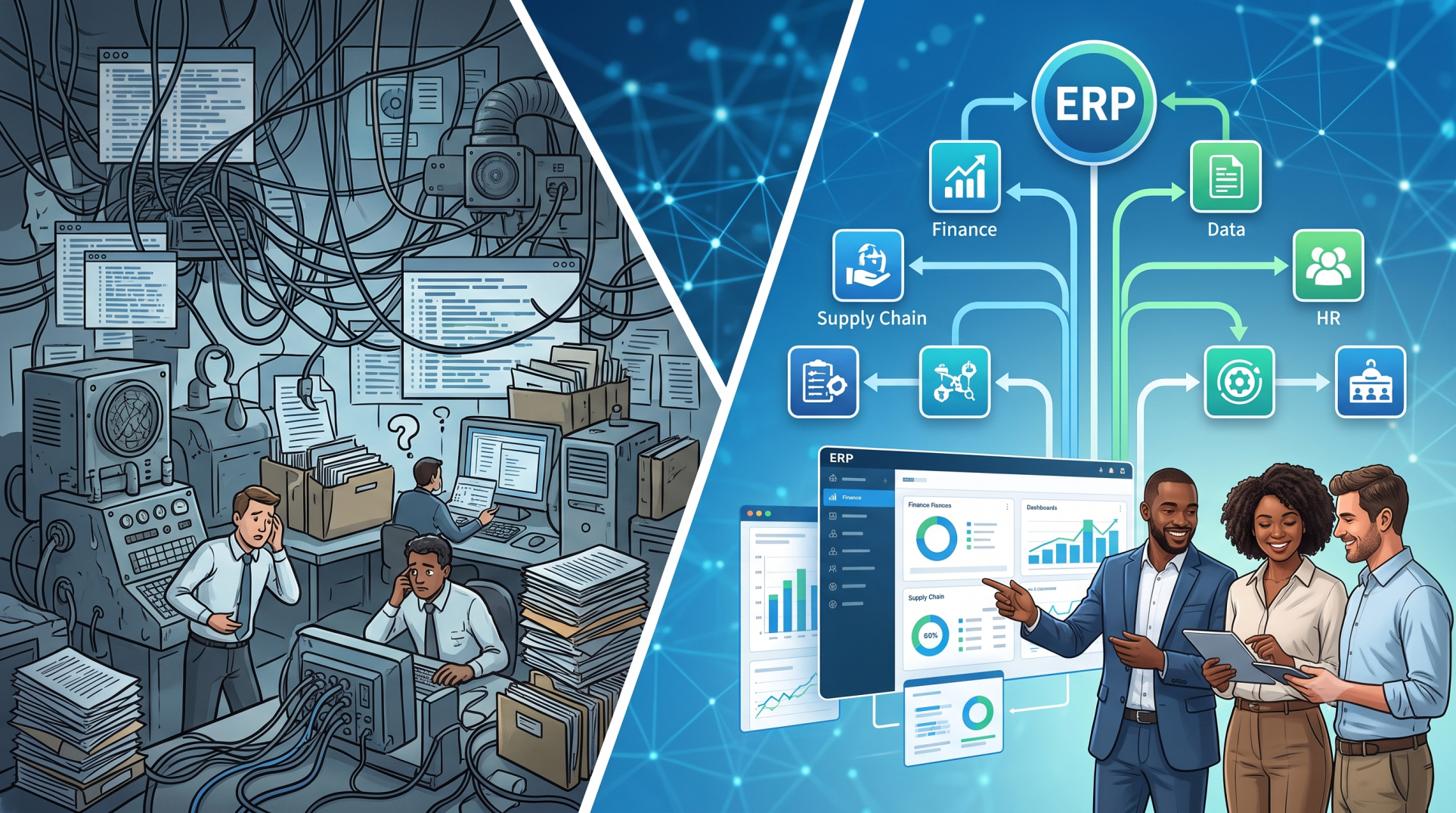
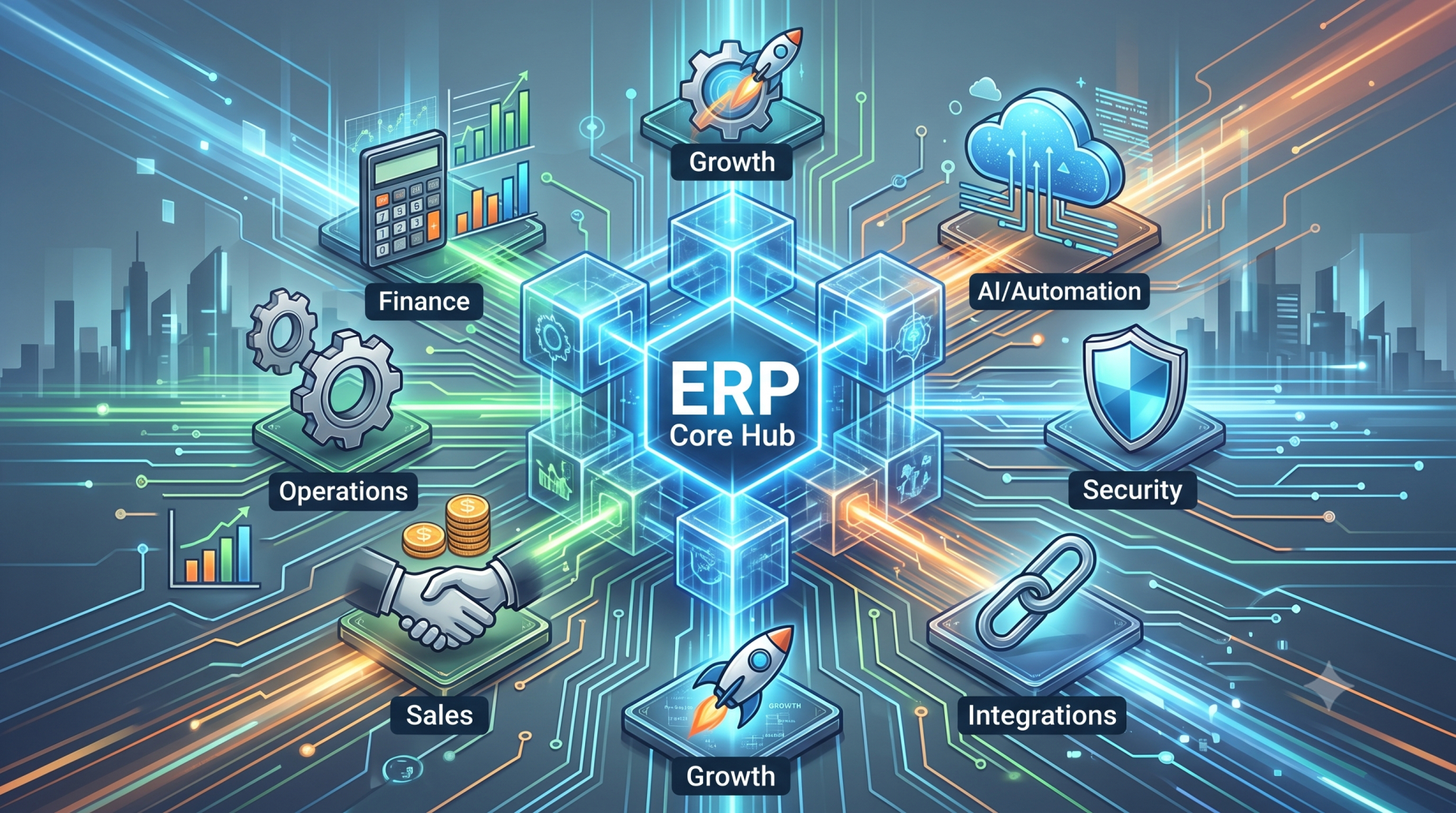
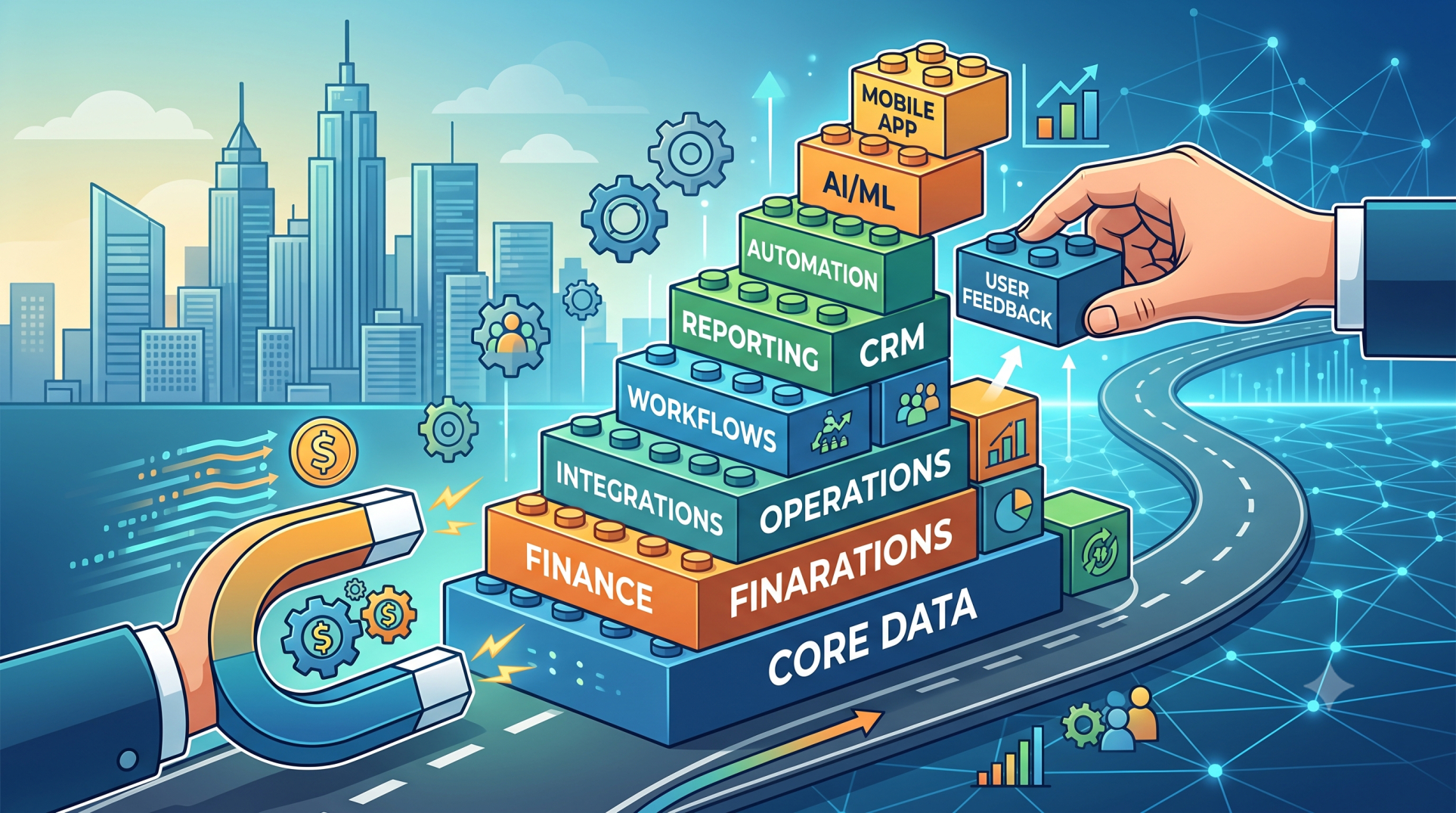
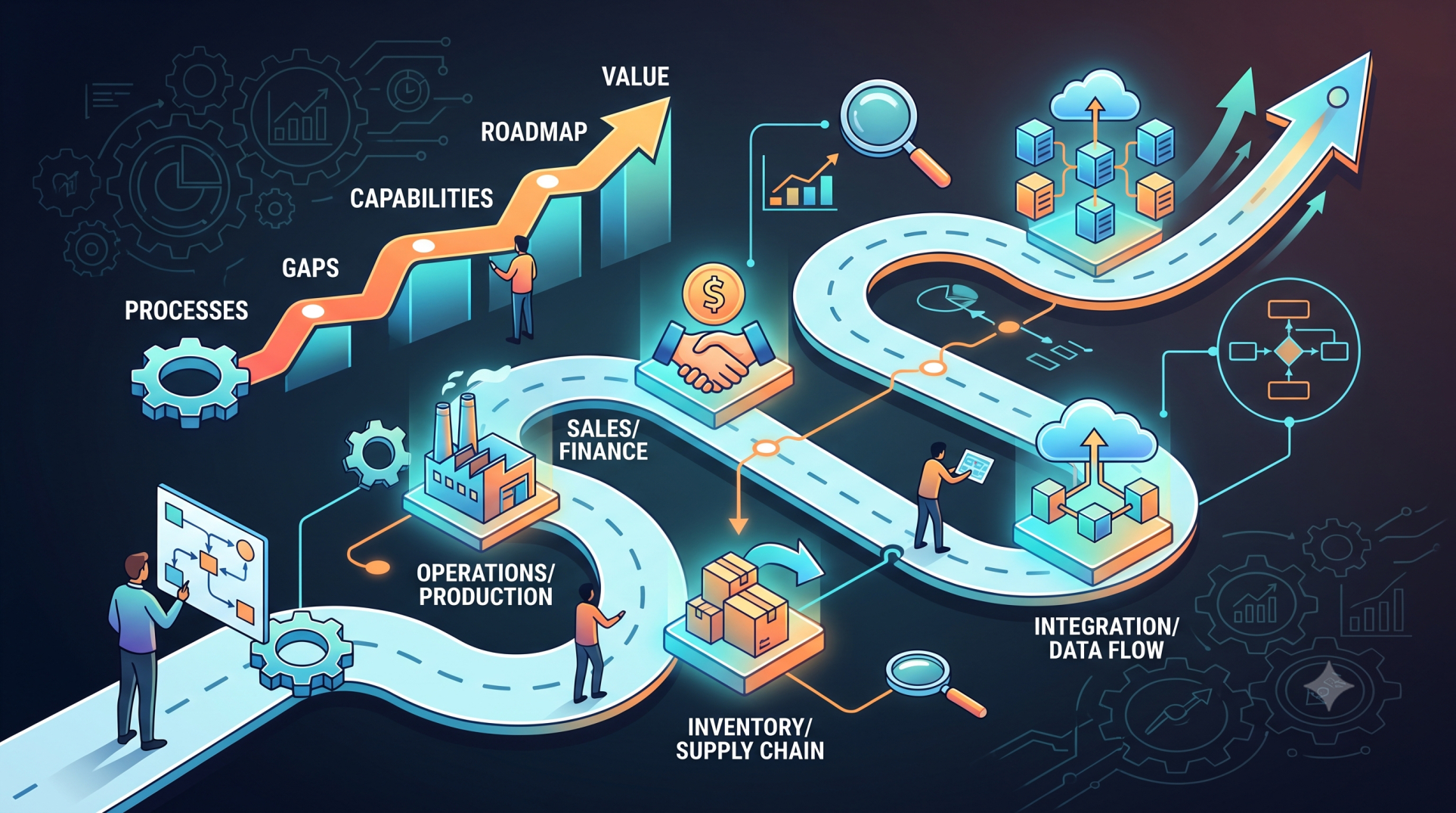
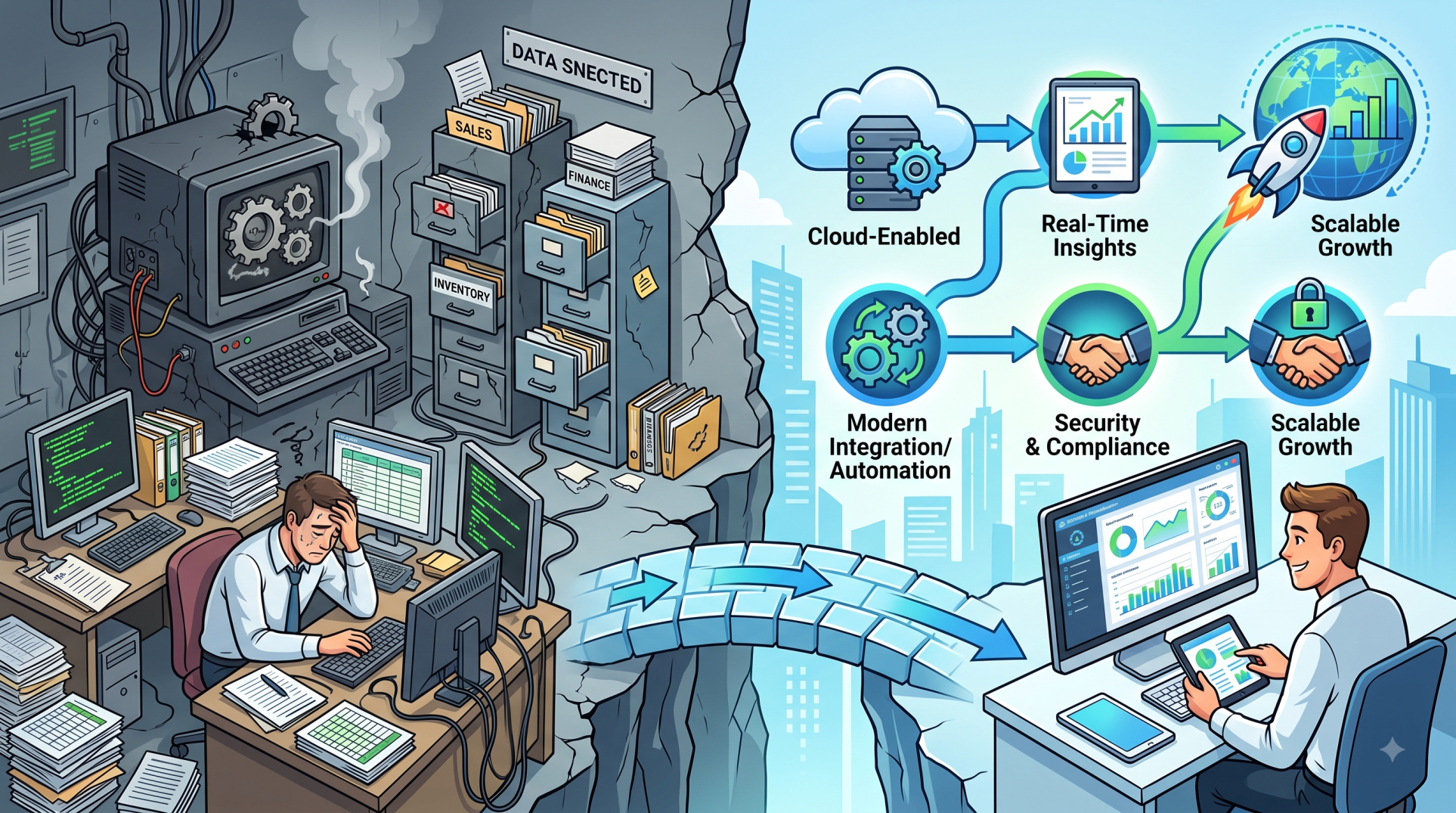
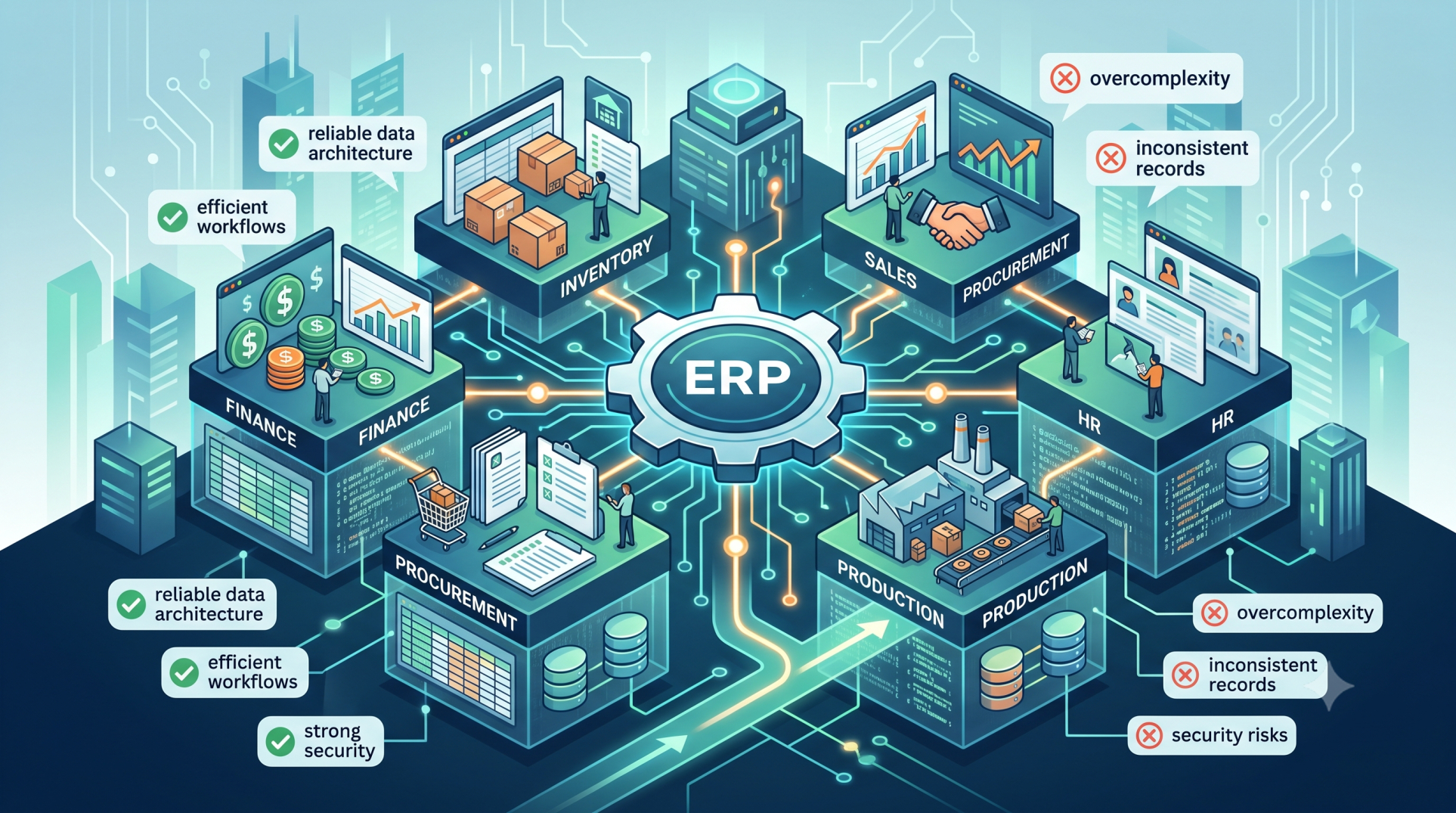
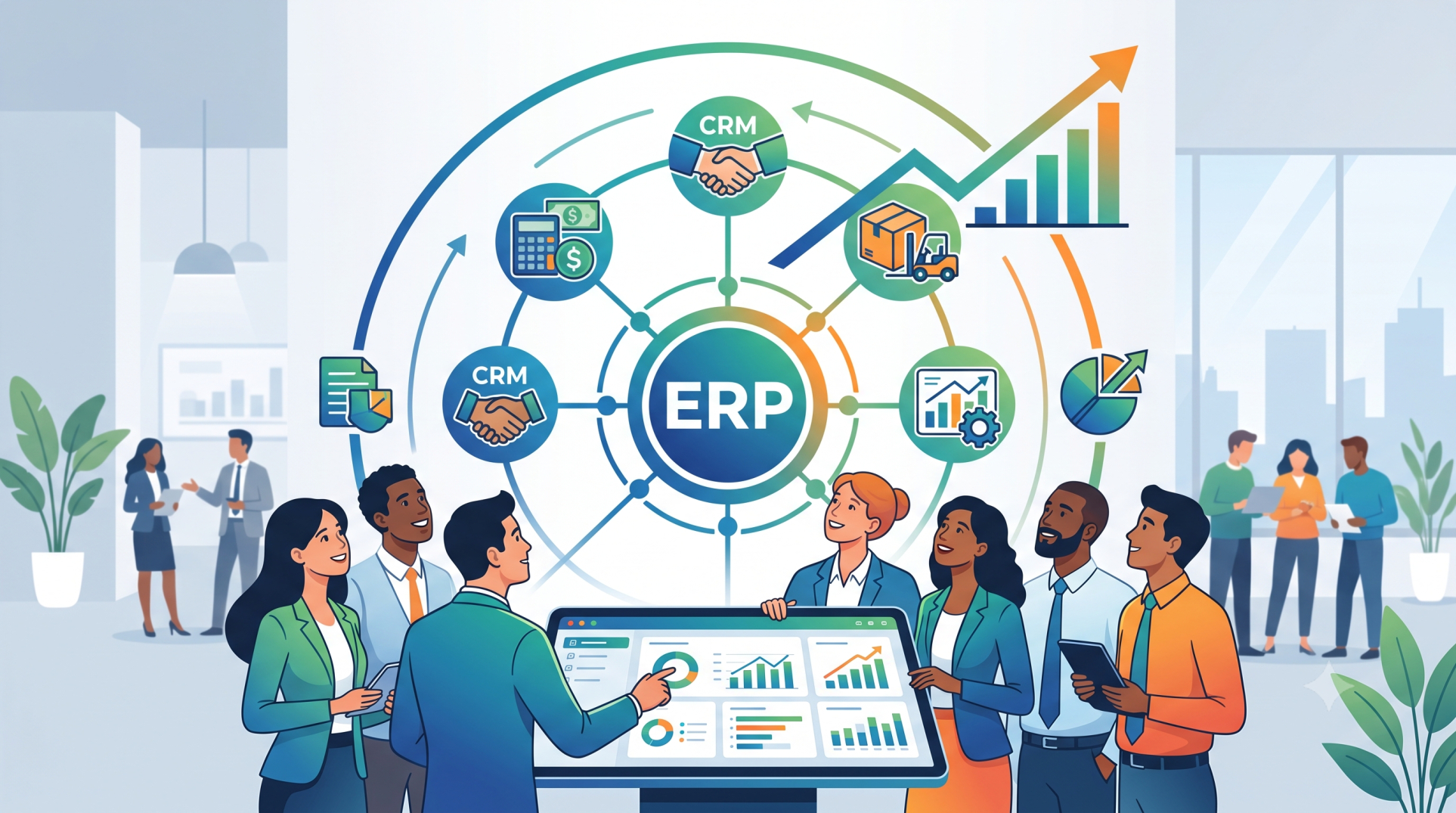
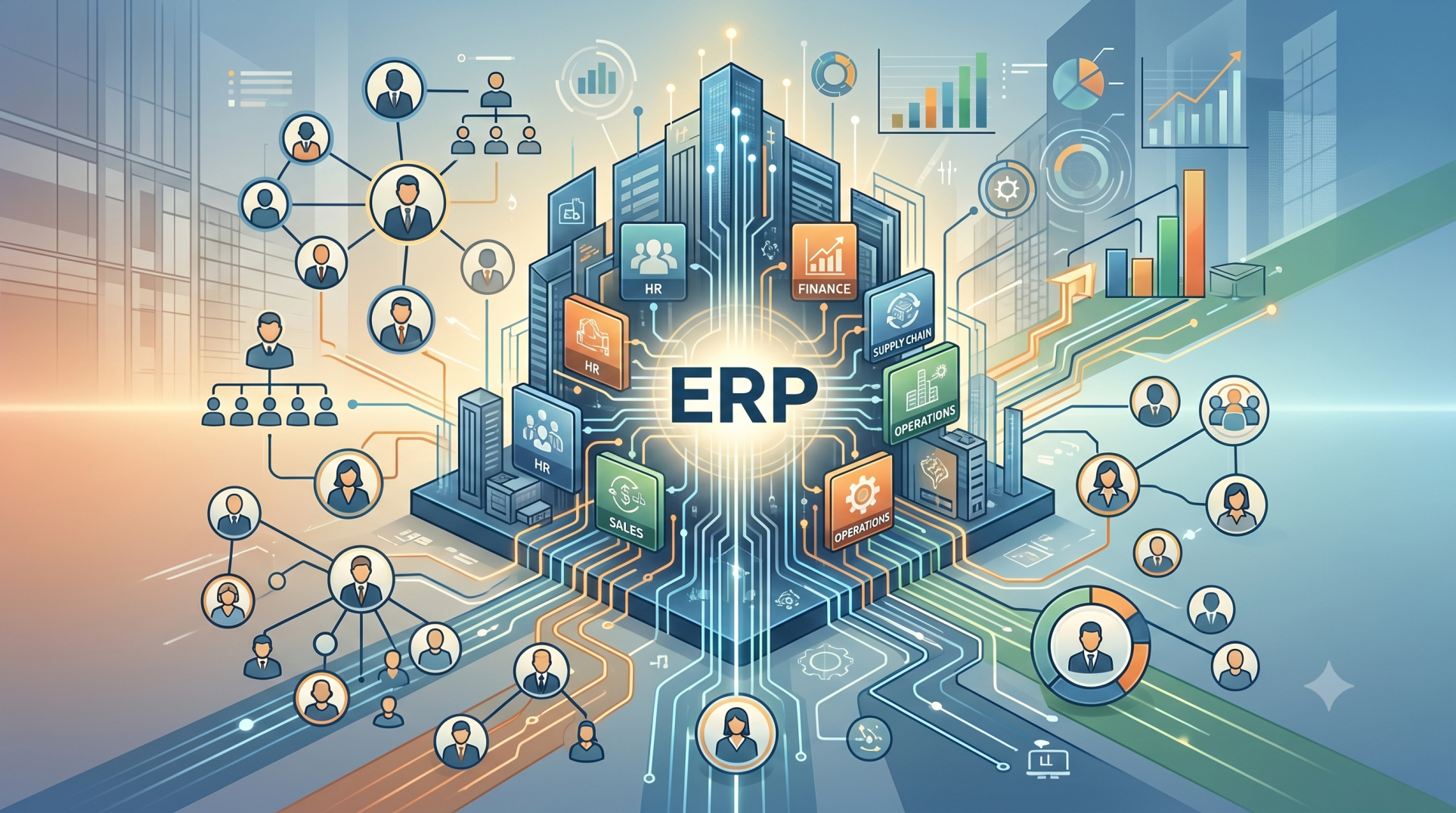
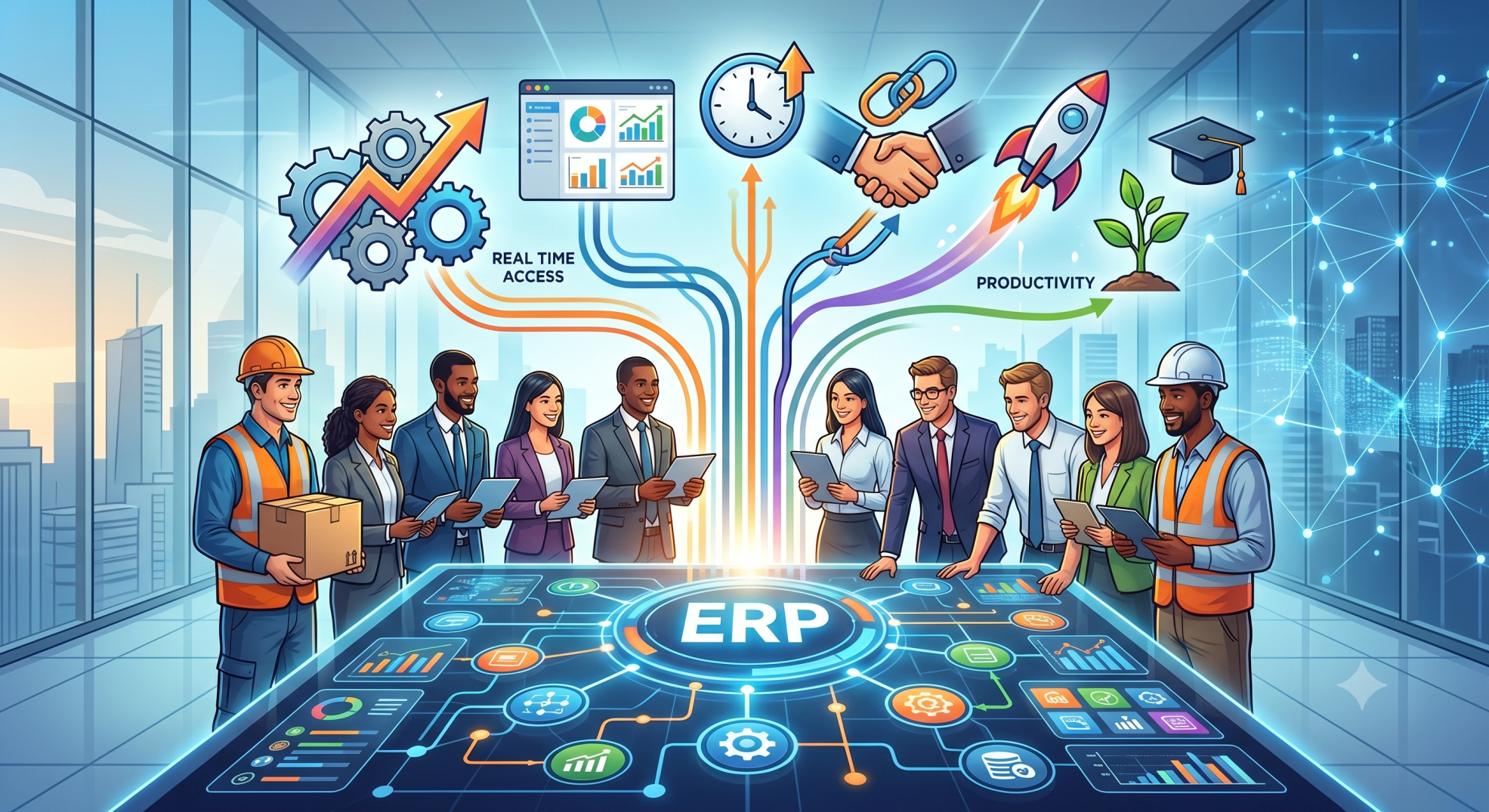
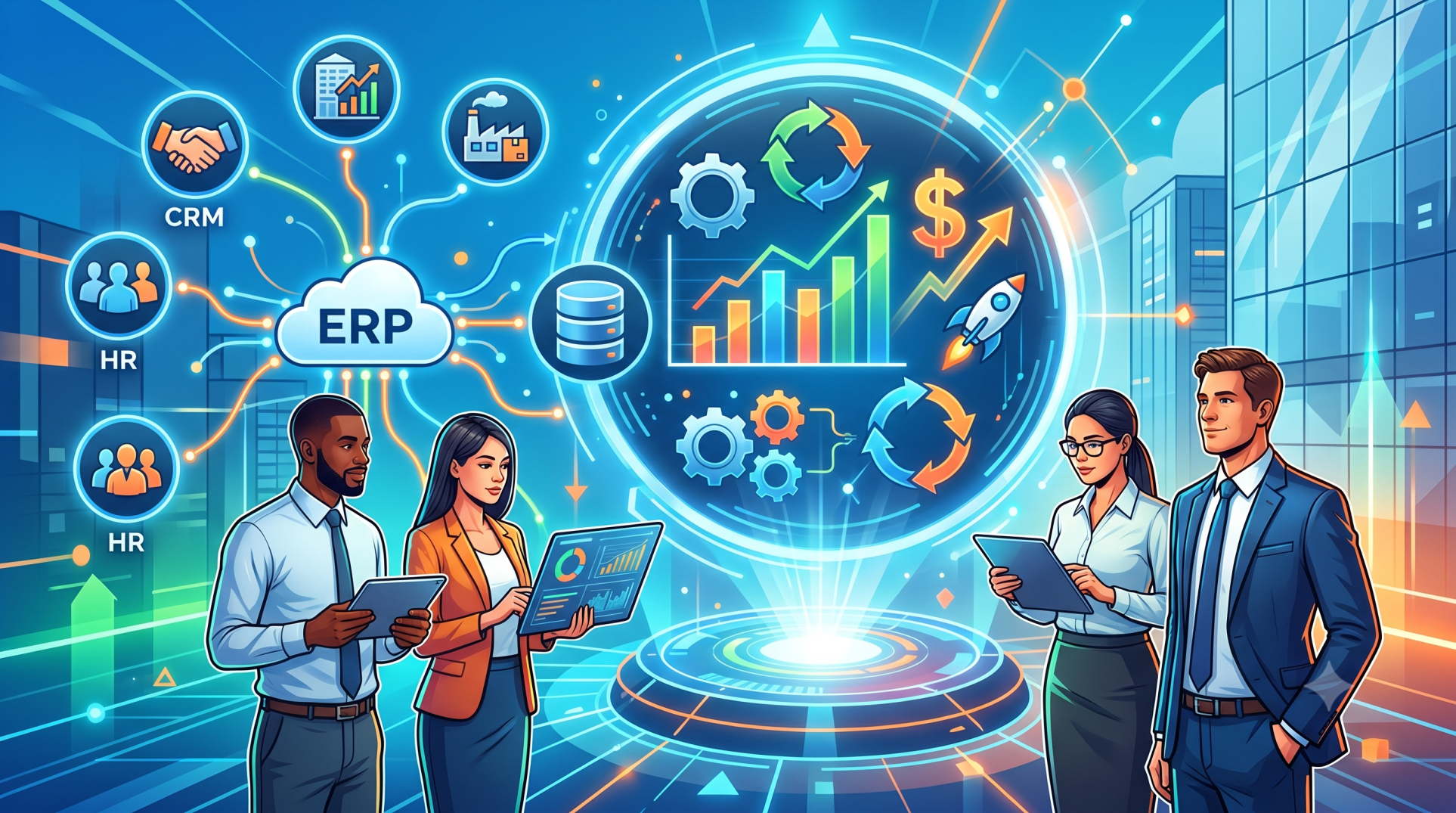
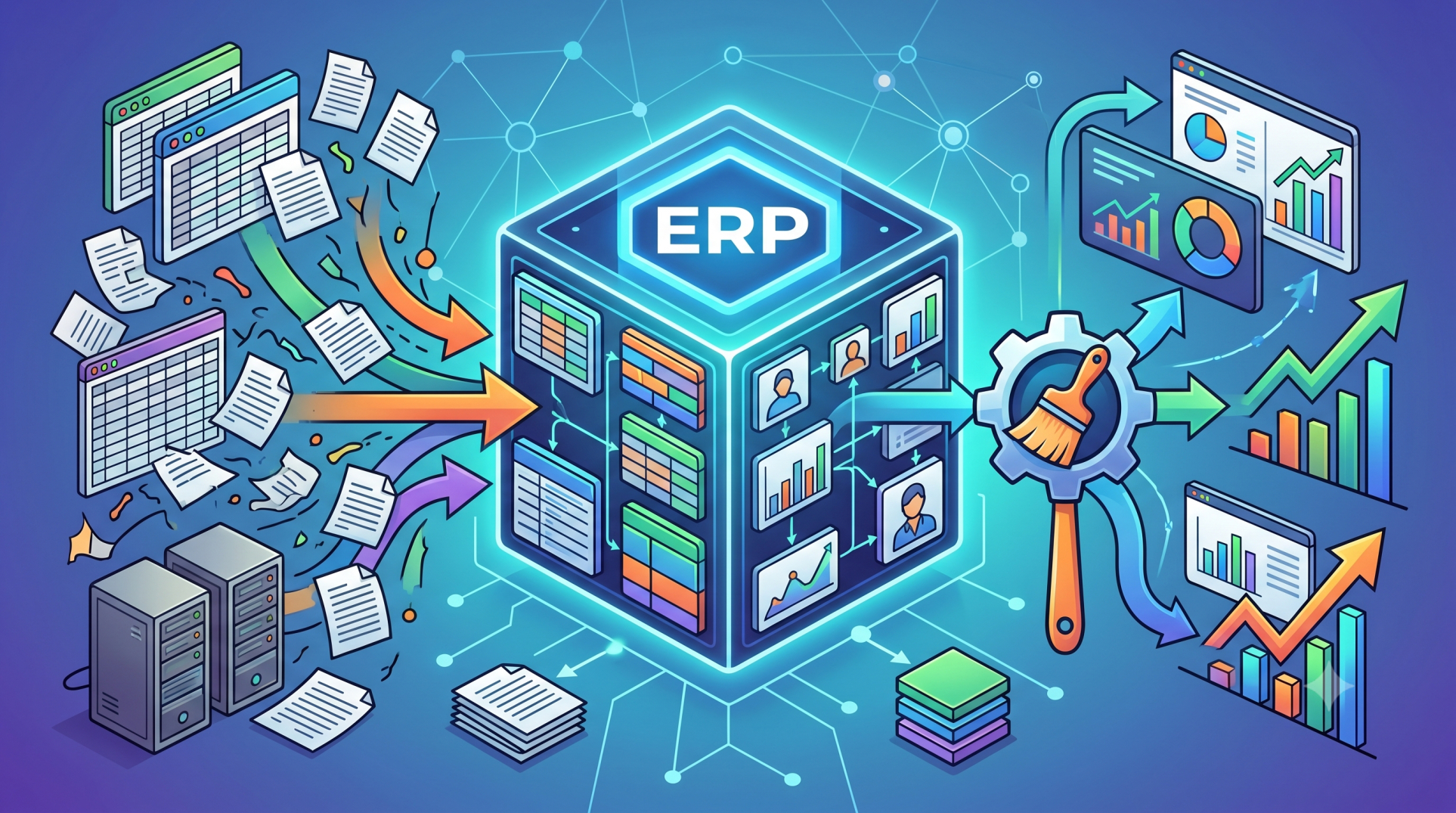
Enterprise Resource Planning (ERP) systems are designed to simplify business operations by bringing processes, data, and departments together. However, as organizations grow, ERP platforms can become increasingly complex. Too many custom features, overlapping workflows, unnecessary integrations, and poorly governed configurations can make the system difficult to manage. ERP feature governance provides a structured approach to controlling this complexity. By evaluating features based on business value, operational impact, security, and long-term maintainability, organizations can keep their ERP environments efficient, scalable, and aligned with strategic goals.
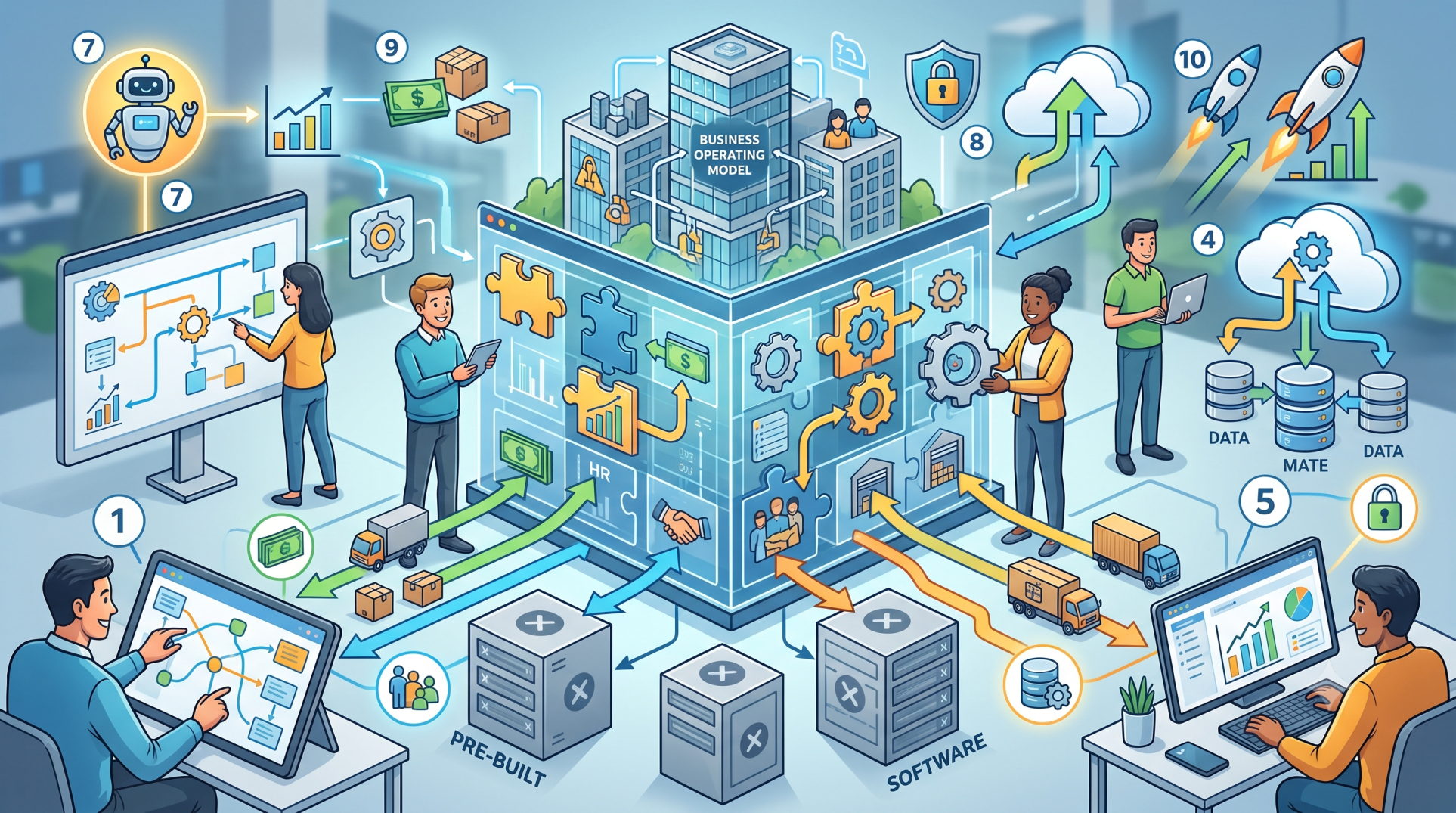
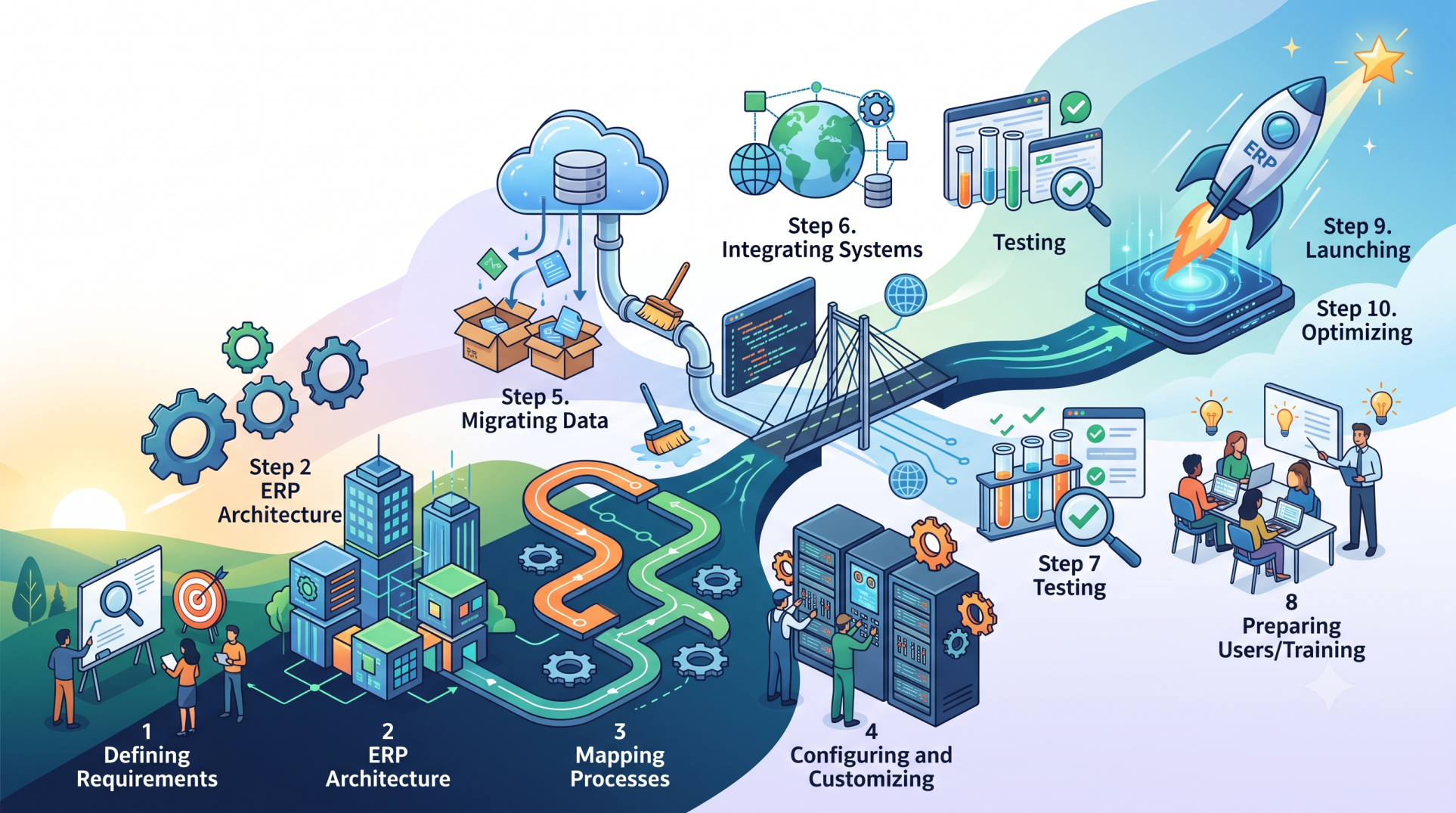
Step 1: Establishing Clear Feature Governance 🎯
• Define standards for introducing new ERP features
• Establish ownership for configuration and customization decisions
• Create clear approval processes for feature requests
• Align new capabilities with organizational objectives
• Prevent uncontrolled changes from accumulating over time
Step 2: Evaluating Business Value 💡
• Assess whether a requested feature addresses a genuine business need
• Prioritize capabilities that deliver measurable operational value
• Identify duplicate functionality already available within the ERP
• Compare expected benefits against implementation and maintenance costs
• Remove features that no longer contribute meaningful value
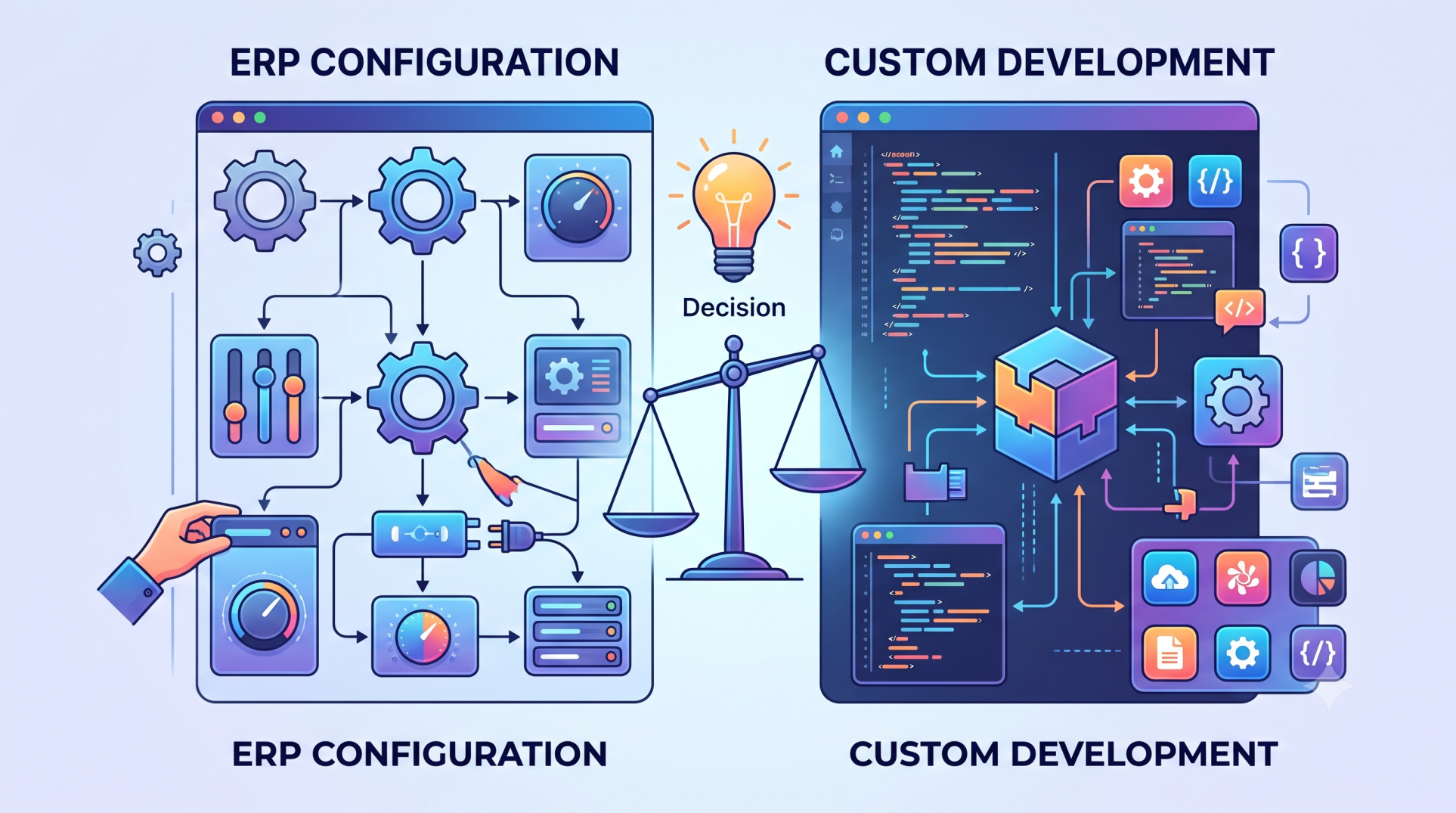
Step 3: Controlling ERP Customization 🛠️
• Minimize unnecessary modifications to standard ERP functionality
• Evaluate custom development carefully before implementation
• Document the purpose and ownership of every major customization
• Consider configuration options before introducing custom code
• Reduce technical debt by periodically reviewing legacy modifications
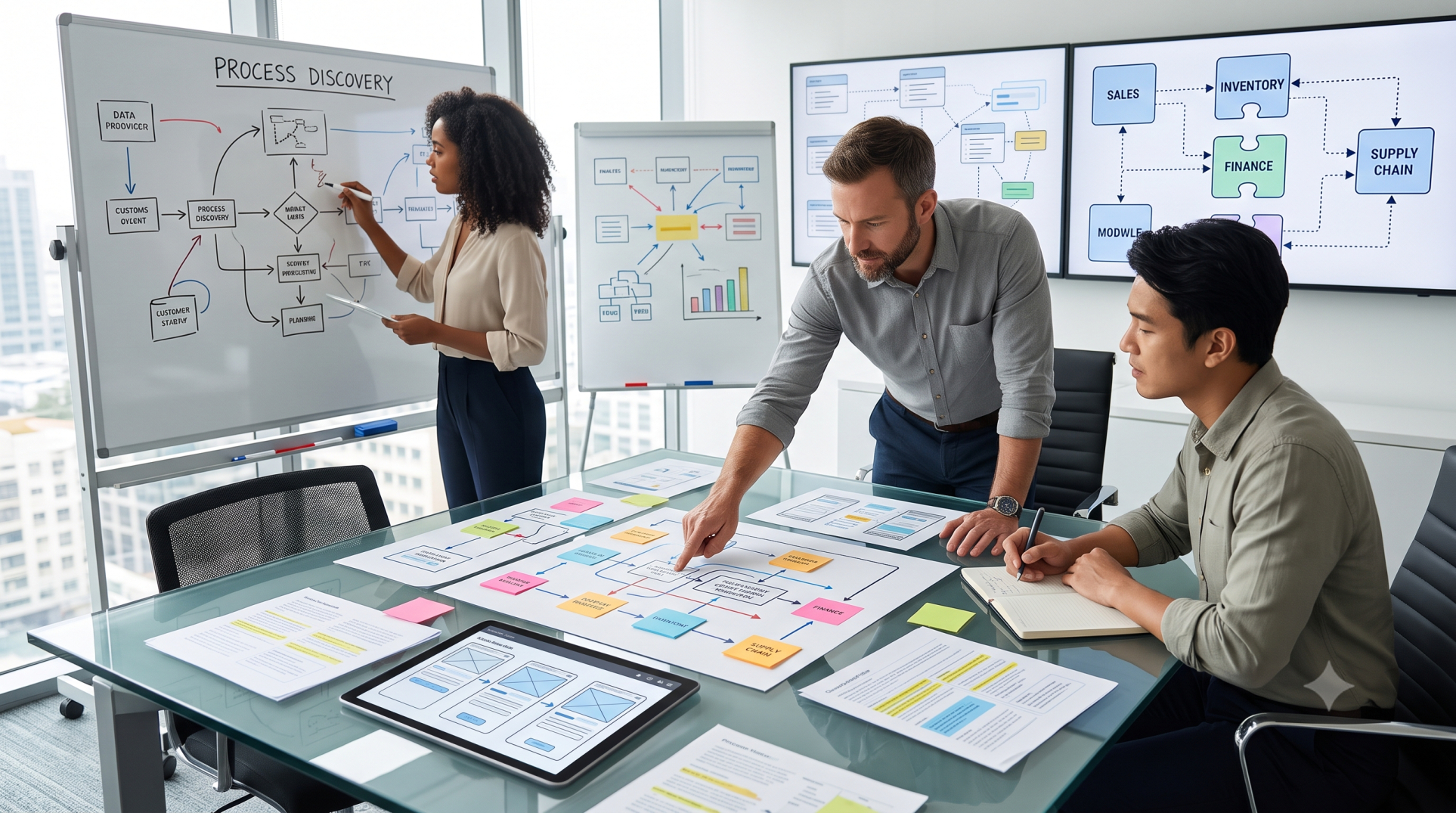
Step 4: Managing Feature Dependencies 🔗
• Identify dependencies between modules and workflows
• Assess how new features may affect existing processes
• Prevent overlapping functionality across departments
• Maintain clear relationships between integrations and ERP components
• Test dependencies before deploying significant changes
Step 5: Standardizing Configuration 📋
• Establish consistent configuration practices across business units
• Maintain documented rules for workflows, permissions, and system settings
• Reduce unnecessary variations between departments
• Create reusable configuration patterns where appropriate
• Improve maintainability through standardized system design
Step 6: Strengthening Change Management 🔄
• Evaluate the operational impact of proposed ERP changes
• Test new features before production deployment
• Communicate changes clearly to affected teams
• Maintain version and configuration records
• Monitor post-deployment results and user feedback
Step 7: Protecting System Performance ⚙️
• Monitor the effect of additional features on system performance
• Remove inefficient workflows and unused configurations
• Optimize integrations and automated processes
• Prevent unnecessary data processing and storage
• Maintain reliable performance as the ERP environment expands
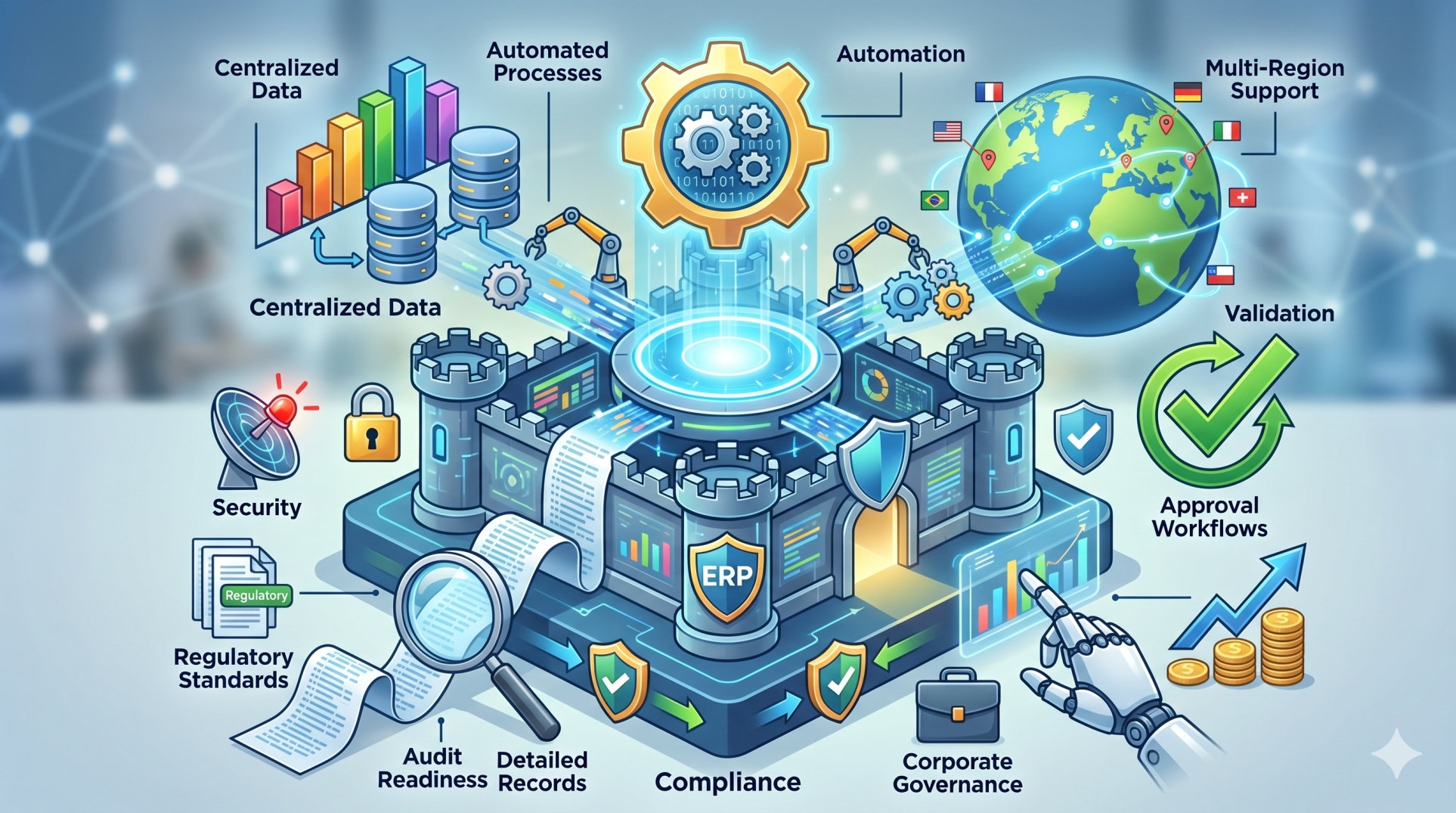
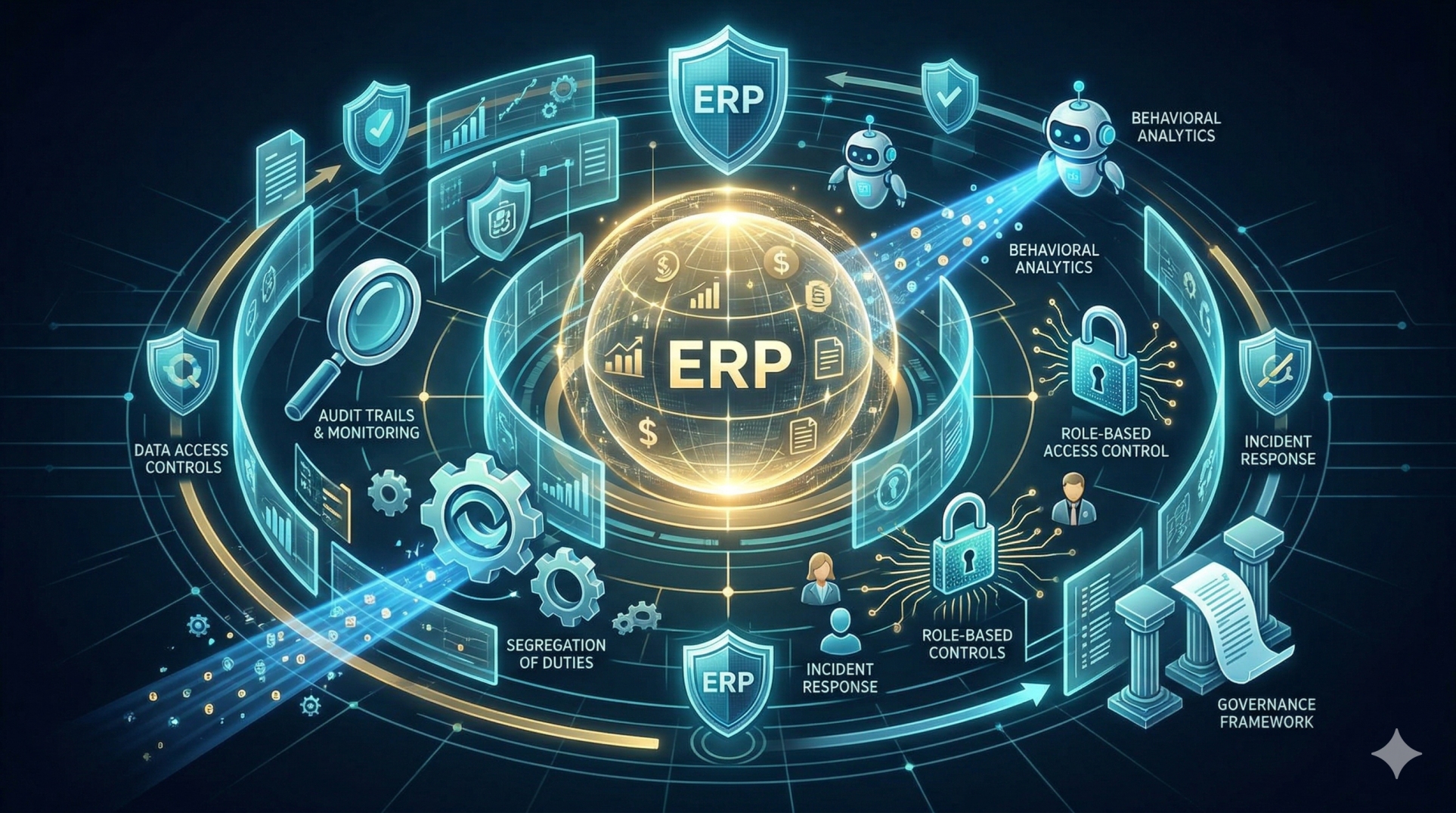
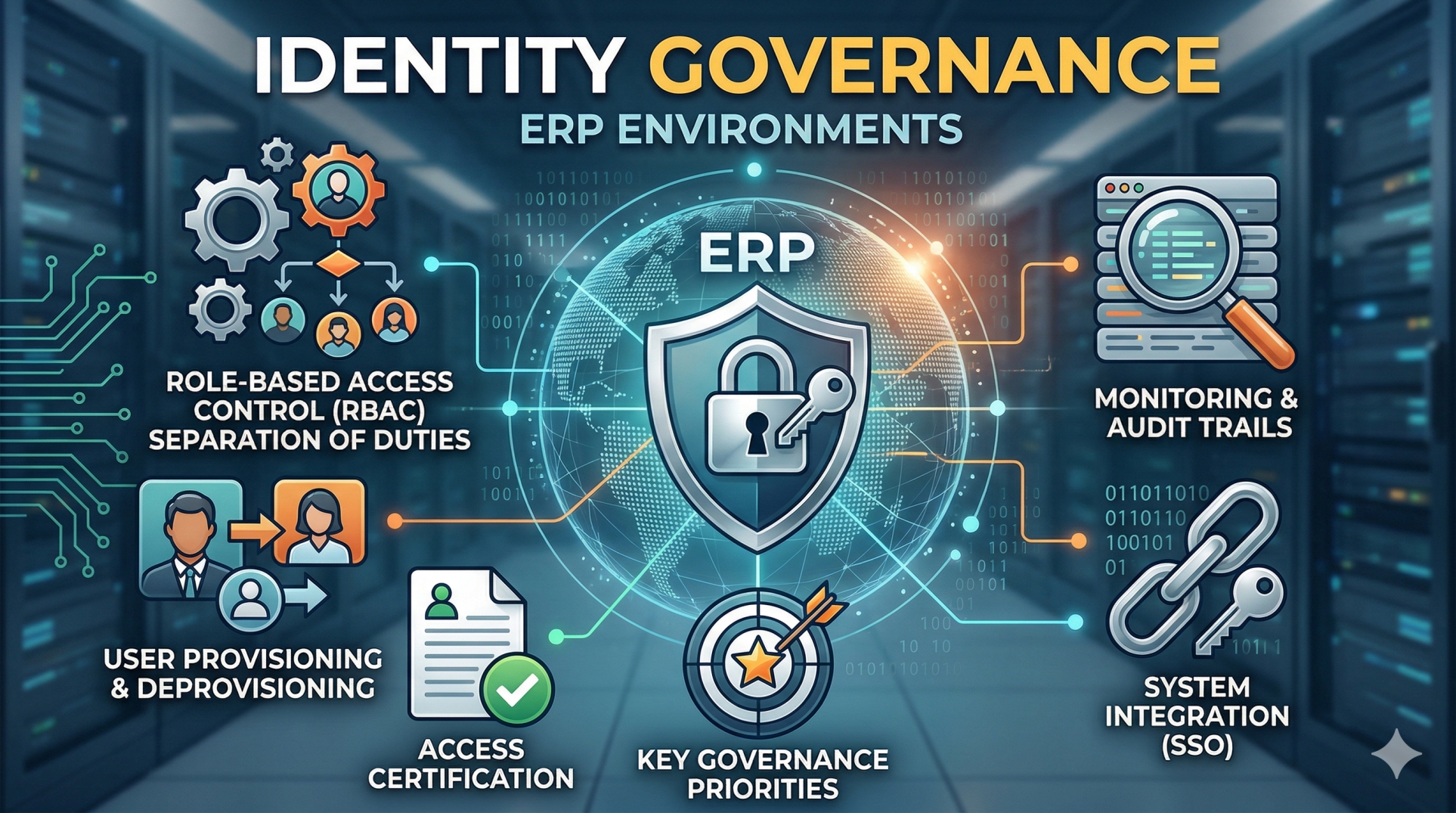
Step 8: Maintaining Security and Compliance 🔐
• Review feature-level permissions before deployment
• Apply role-based access controls consistently
• Assess security risks associated with new integrations
• Maintain audit trails for important configuration changes
• Ensure ERP enhancements remain aligned with compliance requirements
Step 9: Conducting Regular Feature Reviews 📊
• Periodically evaluate active ERP features and customizations
• Identify unused, redundant, or outdated capabilities
• Measure adoption and business impact
• Retire functionality that creates more complexity than value
• Maintain a continuously optimized ERP environment
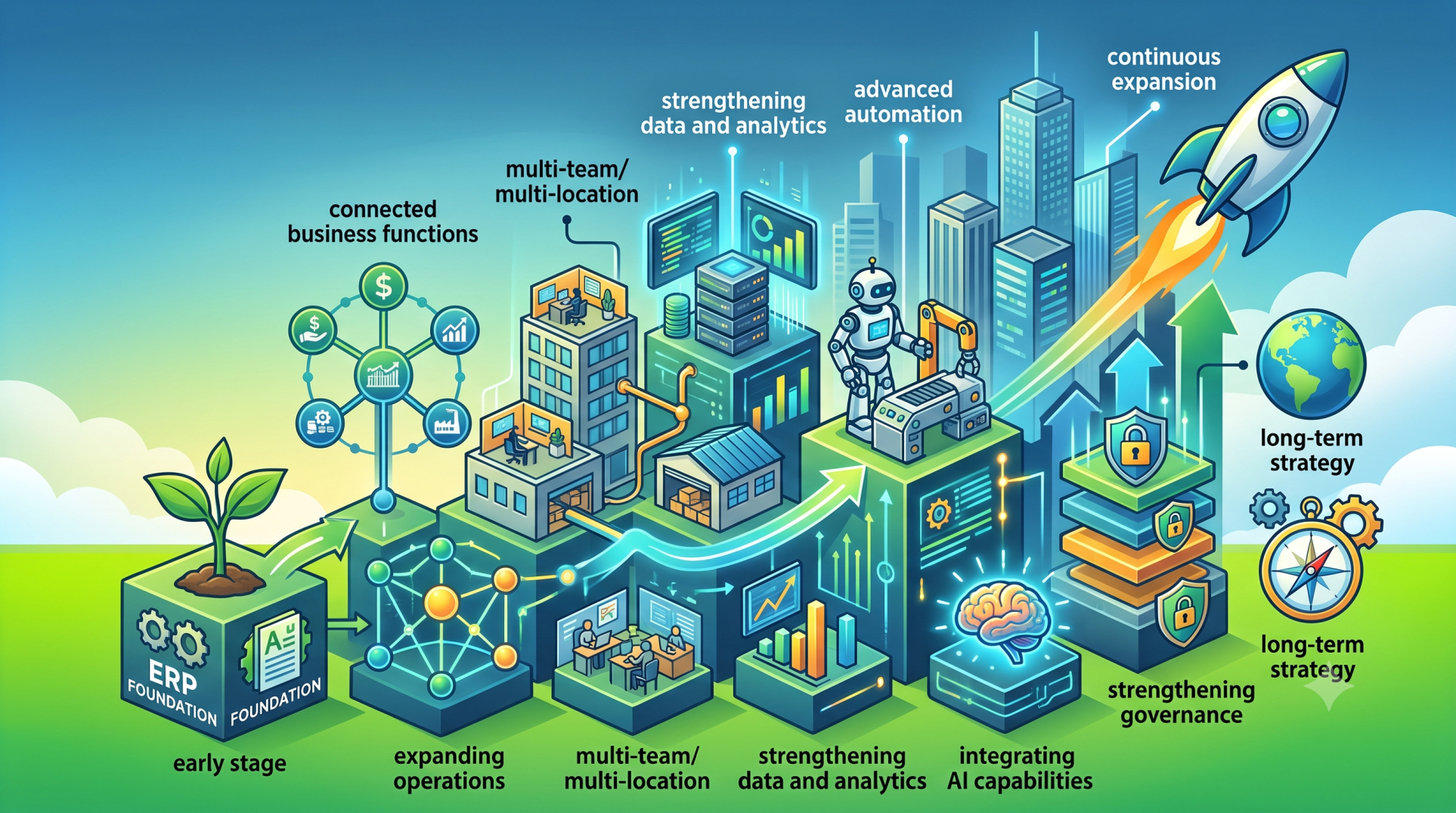
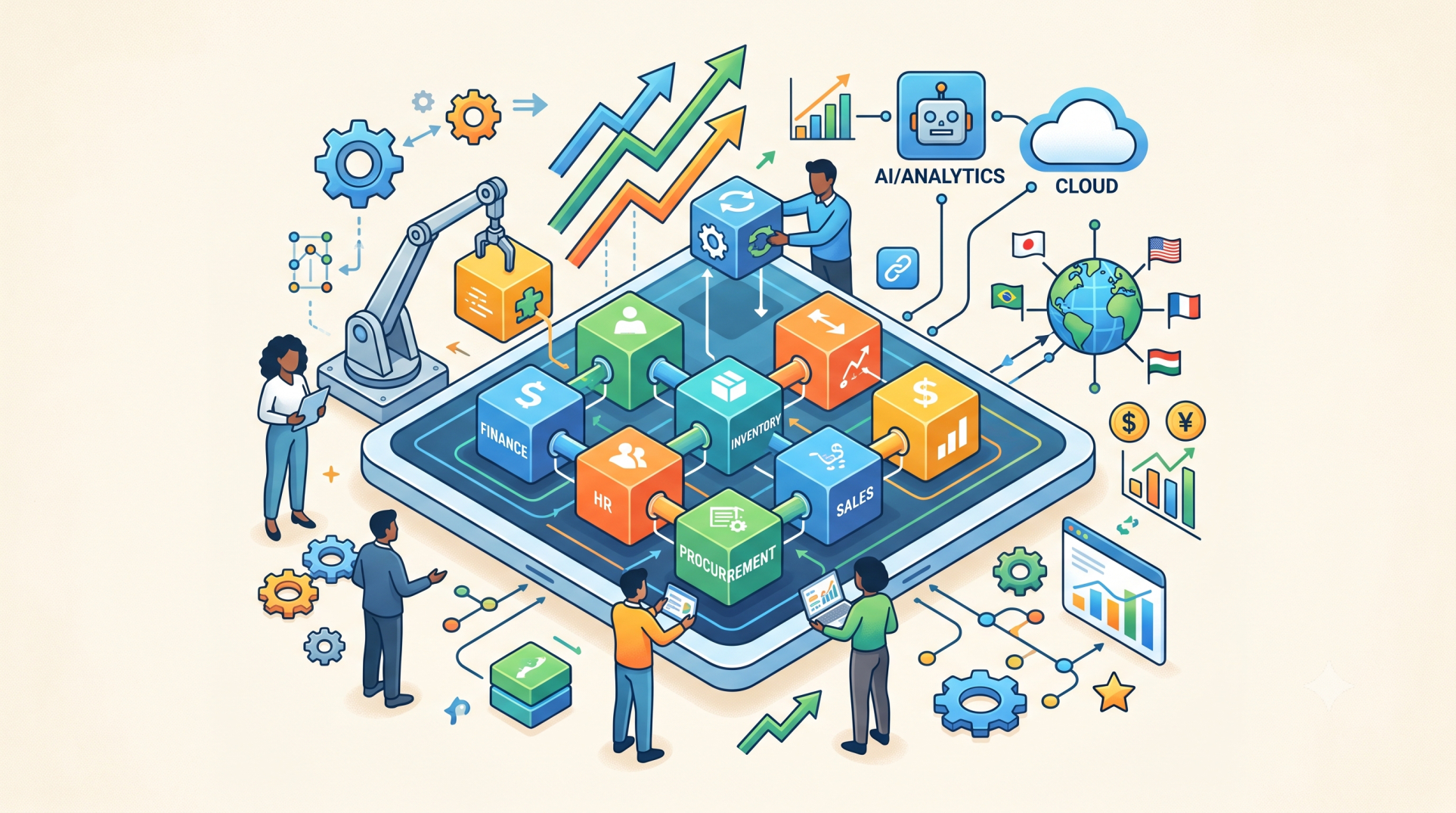
Step 10: Building a Scalable ERP Strategy 🚀
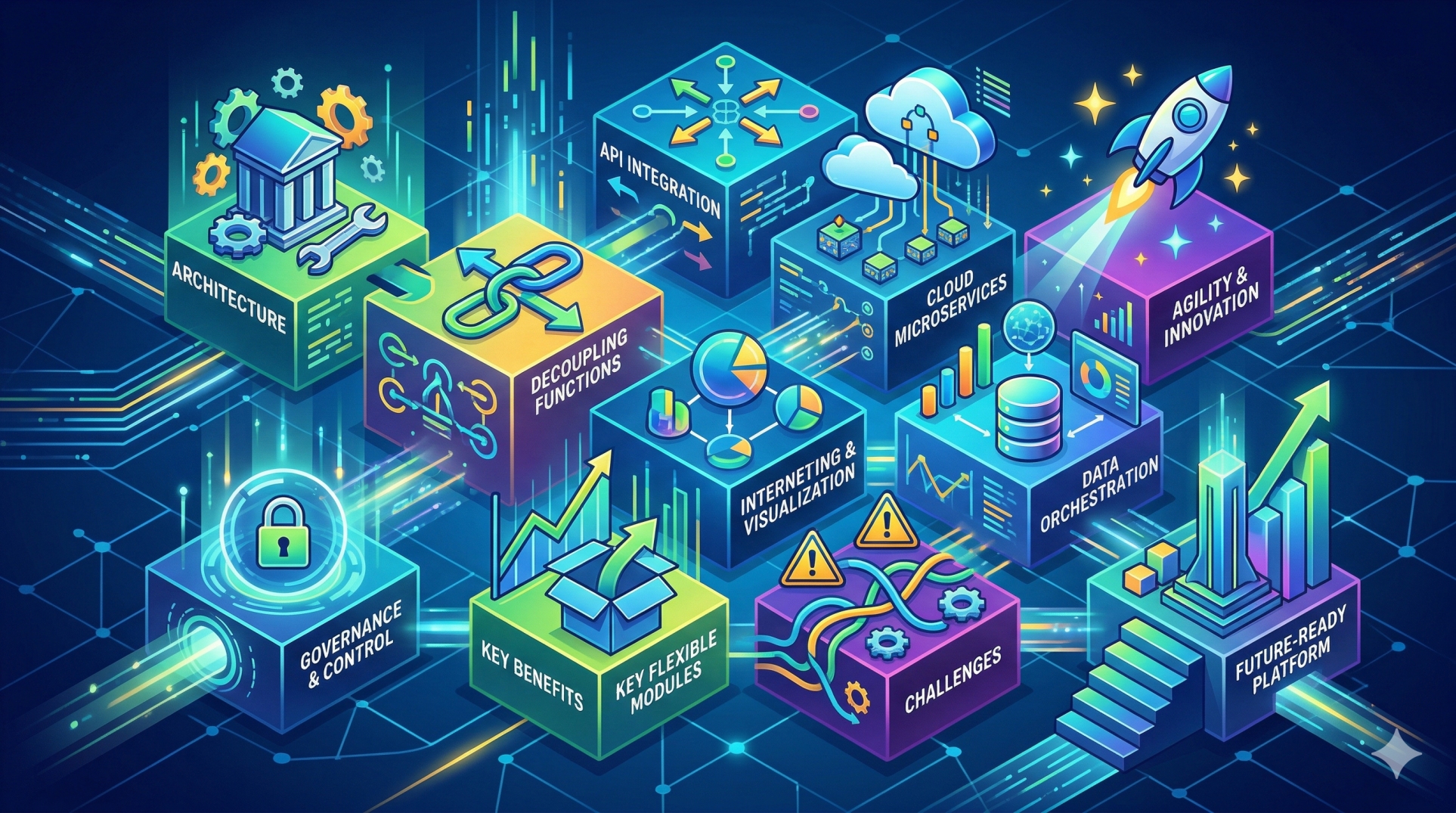
• Design governance policies that support long-term growth
• Balance standardization with legitimate business requirements
• Introduce new capabilities through controlled processes
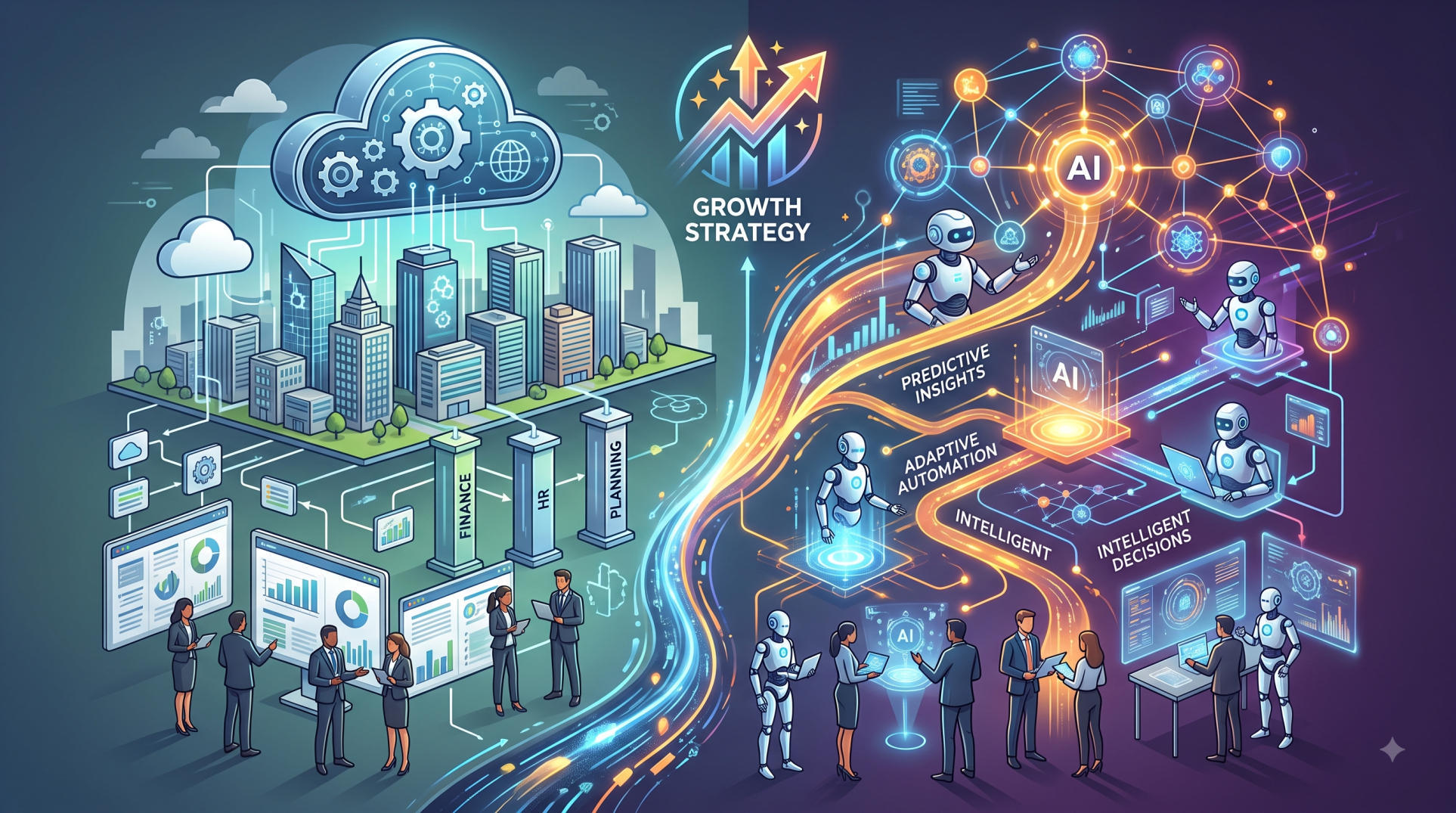
• Prepare the ERP environment for AI, automation, and future integrations
• Keep the platform flexible without allowing uncontrolled complexity
Conclusion
ERP feature governance is essential for preventing enterprise systems from becoming overloaded with unnecessary complexity. By controlling customization, evaluating business value, standardizing configurations, and continuously reviewing existing functionality, organizations can maintain a cleaner and more sustainable ERP environment.
Effective governance does not mean limiting innovation. Instead, it ensures that every new feature has a clear purpose, measurable value, and manageable long-term impact. With the right governance framework, ERP systems can continue to evolve while remaining efficient, secure, scalable, and aligned with business priorities.
See more blogs
You can all the articles below