The High Cost of Legacy ERP: Why Modernization Matters
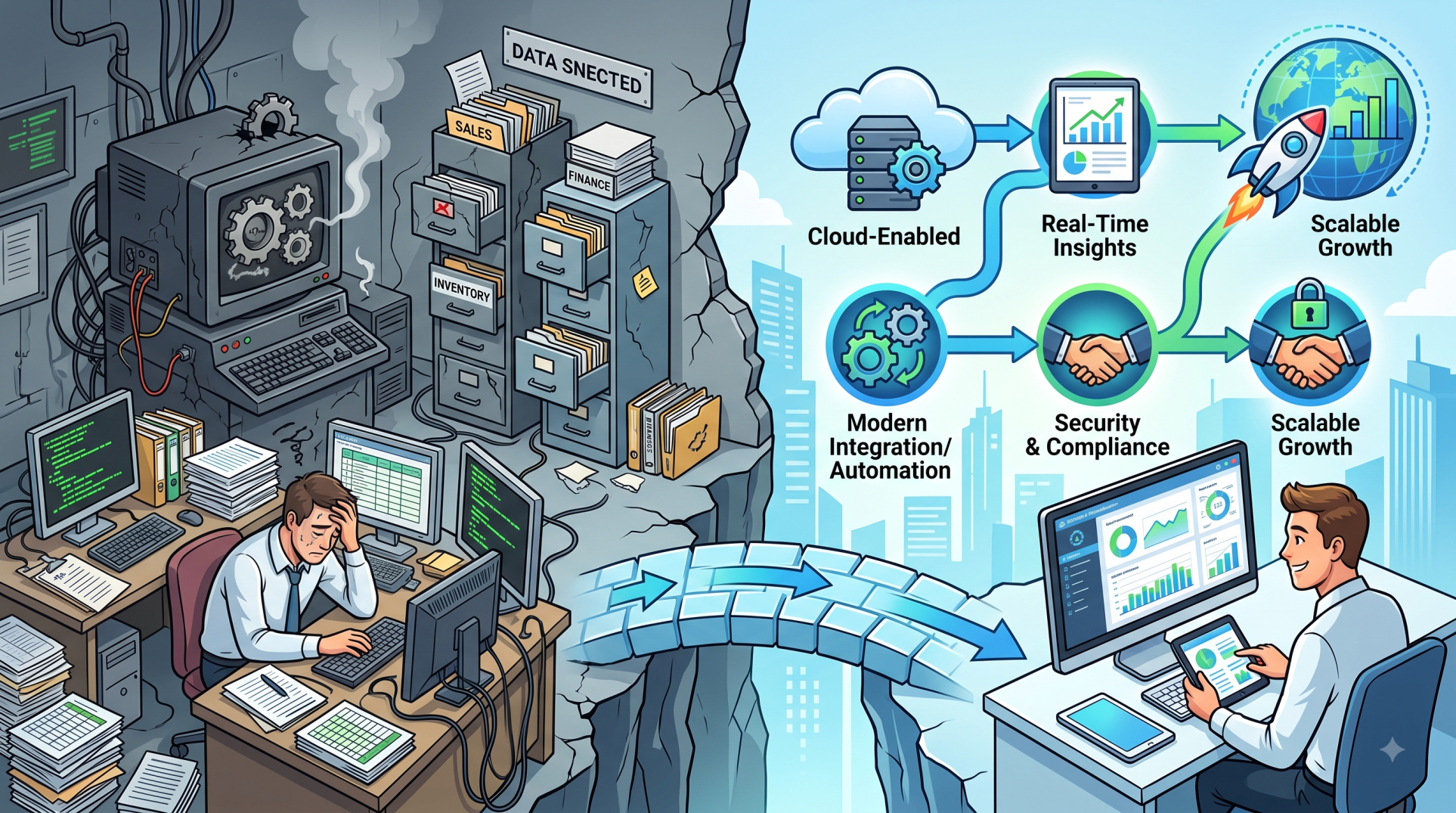
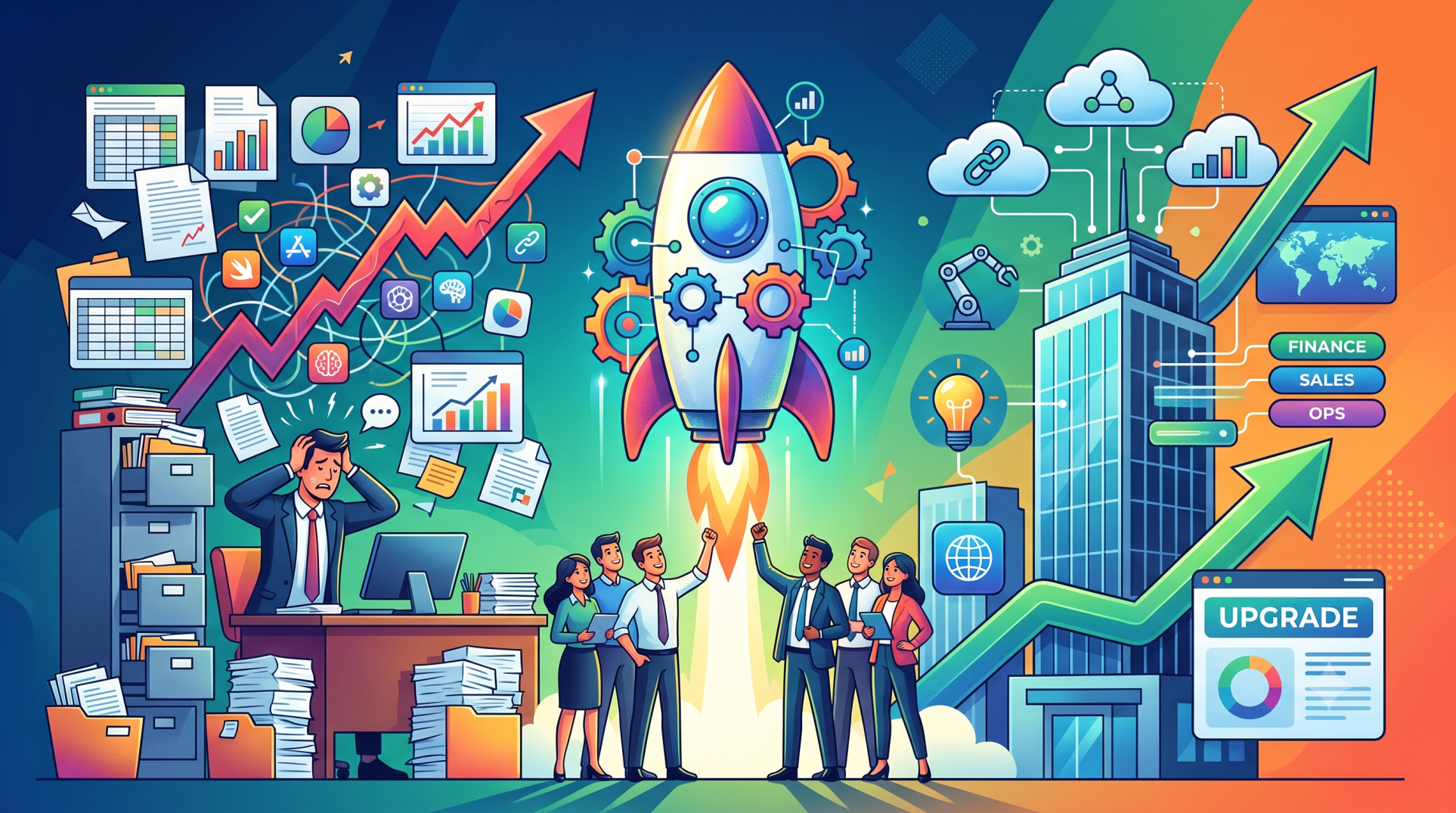
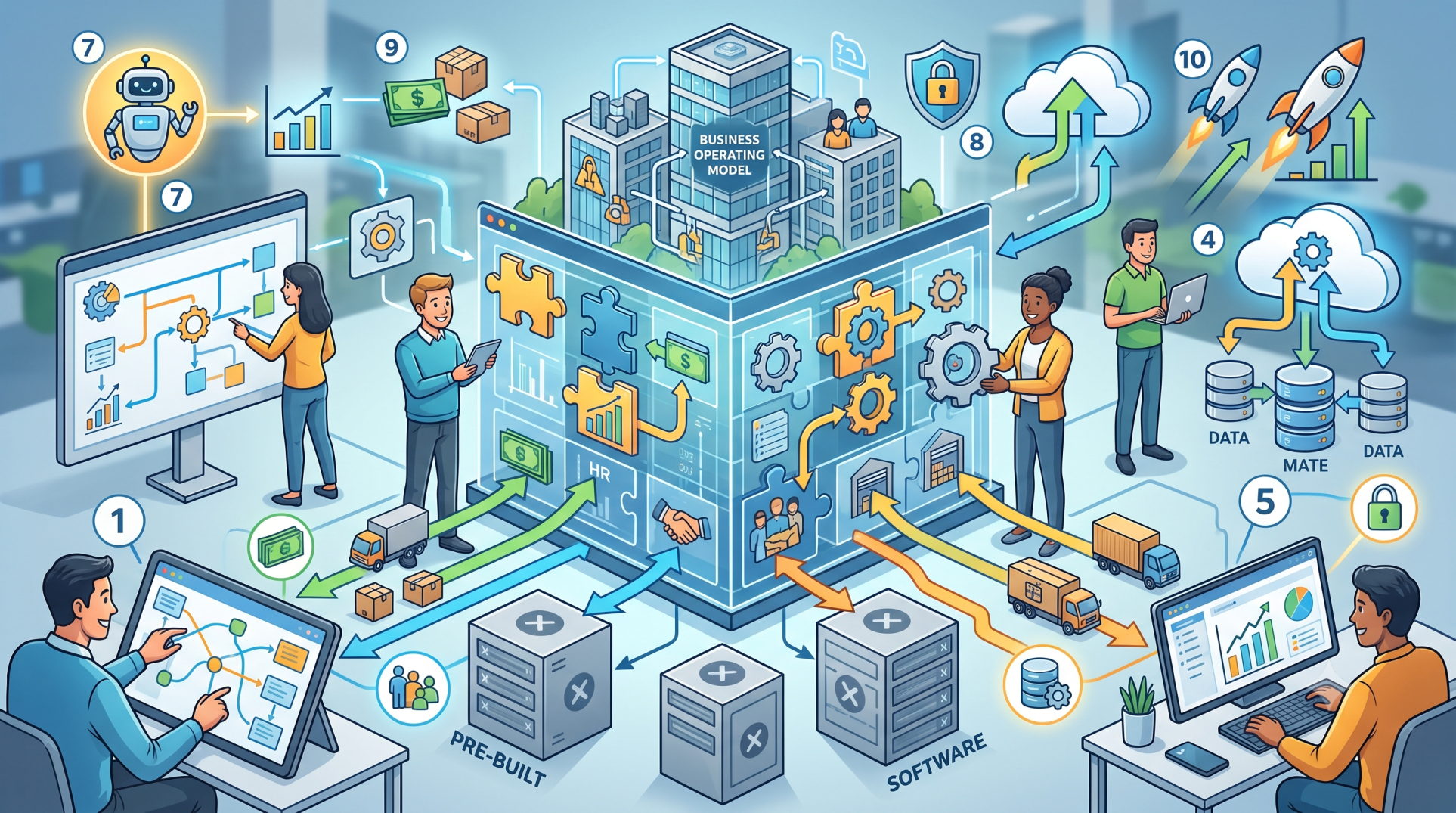
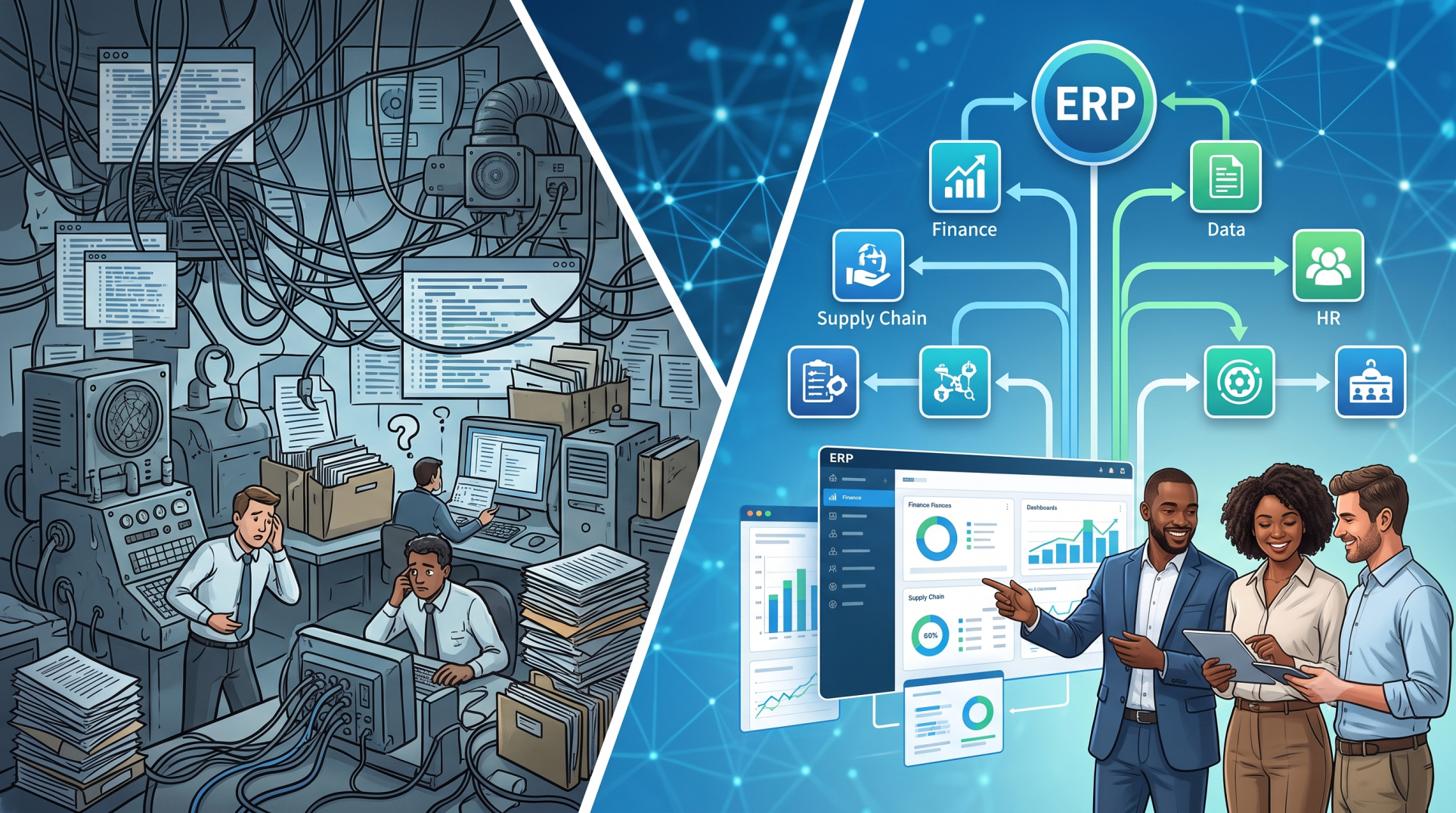
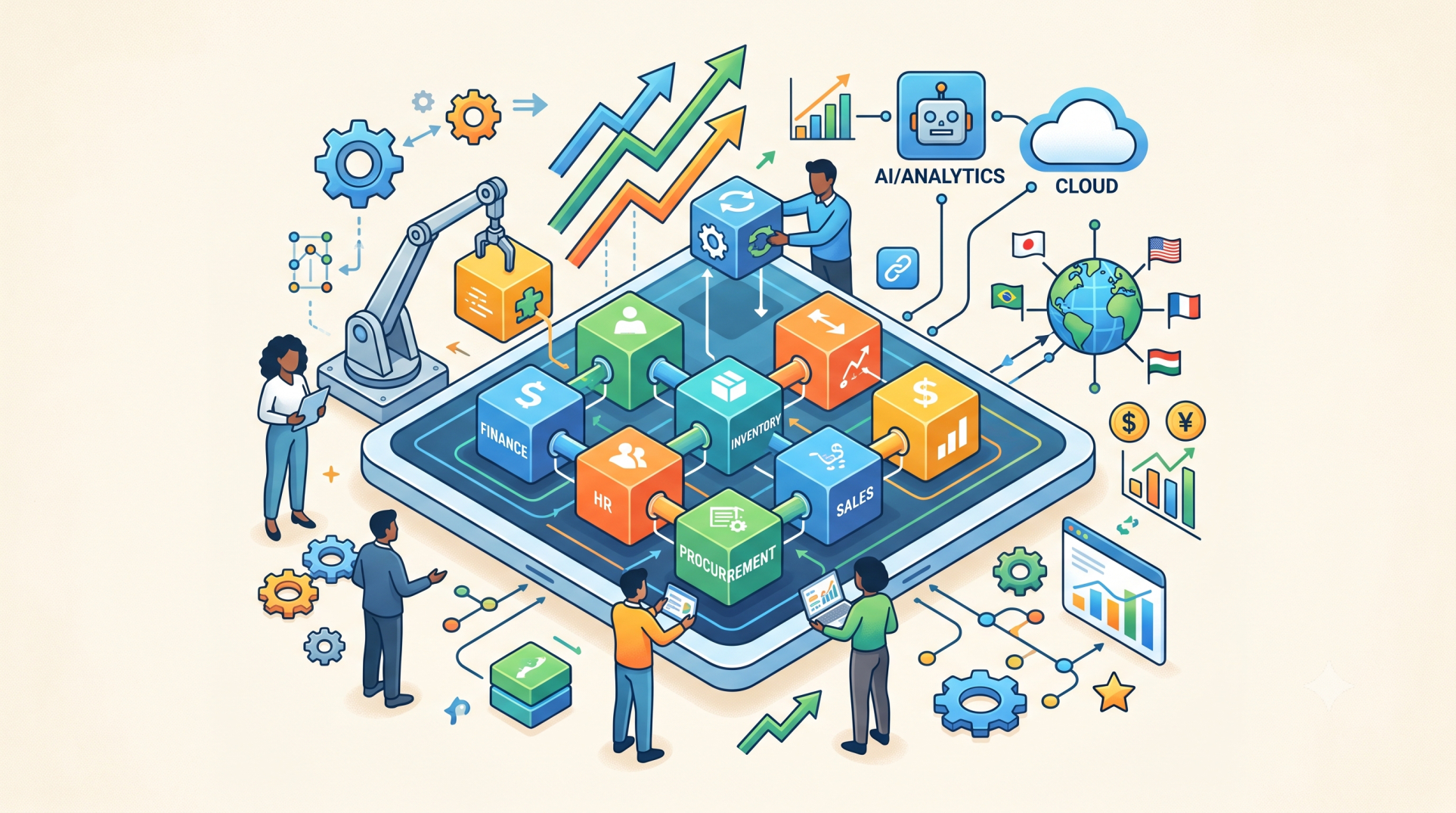
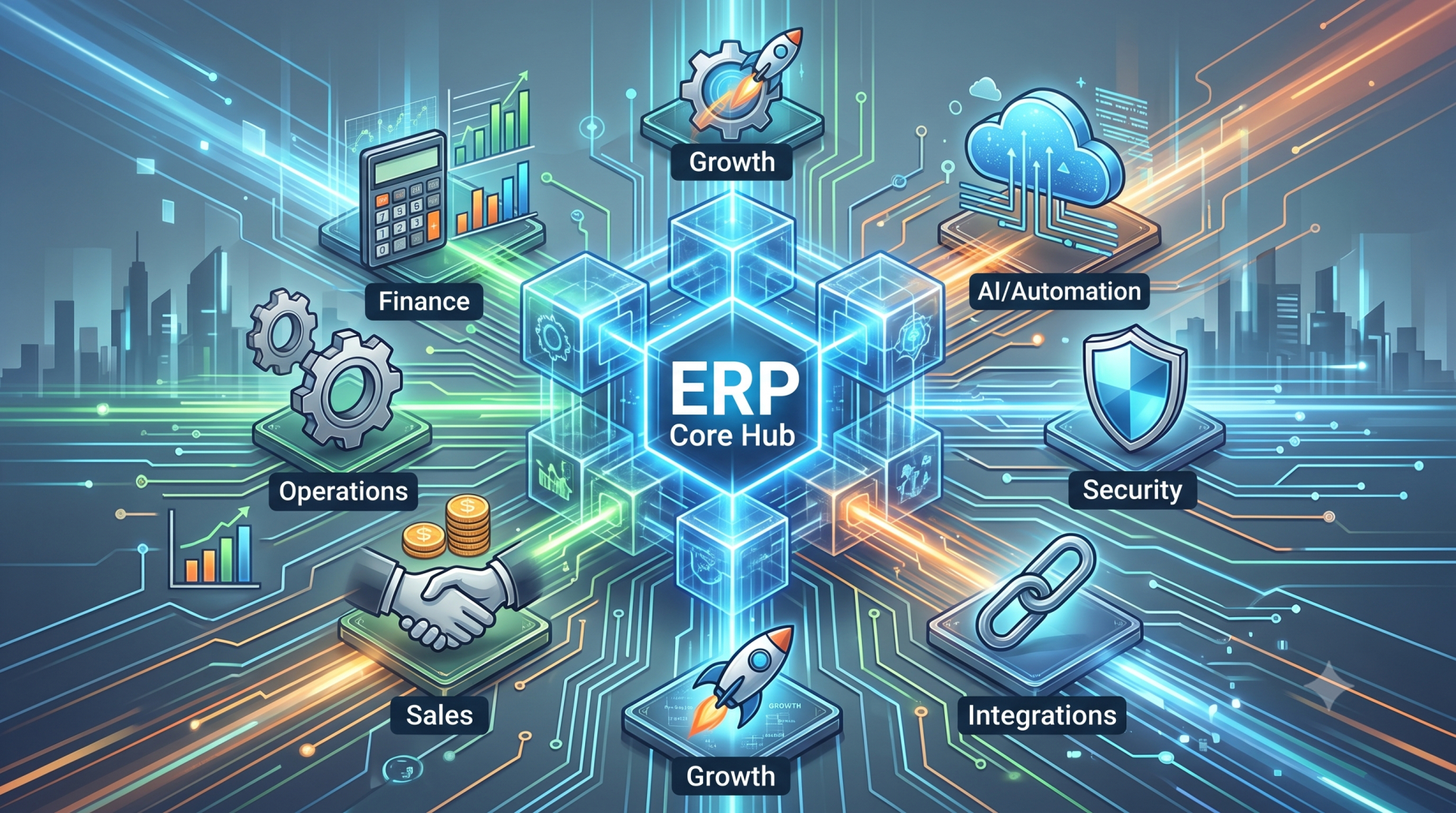
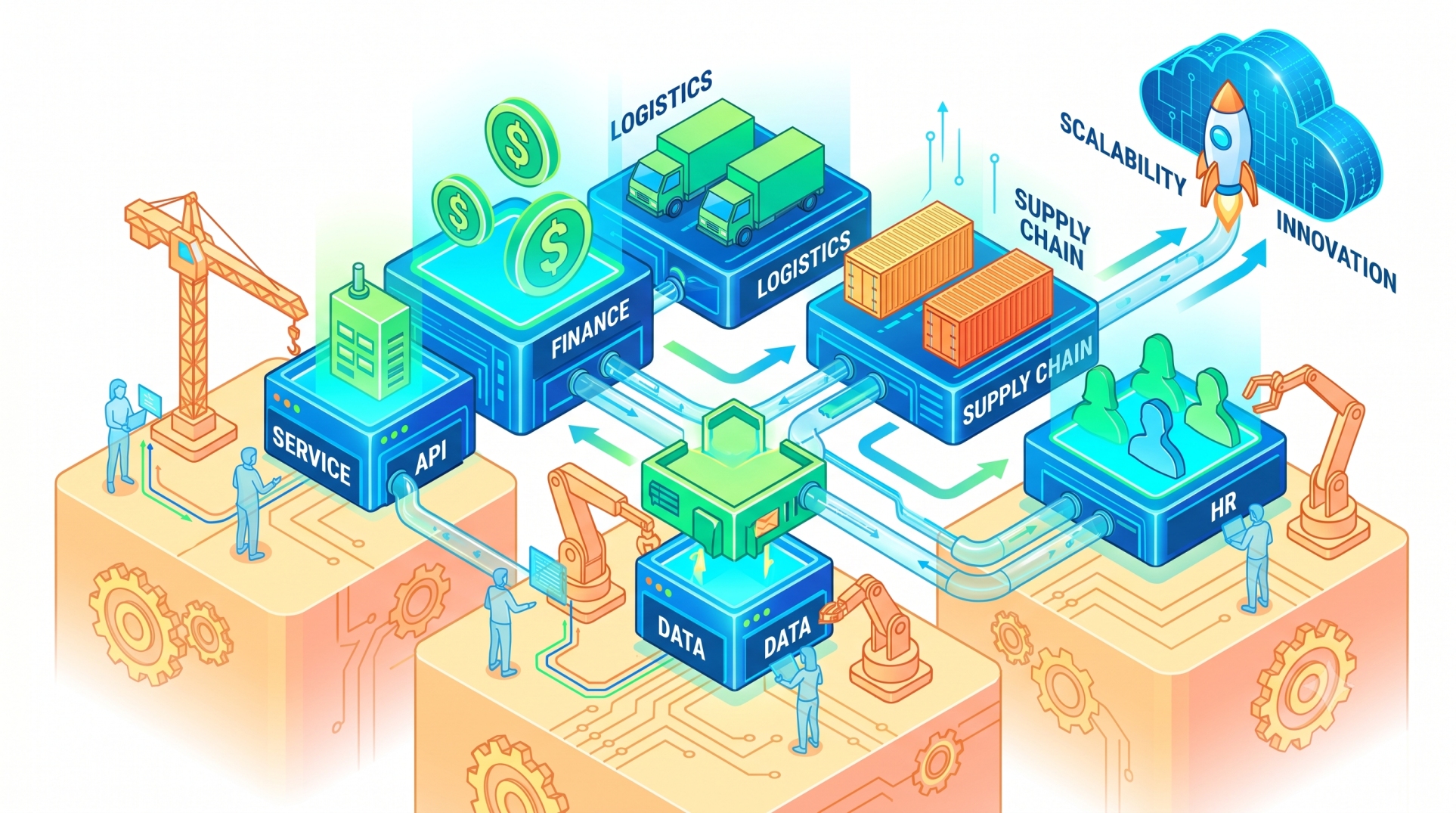
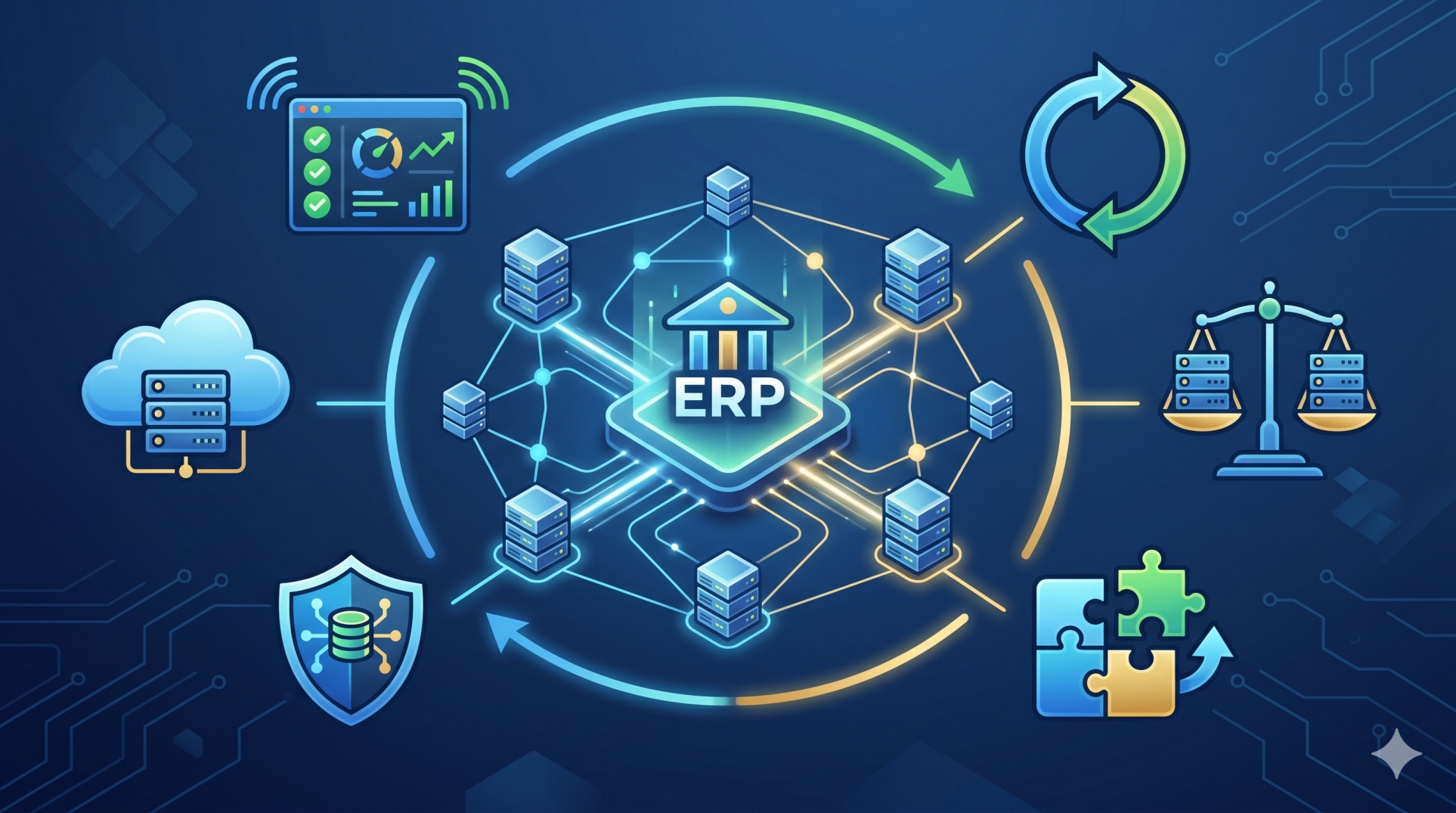
Legacy ERP systems may continue to support essential business processes, but aging technology can gradually become a major operational burden. Outdated architectures, disconnected applications, limited integrations, and costly maintenance can restrict an organization’s ability to respond to changing business demands. ERP modernization provides an opportunity to replace these limitations with flexible, connected, and scalable technology. By modernizing the ERP environment, organizations can improve efficiency, strengthen data visibility, and create a stronger foundation for future growth.
Step 1: Understanding the Hidden Cost of Legacy ERP 🏢
• Aging ERP platforms often require expensive maintenance and specialized support 🛠️
• Outdated infrastructure can increase operational complexity ⚙️
• Manual workarounds may develop around system limitations 🔄
• Legacy applications can make business processes slower and less flexible ⏳
• Technical limitations can prevent organizations from adopting newer technologies 🚧
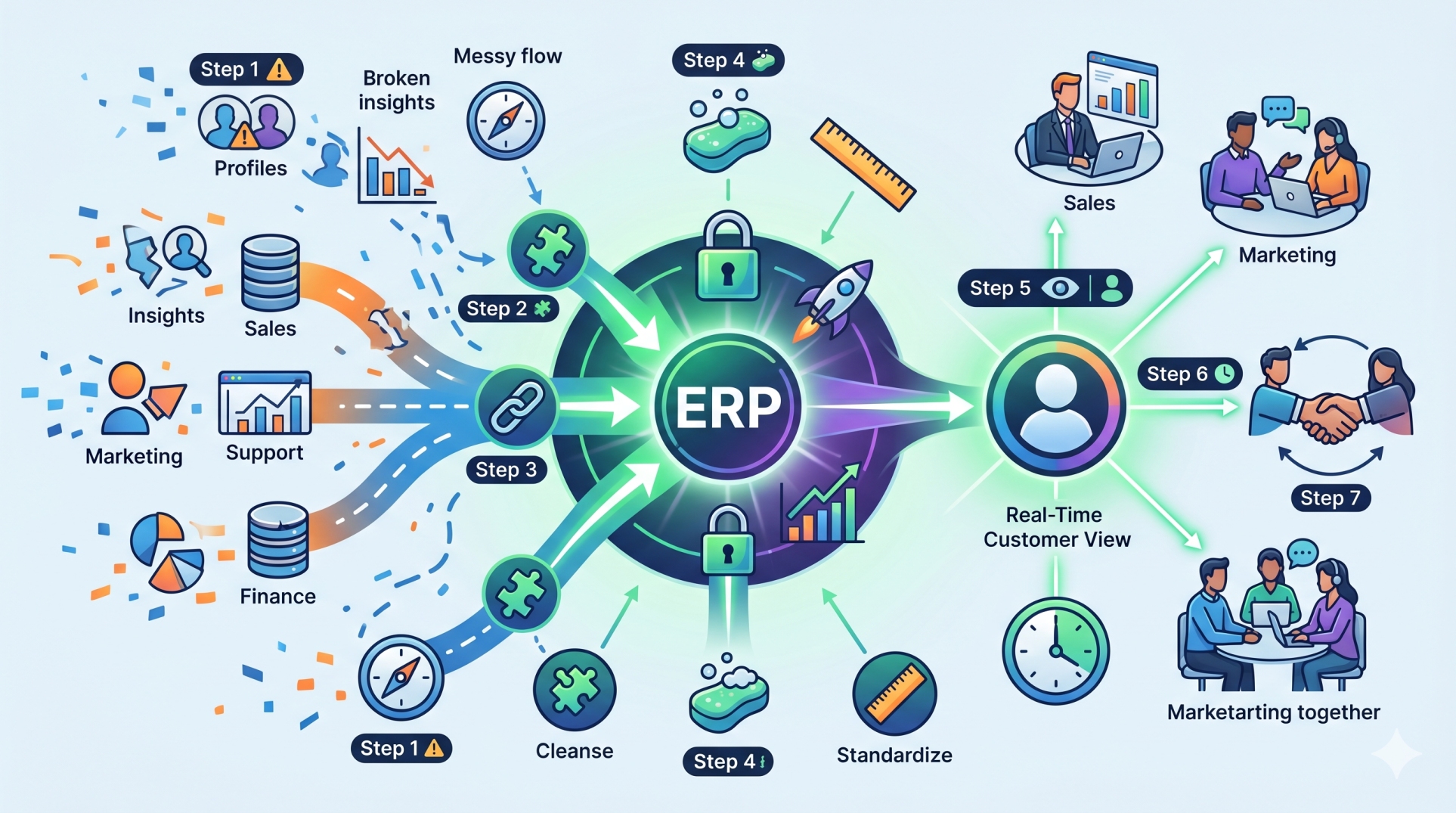
Step 2: Dealing with Data Silos 📊
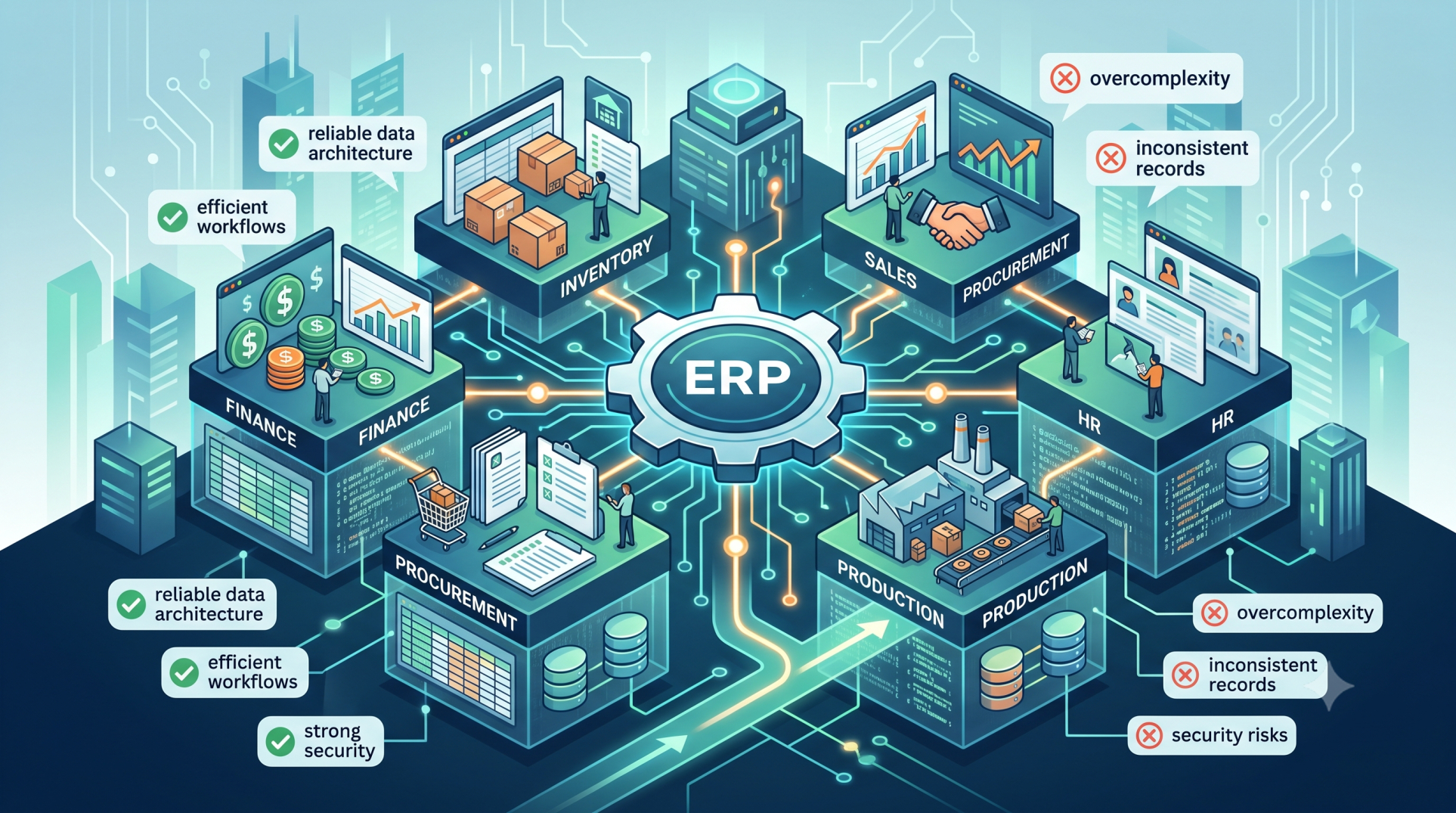
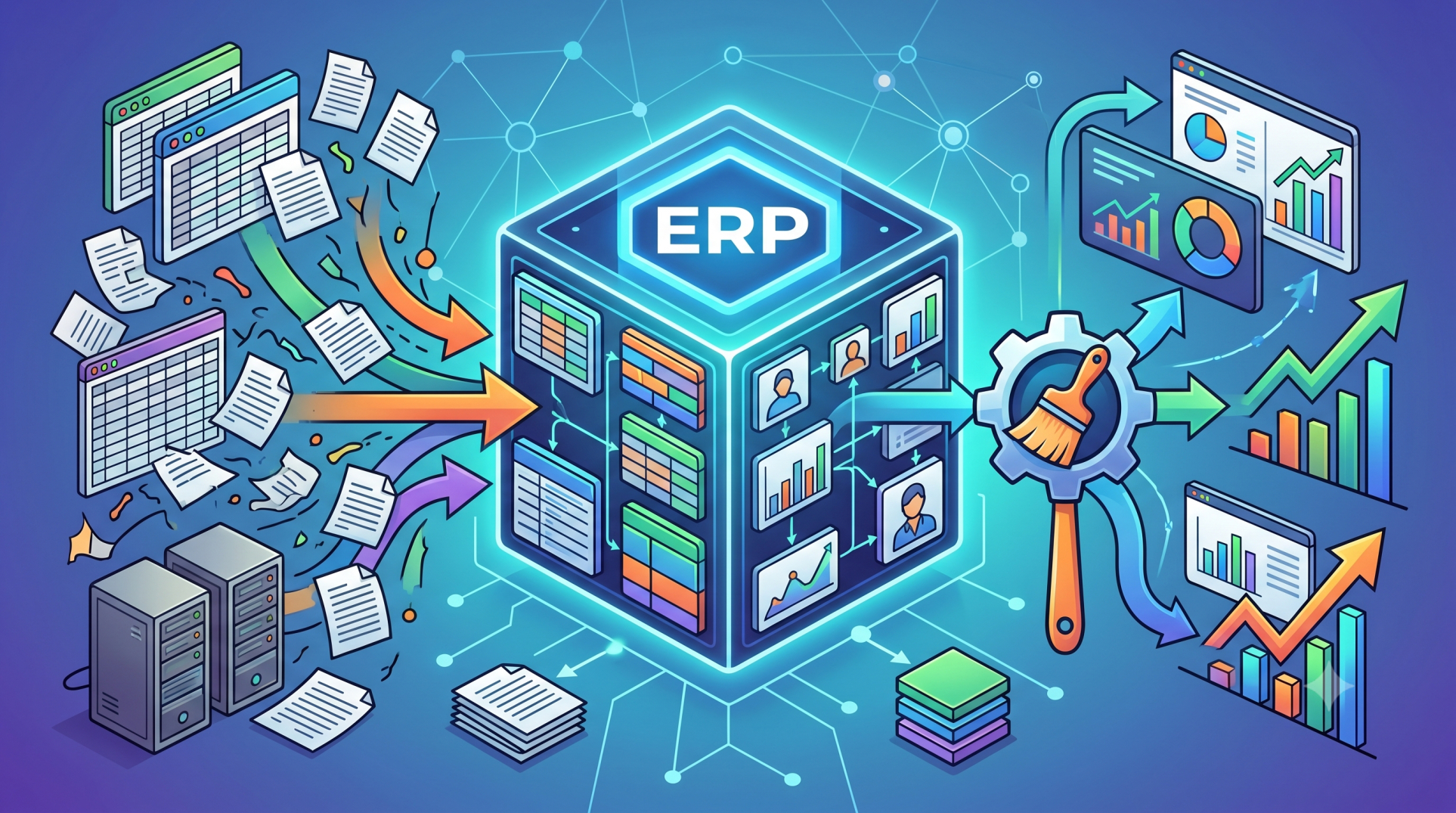
• Legacy systems may store information across disconnected applications 🗂️
• Duplicate records can create inconsistencies across departments 🔁
• Employees may spend significant time locating and reconciling information 🔍
• Limited data integration reduces enterprise-wide visibility 👀
• Modern ERP platforms can establish a more unified data environment 🔗
Step 3: Reducing Manual Processes ⚙️
• Older ERP environments may depend heavily on spreadsheets and manual entry 📑
• Repetitive processes increase the possibility of human error ❌
• Manual approvals can slow purchasing, finance, and operational workflows ⏱️
• Employees may spend valuable time performing administrative tasks 👨💼
• Modern automation can streamline repetitive activities and improve productivity 🤖
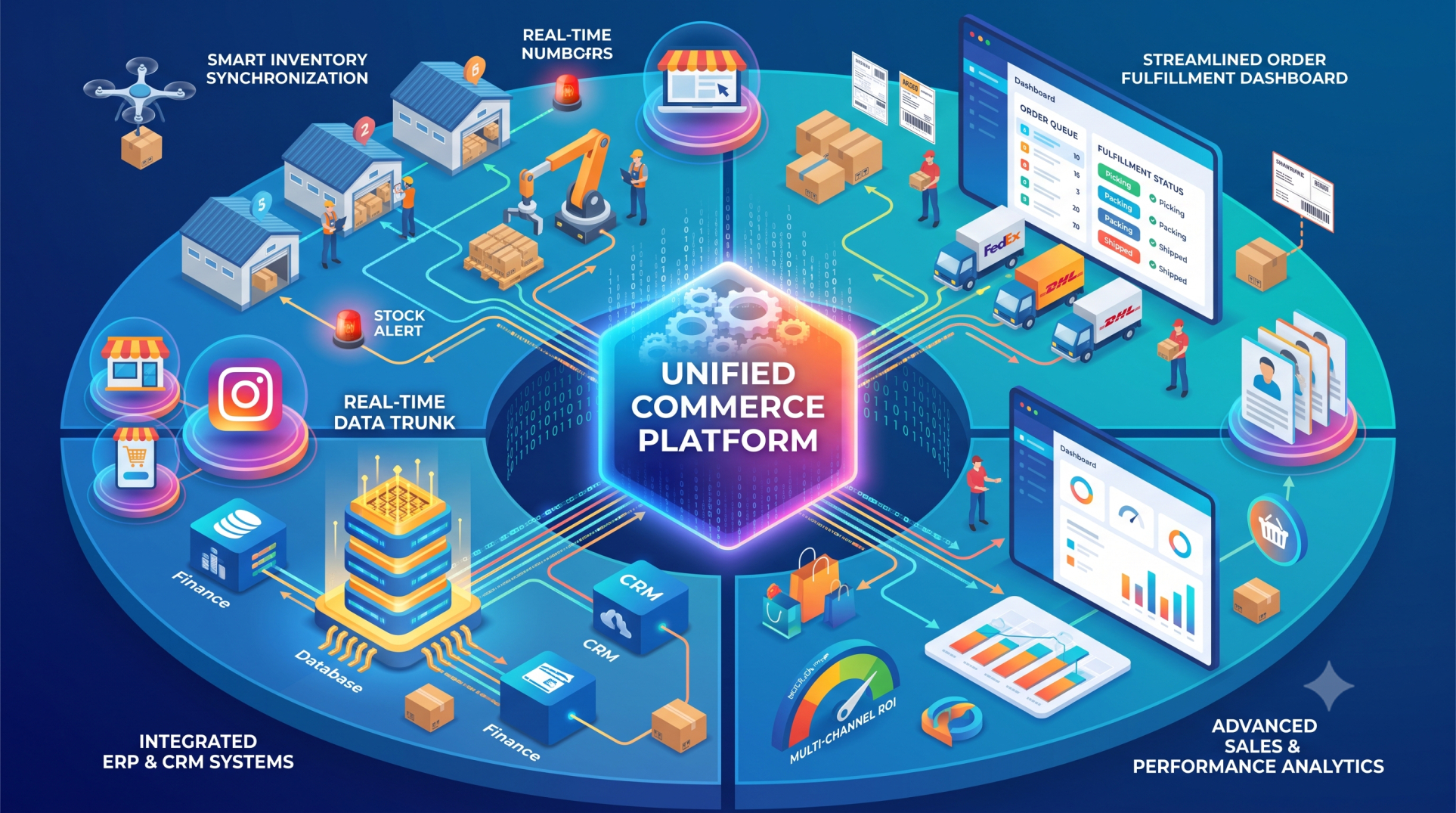
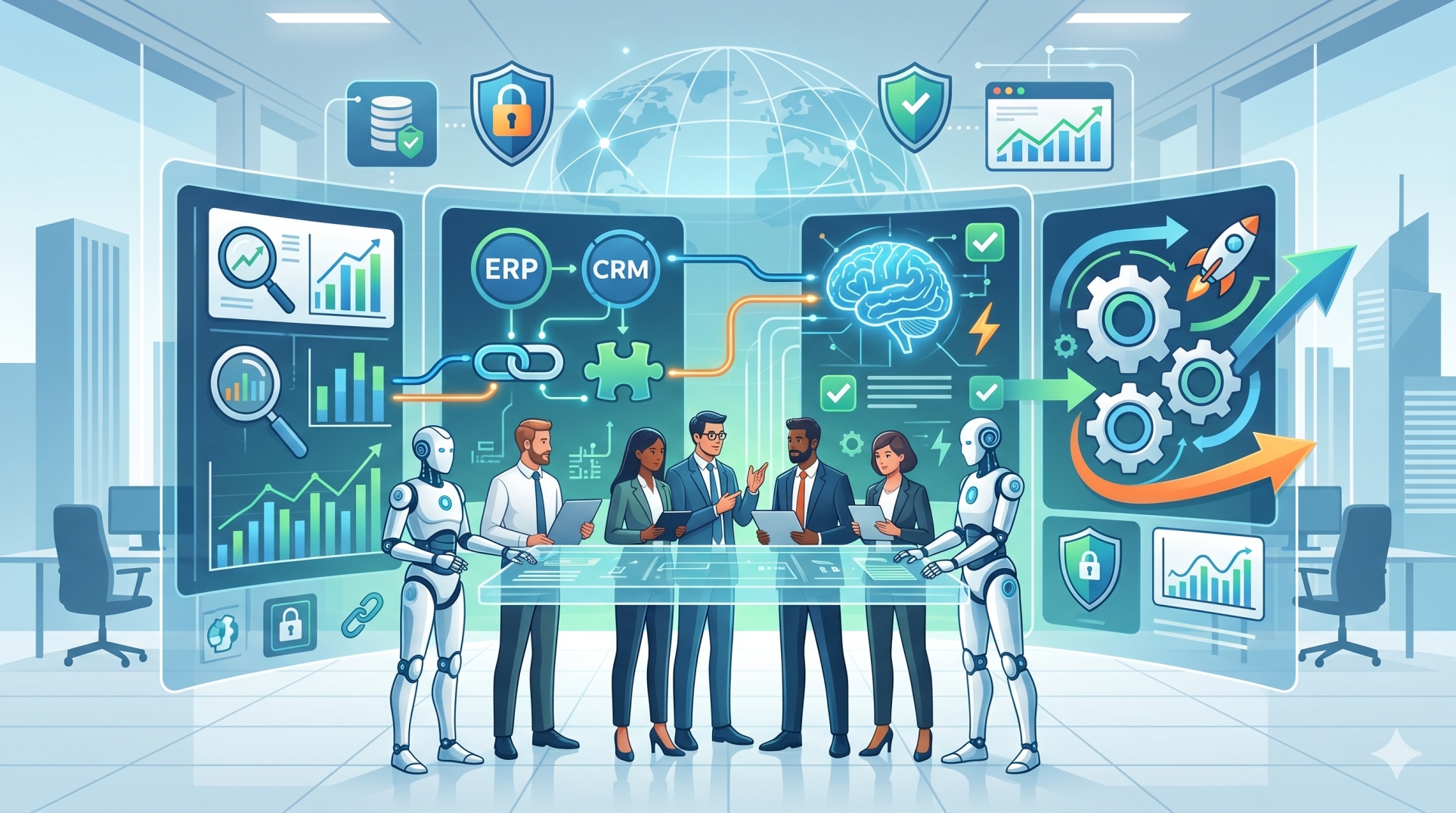
Step 4: Improving Integration Capabilities 🔗
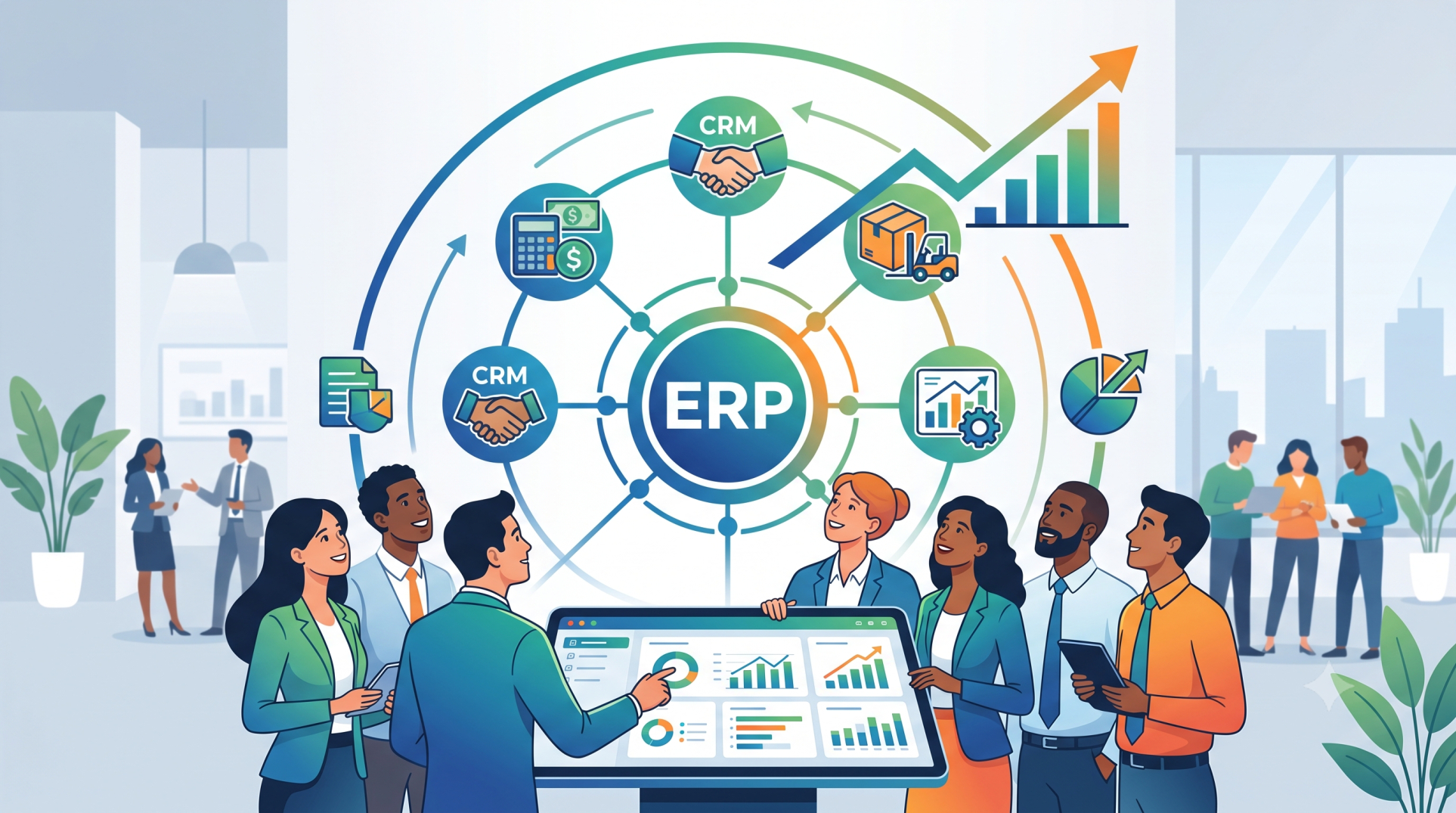
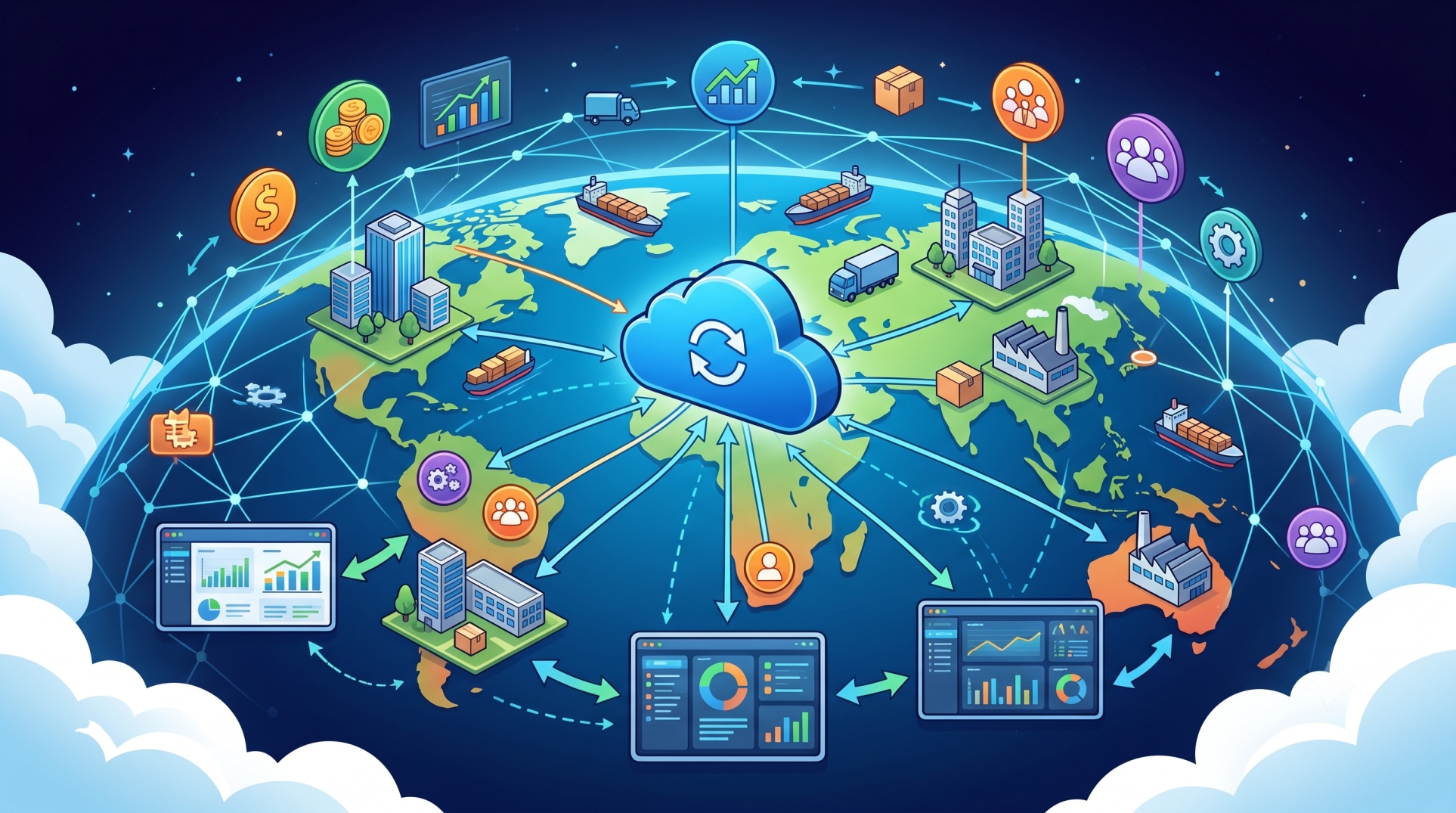
• Modern businesses depend on connections between ERP, CRM, e-commerce, and other platforms 🌐
• Legacy ERP systems may rely on outdated integration methods 🧩
• Limited API capabilities can make new integrations expensive and complex 💻
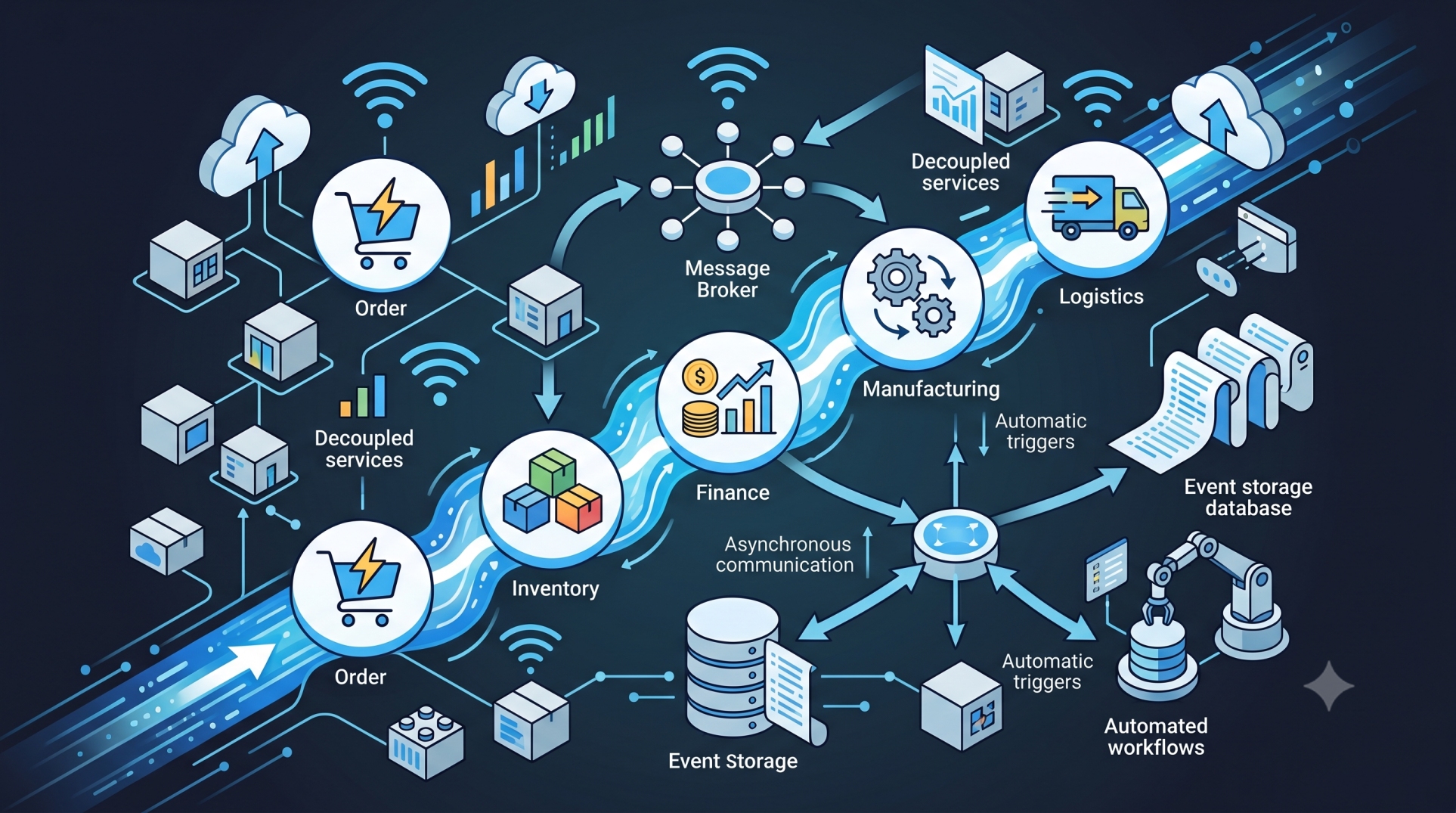
• Modern architectures provide more flexible connectivity options 🔄
• Better integration creates smoother information flow across the organization 📡
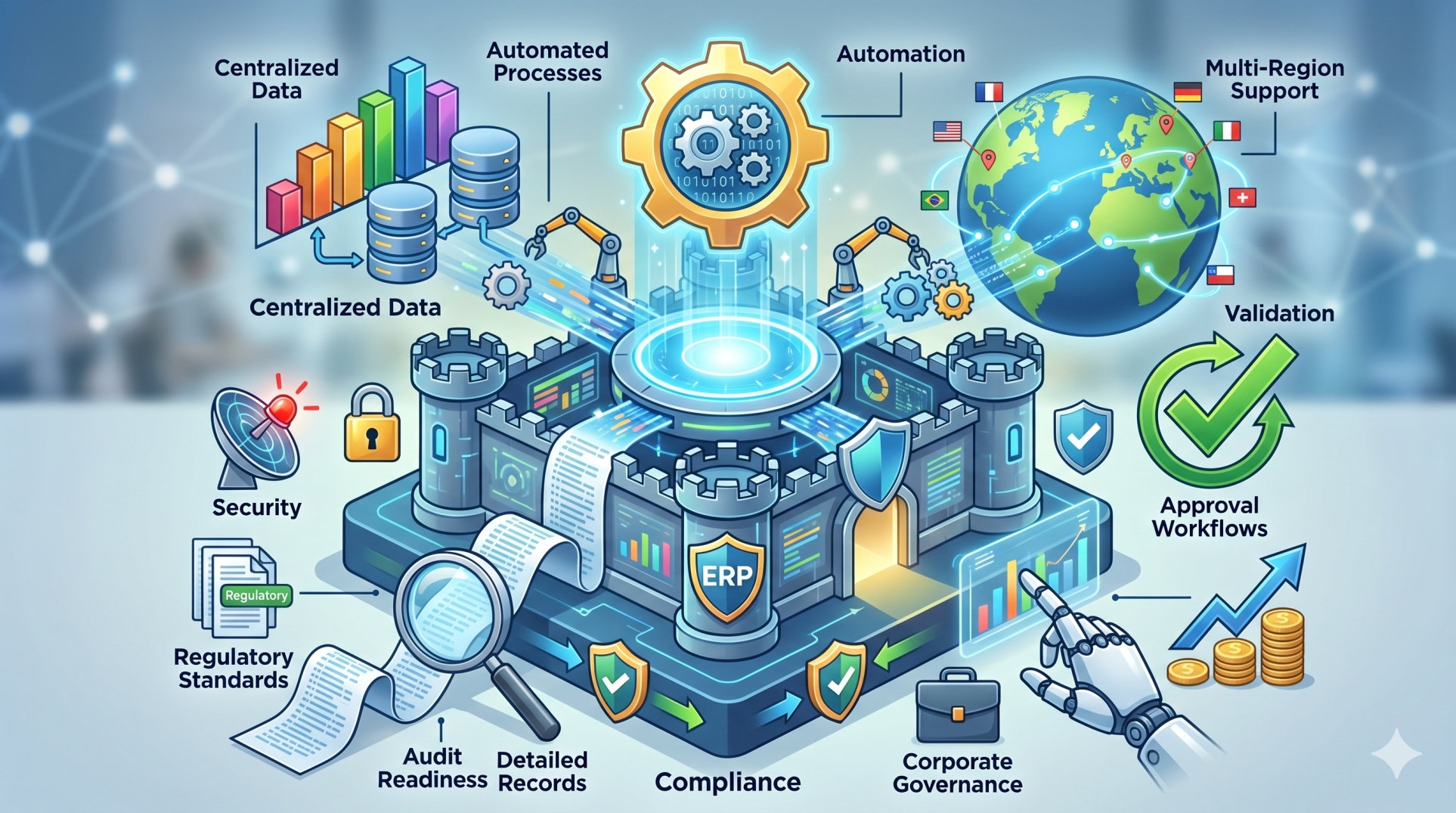
Step 5: Strengthening Security and Compliance 🔐
• Aging platforms may depend on outdated security mechanisms ⚠️
• Unsupported components can increase technology and security risks 🛡️
• Limited monitoring capabilities can make unusual activity harder to identify 👁️
• Modern ERP environments can introduce stronger access controls and security practices 🔒
• Centralized auditing improves visibility into business activity 📋
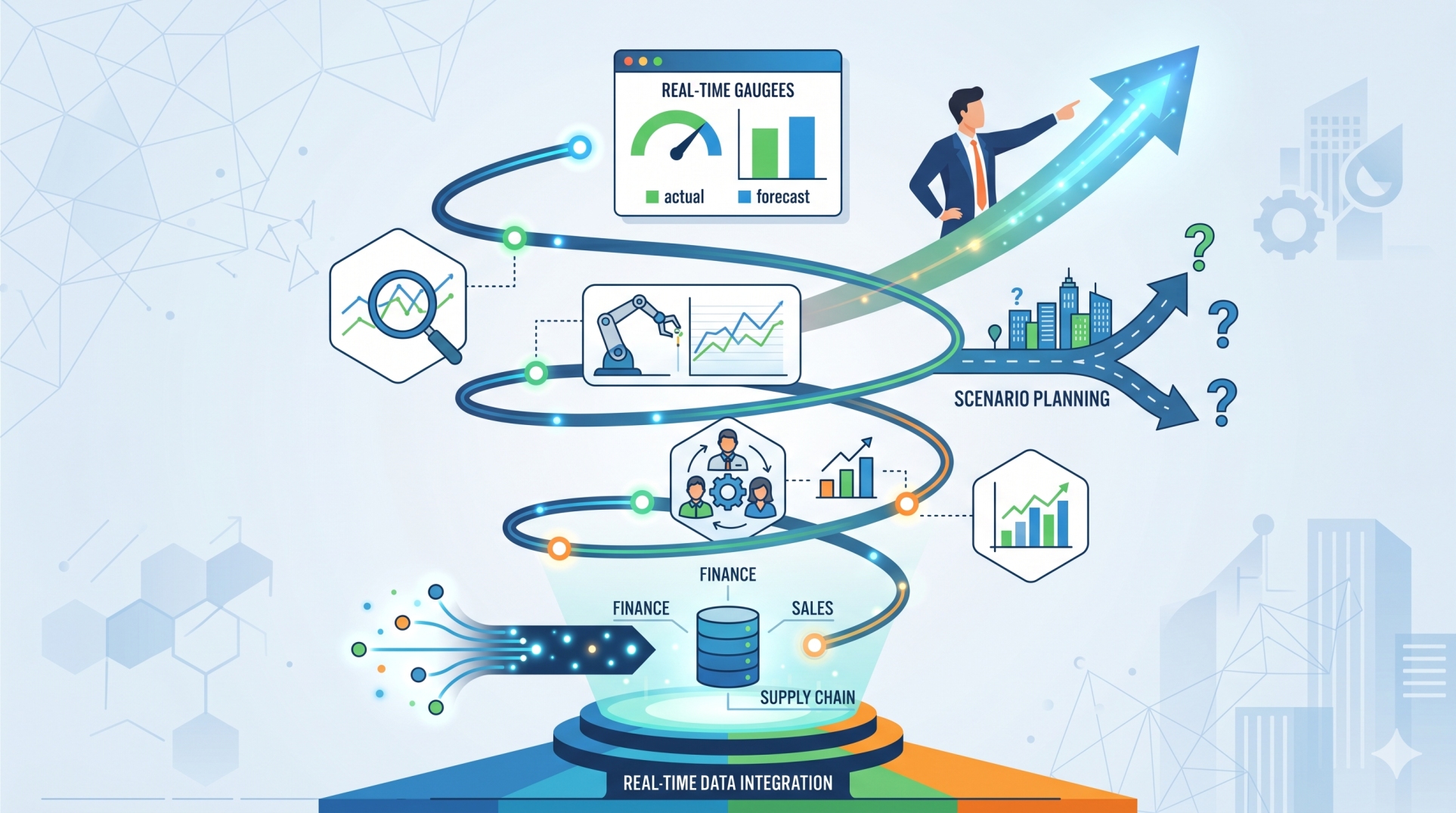
Step 6: Enabling Real-Time Business Intelligence 📈
• Legacy systems may struggle to deliver timely operational insights ⏱️
• Decision-makers can be forced to rely on manually prepared reports 📊
• Modern ERP platforms can connect operational data with analytics tools 💡
• Real-time dashboards provide faster visibility into business performance 🖥️
• Better insights support more informed strategic decisions 🎯
Step 7: Supporting Cloud and Scalable Infrastructure ☁️
• Traditional ERP deployments can require significant infrastructure investment 🖥️
• Scaling older environments may involve complex hardware and software changes ⚙️
• Cloud-enabled ERP platforms can provide more flexible resource management 📈
• Organizations can expand systems as users, locations, and workloads increase 🌍
• Flexible infrastructure helps reduce technology constraints on business growth 🚀
Step 8: Key ERP Modernization Priorities ⭐
• Replace outdated components that create operational bottlenecks 🔧
• Simplify application architecture and system dependencies 🏗️
• Establish reliable integrations across business platforms 🔗
• Improve data quality, visibility, and accessibility 📊
• Build a scalable foundation for automation and innovation 🚀
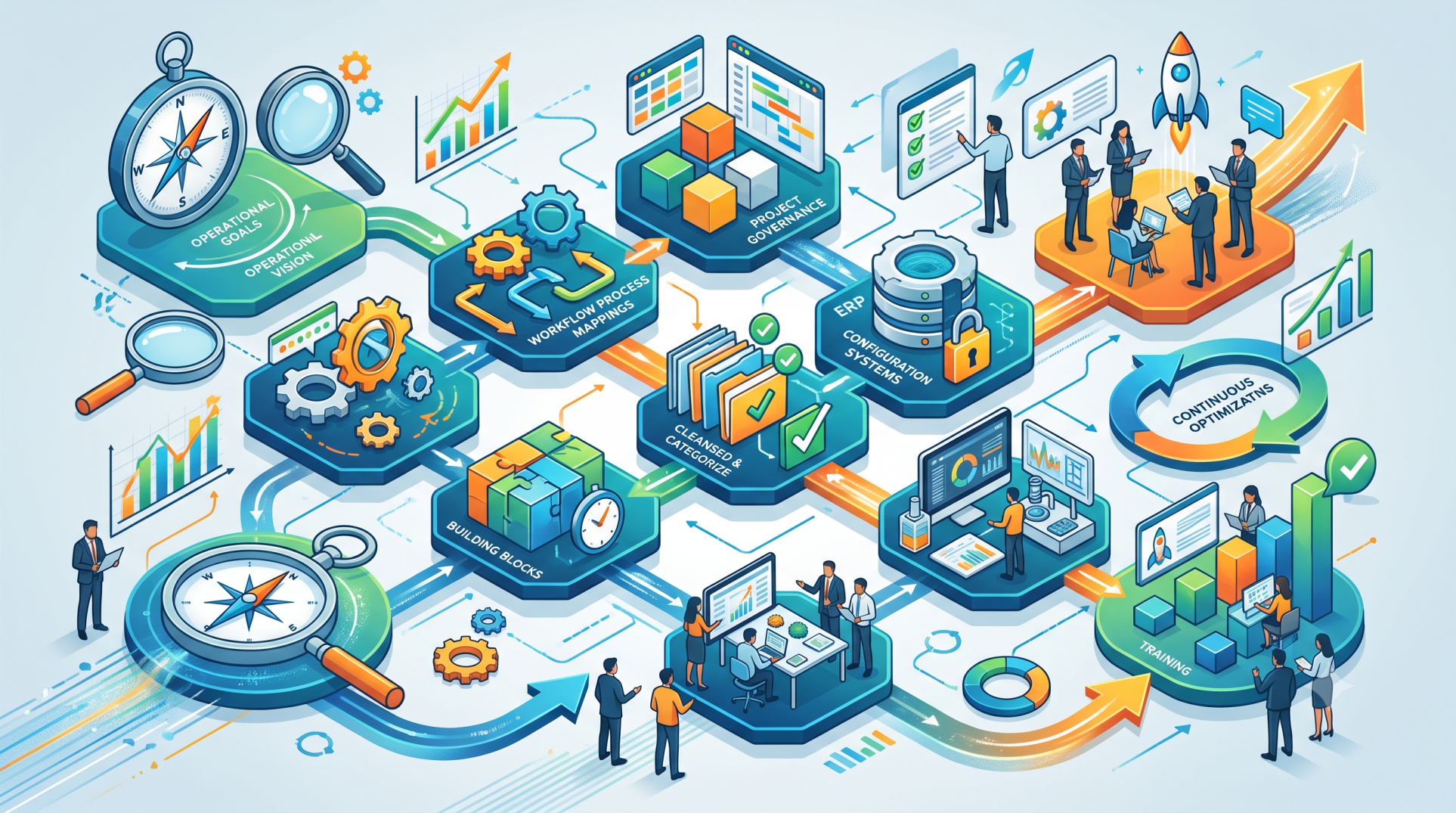
Step 9: Managing Modernization Without Disruption 🔄
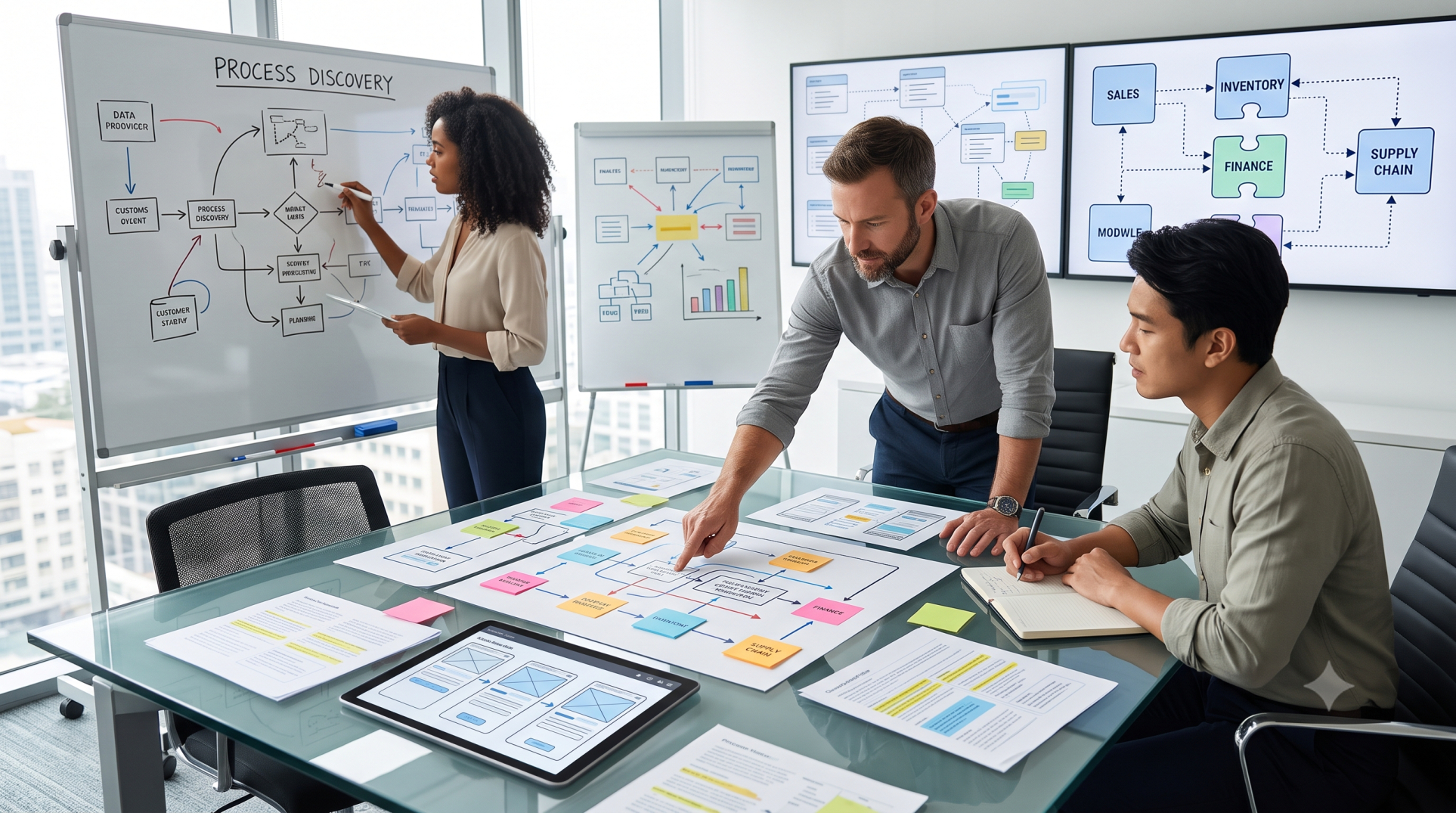
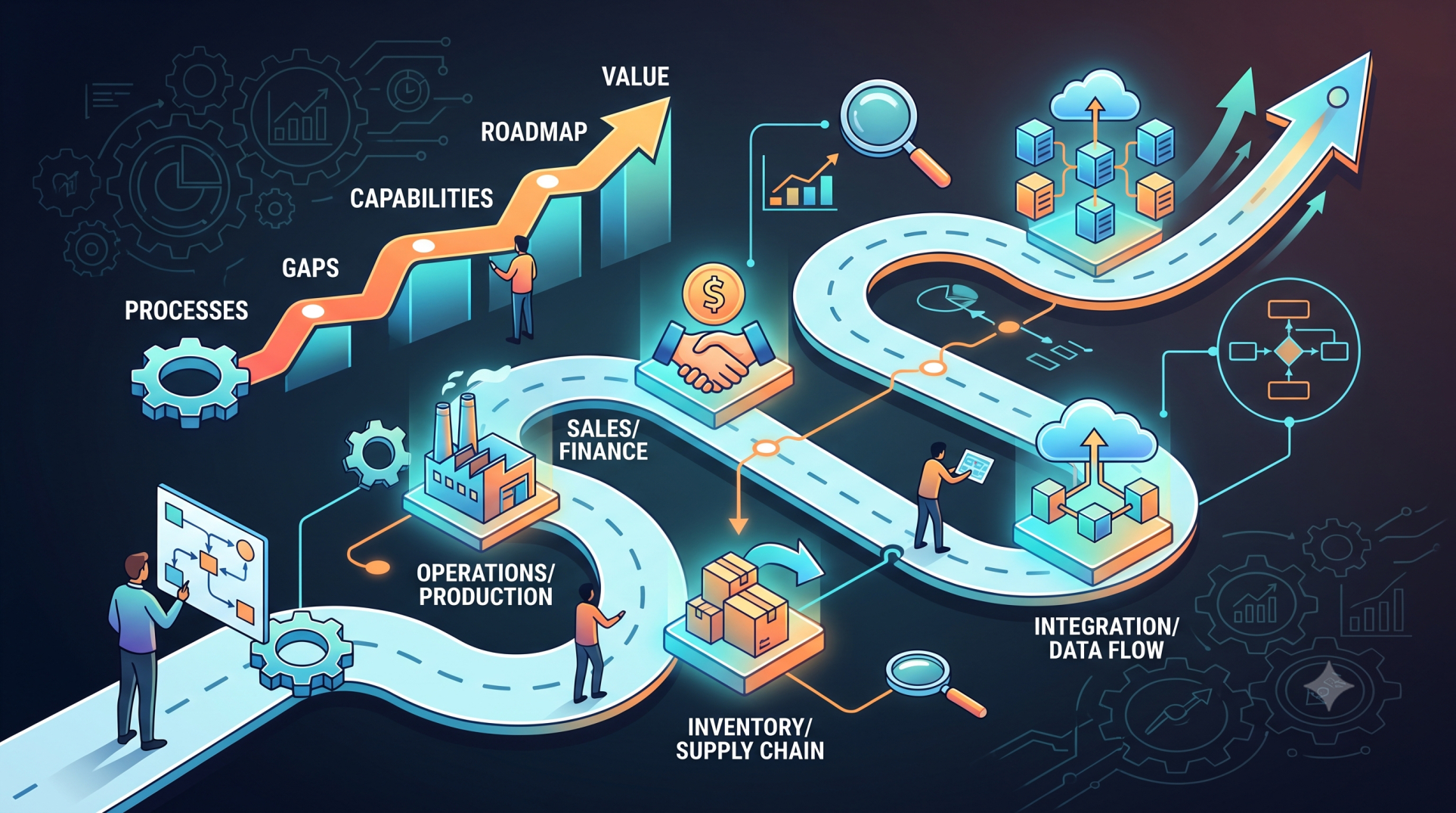
• Assess existing processes before replacing legacy functionality 🔍
• Prioritize high-impact areas for modernization 🎯
• Migrate data carefully while maintaining business continuity 💾
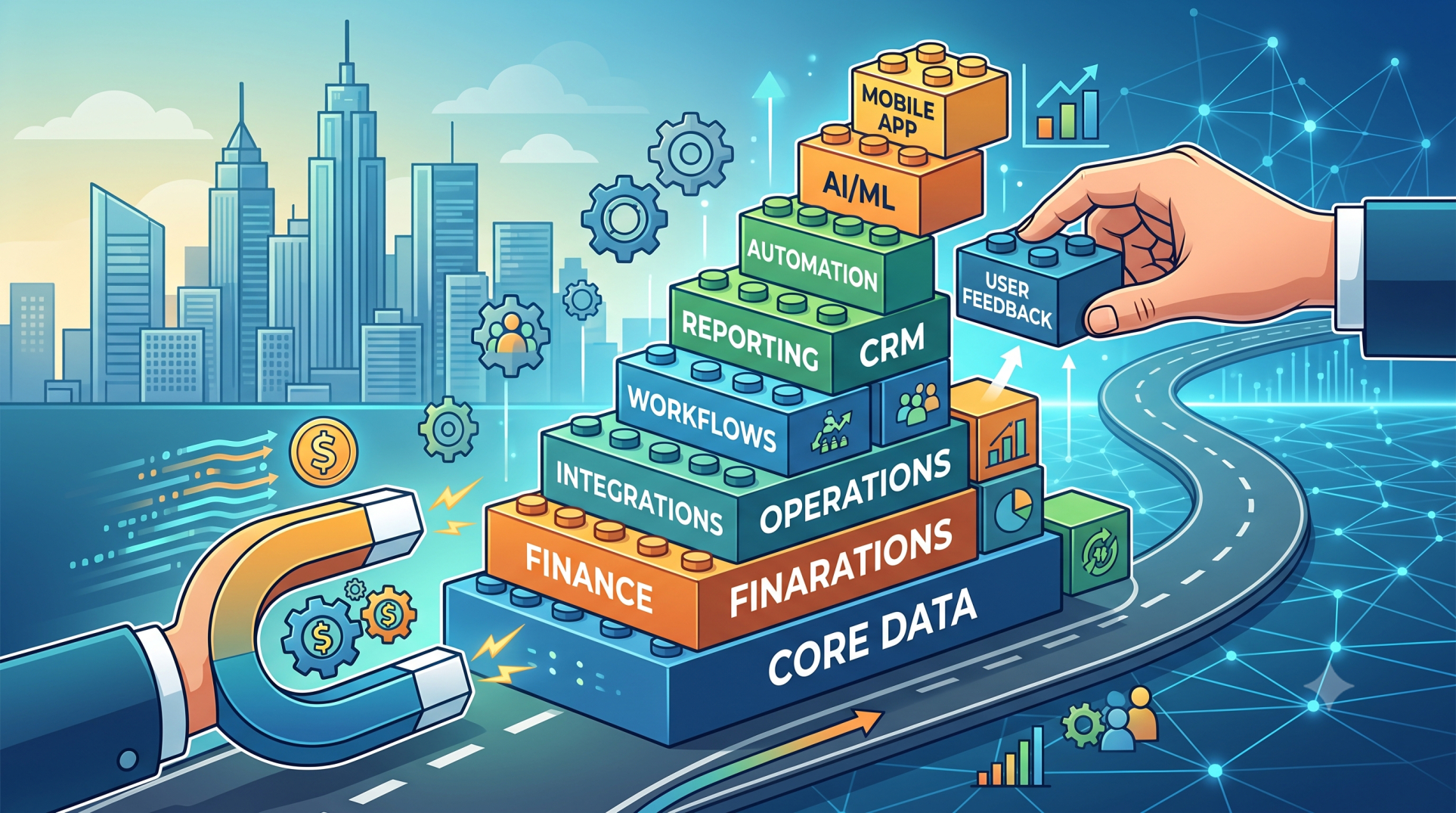
• Introduce new capabilities in manageable phases 📋
• Train employees to adopt updated workflows effectively 👥
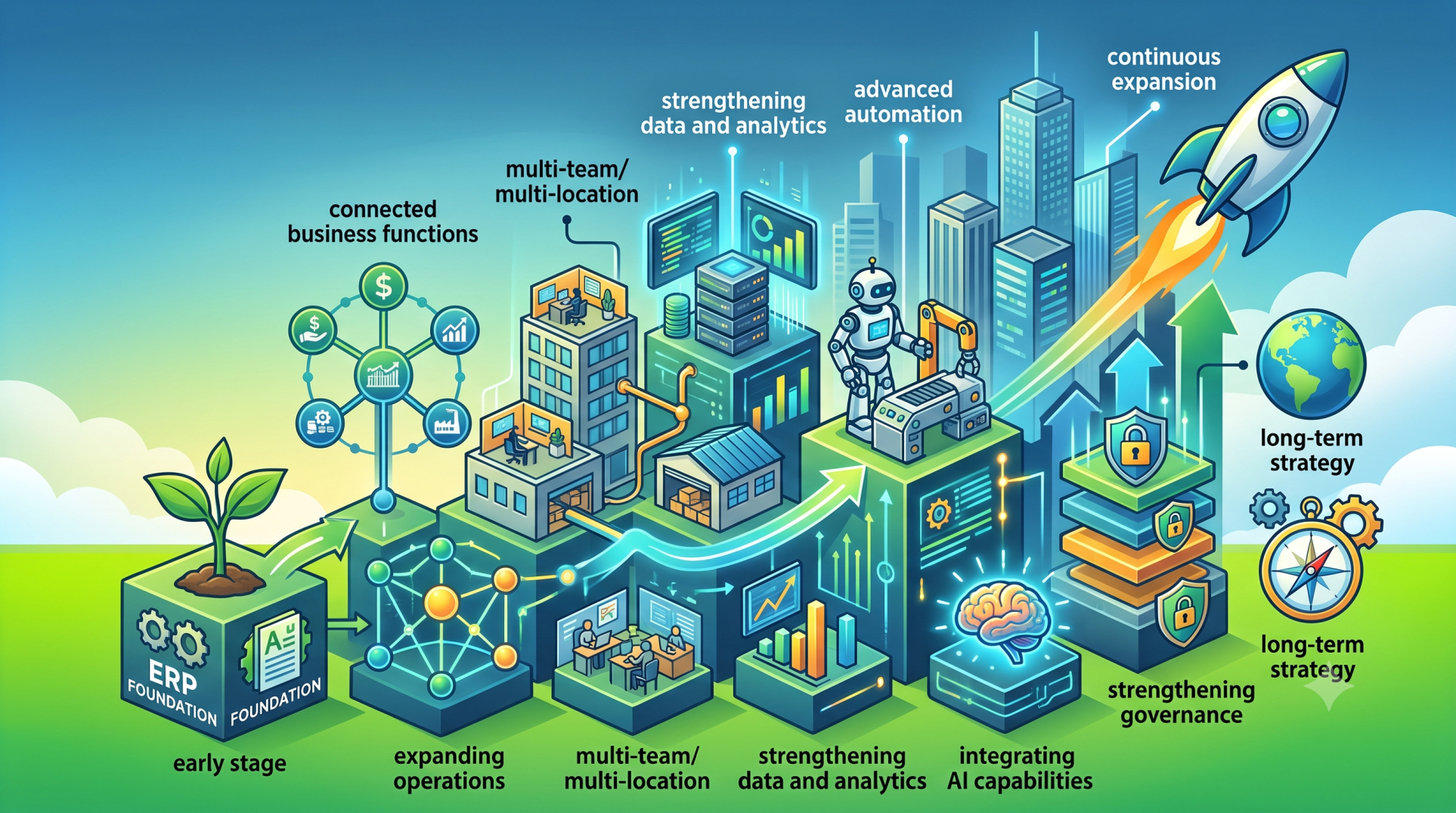
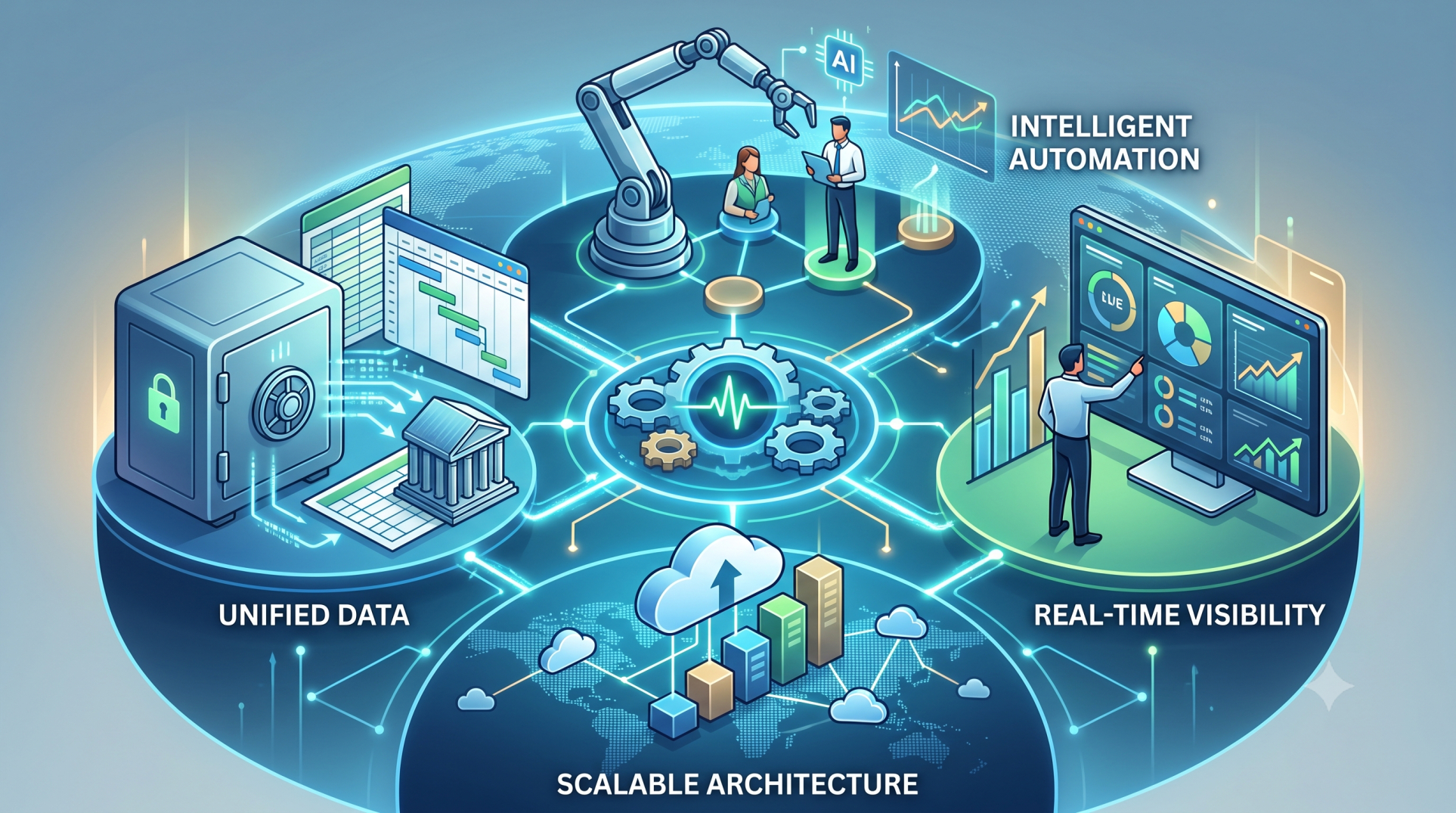
Step 10: Building a Future-Ready ERP Environment 🌟
• Design ERP architecture around evolving business requirements 🏗️
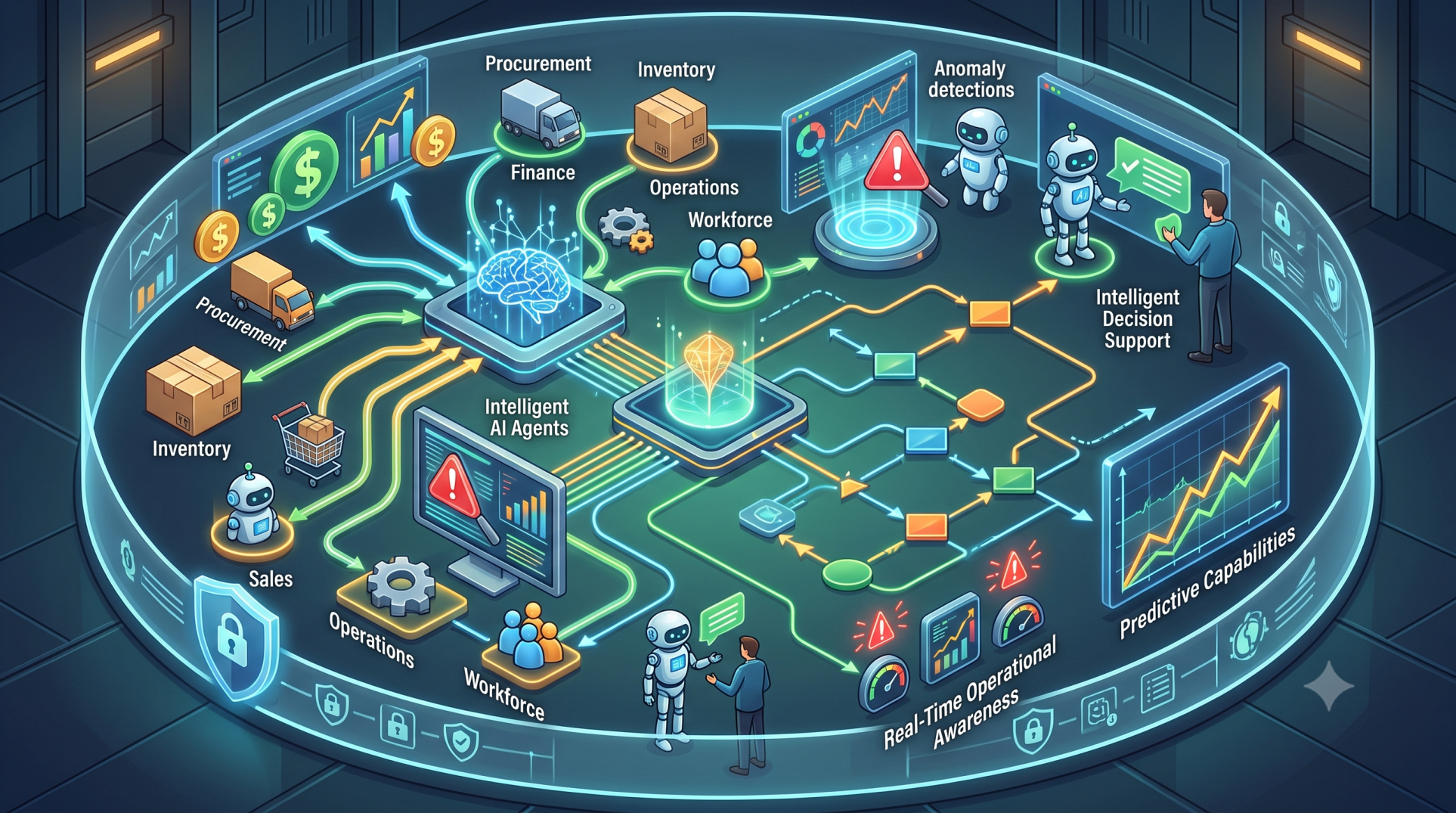
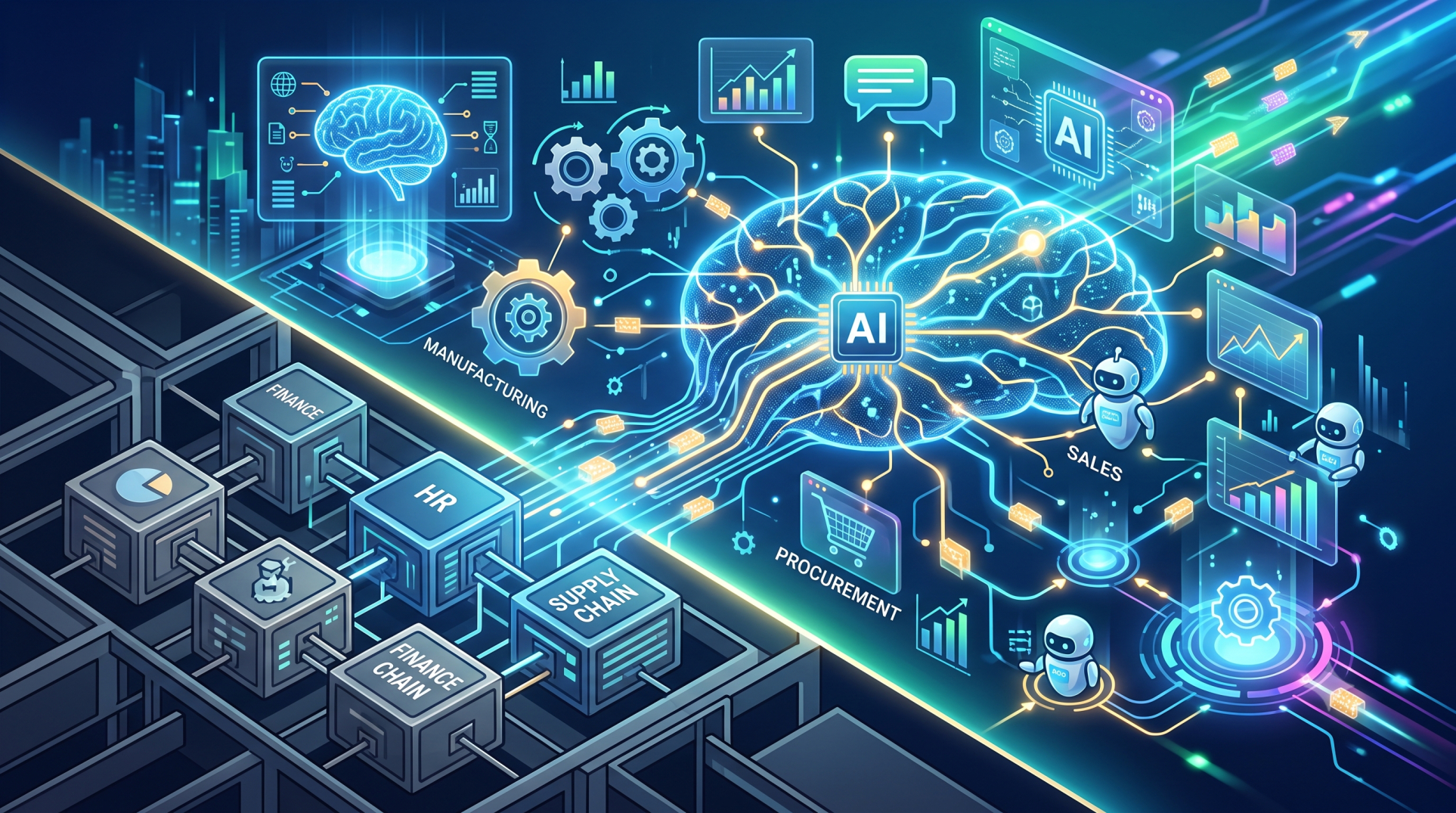
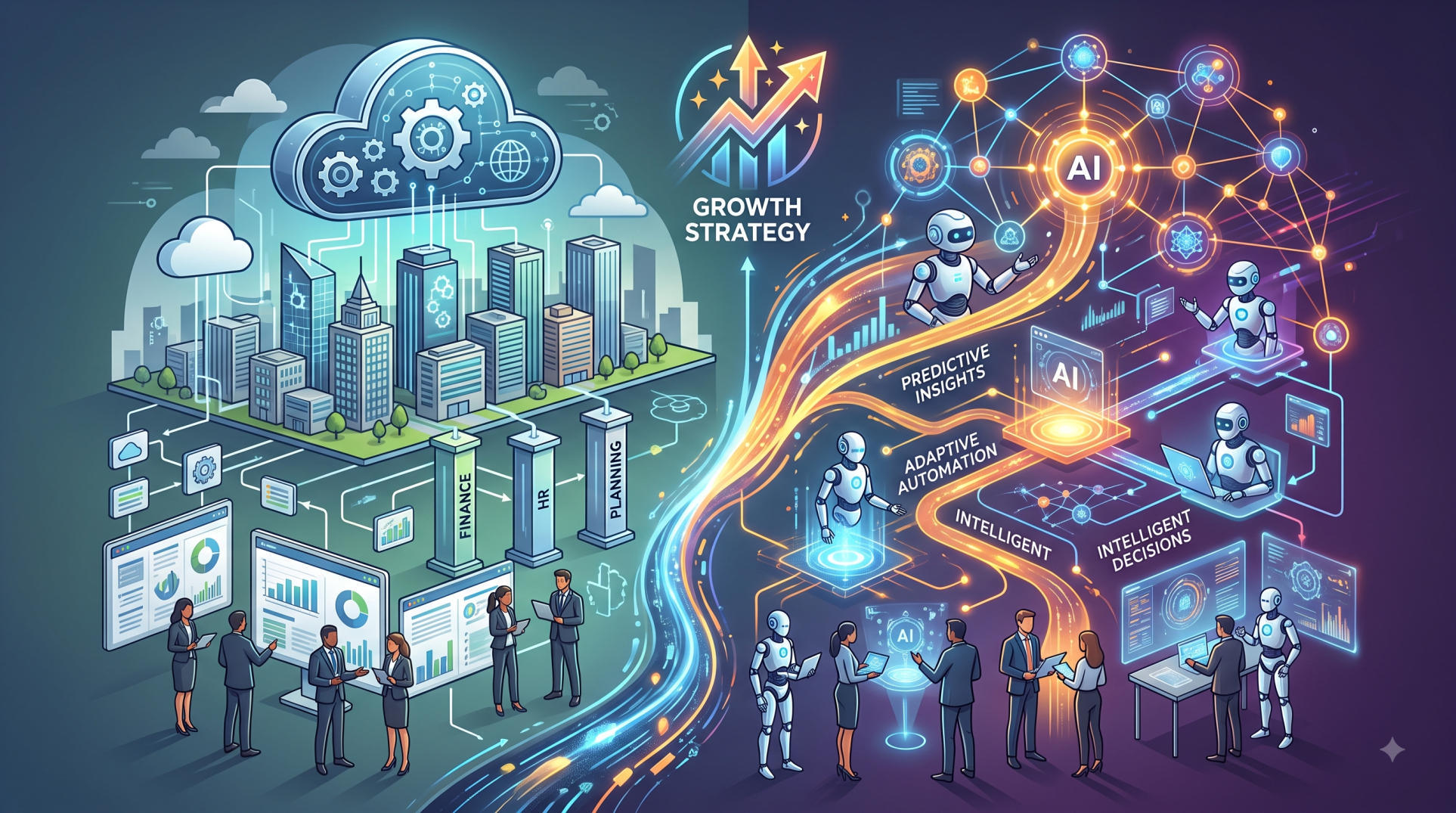
• Integrate AI, automation, analytics, and emerging technologies 🤖
• Support distributed teams, multiple locations, and expanding operations 🌍
• Create modular systems that can evolve without major redevelopment 🔧
• Turn ERP modernization into a long-term digital transformation strategy 🚀
Conclusion
The cost of a legacy ERP system extends beyond software maintenance. Slow workflows, disconnected data, limited integrations, security challenges, and restricted scalability can affect productivity and business growth across the organization. Modernizing ERP infrastructure allows businesses to move toward connected, automated, and adaptable operations. By approaching modernization strategically and focusing on measurable business outcomes, organizations can reduce operational friction while building an ERP environment capable of supporting future growth and innovation.
See more blogs
You can all the articles below