Building ERP Capabilities Without Creating Long-Term Technical Debt
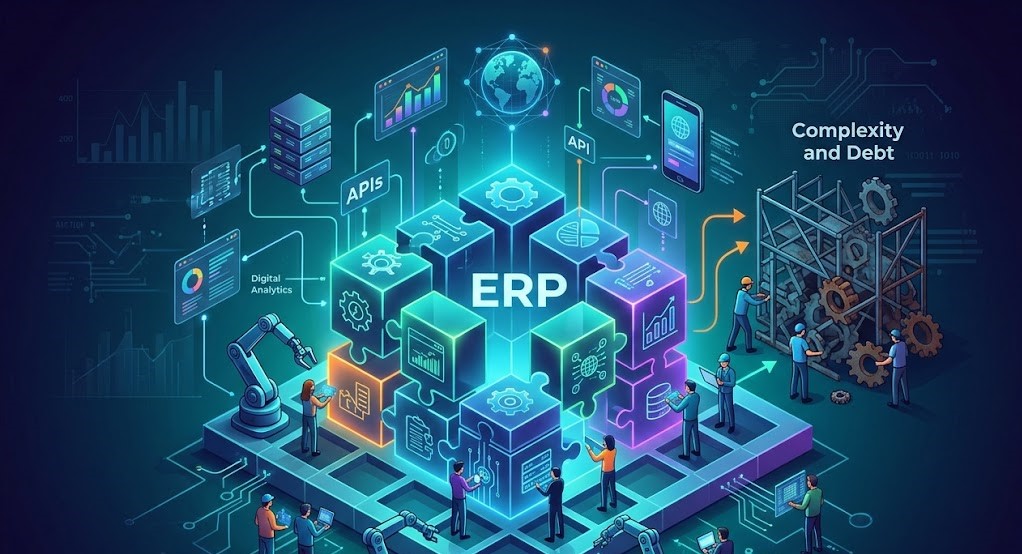
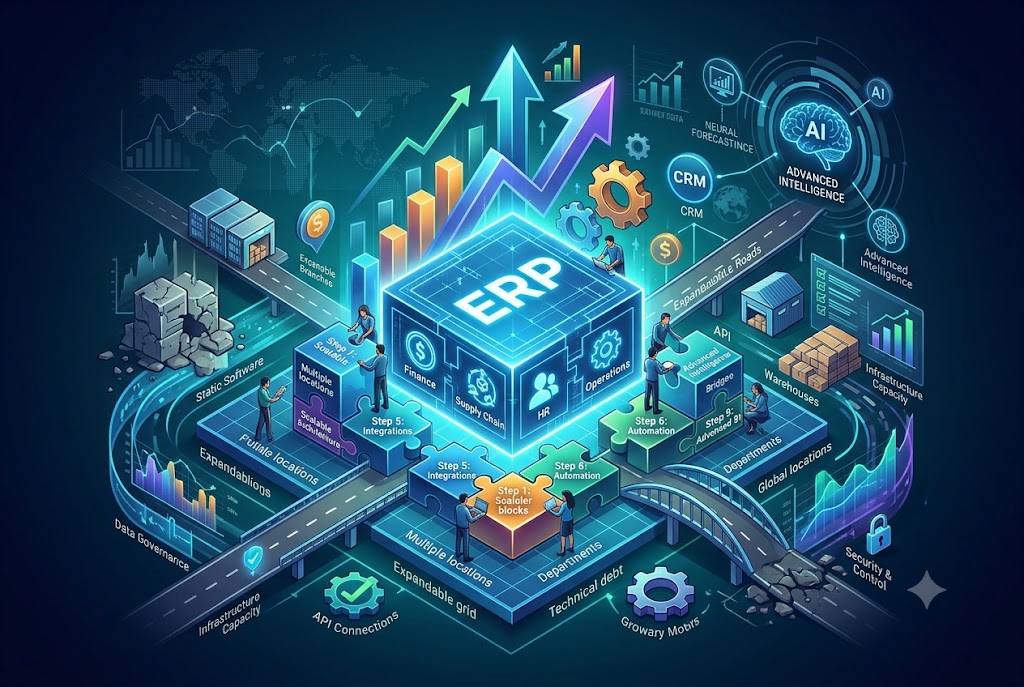
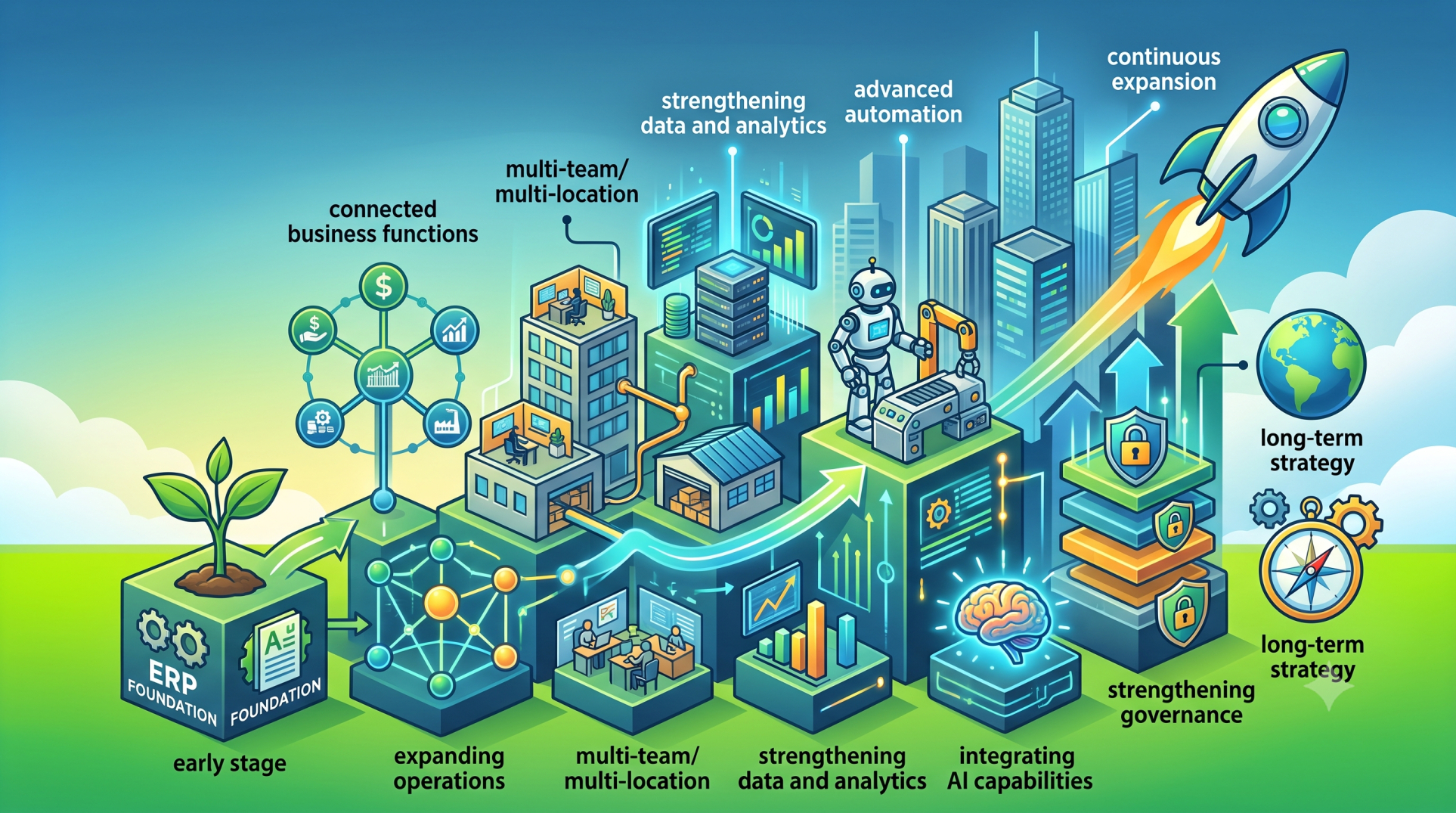
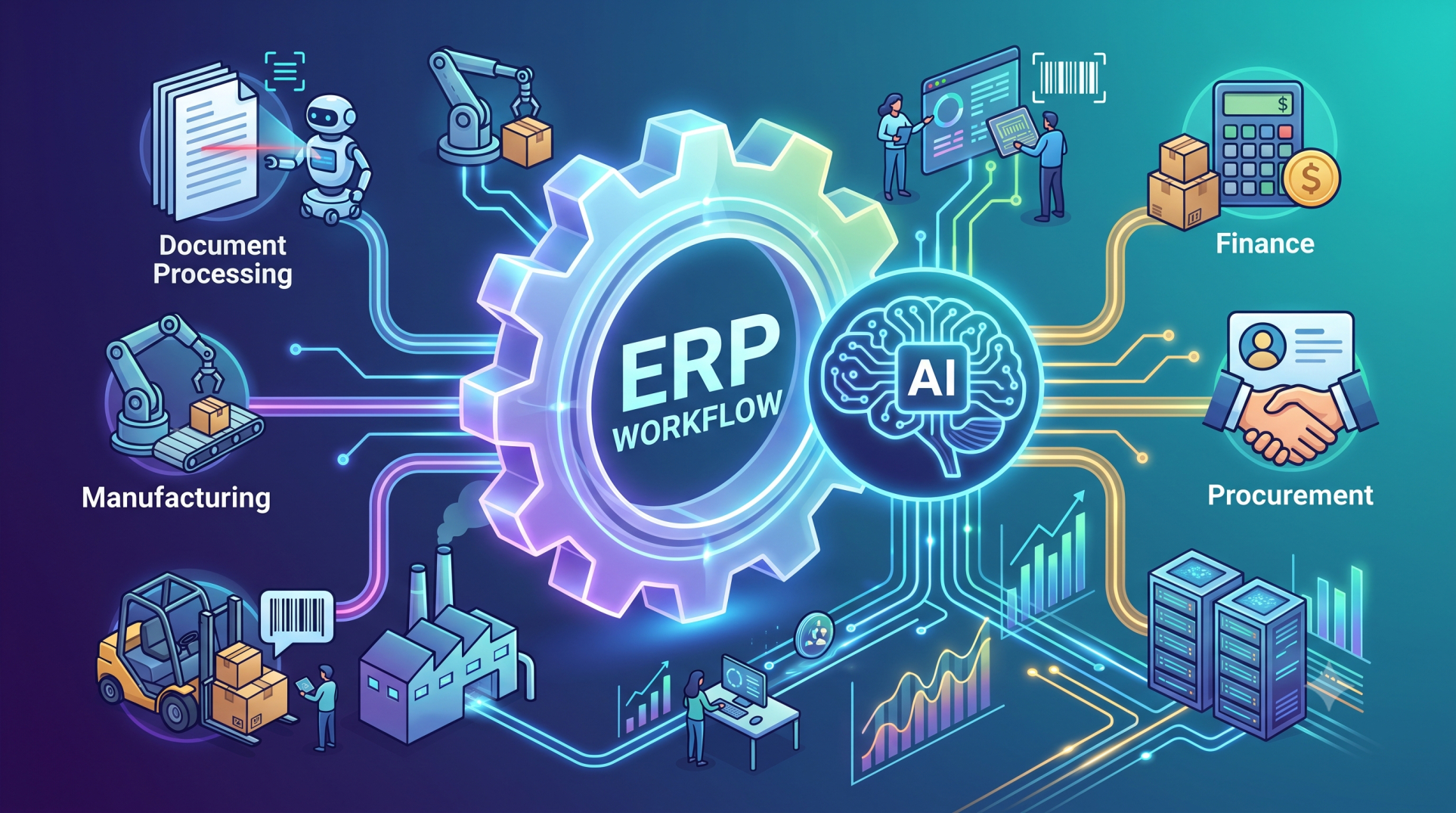
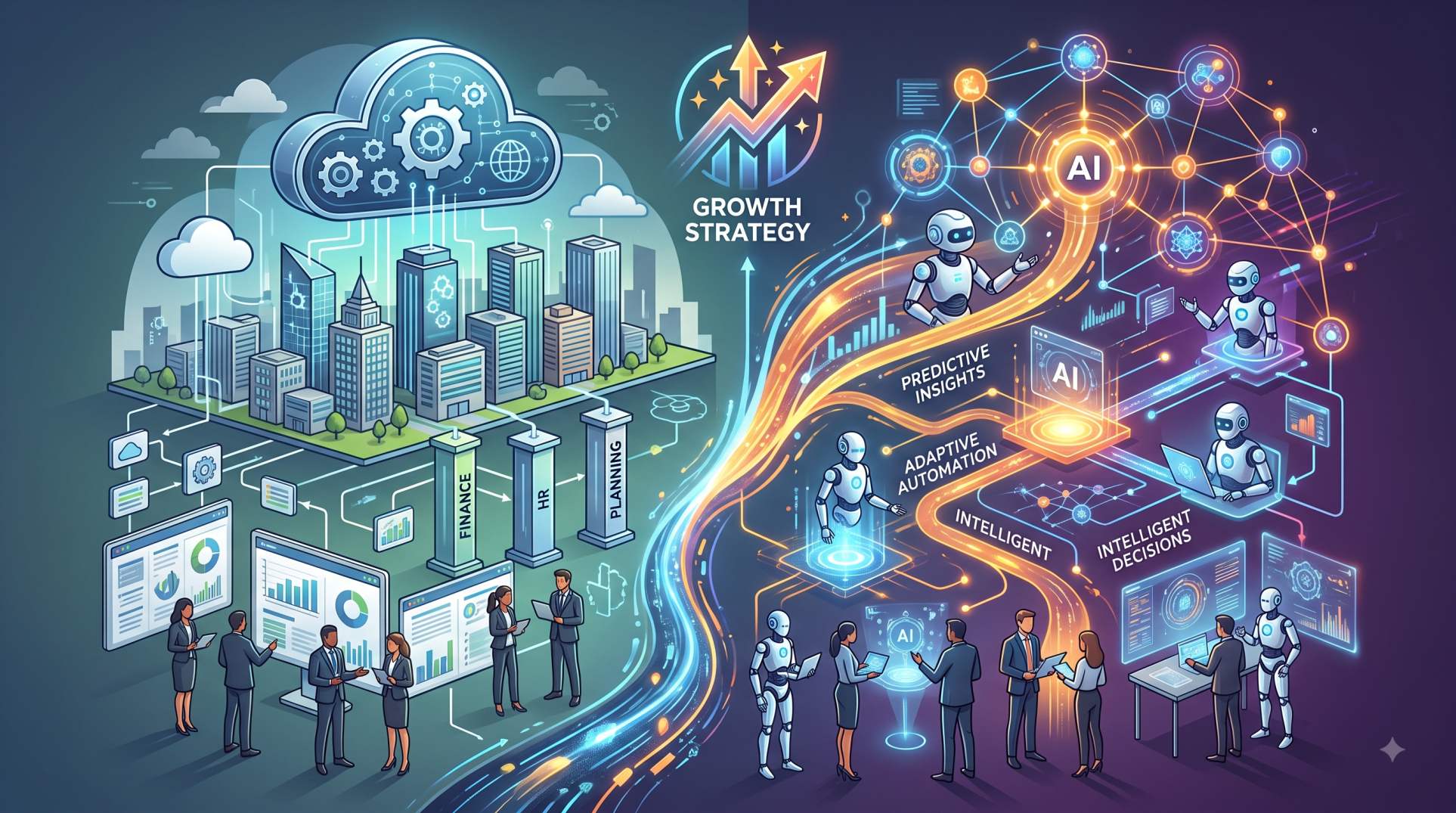
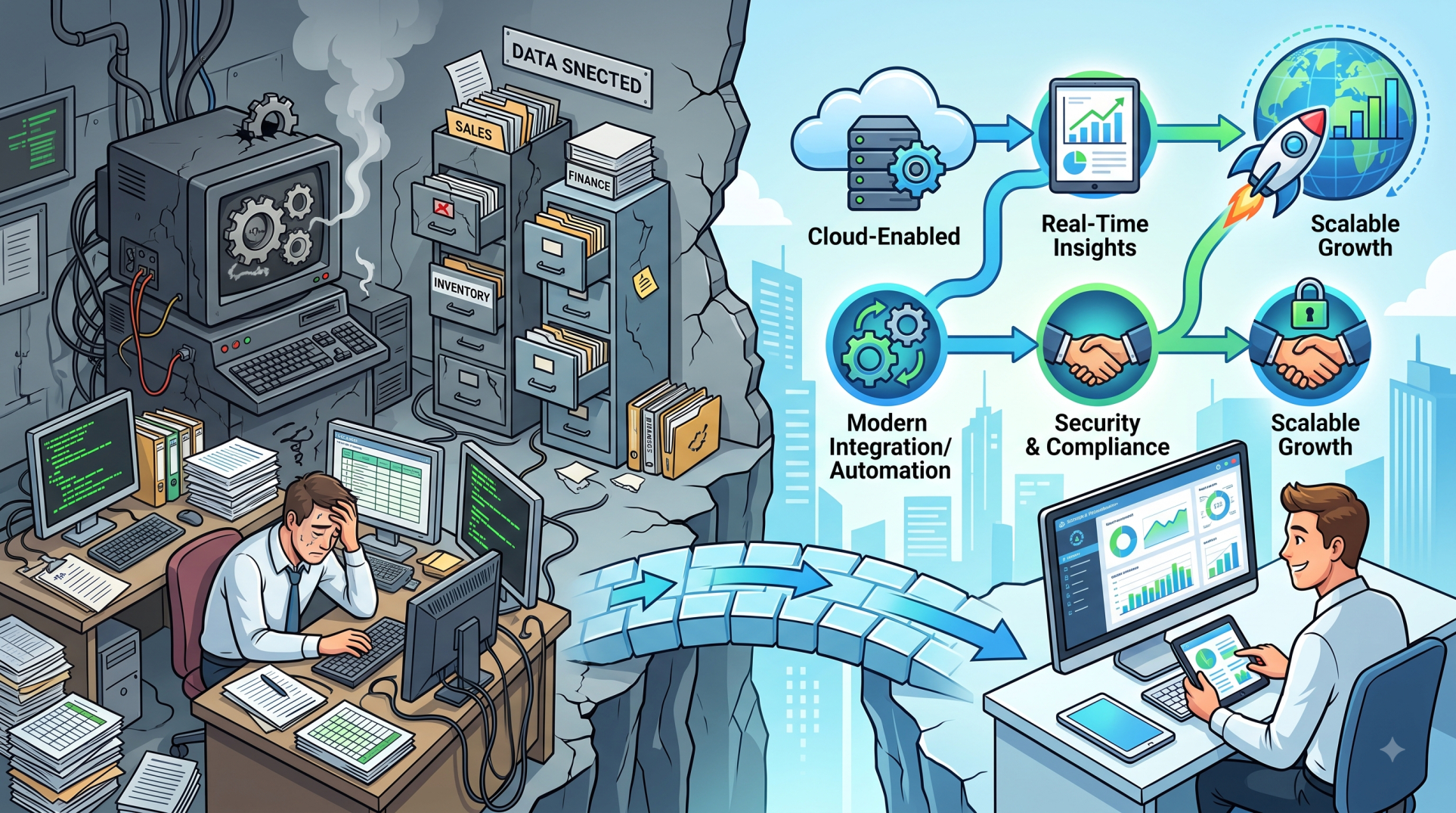
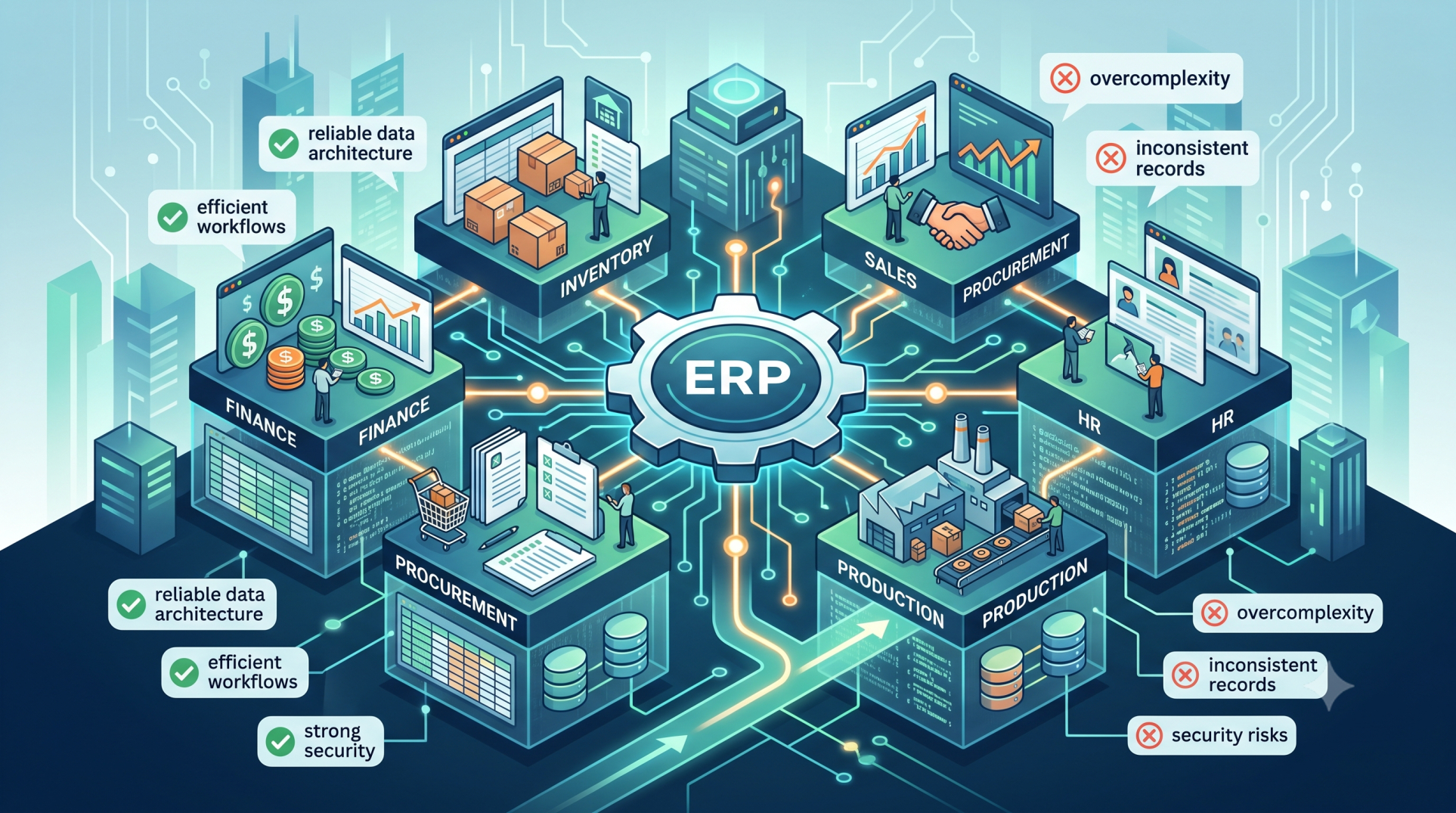
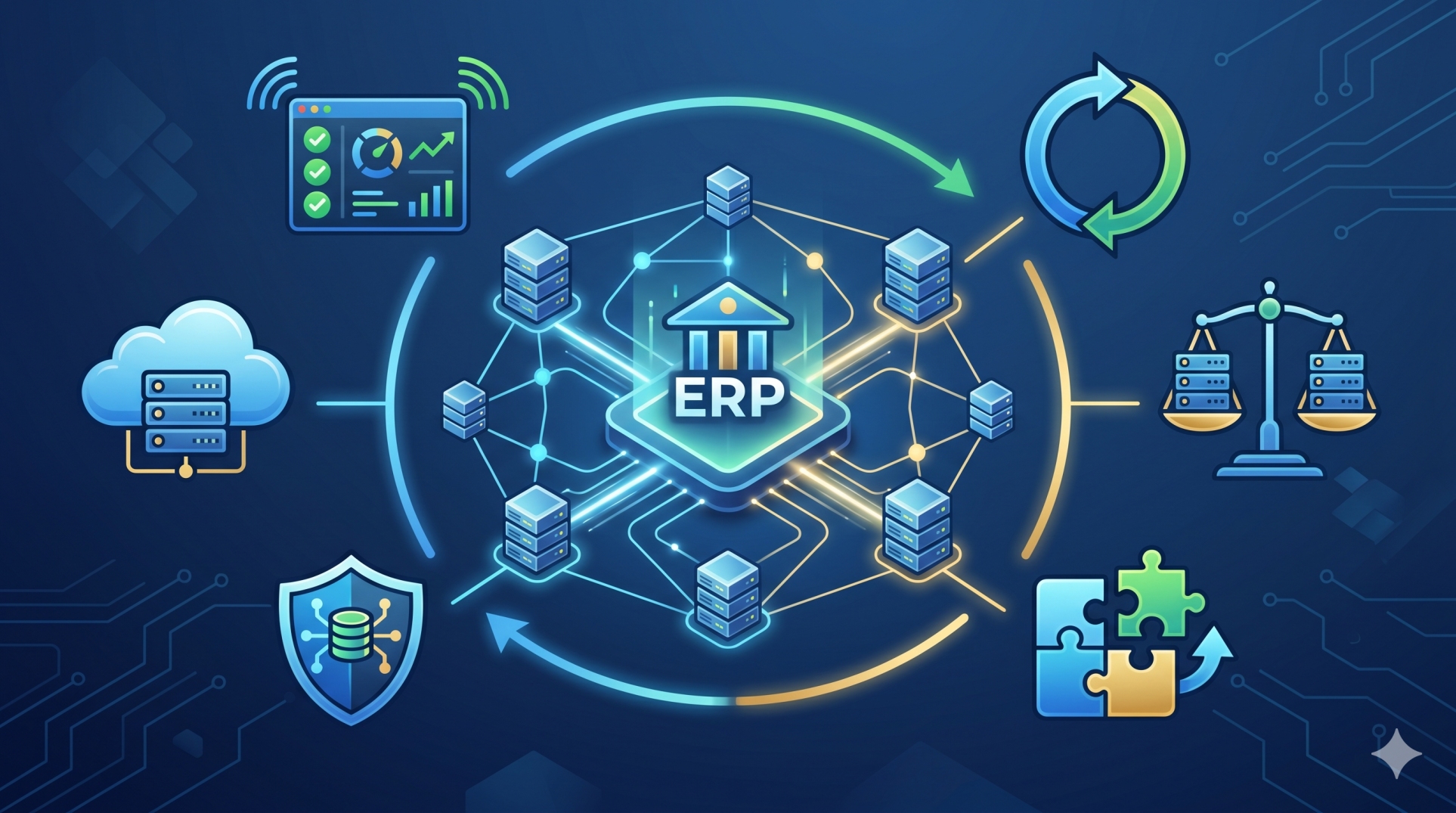
ERP platforms must evolve alongside changing business requirements, growing transaction volumes, and new technology demands. However, adding new features without a clear architectural strategy can introduce unnecessary complexity, fragile integrations, and expensive maintenance challenges. Building sustainable ERP capabilities requires a balance between delivering immediate business value and maintaining a flexible, reliable foundation for future growth.
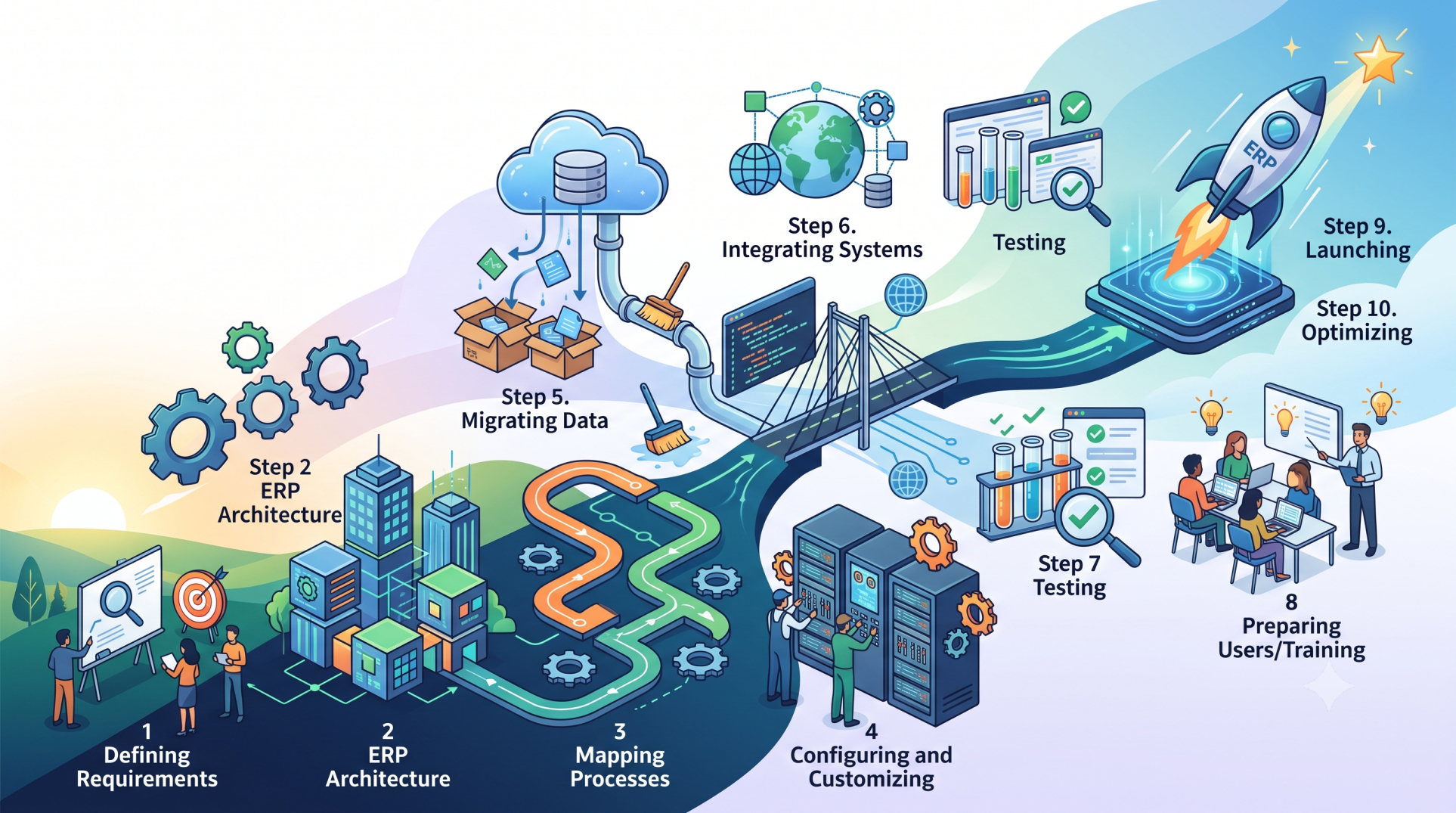
Step 1: Establishing a Strong ERP Architecture 🏗️
• Define a clear architectural foundation before introducing new ERP capabilities. 📐
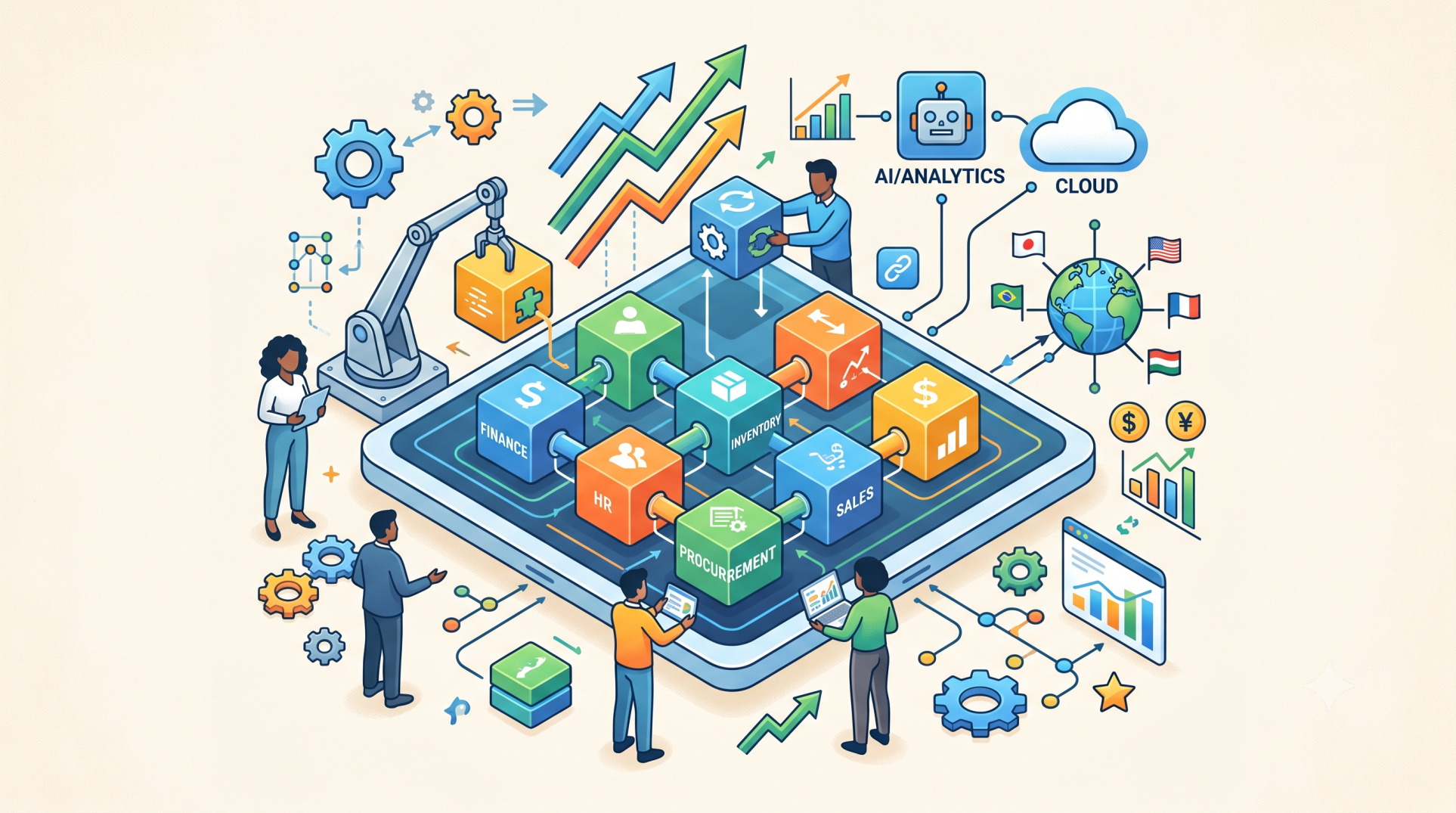
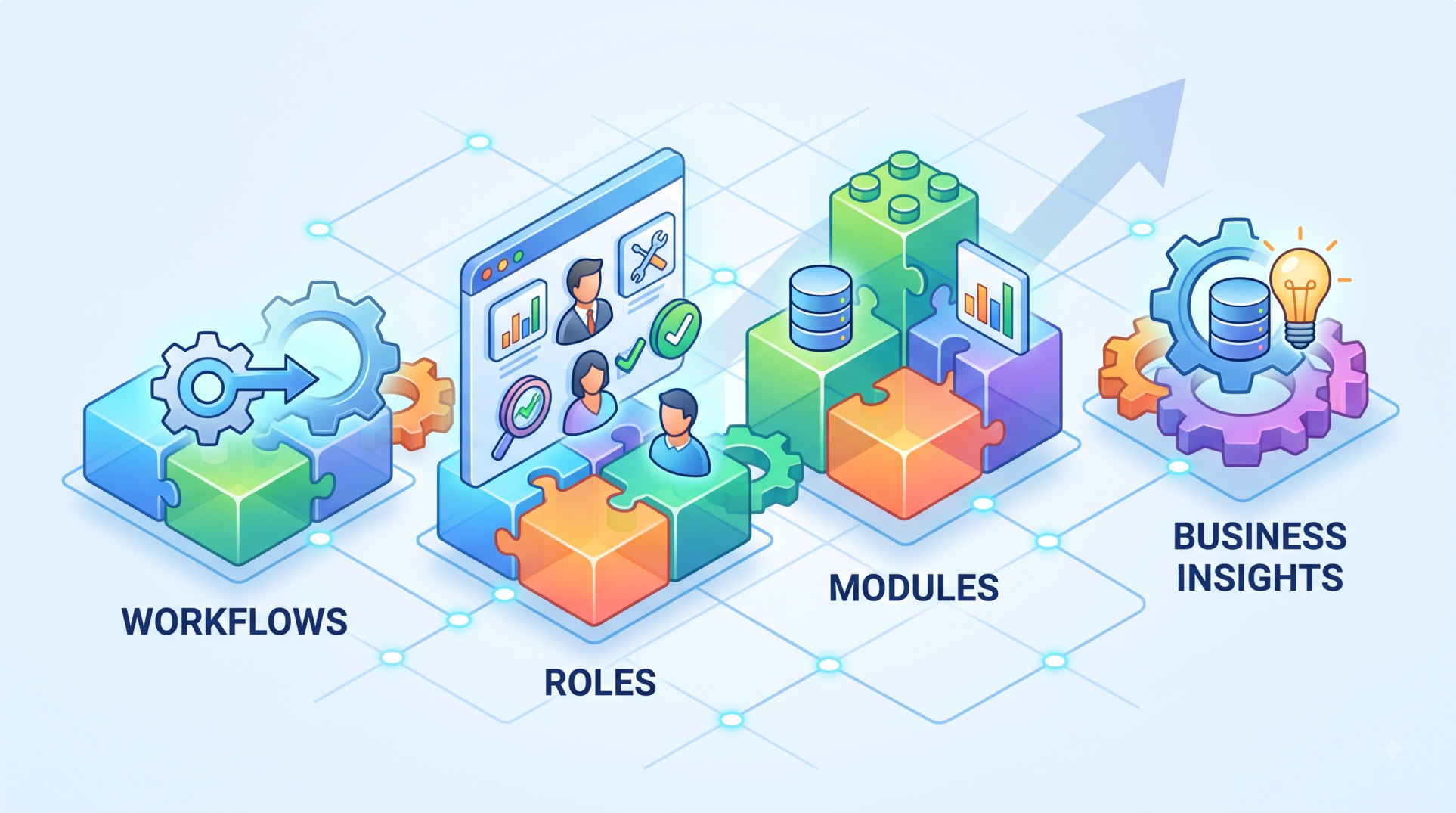
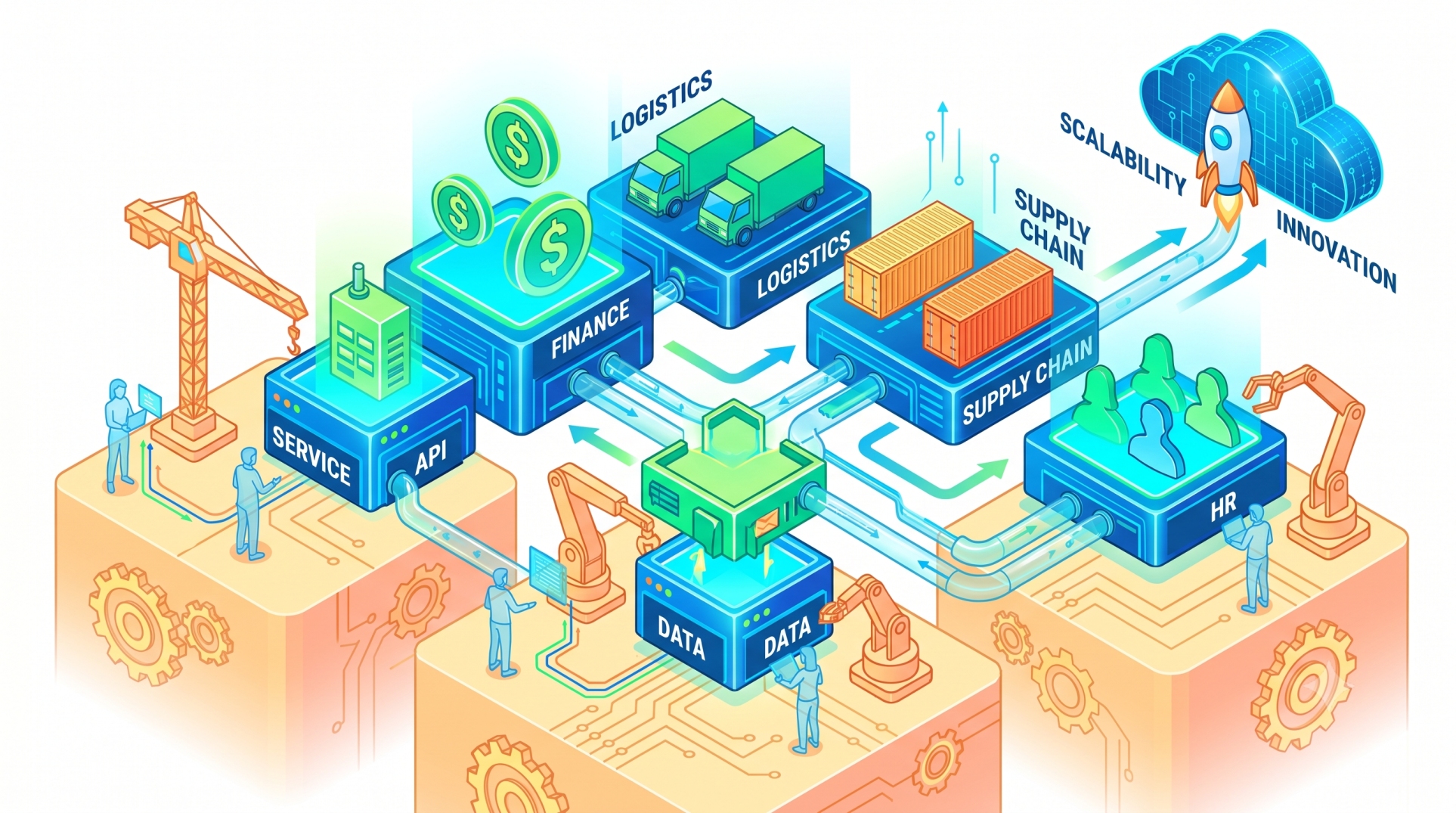
• Separate core business functions into logical, maintainable modules. 🧩
• Establish consistent standards for APIs, data models, workflows, and integrations. 🔗
• Avoid tightly coupling unrelated business functions. ⚙️
• Design the platform to accommodate future changes without requiring major structural rewrites. 🚀
Step 2: Prioritizing Business Requirements 🎯
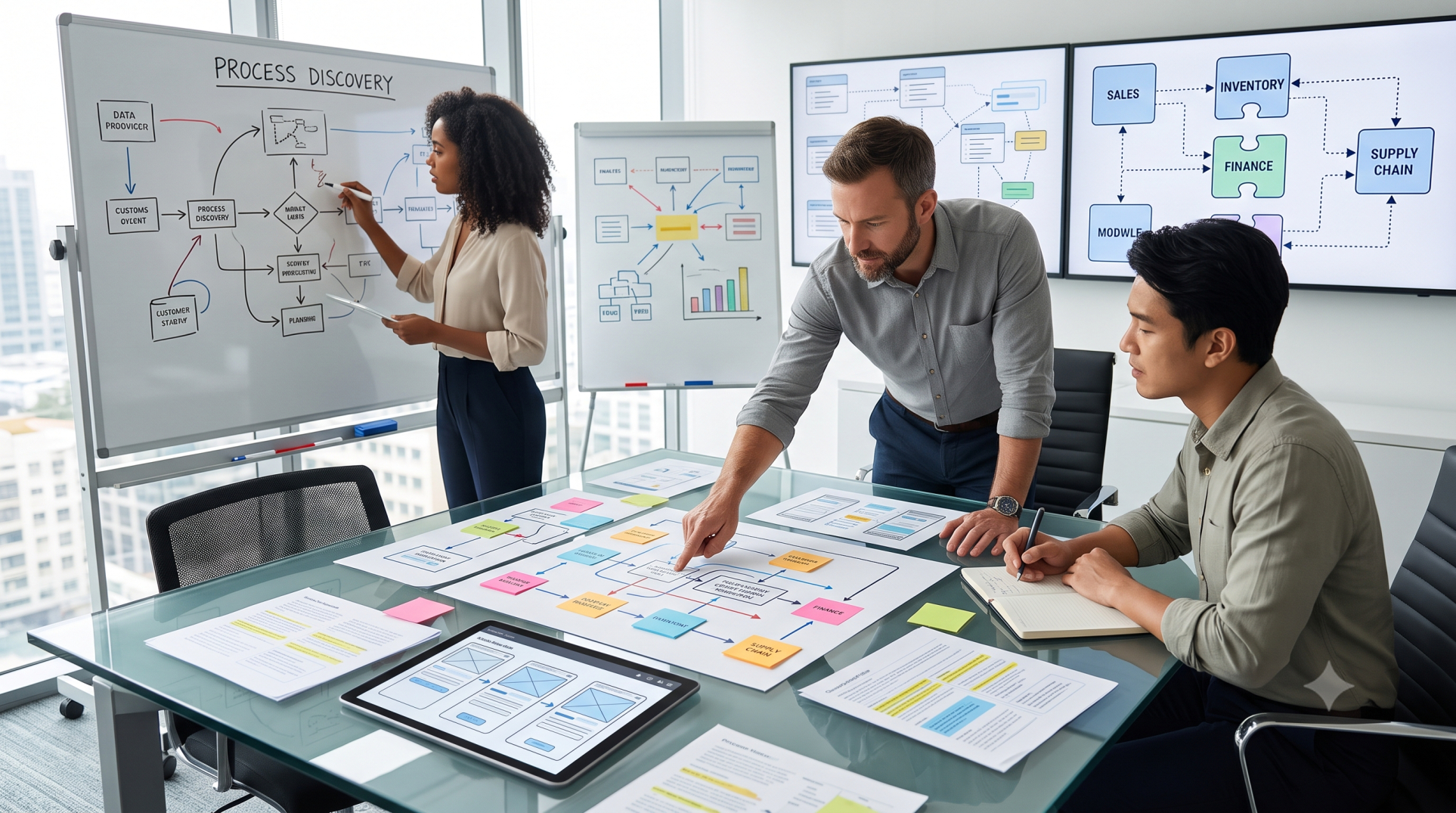
• Identify the business problem that each ERP capability is intended to solve. 🔎
• Separate essential requirements from temporary or low-value customizations. 📋
• Avoid building features simply because they are technically possible. 💡
• Align development priorities with measurable business objectives. 📊
• Reassess requirements regularly as organizational processes evolve. 🔄
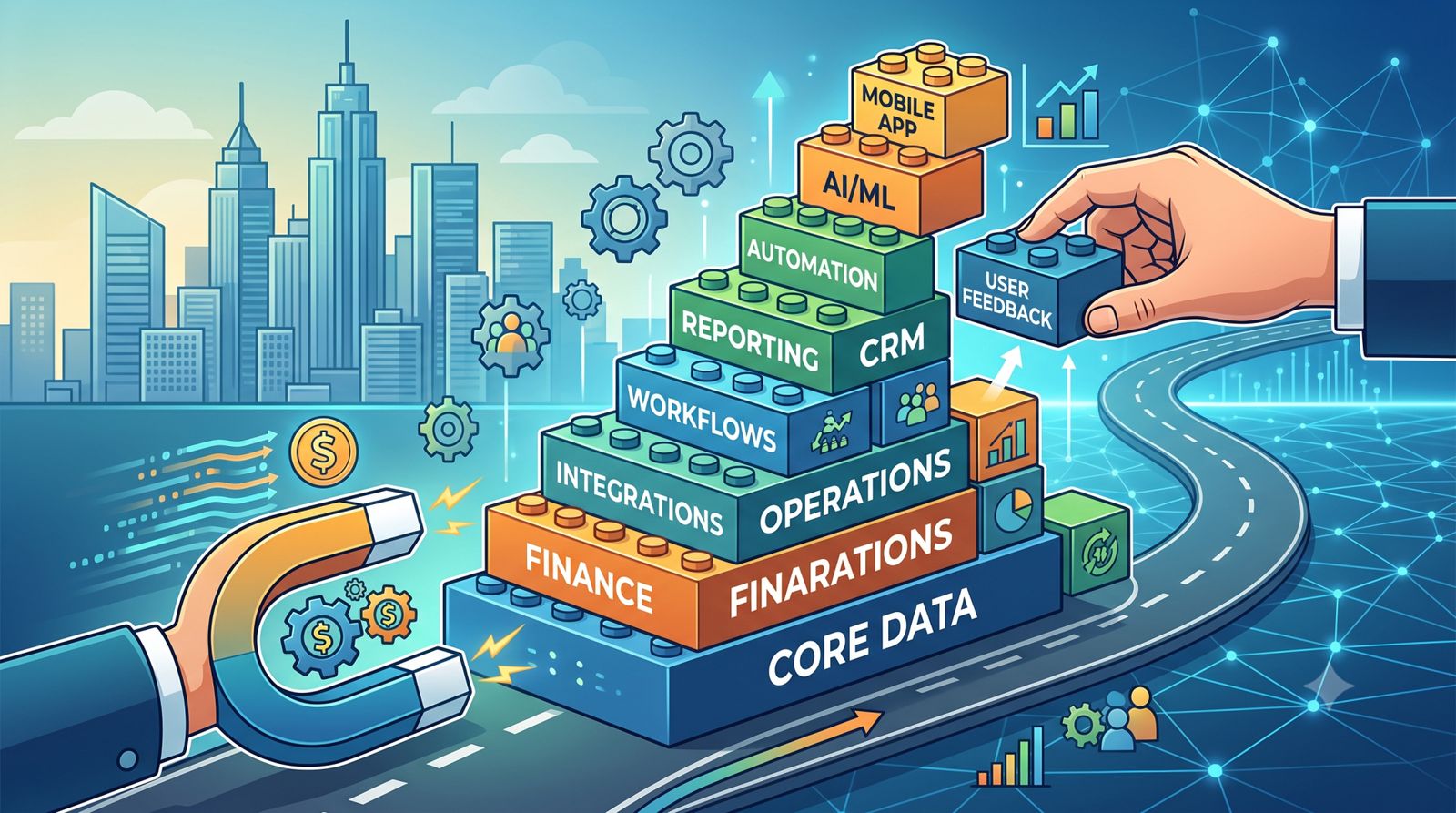
Step 3: Designing Modular ERP Components 🧩
• Build reusable modules with clearly defined responsibilities. ⚙️
• Separate business logic from presentation and integration layers. 🔗
• Allow individual components to be updated without unnecessarily affecting the entire platform. 🔄
• Create reusable services for authentication, notifications, and data validation. ♻️
• Maintain clear interfaces between modules to simplify future development. 📐
Step 4: Managing ERP Customizations Carefully 🔧
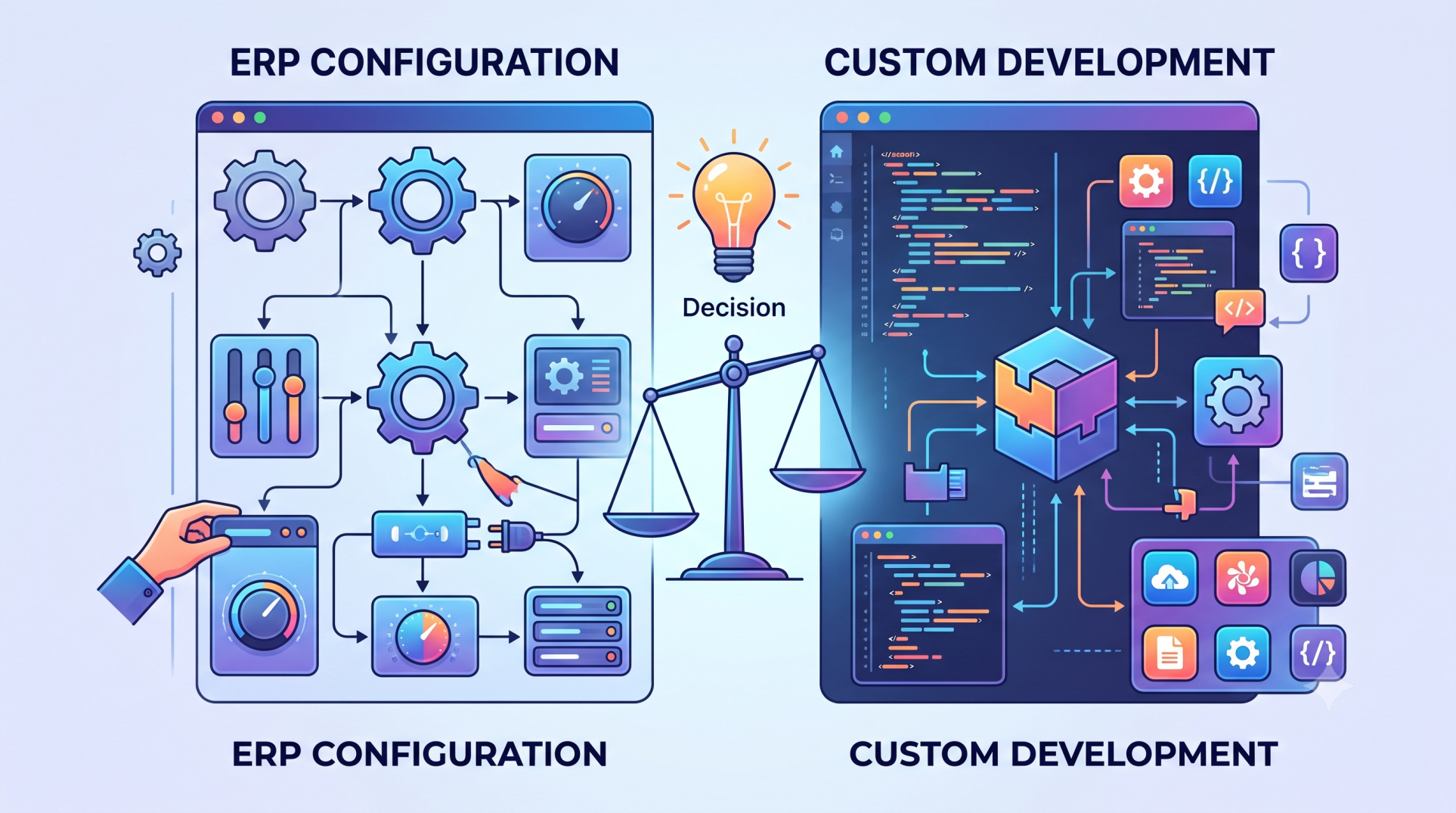
• Evaluate whether each requirement can be addressed through configuration, extension, or custom development. 🧠
• Minimize modifications to stable core functionality when practical alternatives exist. 🛡️
• Document custom components and the business requirements they support. 📝
• Review older customizations to identify obsolete or redundant functionality. 🔎
• Establish change approval processes for modifications that affect critical ERP operations. 📋
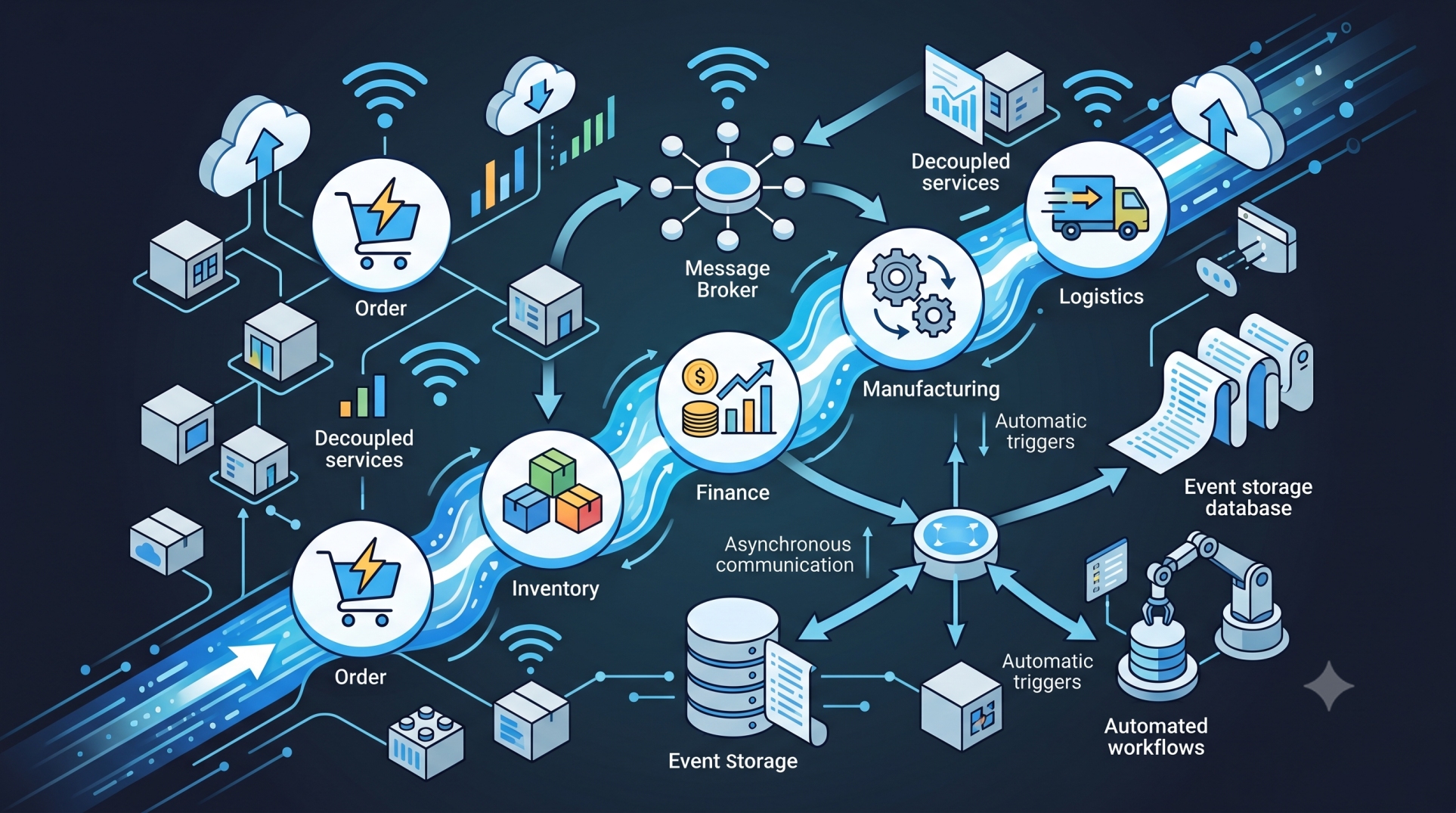
Step 5: Building Reliable Integration Layers 🔗
• Use well-defined APIs to connect ERP systems with external applications. 🌐
• Prefer reusable integration patterns over fragile point-to-point connections where appropriate. 🧩
• Standardize authentication, data formats, error handling, and monitoring. ⚙️
• Design integrations to handle temporary service interruptions and data inconsistencies. 🛡️
• Maintain clear ownership of data across connected systems. 🗃️
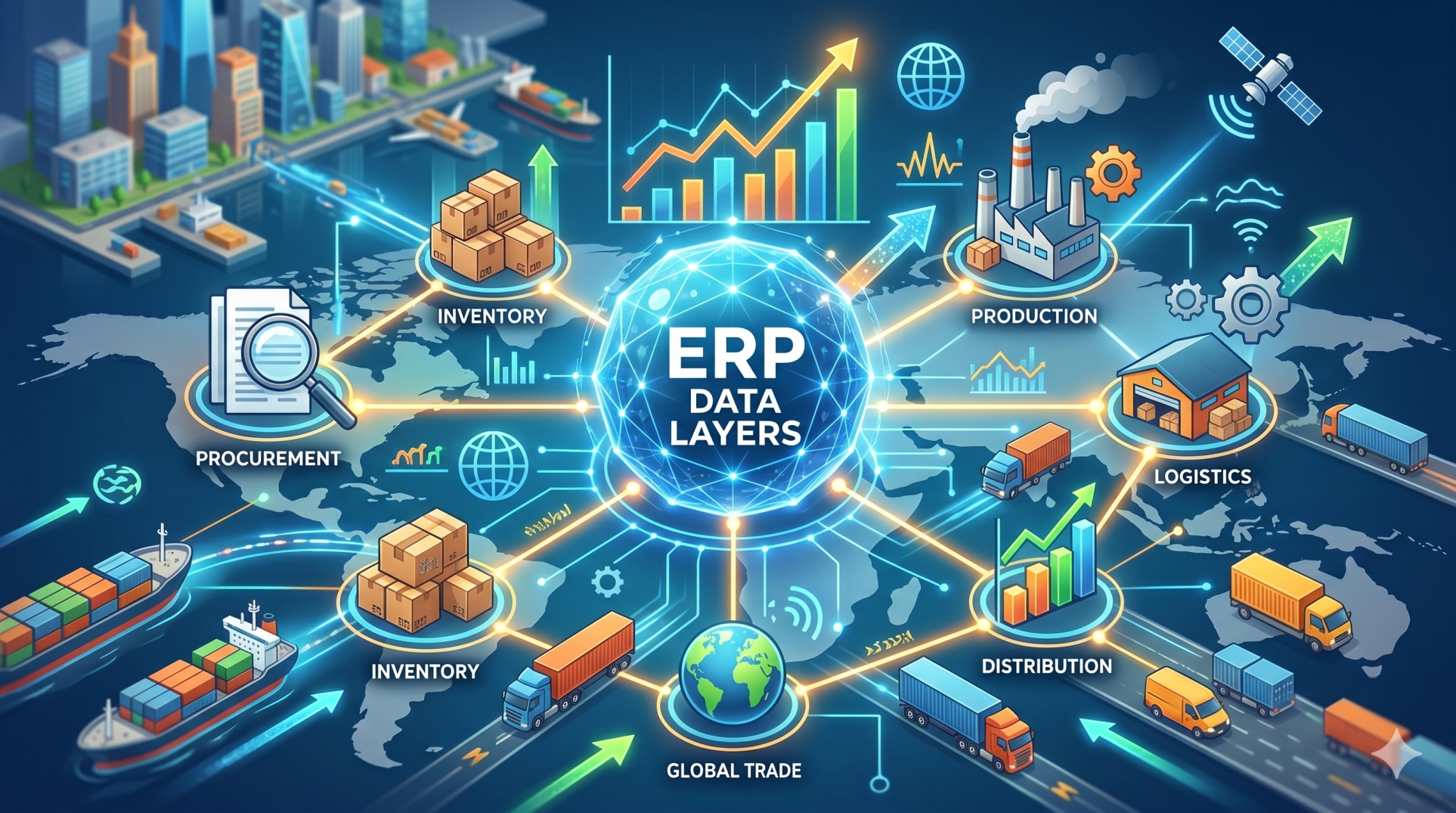
Step 6: Establishing Sustainable Data Architecture 📊
• Define consistent data models for important ERP entities and business processes. 🗂️
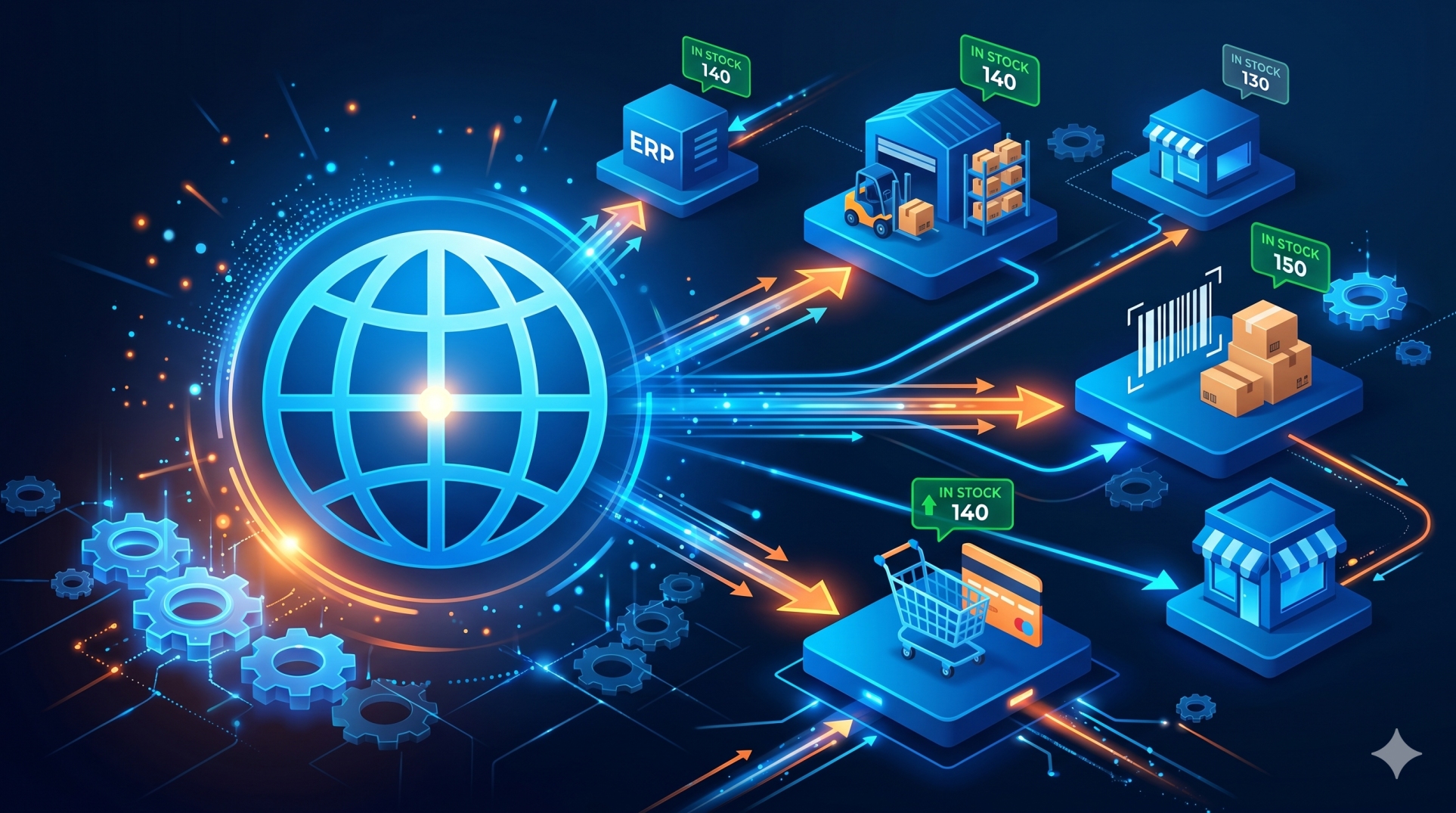
• Avoid unnecessary duplication of master and transactional data. 📉
• Establish clear ownership and governance for critical business information. 🔐
• Validate data before it enters important operational workflows. ✅
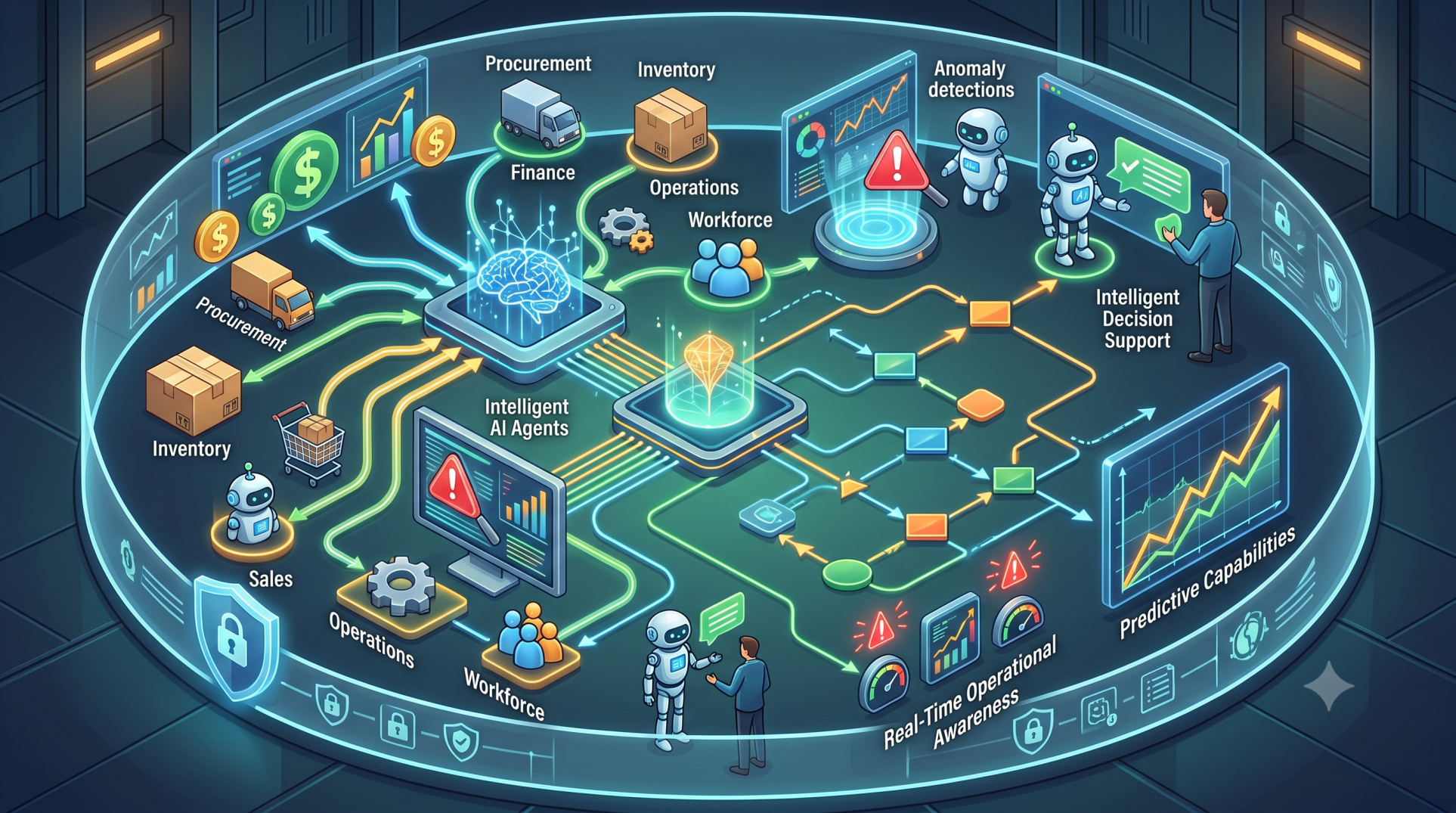
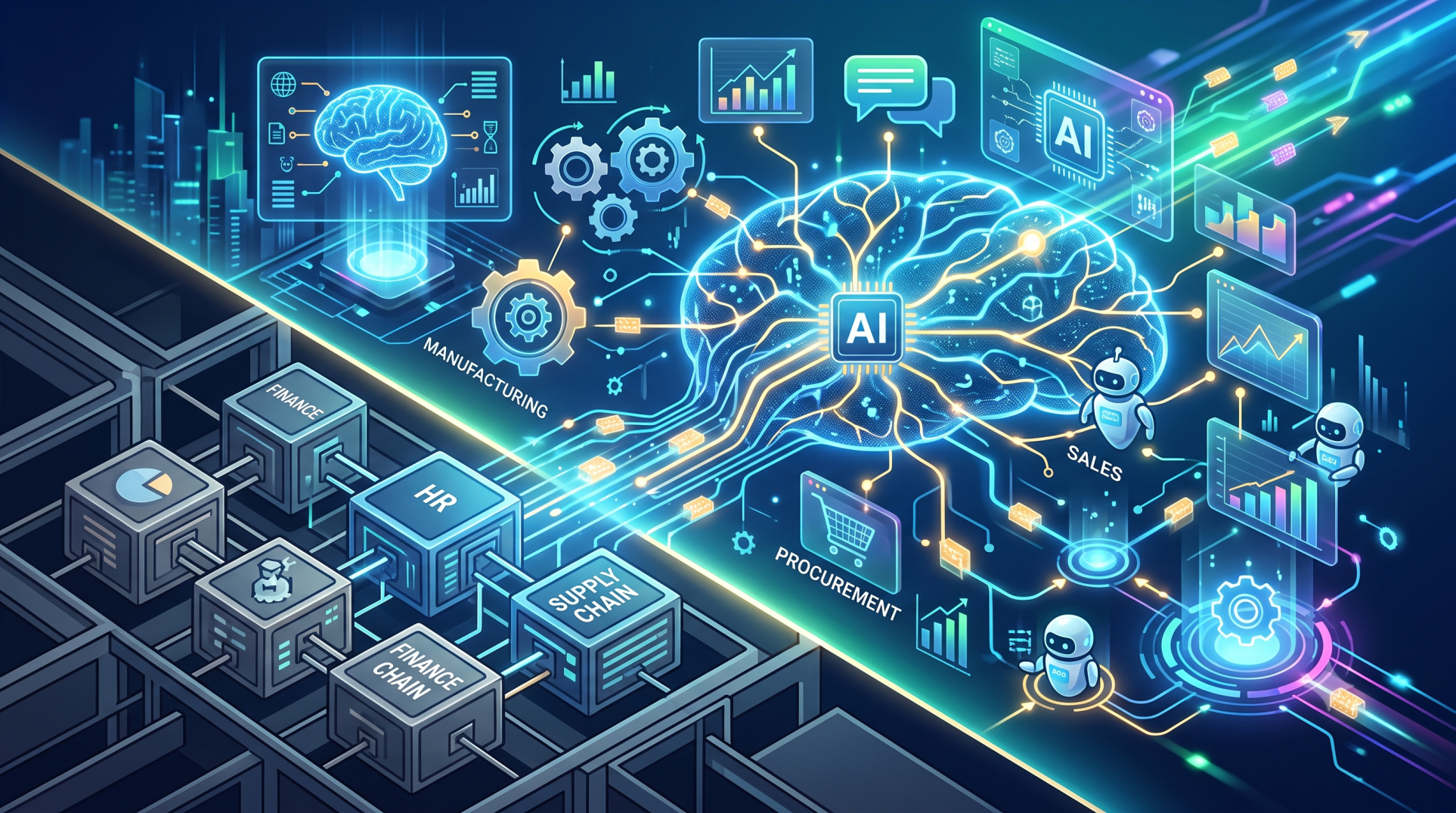
• Design data structures that can support reporting, automation, and future AI capabilities. 🧠
Step 7: Automating Testing and Deployment 🧪
• Introduce automated tests for critical ERP workflows and business rules. ✅
• Test integrations whenever changes affect connected systems. 🔗
• Use controlled deployment processes to reduce unexpected production issues. 🚀
• Maintain separate development, testing, and production environments where appropriate. 🏢
• Monitor releases and identify problems quickly after deployment. 👁️
Step 8: Monitoring Technical Health 📈
• Track application performance, integration failures, database activity, and system errors. 🔎
• Monitor technical debt indicators such as duplicated logic and outdated dependencies. ⚠️
• Review system architecture periodically as ERP capabilities expand. 🏗️
• Identify components that require modernization before they become major operational constraints. 🔧
• Use monitoring data to prioritize technical improvements. 📊
Step 9: Managing ERP Evolution and Upgrades 🔄
• Keep third-party dependencies, frameworks, and infrastructure reasonably current. 🛠️
• Plan upgrades before older technologies become difficult to maintain. 📅
• Design customizations to minimize rework during platform upgrades. 🧩
• Maintain documentation for important architectural decisions and dependencies. 📝
• Allocate development capacity for maintenance and modernization alongside new features. ⚙️
Step 10: Creating a Long-Term ERP Development Strategy 🚀
• Balance short-term business requirements with long-term architectural sustainability. ⚖️
• Establish engineering standards for code quality, integrations, security, and documentation. 📐
• Refactor high-risk areas before adding further complexity. 🔧
• Encourage reusable solutions instead of repeatedly creating isolated implementations. ♻️
• Make technical debt management an ongoing part of the ERP development lifecycle. 🔄
Conclusion
Building ERP capabilities without creating long-term technical debt requires more than delivering features quickly. Organizations need clear architecture, modular components, disciplined customization, reliable integrations, governed data, automated testing, and continuous technical monitoring. By making these practices part of the development lifecycle, organizations can expand ERP capabilities while keeping their systems maintainable, secure, and adaptable. A sustainable engineering approach enables ERP platforms to evolve with business requirements without allowing accumulated complexity to become a barrier to future innovation.
See more blogs
You can all the articles below