How Growing Companies Can Avoid Outgrowing Their ERP Platform
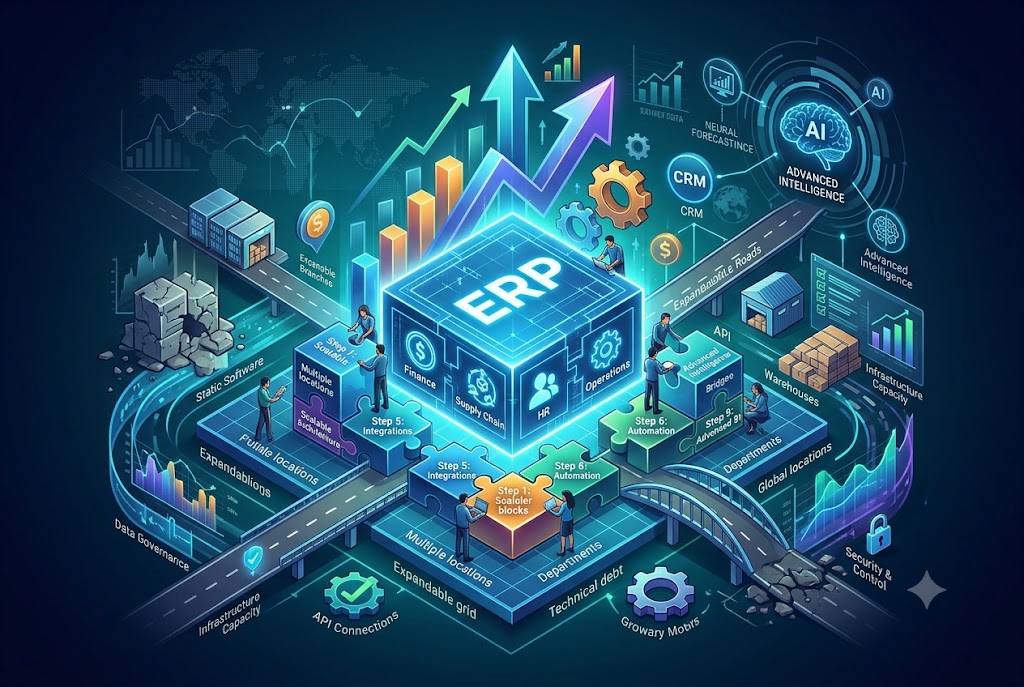
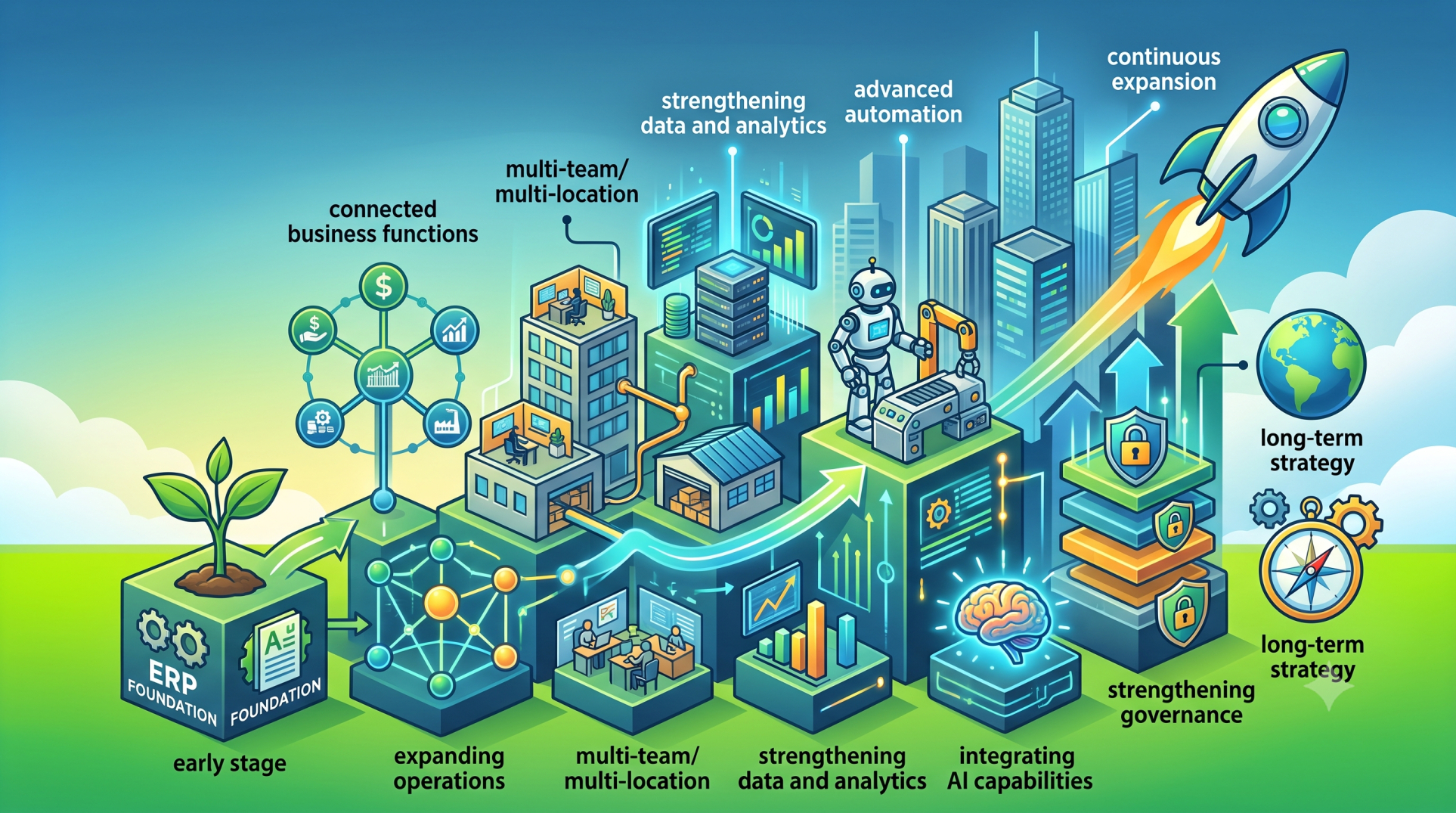
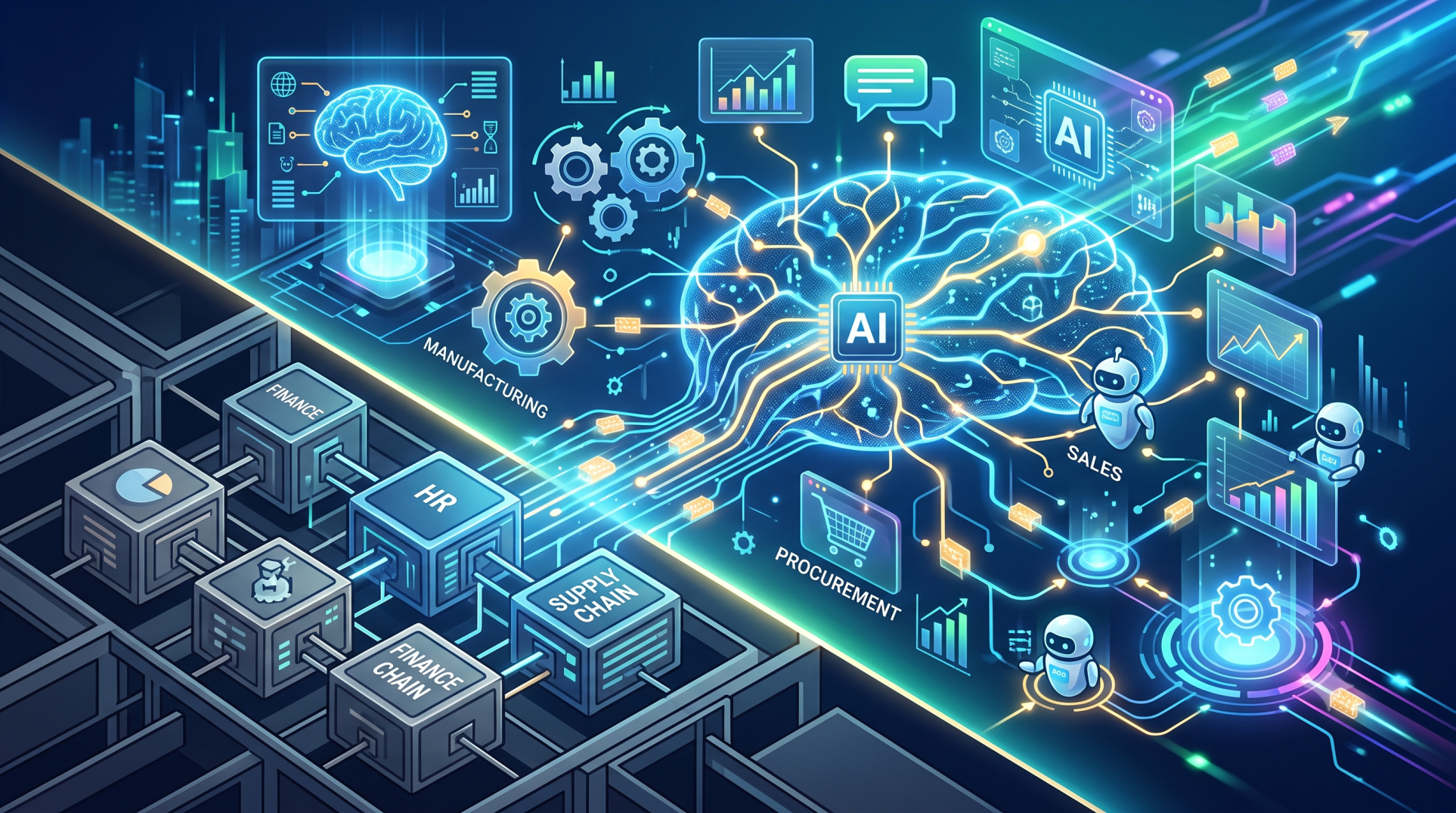
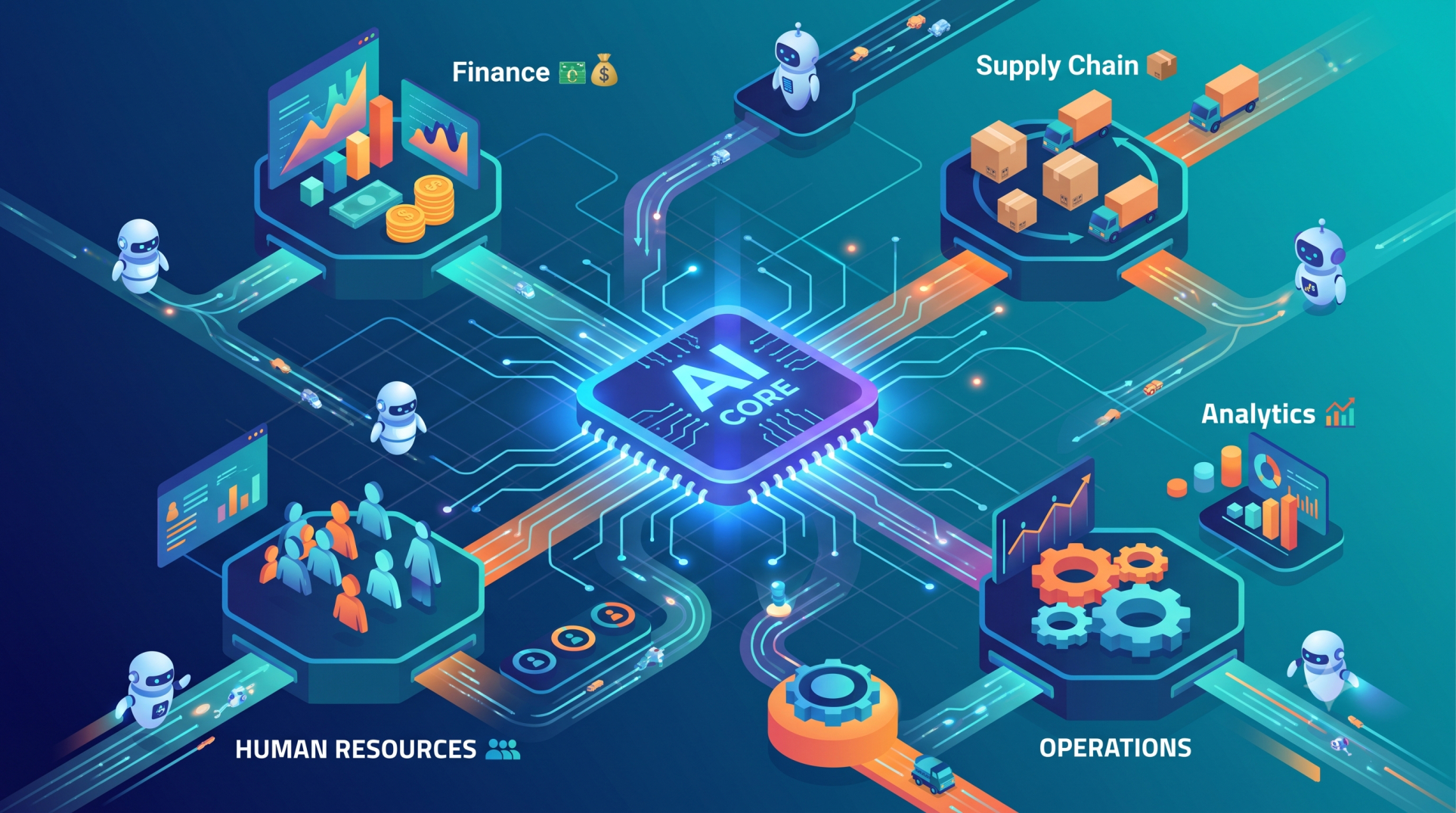
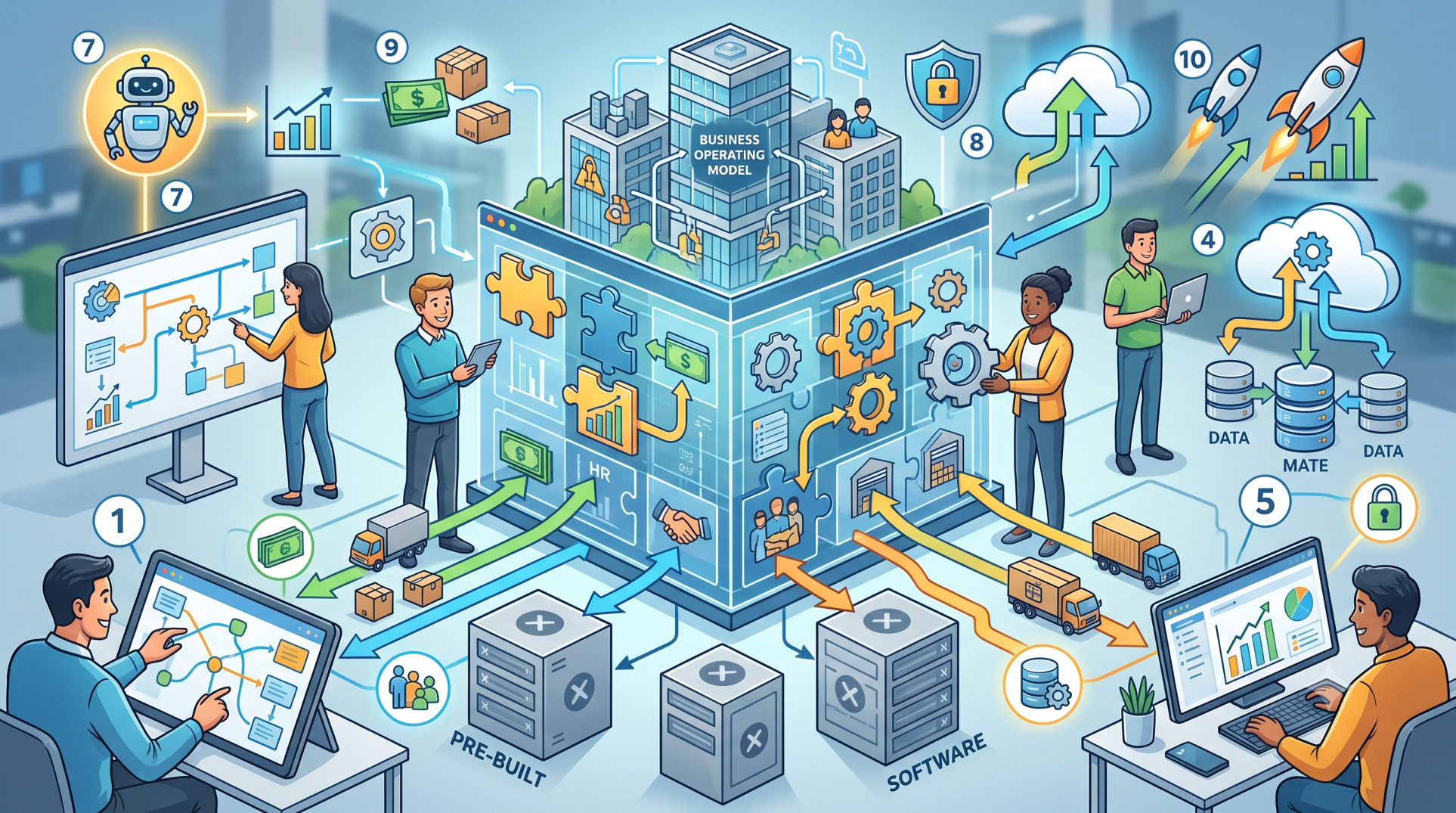
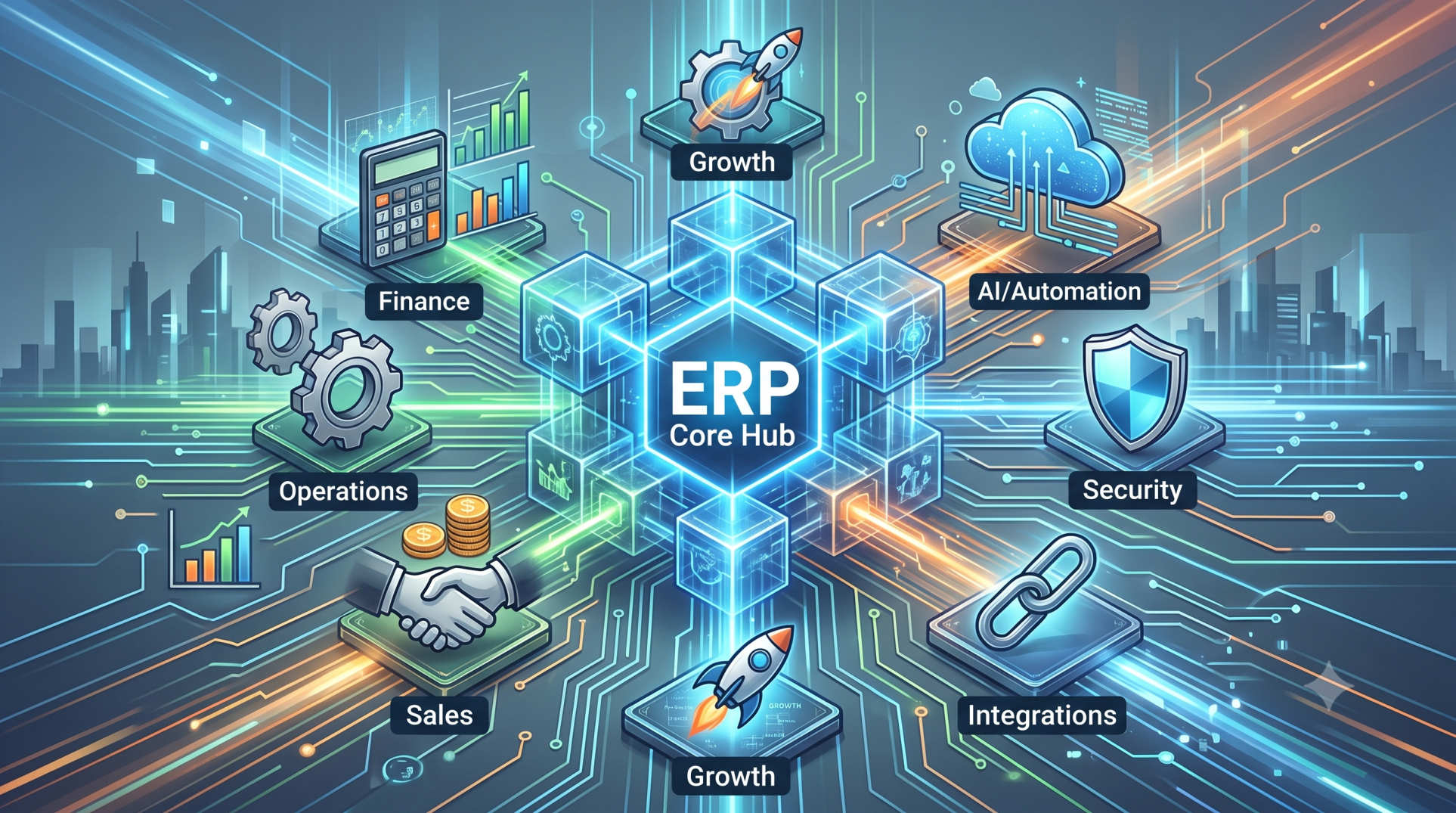
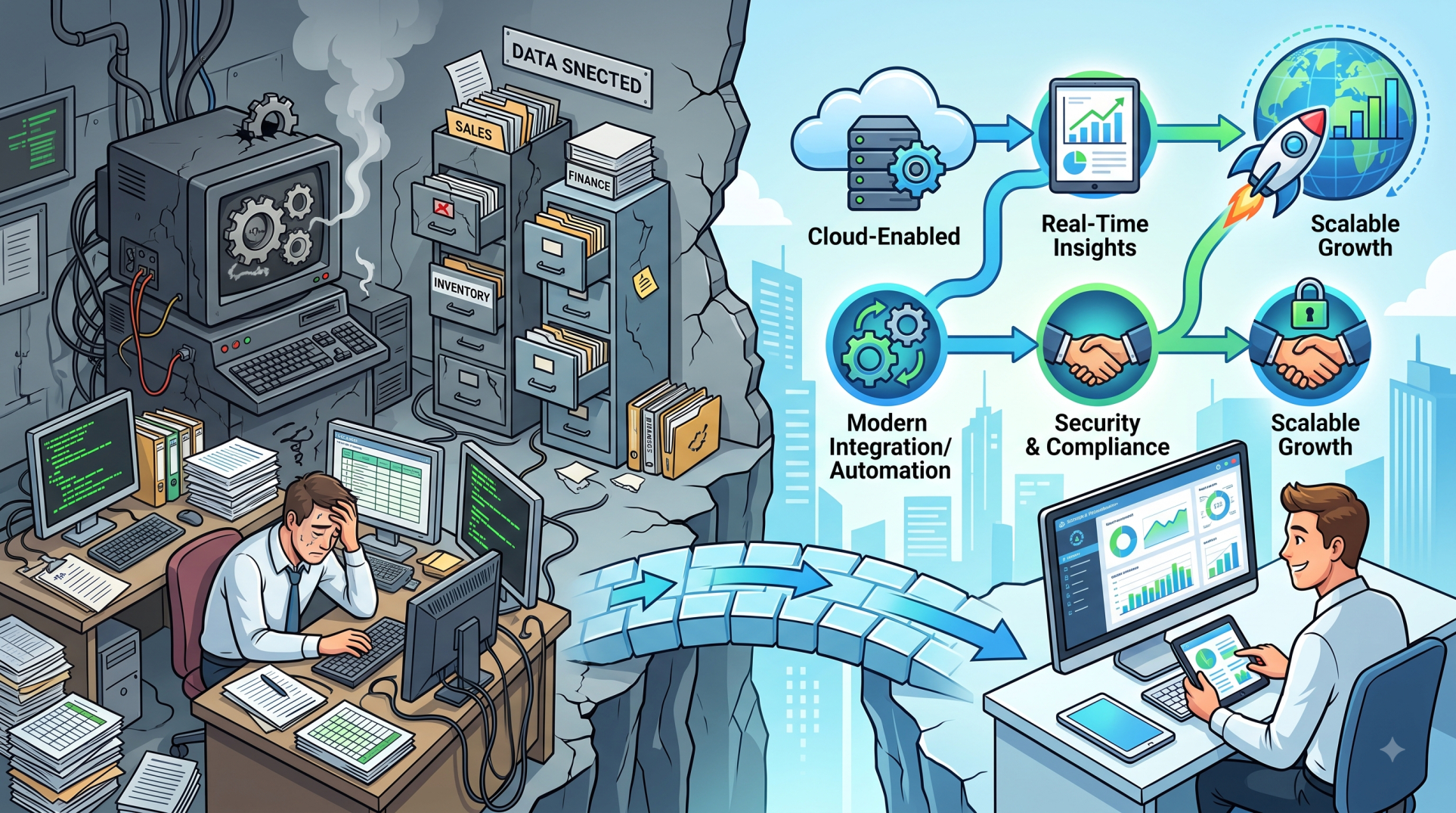
As businesses expand, their operational requirements become increasingly complex. Higher transaction volumes, additional departments, multiple locations, larger teams, and evolving customer expectations place new demands on existing ERP systems. A platform that initially supports business operations effectively may eventually struggle to accommodate these changes. Choosing scalable architecture, flexible workflows, and adaptable technology helps growing companies maintain operational efficiency without constantly replacing their ERP systems.
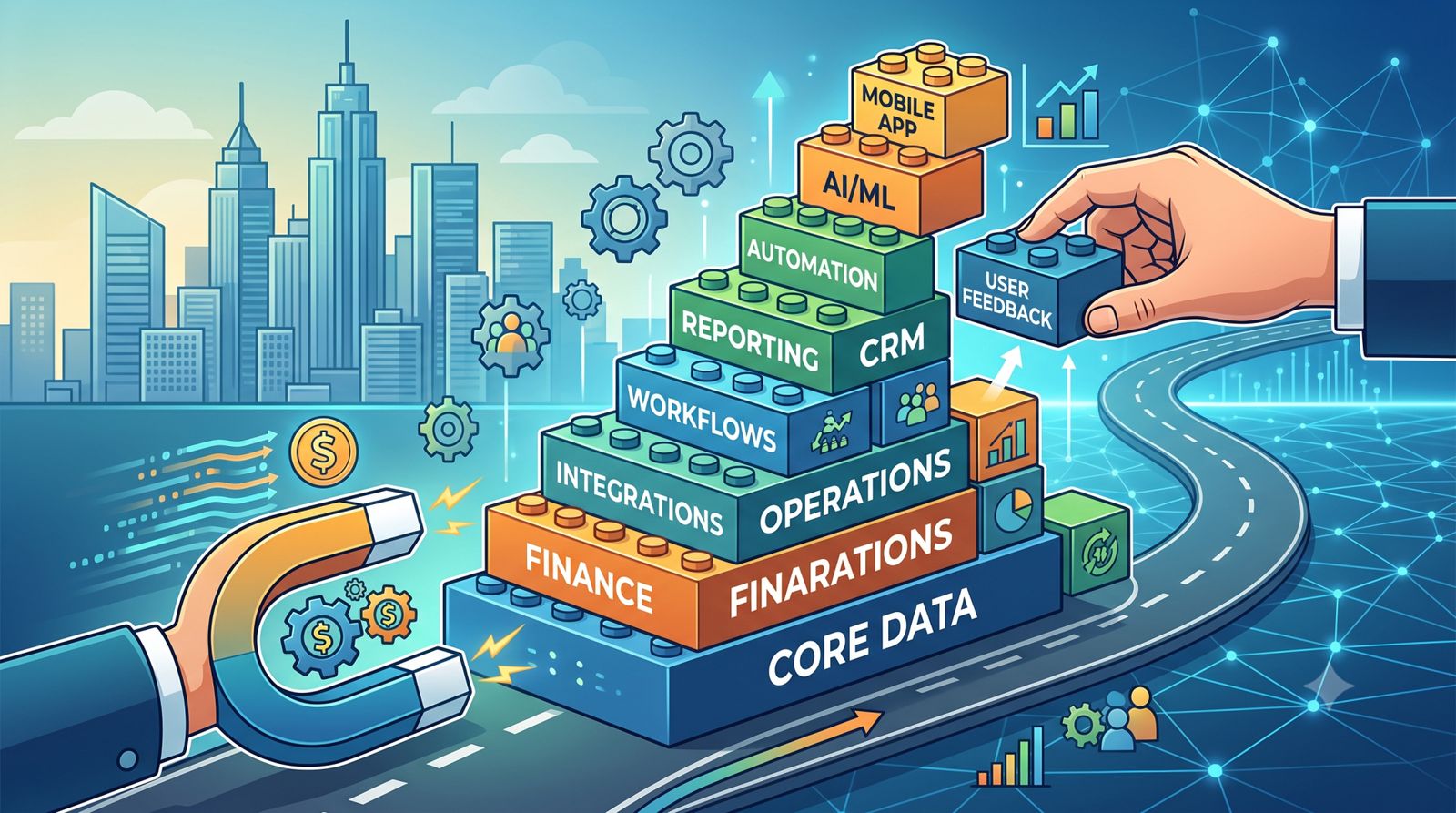
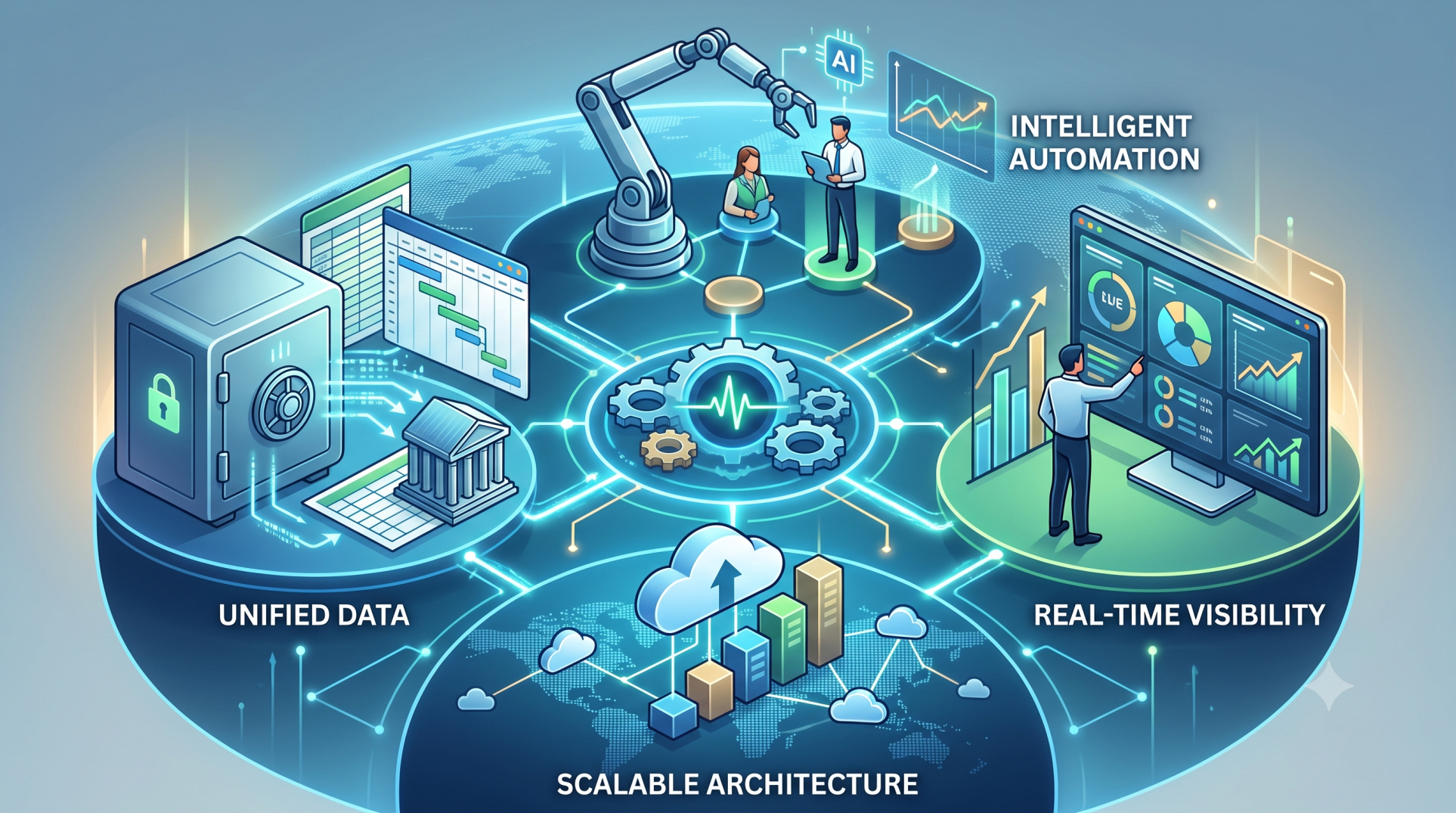
Step 1: Choosing an ERP Platform with Scalable Architecture 🏗️
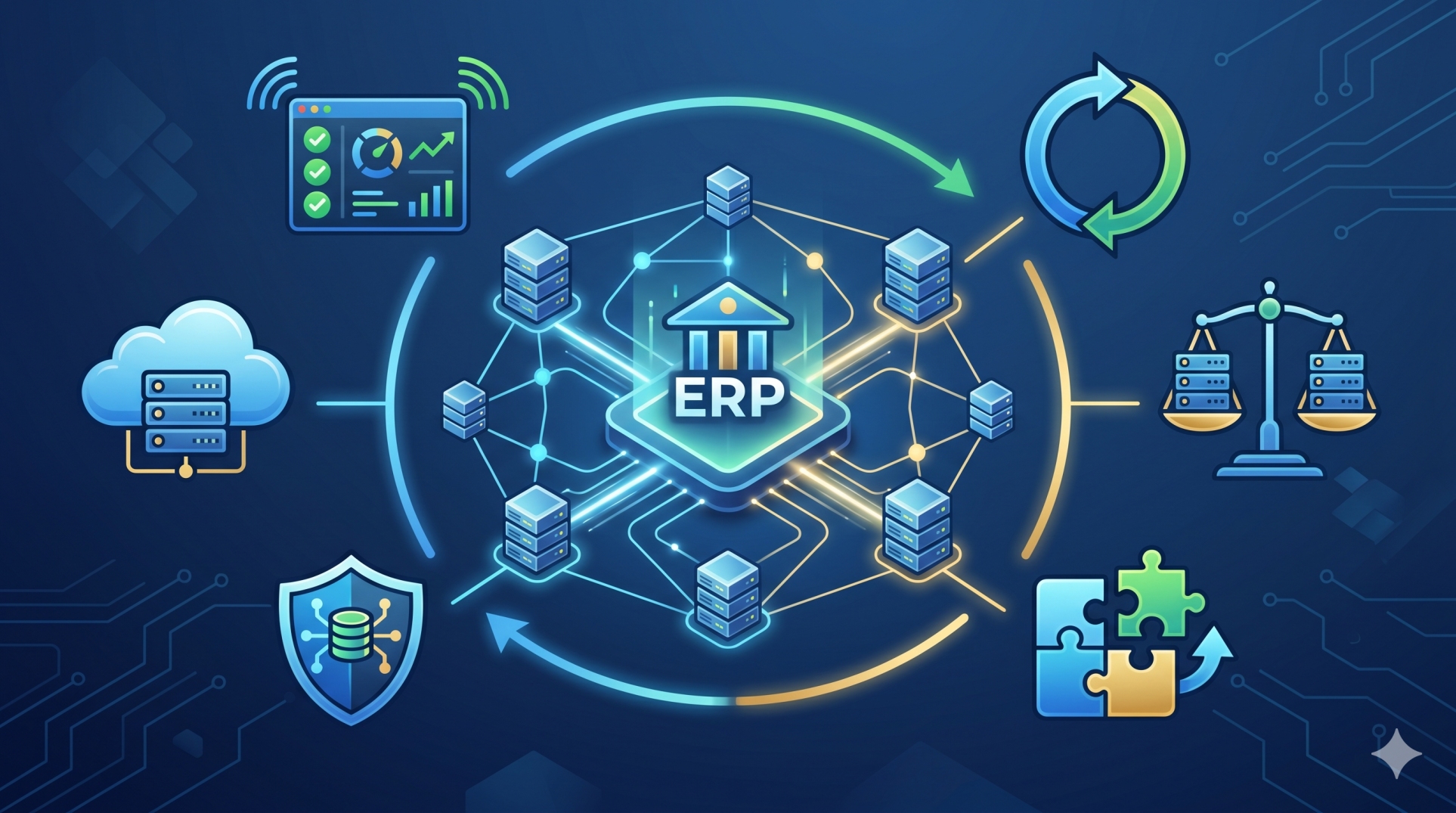
• Select an ERP architecture that can accommodate increasing users, transactions, and business operations. 📈
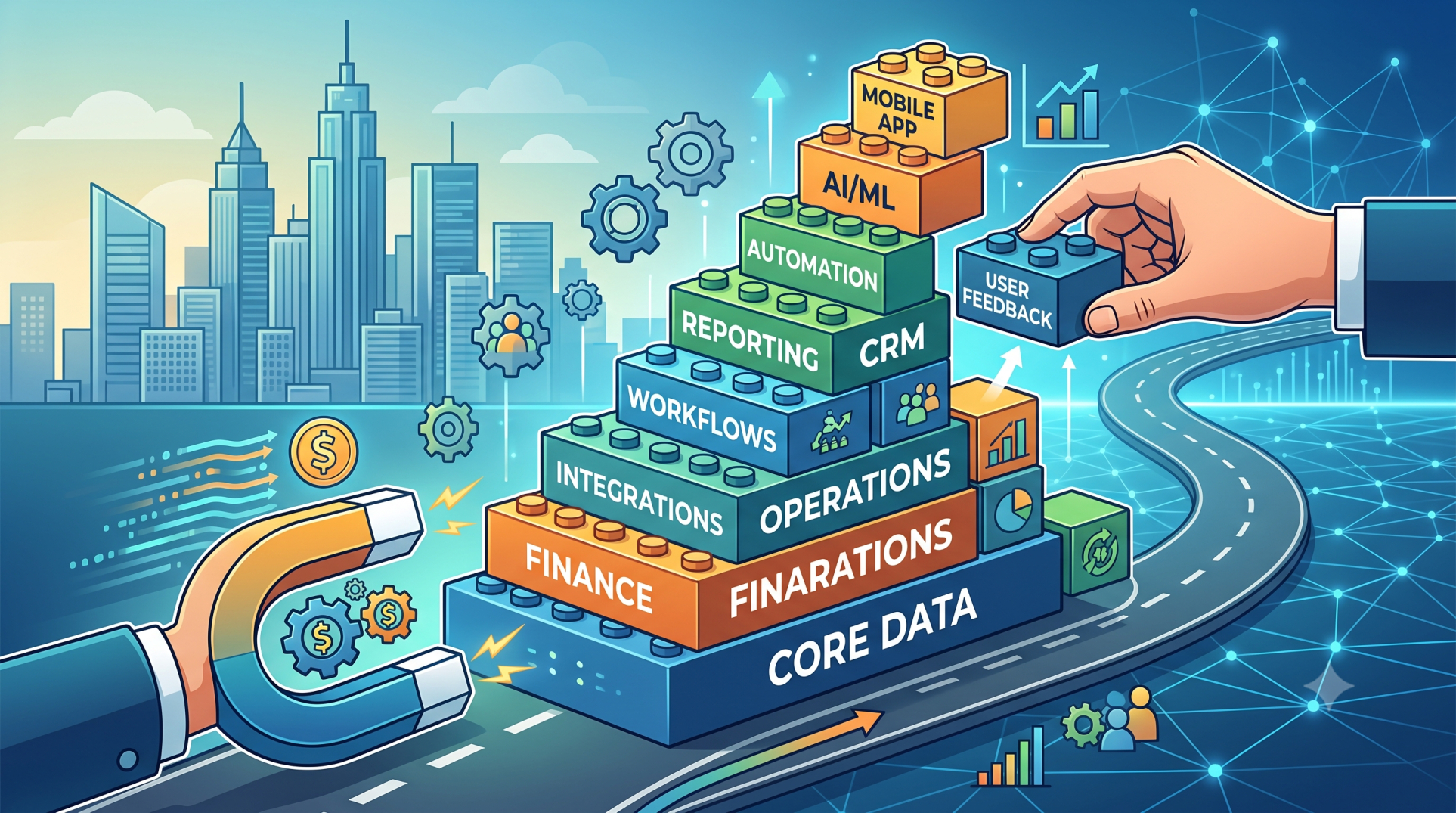
• Prioritize modular designs that allow individual capabilities to expand independently. 🧩
• Evaluate infrastructure scalability before committing to long-term technology investments. ☁️
• Avoid platforms that impose unnecessary limitations on customization and integrations. 🔧
• Establish an architectural foundation that supports future business expansion. 🚀
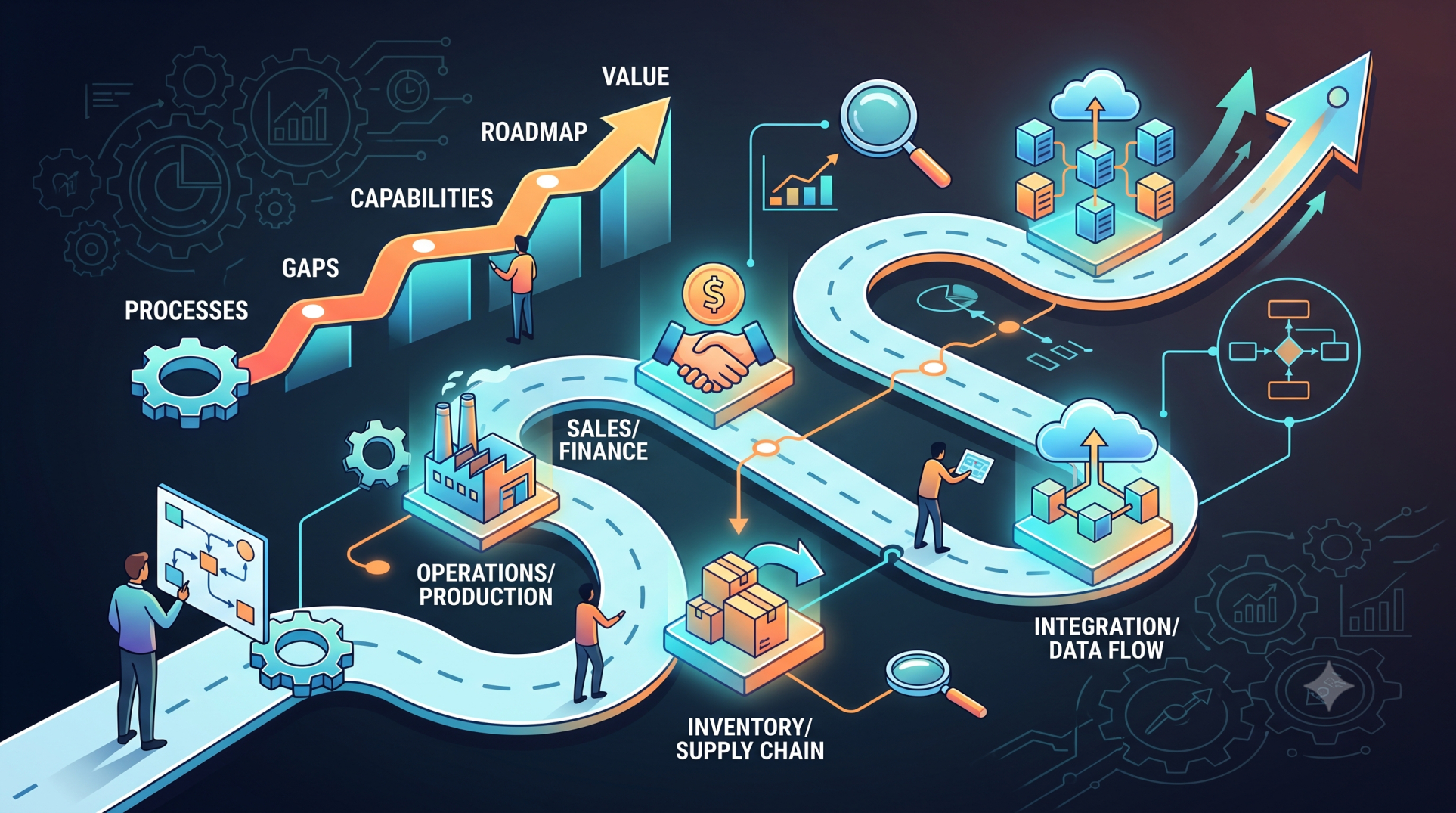
Step 2: Planning for Future Business Requirements 🎯
• Evaluate how operational requirements may change as the company grows. 🔎
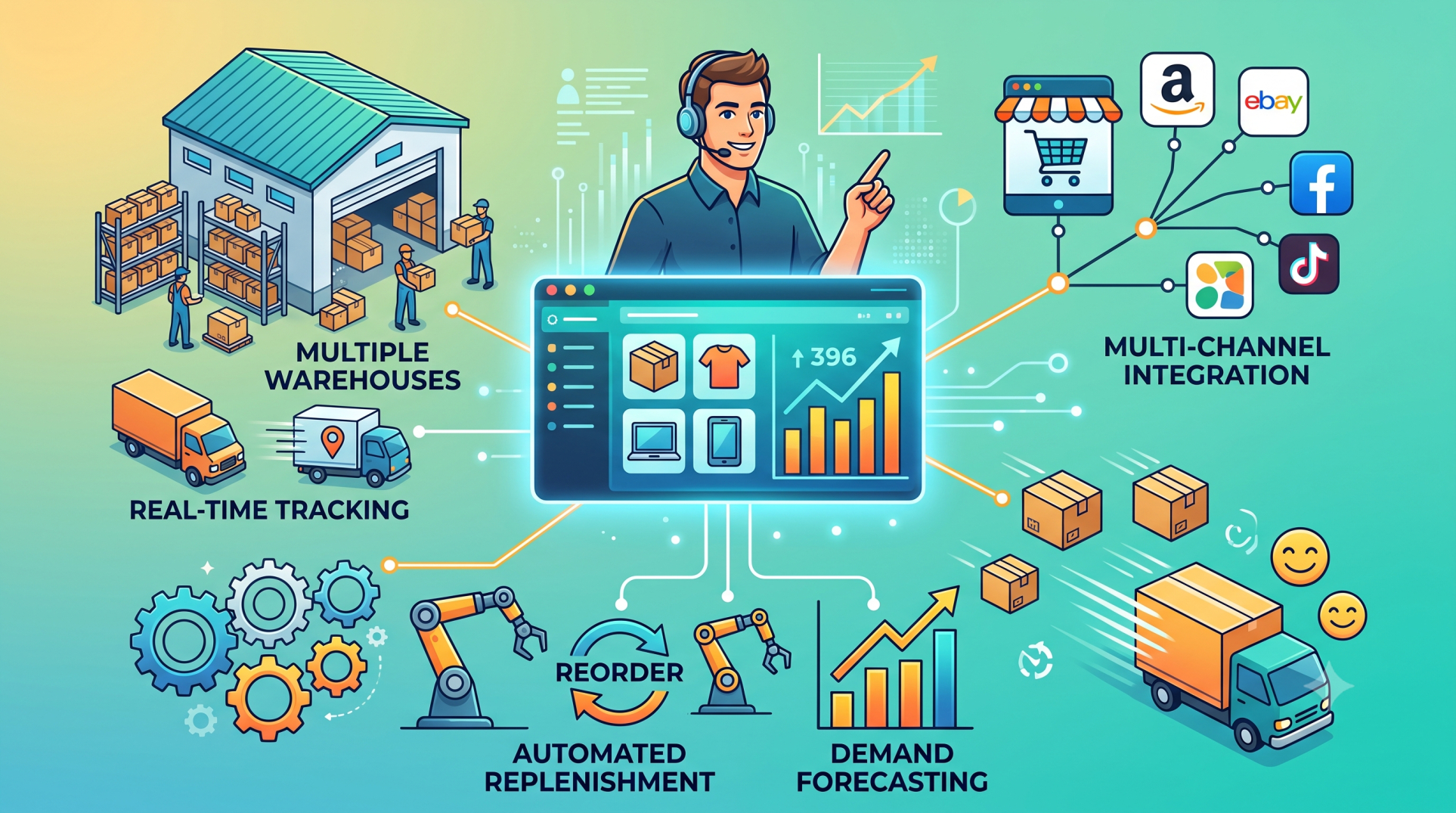
• Consider future departments, warehouses, branches, and business units. 🏢
• Identify processes that may require additional automation or specialized functionality. ⚙️
• Prioritize ERP capabilities according to business growth objectives. 📊
• Review technology requirements regularly instead of waiting for operational limitations to appear. 🔄
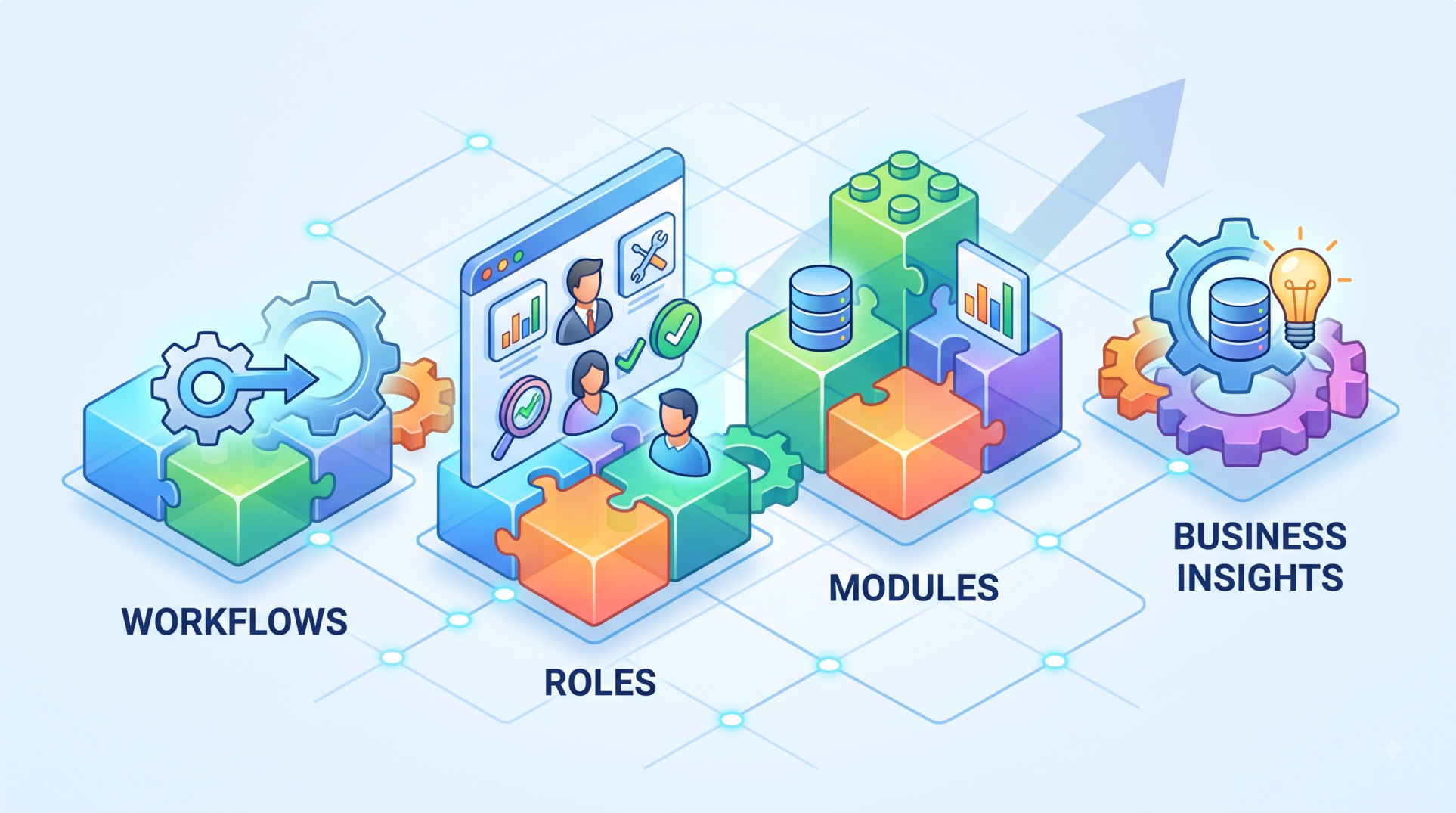
Step 3: Building Flexible and Modular ERP Workflows 🧩
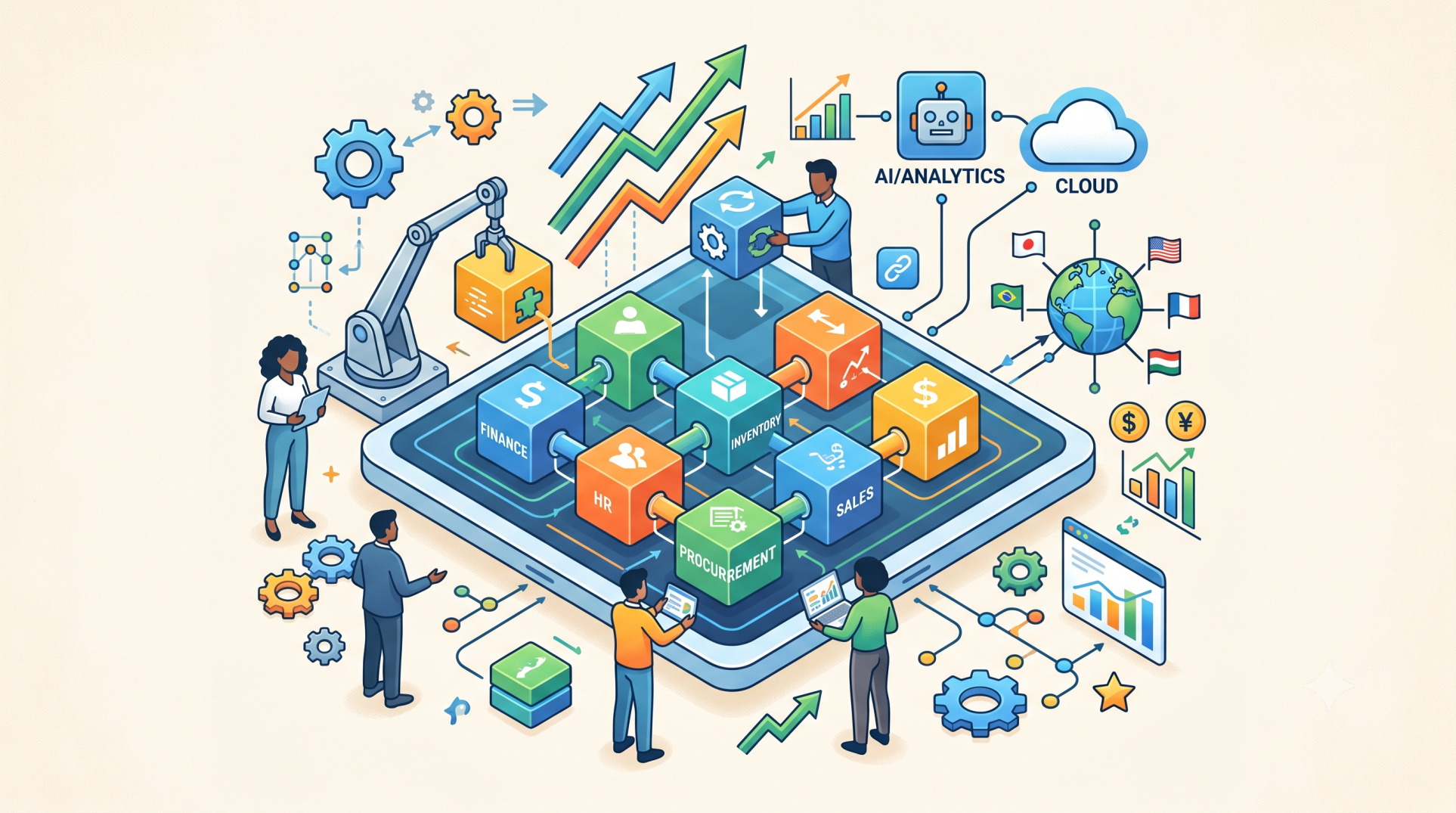
• Organize ERP functionality into independent modules with clearly defined responsibilities. ⚙️
• Allow departments to introduce new workflows without disrupting existing operations. 🔄
• Create reusable business processes for approvals, transactions, and operational activities. ♻️
• Support configurable rules that can adapt to changing business requirements. 📋
• Reduce dependencies between unrelated modules to simplify future enhancements. 🔗
Step 4: Strengthening Data Management Capabilities 📊
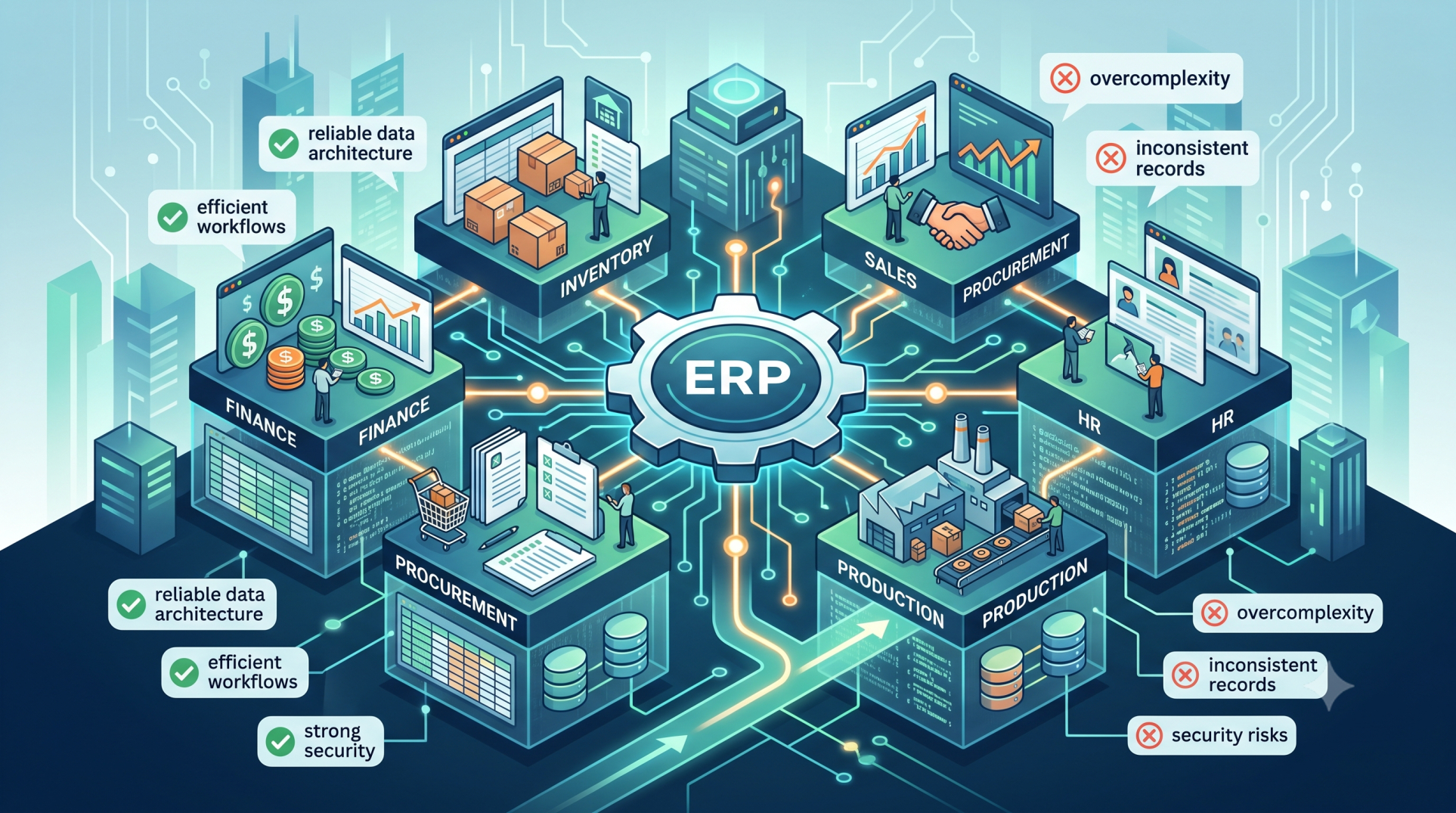
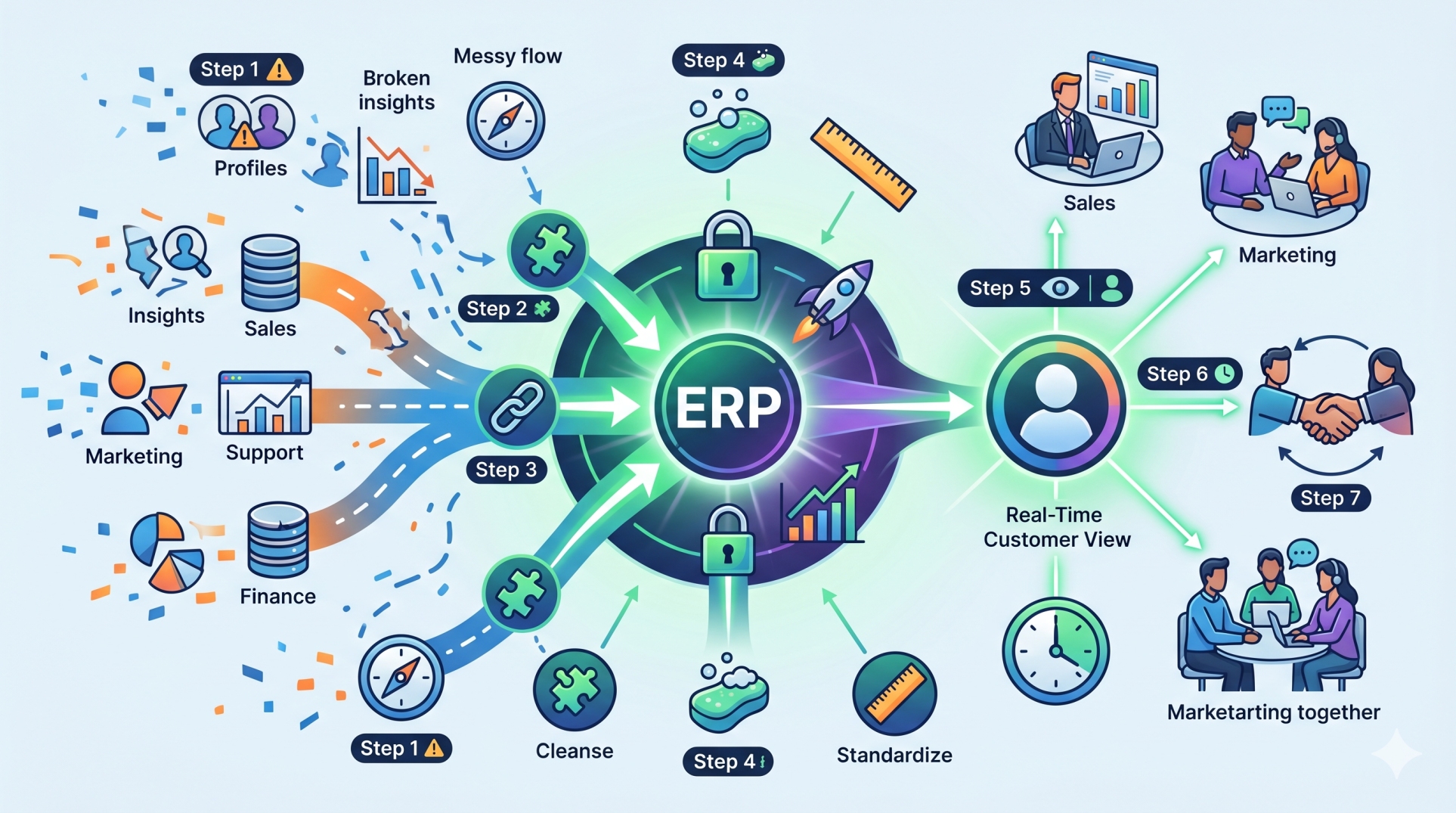
• Establish consistent data structures across finance, inventory, procurement, sales, and operations. 🗃️
• Maintain accurate and centralized business information. 🔎
• Introduce data governance practices to improve reliability and consistency. 🔐
• Support advanced reporting as transaction volumes and business complexity increase. 📈
• Prepare data architecture for future analytics and AI-driven capabilities. 🧠
Step 5: Expanding Integration Capabilities 🔗
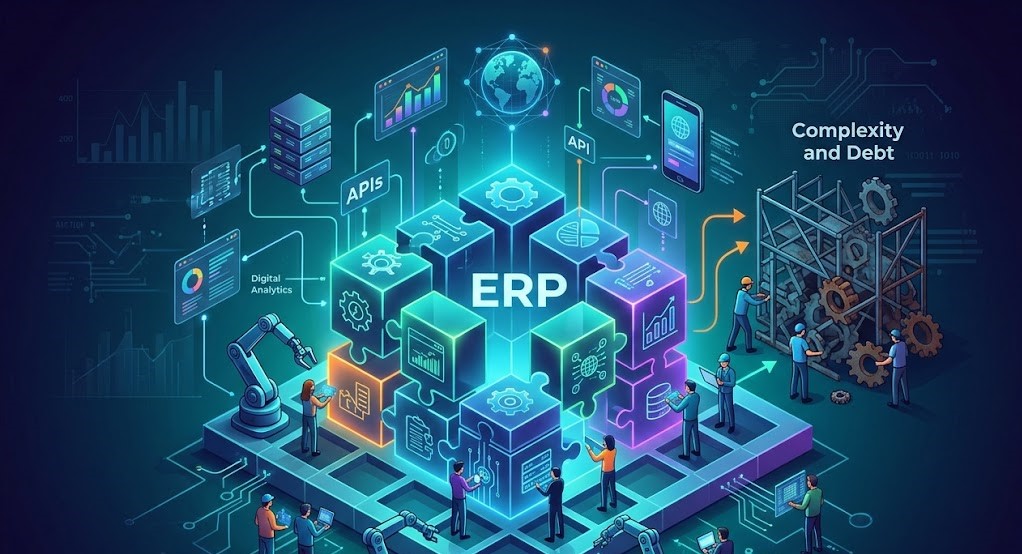
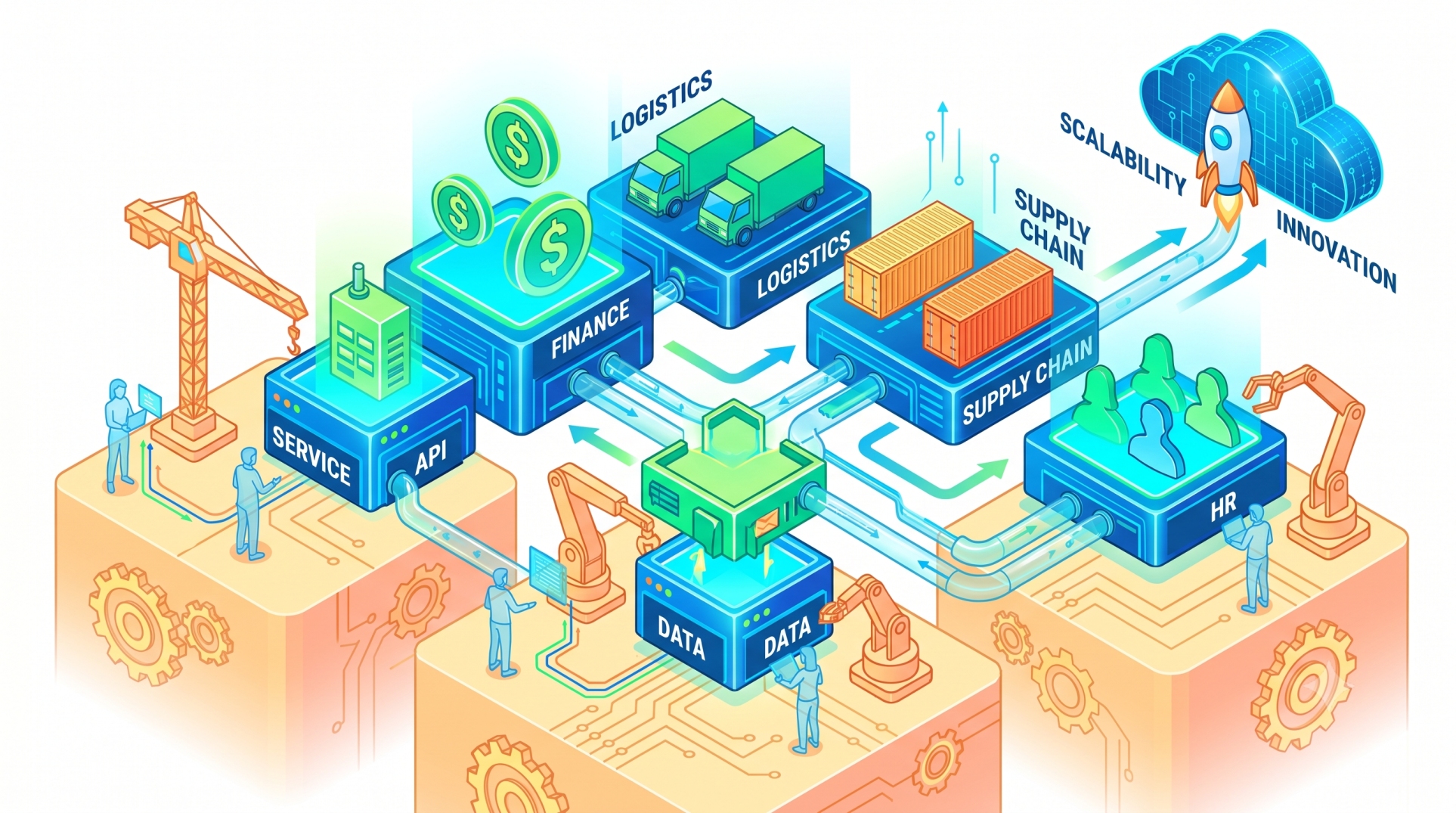
• Choose ERP platforms that support reliable API-based integrations. 🌐
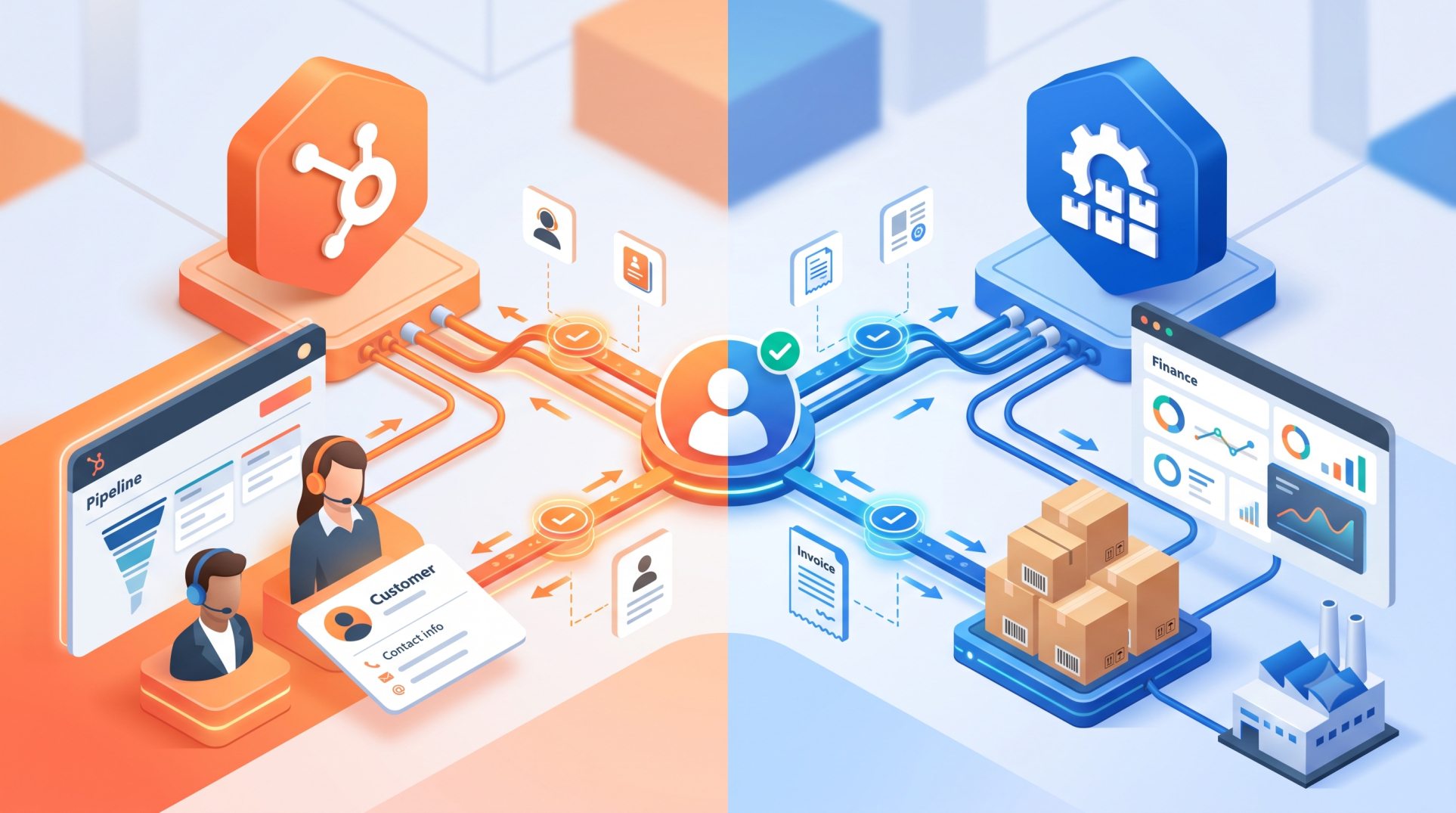
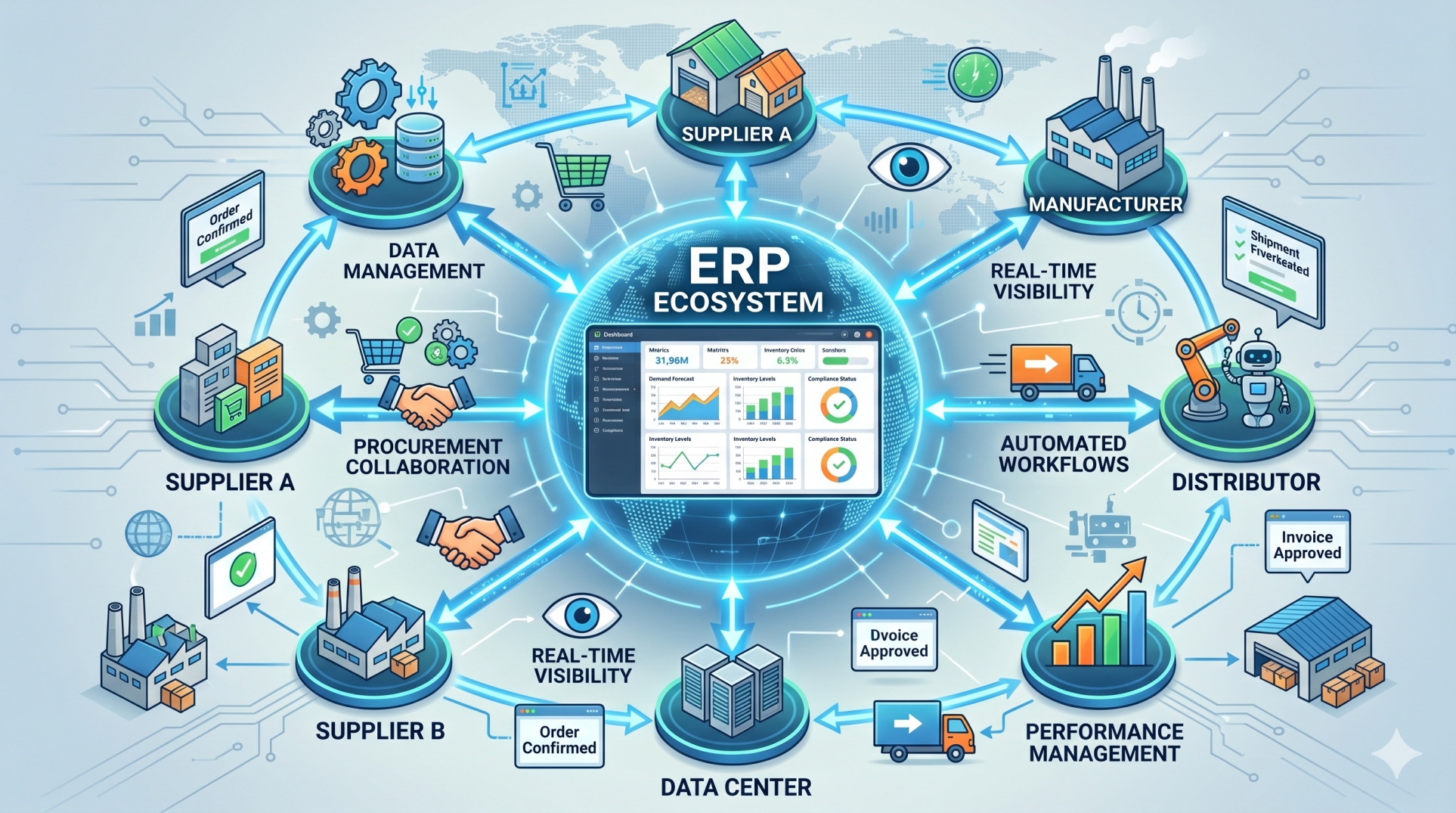
• Connect CRM, HR, accounting, inventory, logistics, and other business applications. 🏢
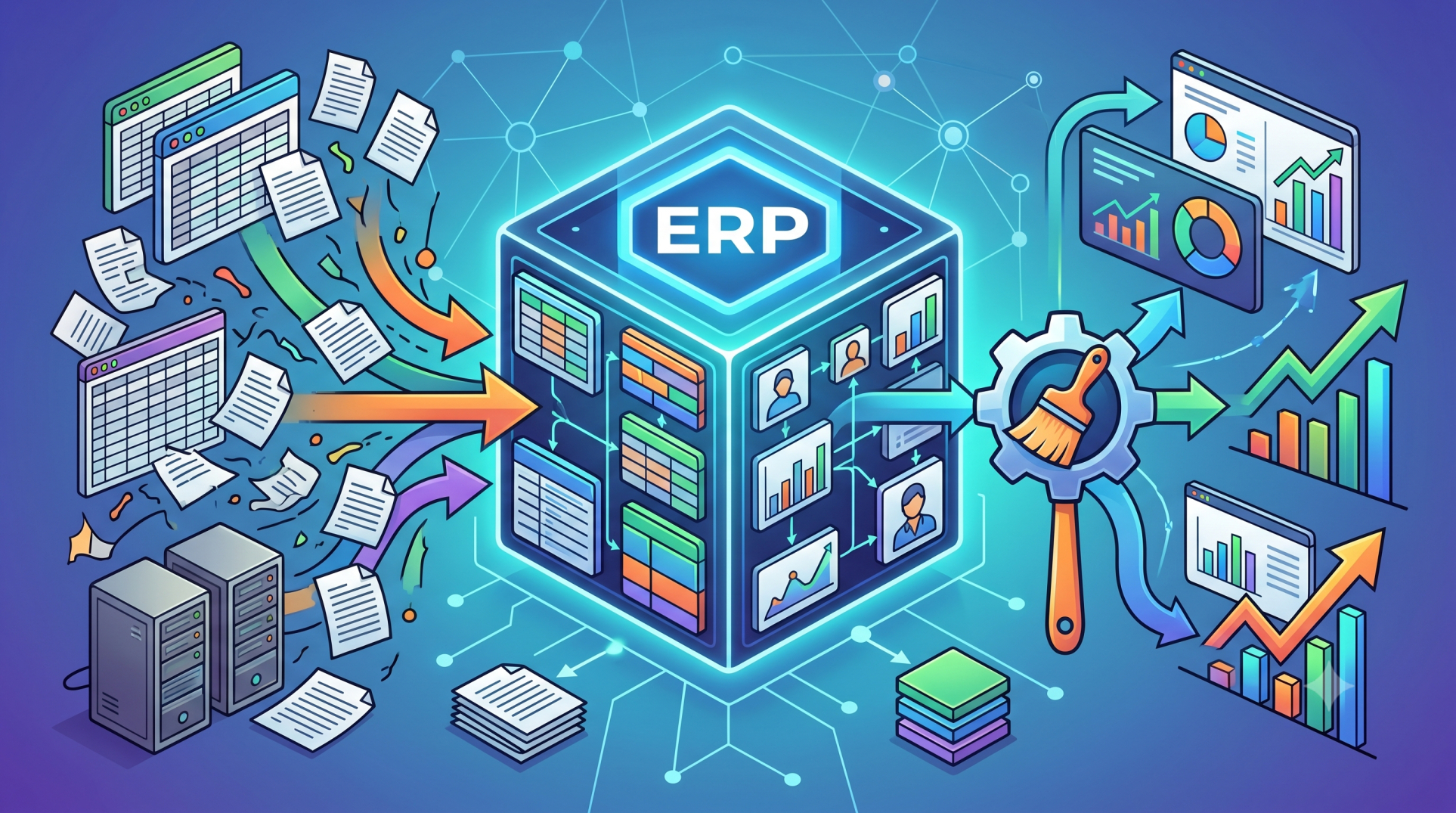
• Reduce manual data transfers between disconnected systems. ⚡
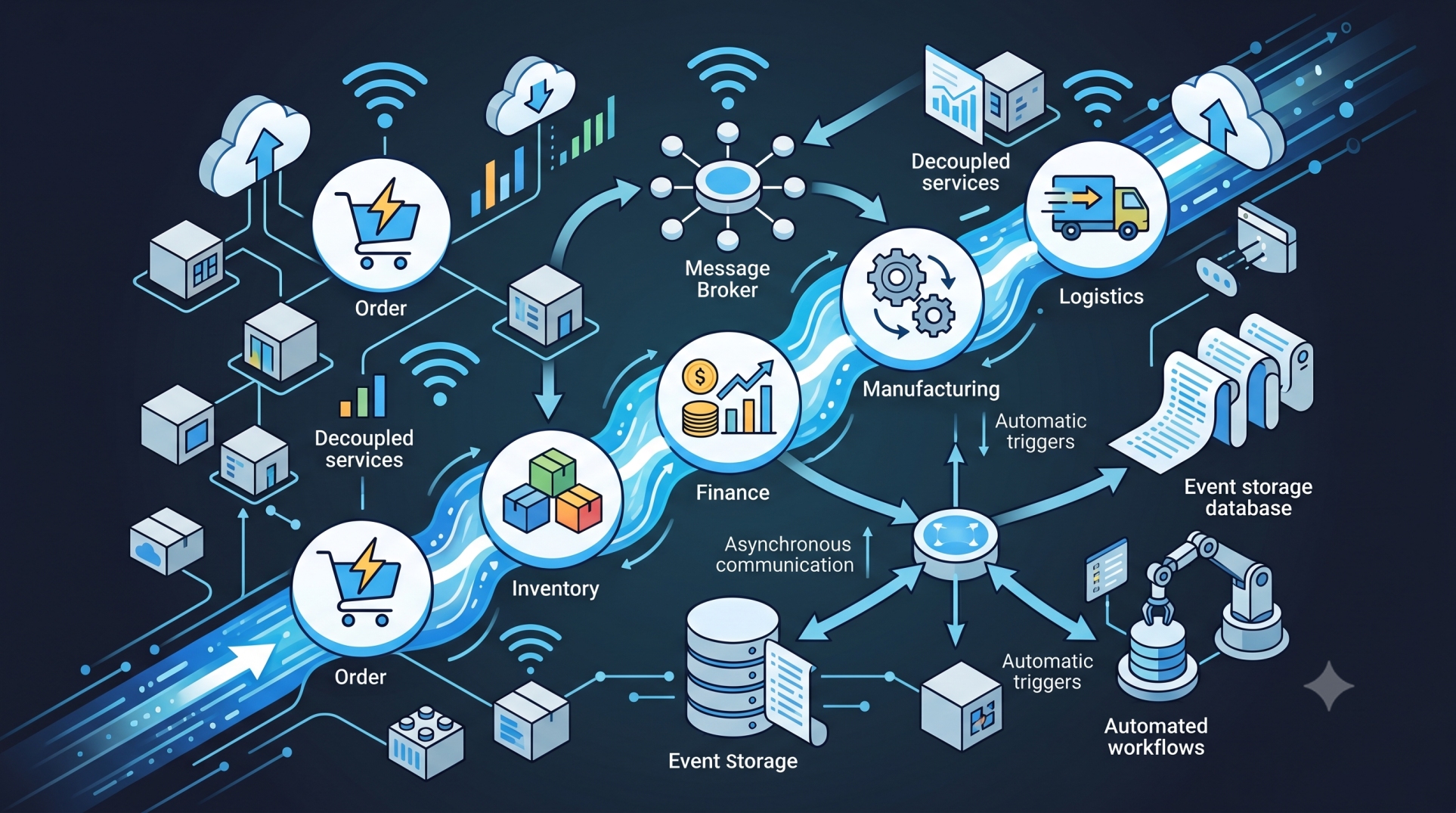
• Establish standardized communication methods between internal and external services. 🔌
• Make it easier to introduce new applications without rebuilding existing integrations. 🚀
Step 6: Automating Repetitive Business Operations 🤖
• Identify repetitive activities that consume significant employee time. 🔎
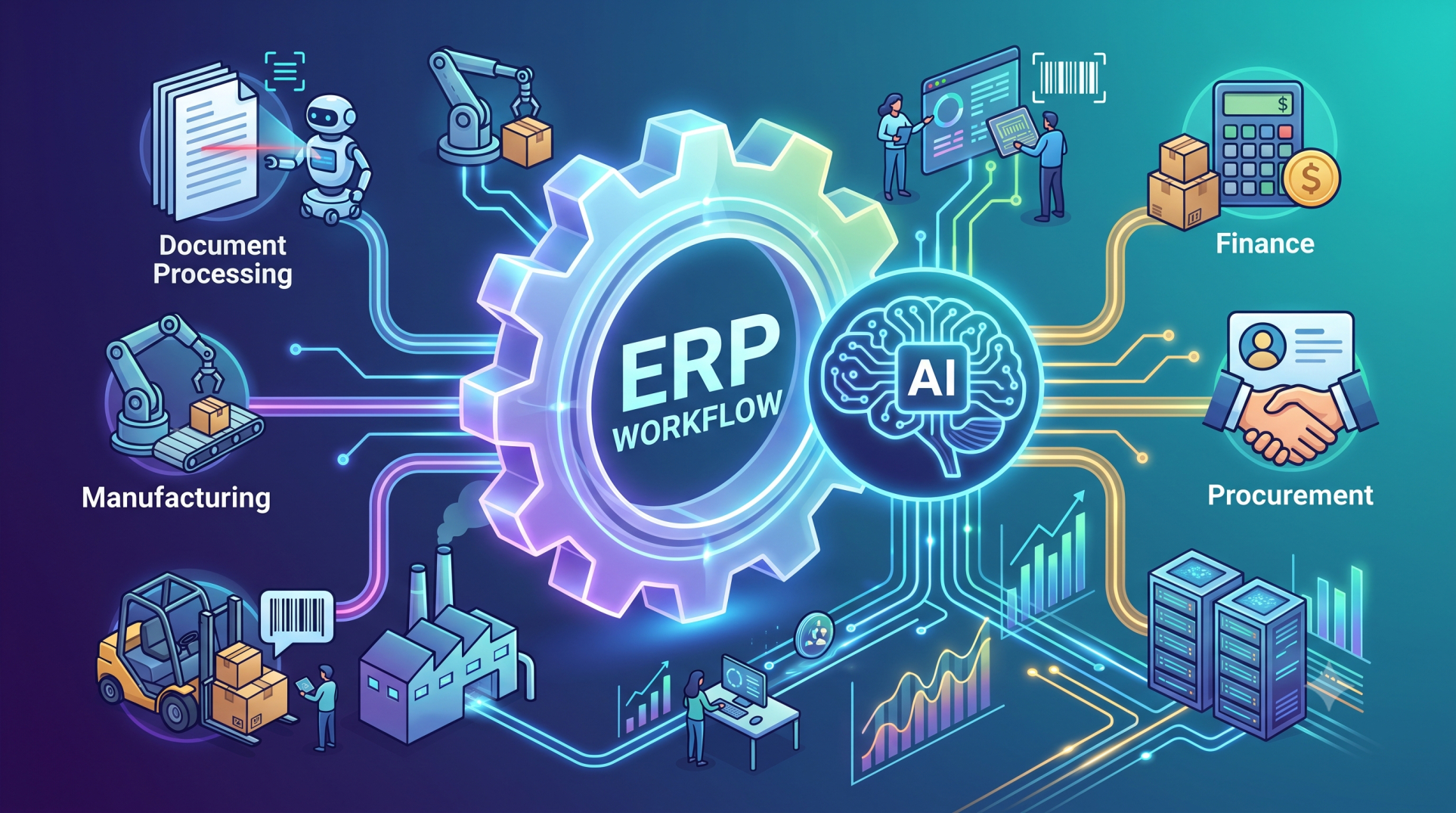
• Automate routine approvals, notifications, reconciliations, and data processing. ⚙️
• Introduce workflow automation to reduce manual intervention. 🔄
• Apply intelligent automation where business processes benefit from contextual analysis. 🧠
• Monitor automation performance to maintain accuracy and operational reliability. 📊
Step 7: Supporting Multiple Locations and Departments 🌐
• Enable centralized management across different branches and facilities. 🏢
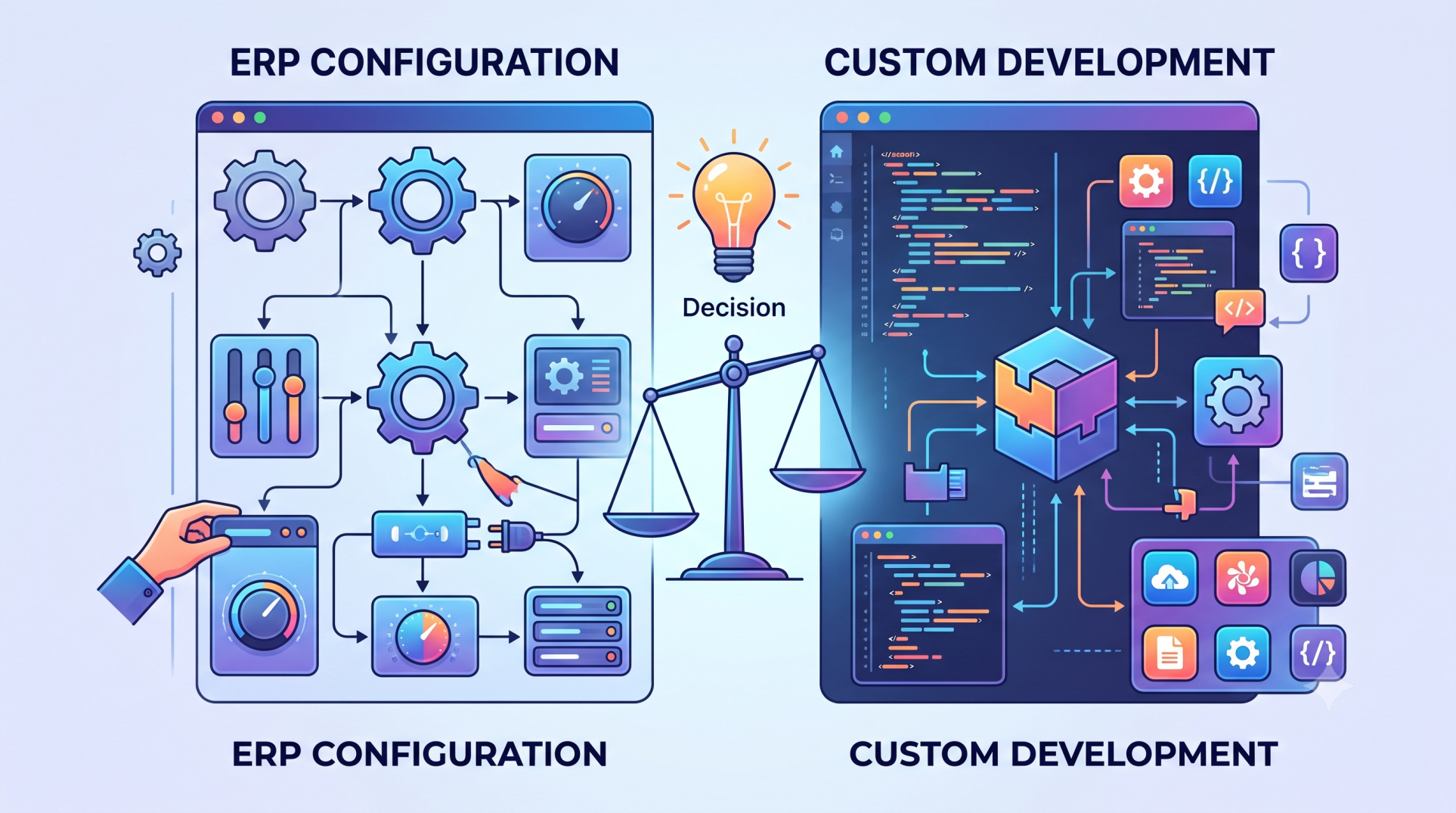
• Configure location-specific workflows without fragmenting the overall ERP environment. 🧩
• Establish consistent reporting across departments and business units. 📊
• Manage different operational requirements through configurable permissions and policies. 🔐
• Maintain visibility into business performance across the entire organization. 👁️
Step 8: Maintaining Performance and Security 🔐
• Monitor system performance as users, transactions, and integrations increase. 📈
• Optimize database queries and application services to prevent performance degradation. ⚡
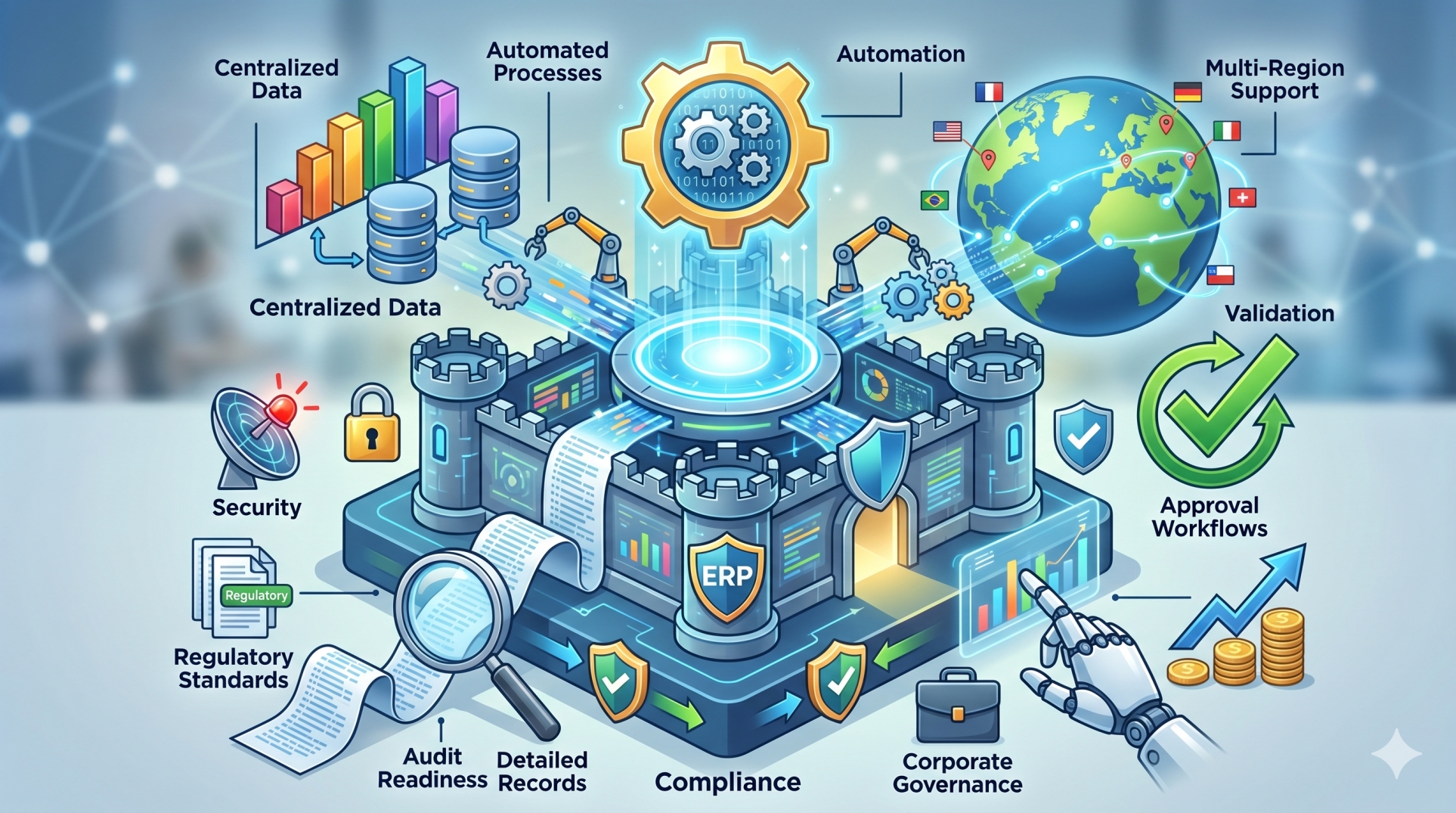
• Implement appropriate access controls for different organizational roles. 🛡️
• Maintain backup, recovery, and business continuity procedures. 🔄
• Regularly review infrastructure capacity and security requirements. 🔎
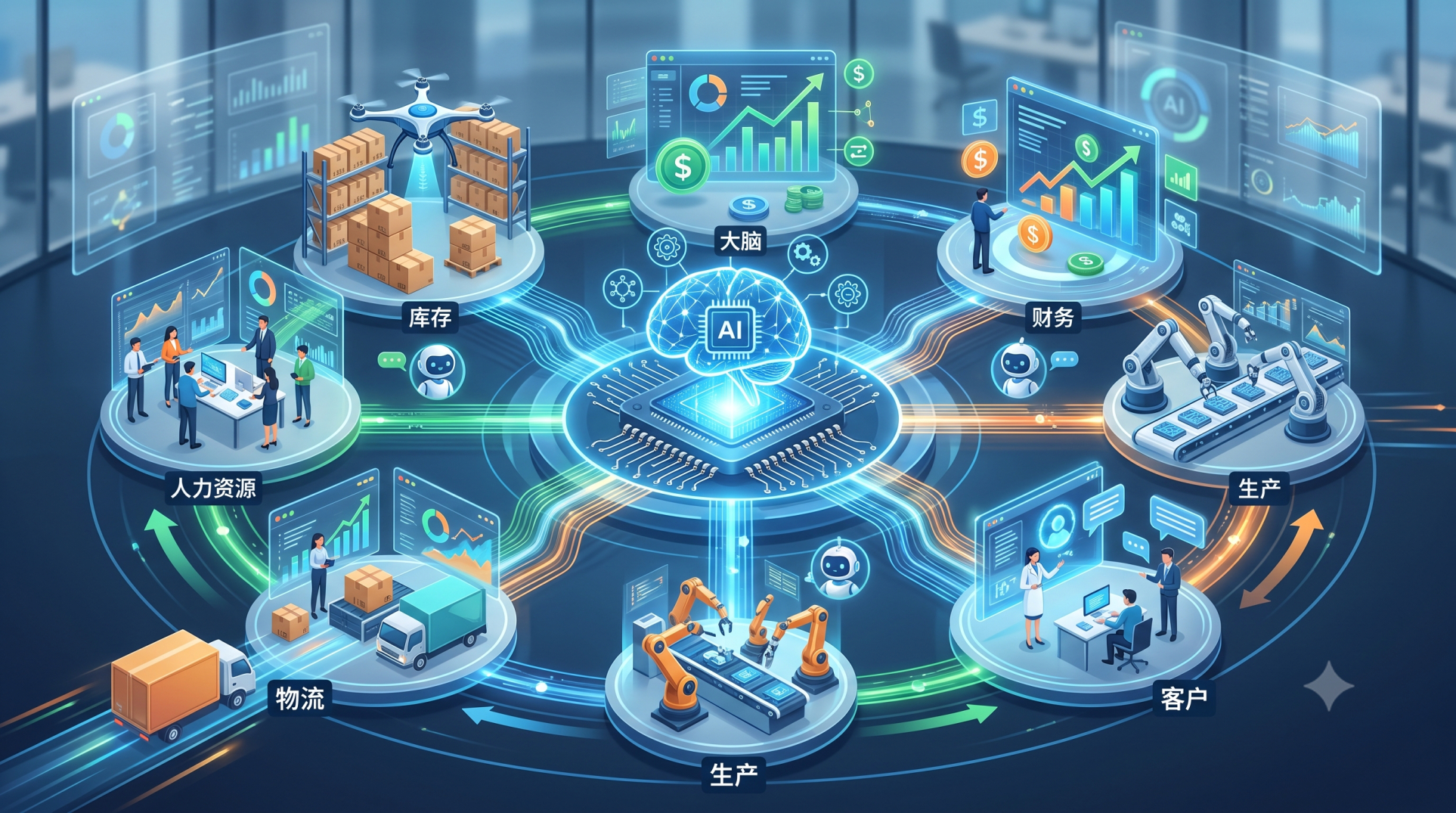
Step 9: Introducing AI and Advanced Business Intelligence 🧠
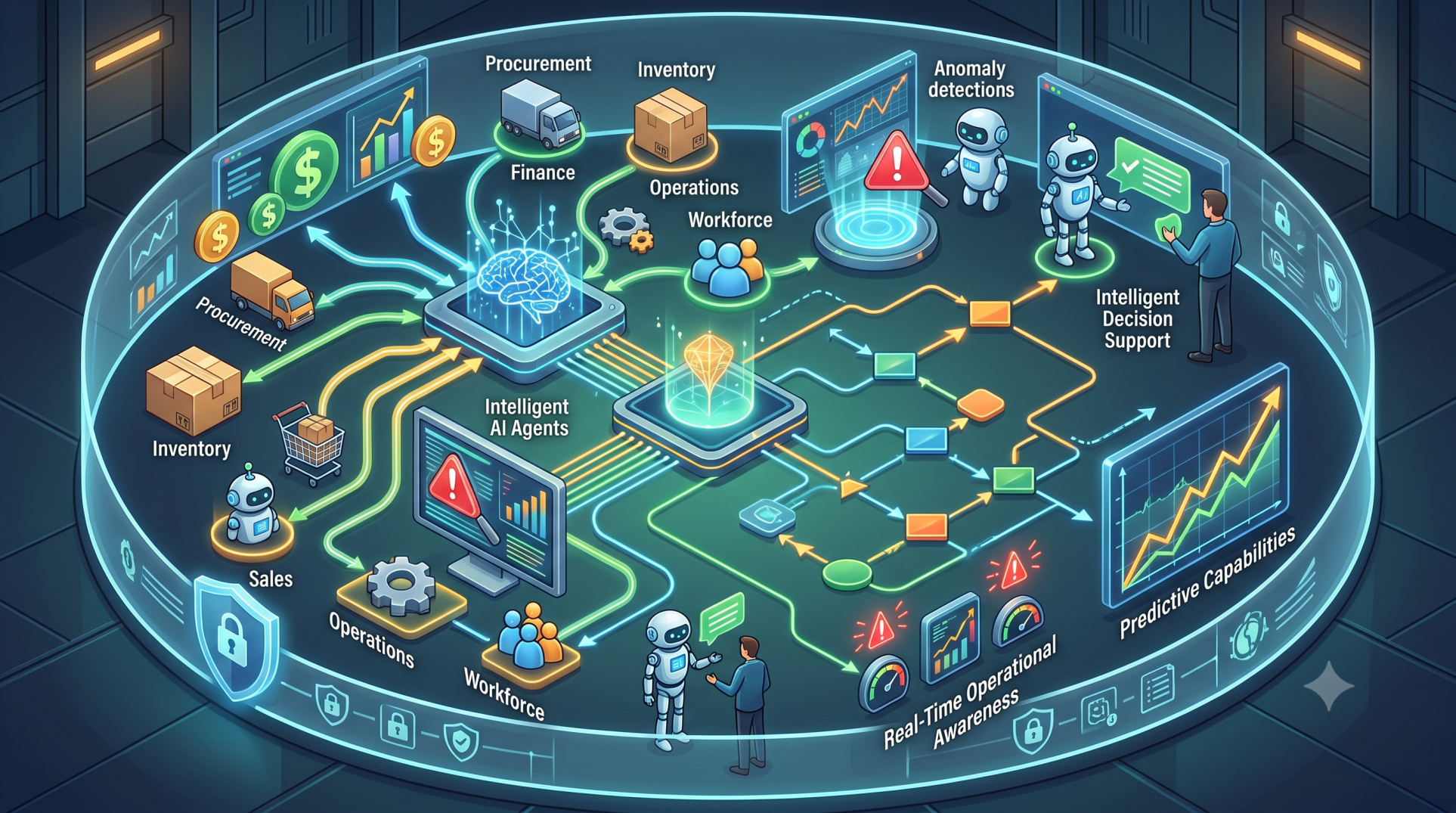
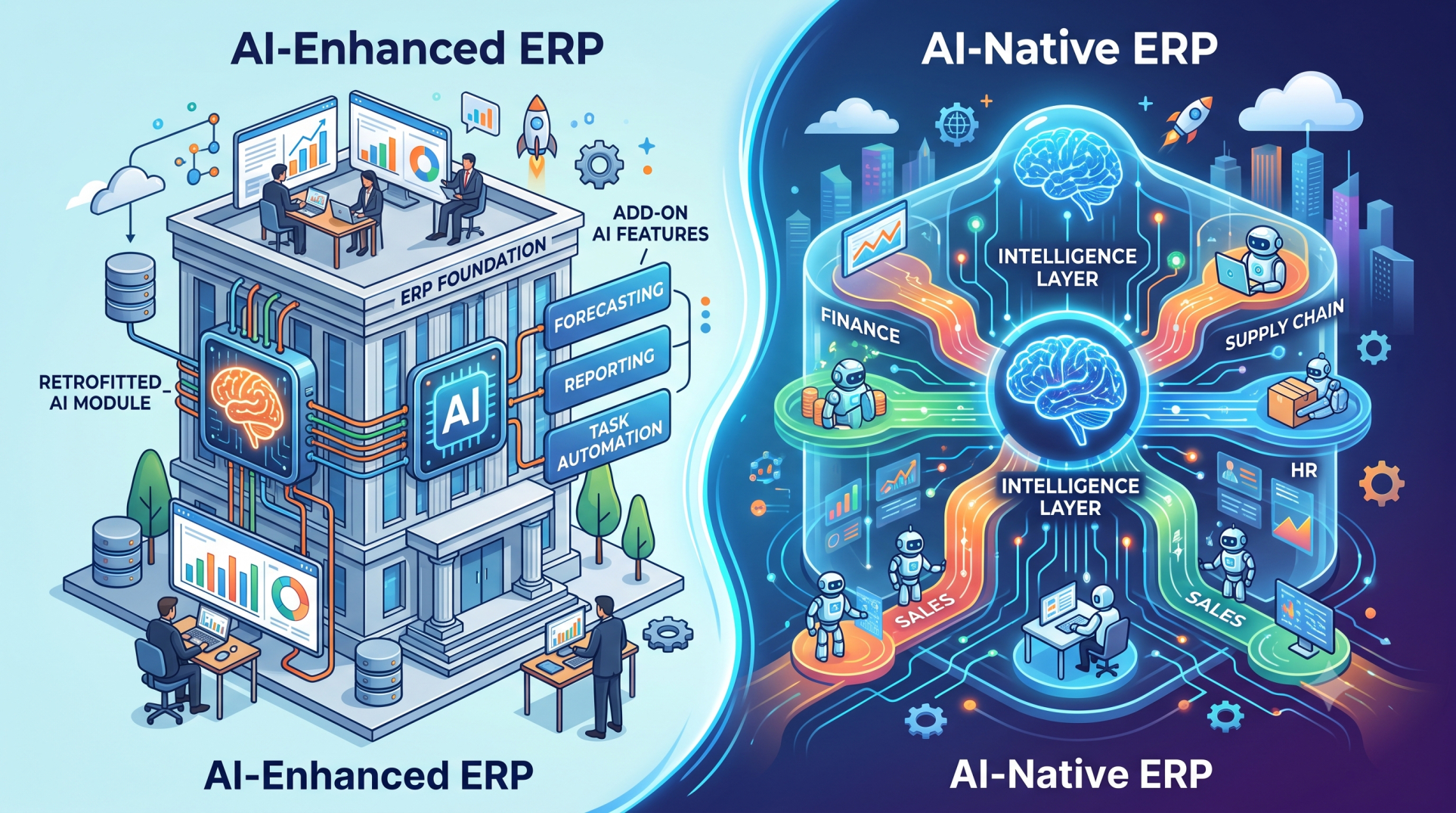
• Integrate AI capabilities for forecasting, reporting, and operational analysis. 📊
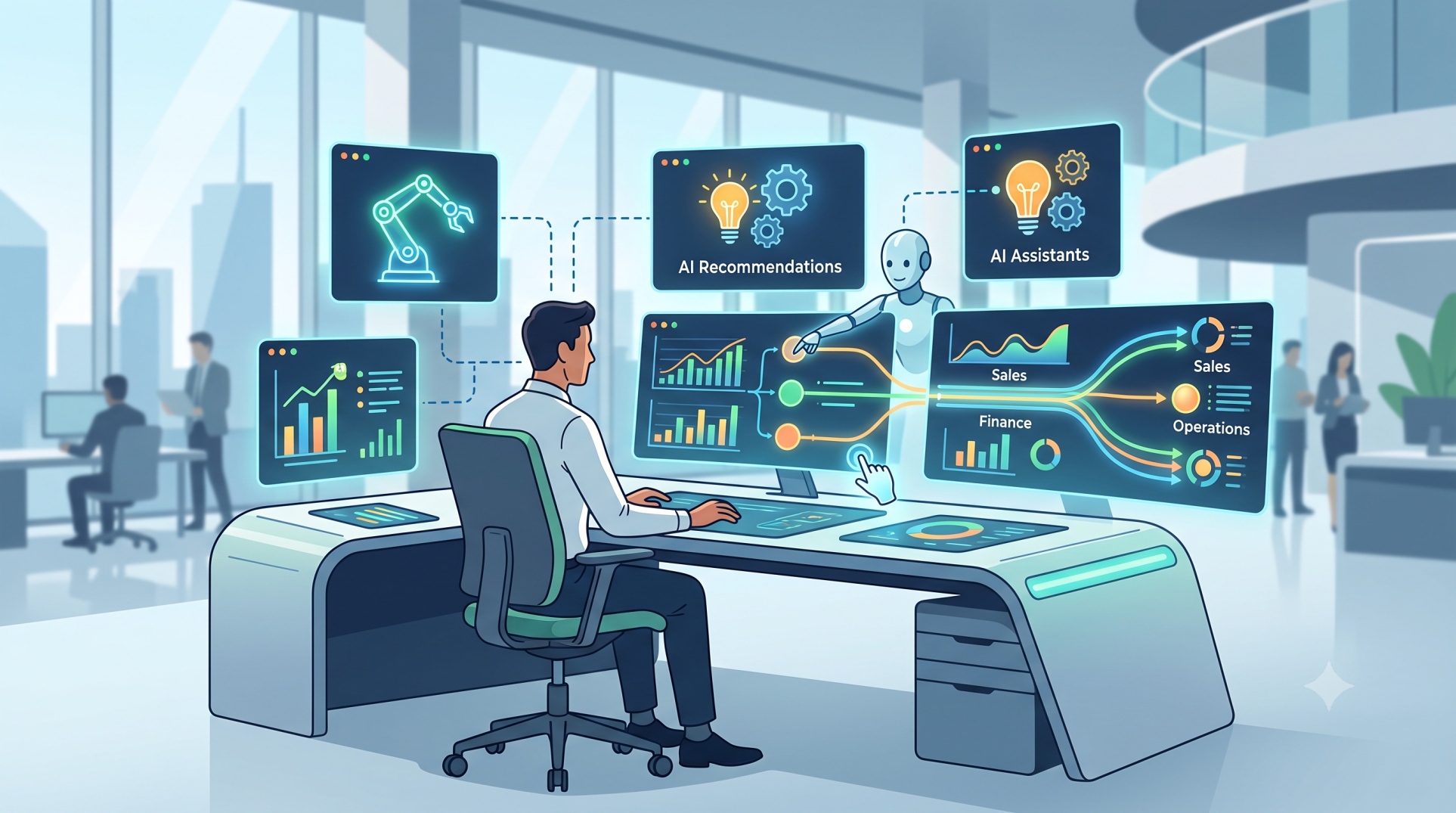
• Use intelligent assistants to help employees access relevant business information. 💬
• Apply predictive analytics to identify potential inventory, financial, and operational challenges. 🔎
• Introduce AI-powered document processing and workflow assistance where appropriate. 🤖
• Expand intelligent capabilities while maintaining human oversight and data governance. 🔐
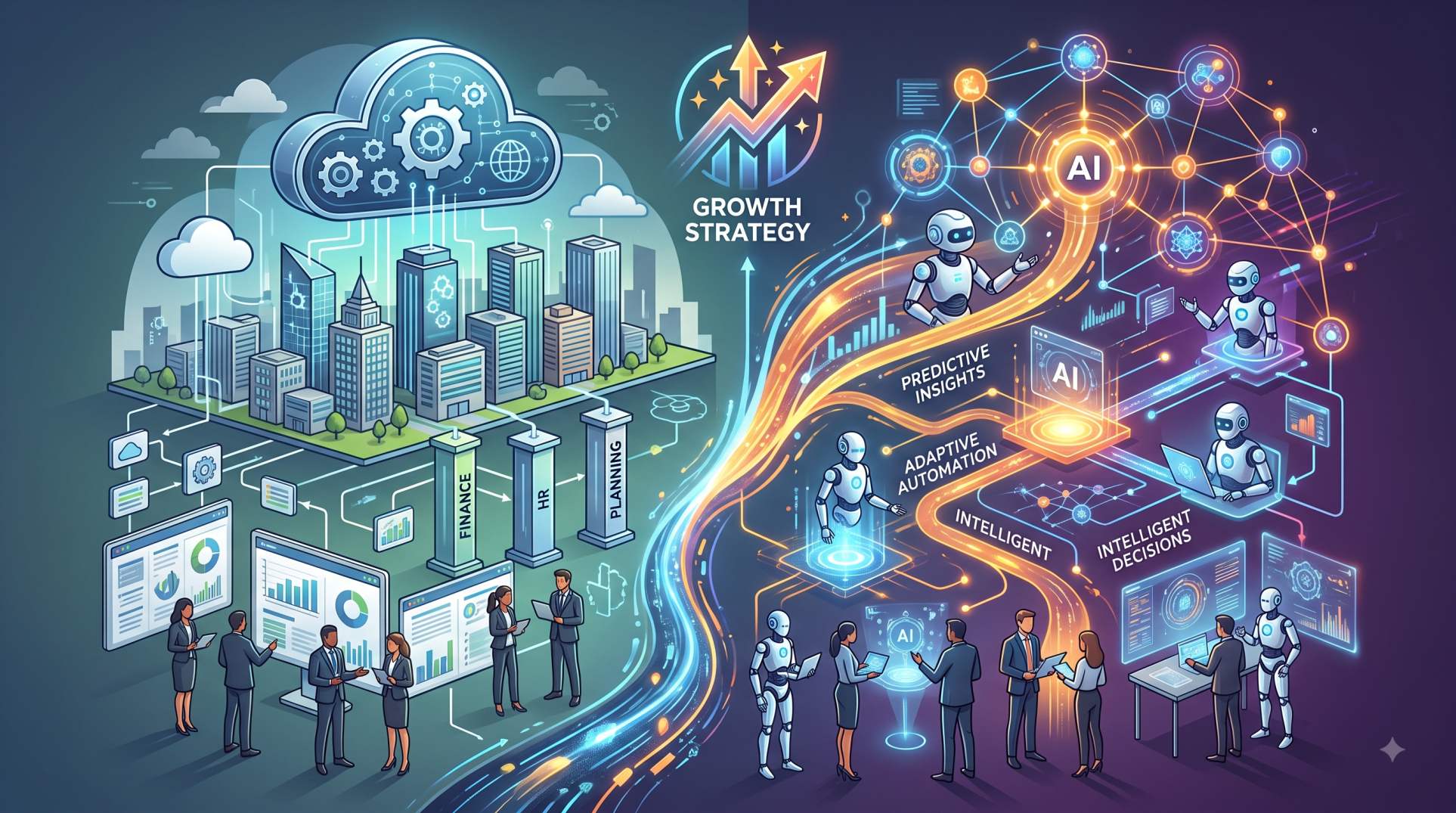
Step 10: Establishing a Long-Term ERP Growth Strategy 🚀
• Review ERP capabilities against changing business objectives. 🎯
• Identify limitations before they become major operational obstacles. 🔎
• Allocate resources for upgrades, maintenance, and architectural improvements. 🔧
• Introduce new modules and technologies through controlled implementation plans. 🧩
• Build a continuous improvement strategy that keeps ERP capabilities aligned with business growth. 📈
Conclusion
Avoiding ERP limitations during business expansion requires organizations to think beyond their immediate operational requirements. A scalable ERP platform should support increasing transaction volumes, expanding teams, connected applications, advanced automation, and evolving business processes without introducing unnecessary complexity. By investing in modular architecture, flexible workflows, reliable integrations, strong data management, and continuous modernization, growing companies can build an ERP environment that evolves alongside their operations. The goal is not simply to find software that works today, but to establish a technology foundation capable of supporting tomorrow's business opportunities.
See more blogs
You can all the articles below