ERP Software for Industrial Machinery, Engineering Companies and Energy Businesses
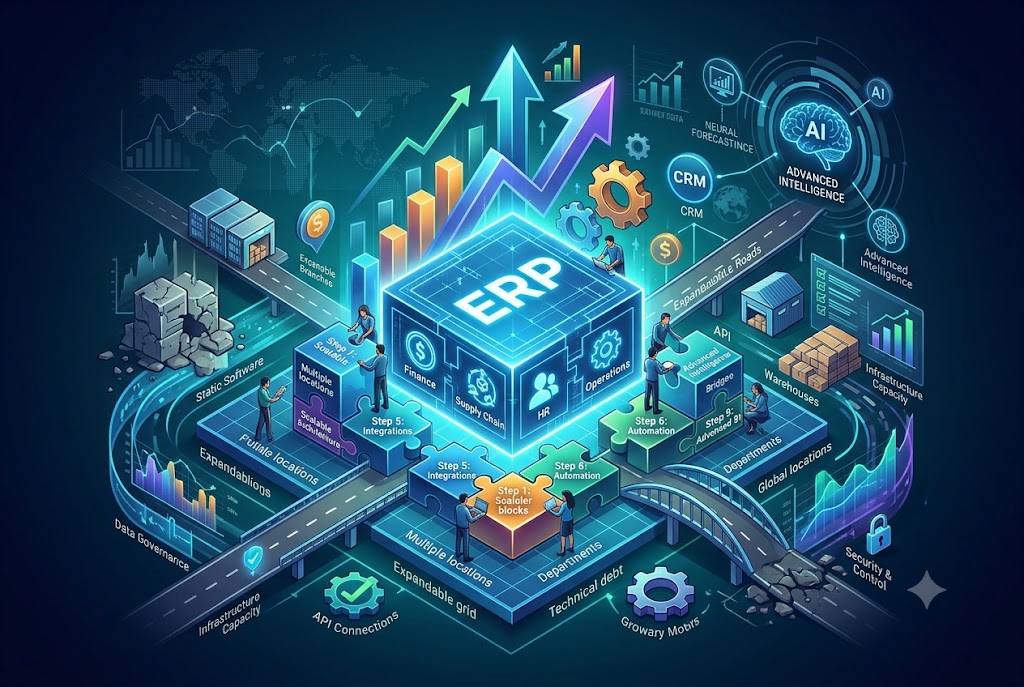
ERPSoftware for Industrial Machinery, Engineering Companies and Energy Businesses
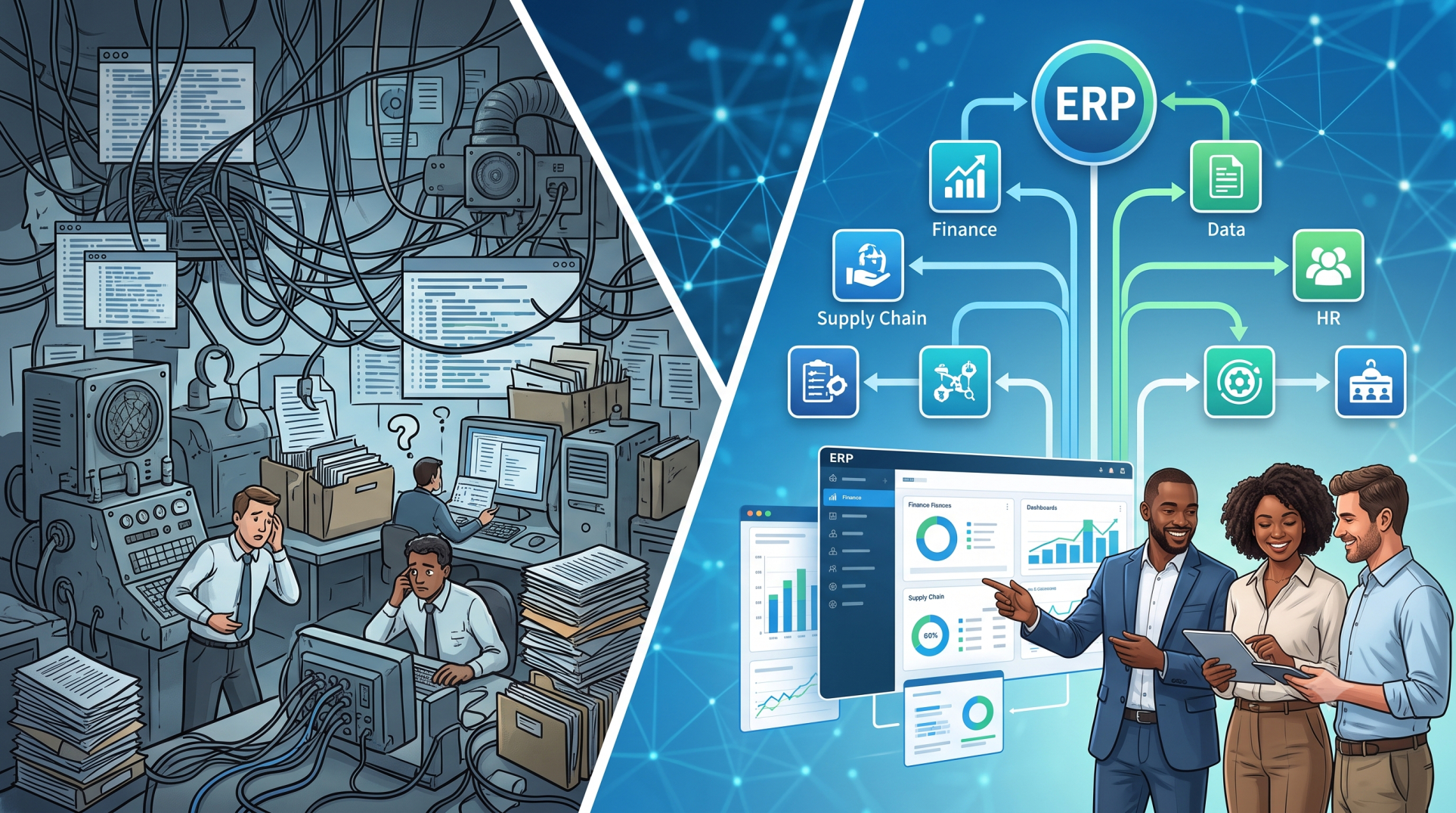
Industrial machinery manufacturers, engineering companies,and energy businesses manage complex operations involving production,inventory, procurement, project budgets, equipment maintenance, and financialreporting. When these activities rely on disconnected systems and spreadsheets,teams may struggle to identify delays, control costs, and make timelydecisions.
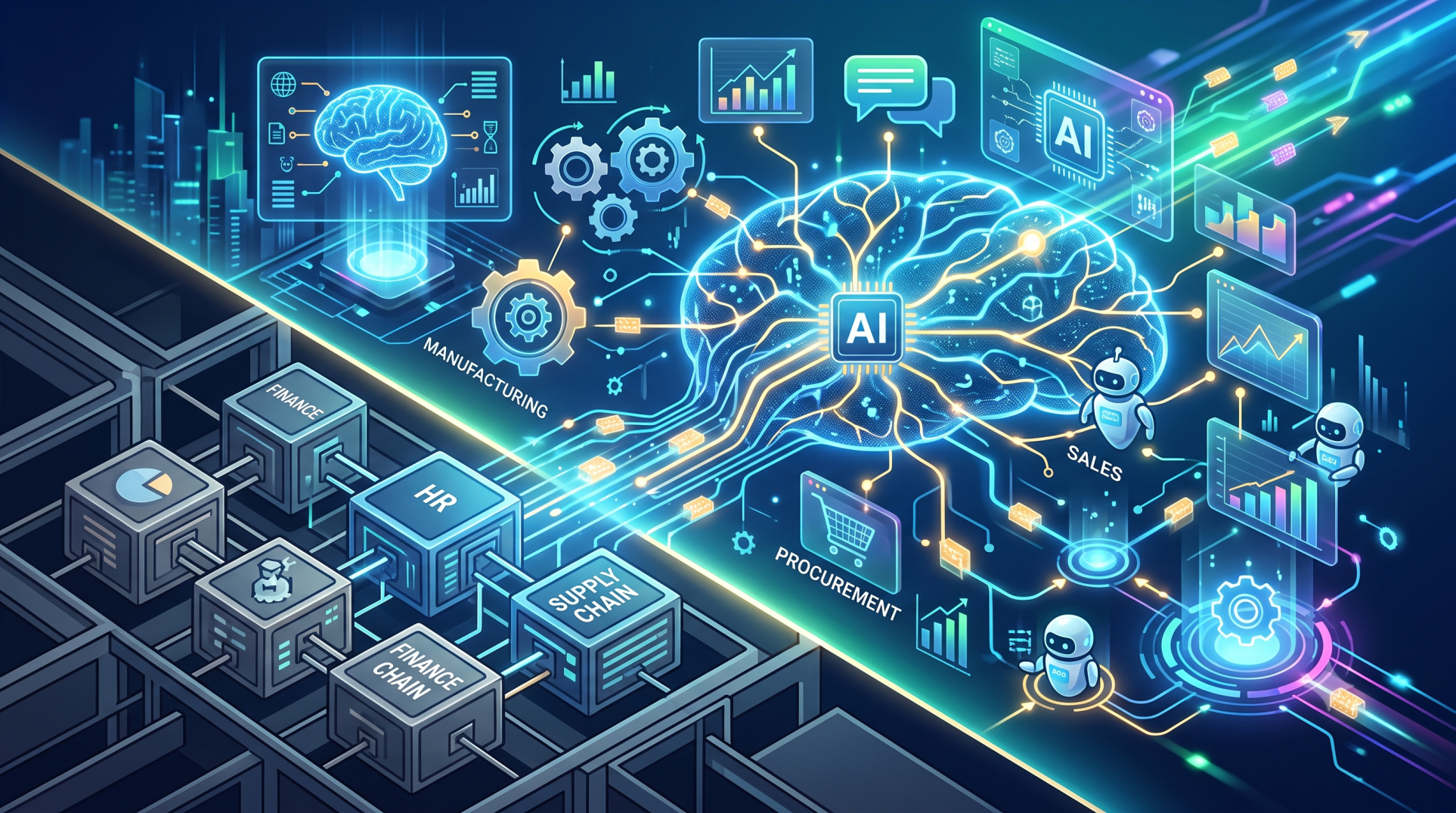
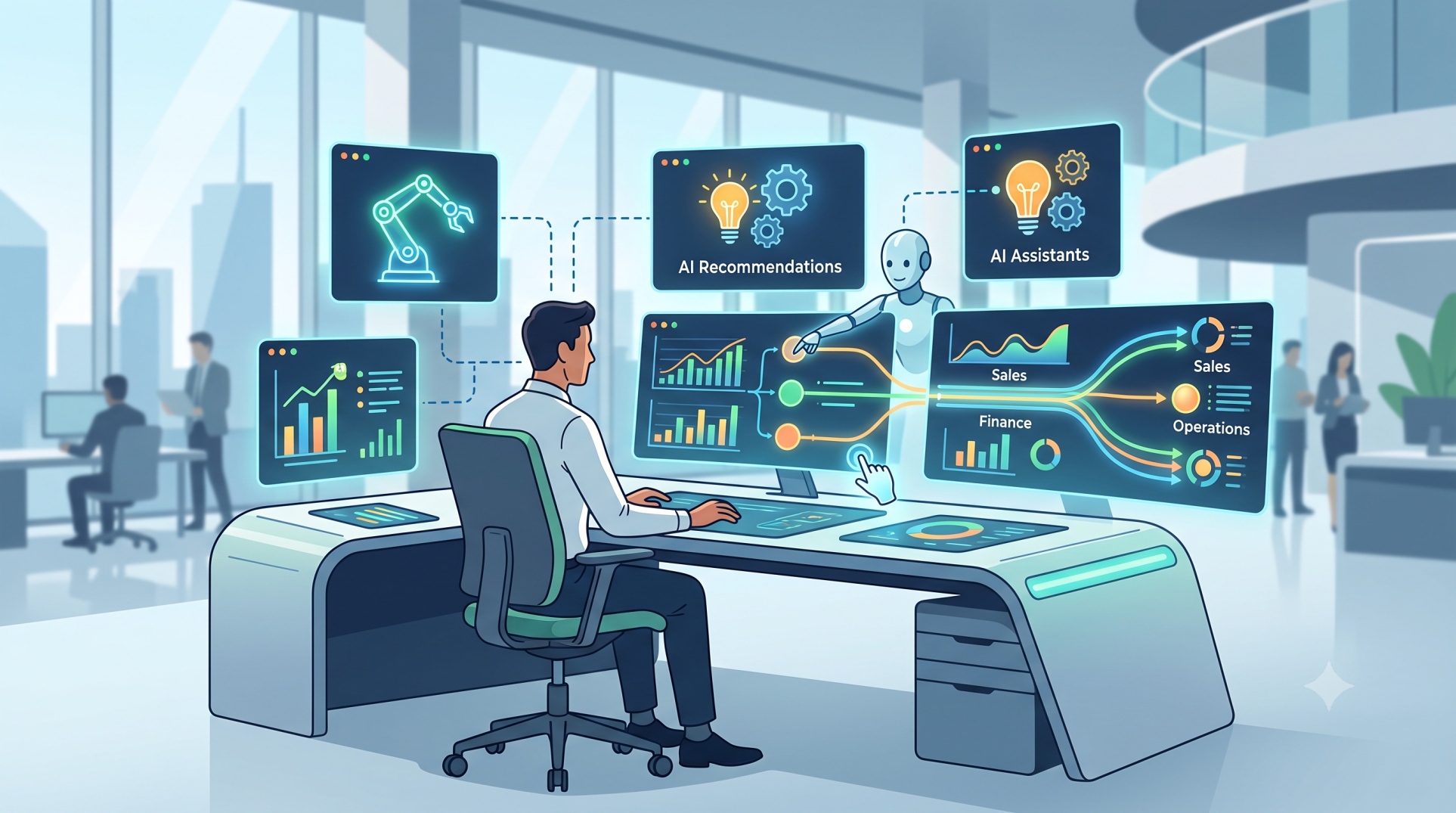
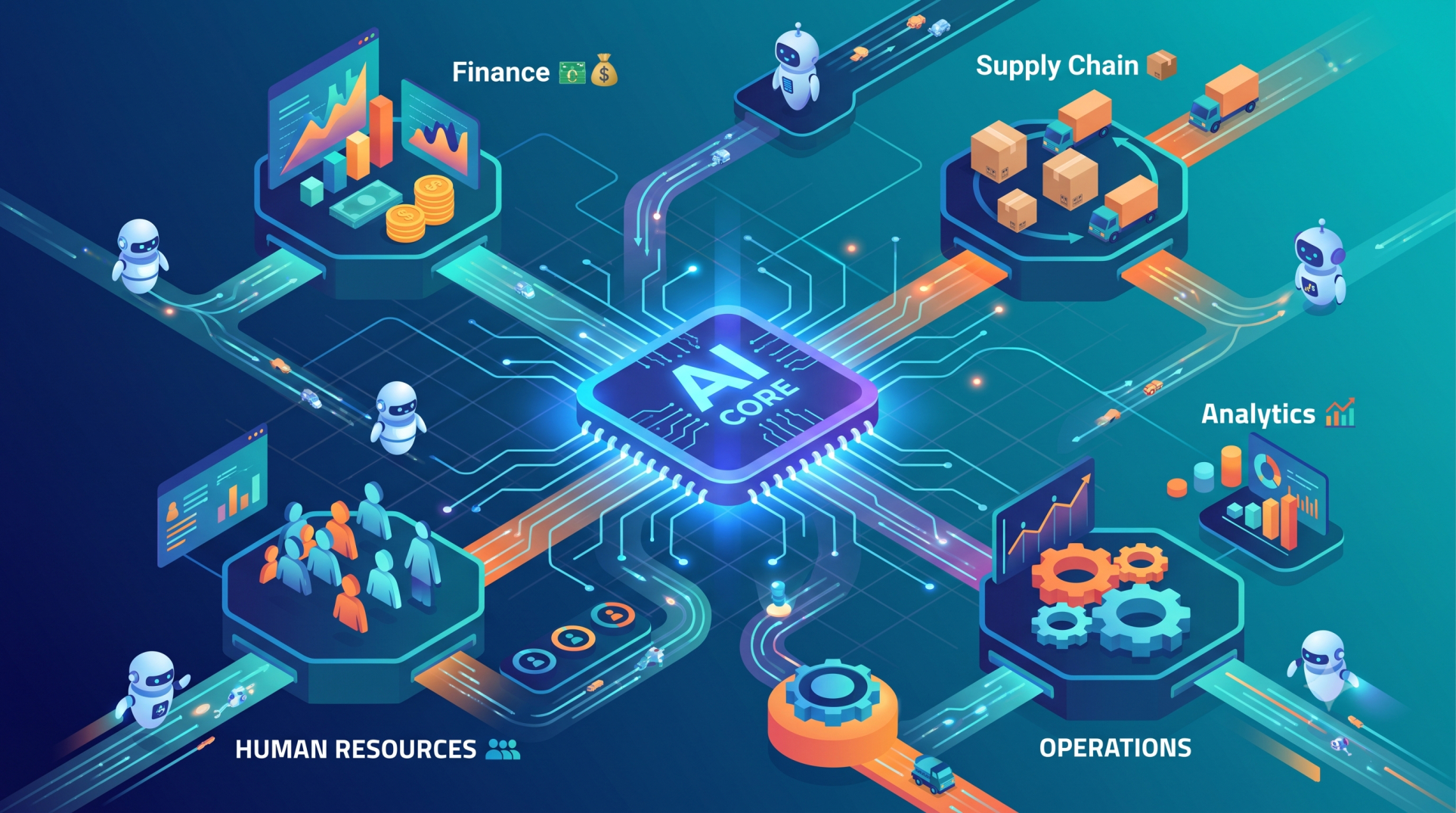
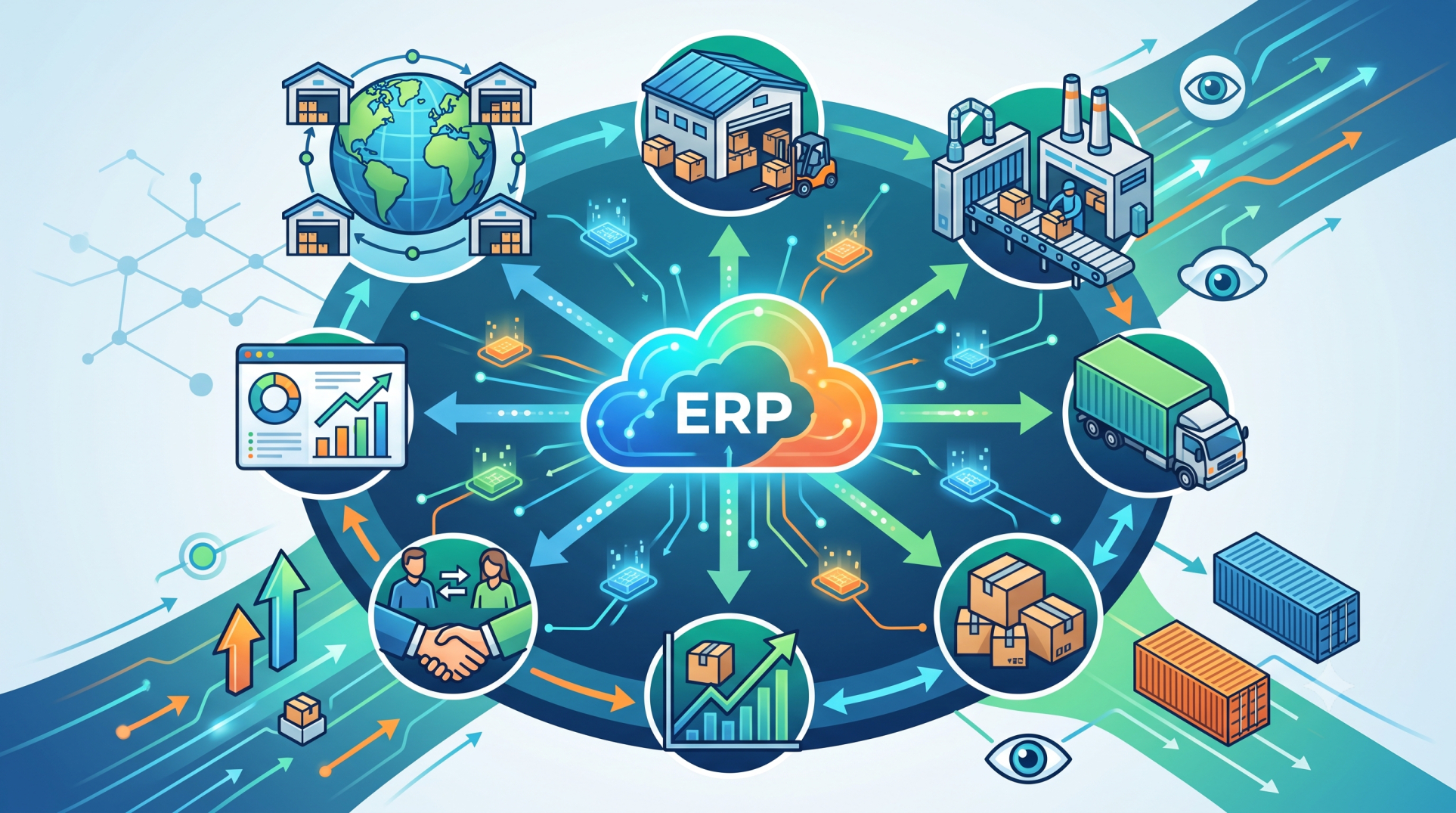
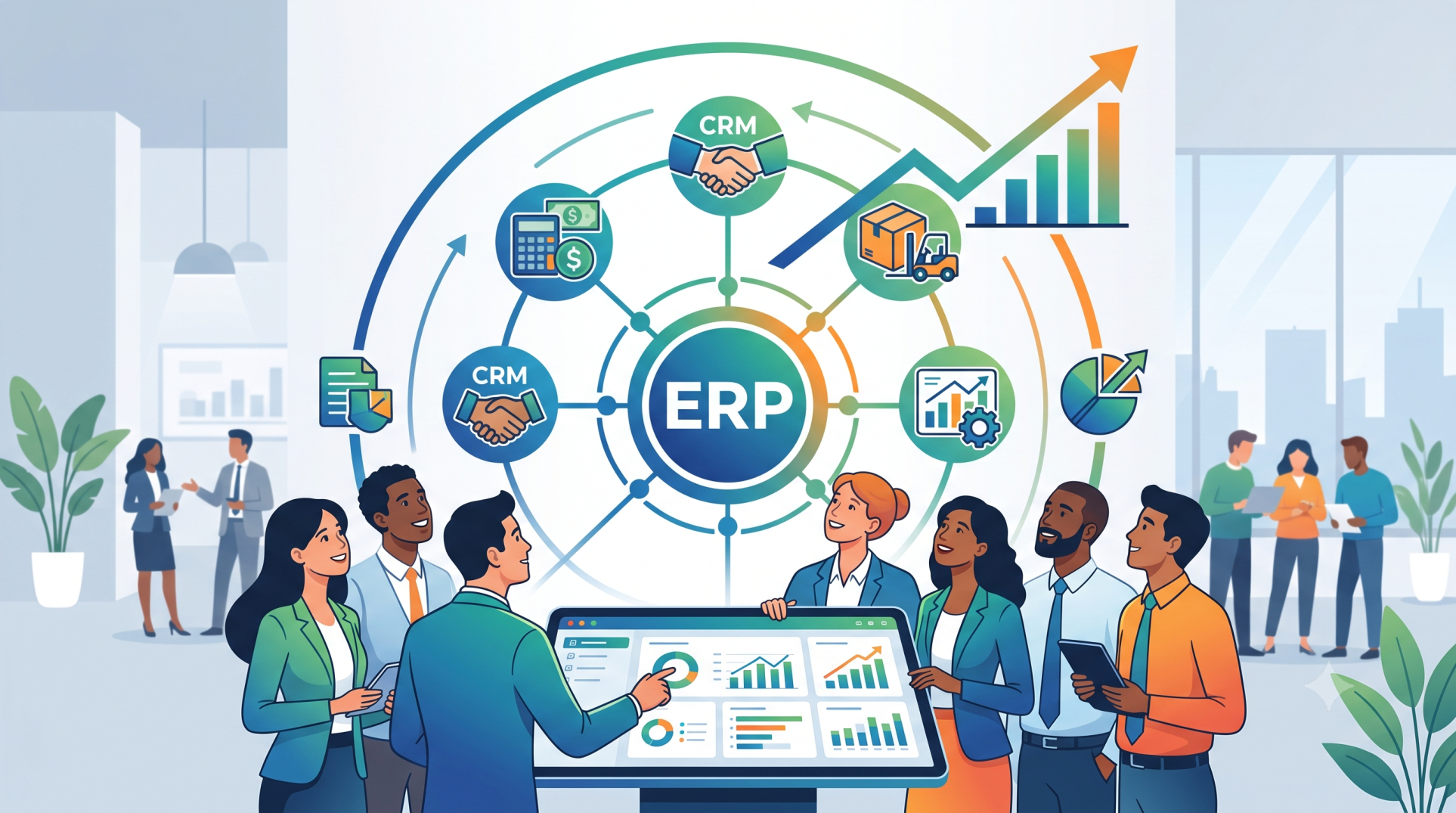
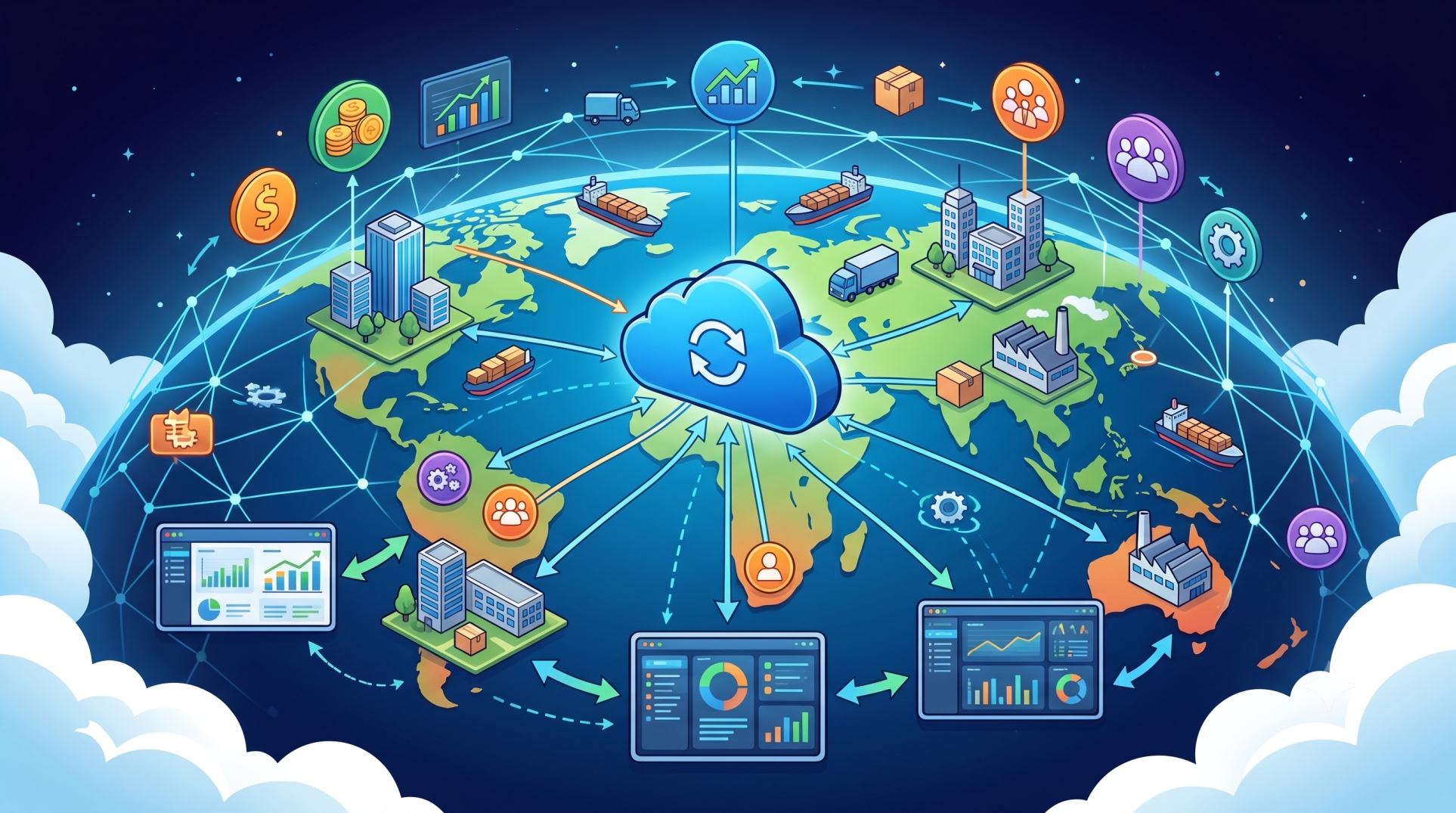
ERP software helps businesses connect essentialprocesses through a centralized platform, improving visibility acrossdepartments and supporting more informed planning. For industrialorganizations, the right solution can help coordinate resources, monitoroperational performance, and manage business growth.
This guide explains the essential features, benefits, andselection criteria for ERP software across industrial machinery, engineering,and energy sectors.
What Is ERP Software and How Does It Work?
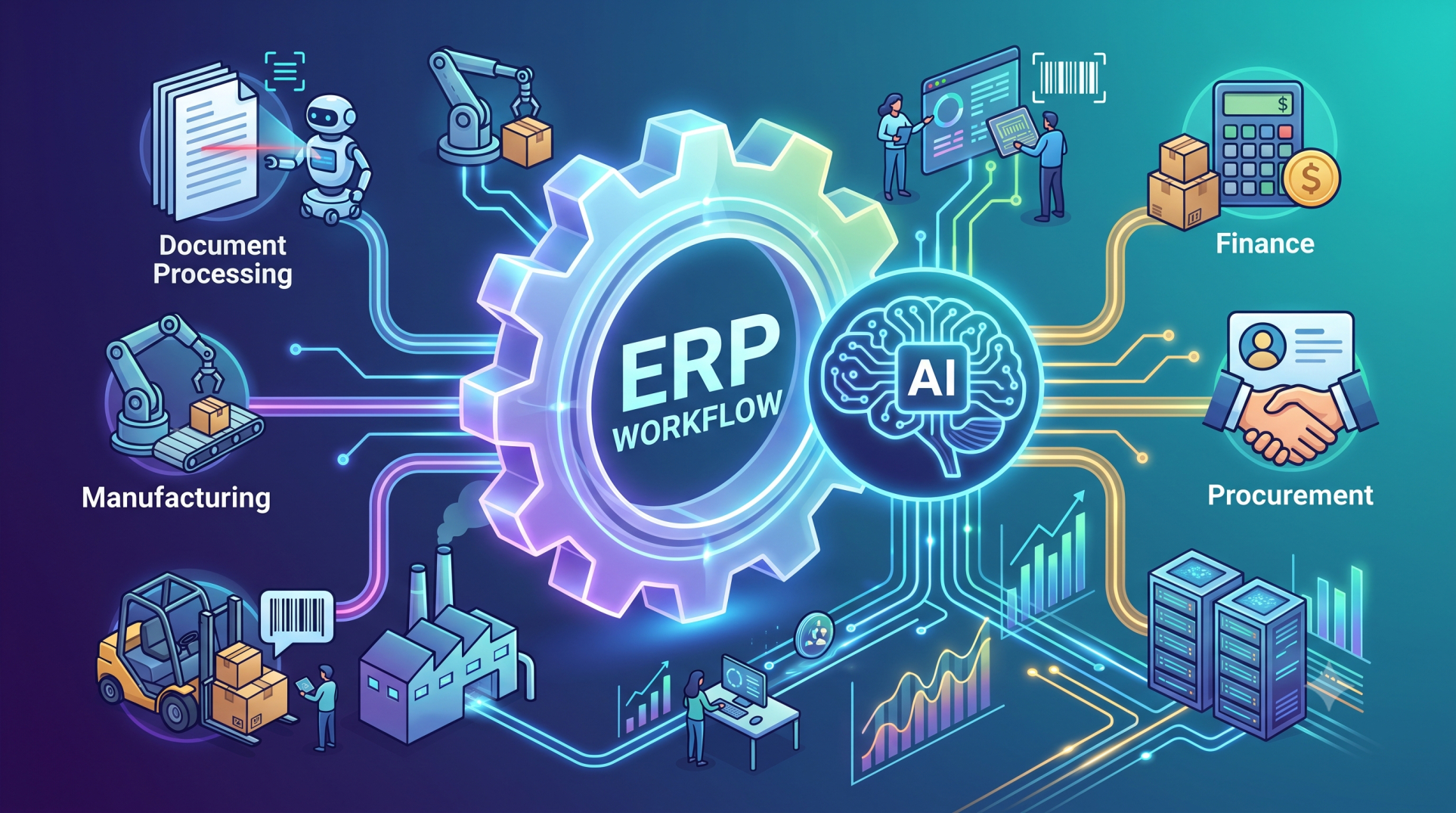
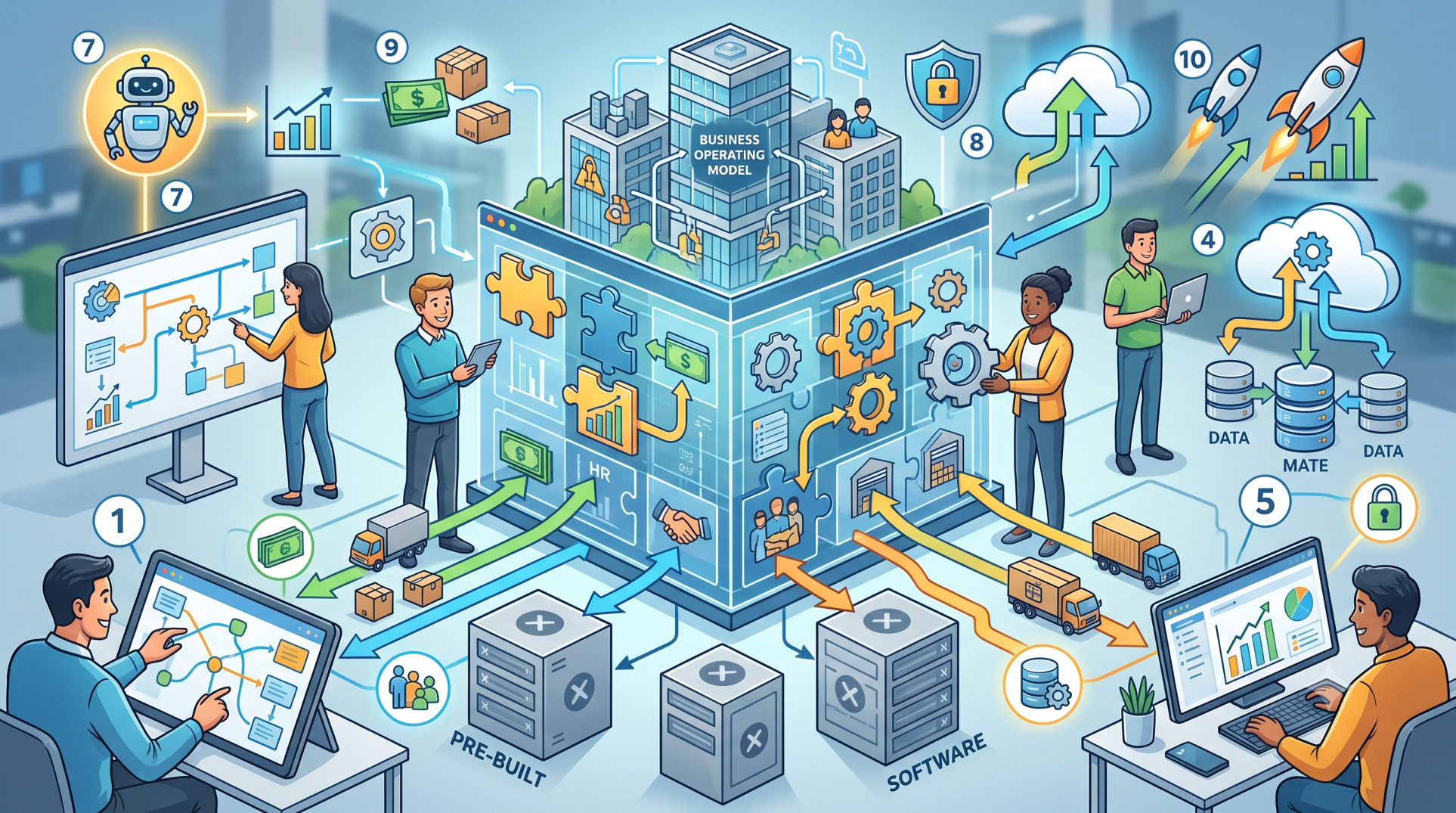
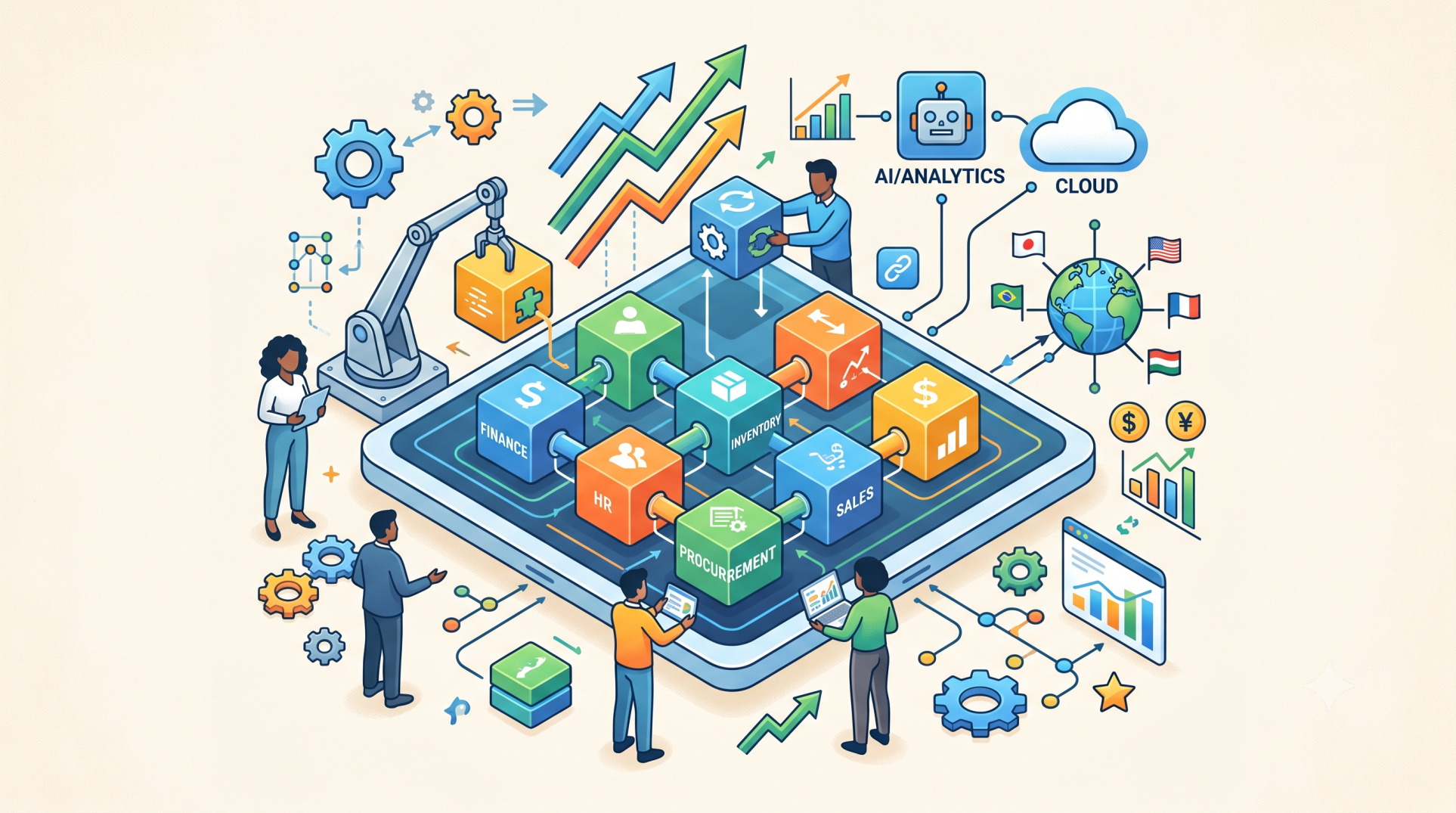
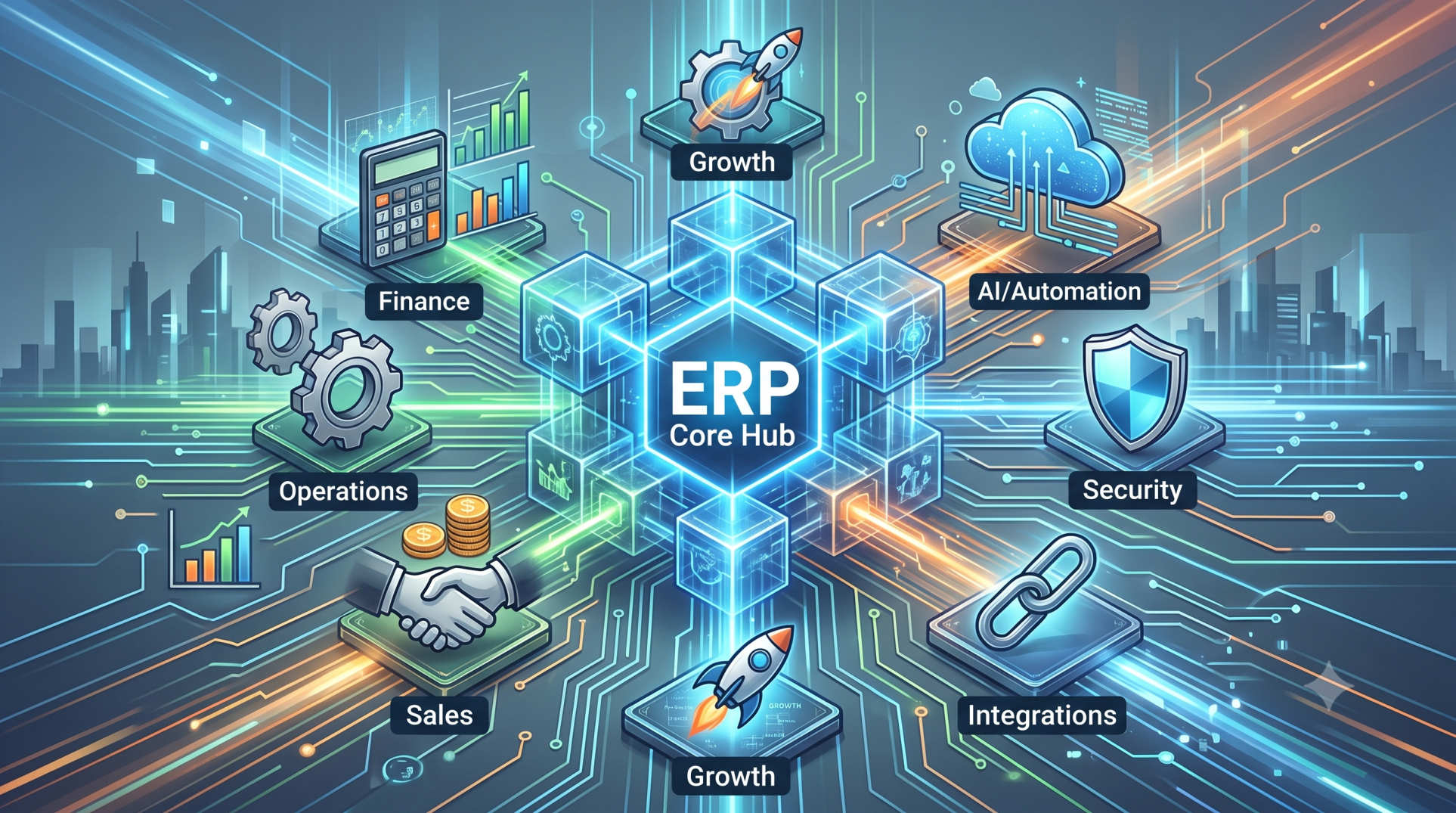
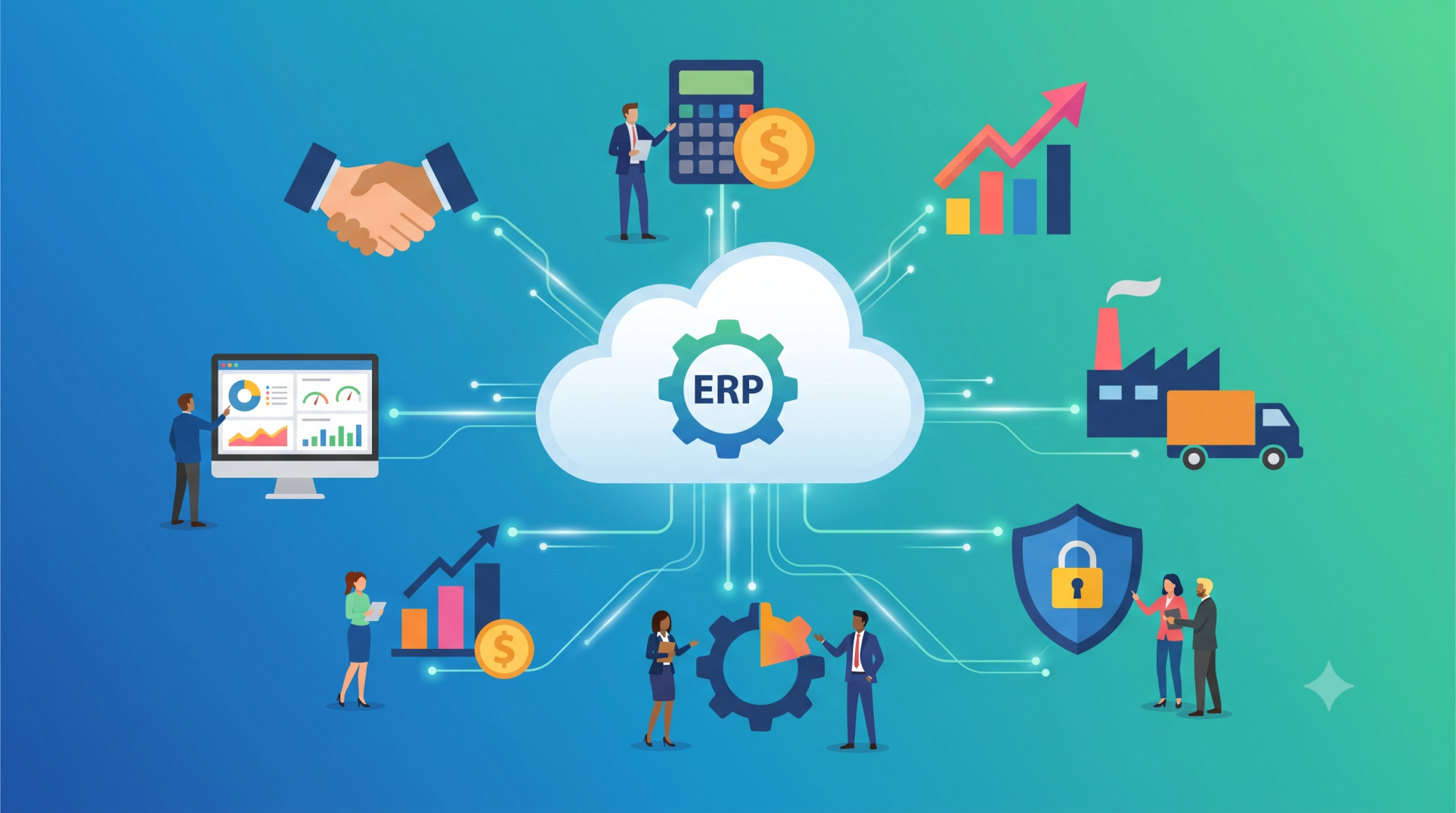
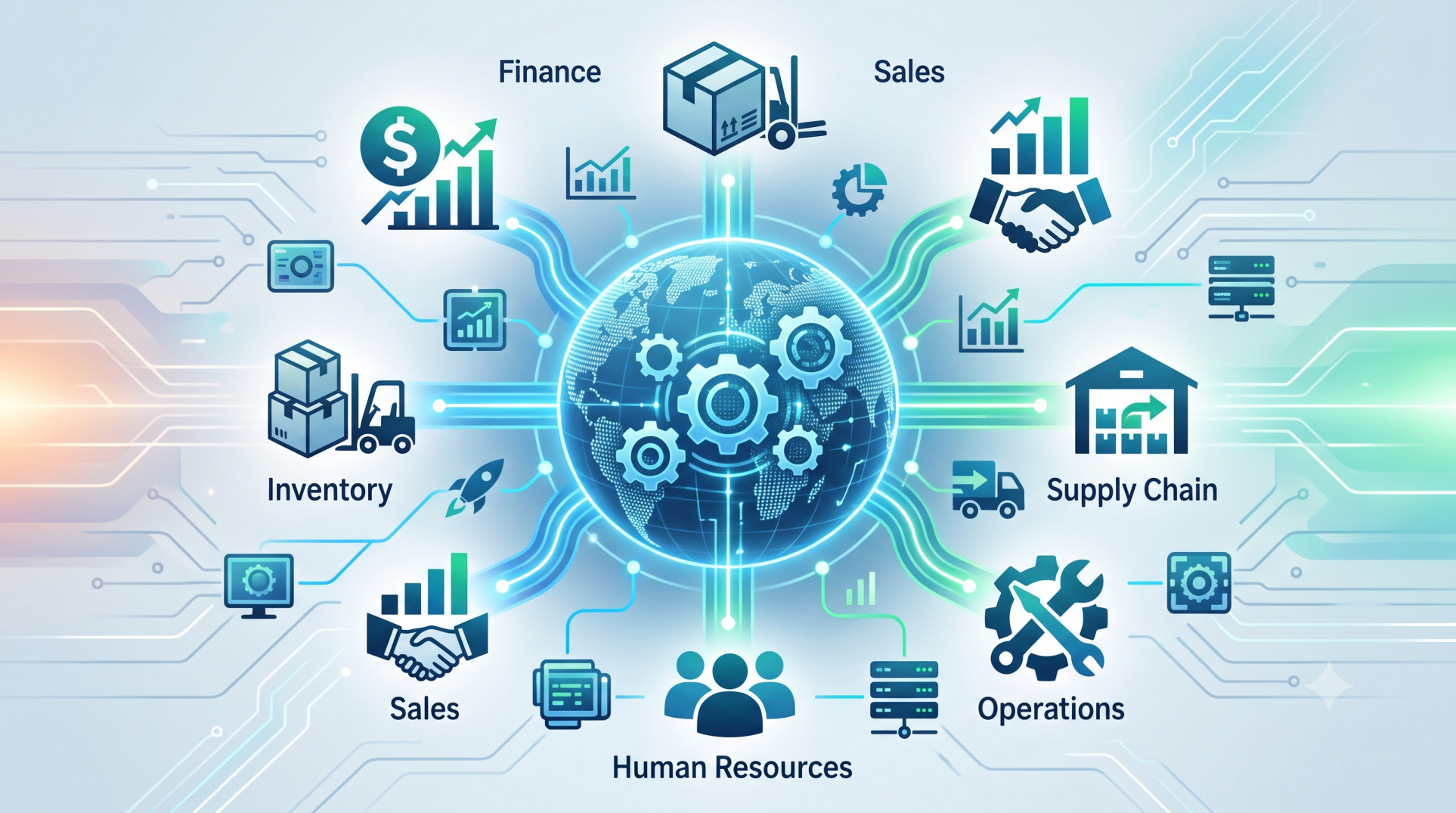
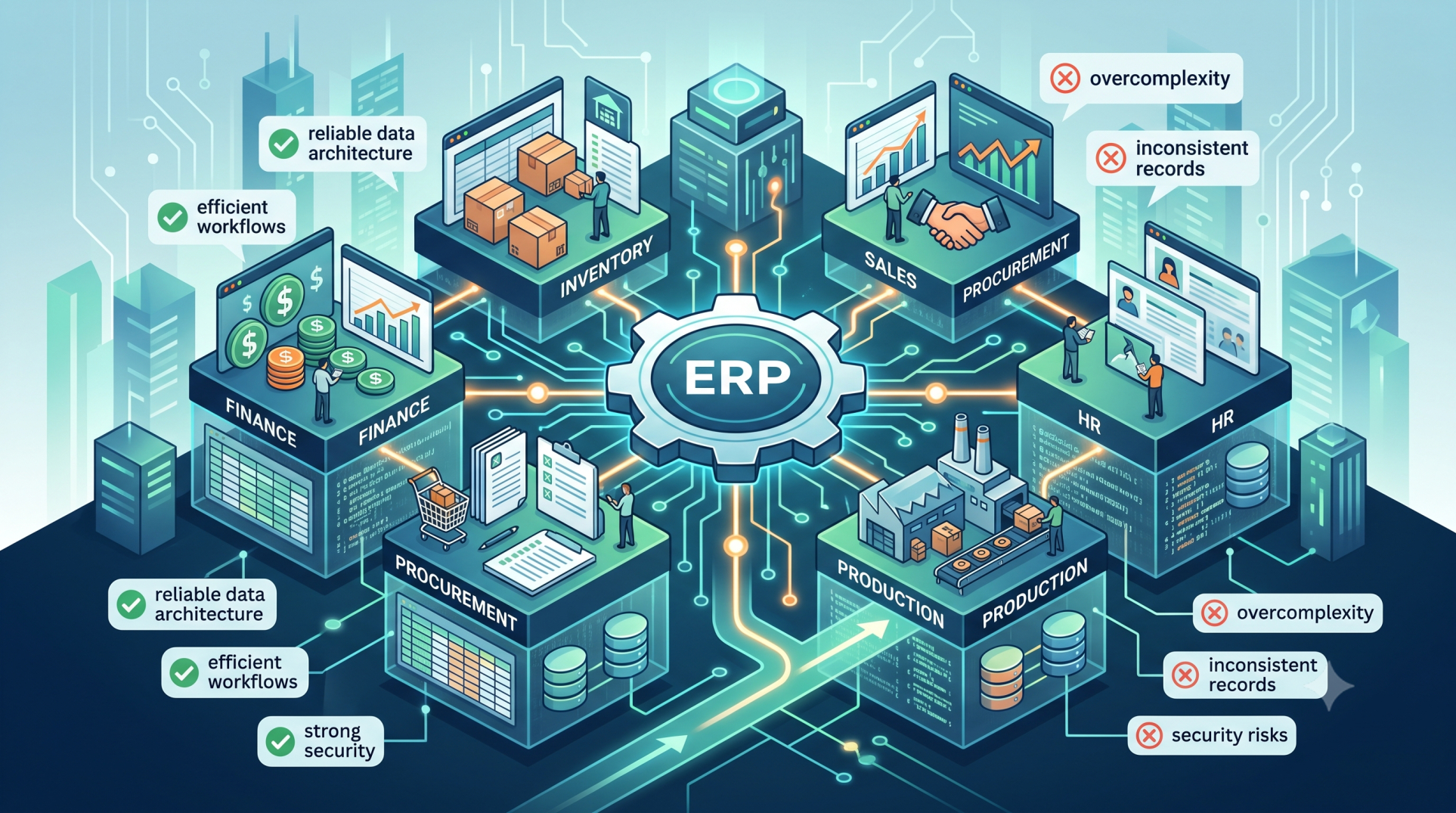
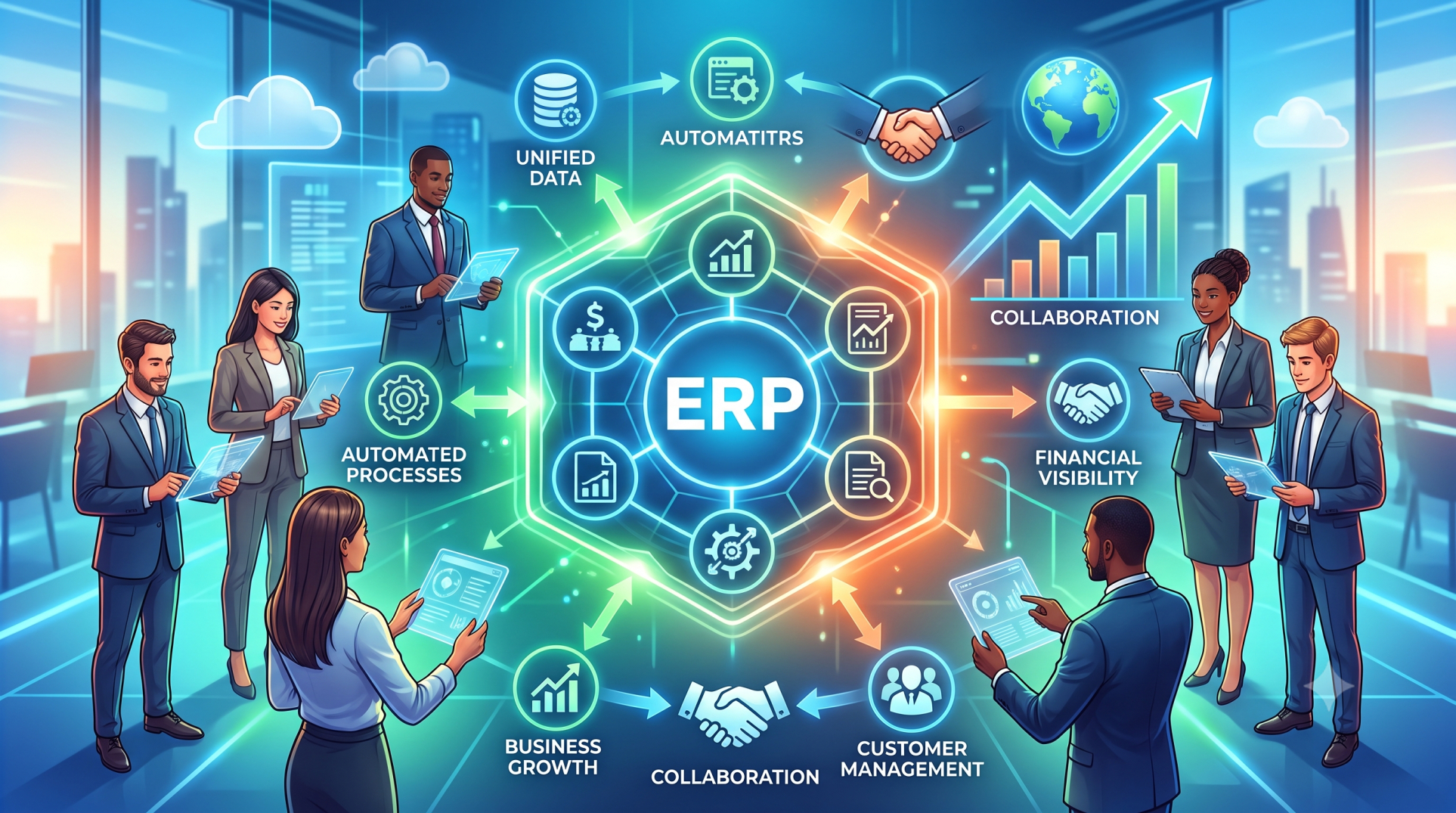
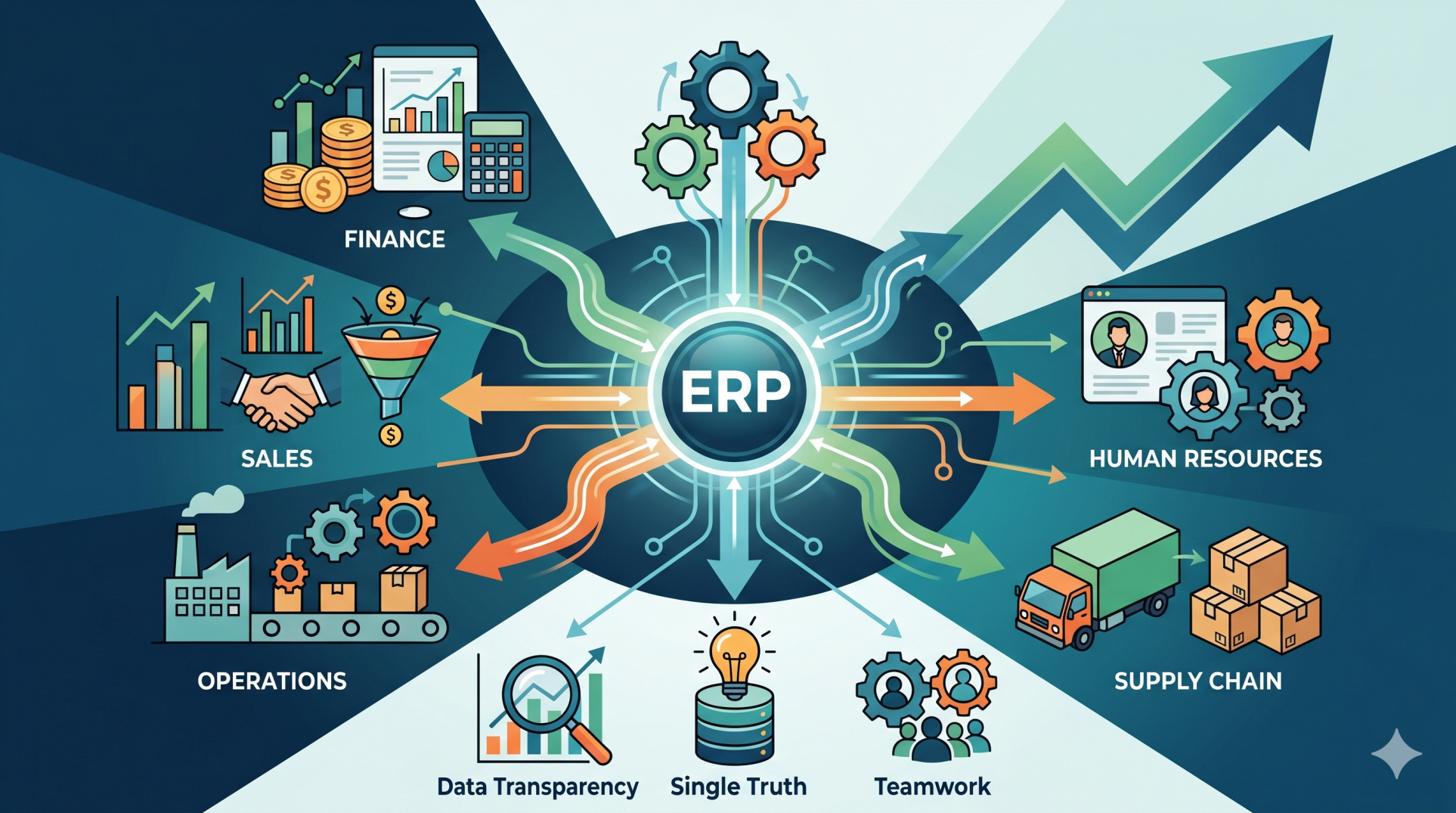
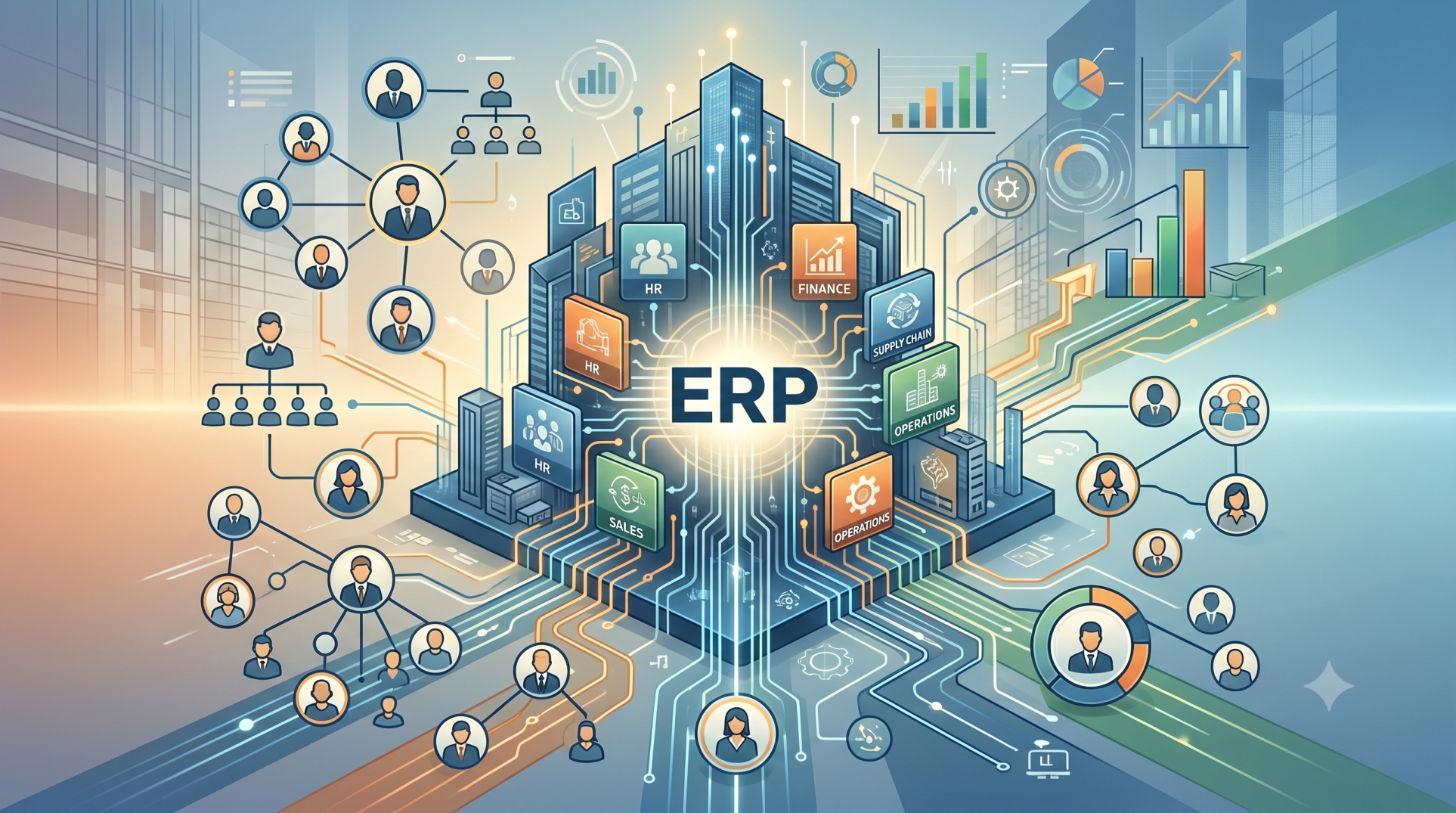
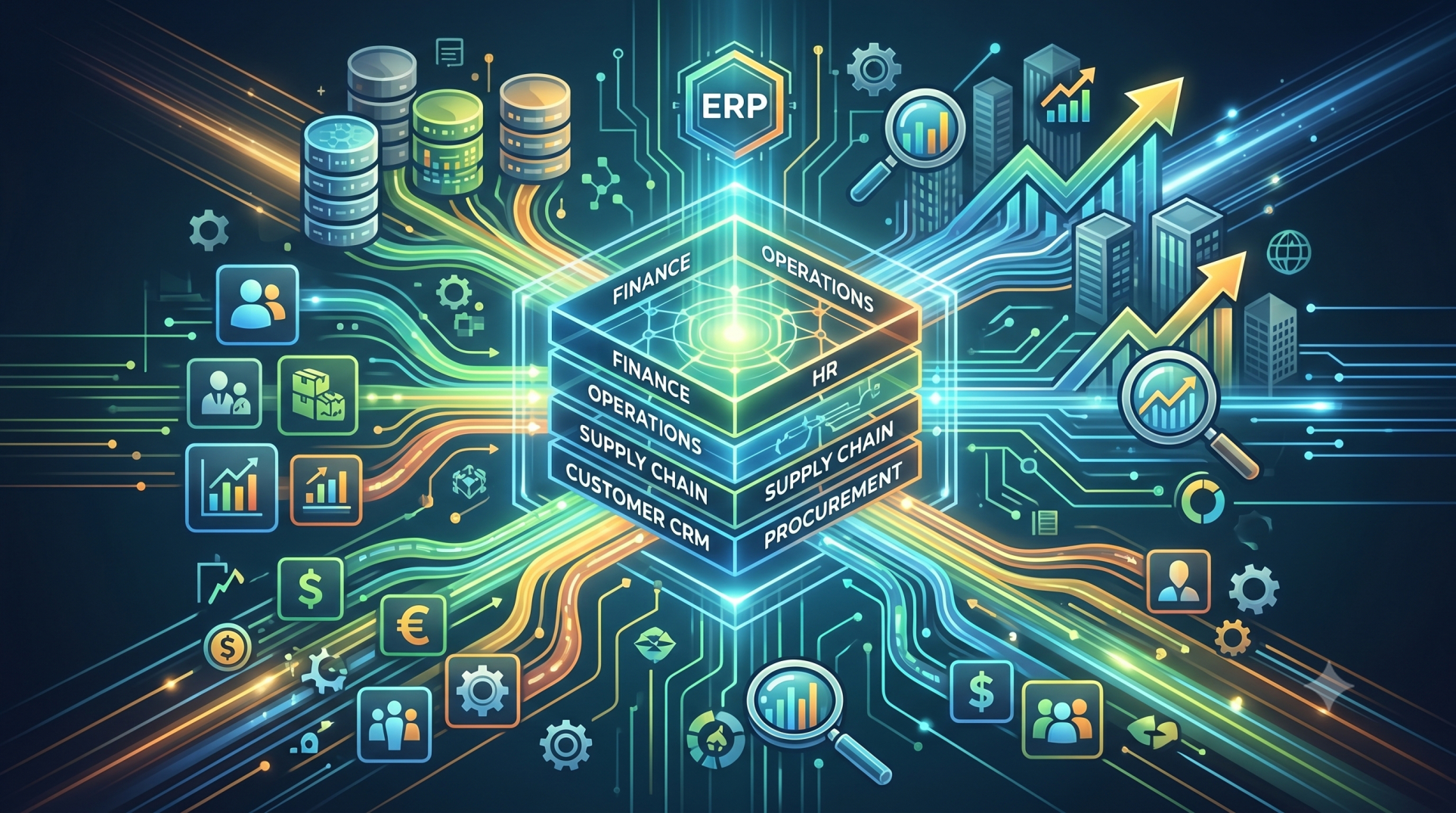
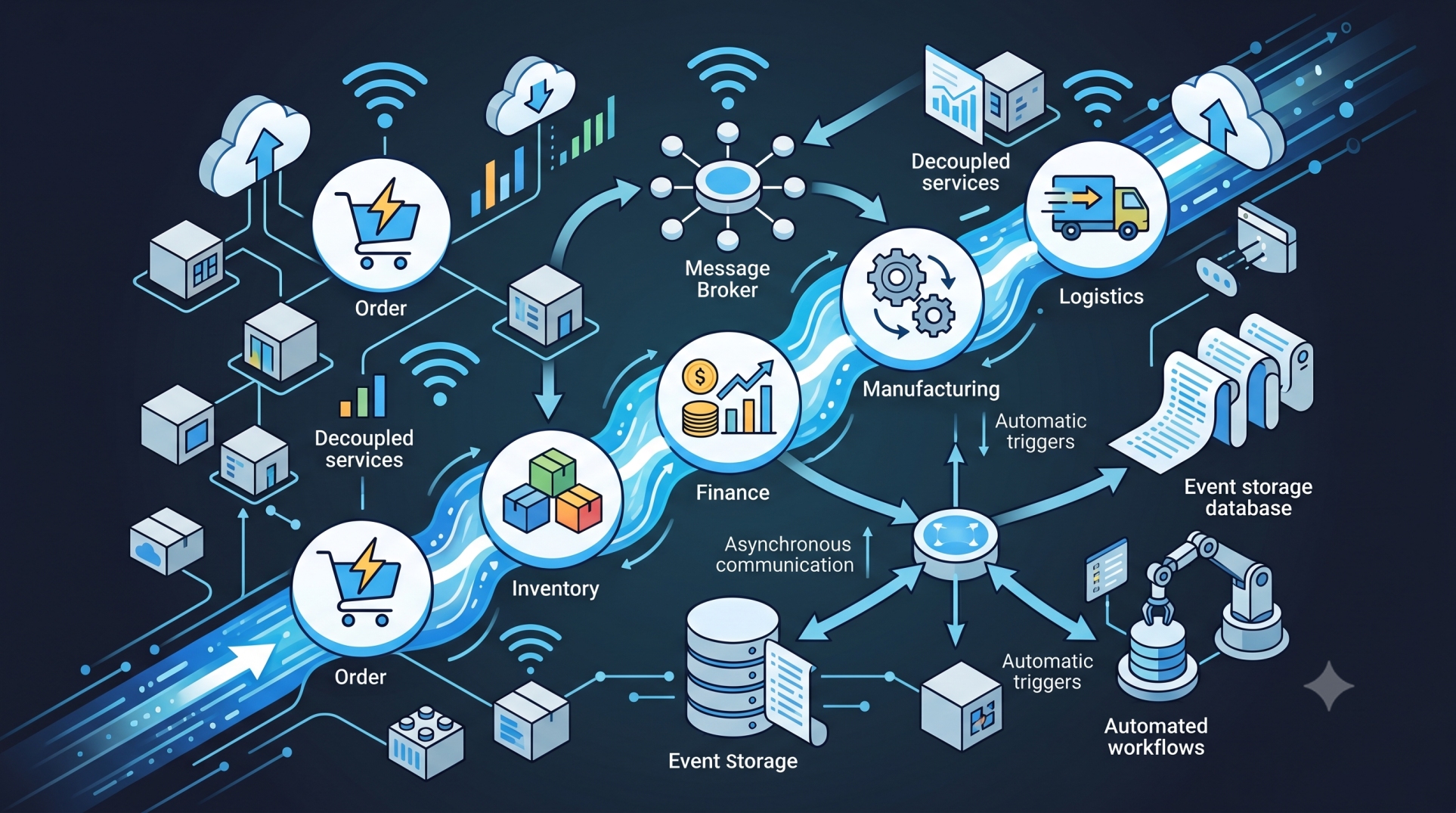
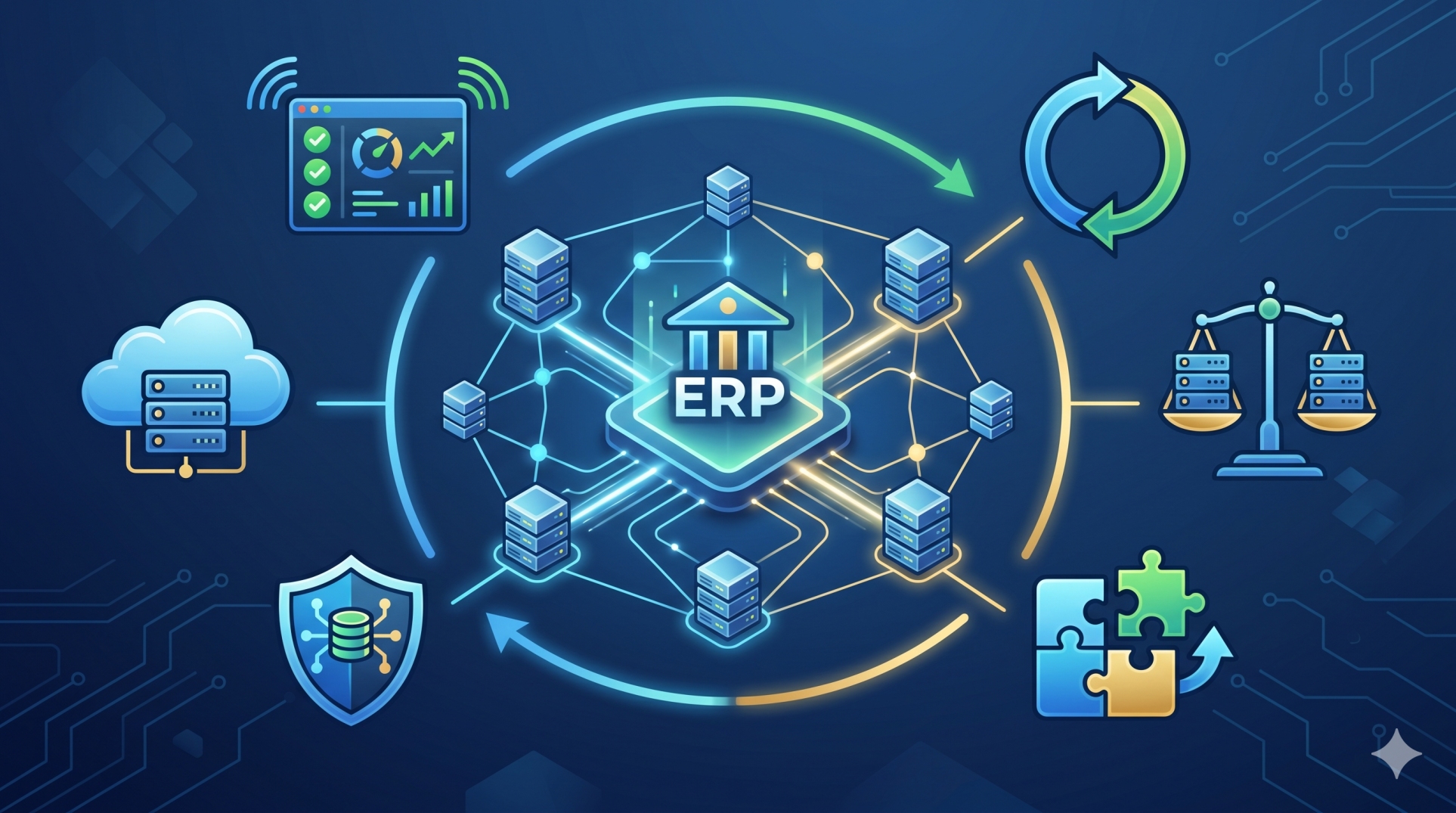
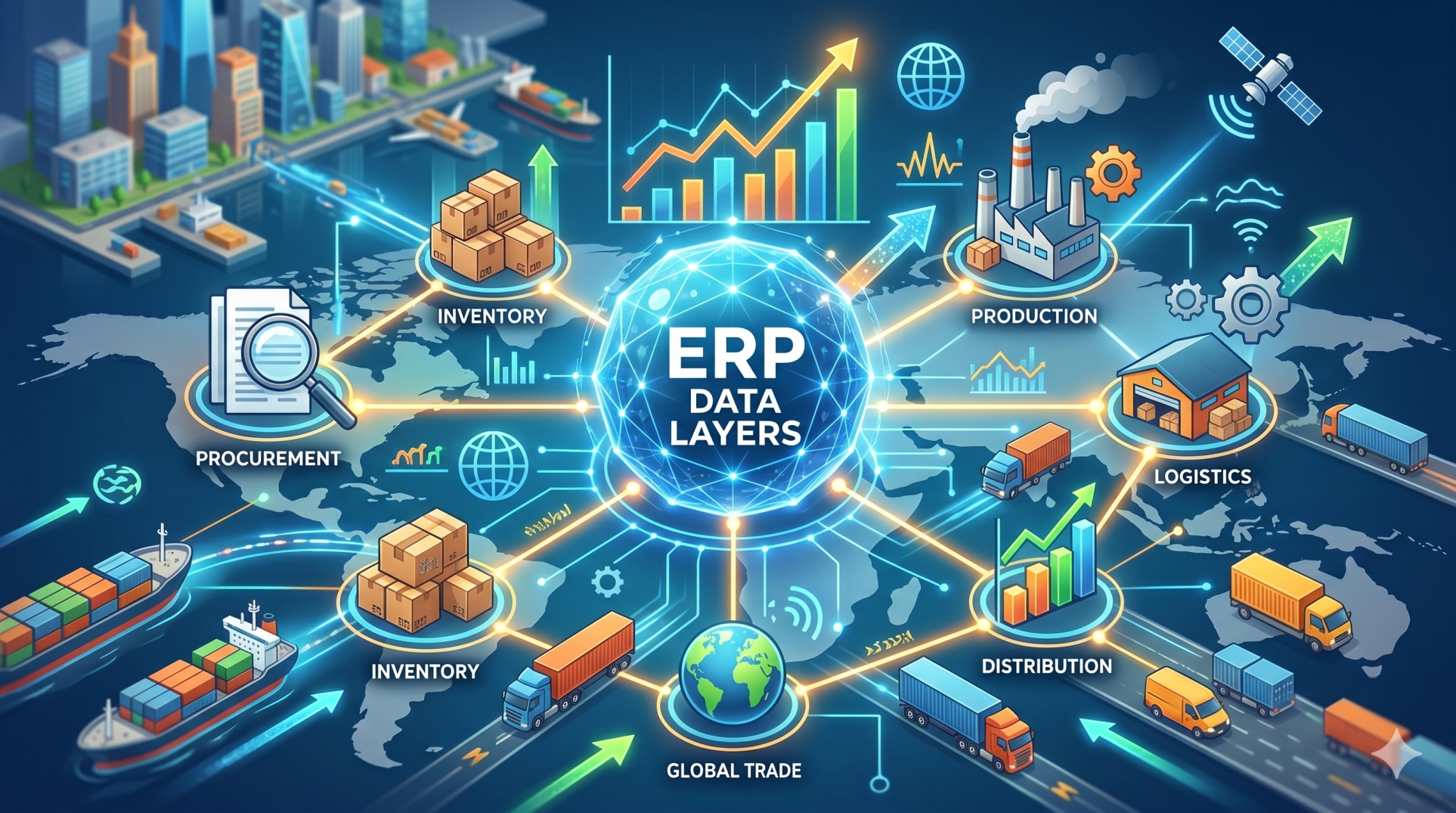
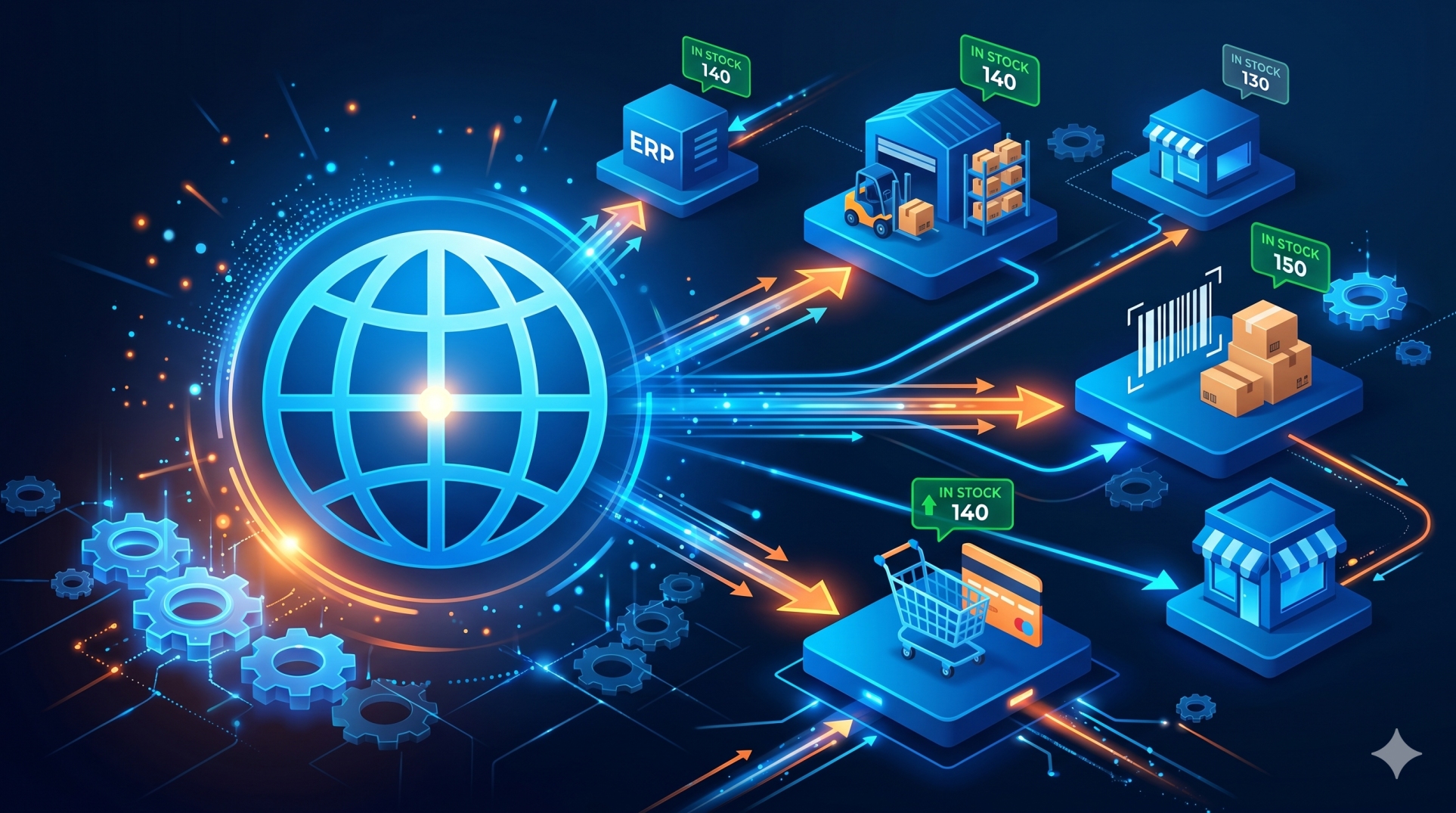
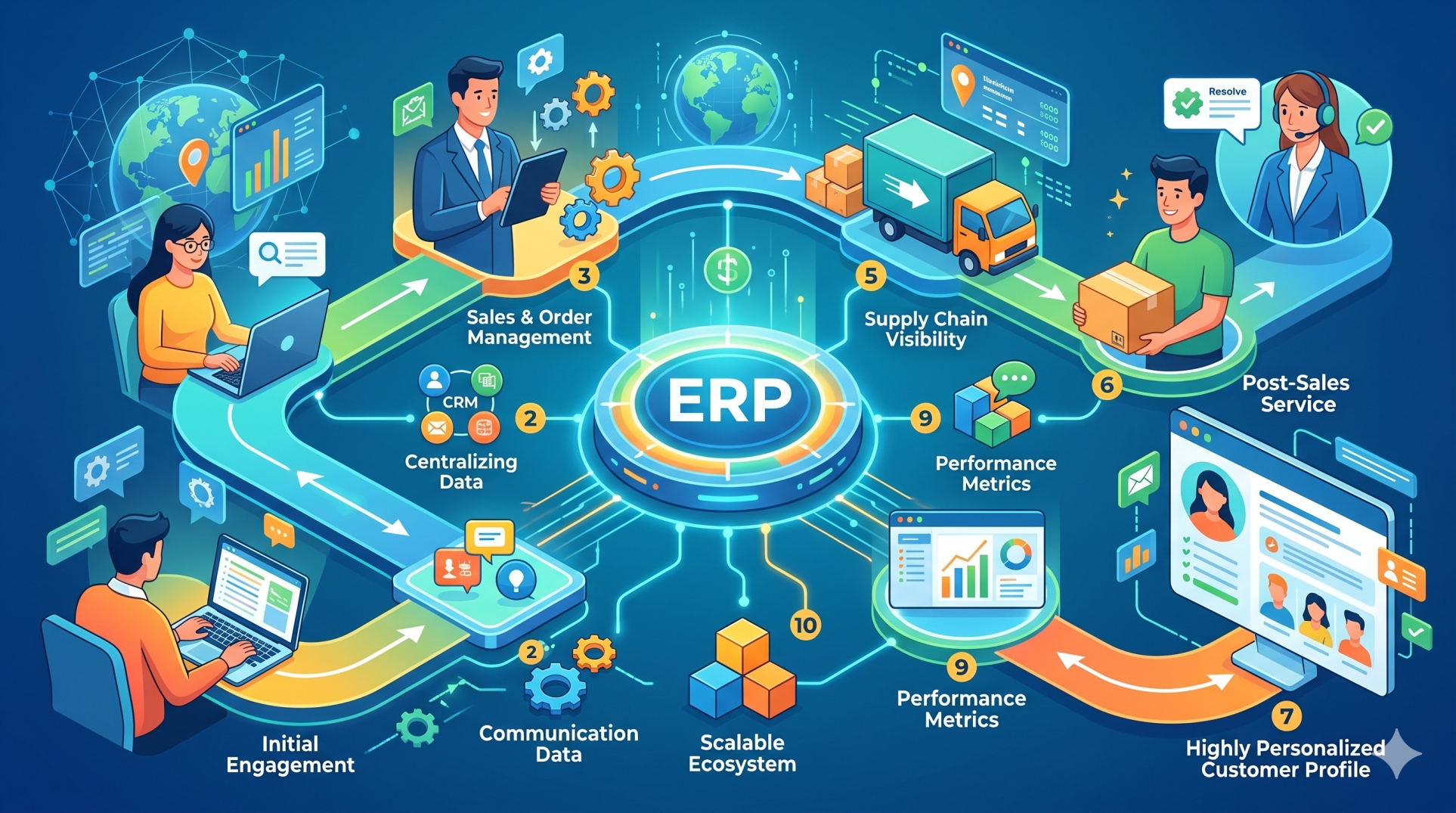
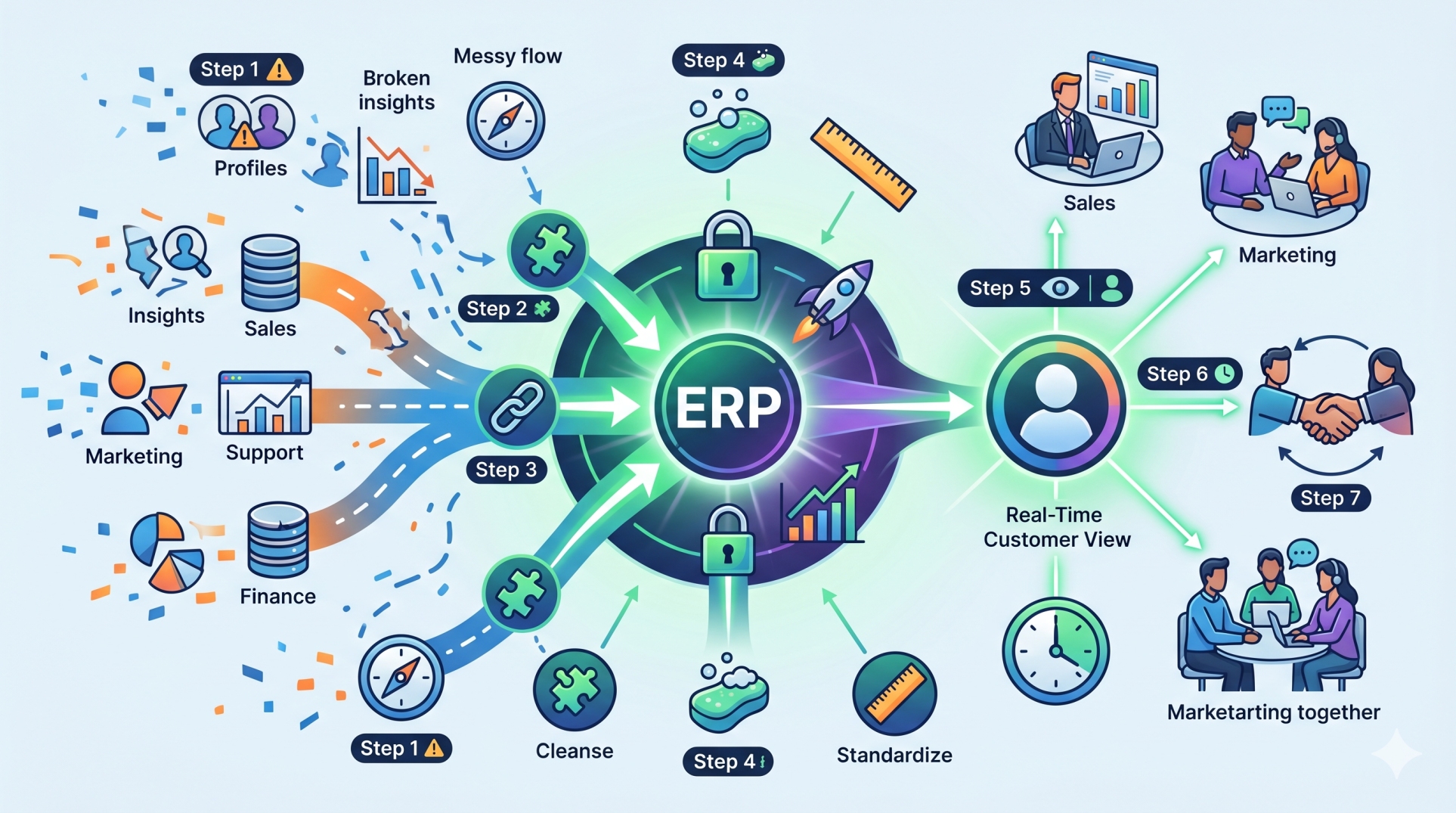
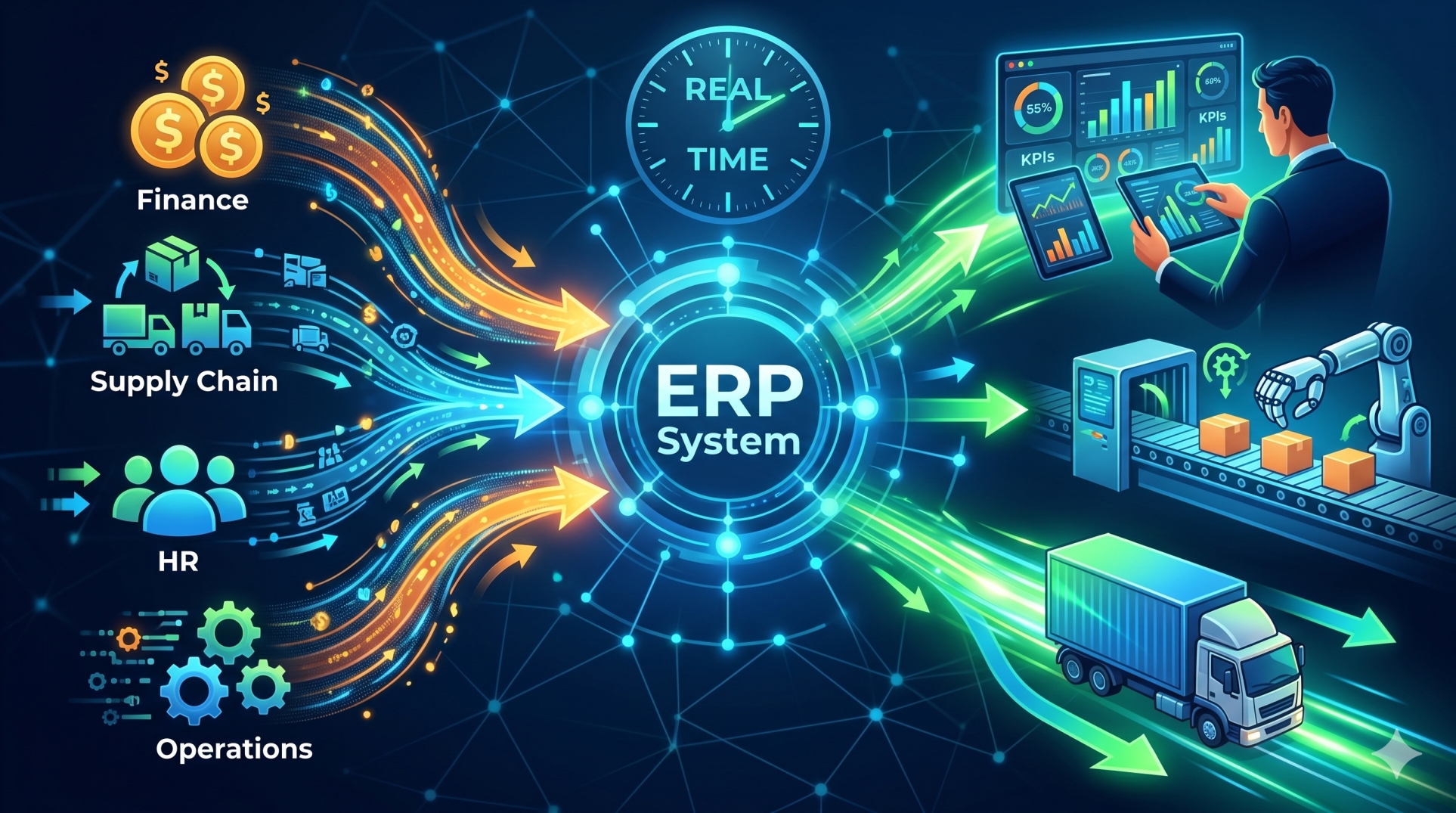
Enterprise Resource Planning(ERP) software connects business functions such as finance, inventory,purchasing, sales, and reporting within an integrated system. Depending on theplatform, it may also support manufacturing, project management, and equipmentmaintenance.
For example, when a machinerymanufacturer receives a new order, its teams need to confirm componentavailability, calculate material requirements, schedule production, andestimate costs. An integrated ERP system can help coordinate these activitiesusing shared information.
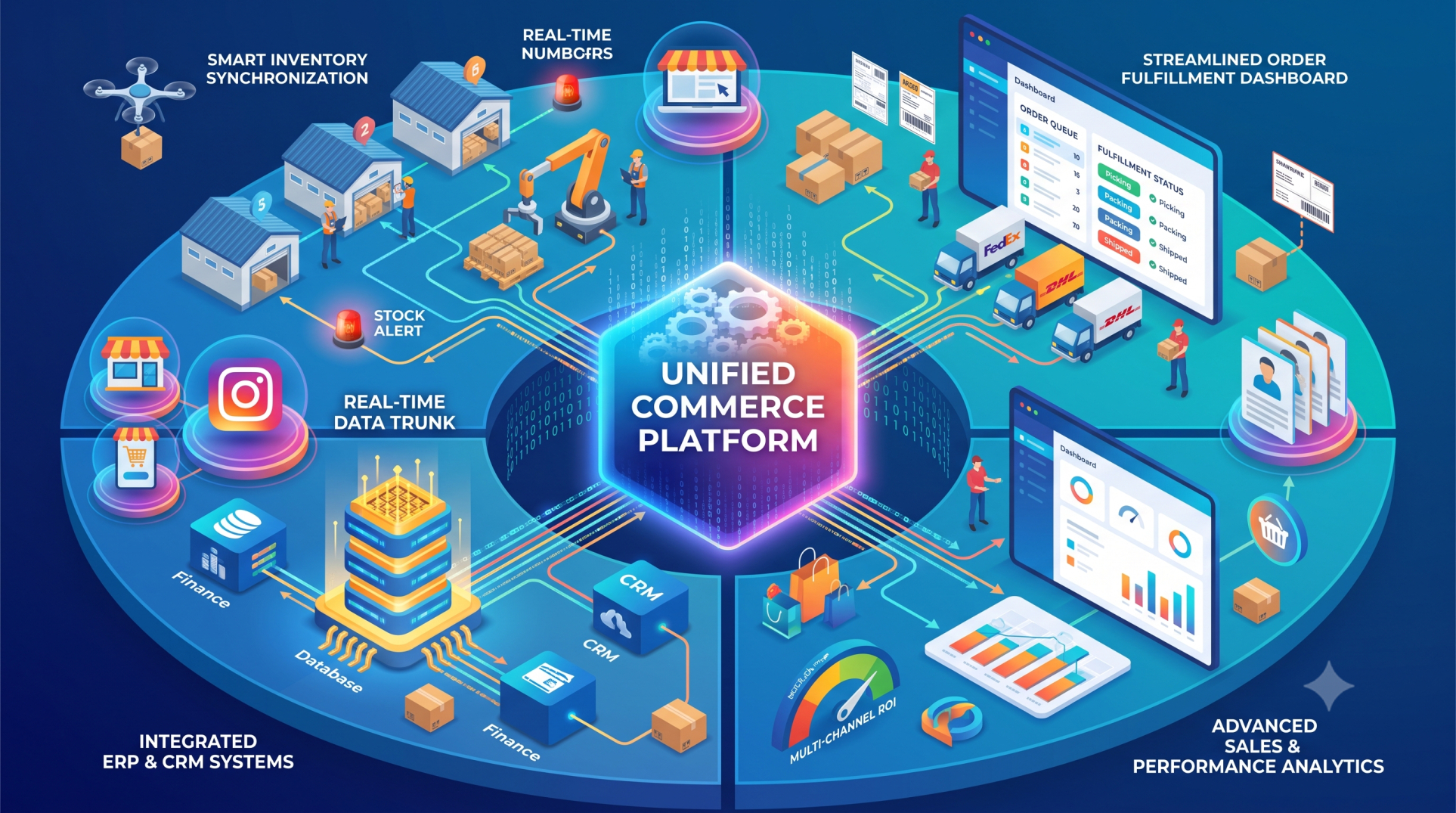
Common ERP capabilities include:
- Financial management and accounting
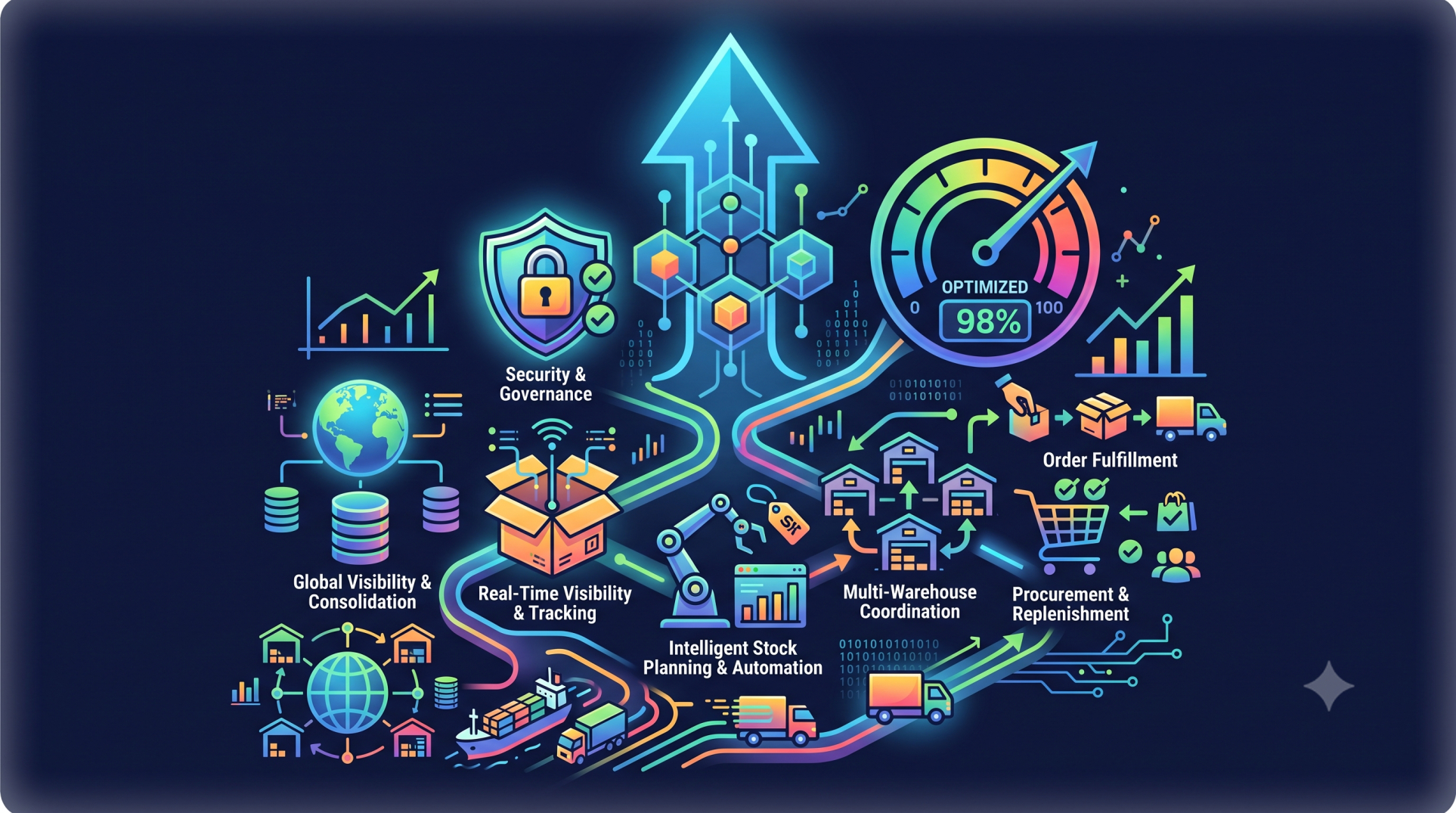
- Inventory and warehouse management
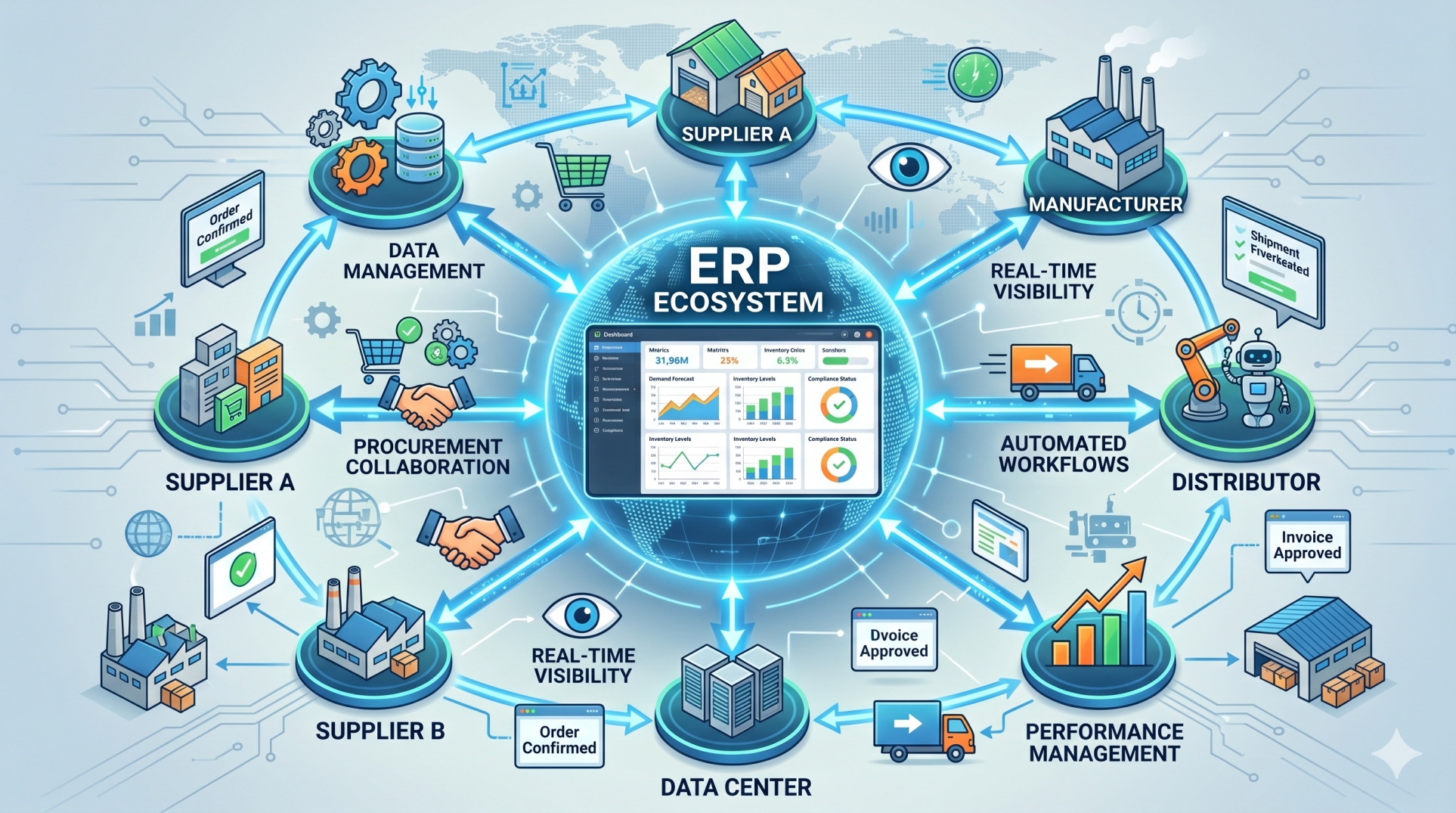
- Procurement and supplier management
- Manufacturing and production planning
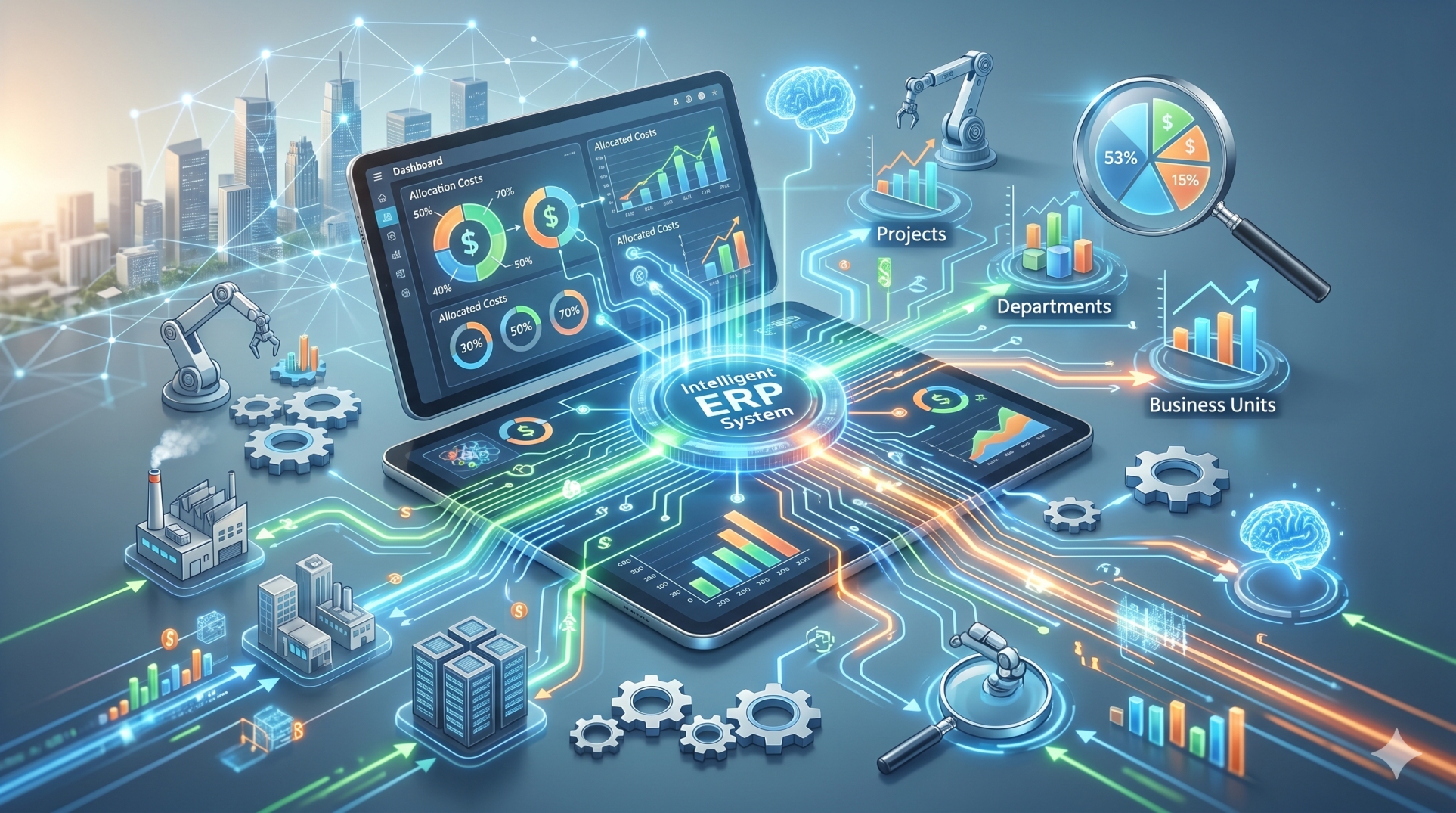
- Project costing and resource allocation
- Sales and order processing
- Business reporting and analytics
- Asset and maintenance management
The available features depend onthe software, selected modules, and integrations.
Why Industrial Businesses Need Specialized ERP Software
Industrial businesses often handle complex product structures, changing production schedules, supplierdependencies, and strict delivery commitments. Basic accounting or inventorytools may not provide enough visibility to coordinate these activities effectively.
A suitable ERP solution shouldsupport bills of materials, production scheduling, inventory tracking, purchasing, quality control, cost estimation, and demandplanning.
Consider a manufacturer with enough raw materials to begin production but without a critical component needed for final assembly. If purchasing and production teams use separate systems, the shortage may go unnoticed until manufacturing is delayed. Connected work flows can help identify material shortages earlier and improve production planning.
Industrial Machinery Equipment ERP Software: Essential Features
Industrial Machinery Equipment ERP Software should help manufacturers manage components, production orders, supplier relationships, and delivery schedules.
Important features to evaluateinclude:
- Bill of materials management: Defines the components required to manufacture equipment.
- Production planning: Coordinates schedules, labor, and available capacity.
- Work order management: Tracks manufacturing tasks and progress.
- Inventory control: Monitors stock levels and material requirements.
- Serial and batch tracking: Supports product and component traceability.
- Quality management: Maintains inspection records and quality checks.
- Procurement management: Coordinates purchasing and supplier performance.
- Production costing: Helps compare estimated costs with actual expenses.
- Maintenance scheduling: Supports planned equipment servicing where available.
- Order tracking: Connects production progress with delivery commitments.
For example, a manufacturerproducing customized industrial equipment may need motors, sensors, electricalcomponents, and fabricated parts from several suppliers. ERP software can helpteams coordinate purchasing, monitor component availability, and identifypotential delays before they affect customer delivery dates.
How ERP Software for Industrial Machinery Improves Manufacturing
ERP Software for Industrial Machinery helps manufacturers connect inventory, purchasing, production, and financial information.
With suitable manufacturing functionality, businesses can improve production scheduling, monitor work inprogress, reduce duplicate data entry, and gain better visibility into manufacturing costs.
Suppose a company managesmultiple equipment orders with different delivery deadlines. A connected systemcan help planners review available materials, outstanding purchase orders, andproduction capacity before deciding which jobs to prioritize.
Integrated workflows also help procurement teams make purchasing decisions based on actual production requirements instead of relying on incomplete stock records. However, results depend on accurate data, realistic schedules, and proper system configuration.
ERP Software for Engineering Companies: Project and Cost Management
Engineering companies need tomanage project schedules, workforce allocation, procurement, budgets, and customer commitments. Without consistent project-level reporting, cost overruns and resource conflicts may remain unnoticed.
ERP Software for Engineering Companies should ideally support:
- Project planning and milestone tracking
- Budget management and cost reporting
- Workforce allocation and timesheets
- Procurement and materials coordination
- Change order management
- Document and revision control
- Project profitability reporting
- Invoicing and financial management
For example, an engineering consultancy managing several projects may discover that one project is exceeding its labor budget while another is delayed by equipment procurement. ERP software with appropriate project costing features can help managers compare planned and actual expenses and identify where corrective action is needed.
Specialist CAD and productlife cycle management (PLM) tools may still be necessary for engineering design and technical documentation.
Energy ERP Software for Complex Operations
Energy companies often coordinate assets, contractors, maintenance activities, spare parts, and projects across multiple locations. Energy ERP Software can help connect these activities with procurement and financial management.
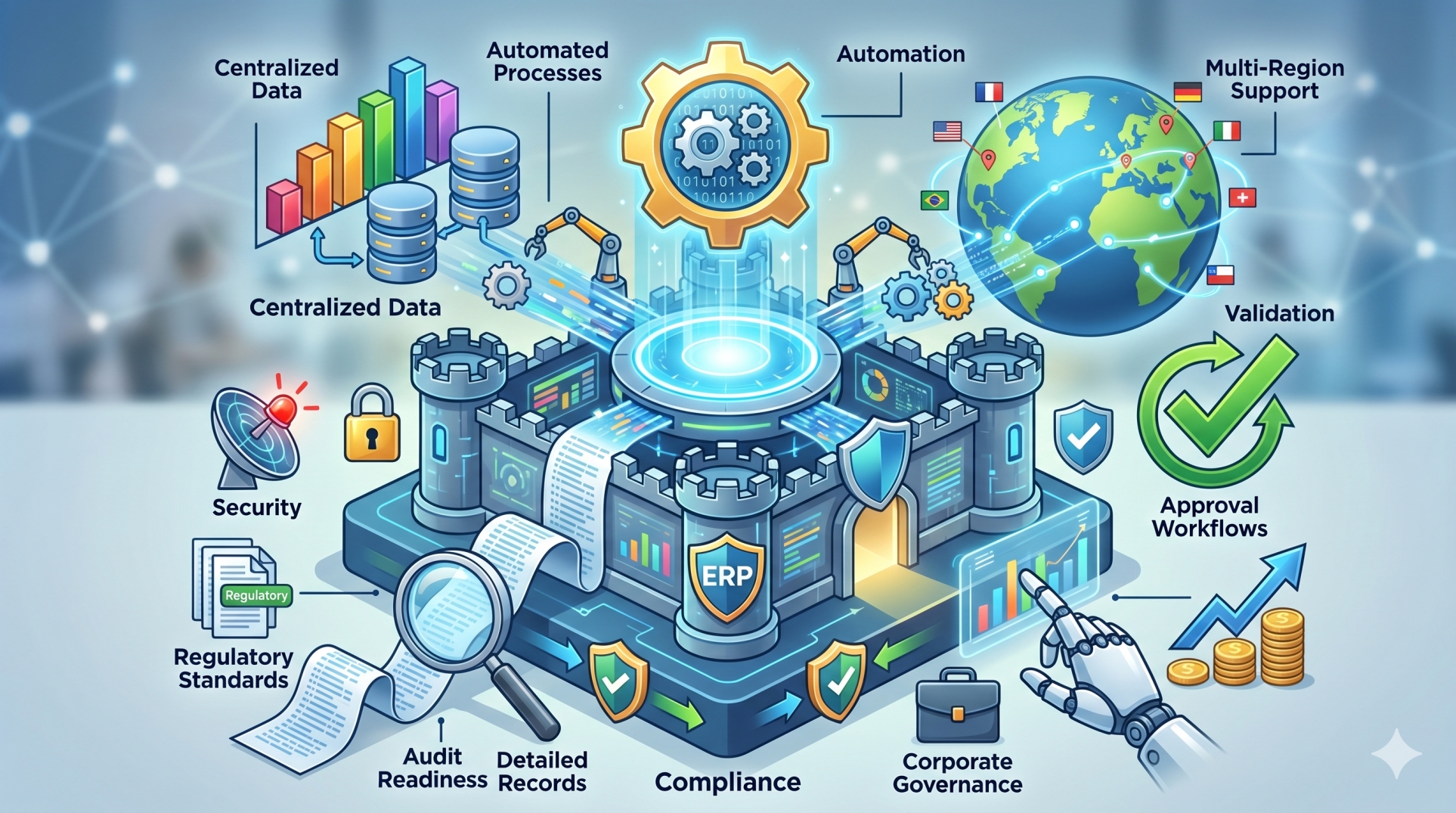
Relevant capabilities may includeasset records, maintenance planning, supplier contracts, project cost tracking,workforce management, inventory control, audit trails, and multi-sitereporting.
For example, an energy business planning maintenance at a remote facility needs to confirm spare parts availability, arrange contractors, approve purchasing expenses, and monitor the maintenance budget. An integrated system can help teams coordinate these requirements.
Specialist functions such as grid management, energy trading, plant control, and real-time monitoring may require dedicatedapplications integrated with the ERP platform.
Key Benefits of ERP Software for Industrial Businesses
When selected and implementee ffectively, ERP software can help organizations improve operational visibility and coordination.
Key benefits include:
- Better inventory and purchasing decisions
- Improved production and project planning
- Greater visibility into operational expenses
- Reduced manual data entry
- More consistent financial reporting
- Improved coordination between departments
- Better resource allocation and forecasting
- Support for business growth and additional locations
These outcomes are not automatic.They depend on software suitability, data quality, employee training, and effective implementation.
Howto Choose the Right ERP Software
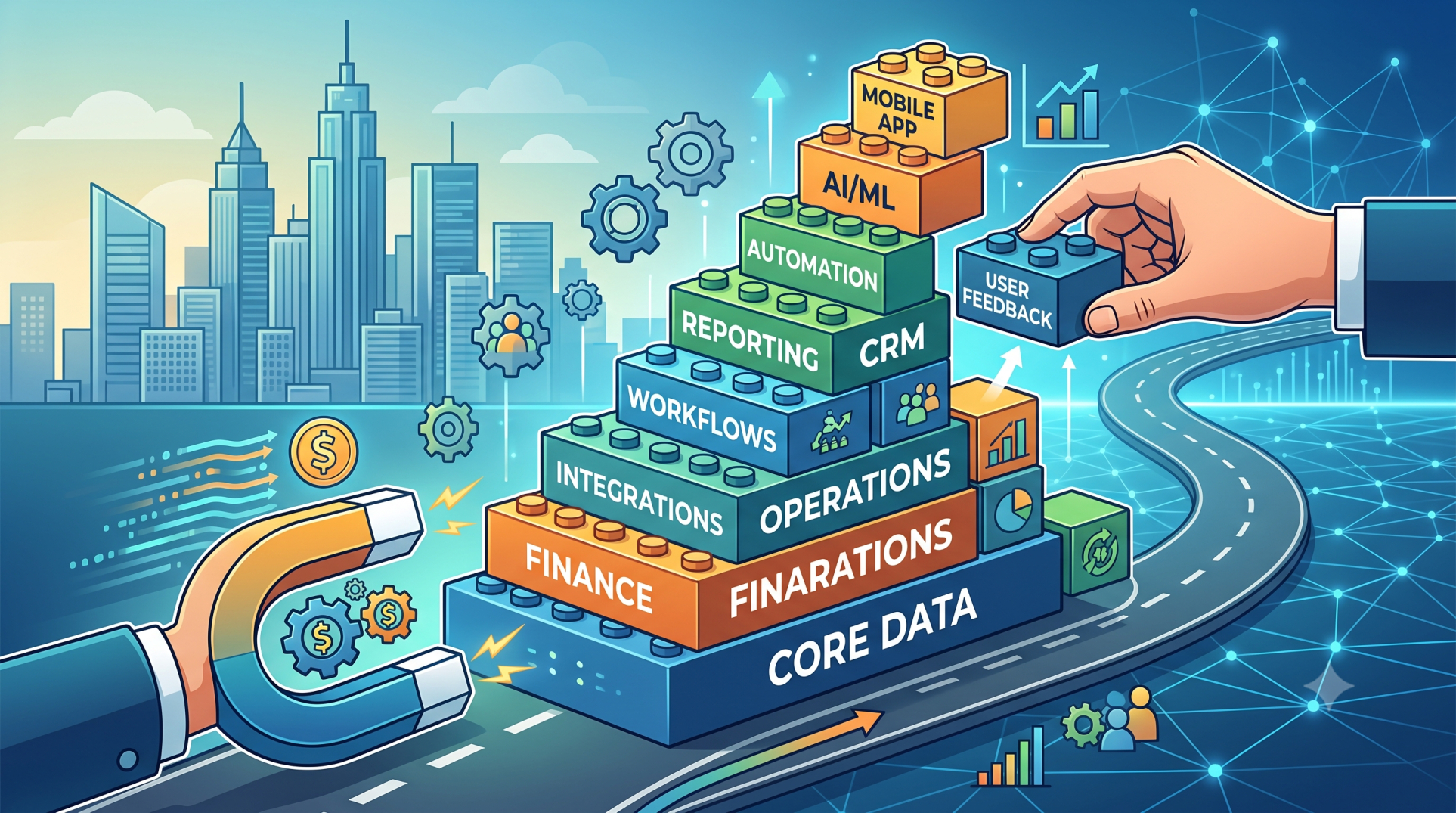
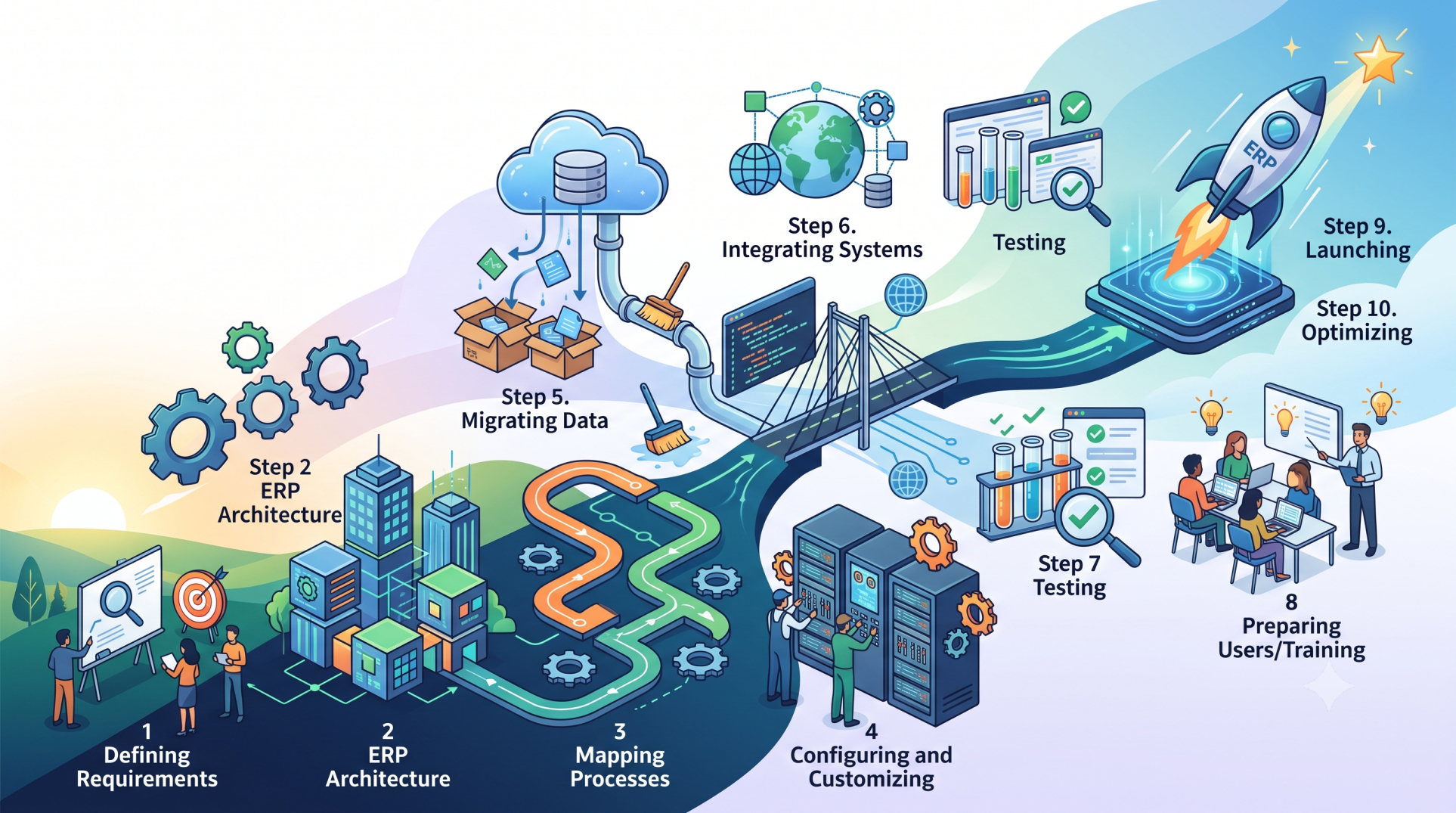
Before selecting an ERP solution,businesses should evaluate their operational requirements rather than relyingonly on feature lists.
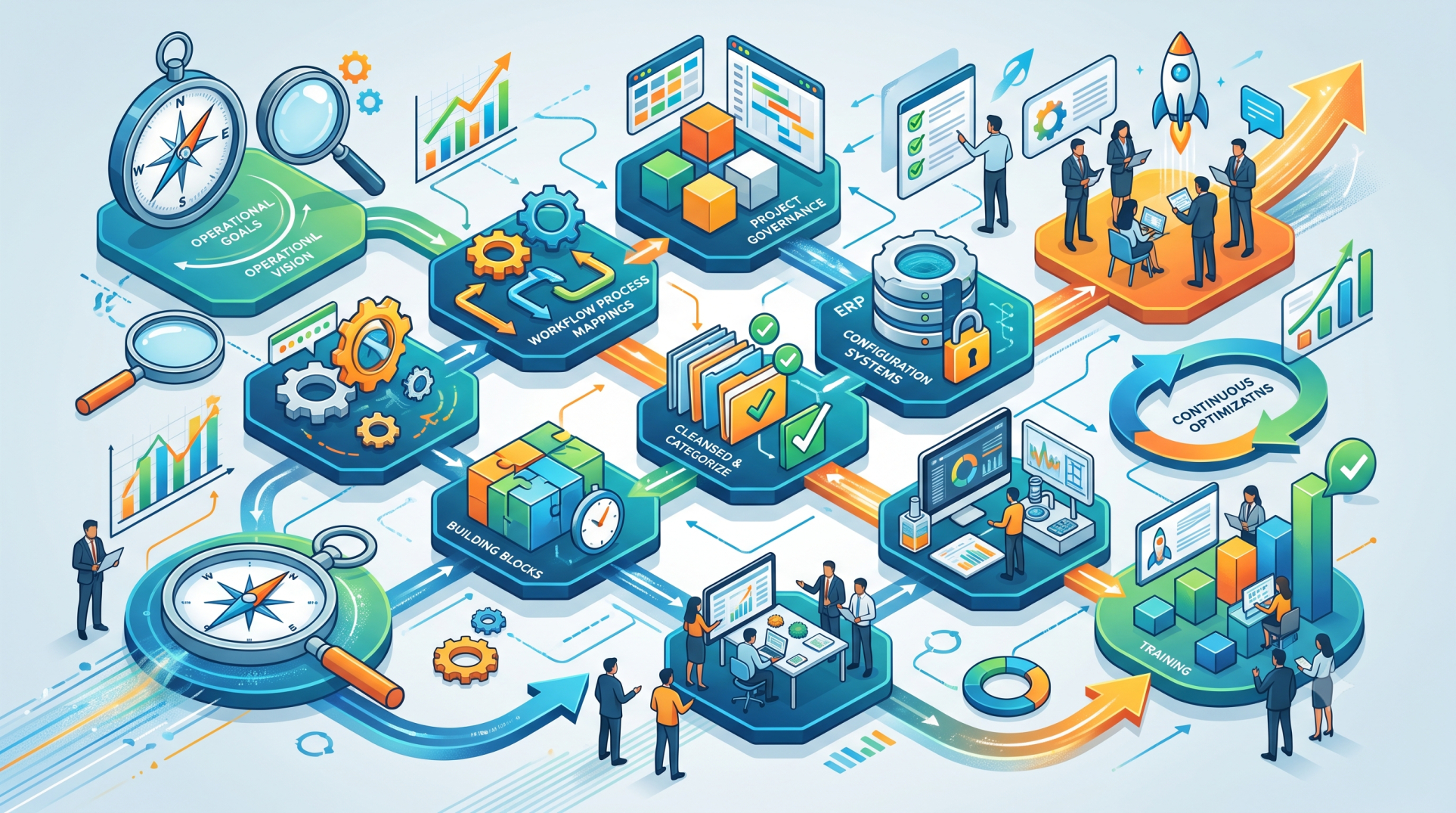
Consider the following steps:
- Identify existing operational challenges.
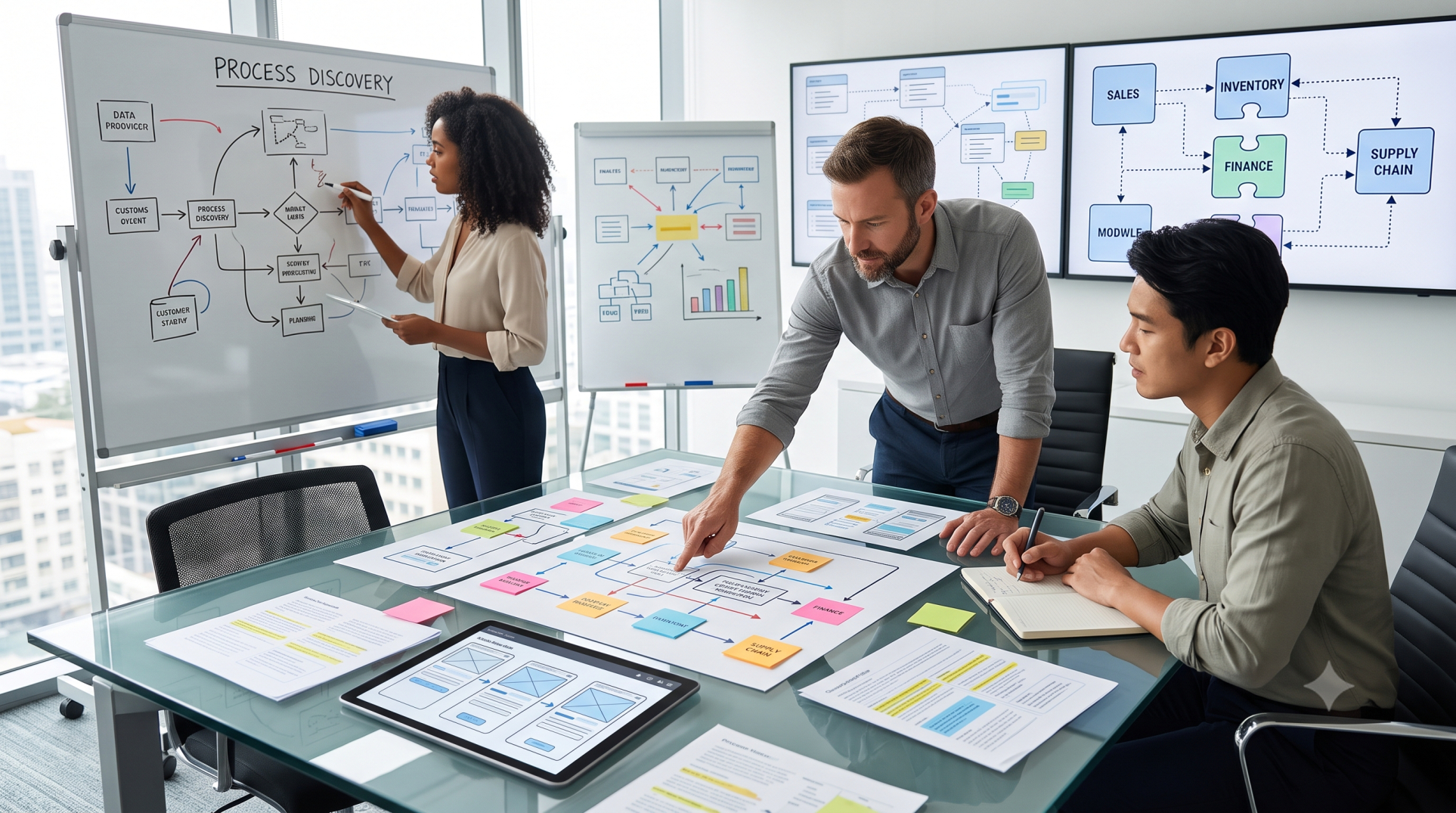
- Document essential business workflows.
- Prioritize industry-specific requirements.
- Review integrations with existing applications.
- Compare cloud-based and on-premises deployment options.
- Assess reporting, security, and access controls.
- Establish an implementation and training budget.
- Request demonstrations using realistic business scenarios.
- Review vendor support and implementation experience.
- Define measurable performance indicators.
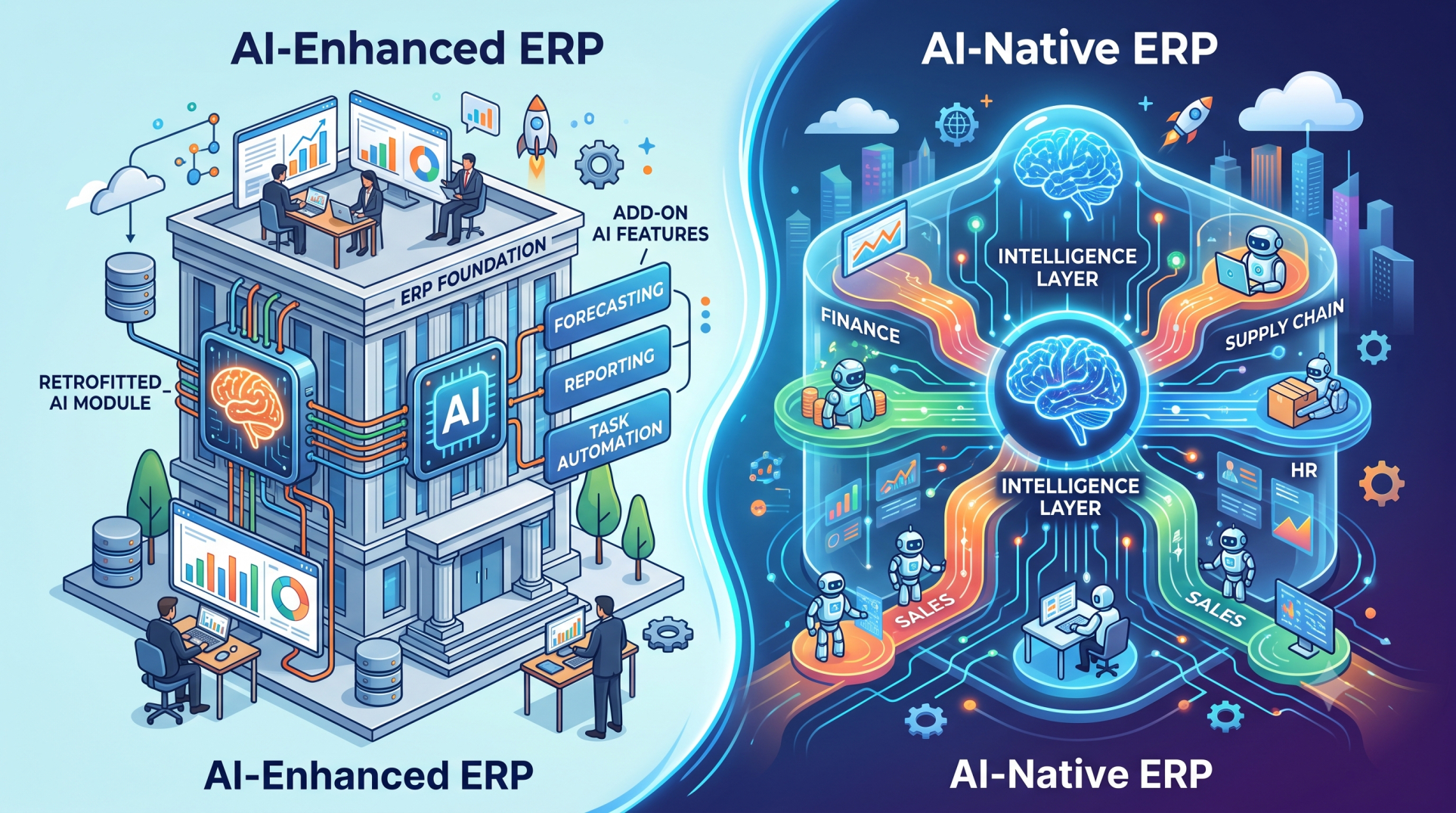
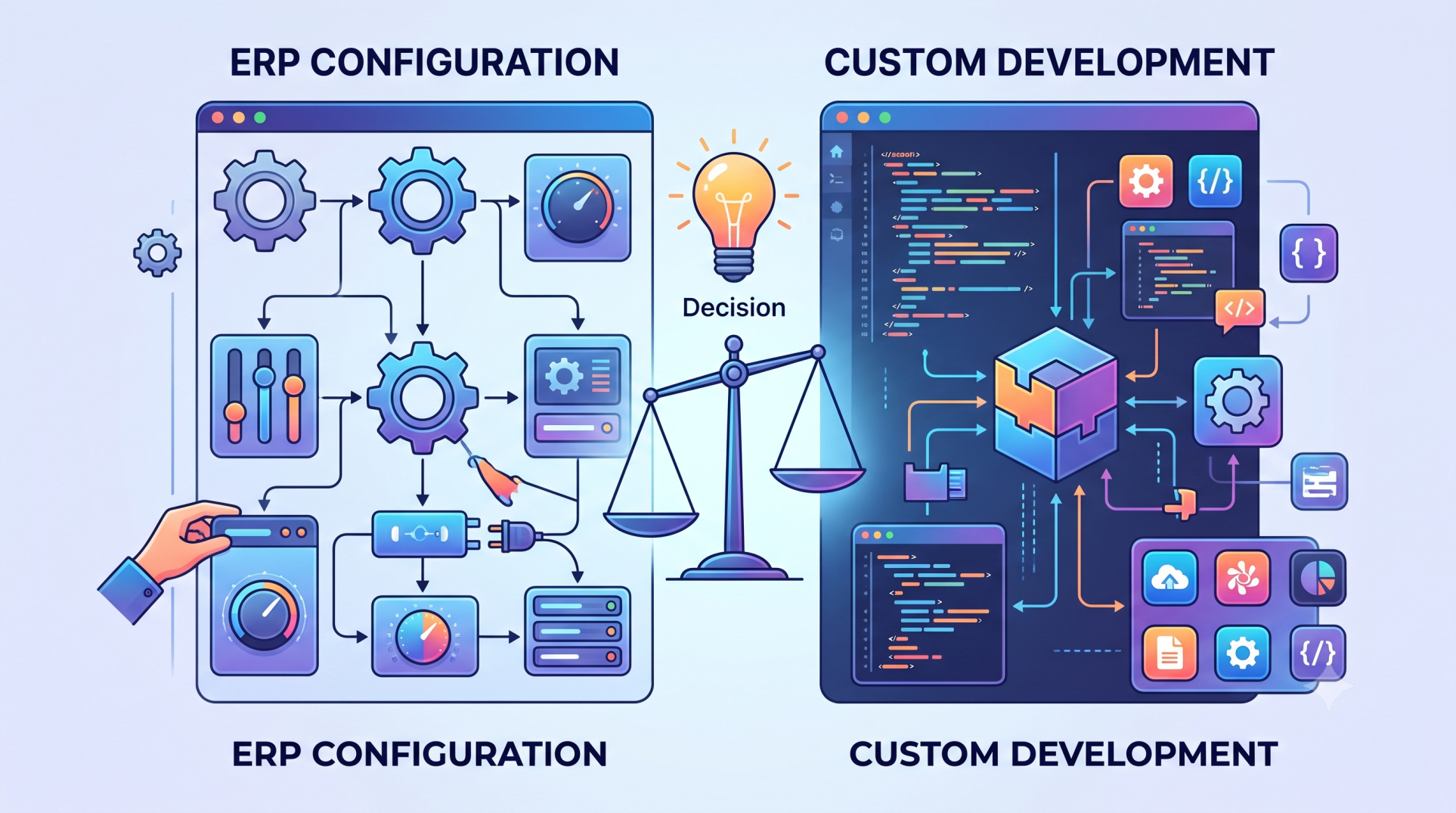
A general ERP platform may besufficient for businesses with straightforward requirements, while more complexmanufacturing, engineering, or energy operations may need specialized modulesor integrations.
ERPSoftware.com presents business management capabilities involving areas such as inventory, financial operations, sales forecasting, and business insights. Companies considering the platform for specialized industrial workflows should confirm the availabilityof the required manufacturing, project costing, and asset management features before making a decision.
Frequently Asked Questions
1.What is ERP software?
ERPsoftware connects business functions such as finance, inventory, procurement,sales, and reporting through an integrated platform.
2.How does ERP software help industrial businesses?
It can improve visibility intoinventory, purchasing, production requirements, operational costs, and businessperformance.
3.What features should Industrial Machinery Equipment ERP Software include?
Importantfeatures include bills of materials, work orders, production planning,inventory control, quality management, procurement, and production costing.
4.How does ERP Software for Industrial Machinery improve production planning?
Itconnects material availability, production schedules, purchasing requirements,and available capacity to help identify potential delays.
5.Why do engineering companies need ERP software?
ERPsoftware can help engineering companies manage project budgets, labor costs,procurement, resources, invoicing, and profitability reporting.
6. What is Energy ERPSoftware?
Energy ERP Software supports business processes such as financial management, procurement, asset records,maintenance planning, and project cost tracking.
7. Can ERP software manageinventory and procurement?
Yes. Many ERP platforms supportstock tracking, purchase orders, supplier records, and replenishment planning.Advanced features depend on the selected solution.
8. How long does ERPimplementation take?
Timelines vary depending onbusiness size, data migration, customization, integrations, employee training,and implementation scope.
Explore ERP Software for YourIndustry
Choosing the right ERP softwarecan help industrial machinery manufacturers, engineering companies, and energy businesses connect operations, improve reporting, and manage resources moreeffectively.
Start by identifying your mostimportant business challenges and comparing solutions against your actualworkflows. Review available features, integrations, implementation support, andlong-term costs before making a decision.
Visit ERPSoftware.com to explorethe platform's capabilities and determine whether its available solutions align with your business requirements.
See more blogs
You can all the articles below