ERP Software for Financial Services and Healthcare Accounting
Managingfinancial operations across multiple departments, business units, or locationscan quickly become complicated. Financial services companies need accuratereporting, controlled spending, reliable accounting records, and clearfinancial oversight. Healthcare organizations face similar challenges whilemanaging departmental budgets, medical equipment expenses, supplier payments,and operational costs.
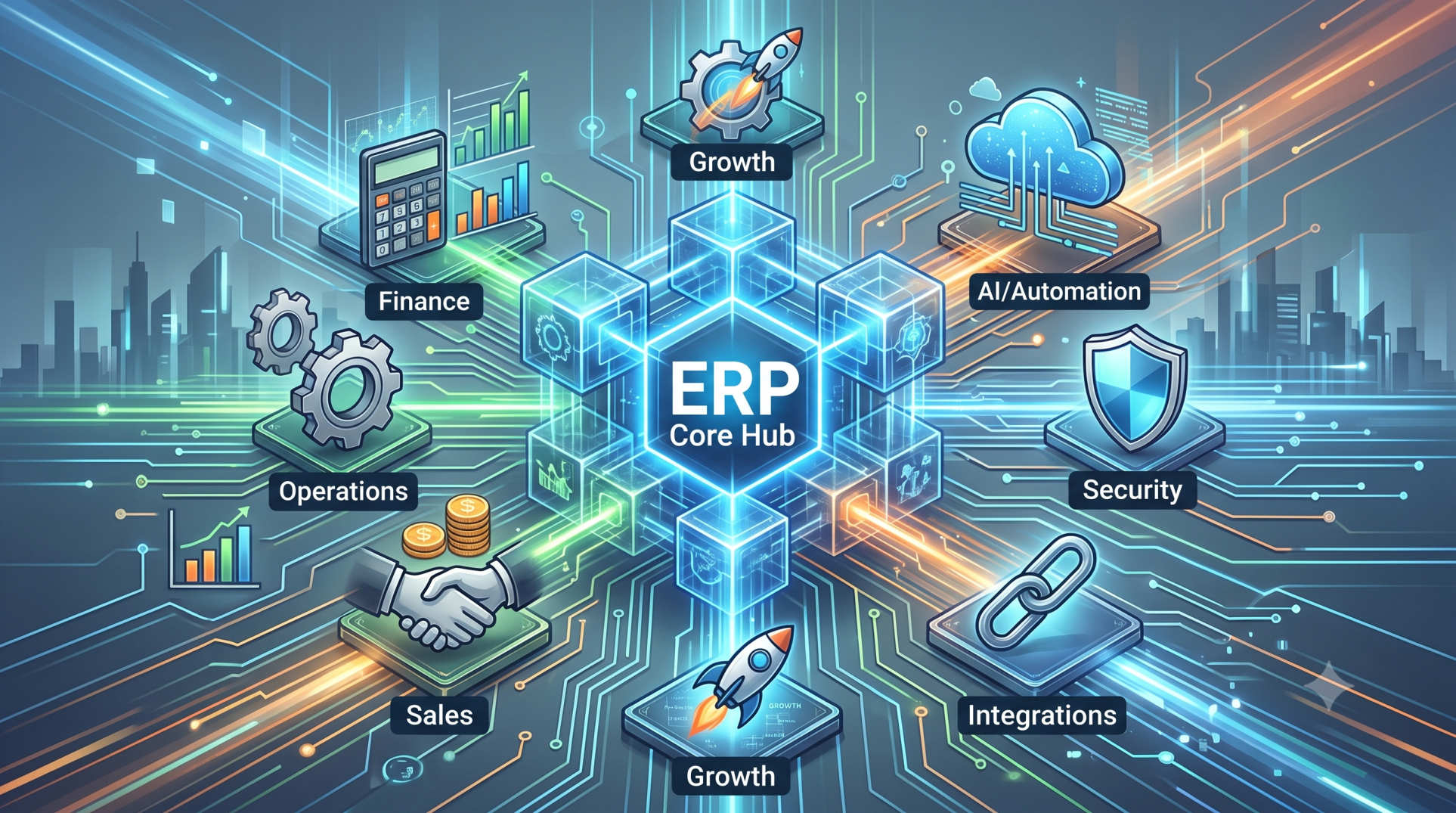
This is where ERP Software becomes valuable. By connecting accounting, budgeting, procurement, expensemanagement, and reporting within one integrated platform, organizations cangain better control over their financial operations.
However,financial services businesses and healthcare providers do not always haveidentical requirements. Choosing the right solution means understanding theirindividual workflows, reporting responsibilities, security expectations, andlong-term business objectives.
What Is ERPSoftware and How Does It Support Financial Management?
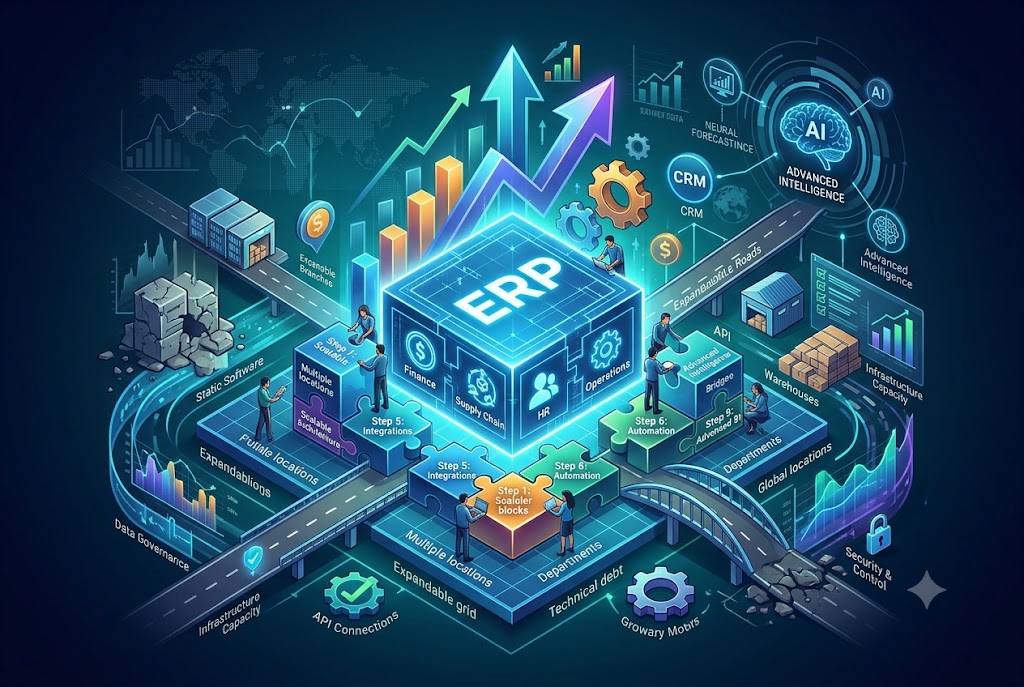
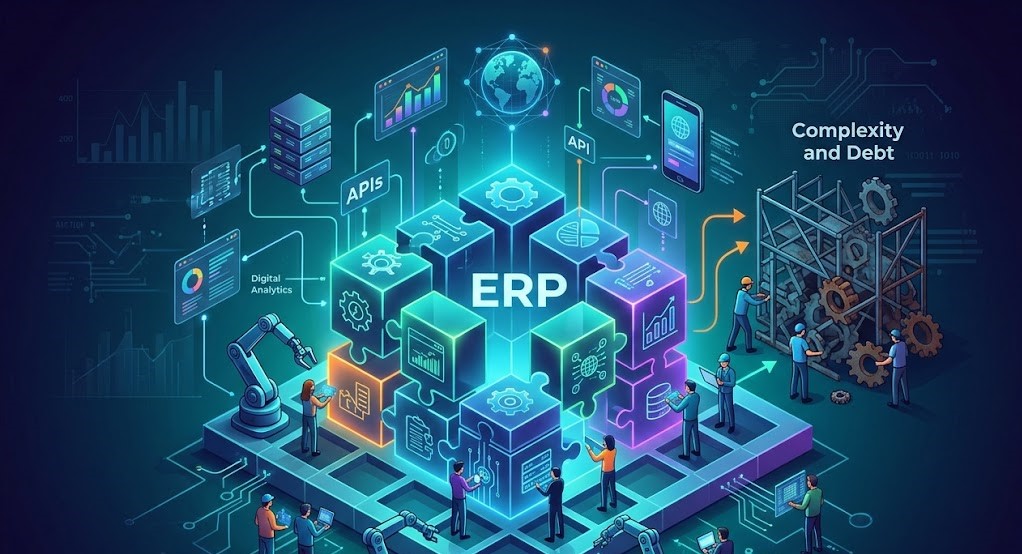
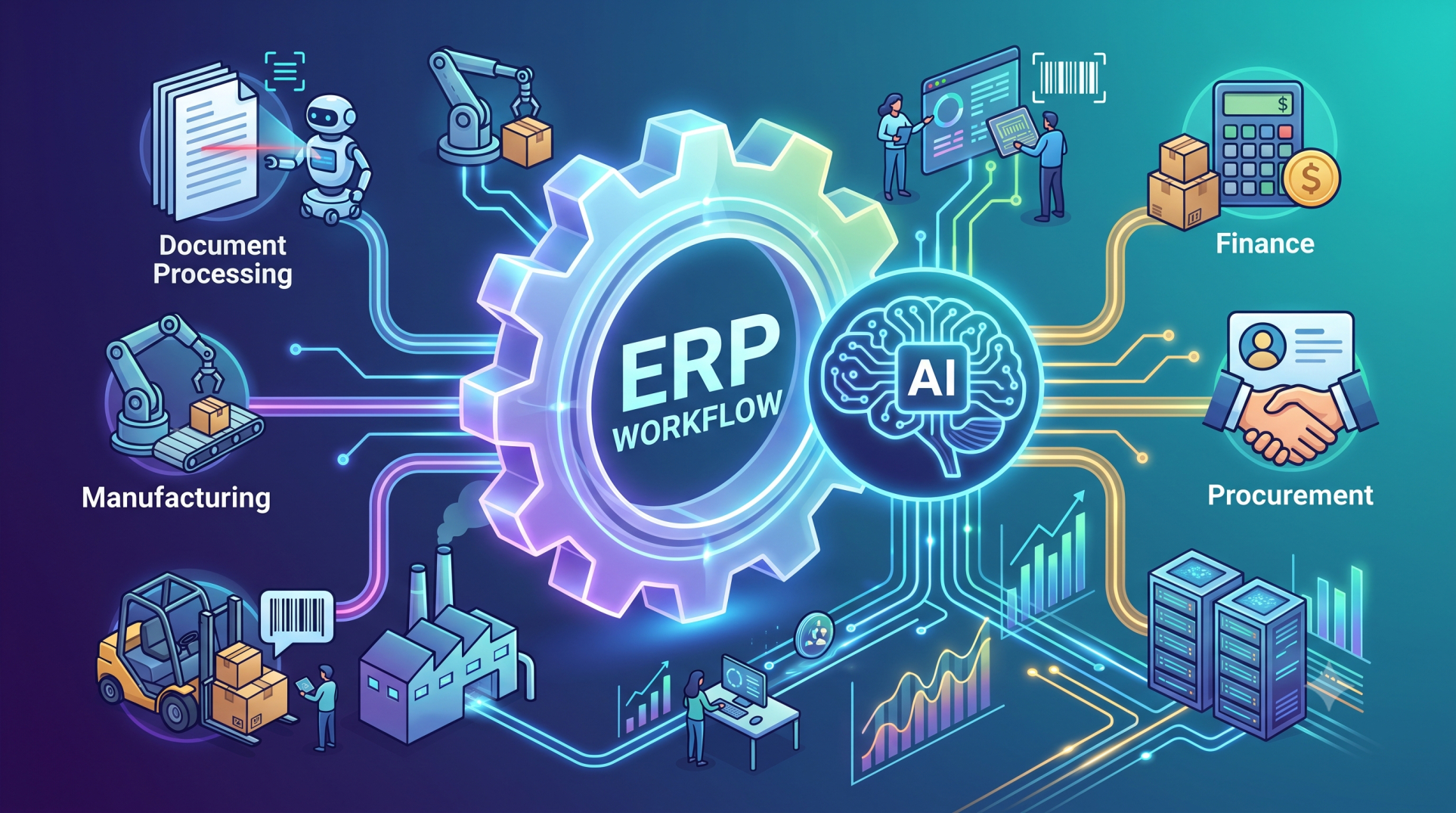
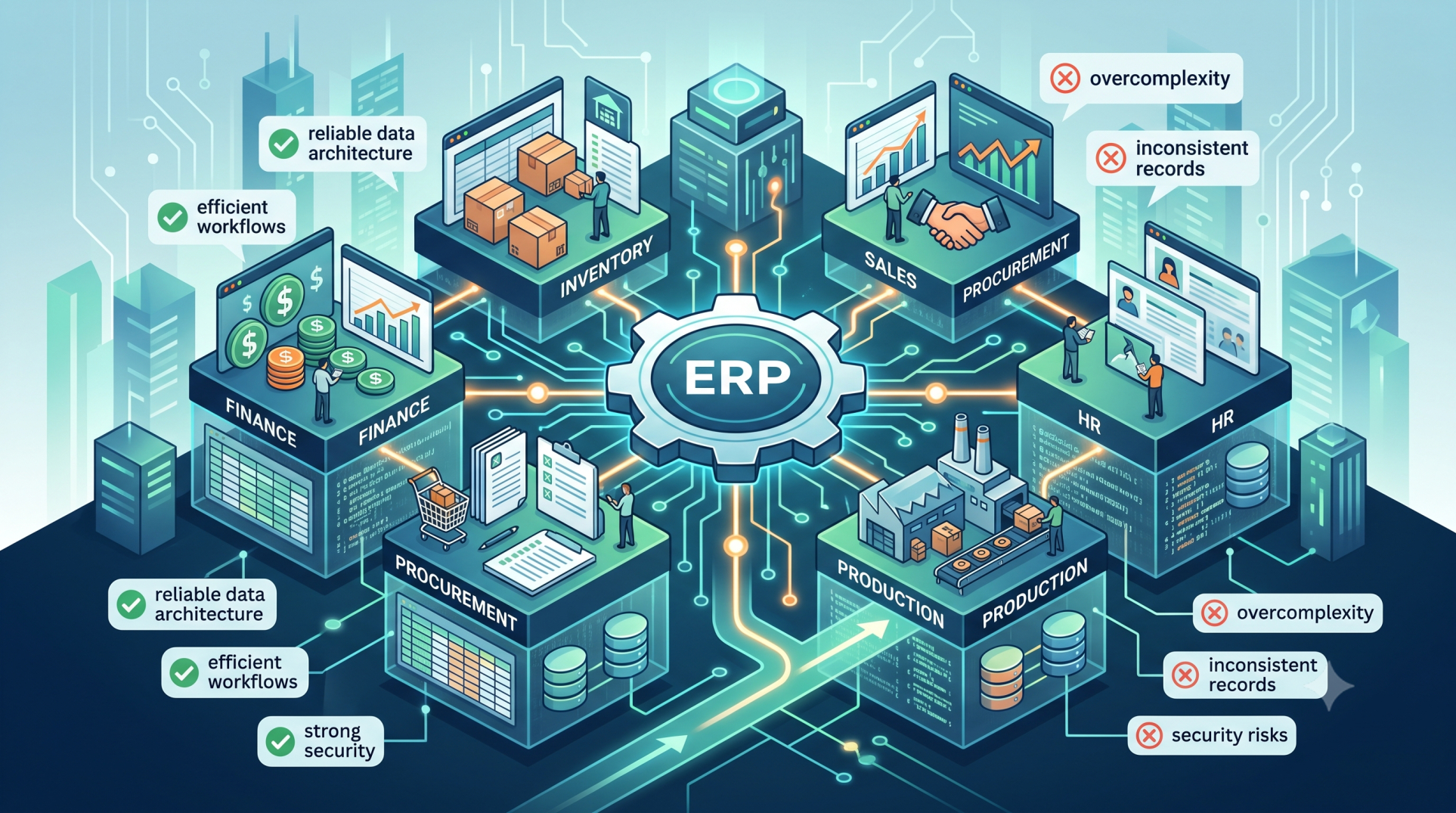
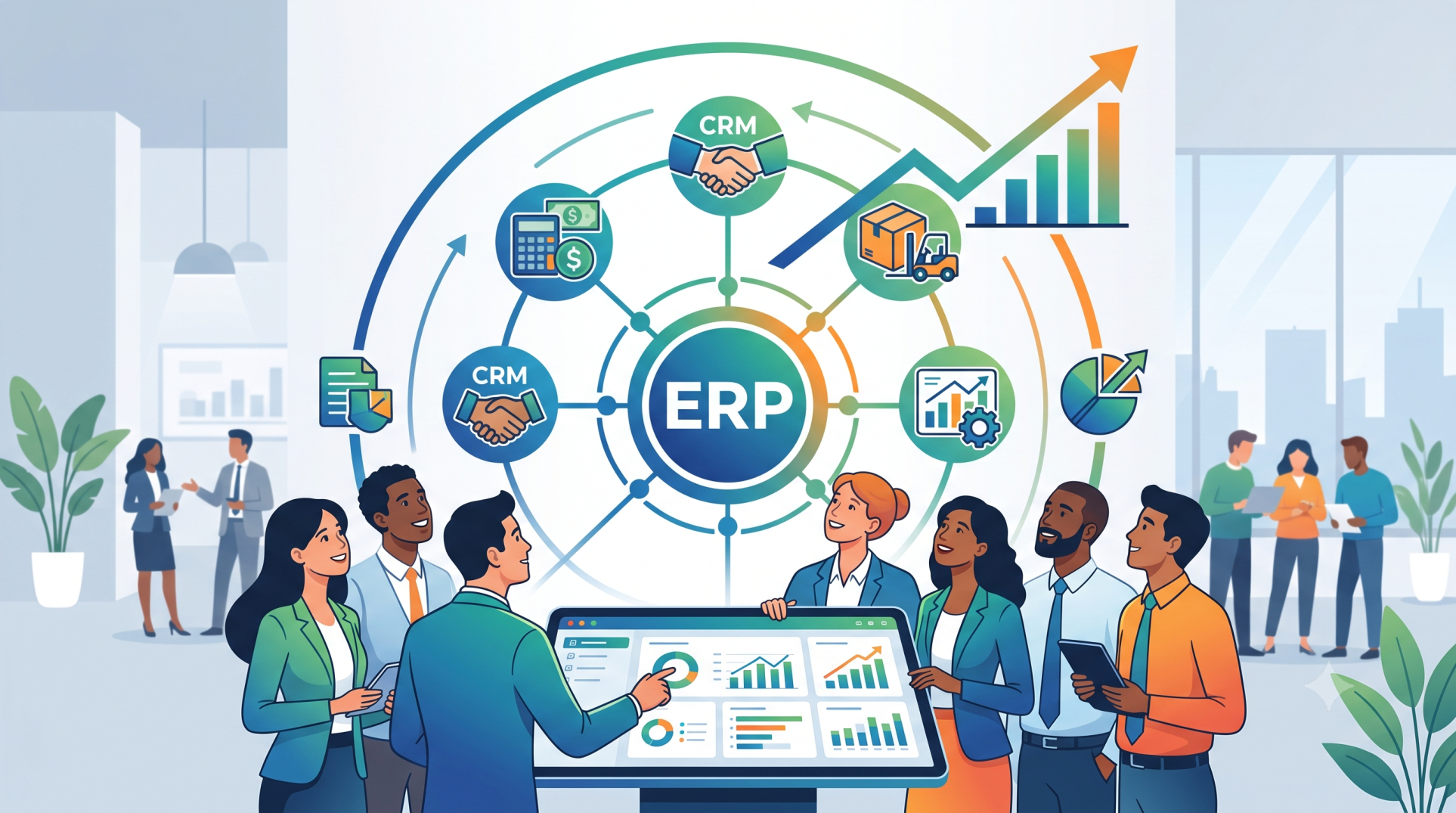
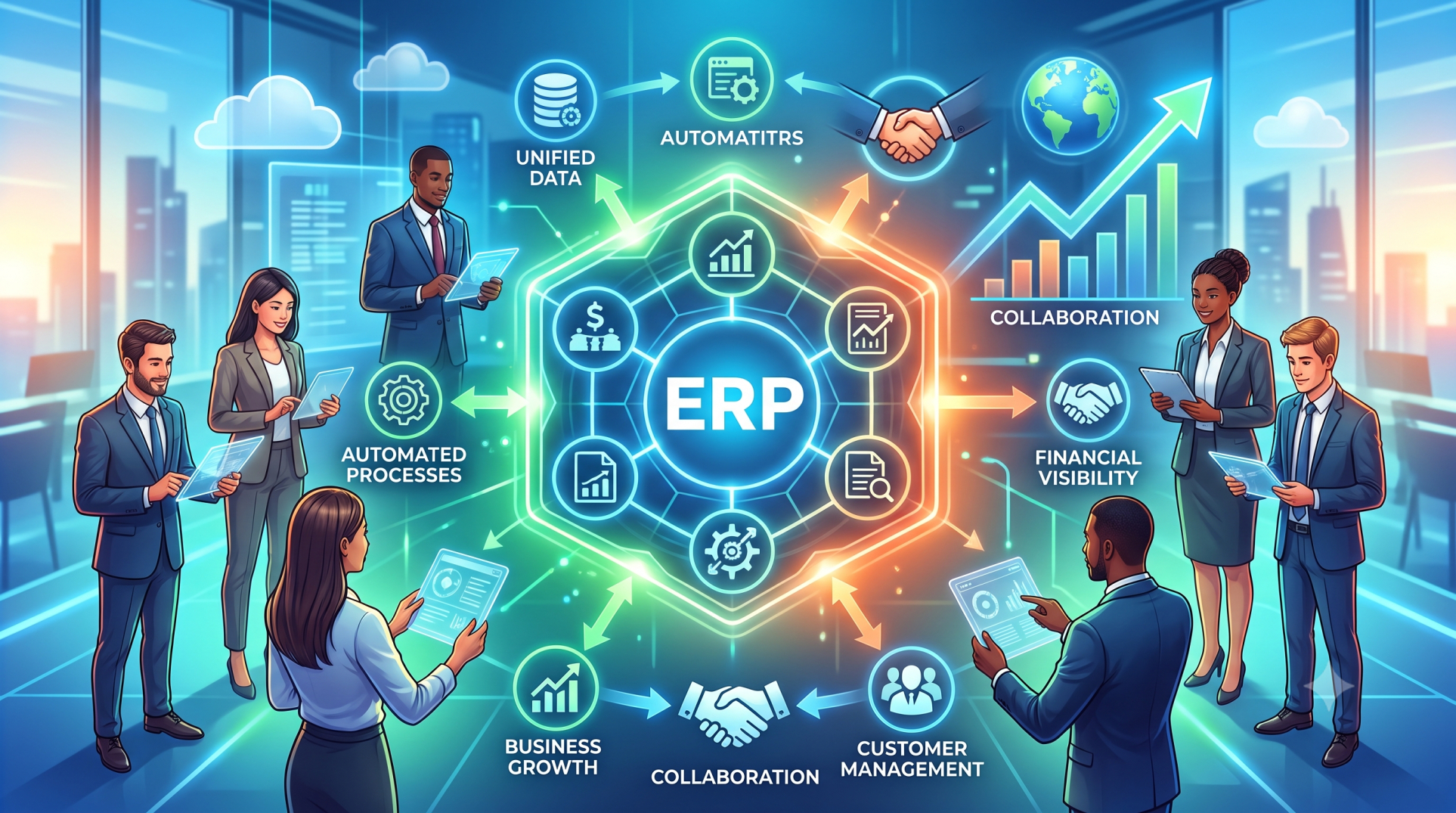
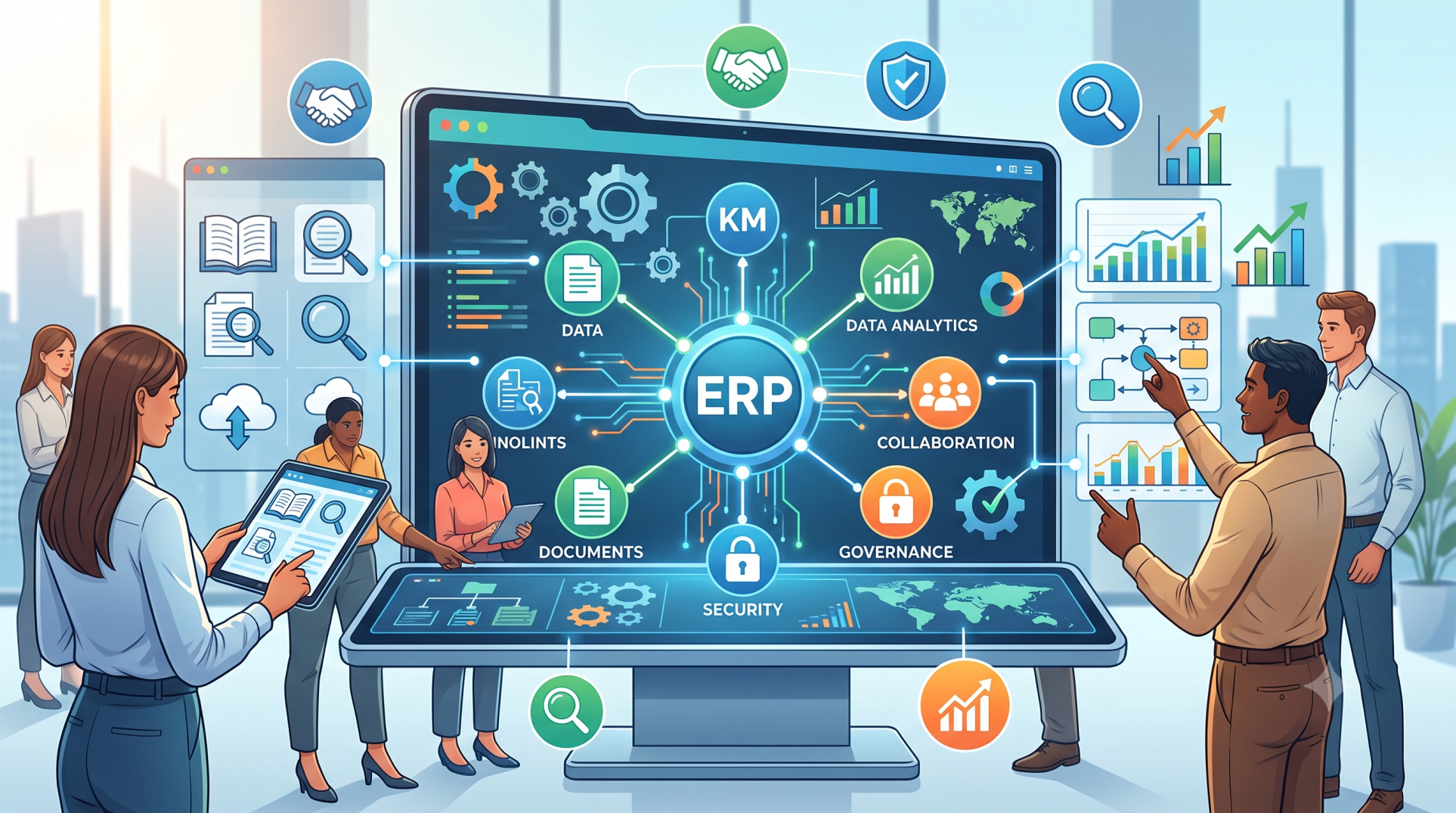
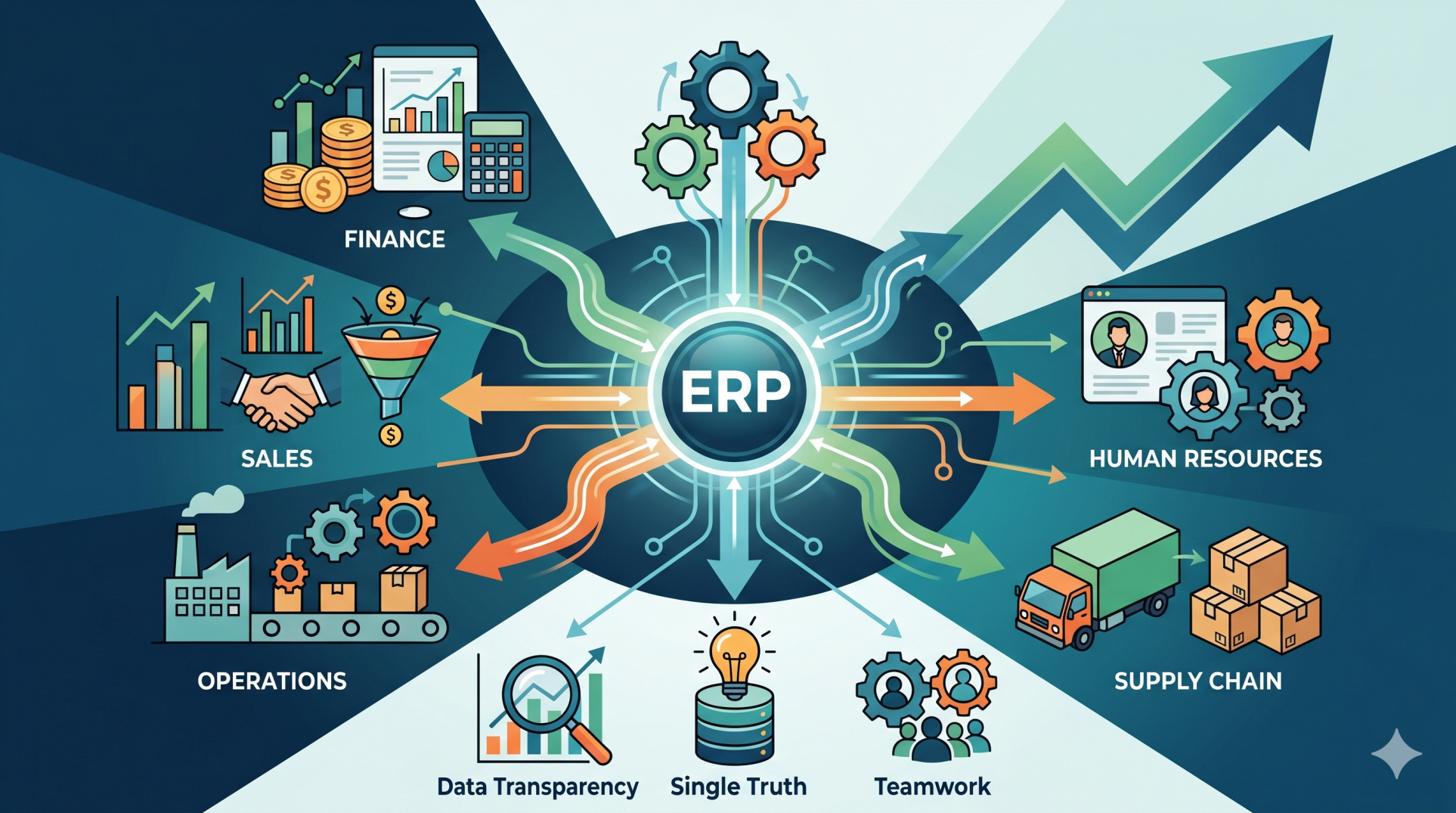
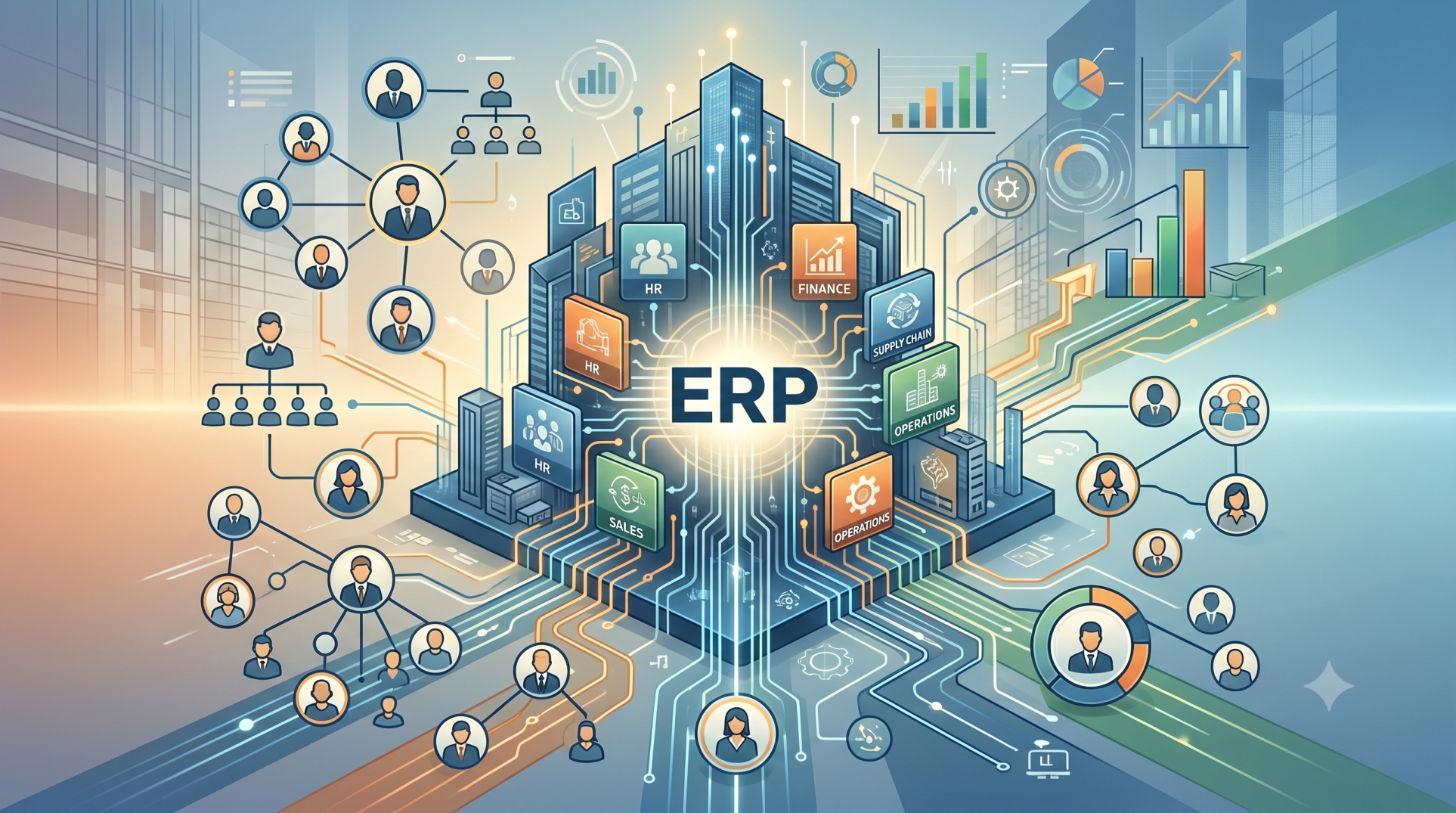
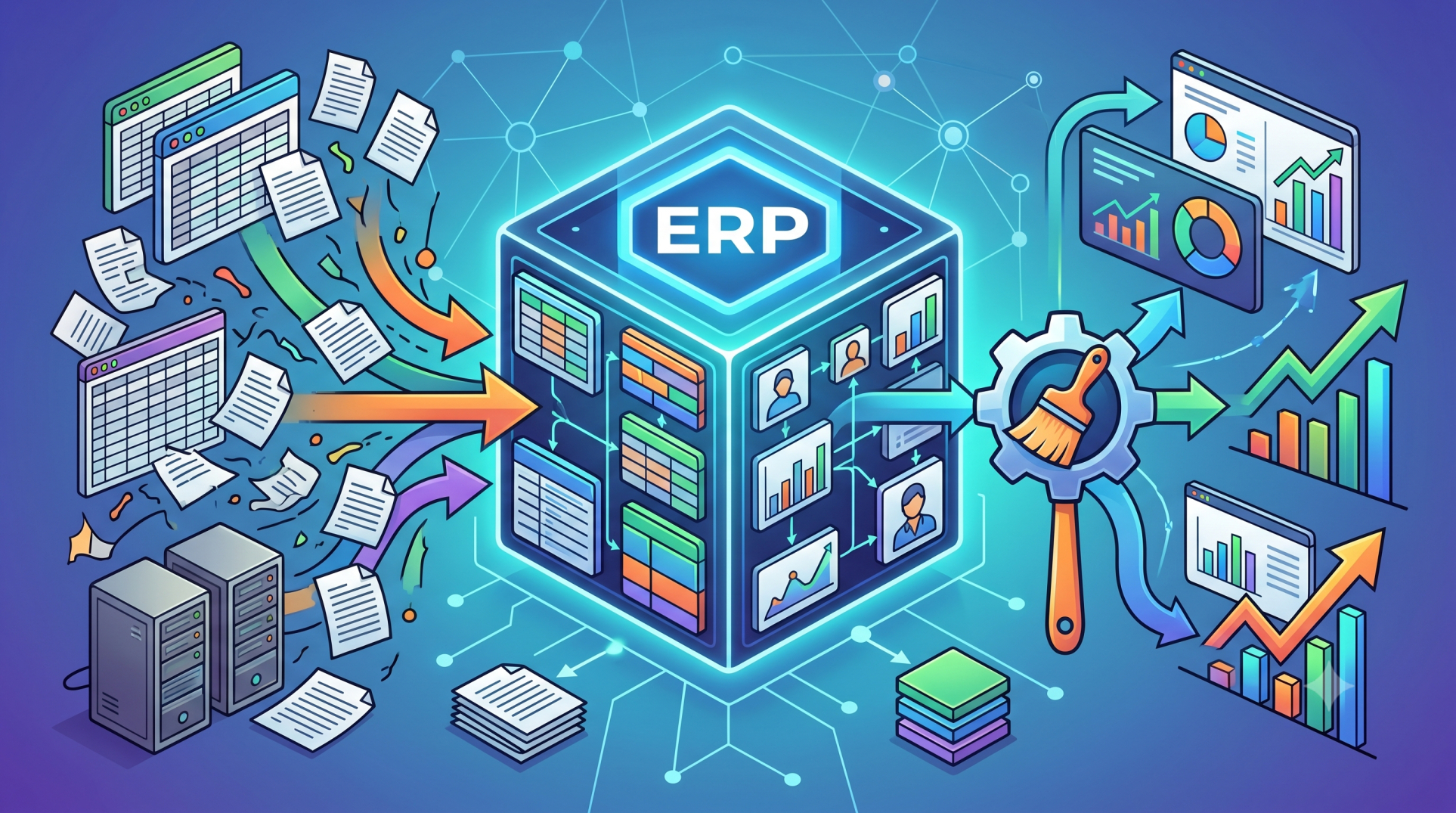
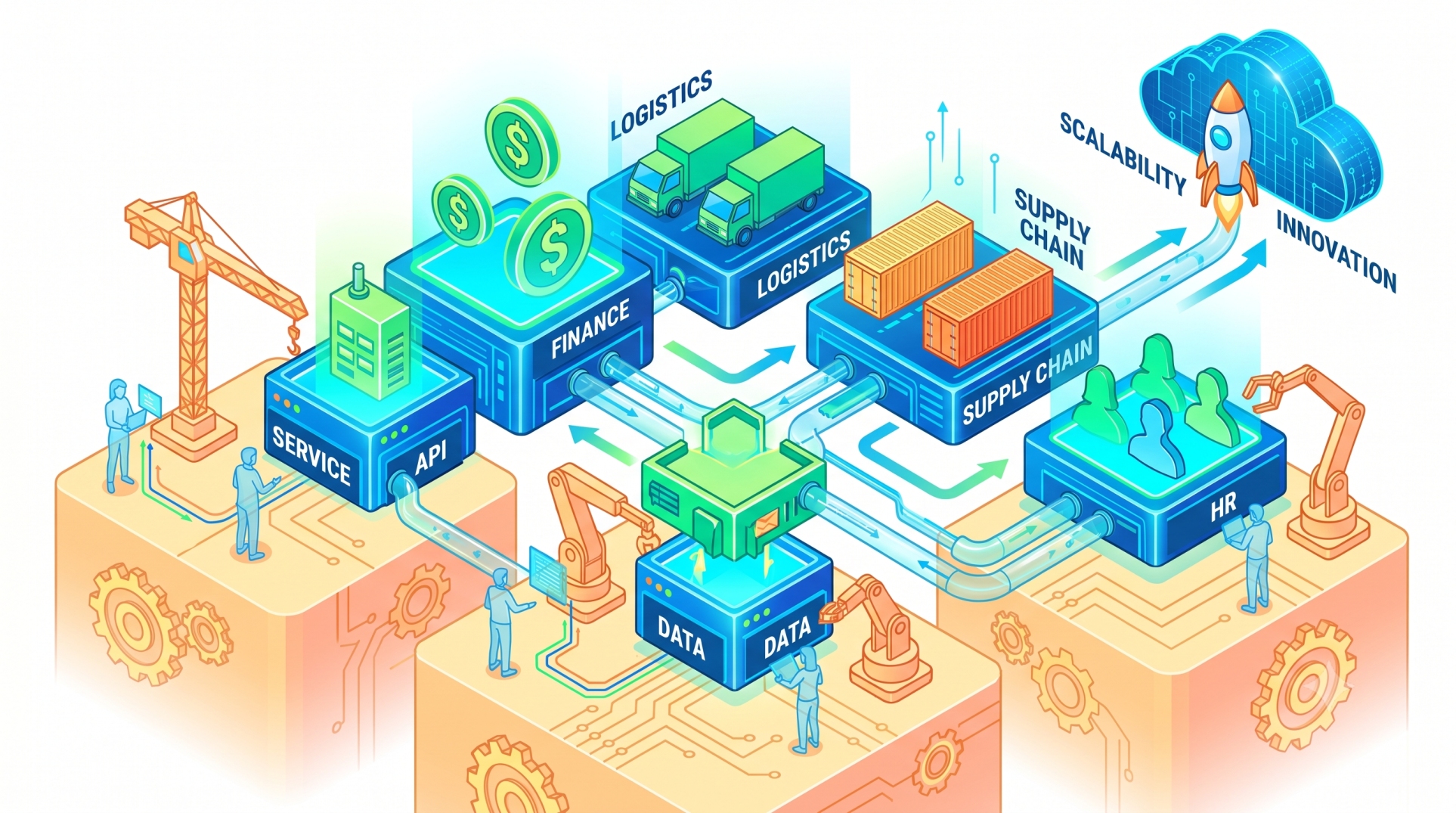
EnterpriseResource Planning (ERP) software is a business management platform thatconnects different operational functions through a centralized system. Insteadof maintaining separate records for accounting, purchasing, expenses, andfinancial planning, businesses can manage these activities through integratedworkflows.
For financeteams, common ERP capabilities include:
- General ledger and financial accounting
- Accounts payable and accounts receivable
- Budgeting and financial forecasting
- Expense tracking and management
- Procurement and vendor payments
- Fixed asset management
- Financial reporting and analytics
- Cash flow monitoring
- Multi-entity and departmental reporting
Consider afinancial controller reviewing monthly expenses. Without an integrated system,they might need to collect purchasing records, outstanding invoices, anddepartmental spreadsheets before preparing a report. ERP software can bringrelevant financial information together, making it easier to review spendingand identify discrepancies.
The realadvantage is not simply having more financial data. It is having connectedinformation that supports timely and informed decisions.
Why FinancialServices Businesses Need Specialized ERP Software
Financialservices organizations often operate with complex financial structures,multiple departments, and strict internal control requirements. Theiraccounting teams need reliable information to monitor expenses, preparereports, manage budgets, and maintain appropriate documentation.
ERP Softwarefor Financial Services can support these responsibilitiesthrough features such as:
- Financial planning, budgeting, and forecasting
- Multi-entity accounting and consolidation
- Expense and procurement management
- Vendor and contract management
- Automated approval workflows
- Role-based access permissions
- Audit trails and transaction records
- Integration with existing financial applications
For example,an investment advisory firm operating from three offices may struggle tocompare administrative expenses when each location maintains separatespreadsheets. A centralized ERP platform can help management review purchasingcosts, supplier invoices, and departmental budgets in a more consistent way.
It isimportant to understand that ERP platforms generally support corporate financeand internal business operations. Specialized activities such as core banking,investment trading, and portfolio management may require dedicated industryapplications.
Best ERPSoftware for Financial Services: Features to Compare
Finding the Best ERP Software for Financial Services involves more than comparing the number offeatures offered by different vendors. The right solution should support theorganization's actual accounting processes, reporting requirements, and growthplans.
Considerthese important capabilities:
- Comprehensive accounting: Look for general ledger, accounts payable, and receivable functionality.
- Financial consolidation: Support consolidated reporting across business units and legal entities.
- Budgeting and forecasting: Compare planned expenditure against actual financial performance.
- Expense automation: Simplify expense submissions, approvals, and tracking.
- Multi-currency support: Important for organizations handling international transactions.
- Security controls: Evaluate user permissions, audit logs, and data protection measures.
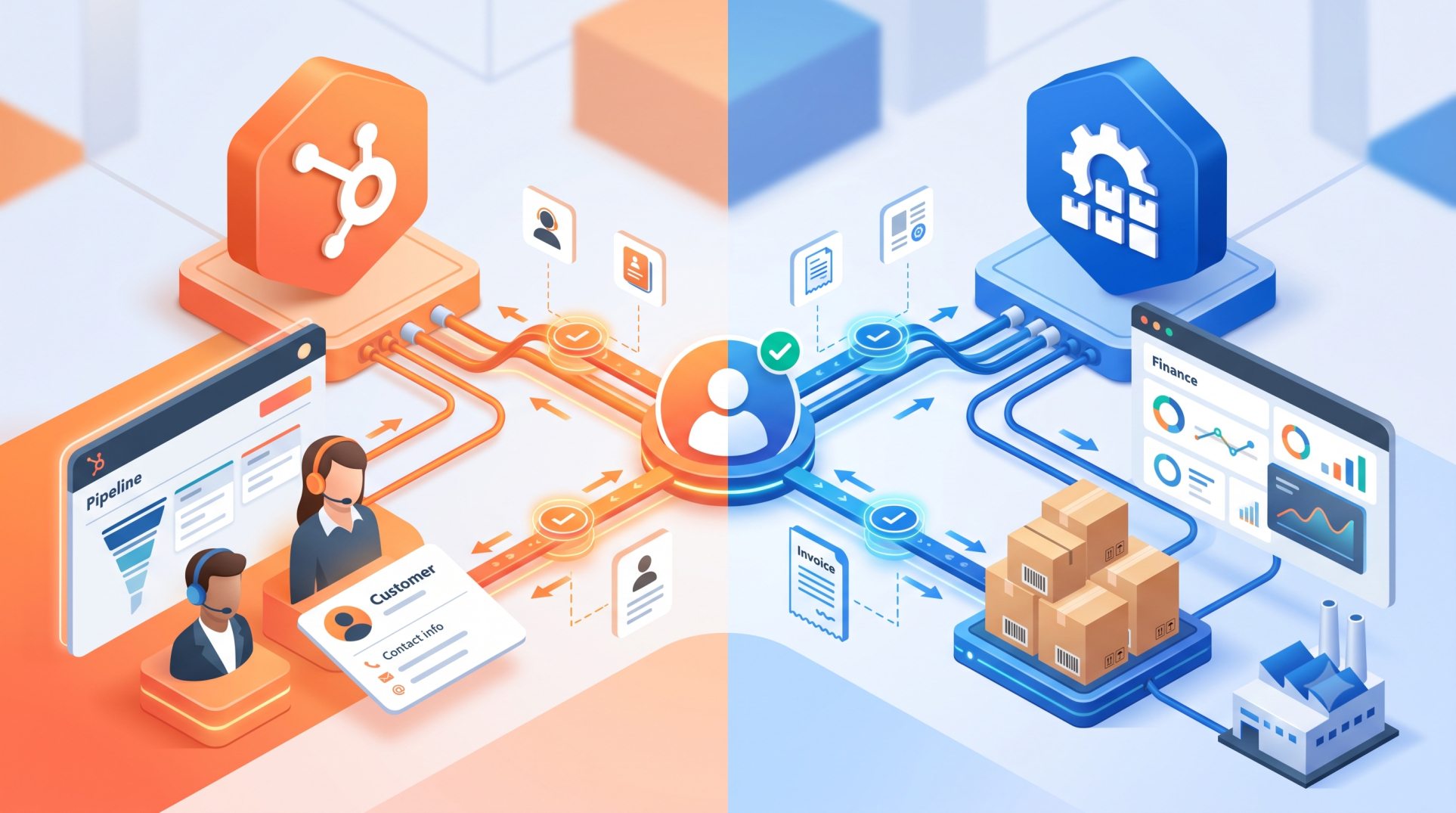
- System integration: Check compatibility with existing CRM and financial applications.
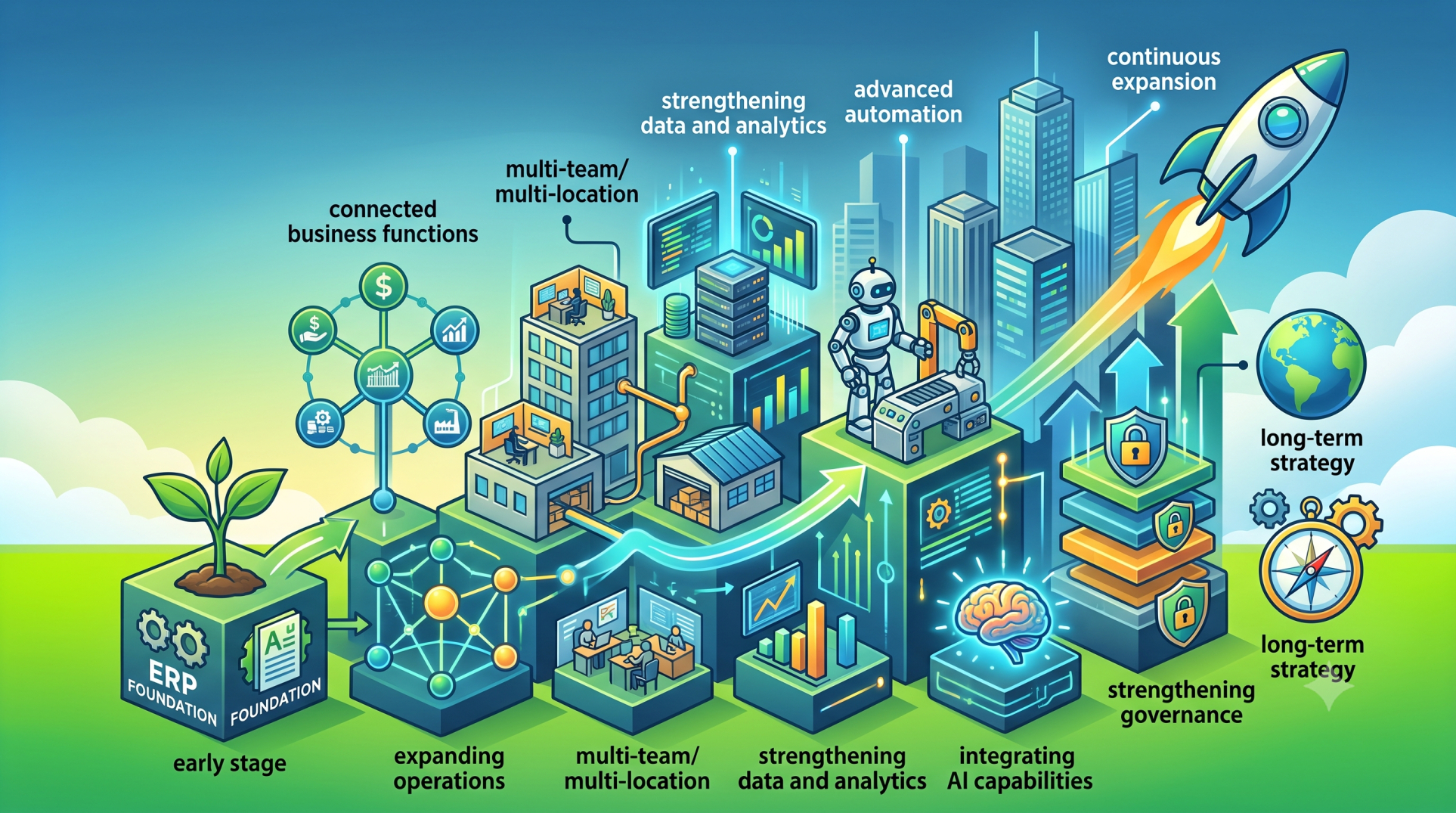
- Scalability: Ensure the platform can accommodate changing operational requirements.
Ask vendorsto demonstrate realistic scenarios, such as consolidating monthly financialresults across multiple offices. Practical demonstrations reveal whether aplatform can handle everyday financial responsibilities.
How ERPSoftware Improves Financial Services Operations
Disconnectedfinancial information can slow down reporting and make it difficult formanagers to identify unnecessary expenditure.
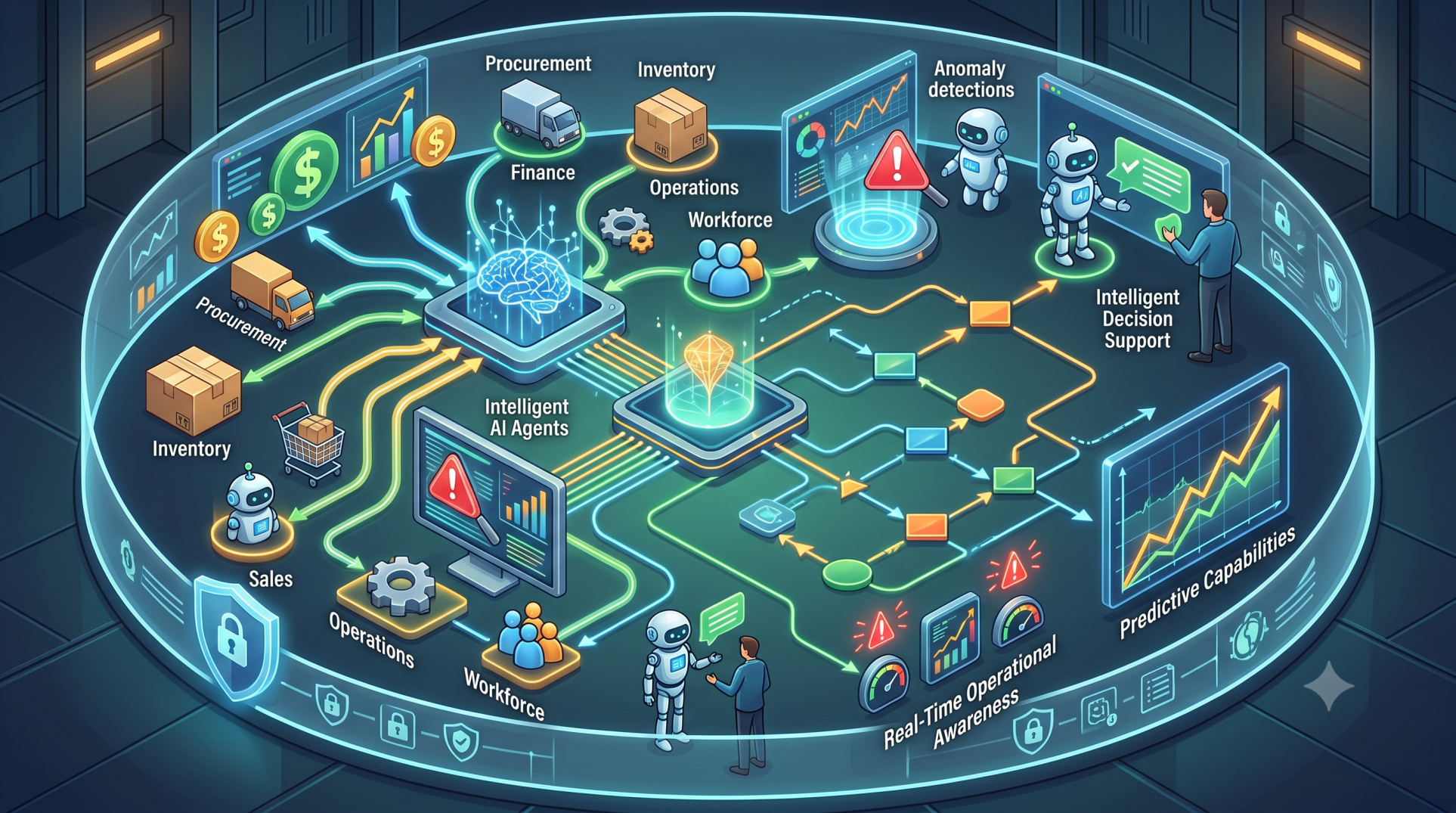
An integratedERP system can improve operational coordination by centralizing financialrecords, reducing duplicate data entry, monitoring supplier payments, andsupporting consistent purchasing approvals.
For instance,a financial services company may discover that its technology expenses haveincreased significantly across several departments. With centralized reporting,management can investigate the affected cost centers, review supplier invoices,and compare spending against approved budgets.
Theseimprovements depend on accurate financial data, appropriate systemconfiguration, and clearly defined internal processes.
HealthcareAccounting ERP Software: Managing Financial Operations
Healthcareorganizations manage financial responsibilities that extend across clinicaldepartments, administration, procurement, and facilities management.
HealthcareAccounting ERP Software helps hospitals, clinics, medicalgroups, and other healthcare providers organize financial information andmonitor operational expenditure.
Relevantcapabilities may include:
- General ledger and financial reporting
- Departmental budgeting
- Accounts payable and receivable
- Vendor management and supplier payments
- Medical equipment and fixed asset accounting
- Expense tracking and forecasting
- Cost center reporting
- Purchase approval workflows
- Integration with healthcare management systems
Imagine ahospital managing separate budgets for radiology, laboratories, administration,and facilities. Each department has different purchasing requirements andoperating expenses.
A centralizedERP system can help the finance department compare actual expenditure againstapproved budgets, identify unusual spending patterns, and review supplierpayments without manually combining multiple reports.
The specificrequirements will depend on the healthcare organization's size, accountingstructure, and reporting obligations.
CommonAccounting Challenges in Healthcare Organizations
Healthcarefinance teams frequently deal with financial information spread across multipledepartments and applications.
Some commonchallenges include:
- Monitoring departmental budgets
- Tracking medical equipment and fixed assets
- Processing supplier invoices and payments
- Controlling medical supply expenses
- Allocating costs to appropriate departments
- Reconciling information from different systems
- Preparing accurate financial reports
- Maintaining approval records and documentation
For example,an unexpected increase in medical supply costs can affect a hospital'soperating budget. Timely cost center reporting helps administrators identifywhich department is responsible for the increase and investigate purchasingpatterns.
ERP softwareimproves financial visibility, but organizations must also establish effectivepurchasing policies and budgeting procedures to achieve meaningful results.
Security,Compliance, and ERP Implementation Considerations
Financial andhealthcare organizations handle sensitive business and financial information.Therefore, security should be a central part of the ERP selection process.
Importantconsiderations include role-based permissions, multi-factor authentication,encryption, audit logs, backup and recovery procedures, and segregation ofduties.
Organizationsshould also evaluate applicable financial regulations, accounting standards,recordkeeping obligations, and healthcare data protection requirements in theirjurisdiction. Purchasing ERP software alone does not guarantee regulatorycompliance.
Implementationrequires equal attention. Inconsistent accounting records, legacy systemintegrations, employee resistance, and insufficient training can createunnecessary complications.
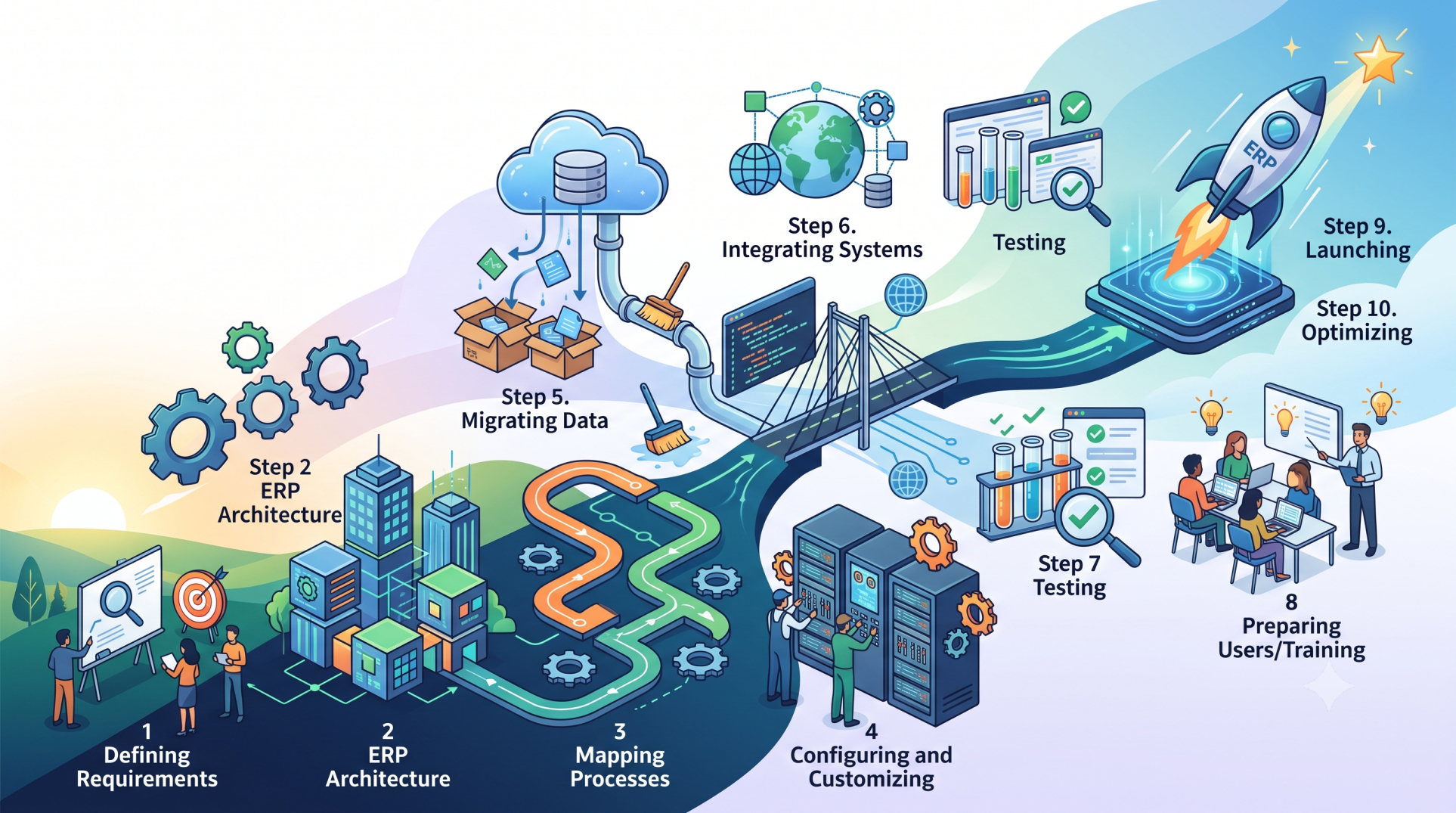
Beforeimplementation, document existing workflows, prepare financial data, defineresponsibilities, test integrations, and involve finance, IT, operations, andcompliance teams.
How to Choosethe Right ERP Software for Your Organization
Use thefollowing steps when evaluating potential ERP solutions:
- Identify existing accounting and operational challenges.
- Document essential financial workflows.
- Define reporting, budgeting, and consolidation requirements.
- Determine multi-entity and multi-currency needs.
- Establish security and regulatory requirements.
- Review integration requirements.
- Compare suitable vendors and deployment options.
- Request demonstrations using realistic business scenarios.
- Evaluate implementation, training, and ongoing support costs.
- Establish measurable performance indicators.
A financialservices company may prioritize consolidated reporting and approval controls,while a hospital may focus on departmental accounting, equipment costs, andsupplier payments.
The bestdecision comes from matching software capabilities to real operationalrequirements rather than selecting a platform based on features alone.
Frequently Asked Questions
1. What is ERP software?
ERP softwareis an integrated business management platform that connects accounting,budgeting, procurement, expense management, and other operational functions.
2. What isthe best ERP software for financial services?
The Best ERP Softwarefor Financial Services should offer comprehensiveaccounting, financial consolidation, budgeting, expense management, approvalworkflows, security controls, and integration capabilities.
3. Whatfeatures should ERP software for financial services include?
Essentialfeatures include general ledger accounting, accounts payable and receivable,financial reporting, multi-entity management, budgeting, forecasting, audittrails, and role-based access controls.
4. How doesERP software improve financial reporting?
ERP softwarecentralizes financial information, reduces duplicate data entry, and helpsfinance teams prepare consistent reports using connected operational andaccounting records.
5. What isthe difference between ERP software and accounting software?
Accountingsoftware primarily manages bookkeeping and financial transactions. ERP softwareconnects accounting with additional functions such as procurement, budgeting,resource management, and operational reporting.
6. What isHealthcare Accounting ERP Software?
HealthcareAccounting ERP Software supports the financial operations of hospitals,clinics, and medical groups through budgeting, expense tracking, vendorpayments, financial reporting, and cost center management.
7. Canhealthcare ERP software manage departmental budgets and vendor payments?
Yes, wherethese capabilities are supported, ERP systems can help healthcare organizationsmonitor departmental spending, process supplier invoices, manage purchaseapprovals, and track vendor payments.
8. How doesERP software support financial data security?
Depending onthe platform, security capabilities may include role-based permissions,encryption, authentication controls, audit logs, and backup procedures.Organizations must also maintain appropriate security policies.
Explore ERP Software for Better Financial Management
Financialservices businesses and healthcare organizations need accurate financialinformation to manage resources, control expenses, and make informed decisions.
The right ERPsolution can connect accounting, budgeting, procurement, and reportingprocesses while providing better visibility into organizational performance.
Explore the ERP solutions available at ERPSoftware.com to understand how differentcapabilities can support your financial management requirements. Evaluate theavailable features, integration options, and implementation support todetermine whether a solution aligns with your organization's needs.
See more blogs
You can all the articles below