ERP Software for Restaurants and the Logistics Industry

Running arestaurant or logistics company involves managing multiple operationssimultaneously. From tracking inventory and controlling expenses tocoordinating suppliers, employees and financial records, businesses needaccurate information to make informed decisions.
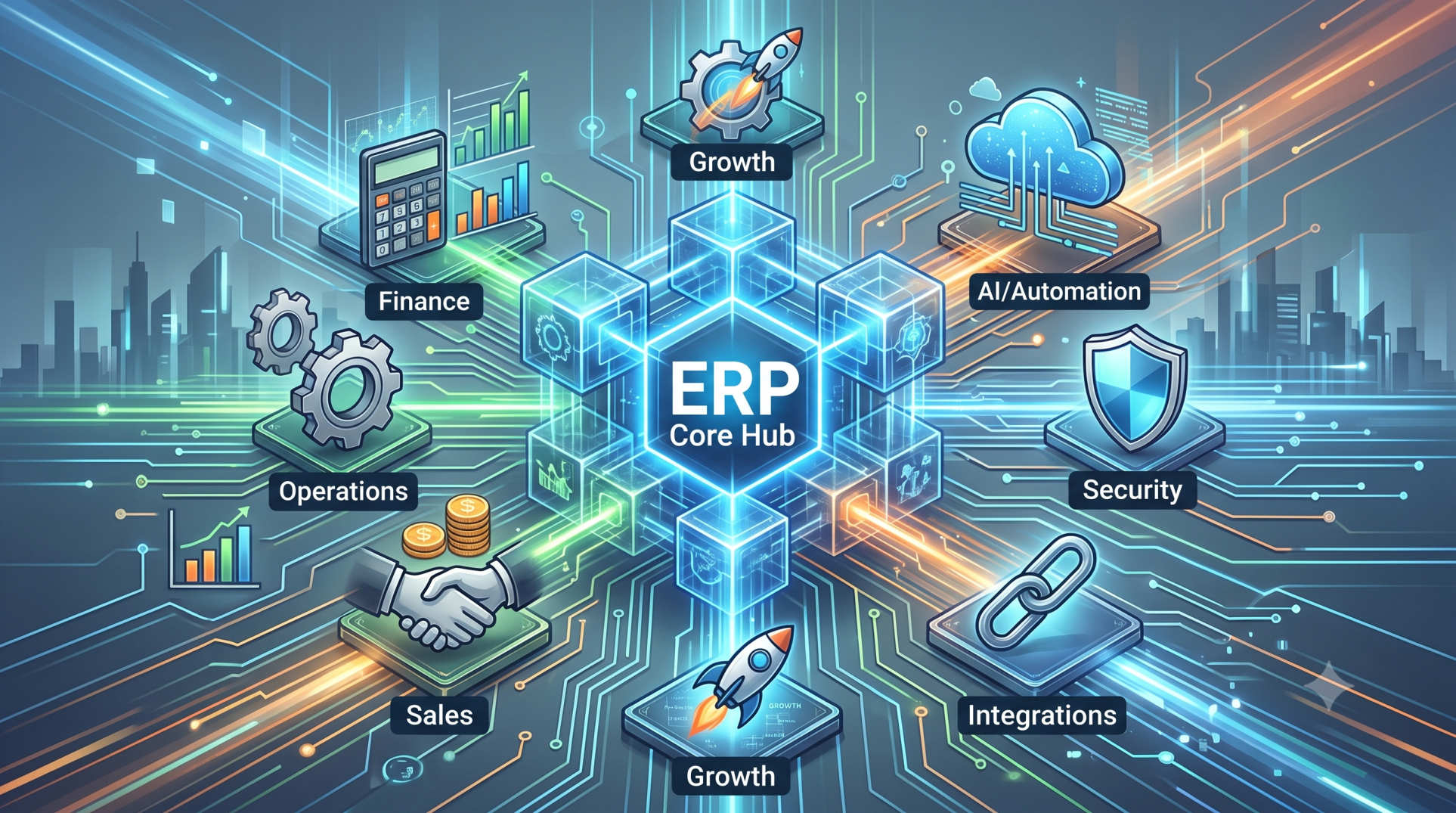
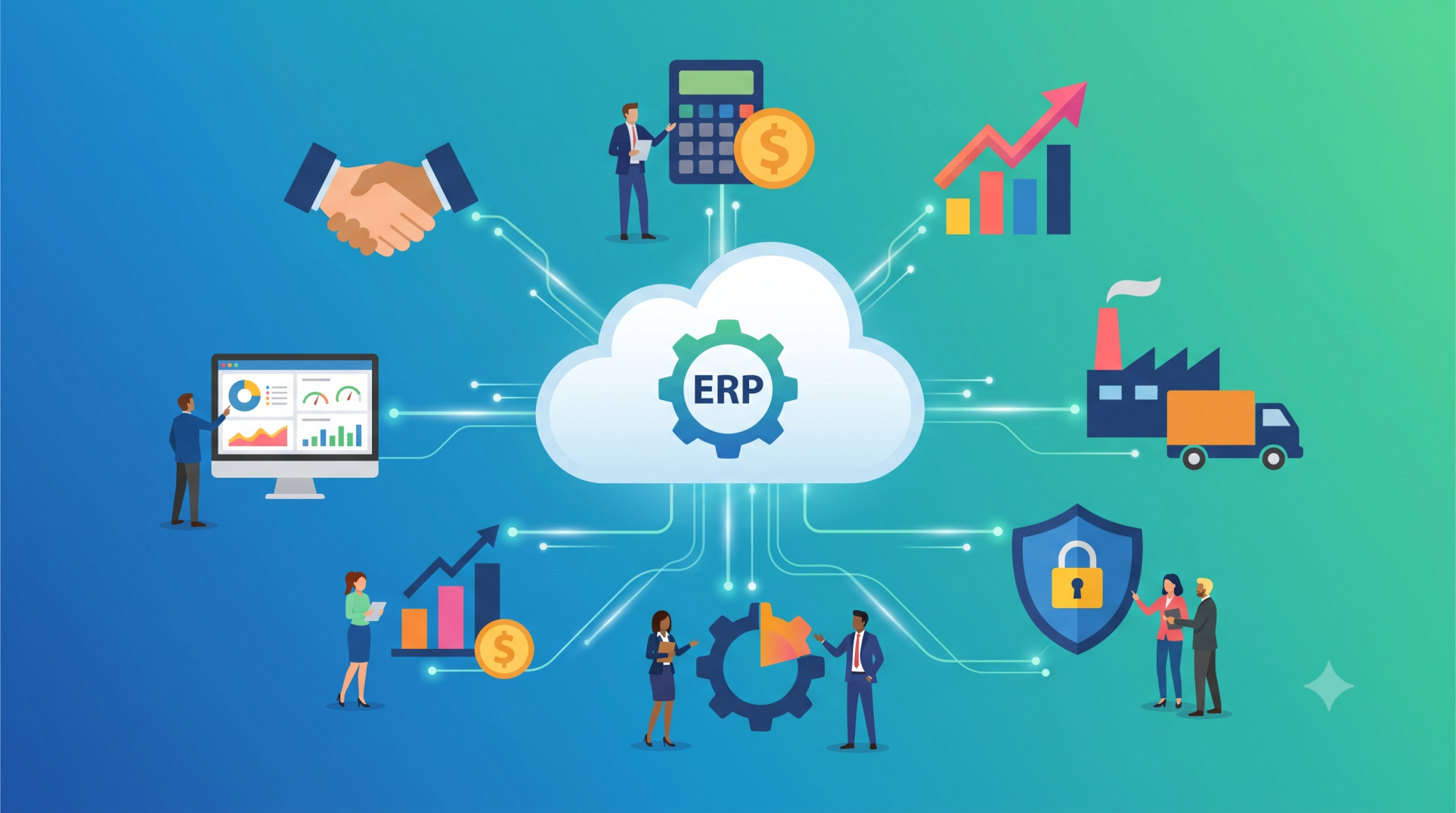
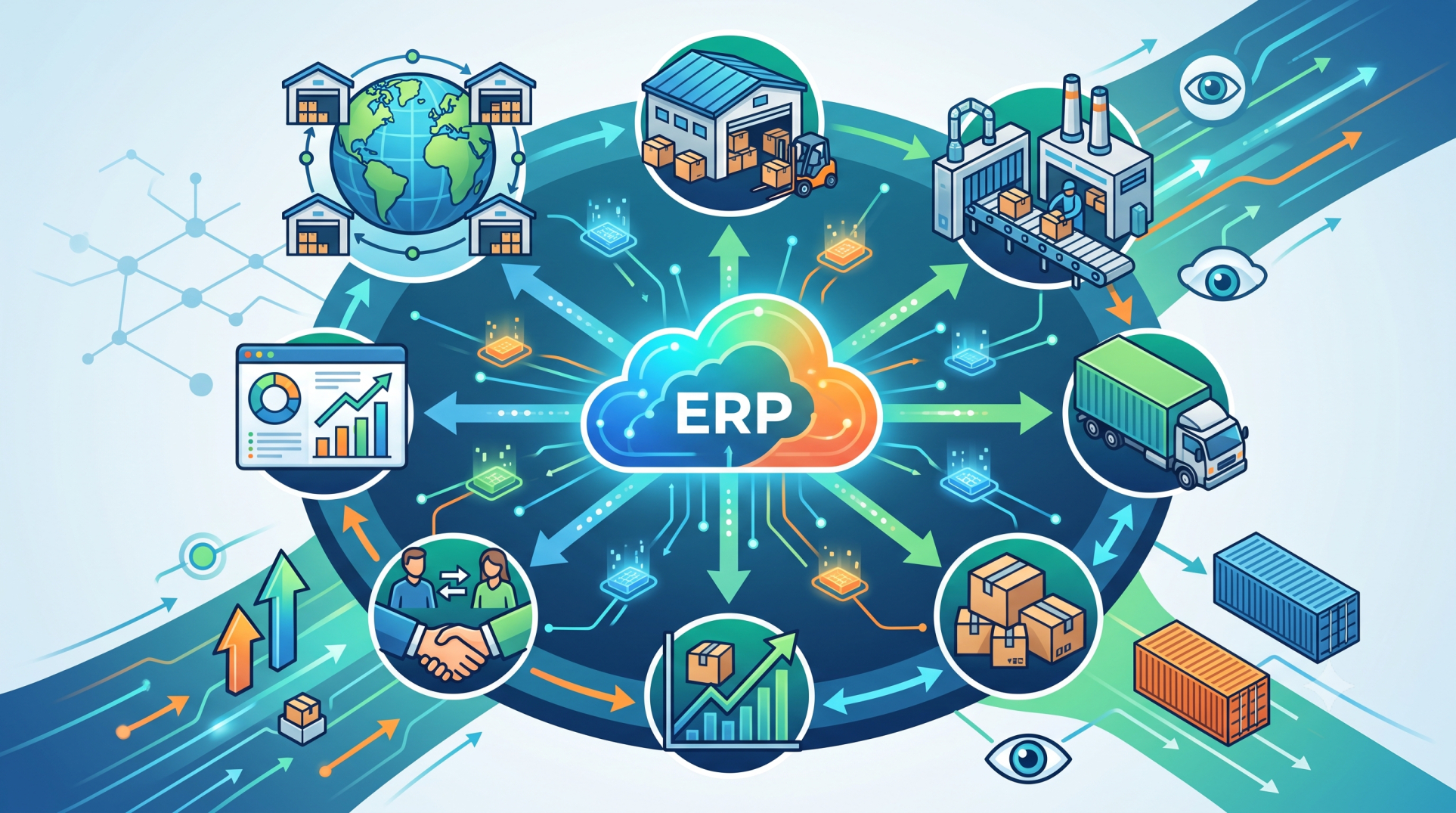
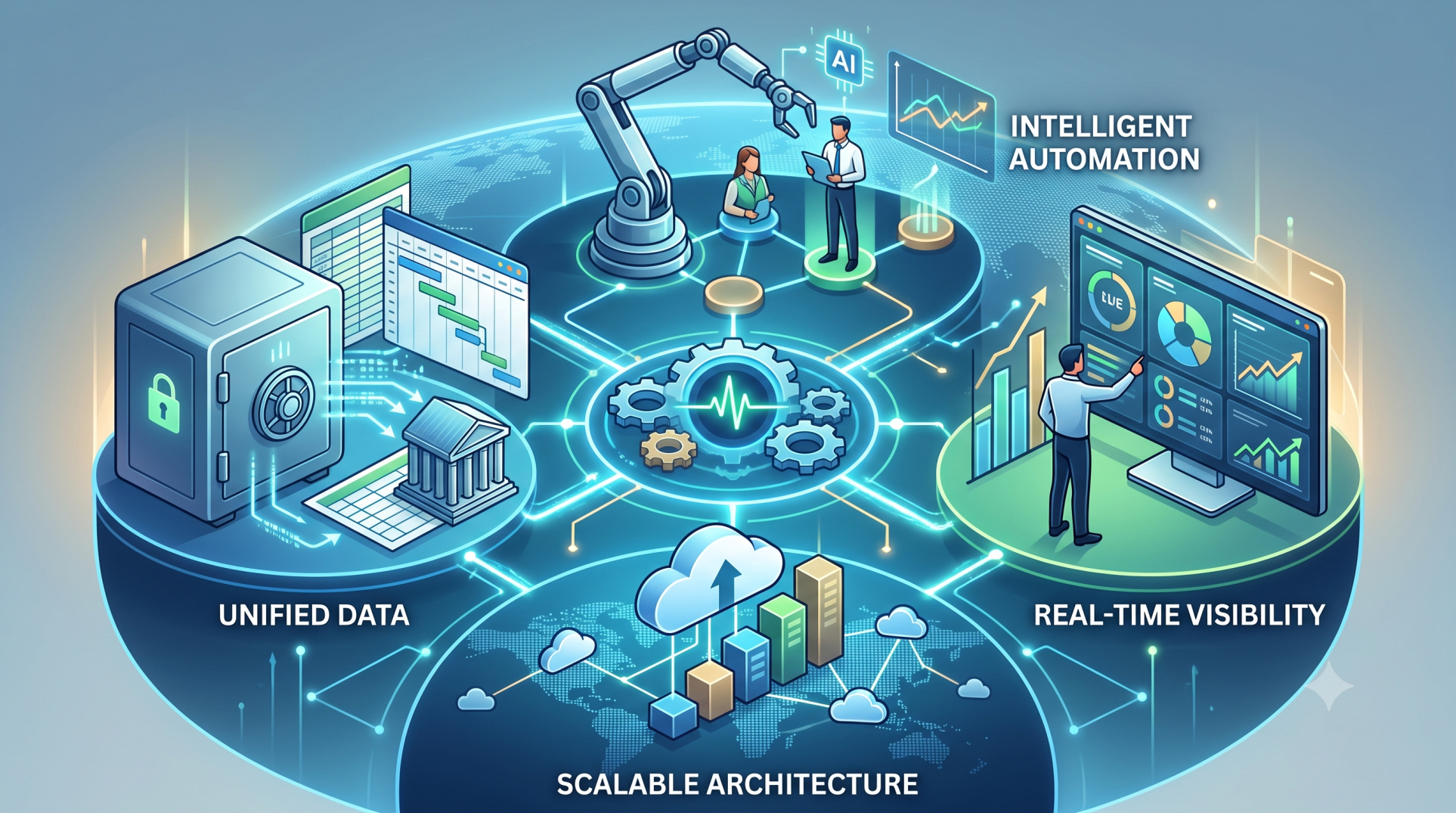
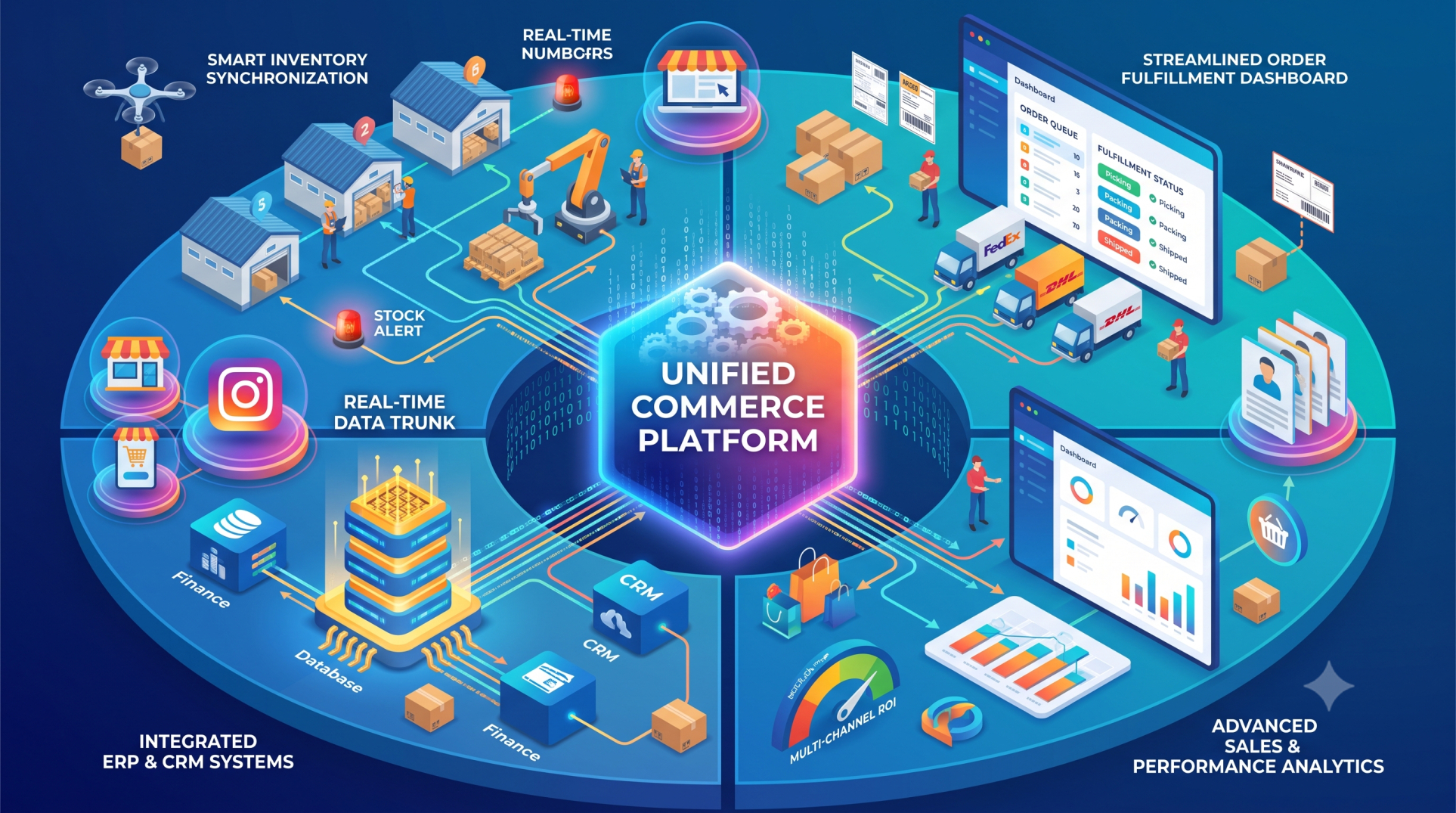
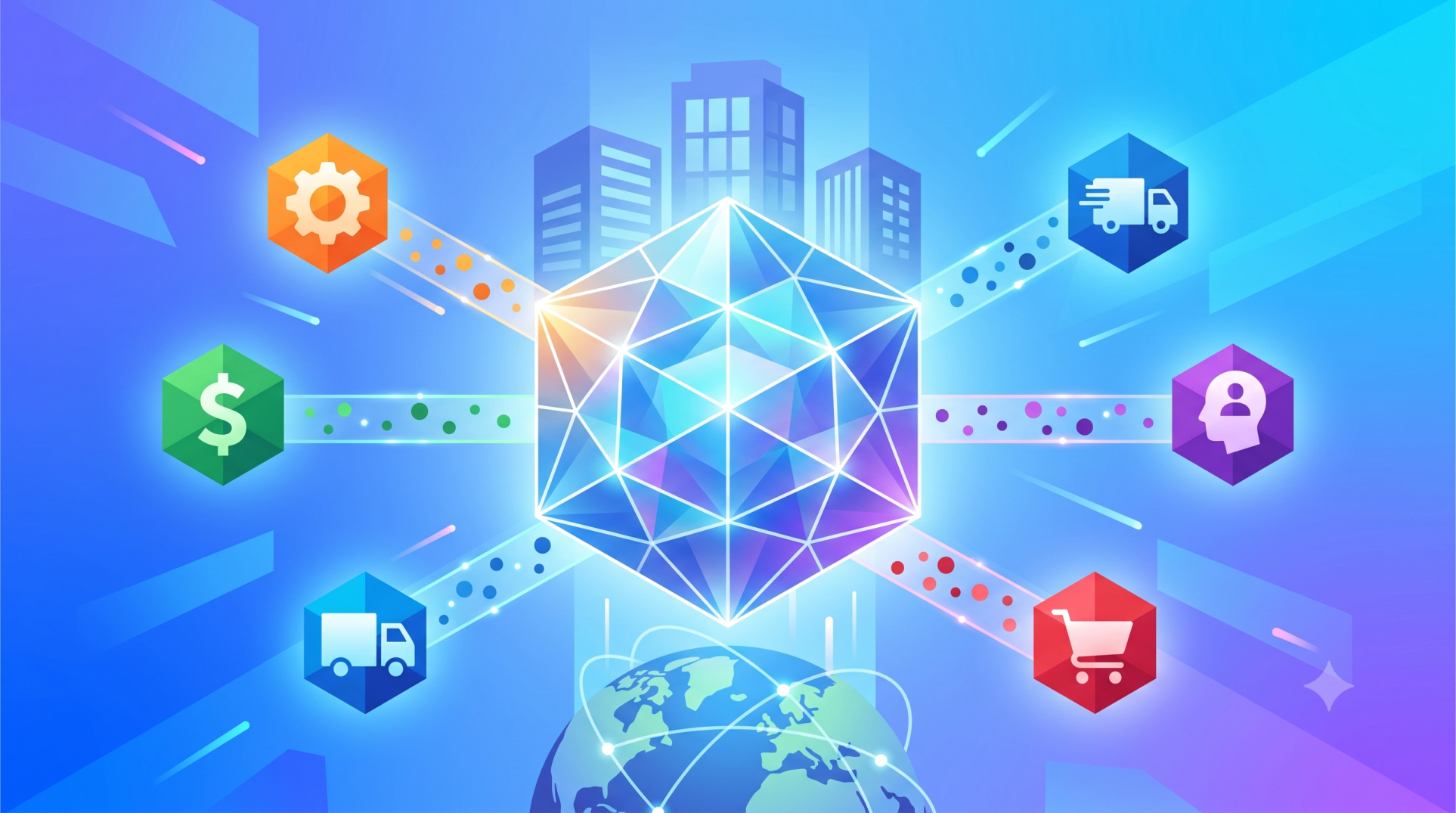
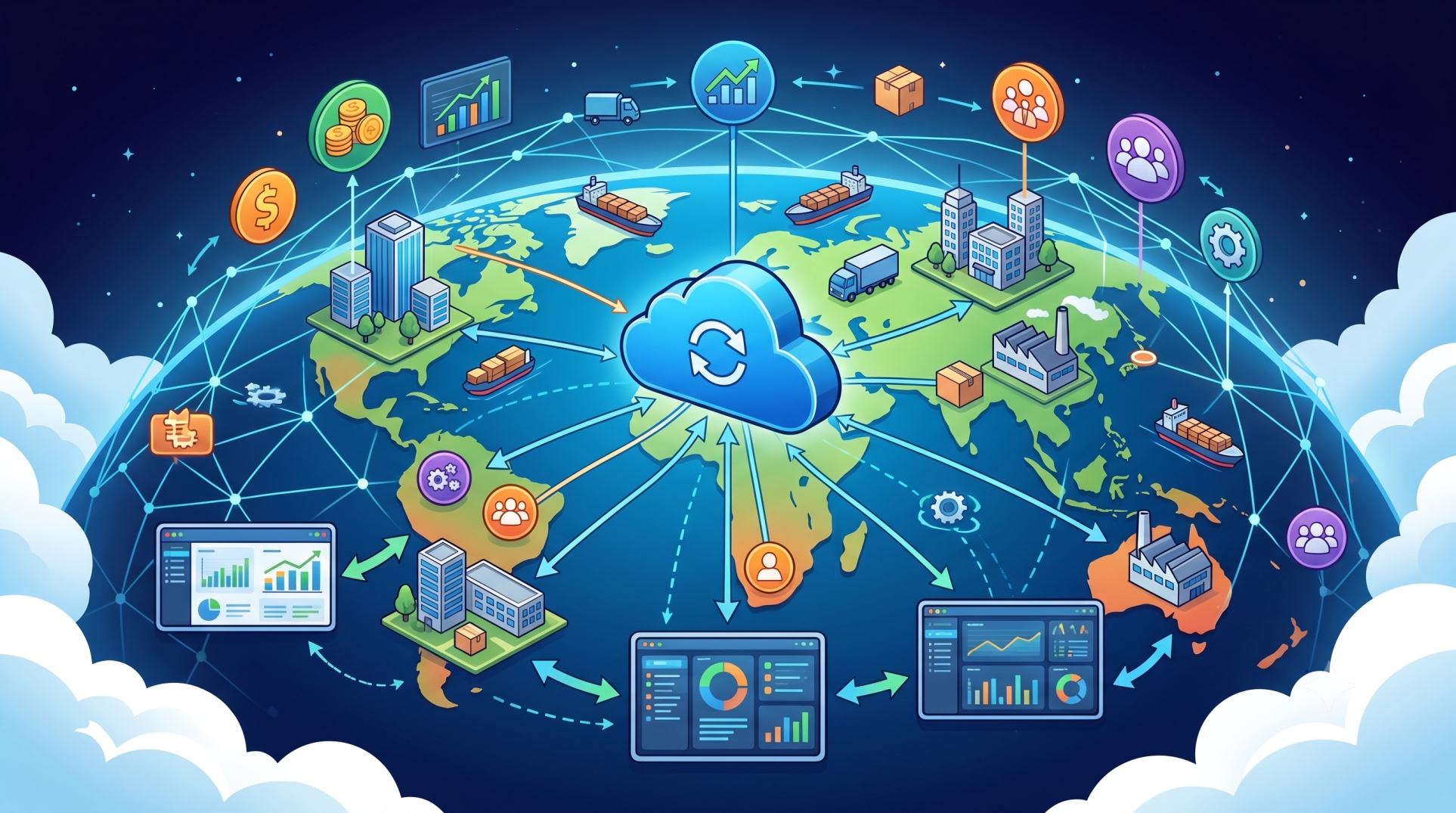
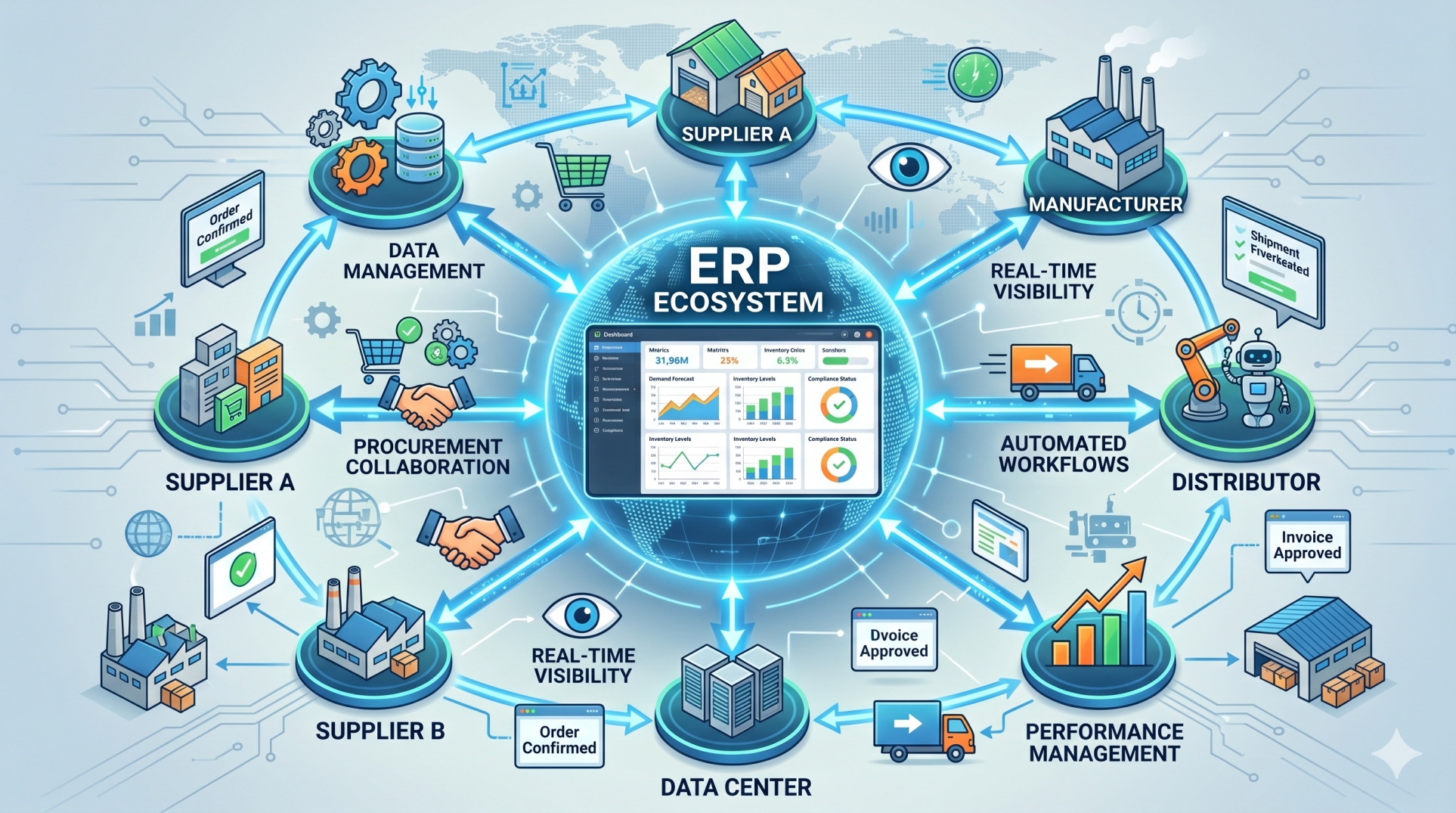
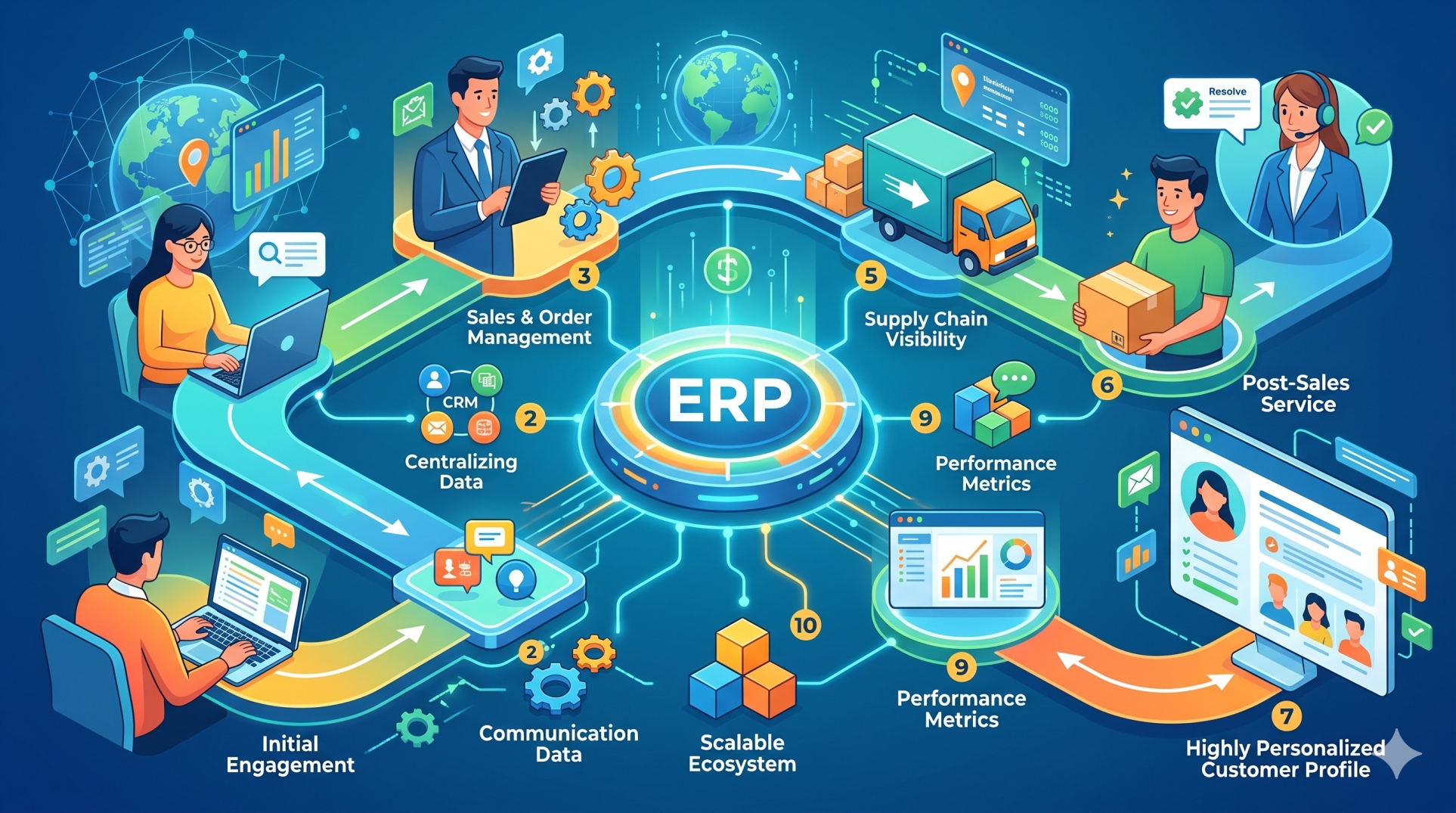
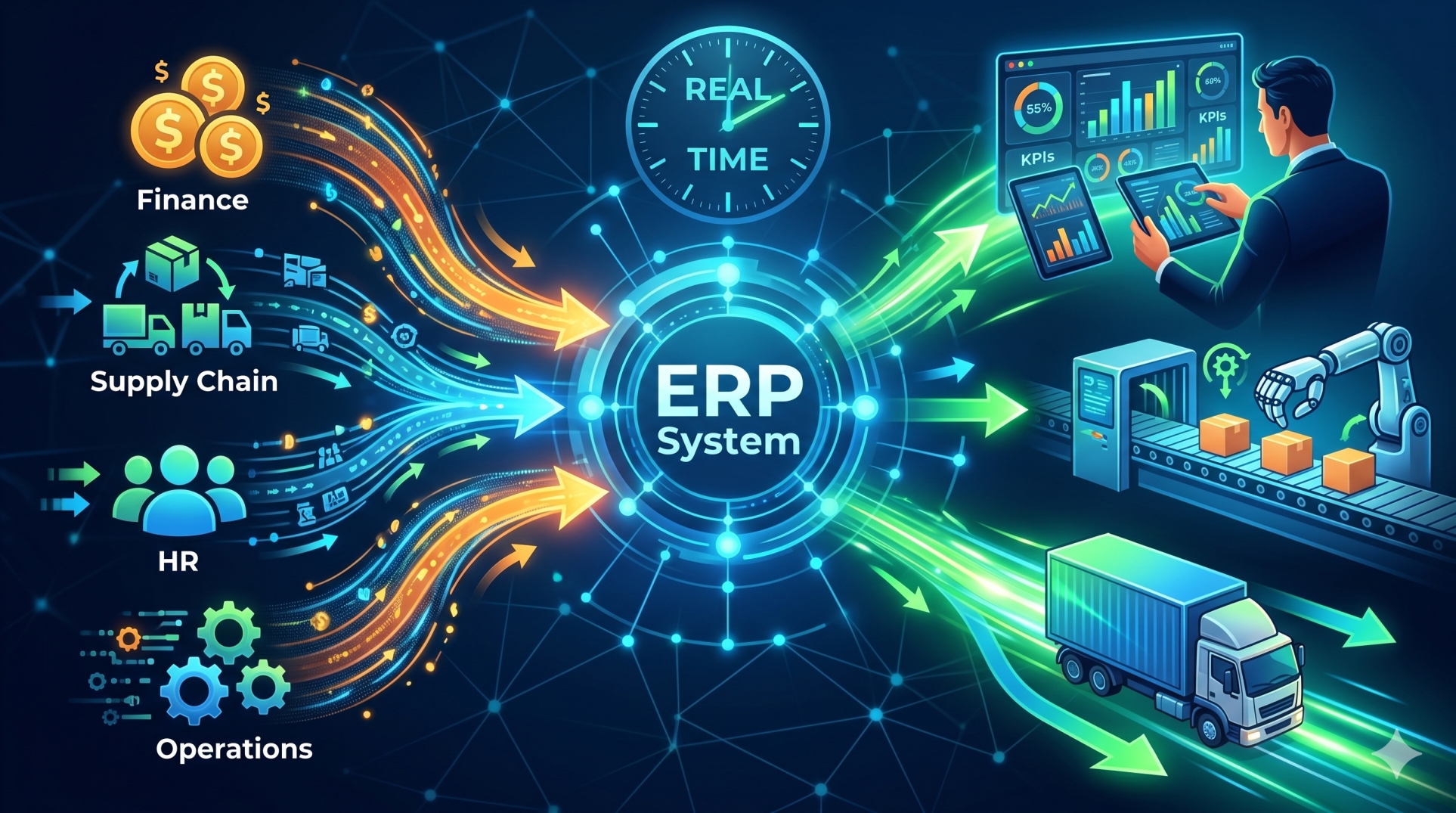
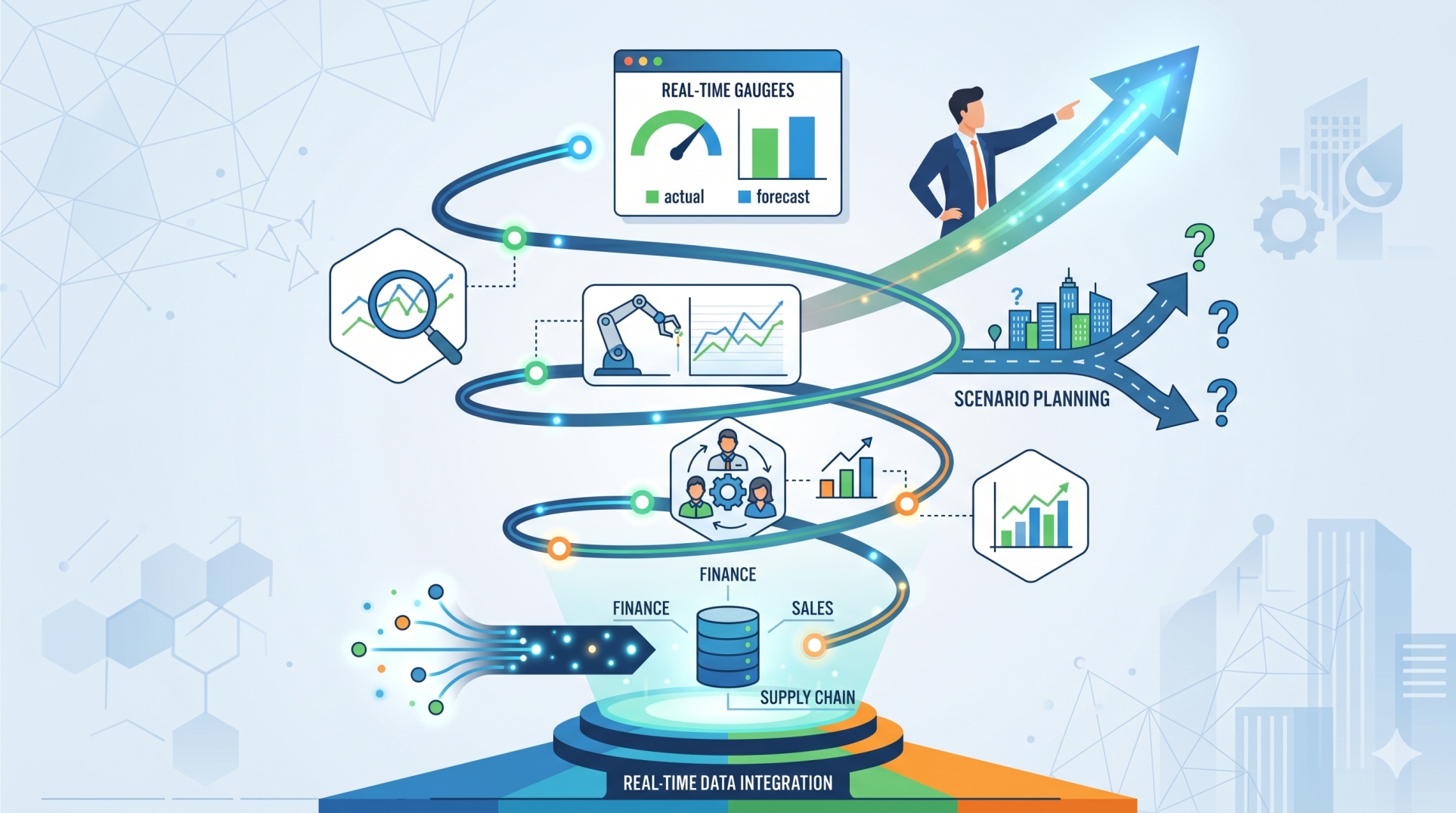
ERP Software helps bring essential business processes together through a centralizedplatform. Restaurant operators can use it to monitor ingredient costs,purchasing and branch performance, while logistics companies can improvevisibility into orders, warehouse inventory, transportation expenses andfinancial reporting.
Choosing theright ERP solution depends on the nature of the business, its operationalrequirements and the level of automation it needs.
What Is ERPSoftware and How Does It Work?
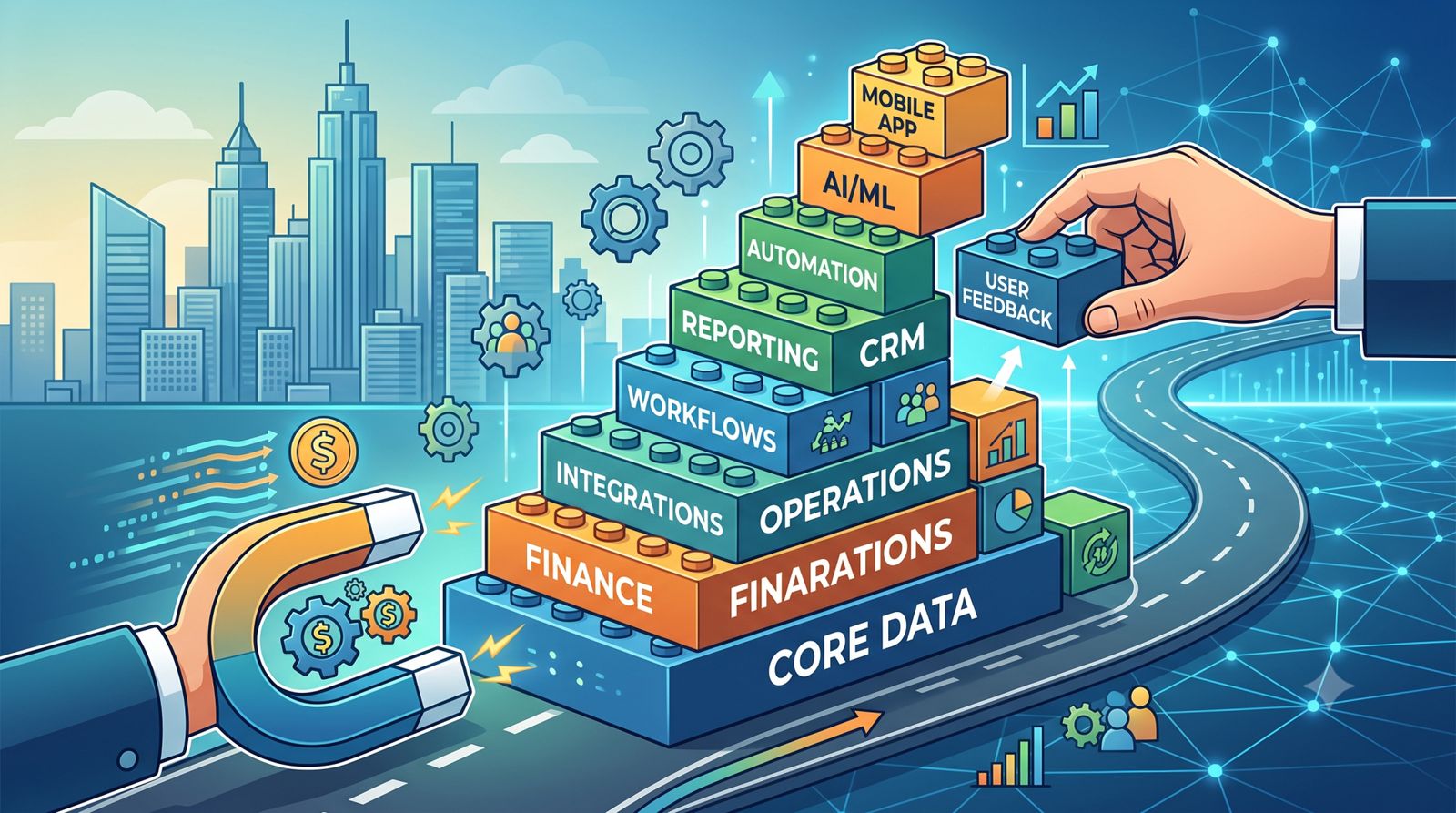
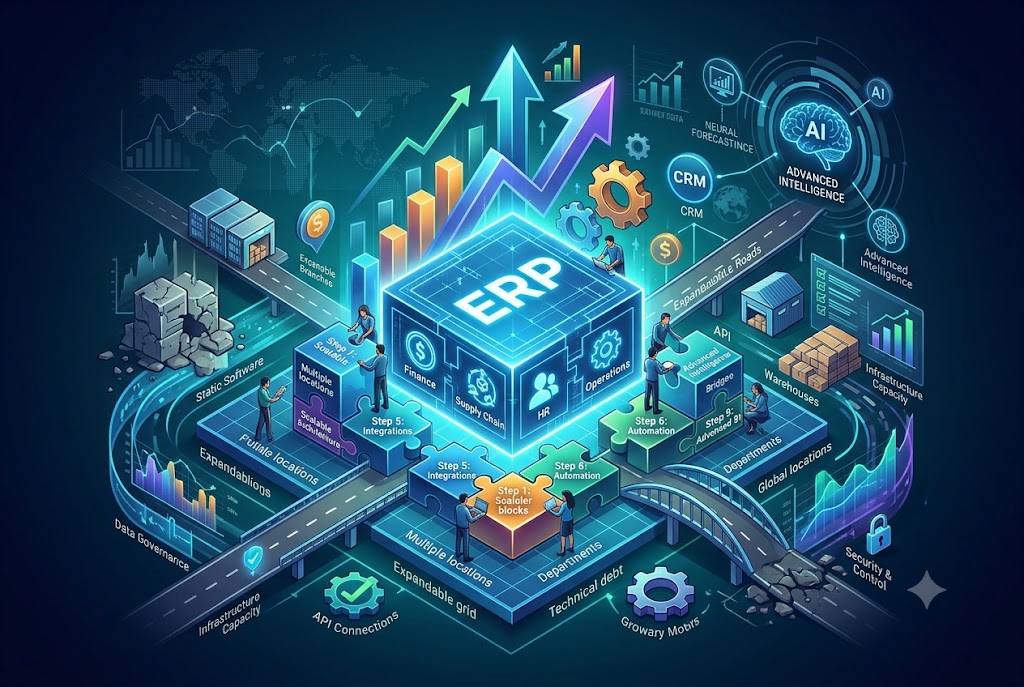
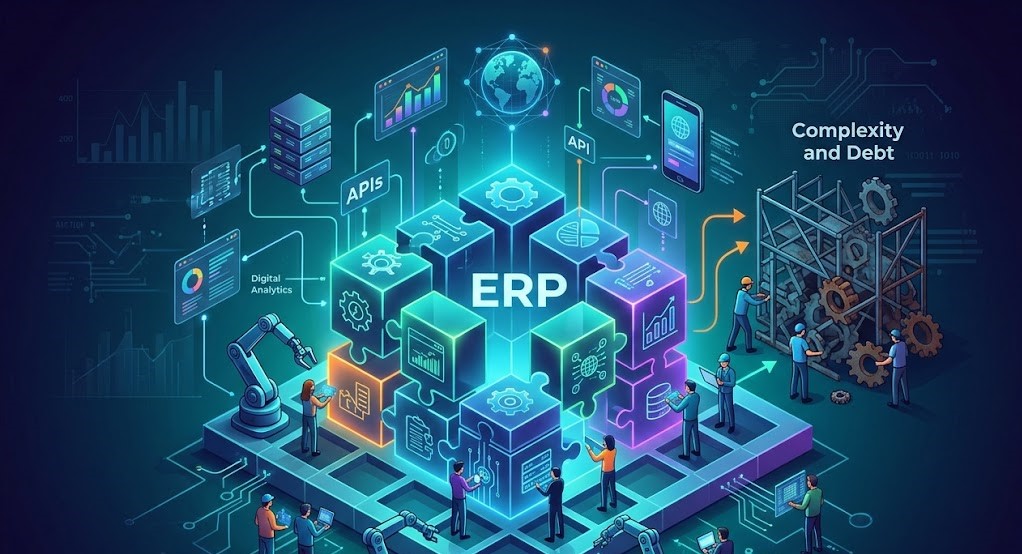
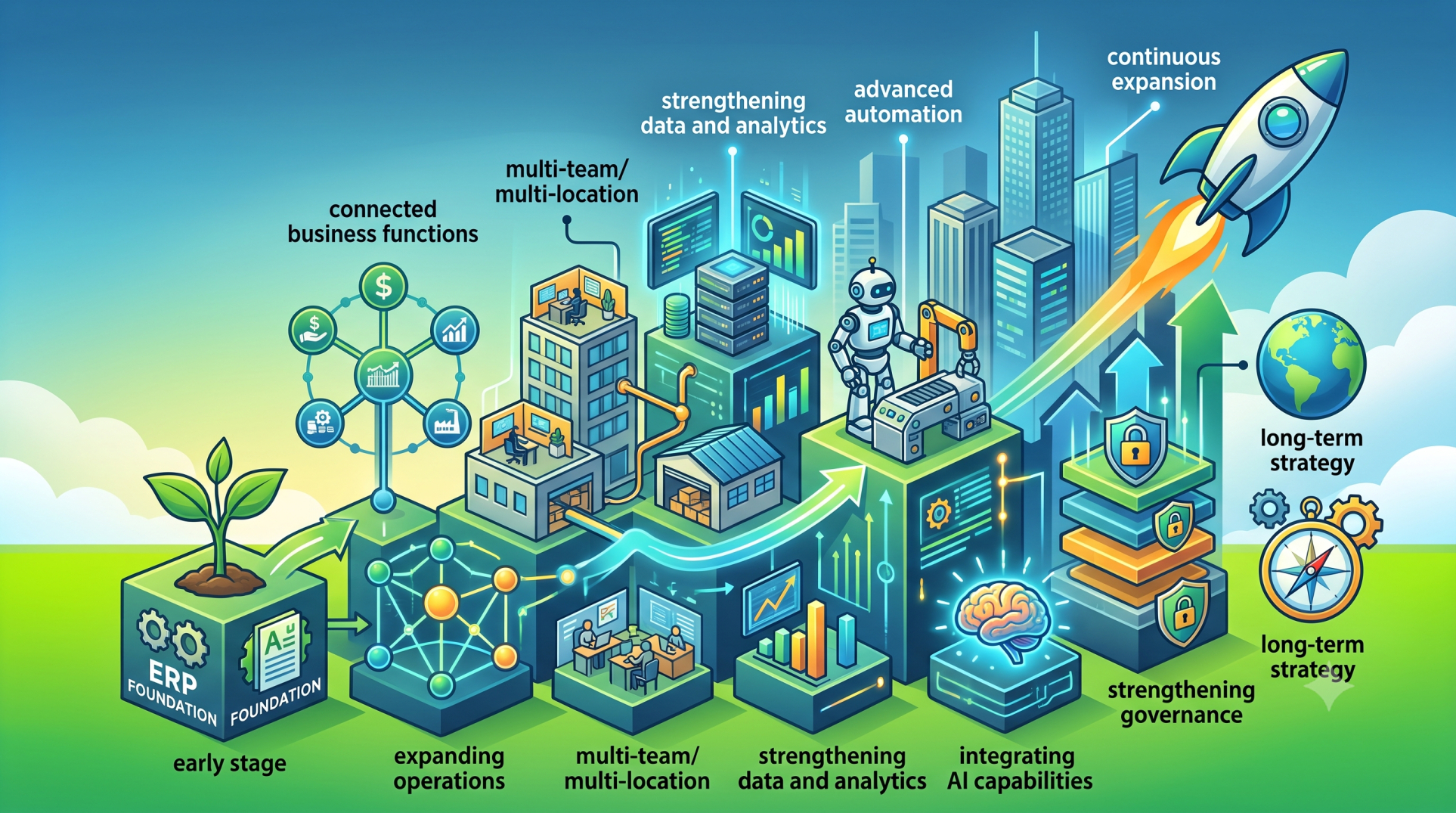
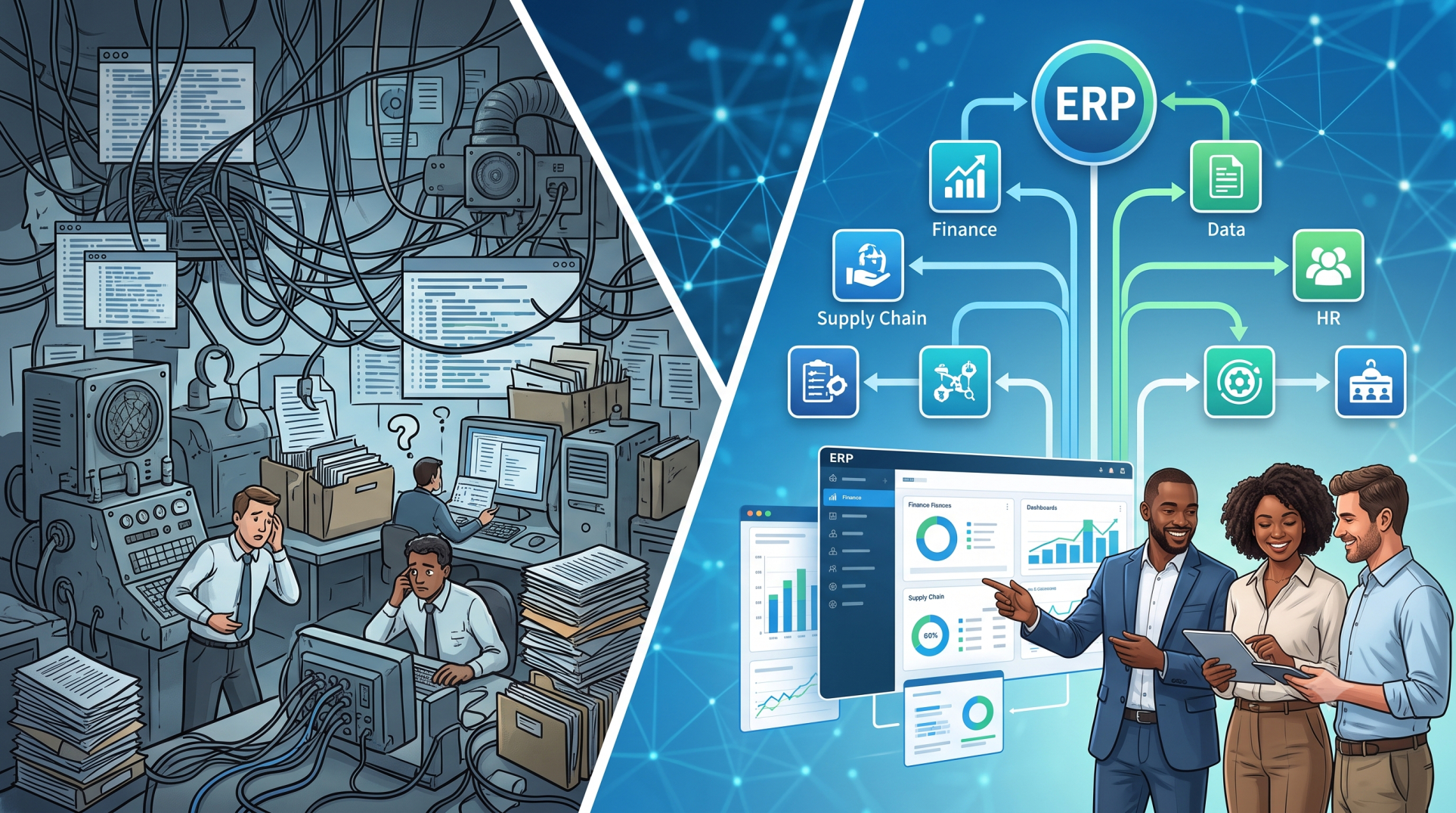
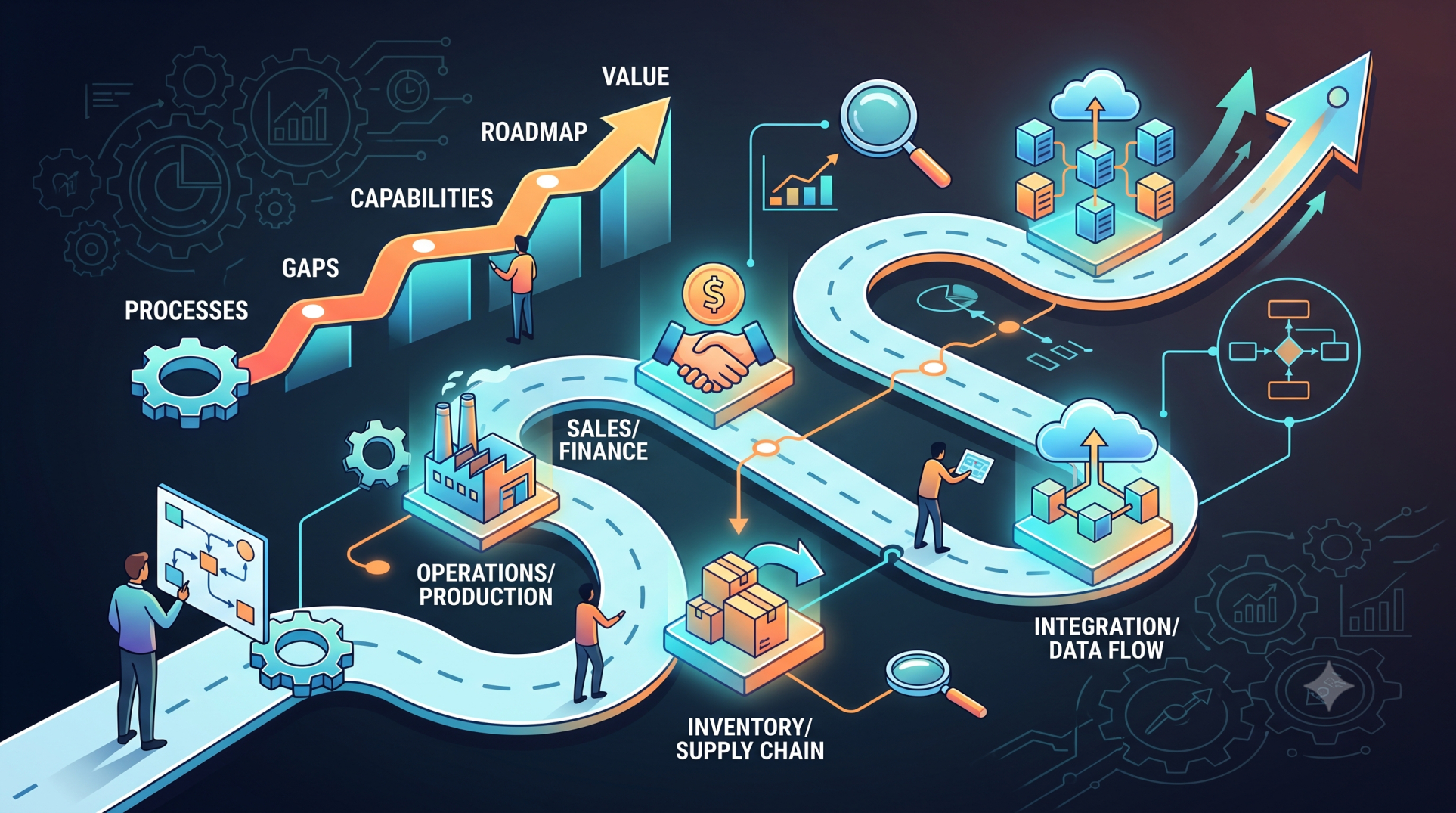
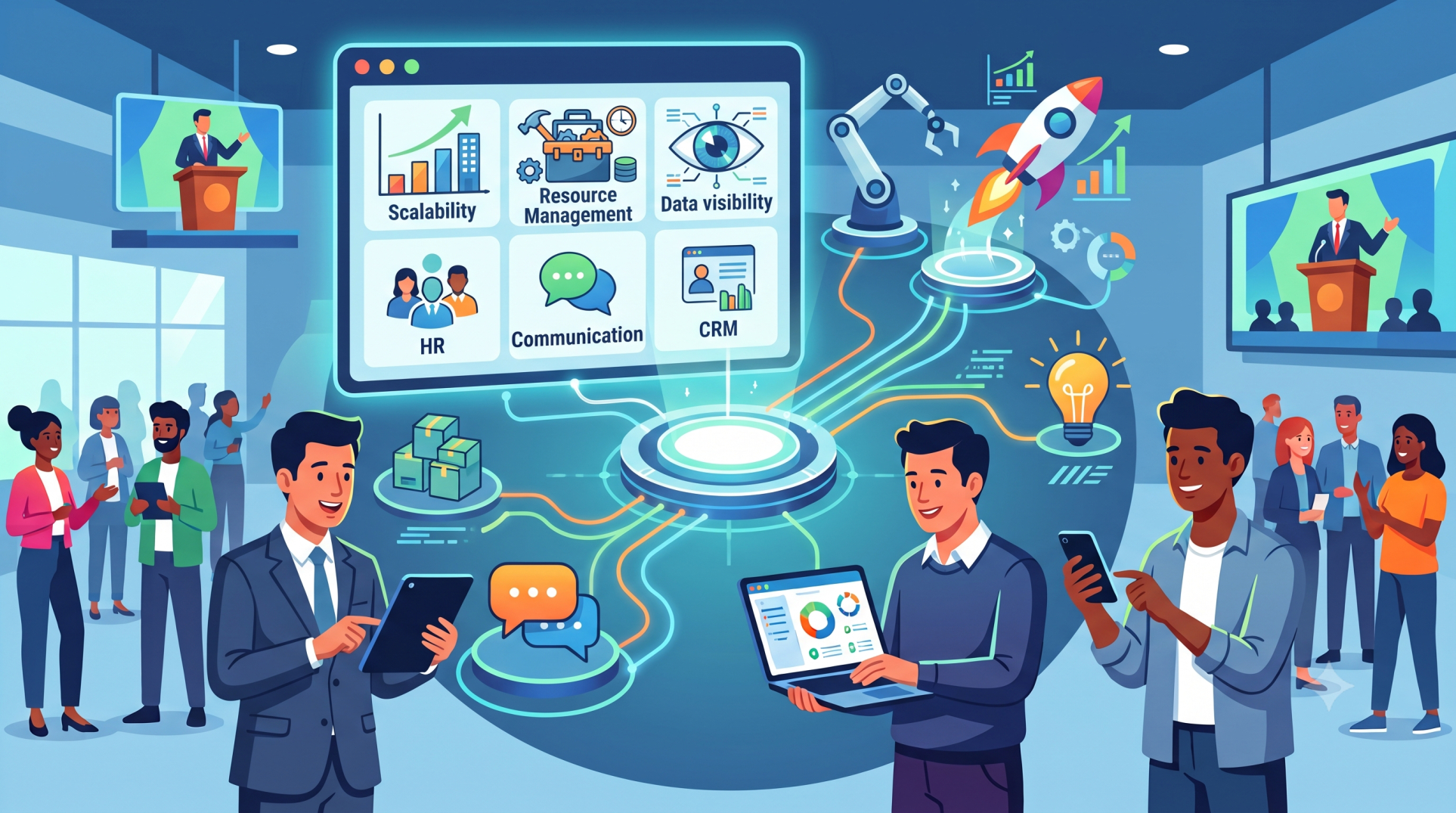
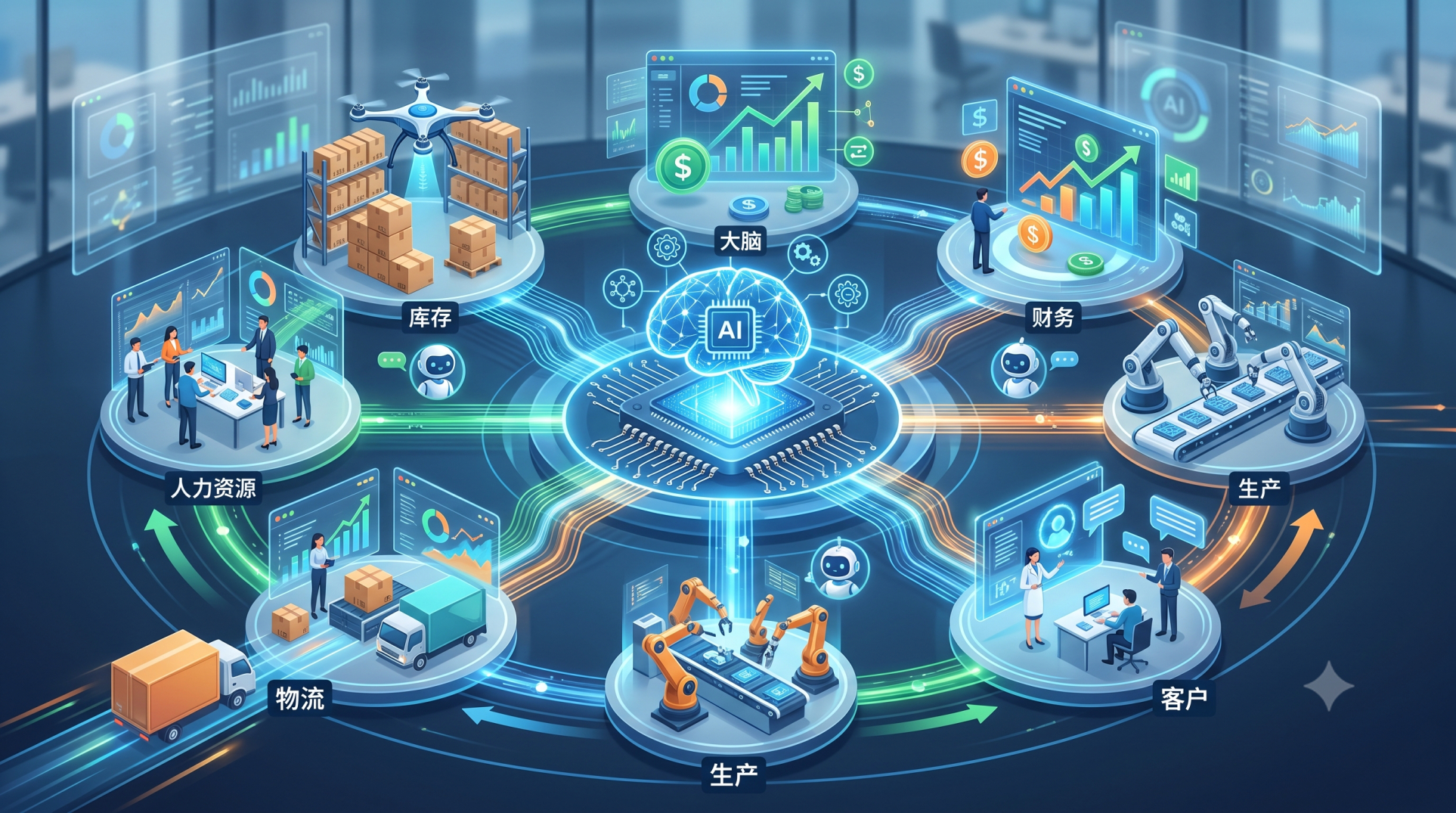
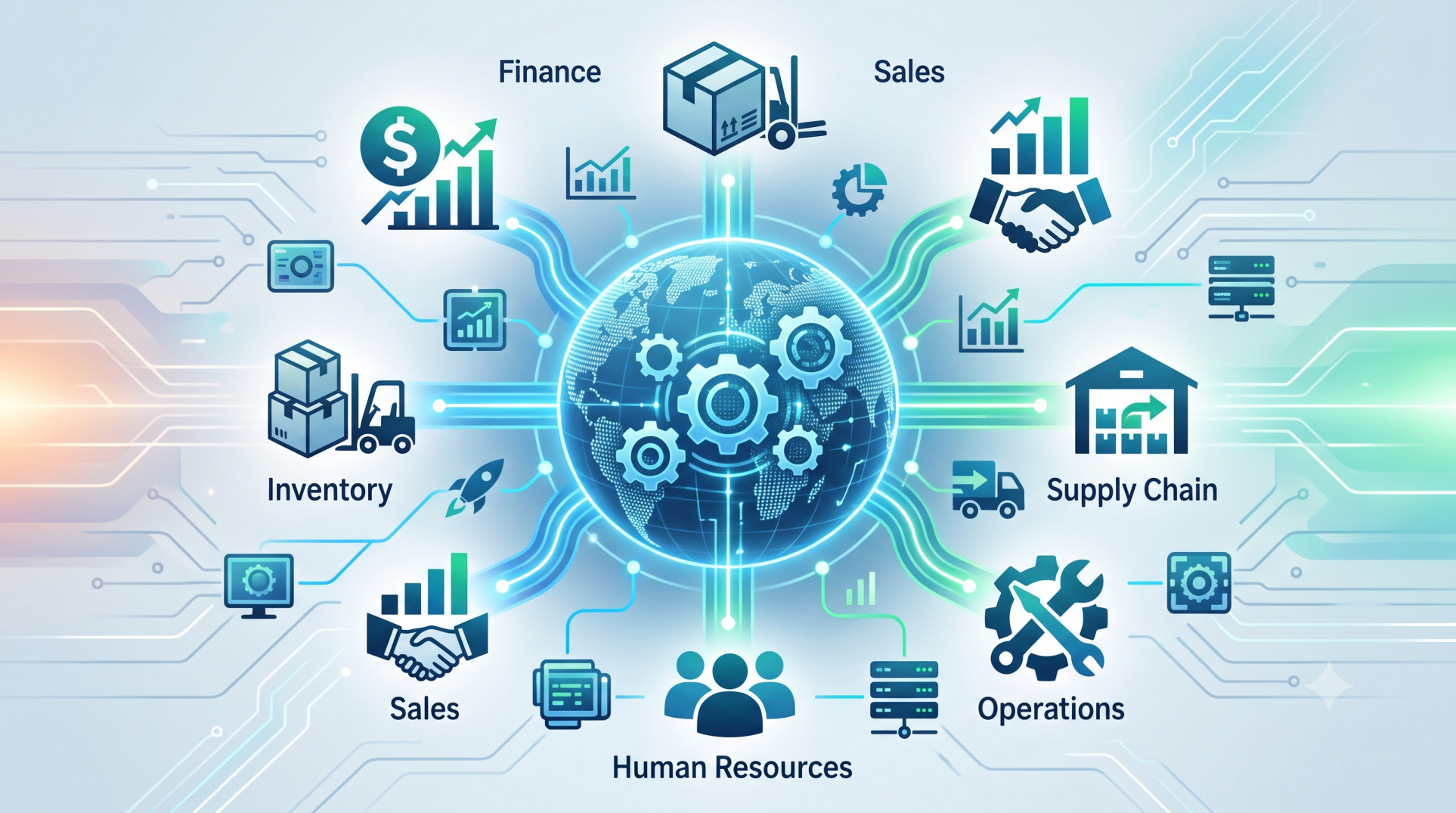
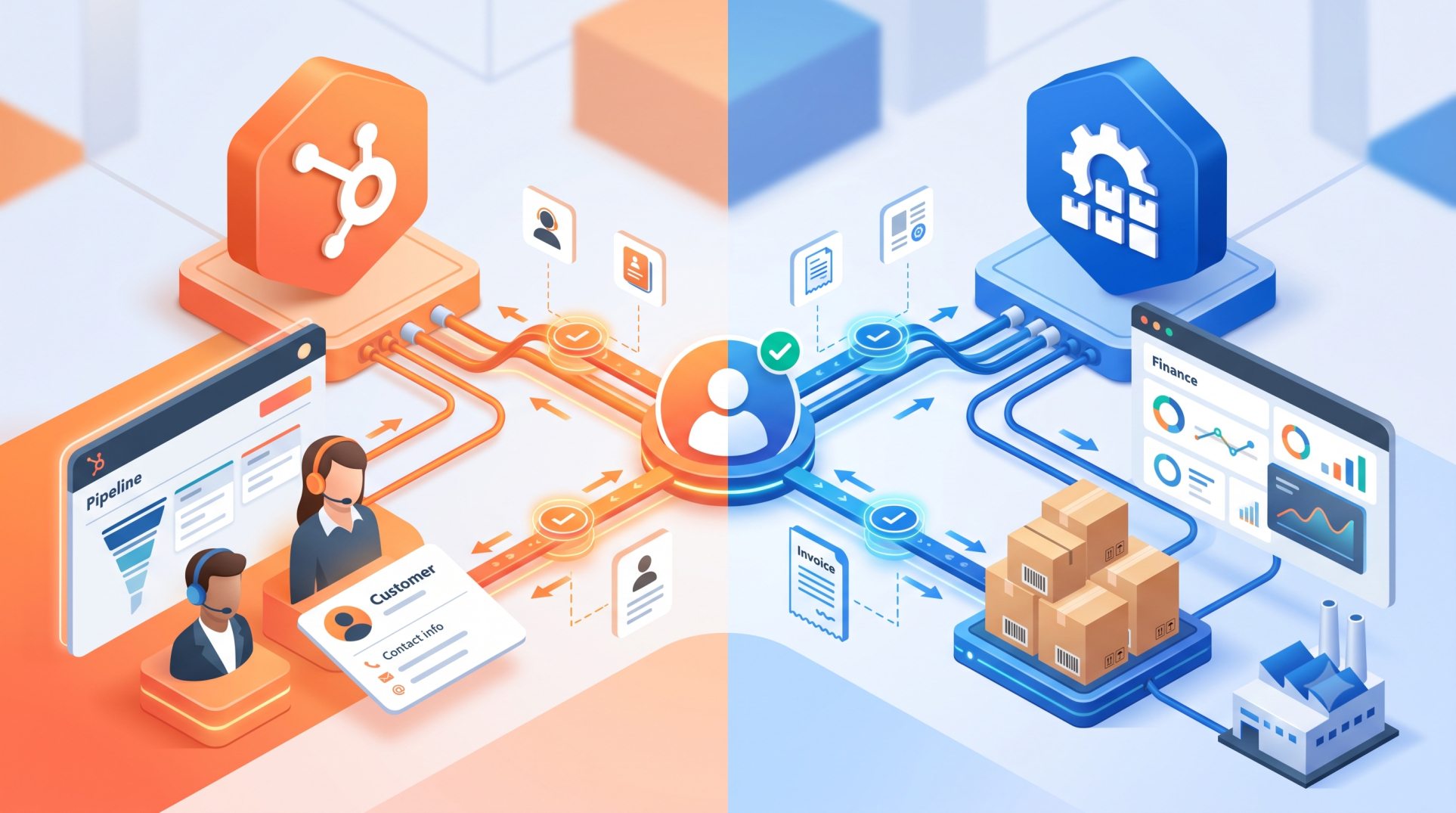
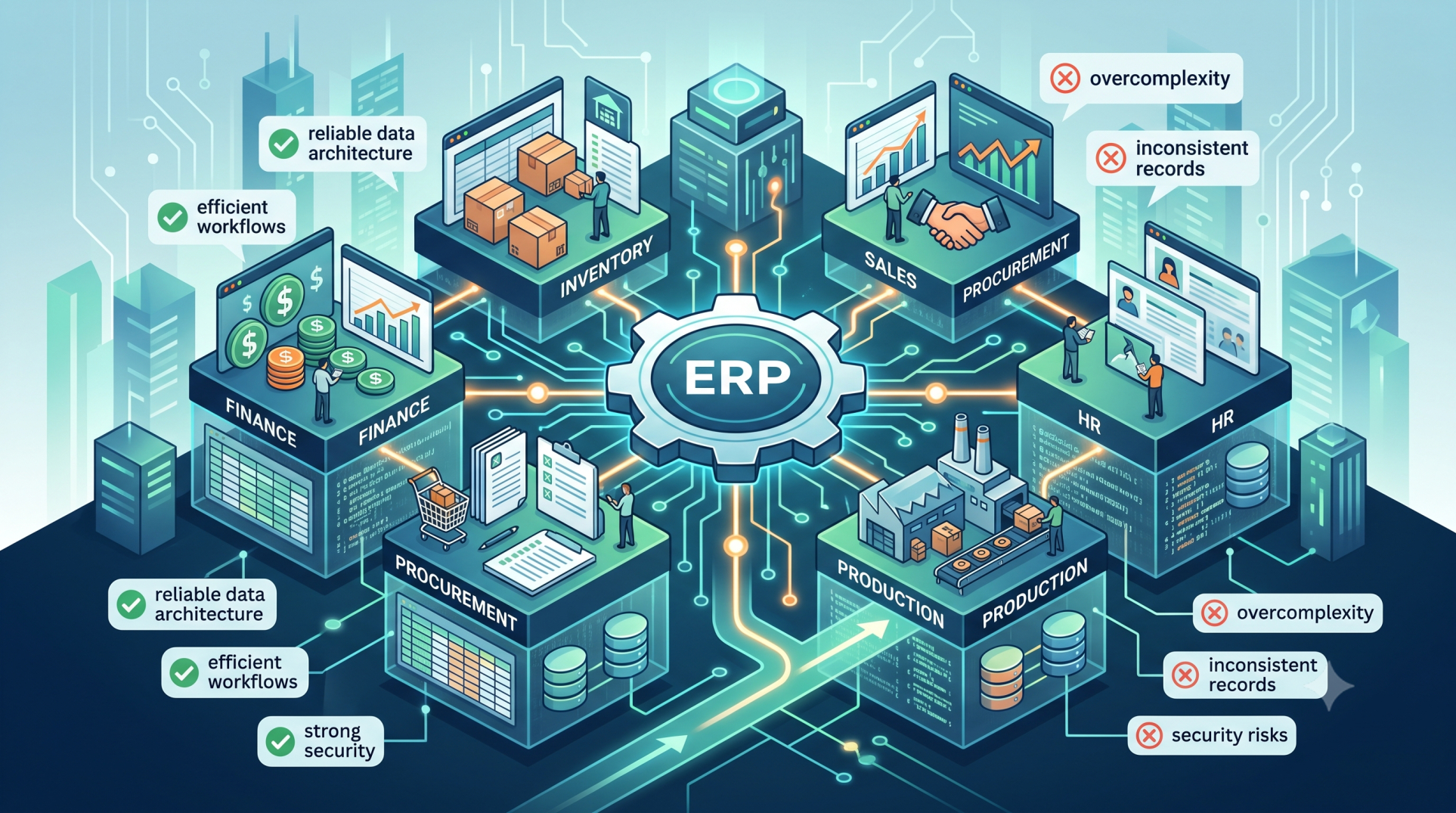
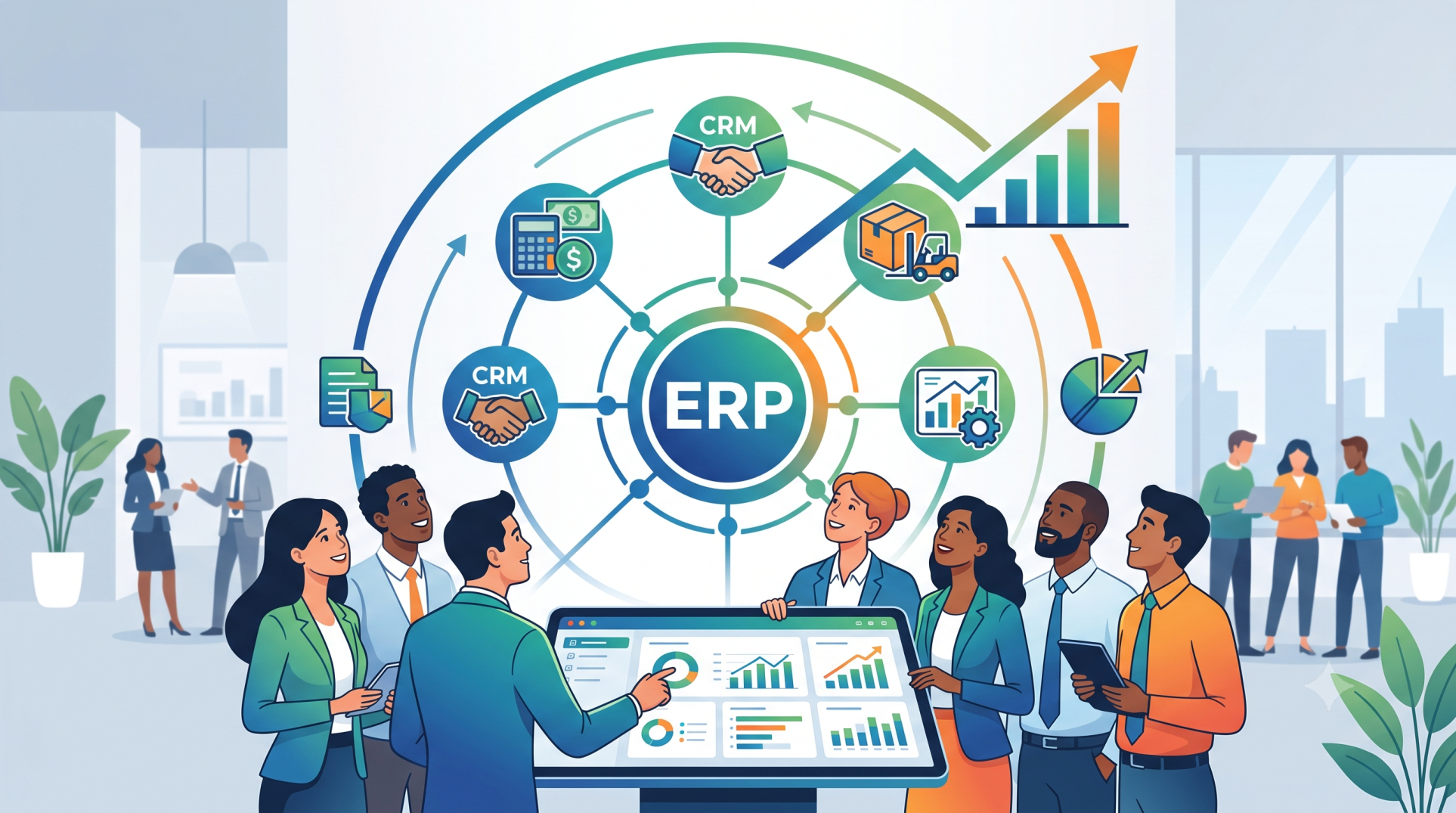
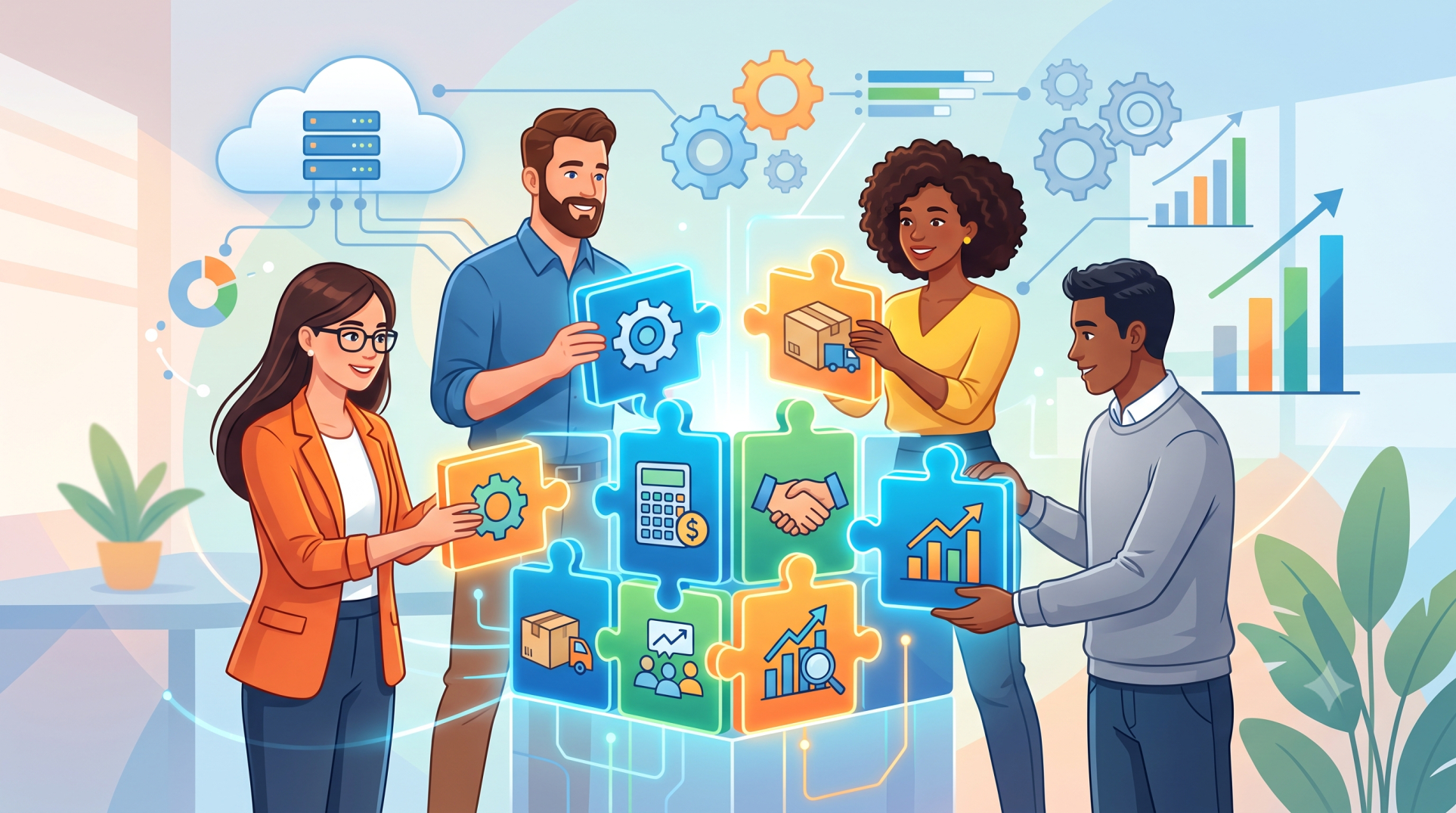
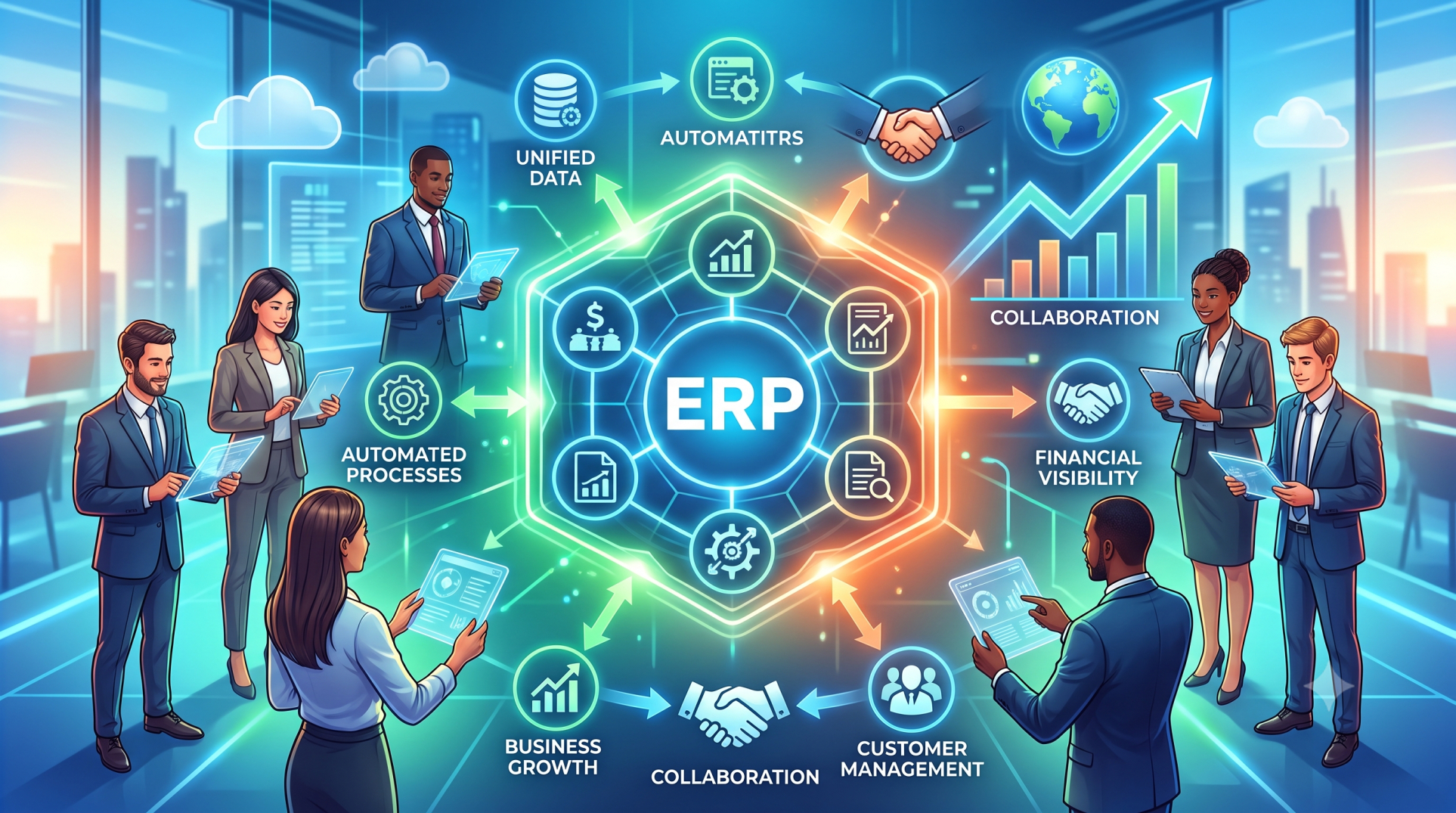
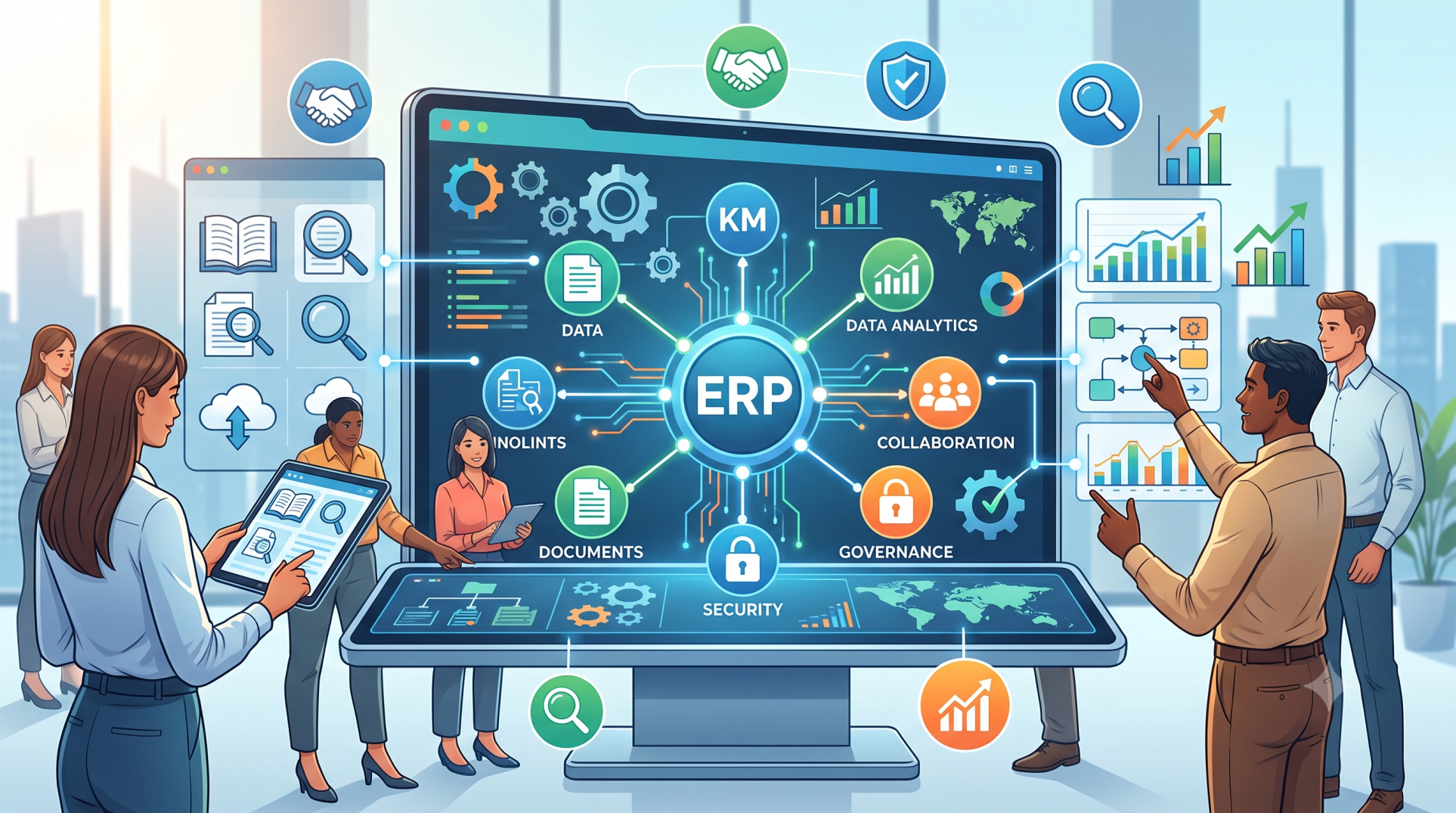
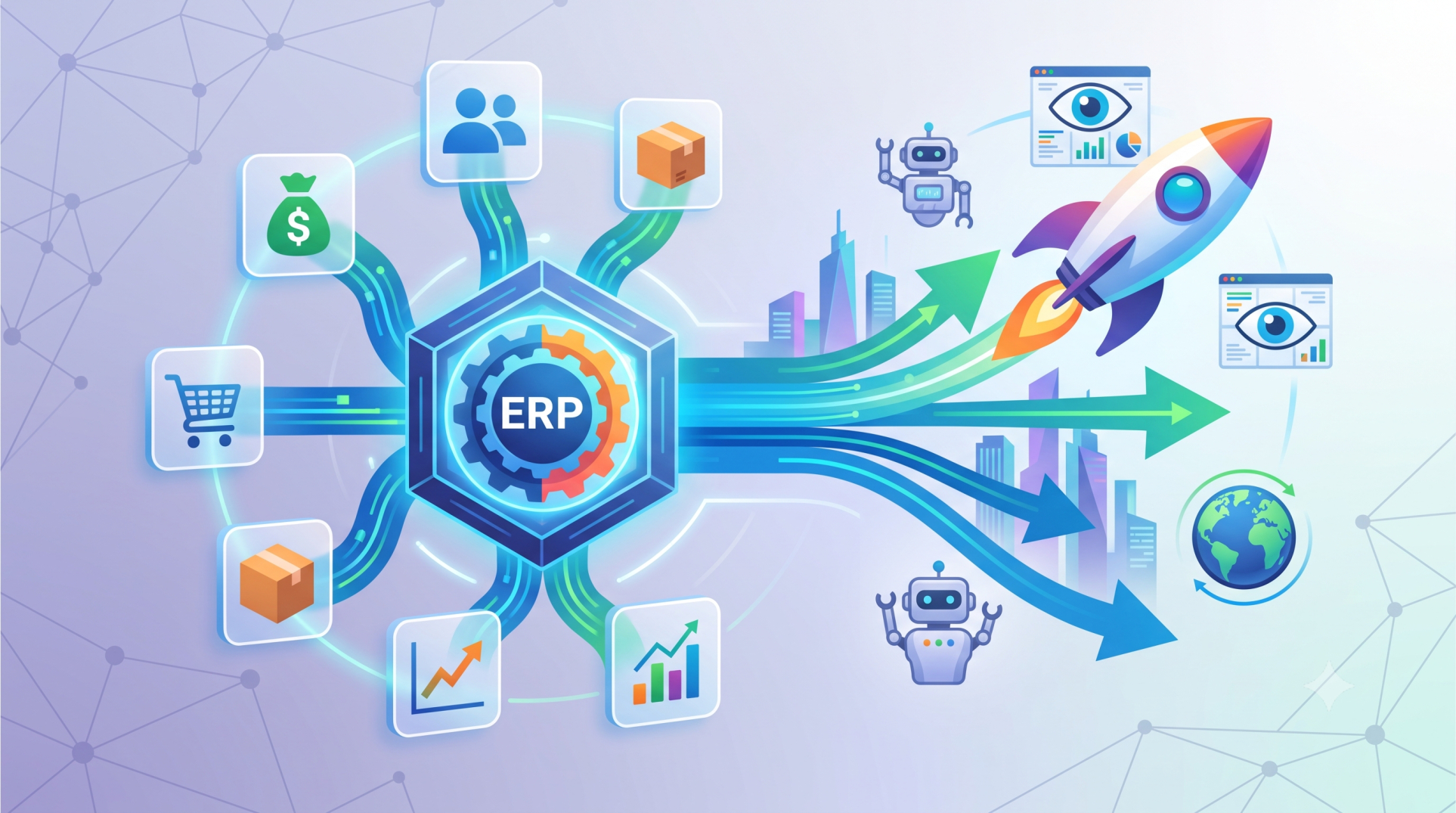
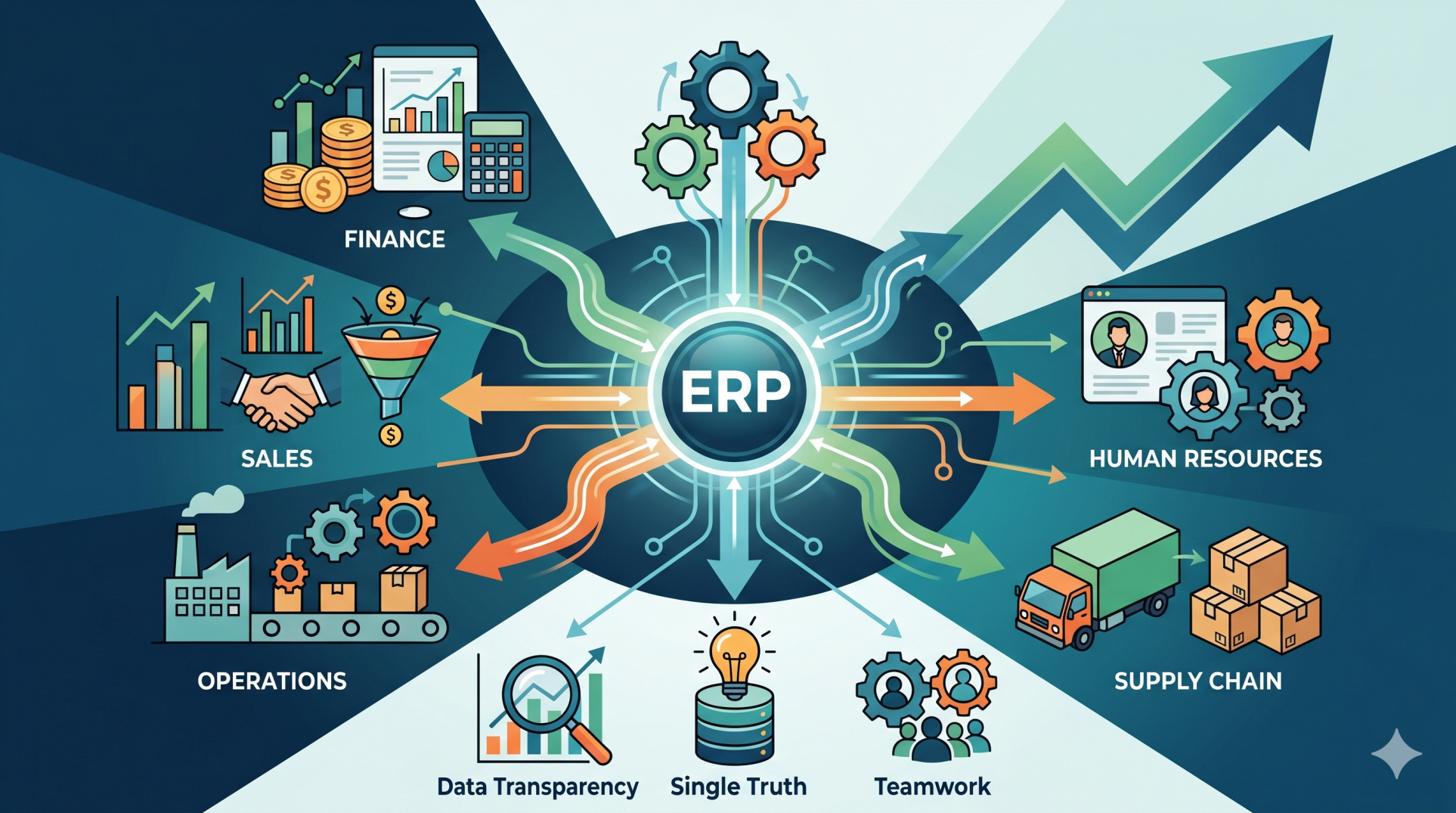
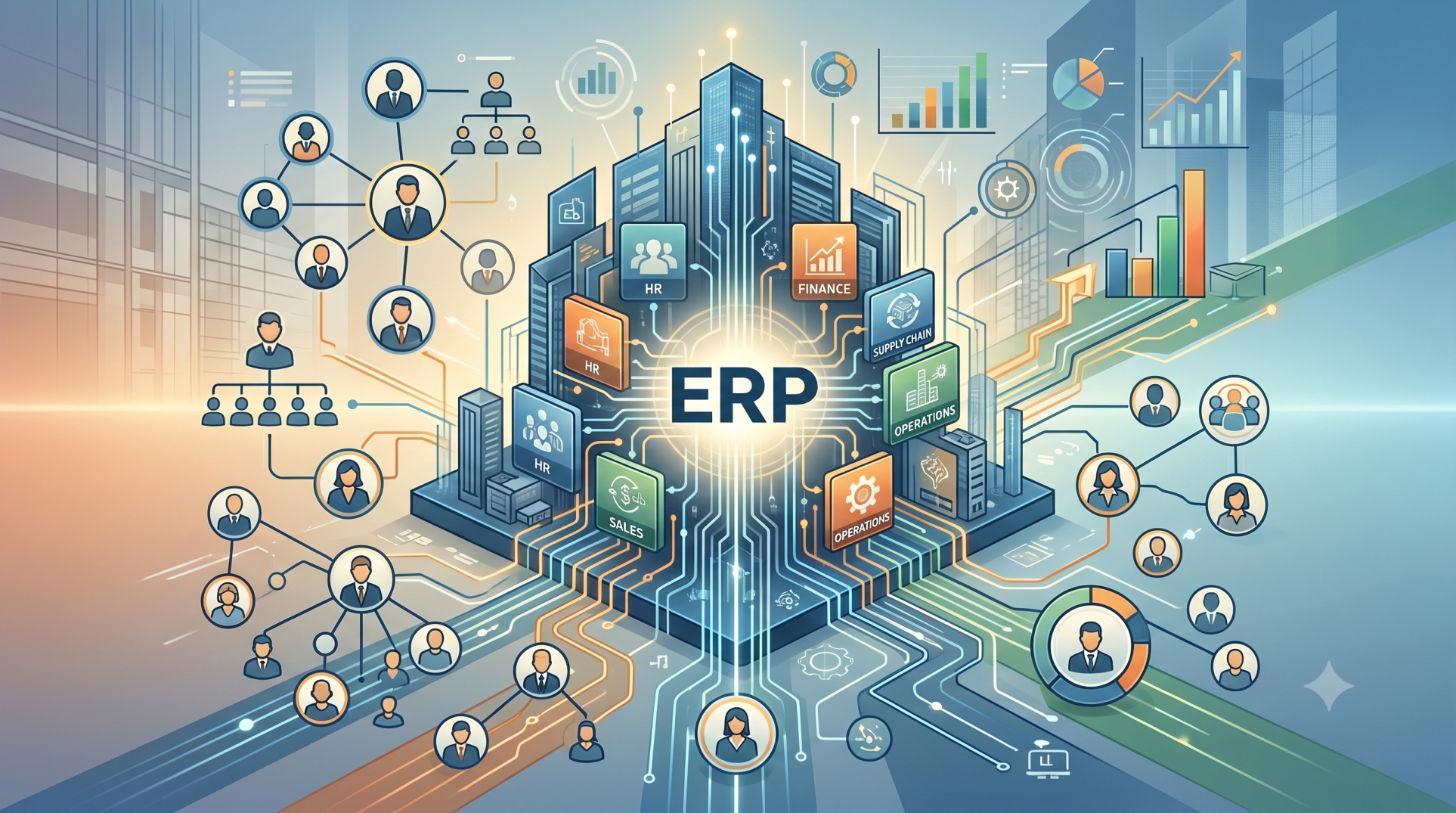
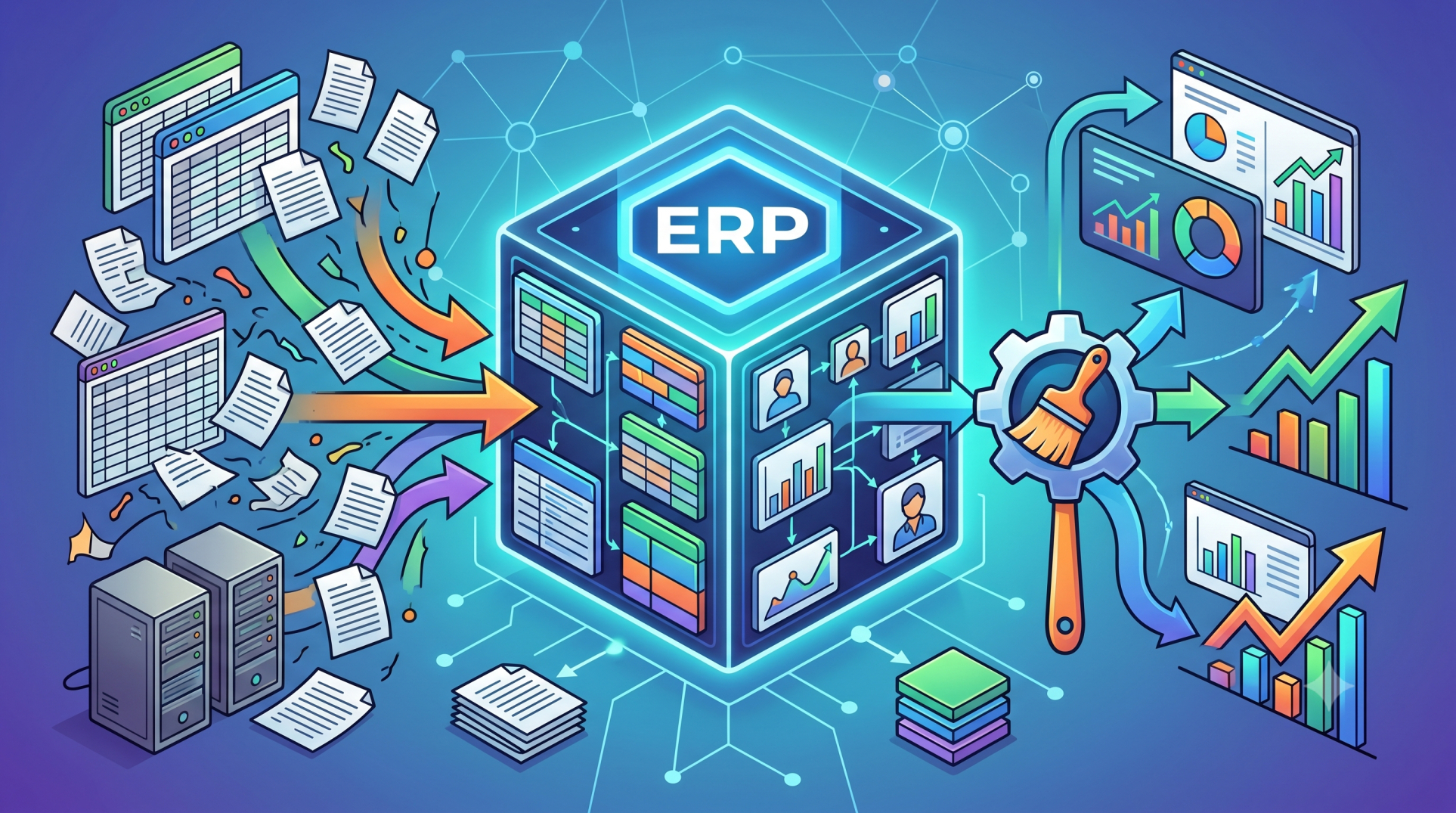
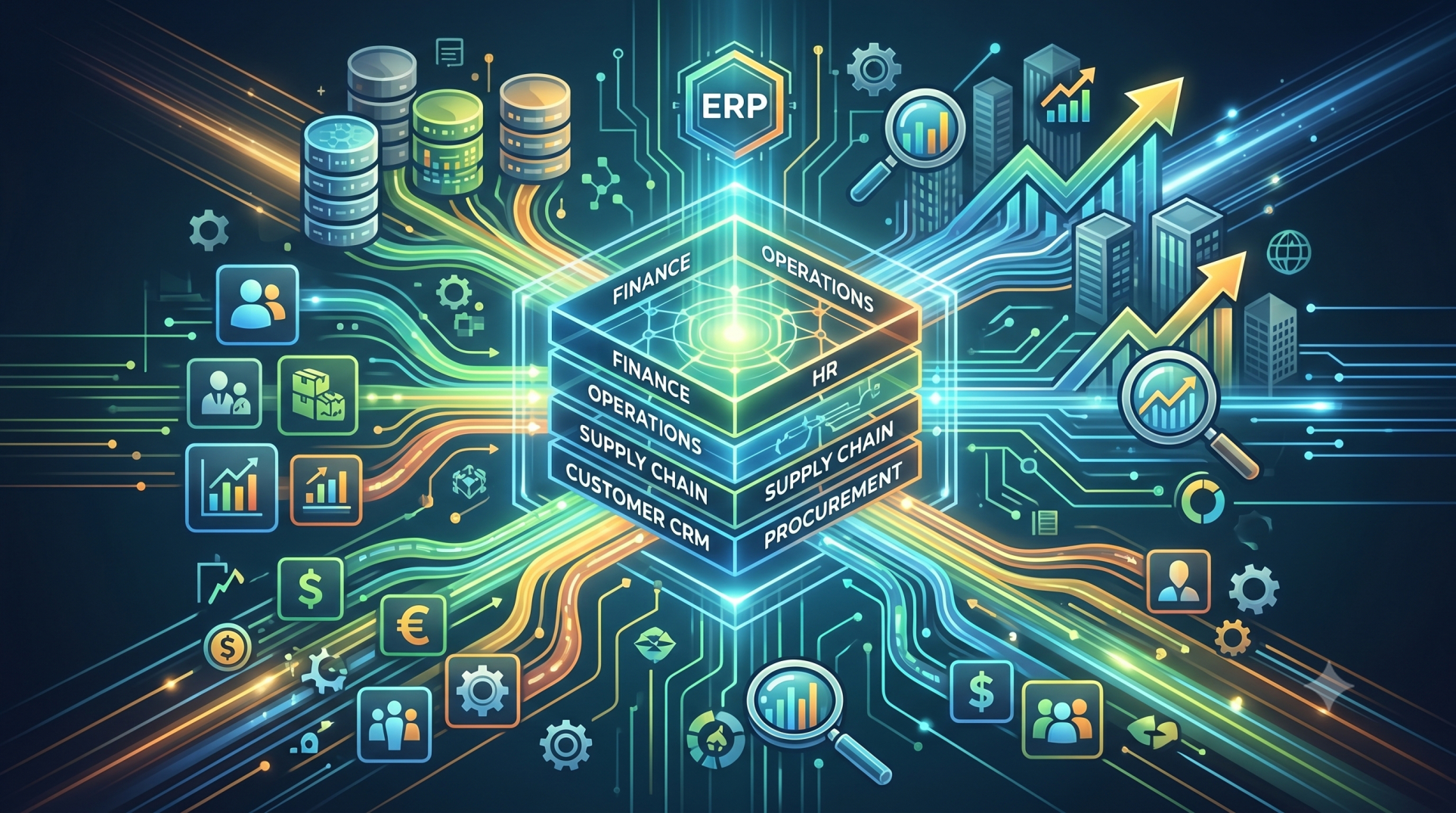
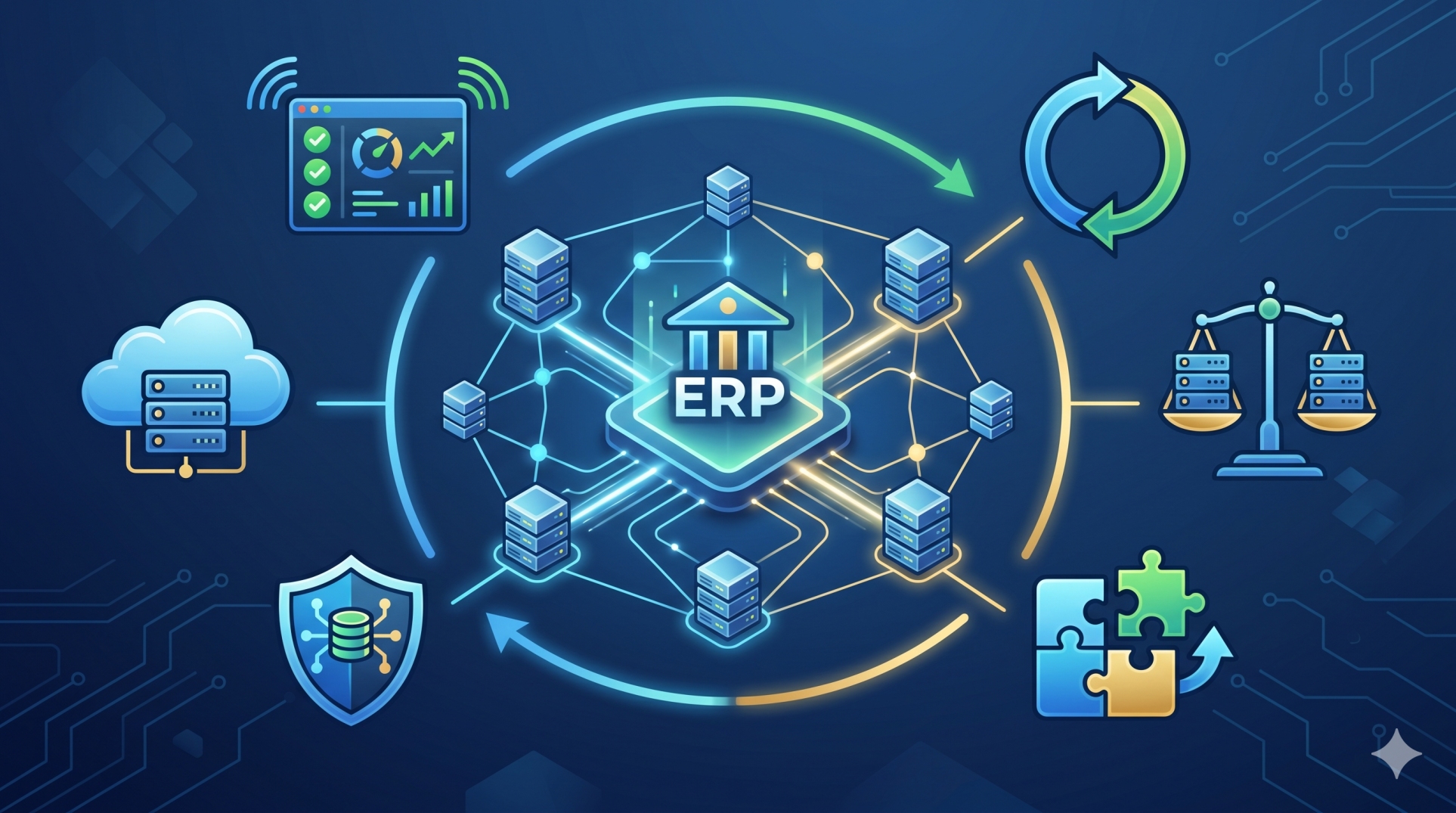
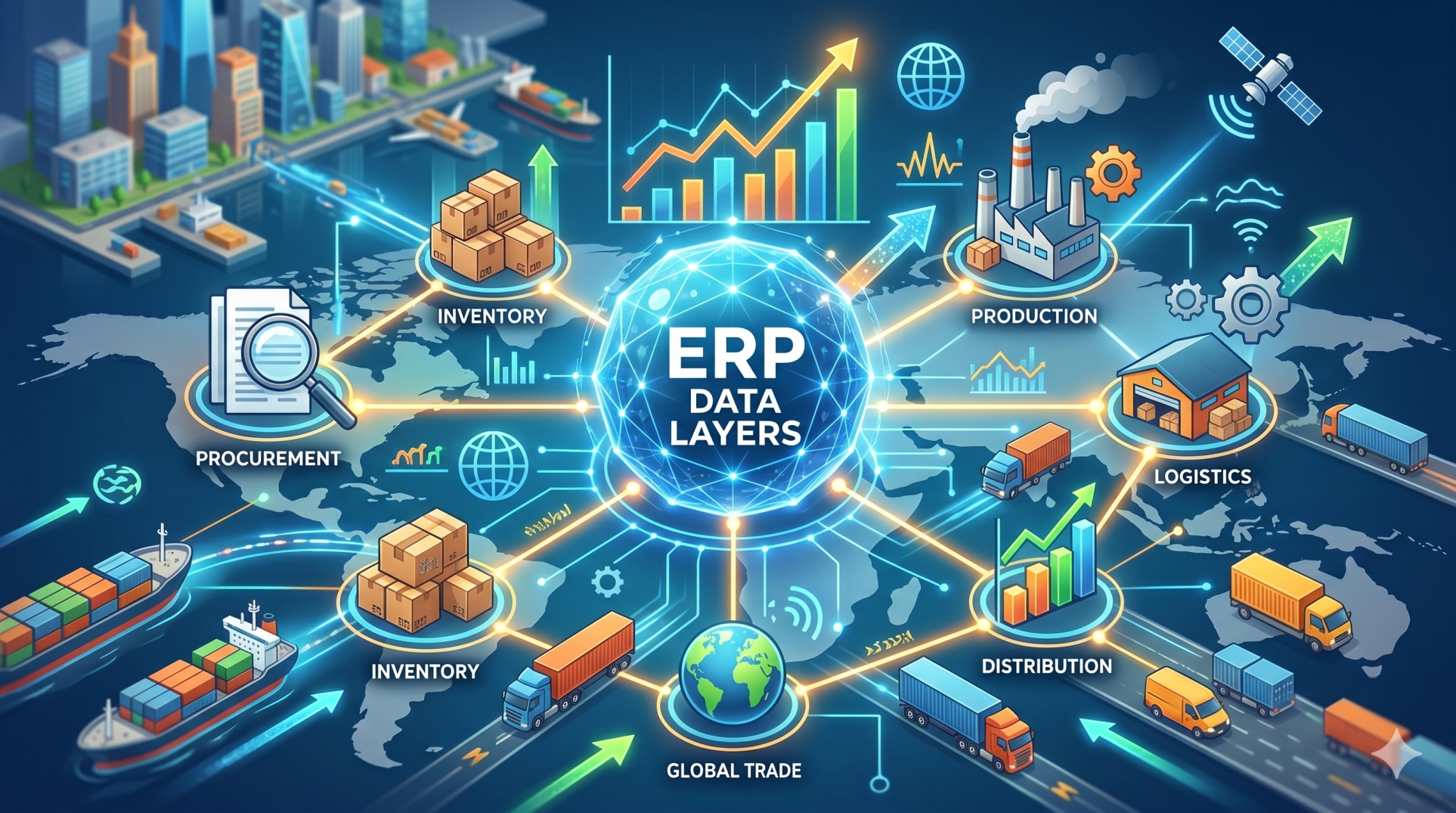
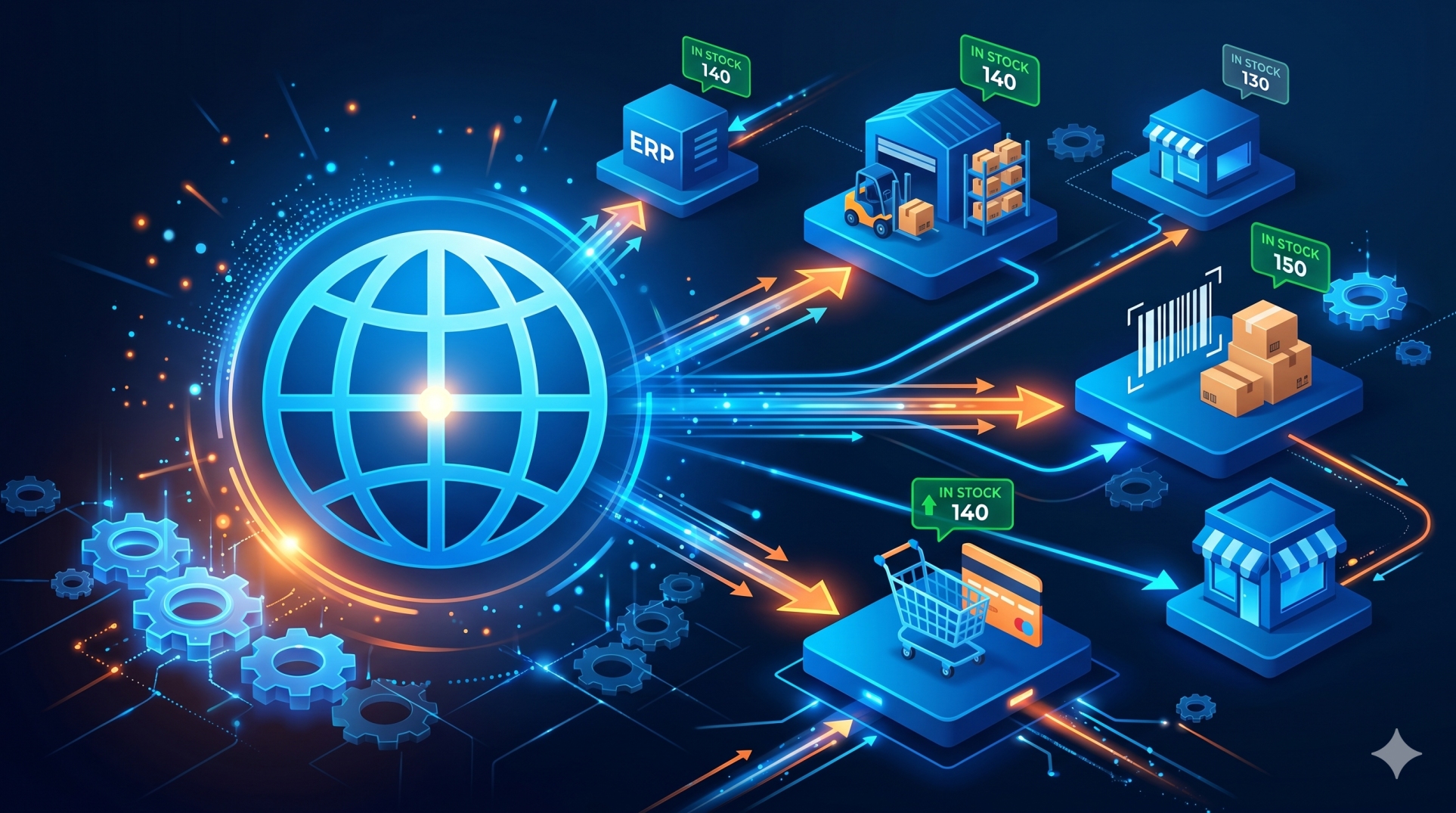
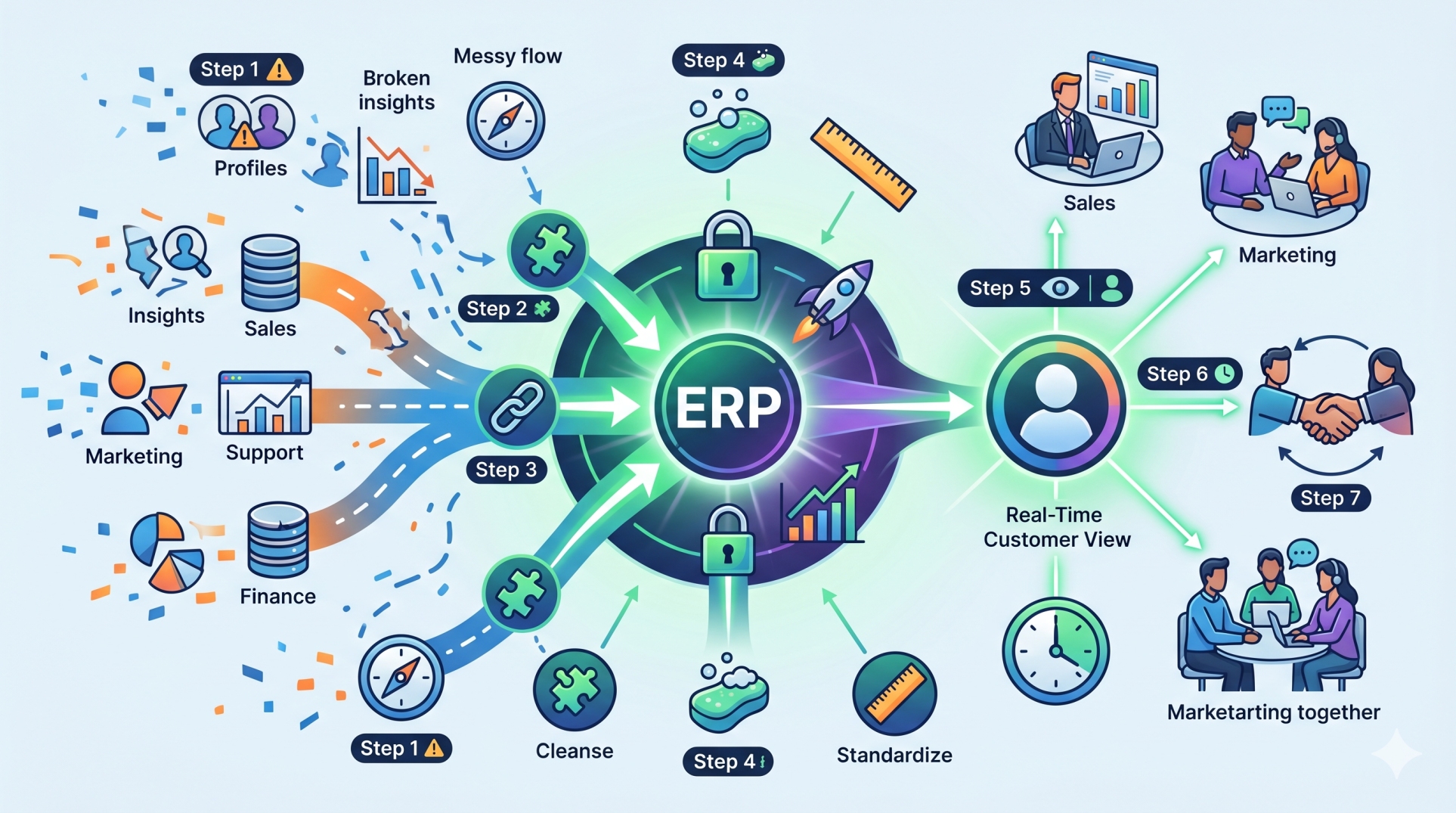
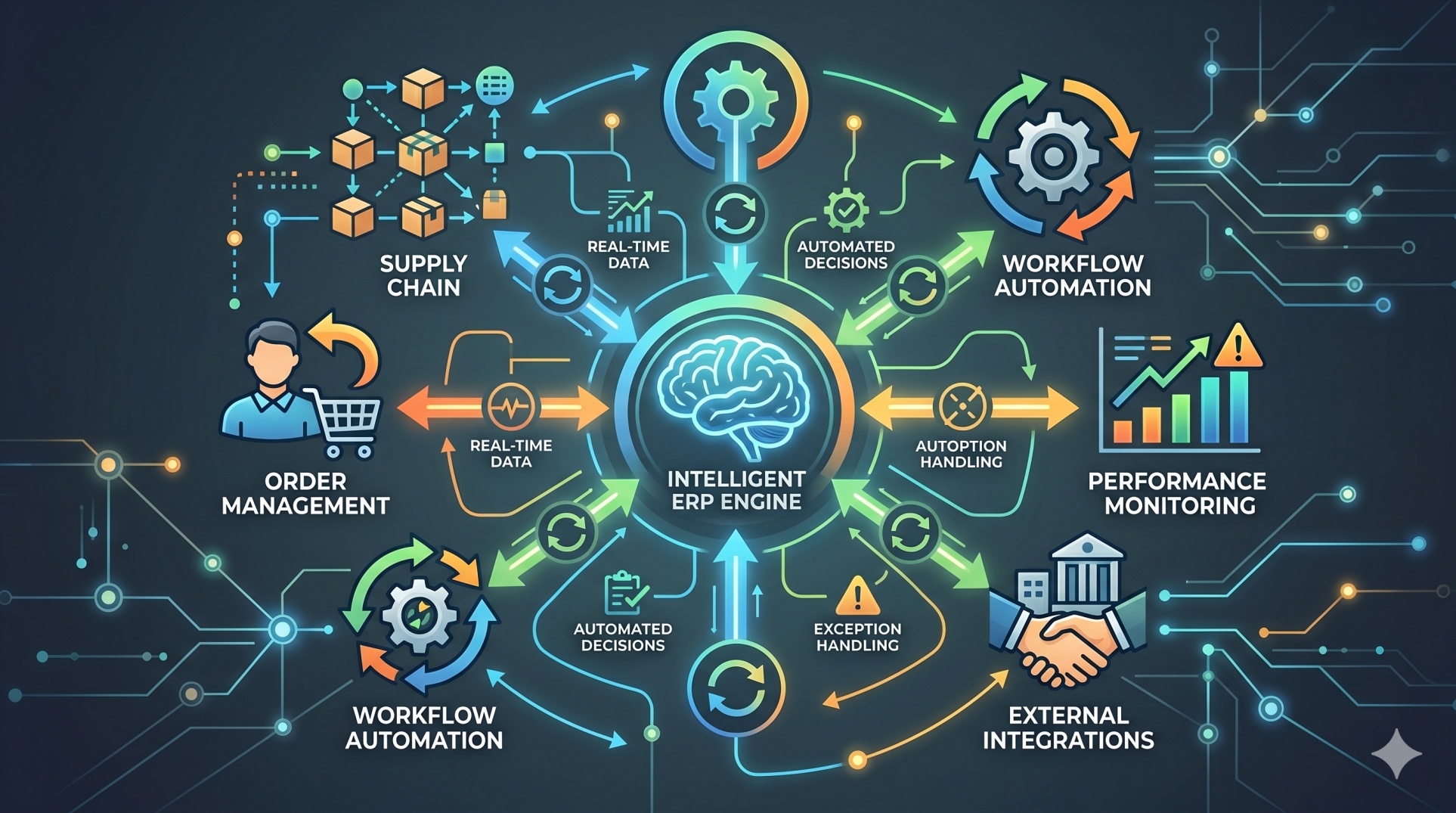
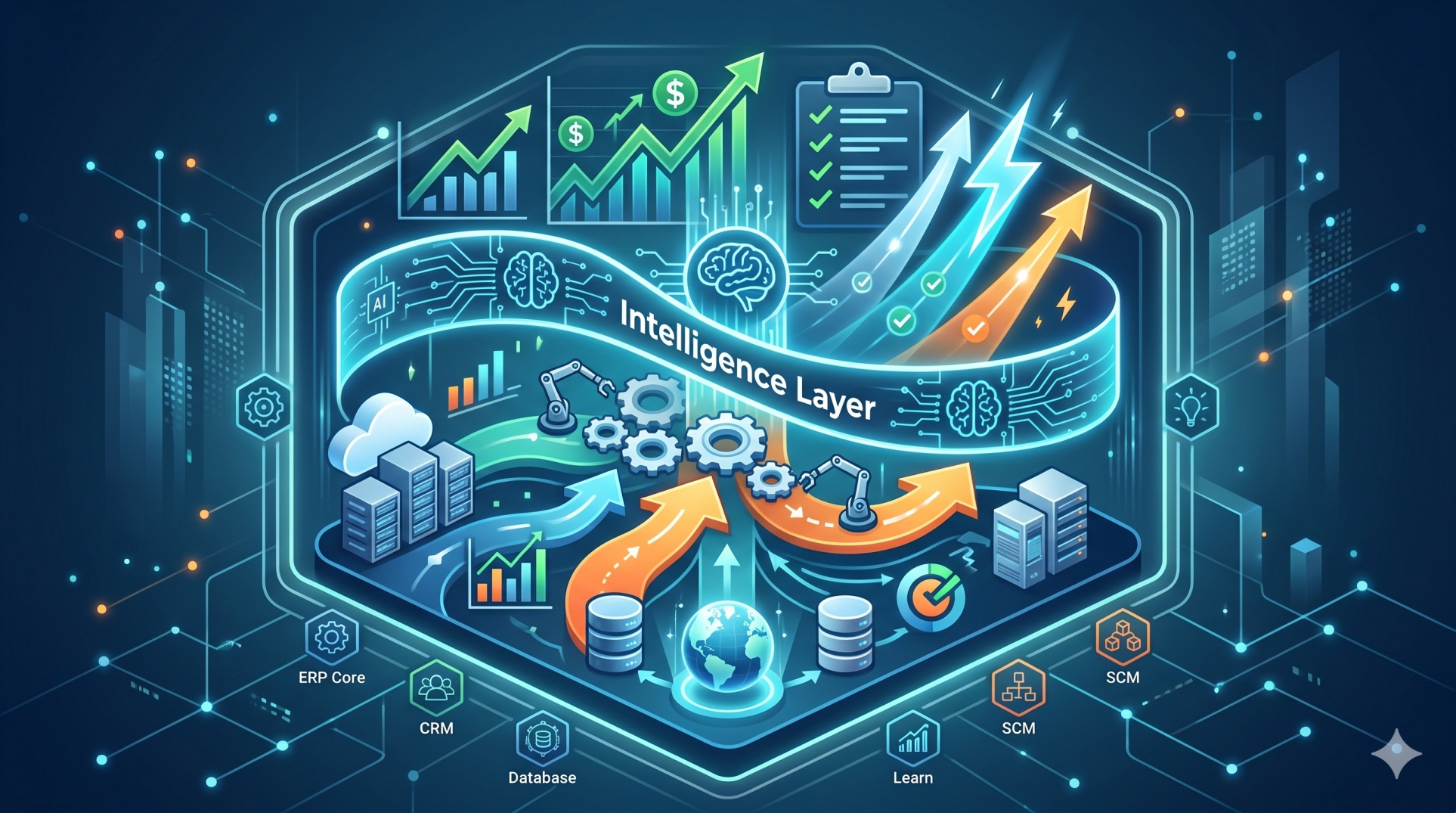
EnterpriseResource Planning (ERP) software connects different business functions througha shared system. Instead of maintaining separate records for accounting,purchasing, inventory and sales, businesses can manage essential information inone place.
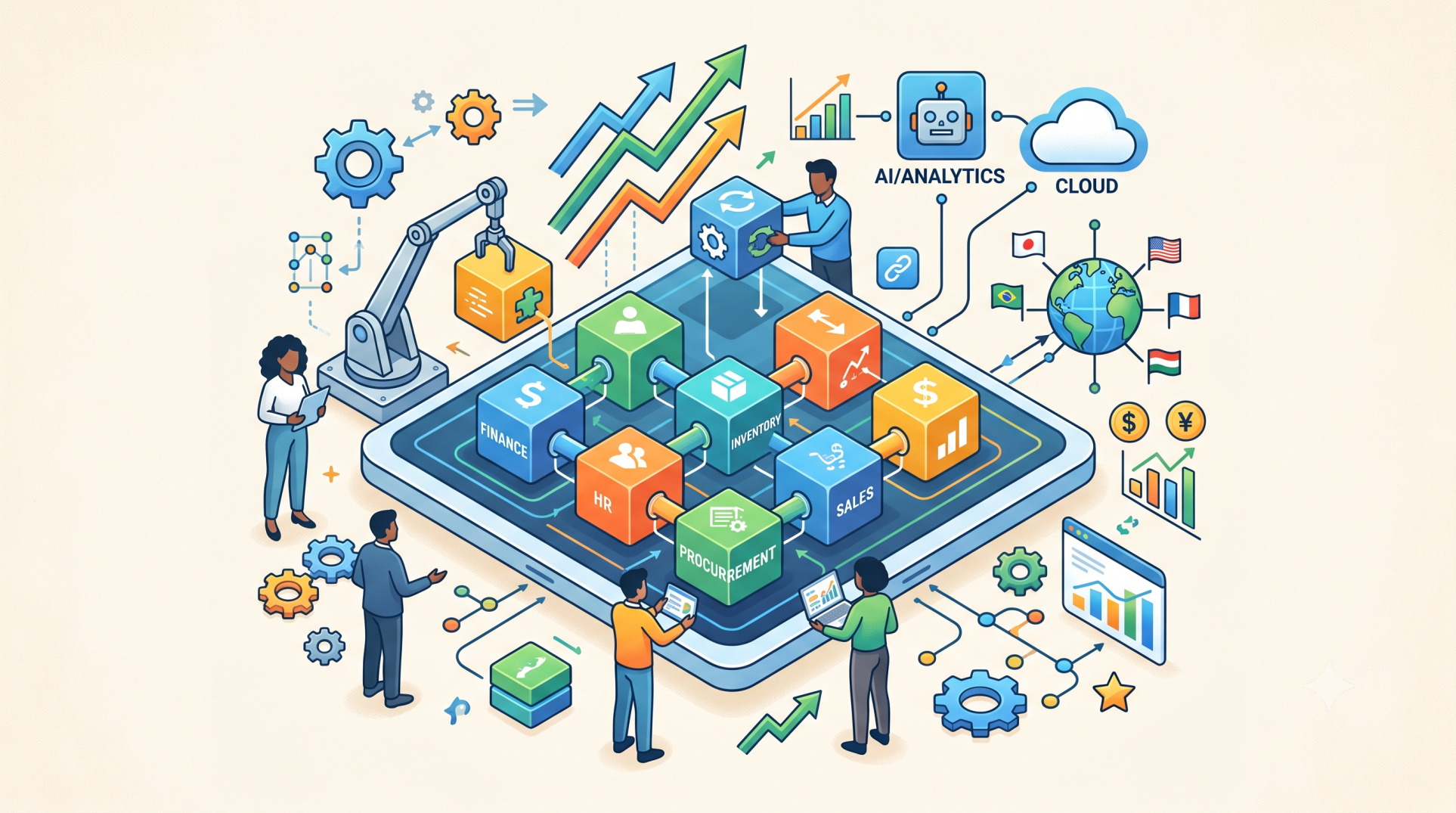
Common ERPcapabilities include:
- Financial management and accounting
- Inventory and warehouse management
- Procurement and supplier management
- Sales and order processing
- Employee and resource management
- Expense tracking and financial reporting
- Multi-location business management
For example,when a business receives a supplier delivery, inventory records can be updatedalongside purchasing and financial information. Managers can then review stockavailability, supplier expenses and outstanding payments without relying onmultiple spreadsheets.
Why Restaurants and Logistics Businesses Need Industry-Specific ERP Solutions
Althoughrestaurants and logistics companies both depend on inventory, purchasing andfinancial management, their daily requirements are different.
Restaurantsmust manage perishable ingredients, food preparation costs, supplierdeliveries, staffing and customer sales. Logistics companies focus more onshipment coordination, warehouse operations, carrier expenses, customer billingand transportation resources.
A suitableERP platform should support the workflows that matter most to the business.Some advanced capabilities may require dedicated point-of-sale (POS),transportation management or warehouse management integrations.
Restaurant ERP Software: Essential Features for Restaurant Operations
RestaurantERP Software helps restaurant owners connect financialmanagement with purchasing, inventory and operational reporting.
Importantfeatures to consider include:
- Ingredient inventory management: Monitor stock quantities, expiry dates and ingredient movements.
- Recipe and food costing: Calculate ingredient costs and understand the financial impact of menu items.
- Supplier management: Maintain vendor information, purchase orders and supplier records.
- Wastage monitoring: Identify ingredients that are frequently discarded or overordered.
- Financial reporting: Review revenue, expenses, accounts payable and profitability.
- Labor cost visibility: Compare staffing expenses with business performance.
- Multi-location management: Monitor purchasing, inventory and financial performance across branches.
Consider arestaurant preparing for a busy weekend. Reviewing previous sales and currentingredient levels can help its manager estimate purchasing requirements. Thisreduces the risk of running out of popular ingredients or ordering excessivequantities that may expire.
POSintegration, online ordering and real-time menu reporting should also beevaluated because these capabilities can vary between platforms.
Best ERPSoftware for Restaurant Businesses: What Should You Compare?
Finding the BestERP Software for Restaurant operations requires more than comparing pricesor the number of available features.
Restaurantowners should evaluate:
- Ease of use for kitchen, finance and management teams.
- Ingredient tracking and inventory accuracy.
- Recipe costing and food cost reporting.
- Purchasing and supplier coordination.
- POS and payment system integration.
- Financial and branch-level reporting.
- Employee scheduling and labor cost visibility.
- Data security, training and technical support.
- Implementation expenses and ongoing subscription costs.
A smallindependent restaurant may need straightforward inventory and accounting tools.A restaurant group with several branches may require centralized purchasing,consolidated financial reporting and location-specific stock visibility.
The mostuseful way to compare systems is through realistic demonstrations. Askproviders to show how stock changes after a sale, how food costs are calculatedand how managers compare expenses between branches.
How ERPSoftware Helps Control Restaurant Food Costs
Food costscan increase when ingredients are wasted, supplier prices change or purchasingdecisions are based on inaccurate stock records.
ERP systemswith appropriate inventory and costing capabilities help businesses:
- Monitor ingredient consumption and stock levels.
- Compare supplier prices and purchasing history.
- Identify frequently wasted ingredients.
- Track expiry dates and replenishment requirements.
- Review actual and expected food costs, where supported.
For instance,a restaurant may repeatedly run out of chicken while overordering vegetablesthat are used less frequently. Reviewing sales patterns alongside inventoryrecords can help management adjust purchasing quantities.
However,accurate results also depend on reliable stock counts, consistent portion sizesand properly maintained recipes.
ERP Software for Logistics Industry: Core Features and Capabilities
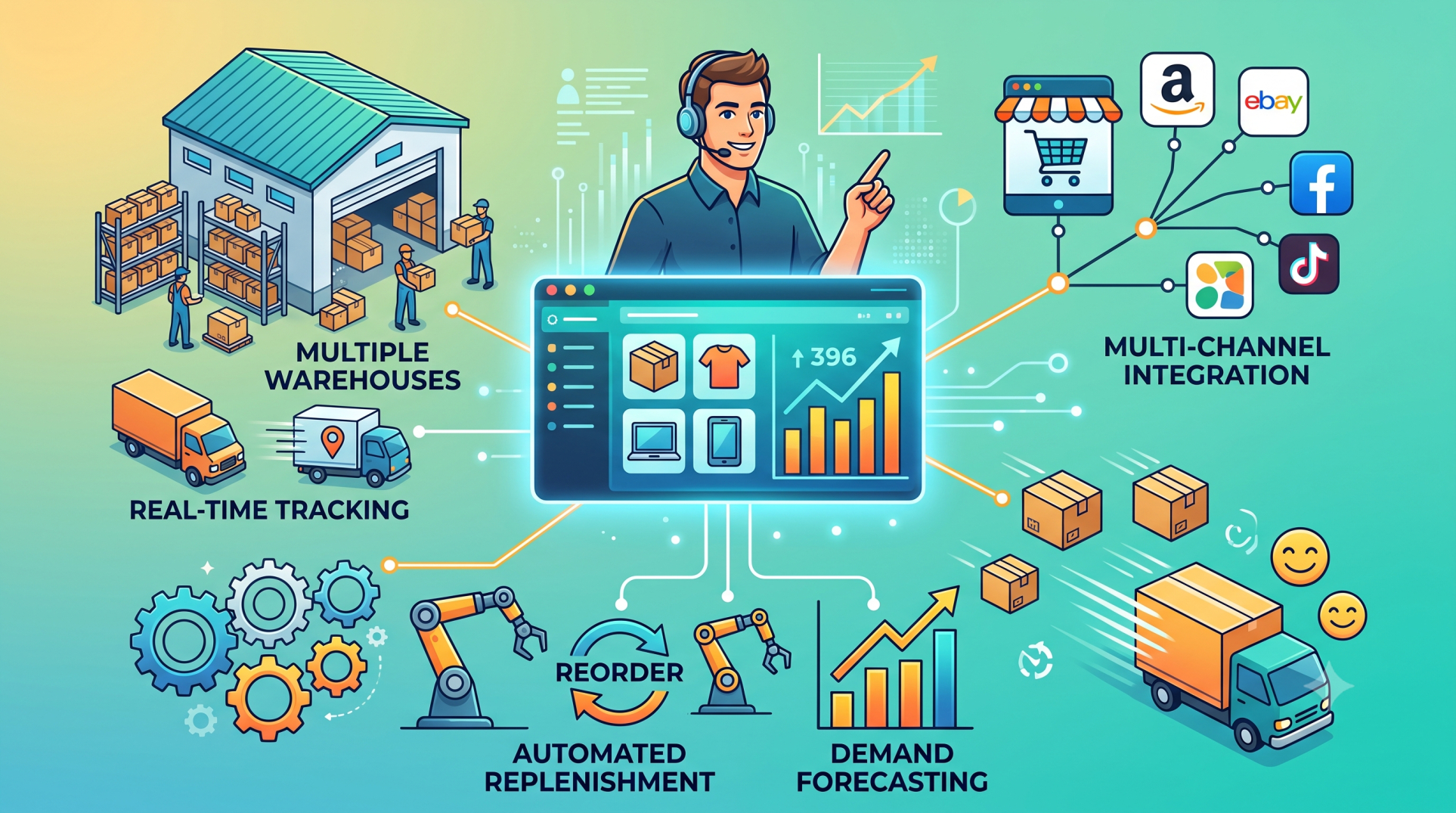
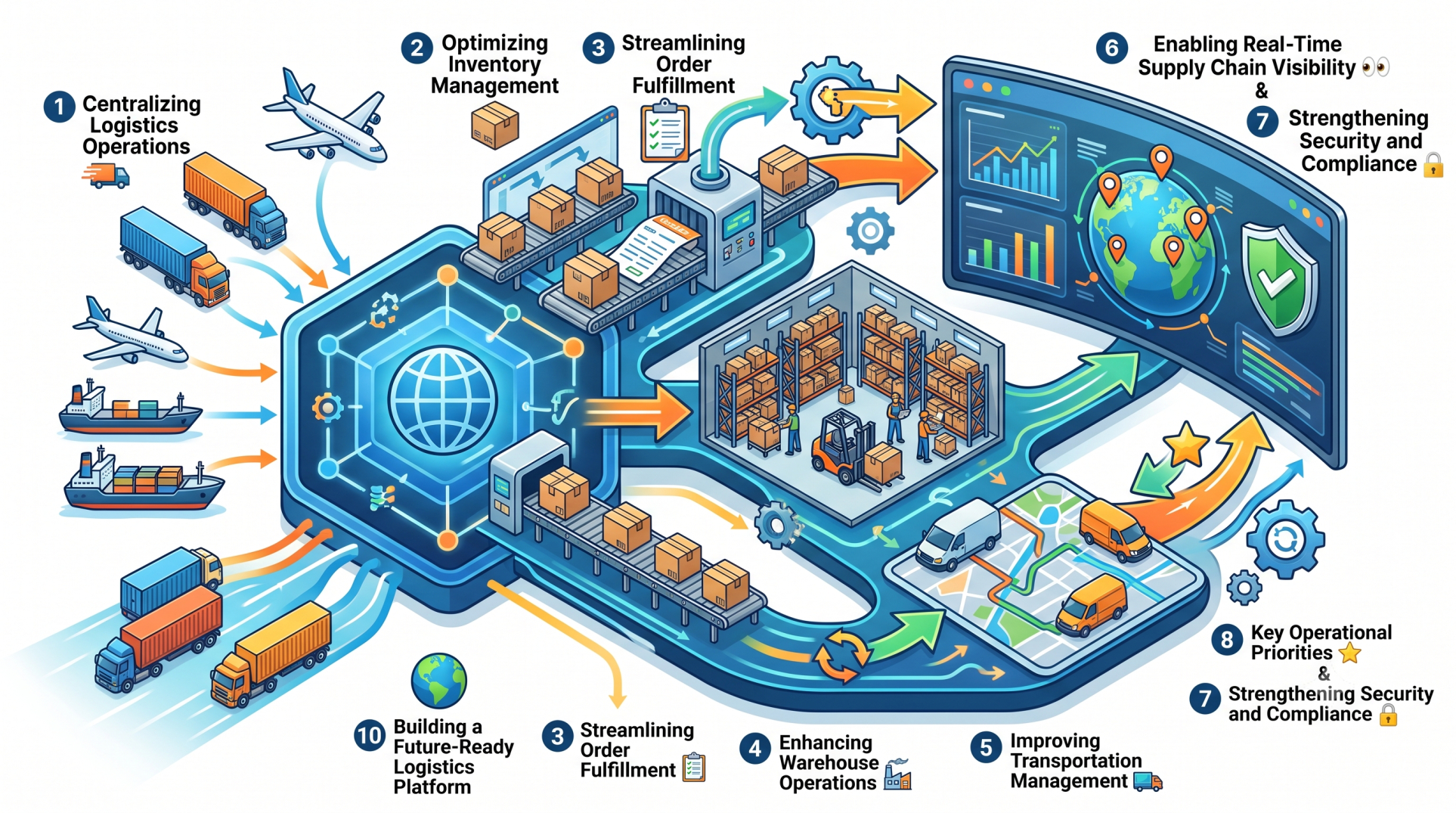
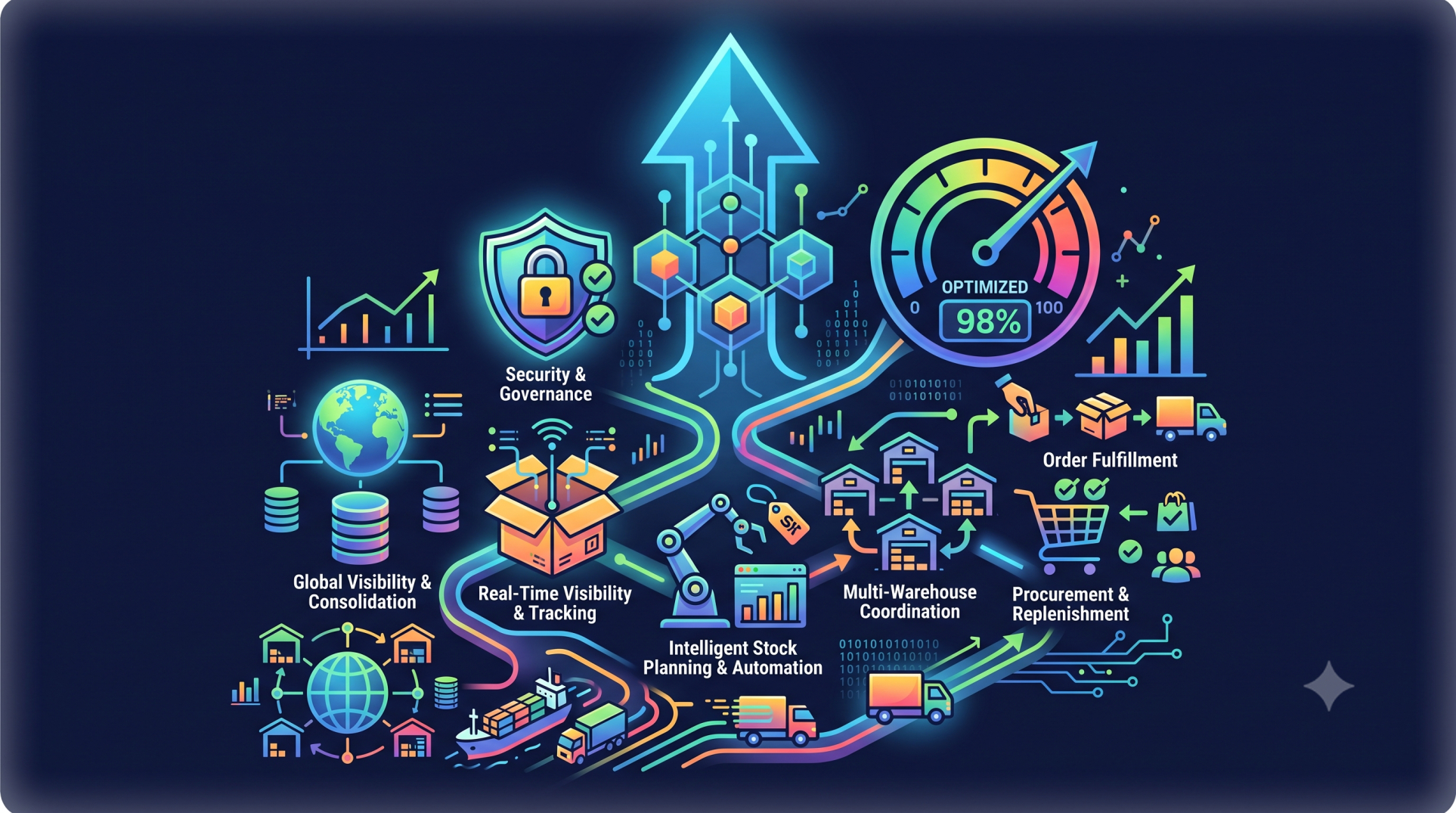
The ERPSoftware for Logistics Industry helps connect financial, purchasing,inventory and administrative processes.
Relevantcapabilities include:
- Order and customer management
- Warehouse inventory visibility
- Procurement and supplier management
- Carrier and transportation expense tracking
- Customer invoicing and billing
- Financial accounting and reporting
- Employee and resource planning
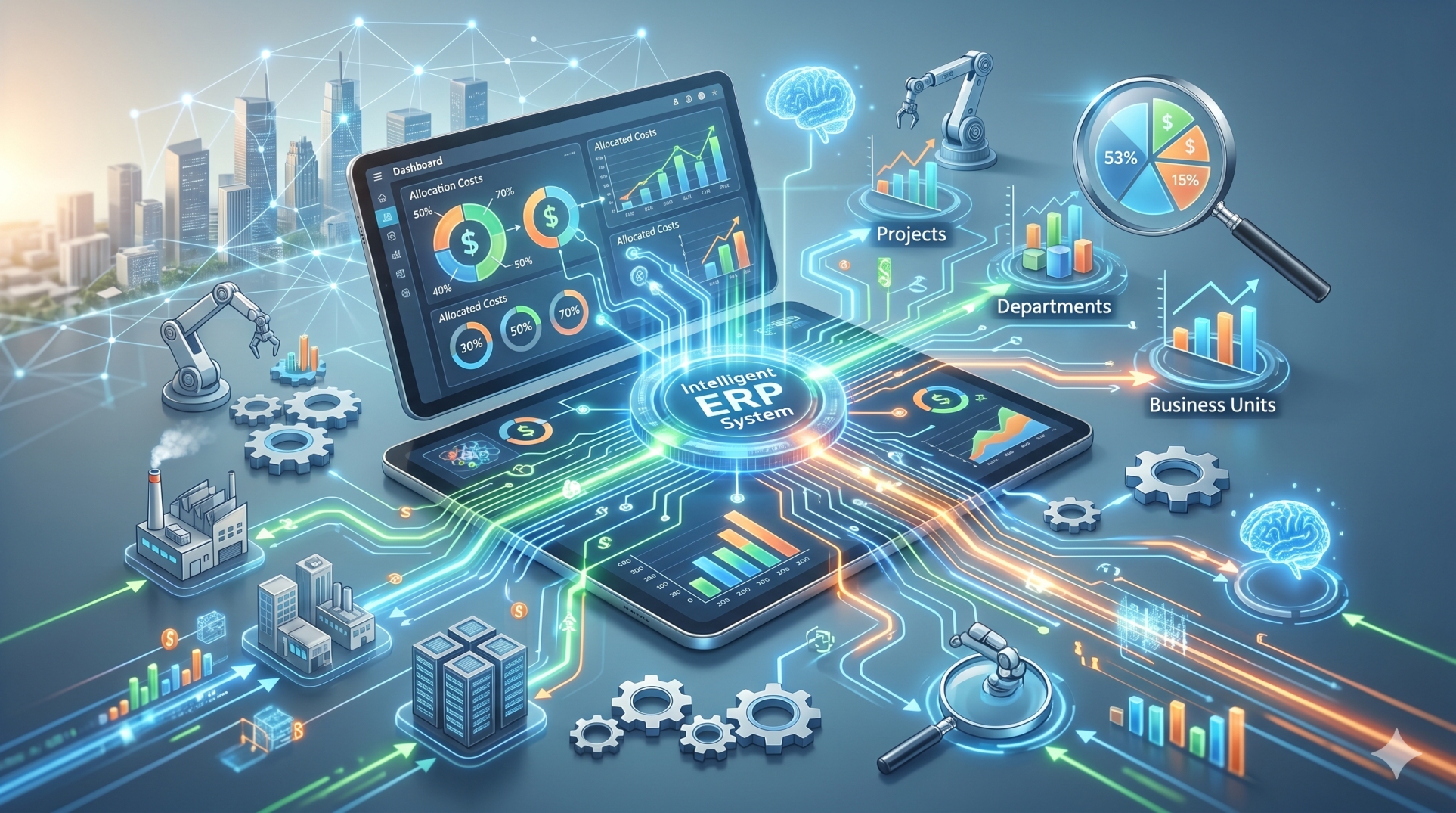
- Operational cost analysis
For example,a logistics company handling shipments for several customers needs to trackmore than delivery status. It must also account for carrier invoices, warehousehandling expenses, supplier payments and customer billing.
Connectingthese records helps managers understand the actual financial performance ofindividual operations and identify unexpected expenses.
Advancedroute optimization, dispatching and live vehicle tracking may requirespecialist transportation or fleet management software.
ERP vs Transportation Management and Warehouse Management Systems
ERP softwareand specialist logistics platforms serve related but different purposes.
- ERP software: Connects finance, procurement, inventory, sales and business-wide reporting.
- Transportation Management System (TMS): Supports shipment planning, carrier coordination and transportation execution.
- Warehouse Management System (WMS): Manages warehouse activities, stock movements, picking and packing.
- Fleet Management System: Supports vehicle maintenance, monitoring and fleet-related activities.
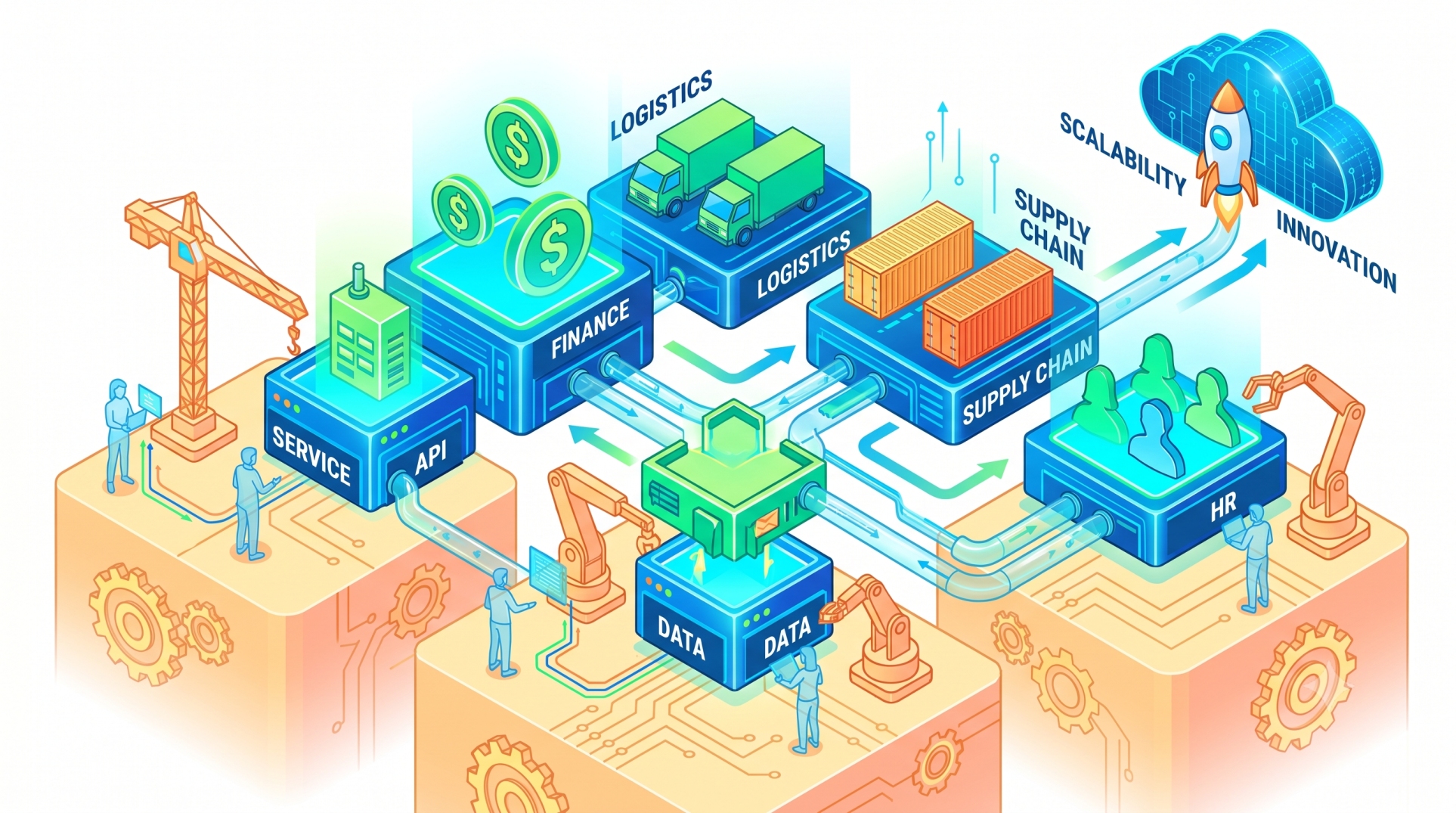
A logisticscompany may use ERP software for accounting, purchasing and customer invoicingwhile relying on a TMS for shipment planning and a WMS for detailed warehouseoperations.
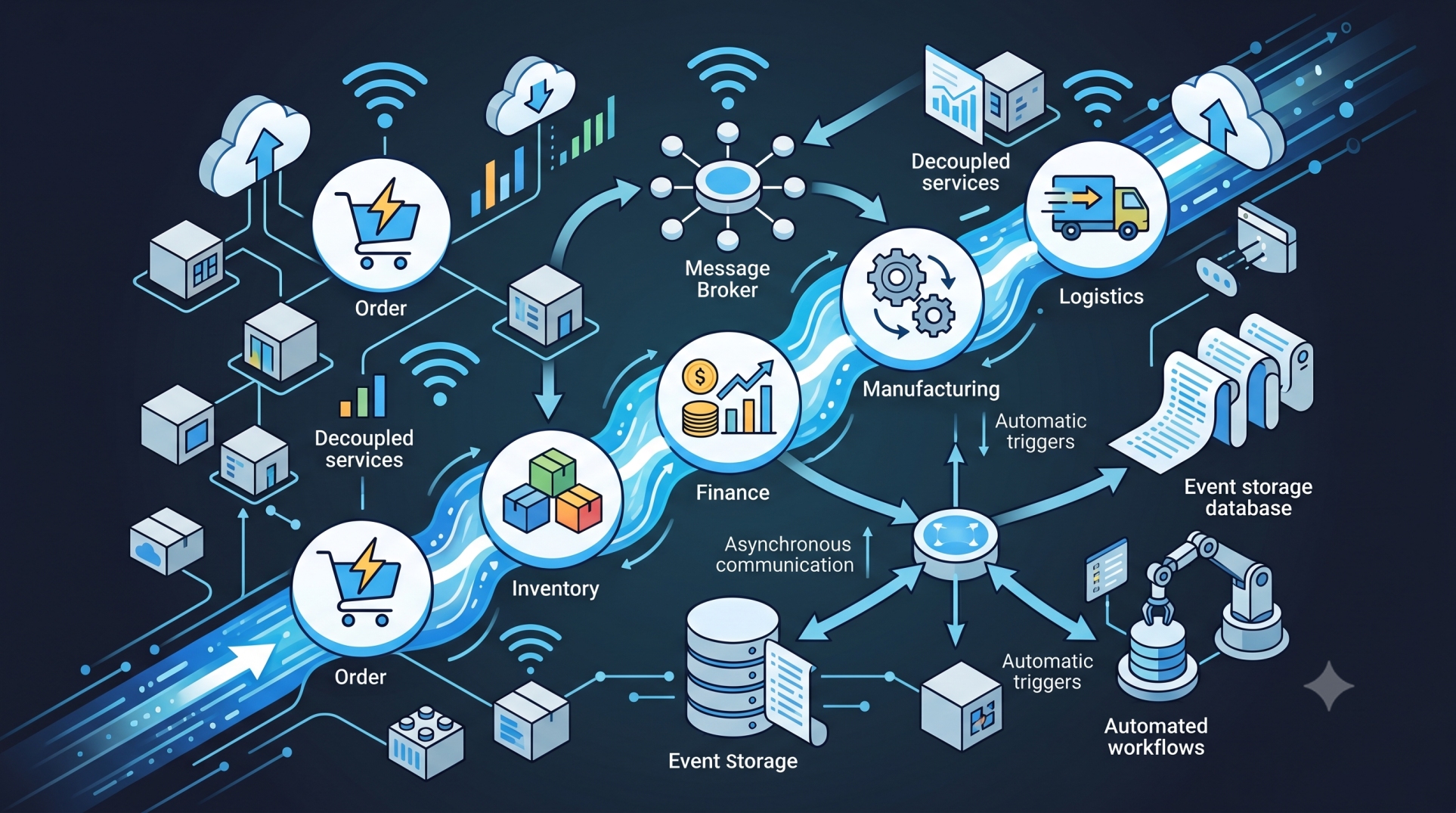
Integrationbetween these systems is important because disconnected information can createreporting gaps and duplicate data entry.
How to Choosethe Right ERP Software for Your Business
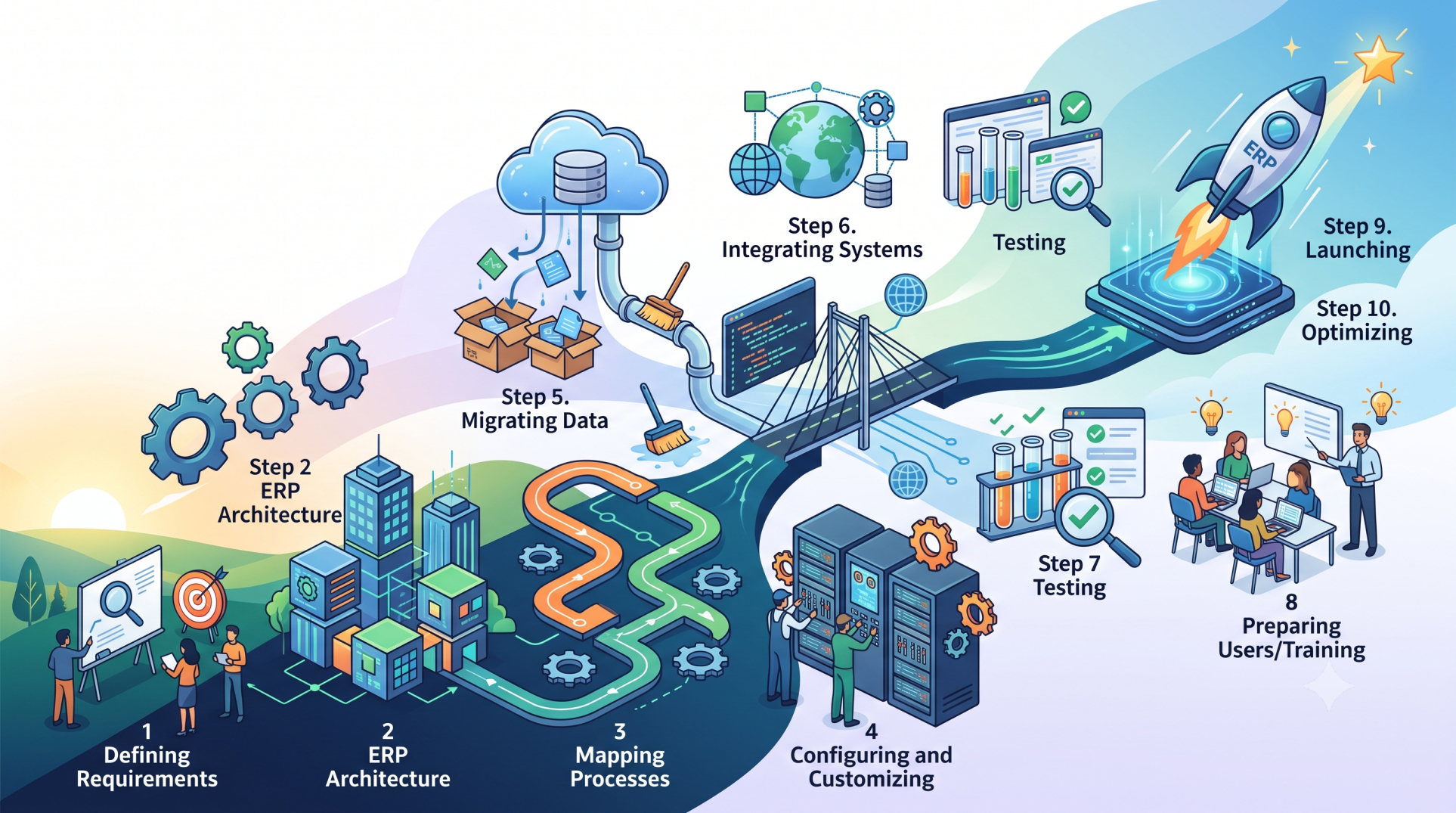
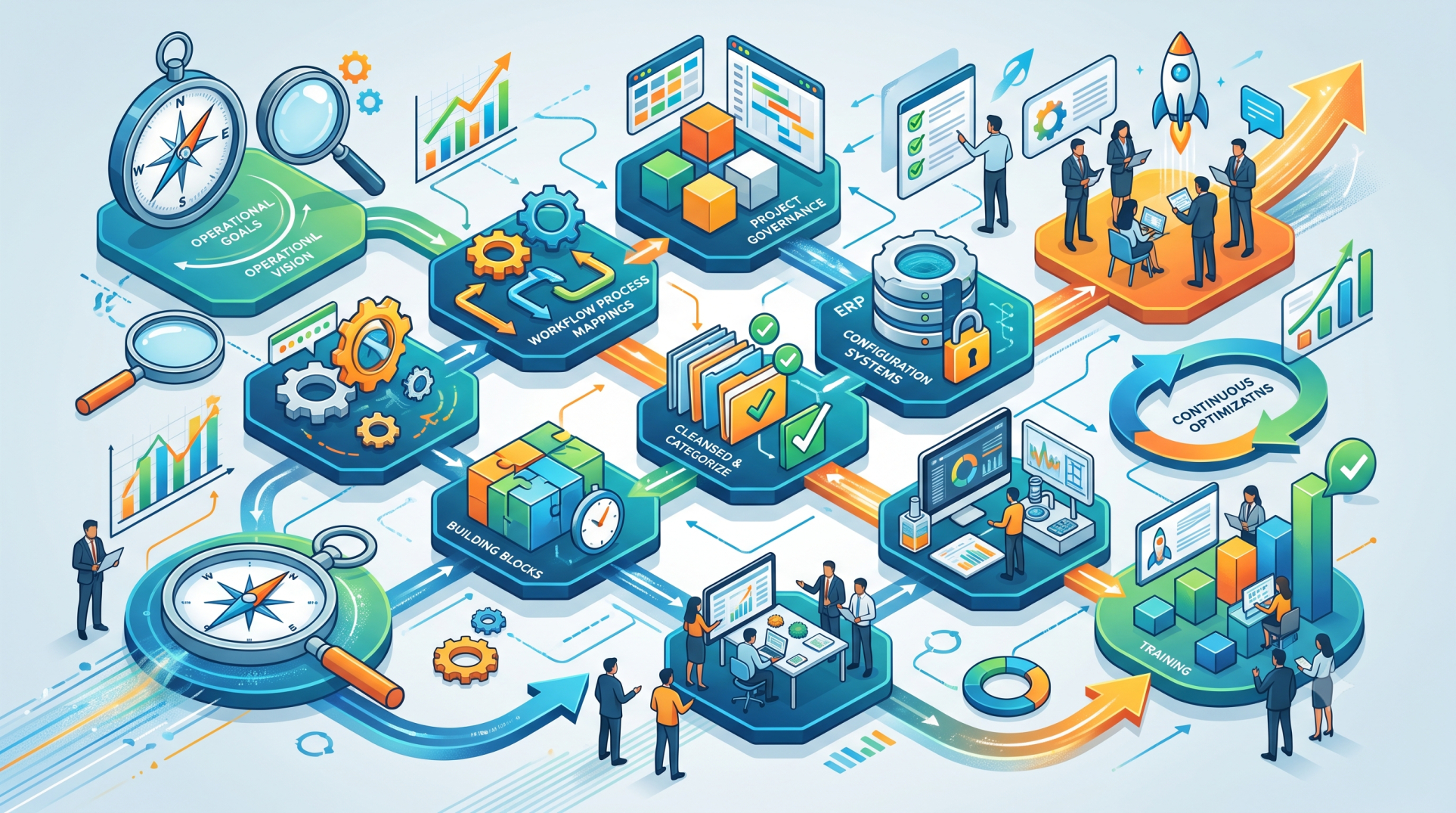
Beforeselecting a platform, businesses should follow a structured evaluation process:
- Identify operational problems that need to be addressed.
- Document existing workflows and reporting requirements.
- Define essential industry-specific features.
- Evaluate inventory, procurement and financial capabilities.
- Check POS, warehouse and transportation integrations.
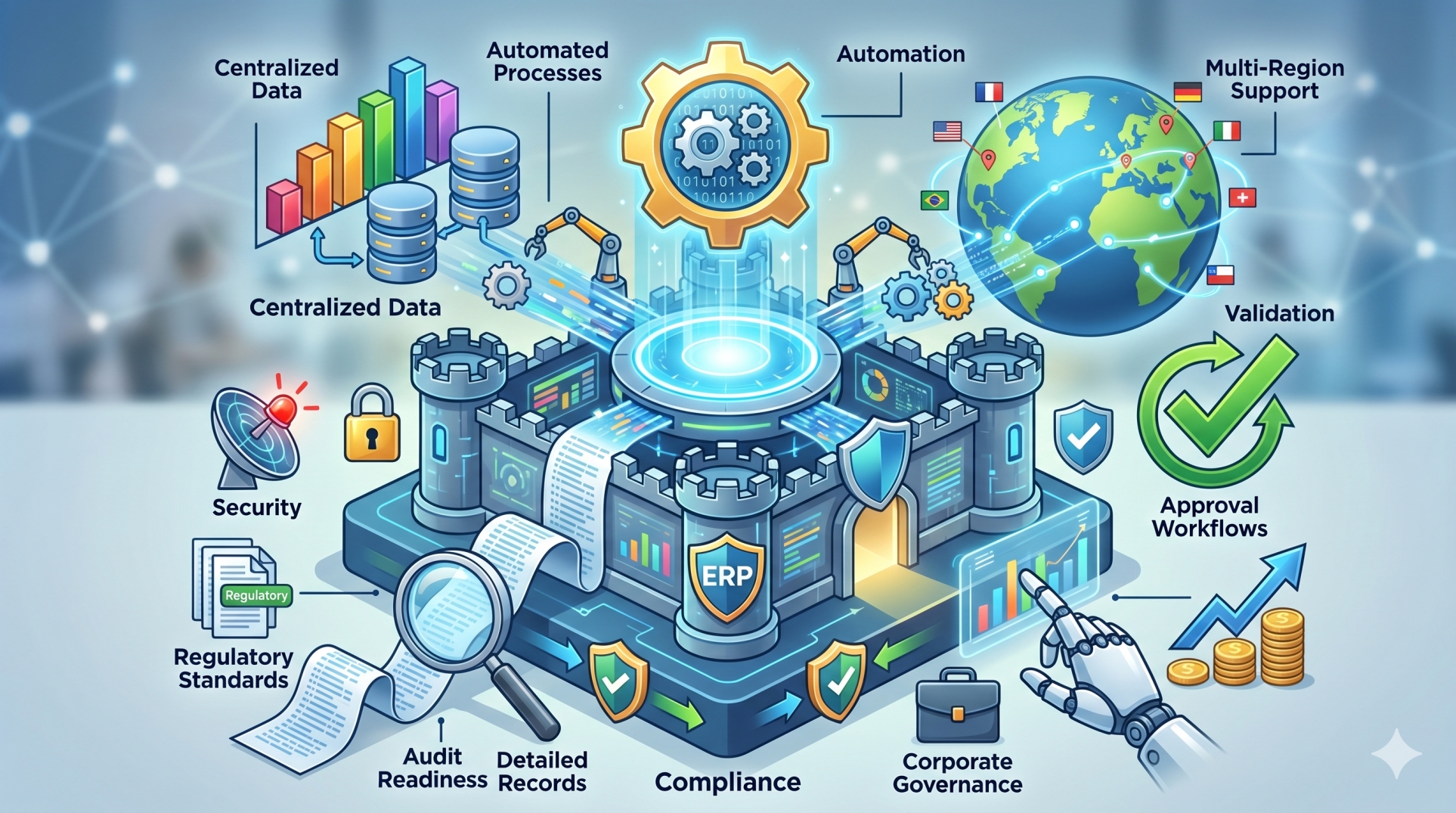
- Review security and user access permissions.
- Compare cloud-based and on-premises deployment.
- Request demonstrations using realistic business scenarios.
- Assess implementation, training and ongoing support.
- Establish measurable goals for evaluating performance.
Restaurantsshould prioritize ingredient tracking, food costing and purchasing workflows.Logistics businesses should focus on shipment expenses, warehouse visibility,supplier management and customer billing.
Remember toconsider the total cost of ownership, including subscriptions, implementation,integrations, customization and employee training.
Common ERP Implementation Challenges
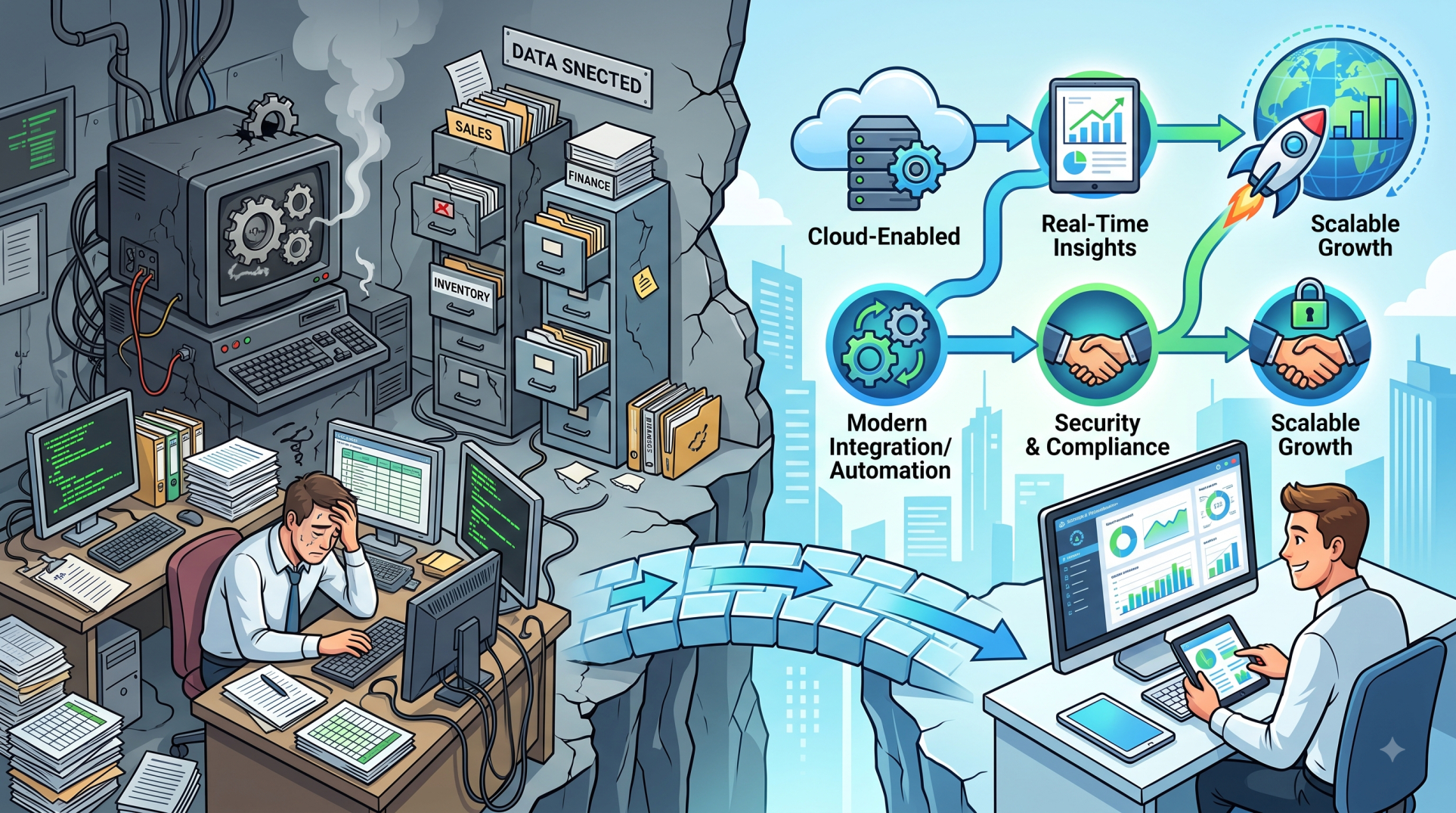
ERPimplementation can introduce challenges if businesses do not prepare properly.Inaccurate inventory records, inconsistent data, legacy system integration andemployee resistance can affect the transition.
Businessescan reduce these risks by cleaning existing data, assigning clear projectresponsibilities, involving employees early and testing important workflowsbefore launch.
Particularattention should be given to inventory updates, purchase orders, financialreporting and integrations with existing applications.
Why Choose an ERP Solution That Fits Your Industry?
ERPSoftware.comprovides industry-focused ERP resources and solutions to help businessesevaluate their software requirements.
Its publishedrestaurant ERP offering highlights POS integration, recipe and inventorymanagement, employee scheduling, payroll, online ordering and multi-locationoperational requirements. Its broader ERP platform also describes financialmanagement, procurement, inventory visibility, warehouse management andreporting capabilities.
Businessesshould review the available modules and confirm the specific features,integrations and implementation requirements that match their operations beforemaking a decision.
Explore ERP Softwareto understand the available capabilities and request a demonstration based onyour business requirements.
FrequentlyAsked Questions
1. What is ERP software?
ERP softwareis a centralized business management system that connects functions such asaccounting, inventory, procurement, sales and reporting.
2. What is Restaurant ERP Software?
RestaurantERP Software helps manage restaurant finances, ingredient inventory,purchasing, recipe costing and multi-location operations.
3. What isthe Best ERP Software for Restaurant businesses?
The bestsolution depends on restaurant size, budget, POS requirements, inventorycomplexity and reporting needs. Businesses should compare features throughpractical demonstrations.
4. Canrestaurant ERP software manage food inventory and supplier orders?
Yes, systemswith inventory and procurement modules can track ingredients, stock levels,supplier information and purchase orders.
5. How does ERP software help logistics companies manage costs?
It connectsfinancial, purchasing and operational records, helping businesses monitorcarrier expenses, warehouse costs, supplier payments and customer invoices.
6. Can ERP software manage multiple restaurant locations?
Yes,platforms with multi-location capabilities can support centralized purchasing,branch-level inventory visibility and consolidated financial reporting.
7. What isthe difference between ERP and transportation management software?
ERP manageswider business functions, while transportation management software focuses onshipment planning, carrier coordination and transportation execution.
8. How muchdoes ERP software cost?
Pricingvaries according to users, modules, deployment, integrations, customization andimplementation requirements. Request a detailed quotation before selecting aplatform.
Explore ERPSoftware for Restaurants and Logistics
The right ERPsolution can give restaurant operators and logistics managers better visibilityinto their finances, inventory, purchasing and daily operations.
Whether youmanage multiple restaurant branches or coordinate complex logistics activities,start by identifying your essential workflows and comparing platforms againstthose requirements.
VisitERPSoftware.com to explore its ERP solutions, review available features andrequest a product demonstration.
See more blogs
You can all the articles below