ERP Software for Advertising Agencies, Marketing Teams and Life Sciences Businesses

ERP Software for Advertising Agencies, Marketing Teams and Life SciencesBusinesses
Managing projects, budgets,employees, and business operations becomes challenging when information is scattered across different systems. Advertising agencies need to coordinate client campaigns and creative teams, marketing departments must manage spending and resources, and life sciences businesses require accurate inventory recordsand controlled operational processes.
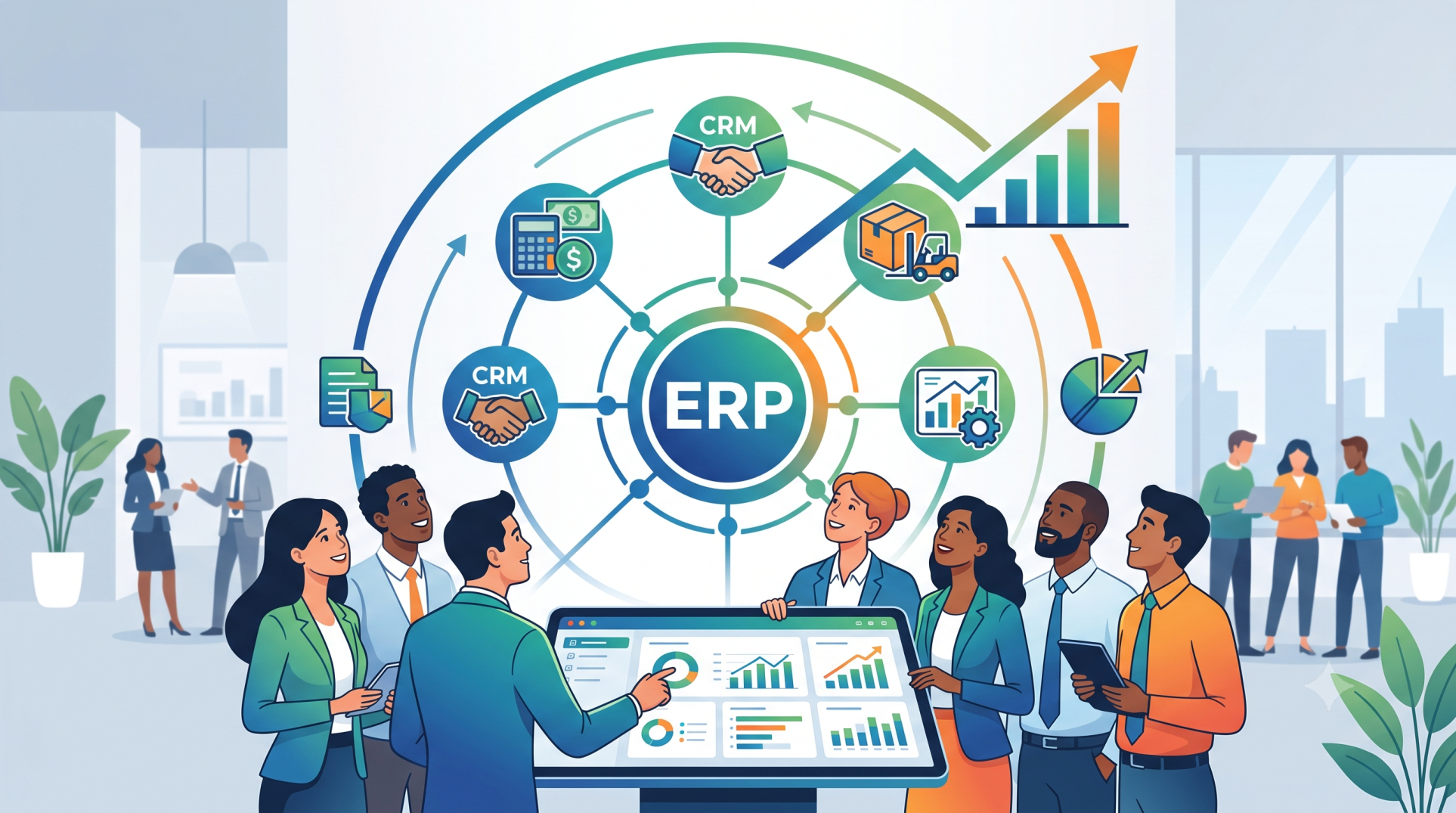
ERP software helps organizations connect essential business functions, improve financial visibility, and manage workflows through a centralized platform. The rightsolution depends on the company's industry, operational complexity, andreporting requirements.
This guide explores how Advertising Agency ERP Software, Marketing ERP Software, and Life Sciences ERPSoftware can support different business needs.
What Is ERP Software and Why Do Businesses Need It?
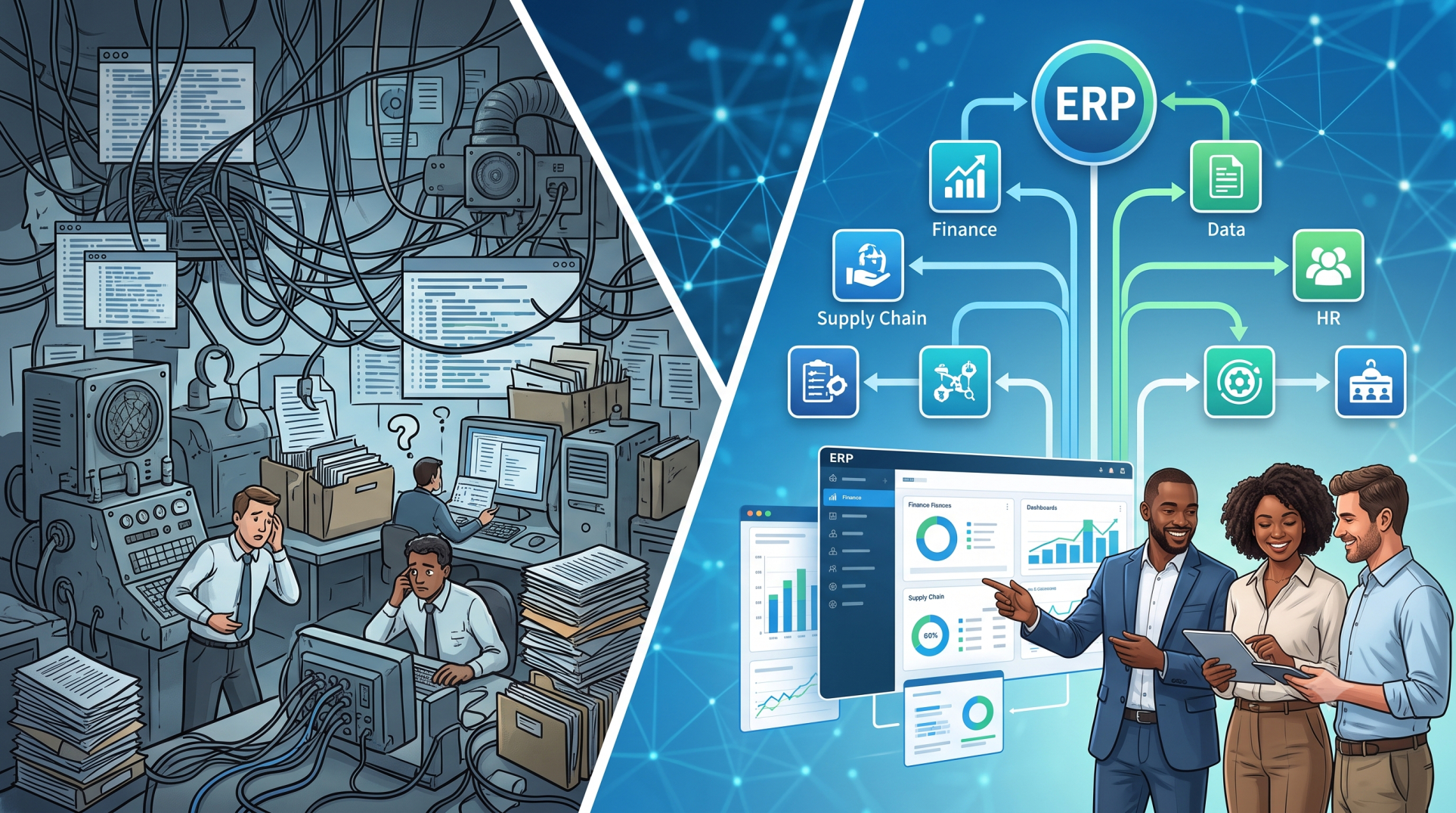
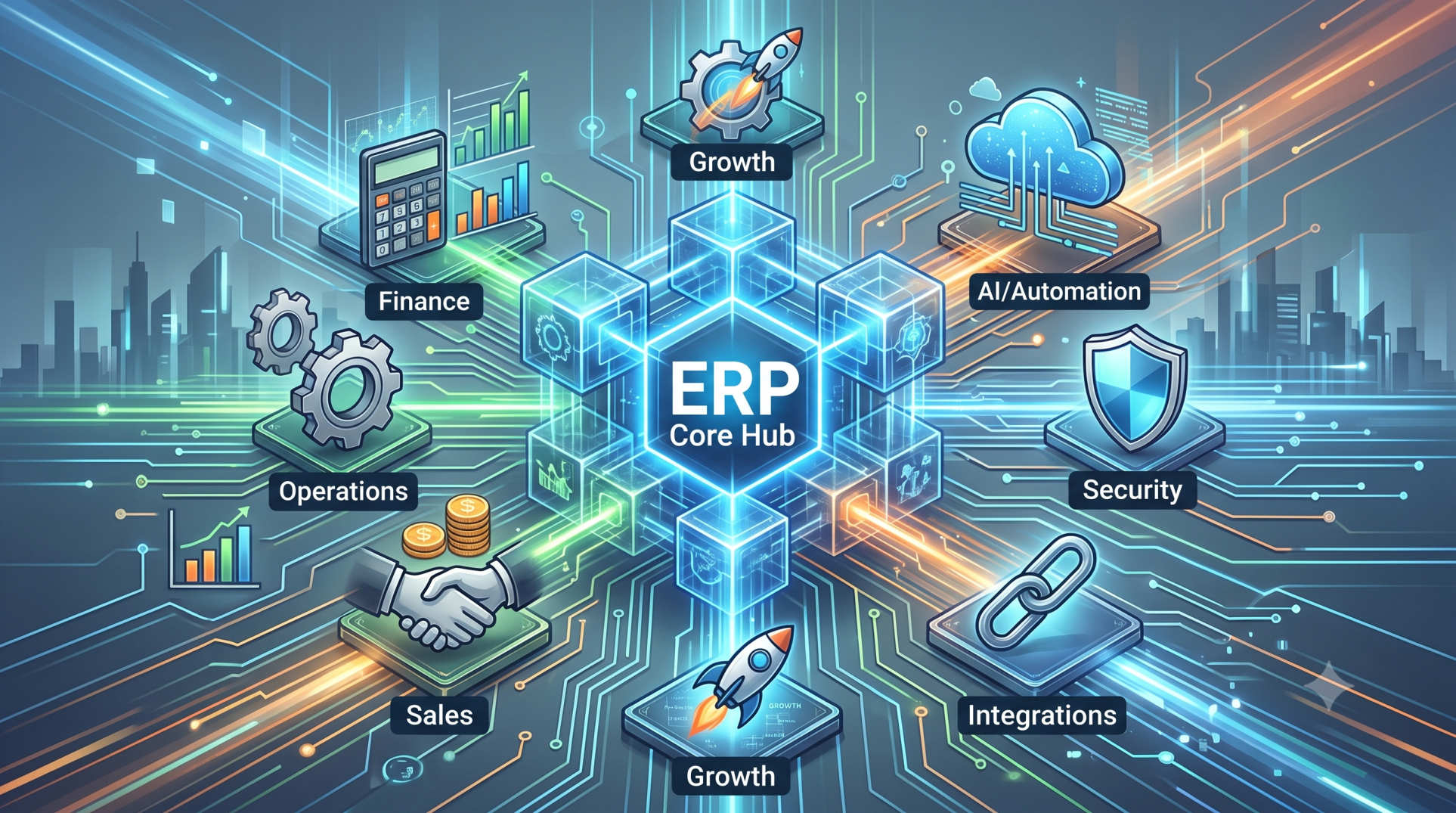
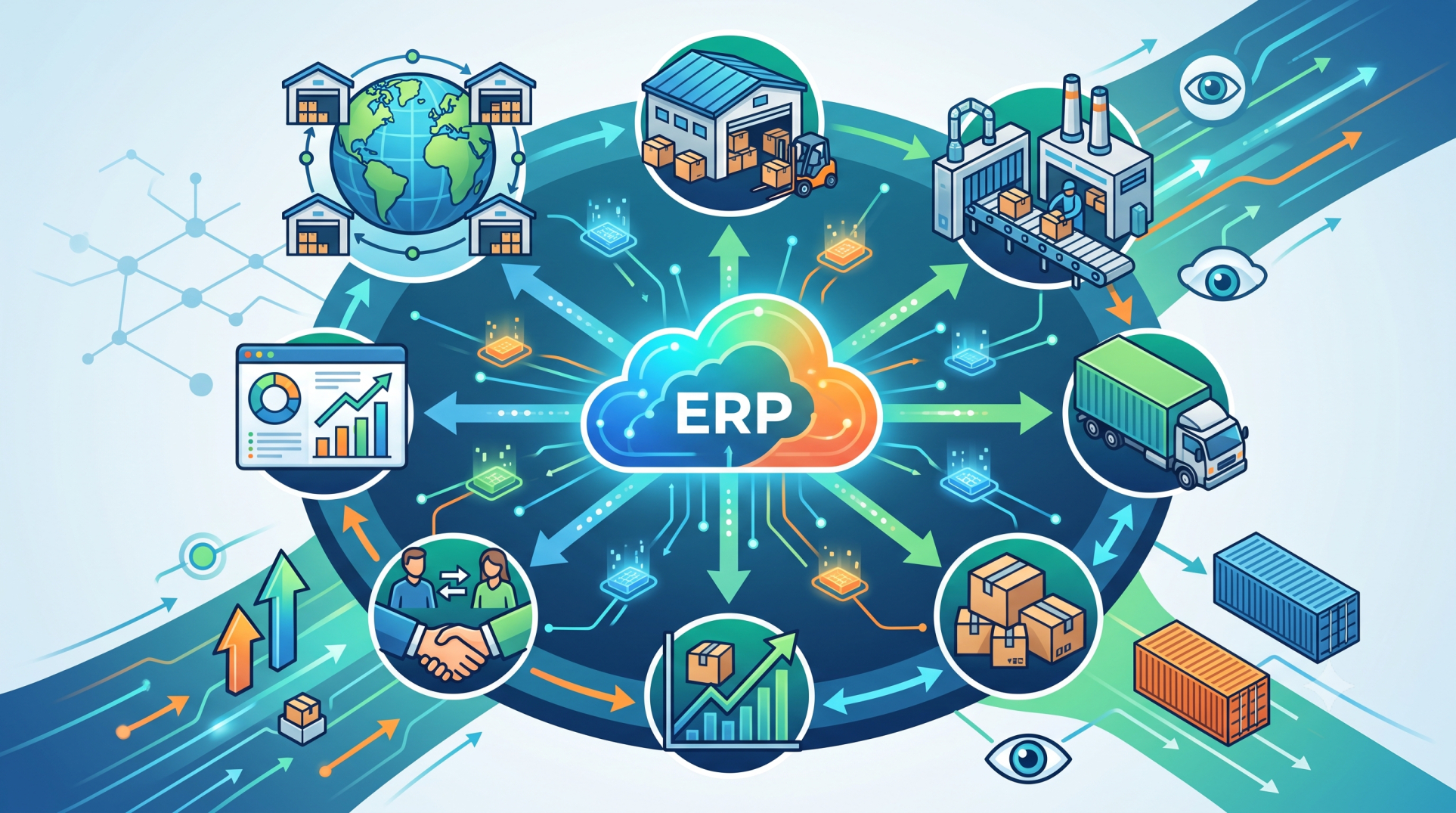
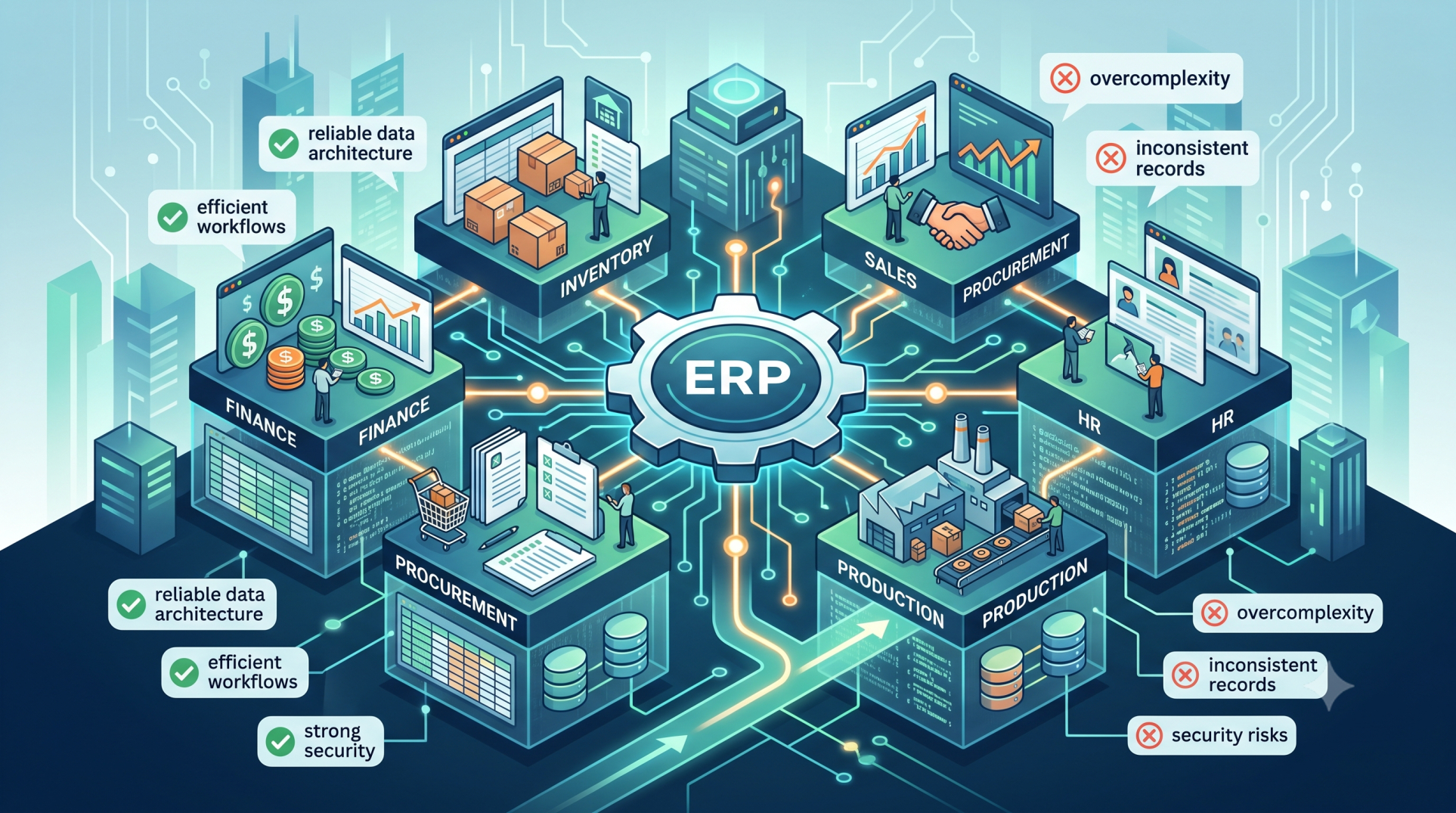
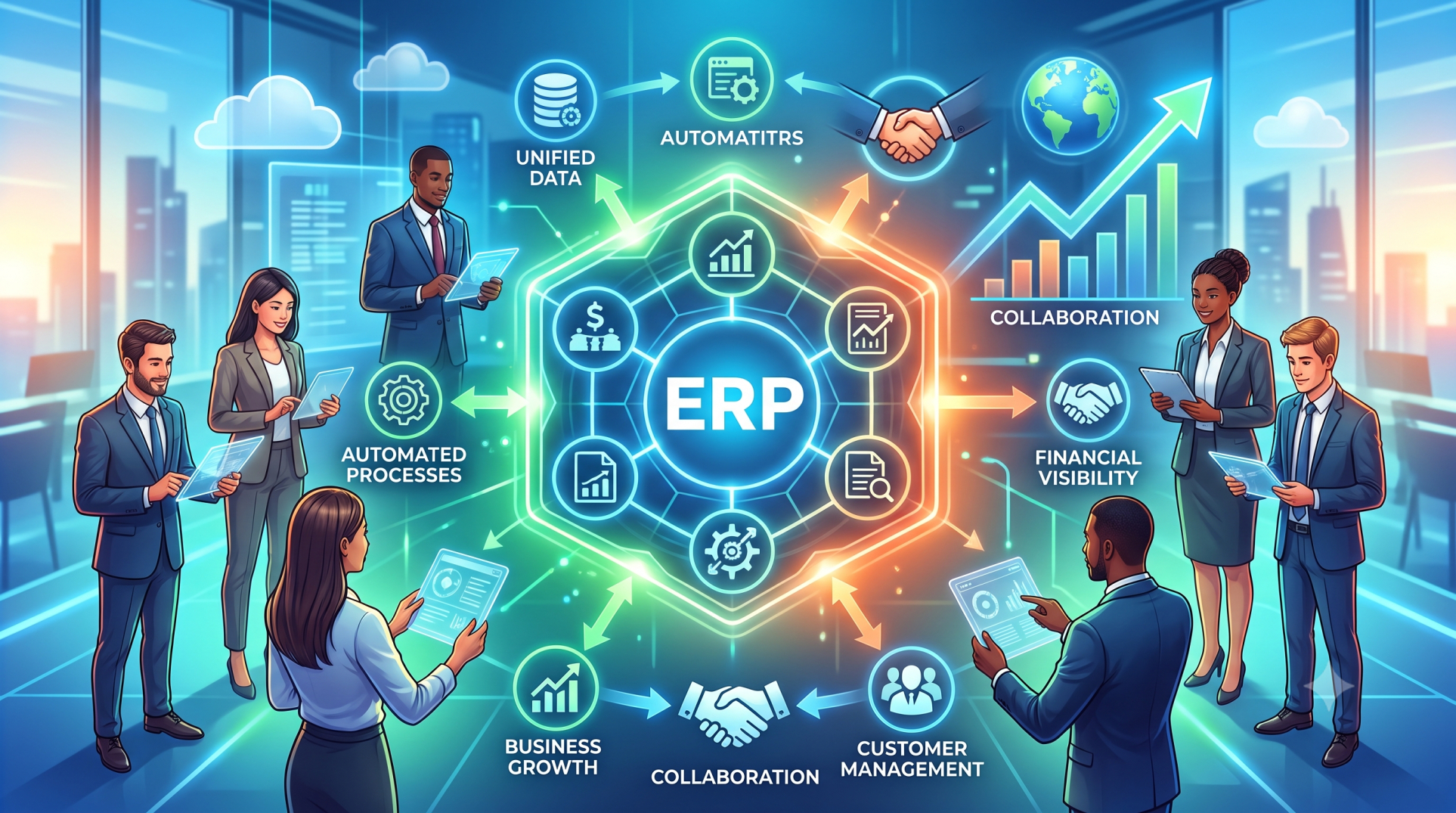
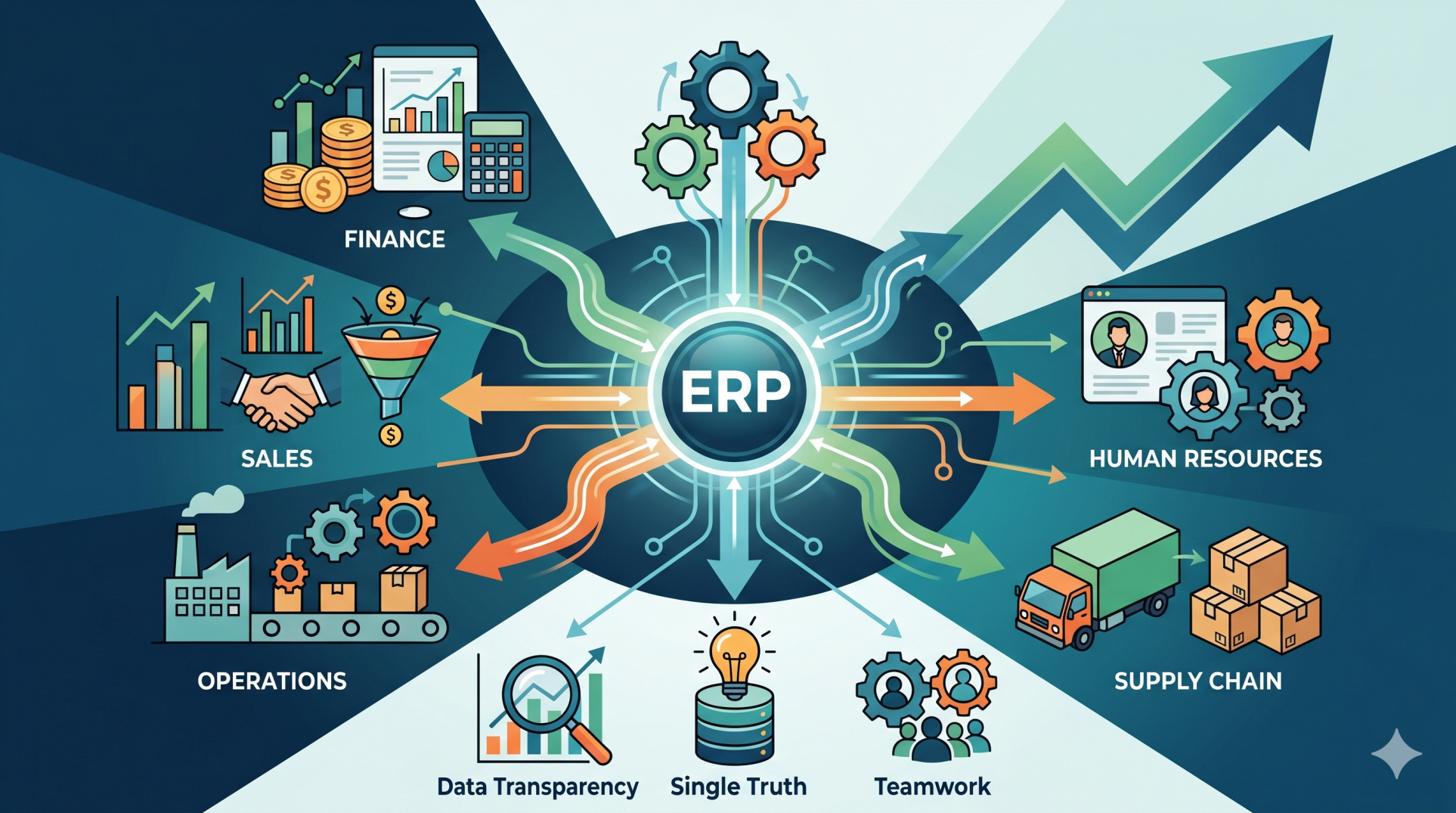
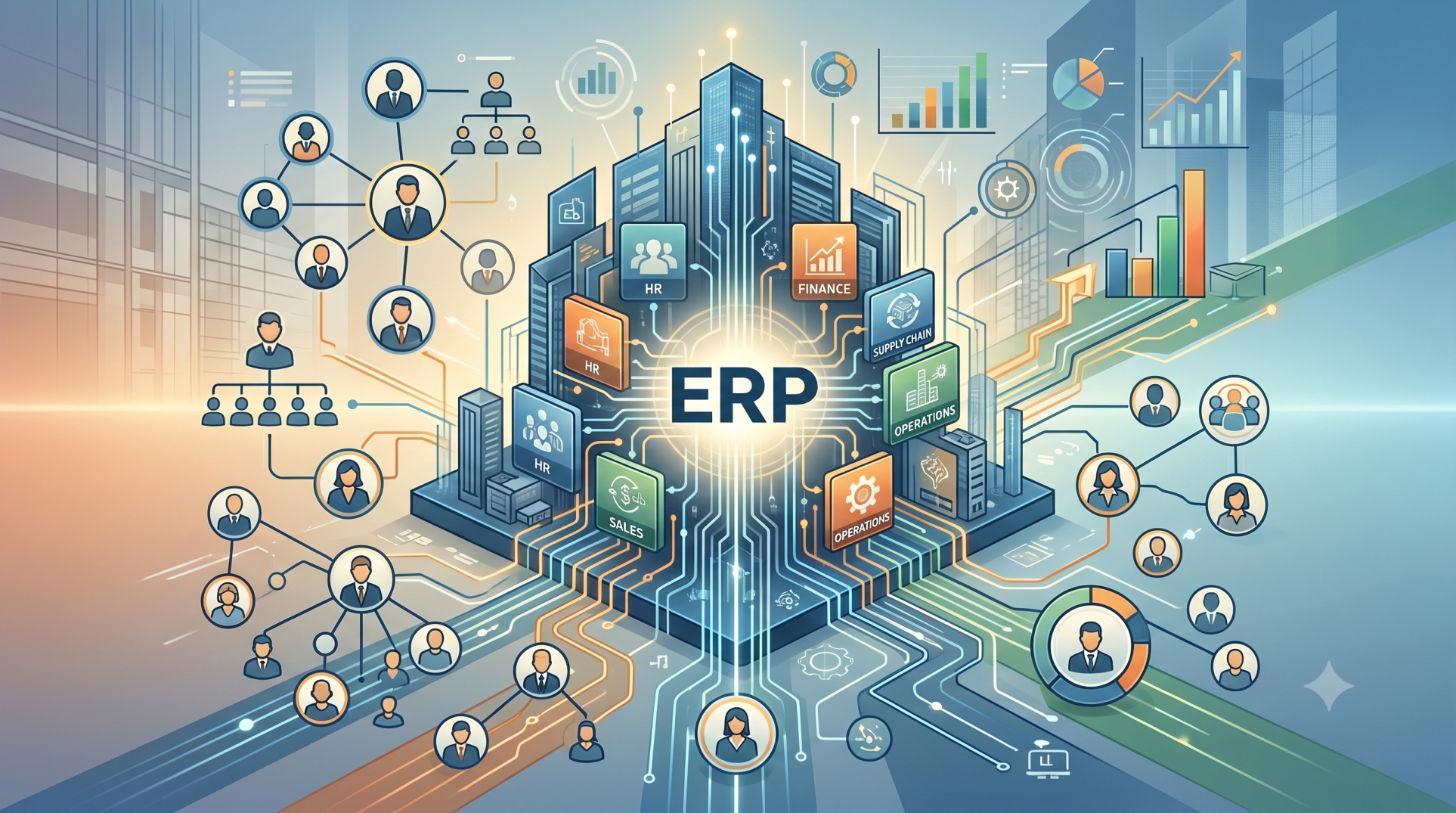
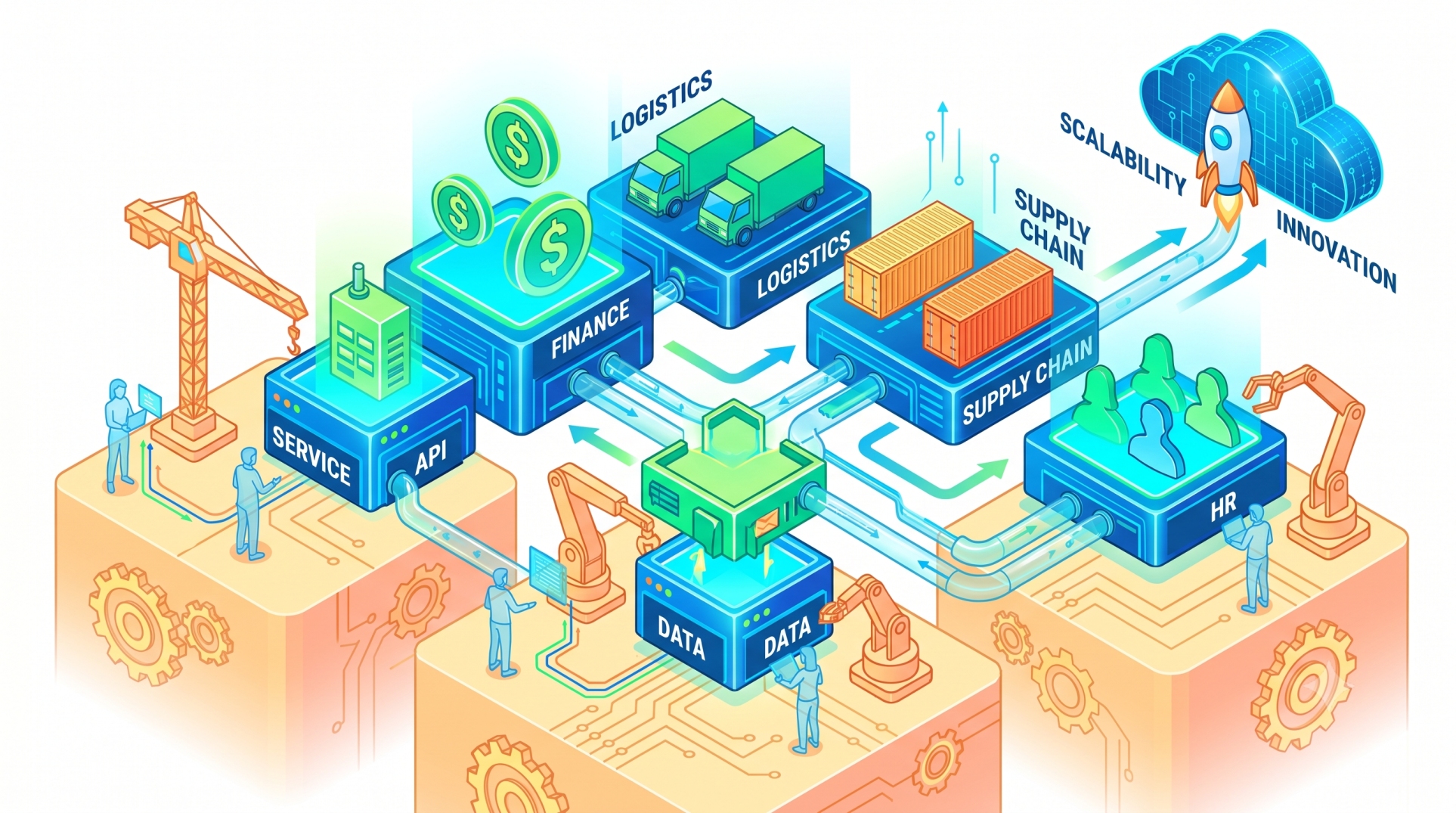
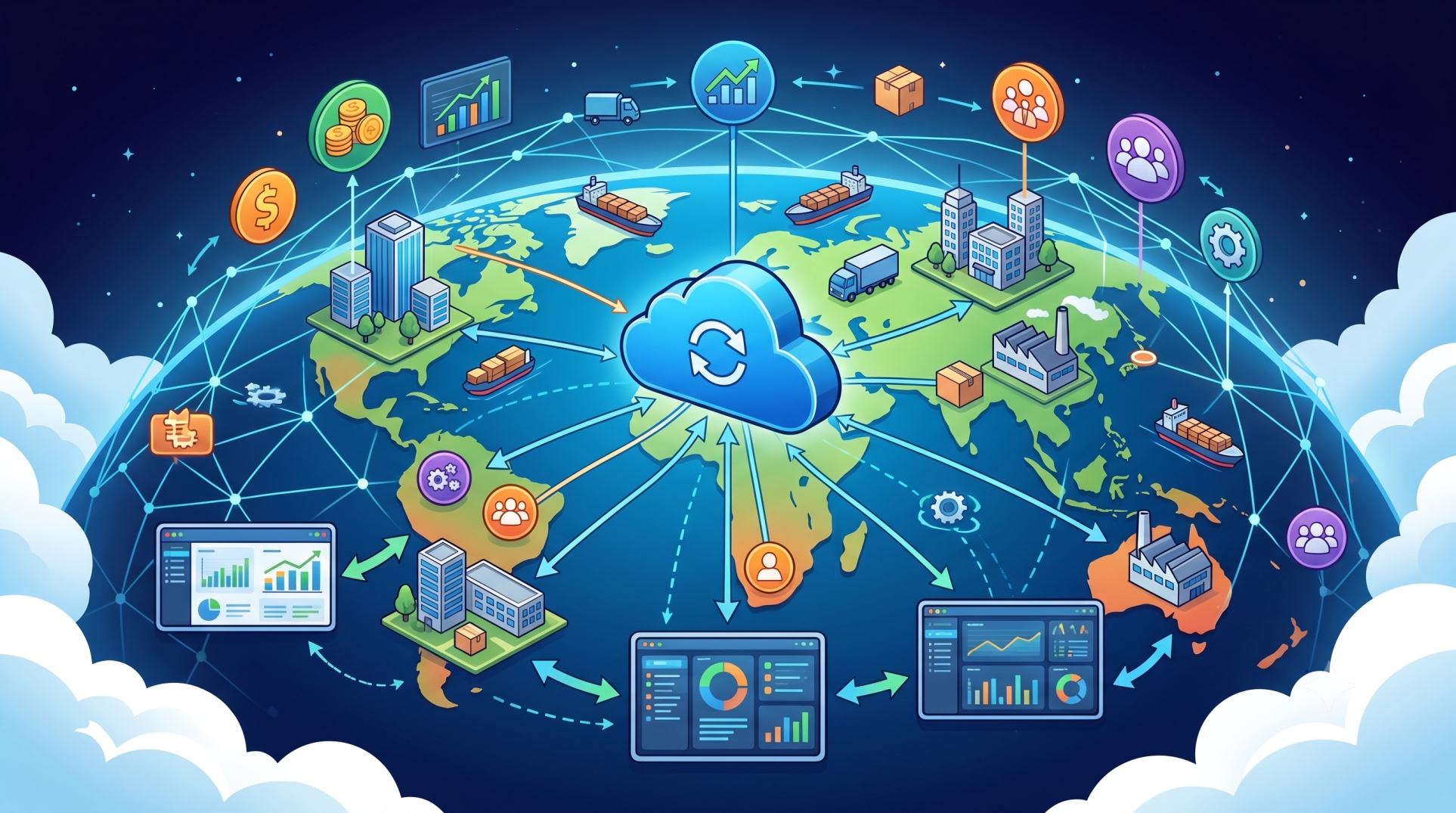
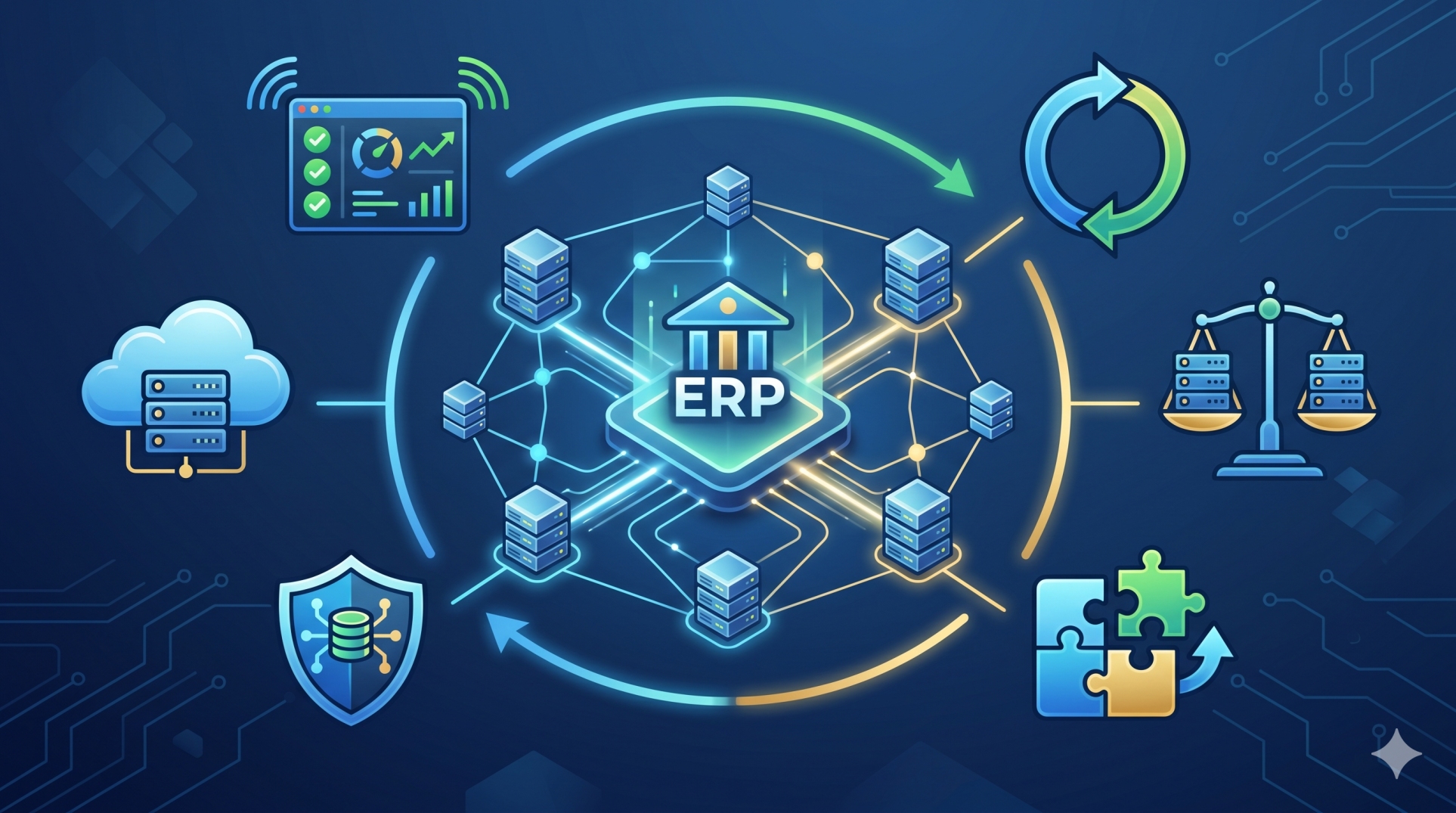
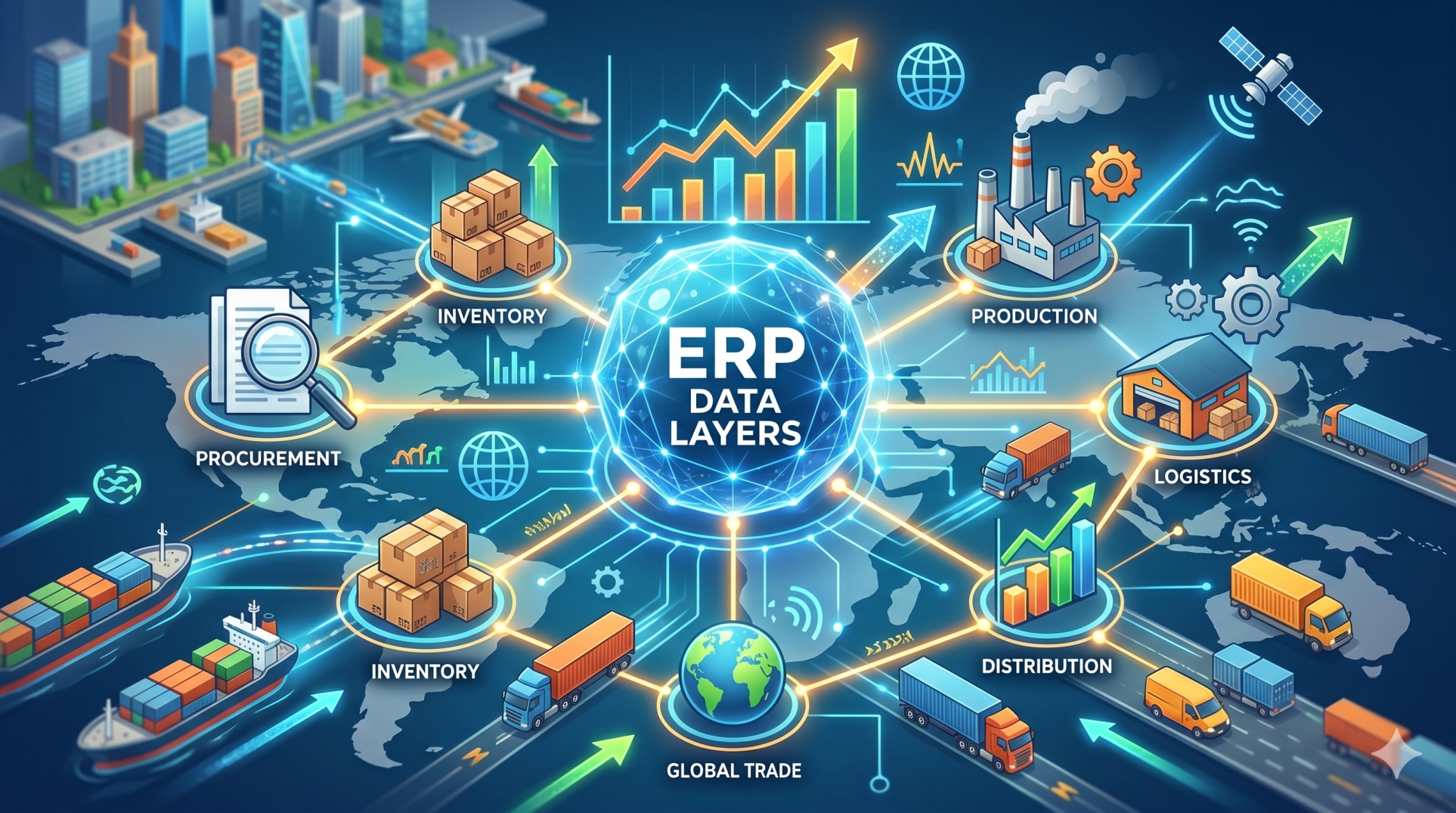
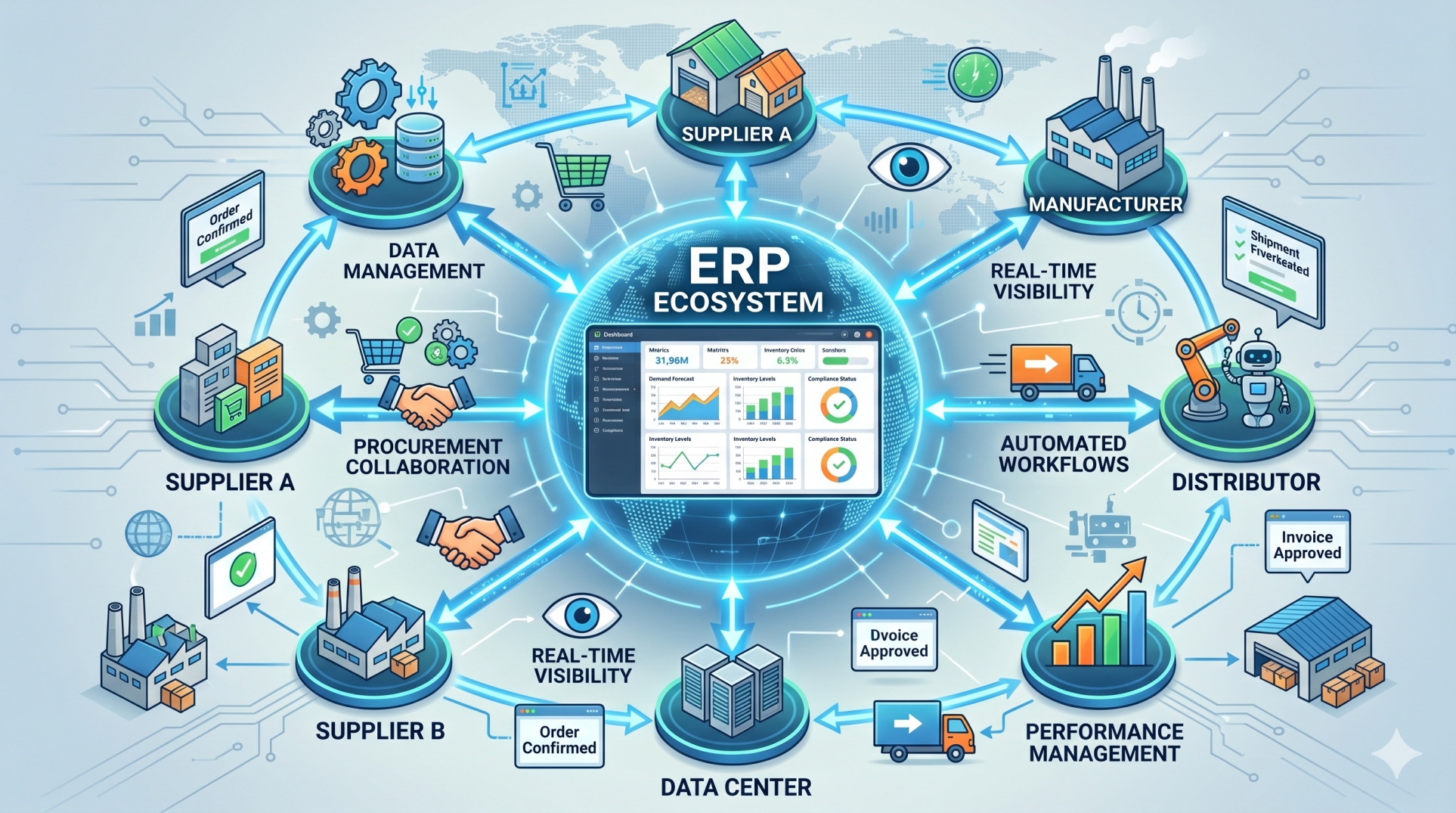
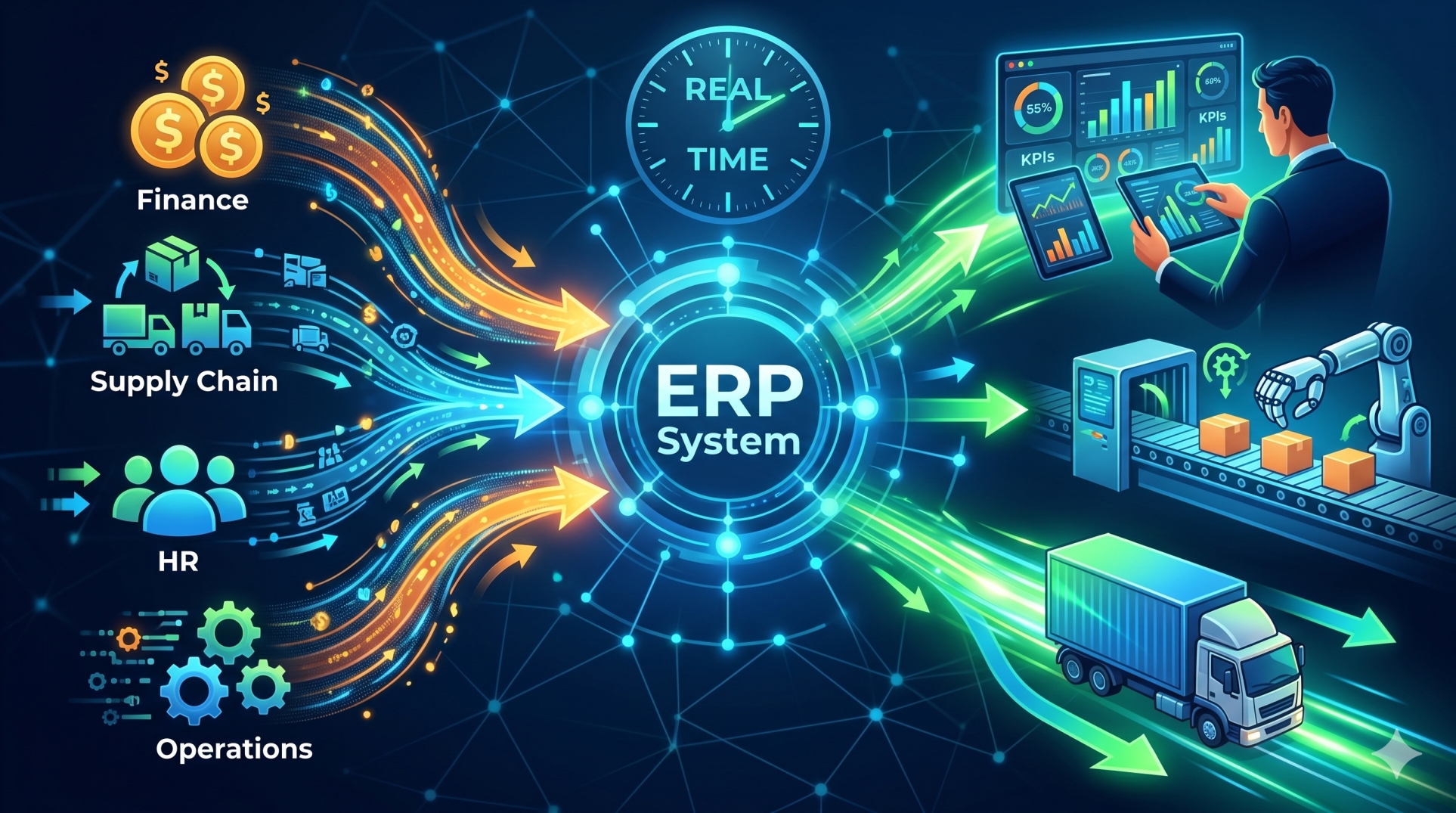
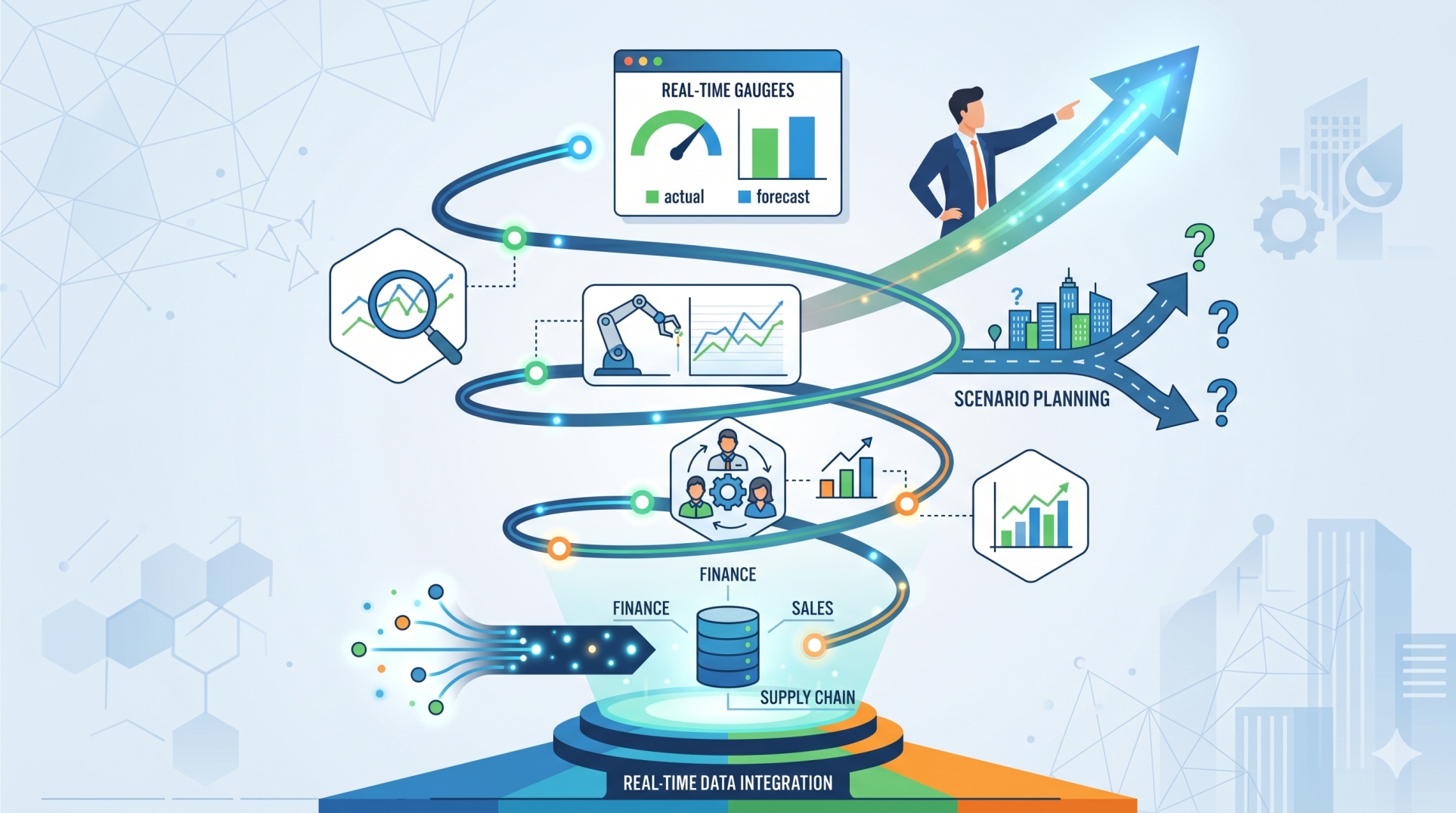
Enterprise Resource Planning(ERP) software connects business functions such as finance, procurement,inventory, project management, and reporting. Instead of maintaining separaterecords, teams can access shared information and coordinate their activitiesmore effectively.
For example, a businessmanaging several client projects can use connected financial and operationalinformation to compare project budgets, staff utilization, expenses, andrevenue.
Depending on the platform,ERP software may support:
- Financial management and accounting
- Procurement and supplier management
- Inventory and order management
- Project and resource planning
- Budgeting and cost tracking
- Workforce management
- Reporting and business intelligence
- Workflow automation and integrations
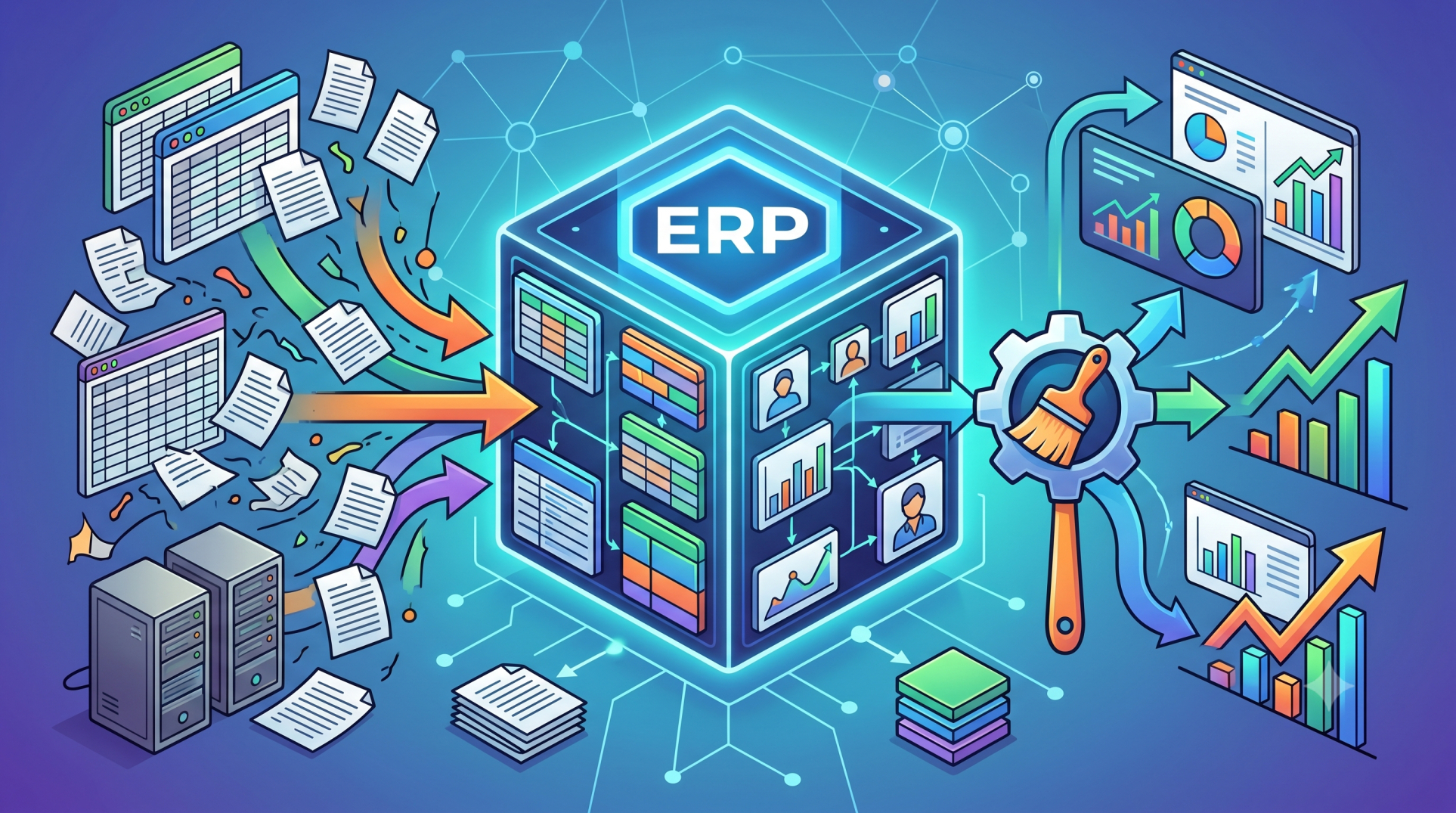
Centralized information can reduce duplicate data entry and help managers identify financial or operational issues earlier.
Why Industry-Specific ERP Software Matters
Different industries havedifferent operational priorities. Advertising agencies focus on projectdelivery and client profitability, marketing teams manage budgets andcampaign-related expenses, and life sciences companies may need detailedproduct traceability and quality documentation.
A suitable ERP system shouldmatch these requirements rather than simply offer a long list of features.
Businesses shouldevaluate project costing, resource allocation, inventory management, suppliercontrols, reporting, and integration capabilities. Some functions are availablethrough standard ERP modules, while others require specialized software.
Advertising Agency ERP Software: Managing Projects and Profitability
Advertising Agency ERPSoftware can help agencies coordinate client projects, manage creativeresources, monitor expenses, and track financial performance.
Important features includeproject budgeting, timesheets, resource allocation, supplier cost tracking,invoicing, workload planning, and profitability reporting.
Consider an agency managingcampaigns for three clients. One campaign requires additional design revisionsand unexpected video production expenses. If managers cannot compare actualcosts with the approved budget, the project may become less profitable thanexpected.
With suitable projectcosting and reporting capabilities, the agency can identify rising expenses,review staff allocation, and discuss changes to the project scope with theclient.
ERP software can alsoimprove coordination between account managers, creative teams, and financedepartments. However, it generally complements specialist creativecollaboration and advertising platforms rather than replacing them.
How ERP Software Improves Advertising Agency Operations
Advertising agencies oftenbalance multiple deadlines, changing client requirements, freelance resources,and external production costs.
An integrated ERP workflowcan help agencies:
- Compare estimated and actual project costs.
- Track billable and nonbillable staff hours.
- Monitor external supplier expenses.
- Coordinate workloads and project deadlines.
- Improve client invoicing and financial reporting.
- Forecast resource requirements and operating costs.
For example, if a campaignis consuming more staff hours than planned, timely reporting can help managersinvestigate the cause and adjust resources before the project falls significantly behind budget.
These benefits dependon accurate time tracking, consistent workflows, and regular review of project performance.
Marketing ERP Software: Connecting Budgets and Business Performance
Marketing ERP Software supports the financial and operational side of marketing activities. It canhelp organizations manage budgets, purchasing, workforce allocation, supplier expenses, and reporting across multiple projects.
Businesses should evaluatefeatures such as:
- Marketing budget planning
- Campaign-related expense tracking
- Employee and resource allocation
- Vendor and procurement management
- Budget variance analysis
- Financial forecasting
- Reporting across multiple projects
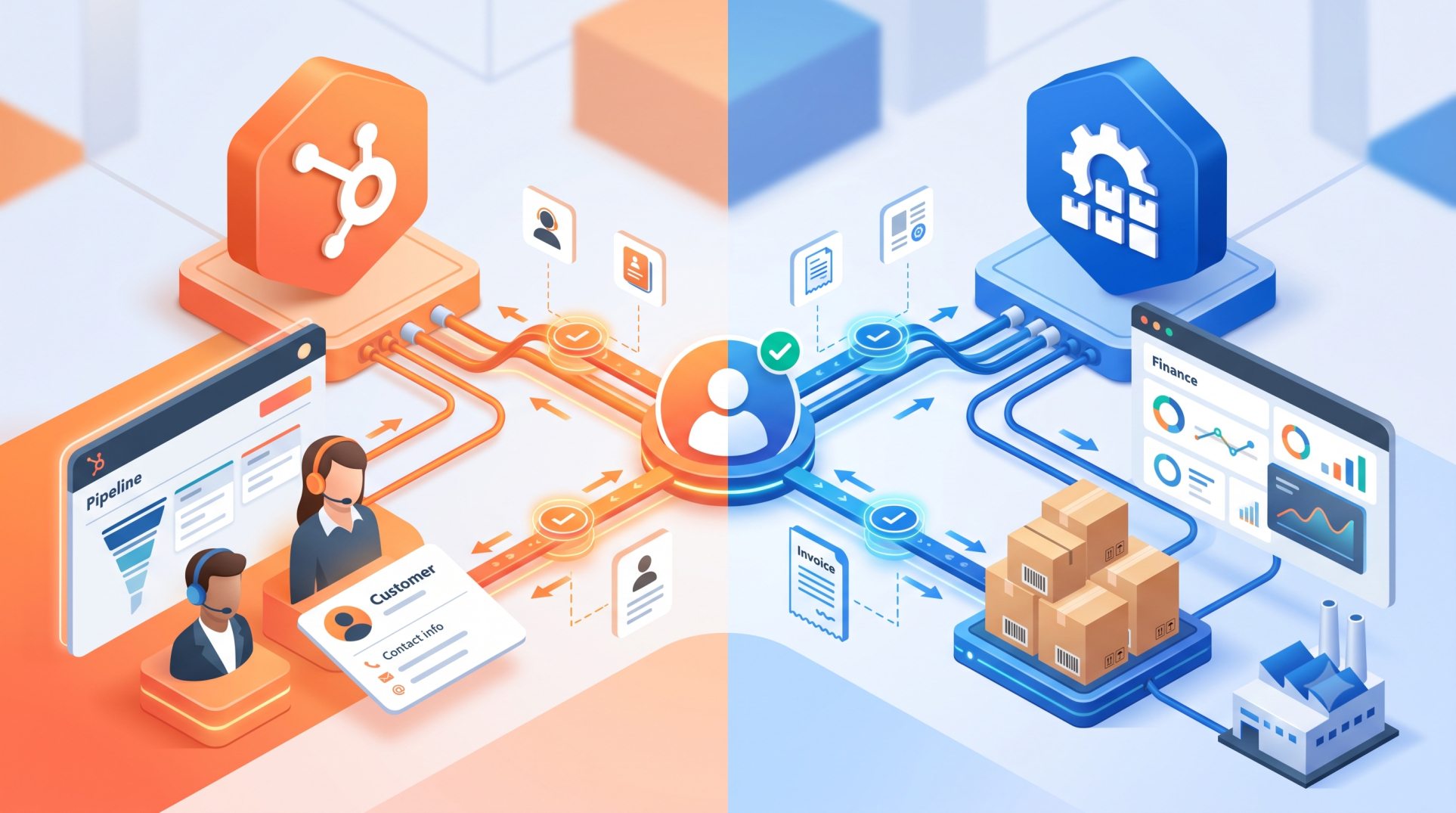
- Integration with CRM and marketing platforms
ERP software differs frommarketing automation tools. ERP generally focuses on business operations,financial information, resources, and procurement. Marketing automationplatforms handle activities such as email campaigns, lead nurturing, audiencesegmentation, and campaign execution.
Integrating thesesystems can help businesses compare marketing expenditure with sales andfinancial information. Detailed campaign metrics, including impressions,click-through rates, and conversion attribution, usually come from advertisingand analytics platforms.
Life Sciences ERP Software: Inventory, Traceability and Quality
Life sciences businesses,including pharmaceutical companies, biotechnology firms, and scientific product distributors, may have complex inventory, procurement, quality, anddocumentation requirements.
Life Sciences ERP Software can help coordinate these processes when the appropriate capabilities areavailable.
Important features toevaluate include:
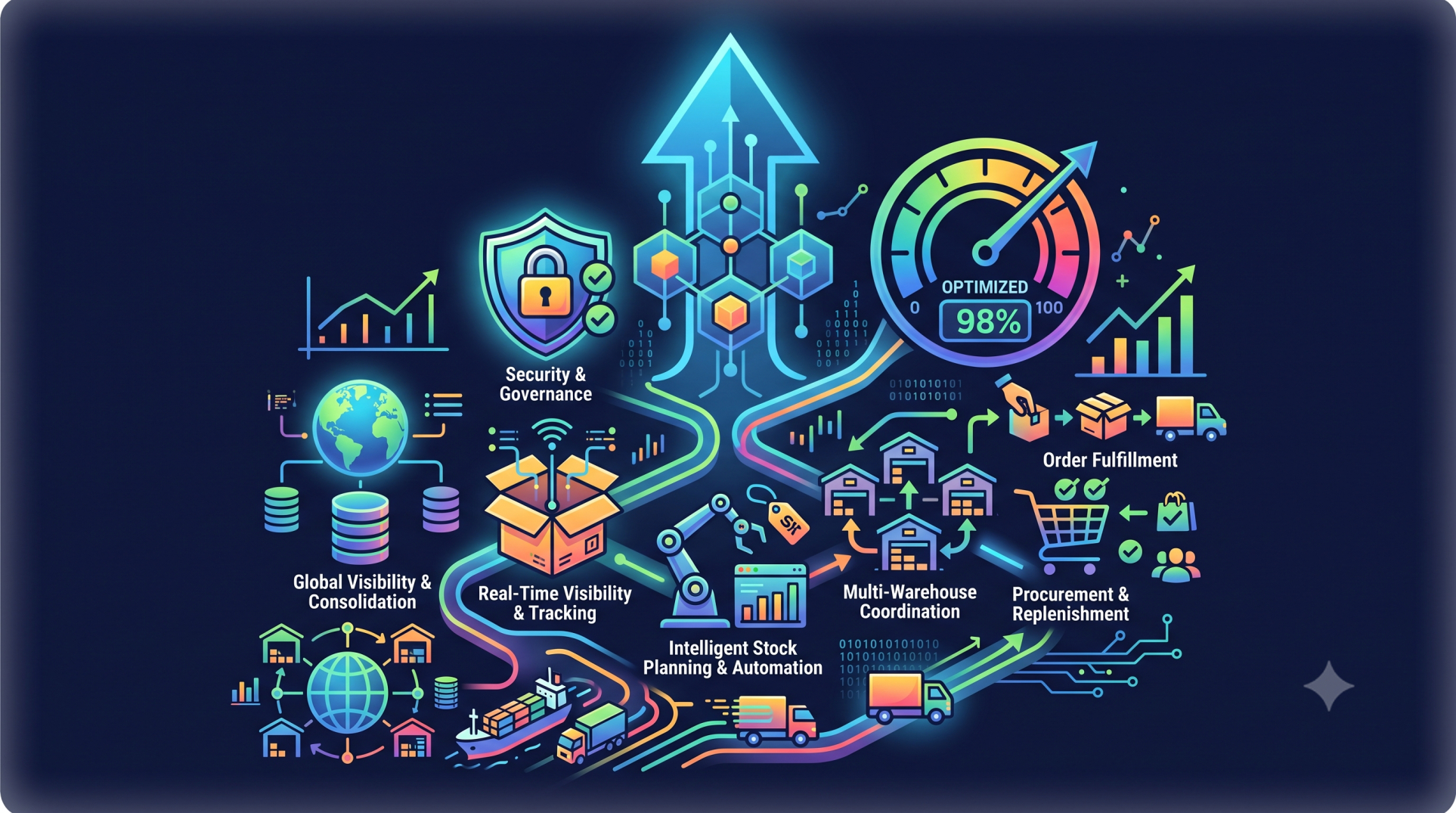
- Inventory and materials management
- Batch and lot traceability
- Expiry date monitoring
- Procurement and supplier controls
- Production and material planning
- Quality management workflows
- Document control and audit trails
- Product costing and financial reporting
- Order and distribution management
- Integration with laboratory systems
For example, a scientificproduct distributor may need to identify which warehouse received a particularbatch, where the products were stored, and which customer orders included thatbatch. Appropriate traceability functionality can help employees retrieve thisinformation more efficiently.
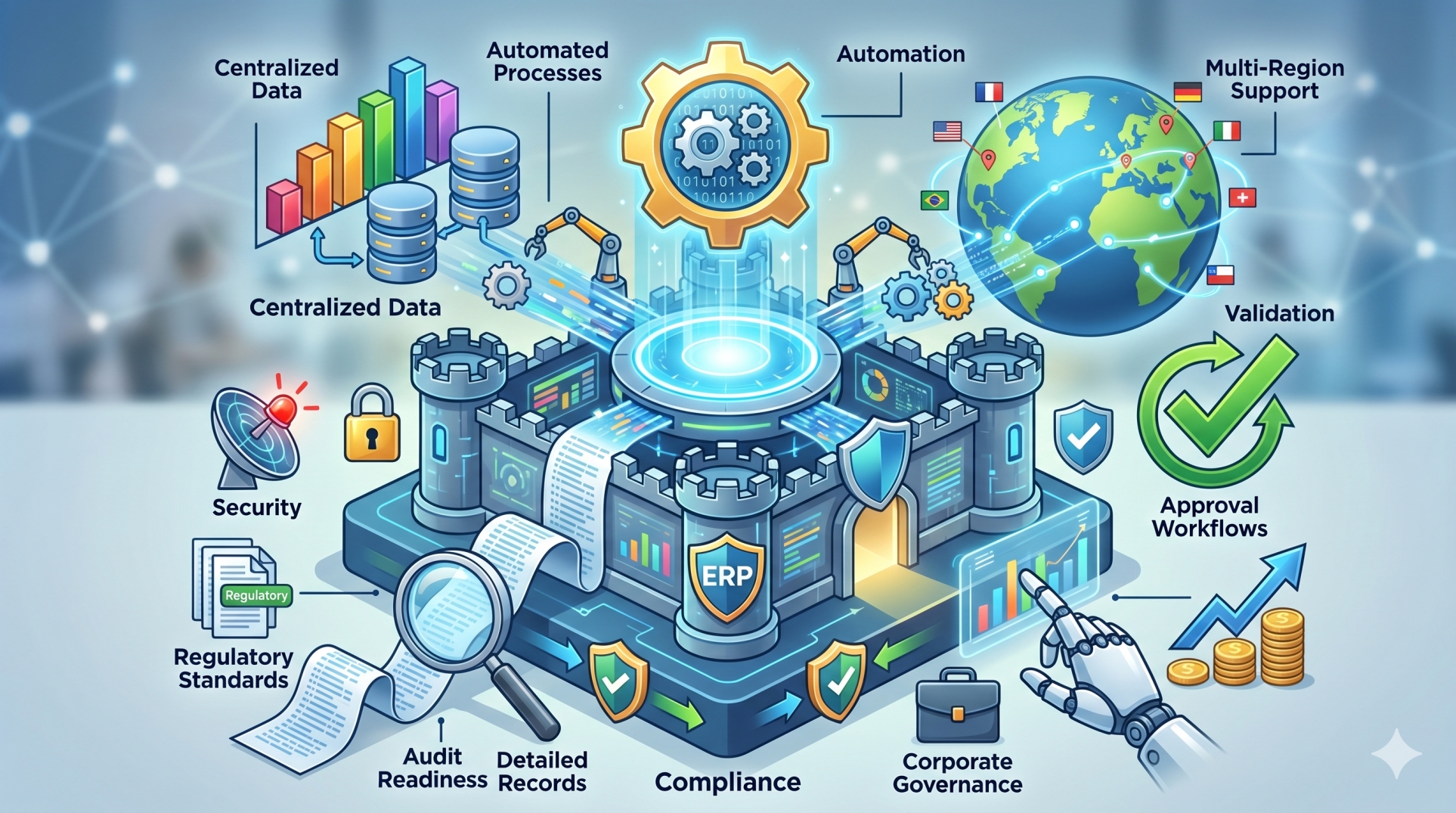
Businesses operatingin regulated environments must also assess system validation, electronicrecords, access controls, and applicable regulatory requirements. ERP softwarealone does not guarantee compliance. Specialist quality management orlaboratory systems may also be necessary.
Key Benefits of ERP Software Across Industries
When selected andimplemented effectively, ERP software can provide several operationaladvantages:
- Improved visibility: Connect financial and operational information across departments.
- Better cost control: Compare budgets with actual expenses and identify variances.
- Efficient resource planning: Allocate employees, materials, and budgets according to business needs.
- Stronger procurement management: Improve visibility into supplier costs and purchasing commitments.
- Reduced manual administration: Minimize repetitive data entry through suitable workflows.
- More consistent reporting: Give managers better information for planning and decision-making.
- Business scalability: Support changing operational requirements as the organization grows.
Actual results depend onsystem suitability, data quality, employee adoption, and implementationpractices.
How to Choose the Right ERP Software
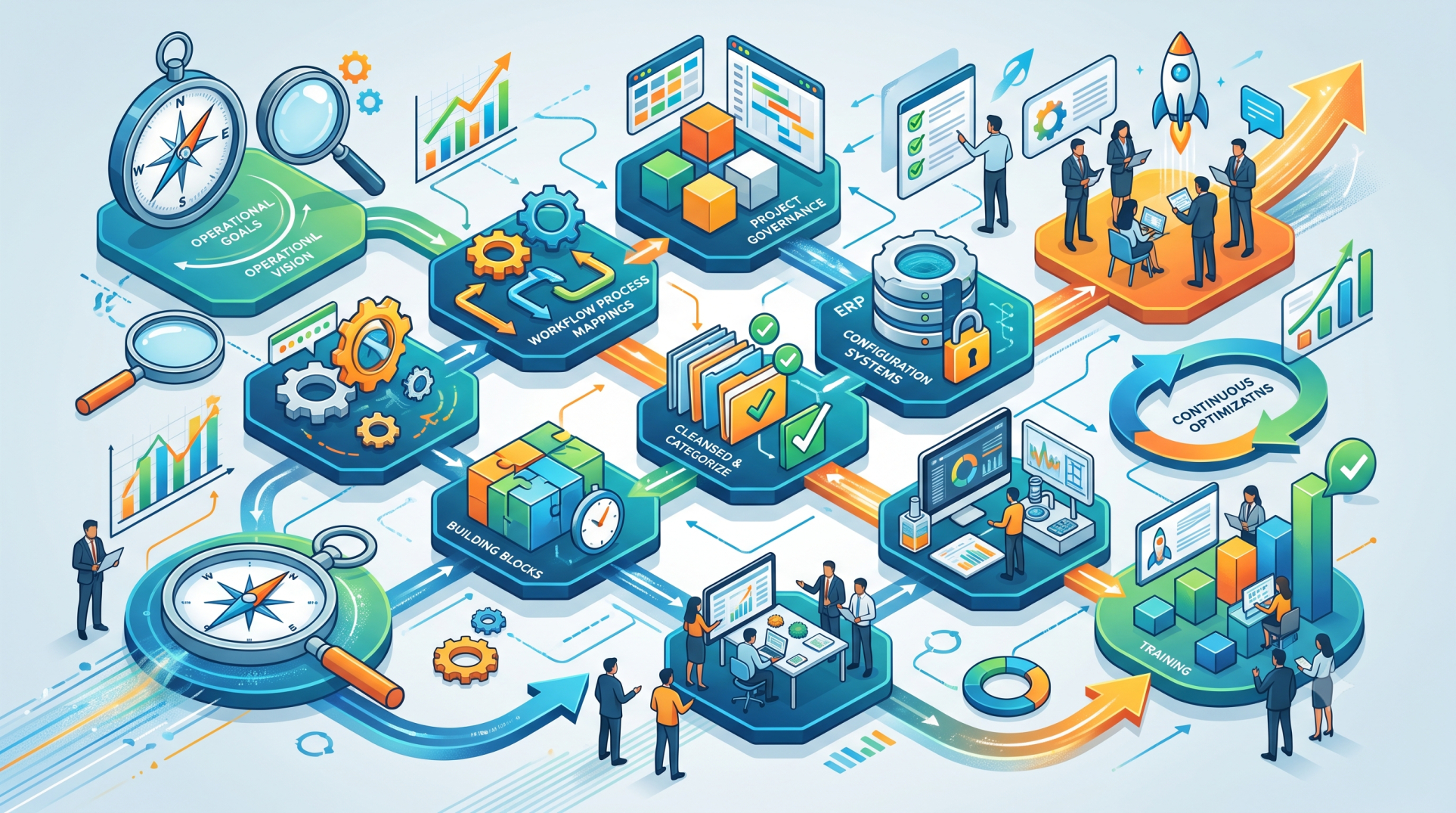
Before choosing an ERPplatform, businesses should define their priorities and evaluate solutionsagainst practical requirements.
- Identify current operational challenges.
- Map essential business workflows.
- Prioritize industry-specific features.
- Review integrations with existing applications.
- Establish an implementation and ongoing budget.
- Evaluate reporting, security, and access controls.
- Request demonstrations using realistic business scenarios.
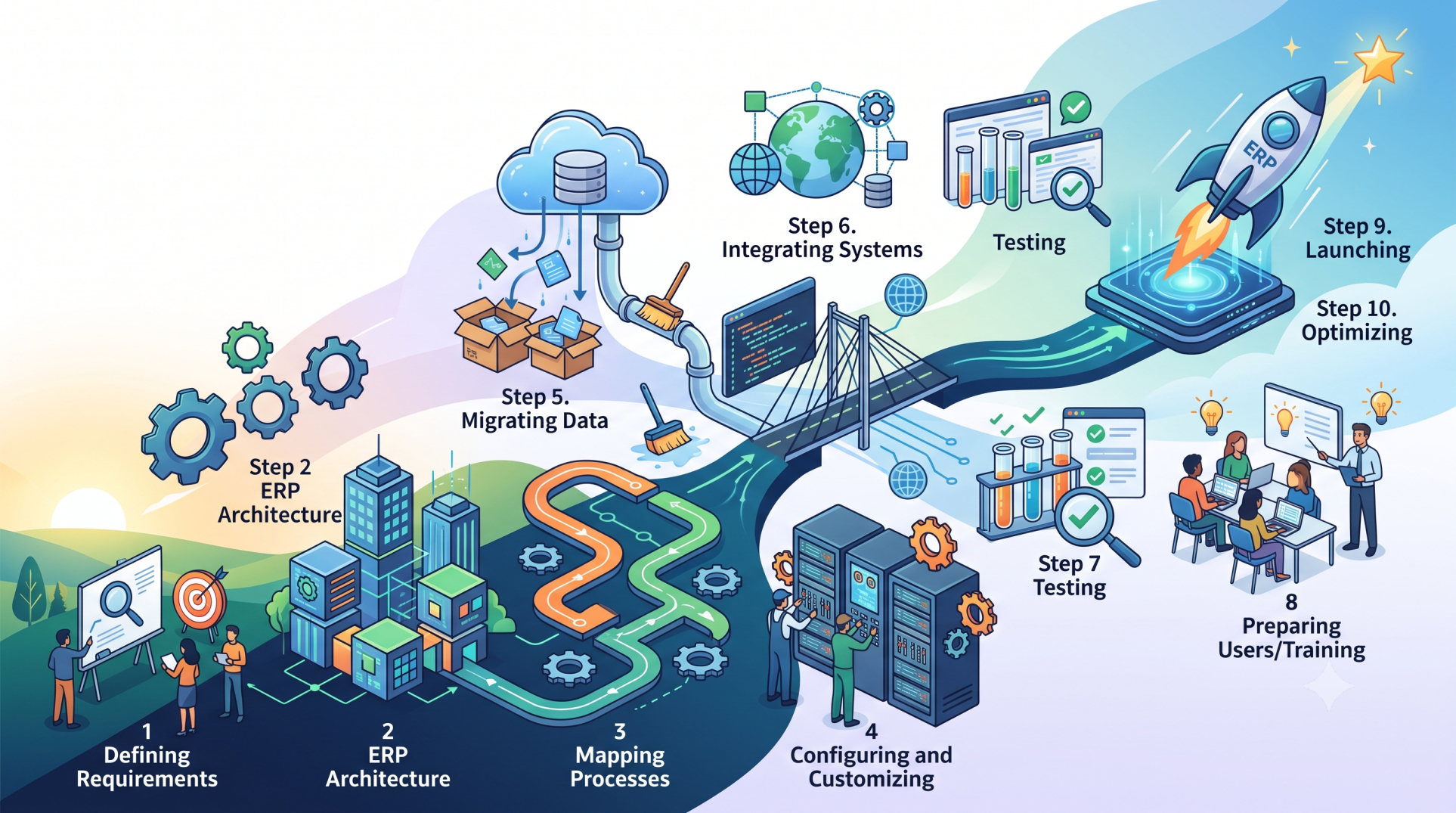
- Review data migration, training, and support arrangements.
- Define measurable performance goals.
- Confirm scalability and long-term requirements.
For advertising agencies,project profitability and staff utilization may be the main priorities.Marketing teams may focus on budget visibility and resource planning, whilelife sciences businesses may prioritize traceability and quality processes.
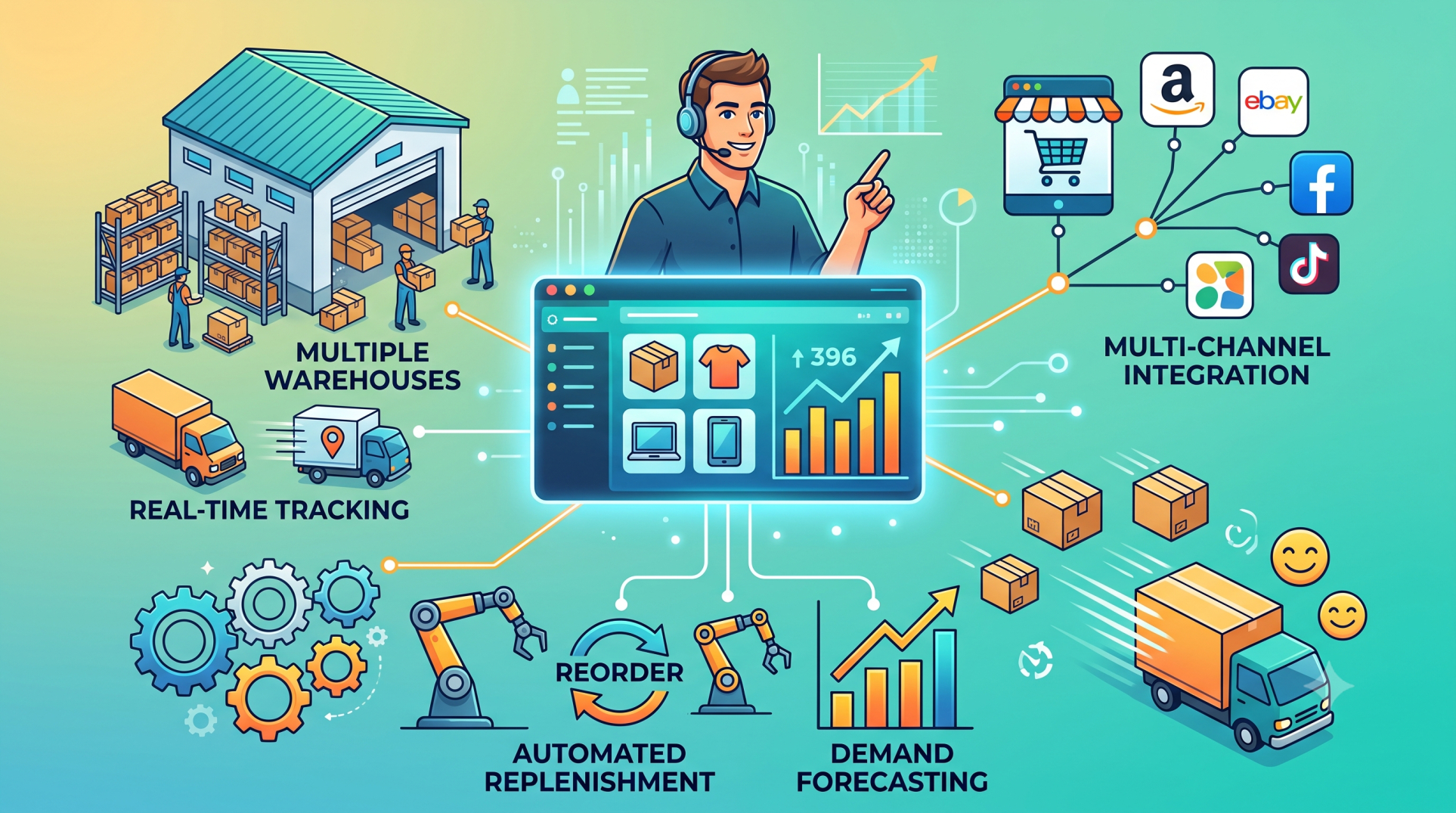
ERPSoftware.com presentsbusiness management capabilities involving areas such as inventory, financialoperations, sales forecasting, and business insights. Businesses consideringthe platform should verify which project management, marketing workflow, andlife sciences features are available before making a decision.
Frequently Asked Questions
1. What is AdvertisingAgency ERP Software?
It is ERP softwareconfigured to support agency operations such as project costing, resourceallocation, supplier expenses, invoicing, and financial reporting.
2. What is Marketing ERPSoftware?
Marketing ERP Softwaresupports budgeting, procurement, resource planning, expense tracking, andfinancial reporting for marketing teams and businesses.
3. Can ERP software helpadvertising agencies manage project costs?
Yes. Appropriate projectaccounting features can help agencies compare estimated and actual expenses,monitor staff hours, and evaluate project profitability.
4. What is Life Sciences ERPSoftware?
It is ERP software used tomanage business processes such as inventory, procurement, production planning,traceability, and financial reporting in life sciences organizations.
5. Can ERP software managebatch tracking and expiry dates?
Some ERP systems supportbatch tracking, lot traceability, and expiry monitoring. Businesses shouldverify these capabilities before selecting a platform.
6. Is ERP software the sameas project management software?
No. ERP connects broaderbusiness processes, including finance and procurement, while project managementsoftware primarily focuses on tasks, schedules, and collaboration. The systemscan complement each other.
7. Does life sciences ERPsoftware guarantee regulatory compliance?
No. Compliance depends onapplicable regulations, system capabilities, configuration, validation,documentation, and established business procedures.
8. How should businesseschoose an ERP system?
Businesses should compareindustry requirements, essential features, integration options, implementationcosts, security, training, and ongoing support.
Explore ERP Software forYour Business
The right ERP softwareshould address the operational challenges that matter most to your organization. Advertising agencies may need stronger project cost control,marketing teams may require better budget visibility, and life sciencesbusinesses may need reliable inventory and traceability processes.
Explore ERPSoftware.com toreview the available capabilities and determine whether the platform alignswith your business requirements. Before committing, confirm the requiredfeatures, integrations, implementation support, and long-term costs.
See more blogs
You can all the articles below